
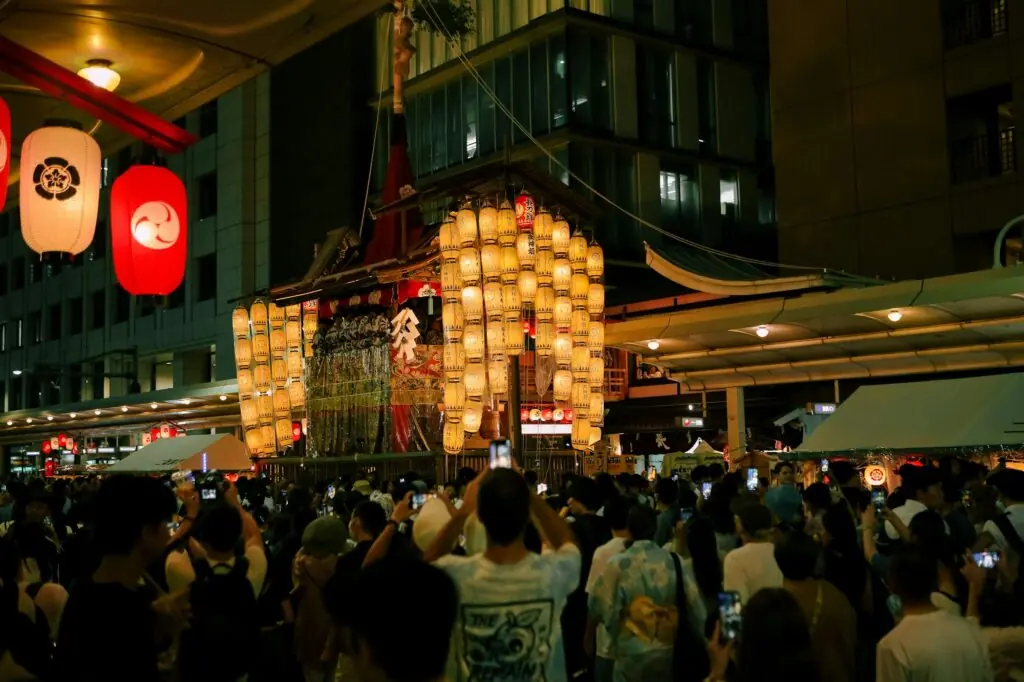
Gion Matsuri 2026 is Japan’s greatest festival: it runs throughout the entire month of July in Kyoto, with 33 floats parading on 17 and 24 July. Born in 869 in response to a devastating plague, inscribed on UNESCO’s Intangible Cultural Heritage list in 2009, it draws over a million visitors every year. Tickets for reserved seating (6,000–8,000 JPY) have been on sale since 1 June 2026. Book your accommodation at least four months in advance.
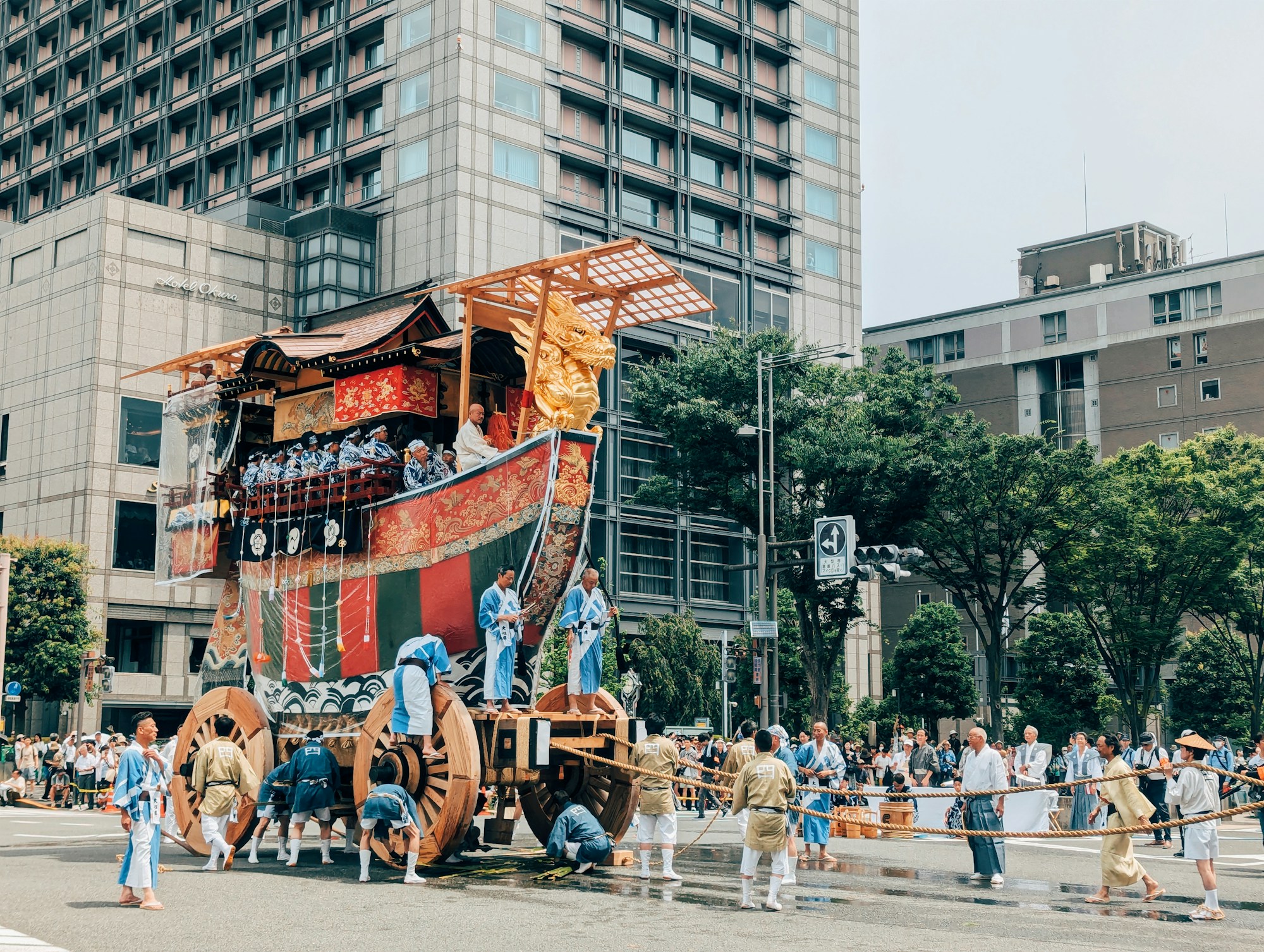
The first time I watched a hoko turn 90 degrees in a Kyoto street, I held my breath. A twelve-tonne wooden tower, twenty-five metres tall, draped in sixteenth-century Flemish tapestries — and fifty men hauling ropes over wet bamboo poles to pivot it in a single, thunderous movement. The crowd roars. The musicians on board don’t miss a beat. That’s the tsujimawashi, and it’s the most breathtaking moment of Gion Matsuri 2026 in Kyoto.
This festival isn’t a tourist show staged for cameras. It’s an unbroken purification rite dating back to 869, sustained by merchant guilds that have weathered wars, fires, epidemics — and even Covid. Each of the 33 yamaboko belongs to a neighbourhood association that maintains it, funds it and marches it through the streets. Some of the floats carry textiles more precious than anything you’d find in most European museums.
In July 2026, Kyoto will be at peak summer capacity — Japan welcomed a record 42.7 million overseas visitors in 2025. But those who plan carefully will experience something genuinely irreplaceable: six evenings of yoiyama with the city glowing under lantern light, two float processions unlike anywhere else on earth, and the chance to step inside traditional townhouses that open their doors just once a year.
Eleven hundred and fifty years of history: the festival born against the plague
869: the goryo-e, a rite against epidemic
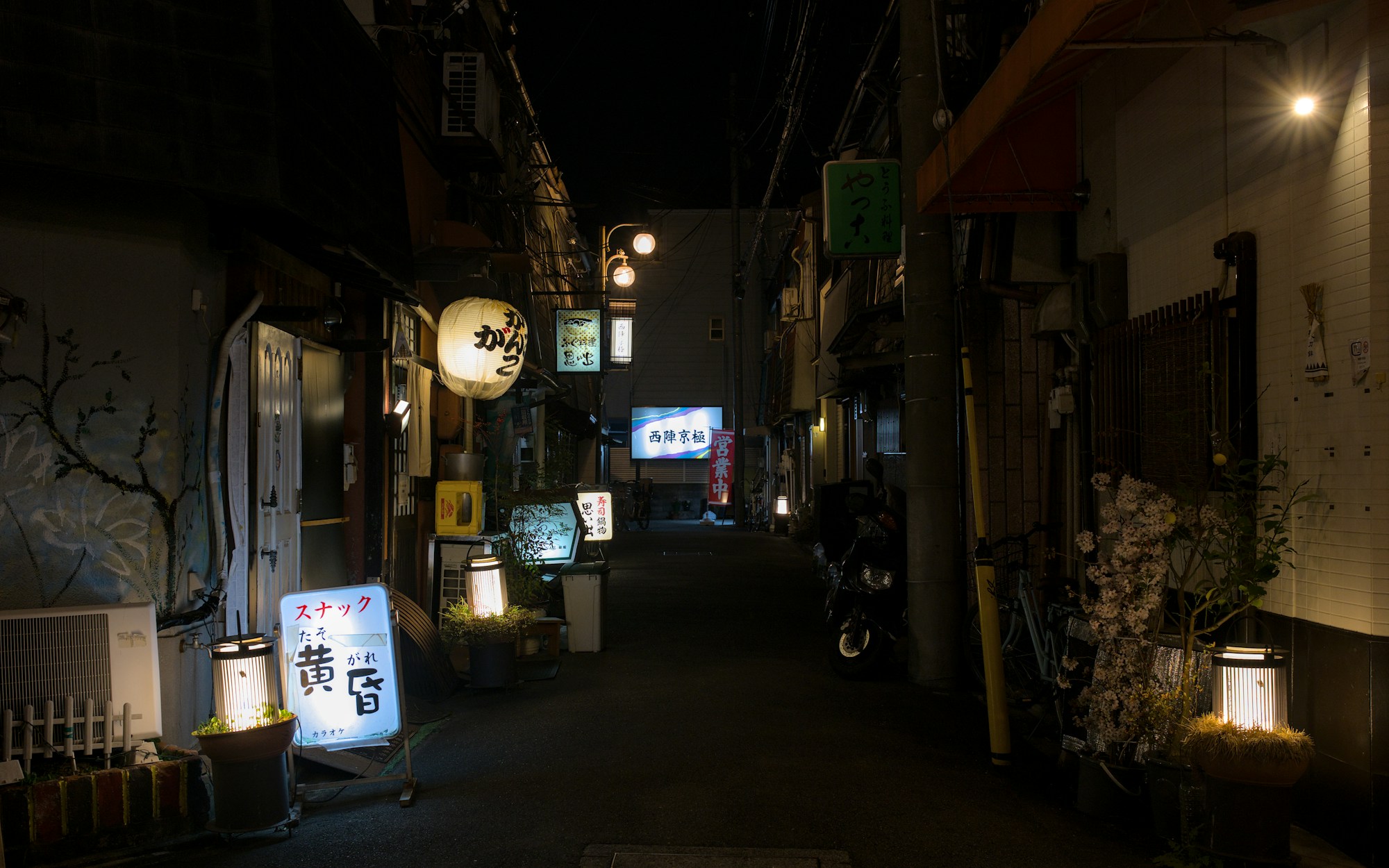
In 869, an epidemic ravaged Kyoto, then Japan’s imperial capital. Emperor Seiwa ordered prayers to the god Susanoo-no-Mikoto at the Gion shrine. According to Yasaka Shrine, sixty-six halberds — one for each province of Japan — were planted in the Shinsen-en pond of the Imperial Palace to drive away malevolent spirits. This ritual was called the goryo-e (御霊会), the ceremony of purifying vengeful spirits. It became an annual event from 970 onwards.
It was during the Muromachi period (1336–1573) that Kyoto’s prosperous merchants transformed the ritual halberds into vast moving architectural structures. The yamaboko emerged from this fusion of religious rite and civic pride. After the city was almost entirely destroyed during the Onin War (1467–1477), it was the merchant guilds themselves — without state or temple support — who rebuilt the floats and revived the festival. That spirit of communal resilience remains at the heart of Gion Matsuri’s identity.
UNESCO and national heritage
- 1979: the yamaboko are designated an important cultural property by Japan’s Agency for Cultural Affairs
- 2009: the Yamahoko Junko processions are inscribed on UNESCO’s Intangible Cultural Heritage of Humanity list
- 2016: inscription extended to the group of 33 Japanese float festivals (Yama, Hoko, Yatai)
- One of Japan’s three Grand Festivals (Sandai Matsuri), alongside Tenjin Matsuri in Osaka and Kanda Matsuri in Tokyo
Yasaka Shrine: guardian of the festival
Yasaka Shrine (Yasaka-jinja, Higashiyama district) is the festival’s spiritual home. It houses three mikoshi (sacred portable shrines) that are carried through the city centre on 17 and 24 July, and hosts the closing ceremony Nagoshi no Harae on 31 July. Free entry 24 hours a day — it’s the unmissable starting point for any visit to the Gion district.
The 2026 programme: 33 floats, two processions, six enchanted nights
Saki Matsuri — 17 July 2026: 23 floats, 9:00–13:00
This is the main procession. According to kyoto.travel, twenty-three yamaboko set off from the Shijo-dori/Karasuma-dori intersection at 9:00, head east along Shijo, turn north onto Kawaramachi, then travel west along Oike-dori to the Karasuma junction — a three-kilometre route taking roughly four hours.
Standout floats of the Saki Matsuri
- Naginata Hoko — always leads (exempt from the lottery). Its chigo (sacred child) ritually cuts a shimenawa rope to mark the official start of the procession. The naginata blade at the summit measures six metres.
- Tsuki Hoko — the heaviest float (12 tonnes, 25 m), the most majestic, in continuous service since before 1467. Its side panels illustrate scenes from the Ramayana — a living link to the Silk Road.
- Toro Yama — the unique automaton float: a mechanical praying mantis whose legs and wings move with every turn of the wheel. Restored in 1981, it captivates adults and children alike.
- Koi Yama — carries a sixteenth-century Flemish tapestry gifted by Pope Paul V, which arrived in Japan via Rome and Manila: the oldest Flemish tapestry preserved outside Europe.
Ato Matsuri — 24 July 2026: 10 floats, 9:30–11:50
According to Japan-Guide, the Ato Matsuri is often the choice of travellers who want to experience the festival without the extreme crowds of 17 July. Ten different floats, a duration of just two hours twenty minutes, and a noticeably calmer atmosphere. The route runs in reverse: departure from the Karasuma-Oike intersection.
- Taka Yama — the falconer float, back in procession since 2022 after an absence of one hundred and ninety-six years. Rebuilt through crowdfunding, adorned with exceptionally rare Persian rugs.
- Ofune Hoko — the great ship float, restored in 2014 after one hundred and fifty years off the streets (reconstruction cost: 120 million JPY). It echoes the Fune Boko of the Saki Matsuri.
- The Hanagasa Junko procession also begins on 24 July at 10:00: a thousand participants — geiko, maiko, children on horseback — parade beneath flower-adorned parasols.
The Yoiyama evenings (14–16 and 21–23 July)
Six evenings of pedestrianised streets in central Kyoto (18:00–23:00). The floats are lit by hundreds of komagata lanterns; musicians on board play the Gion-bayashi (flutes, gongs, drums). Street-food stalls (yatai) spill onto the pavements, offering takoyaki, kakigori (shaved ice) and yakitori. According to hiddenjapan-gems.com, the evening of 14 July (Yoiyoiyoiyama) tends to be slightly less crowded than 15 and 16 July — ideal for getting your bearings at a gentler pace.
During the Saki Matsuri Yoiyama evenings (14–16 July), the Byobu Matsuri offers a rare moment: certain machiya townhouses in the yamahoko-cho streets open their facades to display their antique folding screens (byobu), lacquerware and porcelain, passed down through generations. It’s the only time of year these private interiors are accessible. Free entry.
Float construction: 10–14 and 18–21 July
Less well-known but utterly absorbing: watching craftsmen assemble the yamaboko in Shijo and Karasuma streets using the nawa-garami technique — rope only, not a single nail. Freshly cut wooden beams are lashed together with hundreds of metres of hemp cord. Freely accessible during the day.
How to make the most of the festival: spots, timing and etiquette
The winning strategy: pick one angle
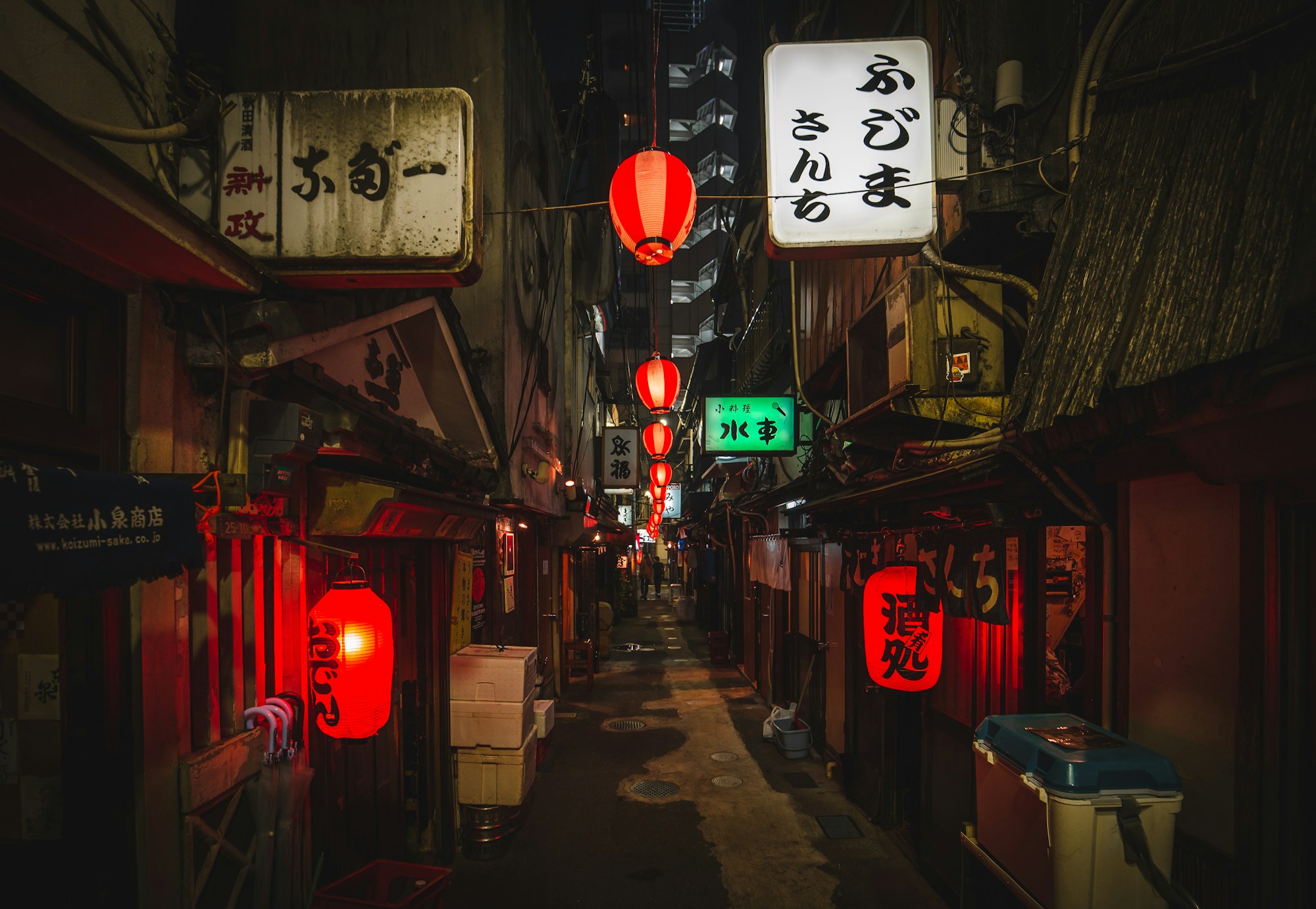
The temptation to « see everything » is the number one mistake. The visitors who leave most satisfied chose one single angle: either the Yoiyama evenings, or the 17 July procession, or the 24 July procession (smaller crowds, different floats), or the float construction (10–14 July). Spreading yourself across multiple angles in a short trip produces exhaustion rather than a memorable experience.
Best spots for the 17 July procession
- Shijo-Karasuma intersection (departure) — arrive before 8:00 for a free front-row position
- Shijo-Kawaramachi intersection — the best spot to watch the tsujimawashi (90° pivot of 12-tonne towers on wet bamboo)
- Oike-dori western stretch — less crowded, more space, floats in continuous procession
- Oike-dori reserved seating — 6,000 JPY (second row) or 8,000 JPY (front row), on sale from 1 June 2026 via Ticket Pia and Seven-Eleven (code P: 660-714). The Learning Seat (14,500 JPY, 24 July) includes an English audio commentary.
Optimal timing for the Yoiyama evenings
The yukata, chimaki and goshuin
Wearing a yukata (summer cotton kimono) to the festival is both practical (lightweight fabric against the heat) and socially appreciated. Hire one for 4,000–7,000 JPY, hair styling included. Wear it left side crossing over right — the reverse is reserved for the deceased.
Chimaki at Gion Matsuri are woven bamboo amulets (not to be confused with the rice dumpling of the same name) bearing the inscription « Somin Shorai Shison Nari » — protection against epidemics. Hang one at your front door for the year. Each float sells its own version with its own meaning: 800–1,000 JPY, available during the Yoiyama evenings. Goshuin (seal stamps from each float) can be collected in a special notebook.
Essential etiquette
- Never touch the floats — they are sacred objects in the course of a ritual
- Gion’s private alleyways have been off-limits to tourists since April 2024 (fine: 10,000 JPY)
- Photos of geiko and maiko without consent are prohibited (fines up to 500,000 JPY for physical obstruction)
- Heat: 33–36°C with 82–89% humidity. A folding fan, water bottle, Pocari Sweat and a parasol are essential. Plan visits for early morning or evening.
- Yatai stalls operate exclusively in cash (Japanese yen). Bring 1,000 JPY notes.
Budget and logistics: how to plan your trip for July 2026
Getting to Kyoto
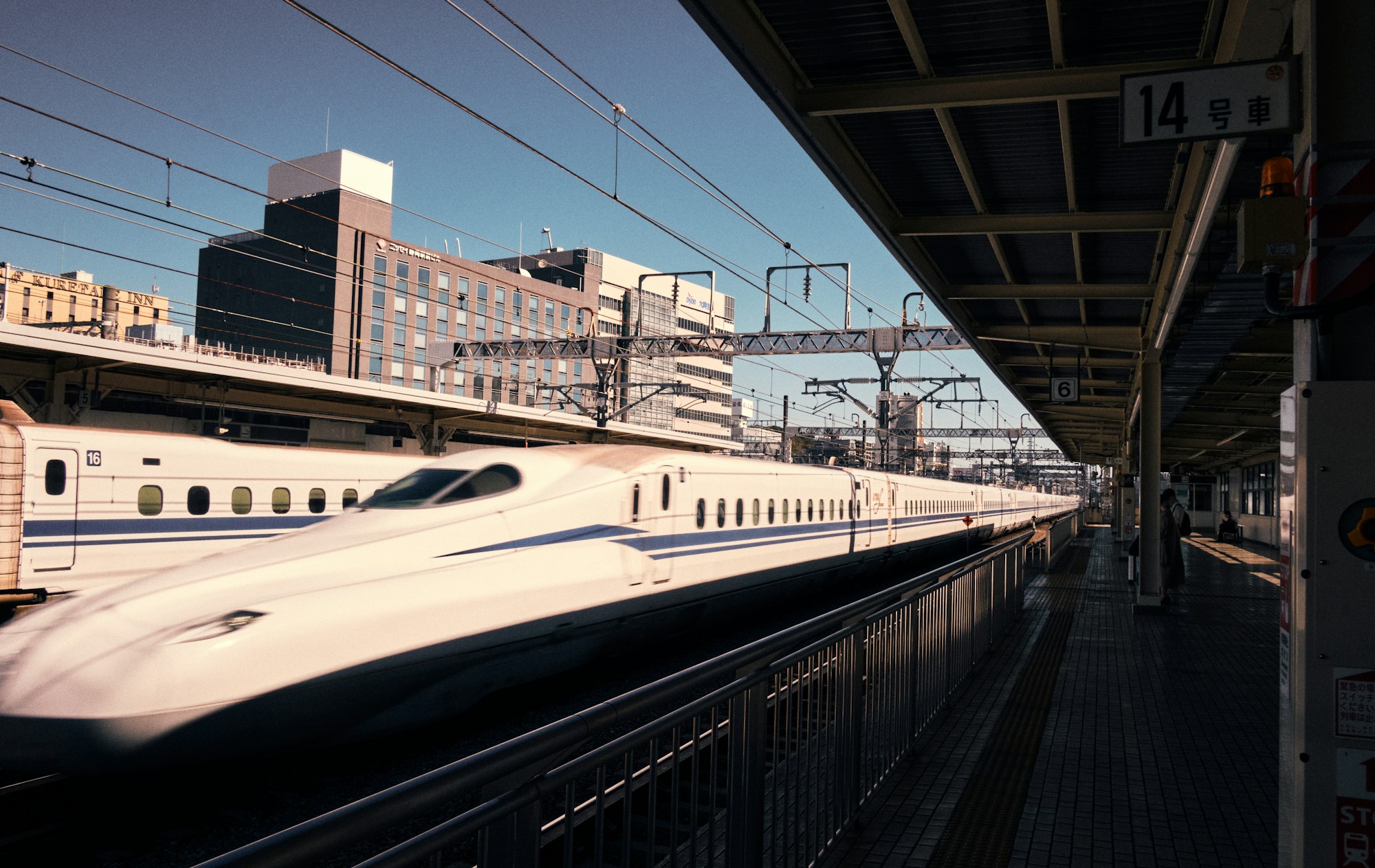
According to japantrain.net, the 7-day JR Pass (50,000 JPY) is not worth it for a straightforward return trip between Tokyo and Kyoto (around 27,940 JPY in individual tickets). It becomes good value only if your itinerary includes Hiroshima, Kyushu or other distant destinations. To plan a wider Japan itinerary, see our complete Japan guide.
Budget tip: staying in Osaka cuts accommodation costs by 30–50%, with Kyoto just thirty minutes away (JR Special Rapid, 570 JPY). Bonus: Osaka’s Tenjin Matsuri on 24–25 July coincides with the Ato Matsuri, letting you catch two great festivals back to back. See also our practical Japan travel tips — IC Cards, cashless payments, apps and on-the-ground advice.
Accommodation in Kyoto in July 2026
Golden rule according to japanhacksguide.com: book your accommodation for the nights of 14–18 July (and 21–25 July for the Ato Matsuri) at least four months in advance. Weekend nights cost 20–40% more than weeknights.
| Accommodation type | Price/night (off-festival) | Price/night (July festival) |
|---|---|---|
| Hostel / capsule | 3,000–5,000 JPY | > 6,500 JPY |
| Business hotel | 10,000–18,000 JPY | > 20,000 JPY |
| Ryokan with kaiseki | 28,000 JPY | 28,000–55,000 JPY |
Getting around Kyoto
- Karasuma subway line: Shijo station, 5 minutes from Kyoto Station (220 JPY). The most reliable route on festival days.
- IC Card (Suica / ICOCA): top up at Kyoto Station, accepted across the entire network (metro, buses, convenience stores, vending machines).
- No parking: city-centre roads are closed on procession days and throughout the Yoiyama evenings. Avoid private vehicles entirely.
Estimated daily budget
| Item | Budget (JPY/day) | Mid-range (JPY/day) |
|---|---|---|
| Accommodation | 4,000–6,500 | 15,000–20,000 |
| Meals | 1,500–3,000 | 5,000–8,000 |
| Local transport | 500–1,000 | 1,000 |
| Tickets / seating | 0 (free) or 6,000–8,000 | 6,000–8,000 |
| Yatai + chimaki | 2,000–3,000 | 3,000–5,000 |
| Estimated total | 8,000–13,500 | 25,000–34,000 |
Plan your trip: eSIM and travel insurance
KDDI/SoftBank network. Connect instantly on landing to navigate Google Maps through festival lanes, translate in real time and share your float photos. From $4 for 1 GB / 3 days. Activate before you leave.
From $4July in Kyoto means 33–36°C and 89% humidity. Heat exhaustion during morning processions is a real risk. SafetyWing’s Nomad Insurance covers medical costs, repatriation and cancellation — from $56 per 4 weeks. Get 10% off via our link.
From $56 / 4 weeksFrequently asked questions about Gion Matsuri 2026
Do you need to buy a paid ticket to watch the Yamaboko Junko procession at Gion Matsuri?
No — the procession is free to watch anywhere along the entire 3 km route. Reserved seating (6,000–8,000 JPY) on Oike-dori guarantees a seat and an official programme booklet. The Learning Seat (14,500 JPY, 24 July) includes an English audio commentary. Tickets have been on sale since 1 June 2026 via Ticket Pia and Seven-Eleven.
What is the difference between the 17 July and the 24 July procession at Gion Matsuri?
17 July (Saki Matsuri) features 23 floats, lasts four hours and draws the biggest crowds (300,000–500,000 people on the preceding Yoiyama evenings). 24 July (Ato Matsuri) showcases 10 different floats — including the restored Taka Yama and the Ofune Hoko — in just two hours twenty minutes, with significantly fewer people. The 24 July procession is often the best option for families and photographers.
What is the tsujimawashi and where is the best place to watch it at Gion Matsuri?
The tsujimawashi is the manoeuvre in which the wheeled hoko towers (12 tonnes each) are pivoted 90 degrees at intersections. Because the floats have no steering mechanism, crews lay split wet bamboo poles under the front wheels, then pull with 40–50 men simultaneously to rotate the entire structure. Each turn takes roughly 10 minutes per float. The best spot to watch is the Shijo-Kawaramachi intersection during the 17 July procession.
Is the JR Pass worth buying for the trip from Tokyo to Kyoto for Gion Matsuri?
For a straightforward return trip between Tokyo and Kyoto, no — individual tickets (around 27,940 JPY return) work out considerably cheaper than the 7-day JR Pass (50,000 JPY). The JR Pass becomes worthwhile only if your itinerary also includes Hiroshima, Kyushu or other distant destinations. From Osaka, Kyoto is a 30-minute ride for just 570 JPY.
What are the rules to follow in the Gion district during the festival?
Since April 2024, Gion’s private alleyways (Hanamikoji and surrounding streets) have been off-limits to tourists, with fines of 10,000 JPY. Non-consensual photography of geiko and maiko is prohibited. Never touch the floats — they are sacred objects. Wear your yukata with the left side crossing over the right. Yatai stalls are cash only — bring 1,000 JPY notes.
How do you cope with the heat at Gion Matsuri in July?
July in Kyoto: 33–36°C with 82–89% humidity. Pack a folding fan, parasol and a bottle of Pocari Sweat (electrolyte drink). Aim for evening visits (17:30–18:30) rather than the midday heat. During morning processions (9:00–13:00), drink before you feel thirsty. Air-conditioned shelters are opened by the city council during heat alerts. Heat exhaustion (netsusho) is a genuine risk in packed streets.
- Yasaka Shrine (yasaka-jinja.or.jp) — official 2026 programme
- Kyoto Travel — Gion Matsuri Guide — programme and tickets
- Kyoto Travel — Reserved seating 2026
- Kyoto Travel — Hotel tax 2026
- Japan-Guide — Gion Matsuri
- JNTO — Gion Matsuri — recognition as a major national festival
- gionfestival.org — Complete list of yamaboko floats
- gionfestival.org — Ancient textiles of the floats
- hiddenjapan-gems.com — Yoiyama Guide 2026
- japanhandbook.com — Float routes and etiquette guide
- japantrain.net — JR Pass 2026
- Wikipedia — Gion Matsuri
- LiveJapan — Kyoto accommodation tax 2026
- matsurimap.app — Interactive Gion Matsuri 2026 map
Experience Japan’s oldest living festival
Gion Matsuri is more than a trip — it’s 1,150 years of living history unfolding in the streets of Kyoto. Plan ahead now — accommodation, reserved seats, eSIM — and you’ll be in the best possible position to witness one of the most extraordinary experiences any traveller can have in Asia. Book your spot before the hotels sell out.
Build my Japan itinerary