
The Giro d’Italia 2026 made history with three stages in Bulgaria from 8 to 10 May. Paul Magnier (Soudal-QuickStep, aged 22) won stages 1 and 3, with Guillermo Thomas Silva taking the maglia rosa in Veliko Tarnovo. To attend, the best route from the UK is flying to Sofia (from £38, approx. 3h 20min from London Heathrow), renting a car and driving to Nessebar. Since 1 January 2026, Bulgaria uses the euro — no currency exchange needed. For a future cycling trip or to explore Bulgaria beyond the race, Sofia remains the ideal base.
For the first time in its history, the 109th Giro d’Italia started in Bulgaria. Three memorable — and controversial — stages crossed the Black Sea coast, the Balkan hills and the streets of Sofia between 8 and 10 May 2026. For travellers who seized the opportunity, or those planning a future trip to Bulgaria inspired by the Grande Partenza, this guide covers everything you need to know: the stage towns, best spectator spots, logistics, budget and insider tips.
1. The three Bulgarian stages: schedule and best spectator spots
Stage 1 — Nessebar to Burgas (8 May, 147 km)
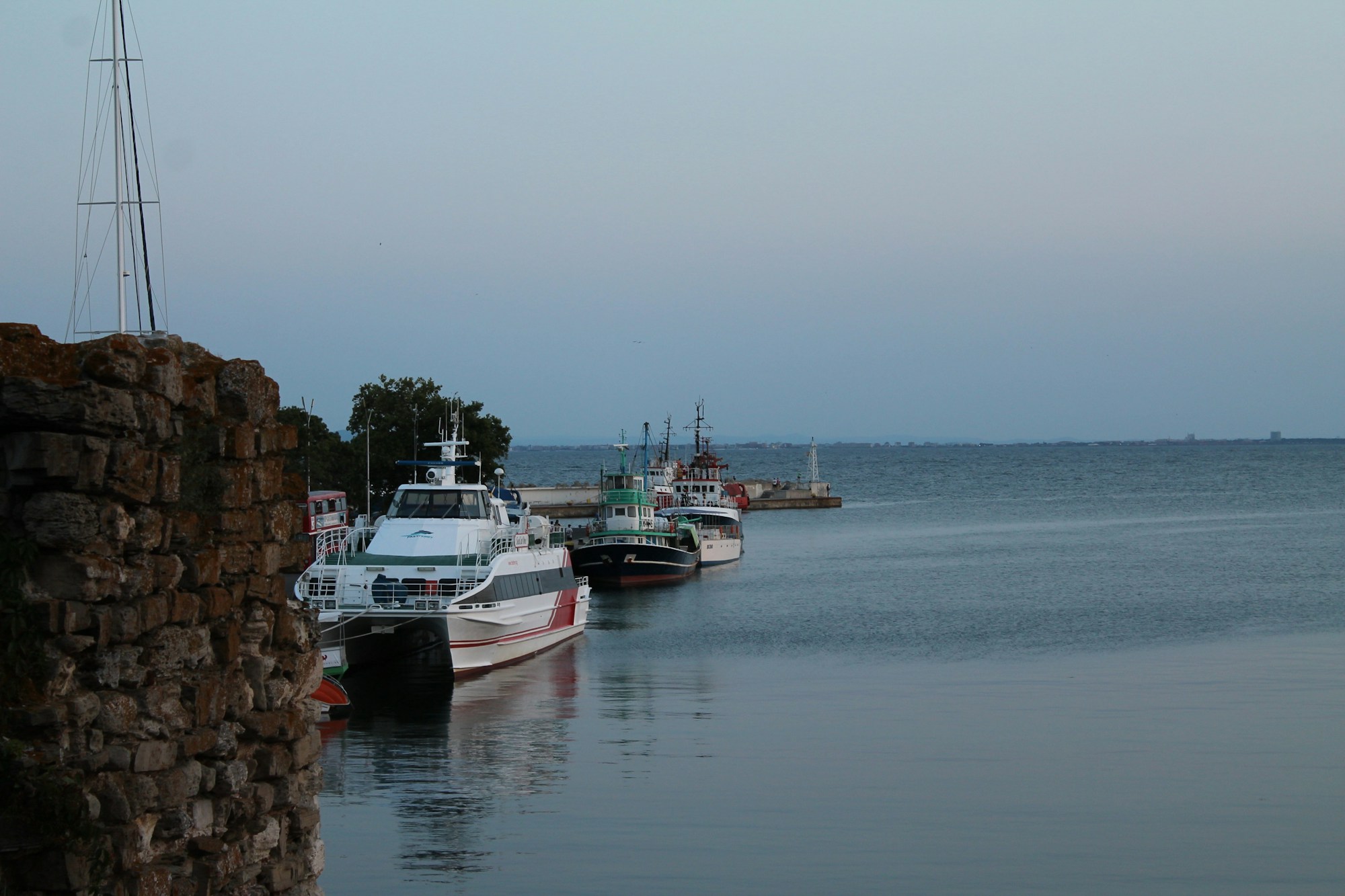
According to the official Giro website, the official start was at 2:00 pm from the medieval peninsula of Nessebar, a UNESCO World Heritage Site since 1983. The riders literally passed through the Byzantine and Ottoman old town before following the Black Sea coastline. Paul Magnier (Soudal-QuickStep, 22) won in a chaotic sprint disrupted by a crash 600 metres from the line, ahead of Tobias Lund Andresen and Ethan Vernon.
Highlights
- Start in the cobbled lanes of Nessebar (UNESCO 1983) — a uniquely medieval atmosphere
- 22 km coastal circuit between Nessebar and Sozopol ridden twice (double passage)
- Finish on Aleksandrovska Boulevard, Burgas’s main thoroughfare — easy access by public transport

Stage 2 — Burgas to Veliko Tarnovo (9 May, 221 km)
According to Cyclingnews, this stage will be remembered as the most dramatic of the three: a mass crash 22 km from the line (30 riders affected, 6 abandonments including Adam Yates), a controversial neutralisation, and a surprise win for Uruguayan Guillermo Thomas Silva (XDS Astana). The key KOM was the Lyaskovets Monastery climb (3.5–3.9 km at 7.5% average, sections at 9–14%, historic cobbles) 11 km from the finish in Veliko Tarnovo.
Highlights
- Lyaskovets Monastery climb: 9–14% gradients, cobbles, riders slowing down — perfect photo opportunity
- Finish in the medieval Tsarevets district — unique atmosphere
- Veliko Tarnovo, former capital of the Second Bulgarian Empire — a must-visit after the stage
Stage 3 — Plovdiv to Sofia (10 May, 175 km)
According to Cyclingnews, 250,000 people lined the streets of Sofia for the finish. Paul Magnier won again ahead of Jonathan Milan and Dylan Groenewegen. The key feature of the route is the Borovets Pass (9.2 km at 5.4% average, summit at 1,320 m altitude, Cat. 2) 72 km from the finish — sprinters then recover on the descent into Sofia. The Giro Park (fan village on Alexander Nevsky Square) was open from 10:00 am to 10:00 pm with free concerts from 6:00 pm.
Highlights
- Borovets Pass (1,320 m): best mountain viewing point, panoramic views over the Balkans — cycle up from the ski resort
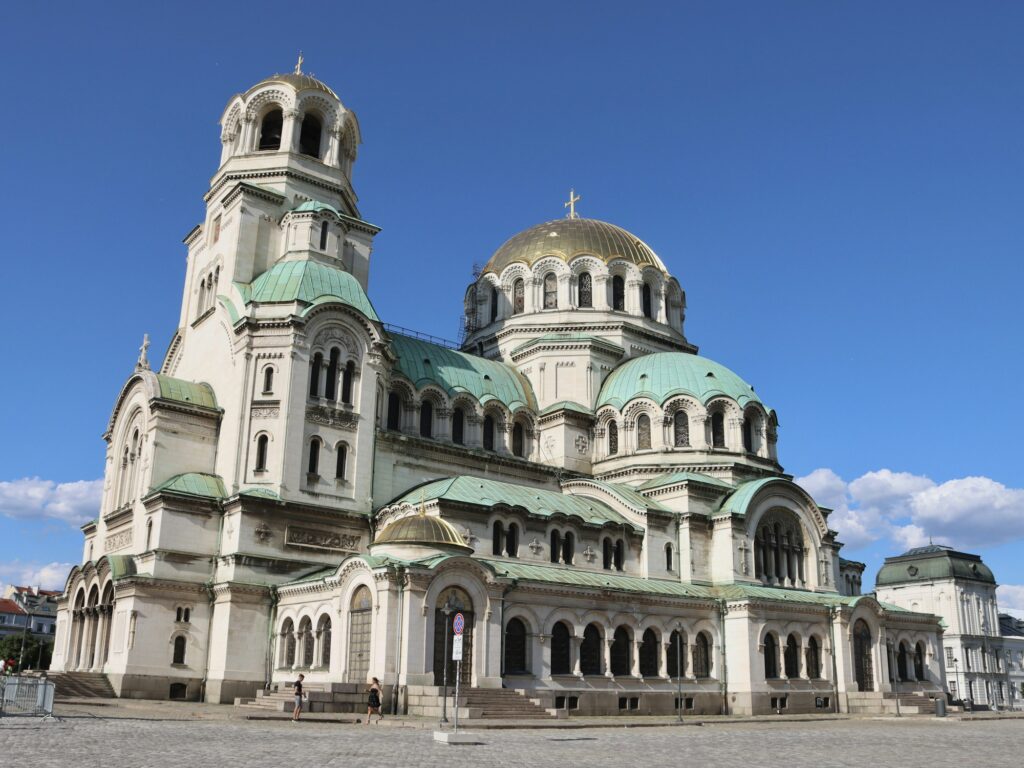
- Finish at Alexander Nevsky Square in Sofia: exceptional festival atmosphere
- Sofia Giro Park: free entertainment, concerts and giant screens all day
2. The four towns to explore around the stages
Plovdiv — start town of Stage 3
According to Lonely Planet, Plovdiv has been continuously inhabited for 6,000 years — one of the oldest cities in Europe. The old town on three hills and the Roman Theatre of Philippopolis (1st–2nd century AD, 5,000–7,000 seats, still used for concerts) are the highlights. The Kapana district (artists, hip cafés) completes the picture. From 8 to 10 May 2026, the 12th Plovdiv Wine and Gastronomy Festival coincided exactly with the Bulgarian stages of the Giro.
Highlights
- Roman Theatre of Philippopolis: 2,000 years of history, still active as a concert venue
- Colourful old town on three hills — cobbled lanes and art galleries
- Ideal base to arrive the evening before Stage 3 (Sofia–Plovdiv bus every 2 hours, £5–£11)
Burgas — base on the Black Sea coast
Burgas is the natural base for the first two Bulgarian stages: Stage 1 finish and Stage 2 start. The city has an international airport (BOJ) — however, direct flights from the UK to Burgas are primarily summer charter routes and were not available in early May 2026. The main attraction is the Sea Garden (Morska Gradina), an 800-hectare coastal park. Just 24 km from Nessebar (30 minutes by bus, regular service every 30 minutes), according to Rome2rio.
Highlights
- The Sea Garden: 5–7 km coastal park, flamingos at Lake Atanasovsko
- 24 km from Nessebar (UNESCO) — bus every 30 minutes, under €1
- Hotel Bulgaria Burgas: rated 9.1/10 from 2,448 reviews, spa, from ~€71/night
Sofia — capital and main logistics hub
Sofia is the natural gateway for any Bulgarian trip around the Giro. According to the ECB, Bulgaria joined the eurozone on 1 January 2026 (historic conversion rate: 1.95583 lev = 1 euro) — no currency exchange needed. Bulgaria Air, British Airways, easyJet, Ryanair and Wizz Air operate flights from London airports (Heathrow, Gatwick, Stansted, Luton) to Sofia from £38, with a flight time of approximately 3 hours 20 minutes. The metro (under €1/ticket) and urban taxis (<£4 per journey) make the city very easy to get around. The day trip to Rila Monastery (120 km, UNESCO site, 10th century) is easily done from Sofia.
Highlights
- Alexander Nevsky Cathedral, Saint Sofia Basilica (6th century) and Roman ruins of Serdica visible in the metro
- Mount Vitosha accessible by bus/tram from the centre for hiking
- Free Sofia Tour (free walking tour + tip): 2–3 hours, yellow-jacketed guides outside the Palace of Justice
3. Flights, car hire and getting around

Flights from London, Birmingham and Manchester
According to Skyscanner, flights from London to Sofia (SOF) are operated by Bulgaria Air (from Heathrow, daily, from £38), British Airways (Heathrow), easyJet (Gatwick), Ryanair (Stansted) and Wizz Air (Luton). Flight time is approximately 3 hours 20 minutes. Burgas Airport (BOJ), closer to Nessebar and Burgas (4 km away), had its runway refurbished in early May 2026 (€50m investment), but direct UK-Burgas flights are primarily summer charter routes and were not available in early May. The optimal strategy for attending all three stages: fly to Sofia, hire a car and drive to the coast.
Highlights
- Direct London-Sofia flights in 3h 20min, multiple low-cost carriers competing on price
- From Birmingham or Manchester: connecting flights via Heathrow, Frankfurt or Vienna (British Airways, Lufthansa, Austrian)
- UK passport required (valid for 3 months beyond your planned departure from the Schengen area, issued less than 10 years ago) — no visa needed for stays up to 90 days

Car hire and getting around Bulgaria
According to Top Rent A Car Bulgaria, car hire is available at all Bulgarian airports with the option to drop off in a different city. The road trip for all 3 stages (Sofia → Nessebar/Burgas → Veliko Tarnovo → Plovdiv → Sofia) covers approximately 1,200 km. BDZ trains are a budget-friendly alternative for the Sofia–Plovdiv leg (from €5, 2h 44min, 4 trains/day). The Sofia metro charges under €1 per journey.
Highlights
- Car hire: Top Rent A Car, Sixt, Europcar available at Sofia Airport (SOF)
- Sofia–Plovdiv bus every 2 hours, 2h 20min, £5–£11 — faster than the train
- Nessebar → Burgas bus every 30 minutes, under €1 — no car needed for Stage 1
4. Budget and Bulgarian cuisine

Budget and food: Bulgaria is remarkably affordable
According to Lonely Planet, Bulgaria is 40–50% cheaper than Western Europe. The daily on-the-ground budget ranges from €30–€40 (tight budget) to €60–€80 (comfortable). Since 1 January 2026, the euro is the national currency — no exchange needed, and card payments are widely accepted in cities. A meal at a mehana (traditional tavern) costs €10–€18 per person; a coffee or cappuccino €1.95.
Must-try Bulgarian dishes: banitsa (flaky pastry with egg and cheese, the national breakfast), Shopska salad (tomatoes, cucumber, peppers, sirene cheese), tarator (cold yoghurt-cucumber-garlic soup), kebapche (grilled minced meat rolls) and rakia (fruit brandy). The Thracian wines (Mavrud and Rubin grape varieties) are well worth a tasting.
| Item | Budget | Comfortable |
|---|---|---|
| Return flight London → Sofia | £70–£130 | £130–£260 |
| Car hire 3 days | €75–€90 | €120–€150 |
| Accommodation (3 nights) | €80–€130/person | €160–€270/person |
| Meals (3 days) | €60–€90/person | €90–€150/person |
| Local transport, entrance fees | €30–€50/person | €50–€100/person |
| Total per person | ~£280–£450 | ~£500–£850 |
Highlights
- Euro since 1 January 2026: no exchange needed (historic rate 1.95583 lev = €1)
- Street food and bakeries: €2–€5 — a fresh hot banitsa is the best roadside snack on any stage
- Bulgarian Thracian wines from €5–€8/bottle in a shop — a criminally underrated European wine region
5. Why Bulgaria? Context and legacy of the event
A €12.5 million deal — and a mixed verdict
According to Balcani Caucaso Transeuropa, the Bulgarian government paid €12.5 million to RCS Sport for hosting rights, with the total cost estimated at €30 million — five times the original budget according to the Regional Development Minister. In return, 600 km of roads were repaired in under a year, and the cumulative Giro audience exceeded 700 million viewers according to official figures. This was the 16th foreign Grande Partenza in the race’s history, and the first in Bulgaria — following Albania in 2025.
On the sporting side, the verdict was more nuanced. Philippa York (Cyclingnews) was critical of how the neutralisation during Stage 2 was handled (the race was restarted while riders were still on the ground). The flares controversy during Stage 3 and non-compliant barriers in Stage 1 sparked debate about safety standards. That said, 250,000 Bulgarians in Sofia represents one of the largest cycling spectator gatherings in recent history.
Highlights
- Since 2010, 8 of the 16 Giro editions have started abroad — the model is now firmly established
- Estimated long-term economic impact of €2 billion (Banca Ifis)
- 1 in 3 foreign visitors expected to return within 24 months, according to Bulgarian tourism projections
Practical information for your trip to Bulgaria
Bulgaria is in the EU, but as a UK traveller you no longer benefit from roaming included in UK mobile plans. An Airalo Europe eSIM provides reliable data coverage from Sofia to the Black Sea coast without bill shock on your return.
From €4 / 1 GB / 3 days (Europe)For a 4–5 day trip to Bulgaria, travel insurance covers unexpected medical costs, cancellations and repatriation. SafetyWing’s Nomad Insurance provides global coverage with no NHS surcharge anxiety. 10% off via our link.
From $56 / 4 weeksFrequently asked questions about the Giro 2026 Grande Partenza in Bulgaria
Can you attend all 3 Bulgarian stages of the Giro 2026 in 3 days?
Yes, but it requires careful planning. The stages took place on three consecutive days (8, 9 and 10 May). The recommended strategy: fly to Sofia on 7 May, hire a car, drive to Nessebar/Burgas (250 km, 2h 30min), watch Stage 1 on 8 May in Burgas, Stage 2 on 9 May at Lyaskovets/Veliko Tarnovo, then return via Plovdiv for the Stage 3 start on 10 May, with the finish in Sofia that afternoon. Total driving distance: approximately 1,200 km.
Do UK citizens need a visa or passport to travel to Bulgaria?
UK citizens do not need a visa to visit Bulgaria for stays of up to 90 days in any 180-day period. However, you must travel with a valid UK passport (not a national ID card). Your passport must have been issued less than 10 years ago and must remain valid for at least 3 months beyond your planned departure from the Schengen area. Bulgaria joined the Schengen Area in full on 1 January 2025. The EU Entry/Exit System (EES) may require biometric registration at the border from late 2026 onwards. Source: GOV.UK Bulgaria travel advice.
What currency is used in Bulgaria in 2026?
The euro, since 1 January 2026. Bulgaria became the 21st member of the eurozone (historic conversion rate: 1.95583 lev = 1 euro). Old lev banknotes can be exchanged free of charge at Bulgarian banks until 30 June 2026, then potentially with fees until 31 December 2026. Card payments are widely accepted in cities. Source: ECB.
Do you need tickets to watch the Giro stages?
No. Watching the Giro d’Italia roadside is entirely free. Spectators simply position themselves along the official route. The Giroland (official fan village) at the finish line is also free in its public area. Only optional VIP zones may be ticketed. The Cycling Village in Sofia (Alexander Nevsky Square, 8–10 May 2026) was open from 10:00 am to 10:00 pm with free concerts from 6:00 pm. Source: giro2026.visitbulgaria.com.
Where are the best places to watch the Giro riders in Bulgaria?
For Stage 1: the coastal circuit between Nessebar and Sozopol, where the peloton passes twice. For Stage 2: the Lyaskovets Monastery climb (~11 km from the finish), with sections at 9–14% — riders slow right down and photos are excellent. For Stage 3: the Borovets Pass (1,320 m altitude), closed from ~9:30 am — reach it by bike or on foot from Borovets village. The finish in Sofia (Alexander Nevsky Square) was the most spectacular, with 250,000 people on 10 May 2026. Source: Cyclingnews.
Will the Giro d’Italia 2026 return to Bulgaria?
Very unlikely in the short term. The budget overruns (total cost estimated at €30 million, five times the original budget), the safety controversies during stages 1, 2 and 3, and institutional fragility (the Zhelyazkov government fell in December 2025, with an 8th election in 5 years in April 2026) make an immediate return improbable. Cycling specialists describe the Bulgarian Grande Partenza as « a once-in-a-lifetime event. » This does nothing to diminish Bulgaria’s appeal as one of Europe’s most affordable and authentic destinations. Source: Cyclinguptodate.
How do you get from London to Nessebar for the Giro start?
The best route: fly to Sofia (from £38, approximately 3h 20min, multiple airlines from Heathrow, Gatwick, Stansted and Luton), then hire a car at the airport and drive to Nessebar (250 km, approximately 2h 30min). Burgas Airport (BOJ) is much closer to Nessebar (just 4 km), but direct UK-Burgas flights are summer-only charter routes and were not available in early May. For future Black Sea coast trips in summer, direct London-Burgas flights will be available. Source: BTA.
Sources
- Giro d’Italia — Grande Partenza Bulgaria (official website) — Full programme and official information on the Bulgarian stages
- Giro d’Italia 2026 — The Route (official website) — Technical stage details
- Cyclingnews — 250,000 fans in Sofia, reflections on the Bulgarian Grande Partenza — On-the-ground reporting and crowd figures
- Cyclingnews — Context, political turmoil and controversies of the Bulgarian start — Analysis of institutional and financial challenges
- Philippa York, Cyclingnews — Sporting analysis of the Bulgarian Grande Partenza — Critique of safety conditions
- Balcani Caucaso Transeuropa — Giro d’Italia: Bulgaria’s first time — Regional context and economic impact
- Domestique Cycling — History of 21st-century foreign Grande Partenzas — Historical context
- giro2026.visitbulgaria.com — Official spectator guide — Official practical information
- ECB — Bulgaria joins the eurozone on 1 January 2026 — Euro changeover information
- GOV.UK — Bulgaria travel advice: entry requirements — Official UK government guidance for British travellers
- Skyscanner — London Heathrow to Sofia flights — Flight comparison and pricing
- Top Rent A Car Bulgaria — Car hire with offices at all Bulgarian airports
- BDZ — Sofia to Plovdiv timetable — Bulgarian train booking (English interface available)
- Radio Bulgaria — 1 in 3 visitors expected to return within 24 months — Bulgarian tourism projections
- Cyclinguptodate — Grande Partenza: fiasco or success? — Critical analysis of the economic model
Research completed 12 May 2026. Indicative prices are given for guidance and may vary.
Ready to plan your trip to Bulgaria?
Sofia, Plovdiv, Nessebar and the Black Sea coast are among Europe’s most authentic and affordable destinations right now. Explore our other guides on the Giro d’Italia 2026 and the best stages to watch as a spectator.
See the best Giro 2026 stages to watch