

What if your next night placed you ten metres in the air, inside a mirrored cube reflecting the Swedish forest — or beneath a glass dome facing the northern lights of Lapland? Unusual accommodation is no longer a hipster whim or a passing trend: the term « glamping » officially entered the Larousse dictionary in 2025, and the European market for unique stays is growing at 15% per year according to Camperguru. This guide brings together the 15 most extraordinary addresses on the continent — from Finnish Lapland to Andalusia, taking in the extinct volcanoes of Catalonia and the lighthouses of the Breton coast.
The 15 unusual stays: overview
From the Arctic Circle to the Mediterranean, Europe offers a diversity of unusual accommodations that no other continent can match. Transparent bubbles beneath the Provençal stars, glass igloos under the Finnish northern lights, architectural treehouses in Sweden or Italy, Orient-Express carriages converted into rooms, isolated lighthouses at the edge of the world, Mongolian yurts in Andalusia… Every night becomes a story worth telling.
| # | Accommodation | Type | Budget/night | Best period |
|---|---|---|---|---|
| 1 | Treehotel Harads (Sweden) | Architectural treehouse | €550–900 | Winter & Summer |
| 2 | My Arbor, Dolomites (Italy) | 5★ stilted tree hotel | €245–450/pers. | Year-round |
| 3 | Levin Iglut (Finland) | Glass igloos + northern lights | €300–600 | August–April |
| 4 | Village Flottant Pressac (France) | Floating cabins on lake | €160–280 | February–November |
| 5 | Attrap’Rêves (France) | Transparent forest bubbles | €250–600 | Sep.–Oct. |
| 6 | Cabanes de Salagnac (France) | Architect forest cabins | €150–280 | May–October |
| 7 | Le Train des Rêves (France) | Vintage Orient-Express carriages | €120–200 | Year-round |
| 8 | Camping du Haut-Village (France) | 1928 carriages + converted planes | €100–200 | April–November |
| 9 | Anthenea, Perros-Guirec (France) | Futuristic floating suite | €350–600 | Sep.–November |
| 10 | Lighthouses of Europe (Brittany, Scotland, Sweden…) | Converted lighthouses | €150–400 | Spring/Autumn |
| 11 | Mongolian Yurts of Tarifa (Spain) | Yurts in Andalusia | €80–180 | March–May, Sep.–Nov. |
| 12 | Château d’Ettevaux (France) | Lakeside spa cabins, Morvan | €270–400 | May–October |
| 13 | Lövtag Treehouses (Denmark) | Scandinavian Limfjord cabins | €200–350 | June–August |
| 14 | Glamping Volcans Garrotxa (Spain) | Catalan farm cabins + volcanoes | €90–200 | March–May, Sep.–Oct. |
| 15 | Olimia Adria Village (Slovenia) | Safari tents + thermal baths | €150–350 | May–October |
1. Treehotel de Harads, Swedish Lapland — Sleeping in a mirrored cube
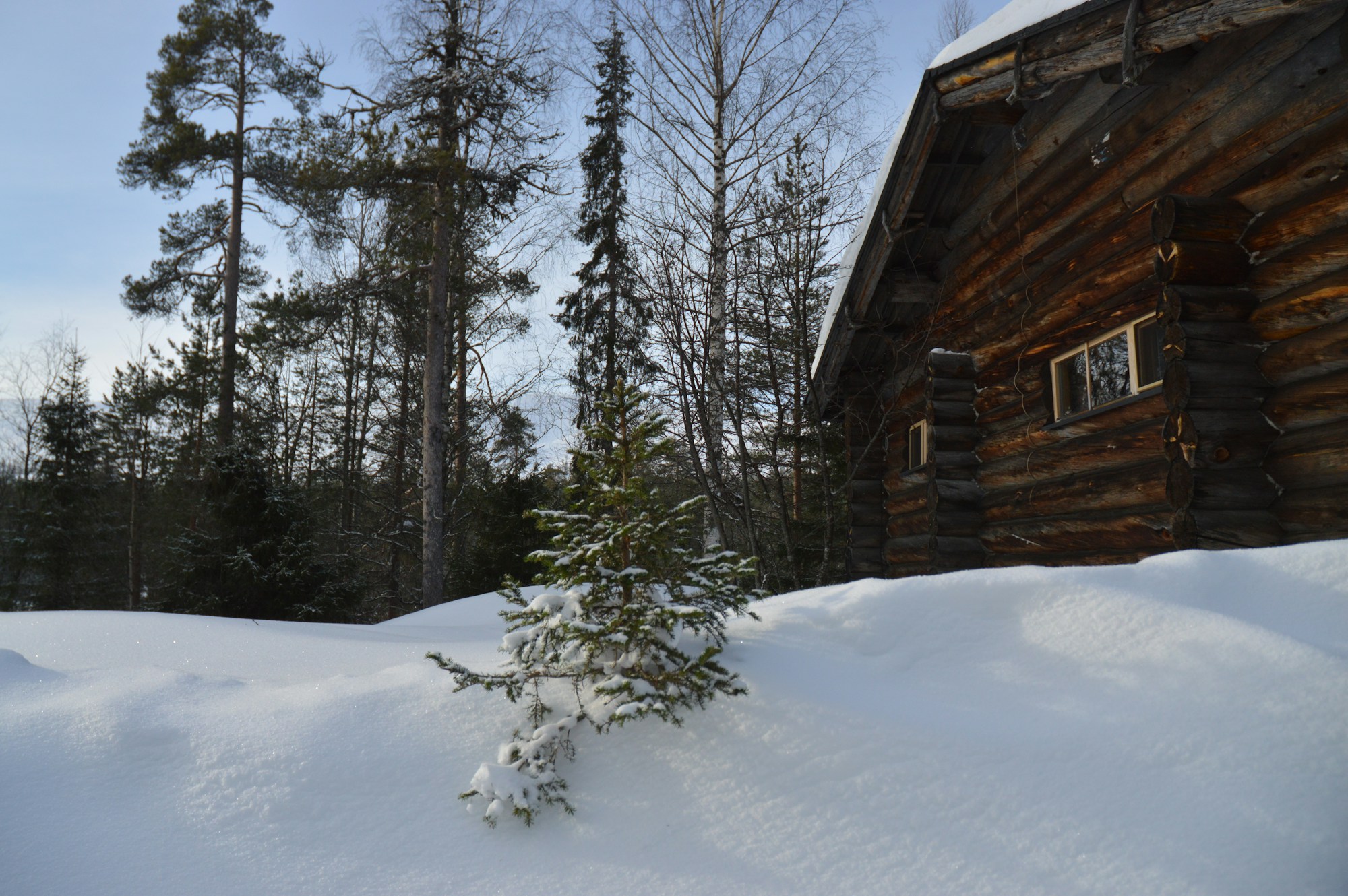
Treehotel — 7 unique cabins 60 km from the Arctic Circle
Sixty kilometres south of the Arctic Circle, amid the pine forests of Harads in Norrbotten, Treehotel blends modernist design with a return to nature. Opened in 2010, this extraordinary place quickly put Sweden on the world map of unusual accommodation, according to Visit Sweden. Each unit is a unique architectural sculpture: the Mirrorcube, a cube entirely covered in mirrors reflecting the forest; the Bird’s Nest, a giant woven nest suspended 4 metres up; and the legendary 7th Room, reaching 10 metres high with a suspended net for stargazing. The seven cabins are elevated between 4 and 10 metres above the ground, according to Authentic Luxury.
In winter, the northern lights dance above the snow-laden pines — the region is virtually free of light pollution. In summer, the midnight sun provides a continuous golden light. The gastronomy matches the setting: local products such as Arctic char and reindeer, served 10 metres up in the air.
Highlights
- The Mirrorcube: invisible architecture reflecting the forest
- Northern lights visible from bed (rooms with dome skylights)
- Snowmobile rides, snowshoeing, ice fishing in winter
- Hiking and kayaking on the Lule River in summer
2. My Arbor, South Tyrol, Italy — The tree hotel of the Dolomites
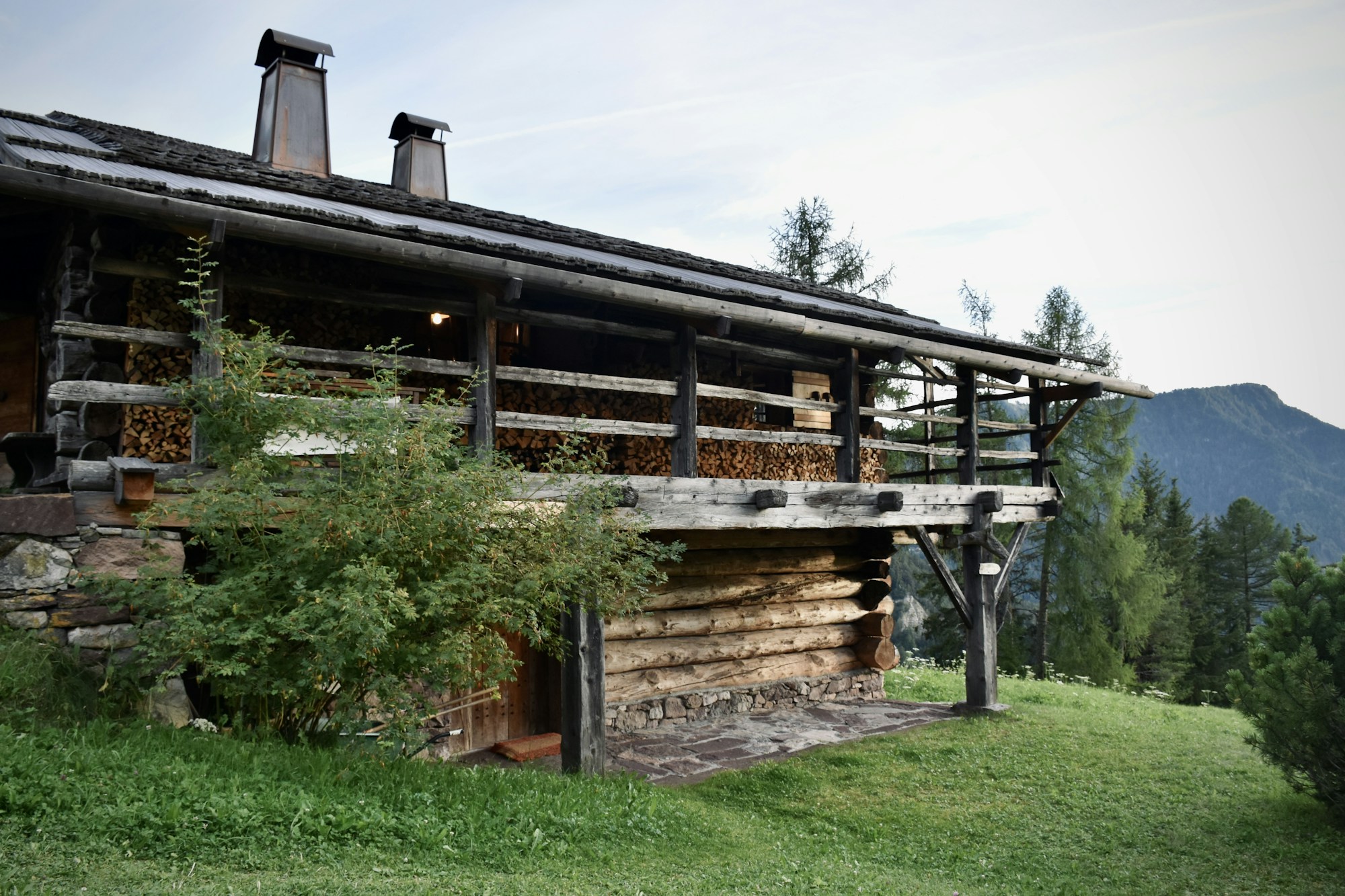
My Arbor — Italy’s largest tree hotel
Raised on stilts along a steep pine-forested slope in South Tyrol, My Arbor is Italy’s largest tree hotel. Architect Gerhard Tauber designed a modernist cubic structure on steel pillars reminiscent of tree trunks, built with wood salvaged from the local region, according to the Michelin Guide. From an altitude of nearly 1,000 metres, the hotel overlooks the bucolic Eisack valley and South Tyrol’s oldest town: Bressanone (Brixen).
The rooms, panelled in larch and fir with panoramic floor-to-ceiling windows overlooking the Dolomites, range from intimate Nest Suites to Treetop Suites with private terraces and saunas. Five large saunas, an indoor-outdoor infinity pool and a heated jacuzzi complete the spa. Everything is included: from coffee to a seven-course dinner, according to The Week.
Highlights
- Breathtaking views of the UNESCO-listed Dolomites
- Alpine skiing on the Plose resort (direct access)
- BrixenCard included: free cable cars and public transport
- Outstanding German-Italian fusion cuisine
3. Levin Iglut, Finnish Lapland — Sleeping under the northern lights
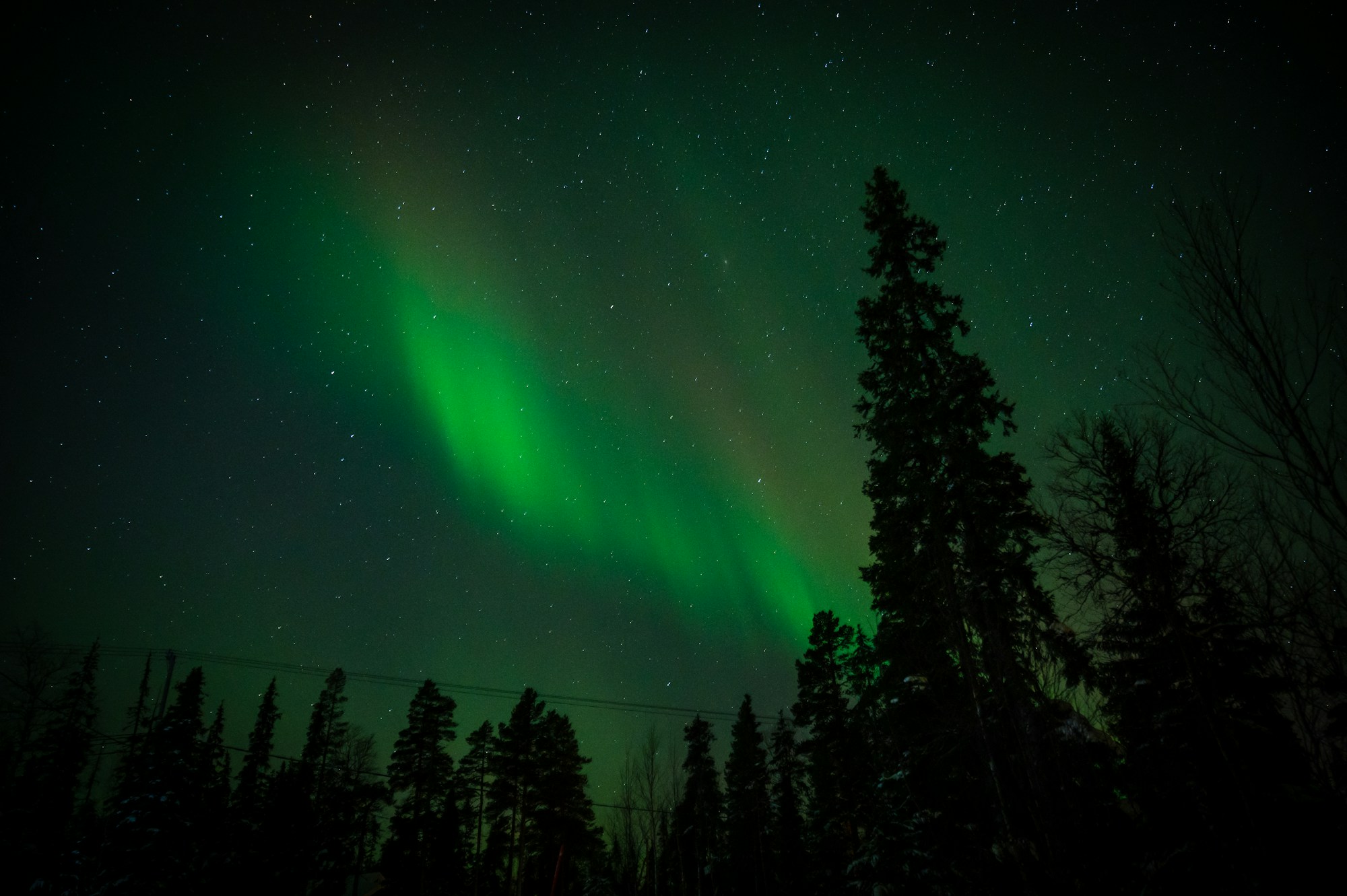
27 glass igloos beneath the Finnish Arctic sky
Levin Iglut is a unique boutique hotel approximately 15 minutes from the town of Levi in Finnish Lapland. It all began with a dream: in 2008, Tauno Mäkelä fell in love with the view from Utsuvaara hill, where trees buckle under metres of snow. Today, 27 glass igloos — divided into three categories (igloo, superior igloo, igloo suite) — open their transparent roofs to the Arctic sky, according to Spotlist.
Each igloo is surprisingly spacious and thermally insulated: king-size bed, sofa bed, kitchenette, bathroom and Wi-Fi. The igloo suites with private jacuzzi on the terrace offer an unobstructed view of the northern lights from bed. According to Je Papote, expect an average of €300 per night for a basic glass igloo. The best months for aurora viewing run from late August to early April.
Highlights
- Watch the northern lights without leaving your bed
- Enchanting winter fairy-tale atmosphere
- Snowmobile safari and ice fishing
- Nocturnal aurora alert system available
4. Village Flottant de Pressac, Vienne — A night on the water in a Natura 2000 zone
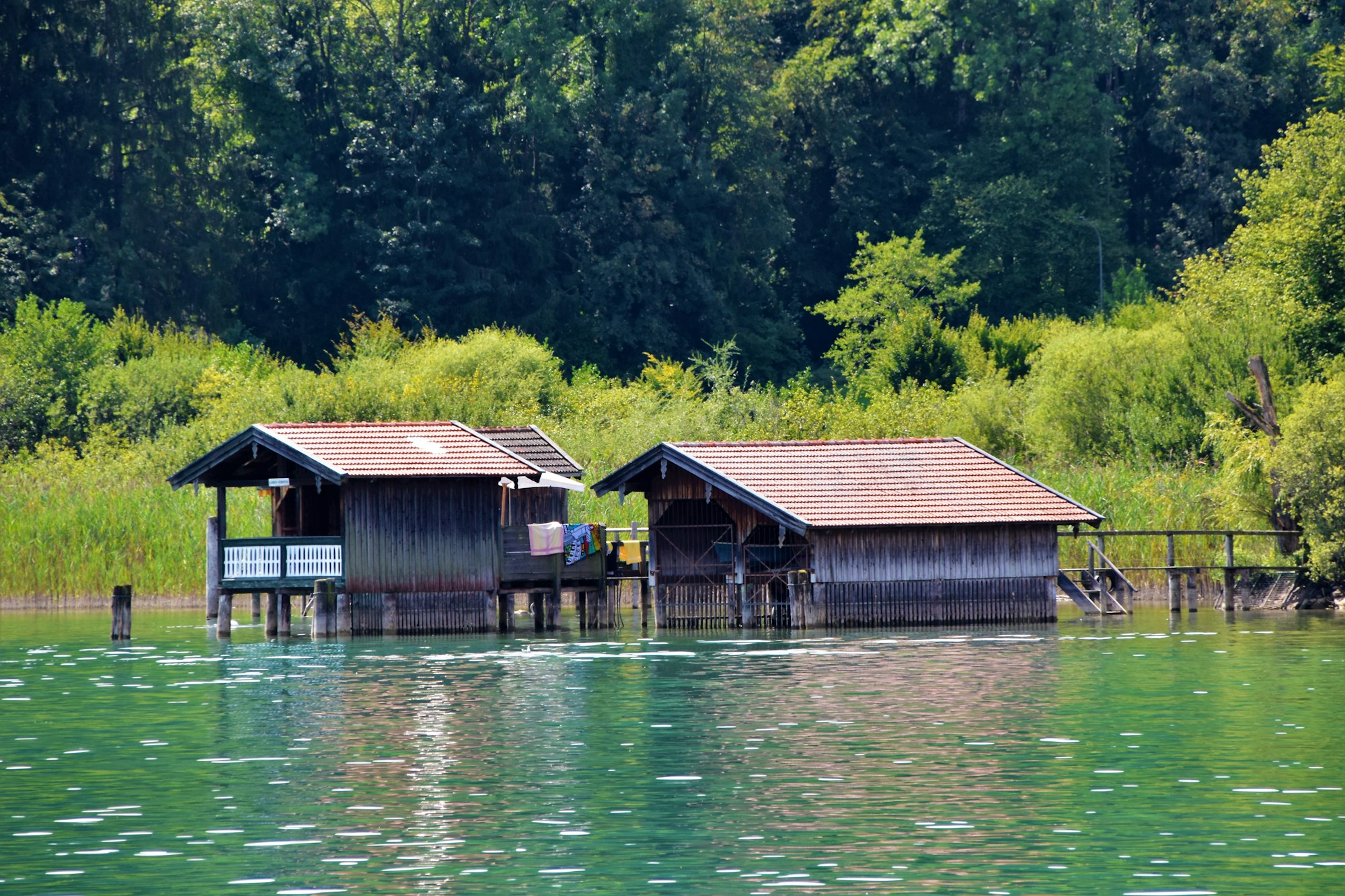
Floating cabins on the Ponteil pond — Natura 2000
Half an hour from Poitiers, around twenty cabins float on the Ponteil pond — a protected wetland classified as a Natura 2000 site. This micro-village, born in 2014 as a community project and later taken over by the Sandaya group, offers « cocoon » cabins accessible only by rowboat. A short crossing, mooring at a private pontoon, and you find yourself in the middle of the water, according to Ma Famille Zen.
Beyond the floating cabins, the Village also offers stilted lodges and eco-safari tents on the bank of an emerald-green lagoon, according to the official Village Flottant Pressac website. An on-the-water restaurant serves an elaborate dinner of local produce each evening. For a special occasion, the floating huts equipped with a Finnish kota grill can be reserved privately for up to eight people.
Highlights
- Rowboat access only — total lakeside isolation
- Preserved wetland with exceptional wildlife
- Gourmet floating restaurant on the pond
- Finnish kota grill hut available for private group hire
5. Attrap’Rêves, Provence — The French inventor of the glamping bubble
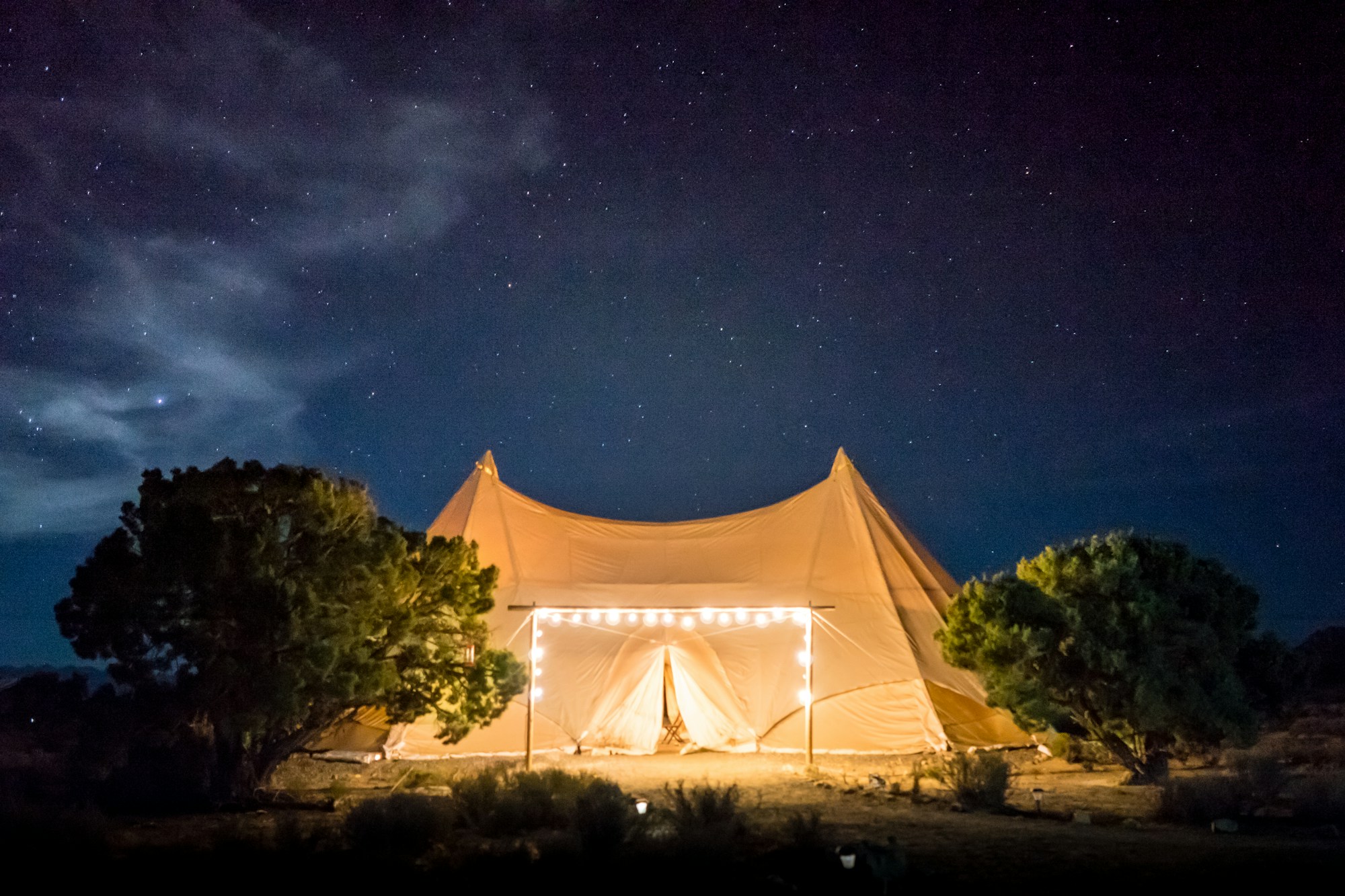
Transparent bubbles in a pine forest — 15 km from Marseille
Attrap’Rêves is the inventor of the glamping bubble in Europe — a pioneer who popularised the idea of sleeping in a fully glazed transparent structure perched or nestled among the trees of a Provençal pine forest. Each bubble is decorated in a unique style: romantic boudoir, African decor, zen ambiance. Panoramic 360-degree views, ideal for stargazing from bed, according to Coolstays.
Allauch, 15 km from Marseille, is home to this unusual site. The bubbles and domes invite you to listen to the silence and watch the play of light, according to Espace Nature Sabatoux. In the premium version, expect €160–280 for a bubble with an integrated private spa. By design, the bubbles symbolise the fragility of our environment — the accommodation is also a poetic manifesto for nature, according to Cabanes de France.
Highlights
- Wake up in the pine forest with a 360° view of nature
- Every bubble: a completely unique interior decoration
- Stargazing from bed (exceptional Provençal skies)
- Close to Marseille and the Calanques National Park
6. Cabanes de Salagnac, Corrèze — Architecture in the trees of the Limousin
Nestled in the woodlands of central France, the Cabanes de Salagnac offer six architect-designed cabins that float among the branches like forest sculptures. Built with natural materials and powered by renewable energy, these structures of sustainable wood and glass blend into the trees while offering large windows for contemplating nature, according to Trippers Terminal.
The cabins are disconnected by design — no television, no digital distractions — just a well-equipped kitchenette and the sound of leaves. A place that encourages long dinners, early mornings with croissants on the terrace, and candlelit evenings with a bottle of organic Corrèze wine. The Corrèze remains one of France’s least touristy regions: add a visit to Collonges-la-Rouge and the gorges of the Vézère for a complete immersion in a territory that 95% of foreign tourists have never heard of.
7. Le Train des Rêves, Pas-de-Calais — A night in the Orient-Express
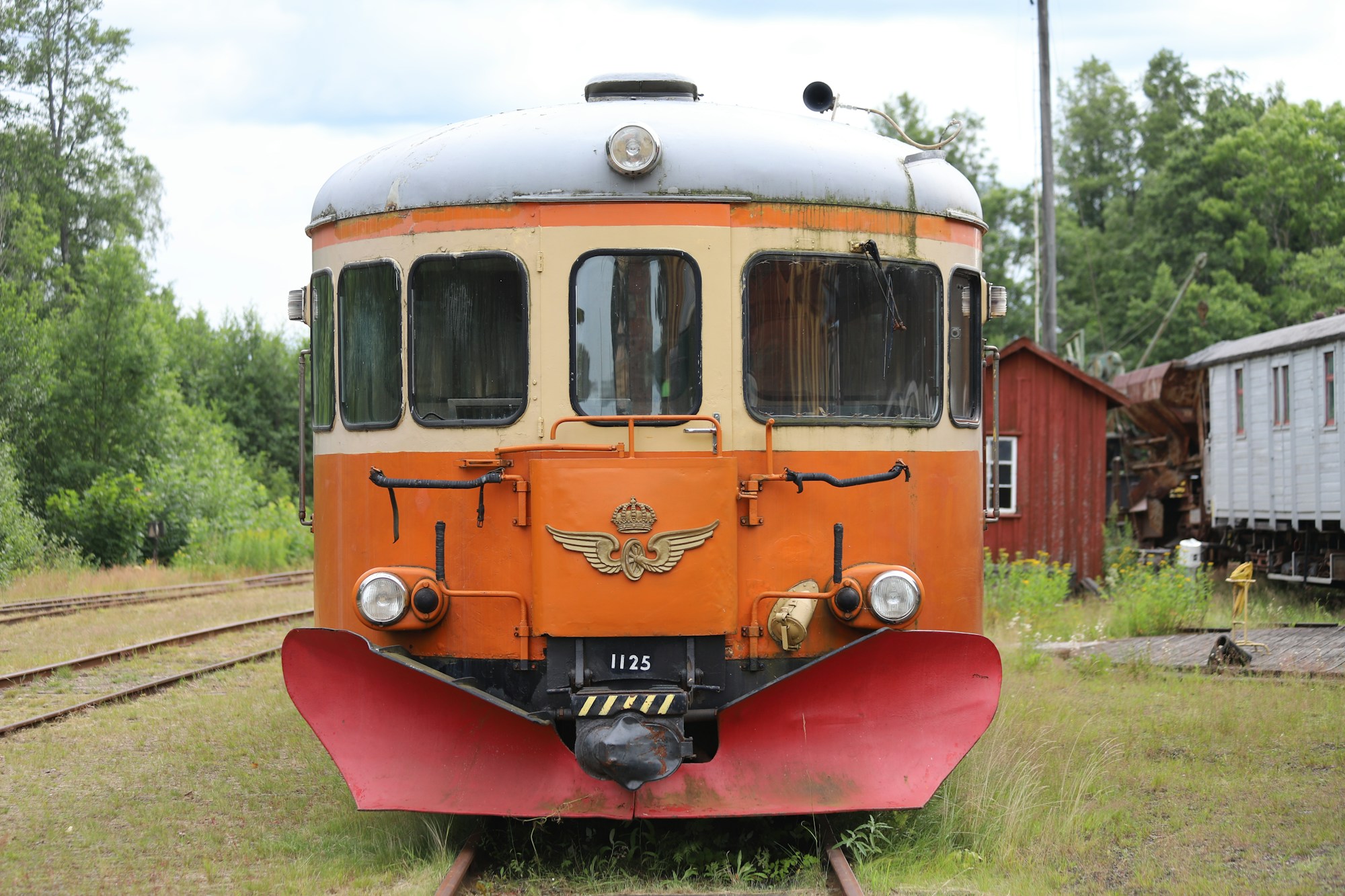
Orient-Express, Mistral 1953 and Deutsche Bahn carriages — Sleep inside history
In Sailly-sur-la-Lys in the Pas-de-Calais, a former railway station houses a priceless collection of rolling stock. Steam locomotives, Orient-Express sleeping cars, a Deutsche Bahn double-decker carriage and the exclusive dining car of the legendary Mistral dating from 1953 stand here for a journey to nowhere. American Greg Marshall acquired this station from SNCF in an advanced state of disrepair and restored it on a pharaonic scale, according to 1001 Nuits Insolites.
Inside the 1930s sleeping cars, everything has been meticulously preserved: mahogany wood panels, stainless steel rails, porcelain washbasins, banquette fabrics faithfully restored in orange. Only two examples of this type remain in France — the other is displayed as a museum in Mulhouse, according to Maison à Part. Here, it becomes your room for the night.
Highlights
- Authentic 1930s Orient-Express sleeping cars
- Le Mistral dining car (1953) — period dinner experience
- « 1930s » themed evenings in period costume
- Luxury room with spa in the restored station
8. Camping du Haut-Village, Loire-Atlantique — 1928 carriages and converted planes
Between Saint-Nazaire and the île de Noirmoutier, Camping du Haut-Village offers a unique collection in Europe of unusual accommodation at accessible prices. In June 2014, the first passenger train dating from 1928 arrived at the « Haut-Village station ». Renovated with tables and sinks from the Orient-Express, the carriage now contains 5 rooms sleeping 16 people — ideal for groups and families — according to Hotels-Insolites.com.
Beyond the carriages, the campsite offers converted planes, a vintage Nantes tram, a retro bus, metro carriages and caravans. It is a living railway and aeronautical park unlike anything else in Europe. Combine a night in a carriage with a trip to the île de Noirmoutier (30 min) for a striking contrast between vintage rolling stock and salt marshes. Expect around €289 for two with half-board and a seafood platter included, according to Breizhbox.
9. Anthenea, Perros-Guirec — The world’s first underwater floating suite
Inspired by James Bond’s capsule in The Spy Who Loved Me (1977), the Anthenea bubble is manufactured in Lannion in the Côtes-d’Armor. Moored in the port of Perros-Guirec, it is the world’s first floating hotel suite equipped with an underwater view — a window opens onto the aquatic world from inside. A 360-degree view of the sea and port through large panoramic bay windows, a circular solarium adjustable according to sun and wind direction, according to Ma Famille Zen.
This ecological capsule is entirely self-sufficient: five photovoltaic panels guarantee 3 to 6 days of autonomy, and a filtration system recycles wastewater. Book during the spring tides with a coefficient above 90 to experience the Breton waters at their most intense. The Sept-Îles are accessible by kayak from the port. Rates from €350 in low season.
10. Lighthouses of Europe — Sleeping in a keeper of lights
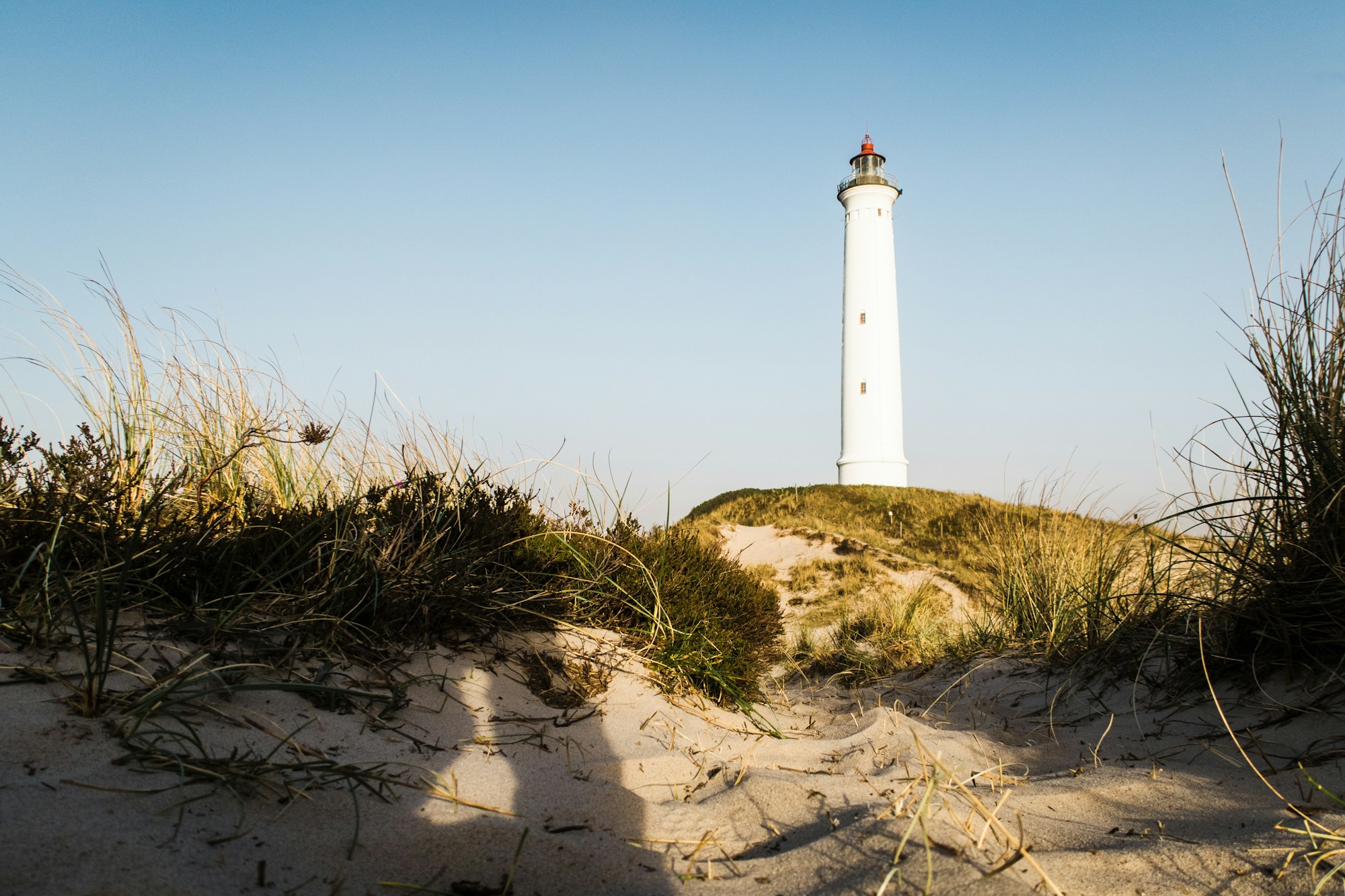
73 lighthouses to rent in Europe — From Brittany to Finland
Converted lighthouses are pieces of history. Once guides for fleets on the open sea, they now offer breathtaking views from the height of their former beams. Often perched on cliffs or small islands, they guarantee absolute isolation and privacy, according to Uniq Hotels.
The platform Book a Lighthouse offers 73 lighthouses in Europe with a total of 396 beds, ranging from $153 to $3,158 per night. In Brittany, the Kerbel lighthouse requires climbing 126 granite steps to reach the bedroom. In Sweden, Pater Noster stands on the island of Hamneskär, five nautical miles from any known place, topped by a 32-metre lighthouse. In Scotland, the Corsewall Lighthouse Hotel in North Galloway has an award-winning restaurant, according to The Handbook.
Highlights
- Kerbel lighthouse (Brittany): 126 steps, sweeping view of the Atlantic
- Pater Noster (Sweden): remote island, 32 m lighthouse
- Kylmäpihlaja (Finland): private islet in the Gulf of Bothnia
- Corsewall Lighthouse Hotel (Scotland): award-winning gourmet restaurant
11. Yurts of Tarifa, Andalusia — Mongolian steppes a stone’s throw from the beach
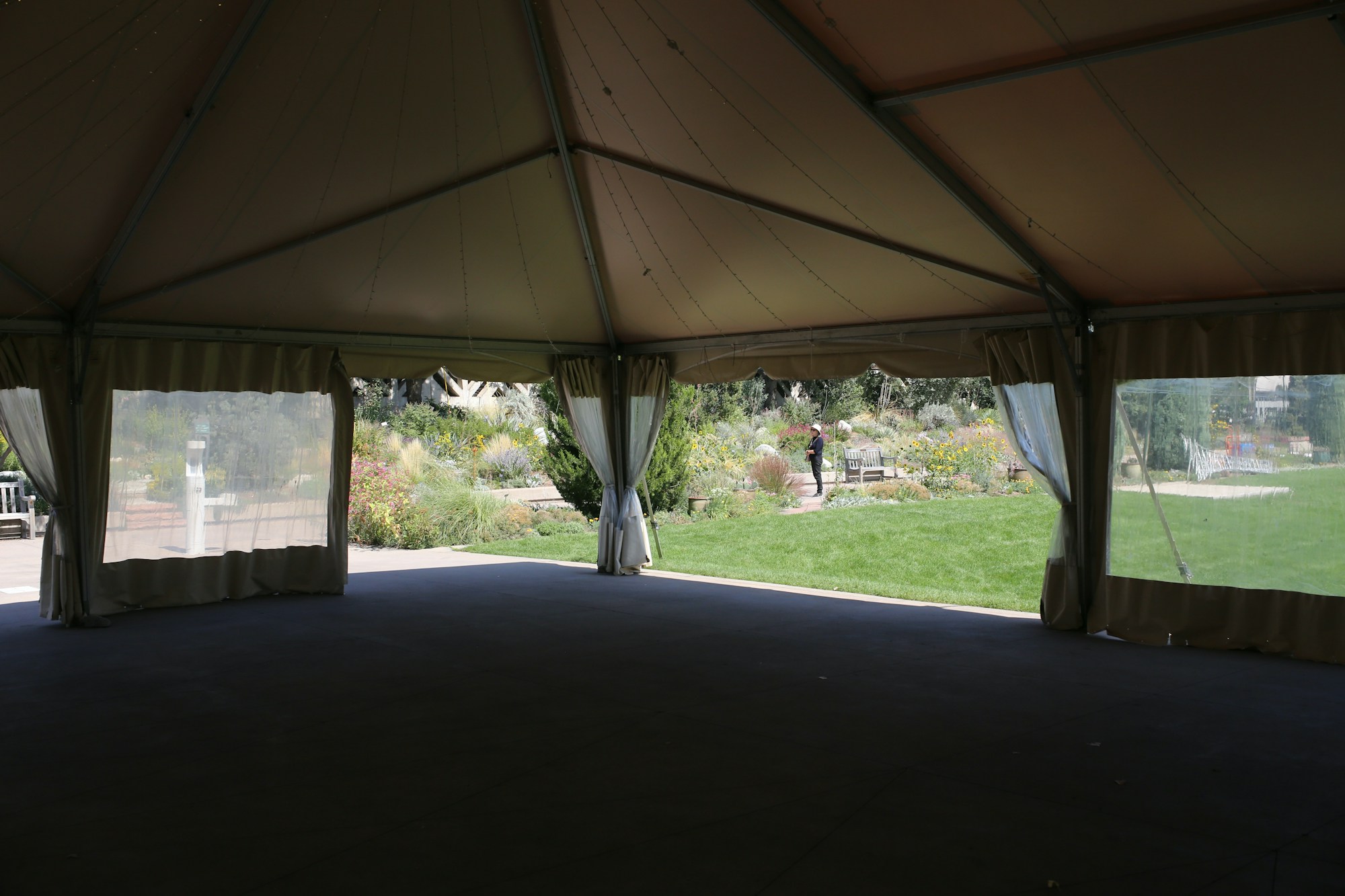
Mongolian yurts in the Los Alcornocales Park — Andalusian bohemia
Located in a natural area near the Los Alcornocales Park, these authentic Mongolian yurts offer a bohemian atmosphere at the heart of a Mediterranean garden. Life here follows the rhythm of the wind and birds — a total digital detox just 15 minutes from the beaches of Tarifa, according to Vivre Madrid. The Mongolian yurts, richly decorated with felt and traditional textiles, are wood-stove heated in winter and naturally ventilated in summer.
The Los Alcornocales Park is one of the world’s largest cork oak forests — a unique ecosystem in Europe. Watching griffon vultures and deer from your yurt is a complete immersion. Spain offers yurts from €79 per night on Pitchup, with premium addresses around €120–180 including breakfast and activities.
Highlights
- Los Alcornocales Park: Europe’s largest cork oak forest
- Kitesurfing (Tarifa) 15 min away: morning lessons available
- Mild winters (12–17°C): ideal for an off-season getaway
- Exceptional wildlife: griffon vultures and deer in the park
12. Château d’Ettevaux, Morvan — Lakeside spa cabins in the heart of Burgundy
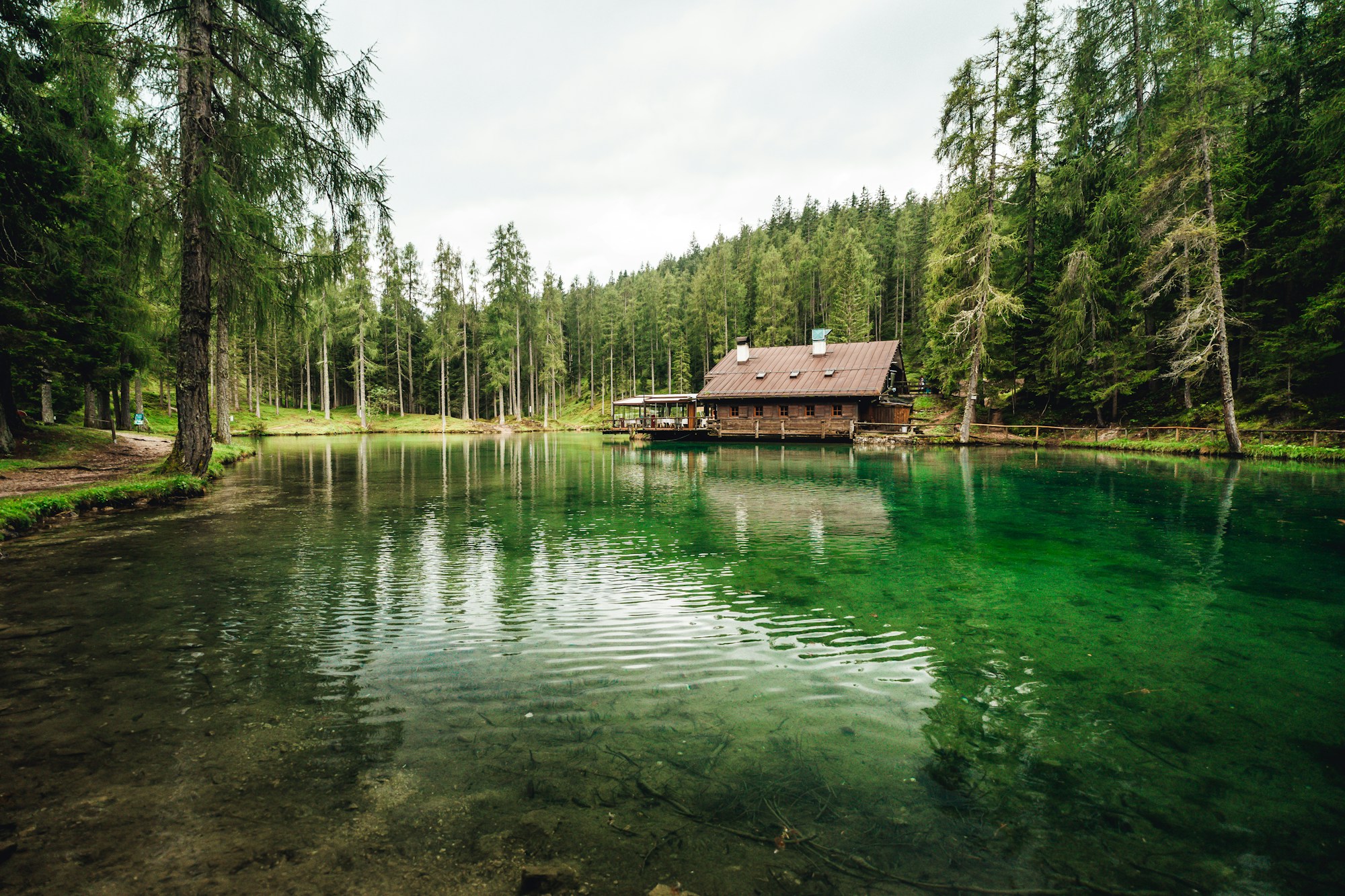
Stilted cabins with private spa — Morvan Regional Natural Park
For guests seeking regeneration, wild nature and absolute silence, the Château d’Ettevaux conceals two lakeside cabins within its estate in the Morvan Regional Natural Park in the Nièvre. These stilted cabins drift gently on a private lake surrounded by a forest of centuries-old oak trees, according to Hotels-Insolites.
The choice ranges from the authentic cabin with candlelit dry toilets to the Mirror Spa cabin — accessible only by rowboat from a small island in the middle of the lake — with a Nordic bath, 360-degree panorama and absolute privacy, according to Abracadaroom. The Morvan is one of the most overlooked regions of France — no mass tourist flows, landscapes of austere beauty, and authentic gastronomy.
Highlights
- Mirror Spa cabin: private island accessible only by rowboat
- Private Nordic bath on the water, facing the oak forest
- Morvan: zero mass tourism, unspoiled nature
- September: Morvan porcini mushrooms and truffles within reach of the forest
13. Lövtag Treehouses, Denmark — Hygge at the top of the Limfjord forests
Located in a small forest on the banks of the Limfjord near Aalborg, Løvtag offers treehouses built around living trees — the trunks literally pass through the floors and ceilings. Each unit is built with a commitment to Danish simplicity: clean lines, warm materials and large windows where nature provides the decor. A rooftop terrace for slow breakfasts, a skylight for sleeping under the Nordic stars, according to Trippers Terminal.
The Danish philosophy of slow travel flourishes fully here: a short cycle ride leads to the deserted beaches of the Limfjord. In summer, the Nordic sun sets at 11 pm. In December, Scandinavian hygge takes hold around the fire with candles, hot chocolate and snow outside. Løvtag is just 30 minutes from Aalborg — far from the tourist circuits of Copenhagen but at the heart of authentic Denmark.
14. Glamping Volcans Garrotxa, Catalonia — Cabins at the heart of a volcanic landscape
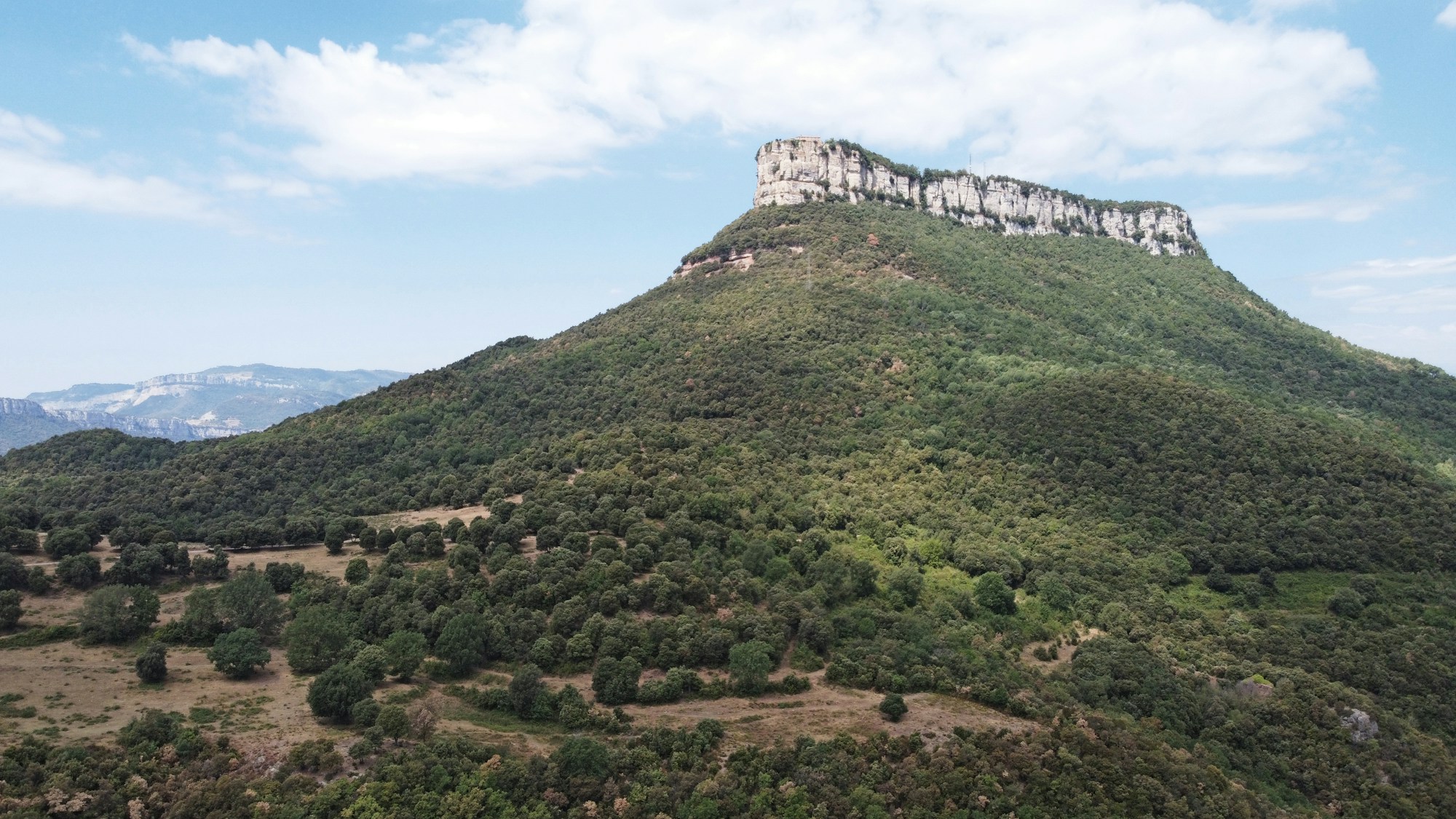
40 extinct volcanoes, ancient forests and cabins on a Catalan farm
The Garrotxa Natural Park, near Girona in Catalonia, is home to more than 40 extinct volcanic cones, dense beech forests and Quaternary lava flows. It is one of the most unusual natural landscapes in Spain — and one of the least known to the broader international public. These wooden cabins, nestled within an old Catalan farm, offer hikes around the volcanoes, horse riding and river bathing, according to Vivre Madrid.
The morning mists of March and April that wrap around the volcanic cones create an almost magical, timeless atmosphere. The truffles and chestnuts of September–October make autumn a gastronomically exceptional period in this park, completely preserved from mass tourism. Competitive budget: €90–200 per night, breakfasts often included.
Highlights
- 40 extinct volcanoes — a landscape unique in Europe
- Hot air balloon at sunrise over the volcanic cones (Olot)
- Spectacular morning mists in March–April
- Medieval Girona 30 min away: world-class gastronomy
15. Glamping Olimia Adria Village, Slovenia — Safari tents and thermal baths in the Slovenian Alps
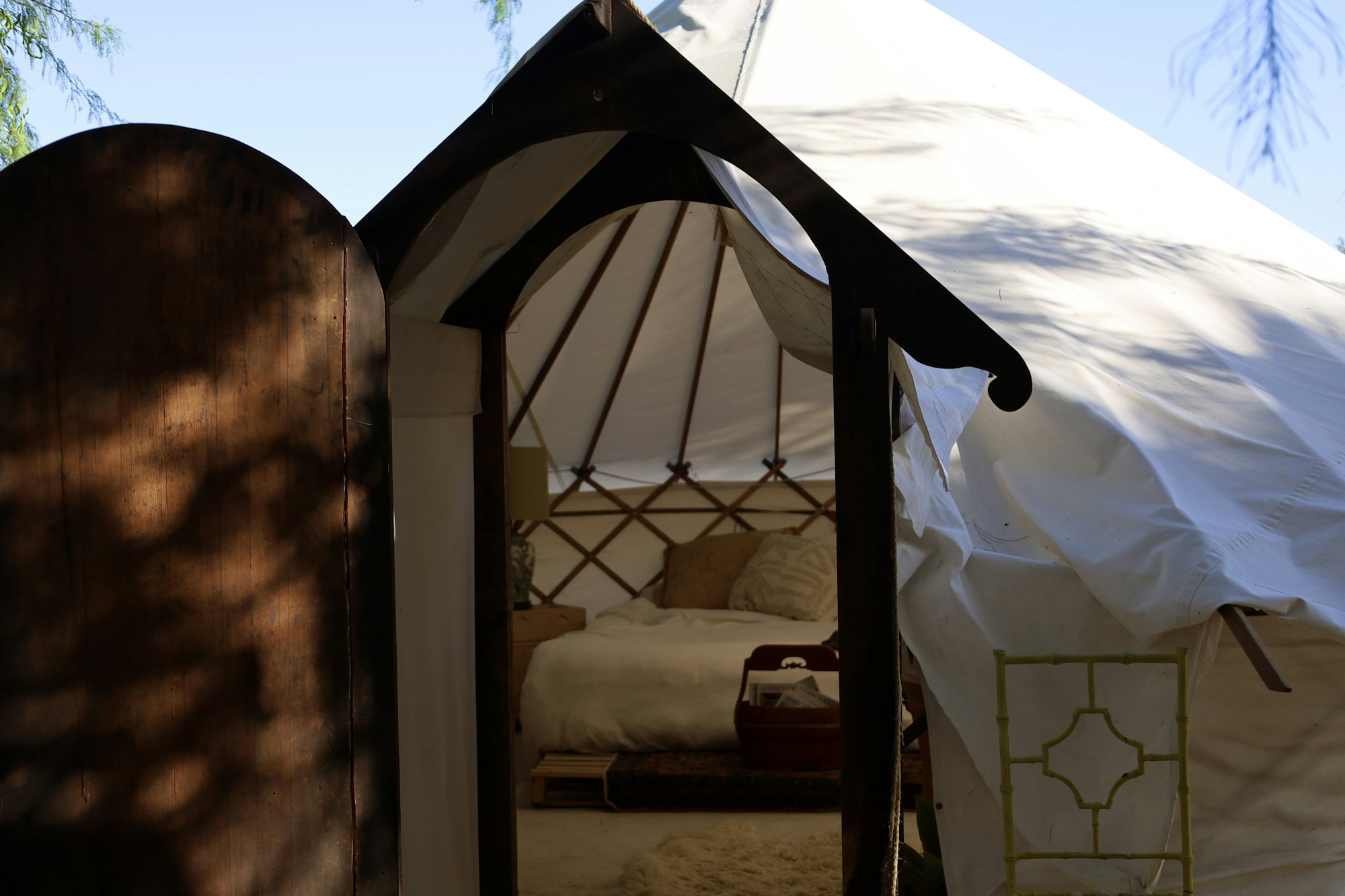
20 luxury safari tents + thermal spa access — Secret Slovenia
Twenty luxury safari tents within the grounds of one of Europe’s finest thermal spas, with free access to a giant water park — this is the unique concept of Glamping Olimia Adria Village in Podčetrtek, in eastern Slovenia. You can curl up in a luxury tent or survey the scene from your cabin’s jacuzzi, according to Coolstays.
Podčetrtek is completely off the radar of mainstream French travel guides — which is its greatest asset. Eastern Slovenia reveals an unspoiled nature: combine your glamping stay with a visit to the Slovenian Styria vineyards (15 minutes by road), one of Europe’s least-known wine regions, producing exceptional Welschriesling and Malvasia at remarkably low prices. Premium safari tents at €280–350 per night, thermal spa access included.
Highlights
- Olimia Thermal Spa: one of the best spas in Central Europe
- Slovenian Styria vineyards 15 min away: exceptional wines
- Unknown destination: zero mass tourism, very affordable prices
- Podsreda Castle (medieval) 5 km away
Frequently asked questions about glamping in Europe
What is the difference between glamping and traditional camping?
Glamping, a portmanteau of « glamour » and « camping », is the art of camping without the inconveniences: king-size beds, private bathrooms, and often private jacuzzis or Nordic baths. Unusual accommodation, for its part, focuses more on the singularity of the structure (bubble, carriage, lighthouse, yurt) than on the level of luxury alone. The term officially entered the Larousse dictionary in 2025, reflecting a trend now firmly embedded in travel culture, according to Boursorama Conso.
What is the best time of year for glamping in Europe?
It depends on the type of experience you are looking for. May–June and September–October represent the best compromise in France, Spain and Italy: favourable weather, fewer crowds, lower prices. For glass igloos and northern lights in Lapland: December–March exclusively. In winter, heated yurts and snow-covered treehotels offer an incomparable magic, according to O-Nord.
How much does a glamping night in Europe cost?
Prices vary considerably depending on the standard and destination. Expect €90–140 for a simple yurt or bubble; €160–280 for a premium option with private spa or jacuzzi, according to Espace Nature Sabatoux. Glass igloos in Lapland cost an average of €300 per night. Design treehotels such as Harads or My Arbor start at €500–600 per night.
Is unusual accommodation suitable for families with children?
Absolutely. Family offers often include educational activities centred on ecology, meals prepared with local produce and accessible itineraries. However, check the facilities for children — some floating cabins impose a minimum age (often 6 to 12 years depending on rowboat access). Camping du Haut-Village and Slovenia (Olimia Adria) are particularly family-friendly, according to Espace Nature Sabatoux Finistère.
How do you book the best unusual accommodations in Europe?
Favour specialist platforms over generic OTAs: Cabanes de France, Abracadaroom, Glamping Hub and Book a Lighthouse are more relevant. Read detailed reviews, ask about equipment (heating, air conditioning) and cancellation policies before booking.
Is glamping a sustainable and eco-friendly practice?
Many glamping sites are at the forefront of sustainable tourism: renewable energy, composting toilets, eco-friendly building materials. Labels such as the EU Ecolabel, Écogite or Station Verte guarantee environmentally responsible practices, according to Camperguru. The Breton Anthenea, for example, is entirely energy self-sufficient thanks to its photovoltaic panels.
Which unusual accommodations are available on a tight budget?
For a tight budget, eco-lodges start from €70 per night. Tipis and yurts in Spain or the South of France begin around €44–79 per night, according to Pitchup Spain. Camping du Haut-Village (Loire-Atlantique) and the Le Train des Rêves carriages offer memorable experiences from €100–120. Lakeside cabins in Burgundy or the Loire region often offer weekends around €160–200 for two with breakfast.
Where can you see the northern lights from unusual accommodation in Europe?
Finnish Lapland (Levin Iglut, Kakslauttanen) and Swedish Lapland (Treehotel Harads) are the best destinations for watching the northern lights from bed. The optimal window is late August to early April. Autumn (September–October) offers the best photographic conditions: dark nights without the snow that can sometimes hinder visibility, according to O-Nord. Be sure to book the « Aurora Alert » package to be woken the moment the phenomenon appears.
Sources
- Boursorama Conso — Glamping enters the Larousse dictionary 2025, rates and trends
- Camperguru — European Glamping 2025: Luxe Meets Breathtaking Nature
- Authentic Luxury — Treehotel Harads: architectural cabins and Arctic gastronomy
- Visit Sweden — The most exceptional unusual accommodations in Sweden
- Momondo — Treehotel Harads: rates and availability
- Guide Michelin — My Arbor Dolomites: 5-star tree hotel
- The Week — My Arbor: retreat in the Dolomites
- Throne & Vine — Review of My Arbor Hotel, South Tyrol
- Spotlist — Levin Iglut: glass igloos in Finnish Lapland
- Je Papote — Sleeping in a glass igloo in Lapland
- O-Nord — Stay at the glass igloos of Levi
- Village Flottant Pressac — Official website
- Ma Famille Zen — Waterfront accommodation for a romantic weekend
- Coolstays — 20 best places to go glamping in Europe
- Espace Nature Sabatoux — Unusual accommodations 2026
- Cabanes de France — Transparent bubbles in France
- Trippers Terminal — Best Treehouse Hotels in Europe
- 1001 Nuits Insolites — Le Train des Rêves, Sailly-sur-la-Lys
- Maison à Part — 1930s sleeping car converted into a hotel
- Hotels-Insolites — Camping du Haut-Village: 1928 carriages
- Book a Lighthouse — 73 lighthouses to rent in Europe
- The Handbook — Best lighthouse hotels in the UK
- Uniq Hotels — Lighthouse hotels in Europe
- Vivre Madrid — Glamping in Spain
- Pitchup — Glamping yurts in Spain
- Hotels-Insolites — Floating cabins in France
- Abracadaroom — Floating cabin unusual stays
- Camperguru — Top European Glamping
- Glamping Hub — Glamping destinations Europe
- Ici & Ailleurs — Luxury glamping in nature
Research conducted on 19 February 2026. Indicative rates based on 2024–2026 data — verify directly with the accommodation providers for current prices.
Ready to live your extraordinary night?
Whether you dream of watching the northern lights from a Finnish glass igloo or sleeping in an Orient-Express carriage in Normandy, unusual accommodation transforms every trip into a story worth telling. Plan your stay with Pixidia and create the perfect itinerary around your extraordinary night.
Explore all itineraries