
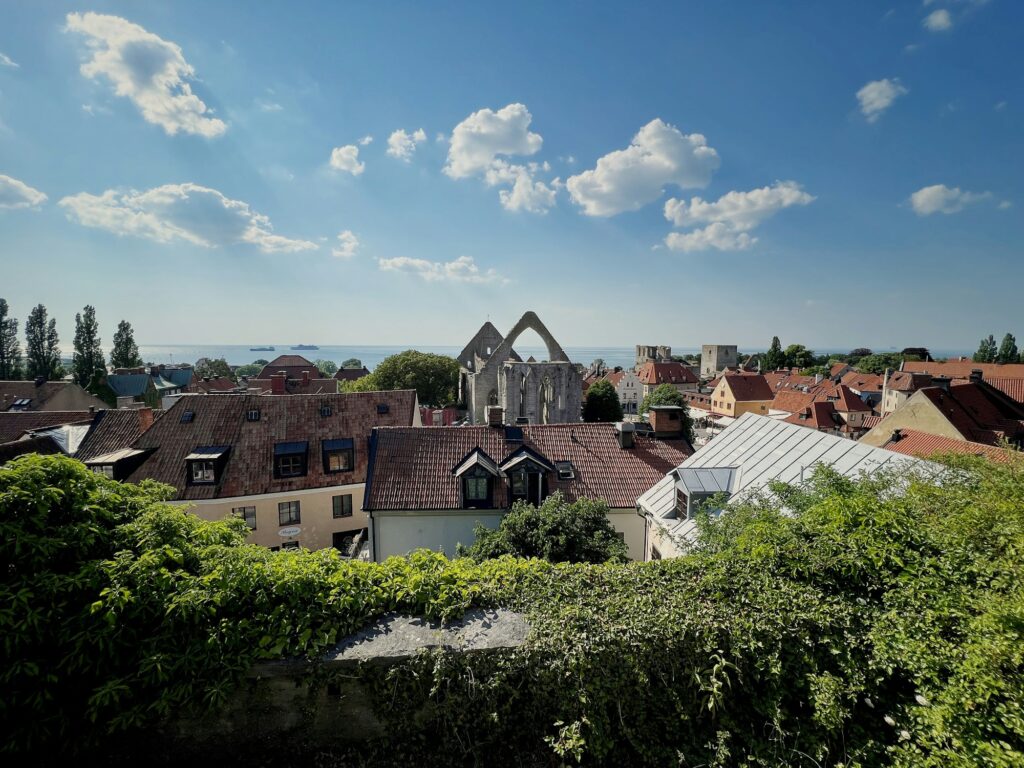
What if the best way to escape the heatwave was to look north? While the Mediterranean scorches and bookings for Barcelona or Rome hit record highs, a 3,140 km² Baltic island quietly accumulates accolades: Sweden’s sunniest island, 92 medieval churches still standing, towering limestone rock formations rising from the sea, and a fortified city listed by UNESCO where the Middle Ages is not just a museum backdrop. According to the latest 2026 travel trends, 42% of global travelers now prefer cool-climate destinations — and searches for « coolcation » have soared by 300%.
Gotland, Sweden, is the perfect answer to this trend. With summer temperatures around 21°C in July, a constant Baltic breeze and cool nights even in peak season, the island gives you sunshine without the suffocation. The cherry on top: it remains largely unknown to French and international tourists, meaning beaches all to yourself, hiking trails without human traffic jams, and guesthouses where you’ll actually have time to breathe. This guide takes you to discover the island that could be your best Nordic escape of summer 2026.
1. Visby, the « Medieval Manhattan » — UNESCO World Heritage
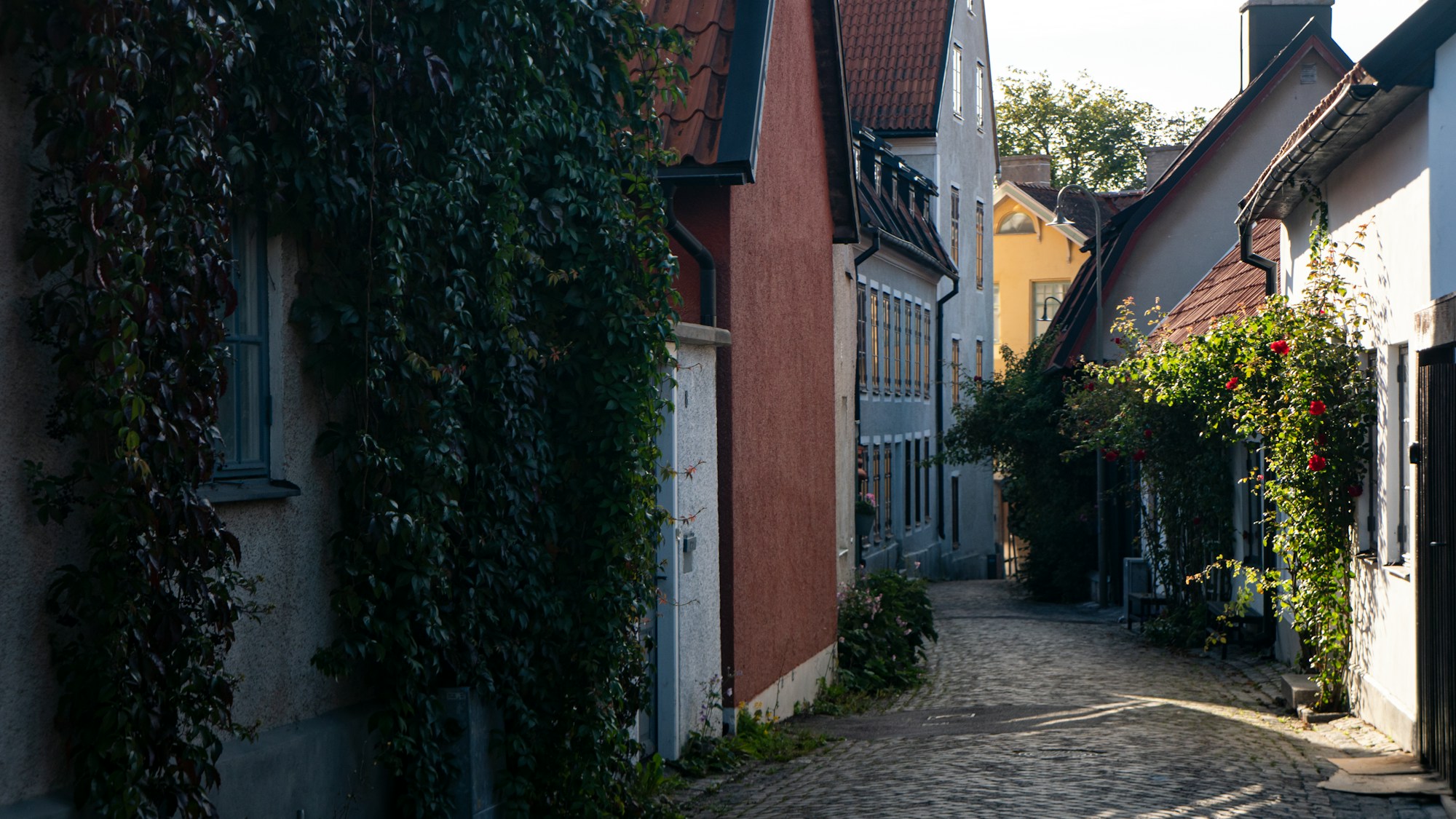
Visby — Fortified Medieval City
Visby is a city that captivates from the very first steps. Its 13th-century walls — 3.5 km of ramparts studded with watchtowers — encircle a labyrinth of cobbled lanes where climbing roses spill over limestone façades. UNESCO-listed in 1995, the city is the best-preserved example of a medieval fortified trading town in Northern Europe. In the 12th century, it was the main centre of the Hanseatic League in the Baltic — a « Medieval Manhattan » trading silks, spices and silver ingots from across Europe.
The streets of Visby contain over 200 buildings dating from the 12th to 14th centuries. The ruins of a dozen Gothic churches punctuate the city: Saint Nicholas, Saint Catherine, Saint Clement… The Gotland Museum (Fornsalen) holds Europe’s largest silver collection — 67 kg of Viking torques and bracelets — and 14,000 medieval coins. Entry is about 120 SEK (≈ €11) and worth every Swedish krona.
Highlights
- 13th-century ramparts in perfect condition — free to walk
- Saint Nicholas Church ruins — open-air chamber music festival each summer
- Gotland Museum — Europe’s largest Viking treasure (120 SEK)
- Stora Torget — the lively main square with restaurants and cafés
- Saturday craft market — Gotlandic wool, ceramics and local products
Pixidia Tip: Visit the ruins of Saint Nicholas Church at sunset. During the Chamber Music Festival (late July), the Gothic remains transform into an open-air concert hall — an experience you won’t find anywhere else in Europe.
2. Fårö and the Raukar: Ingmar Bergman’s Wild Island
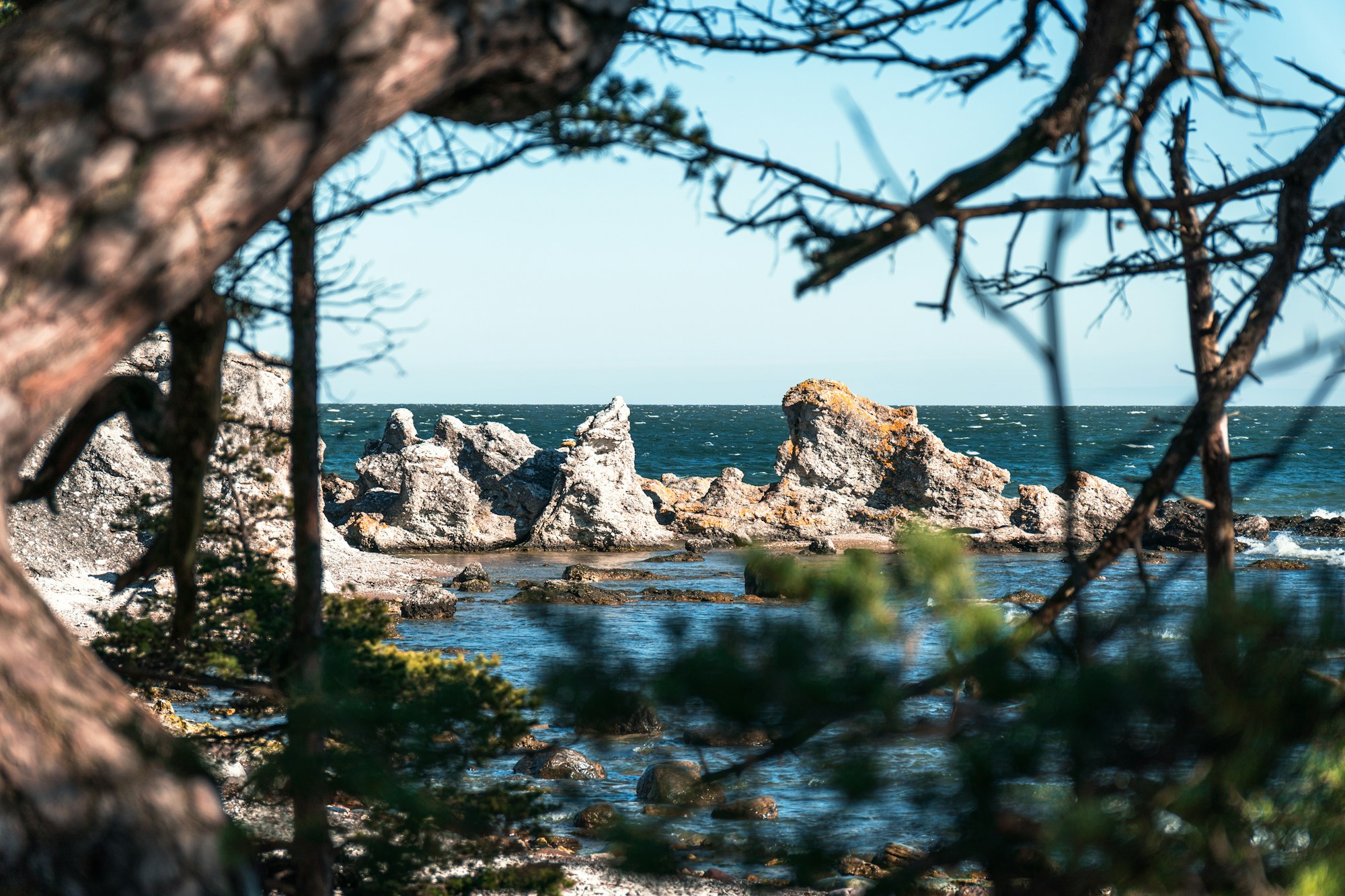
Fårö & the Raukar — Unique Geological Landscapes
Perched at the northern tip of Gotland, the island of Fårö is reached by a free ferry from Fårösund — a short crossing that transports you to another world. Formed entirely of limestone, Fårö is the kingdom of raukar: monoliths sculpted by marine erosion that sometimes rise over ten metres, creating otherworldly landscapes of breathtaking beauty. According to Visit Sweden, the formations at Langhammars and Gamle Hamn are among the most spectacular in the entire Baltic — and they exist in this density nowhere else in Europe.
Fårö is also the island chosen by Ingmar Bergman, who lived there from 1966 until his death in 2007. The Bergman Centre offers a fascinating dive into the world of the director of The Seventh Seal and Persona, with exhibitions, screenings and archives. The Bergman Week, held in late June or early July (the 2026 edition ran from 22 to 26 June), attracts film lovers and intellectuals from around the world. Suderstrand beach — three kilometres of white sand and shallow waters — completes a stay combining culture, nature and total disconnection.
Highlights
- Langhammars and Gamle Hamn raukar — spectacular sunrise views
- Grausne site — 7,000-year-old raukar circle, almost unknown to tourists
- Bergman Centre — archives and exhibitions on Sweden’s cinema genius (100 SEK)
- Suderstrand beach — white sand, shallow waters, ideal for families
Pixidia Tip: Arrive on Fårö early in the morning with a bike rented in Visby (150–200 SEK/day). The raukar site at Gamle Hamn offers the best sunrise on the entire island. Virtually no tourists are there before 9am — a rare privilege in the age of overtourism.
3. Medieval Week 2026: Visby Reborn as a Living Middle Ages City
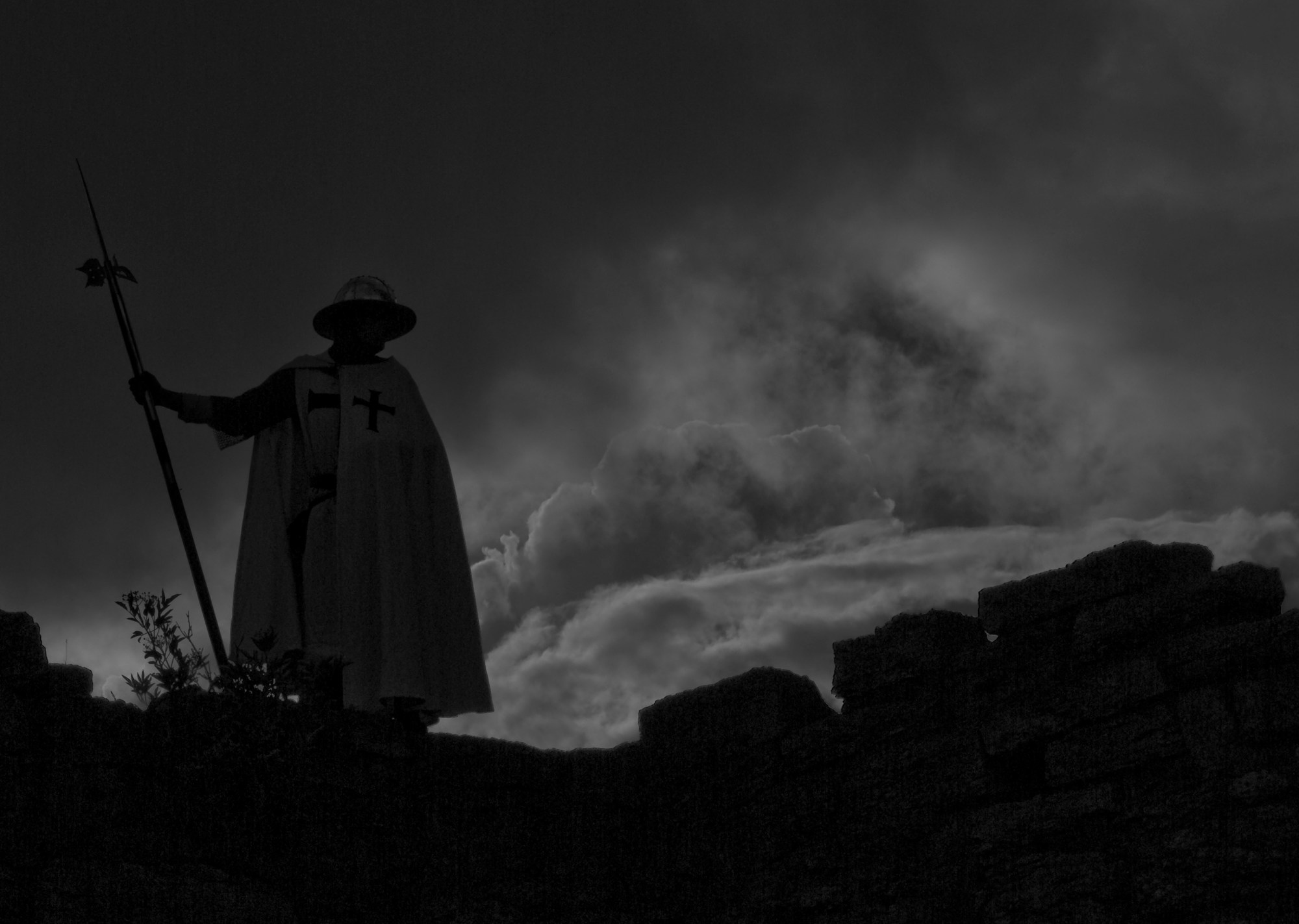
Medeltidsveckan — Visby Medieval Festival
Since 1984, Visby’s Medieval Week (Medeltidsveckan) has been Sweden’s largest historical festival and winner of the Grand Prix of Tourism. Each first Sunday of August, the UNESCO-listed fortified city literally turns back time: Hanseatic merchants, armoured knights, jousting tournaments, fire jugglers and minstrels take over the cobbled streets for eight days. In 2026, the theme is Love — an invitation to explore bonds that transcend centuries, from Baltic lovers to medieval brotherhoods.
Over 800 events take place across 40 stages and sites. Ten historical camps — Vikings, pirates, medieval soldiers — make the immersion total. Over 100 events are entirely free, including the grand parades through Visby’s streets and the spectacular fire show at Nordergravar. The full week pass costs about 350 SEK (≈ €32) and equestrian jousting, which sells out in hours, is ticketed separately at 350–450 SEK.
Highlights
- Equestrian jousting in medieval ruins — unique spectacle in Europe
- Fire show at Nordergravar — magical Nordic moment at sunset
- Craft markets with artisans in period costume
- 100+ free concerts, lectures and medieval theatre performances
Pixidia Tip: Book the ferry and accommodation at least 3 months in advance — the festival week sells out by spring. Jousting tickets sell within hours of going on sale (usually April). Check the official website for exact sale dates.
4. The Wild Islands: Gotska Sandön and Stora Karlsö
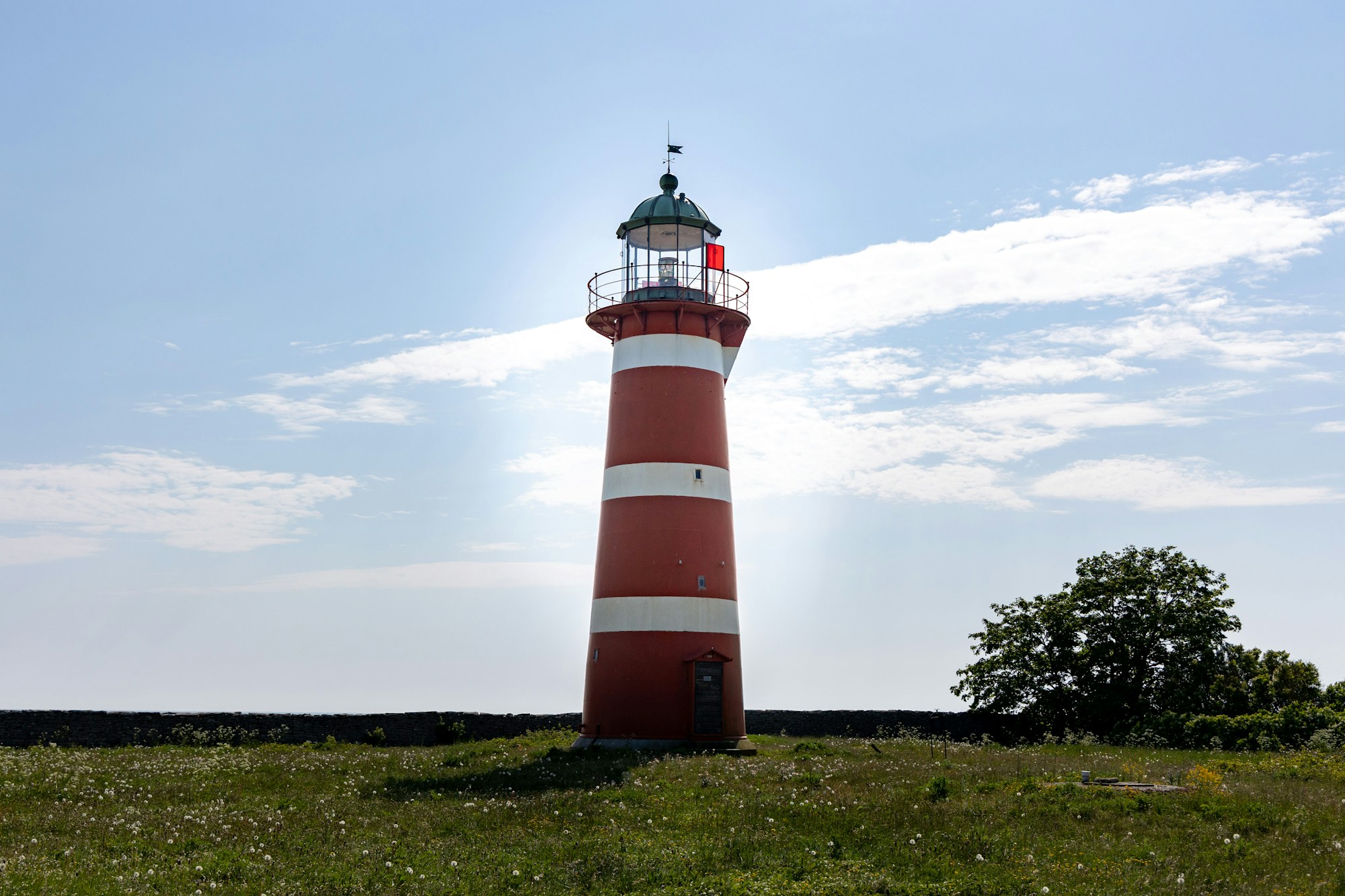
Gotska Sandön & Stora Karlsö — Baltic Wild Nature
Forty kilometres north of Fårö, lost in the Baltic, Gotska Sandön National Park is the Nordic Robinson Crusoe experience. Established in 1909 — one of Sweden’s oldest national parks — its 37 km² of preserved ecosystem combine shifting sand dunes, dense pine forests and 30 kilometres of deserted beaches. A grey seal colony has taken up residence on the northern beaches; migratory birds flock each spring. Here, no roads, no cars, no shops — you bring your own food and are alone with nature. You can even sleep in an old lighthouse keeper’s residence (booking at gotskasandon.se, months in advance).
More accessible, Stora Karlsö is the world’s second-oldest nature reserve after Yellowstone. The island hosts the Baltic Sea’s largest seabird cliff — thousands of guillemots and razorbills nest there each summer — and stunning orchid meadows in June. Boats depart from Klintehamn several times daily in season (adult round trip: 345 SEK, ≈ €32, 30-minute crossing). For an unforgettable experience, stay overnight in the seaside guesthouse or old lighthouse: when the last ferry leaves with the day visitors, you are alone with the cries of seabirds.
Highlights
- Gotska Sandön — 30 km of deserted beaches, grey seals, historic lighthouses
- Stora Karlsö — Baltic seabird cliff, wild orchids
- Overnight in a lighthouse — Gotland’s most exclusive experience
- Amber collecting on the beaches — millennia-old Baltic tradition
Pixidia Tip: For Gotska Sandön, ferries run only from late May to early September. Always bring food for 24 hours more than planned — weather can delay the return ferry. Accommodation capacity is very limited (a few dozen people): book 6 months ahead.
5. Gastronomy, Cycling and the Gotlandic Art of Living
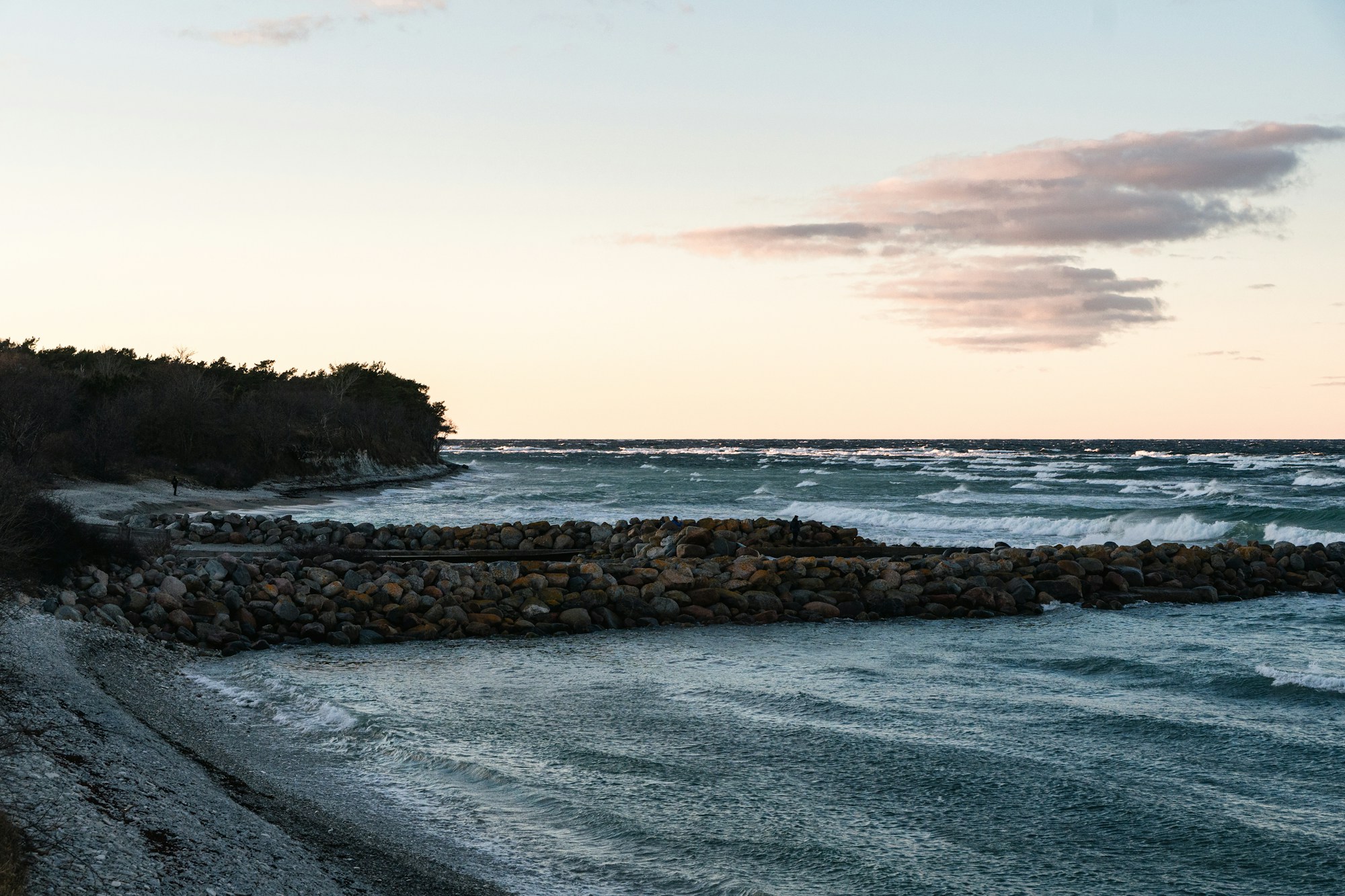
Eat, Cycle, Unwind — the Essence of Gotland
Gotland is a flat, breezy and magnificently cycling-friendly island. According to Nordic cycling tourism specialists, the full island circuit covers 300 to 400 km and can be completed in 7 days at a leisurely pace. Rental companies Gotlands Cykeluthyrning and Visby Hyrcykel, both near the ferry terminal, offer hybrid bikes from 150 SEK/day (≈ €14). The free ferry to Fårö accepts bikes — take advantage of this to explore Bergman’s island without a car.
At the table, Gotland plays a unique culinary tune. Saffranspannkaka (saffron pancake) is the island’s emblematic dessert: rice pudding, saffron, almonds, oven-baked and served with arctic cloudberry jam and whipped cream — a legacy of the Hanseatic era when Visby imported spices from around the world. Local gastronomy also showcases Gotland lamb (farmed since the Viking age), wild garlic, white asparagus and wild mushrooms. In autumn (October–November), the Truffle Week (Gotlands Tryffelfestival) celebrates the local Burgundy truffle in Visby’s restaurants.
Highlights
- Coastal cycling circuit — raukar, beaches and fishing villages in alternation
- Saffranspannkaka — Gotland’s saffron pancake, treasure of medieval cuisine
- 92 medieval churches to discover — often alone, free entry
- Lummelunda Cave — stalactites and stalagmites, 15 km from Visby (130 SEK)
- Loppis — handwritten roadside signs for Gotlandic flea markets
Pixidia Tip: The fishing village of Grynge, on the east coast, is one of the best-preserved on the island and almost unknown to mass tourism. A few kilometres away is Vamlingbo Church with its exceptionally well-preserved 13th-century frescoes — two ideal stops to combine on an afternoon cycling ride.
6. How to Get to Gotland from Abroad
From Paris (or any Western European city), the most common route is in two stages: fly to Stockholm, then take the ferry or domestic flight to Visby.
By plane + ferry (recommended)
Paris → Stockholm: direct flights from CDG (Air France, SAS, Transavia) or with a stopover, from €155 return. From Stockholm Arlanda, the train reaches Nynäshamn in 45–60 minutes, then the Destination Gotland ferry makes the crossing in 3h15 to Visby harbour. Book ferries at destinationgotland.se — July ferries sell out by spring.
By domestic flight
From Stockholm Arlanda (SAS) or Bromma (BRA), domestic flights connect Visby in 40 minutes. Visby Airport is just 4 km from the city centre.
Estimated transport budget
- Paris → Stockholm return: from €155 (book 2–3 months ahead)
- Stockholm → Visby ferry return (passenger only): 300–500 SEK (€28–47)
- Stockholm → Visby domestic flight return: 600–1,200 SEK (€57–113)
Frequently Asked Questions about Gotland 2026
Is Gotland really a reliable « coolcation » destination in 2026?
Gotland has average summer temperatures around 21–22°C in July, with a permanent Baltic breeze and cool nights (10–14°C). That is radically different from the 38–42°C of the Mediterranean. A heatwave did hit the Nordic countries in July 2025, but even in that extreme case, Gotland temperatures remained well below those of southern Europe. Gotland also gets 2,100 sunshine hours per year — the sunniest island in Sweden. According to Climates & Voyages, it is the ideal combination: Nordic light and maritime freshness.
How long should I spend on Gotland?
A minimum of 3 days is needed to see Visby and a few nearby attractions. For a complete visit including Fårö, one wild island (Gotska Sandön or Stora Karlsö) and some cycling, 5 to 7 days is ideal. Swedes themselves consider a week on Gotland the best way to truly unwind. If you come for Medieval Week (2–9 August 2026), plan at least 4 days to enjoy both the festival and the surroundings.
Can you visit Gotland without a car?
Yes — cycling is actually the recommended option. Gotland is a flat island, ideal for cycling, and rental shops are plentiful in Visby (from 150 SEK/day). Buses exist but are infrequent. A bike lets you reach all the main sites, take the free ferry to Fårö with your two wheels, and enjoy the near-empty coastal roads. For the satellite islands (Gotska Sandön, Stora Karlsö), a ferry is required — no vehicles are allowed on those islands.
When should I book for a summer stay in Gotland?
As early as possible — at least 3 months ahead. Destination Gotland ferries sell out in July by the previous spring. For Medieval Week (2–9 August 2026), ideally book accommodation and ferries in February–March 2026. Jousting tickets (the most popular festival event) sell out within hours of going on sale, usually in April.
What budget should I plan for 7 days in Gotland?
For a week on the island (excluding Paris–Stockholm flights): €500–700 on a tight budget (dorm, bike, picnics and a few restaurants) and €1,300–2,700 on a comfort budget (hotel, car rental, restaurants). Daily budget on the island: €65–95 (tight) to €190–380 (comfort). Many highlight activities are free: Visby ramparts, raukar, beaches, 100+ Medieval Week events. Sweden is a relatively expensive country — budget 1 SEK ≈ €0.09.
What are the raukar and where can I see them on Gotland?
Raukar are limestone rock formations sculpted by marine erosion over millennia — columns that sometimes rise over 10 metres from the water or the shoreline. Unique to the Baltic, they are found on Gotland and on the neighbouring island of Fårö. The most spectacular sites are Langhammars and Gamle Hamn on Fårö (exceptional sunrise), Lickershamn on Gotland’s north-west coast, and Hoburgsgubben at the far south. Access is free. Photographers flock to them during the golden hours of morning and evening.
Is Visby worth visiting?
Yes. Visby is a UNESCO World Heritage town listed since 1995, with more than 200 buildings dating from the 12th to 14th centuries. Its medieval ramparts, 3.5 km long, are one of the main sights of the town, and the raukar sea stacks of Fårö make a natural excursion from the island.
Sources
- Visit Sweden — Visby, Swedish treasure — Official Swedish tourism site, detailed guide to Visby and Gotland
- Tourisme Suède — Île de Gotland — Complete tourist guide including accommodation and gastronomy
- Medeltidsveckan — Official site — Programme, theme and ticketing for Medieval Week 2026
- National Parks Association — Gotska Sandön — Ecosystem information and park activities
- Nature’s Best Sweden — Stora Karlsö — Nature reserve, birdlife and island accommodation
- Cyclando — By Bike on Gotland — Detailed cycling itineraries and practical tips
- Islands Around — Ferry Guide — Complete guide to ferry links to Gotland
- Great Places in Sweden — 15 reasons to visit Gotland — Editorial guide with facts and figures
Research conducted on 24 March 2026
Ready to Discover Gotland in 2026?
Plan your perfect itinerary, find authentic accommodation and explore the best experiences on this overlooked Baltic island.
Explore all itineraries