
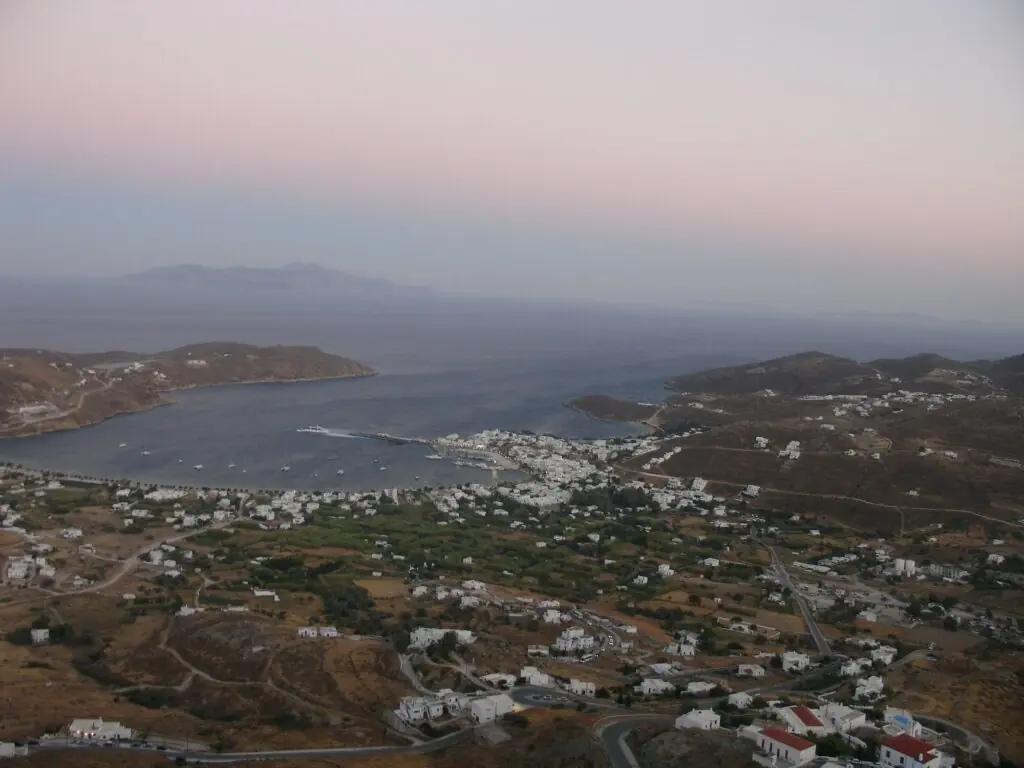
Greece’s official calendar doesn’t tell the whole story: between 31 October and 1 November, some destinations flip overnight, others don’t move at all. In Agios Gordios, on Corfu, the village was almost entirely shut by 5pm on 31 October. Crete (Chania, Rethymno, Heraklion) and Rhodes Town stay open all year, but Ryanair is pulling out of its 2026-2027 winter bases in Chania and Heraklion. In the smaller Cyclades, two hotels on the same island can close on completely different dates. After mid-October, it’s best to stay in a town or port rather than an isolated beach resort.
31 October isn’t an average, it’s a cliff edge. Greek ferry operators close out their summer season on that exact date and reopen on a winter timetable on 1 November, an administrative convention that’s been fixed for decades. On the ground, though, that same date splits some destinations in two within hours, while others carry on as if nothing happened. Understanding who flips and who stays open changes everything when planning an autumn trip to Greece.
1. 31 October: The Day Greece Flips a Switch
Corfu: A Resort That Shuts Down in One Evening
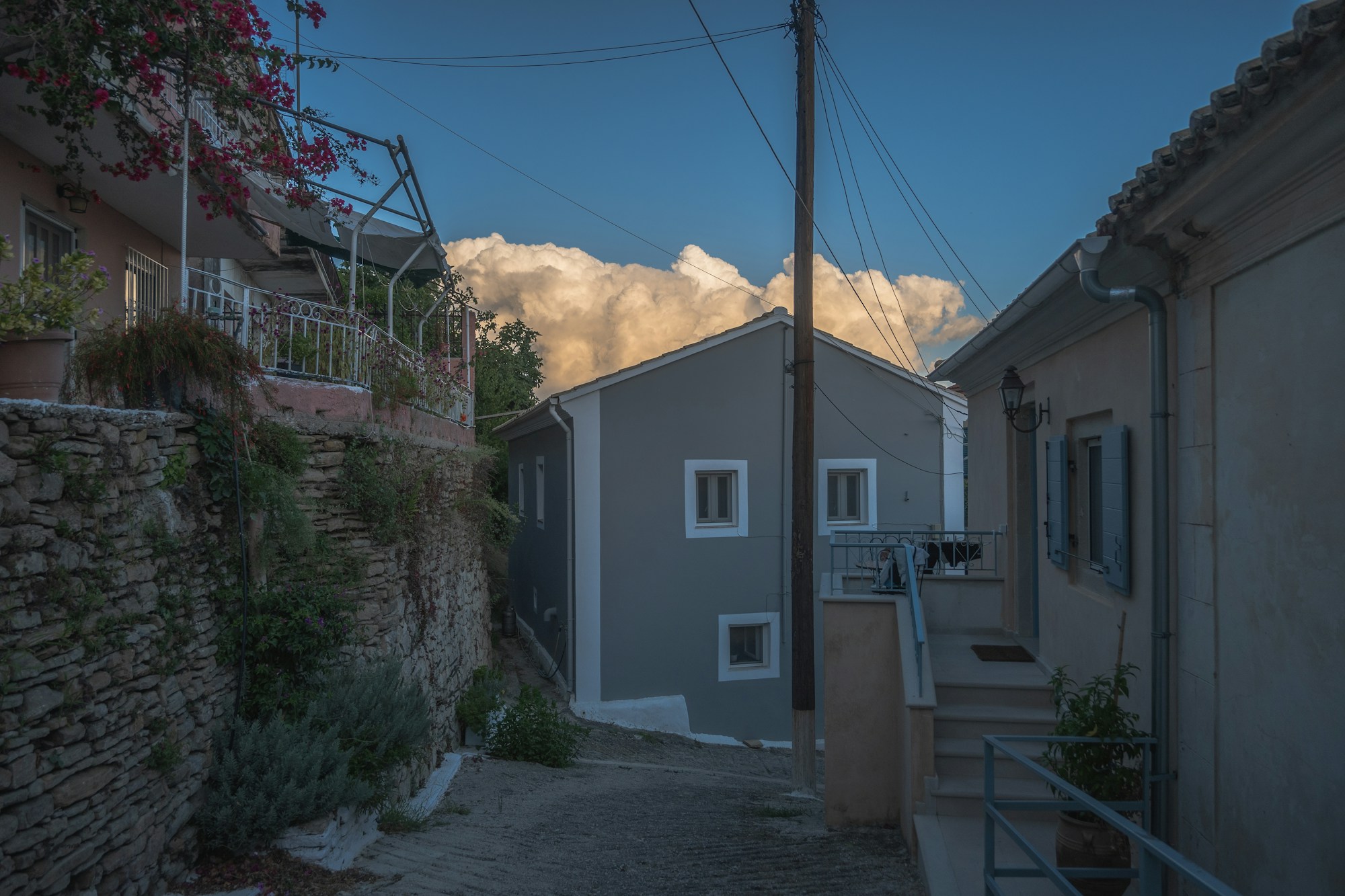
Greece’s tourist season has an official birth date and an official death date: summer runs from 1 April to 31 October, winter from 1 November to 31 March, a calendar that ferry operators have to get approved by port authorities before publishing it, according to santorinidave.com. The clearest illustration of this comes from a traveller who arrived in Agios Gordios, a beach resort on Corfu, on exactly 31 October: by 5pm the whole village had already closed, the cash machine that had been working an hour earlier was boarded up, only one restaurant remained open, and the buses dropped overnight from several daily runs to two, according to an account published on Substack by Ben West. One local summed up the scene: « Absolutely everyone leaves after the season, only about ten families are left here. »
This isn’t unique to Corfu. On Naxos, one hotel closes from 8 to 31 October while another just a few kilometres away stays open from November to March: there’s no single closing date per island, just a wide window that depends on the individual property, according to schedules published by Greek Island Buses. Fast ferries (SeaJets, Champion Jet catamarans) handle the autumn crossing less well than conventional ferries like Blue Star, and are grounded once winds hit force 8-9 on the Beaufort scale, according to rustourismnews.com.
Key takeaways
- The shift is abrupt, not gradual: think hours, not weeks
- There’s no single closing date per island: every hotel follows its own calendar
- 2026-2027 winter timetables are only published gradually, from November to May
2. Crete, the Exception That Stays Open Year-Round
Chania, Rethymno, Heraklion, Agios Nikolaos: Life Goes On
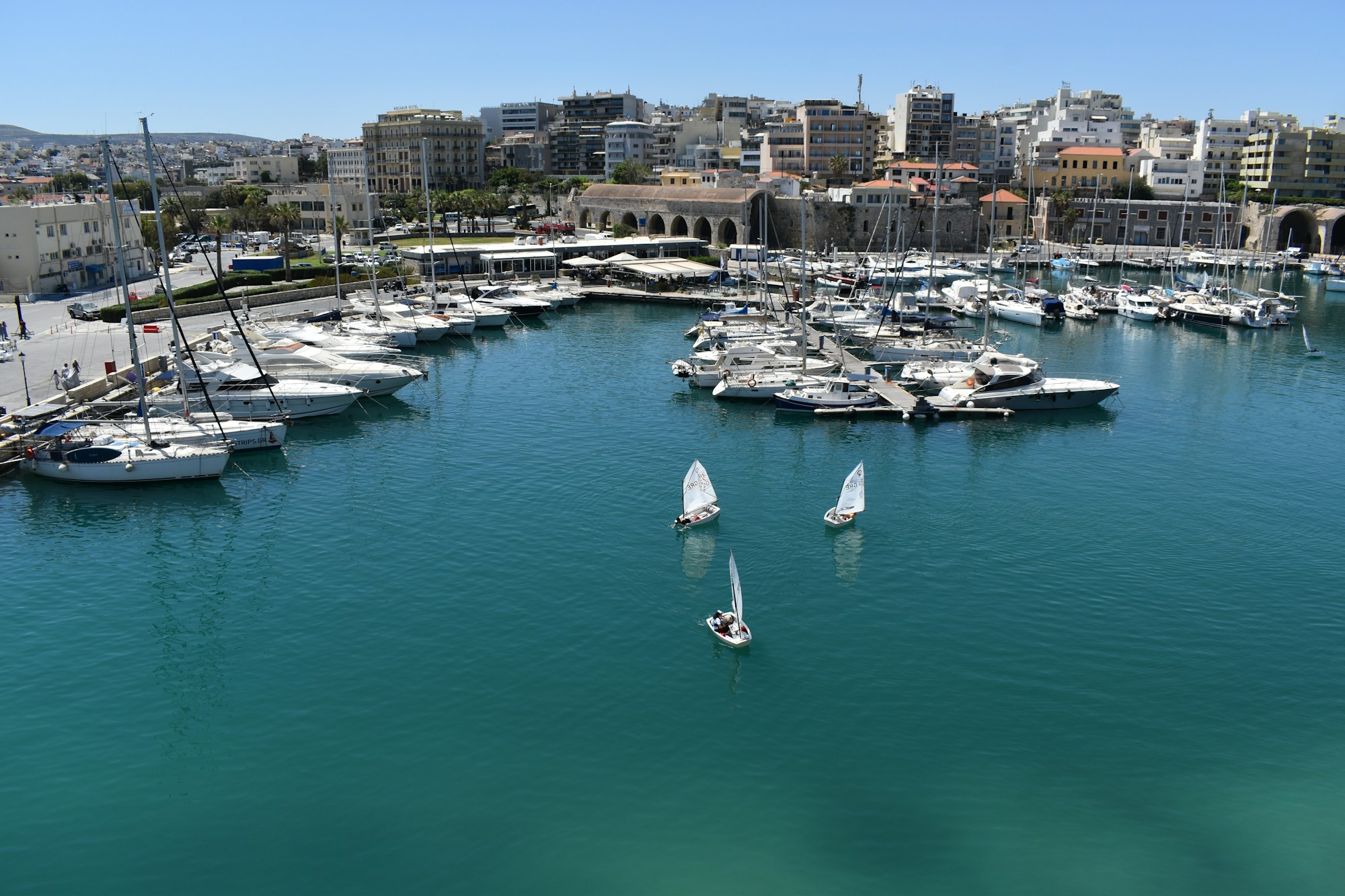
Crete is the big safe bet for this time of year. The northern towns, Chania, Rethymno, Agios Nikolaos, Sitia and Heraklion, stay active all year with restaurants, bars and shops open, according to corissia.com. It’s only from early November that package tourism really stops, with most large resort hotels closed until late March, while everyday town life carries on uninterrupted. Heraklion airport, for its part, crossed 10 million air passengers for the first time in 2025, according to figures compiled by Greek Trip Planner.
There’s a major catch for budget access: Ryanair is pulling out entirely from its 2026-2027 winter bases in Chania and Heraklion, as well as Thessaloniki, citing higher Fraport Greece airport charges, according to aviation.direct. In practice, that means many travellers will have to connect via Athens in winter rather than fly directly to Crete. Once there, car hire drops to around €12 a day between November and March, down from €31 in September, according to santorinidave.com.
Key takeaways
- Chania, Rethymno, Heraklion and Agios Nikolaos stay lively all year
- Car hire hits its lowest prices of the year between November and March
- No more direct Ryanair flights to Chania or Heraklion in winter 2026-2027: connect via Athens
3. Santorini and Mykonos: The Postcard Holds, the Party Stops Cold
The Caldera Stays Open, the Beaches and Beach Clubs Don’t
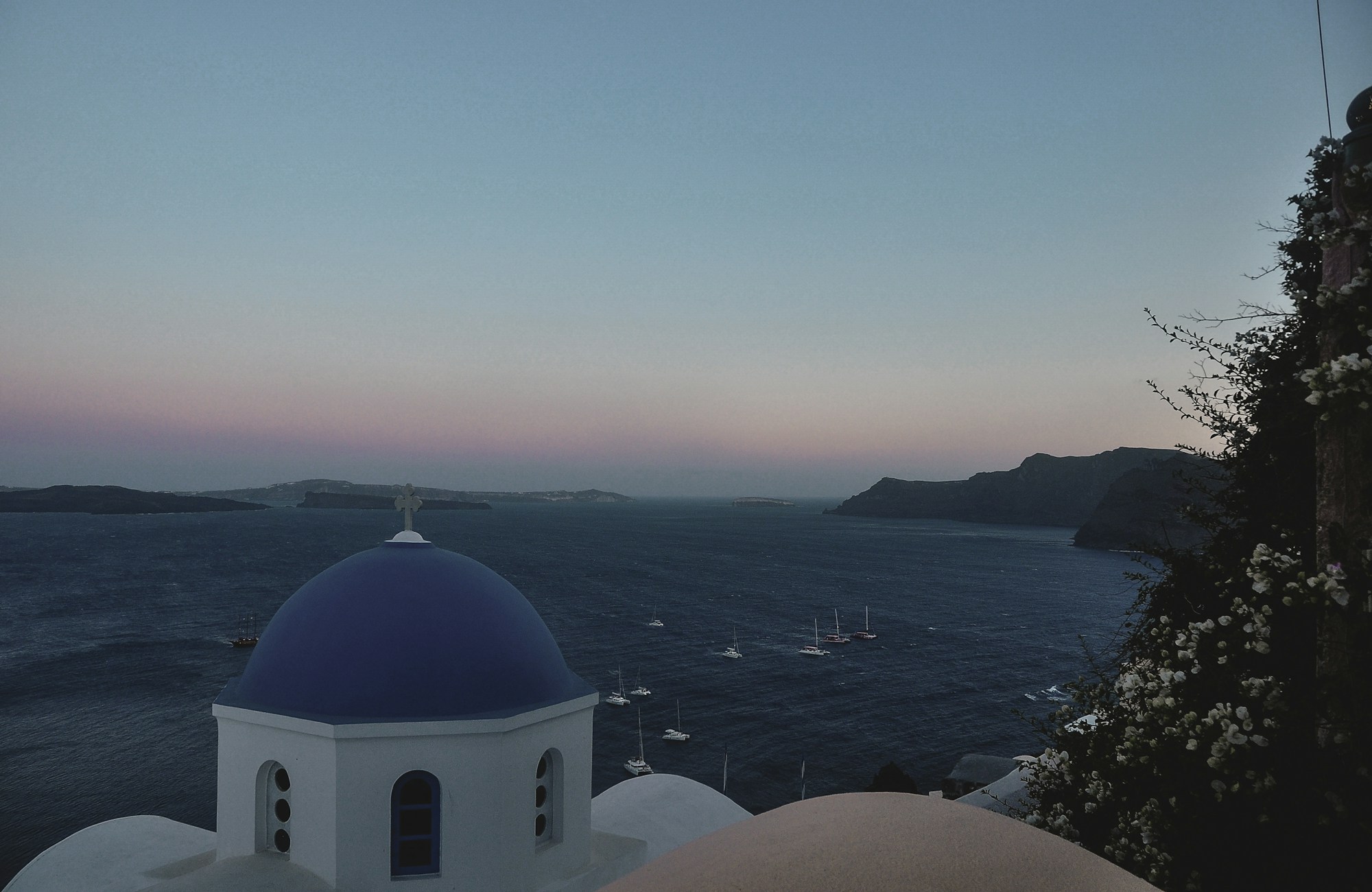
In Santorini, every hotel on the caldera, Fira, Firostefani, Imerovigli, Oia, stays open right through October: it’s the isolated beach properties in Kamari, Perissa or Perivolos that close towards the end of the month, according to santorinidave.com. So the caldera stays gorgeous and accessible, but the dining scene shrinks fast: only around 20% of Fira’s local tavernas keep running in winter, according to santorinisecrets.com, which sums it up: « While the seasonal beach clubs and resorts close, the authentic heart of the island stays operational. » On the bus front, the airport line drops from 14 daily runs in summer to 6 on weekdays, with the last one at 7:10pm, and just 4 on Saturdays, according to the schedule published by santorinibus.com.
Mykonos follows a different, sharper logic: without a year-round town equivalent to Chania, the shutdown there is almost total. Iconic beach clubs, Nammos, Scorpios, Cavo Paradiso, close between late September and mid-October with dedicated closing parties, and 80-90% of businesses stop trading from November to March, according to myrsvp.com. The international flight network, active from May to October, shrinks in winter to the single domestic route to Athens, and direct inter-island flights like Mykonos-Santorini stop almost entirely.
Key takeaways
- Santorini’s caldera stays visitable and bookable year-round
- 80% of Fira’s tavernas close in winter: book your restaurant ahead
- Mykonos shuts down almost entirely: there’s no real fallback town on the island
4. Rhodes and the Dodecanese: Lively Town, Closed Resorts
Rhodes Town All Year Round, Lindos and Faliraki Go Quiet
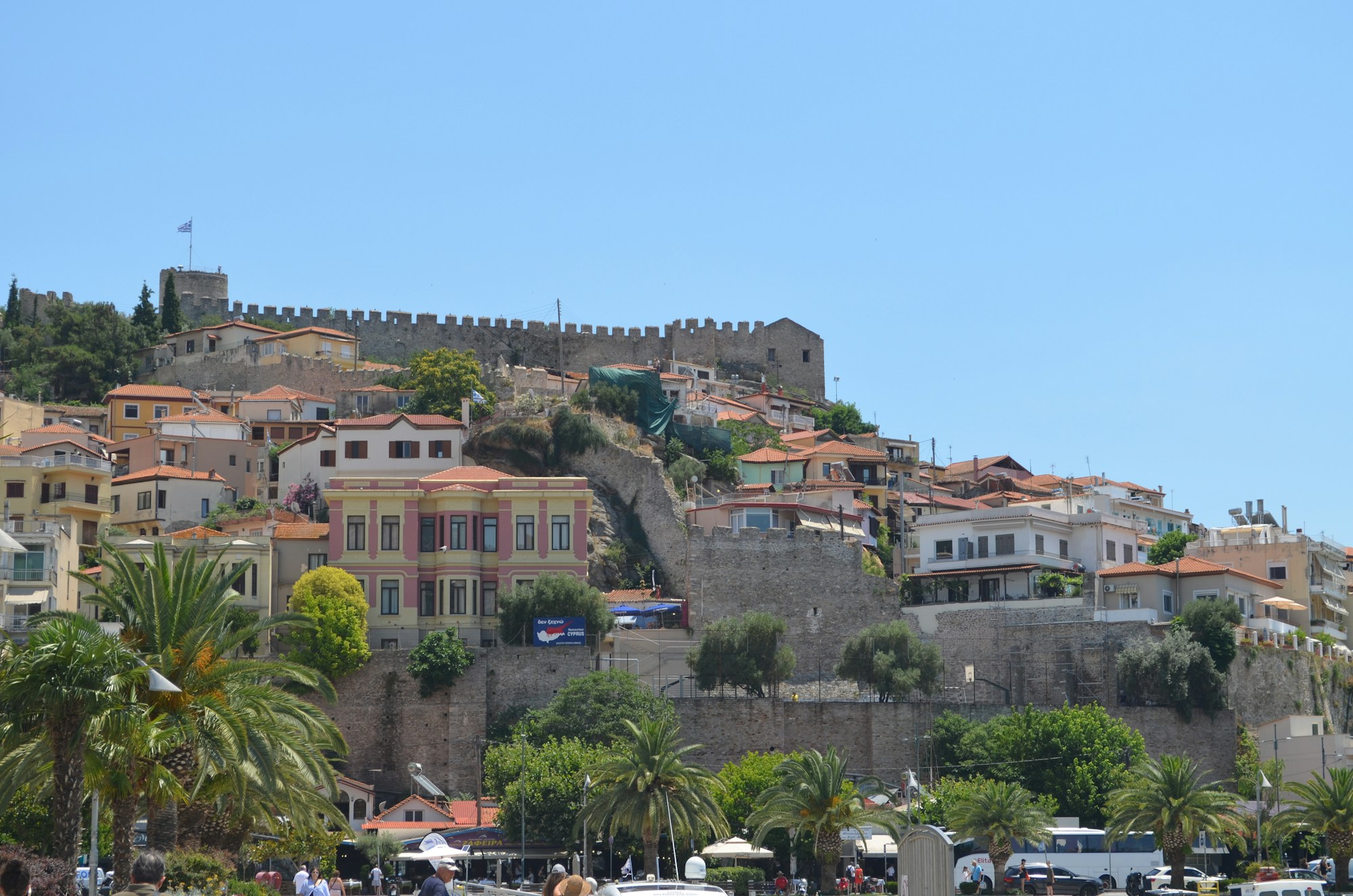
Rhodes has an official end-of-season date of 31 October for most UK tour operators, but Rhodes Town, backed by a sizeable permanent population, stays a living town all year. It’s the beach resorts, Lindos, Pefkos, Faliraki, that mostly shut down, leaving only a handful of places open, based on traveller reports shared on Tripadvisor. November actually becomes the cheapest month for the hotels still open, at around $45 a night, though with a much smaller pool of options.
Rhodes’ real edge in the shoulder season is its geography: the local Dodecanese ferries, run by Dodekanisos Seaways between Rhodes, Symi, Kos, Kalymnos, Leros, Lipsi and Agathonisi, keep running all year, at a reduced but reliable frequency, and are less exposed to storms than the Cyclades. That makes for a solid autumn compromise: an open historic town plus inter-island links that hold up better than elsewhere in the Aegean.
Key takeaways
- Rhodes Town stays lively all year, unlike the beach resorts
- The Dodecanese is less exposed to wind than the Cyclades in autumn
- Flights to Rhodes are mostly seasonal, making autumn trips harder to arrange
5. The Smaller Cyclades: Where the Real Risk Lies
Folegandros, Milos, Sifnos, Naxos Outside Town: Two Hotels, Two Calendars
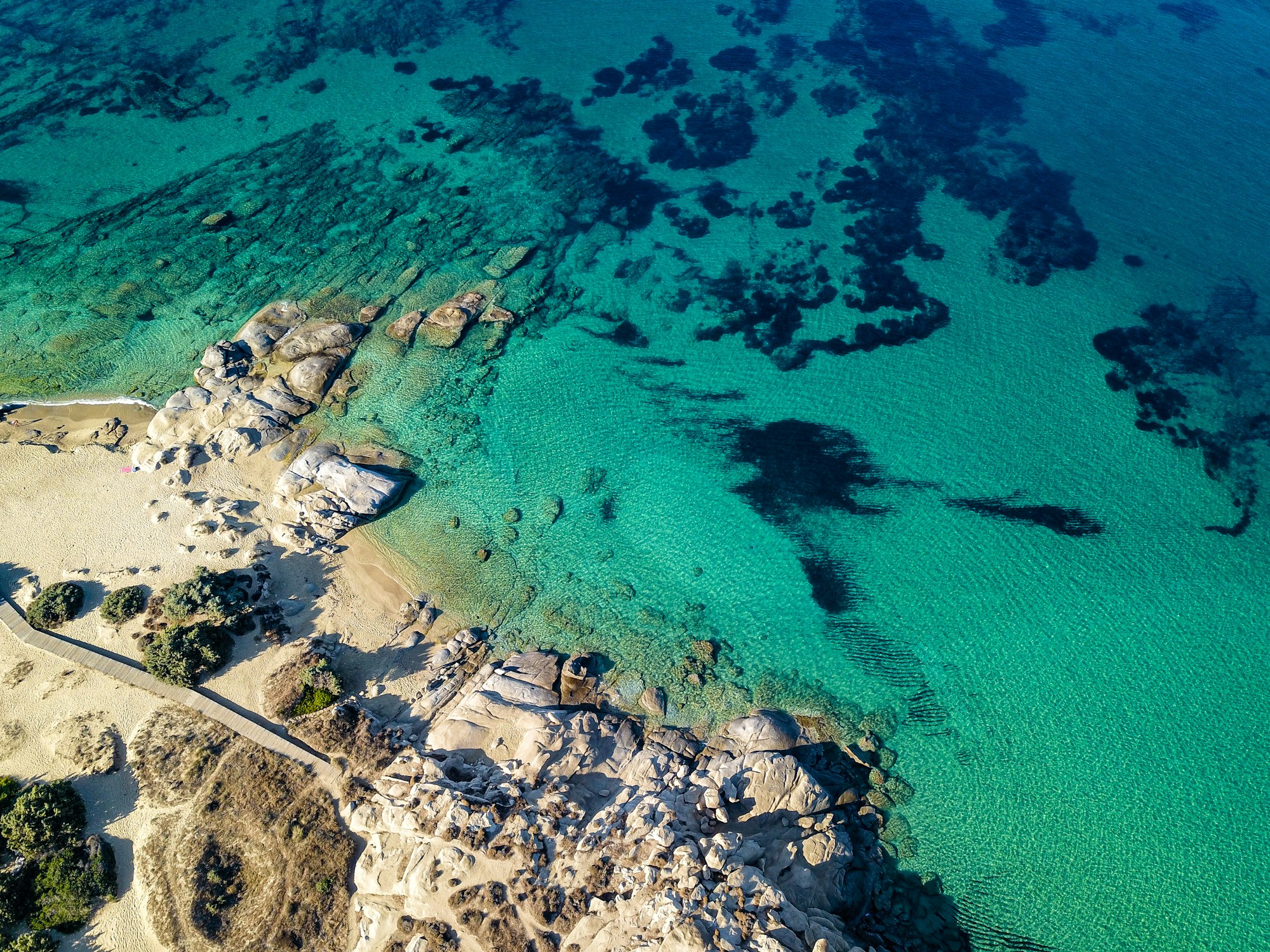
This is where the real risk sits for anyone planning late-season island hopping. On Naxos, one hotel closes from 8 to 31 October while another just a few kilometres away stays open from November to March, there’s no single date per island, just a wide window depending on the property. On Milos, Sifnos and Folegandros, the third week of October marks the real tipping point, with many resort hotels closing for winter, even though rooms can often still be found on arrival. « Most hotels in Folegandros stop answering the phone or emails in winter, and it’s impossible to book ahead of the following spring, » notes a thread on Tripadvisor.
Ferry frequency collapses along the same lines: the Paros-Naxos route drops from 10 daily runs in summer to 2 or 3 in low season, according to Ferryhopper data. On the even more isolated Small Cyclades (Iraklia and its neighbours), there’s no pharmacy or bank, just a cash machine and a basic doctor, logistical isolation there goes well beyond the seasonal question. On the flip side, once the summer and student crowds leave, Ios turns into a quiet destination valued for its beaches and food.
Key takeaways
- No reliable closing date per island: check property by property
- Secondary inter-island ferries drop to 2-3 runs a day from mid-October
- Ios, Milos, Tinos, Syros, Serifos and Sifnos remain locals’ picks for autumn
6. The Mainland, Ionian Islands and Sporades: Safe Bets and Pitfalls
Athens and the Peloponnese Hold Up, the Ionian Islands Stack the Risks
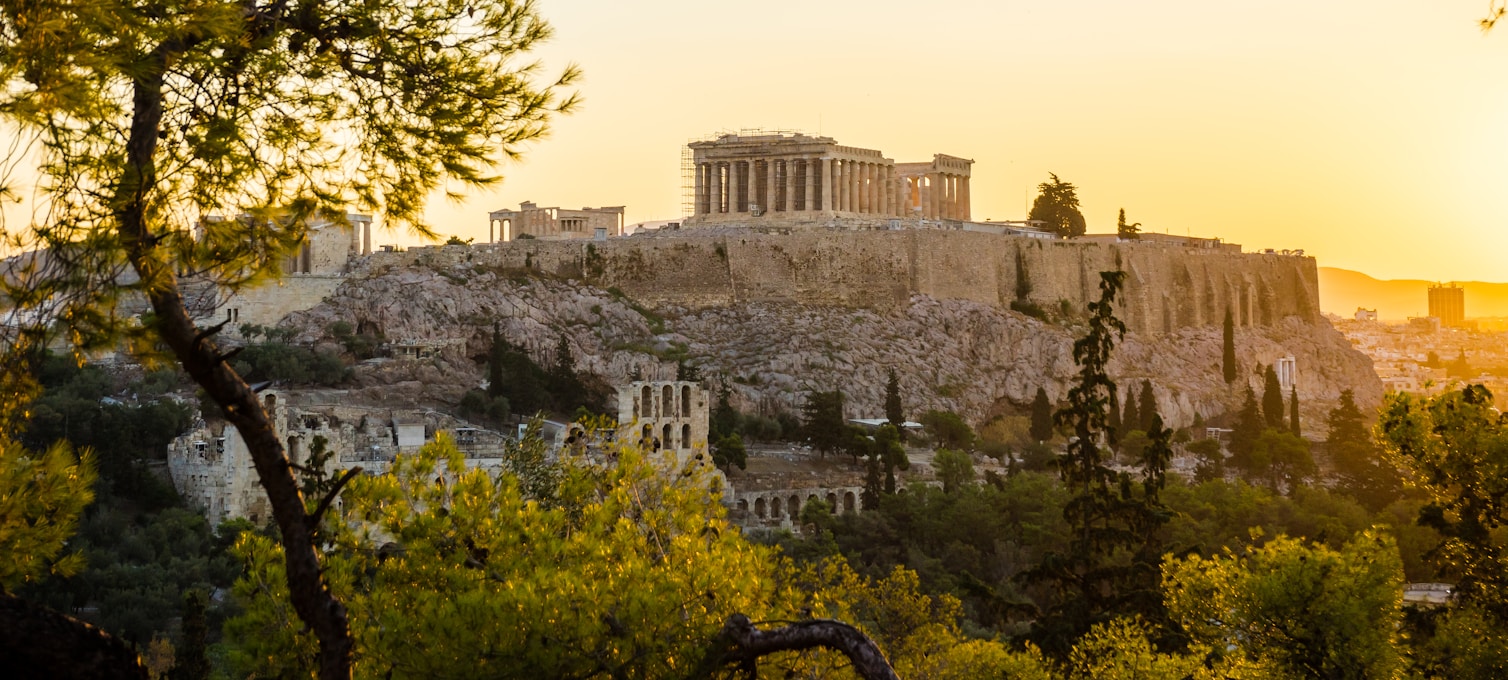
Athens remains a workable destination all year, including its coastal « Riviera », reachable by tram even in a mild winter. The Peloponnese (Nafplio, Mycenae, Epidaurus, Kalamata) is described as excellent year-round, with only the Mani staying cold and damp from November to March. Delphi and Meteora, on the mainland, stay accessible all year unlike the islands, according to santorinidave.com. That’s the most solid combination for a Greek autumn without nasty surprises: one or two reliable islands (northern Crete or Rhodes Town) paired with the mainland, rather than an ambitious island-hopping trip in October-November.
The Ionian Islands, by contrast, stack up the risk factors. The Azimut inter-island ferry service stops in late September, international charter flights to Kefalonia and Zakynthos end in late October, and the region gets Greece’s heaviest autumn-winter rainfall. Only the mainland links, Corfu-Igoumenitsa and Kefalonia-Kyllini, stay daily all year. In the Sporades, Skiathos and Skopelos ferries also run year-round from €10, but by early October most beach resort complexes have already closed, forcing visitors to stay in town instead, based on Tripadvisor reports.
At national level, Greece is also pursuing a « 12-month destination » policy, with a « Tourism for All 2026-2027 » programme that allocates 70% of its budget to the October-to-April months, according to Athens Times. That strategy mainly benefits Athens, Crete and the big cultural destinations, not the small Cycladic or Ionian islands, which stay structurally single-season for lack of a large enough permanent population: the island of Antikythera counted 39 residents in the 2021 census, down from 120 a decade earlier.
Key takeaways
- Athens, the Peloponnese, Delphi and Meteora work year-round without traps
- The Ionian Islands combine an abrupt shutdown, rain and seasonal flights that stop early
- The « one reliable island + mainland » combo limits nasty surprises
Practical info for an autumn trip to Greece
A local eSIM means you’re not relying on a hotel’s Wi-Fi that might close before your trip ends, handy for checking bus or ferry times that change without notice.
Greece plans from around €4.50Handy in the shoulder season, when combined risk (sudden closures, wind-cancelled ferries, strikes) runs higher than in peak summer.
Nomad Insurance from $56 / 4 weeksFrequently asked questions
Does Greece really close on 31 October?
Administratively, yes: the official ferry calendar puts the end of the summer season at 31 October. In practice, it varies hugely by destination. Athens, Crete’s northern towns and Rhodes Town stay active all year, while seasonal beach resorts and the smaller Cyclades switch into winter mode within hours, sometimes on that exact date, as shown by one traveller’s account from Agios Gordios, Corfu.
Can you still swim in Greece in November?
Yes, sea temperatures in November typically sit between about 18°C and 22°C depending on the locality (ten-year averages), with Crete around 20-22°C. It’s swimmable but cool, best suited to hardier swimmers, according to seatemperature.info.
Which islands stay the most reliable late in the season?
Crete (Chania, Rethymno, Heraklion, Agios Nikolaos), Rhodes Town and, to a lesser extent, the Sporades and Dodecanese (a more wind-sheltered position) remain the safest bets between mid-October and mid-November. It’s best to avoid isolated smaller Cyclades like Folegandros, Sifnos or Milos, as well as tightly packed itineraries through the Ionian Islands.
Are fast ferries more likely to be cancelled than conventional ones?
Yes, significantly. Catamarans (SeaJets, Champion Jet, Super Jet) are more sensitive to swell and are grounded once winds reach force 8-9 on the Beaufort scale, while large conventional ferries like Blue Star cope better with those conditions, according to rustourismnews.com.
What should I do if my ferry is cancelled because of the weather?
EU Regulation (EU) No 1177/2010 requires the operator to offer a free refund or re-routing, plus assistance (meals, up to three nights’ accommodation) if the delay exceeds 90 minutes. In practice, you need to complain in writing to the carrier, the ticket issuer or the terminal operator, within two months of the scheduled journey, according to the summary published on EUR-Lex. The text doesn’t explicitly exempt weather cancellations from this refund/re-routing obligation, even though operators tend to cite safety when suspending services without further compensation.
Are the 2026-2027 winter timetables already known in September 2026?
No, or only partially. Greek operators publish their winter timetables gradually between November and May, starting with mainland-to-island routes before inter-island ones. For a trip planned for late October or early November 2026, it’s better to book progressively, a few weeks ahead, rather than plan everything too early, according to the Ferryhopper blog.
Do Ryanair and easyJet still fly to Greece in winter?
Partly. Ryanair is pulling out entirely from its 2026-2027 winter bases in Chania, Heraklion and Thessaloniki, around 700,000 fewer seats and twelve routes axed, citing airport charges it considers excessive, according to aviation.direct. EasyJet is keeping most of its usual Greek routes (Corfu, Heraklion, Kalamata, Kefalonia, Kos, Rhodes, Skiathos, Zakynthos), but is trimming some of them over targeted periods in January-February.
Is there a strike risk on top of the seasonal closures?
Yes. Greece’s big general strikes traditionally cluster around late September and early October, when parliament resumes. The Wego Travel Blog, updated 10 August 2026, reports no national ferry strike announced as of that date, so check each departure with the operator. It’s worth checking Greek labour news just before you leave.
Sources
- santorinidave.com: Greek Ferries: official summer/winter ferry calendar for Greece.
- Ben West, Substack: first-hand account of Agios Gordios, Corfu, closing on 31 October.
- corissia.com: Crete in Winter: winter town life in Crete.
- aviation.direct: suspension of Ryanair’s Chania, Heraklion and Thessaloniki bases.
- Greek Trip Planner: Greece Tourism Statistics 2025: tourism figures and Heraklion airport passenger numbers.
- santorinidave.com: Santorini in October: closure calendar for Santorini.
- santorinisecrets.com: Santorini in Winter: share of Fira’s tavernas staying open.
- santorinibus.com: Santorini KTEL bus timetable.
- myrsvp.com: Mykonos Summer 2026: closing dates for Mykonos beach clubs.
- Tripadvisor: Rhodes closed in October: beach resort closures on Rhodes.
- Tripadvisor: Milos/Sifnos/Folegandros: hotel availability in the smaller Cyclades in October.
- Ferryhopper: Greek Islands Ferry Schedules 2026: gradual publication of winter timetables and Paros-Naxos frequency.
- rustourismnews.com: sensitivity of catamarans to strong winds.
- EUR-Lex: Regulation (EU) No 1177/2010: rights of passengers travelling by sea.
- Tripadvisor: Sporades: ferries and hotel closures in Skiathos and Skopelos.
- santorinidave.com: Mainland Greece: Athens, Peloponnese, Delphi and Meteora year-round.
- Athens Times: Tourism for All 2026-2027: national programme extending the tourist season.
- France 24: Antikythera: depopulation of Greece’s smaller islands out of season.
- Wego Travel Blog: Greece Ferry Strikes: ferry strikes and the Greek social calendar.
- seatemperature.info: sea water temperature in Greece in November.
Research carried out in September 2026 from primary sources consulted directly.

Plan your trip with Pixidia
Pixidia learns how you travel and helps you build a trip that truly fits you and everyone coming along.
Open the planner