
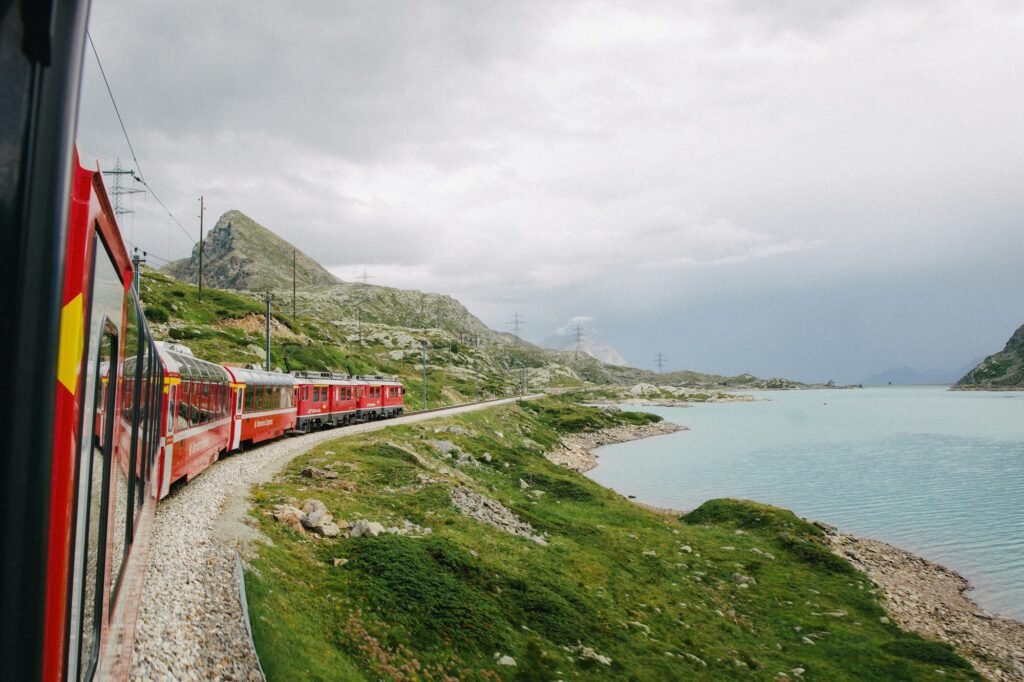
One pass, 33 countries, 40,000 destinations: Interrail remains the ultimate way to explore Europe by train. In 2026, the European rail network is undergoing a genuine revolution — new high-speed lines, next-generation night trains, and unprecedented connections between capitals. Here is the complete guide to planning your rail adventure across Europe, with the best itineraries, real pass prices, and destinations that are truly worth the detour.
Understanding the Interrail Pass in 2026
What is the Interrail Pass?
Interrail is the rail pass range designed for European residents, offering unlimited train travel across the services of national railway companies throughout most of Europe. Launched in 1972 as a youth pass, it now offers options for all age groups. The Global Pass allows travel to over 40,000 destinations across 33 European countries.
Two main pass types
- Flexi Pass: a set number of travel days over a 1 or 2-month period (non-consecutive). Ideal for travellers with a planned itinerary.
- Continuous Pass: unlimited travel over a fixed period of 15 days to 3 months. Perfect for extended trips or spontaneous travel.
- One Country Pass: in-depth exploration of a single country, available in 3, 4, 5, 6 or 8 days in 33 countries including Italy, France and Switzerland.
2026 prices by age group (Global Pass)
Young travellers aged 12–27 benefit from a 25% discount, and seniors over 60 get a 10% reduction on pass prices. Children aged 4–11 travel free with the purchase of an adult pass (limited to two children). According to Lonely Planet, for adults aged 28–59, a continuous 3-month Global Pass costs €947.
Night Trains in 2026: A Rail Revolution
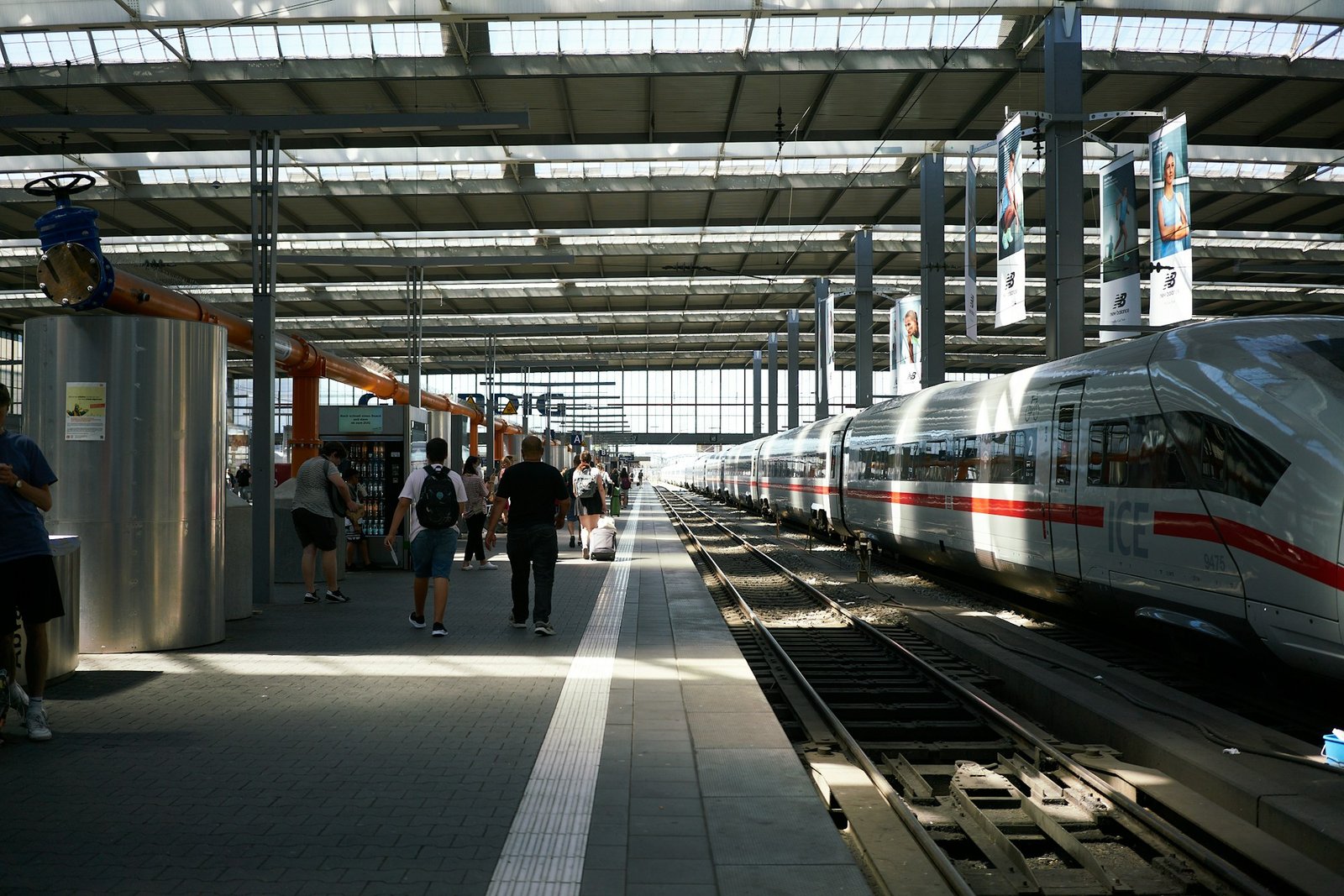
The new Nightjet trains: a revolutionary travel experience
ÖBB is investing over €500 million in new Nightjet trains. In total, 24 brand-new trains designed by Siemens will be in service by mid-2026. These revolutionary trains feature en-suite showers, free Wi-Fi and the iconic mini-cabins — individual pods with a 190cm bed, storage and sliding door. They already run on the Zurich–Hamburg and Vienna–Amsterdam routes. According to Ulysse.com, the Vienna–Zurich and Berlin–Zurich routes will be upgraded during 2026.
Major new routes in 2026
- Paris–Brussels–Berlin by European Sleeper (from 26 March 2026, 3 nights/week)
- Brussels/Amsterdam–Milan by European Sleeper (from 18 June 2026, via Cologne, Bern, Brig and Lake Maggiore)
- Prague–Copenhagen: new seasonal service from 1 May 2026
- Rome–Marseille: Treni Turistici’s Espresso Riviera increases to 3 frequencies/week
10 Off-the-Beaten-Track Destinations for an Unforgettable Interrail 2026
1. Ljubljana & Lake Bohinj — Slovenia
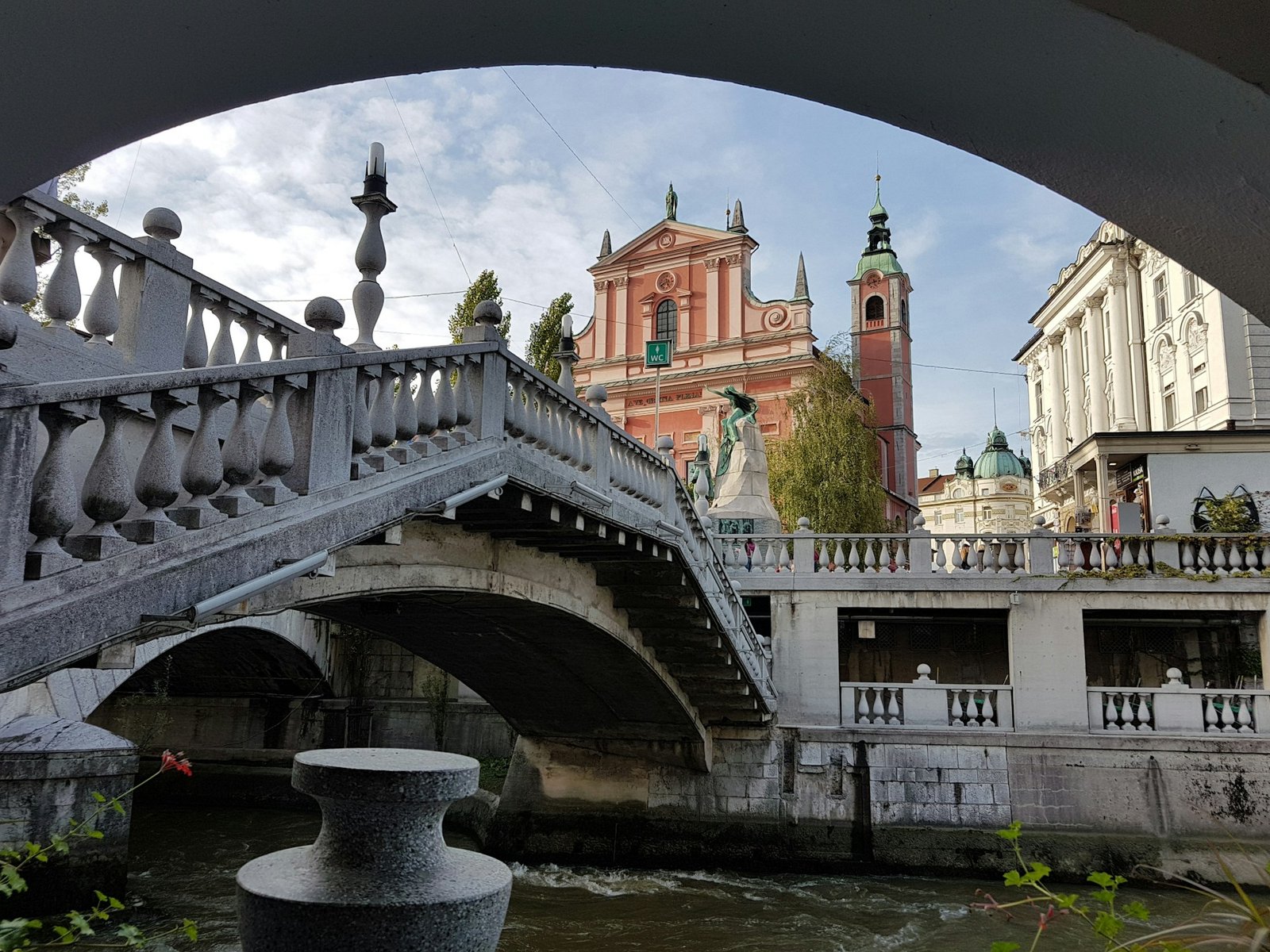
Ljubljana, Central Europe’s best-kept secret capital
A human-scale capital, Ljubljana charms visitors with its understated beauty and welcoming atmosphere. The entirely pedestrianised old town revolves around the Ljubljanica River, lined with lively cafés and terraces. But Slovenia’s greatest surprise lies beyond its capital: Lake Bohinj, far less visited than neighbouring Lake Bled, offers a completely unspoilt Alpine setting. According to Interrail.eu, the train from Ljubljana to Bohinjska Bistrica runs through spectacular gorges.
Why choose Slovenia?
- Exceptional Alpine scenery without the crowds of major destinations
- Very affordable prices (hotels and restaurants much cheaper than in Austria)
- Strong commitment to sustainable tourism — Ljubljana is an EU Green Capital
- Scenic trains: the Ljubljana–Maribor Pendolino offers breathtaking valley views
2. Olomouc — The Secret Prague of Moravia (Czech Republic)

Olomouc: all of Prague’s charm, none of the crowds
Olomouc may well be the most beautiful city in the Czech Republic, rivalling Prague for its historic heritage and vibrant nightlife. Off the tourist radar, this university city of 100,000 inhabitants is home to a UNESCO-listed Trinity Column, six spectacular Baroque fountains, and a permanent student buzz. According to Interrail.eu, a direct train from Prague gets you to Olomouc in just 2 hours 15 minutes.
What makes Olomouc unique
- UNESCO-listed Baroque Trinity Column, one of the tallest in Central Europe
- Beer on a terrace for around €1.50 — unbeatable prices
- Authentic atmosphere without Prague’s tourist masses
- Easily combined with Brno (1h by train), Moravia’s underground techno capital
3. Ronda — The Clifftop City of Andalusia (Spain)
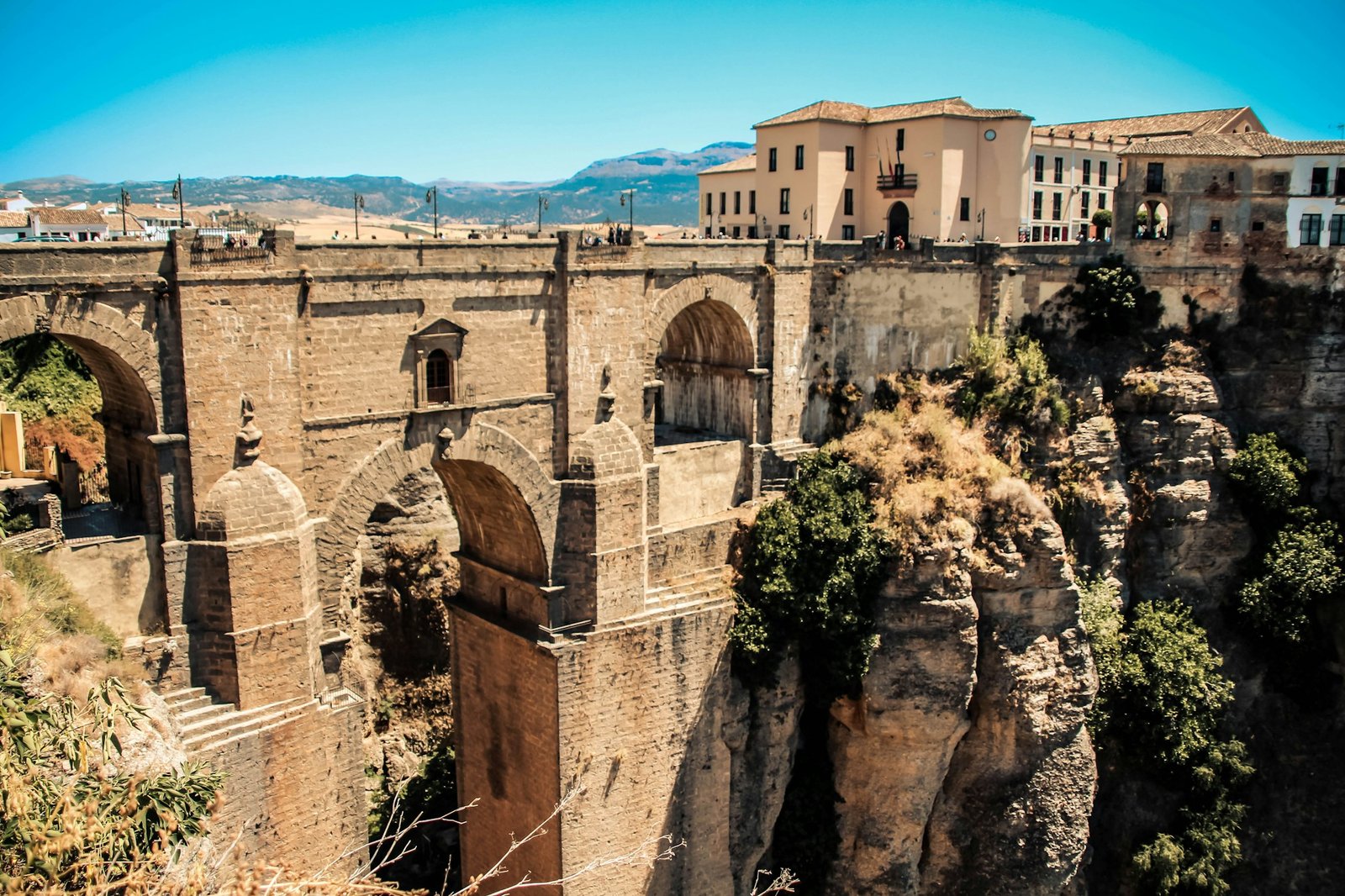
Ronda, perched 750m above Andalusian gorges
Built on the edge of a 100-metre cliff, Ronda is one of the most dramatic of Andalusia’s white towns. The Puente Nuevo (New Bridge, 1759–1793) towers over the gorge carved by the Guadalevín River — one of Spain’s most striking images. This historic city dating back to the 9th century also houses one of Spain’s oldest bullrings (1785) and remarkable local wineries. From Málaga or Córdoba, according to Interrail.eu, the journey takes under 2 hours.
Ronda highlights
- The Puente Nuevo spanning a 120m gorge — one of Spain’s most spectacular sights
- More affordable than Seville or Málaga, with preserved Andalusian authenticity
- The train from Málaga passes through wild gorges — stunning scenery
- The Iryo network, now part of Interrail, allows a Mediterranean coastal arc itinerary
4. The Baltic Route: Vilnius → Riga → Tallinn

Three Baltic capitals, one epic rail journey
From Vilnius, Lithuania’s capital, a single train line crosses three countries and 26 destinations all the way to Tallinn on the Gulf of Finland. According to Interrail.eu, with newly improved connections, the full journey takes around 10 hours — it’s recommended to take your time with stops in Riga, Sigulda and Tartu. Riga boasts the largest Art Nouveau architectural ensemble in the world. Tallinn, with its UNESCO-listed medieval old town, is one of the best-preserved in Europe.
What you’ll discover
- Vilnius: Baroque old town, Gediminas Hill, bohemian and creative vibe
- Riga: world-class Art Nouveau quarter, Central Market in converted zeppelin hangars
- Tallinn: UNESCO-listed medieval old town, Scandinavian tech hub
- Ferry from Tallinn to Helsinki (2h30) with Interrail discounts
5. Kotor — The Mediterranean’s Best-Kept Secret (Montenegro)
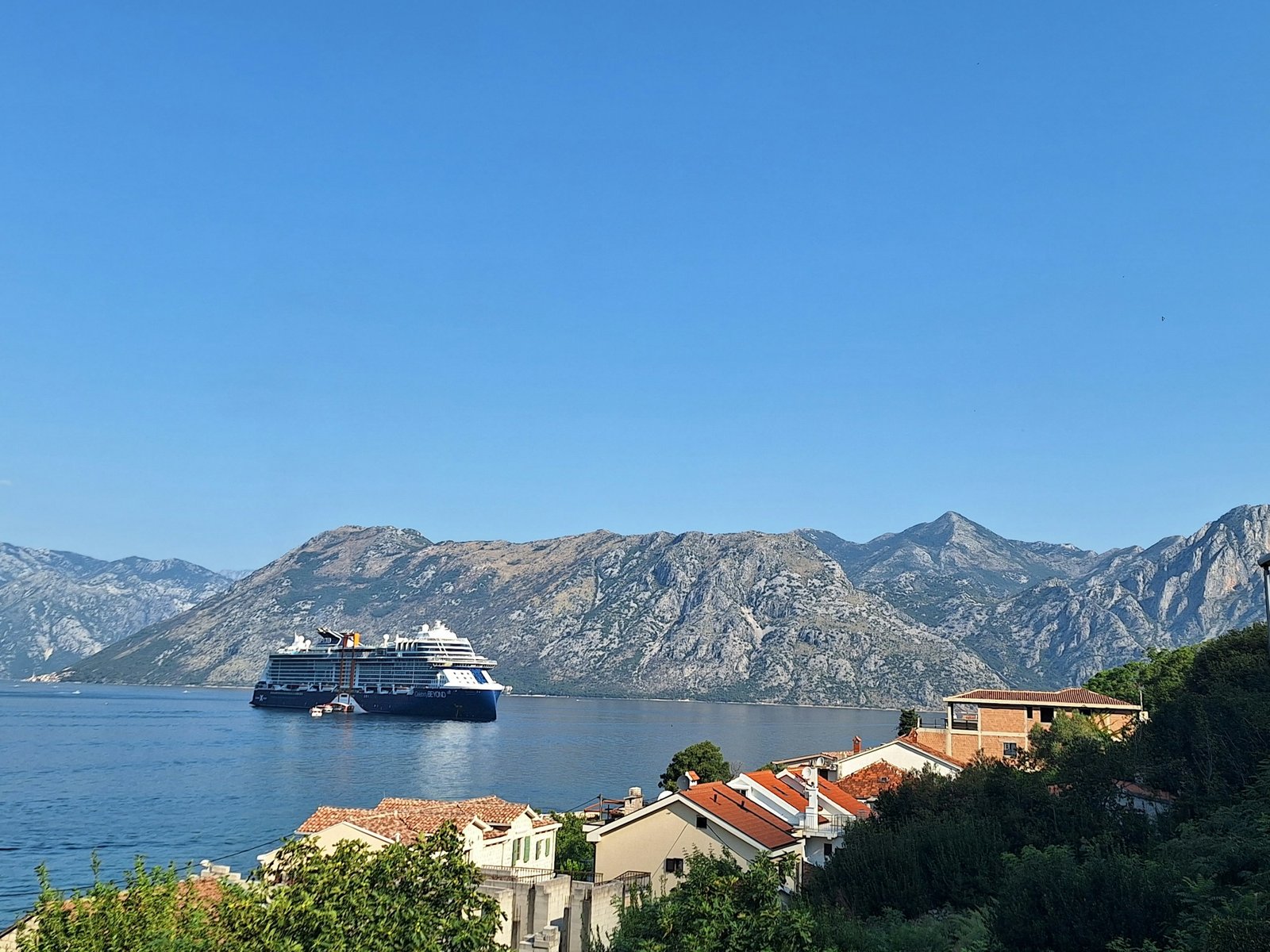
Kotor, the Venetian walled city that tourism hasn’t yet spoiled
The medieval city of Kotor, enclosed by Venetian walls and listed as a UNESCO World Heritage Site, is one of the best-preserved in the Mediterranean. Unlike Dubrovnik, the tourist masses have not yet overrun it. The nearest railway station is in the town of Bar, not far away. The Bar–Belgrade railway is itself a work of railway art: built in the 1970s, it crosses 254 tunnels and 435 bridges through Montenegro’s Morača Gorge. According to Interrail.eu, a night train for €15–20 reservation fee delivers a stunning sunrise in unspoilt Montenegrin nature.
Why Kotor is worth it
- UNESCO-listed Venetian old town, without Dubrovnik’s crowds
- The Bar–Belgrade line: 254 tunnels, 435 bridges — one of Europe’s most spectacular rail routes
- Very affordable budget — one of the cheapest Interrail-accessible countries
- Climb the ramparts at sunrise: you’ll have misty bay views entirely to yourself
6. The Eifel Line: Trier → Cologne (Germany)
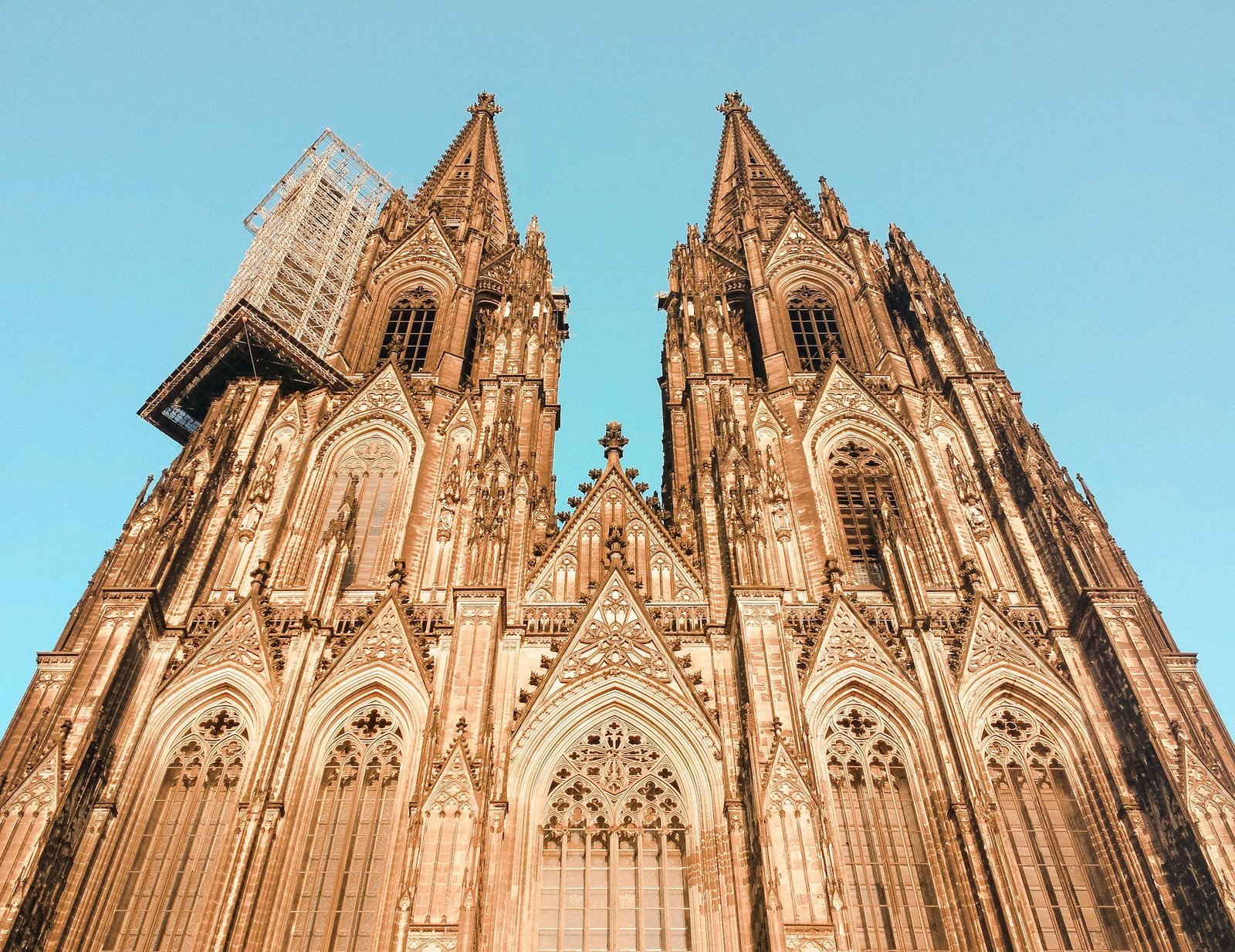
Germany’s most scenic regional line, back after 4 years
This scenic regional line is back after devastating floods in 2021 that had damaged the track. According to Interrail.eu, start in Trier, at the southern edge of the Moselle wine region (and birthplace of Karl Marx, with Germany’s finest Roman ruins), then travel north through lush forests and western German hills. After three hours, the journey culminates in Cologne, famous for its colossal cathedral and vibrant arts scene.
Highlights of this itinerary
- Zero reservation fees — just board with your pass!
- Trier: Porta Nigra and Roman imperial baths, both UNESCO-listed
- Spectacular viaducts through the Eifel forest, reopened after 4 years of reconstruction
- Optional stop in Koblenz, at the confluence of the Rhine and Moselle
7. Sarajevo & Mostar — Crossroads of Civilisations (Bosnia-Herzegovina)
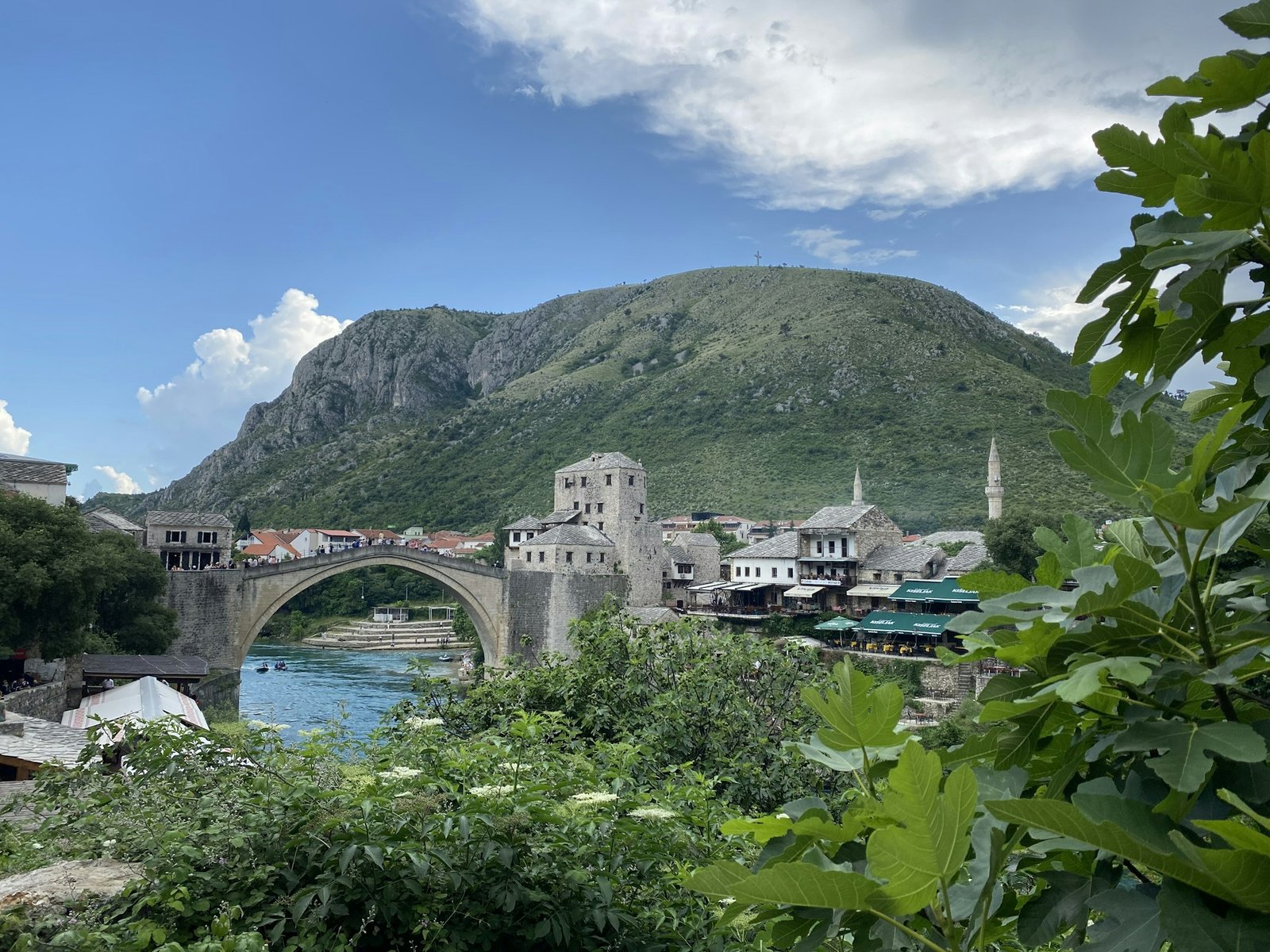
The most unexpected Europe, between East and West
Sarajevo is the only European capital where a Catholic cathedral, an Orthodox cathedral, an Ottoman mosque and a synagogue stand within a few hundred metres of each other. Today it’s a vibrant city with a lively café culture, bustling markets and warm-hearted locals. Just 2.5 hours by bus from Sarajevo, Mostar and its famous Stari Most (Old Bridge, UNESCO-listed) is one of the Balkans’ crown jewels. According to Euroventure, the landscapes continuing through Bosnia towards the Adriatic are among Europe’s most spectacular.
Must-sees
- Sarajevo: the Baščaršija (Ottoman bazaar), the Gazi Husrev-bey Mosque (16th century)
- Mostar: the Stari Most, rebuilt after its destruction in 1993, and its traditional divers
- Among Europe’s lowest budgets — fine restaurant meals for €8–12
- The Sarajevo–Mostar train runs through the Neretva Gorge (seasonal service)
8. Kalambaka and the Meteora — Mystical Greece
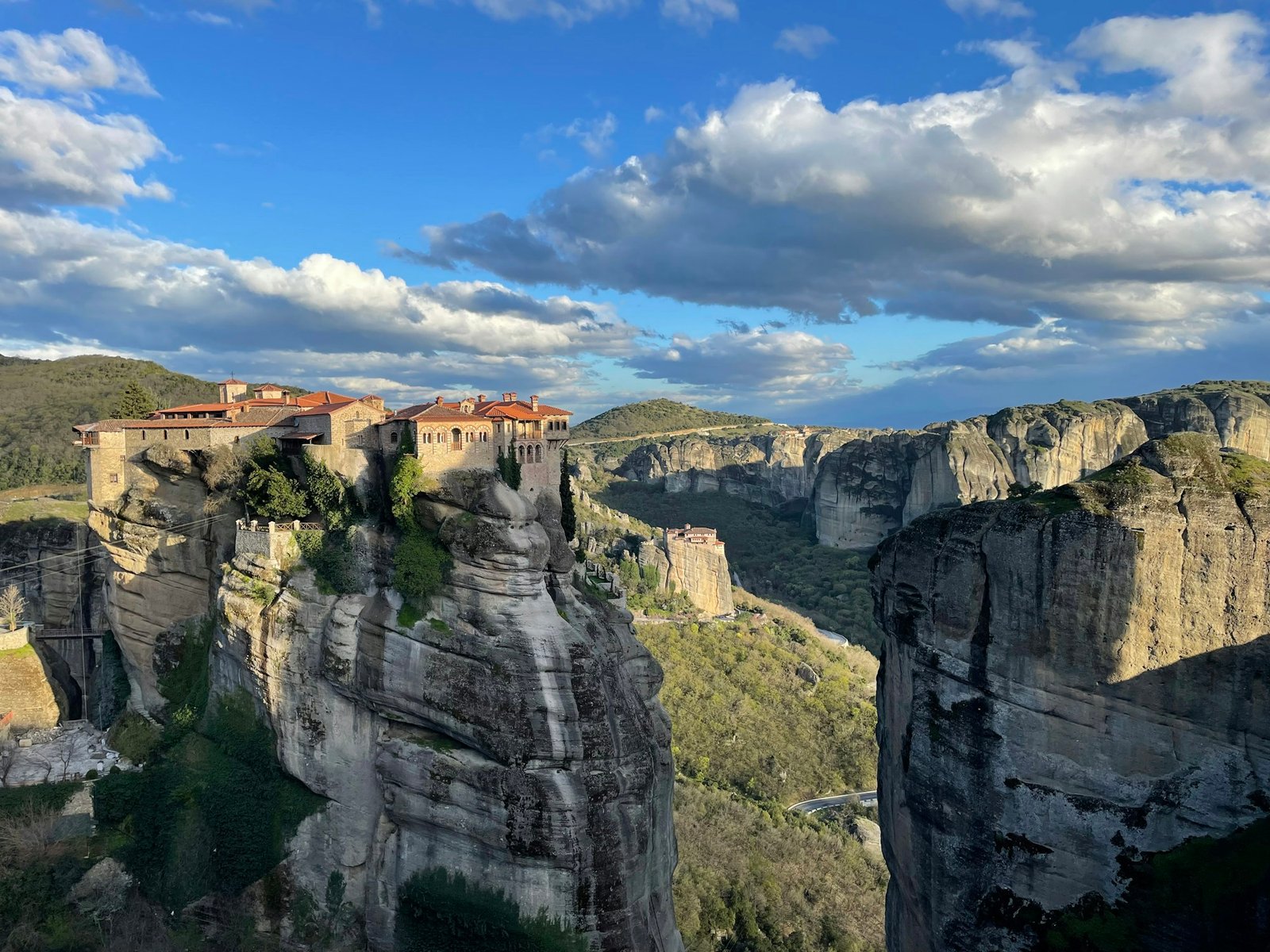
Monasteries in the sky — one of Europe’s natural wonders
These sandstone formations, eroded over 60 million years, are among Europe’s most spectacular geological features. The six monasteries perched atop the rock pillars, inhabited since the 14th century, are still active. According to Interrail.eu, Kalambaka is accessible from Athens (4h30) or Thessaloniki (3h) by train. Unlike the overcrowded Greek islands, this mainland destination preserves authentic everyday Greek life.
What you’ll experience
- Six active monasteries in the sky, four of which are open to visitors
- Unforgettable sunrise from the hiking trail linking the monasteries
- Much cheaper than the Greek islands — Kalambaka remains an authentic village
- Perfect combination with Thessaloniki (3h by train), Greece’s gastronomic capital
9. The Douro Valley — The World’s Most Beautiful Train Line (Portugal)
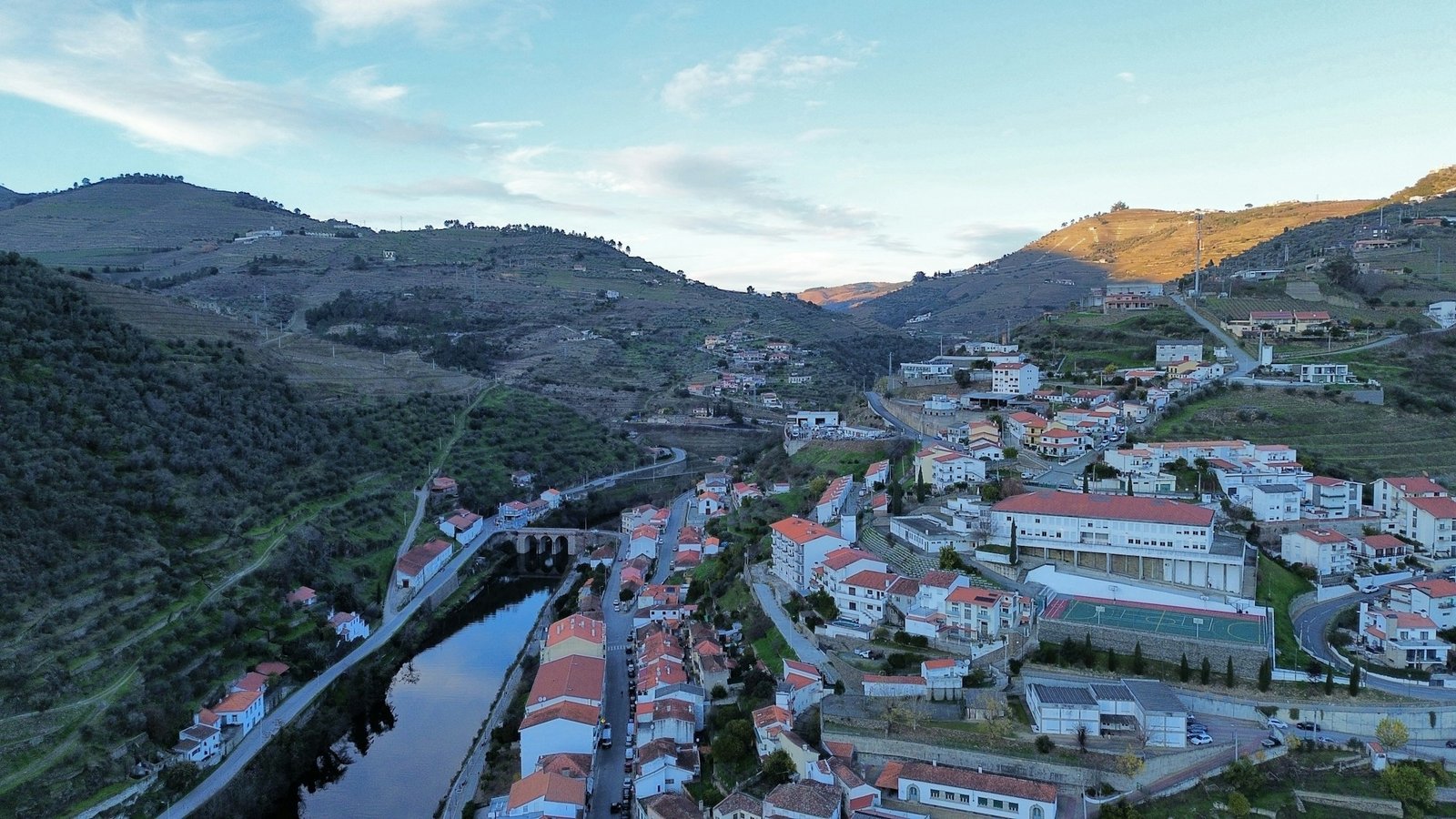
Porto and a valley of 150km of terraced vineyards
The Porto–Pocinho line follows the Douro River for over 150km through landscapes of golden terraced vineyards. It is officially one of the world’s most beautiful railway lines. According to Traingift.com, Porto, a UNESCO World Heritage city, is famed for its Port wine and views over the Ribeira waterfront. Heading to Pinhão, nestled in the heart of the Douro Valley, reveals terraced vineyards and delicious wines at very accessible prices.
The perfect itinerary
- Porto: Port wine cellars in Vila Nova de Gaia, Dom Luís Bridge, Livraria Lello bookshop
- Pinhão: 500 inhabitants, family quintas where you can taste wine directly from the producer
- Free with Interrail on CP regional trains — no reservation required
- September–October: harvest season with magical golden and russet tones
10. Belgrade & Novi Sad — The Balkans’ Greatest Surprise (Serbia)
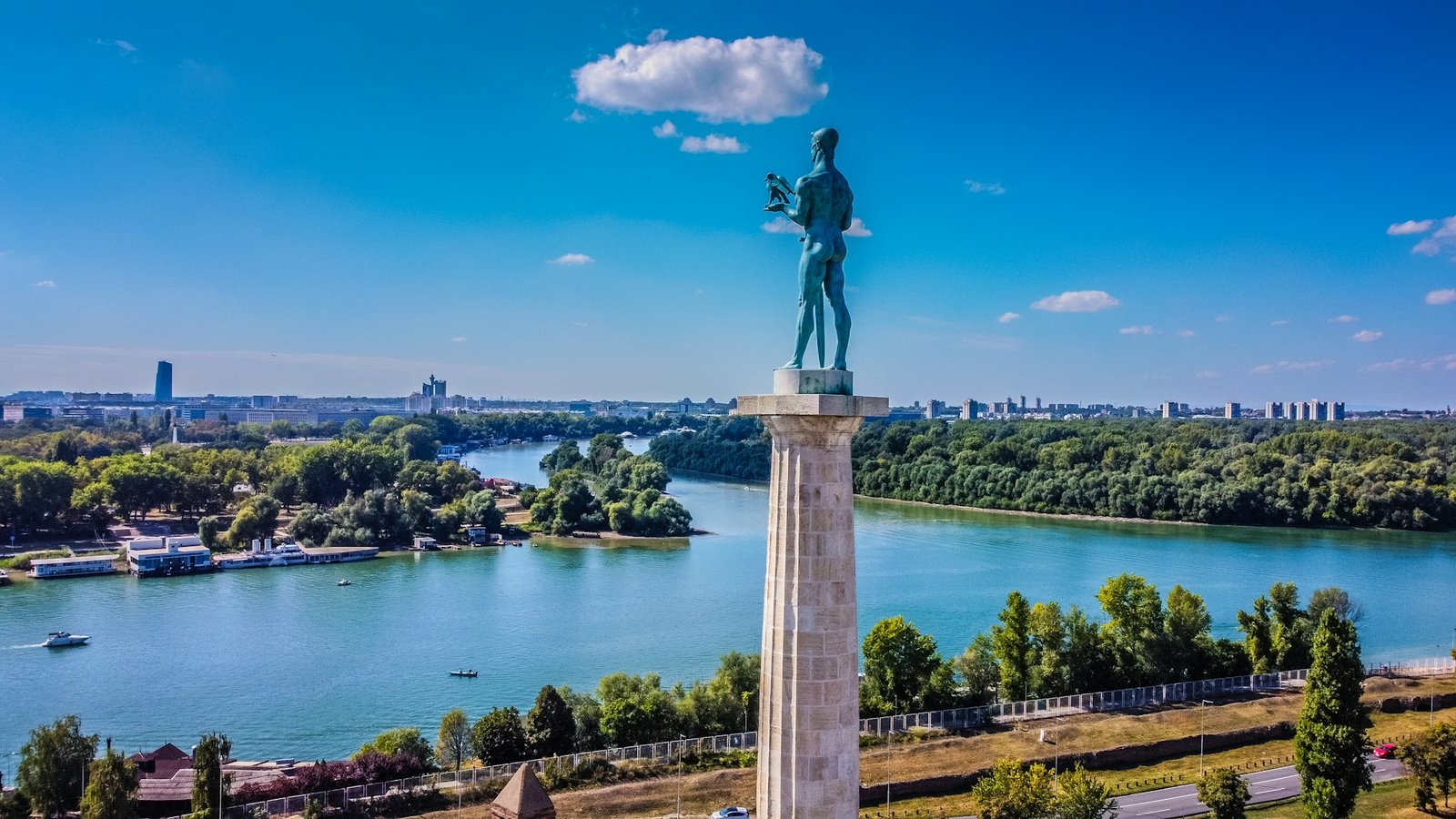
Belgrade, the Balkans’ nightlife capital
Belgrade is one of Europe’s most exciting cities: its music scene, kafanas (traditional taverns) and splavovi (riverside boat clubs on the Sava) make it a world-class nightlife capital. Serbia doesn’t use the euro (Serbian Dinar) — prices are among the lowest in Europe. Just 45 minutes away, Novi Sad is a hidden gem with the magical Petrovaradin Fortress overlooking the Danube. According to Interrail.eu, the Belgrade–Subotica high-speed line is set to extend to Budapest in 2026, significantly reducing journey times.
Why Belgrade will surprise you
- Kalemegdan Fortress: the finest sunset in the Balkans, at the confluence of two rivers, free of charge
- Belgrade is the natural terminus of the Bar–Belgrade line, crossing Montenegro’s gorges
- Exit Festival in Novi Sad (July) — one of Eastern Europe’s biggest music events
- Beer for €1 in a kafana and hearty meals for €6–8 in traditional taverns
Complete Budget for Interrail 2026
What does an Interrail trip actually cost?
Beyond the pass price, here is a realistic breakdown of costs to anticipate. According to au-bord-du-quai.fr and voyage-sur-mesure.com, here are the ranges to plan for:
Daily budget by travel style
- Backpacker budget (hostel, local food, Eastern Europe): €40–55/day
- Comfort budget (modest hotel, mid-range restaurants, Western Europe): €70–100/day
- Mixed budget (alternating Eastern and Western Europe): €55–75/day
DiscoverEU: Travel Europe by Train for Free at 18
The EU programme giving Interrail passes to young Europeans
DiscoverEU is an initiative launched by the European Union in 2018. It distributes over 35,000 Interrail passes each year to European citizens turning 18, to explore Europe by rail. These passes, worth around €273, are completely free for recipients. According to au-bord-du-quai.fr, for the 2026 edition, applications opened in late October 2025 and results were announced in January 2026.
Frequently Asked Questions about Interrail 2026
Is the Interrail pass really worth it in 2026?
Value for money depends on your itinerary. Rail expert Mark Smith (« The Man in Seat 61 ») explains: « If you only plan a few journeys, it may be better to buy individual tickets in advance. But for complex itineraries, point-to-point tickets are risky — it only takes one landslide, fire or national rail strike to derail your plans. » According to Lonely Planet, the pass becomes worthwhile from 3–4 long-distance journeys, especially if you’re travelling through Central and Eastern Europe where last-minute individual tickets can be expensive.
Can I travel in my own country with the pass?
Yes, but with limitations. To travel in your country of residence, the Interrail Global Pass includes two journeys: one to leave the country and one to return. These approach journeys must be made on your day of departure from or arrival in your home country. According to partir-en-europe.com, the « Interrail approach journey » fare also allows you to travel to a border at €0 with a valid Interrail pass.
What’s the difference between Interrail and Eurail?
The key difference is residency. Interrail is exclusively for European residents (citizens or long-term residents of the 33 covered countries). Eurail is for travellers from anywhere in the world who live outside Europe. Both offer unlimited travel in 33 countries and access to local transport benefits — prices are generally similar. According to Rail Europe, both passes are sold through the same official channels.
How do I activate my digital Interrail pass?
Before your trip, you must activate your pass in the Rail Planner app (official Interrail app). To activate it, enter your passport or national identity card number and choose a start date. During ticket inspection, simply show your ticket in the app by going to « My Pass » and tapping « Show ticket ». According to Trainline, activation is irreversible — double-check your travel date before confirming.
Do all trains require a seat reservation with the pass?
No, not at all. In general, you won’t need to reserve on local, suburban or regional trains. In Germany, Austria, Switzerland, Benelux and most of Central and Eastern Europe, you can simply board a train and show your pass. However, you’ll need to pay a reservation fee for most high-speed trains (AVE in Spain, TGV in France, Frecciarossa in Italy) and night trains. According to seat61.com, these fees range from €3 to €35 depending on the service.
Are ferries included in the Interrail pass?
Yes, partially. Interrail passes allow free or discounted travel on several European ferry services. You can island-hop in Greece, Spain and Italy. According to Lonely Planet, companies offering discounts include Blue Star, Anek, Superfast, Hellenic Seaways (Greece), Grimaldi Lines, Minoan Lines and SNAV. Baltic and Scandinavian companies also offer discounts, such as those connecting Tallinn to Helsinki.
What to do if the Interrail app doesn’t work in an area without signal?
This can happen in mountainous or rural areas. According to seat61.com, if the app refuses to display your valid pass, don’t panic! Switch your phone to aeroplane mode — this stops the app from trying to connect to the server in a poor reception area, and the pass will display correctly. Also make sure you’ve pre-loaded your pass before heading into areas without connectivity.
How to minimise reservation fees with an Interrail pass?
Several strategies can reduce reservation fees. First, prioritise itineraries through Central and Eastern Europe (Germany, Austria, Czech Republic, Hungary, Poland, Balkans) where reservations are either free or very cheap (€3–6). Next, avoid French and Spanish high-speed trains when a regional alternative exists. According to anadventurousworld.com, it’s often possible to avoid surcharges by looking for alternative routes using slower domestic trains that are free of extra fees.
Sources
- Interrail.eu — Global Pass 2026 — Official prices and pass conditions
- The Man in Seat 61 — Complete Interrail Guide — Practical tips and reservations
- Au Bord du Quai — Interrail Pass 2026 — Prices and detailed budget
- Ulysse.com — Night Trains Europe 2026 — Map and new routes
- Euronews — Europe and night trains 2026 — News and route cancellations
- Interrail.eu — Top train routes 2026 — Best routes of the year
- Traingift — Best Interrail Routes 2026 — Recommended itineraries
- InterrailPlanner — DiscoverEU Guide — Free programme for 18-year-olds
- Euroventure — Balkan Trail 2 weeks — Balkan itineraries
Research conducted on 19 February 2026
Ready to Cross Europe by Train?
Interrail is more than a pass — it’s a mindset. The freedom to board a train without a fixed ticket, to get off in an unknown city and move on whenever the mood takes you. Get inspired by itineraries created by the Pixidia community to build your own rail adventure.
Explore Pixidia Itineraries