
Since February 28, 2026, an armed conflict between the United States, Israel, and Iran has directly impacted Iraqi Kurdistan. Over 40 days, the Kurdistan Region was struck by more than 700 Iranian drone and missile attacks: Erbil International Airport was targeted, the US Consulate in Erbil was struck, 17 people were killed and 92 injured in the Kurdistan Region alone. Iraqi airspace was closed from February 28 to April 8, 2026.
A two-week truce was announced on April 7, 2026 (brokered by Pakistan). Erbil Airport reopened on April 8 with reduced capacity. Isolated incidents continue. All Western governments advise against non-essential travel to Iraqi Kurdistan. The U.S. State Department has issued a Level 4 « Do Not Travel » advisory for all of Iraq.
This article describes Iraqi Kurdistan as it was before the conflict, and as it could be again should the situation stabilize. Check the U.S. State Department or your country’s foreign ministry before any travel plans.
Under normal circumstances, Iraqi Kurdistan is one of the world’s most surprising destinations. While the news portrays Iraq as a war zone, thousands of independent travelers quietly explore Erbil and Sulaymaniyah — dining in lively restaurants, hiking through breathtaking canyons, staying with local families. This autonomous region, which controls its own borders and army, is radically different from the rest of Iraq: a multi-religious, welcoming society, and until 2026 one of the most accessible destinations in the Middle East for adventurous travelers.
This guide gives you everything you need to understand and prepare for a trip to Iraqi Kurdistan — including the current conflict context — with visa requirements, safety information, a 7-day itinerary, real budgets, and insider tips for when conditions allow.
1. Safety and context: understanding before you go
A fully autonomous region
Current situation — US/Israel/Iran conflict (since February 28, 2026)
On February 28, 2026, US-Israeli strikes on Iran triggered massive Iranian retaliation across the region — including Iraqi Kurdistan. Over 40 days, the Kurdistan Region recorded over 703 drone and missile strikes: ~560 on Erbil province, ~115 on Sulaymaniyah, ~26 on Dohuk. 17 people were killed and 92 injured in the region. Erbil Airport was targeted and Iraqi airspace was completely closed for 40 days.
A two-week ceasefire was concluded on April 7, 2026. Erbil Airport reopened on April 8 with reduced capacity. Isolated incidents continue. The situation remains volatile. The U.S. State Department has issued a Level 4 « Do Not Travel » advisory for all of Iraq, including the Kurdistan Region.
What Iraqi Kurdistan was like before the conflict
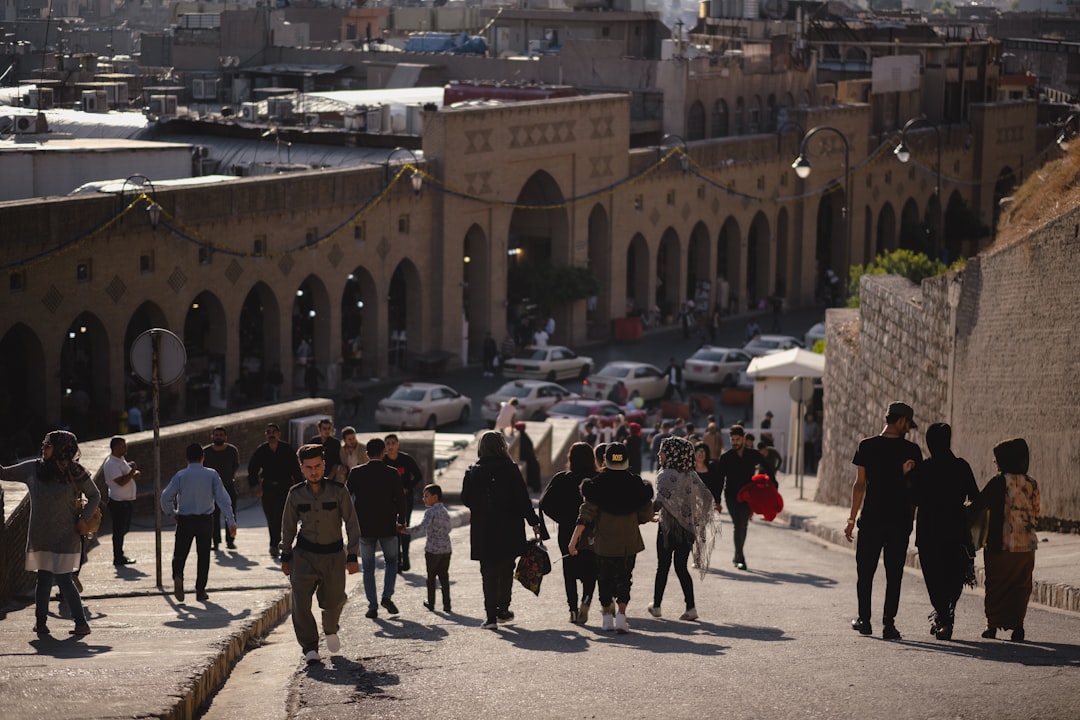
Iraqi Kurdistan consists of four governorates — Dohuk, Erbil, Halabja, and Sulaymaniyah — governed by the Kurdistan Regional Government (KRG). The Iraqi federal army is not permitted to enter, and Baghdad does not directly apply its laws there. Before February 2026, cities like Erbil and Sulaymaniyah were among the most welcoming in the Middle East, receiving 3.5 million tourists in 2024. Thousands of independent Western travelers visited annually without incident.
Rules if you travel despite official warnings
- Check official advisories the day before departure — situation can change in 24 hours
- Register with your country’s travel advisory system (STEP for Americans)
- Purchase insurance explicitly covering active conflict zones (medical evacuation included)
- Avoid any area within 80 km of the Turkish and Iranian borders
- Confirm your flight status 48 hours before — cancellations remain frequent
- Never photograph soldiers, military installations, or government buildings
2. Iraqi Kurdistan Visa 2026: Everything you need to know
The Kurdistan e-visa
Since March 2025, the visa for Iraqi Kurdistan is obtained online via the official portal visit.gov.krd. It costs $75 USD, is processed in approximately 5 days, and is valid for 30 days. According to Surfiran’s 2026 Iraq visa guide, nationals of EU countries, the USA, UK, Canada, Australia, Japan, South Korea, and around 30 other countries are eligible.
A crucial point according to Against the Compass: the Kurdistan visa is only valid in the KRI (Kurdistan Region of Iraq). Since January 2025, it also allows travel to federal Iraq for most European passports — but always verify before departure, as rules evolve.
Available entry points
- Erbil Airport — recommended main entry
- Sulaymaniyah Airport — alternative (fewer direct flights)
- Ibrahim Khalil land border (Turkey) — possible but more complex
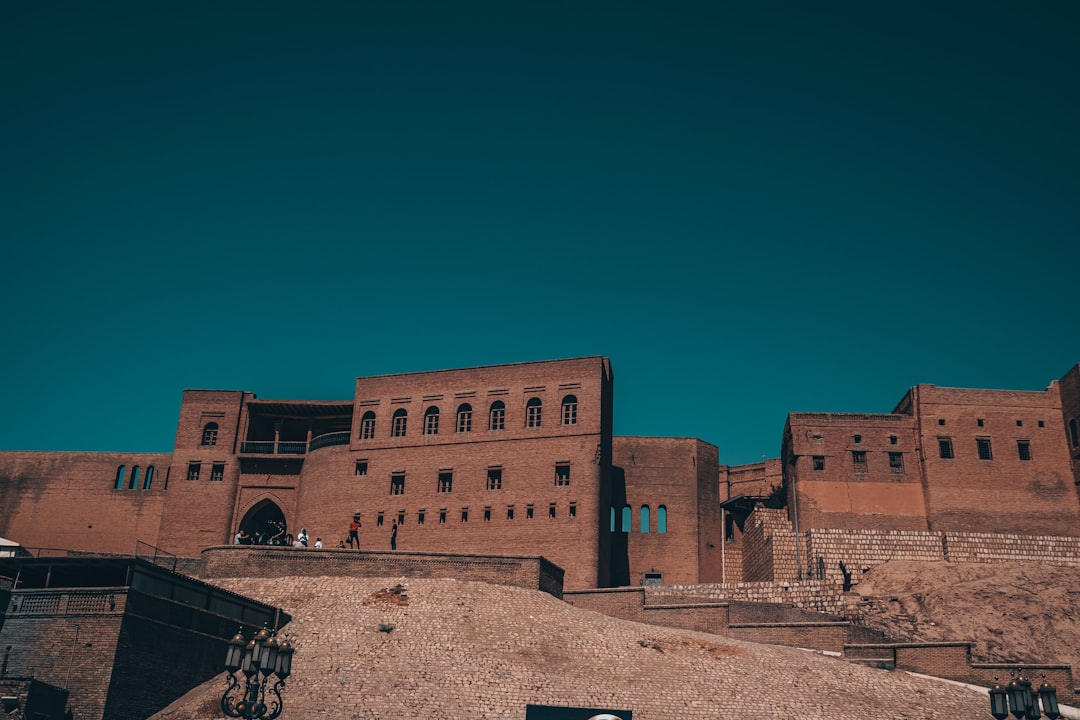
3. Erbil Citadel (UNESCO) — oldest continuously inhabited city on Earth
The mound of all civilizations
The city of Erbil is defined by its central circular mound — 102,000 m² of land raised 26 meters above the modern city. On April 2, 2019, NASA described this site as possibly the oldest continuously inhabited settlement on Earth, with traces going back to the 5th millennium BCE. According to UNESCO, Erbil has been on the World Heritage List since 2014.
Over the millennia, the citadel has been home to Sumerians, Akkadians, Assyrians, Babylonians, Achaemenids, Greeks, Romans, Sassanids, Ottomans — and today Kurds. Important in 2026: parts of the citadel may be closed for renovation — check before scheduling your visit. Exterior views and the nearby Qaysari Bazaar remain accessible at all times.
Not to be missed around the citadel
- Sunrise from the café facing the Grand Gate (pink light on the bricks)
- Choli Minaret (12th century, 22m) — often overlooked by tourists
- Traditional Kurdish breakfast: tea, Kalana, fresh cheese, honey, tandoor bread ($5-10)
- Shar Square with its illuminated fountains in the evening
4. Erbil’s Qaysari Bazaar — an Ottoman market still alive
One of the world’s oldest active markets
Located just below the citadel, the Qaysari Bazaar is said to have been founded under Sultan Gökböri (1190-1233), making it one of the oldest continuously operating markets in the world. Unlike the tourist-ified bazaars of Istanbul or Isfahan, the Qaysari remains primarily a neighborhood market where locals shop for spices, fabrics, gold jewelry, and sweets.
According to Advised Traveler, this is where spice aromas and colorful stalls mingle: the gold bazaar, Mosul halwa vendors, butchers, tea merchants, phone shops. Currency exchange happens with a man on a stool with a stack of bills — a relaxed level of security that reflects the low crime rate.
What to bring back from the bazaar
- Kurdish spices (sumac, za’atar, local saffron)
- Mosul halwa (renowned regional specialty)
- Hand-woven rugs and textiles
- Worked gold jewelry (negotiation required)
5. Sulaymaniyah — Kurdistan’s cultural capital
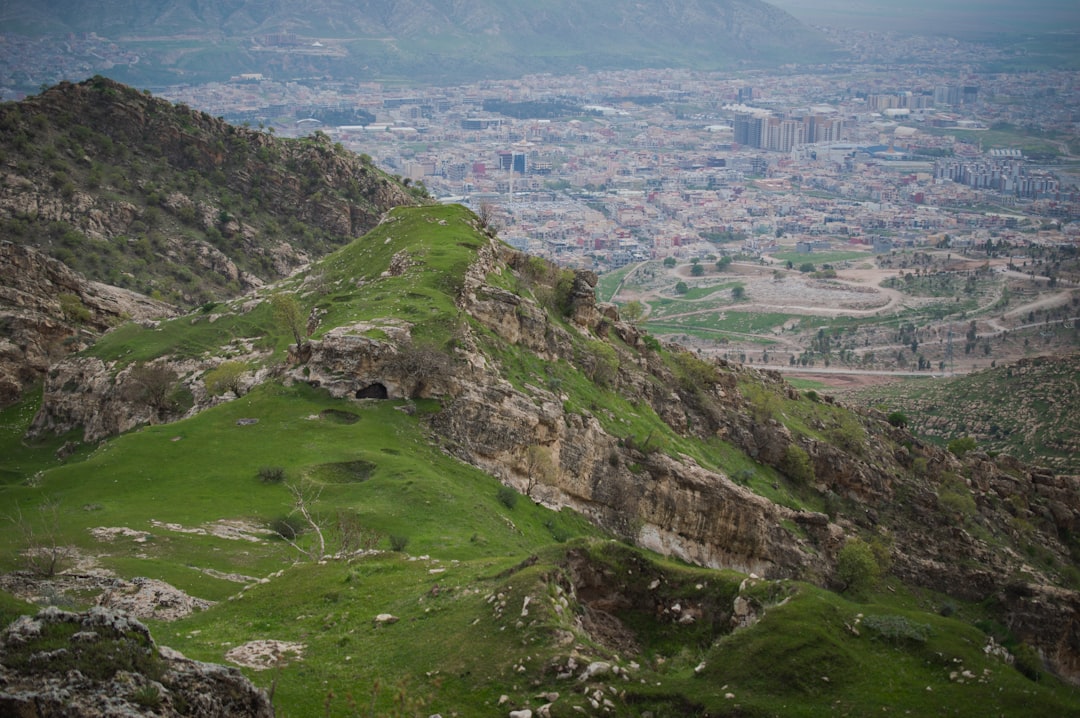
The most liberal and creative city in Kurdistan
Nicknamed the « Kurdish cultural capital, » Sulaymaniyah is radically different from Erbil: younger, more liberal, with a flourishing art and literary scene. According to Beyond Wild Places, it’s the creative and rebellious face of Kurdistan — underground art galleries, lively late-night cafés, poets reading their works in hip bistros.
The city houses the Slemani Museum, the most important archaeological museum in Iraqi Kurdistan, with three galleries covering 5,000 years of Mesopotamian history. The American University of Iraq is located in the heart of the city, bringing a notably youthful and cosmopolitan energy.
Must-sees in Sulaymaniyah
- Slemani Museum — 3 archaeological galleries, cuneiform tablets
- Grand Bazaar — more lively and accessible than Erbil’s Qaysari
- Chavi Land cable car — panoramic sunset views
- Café district around Salim Street — bohemian scene until midnight
6. Amna Suraka (Red Prison) — Kurdistan’s most moving memorial
Saddam’s former house of horrors, turned memorial
One of the most impactful experiences in Kurdistan is visiting Amna Suraka — the Red Prison. From 1979 to 1991, Saddam Hussein’s secret services (the Mukhabarat) established their regional headquarters here, a place of torture and imprisonment during the Al-Anfal Campaign — the genocide of the Kurdish people. The prison was liberated in 1991 by Peshmerga forces and transformed into a memorial museum in the 2000s.
According to Nomadic Backpacker, the hall of mirrors contains exactly 182,000 pieces of glass, each representing a victim of the Anfal campaign. The preserved cells still bear inscriptions from prisoners — names, dates, messages of resistance. Chilling dioramas, audio archives, and testimonies make it one of the most enlightening historical sites in the region.
7. Rawanduz Canyon — the « Little Switzerland » of Iraq
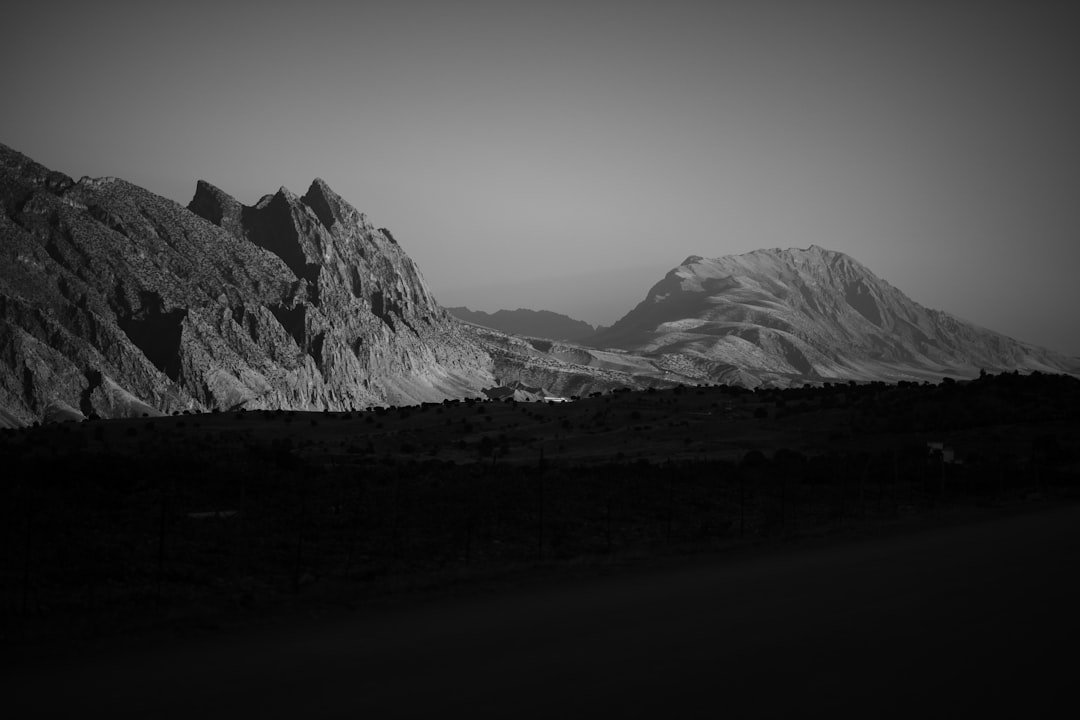
The most iconic site in Iraqi Kurdistan
This place earned the nickname « Little Switzerland » — snowy mountains, green fields, flowers, waterfalls, and a breathtaking canyon. According to Laure Wanders, Rawanduz Canyon is perhaps the most iconic site in Iraqi Kurdistan. The Gali Ali Beg waterfall is depicted on the 5,000 Iraqi dinar banknote — testament to its national symbolic importance.
A beautiful hike starts from the left side of the bridge on the Soran-Rawanduz road, leading to Bekhal waterfall (1h30 round trip). Despite the uniqueness of the destination, according to It’s Alex Abroad, very few foreign travelers visit — you may encounter none on a weekday.
How to get there from Erbil
- Minivan Erbil → Soran: 6,000 IQD (~$4) — leaves when full, no fixed schedule
- Shared taxi Erbil → Soran: 10,000 IQD (~$7) — faster
- Private car with driver: ~$85/day — recommended for remote areas
8. Amedi — the ancient city of the Magi perched on its plateau
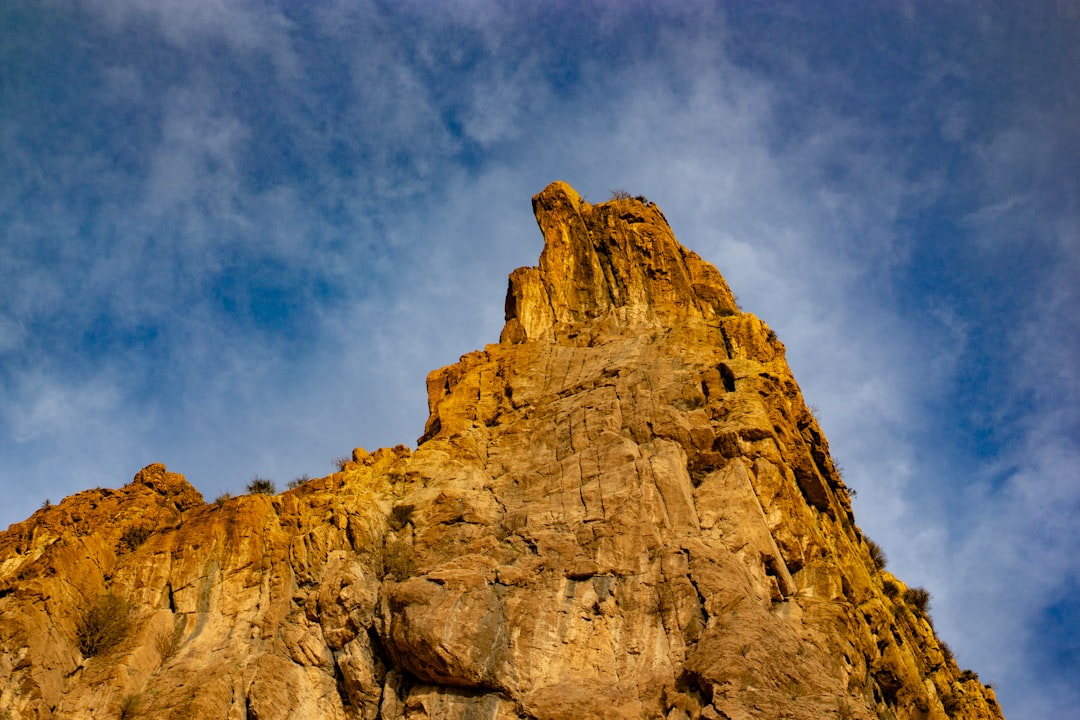
5,000 years of history on a cliff plateau
Amedi sits atop a plateau rising from a vast valley in northern Iraqi Kurdistan. Its history stretches back 5,000 years — to 3000 BCE — when the Assyrians founded the city. According to Adventures of Lil Nicki (updated March 2026), it has always been a place where Muslims, Jews, and Christians coexisted peacefully. Local tradition holds that Amedi was the birthplace of the Three Wise Men of the Bible.
The Grand Mosque of Amedi (founded in 1177 under the Abbasid Caliphate) and its 30-meter minaret are the emblematic sites. The plateau, which seems to defy gravity, offers vertiginous viewpoints over the surrounding valleys — accessible on foot within 20 minutes from the village center.
9. Lalish — the sacred Yazidi sanctuary
The holy valley of an ancient religion facing extinction
Lalish is the holiest site for Yazidis and the burial place of Sheikh Adi ibn Musafir, central figure of the Yazidi faith. The Yazidis are one of the world’s oldest religious communities — their pre-Islamic faith draws from Mesopotamian traditions, incorporating elements of Zoroastrianism and early Christianity. According to Story at Every Corner, the olive oil of Lalish is used to light 365 lamps daily in the temples — each symbolizing a day of the solar year.
On the 1st Wednesday of April (Sar-Sal), Yazidis celebrate their New Year at Lalish — one of the most authentic and moving ceremonies in the Middle East. Thousands of pilgrims converge on the valley, according to Rudaw.
Absolute rules to respect at Lalish
- Remove your shoes before entering the sacred enclosure
- Step over doorsteps (never walk on them)
- Avoid blue clothing (considered disrespectful)
- Accept an invitation to share a meal if offered
10. Lake Dokan — Kurdistan’s hidden emerald
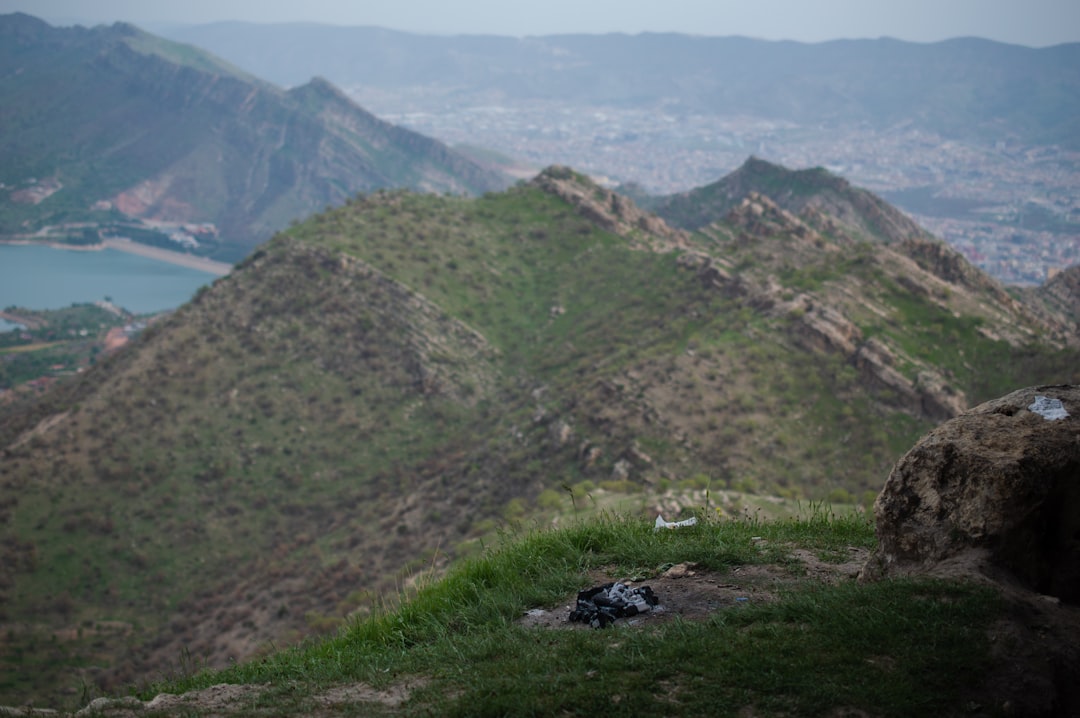
A turquoise reservoir surrounded by golden hills
Nestled in the mountains of the Sulaymaniyah province, Lake Dokan is a vast reservoir formed by the dam on the Little Zab. According to Shafaq News, the site has become « a major destination for tourists from central and southern Iraq, as well as from around the world » — while remaining virtually unknown to Western travelers.
Surrounded by yellow and green hills in spring, the brilliantly blue lake is ideal for swimming, boating, and fishing. The resort complex includes several hotels, lakeside bungalows, and fresh fish restaurants. Nearby, the archaeological excavations of Tell Bazmusian and Tell Shemshara have revealed traces of civilizations dating back to the 2nd millennium BCE.
11. 7-day itinerary: the best of Kurdistan
A realistic circuit: Erbil — Nature — Sulaymaniyah
| Day | Program |
|---|---|
| D1 | Arrive Erbil. Check-in, Ankawa neighborhood. Explore the Christian quarter and cathedral. Dinner around the fountain square. |
| D2 | Historic Erbil. Morning: citadel (sunrise) and Qaysari Bazaar. Afternoon: Civilization Museum + Sami Abdul Rahman Park. Evening: illuminated Jalil Khayat Mosque. |
| D3 | Lalish + Amedi. Early departure by private car → Lalish (Yazidi temple, 2h). Lunch in Dohuk. Afternoon: Amedi plateau and its cliffs. Night in Dohuk. |
| D4 | Rawanduz Canyon. Taxi Dohuk→Erbil→Soran. Afternoon: hike through the canyon, Gali Ali Beg waterfall, Bekhal waterfall. Night in Soran. |
| D5 | Soran → Sulaymaniyah. Shared taxi (2h30). Afternoon: visit to Amna Suraka (Red Prison). Evening: Suli Grand Bazaar, Salim Street cafés. |
| D6 | Suli & Lake Dokan. Morning: Slemani Museum. Afternoon: Lake Dokan excursion (swimming, boating). Return at sunset from Chavi Land cable car. |
| D7 | Return to Erbil. Shared taxi Sulaymaniyah→Erbil (~3h). Last Kurdish lunch at the bazaar, spices and halwa to bring home. Departure flight. |
Estimated budget per person (7 days)
| Item | Budget | Comfort |
|---|---|---|
| Round-trip flights from Europe/US | $330-550 | $440-770 |
| Kurdistan e-visa | $75 | $75 |
| Accommodation (7 nights) | $165-275 | $330-550 |
| Local transport | $55-90 | $110-165 |
| Food and cafés | $65-110 | $130-220 |
| Activities and private car | $110-165 | $220-385 |
| Special travel insurance | $55-110 | $55-110 |
| TOTAL | ~$855-1,375 | ~$1,360-2,275 |
Practical information for your trip to Iraqi Kurdistan
Iraq is only covered by a few insurers. SafetyWing offers explicit coverage including medical evacuation — essential for Iraqi Kurdistan.
From $1.49/dayStay connected from landing in Erbil. Operators Zain, Korek, and Asiacell provide good 4G. An eSIM avoids buying a local SIM card.
From $4.50Frequently asked questions about Iraqi Kurdistan
Can you still travel to Iraqi Kurdistan after the 2026 conflict?
Since February 28, 2026, Iraqi Kurdistan has been directly caught in the US/Israel/Iran conflict. Over 700 Iranian drone and missile strikes hit the region in 40 days, including Erbil Airport and the US Consulate. 17 people were killed and 92 injured. A two-week truce was announced April 7, 2026, and Erbil Airport reopened April 8. All Western governments strongly advise against non-essential travel to the region. The U.S. State Department has issued a Level 4 « Do Not Travel » advisory. Travel to Iraqi Kurdistan is currently strongly discouraged. Monitor U.S. State Department advisories for updates.
Was Iraqi Kurdistan safe before the 2026 conflict?
Before February 28, 2026, cities like Erbil, Sulaymaniyah, and Dohuk were under elevated advisories rather than « Do Not Travel » status — compatible with a well-prepared trip. Thousands of independent travelers visited every year without incident, and Erbil received 3.5 million tourists in 2024. The Kurdistan Region benefited from its own autonomous government, its own armed forces (Peshmergas), and a multi-religious social fabric that set it apart from the rest of Iraq. Petty crime was low. This is the normalcy the region could return to with sustained regional stability.
How much does the Iraqi Kurdistan visa cost in 2026?
The Kurdistan e-visa costs $75 USD and is obtained online at visit.gov.krd. It is processed in approximately 5 days and valid for 30 days. It is available for nationals of EU countries, the USA, UK, Canada, Australia, Japan, and around 30 other countries. Since January 2025, it also allows travel to federal Iraq for most European passports.
What is the best time to visit Iraqi Kurdistan?
Spring (March-May) is by far the best time: temperatures of 15-25°C, intensely green landscapes, and the Nowruz festival (March 21) offers exceptional cultural immersion. Autumn (September-November) is a good alternative: fewer crowds, pleasant temperatures. Summer (June-August) is possible only in the mountains (Rawanduz Canyon, Amedi) — cities can exceed 45°C. Winter allows skiing at Korek Mountain.
Can you drink alcohol in Iraqi Kurdistan?
Yes — unlike the rest of Iraq, liquor shops are present everywhere in Erbil and Sulaymaniyah. You can buy cold beer, wine, and all types of alcohol. Bars exist in both cities. A beer in a shop costs barely more than a dollar, but in a bar it costs 10 times more. It is advisable to consume with discretion in public places.
Do you need special travel insurance for Iraqi Kurdistan?
Absolutely. Most standard travel insurance policies exclude Iraq from their coverage due to government warnings. It is essential to purchase insurance that explicitly covers Iraqi Kurdistan, with a medical evacuation clause — local emergency services being under-equipped. SafetyWing and IATI Insurance offer suitable coverage. Budget $55-110 for 7 days.
Can you travel solo without a guide in Iraqi Kurdistan?
Yes — independent travel is possible and many travelers do it. There are no legal restrictions requiring foreigners to travel with a licensed guide in Kurdistan. In cities (Erbil, Sulaymaniyah, Dohuk), solo travel is straightforward and safe. For remote areas like Lalish, Rawanduz Canyon, or Amedi, renting a car with driver (~$85/day) is strongly recommended for safety and logistical ease.
How to pay — cash or card?
Cash dominates. ATMs are present in major cities (shopping centers, residential areas of Erbil and Sulaymaniyah), but rare outside cities. Credit cards are only accepted in upscale hotels. Arrive with clean, untorn US dollar bills — you can exchange at market rate directly in the bazaars. Bring enough cash for the entire stay before leaving major cities.
Which airlines serve Erbil from Europe and the US?
Under normal conditions, Turkish Airlines and Pegasus offer the most frequent and affordable connections via Istanbul, while FlyDubai (Dubai) and Air Arabia (Sharjah) are popular alternatives. There are no direct flights from most Western capitals. Current status (April 2026): Erbil Airport (EBL) reopened April 8 after 40 days of closure. Flights are gradually resuming but many carriers have not yet announced restored schedules. Verify with your airline and check Erbil Airport’s live flight info before booking.
Sources
- Against the Compass — Kurdistan Travel Guide 2026 — Visa, transport, practical
- The Globetrotting Detective — Iraq Kurdistan Travel Tips 2026 — Budget, transport, ATMs
- Adventures of Lil Nicki — Lalish & Amedi (March 2026) — Lalish, Amedi
- Shafaq News — Lake Dokan 2025 — Dokan
- UNESCO — Erbil Citadel — World Heritage
- Nomadic Backpacker — Amna Suraka — Red Prison
- Laure Wanders — Rawanduz Canyon 2026 — Rawanduz
- Surfiran — Iraq Visa 2026 — Visa and entry points
- U.S. State Department — Iraq Travel Advisory (April 2026) — Official safety alerts
- Wikipedia — Iraq in the 2026 Iran war — Conflict overview
- Kurdistan 24 — Erbil airport reopens (April 8, 2026) — Flight resumption
- Euronews — US/Iran two-week truce (April 7, 2026) — Conflict update
- Beyond Wild Places — Sulaymaniyah — Sulaymaniyah, Amna Suraka
- Rudaw — Yazidis New Year 2025 — Lalish, culture
Research conducted April 11, 2026 — 80 sources consulted. Security update: US/Israel/Iran conflict since February 28, 2026.
Plan your trip to Iraqi Kurdistan for when conditions allow
Iraqi Kurdistan remains an extraordinary destination for adventurous travelers. Explore our itineraries for inspiration — and monitor official advisories to know when it’s safe to go.
Explore all itineraries