
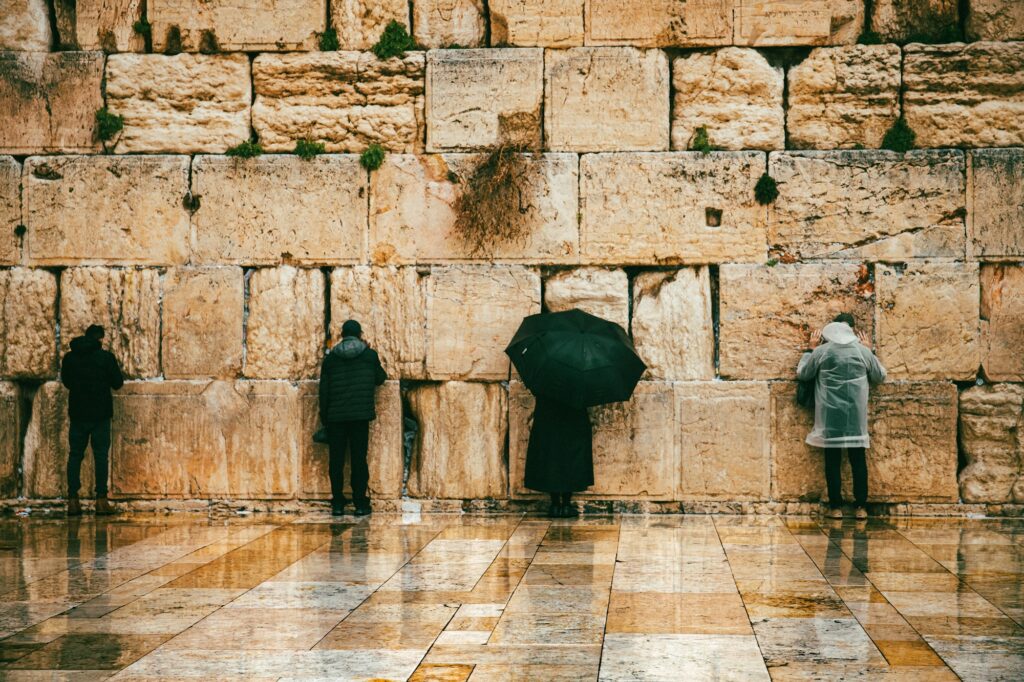
On February 28, 2026, Israeli-American strikes on Iran redefined the map of global Jewish travel. Ben Gurion Airport closed, antisemitism up 108% in Europe, airlines suspending routes to the Middle East: for the 15 million Jewish travelers and 9 million Israeli passport holders, planning a trip in 2026 demands unprecedented vigilance. Yet, from New York to Marrakech, from Budapest to Buenos Aires, welcoming communities, upscale kosher hotels, and a network of 6,000 Chabad Houses continue to offer havens of peace. This guide covers safe destinations, new security concerns, and essential resources for traveling safely as a Jewish or Israeli traveler in 2026.
Quick answer: Jewish and Israeli travelers can still plan international trips in 2026, but safety is destination- and date-specific. Before booking, check your government’s advisory, the airline’s operational updates, and local Jewish-community alerts. Choose accommodation near a synagogue or Chabad House, confirm kosher availability directly, and keep a flexible route and cancellation policy. New York, Budapest, Buenos Aires, Marrakech, and parts of Greece remain practical options in this guide, while conditions can change quickly. Recheck official sources 48 hours before departure and carry emergency contacts offline.
1. The geopolitical context: what has changed since February 2026
The Iran-Israel conflict and its impact on travel
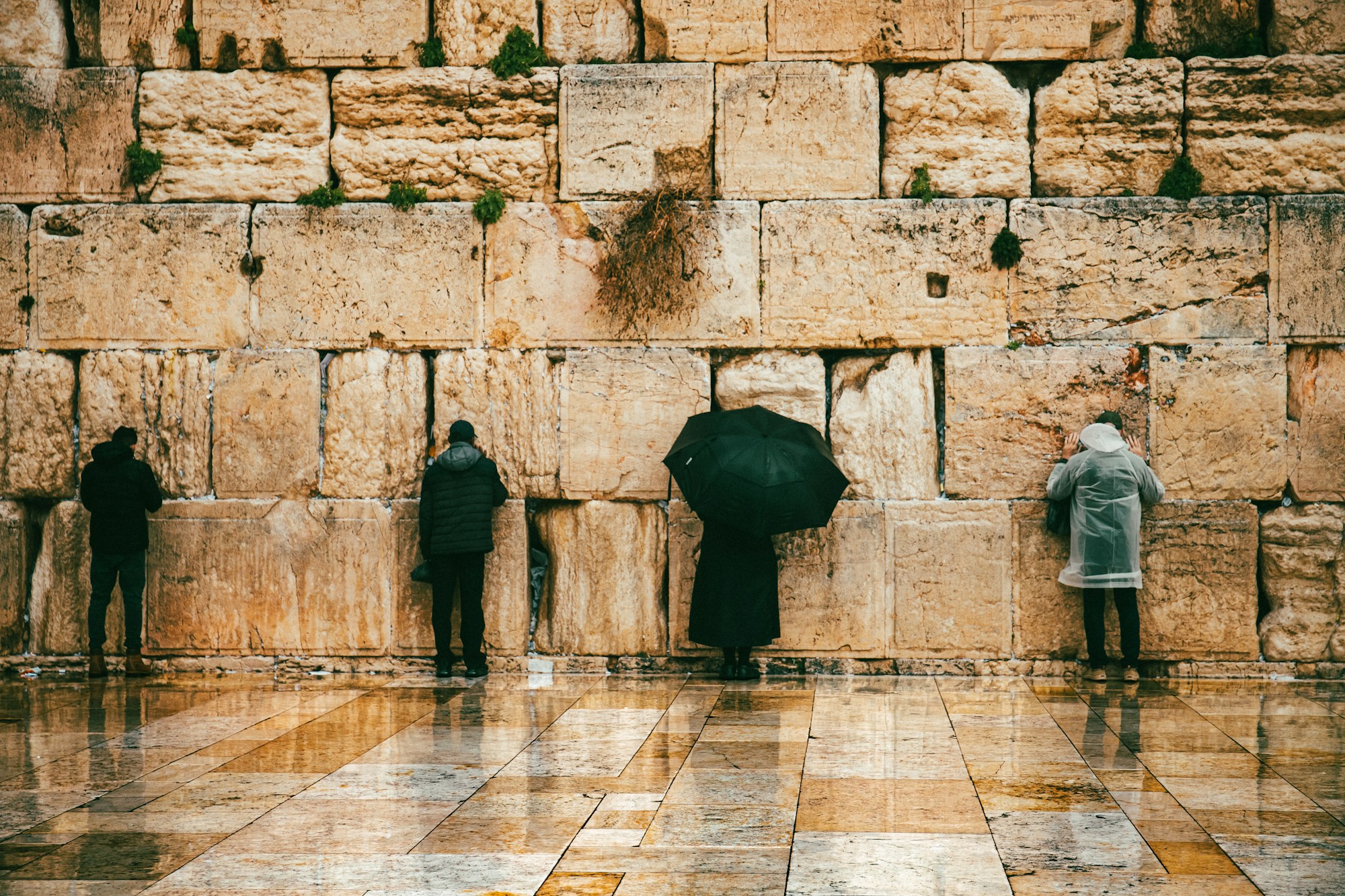
On February 28, 2026, Israel and the United States launched Operation « Roaring Lion » against Iran. Iran retaliated with ballistic missile and drone strikes against Israel, US bases, and allied Gulf states, and closed the Strait of Hormuz. A two-week ceasefire, brokered by Pakistan, took effect on April 8, but remains extremely fragile due to continued Israeli strikes in Lebanon.
Ben Gurion Airport has been closed since February 28, with reopening postponed to at least April 16, 2026. The US State Department has issued a « Do Not Travel » advisory for Israel. More than 2,000 people have been killed in Lebanon since March 2.
For Jewish and Israeli travelers, this context has direct consequences: a rise in antisemitic attacks targeting Jewish institutions worldwide, according to the International Institute for Counter-Terrorism, increased surveillance of Jewish communities in London (10 suspects arrested in March), and a surge in incidents in France, Switzerland, and the United States.
What this means for your trip
- Check your government’s travel advisories before every departure
- Register with your country’s consular portal (STEP for US citizens, Ariane for French citizens)
- Consult SafeForJews.org for real-time alerts
- Limit the display of religious symbols in high-risk areas
- Prefer private transportation and avoid predictable routes
2. New York: the world capital of kosher tourism
Brooklyn and Manhattan: total immersion in Jewish life
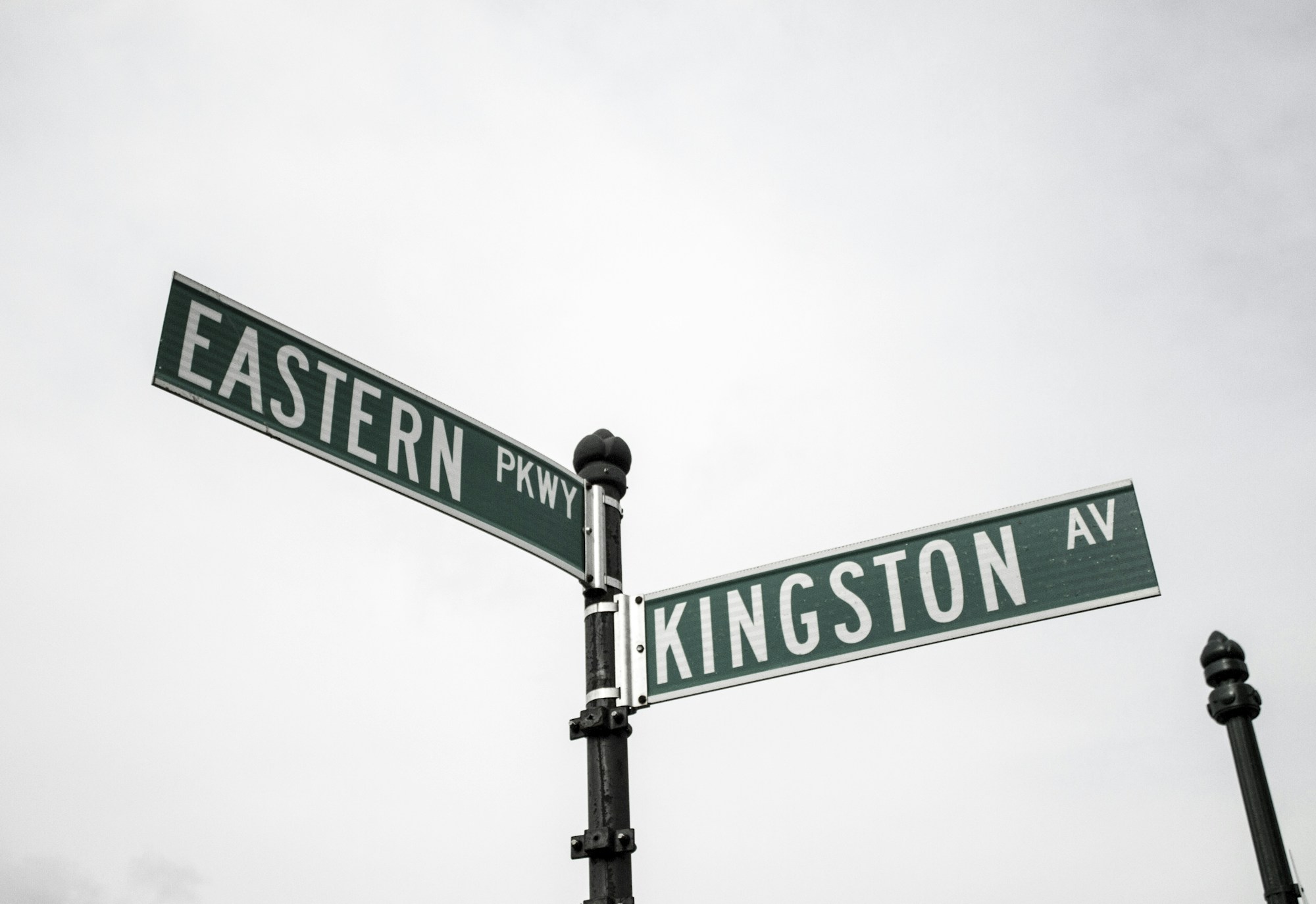
New York is home to the largest Jewish community outside Israel, with over one million Jewish residents. Brooklyn — particularly Williamsburg, Crown Heights, and Borough Park — offers total immersion in American ultra-Orthodox Jewish life, according to Easy Kosher Travel.
In terms of accommodation, there are no strictly kosher hotels in Manhattan per se. It is recommended to stay in Manhattan during the week and in Brooklyn for Shabbat, which offers an immense variety of prepared foods, synagogues, and strictly kosher hotels. The Lower East Side, the historic Jewish immigration neighborhood, preserves landmark institutions like Katz’s Delicatessen and the Eldridge Street Synagogue.
Security note: In March 2026, a vehicle-ramming and shooting attack targeted Temple Israel in Michigan, injuring 64 people. In New York itself, a nurse was fired in April 2026 after harassing Israeli tourists at Times Square. Vigilance remains essential.
Highlights
- 300+ kosher restaurants (largest selection in the world)
- Crown Heights: world headquarters of the Chabad-Lubavitch movement
- Lower East Side: historic heritage of Jewish immigration
- Special programs for Passover, Sukkot, and all Jewish holidays
3. Paris: the Marais, heart of Jewish France
The Pletzl and its 400 kosher restaurants
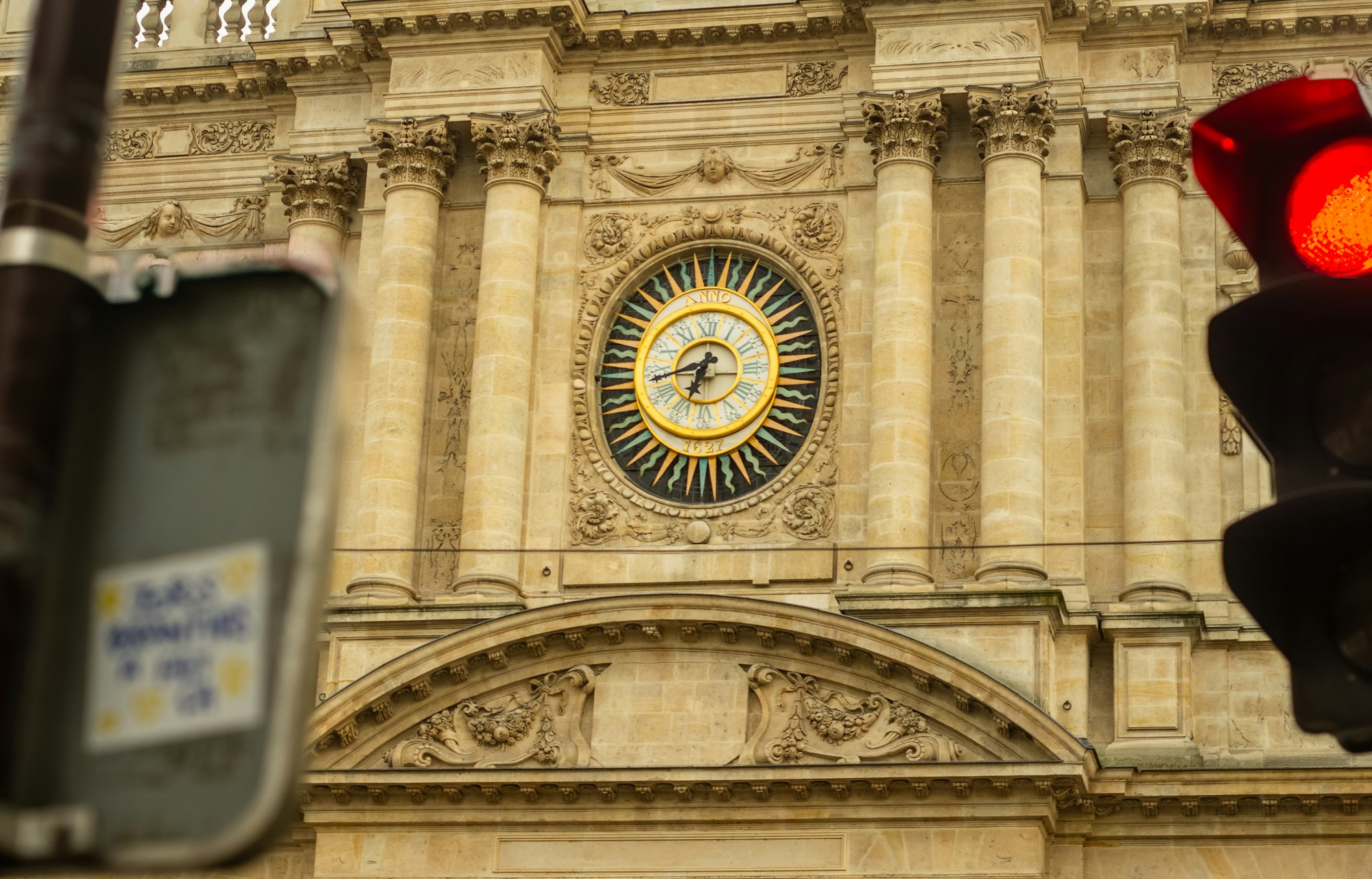
Paris is home to the largest Jewish community in Europe, with approximately 300,000 members. The Parisian kosher scene revolves around the Marais (4th arrondissement) — the historic « Pletzl » — and the neighborhoods of the 19th arrondissement, where Sephardic Jews from North Africa are concentrated. Paris has over 400 kosher restaurants, making it the European capital of kosher dining.
In the Marais district, some hotels offer luxury combined with kosher-friendly hospitality. Guests are close to the historic Jewish quarter and can enjoy local kosher restaurants, just steps from the Shoah Memorial and Place des Vosges.
Security note: In 2025, France recorded 1,320 antisemitic acts, a historically high level. In February 2026, a young Jewish boy was assaulted in Paris and a kosher restaurant was vandalized multiple times, according to SafeForJews.org. Security around synagogues and Jewish schools is robust, with dedicated law enforcement.
Highlights
- Rue des Rosiers: the ultimate kosher street (falafel, pastries, delis)
- Shoah Memorial: an essential place of remembrance
- Rue Pavee Synagogue (Art Nouveau, by Hector Guimard)
- 19th arrondissement: authentic Sephardic atmosphere, more affordable
4. London: guardian of the British Ashkenazi tradition
Golders Green and the British kosher ecosystem
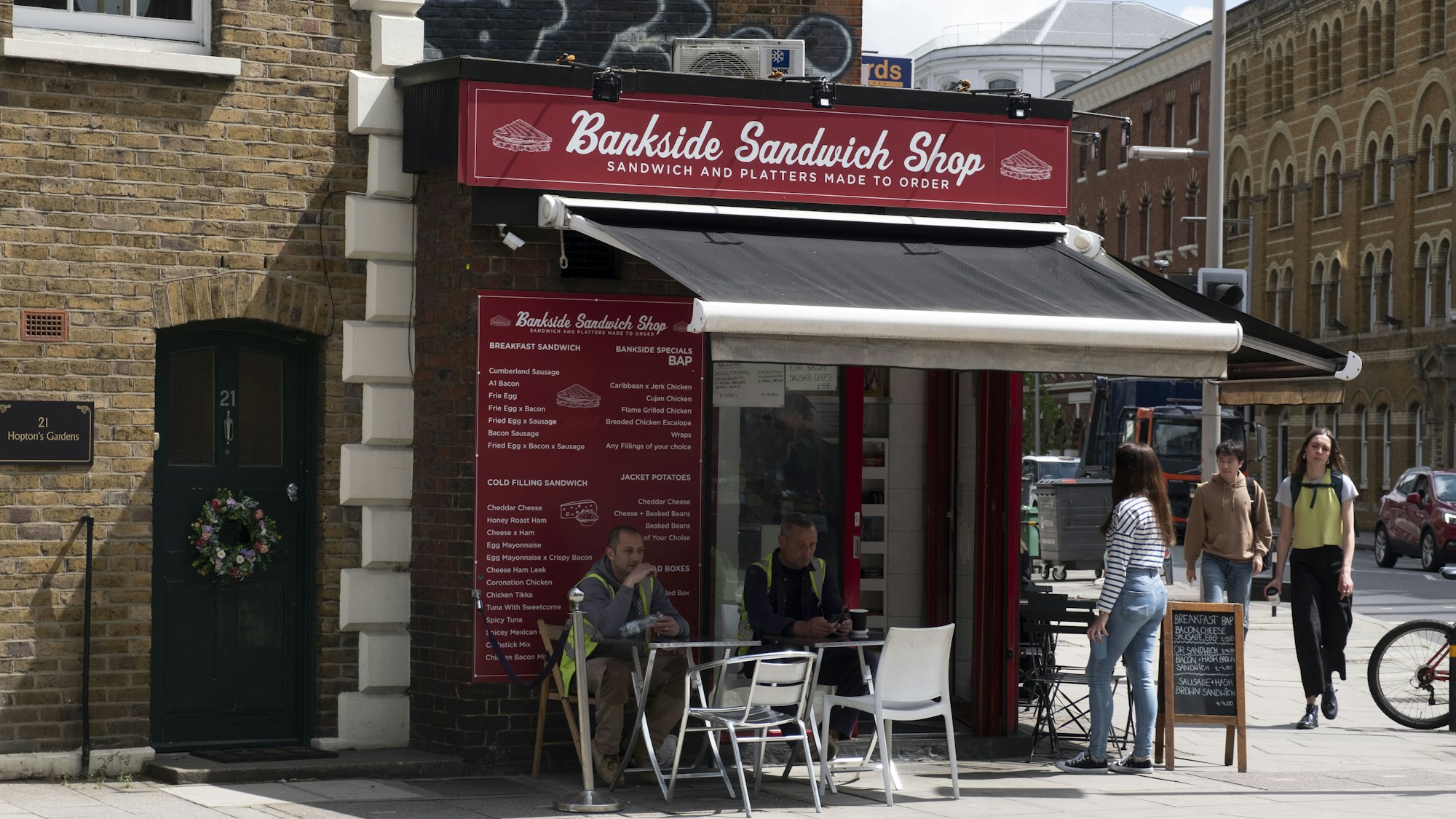
London is home to one of the largest Jewish communities in Europe, concentrated mainly in the neighborhoods of Golders Green, Stamford Hill, Hendon, and Edgware in the north of the city. These areas offer a complete kosher infrastructure — butchers, bakeries, grocery stores, and restaurants under strict rabbinical supervision.
The UNICO Hotel Margate is the only Kedassia-certified seaside hotel in the UK, offering kosher dining, Shabbat-adapted service, and modern accommodation steps from the beach, according to Totally Jewish Travel.
Security note: On March 6, 2026, ten suspects were arrested in London for allegedly surveilling the Jewish community under the alleged direction of Iran, according to the ICT. Three individuals were also charged with arson against ambulances belonging to the Jewish charity Hatzola Northwest.
Highlights
- Kosher Kingdom: the largest kosher supermarket in the UK
- Golders Green Road: London’s « shtetl » on Friday afternoons
- Stamford Hill: vibrant Hasidic neighborhood
- UNICO Hotel Margate: only Kedassia-certified seaside hotel
5. Marrakech: the Mellah and the renaissance of Jewish tourism in Morocco
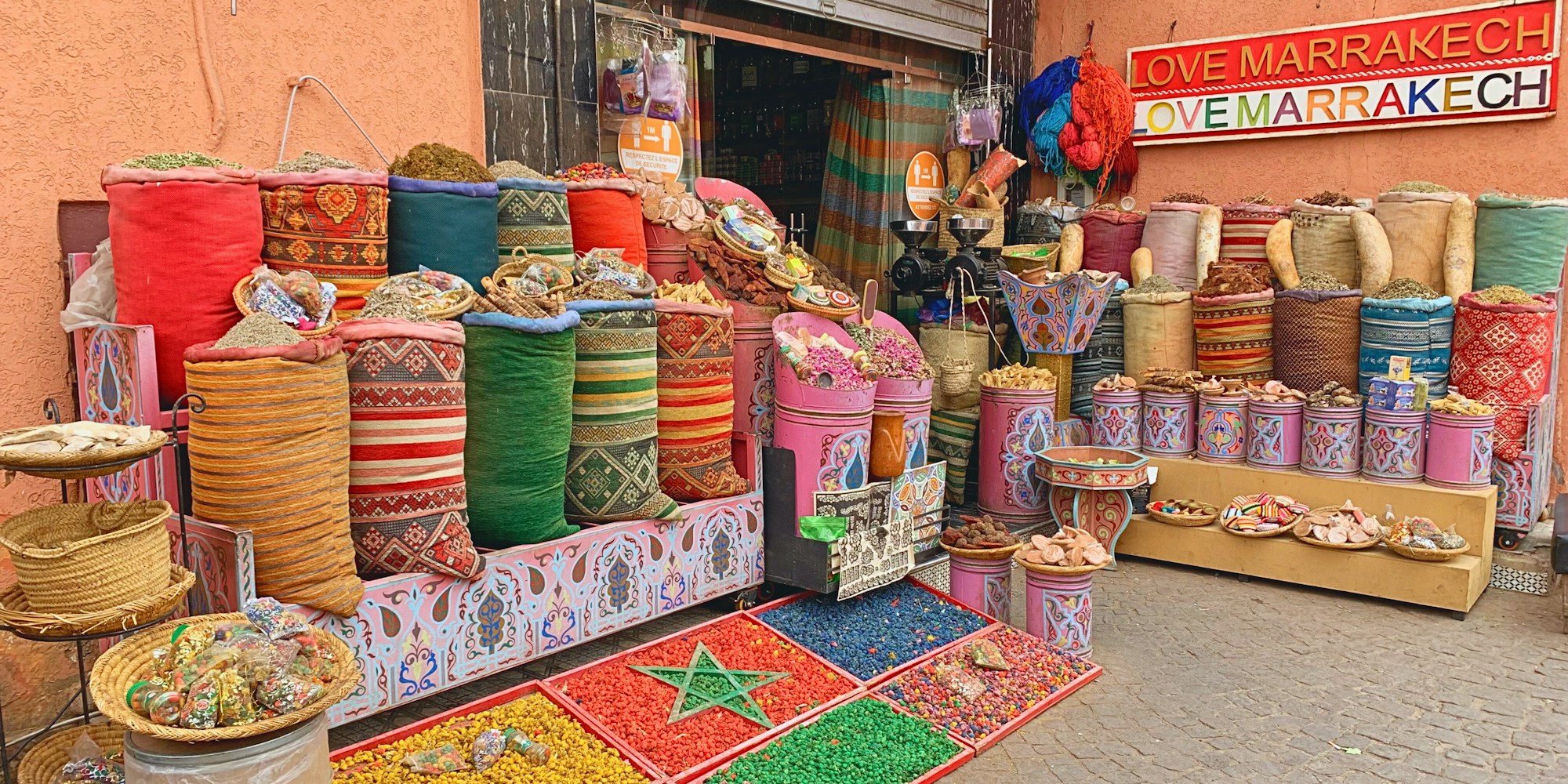
A thousand-year heritage and open doors for Israelis
Morocco is an essential destination for Jewish tourism in 2026. Before the founding of Israel in 1948, the country was home to between 150,000 and 350,000 Jews, forming the largest Jewish community in the Muslim world, according to Totally Jewish Travel. Jews are believed to have arrived in Morocco with Phoenician traders around the 6th century BCE.
Thanks to the Abraham Accords of 2020 and the normalization of relations with Israel, Morocco welcomes Israeli passport holders with direct flights from Tel Aviv (when the airport reopens). King Mohammed VI launched an initiative in 2021 to restore hundreds of historic Jewish sites across the country, according to the Atlantic Council.
Travelers can stroll through the historic mellah of Marrakech, visit the Slat Al Azama synagogue, and explore the centuries-old Jewish cemetery. Complete Passover programs are offered at the Grand Mogador Aquafun with Glatt Kosher dining under the supervision of the Casablanca Beth Din.
Highlights
- Historic Mellah and Slat Al Azama synagogue
- Israeli passport accepted (direct flights from Israel)
- Luxury Passover and Shavuot kosher programs
- Pilgrimage to rabbis’ tombs (hiloulot)
6. Budapest: Europe’s favorite destination for Israelis
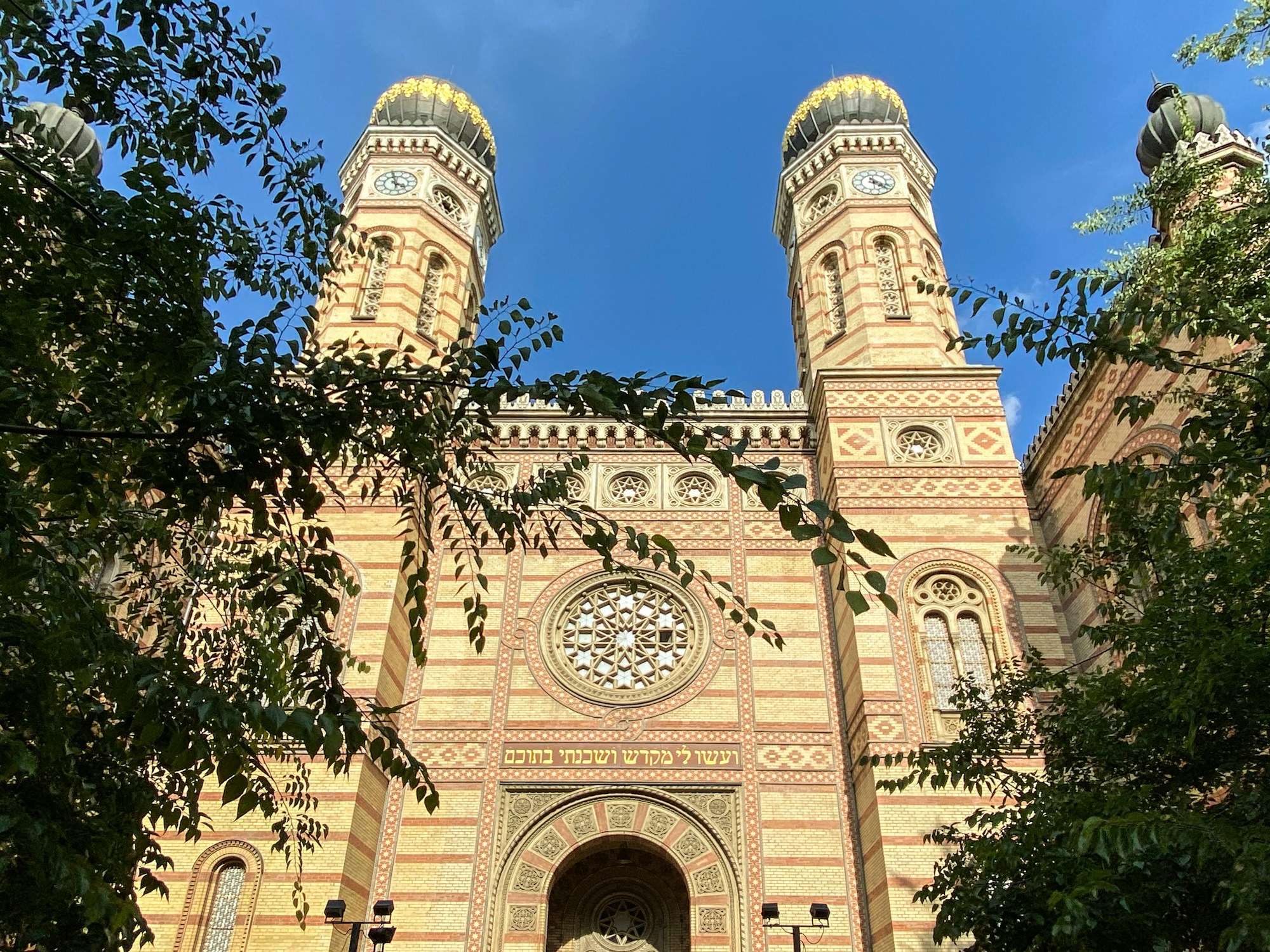
+55% Israeli tourists and a vibrant Jewish quarter
Hungary has become the phenomenon of Israeli tourism in Europe. In 2025, the country recorded a 55% increase in Israeli arrivals, rising from sixth to second place among European destinations, according to eKetter data. Israeli media attribute this trend to Prime Minister Viktor Orban’s openly pro-Israel stance.
Budapest boasts Europe’s largest synagogue — the Great Synagogue on Dohany Street — and a vibrant Jewish quarter (7th district), blending historic heritage with contemporary nightlife in the famous « ruin bars. » The Hungarian Jewish community, with approximately 100,000 members, is one of the largest in Central Europe.
For observant travelers, Budapest offers several kosher restaurants and an active community life centered around the Orthodox Synagogue on Kazinczy Street, according to Hungarian Conservative.
Highlights
- Dohany Street Great Synagogue: the largest in Europe
- 7th district Jewish Quarter: ruin bars and historic heritage
- Exceptional value for money (80-200 EUR/night)
- Favorable political climate for Israeli travelers
7. Buenos Aires: the Jerusalem of South America

250,000 Jews, 40+ kosher restaurants, and the only kosher McDonald’s outside Israel
Buenos Aires is the quintessential Jewish destination in the Southern Hemisphere. Argentina is home to approximately 250,000 Jews, the sixth-largest Jewish community in the world and the largest in Latin America. The vast majority is concentrated in the capital, according to Wander Argentina.
Jewish life in Buenos Aires centers around the Once and Abasto neighborhoods. With 15 synagogues, five mikvehs, and over 40 kosher restaurants, according to Totally Jewish Travel, Buenos Aires is a paradise for observant travelers. A unique feature: the city is home to the only kosher McDonald’s outside Israel, in the Abasto shopping center.
Among the standout restaurants: Al Galope, known for its kosher steaks; La Empanaderia Kosher, specializing in empanadas (cheese-onion, eggplant, carne cuchillo); and the Once bakeries where families line up on Fridays for fresh challah, according to My Jewish Learning.
Highlights
- Only kosher McDonald’s outside Israel (Abasto shopping center)
- Argentine kosher steakhouse: uniquely world-class beef quality
- 50+ Chabad centers in the country
- Very affordable budget thanks to favorable exchange rate
8. Dubai: the new frontier of kosher tourism
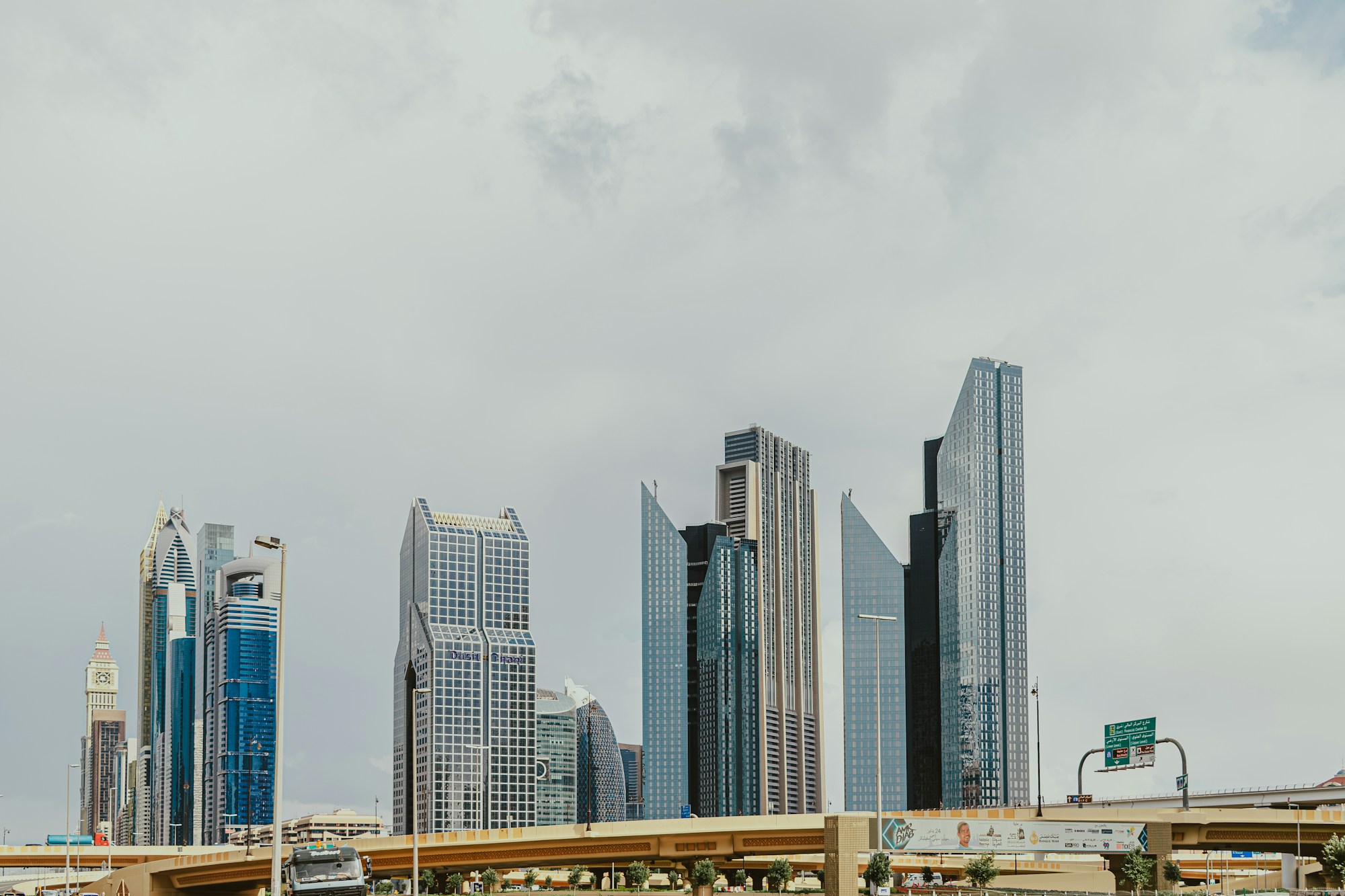
The Abraham Accords and the rise of Jewish life in the UAE
Dubai represents a spectacular turning point in the history of Jewish tourism. Since the normalization of relations between Israel and the UAE through the Abraham Accords in 2020, the city has become a popular destination for Jewish travelers, according to Kesher Kosher Tours.
With 11 kosher venues, 6 synagogues, and a mikveh, Dubai deserves to be at the top of your list, according to GIL Travel. All kosher restaurants are supervised by Rabbi Levi Duchman (Chabad of UAE) and the EAKC — Emirates Agency for Kosher Certification. The Rimon Market (open since 2022) offers packaged kosher products, meat, and prepared meals.
2026 warning: Due to the Iran-Israel conflict, Dubai airport experienced disruptions in March 2026. Etihad Airways has resumed a limited schedule. Check current flight status before any departure to the Emirates.
Highlights
- EAKC: local kosher certification supervised by Chabad
- Rimon Market: kosher supermarket in Dubai
- Unique experiences: desert safari with kosher BBQ dinner
- Growing Jewish community of 2,000 people
9. Off-the-beaten-path kosher destinations: Montenegro, Dolomites, and Greece
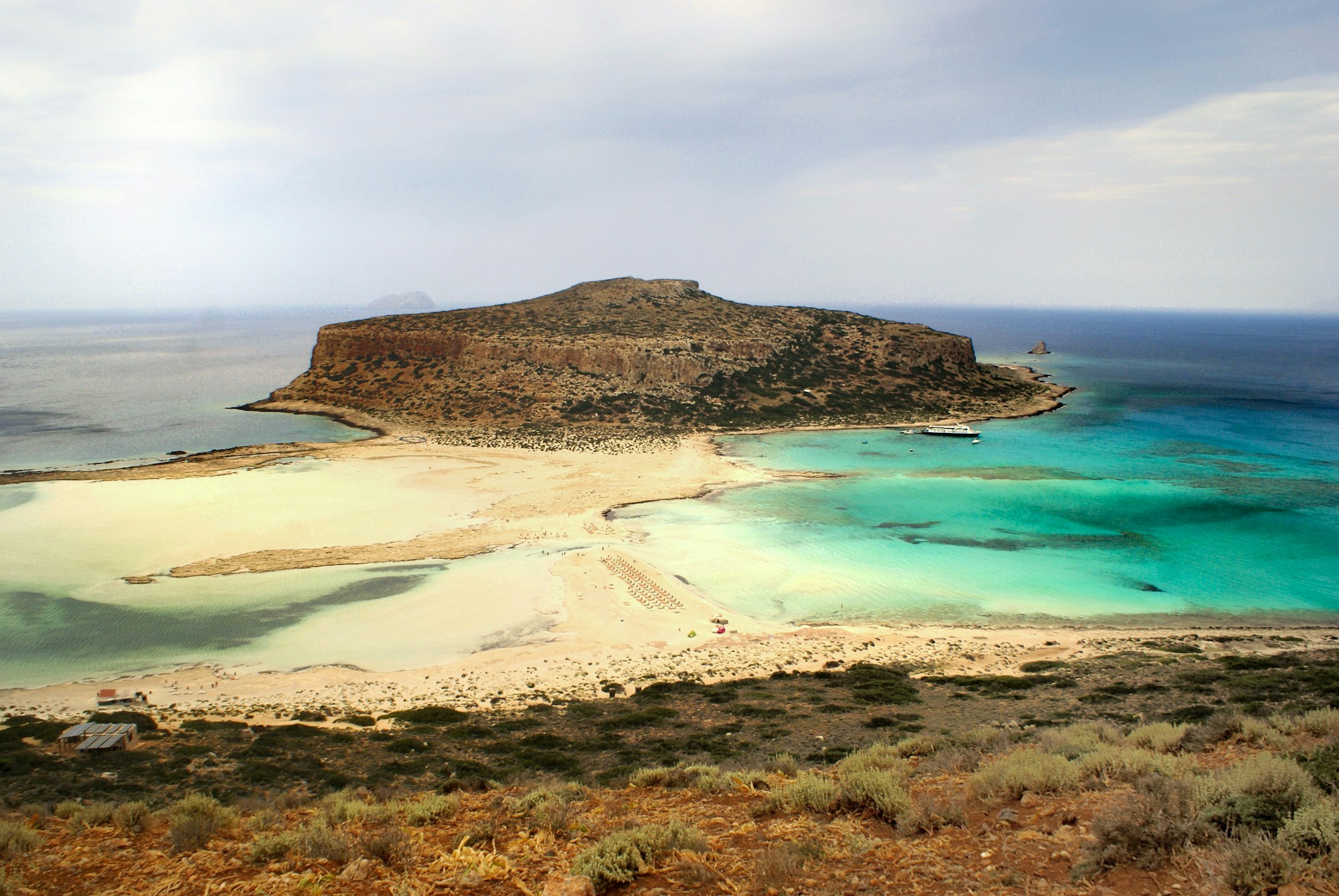
The new wave of kosher tourism in Europe
Montenegro — Budva: The Dukley Hotel & Resort is the first luxury kosher destination on the Adriatic. With three private beaches, an on-site synagogue, the Shalom Kosher restaurant, and Shabbat-adapted rooms, it’s an exceptional choice for family vacations, according to Totally Jewish Travel.
Italy — Dolomites: The 4-star MyKosher Hotel in Alba di Canazei offers all amenities (pool, spa, gym, kids’ club) in a spectacular mountain setting. It’s one of the few fully kosher hotels in Italy.
Greece: Greece remains the top vacation destination for Israelis. Corfu, Santorini, Mykonos, Athens, and Thessaloniki offer a sense of safety for Israeli travelers. The Chabad Houses of Mykonos and Athens provide Shabbat meals and minyanim in season, according to Ynet.
Highlights
- Dukley Resort (Montenegro): three private beaches and on-site synagogue
- MyKosher Hotel (Dolomites): mountains, spa, and fully kosher
- Greece: #1 destination for Israelis, Chabad Houses in season
- Marbella (Spain): kosher hotel with synagogue and direct beach access
10. The global Chabad House network: your safety net while traveling

6,000 centers in 100 countries: the largest Jewish hospitality network
The Chabad-Lubavitch network is the lifeline of the Jewish traveler. With over 6,000 centers in approximately 100 countries, run by more than 5,000 emissary families, it constitutes the largest Jewish hospitality network in the world, according to Moreshet.
When planning a trip, the first thing many Jewish travelers do is check if there’s a local Chabad. In many places, it’s the only option for kosher food and a minyan. Chabad Houses offer Shabbat meals, religious services, and a welcoming environment, according to Totally Jewish Travel.
Iconic locations: The Kathmandu Chabad hosts one of the world’s largest Passover Seders, attracting hundreds of Israeli backpackers. Thailand’s Chabad Houses serve thousands of Jewish tourists every year. The Tokyo Chabad at the ENT Terrace Hotel offers a unique kosher experience in Japan.
How to use the Chabad network while traveling
- Check the Chabad.org directory to locate the nearest center
- Contact them in advance to reserve your Shabbat meals
- In case of emergency (lost passport, security issue), the local Chabad is often your best first contact
- Voluntary contributions are appreciated (Chabad Houses never charge)
11. Israeli passport: restrictions to know in 2026

13 banned countries and alternatives for traveling
In 2026, 13 countries formally ban entry for Israeli passport holders: Afghanistan, Algeria, Bangladesh, Brunei, Iran, Iraq, Kuwait, Lebanon, Libya, Malaysia, Pakistan, Syria, and Yemen, according to Wikipedia. The Maldives added a ban in April 2025 in response to the Gaza war.
Good news: Israeli immigration services no longer stamp passports on entry or exit, which eliminates the historic « Israeli stamp » problem that blocked access to certain countries. Some countries make limited exceptions: Iraq allows entry to Iraqi Kurdistan, and Saudi Arabia occasionally issues special permits for business or religious travel.
According to the Passport Index 2026, the Israeli passport grants access without a visa or with a visa on arrival to 161 destinations worldwide.
Practical tips
- Check entry restrictions before every trip on VisaGuide
- Countries that normalized via the Abraham Accords (UAE, Bahrain, Morocco) accept the Israeli passport
- Some countries check travel history: avoid layovers in banned countries
- It’s possible to request a second Israeli passport for frequent travelers
Practical info for your trip
Stay connected in over 200 countries. Unlimited data, instant activation from your phone.
From $4.50Nomad Insurance: global coverage from $56/4 weeks. 10% off via our link.
From $56 / 4 weeksFrequently Asked Questions
Is it safe to travel as a Jewish or Israeli person in 2026?
Safety varies by destination. Antisemitic incidents increased by 108% in 2024 worldwide. Some destinations remain very safe (Hungary, Greece, Argentina, Morocco), while others require heightened vigilance (France, UK, Germany). Consult SafeForJews.org for real-time assessments and the Israeli National Security Council for official recommendations.
Which countries are banned for Israeli passport holders?
In 2026, 13 countries ban entry for Israeli passport holders: Afghanistan, Algeria, Bangladesh, Brunei, Iran, Iraq, Kuwait, Lebanon, Libya, Malaysia, Pakistan, Syria, and Yemen. The Maldives added a ban in April 2025. Conversely, Abraham Accords countries (UAE, Bahrain, Morocco) fully accept the Israeli passport.
Where can I find kosher food while traveling?
Several resources are essential: the goKosher app lists kosher restaurants in over 50 countries; Totally Jewish Travel lists over 140 kosher hotels; the Chabad network (6,000 centers in 100 countries) offers free Shabbat meals; and the YeahThatsKosher app is the go-to reference for kosher restaurants in major cities.
How should I check Ben Gurion Airport status before a 2026 trip?
Airport operations and routes can change with little notice. Check the Israel Airports Authority and your airline immediately before departure, then confirm your government’s travel advisory. Allow extra time for security, keep a flexible ticket where possible, and do not rely on an April 2026 closure or reopening forecast published earlier in the year.
What is a Chabad House and how can I use it while traveling?
A Chabad House is a Jewish community center run by the Chabad-Lubavitch movement. There are over 6,000 in approximately 100 countries. They offer free Shabbat meals, religious services, kosher food, and emergency assistance to Jewish travelers. Check the directory at Chabad.org and contact them in advance to reserve your meals.
What are the safest destinations for Israeli travelers in 2026?
Based on visitor data and security assessments, the safest destinations in 2026 are Hungary (+55% Israeli tourists), Greece (#1 destination), Cyprus, Georgia, Azerbaijan, Thailand, Morocco (Abraham Accords), and Argentina. The UAE remains accessible but flight disruptions related to the Iran-Israel conflict should be monitored.
What travel insurance covers conflict zones?
Most standard travel insurance policies exclude active conflict zones. For appropriate coverage, consider specialized insurers like Battleface (high-risk zone coverage), EKTA Travel Insurance (comprehensive European coverage), or SafetyWing Nomad Insurance (global coverage for nomads). Be sure to check exclusion clauses related to « acts of war » or « armed conflicts » before purchasing.
Can you travel kosher in Japan?
Yes, it has become possible thanks to the ENT Terrace Omori Sanno Kosher Hotel in Tokyo, a small boutique hotel offering kosher food and a Jewish cultural experience. The Tokyo Chabad also provides Shabbat meals and assistance for Jewish travelers. However, plan to bring extra kosher provisions for travel outside Tokyo.
Sources
- SafeForJews.org — Real-time safety assessments for Jewish travelers
- Totally Jewish Travel — 2026 guide to kosher hotels and resorts (140+ properties)
- Encyclopaedia Britannica — 2026 Iran War: timeline and context
- U.S. Department of State — Israel, West Bank, and Gaza travel advisory
- International Institute for Counter-Terrorism — Wave of attacks against Jewish targets
- eKetter — Israeli outbound tourism market data
- Hungarian Conservative — Hungary, a safe haven for Israeli tourism
- Wander Argentina — Jewish life in Argentina
- GIL Travel — Dubai as a top Jewish travel destination
- Moreshet — The global Chabad network
- Wikipedia — Israeli passport restrictions
- Combat Antisemitism Movement — 2024 global antisemitism data
- Atlantic Council — Morocco and its Jewish heritage
- goKosher — Global directory of kosher restaurants and hotels
Research and links reviewed on August 31, 2026
Ready to plan your next trip?
Despite a complex geopolitical context, the world remains open to Jewish and Israeli travelers. From New York to Marrakech, from Budapest to Buenos Aires, welcoming communities and quality kosher infrastructure await you. Plan your itinerary with Pixidia and travel with peace of mind.
Explore all itineraries