
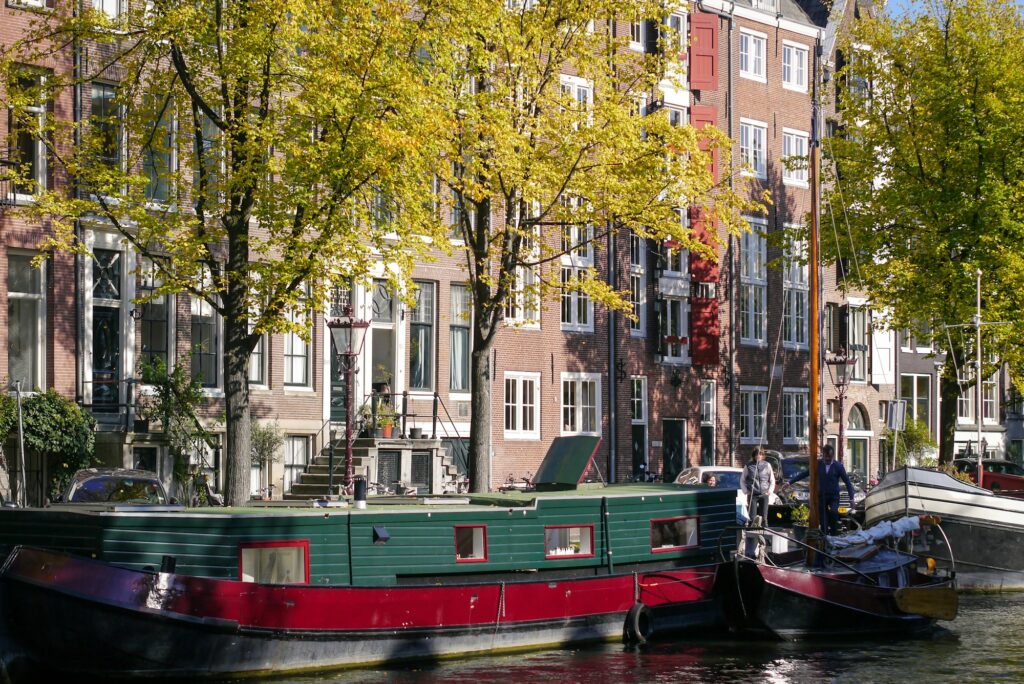
What if the next slow travel revolution didn’t roll — but floated? In 2026, as van-lifer parking lots overflow and European roads clog up every summer, a discreet alternative is winning over more and more travelers: living on water. License-free barges, houseboats moored in Amsterdam’s canals, narrowboats gliding along English waterways — Europe boasts over 18,000 km of navigable canals and rivers, according to SamBoat, a network as vast as it is overlooked.
The concept is compelling: you rent a livable barge — often with no boating license required — and cruise at 8 km/h between medieval villages, vineyards and forests, with a fully equipped kitchen, a proper shower and sometimes even Wi-Fi. All for a budget comparable to a converted van. This guide explores the best river destinations in Europe, offers a concrete comparison between life on the water and van life, and gives you everything you need to cast off in 2026.
1. Netherlands — Amsterdam and Its Canals, the World Capital of Houseboats
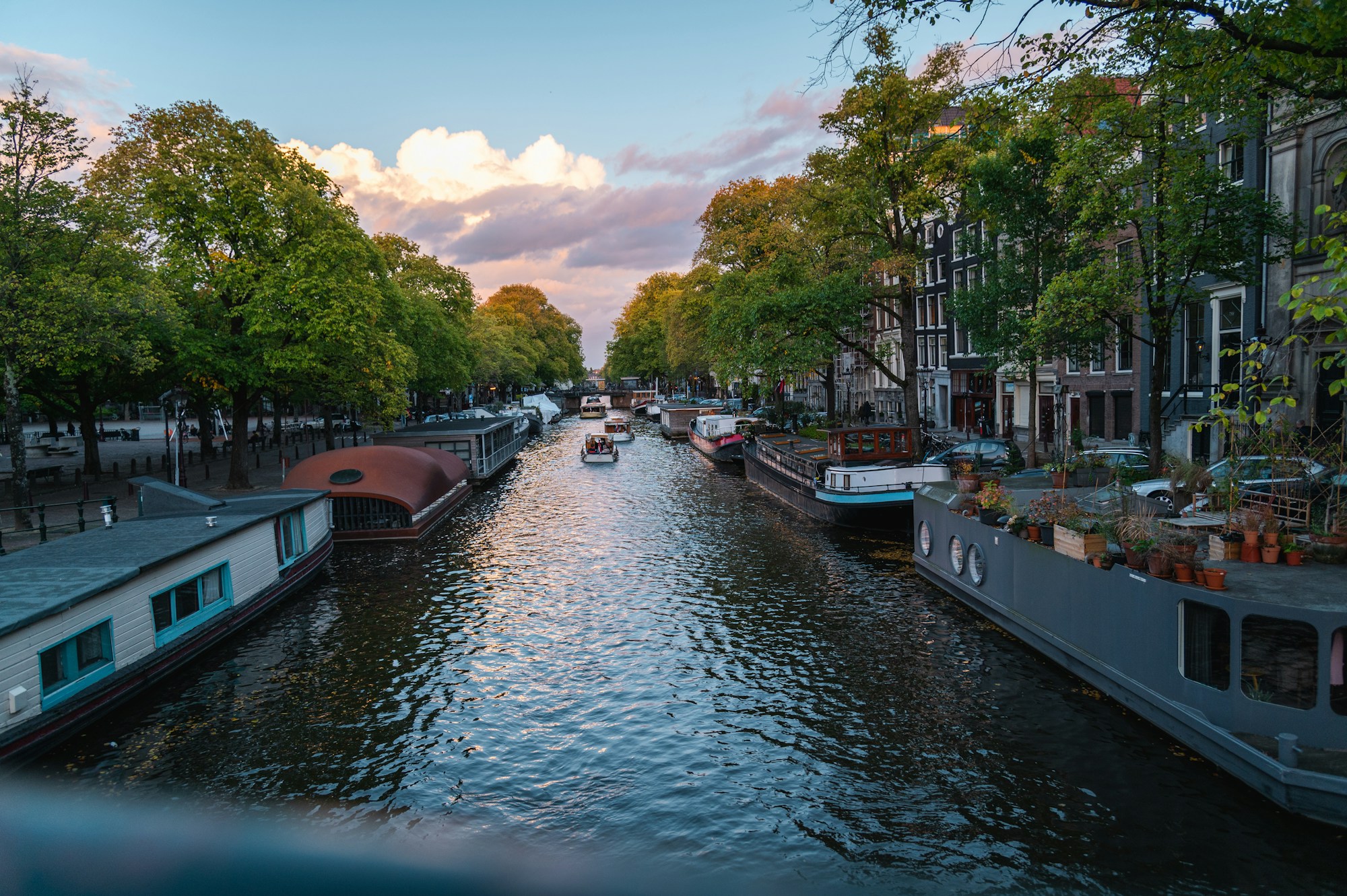
The European birthplace of floating living
Every Dutch city with a canal has its houseboats. Living on the water is what the Dutch love to do — for them, living on a houseboat is as normal as living in a regular house, according to Book a Houseboat. You’ll find vessels of every shape: 40-meter steel barges, concrete floating homes with wooden roofs, or modern canal boats with underfloor heating and designer kitchens.
The Book a Houseboat platform lists 251 houseboats in the Netherlands with a total of 1,804 berths, priced from $74 to $2,918 per night, according to their catalog. For longer stays, expect between €1,200 and €3,000 per month depending on size and location, according to Cities Insider.
Highlights
- Largest houseboat selection in Europe (251+ rentals)
- Community committed to sustainability: solar panels, eco-friendly materials
- Easy access from anywhere in Europe (Schiphol 20 min from city center)
- Oud West neighborhood: Jordaan charm without the tourist crowds
2. France — Canal du Midi, a UNESCO World Heritage Gem
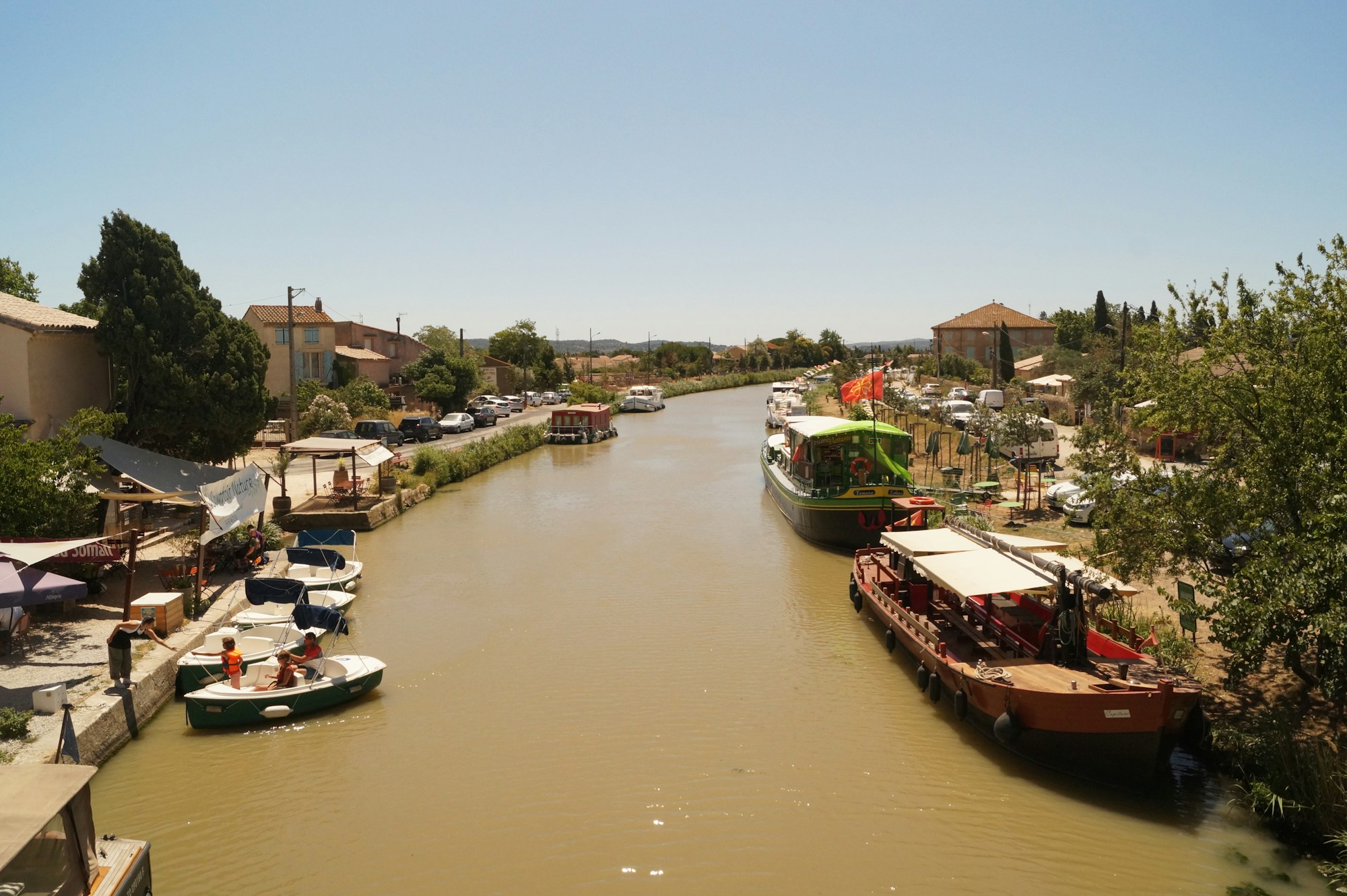
240 km of heritage between Toulouse and the Mediterranean
Listed as a UNESCO World Heritage Site, the Canal du Midi stretches approximately 240 km from Toulouse to the Mediterranean. Extended by the Canal latéral à la Garonne, it allows you to cover up to 500 km on a Pénichette® with no license required, according to Locaboat. Navigation is limited to 8 km/h — an ideal pace to admire the medieval citadel of Carcassonne, the vineyards of Minervois and the wildlife of the Petite Camargue.
On SamBoat, 97 boats are available starting at €135 per day. For a week-long family trip with 6 people, expect between €900 and €2,500 depending on comfort level, plus €25 to €40 per person per day for provisions.
Highlights
- License-free navigation across 500 km of connected canals
- UNESCO heritage: listed locks, 17th-century bridges
- Local gastronomy at every stop (markets, vineyards)
- Étang de Thau: oyster farming and exceptional biodiversity
3. United Kingdom — Norfolk Broads, Lock-Free Navigation
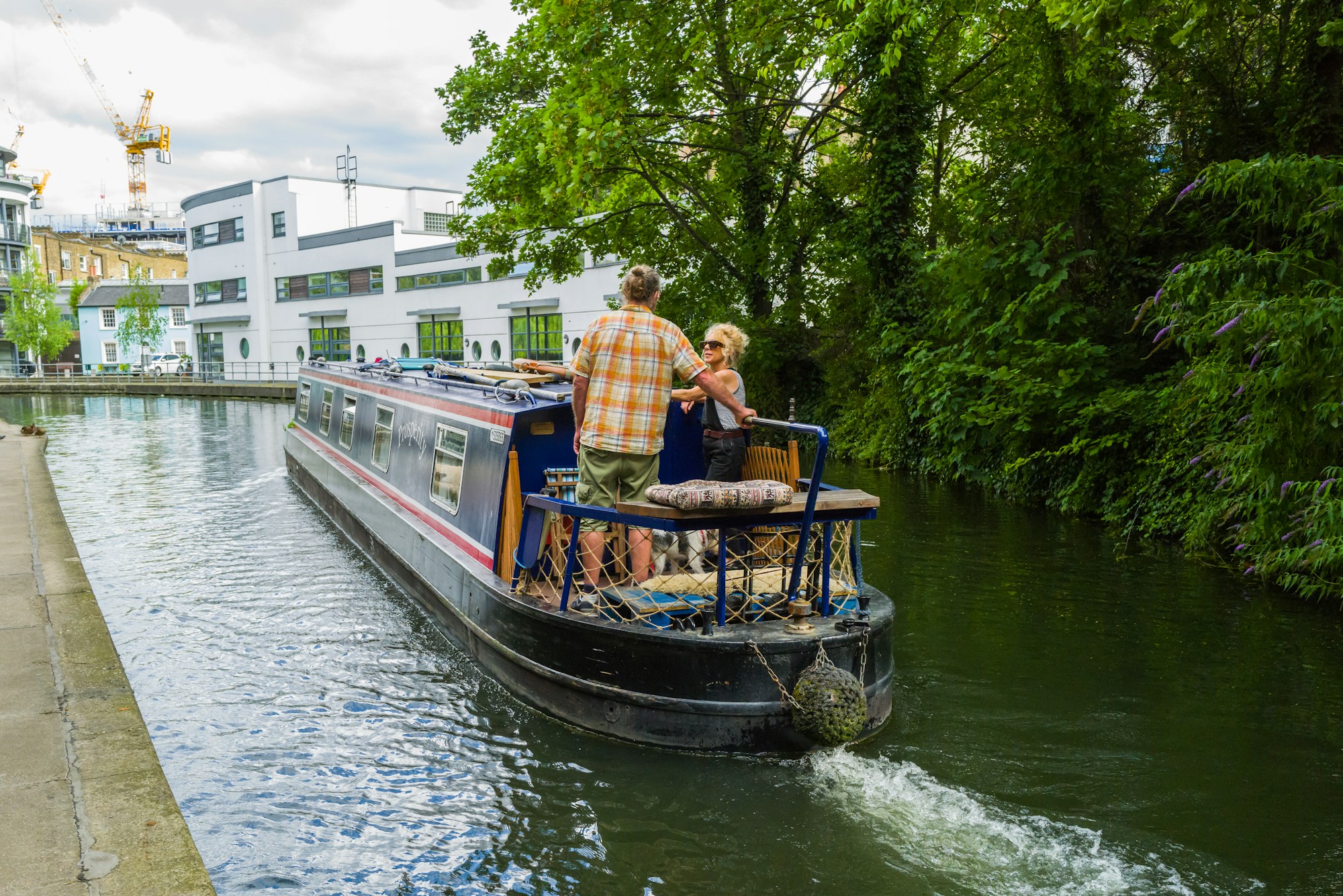
125 miles of waterways in a protected national park
The Norfolk Broads offer a unique nautical experience in Europe: no locks across the entire network, according to Waterways Holidays. This protected national park, created by centuries of peat extraction, encompasses over sixty Broads and six rivers across 125 miles of waterways. With more than seven million visitors per year and twenty-five sites of scientific interest, it is one of England’s richest ecosystems, according to Waterways Holidays.
No driving license is required for a rental boat on British inland waterways, with the boat license cost included in the rental price. Boating holidays start from £74 per person, with cruisers sleeping 2 to 12, according to Norfolk Broads Boat Hire.
Highlights
- Zero locks: ideal for complete beginners
- Pubs accessible directly from the water
- Century-old wooden yachts available for hire
- Southern Broads (Beccles, Oulton Broad) peaceful even in summer
4. Germany — Mecklenburg, the Labyrinth of a Thousand Lakes
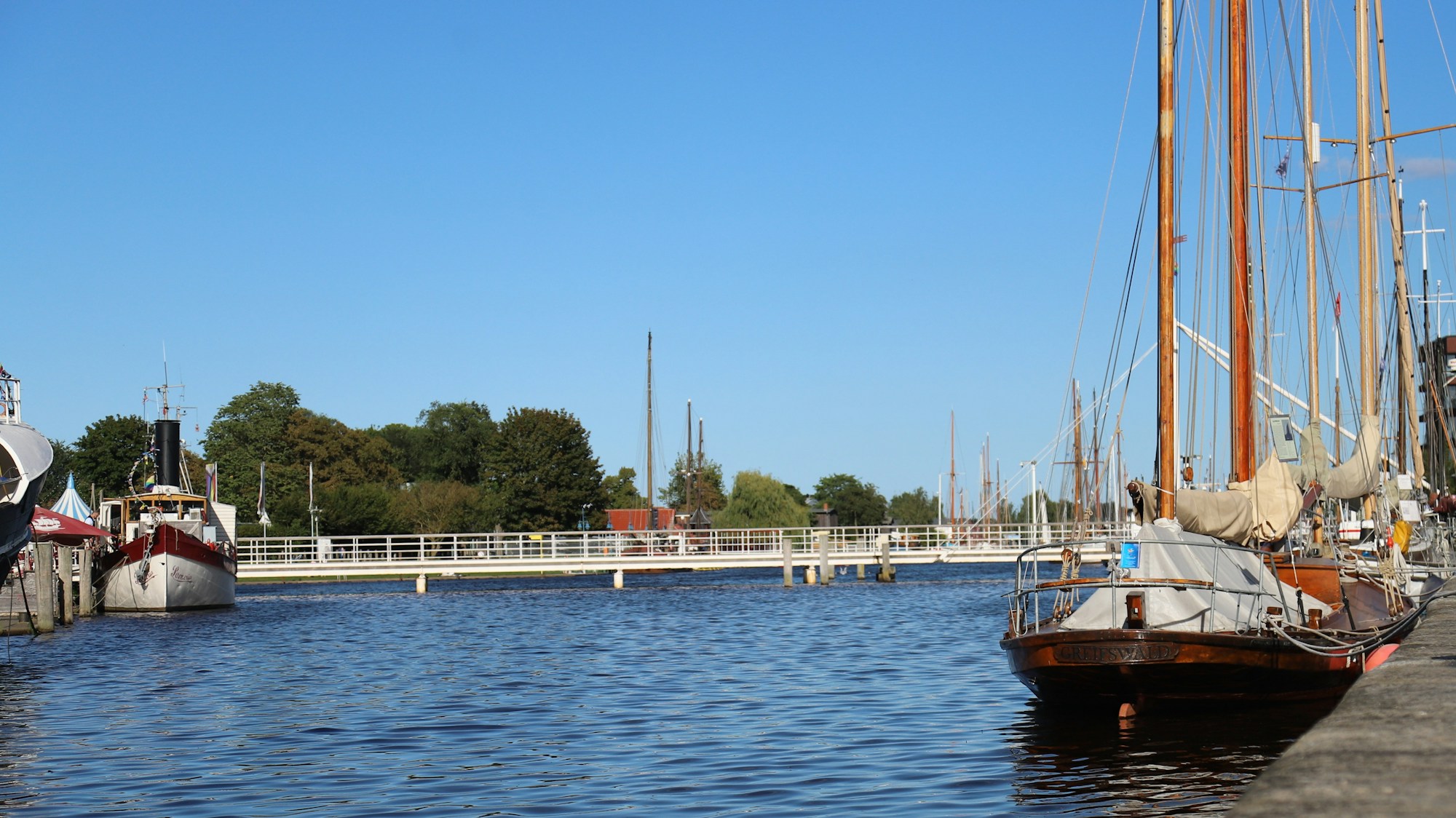
Over 1,000 lakes to explore without a license
The Mecklenburg Lake District in northeastern Germany comprises over 1,000 lakes for swimming and fishing, according to SamBoat. The many small forest lakes and canals in this area are often difficult to reach by land — with a houseboat, you won’t miss any of the wild swimming spots, according to Kuhnle Tours.
No boating license is required for most of Mecklenburg’s inland waterways. After a briefing, you can set off on your adventure, according to Entdecke Deutschland. Modern houseboats include Wi-Fi, air conditioning and sometimes even a water slide, according to Visit Mecklenburg-Vorpommern.
Highlights
- Still an under-the-radar destination for international travelers
- Wild swimming in crystal-clear forest lakes
- Modern houseboats with full amenities (Wi-Fi, A/C)
- Perfect for families with children (play areas on the water)
5. Sweden — Göta Canal, the Scandinavian « Blue Ribbon »
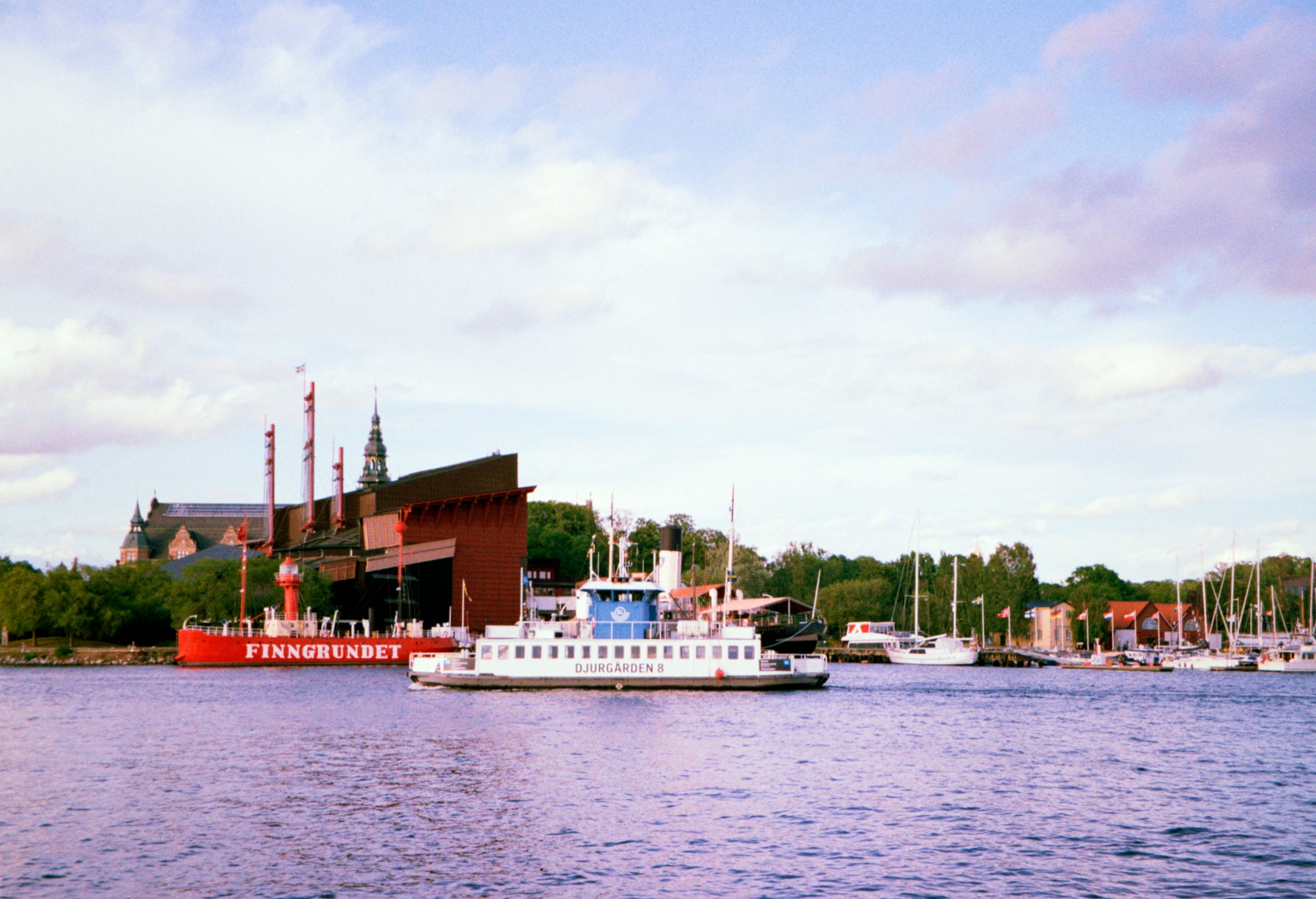
190 km and 58 locks between two seas
Dubbed « Sweden’s greatest wonder, » the Göta Canal stretches 190 kilometers from Sjötorp to Söderköping, connecting the west coast to the east coast through 58 locks. Built in the 19th century by some 58,000 soldiers, it remains one of the largest construction projects ever undertaken in the country, according to Visit Sweden.
At Göta Kanal Charter, eight boats are available, including three fully electric ones built in 2025. Prices range from €1,145 to €2,290 per week for a 2-cabin boat, and more classic models (pre-1985) are available from €625/week — no license required, according to HappyCharter.
The cherry on top: the Göta Kanalleden, Sweden’s new national cycling route, was voted « European Cycling Route of the Year 2025 », according to Visit Sweden. The 87 km of car-free towpaths allow you to combine boating and cycling in a landscape bathed in midnight sun during summer.
Highlights
- Brand-new electric boats (2025) available for hire
- European Cycling Route of the Year 2025 runs alongside the canal
- Bright summer evenings until 11 PM — late navigation possible
- Historic sites: Vadstena Abbey, Läckö Castle
6. Houseboat vs Van Life — The 2026 Showdown
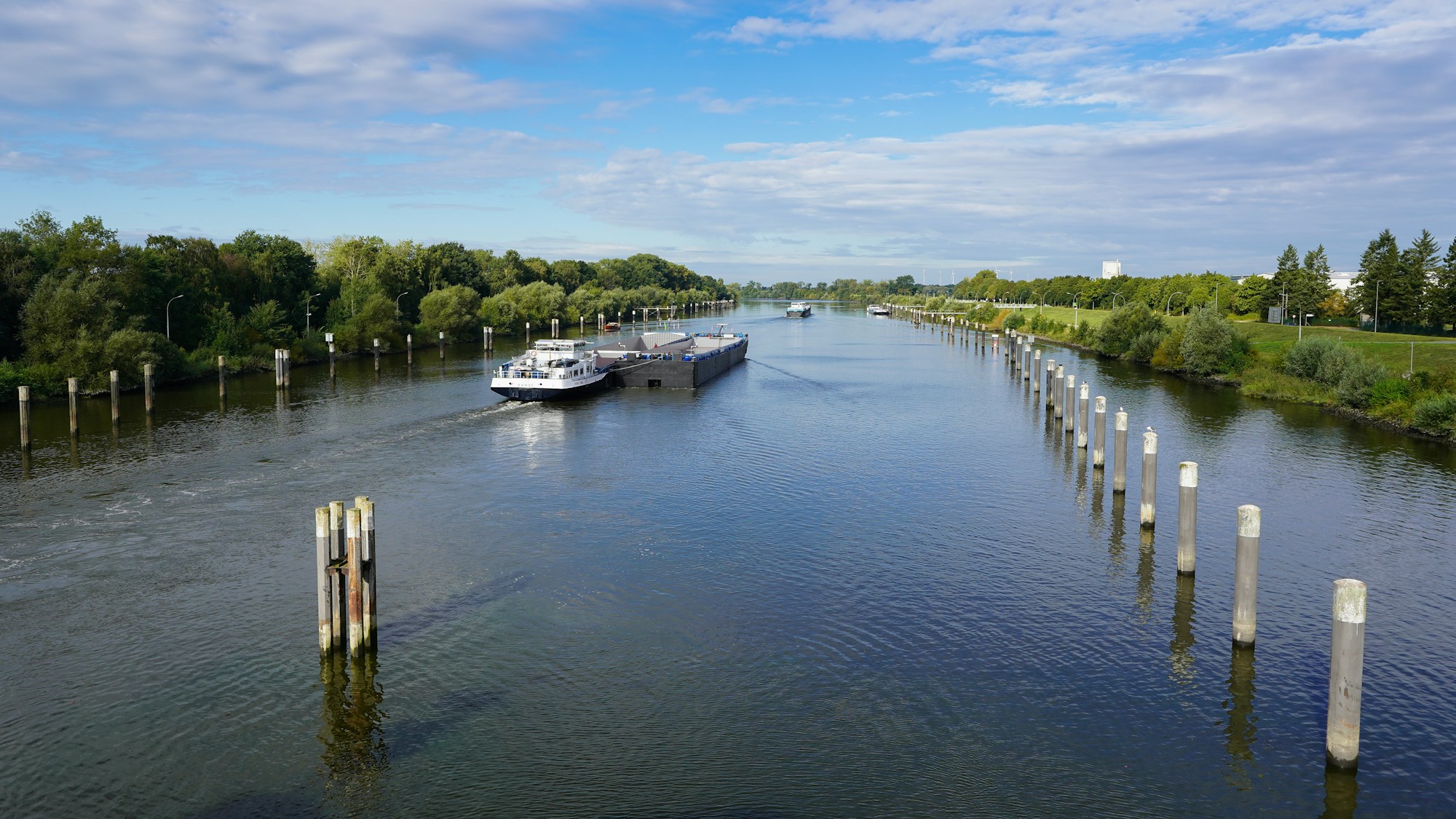
Two nomadic philosophies, one shared dream of freedom
| Criteria | Van life | Houseboat |
|---|---|---|
| Living space | 10-20 m² | 30-100+ m² |
| Monthly cost | €1,500-4,000 | €1,200-4,000 |
| License required | Driver’s license | Often none |
| Speed | 100+ km/h | 8-15 km/h |
| Social life | Solitary on the road | River stop communities |
| Nature connection | Forests, mountains | Water, wetlands |
| Winter | Challenging (cold, snow) | Possible in some countries |
The expenses of full-time van life and full-time boat life are comparable, but boats generally offer far more space, according to The Vanabond Tales. The van’s advantage remains the diversity of accessible environments — beach in summer, skiing in winter. The houseboat, however, excels on three decisive criteria: living comfort, access to unspoiled rural areas and the human community around river stops.
As a specialized blogger puts it on Outdoors.com: « I’ve tried everything. Houseboat life is the cheapest of all nomadic lifestyles. »
7. Permits and Regulations — What You Need to Know in 2026
The good news: almost no license required
In the vast majority of European countries, no boating license is required for rental barges on inland waterways. Before departure, you receive a theoretical and practical navigation briefing at the base, according to Locaboat. Here’s the breakdown by country:
| Country | License required? | Conditions |
|---|---|---|
| France | No | Mandatory briefing at departure base |
| Netherlands | No (inland waters) | License required for boats > 15 m or > 20 km/h |
| United Kingdom | No | Boat license included in the rental |
| Germany | No (Mecklenburg) | Varies by area; briefing included |
| Sweden | No (Göta Canal) | Charter rental boats, no license needed |
| Ireland | No | No experience required on the Shannon |
The recommended minimum crew is two adults in good physical condition, according to Nicols. Solo navigation is technically possible on lock-free routes but not recommended on canals with numerous locks. Good news for families: dogs are welcome aboard most European fleets, including Locaboat Pénichettes® and Norfolk Broads cruisers.
Highlights
- No license needed in 6 European countries for rental boats
- Practical training included in the rental price
- Pets welcome on most fleets
- Maximum speed 8 km/h: no risk of speeding
Practical Info for Your Floating Trip
Nomad Insurance: global coverage from $56/4 weeks. 10% off via our link.
From $56 / 4 weeksStay connected on European canals. Unlimited data, instant activation from your phone.
From €4.50Frequently Asked Questions
Do you need a boating license to rent a barge in Europe?
No, in the vast majority of cases. In France, the Netherlands, the United Kingdom, Germany (Mecklenburg), Sweden (Göta Canal) and Ireland (Shannon), no license is required for rental boats on inland waterways. You receive a theoretical and practical briefing before departure, according to Locaboat.
What budget should you plan for a week on a barge for 4 people?
The budget varies by country and season. In France (Canal du Midi), expect between €900 and €2,200/week for a 4-person barge, fuel excluded. In Sweden (Göta Canal), plan for €1,145 to €2,290/week. Add food provisions: approximately €25 to €40 per person per day when cooking on board, according to SamBoat.
Which destination should you choose for a first experience?
The Norfolk Broads (England) are ideal for beginners as there are no locks to operate, according to Waterways Holidays. In France, the Canal du Midi offers an excellent balance between ease of navigation and cultural richness. The controls are simple: an ignition key, a forward gear and a reverse gear.
Can you bring your dog on board?
Yes, on the vast majority of European fleets. Locaboat Pénichettes® are designed to accommodate pets with protective railings. On the Norfolk Broads, the fleet is « dog friendly, » according to Broads.co.uk. However, check the specific terms of each rental company.
Is houseboat life cheaper than van life?
The costs are comparable: between €1,200 and €4,000/month in both cases, according to The Vanabond Tales. However, a houseboat offers 2 to 5 times more living space (30-100 m² versus 10-20 m²) and often requires no special license, unlike the driver’s license needed for a van.
When should you book to get the best prices in 2026?
Les Canalous offer an 8% discount for any firm booking of at least one week before January 31, and a 5% discount for bookings made more than 120 days before departure, according to Les Canalous. The general rule: booking in November-December for the following season saves 8 to 15%.
Can you live on a houseboat year-round in Europe?
It’s possible in some countries, but not everywhere. Amsterdam remains the world capital of residential houseboats, with a floating housing culture established for decades, according to Cities Insider. On the other hand, the Göta Canal (Sweden) is closed from October to April, and most rental fleets shut down from November to March.
Sources
- Locaboat — Canal du Midi — License-free barge rental in France
- Book a Houseboat — Amsterdam — Catalog of 162 houseboats in Amsterdam
- Waterways Holidays — Norfolk Broads — Norfolk Broads guide and boat hire
- Kuhnle Tours — Mecklenburg Lake District — Houseboat rental in Germany
- Visit Sweden — Göta Canal — Official Göta Canal guide
- SamBoat — Houseboat Rental — European barge rental platform
- Cities Insider — Amsterdam Houseboats — Guide to floating life in Amsterdam
- The Vanabond Tales — Van Life or Boat Life — Detailed van vs boat comparison
- Nicols — Canal du Midi — License-free boat rental
- HappyCharter — Göta Canal — Boat rental on the Göta Canal
- Outdoors.com — Boat Life vs Van Life — Cost analysis of nomadic living
- Norfolk Broads Boat Hire — Boat hire on the Broads
Research conducted on March 18, 2026
Ready to Set Sail?
Discover our river itineraries and plan your next adventure on the water with Pixidia.
Explore all itineraries