
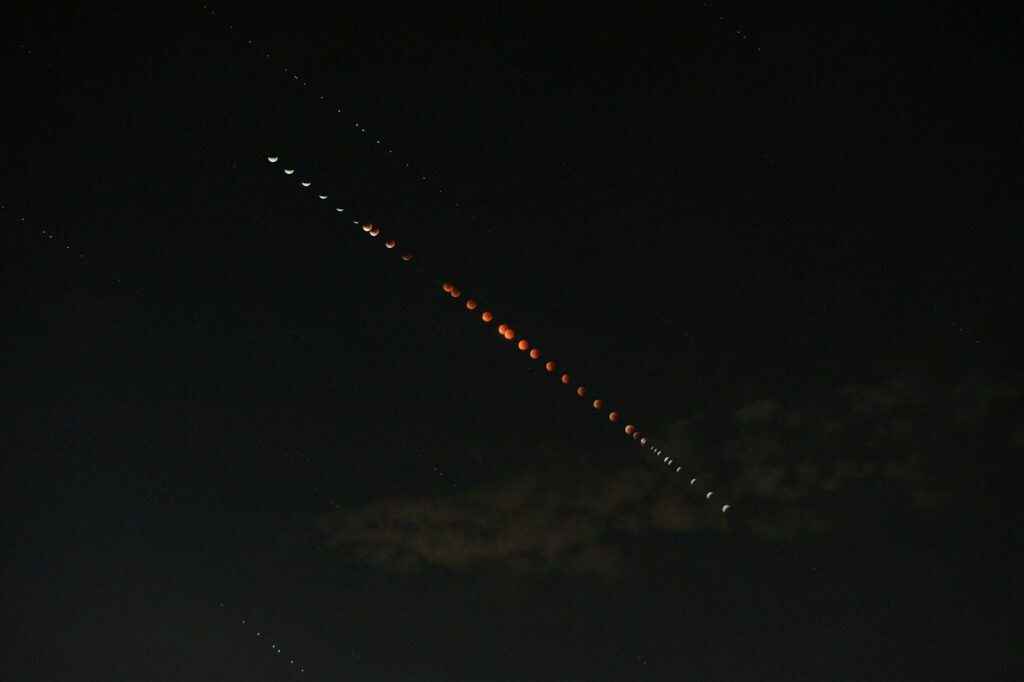
On the morning of August 28, 2026, the Moon will turn blood red. Technically classified as a « very deep partial eclipse » by astronomers — 93% of the Moon will plunge into Earth’s shadow — this event will be virtually indistinguishable from a total eclipse to the naked eye. A coppery glow will cover almost the entire lunar disk, perfectly reproducing the famous « Blood Moon. » For travelers seeking the ultimate spectacle, choosing the right spot is critical: from mainland France, the Moon will be very low on the western horizon at maximum. The Canary Islands, the Azores, and southern Europe offer incomparably better conditions. This guide takes you to the 8 best spots on the continent, from the French Pyrenees to the slopes of Mount Teide, via the Atlantic volcanoes of the Azores.
The August 28, 2026 Eclipse — Key Facts
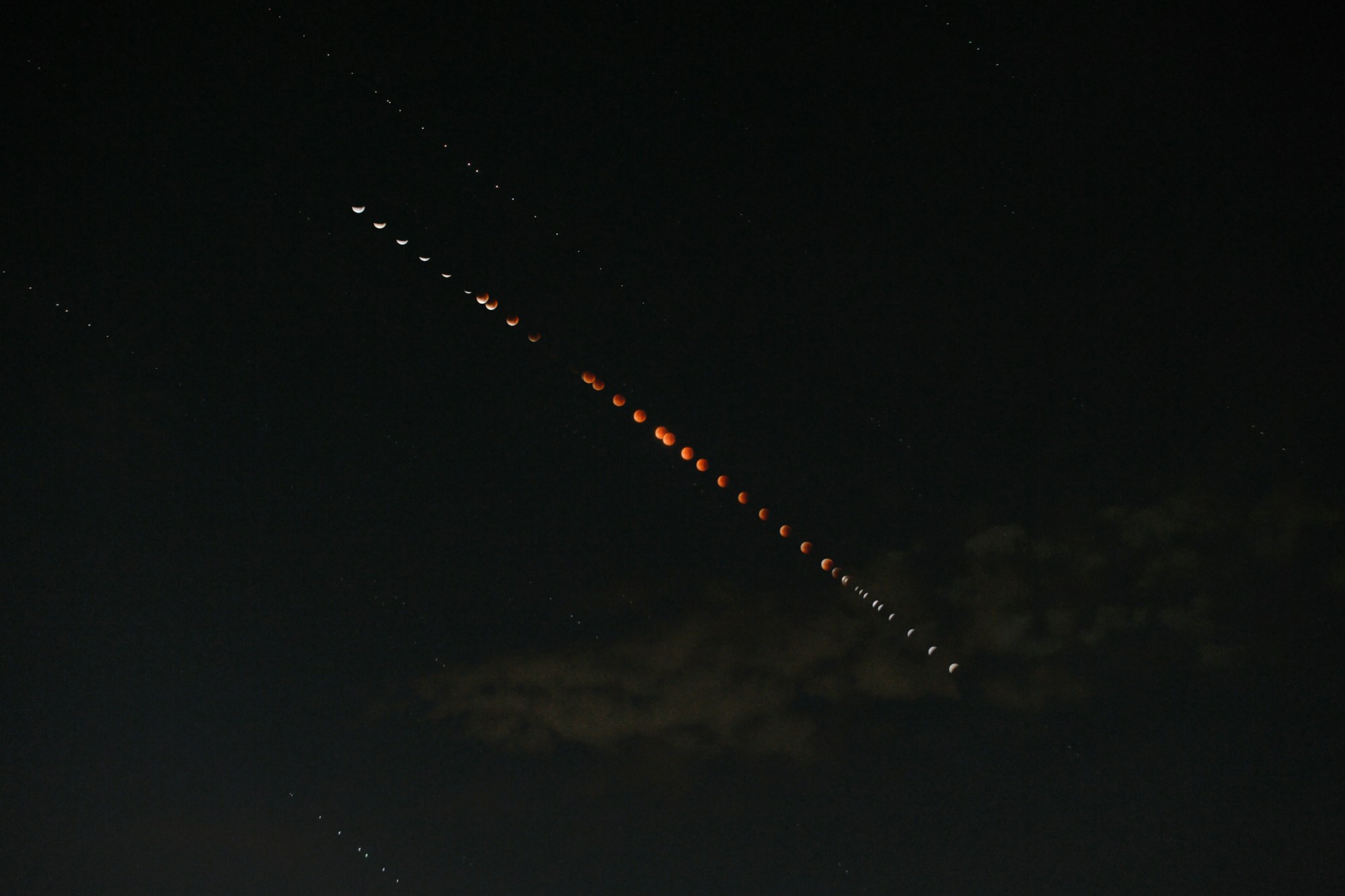
Full Timeline (CEST = UTC+2 for France, WEST = UTC+1 for Canaries)
According to EarthSky and TimeAndDate, the August 28, 2026 eclipse is officially classified as a partial lunar eclipse, but with 93% of the Moon immersed in the umbra, it will look virtually identical to a total eclipse: nearly the entire Moon will take on a deep red to coppery hue, characteristic of sunlight refracted through Earth’s atmosphere.
Timeline from France (Paris, CEST)
- 04:33 — Partial eclipse begins (Moon enters umbra)
- 06:41 — Maximum eclipse (93% of Moon in shadow)
- 07:52 — Partial eclipse ends
- 09:02 — Penumbral phase ends
This eclipse closes an exceptional series: it follows the total solar eclipse of August 12, 2026 and three total lunar eclipses (March 2025, September 2025, March 2026). It belongs to Saros series 138, according to Wikipedia.
1. The French Pyrenees — The Cradle of French Astronomy
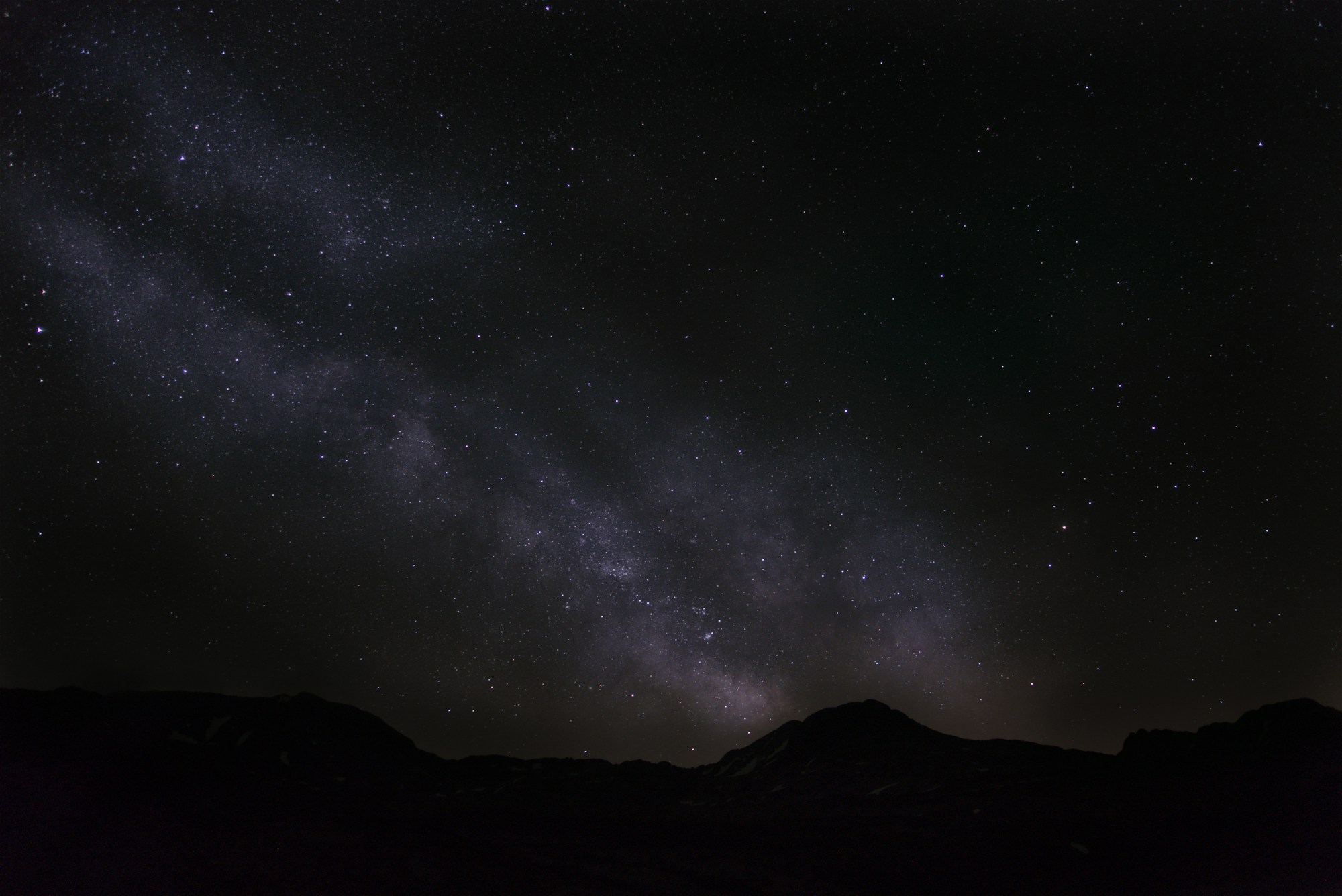
Pic du Midi de Bigorre (2,877 m) — The Temple of Astronomy
The first observatory in continental Europe to receive the International Dark Sky Reserve (IDSR) label in 2013, the Pic du Midi is the perfect place for an eclipse. Accessible by cable car from La Mongie, it offers at 2,877 metres a panoramic western horizon ideal for watching the Moon descend toward the setting point during the maximum at 06:41. According to luz.org, 246 municipalities in the Hautes-Pyrénées have committed to reducing light pollution — a unique quality guarantee in France.
Why It’s the Best Pyrenean Spot
- « Stargazing night » package with accommodation and observatory access
- Dry, transparent air at high altitude (less atmospheric turbulence)
- Completely clear western horizon — no obstacles as the Moon sets at maximum
- 6th IDSR site in the world, 1st in continental Europe
Gavarnie & Col des Tentes (2,207 m) — The Accessible Alternative
At 2,207 metres, the Col des Tentes offers a 360° panoramic view of the Pic du Taillon and the Pyrenean cirques, with no equipment or booking required. According to the Vallées de Gavarnie, classified as an IDSR, the municipalities switch off public lighting after 11 pm — a decisive detail for the early morning observation on August 28. Hautacam, with its Star Park (phosphorescent educational tables, reclining benches), is ideal for families.
- Accessible by car, free parking at Col des Tentes
- 360° panoramic horizon, no obstacles
- Gîte accommodation in Gavarnie: €40–80/night
2. The Southern Alps — Alpine Dark Sky Reserves with Dry Air
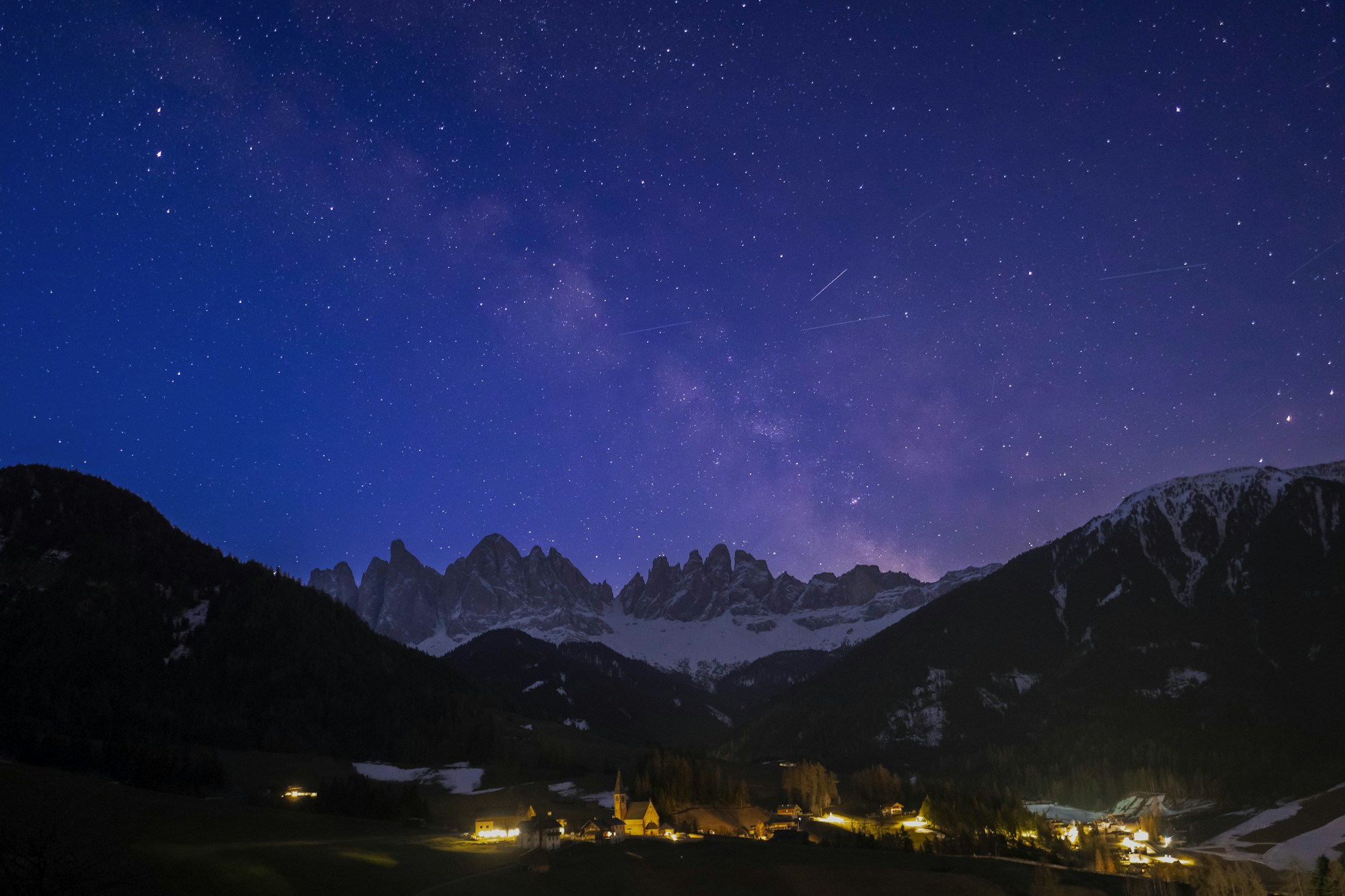
Mercantour / Ubaye Valley (IDSR 2,300 km²)
The Alpes Azur Mercantour territory is one of Europe’s largest dark sky reserves: 2,300 km², 75 municipalities, between the Alps and the Mediterranean. According to ubaye.com, the altitude (passes at 2,000+ m), low population density and dry Alpine air create remarkable observation conditions. The Col de la Bonette (2,802 m, Europe’s highest road) offers at dawn on August 28 a clear westward panorama with over 100 km of visibility.
Saint-Véran & Col Agnel (Hautes-Alpes)
Europe’s highest permanently inhabited village (2,042 m), Saint-Véran has the Astroqueyras observatory and the Maison du Soleil. The Col Agnel (2,744 m, driveable in summer) offers a panoramic westward view ideal for the low Moon at dawn. According to the Provence-Alpes-Côte d’Azur region, the Alpine night sky is the purest in France according to the 2015 light pollution map.
- Col de la Bonette (2,802 m): westward horizon with 100 km visibility
- Barcelonnette: local observatory + organized sessions (~€40–60)
- Saint-Véran: Astroqueyras, Maison du Soleil, gîtes at €60–100
3. The Canary Islands — Europe’s Best Conditions
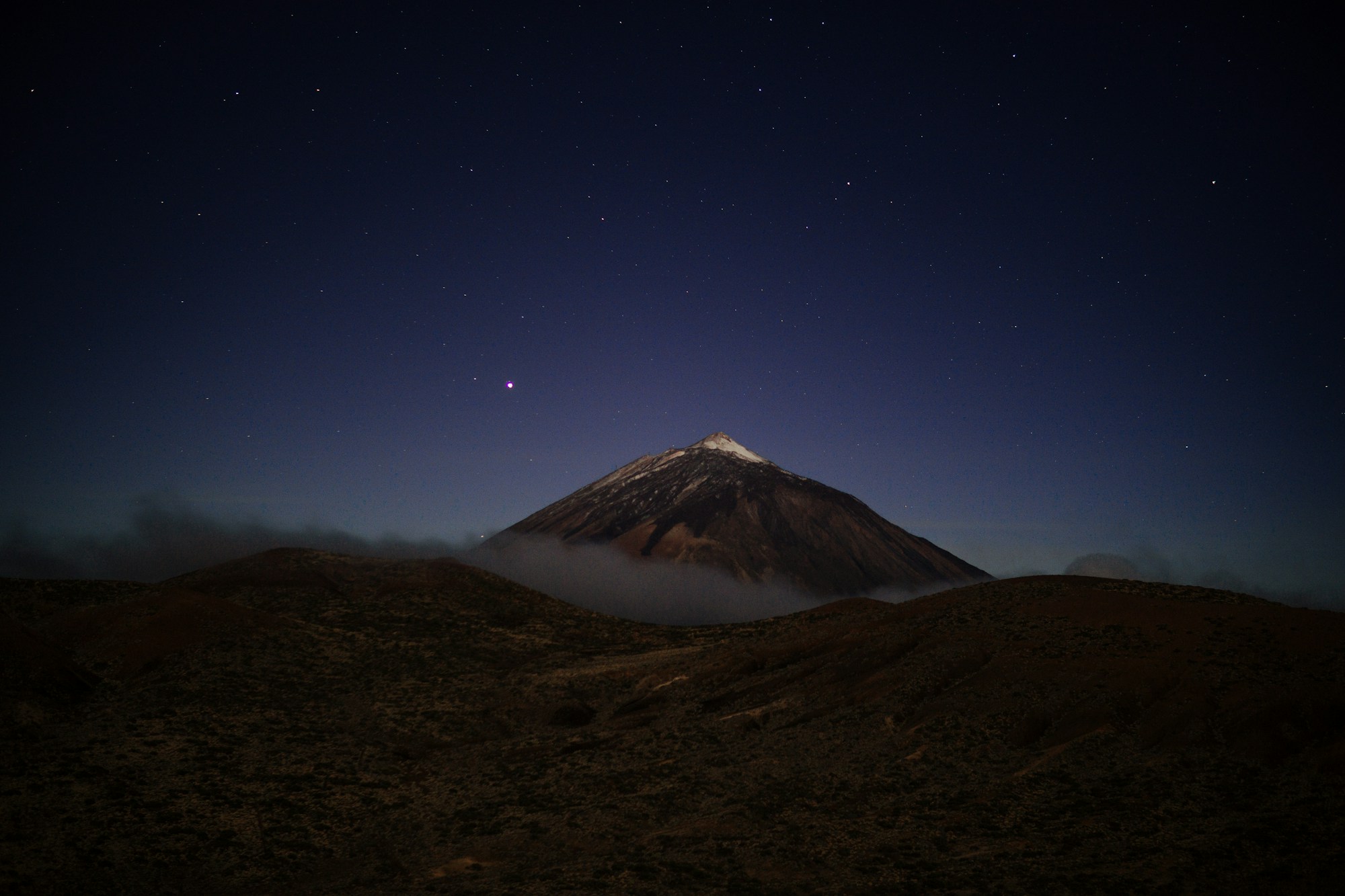
Tenerife — Teide National Park (3,718 m)
Along with Chile and Hawaii, the Canary Islands are one of the world’s best stargazing destinations, according to Volcano Teide. For the August 28, 2026 eclipse, the Canaries (UTC+1 in summer) offer a decisive advantage over France: the Moon will be higher on the western horizon at maximum, and August skies are clear more than 90% of nights. The famous « Ley del Cielo », the world’s first law protecting the night sky, guarantees total darkness in Teide National Park. As Futura Sciences documented during the May 2022 eclipse, the Canaries allow you to « follow this astronomical event much longer due to their extreme southwestern position in Europe. »
The pure skies of Teide National Park allow you to see 83 of the 88 officially recognized constellations — an achievement impossible from the continent. Combined with the total solar eclipse on August 12, 2026, it makes for a dream « double astronomical event »: just 16 days separate the two phenomena.
La Palma — The Island of Stars
Officially nicknamed « Isla de las Estrellas, » La Palma is home to the Roque de los Muchachos Observatory (2,396 m), one of the world’s most important professional observatories. Its Llano del Jable plateau (1,600 m, driveable) offers a 360° horizon with no artificial lighting — the go-to spot for local astronomers during eclipses. According to Binter Canarias, La Palma is the only island in the world whose economy integrates night sky protection into its tourism strategy.
- Tenerife: flight from Paris €80–200 return, total budget €400–700
- La Palma: intimate atmosphere, no mass tourism
- Also enjoy the total solar eclipse on August 12, 2026
4. The Azores — Watching from the Middle of the Atlantic
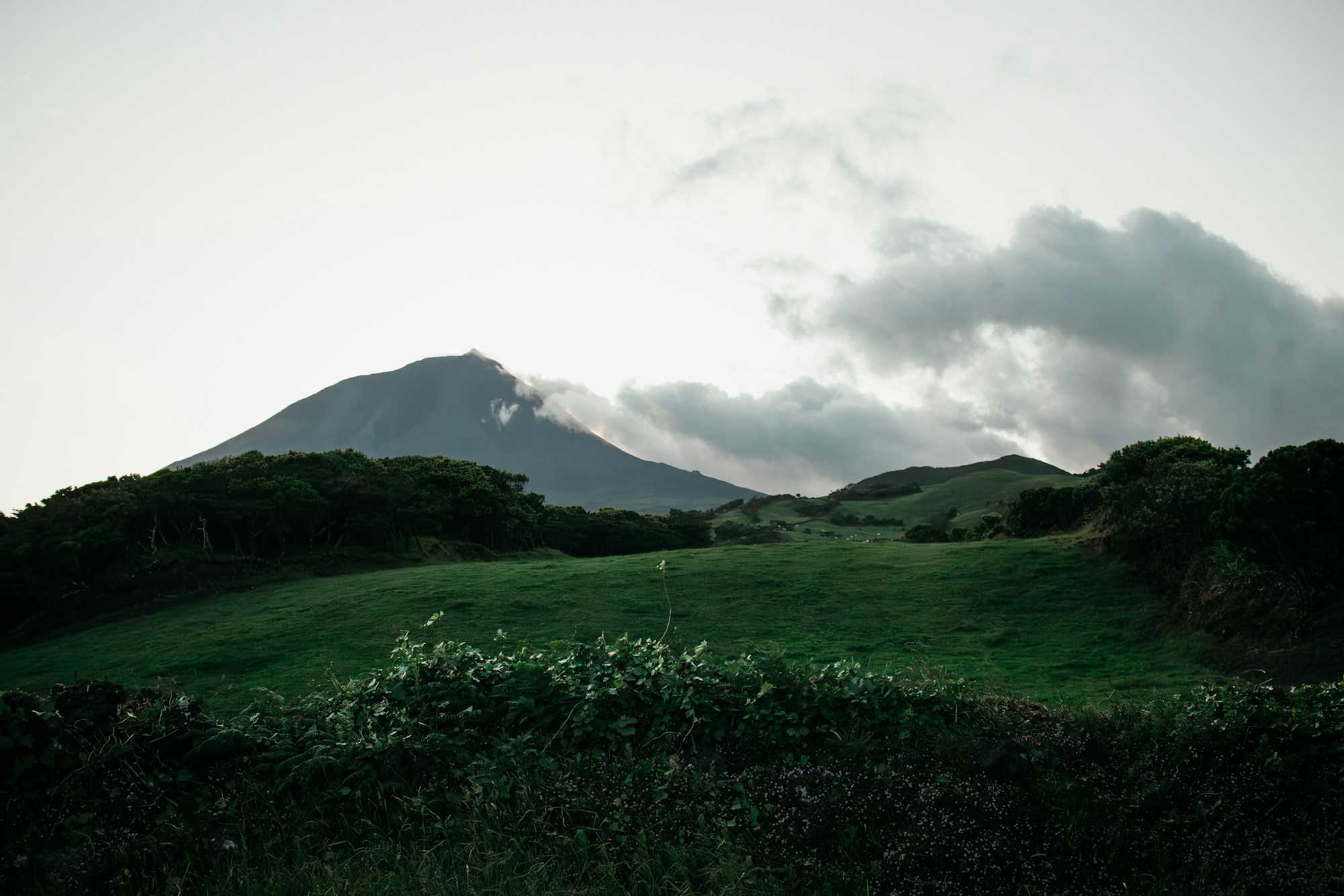
Pico Island — Portugal’s Summit Facing the Atlantic (2,351 m)
The Azores sit halfway between Europe and North America — and this off-center geographical position gives them a considerable astronomical advantage for the August 28, 2026 eclipse. Located in UTC-1 in summer (one hour behind the Canaries, two hours behind Paris), the Moon will be even higher on the horizon at maximum. Mount Pico (2,351 m, Portugal’s highest point) allows from its summit « a sweeping view of the archipelago and the Atlantic waters, » according to Comptoir des Voyages.
Pico Island, the most southerly, is statistically sunnier. The ascent of Mount Pico (departing at midnight) positions you above coastal clouds, directly under a sky free from any industrial light pollution. At dawn on August 28, the eclipsed Moon and the Atlantic will form a breathtaking panorama.
- Ocean position: stable marine air, little dust, maximum transparency
- UTC-1 in summer: Moon higher at maximum than from France
- Flight from Lisbon: €80–150 return. Rural quinta: €70–130/night
5. Bonus: Corsica and Morocco for Adventurers
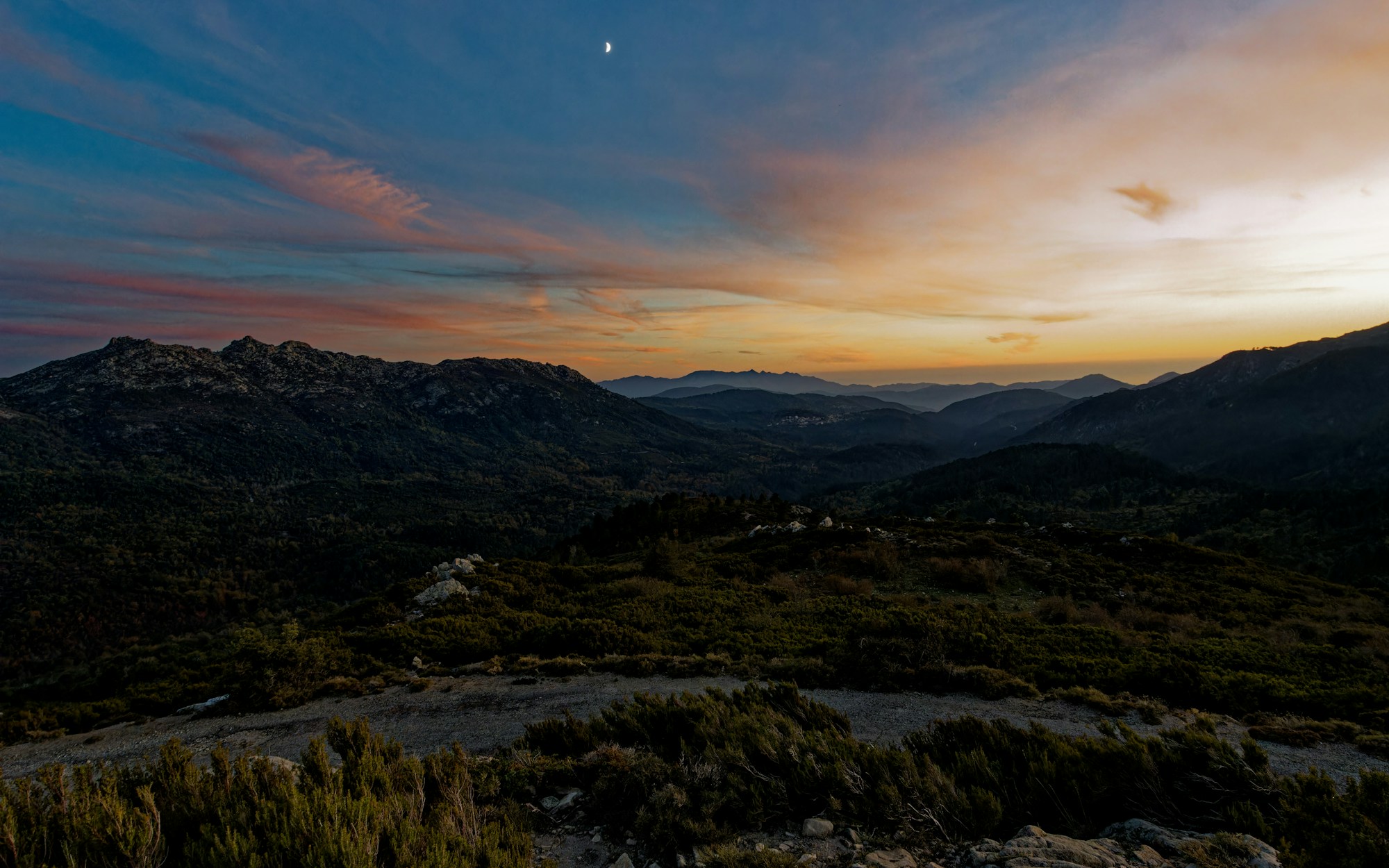
Corsica — Cap Corse & Alta Rocca
Beyond a 30 km radius of Ajaccio or Bastia, the Corsican sky is among France’s purest — ideal for relaxed observation. In August, the Mediterranean sky is virtually guaranteed to be cloud-free. The Alta Rocca region (southern Corsica) and Cap Corse offer clear western horizons, perfect for watching the eclipsed Moon descend at dawn. The Ajaccio Amateur Astronomy Club regularly organizes public observation sessions — contact them about joining an organized event on August 28.
- Ferry from Nice or Marseille: €50–120 return
- Rural gîte or villa: €70–150/night
- Very stable Mediterranean sky in August
High Atlas & Moroccan Desert — Bortle 1 Sky
For adventurers, North Africa offers the world’s best weather conditions in August: probability of clear skies exceeding 95% in the Moroccan desert. According to icalendrier.fr, the eclipse dates are the same for Morocco and France, but observation conditions are radically better. Watching the eclipse from the dunes of Erg Chebbi or Erg Chigaga under an absolute Bortle 1 sky is an experience accessible within a 4-hour flight from Paris.
- Flights from Paris (Casablanca/Marrakech): €100–250 return
- Guided desert bivouac: €50–100/person/night
- High Atlas passes: Tizi n’Tichka (2,260 m) accessible from Marrakech
6. Practical Observation Tips
Equipment, Preparation and Apps
Good news: a lunar eclipse is completely safe to watch — no special eye protection is required, unlike a solar eclipse. You can observe with the naked eye without any risk to your vision. Binoculars (10×50) or a small telescope (100–200 mm) will reveal more color nuances but are not essential, according to Futura Sciences.
Preparation Checklist
- Western horizon: Scout an observation point with an unobstructed view to the west
- Weather: Check cloud cover with Clear Outside (astronomy-specialized app)
- Clothing: Even in August, high-altitude nights drop below 10°C — bring a jacket
- Red torch: The only acceptable light at an observation site (preserves night vision)
- Apps: Stellarium (sky simulation), Sky Tonight (forecasts), timeanddate.com (precise times)
To check exact times from your location, use the TimeAndDate calculator — a reference tool for amateur astronomers.
Practical Info for Your Astronomical Trip
Essential for trips to the Azores (unpredictable weather) or Morocco. Nomad Insurance: global coverage from $56/4 weeks. 10% off via our link.
From $56 / 4 weeksStay connected to use astronomy apps (Stellarium, Clear Outside) in real time, even on a volcano summit or in the desert.
From €4.50Frequently Asked Questions about the August 28, 2026 Lunar Eclipse
Is the August 28, 2026 eclipse really total?
Technically, it is a very deep partial eclipse (93% of the Moon in Earth’s umbra). However, according to EarthSky, it will look almost exactly like a total eclipse: nearly all of the Moon will take on a characteristic coppery-red hue, with only a thin bright sliver visible on the northeastern limb. For the untrained observer, the difference will be imperceptible.
What time should I watch the eclipse from France?
From Paris (CEST = UTC+2), the partial eclipse begins at 04:33 and reaches maximum at 06:41 (93% of the Moon in shadow). The partial phase ends at 07:52. The penumbral phase ends at 09:02. At maximum, the Moon will be very low on the western horizon — choosing a site with a perfectly clear western horizon is essential, according to lune-pratique.fr.
Why are the Canary Islands the best European spot for this eclipse?
The Canaries offer three cumulative advantages: a more westerly geographical position (the Moon is higher on the horizon at maximum), clear skies over 90% of August nights, and unique European legal protection for the night sky (the « Ley del Cielo »). Astrophotographers present during the May 2022 eclipse documented incomparably better conditions than in mainland France, according to Futura Sciences.
Do you need eye protection to watch a lunar eclipse?
No. Unlike a solar eclipse, watching a lunar eclipse requires no special eye protection. It can be safely observed with the naked eye. Binoculars (10×50) or a small telescope allow you to appreciate more color nuances but are not essential, according to icalendrier.fr.
When is the next total lunar eclipse visible from France?
The next total lunar eclipse well visible from France is scheduled for December 20, 2029, according to lune-pratique.fr. The August 28, 2026 eclipse, despite its official partial status, will be the most spectacular lunar event visible from Europe before that date.
Is the August 28, 2026 eclipse linked to the August 12 solar eclipse?
Yes, both events are part of the same « eclipse season. » A lunar eclipse always occurs approximately two weeks before or after a solar eclipse. This is why travelers heading to the Canaries for the total solar eclipse on August 12, 2026 can combine it with observing the lunar eclipse on August 28 — an exceptional double astronomical event within just 16 days, according to TimeAndDate.
Sources
- EarthSky — Partial Lunar Eclipse of August 27-28, 2026
- TimeAndDate — Partial Lunar Eclipse of August 28, 2026
- Wikipedia — August 2026 lunar eclipse (Saros series 138)
- EclipseWise — Fred Espenak (precise data)
- Lune-pratique.fr — Lunar eclipses visible from France 2026
- Luz.org — International Dark Sky Reserve Pyrenees
- Vallées de Gavarnie — Stargazing spots
- Ubaye.com — IDSR Alpes Azur Mercantour
- Volcano Teide — Stargazing
- Binter Canarias — The Canarian sky
- Futura Sciences — Lunar eclipse in the Canaries (May 2022)
- Comptoir des Voyages — Pico Island, Azores
- Provence-Alpes-Côte d’Azur — Stargazing
- iCalendrier — Lunar eclipses 2026
Ready to Choose Your Observation Spot?
Whether you choose the Pic du Midi, Teide or the Azores volcanoes, August 28, 2026 will be an unforgettable night. Explore our travel itineraries to plan your trip to the Canaries or the Azores.
Explore Travel Itineraries