
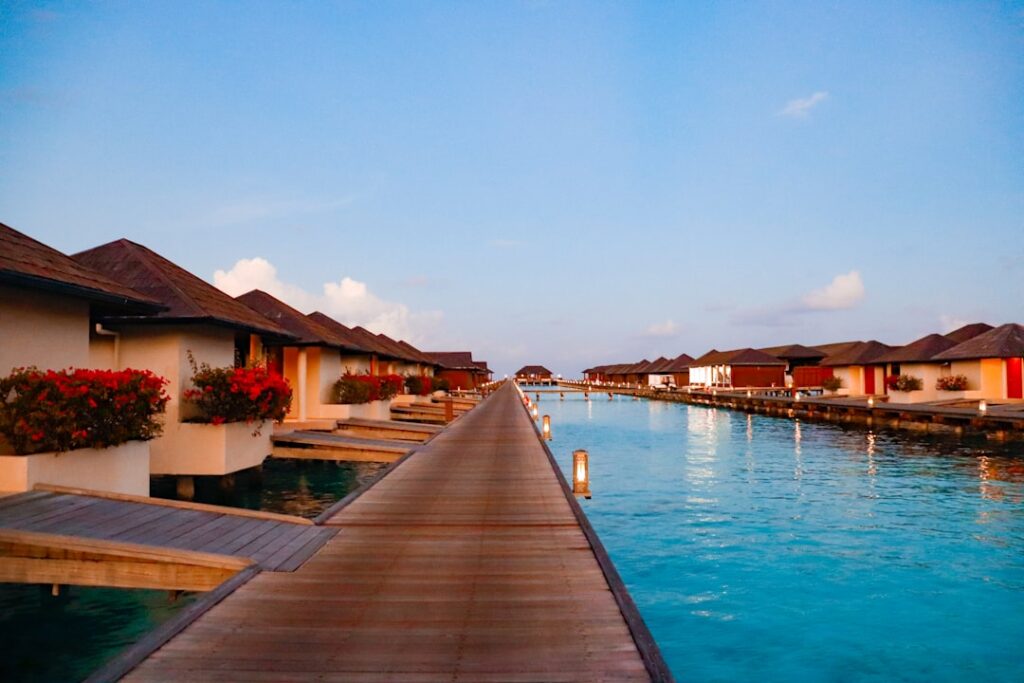
Is the Maldives really that expensive? In 2026, the archipelago welcomed over 49,000 arrivals in just the first week of January — a 13% increase — and the reality is far more nuanced than its reputation as a destination reserved for honeymoons at €3,000 a night. Behind the overwater resorts lies a network of inhabited local islands where a complete trip is possible for under $75 per day. This guide honestly compares both systems, island by island, budget by budget, with no sugarcoating.
| Profile | Accommodation | Budget/day/person | Budget/week/person |
|---|---|---|---|
| Backpacker | Local guesthouse | $60–98 | $1,200–2,500 |
| Mid-range | Average resort | $200–600 | $3,000–4,500 |
| Luxury | Overwater villa | $800–2,000 | $7,000–15,000+ |
| Ultra-luxury | Private island | $2,500–8,000+ | $20,000+ |
A major turning point came in 2009 when the Maldivian government lifted restrictions on tourist accommodation in local communities. Since then, family-run guesthouses have flourished on inhabited islands, opening the archipelago to budget and mid-range travelers according to Callaina Maldives. Here is our selection of the best islands for every profile.
1. Maafushi (Kaafu Atoll) — The Budget Traveler’s Hub
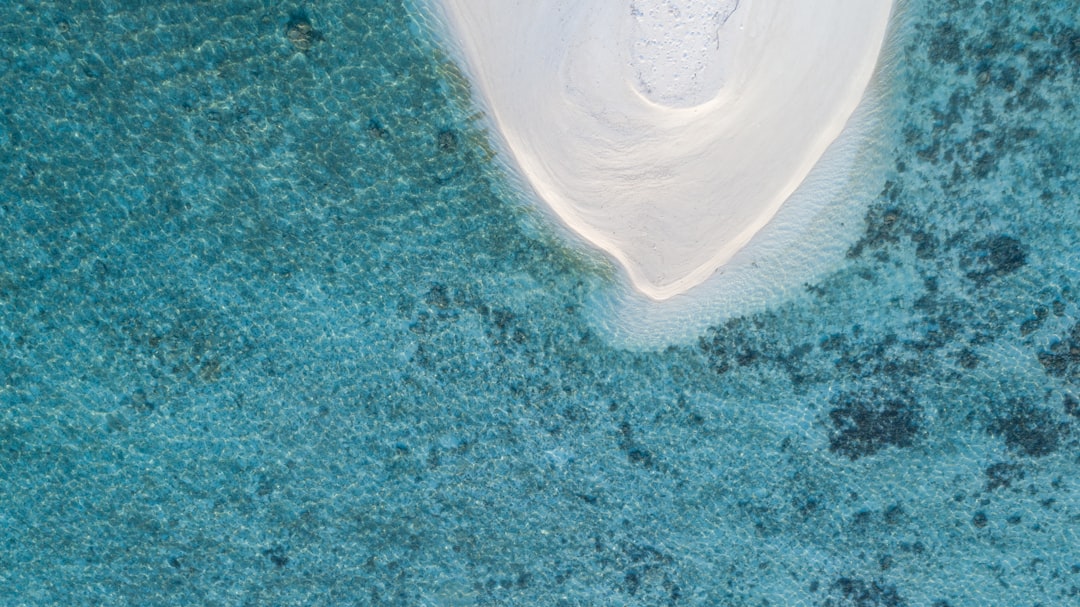
Maafushi
Maafushi has become the heart of budget travel in the Maldives. Accessible 30 minutes by speedboat from Malé airport ($25–30 per person) or by public ferry for just $3–5 (1.5 hours), the island is packed with family guesthouses offering clean rooms with air conditioning, Wi-Fi, and often breakfast included. Five-night packages including snorkeling excursions, dolphin cruises, and picnic island trips start at around $399 per person.
An honest caveat: Maafushi, once a quiet island, now suffers from uncontrolled development. Hotels are springing up everywhere, tour groups rotate constantly, and the beach has become overcrowded. Maafushi’s strength lies elsewhere: it’s an excellent launch base and logistical hub, particularly for reaching more authentic islands like Gulhi or Fulidhoo according to Nomadic Matt.
Highlights
- Dense tourist infrastructure — everything on-site
- Cheapest snorkeling excursions ($20–25)
- Easy ferry connections to other atolls
2. Dhigurah (South Ari Atoll) — Best Beach + Whale Sharks Year-Round
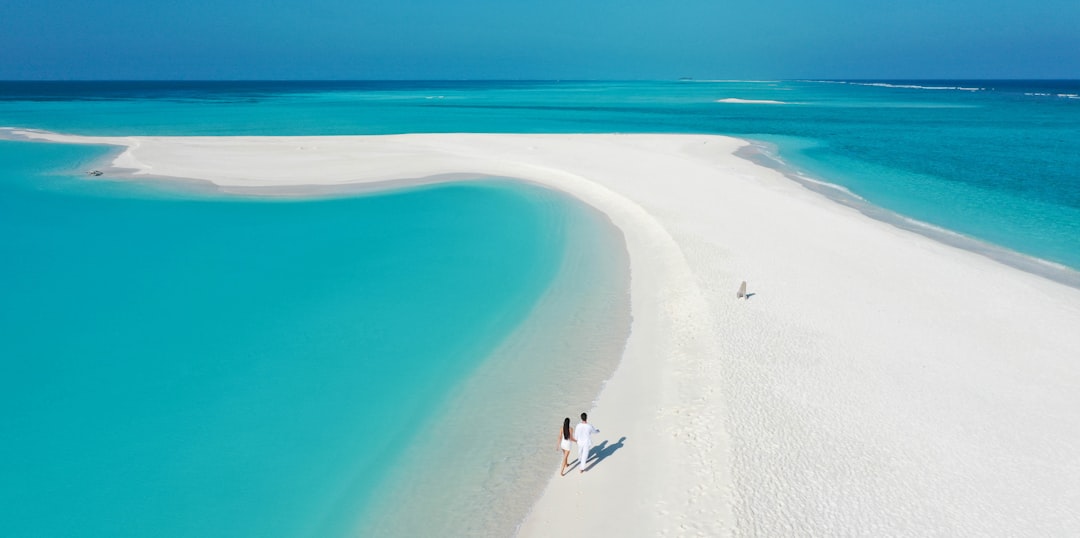
Dhigurah
Dhigurah is undeniably one of the best local islands in the Maldives. It has the longest white sandy beach among all local islands in the archipelago — you can walk to the tip of the island and, depending on tides, reach neighboring sandbars on foot. 80% of the island remains untouched, covered in nature according to TravelNania.
The real revelation: whale sharks inhabit the neighboring protected marine area of South Ari Atoll year-round — not just in season. A few-hour snorkeling trip from a local guesthouse is enough to encounter them. The excursion costs $50–80 per person, a fraction of resort prices. Some mornings, whale sharks can be spotted directly from the public beach without spending a cent.
Highlights
- Whale sharks year-round in protected zone
- Longest beach among all local islands
- Preserved nature, lightly developed island
3. Thoddoo (North Ari Atoll) — The Fruit Island of Turtles and Sunsets
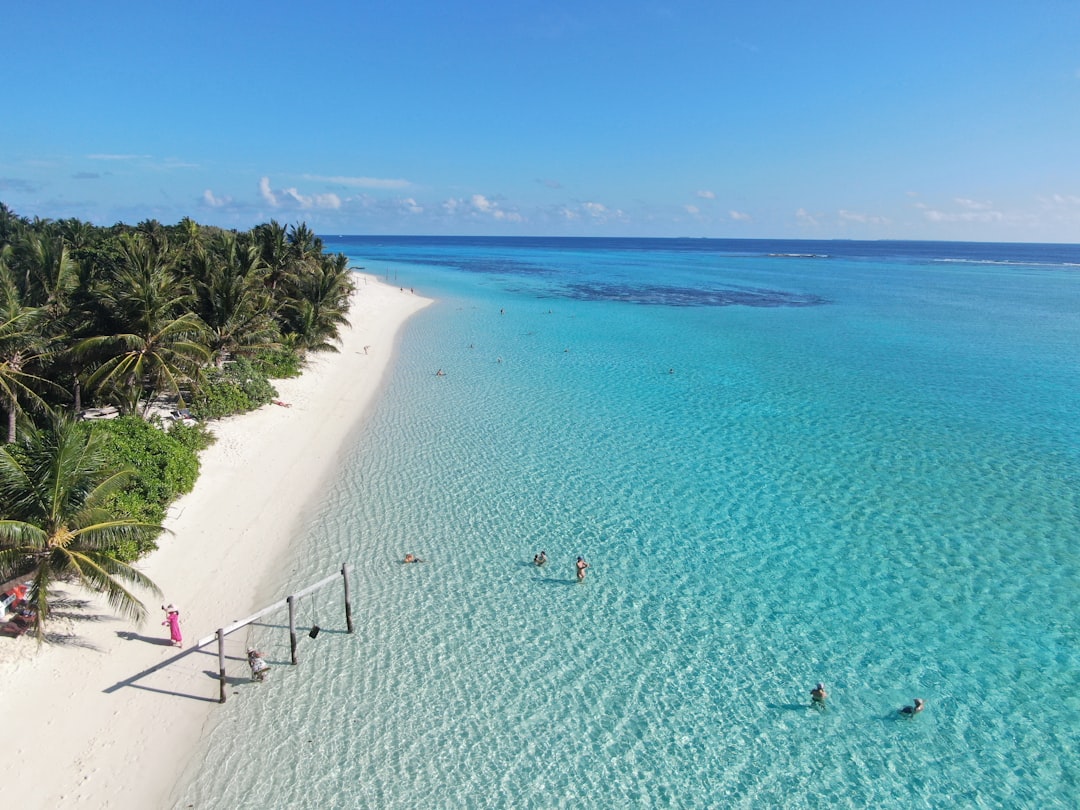
Thoddoo
Thoddoo is known as the « fruit island » of the Maldives — a curiosity in a country whose economy revolves around the sea. The island is covered in lush fruit plantations: watermelons, papayas, and bananas, cultivated by local farmers. A morning bicycle ride through the fields transports you to scenery you’d never expect in the Maldives according to Maldives Magazine.
Thoddoo is also renowned for snorkeling with sea turtles directly from the shore, its turquoise beach waters among the most beautiful of any local island, and its spectacular sunsets. Local guesthouses (Veli Villa, One Season) offer rooms with breakfast at $70–130 per night. A turtle snorkeling excursion costs $30–50.
Highlights
- Visitable watermelon plantations — a unique experience
- Sea turtles accessible directly from the shore
- Some of the most photogenic sunsets in the archipelago
4. Rasdhoo (Rasdhoo Atoll) — Diver’s Paradise at Local Prices
Rasdhoo
Rasdhoo occupies a unique geographical position: the island sits within its own independent micro-atoll, giving it exceptional dive sites. It’s one of the rare places on earth where you can observe hammerhead sharks while diving at reasonable depths according to Undiscovered Path Home. The famous « Hammerhead Point » is a night dive departing at 5:30am to watch sharks ascending from the deep.
The logistical advantage is notable: Rasdhoo is one of the few local islands accessible by direct ferry from Malé (Mondays and Thursdays, ~2 hours) AND offering resort-quality diving at local prices. Local dive centers like Drop Dive Maldives charge $60–70 per dive with equipment — 2 to 3 times cheaper than a resort.
Highlights
- Hammerhead sharks on night dives (exceptional site)
- Direct ferry from Malé — simplified logistics
- Beaches and sandbars accessible on foot
5. Ukulhas (North Ari Atoll) — The Eco-Friendly Island with Crystal Clear Waters
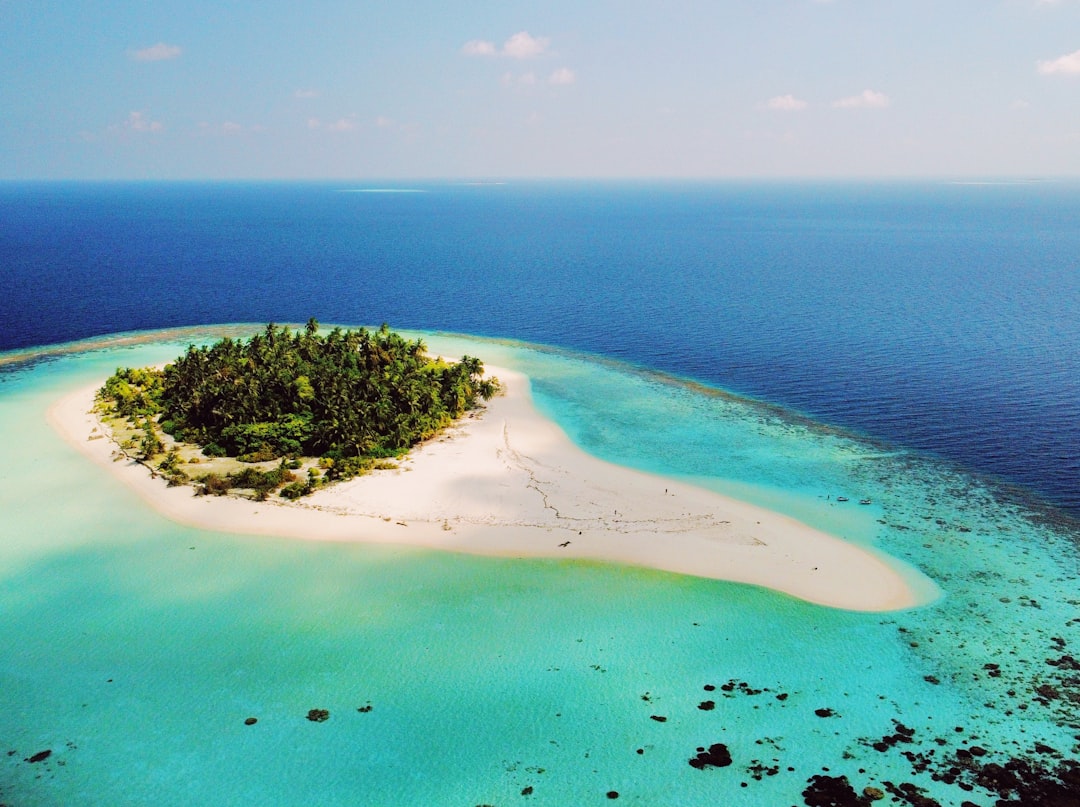
Ukulhas
Ukulhas is known as one of the most eco-responsible local islands in the Maldives. The island has implemented genuine waste management and reef protection programs, making it the cleanest and best-maintained local island in North Ari Atoll according to Undiscovered Path Home. Its bikini beach — among the most beautiful of any local island — is a direct benefit of these environmental initiatives.
Ukulhas strikes the ideal balance: uncrowded enough to maintain an authentic atmosphere, yet with good infrastructure and restaurants. The SeaLaVie Inn guesthouse is appreciated for its value. The house reef offers excellent snorkeling at $30–50, or free self-guided access from the beach.
Highlights
- Cleanest and best-maintained island in the atoll
- Exceptional bikini beach thanks to environmental programs
- House reef accessible from the public beach
6. Dharavandhoo & Hanifaru Bay (Baa Atoll) — The World’s Manta Ray Phenomenon
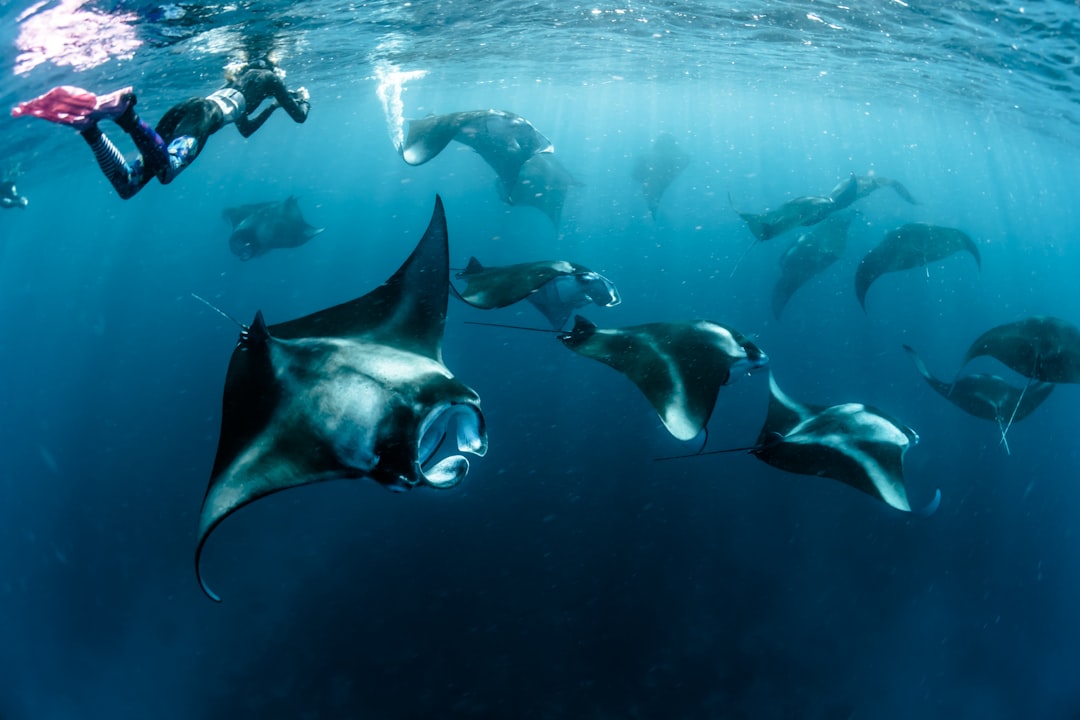
Dharavandhoo (Baa UNESCO)
Baa Atoll is a UNESCO Biosphere Reserve and home to some of the richest coral reef systems in the world. Hanifaru Bay, at the heart of this atoll, is a legendary protected marine area: when conditions align, up to 200 manta rays congregate for a world-unique feeding spectacle according to Dive Into Life. During peak season (June–October), encounter rates exceed 80%.
The revelation for budget travelers: the local island of Dharavandhoo, accessible by domestic flight (20 min from Malé), offers guesthouses from $40–80 per night. Local dive centers organize excursions to Hanifaru Bay for $60–80 per person — the same natural phenomenon as a guest paying $2,000 per night at a resort, for a fraction of the price. Access tokens are sold at the Hanifaru Visitor Centre, with proceeds funding the Baa Atoll Conservation Fund.
Highlights
- One of the world’s largest manta ray aggregations
- Local price ($60–80) vs. resort price ($300+)
- Direct contribution to marine conservation
7. Feridhoo (North Ari Atoll) — The Secret Hub for Island-Hopping Without Returning to Malé
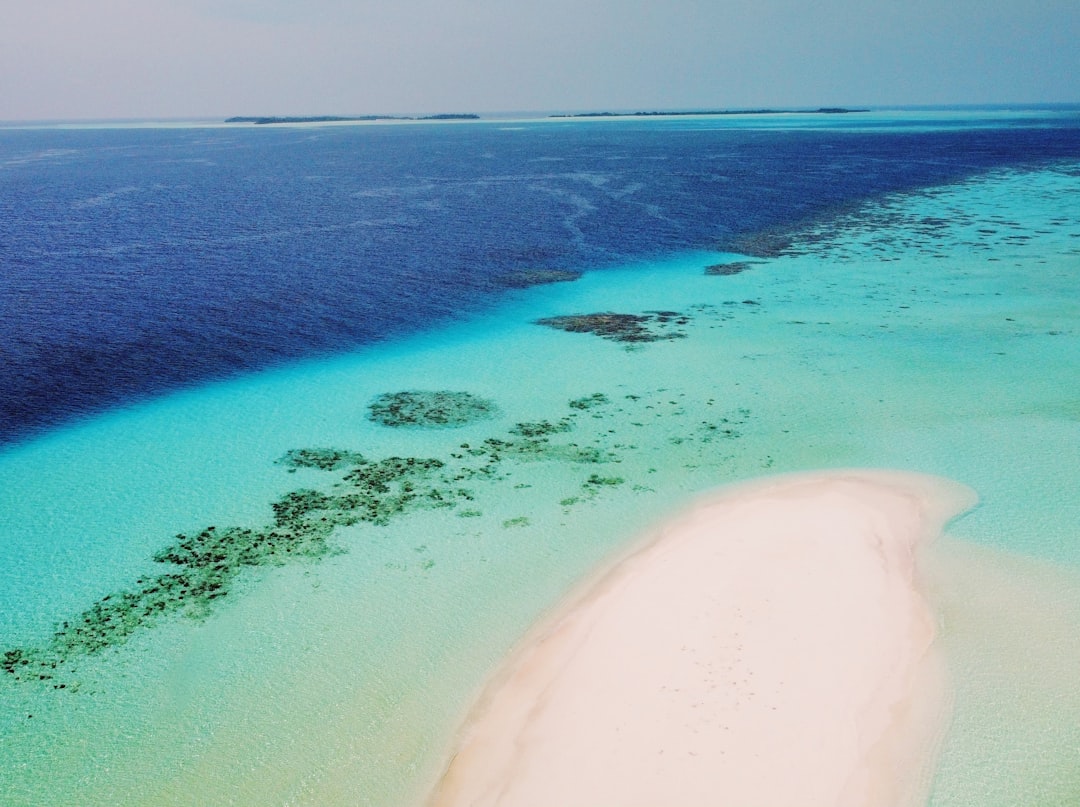
Feridhoo
Experienced travelers describe Feridhoo as « virgin »: few guesthouses, beautiful beaches, abundant nature, and absolute tranquility according to The Restless Beans. It’s not its intrinsic beauty that sets it apart, but its strategic position: the island connects South Ari Atoll (Dhigurah, Omadhoo, Mahibadhoo) with North Ari Atoll (Rasdhoo, Thoddoo, Ukulhas, Mathiveri), enabling a complete island-hopping itinerary without returning to Malé.
Feridhoo’s public house reef is considered by some travelers as one of the best in the Maldives: free snorkeling from the public beach, with sharks regularly spotted. The daily budget is among the lowest in this article ($70–110/person). One constraint: very few guesthouses available, so booking 2–3 months in advance is essential during peak season according to TravelNania.
Highlights
- Strategic crossroads between South and North Ari Atoll
- Exceptional house reef — free snorkeling
- Authentic, lightly developed, peaceful island
8. Soneva Jani (Noonu Atoll) — Iconic Ultra-Luxury: Stargazing Roofs and Lagoon Slides
Soneva Jani
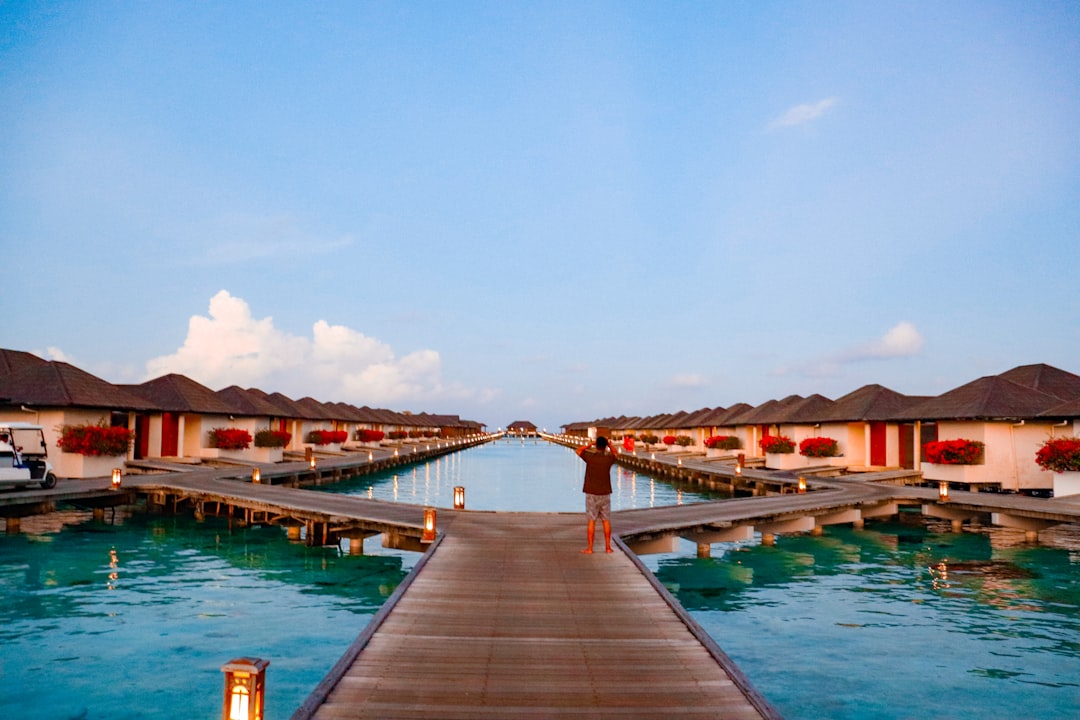
An iconic sanctuary set on a private 5.6km lagoon in Noonu Atoll, Soneva Jani is one of the most exclusive resorts in the Maldives. Accessible only by seaplane from Malé (~45 min, $450–520 per person round trip), the resort offers one- to five-bedroom overwater villas with unique features: a retractable roof in the bedroom for stargazing while lying in bed, and water slides plunging directly into the lagoon from the terrace according to Soneva Jani.
What « barefoot » means in this universe: an open-air cinema on the water, an astronomical observatory, a dedicated butler, and one of the finest wine cellars in the Indian Ocean. Entry-level villas start at $2,500/night, with the « Reserve » exceeding $30,000/night according to Luxury Columnist. Soneva is also a pioneer in sustainable luxury tourism, with an integrated carbon offset program.
Highlights
- Retractable roof for stargazing in bed
- Water slides plunging directly into the lagoon
- Genuine sustainability commitment, not just marketing
9. The Split Stay Strategy — The Best of Both Worlds
Split Stay Strategy
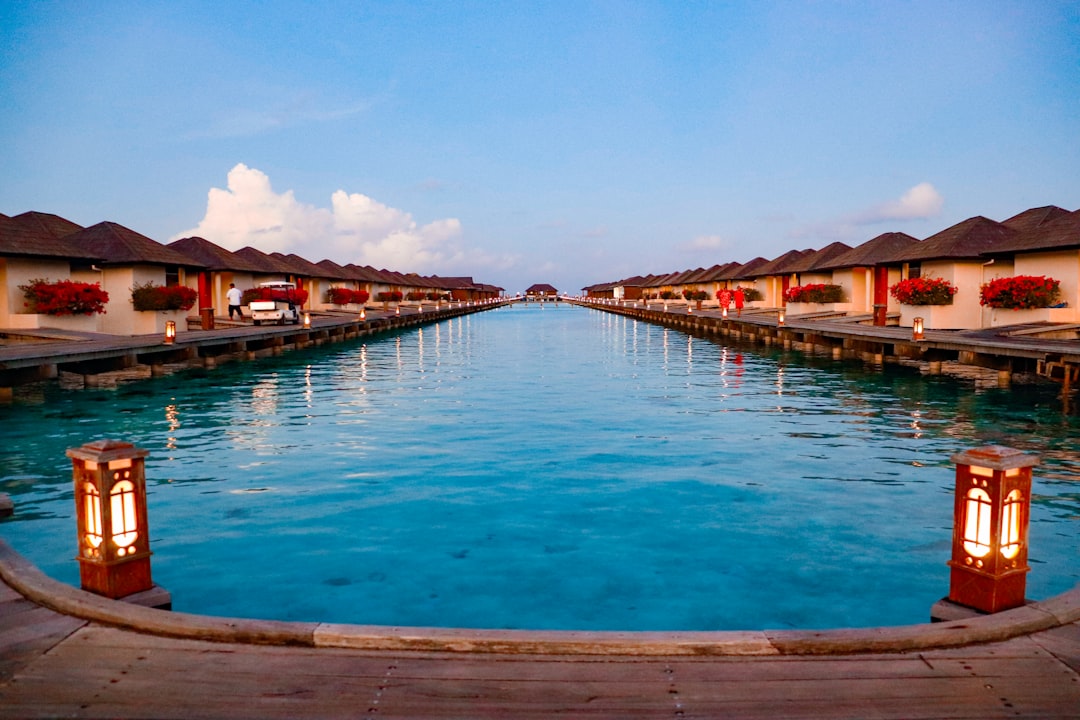
This strategy — rapidly growing in popularity — involves combining one or more nights in a resort overwater villa with a stay on local islands in guesthouses. The result: you tick the iconic overwater villa experience without blowing your entire budget according to Maldives Magazine.
Sample split stay — 10 nights (couple budget ~$3,500–5,000):
- 3 nights guesthouse Maafushi or Dhigurah: $250–360
- 1 night mid-range resort (Kuramathi or Cocoon): $300–500
- 3 nights guesthouse Dharavandhoo + Hanifaru excursion: $400–600
- 3 nights speedboat-accessible resort (SAii Lagoon): $900–1,500
10. Transfers and Hidden Costs Guide — What Nobody Advertises
This is the topic that blows budgets. Most travelers are shocked by the expenses that don’t appear in Instagram photos. From seaplane transfers to mandatory taxes, here’s what you absolutely must anticipate according to Boldly Go World.
The 4 Transfer Modes and Their 2026 Costs
| Mode | Duration | Cost (round trip/person) | Best for |
|---|---|---|---|
| 🚤 Speedboat | 20–90 min | $100–200 | Atolls near Malé |
| 🛥️ Public ferry | 1.5–8h | $1–5 | Budget, local islands |
| 🛩️ Seaplane | 20–60 min | $400–1,000 | Distant resorts |
| ✈️ Domestic flight + speedboat | 1.5–3h total | $200–400 | North and south atolls |
⚠️ Seaplanes operate only from approximately 6:00am to 4:30pm according to DMC Quote. If your international flight arrives after 3pm, plan for a night in Malé/Hulhumalé before taking the seaplane the next day.
2026 Mandatory Taxes and Fees
Budget at least 20% extra to cover these taxes:
- TGST (Tourism Goods and Services Tax): 17% (increased since July 1, 2025)
- Service charge: 10% mandatory on virtually all bills
- Green Tax: $6.58/night in guesthouses, $13/night in resorts (increased since January 2025)
Reminder: alcohol is not available on local islands. It’s only served at resorts, with considerable markup. Almost everything is imported (meat, fresh produce, bottled water), which explains resort prices where you pay what they charge or you go without according to GoTripzi.
Frequently Asked Questions
Can you really visit the Maldives on a budget in 2026?
Yes, provided you stick to local islands and public ferries. By staying at guesthouses and eating local food (fish, rice, curry), it’s possible to travel for under $75 per day according to Nomadic Matt. A realistic 2026 budget is $60–90 per person per day in double occupancy, covering guesthouses, local meals, and one shared excursion every two days. The Maldives remains pricier than other Asian destinations, but far more accessible than most people think.
What are the main differences between a guesthouse and a resort?
Guesthouses are located on inhabited islands with a local community. As the Maldives is a Muslim country, tourists must respect local rules: no alcohol and a strict dress code outside designated bikini zones. Each island has a designated beach area where swimwear and shorts are allowed, but knees and shoulders must be covered elsewhere according to Fodors. Resorts are private islands without these restrictions, with available alcohol, overwater villas, and all-inclusive options — at 5 to 20 times the cost. The main guesthouse trade-off: no overwater villa, but the nature and marine experiences are identical.
When is the best time to visit the Maldives to get the best prices?
The « shoulder season » (April–May, October–November) offers the best value: excellent weather, rates 20–30% lower than peak season according to DMC Quote. Low season (June–September) brings the southwest monsoon with afternoon showers, but resorts offer incredible promotions — sometimes 50% off listed rates. It’s also ideal for manta rays at Hanifaru Bay. Peak season (December–March) guarantees perfect weather but at 30–50% premium rates.
Is the Maldivian visa complicated to obtain?
For the vast majority of European nationalities, the Maldives grants a free 30-day tourist visa on arrival. Requirements: passport valid for at least 6 months, confirmed accommodation booking for at least part of the stay, return or onward ticket, and proof of sufficient funds. An extension up to 90 days total is sometimes possible through immigration in Malé for a fee according to AllBlogs Maldives Guide. No prior application needed for most Western European nationals.
Can you drink alcohol on local islands?
No. Alcohol is neither sold nor served on local islands, which follow Maldivian Islamic law. To consume alcoholic beverages, you’ll need to visit a resort island or board a liveaboard. Local island restaurants serve only non-alcoholic drinks: fresh fruit juices, teas, and coffees. This isn’t a deal-breaker, but an element to factor into your trip planning.
Which islands are best for diving from a guesthouse?
Rasdhoo (hammerhead sharks) and Dhigurah (whale sharks, rays) are among the best for diving from affordable guesthouses. Dharavandhoo in Baa Atoll is unmissable for manta rays at Hanifaru Bay. Local dive centers charge $50–70 per dive with equipment — 2 to 3 times cheaper than a resort according to Callaina Maldives. The marine life accessible from local islands is rigorously identical to that visible from luxury resorts.
How does the public island-to-island ferry network work?
The MTCC (Maldives Transport and Contracting Company) public ferry network is surprisingly affordable: $1–5 per leg for most routes according to Callaina Maldives. Schedules can be checked on the MTCC website. Important note: ferries run a limited or no service on Fridays (Islamic weekend). Plan inter-island transfers for other days of the week, or use pre-booked shared speedboats for Friday journeys.
Is it better to book excursions in advance or on arrival?
It depends on the destination and season. For Hanifaru Bay (mantas) from June to October, book 2–3 months in advance: quotas (maximum 80 people simultaneously) fill up quickly. For standard snorkeling trips at Maafushi or Thoddoo, same-day booking on arrival is generally possible. For guesthouses on lightly developed islands like Feridhoo, book 2–3 months in advance during peak season: accommodation capacity is very limited. As a general rule: the more authentic and less developed the island, the earlier you need to book.
Sources
This article was written using official sources, specialist guides, and data updated for 2026:
- Nomadic Matt — Maldives Budget Travel
- TravelNania — Local Islands Maldives
- TravelNania — Feridhoo Guide
- Maldives Magazine — Trip Cost 2026
- Maldives Magazine — Hidden Gems
- Undiscovered Path Home — Most Beautiful Local Islands
- The Restless Beans — Maldives Local Islands
- Dive Into Life — Hanifaru Bay Manta Season
- ZuBlu Diving — Hanifaru Bay Guide
- Maldives Nomad — Baa Atoll
- Callaina Maldives — Resorts vs Guesthouses
- Callaina Maldives — Transfers Guide
- Boldly Go World — Maldives Hidden Costs
- DMC Quote — Seaplane Transfers Guide
- GoTripzi — Maldives Cost
- Travel Fika — Maldives Trip Cost
- Soneva Jani — Official resort
- Fodors — Budget vs Luxury Maldives
Research completed February 20, 2026
Ready to Plan Your Maldives Trip?
Discover our detailed day-by-day itineraries for dream destinations. Whether you travel on a tight budget or in luxury mode, each itinerary includes the best addresses, optimal timings, and practical tips for a stress-free trip.
Explore all our itineraries