
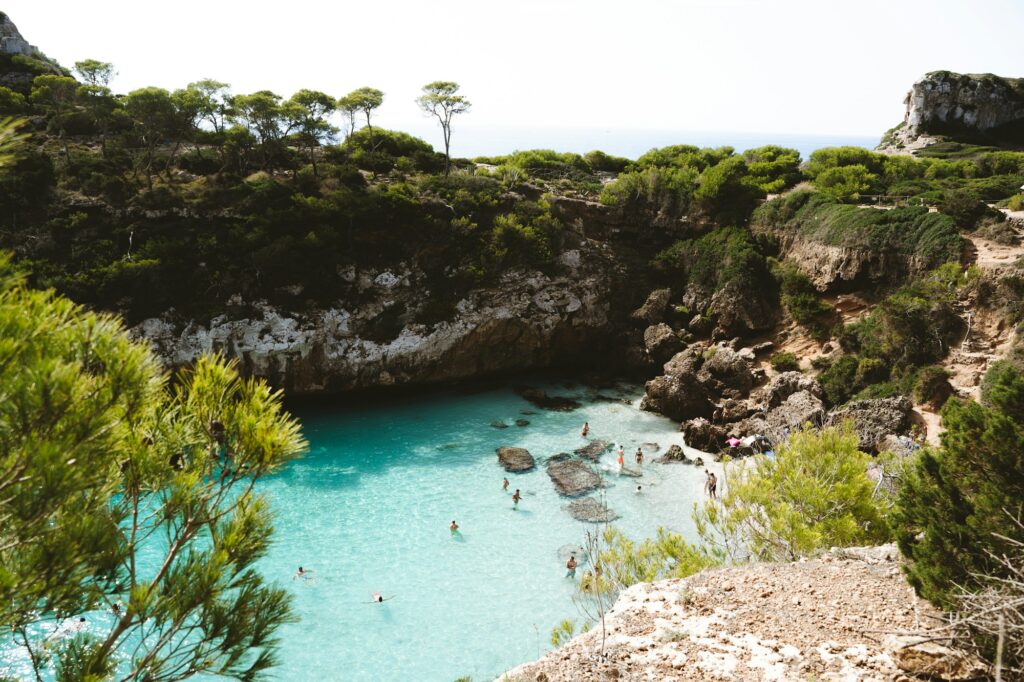
€15/night in Mallorca: media panic or reality for summer 2026? Since autumn 2025, social media has been buzzing over a possible surge in the Balearic tourist tax. The result: many holidaymakers are holding off booking while accommodation fills up. This guide separates rumour from official figures — and if Mallorca feels too expensive or too crowded, presents 9 Mediterranean and Atlantic alternatives that more than hold their own. Real budgets, verified photos, insider tips: welcome to the 2026 summer comparison.
1. The €15/night tourist tax in Mallorca: fact or fiction in 2026?
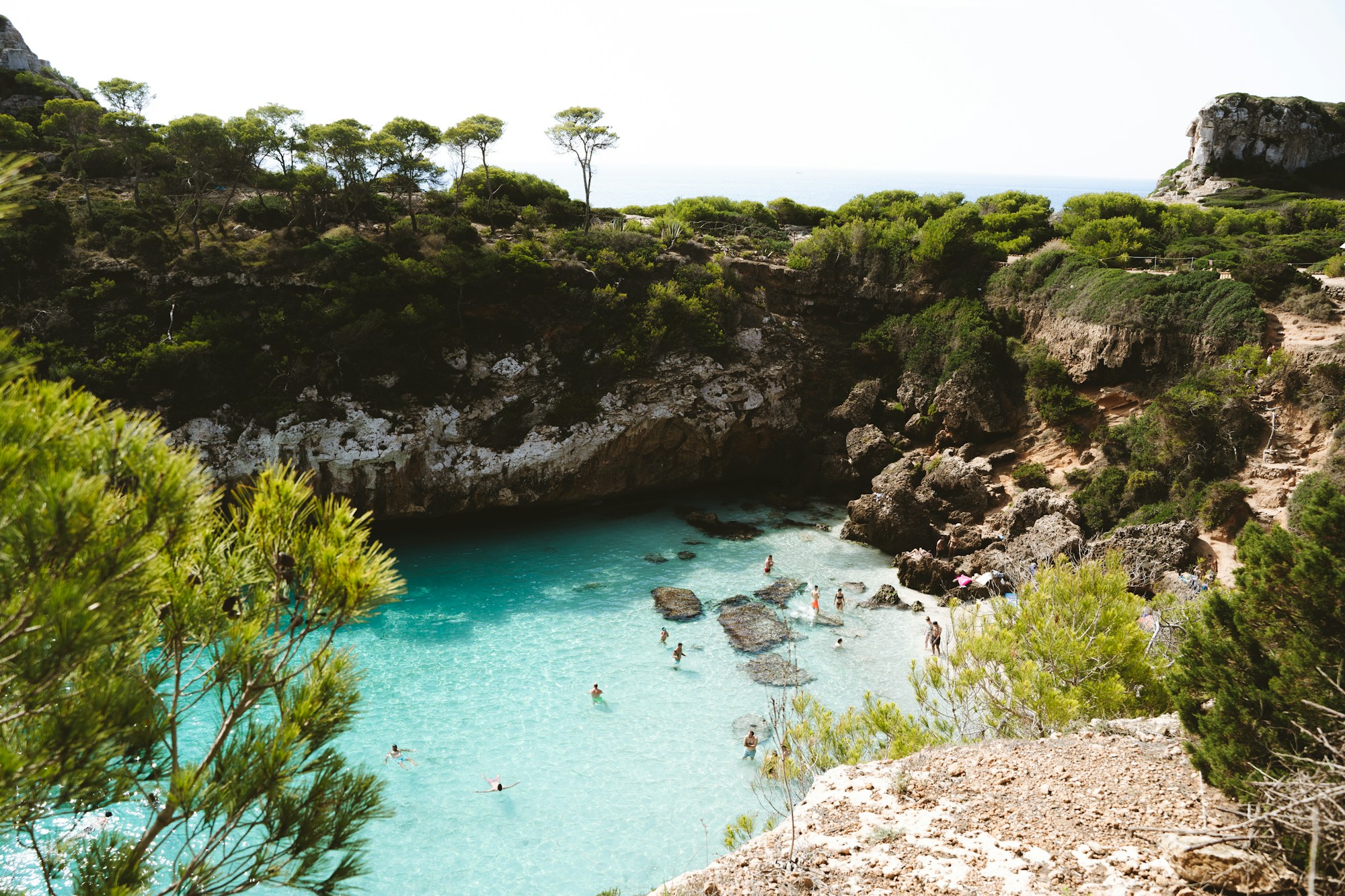
What the facts actually say
Mallorca has had an eco-tax in place since 2016. In 2026, it remains between €1 and €4 per person per night, depending on accommodation category and season. According to Holidu, discounts apply: 75% of the rate in low season (1 November – 30 April), and 50% from the 9th consecutive night onwards.
The €15 figure comes from a union proposal (CCOO and UGT) aimed at curbing mass tourism. But according to Ulysse.com, vice-president Antoni Costa stated in February 2026 that the government no longer considered it « necessary » — visitor numbers having grown by just 0.7% in 2025. As of March 2026, no implementation date has been set.
A modest increase remains possible: the lower rate could rise from €1 to €2.50/night, and the upper rate from €4 to €6, according to Mallorca Global Mag. For cruise passengers, the tax would double (from €2 to €6 per passenger).
Realistic estimates for this summer (current rates)
| Profile | Current rate | Scenario +€6/night |
|---|---|---|
| Couple, 4★ hotel, 1 week | €56 | €84 |
| Family 2 adults, 2 weeks | €112 | €168 |
| Couple, 3★ hotel, 1 week | €28 | €42 |
2. Is Mallorca still worth visiting in 2026?
An irreplaceable destination — if you choose wisely
Despite the tax controversy, Mallorca remains one of Europe’s best-connected destinations. Vueling operates 11 flights a week, Transavia 12, Air France 5 and Ryanair 3 from Paris. Expect a 2-hour flight and fares from €43 return when booked in advance, according to Ulysse.com.
The island reinvents itself beyond the beaches: the Serra de Tramuntana (UNESCO World Heritage), mountain villages around Sóller and Deià, local markets — experiences that « create lasting memories far removed from mass tourism » according to Carnets-de-Voyages.fr. The island also launched its Mallorca Pledge in 2025 — a responsible tourism charter.
What to know before you go in 2026
- Low Emission Zone in Palma since 2025: only Eco, B, C or zero-emission vehicles can enter the city centre
- Sóller: compulsory parking outside the centre on 12 main roads, public transport strongly recommended
- West coast (Andratx, Banyalbufar): far less visited than the east
- April and September: mild weather, accommodation up to 30% cheaper
3. Minorca: the quiet sister that deserves all the attention
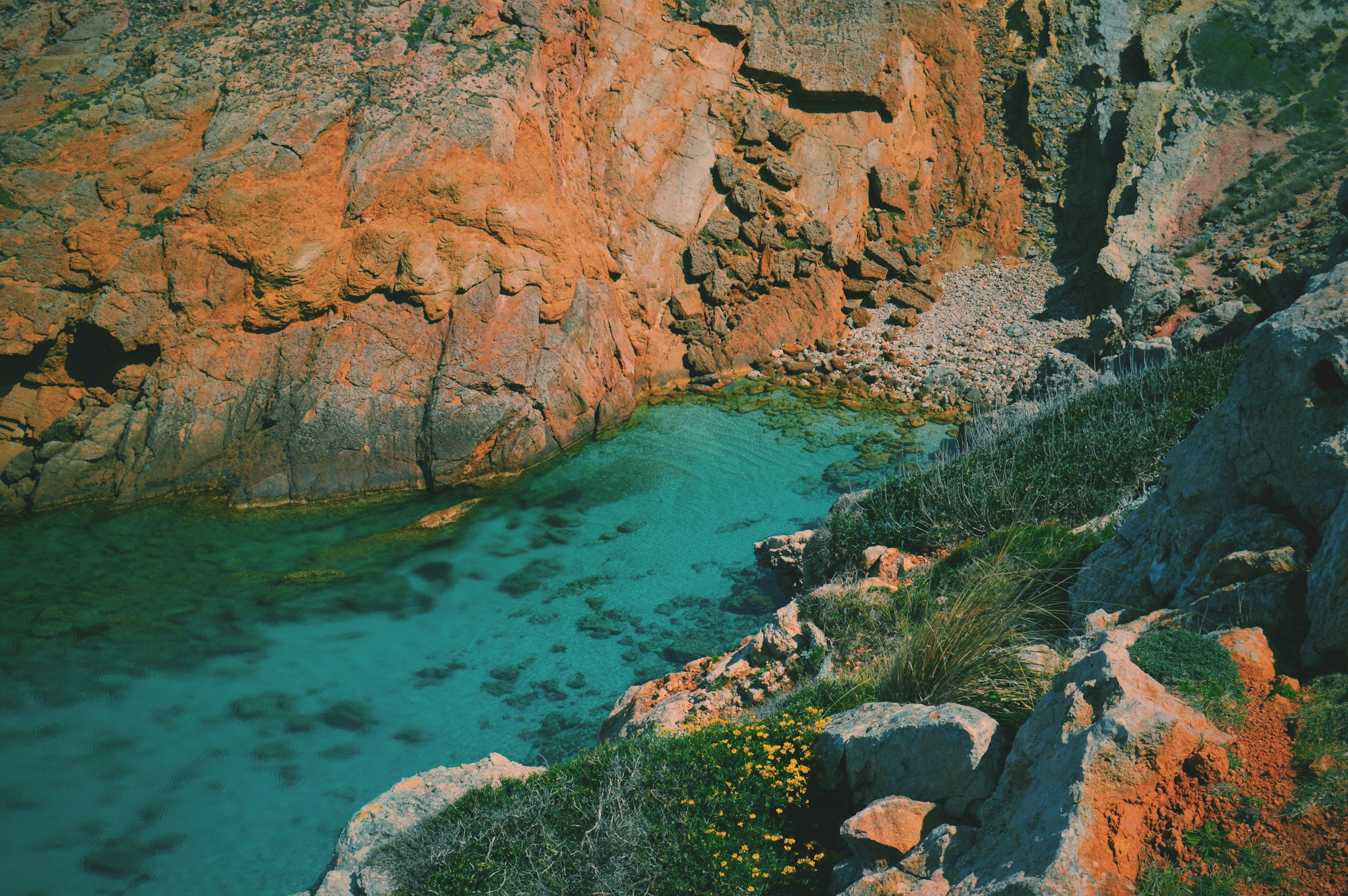
Minorca — Balearic Islands, Spain
Often described as « the most unspoilt of the Balearic Islands », Minorca has just 5.7% of its land area built up — a striking figure that explains why its beaches remain crowd-free, according to Minorque Vacances. Local life thrives: traditional villages, island gastronomy, unhurried atmosphere.
Its heritage is remarkable: Mahón, perched above one of Europe’s finest natural harbours, and Ciutadella, a former aristocratic city with baroque architecture, offer cultural immersion that Mallorca struggles to match, according to Selectour. Prehistoric remains (taulas and talayots) are a reminder that the island was inhabited long before the Romans.
Key highlights
- Same tax as Mallorca (same regional law), but accommodation 15–20% cheaper
- Over 200 coves, many accessible only on foot or by boat
- Camí de Cavalls: 185 km coastal trail — one of the Mediterranean’s finest hikes
- UNESCO Biosphere Reserve since 1993
4. Albanian Riviera: the anti-Mallorca trending on social media
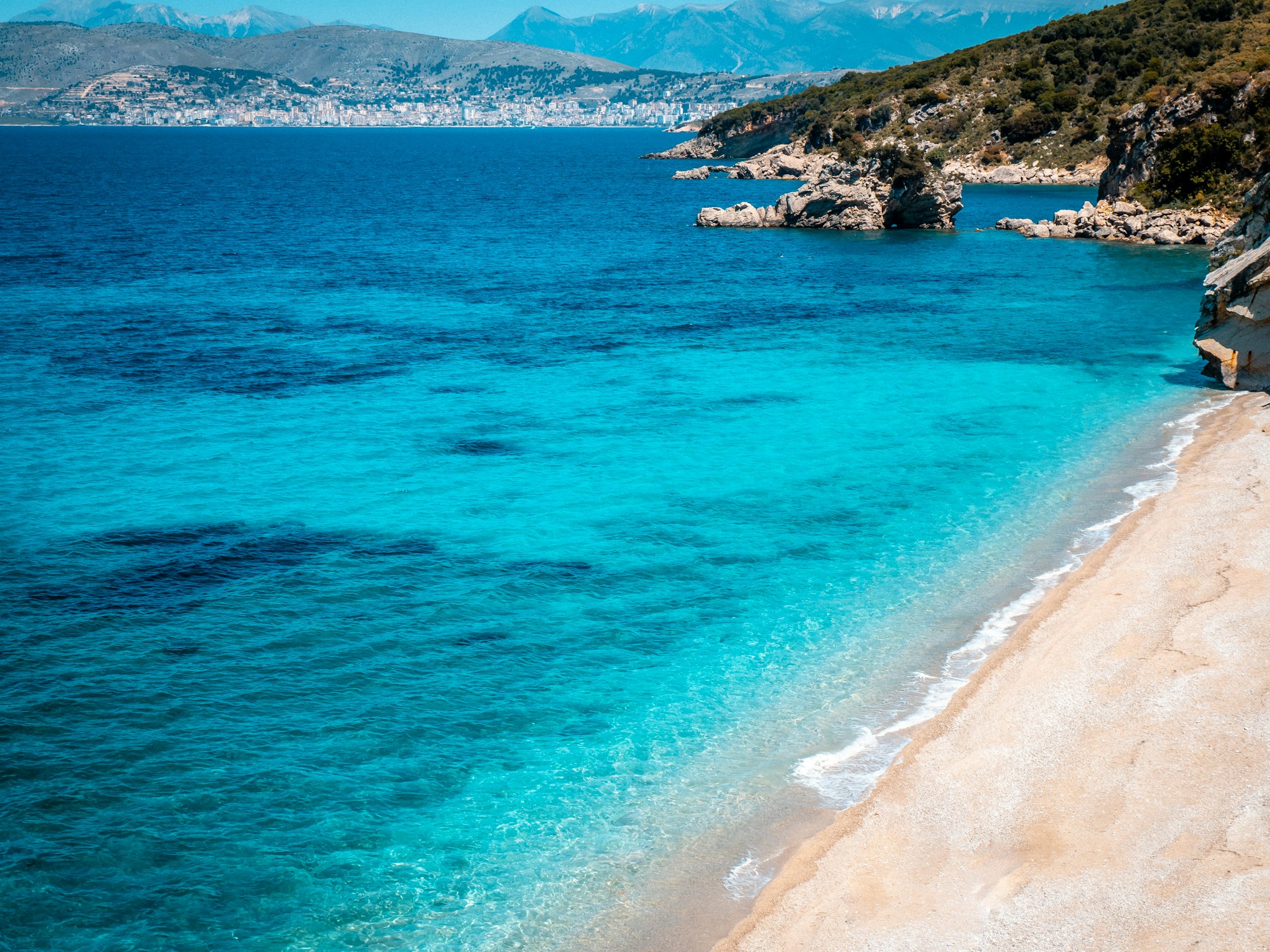
Albanian Riviera — Albania (Ksamil, Dhërmi, Himarë)
Stretching 100 kilometres between Vlorë and Saranda, the Albanian Riviera boasts beaches of an unreal turquoise. Ksamil — nicknamed « the Albanian Maldives » — captivates with its four islets accessible on foot and crystal-clear water, according to Ulysse.com. The key selling point? Zero tourist tax and a cost of living twice as low as the Balearics.
Albania is 30 to 50% cheaper than Greece or Croatia for comparable experiences, according to SimBye. But this window is closing: « Albania is going through exactly what Croatia experienced between 2005 and 2015 » — prices rise every season. 2026 may be the last year to enjoy this price gap.
Not to miss
- Ksamil: 4 islets walkable from the beach (water 22–26°C in summer)
- Butrint: UNESCO archaeological site 30 min from Saranda
- Blue Eye (Syri i Kaltër): karst spring 45 min away, water at 18°C year-round
- Himarë: authentic town with castle, walkable beaches, laid-back vibe
5. Montenegro — Bay of Kotor: Croatia 15 years ago
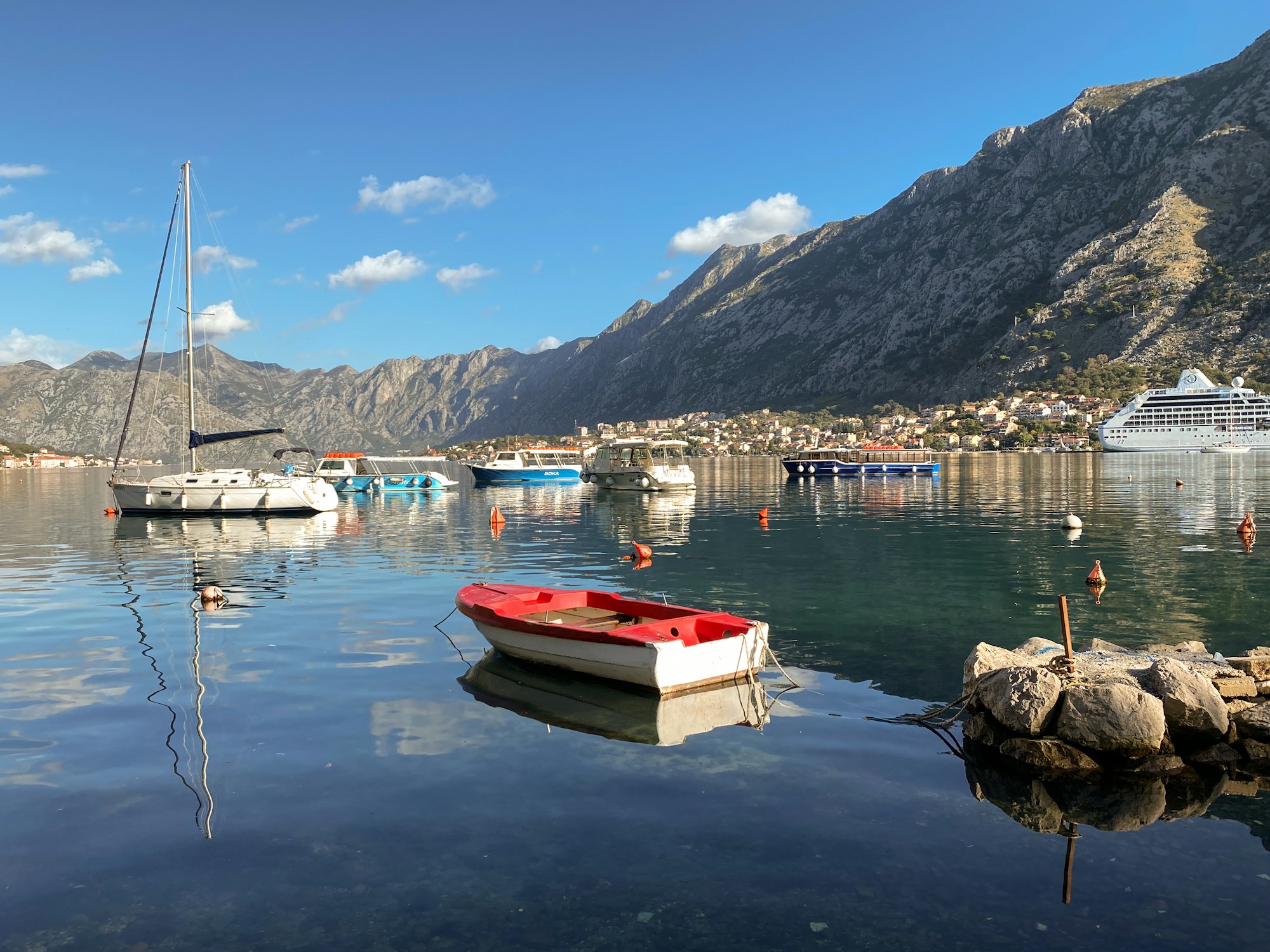
Bay of Kotor — Montenegro
Montenegro is « the Adriatic that Croatia was fifteen years ago — dramatic scenery, fewer crowds, lower prices », according to Atlas Guide. The Bay of Kotor — a deep fjord encircled by 1,800-metre mountains with the medieval city of Kotor at its heart — is one of the most extraordinary landscapes in Europe.
The cost of living is 26% lower than in France, according to Où et Quand. In practice, Kotor beats Dubrovnik for 2026 visitors: fewer crowds, lower prices, equally stunning medieval architecture. The country is small enough to cross by car in two hours — mountains, beaches and medieval towns all within easy reach.
Highlights
- Venetian architecture in Kotor’s Old Town (UNESCO)
- Perast village: bay views from a tiny, timeless fishing village
- Our Lady of the Rocks: baroque church built in 1630, standing in the middle of the water
- Lovćen and Durmitor national parks for hiking and adventure
6. Sardinia’s interior (Barbagia): the anti-Costa Smeralda
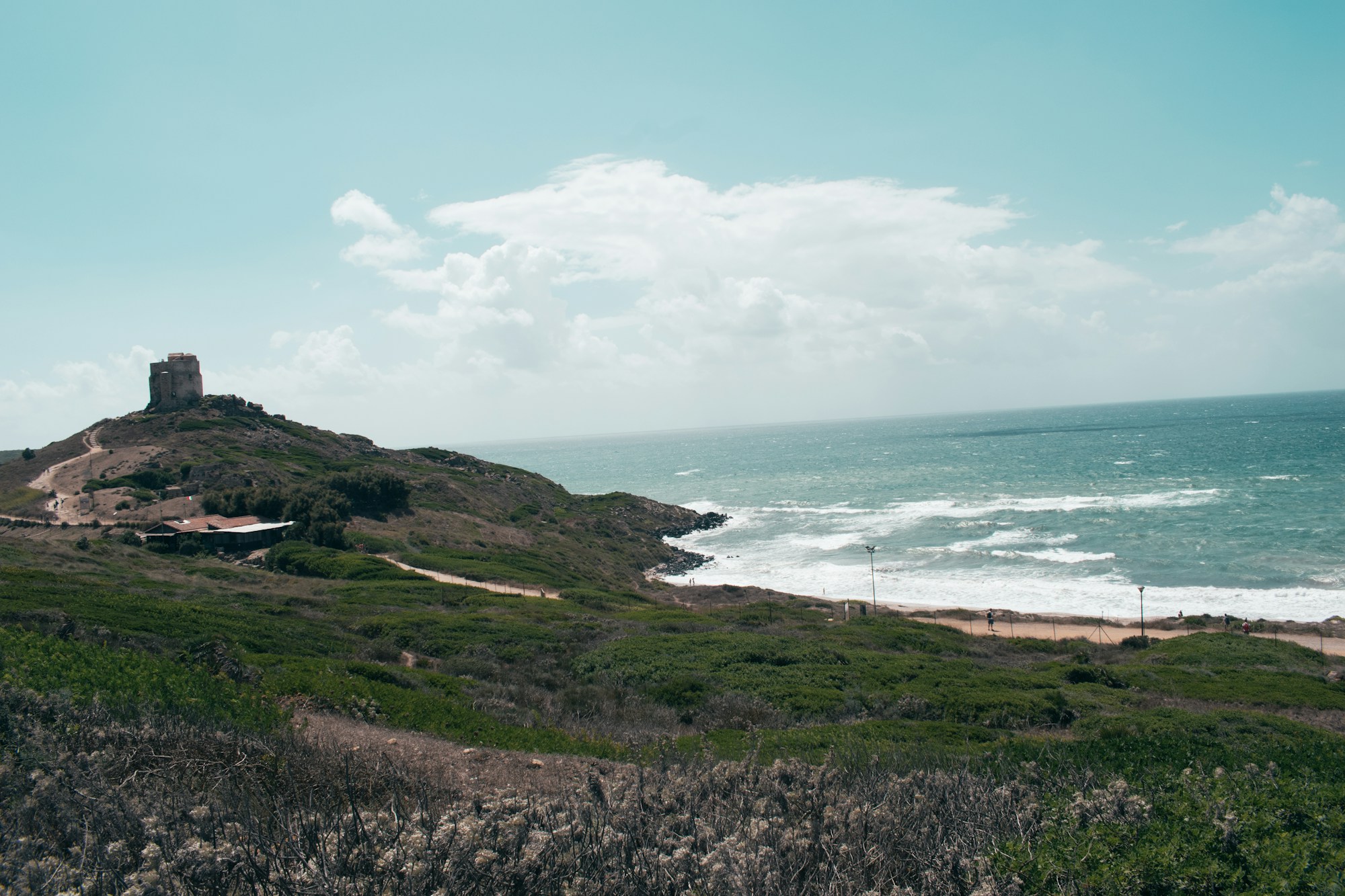
Barbagia — Sardinia’s interior, Italy
If the Costa Smeralda epitomises Sardinian luxury, the Barbagia is its exact opposite — and that is where « another Sardinia reveals itself, one far less oriented towards tourism, with a strong identity », according to Le Routard. A shepherding people with centuries-old traditions, mountain villages largely unknown to foreign tourists, unrivalled Sardinian cuisine.
The highlight event: Autunno in Barbagia — from September to December, 31 villages host weekends of crafts, gastronomy and traditional music, according to Sardegna Turismo. Mysterious nuraghe scattered across the landscape, farm-stays (agriturismi) where hospitality is a feast — this is the Sardinia even Italians barely know.
Highlights
- Affordable agriturismi: homemade pecorino, wood-fire porceddu, artisan mirto
- Nuraghe: prehistoric monuments unique in the world, many well off the beaten track
- Lesser-known coasts (Ogliastra, Sulcis): turquoise equal to Costa Smeralda, at 30% of the price
- Flights from €26 from France, accommodation from €23/night in mid-season
7. Lesser-known Greek islands (Folegandros, Ikaria, Astypalaia): the infinite archipelago
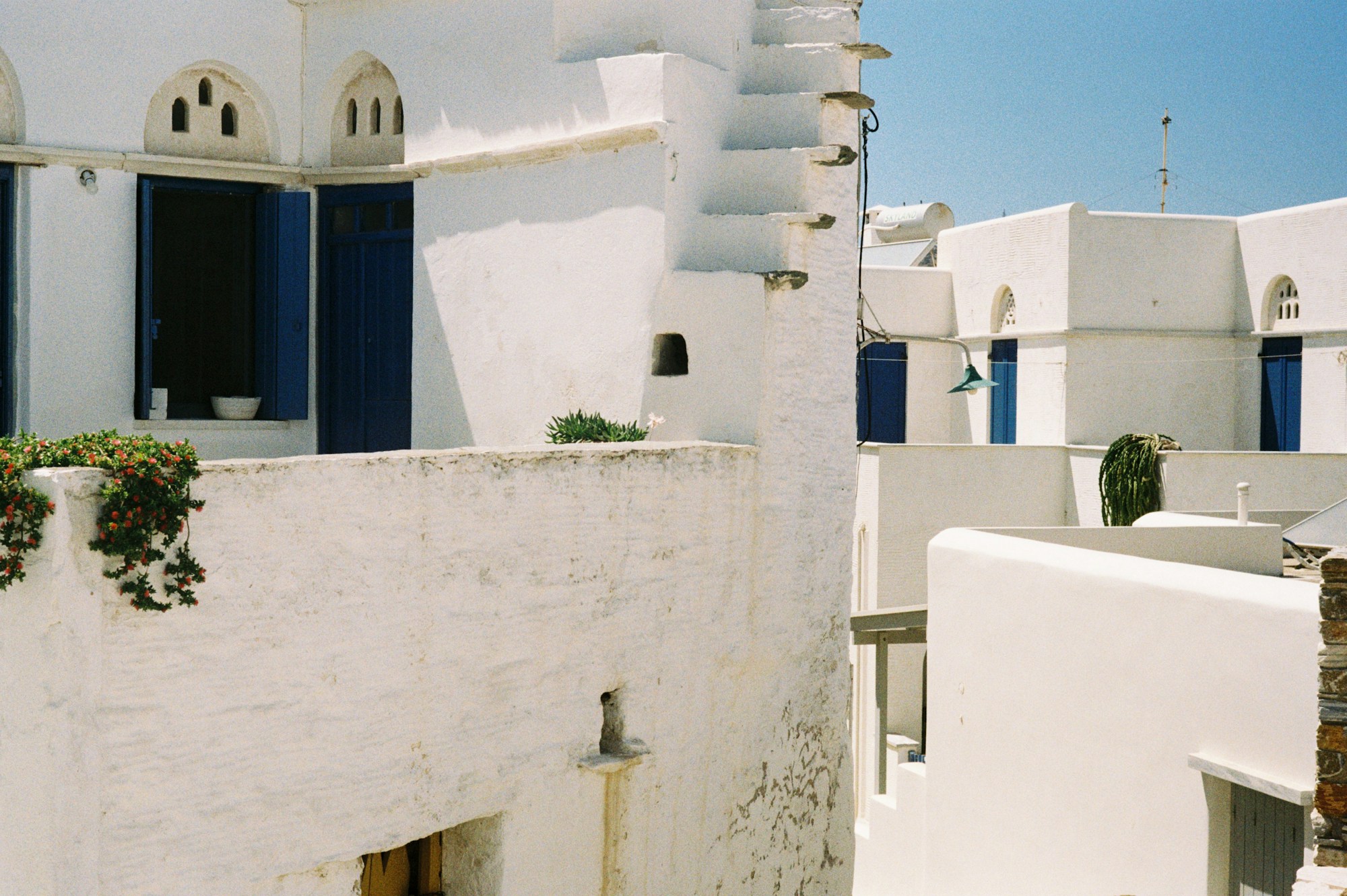
Cyclades & Dodecanese off the beaten track — Greece
Mykonos and Santorini have joined the luxury destination club. But Greece has a unique advantage: « more than 6,000 islands and islets, a good hundred of which are inhabited », according to Destination Pas Chère. Folegandros, Ikaria, Astypalaia, Koufonissia, Halki, Alonissos — these islands preserve Greek authenticity at prices from another era.
On these smaller islands, you can still find rooms in family guesthouses for €10 to €15 a night and authentic taverna meals for around €10, according to The Wom Travel. Getting there relies on local ferries — which is both the constraint and the charm of the journey.
Our favourite islands
- Folegandros: dramatic cliffs, village suspended above the sea, zero mass tourism
- Ikaria: island of longevity (many centenarians), timeless pace of life
- Koufonissia: tiny island, white sand beaches, classic Cyclades sunsets
- Halki: Dodecanese, colourful Italian architecture, almost empty of tourists
8. Croatia — Šibenik and the Kornati Islands: beyond Dubrovnik
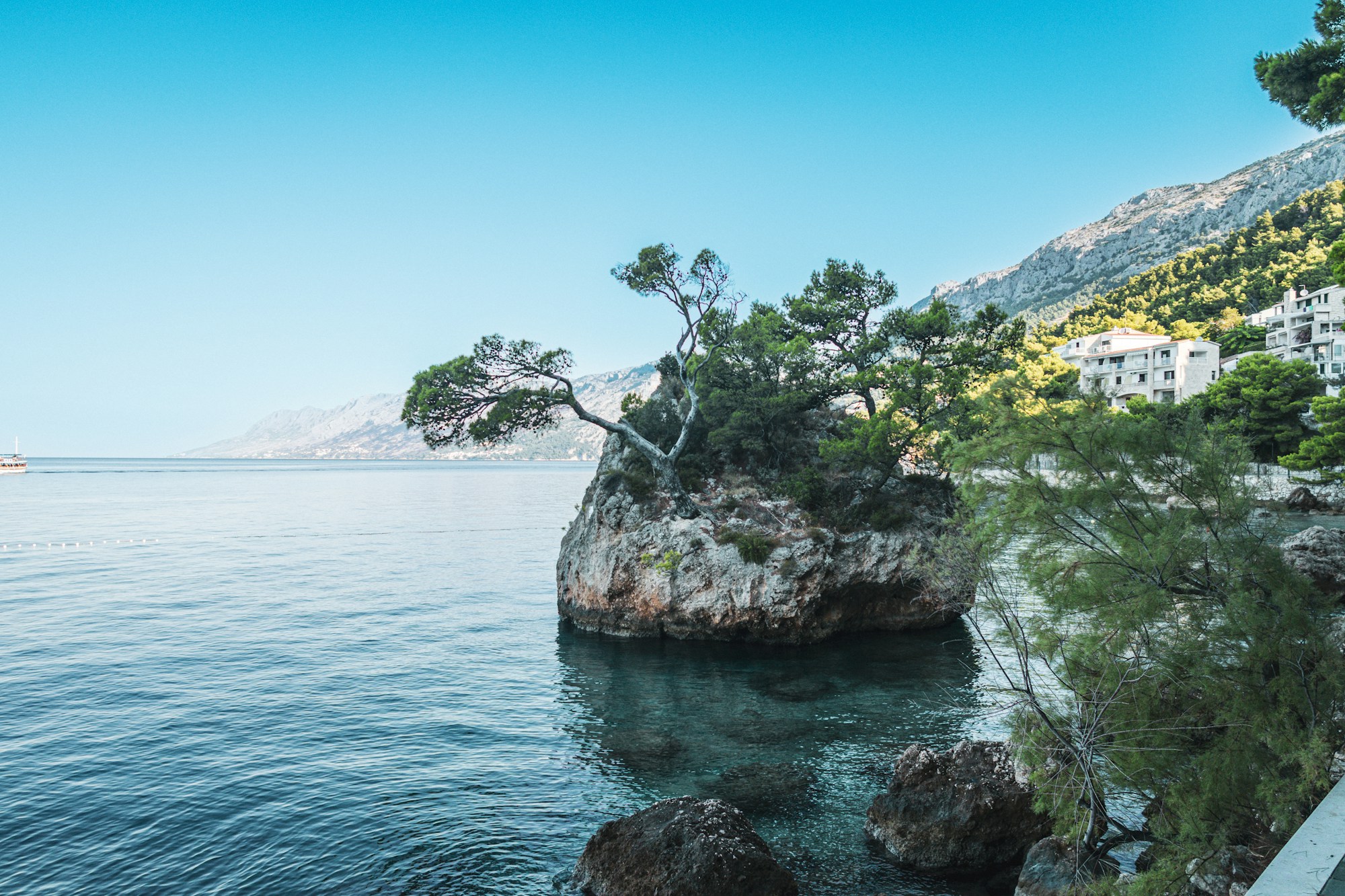
Šibenik and the Kornati Archipelago — Dalmatia, Croatia
Croatia’s tourist tax is capped at €1 per night in high season — a decisive advantage over the Balearics. Flights from Paris start from €35, according to Ulysse.com. The secret is to skip Dubrovnik and Split in favour of Šibenik, Vodice or Omiš — towns that blend culture, gastronomy and beach pleasures without inflating the bill, according to The Wom Travel.
The Kornati archipelago — 89 nearly deserted islands in a national park — is one of the most extraordinary seascapes in the Mediterranean. Accessible only by boat, it is by definition beyond the reach of mass tourism.
Highlights
- Kornati: 89 near-deserted islands, translucent waters, accessible by boat or sailboat
- Šibenik: UNESCO cathedral, medieval old town, without Dubrovnik’s crowds
- Cost of living 20% lower than the Balearics according to travel comparison sites
- Sailboat or motorboat rental from Šibenik: the best way to explore the islands
9. Algarve (Portugal): the best value on the Atlantic
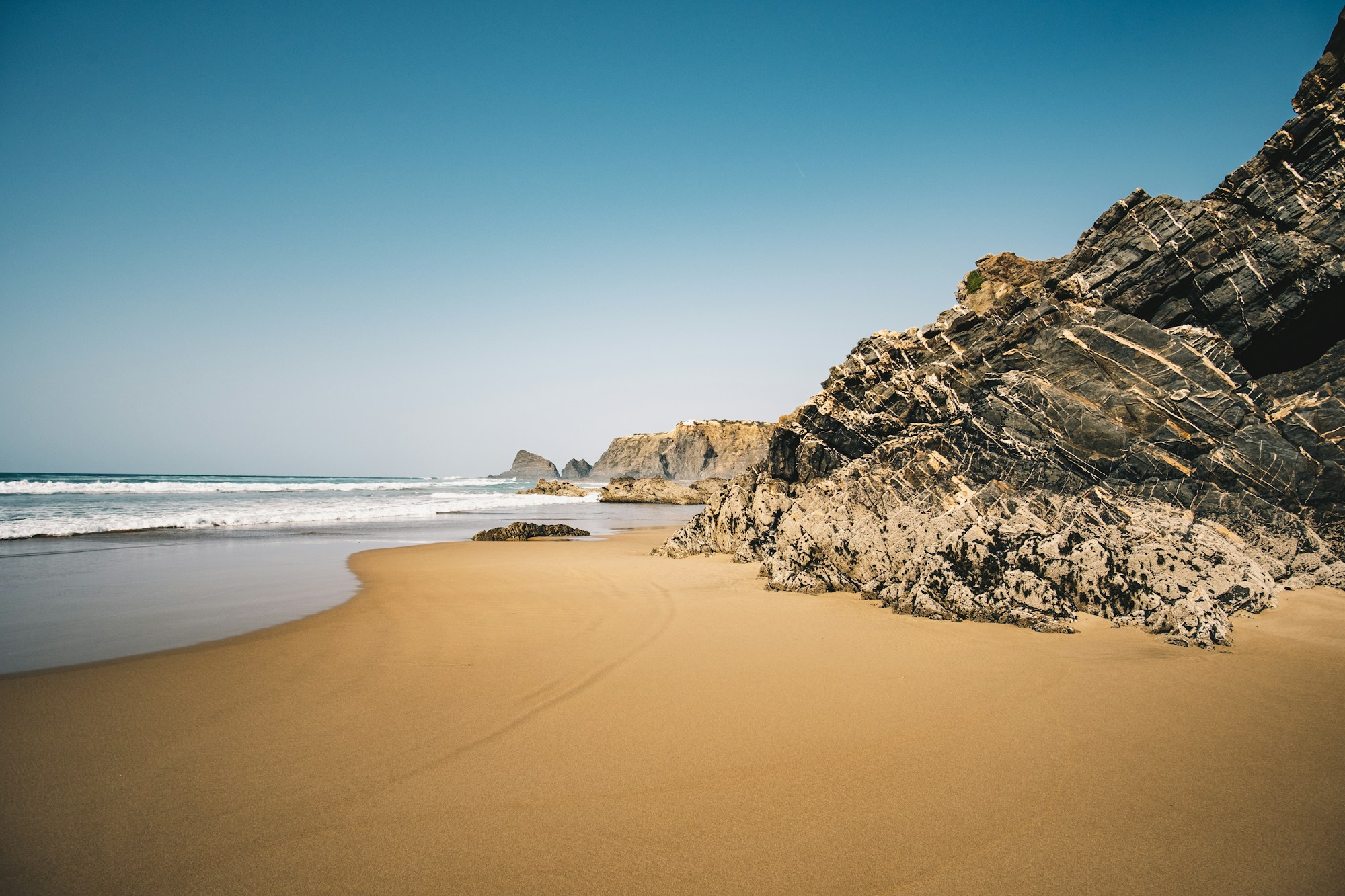
Algarve — Portugal (Atlantic)
Often overlooked in the Mediterranean debate because it’s Atlantic, the Algarve ticks every box: spectacular cliffs, clear waters (cooler than the Mediterranean, but often cleaner), excellent gastronomy and unbeatable accessibility. The Algarve has a modest tax of €1.50 per night maximum and flights from Paris from €21, according to Ulysse.com. For two people over a week, the total budget generally stays under €1,200.
The interior Algarve — the Serra de Monchique and the white villages of the hinterland — remains completely off the tourist radar. Just 30 minutes from Lagos or Albufeira, villages like Alte or Salir live at the pace of the last century.
Highlights
- One of Europe’s lowest tourist taxes: ≤€1.50/night
- Cheapest flights from Paris for a sun destination in Europe
- Costa Vicentina (northwest): UNESCO wild coastline, almost tourist-free
- Exceptional local cuisine: cataplana, açorda, artisan pastel de nata
10. Puglia (Lecce, Otranto): Italian Mediterranean off the radar
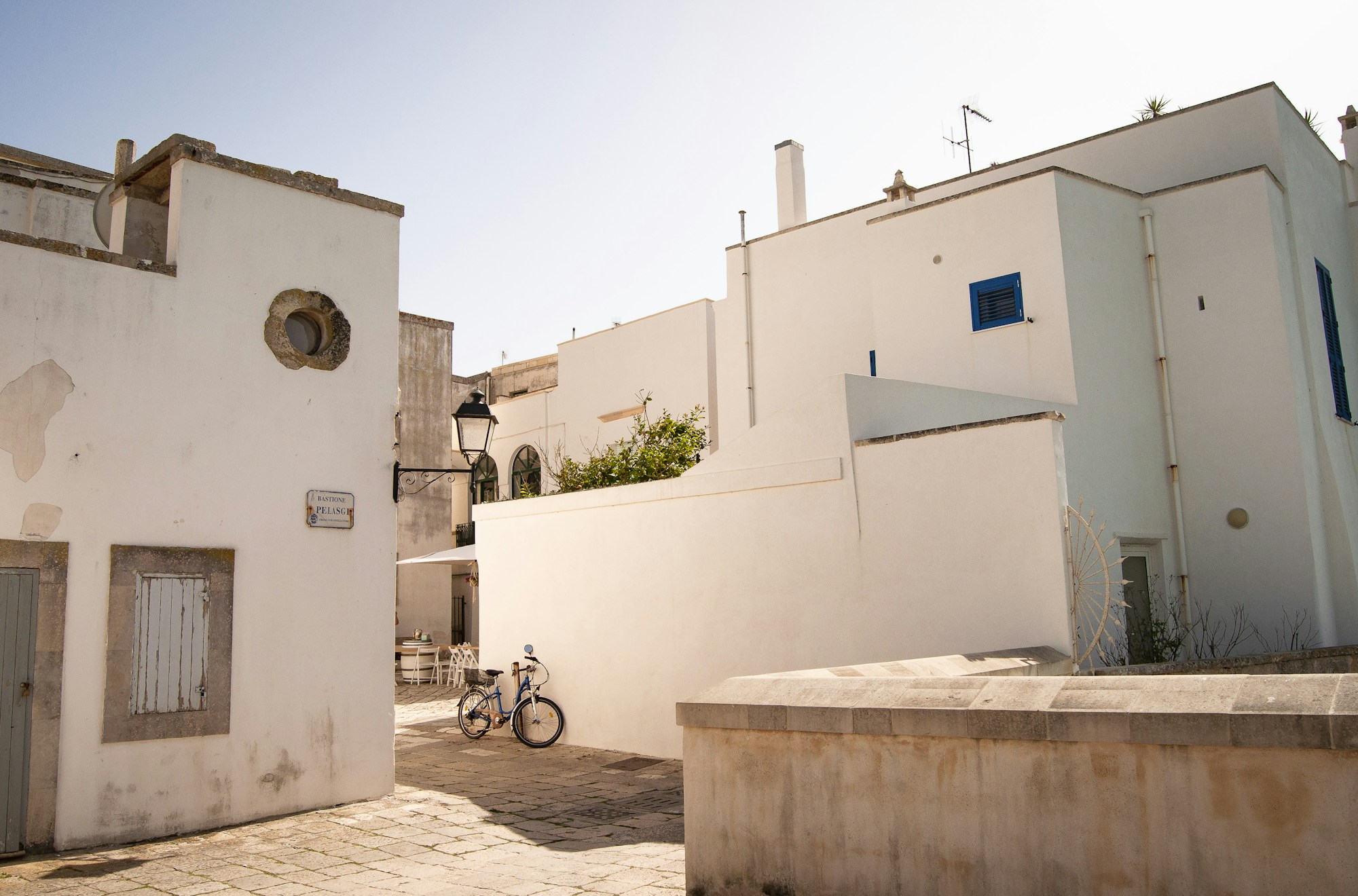
Salento and Lecce — Puglia region, Italy
Lecce is often called « the Florence of the Baroque » — a city that charms with its golden façades, cobbled lanes and flavourful Mediterranean cuisine, without the Tuscan crowds. Puglia wins visitors over with the trulli of Alberobello, the white villages of the Valle d’Itria, and two seas (Adriatic and Ionian), according to Voyages Pirates.
The secret: the Salento — the extreme tip of Italy’s heel — has turquoise waters that rival the Balearics, at a third of the price. The coast between Castro and Santa Maria di Leuca is still largely unknown to non-Italian tourists.
Highlights
- Trulli of Alberobello: conical dry-stone houses, a UNESCO site unique in the world
- Lecce: exceptional baroque architecture, without the crowds of other Italian art cities
- Masserie: farmhouse-hotels with pool and Puglian cuisine — best deal of the Mediterranean summer
- Otranto: fortified old town, medieval Byzantine mosaic in the cathedral
11. Canary Islands (Lanzarote): guaranteed sunshine with no tourist tax
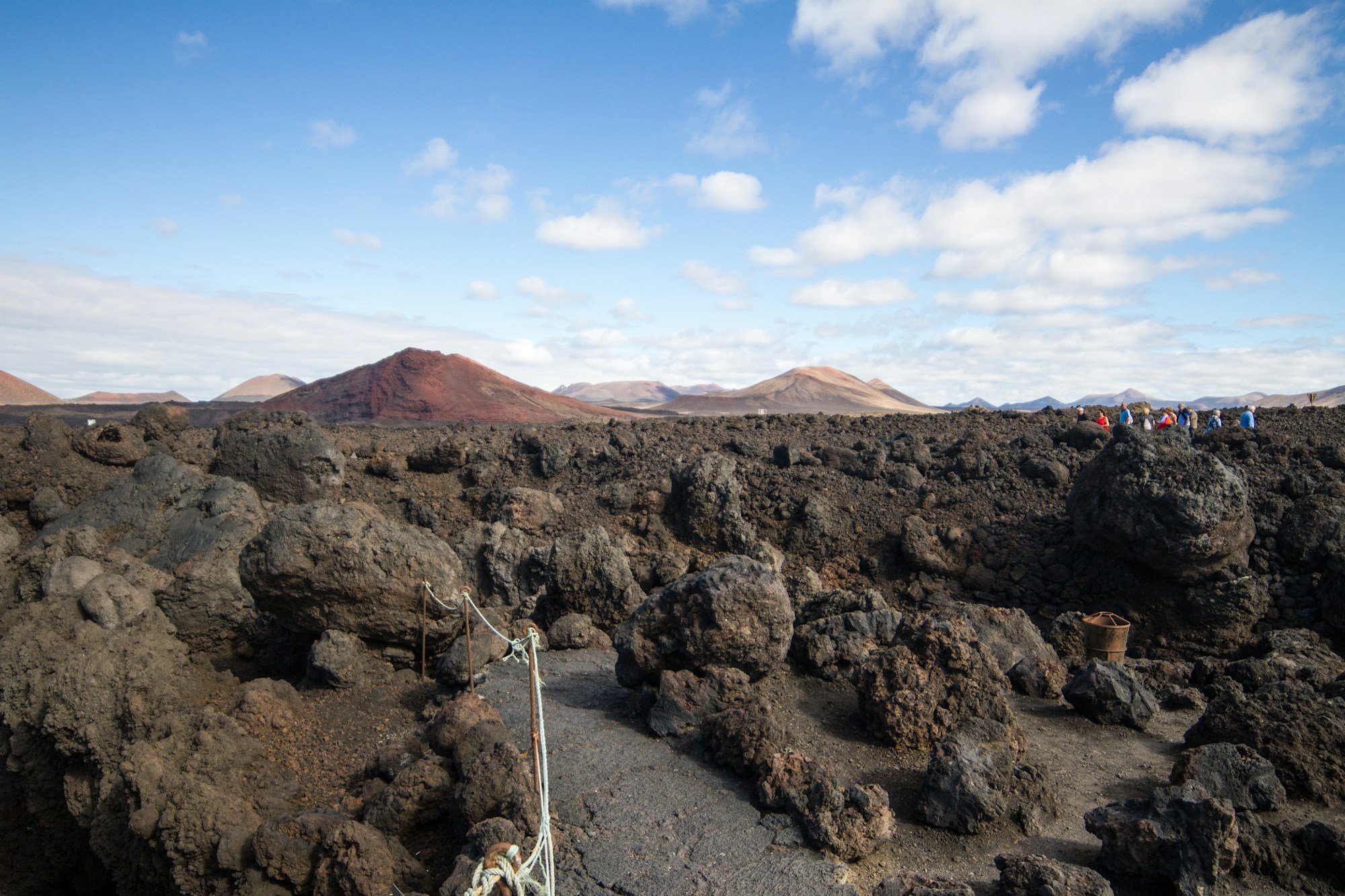
Lanzarote — Canary Islands, Spain (Atlantic)
The decisive advantage over the Balearics: the Canary Islands don’t yet apply a tourist tax. Discussions are under way about introducing an eco-tax, but for now your holiday on Tenerife, Lanzarote, Gran Canaria or La Palma remains entirely tax-free, according to WAW Travel. Over 7 nights for two adults in a 4★ hotel, that’s an immediate €56 saving compared to Mallorca.
Lanzarote is in a class of its own: it’s an island-as-artwork where architect César Manrique shaped the entire landscape. The Timanfaya National Park — fields of black lava where the ground is still hot 30 cm below the surface — is a planetary experience with no equivalent in Europe.
Highlights
- Zero tourist tax — direct saving vs Mallorca
- Timanfaya: active volcano, geothermal demonstration, restaurant on a crater
- Papagayo: 5 near-deserted white-sand coves at sunrise
- La Geria: unique vineyards planted in hollows of black lava
12. Comparison of European tourist taxes in 2026
| Destination | Tax/night/person | Flight from Paris | Note |
|---|---|---|---|
| 🇪🇸 Mallorca (4★ hotel) | €4 (high season) | From €43 | €15 proposal not adopted |
| 🇪🇸 Minorca | €4 (same law) | From €60 | Accommodation 15–20% cheaper |
| 🇭🇷 Croatia | ≤€1 | From €35 | Very competitive |
| 🇵🇹 Algarve (Portugal) | ≤€1.50 | From €21 | Among Europe’s lowest |
| 🇮🇹 Puglia (Italy) | €1–2 | From €30 | Varies by municipality |
| 🇬🇷 Greece (small islands) | Variable (low) | From €40 | Guesthouses from €10/night |
| 🇪🇸 Canary Islands | €0 | From €60 | No tax yet in 2026 |
| 🇦🇱 Albania (Riviera) | €0 | From €50 | No tax + cost of living ×2 lower |
| 🇲🇪 Montenegro | Very low | From €60 | −26% vs French cost of living |
| 🇮🇹 Sardinia (Barbagia) | Variable | From €26 | Interior virtually tax-free |
Frequently asked questions
Is the €15/night tourist tax in Mallorca confirmed for summer 2026?
No. As of March 2026, the €15-per-day tourist tax in Mallorca has not been passed — and the regional government has made clear it no longer considers it necessary. Vice-president Antoni Costa cited « empirical evidence »: peak-season visitor numbers grew by just 0.7% in 2025. The current tax remains between €1 and €4 per night depending on accommodation category. Source: Ulysse.com.
How much does the tourist tax actually cost for a family in Mallorca in 2026?
Under current rates (2025–2026), children under 16 are exempt. For two adults in a 4★ hotel, two weeks in high season: €4 × 2 people × 14 nights = €112 in total. If the moderate increase to €6/night were adopted, that would be €168 for the same stay. Far from the €15/night scenario that would have meant €420 for the same profile.
What are the best alternatives to Mallorca with no tourist tax?
Albania (Albanian Riviera) and the Spanish Canary Islands (Lanzarote, Tenerife) currently charge no tourist tax. The Algarve in Portugal has a maximum tax of €1.50/night — among Europe’s lowest. Croatia caps it at €1/night. All these destinations are served from Paris with flights from €21 to €60.
Is Minorca really less crowded than Mallorca?
Yes, significantly. Minorca is the most unspoilt of the Balearic Islands with only 5.7% of its land area built up — far less than Mallorca. The tourist tax is identical (same regional law), but accommodation is generally 15 to 20% cheaper. The Camí de Cavalls (185 km coastal trail) gives access to coves reachable only on foot or by boat, with no heavy tourism infrastructure.
Is the tourist tax in Mallorca paid in advance or on arrival?
The tax is generally paid at check-in or check-out, directly to the accommodation. It is calculated based on the number of nights and the accommodation category. It is generally not included in prices displayed online — always check the booking details carefully. Children under 16 are exempt.
Are there other restrictions in Mallorca in 2026 beyond the tourist tax?
Yes. Since January 2025, a Low Emission Zone (LEZ) has been in place in Palma’s historic centre — only type B, C, Eco or zero-emission vehicles may enter. From 2026, fines apply to violations. Additionally, Sóller has introduced a residents-only zone on 12 key roads: visitors must park outside the centre and use public transport. Source: Travel and Tour World.
Which is the cheapest destination overall as an alternative to Mallorca in 2026?
The Albanian Riviera is the cheapest destination with a cost of living 30–50% lower than Greece or Croatia, and zero tourist tax. For travellers wanting guaranteed sunshine with good air connections from France, the Canary Islands (€0 tax, 21–25°C all year) are an excellent choice. The Algarve offers the best value with flights from €21.
Which destination offers the best combination of quality, price and authenticity in 2026?
Montenegro (Bay of Kotor + Perast) offers the best overall value in 2026: truly dramatic scenery — a fjord encircled by 1,800 m mountains —, Venetian architecture, prices 26% lower than France, and far fewer visitors than Dubrovnik. For an authentic Mediterranean island at exceptional value, smaller Greek islands such as Folegandros or Koufonissia are unbeatable.
Sources
- Ulysse.com — Mallorca tourist tax 2026: rates and political debate
- Holidu — The Balearic eco-tax: rates, discounts, exemptions
- Carnets-de-Voyages.fr — Impact of the €15 tax on holiday costs 2026
- Mallorca Global Mag — Tourism containment measures in the Balearics
- Travel and Tour World — New restrictions in Palma and Sóller 2025-2026
- Figaro Nautisme — Balearic tourist tax could reach €300/week
- Selectour — Mallorca, Minorca, Ibiza or Formentera: which island to choose?
- Minorque Vacances — Complete Minorca guide 2026
- Ulysse.com — Albania 2026: budget and destinations
- SimBye — Albania Travel Costs 2026: Complete Budget Guide
- Destination Albanie — Albanian Riviera: complete beach guide
- Atlas Guide — Croatia vs Montenegro 2026: Which Adriatic Coast Wins?
- Gotripzi — Kotor, Montenegro — Travel Guide 2026
- Où et Quand — Montenegro travel budget 2026
- Sardegna Turismo — Autunno in Barbagia: discovering the heart of Sardinia
- Le Routard — Sardinia guide: agriturismi, Barbagia, interior
- The Wom Travel — Cheap beach holidays 2026: 10 budget destinations
- WAW Travel — Tourist Tax In Spain And Portugal: Complete 2025 Guide
- Voyages Pirates — 10 alternative destinations to explore in 2025-2026
Research and fact-checking completed in March 2026.
Ready to plan your Mediterranean trip?
Whether you choose Mallorca with full knowledge of the facts, or one of its alternatives, Pixidia helps you build the perfect itinerary — tailored to your budget, your pace and your interests.
Explore all itineraries