
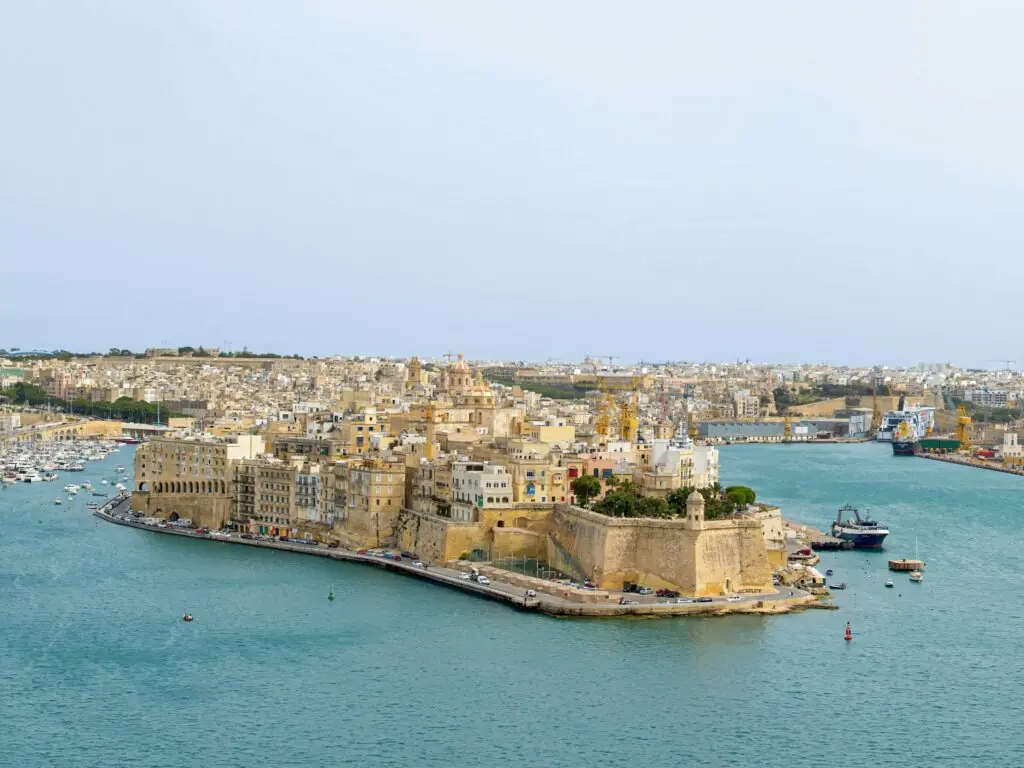
Malta’s environmental contribution is announced to rise in 2027 to €8 per night and per person in collective accommodation, and to €10 in short-term rentals, from 1 January 2027. No law has adopted it yet: the rate in force is still €1.50 per night, since 1 July 2026.
Checked on against the official sources cited (Malta Tourism Authority, KPMG Malta’s Malta Budget 2027) and dated press coverage.
The figures circulating for Malta’s environmental contribution mix up three regimes. The old €0.50 rate (2016), the €1.50 rate in force since 1 July 2026 and a rise announced for 2027 all appear in articles. As of 5 November 2026, the applicable text is the one published by the Malta Tourism Authority (MTA): €1.50 per night since 1 July 2026. The 2027 rise is in the Budget presented on 26 October 2026, but no legal text has adopted it yet. This article therefore separates what is settled, what is announced and what remains open, with the source and consultation date for each point.
The rate in force since 1 July 2026

€1.50 per night and per person aged 18 and over
The contribution is due for each night the accommodation is made available to you, whether or not you sleep there. The rate and the cap are on the Malta Tourism Authority page, consulted on 5 November 2026, and in its 2026 guidelines.
The €22.50 cap equals fifteen nights at €1.50. That is the euro amount to use for your calculation.
Key points
- The rate is €1.50 per night and per person. According to the MTA page, the contribution is subject neither to VAT nor to commission.
- The tax receipt must show the contribution separately from the accommodation charges.
- The cap is shared between Malta and Gozo for a single visit.
Gozo shares this cap with Malta, but it is often visited on a day trip. The excursion below, which according to the Viator listing is for drivers aged 21 and over, crosses the island by off-road buggy and includes a boat ride if the weather allows. It has no link with the contribution, which is paid at the accommodation.

What is announced for 1 January 2027
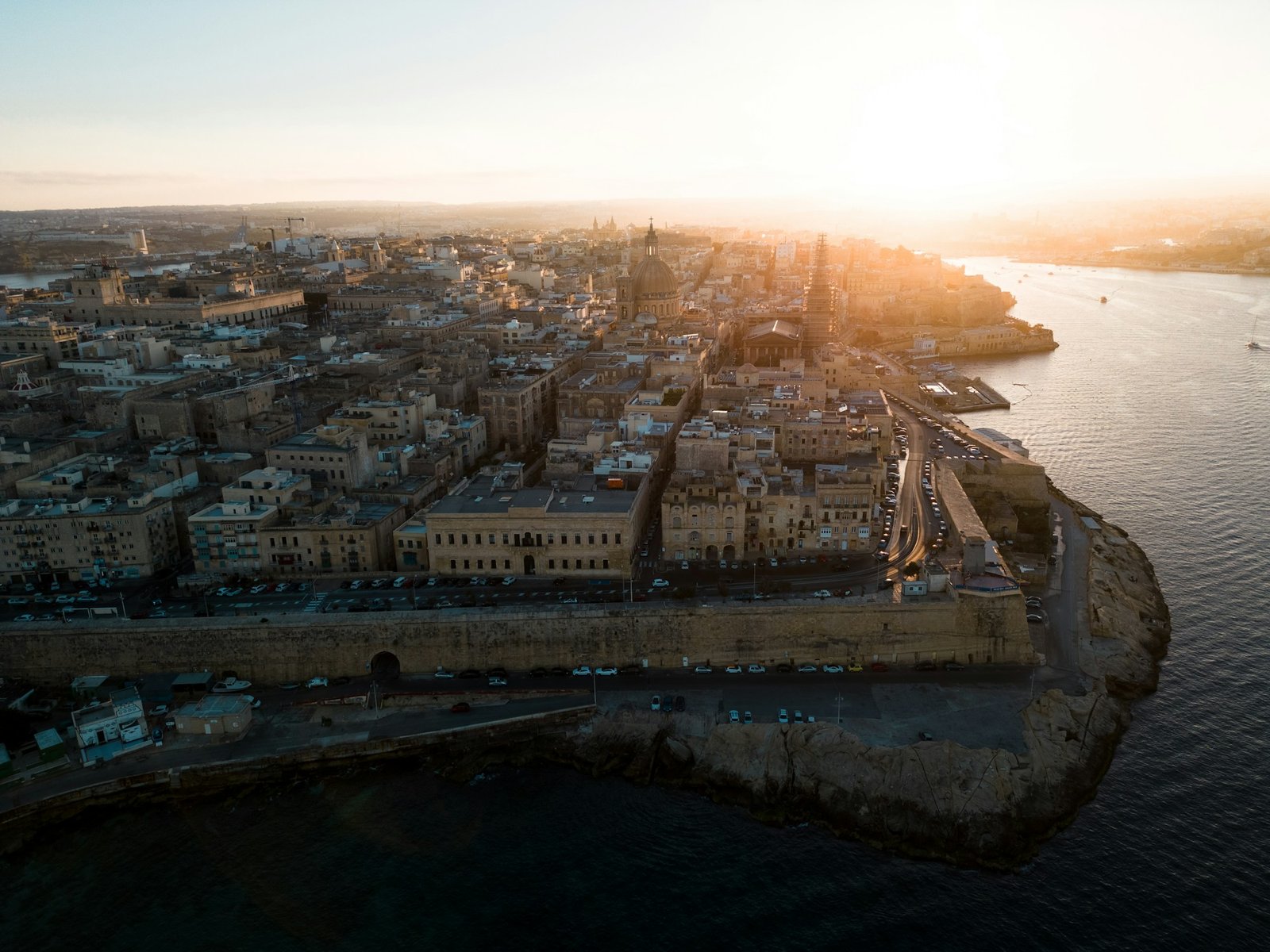
2027 announcement (not yet voted): €8 per night in collective accommodation, €10 in short-term rentals
The 2027 Budget, presented on 26 October 2026, plans to raise the contribution to €8 per night and per person in collective accommodation, meaning hotels, guesthouses and similar establishments, with a cap of €64 per person. For short-term rentals, the announced amount is €10, capped at €80 per person. These figures come from KPMG Malta (October 2026) and from the Maltese press of 26 October 2026.
The text is still to come. KPMG notes that implementation may require legislation, legal notices or implementing guidelines. We could only read the consolidated text of Cap. 473 up to its metadata, and no 2027 instrument had been found on the consultation date. Treat the €8 and €10 as a budget proposal, not as a rule that applies to your stay.
Key points
- According to the press, stays that end before the effective date would not be affected.
- Under-18s would still be exempt, according to MaltaToday and Rust Tourism News.
- The rise has not yet been confirmed or dated by any official text.
| Category | 2026 rate (in force) | 2027 announcement (not confirmed by text) |
|---|---|---|
| Collective accommodation, per night | €1.50 | €8 |
| Collective accommodation, cap per person | €22.50 | €64 |
| Short-term rental, per night | €1.50 | €10 |
| Short-term rental, cap per person | €22.50 | €80 |
| Under 18s | Exempt, documentary proof possible | Exempt according to the press |
| Cruise passengers who disembark and re-embark in Malta | Not documented in the sources read | €10 (announced) |
| Comino, visitors | Not documented in the sources read | €5 (announced, via the Blue Lagoon) |
Source: Malta Tourism Authority, environmental contribution for 2026; KPMG Malta, Budget 2027 and MaltaToday of 26 October 2026 for 2027, checked on 5 November 2026.
| Nights | 2026 (€1.50, cap €22.50) | 2027 announced, collective (€8, cap €64) | 2027 announced, rental (€10, cap €80) |
|---|---|---|---|
| 1 | €1.50 | €8 | €10 |
| 3 | €4.50 | €24 | €30 |
| 7 | €10.50 | €56 | €70 |
| 8 | €12 | €64 (announced cap) | €80 (announced cap) |
| 15 | €22.50 (cap) | €64 (announced cap) | €80 (announced cap) |
Derived calculation from the figures above, checked on 5 November 2026. The 2027 cap beyond the eighth night is not confirmed by text: it follows from the announced amounts.
For a single adult staying seven nights in a hotel, the bill would go from €10.50 to €56 if the announcement is adopted as it stands. For two adults, the total would go from €21 to €112. These figures are indicative: the cap applies per person and per visit, not to the group total.
Language schools: a point still open
Language schools are the most uncertain case. KPMG Malta, MaltaToday and Rust Tourism News refer to an exemption for the accommodation of these schools. On 28 October 2026, the Nationalist Party by contrast called for the removal of this exemption (MaltaToday). As early as October 2025, FELTOM was calling for exemptions or reduced rates for accredited students on long stays (Business Now). On the consultation date, no government response had been found. If you are booking a study stay, ask the school which regime applies to it.
Who pays, who collects and who answers for it
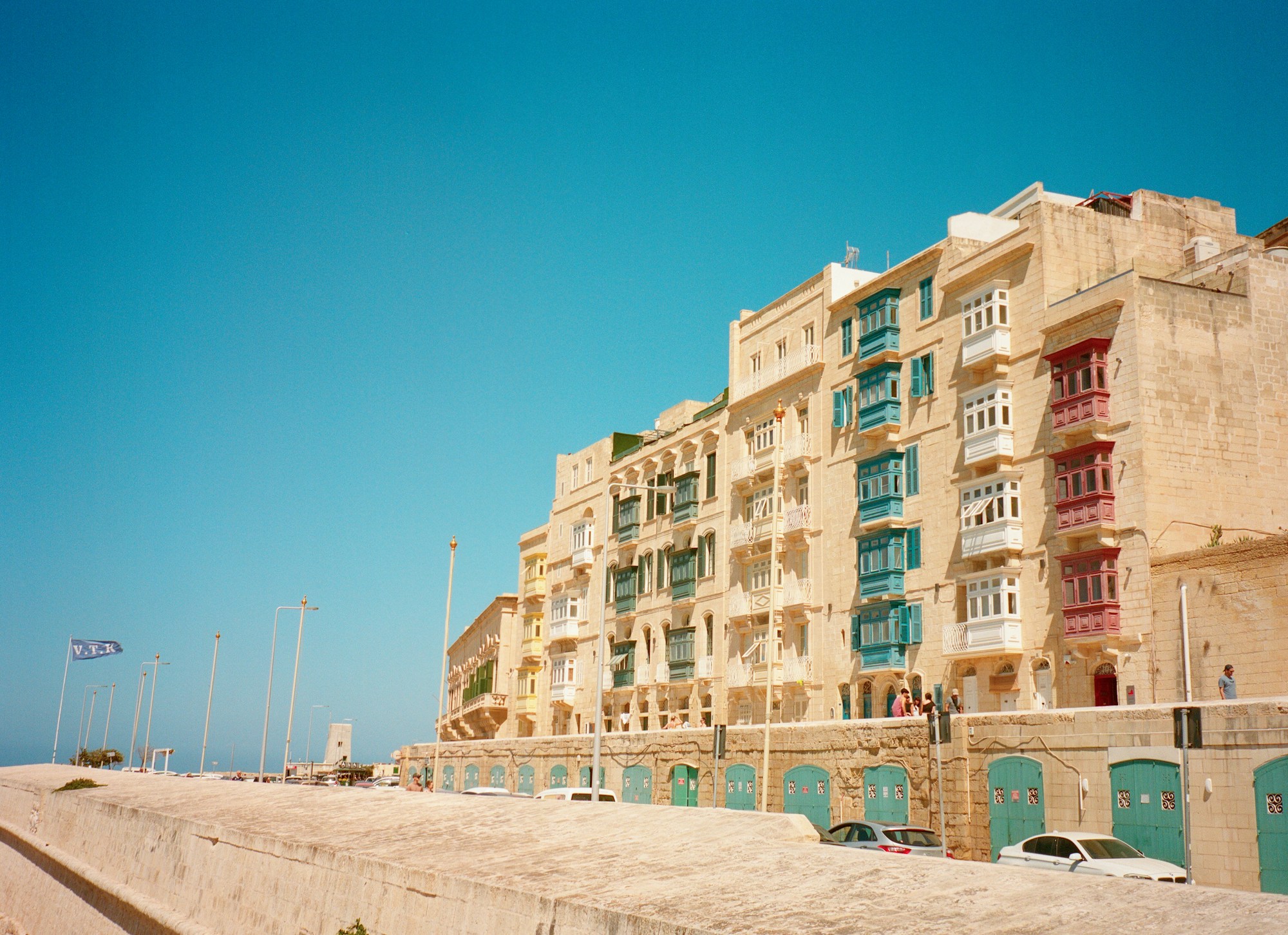
The traveller pays, the host collects, the licence holder answers for it
The person who collects the contribution is the holder of the accommodation licence. They may delegate collection, declaration and remittance to an operator registered with the MTA, provided they formally inform the authority. Responsibility, however, cannot be delegated: if the operator fails in its obligations, the MTA can hold the licence holder to them, with retroactive effect or not (MTA 2026 guidelines).
The MTA text does not explicitly settle collection by rental platforms such as Airbnb or Booking. One specialist blog claims that Airbnb collects and remits automatically, but its reliability is low and no official source confirms it. If you book through a platform, ask the host which system applies and check that the receipt itemises the contribution.
Key points
- The presumption works in favour of adulthood: a younger-looking traveller must prove their age.
- Accepted proof includes a passport (your own, or the mention in another traveller’s passport), an official identity document, a birth certificate or another document the MTA accepts.
- The contribution is subject neither to VAT nor to commission.
How the contribution is collected, and who to contact
Declaration and payment go through the tools specified by the MTA or its appointed agent, with approved payment methods (2026 guidelines). When the amount is collected, at booking or on site, depends on the host and the platform. Your receipt, however, must itemise the contribution separately.
For a question about a receipt or the contribution, the MTA lists three contacts for travellers: [email protected], [email protected] and +356 2168 8890 (Notice to Guests 2026).
Cap, interruptions and combined stays
The cap of €22.50 per person and per visit applies to a whole visit. A visit is an uninterrupted stay in one or more licensed accommodations in Malta. An interruption of up to 15 days in unlicensed accommodation is not charged and does not restart the cap: your stay counts as a single visit.
Changing accommodation during your stay does not reset the counter. For the second and later accommodations, the overall €22.50 cap applies, provided you show the receipts from the earlier ones, according to the MTA 2026 guidelines. If you travel from Malta to Gozo, the cap is shared by both islands: the MTA page and the Notice to Guests 2026 both confirm it.
| Scenario | 2026 regime | 2027 announced, collective | 2027 announced, rental |
|---|---|---|---|
| 2 adults, 7 nights | €21 | €112 | €140 |
| 2 adults, 8 nights | €24 | €128 | €160 |
Derived calculation: the cap applies per person and per visit (MTA 2026 guidelines, consulted on 5 November 2026). The 2027 totals are indicative, as the text has not been published.
Depending on your profile
- Couple or solo traveller. The table above is enough to estimate the bill. Under the 2026 rate, the contribution stays below €25 per person for a two-week stay.
- Family with children. Under-18s pay nothing in 2026. Keep the identity documents of minors to hand, as the MTA may ask for documentary proof.
- Long stay. In 2026, the €22.50 per person cap is reached from the fifteenth night: a month in Malta costs no more than a fifteen-night stay. With the 2027 announcement, the €64 collective cap would be reached from the eighth night, according to a derived calculation that no text confirms.
- Small budget. A guesthouse counts as collective accommodation, while a flat rented short-term falls under the announced rental rate. Check the type of your accommodation before comparing prices.
Gozo, Comino and cruises: rules of their own
Side charges are not the accommodation contribution
Budget 2027 announces other measures, separate from the accommodation contribution. According to MaltaToday, visitors to Comino would pay €5, collected through the Blue Lagoon booking. Cruise passengers who disembark and re-embark on the same ship in Malta would be charged €10, but not those who start their cruise in Malta. None of these amounts is confirmed by an official text on the consultation date.
For the ferry to Gozo, MaltaToday reports that the adult fare for non-residents would rise from €4.65 to €11. The other announced fares, for children and vehicles, rest on a single press source, and the Gozo Channel fares page shows no 2027 fare. For an itinerary that links both islands, the three-day Malta itinerary, covering Valletta, Mdina and Gozo, sets out the order of visits.
Key points
- The cap on the accommodation contribution is shared between Malta and Gozo.
- The accommodation contribution is calculated per night and per person, not per trip or per vehicle.
A tax that has changed regime several times
The contribution was created in 2016 at €0.50 per night, with a cap of €5, in force on 20 June 2016 according to the former Forvis Mazars page. Revenue grew fast: €904,682 in 2016, €3.56 million in 2017 and €4.5 million in 2018, according to MaltaToday (9 April 2019). In July 2019, the minister announced tighter controls, with private holiday rentals then named as the main source of the shortfall (Lovin Malta).
The Budget 2026, presented in October 2025, planned to roughly triple the rate from 1 July 2026. The €1.50 regime took effect on that date, according to the MTA page. Do not mix these regimes: the €0.50 rate belongs to 2016, the €1.50 rate to 2026, and the €8 or €10 to a 2027 announcement.
| Date | Regime or event | Status |
|---|---|---|
| 20 June 2016 | €0.50 per night, cap €5 | Historical (Forvis Mazars) |
| 2016 to 2018 | Revenue: €904,682 (2016), €3.56 million (2017), €4.5 million (2018) | Historical (MaltaToday, 2019) |
| 10 July 2019 | Tighter controls announced, almost €10 million collected since the start | Historical (Lovin Malta) |
| October 2025 | Budget 2026: rise planned from 1 July 2026 | Dated press |
| 1 July 2026 | €1.50 per night, cap €22.50 per person and per visit | Confirmed (MTA page; metadata of Cap. 473) |
| 1 January 2027 | €8 and €10 per night announced (Budget 2027, 26 October 2026) | Announced, not confirmed by text |
Source: Forvis Mazars Malta, MaltaToday (9 April 2019 and 26 October 2026), Lovin Malta (10 July 2019), Malta Tourism Authority and metadata of Cap. 473 (consolidation as of 1 July 2026), checked on 5 November 2026.
What other guides don’t tell you
The points below appear in the MTA’s official texts or in the law. They are absent or vague in most of the guides consulted on 5 November 2026.
- The receipt must show the contribution separately from the accommodation charges. The obligation rests on Article 51 and the Thirteenth Schedule of the VAT Act (Cap. 406), according to the 2026 guidelines of the Malta Tourism Authority (consulted on 5 November 2026).
- Liability stays with the licence holder even if collection is delegated. Delegation to an operator requires prior formal notification to the MTA, according to the 2026 guidelines (MTA, consulted on 5 November 2026).
- An interruption of up to 15 days does not end the visit. In unlicensed accommodation, it is not charged and does not restart the cap (MTA, 2026 guidelines, consulted on 5 November 2026).
- Proof of age is regulated. Passport, official identity document, birth certificate or another document the MTA accepts (MTA, Notice to Guests 2026, consulted on 5 November 2026). Guides often stop at « under-18s exempt ».
- The multi-accommodation cap requires showing earlier receipts. The overall cap stays at €22.50 per person and per visit, according to the 2026 guidelines (MTA, consulted on 5 November 2026).
- The 2027 rate is not yet a legal text. KPMG Malta notes that its implementation may require legislation, legal notices or guidelines (KPMG Malta, consulted on 5 November 2026). The consolidated text of Cap. 473 could only be read at the level of its metadata: no 2027 instrument was found there (legislation.mt, consulted on 5 November 2026).
Practical information before you book
The receipt itemises the contribution, separately from the accommodation charges. Keep it until the end of your stay, especially if you change accommodation.
A traveller under 18 who is exempt must be able to show a passport, an official identity document or a birth certificate.
Before booking a rental, check its licence on the MTA website. The contribution and responsibility for payment are tied to that licence.
In 2026, multiply the number of nights by €1.50 per person, up to €22.50 per person and per visit. For 2027, the announced amounts are €8 or €10, with no adopted text.
Frequently asked questions
How much is Malta’s environmental contribution in 2026?
It is €1.50 per night and per person aged 18 and over, since 1 July 2026. The cap is €22.50 per person and per visit, the equivalent of 15 nights at the current rate. These figures are on the Malta Tourism Authority page, consulted on 5 November 2026.
What is Malta’s environmental contribution in 2027?
The 2027 Budget, presented on 26 October 2026, announces €8 per night and per person in collective accommodation, with a cap of €64, and €10 in short-term rentals, with a cap of €80, from 1 January 2027. These amounts come from the press and from KPMG Malta. No adopted legal text confirms them on the consultation date.
Who pays the environmental contribution, the host or the traveller?
The traveller pays. The host, or an operator registered with the MTA, collects it and then remits it. The licence holder remains responsible even when collection is delegated, according to the MTA 2026 guidelines.
Do children have to pay the contribution in Malta?
No, in 2026. The regime only covers people aged 18 and over at the start of the visit. The MTA may ask for documentary proof: passport, official identity document or birth certificate. The press says the 2027 age threshold stays at 18, but the 2027 text has not been published.
Is the cap shared between Malta and Gozo?
Yes. The cap of €22.50 per person and per visit applies to all the nights spent in Malta and Gozo, according to the MTA page. The ferry between the two islands falls under another measure, whose announced 2027 rise is not confirmed.
Does the amount appear on my bill?
It must appear separately on the tax receipt, next to the accommodation charges, under Article 51 and the Thirteenth Schedule of the VAT Act (Cap. 406). The contribution is subject neither to VAT nor to commission. The moment it is collected, at booking or on site, depends on the host and the platform.
Do I have to pay for a night I did not spend in the accommodation?
Yes, if the accommodation remains available to you that night. The contribution is due for each night the accommodation is made available, whether or not you are present, according to the MTA 2026 guidelines. A paid night that goes unused is therefore still charged.
What happens if I leave Malta for a few days and come back?
An interruption of up to 15 days in unlicensed accommodation is not charged and does not end the visit (MTA 2026 guidelines). Your stay remains a single visit, so the cap of €22.50 per person continues to apply.
Do language schools pay the contribution in Malta?
The point is not settled. KPMG Malta, MaltaToday and Rust Tourism News describe an exemption for the accommodation of English-language schools, but the Nationalist Party calls for its removal, according to MaltaToday of 28 October 2026. No adopted text settles it on the consultation date, 5 November 2026. If you book a study stay, ask the school which regime applies to it.
Sources and consultation dates
- Malta Tourism Authority, environmental contribution : rate, cap, collection rules and 2026 guidelines (consulted on 5 November 2026).
- MTA, Notice to Guests 2026 : proof of age, contacts and reminder of the cap (consulted on 5 November 2026).
- legislation.mt, Eco-Contribution Act, Cap. 473 : metadata of the consolidation as of 1 July 2026 read; the provisions were not extracted (consulted on 5 November 2026).
- KPMG Malta, Malta Budget 2027 : announced amounts and implementation still to come (October 2026, consulted on 5 November 2026).
- MaltaToday, Budget 2027 : announcements of 26 October 2026, expected revenue attributed to the government, and exemptions (consulted on 5 November 2026).
- MaltaToday, Nationalist Party reaction : criticism of 28 October 2026 on the consultation and on language schools (consulted on 5 November 2026).
- Rust Tourism News, 27 October 2026 : effective date, earlier stays and exclusion of minors, according to the press (consulted on 5 November 2026).
- Gozo Channel, fares : current ferry fares, no 2027 fare (consulted on 5 November 2026).
- Forvis Mazars Malta, Tourist tax : 2016 regime, historical only (consulted on 5 November 2026).
- MaltaToday, tax revenue : figures for 2016 to 2018, article of 9 April 2019 (historical).
- Business Now, language schools : sector reaction to the rise, 29 October 2025 (consulted on 5 November 2026).
The 2027 amounts are budget announcements. They are not confirmed by any legal text as of the consultation date, 5 November 2026.

Plan your trip with Pixidia
Pixidia learns how you travel and helps you build a trip that truly fits you and everyone coming along.
Open the planner