

Since late February 2026, the global map of medical tourism has been redrawn in a matter of days. The Middle East conflict has paralyzed major Gulf air hubs — Dubai, Doha, Abu Dhabi — canceling over 21,300 flights and forcing hundreds of thousands of travelers to completely rethink their routes. For international patients who used to transit through these hubs to reach a clinic in Europe or Asia, the question has become urgent: where to go when the usual access is cut off? India, Turkey, and Albania have the answer.
The Gulf Conflict: A Seismic Shock to Global Medical Tourism
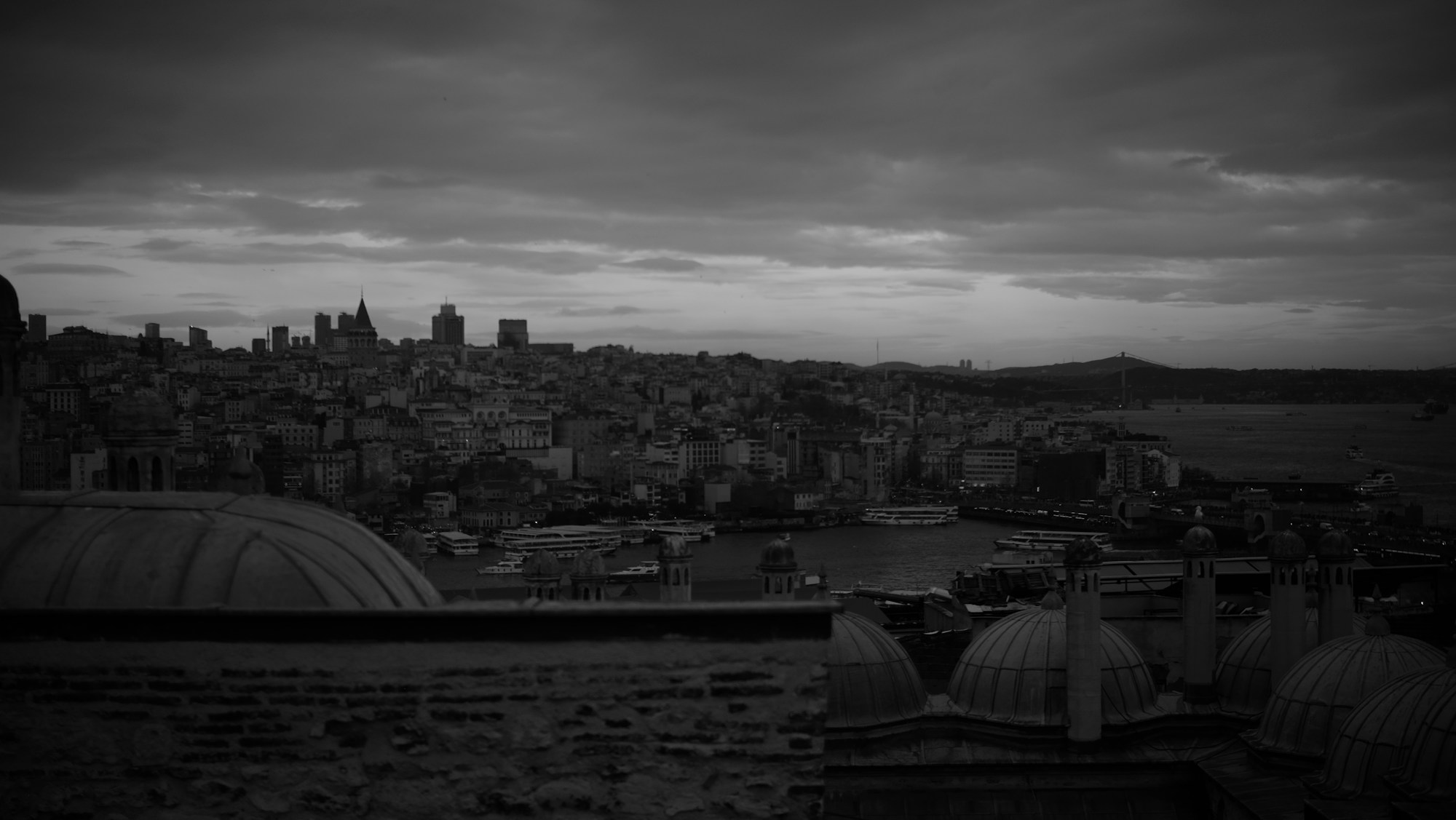
$600 Million Lost Every Day
According to the World Travel & Tourism Council (WTTC), disruptions in the Middle East are causing losses estimated at $600 million per day in international visitor spending. Dubai Airport — the world’s busiest — has resumed partial operations, but cancellations continue on high-demand routes. Emirates and flydubai are operating reduced networks, while Etihad has cautiously restarted limited long-haul services from Abu Dhabi.
For medical tourism, the consequences are immediate: Gulf patients who used to transit through Dubai or Doha to reach a clinic in Europe or Asia now face a logistical dead end. The redistribution is already underway. India, Turkey, and Albania are capturing the bulk of these redirected flows, benefiting from a combination of air accessibility (via alternative corridors through Oman, Georgia, or Eastern Europe) and world-class care at unbeatable prices.
Who Are the Patients Affected?
- GCC patients (Saudi Arabia, UAE, Qatar, Kuwait, Bahrain) awaiting transplants or complex surgeries
- European medical tourists who used to transit through Dubai to reach India or Southeast Asia
- Patients seeking aesthetic or dental care looking for alternatives accessible from Eastern Europe
- Gulf expatriates who have returned home and are now planning their care from their country of origin
1. Istanbul, Turkey — The All-Inclusive Aesthetics Empire
The World Capital of Hair Transplants
In 2024, Turkey welcomed more than 1.5 million international medical tourists, generating $3 billion in revenue. What started as a niche for hair transplants quickly evolved into a comprehensive offering including cosmetic surgery, dental restoration, bariatric procedures, IVF, and orthopedic care — often packaged with luxury hotels and scenic recovery.
Istanbul has established itself as the world’s hair transplant capital. The average price per graft in Turkey is approximately $1, compared to $5.44 in the United States. For a 2,500-graft FUE procedure, that’s about $2,500 in Turkey versus $13,610 in the US — a 70–80% reduction. For dental work, a full set of dental veneers that costs $12,000 in Dubai can be achieved for under $4,000 in Istanbul — flights and hotel included.
What Istanbul Offers Gulf Patients
- National « Heal in Türkiye » program: 200+ verified hospitals and clinics connected to a single platform
- Arabic-speaking interpreters available at most major medical establishments
- All-inclusive packages: airport transfers, luxury hotel, post-operative excursions
- Direct air connections from Gulf countries — alternative to closed hubs
2. Antalya, Turkey — The Mediterranean Recovery Riviera
Healing on the Mediterranean Coast
Antalya is the « seaside and intimate » version of Turkish medical tourism, in contrast with the intense pace of Istanbul. By 2026, the industry has expanded beyond Istanbul, with cities like Antalya and Izmir emerging as strong alternatives offering comparable medical expertise at more competitive prices.
The city particularly attracts patients who want to combine their treatment with seaside recovery. It is one of the few destinations in the world where you can leave the operating room and find yourself on a Mediterranean beach minutes later. Istanbul generally commands higher prices due to international demand — Antalya is typically 20–30% more affordable for equivalent procedures.
3. Tirana, Albania — Europe’s « Happiness Tourism » Capital
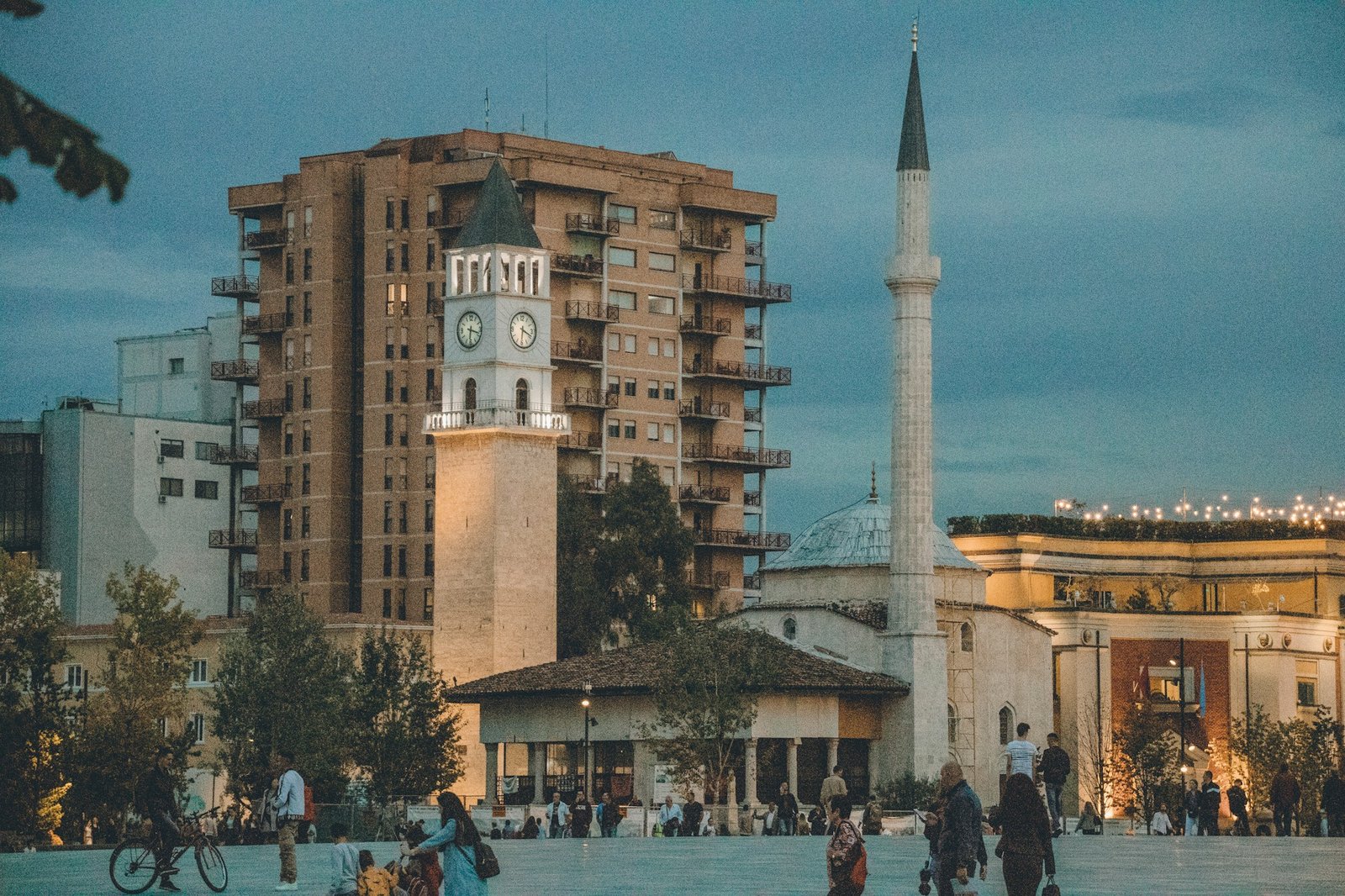
400% Growth in 5 Years
Albania is one of the most striking revelations in global medical tourism of 2024–2026. Albania’s dental tourism sector has grown by 400% since 2020, with over 80,000 international patients choosing Albanian clinics in 2024 alone. The sector generates between $216 and $271 million annually, with at least 50,000 Italians traveling to Tirana for care each year.
Dritan Gremi, who runs a dental clinic in Tirana, prefers to call it « happiness tourism, which makes people happy. » Albanian dental education follows the European Credit Transfer System (ECTS), guaranteeing compatibility with EU standards. Tirana’s Medical University requires six years of rigorous study, and many graduates complete additional specializations in Germany or Italy before returning.
What Albania Offers Patients
- Dental care up to 70% cheaper than in Western Europe or North America
- Single dental implants from €400 (vs. €1,500+ in France or Germany)
- Cosmetic surgery, hair transplants — surgeons trained in Western Europe
- All-inclusive package (surgery + hotel + transfers): from €1,500 per week
4. Kerala, India — The Ayurvedic Sanctuary for Gulf Patients
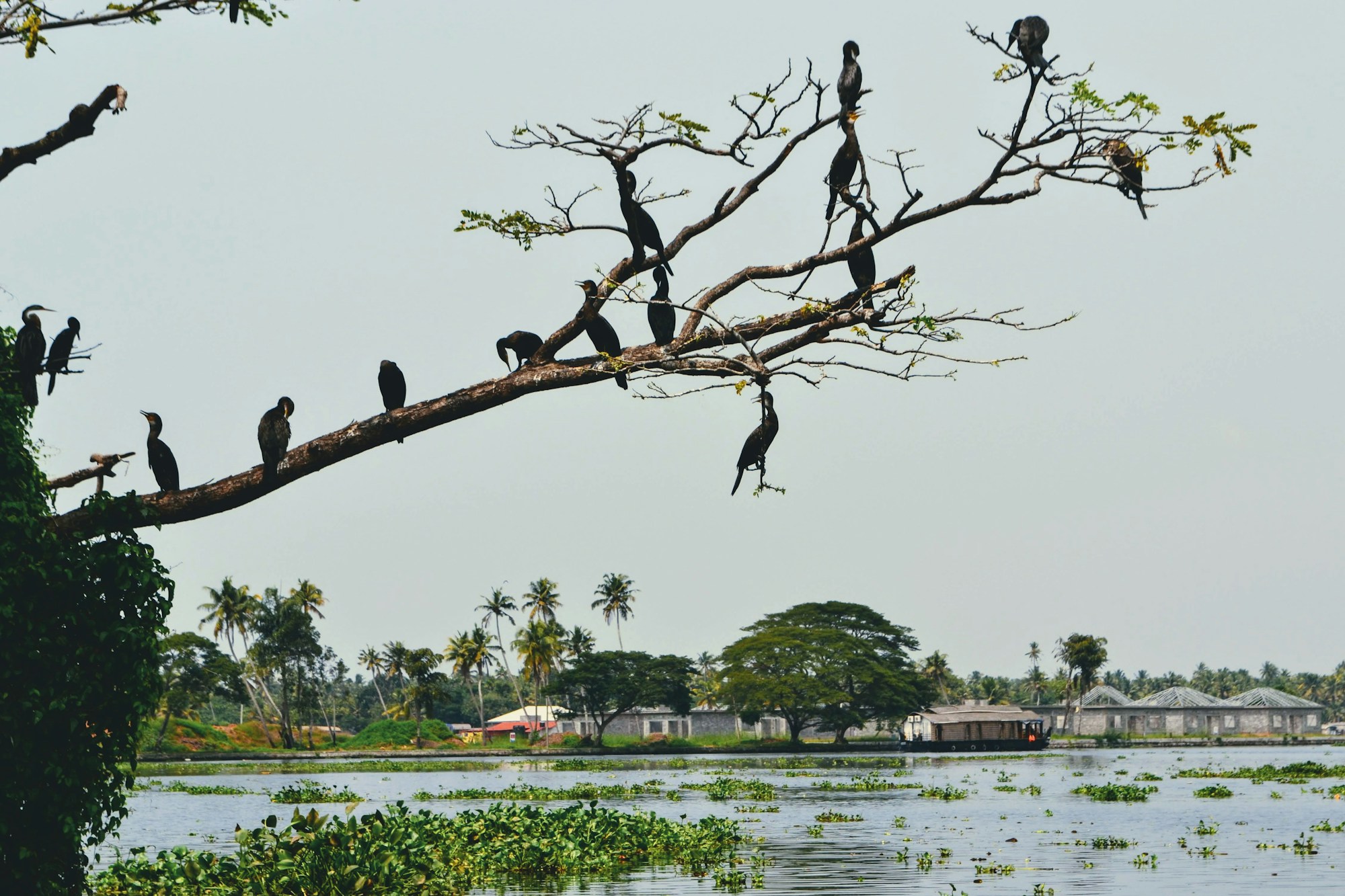
Modern Medicine Meets Millennial Ayurveda
Kerala holds a unique position in global medical tourism: it is one of the only places where cutting-edge medicine and ancient healing coexist institutionally. Cost-effective procedures in cardiology, orthopedics, neurosurgery, nephrology, and oncology, combined with alternative therapies in Ayurveda, Yoga, and Homeopathy, give this South Indian destination a distinct advantage.
The historical link between Kerala and the Gulf is deep: a significant diaspora of Keralans has worked in Saudi Arabia, the UAE, and Qatar for decades, creating corridors of trust and well-established medical travel habits. Even with Gulf hubs disrupted, Muscat maintains active air links to Kochi and Thiruvananthapuram.
What People Come to Kerala For
- Post-chemotherapy Panchakarma detox therapy — recommended by oncologists themselves
- Cardiac surgery: $5,000–12,000 (vs. $80,000 minimum in the US)
- Certified Ayurvedic medical resorts with qualified Vaidya physicians
- 21-day programs combining treatment, yoga, and nature convalescence
5. Chennai & Delhi, India — The Metropolises of Complex Surgery
India’s « Medical Capital » and Ultra-Specialized Care
Chennai has been designated India’s « medical capital » and has established itself as the country’s premier healthcare hub. The city welcomes approximately 150 international patients per day in its multi-specialty hospitals, and attracts about 45% of all foreign medical tourists arriving in India. The city even has the only proton therapy facility in South Asia and the Middle East — for pediatric cancers, brain tumors, and complex cases near critical organs.
In Delhi, India’s medical tourism market is valued at $20.4 billion in 2026, with a 12.3% CAGR through 2036. Apollo’s NexCAR19 CAR-T therapy and Tata Memorial’s proton unit expand oncology options to under $30,000 — versus $150,000–250,000 in the US.
6. Tbilisi, Georgia — The Caucasus’s Unexpected Hidden Gem
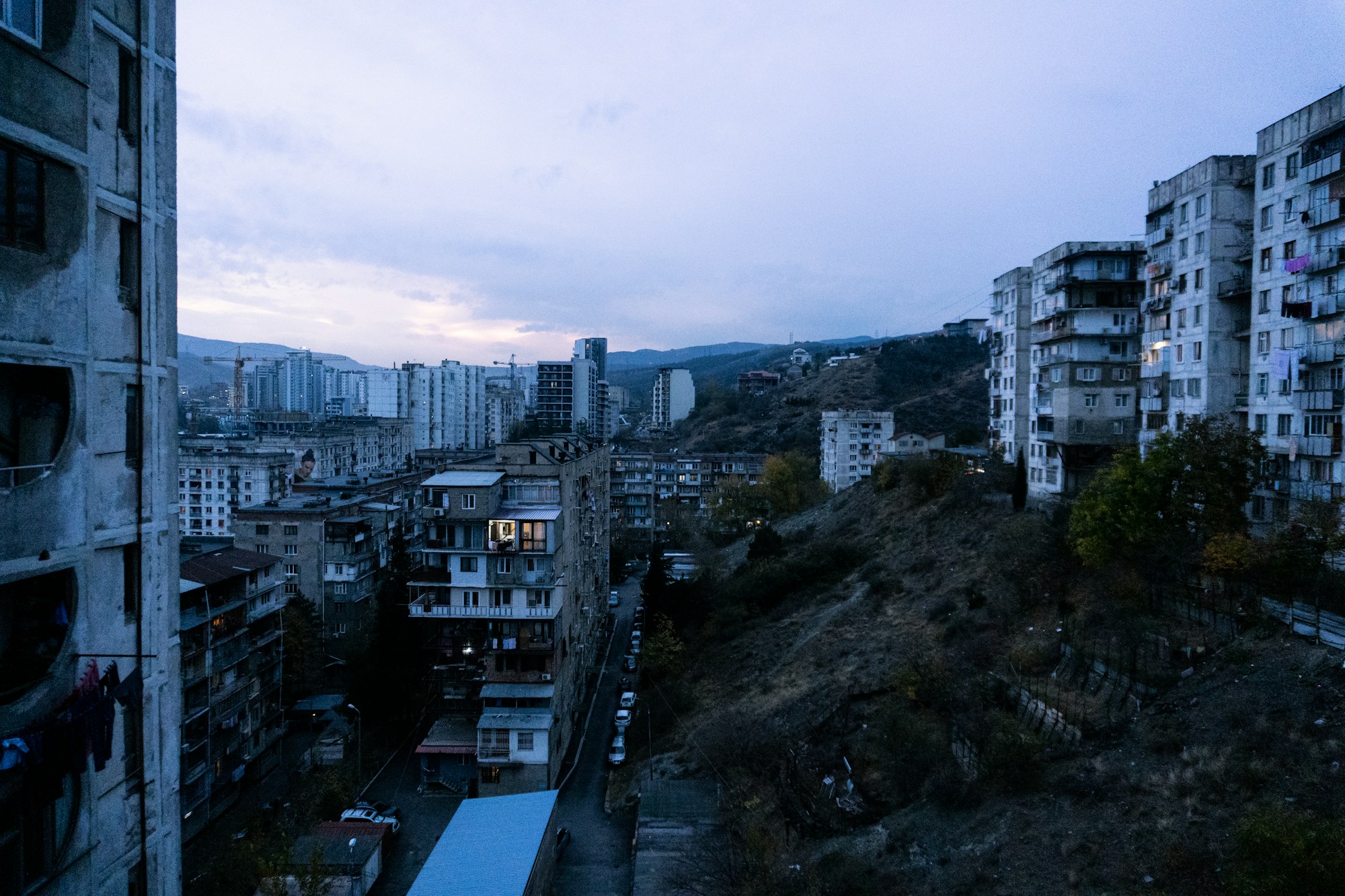
At the Crossroads of Europe and the Middle East
Georgia is the least anticipated surprise in this panorama. Positioned at the exact crossroads between Europe and the Middle East, Tbilisi directly benefits from the disruption of Gulf air corridors — alternative Europe-Asia routes now pass through the Caucasus. Tbilisi State Medical University plans to begin offering medical services to international patients in 2026, with a budget of 500,000 GEL allocated for this initiative.
Georgia has an exceptional doctor-to-population ratio — 573 doctors per 100,000 residents. All medications are 2–3 times cheaper than in Europe, thanks to free trade agreements with Turkey and China.
Comparison: How Much Do You Actually Save?
| Procedure | USA / Western Europe | Turkey | India | Albania |
|---|---|---|---|---|
| Hair transplant (3,000 grafts) | €12,000–20,000 | €1,650–2,800 | €1,800–5,000 | N/A |
| Dental implant (single) | €1,500–3,000 | €400–800 | $300–600 | €400–700 |
| Heart bypass surgery | $80,000–120,000 | $15,000–25,000 | $5,000–10,000 | N/A |
| Bariatric surgery | €10,000–18,000 | €2,500–4,500 | $4,000–7,000 | €3,000–5,000 |
| IVF (one cycle) | €8,000–15,000 | €2,500–5,000 | $2,000–4,000 | €2,500–4,500 |
| Rhinoplasty | €6,000–12,000 | €2,000–4,500 | $1,500–4,000 | €2,000–4,000 |
Practical Information for Your Medical Trip
Nomad Insurance: global coverage from $56/4 weeks. 10% off via our link. Covers medical emergencies and post-op complications.
From $56 / 4 weeksStay connected from the moment you land in any of your destination countries. Instant activation.
From €4.50Frequently Asked Questions About Post-Gulf Medical Tourism
Why is the Gulf conflict accelerating medical tourism toward India and Turkey?
Since late February 2026, the military conflict in the Middle East has paralyzed major Gulf air hubs. According to Flightradar24, approximately 21,300 flights have been canceled across seven major airports, including Dubai, Doha, and Abu Dhabi. Patients who needed to transit through these hubs to access medical care in Europe or Asia are now forced to find alternatives accessible via other corridors — such as Turkey (2–3 hours from many Middle Eastern countries), or India (accessible via Oman or directly).
Is medical tourism safe? What are the real risks?
Traveling abroad for medical services carries specific risks: variable quality and continuity of care across countries, risk of post-operative infection depending on the facility, and complications if you return home too early. The most reliable quality indicator is JCI (Joint Commission International) accreditation — demand this certificate before booking any invasive procedure. In Turkey, verify that the surgeon personally performs the operation (some clinics outsource to less experienced practitioners).
What medical specialties are most suited for tourism from the Gulf?
According to a study published in BMJ (2025) on Omani patients, liver transplantation is the most common procedure for GCC patients traveling abroad, followed by bone marrow transplantation, keratoplasty, and retinoblastoma treatment. More broadly, the most sought-after procedures include cosmetic surgery (Turkey, Albania), dental treatments (Albania, Georgia, Turkey), orthopedic surgeries, and cardiac procedures (India).
How do I quickly obtain a medical visa for India?
The Indian government has streamlined e-Medical visa procedures, reducing approval times from 7–10 days to 2–3 days in urgent cases. India has extended e-Medical visa facilities to nationals of 171 countries, removing a critical administrative barrier. Patients accompanied by a companion can simultaneously apply for the e-Medical Attendant visa.
Does Albania truly offer European-quality dental care?
Yes. Albanian dental education follows the European Credit Transfer System (ECTS), guaranteeing compatibility with EU standards. Tirana’s Medical University requires six years of rigorous study followed by mandatory continuing education. Albania is also an EU candidate country, which drives progressive alignment with European standards.
Will the global medical tourism market continue to grow despite conflicts?
Yes. Approximately 14 million people travel abroad annually for medical care, with a market size valued at $144.5 billion in 2024, projected to reach $704.8 billion by 2033. Conflicts redistribute flows but do not stop the structural growth of the sector. India projects 12.3% annual growth through 2036, and Turkey recorded a 35% increase in international patients in 2024.
How should I plan a medical trip abroad?
Ideal planning involves: (1) an online consultation (telemedicine) 4–8 weeks before travel, (2) requesting detailed quotes from 2–3 JCI-accredited hospitals, (3) booking flexible flights with medical cancellation insurance (see SafetyWing), (4) planning a convalescence period on-site after the procedure (minimum 5–10 days depending on the procedure), (5) installing a local eSIM to stay reachable by the medical team. Keep all your medical records in digital format to facilitate continuity of care upon return.
Sources
- Al Jazeera — Flight disruptions, Iran War (2026)
- Wikipedia — Medical Tourism in India
- Travel and Tour World — Turkey Medical Tourism Surge
- Dental Trio — Albania Best Dental Tourism 2025
- Medical Tourism Magazine — Kerala Emerging Destination
- Future Market Insights — India Medical Tourism Market 2026–2036
- BMJ Public Health — Outbound Medical Tourism Oman
- Georgia Today — TSMU Medical Tourism Plans 2026
- Market.us — Medical Tourism Statistics 2026
Research conducted on March 25, 2026
Ready to Plan Your Medical Journey?
Explore our detailed itineraries in Turkey, India, and the Balkans to combine medical care with cultural discovery.
Explore all itineraries