
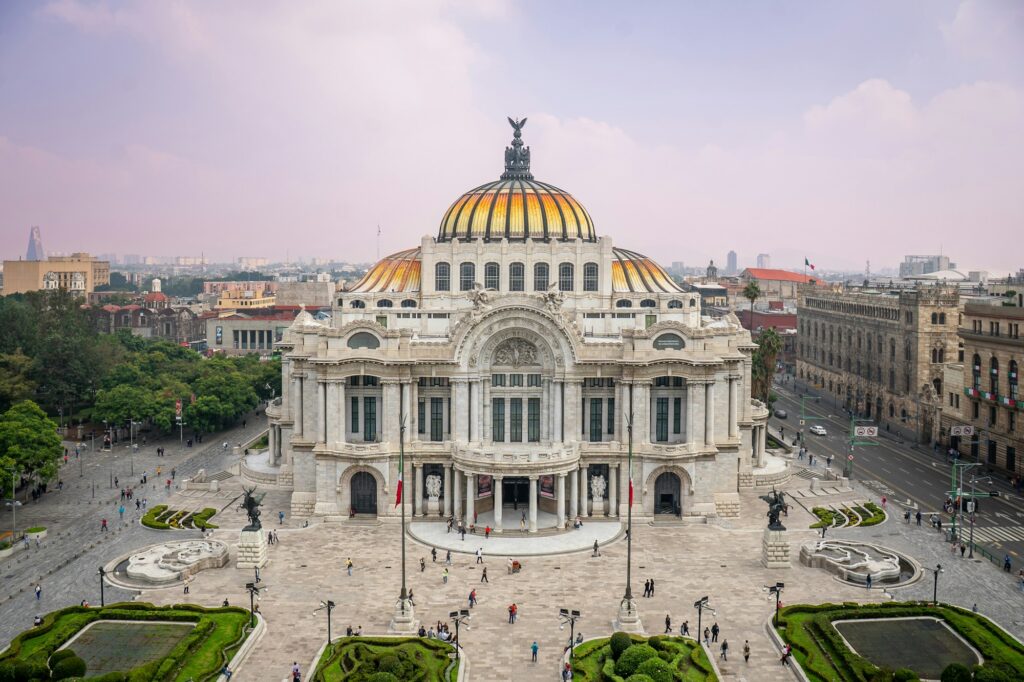
What if your next trip to Mexico went beyond the well-trodden paths of the Riviera Maya? From Mexico City, a vibrant megalopolis of 22 million inhabitants perched at 2,240 metres above sea level, to Oaxaca, the country’s gastronomic capital and UNESCO World Heritage site, an extraordinary itinerary awaits. Passing through the ancient pyramids of Teotihuacan, the colonial churches of Puebla and the petrified waterfalls of Hierve el Agua, this route reveals an authentic Mexico far from all-inclusive resorts. Here is the complete guide to planning your 2026 adventure, step by step.
1. Mexico City — The Cultural Megalopolis
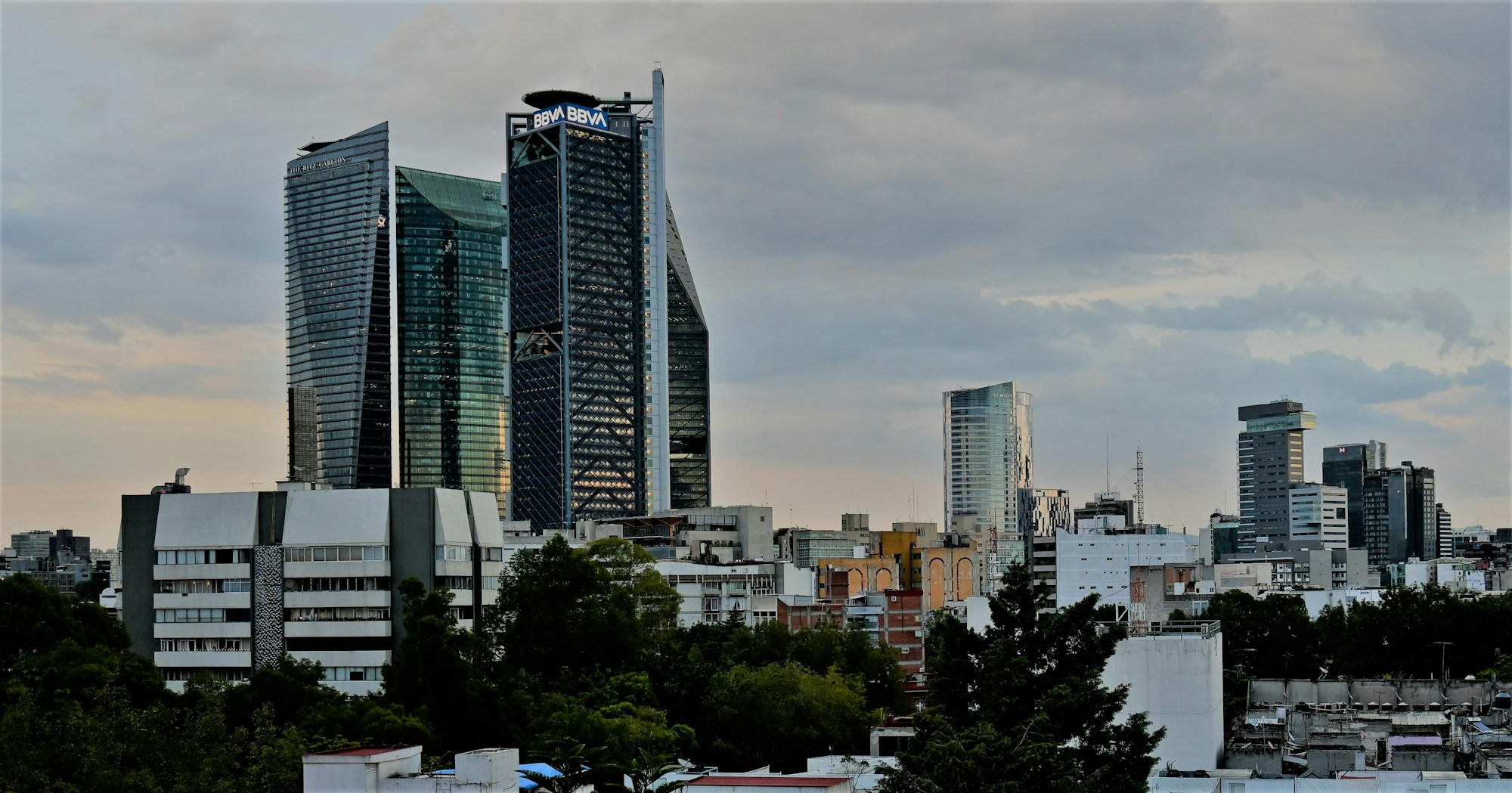
CDMX: An Open-Air World City
Mexico City (or CDMX, as locals call it) is unlike any other capital in the world. With over 150 museums, it rivals Paris for the title of the city with the most cultural institutions. According to Global Gallivanting, the city offers a striking blend of pre-Columbian heritage, colonial architecture and contemporary culture.
The Centro Historico, built on the ruins of the ancient Aztec capital Tenochtitlan, is home to the majestic Catedral Metropolitana and the Palacio Nacional adorned with Diego Rivera’s monumental murals. Nearby, the Templo Mayor bears witness to the grandeur of the Aztec empire.
Must-Visit Neighbourhoods
- Roma and Condesa: The trendiest neighbourhoods. Artisan coffee shops, art galleries, Art Deco architecture and a booming culinary scene.
- Coyoacan: The bohemian village within the city. Visit the Casa Azul de Frida Kahlo (advance booking required) and browse the colourful markets.
- Chapultepec: Latin America’s largest urban park houses the Museo Nacional de Antropologia, considered one of the world’s finest museums.
- Xochimilco: The floating gardens inherited from the Aztecs. A ride on a colourful trajinera through the canals is a unique experience.
On the culinary front, Mexico City boasts two restaurants in the world’s top 10: Pujol (7th in the World’s 50 Best 2024) and Quintonil (9th). But the real magic lies in the street food: tacos al pastor, tlacoyos and esquites can be found on every corner for just a few pesos. According to BudgetYourTrip, an average traveller spends between USD 50 and 105 per day in CDMX.
2. Teotihuacan — The City of the Gods
One of the World’s Greatest Ancient Cities
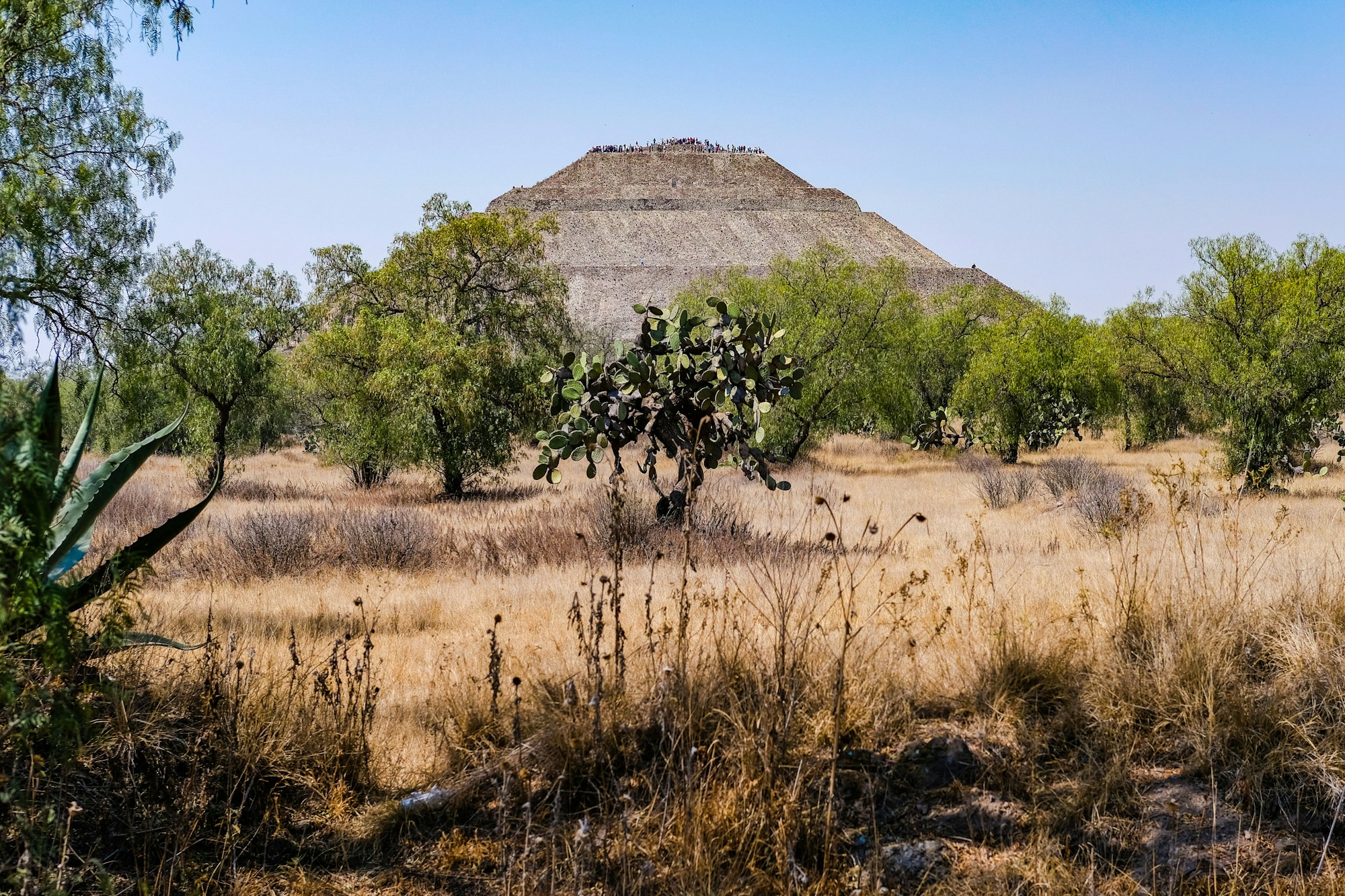
Just 50 kilometres northeast of Mexico City, Teotihuacan is one of the most impressive archaeological sites in the Americas. Founded around 100 BC, this mysterious city had up to 200,000 inhabitants at its peak — making it more populous than Imperial Rome at the same time. According to INAH (National Institute of Anthropology and History), the exact origin of its builders remains a mystery that archaeologists continue to investigate.
The Pyramid of the Sun, the world’s third-largest pyramid at 65 metres tall, dominates the famous Calzada de los Muertos (Avenue of the Dead) stretching over 2 kilometres. At the northern end, the Pyramid of the Moon offers extraordinary panoramic views over the entire site. According to El Pais, access to the first level of the Pyramid of the Moon was reopened in 2025 after restoration work.
Highlights
- Pyramid of the Sun: The climb (248 steps) is demanding but the views from the top are breathtaking.
- Temple of Quetzalcoatl: The beautifully preserved Feathered Serpent sculptures showcase the artistic sophistication of this civilisation.
- Site Museum: Scale models and artefacts help visitors understand the scale of this ancient metropolis.
- Hot air balloon ride: Sunrise flights over the pyramids are a magical experience (~USD 120-180).
Entry costs 210 MXN (~USD 12) for foreign visitors and 105 MXN for Mexican residents. Sundays are free for Mexican citizens. According to KimKim, arriving at opening time (9 AM) is recommended to avoid crowds and the midday heat.
3. Puebla and Cholula — The Colonial Route
The « City of Angels » and the World’s Largest Pyramid
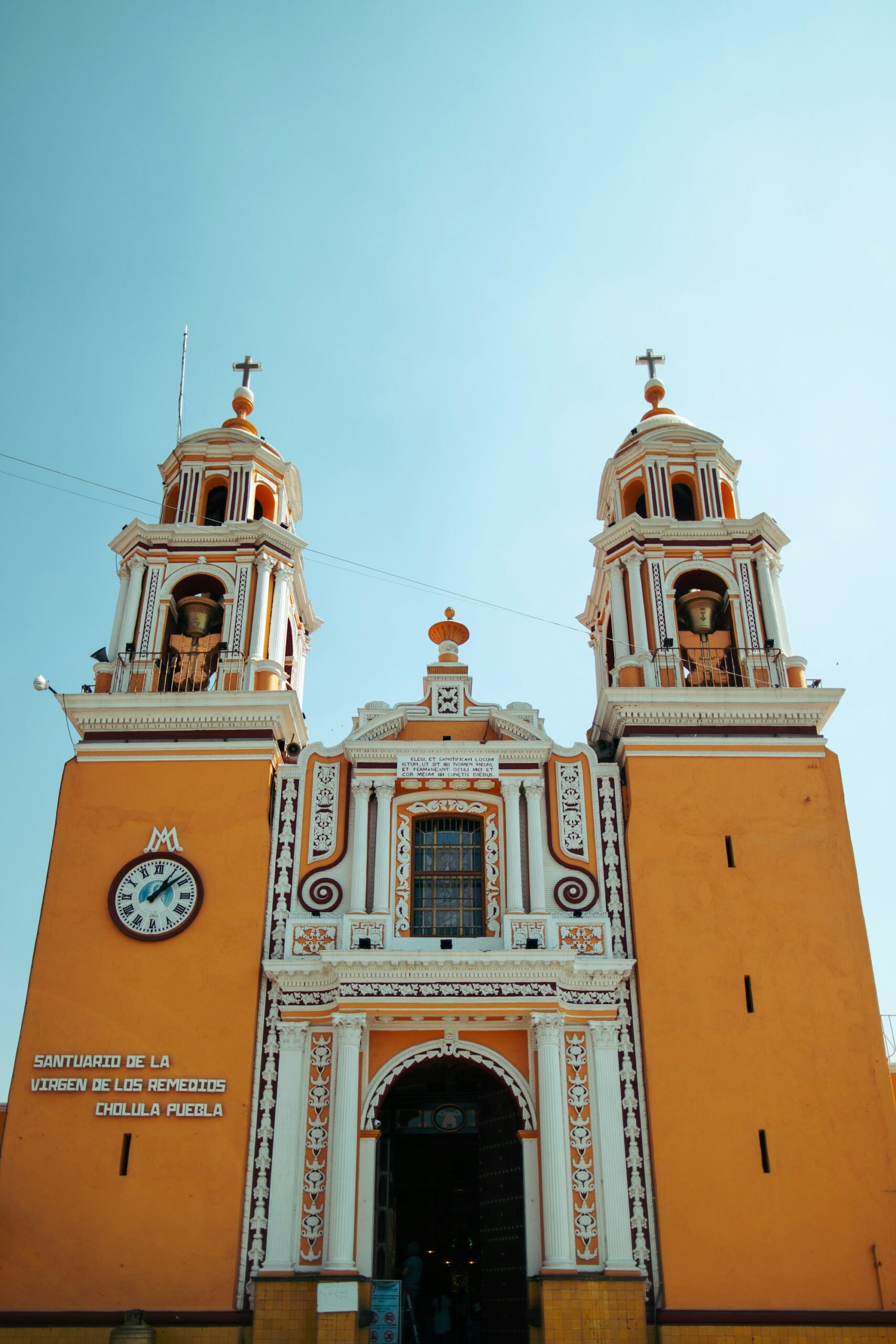
Located 130 kilometres southeast of Mexico City, Puebla is a colonial gem listed as a UNESCO World Heritage Site. Known as the « City of Angels » (Ciudad de los Angeles), it charms with its Talavera-tiled facades — this hand-painted ceramic enjoys a protected designation of origin. Puebla’s Centro Historico contains over 2,600 listed buildings, making it one of Mexico’s best-preserved colonial centres.
Just a few kilometres away, Cholula harbours an astonishing secret: the Great Pyramid of Cholula (Tlachihualtepetl), the world’s largest pyramid by volume, crowned by the photogenic Iglesia de Nuestra Senora de los Remedios. On clear days, the view encompasses the Popocatepetl and Iztaccihuatl volcanoes — a truly breathtaking sight.
Unmissable Experiences
- Mole poblano: Puebla is the birthplace of this iconic dish. Traditional mole poblano combines over 20 ingredients including cacao and several types of chilli.
- Chiles en nogada: Available from mid-July to September, these stuffed peppers in the colours of the Mexican flag are a culinary masterpiece.
- Talavera: Visit a certified workshop to understand this 500-year-old craft. Only production from Puebla and Tlaxcala carries the designation of origin.
- Palafoxiana Library: Founded in 1646, it is the oldest public library in the Americas, inscribed in UNESCO’s Memory of the World Register.
According to TravelAge West, Puebla offers excellent value with an average budget of USD 40 to 80 per day. The ADO bus connects CDMX to Puebla in about 2 hours for USD 15-20.
4. Oaxaca — Mexico’s Gastronomic Capital
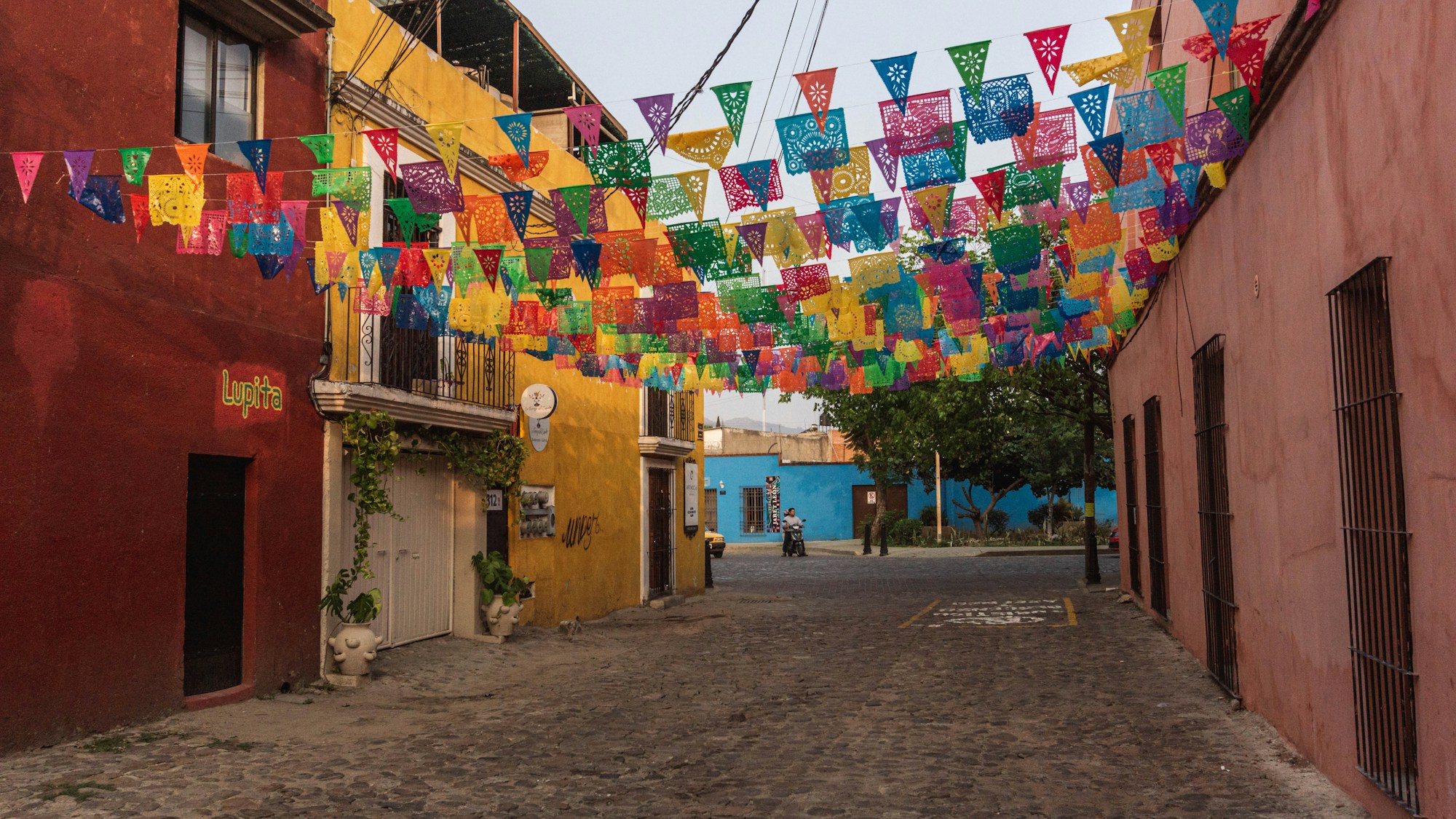
Seven Moles, a Thousand Flavours and a Unique Way of Life
If Mexico City is the country’s political heart, Oaxaca is undeniably its gastronomic soul. According to Fora Travel, Oaxaca is considered Mexico’s culinary capital — no small feat in a country whose gastronomy is inscribed on UNESCO’s Intangible Cultural Heritage list. With its seven traditional moles (negro, rojo, coloradito, amarillo, verde, chichilo and manchamanteles), each composed of dozens of ingredients, Oaxaca offers an unparalleled depth of flavour.
The historic centre, a UNESCO World Heritage site, unfolds its cobblestone streets lined with pastel-toned colonial buildings, lively markets, galleries and mezcalerias. The atmosphere is both laid-back and creative — a rare combination that attracts artists, chefs and travellers from around the world.
Culinary Experiences
- Mercado Benito Juarez: The central market overflows with chapulines (toasted grasshoppers), Oaxacan cheese (quesillo) and frothy chocolate de agua.
- Mercado 20 de Noviembre: The grill alley (Pasillo de Humo) is a temple of tasajo — dried beef grilled over embers. A full sensory experience.
- Tlayudas: These enormous crispy tortillas topped with black beans, melted quesillo and tasajo are Oaxaca’s signature dish.
- Cooking classes: Several schools offer immersive workshops (mole preparation, hand-making tortillas) for USD 40-80 per person.
According to Janine in the World, Oaxaca remains one of Mexico’s most affordable destinations, with a budget of USD 35-90 per day depending on your travel style. The city is also a cultural hub: the Guelaguetza, a grand festival of indigenous folk dances, lights up the city every July.
5. Monte Alban — The Ancient Zapotec Capital
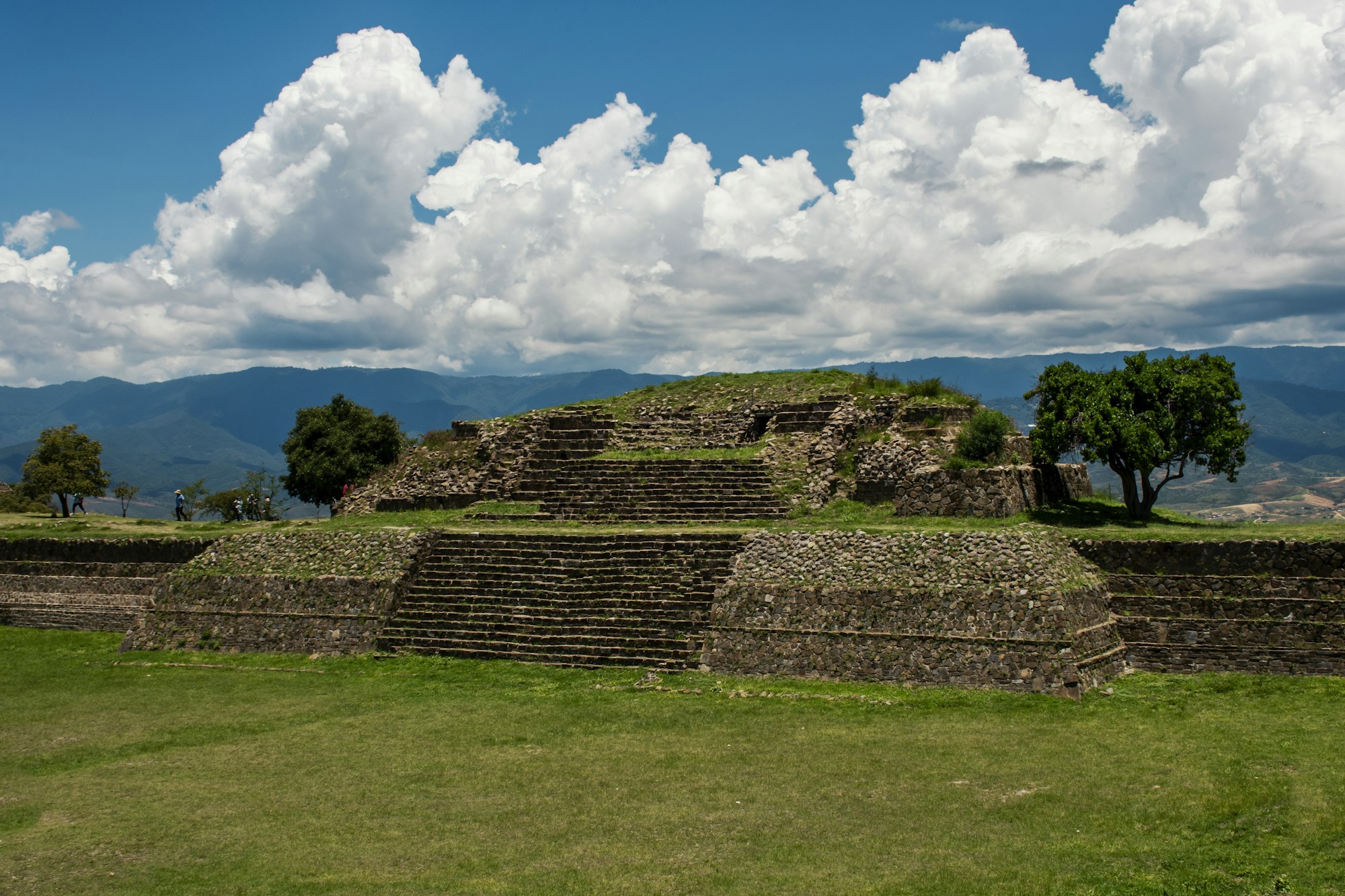
2,500 Years of History Atop a Mountain
Perched 400 metres above the Oaxaca Valley, Monte Alban is one of Mexico’s most spectacular archaeological sites. According to INAH, this former Zapotec capital, founded around 500 BC, was one of Mesoamerica’s earliest urban centres. At its peak, between 200 and 700 AD, the city had approximately 25,000 inhabitants.
What makes Monte Alban unique is its location: the Zapotecs literally levelled a mountaintop to build their ceremonial capital. The Great Plaza, 300 metres long, is surrounded by pyramids, temples and an astronomical observatory. The Danzantes (bas-reliefs of figures in contorted poses) are among the oldest stone sculptures in Mesoamerica.
Highlights
- Great Plaza: The ceremonial heart with its pyramids, ball court and the enigmatic Danzantes building.
- Panoramic views: The site offers 360-degree views over the Oaxaca Valley and surrounding mountains — arguably the trip’s finest viewpoint.
- Night visits: Introduced in 2025, this experience allows visitors to discover the illuminated site at twilight — a mystical atmosphere with reduced crowds.
- Site Museum: The painted tombs (notably Tomb 104) and Zapotec funerary urns are well worth visiting.
According to Go Oaxaca, entry costs 90 MXN (~USD 5) and Sundays are free for Mexican residents. The site is accessible in 15 minutes by taxi or collectivo from central Oaxaca. According to She Roams About, visiting early morning is best for soft light and comfortable temperatures.
6. Hierve el Agua — The Petrified Waterfalls
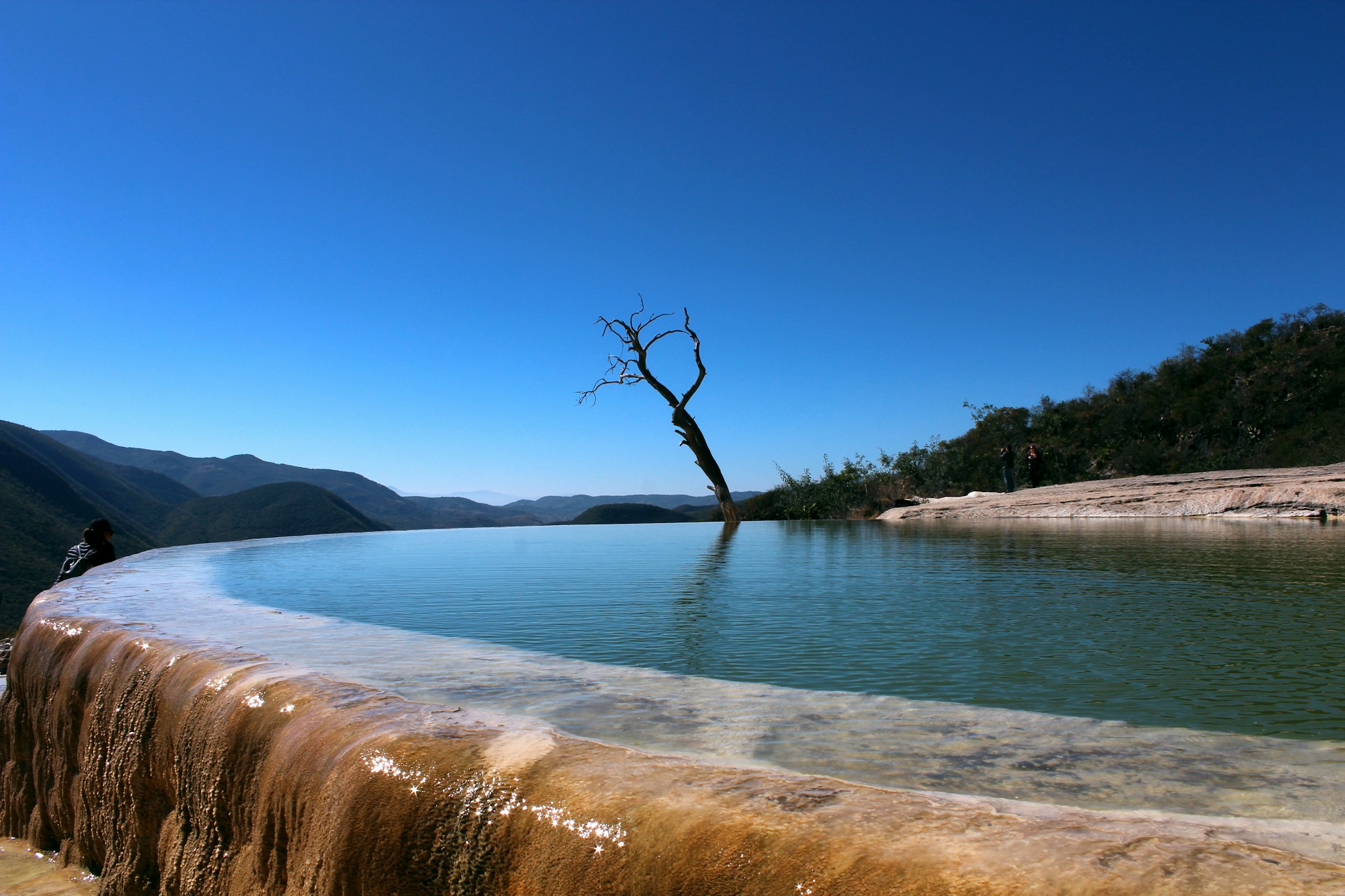
One of Only Two Such Sites in the World
Hierve el Agua is an extraordinary geological phenomenon: petrified waterfalls formed by millennia of mineral deposits, creating immense white limestone formations that appear frozen mid-flow. According to Conde Nast Traveler, only two such sites exist in the world — the other being the famous Pamukkale terraces in Turkey.
The site comprises two main petrified waterfalls (the 30-metre-high Cascada Grande and the Cascada Chica) along with natural pools fed by mineral hot springs, perched on the edge of a cliff with vertiginous views over the valley. Swimming in these natural turquoise pools on the mountainside is a truly unique experience. According to Mexico Travel Blog, the site is fed by underground springs rich in calcium carbonate, which crystallises on contact with air.
Practical Information
- Access: About 70 km from Oaxaca (1.5-hour drive). Organised tours from Oaxaca (~300-500 MXN) or a rental car is recommended.
- Entry: ~50 MXN plus variable community fees. The site is managed by local communities.
- Swimming: Bring your swimsuit. The natural clifftop pools offer spectacular views.
- Hiking trail: A path descends to the base of the petrified waterfalls (30-45 min one way) to see them in all their majesty.
According to Enriching Pursuits, the site is open daily from 8 AM to 5 PM. Arriving before 10 AM is ideal for tranquillity and beautiful light on the formations.
7. The Mezcal Route and Artisan Villages
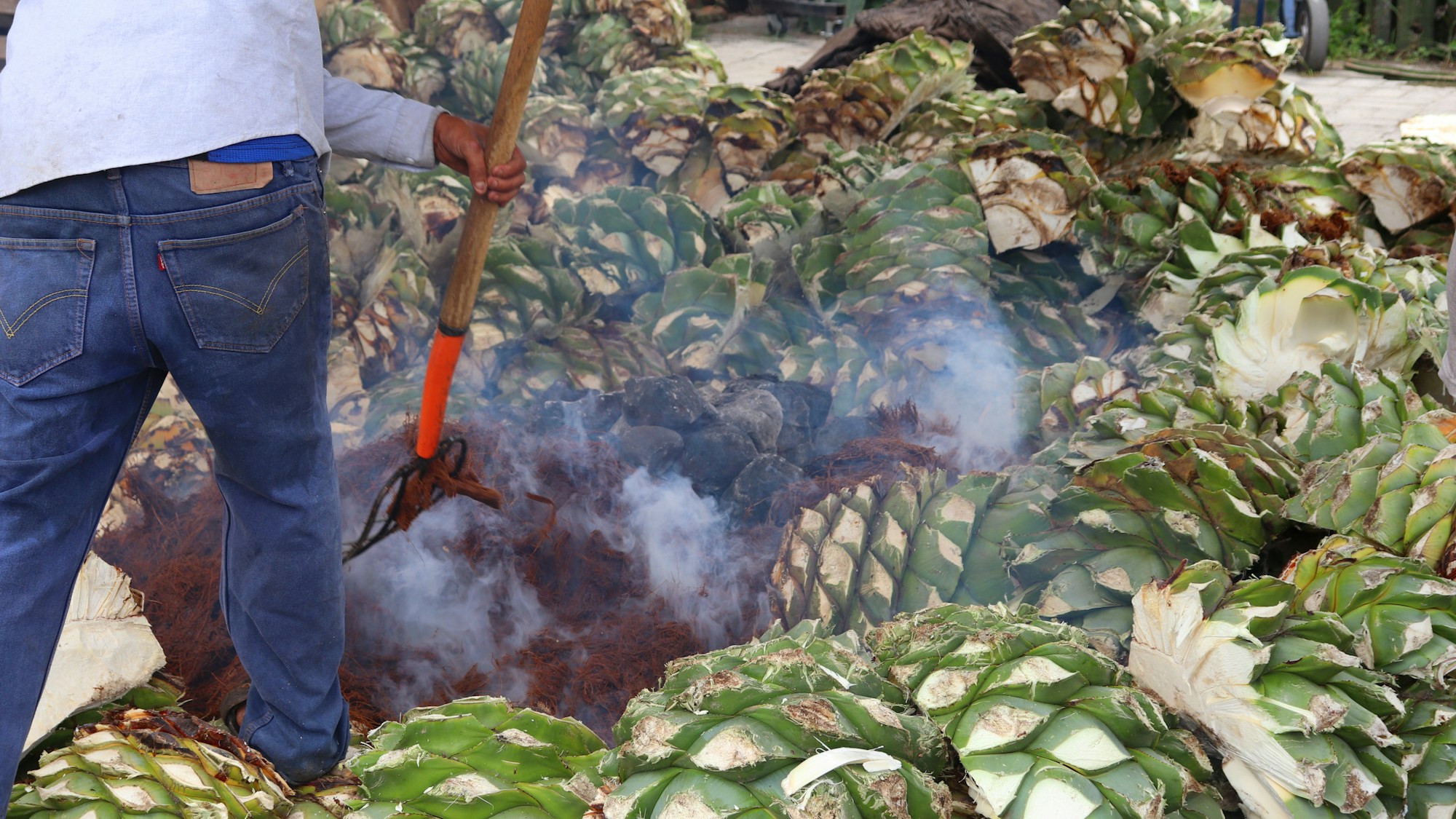
Santiago Matatlan: World Capital of Mezcal
The state of Oaxaca produces 92% of Mexico’s mezcal, and Santiago Matatlan, 50 kilometres southeast of the city, proudly bears the title of « World Capital of Mezcal. » Unlike tequila, which can only be made from blue agave (Agave tequilana), mezcal can use over 46 different agave varieties — including espadin, tobala and the rare tepeztate, which takes up to 35 years to mature. According to Mezcal Educational Tours, this diversity makes mezcal a spirit of incomparable complexity.
Along the road connecting Oaxaca to Matatlan, dozens of palenques (artisan distilleries) open their doors to visitors. The process remains largely traditional: agave pinas are cooked in underground ovens for several days, crushed by a horse-drawn stone mill (tahona), then fermented and distilled in copper or clay stills.
Artisan Villages Not to Miss
- Teotitlan del Valle: Hand-woven Zapotec rugs using natural dyes (cochineal, indigo, walnut). According to Fora Travel, artisans perpetuate techniques over 2,000 years old.
- San Martin Tilcajete: Birthplace of alebrijes, fantastical wood sculptures painted with psychedelic patterns. Each piece is unique and can take weeks to complete.
- San Bartolo Coyotepec: Specialising in barro negro (black pottery), a pre-Hispanic technique using quartz polishing that gives pieces a unique metallic sheen.
- Santo Domingo Tomaltepec: Several family-run mezcalerias offer free tastings with explanations of the production process.
According to Las Bugambilias, mezcal tours from Oaxaca cost between USD 30 and 150 per person depending on duration and number of palenques visited. The most comprehensive tours include artisan villages and a traditional lunch with a local family.
8. Budget and Practical Tips for 2026
How Much Should You Budget?
Mexico remains remarkably accessible for travellers. According to BudgetYourTrip, the average traveller’s budget is around USD 130 per day (accommodation, meals, transport and activities included), or approximately USD 1,800 for two weeks excluding flights. Budget travellers can manage with around USD 48 per day (~USD 670 for 2 weeks excluding flights).
Detailed Budget by Category (per person/day)
- Accommodation: Hostel USD 9-17, boutique hotel USD 45-90, charming hotel USD 90-170.
- Meals: Street food USD 2-5, local restaurant USD 6-14, fine dining USD 35-70.
- Transport: CDMX metro USD 0.30, ADO intercity bus USD 15-80, domestic flight USD 19-59.
- Activities: Archaeological sites USD 5-12, cooking class USD 40-80, mezcal tour USD 30-150.
Practical Tips
- Currency: Mexican peso (MXN). 1 USD = approx. 17-18 MXN (February 2026). Withdraw from ATMs (Santander, BBVA) and always decline automatic conversion (DCC).
- Safety: The tourist areas on this itinerary (CDMX, Puebla, Oaxaca) are considered safe. Apply common sense: avoid walking alone at night in isolated areas, use sitio taxis or Uber.
- Health: Tap water is not drinkable. Drink bottled water. Ask for « sin hielo » (no ice) at small restaurants if you have a sensitive stomach.
- Visa: Citizens of the US, EU, UK, Canada and Australia are visa-exempt for tourist stays of up to 180 days. A valid passport is sufficient.
- Internet: Buy a local SIM card (Telcel or AT&T) at the airport for 200-300 MXN with data included. Wi-Fi is available in most hotels and cafes.
Frequently Asked Questions
How many days should I plan for a Mexico City to Oaxaca itinerary?
Allow a minimum of 10 to 14 days for this complete itinerary. Divide it as follows: 3-4 days in Mexico City (including Teotihuacan), 1-2 days in Puebla/Cholula, and 4-5 days in the Oaxaca region (city, Monte Alban, Hierve el Agua, mezcal route and artisan villages). Add 2-3 days for a more relaxed pace or a Yucatan extension.
When is the best time to visit central Mexico?
The ideal period is from October to April (dry season). Temperatures are pleasant (20-28C during the day), rainfall is rare and skies are clear. Avoid June to September if possible (rainy season with daily afternoon showers). To attend Oaxaca’s Guelaguetza, aim for the last two Mondays of July.
How do I get from Mexico City to Oaxaca?
Two main options: the ADO first-class bus (6-7h, 1,050-1,300 MXN or ~USD 55-70), comfortable with reclining seats and Wi-Fi, or a domestic flight (1h, from USD 19-59 with Volaris or VivaAerobus). The overnight bus saves a night’s accommodation. Stopping in Puebla along the way is highly recommended.
Is Mexico safe for tourists in 2026?
The tourist areas on this itinerary — Mexico City, Puebla and Oaxaca — are considered safe for travellers. As in any large city, apply common sense: use sitio taxis or Uber rather than street taxis, avoid isolated areas at night and keep valuables secure. Mexico welcomes over 40 million international tourists annually.
Do I need a visa to travel to Mexico?
Citizens of the US, EU, UK, Canada and Australia are visa-exempt for tourist stays up to 180 days. A valid passport is sufficient. On arrival, you receive a migratory form (FMM) that must be kept until departure. Since 2024, the FMM is increasingly digitalised.
What budget should I plan for 2 weeks in Mexico?
Excluding return flights (~USD 900 from Europe, ~USD 300-500 from the US), budget approximately USD 670 for 2 weeks backpacker-style (hostels, street food, local transport) and USD 1,800 on a mid-range budget (boutique hotels, restaurants, activities). Flights are the biggest expense. On the ground, Mexico offers excellent value, particularly in Oaxaca and Puebla.
What is the difference between mezcal and tequila?
Tequila is actually a type of mezcal, limited to blue agave (Agave tequilana) and certain regions (primarily Jalisco). Mezcal can be produced from over 46 different agave varieties. Its artisan production — underground oven cooking, stone mill crushing — gives it smoky aromas and a complexity that industrial tequila cannot match. The state of Oaxaca produces 92% of Mexico’s mezcal.
Sources
- Global Gallivanting — Things to Do in Mexico City
- Fora Travel — Oaxaca Travel Guide
- BudgetYourTrip — Mexico Travel Budget
- INAH — Teotihuacan Archaeological Zone
- INAH — Monte Alban Archaeological Zone
- UNESCO — Historic Centre of Puebla
- KimKim — Teotihuacan Guide
- TravelAge West — Puebla Guide
- Janine in the World — Oaxaca Travel Guide
- Conde Nast Traveler — Hierve el Agua
- Mezcal Educational Tours
- Las Bugambilias — Mezcal Tours Oaxaca
Research conducted on 15 February 2026
Plan Your Trip to Mexico
Looking to extend your adventure to the Yucatan? Discover our detailed itinerary for a 10-day Mexico Yucatan trip with friends, featuring cenotes, beaches and Mayan ruins. Or explore all itineraries created by our travel community.
Explore All Itineraries