
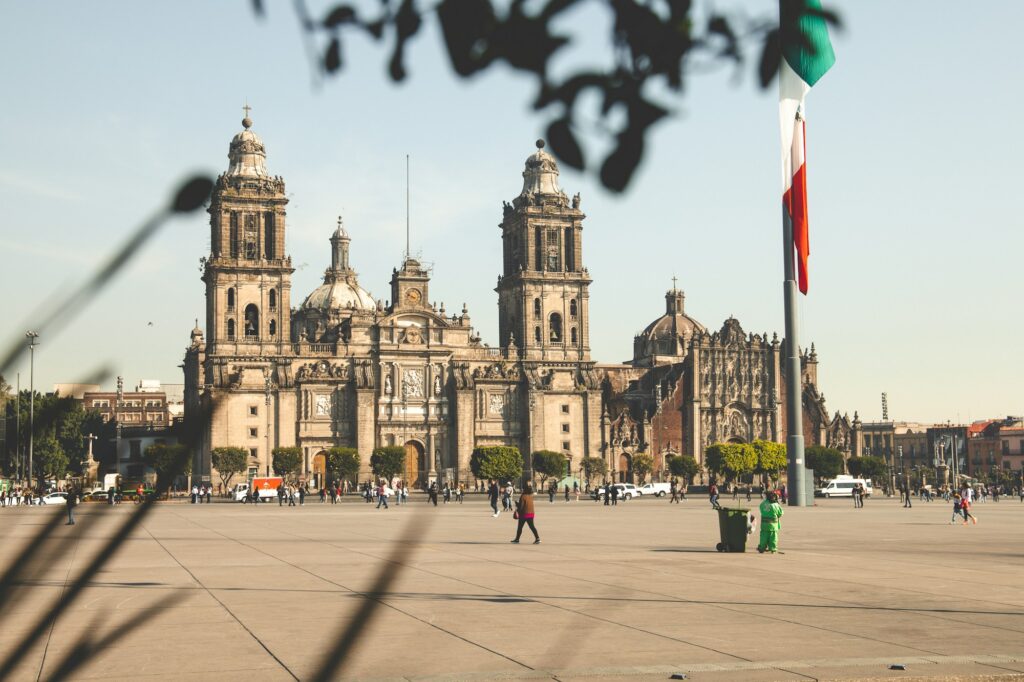
A 7-day Mexico road trip from Mexico City lets you combine Oaxaca, Puebla and Teotihuacán around your World Cup match. Domestic flight Mexico City–Oaxaca from $27 (1 hr 15 min), ADO bus to Puebla in 4 hrs, half-day is enough for Teotihuacán. Hotels in Oaxaca and Puebla stay at normal prices during the 2026 World Cup ($60–150/night boutique), unlike Mexico City where rates can surge up to ×24. Fly rather than bus to Oaxaca, and book 2–3 months ahead.
You’ve got your Estadio Azteca ticket sorted — so what next? Spending 7 days cooped up in Mexico City, paying £1,500 a night during the 2026 World Cup, would be rather a waste. Just an hour’s flight away lies Oaxaca, the mezcal capital of Mesoamerica, UNESCO-listed, its cobbled streets of cantera verde among the most beautiful colonial cities on earth. En route south, Puebla and its Great Pyramid of Cholula — the world’s largest pyramid by volume, more massive than Cheops — add a magnificent colonial stopover. And 50 km north-east of CDMX, Teotihuacán, the pre-Hispanic City of the Gods, can be done in a half-day from Mexico City. This 7-day road trip builds each stage around your match, no car required between the capital and Oaxaca, and on a budget that won’t break the bank outside match nights.
1. Planning Your Road Trip: Logistics, Transport and World Cup Timing
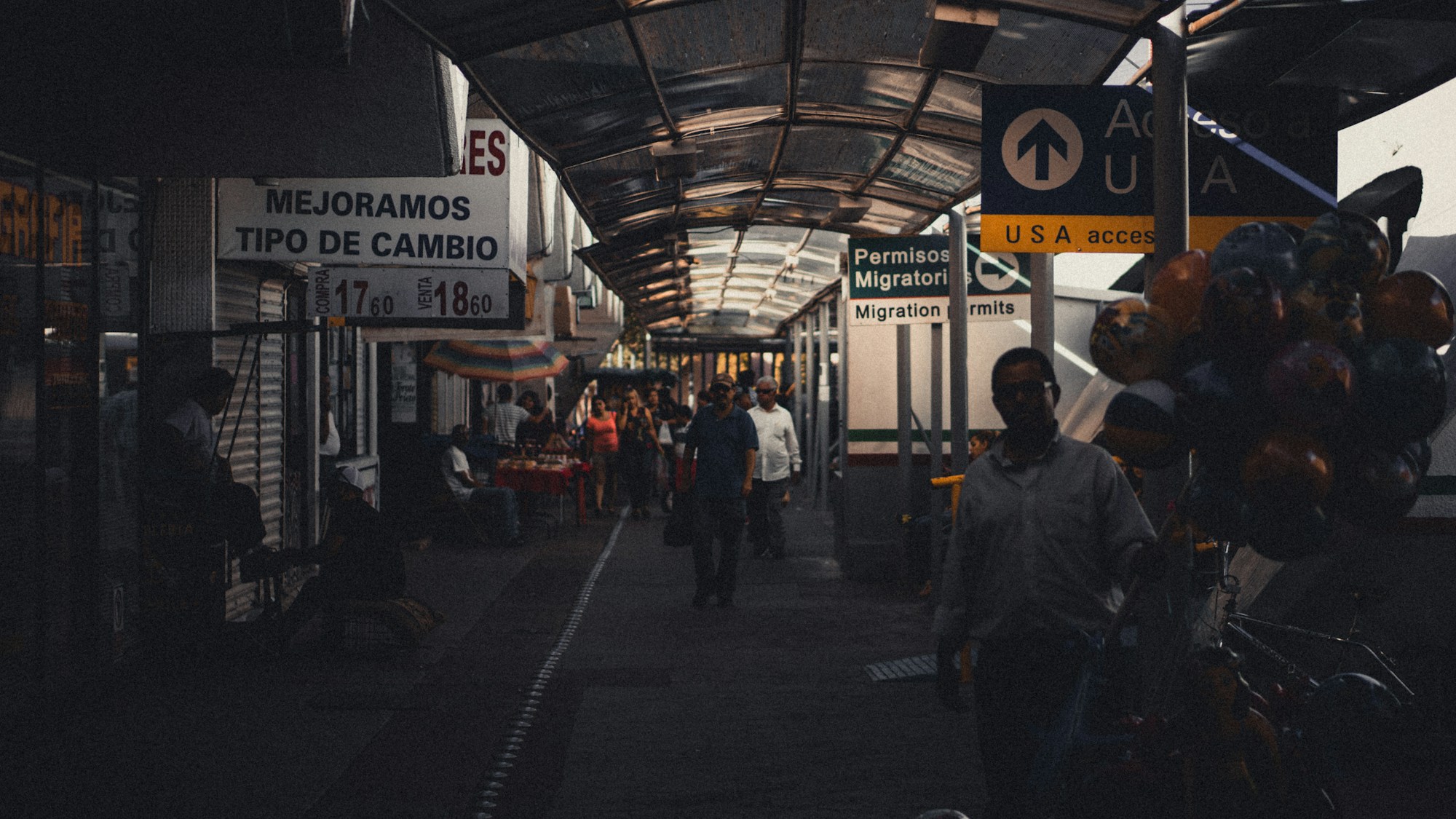
The key transport links for this circuit
The key to this road trip is not driving between Mexico City and Oaxaca. The 460 km takes at least 5 hrs 30 min by car, versus 1 hr 15 min by flight with Volaris or VivaAerobus (from $27 one-way according to Kayak). The ADO bus (790–1,274 MXN depending on class) takes 7 hours — book the overnight service if you want to save a night’s accommodation. For Puebla, the ADO bus from the TAPO terminal is excellent: 2 hrs 30 min, high comfort, frequent departures. Teotihuacán, 50 km north-east of CDMX, is reached in 1 hour by public bus from Autobuses del Norte (metro line 5).
Transport Summary
| Route | Mode | Duration | Approximate Cost |
|---|---|---|---|
| CDMX → Oaxaca | Flight (Volaris / VivaAerobus) | 1 hr 15 min | From $27 one-way |
| CDMX → Oaxaca | ADO / ADO Platino bus | 7 hrs | 790–1,274 MXN |
| Oaxaca → Puebla | ADO bus | 4 hrs | ~350–500 MXN |
| Puebla → CDMX | ADO bus (from TAPO) | 2 hrs 30 min | 150–250 MXN |
| CDMX → Teotihuacán | Public bus (Autobuses Norte) | 1 hr | ~9 MXN |
Timing Around Your Match
The Estadio Azteca hosts 5 matches in 2026: 11 June (opening match Mexico vs South Africa), 17 June, 24 June, 30 June and 5 July. For a match mid-trip (recommended), head to Oaxaca first (Days 1–4), return for the match (Day 5), then Puebla as a day trip (Day 6) and Teotihuacán on Day 1 or the morning after your match (Day 7). Book your domestic flights at least 6 weeks ahead — prices climb sharply as the World Cup approaches.
Logistics Highlights
- Flights MEX–OAX are mercifully short (1 hr 15 min) — save 12 hrs of driving round-trip
- ADO bus to Puebla: high comfort, 2 hrs 30 min, no car needed
- Teotihuacán in a half-day, accessible by public bus from CDMX for 9 MXN
- Oaxaca/Puebla hotels at normal rates — $60–150/night boutique even during the World Cup
2. Days 1–2: Mexico City — Culture, Murals and Street Food
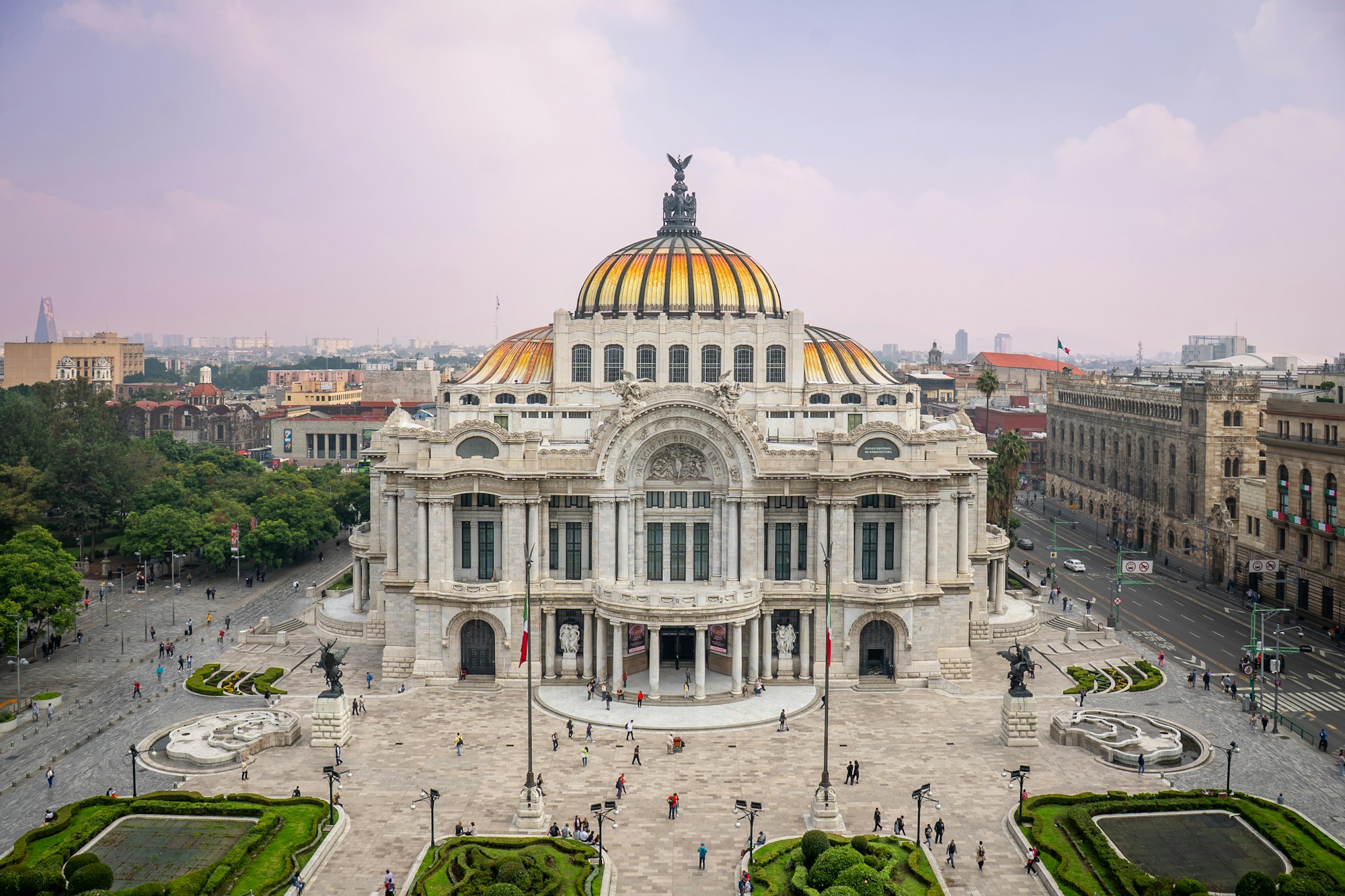
Mexico City (CDMX)
With 22 million inhabitants, Mexico City is the cultural capital of Latin America. According to Mexico Travel & Leisure, the most pleasant neighbourhoods for international visitors are Roma Norte (bohemian, restaurants, safe), Condesa (Art Deco, cafés, parks) and Coyoacán (colonial, ideal for fans who want easy access to the Estadio Azteca via the Tren Ligero). The metro at just 6 MXN a ride covers the entire city and gets you to the stadium (line 2 → Tasqueña, then Tren Ligero to Estadio Azteca).
The Unmissables in 2 Days
The Palacio Nacional (Zócalo, free entry) houses Diego Rivera’s monumental murals — Historia de México, 4,800 m² painted between 1929 and 1935, chronicling Mexico’s entire history from the Aztecs to the revolution, according to Smarthistory. The National Museum of Anthropology in Chapultepec (90 MXN, Tue–Sun 9am–8pm) houses the world’s largest Mesoamerican collection — the Aztec Sun Stone, Olmec masks, Teotihuacan artefacts. Book the Casa Azul de Frida Kahlo in Coyoacán (150 MXN) 7–10 days ahead — it sells out during the World Cup. In the evening, a night of Lucha Libre at Arena México (200–500 MXN, Tue/Fri/Sun) is the most authentic and photogenic experience CDMX has to offer.
CDMX Food and Drink
Tacos al pastor at El Vilsito (open until dawn), churros at Churrería El Moro (open 24/7), and if your budget stretches to it, a table at Pujol (Enrique Olvera, 60th best restaurant in the world 2026). For markets, the Mercado de la Merced offers tlayudas, elotes and tamales in an entirely authentic Mexican atmosphere.
Highlights
- Diego Rivera murals at the Palacio Nacional — free entry, 20th-century masterpieces
- Chapultepec Anthropology Museum — the world’s most complete Mesoamerican collection
- Roma Norte / Condesa neighbourhoods: restaurants, cafés and tourist-friendly safety
- Metro at 6 MXN: direct access to the Estadio Azteca on match day
3. Days 3–4: Oaxaca — Monte Albán, Mezcal and Zapotec Markets
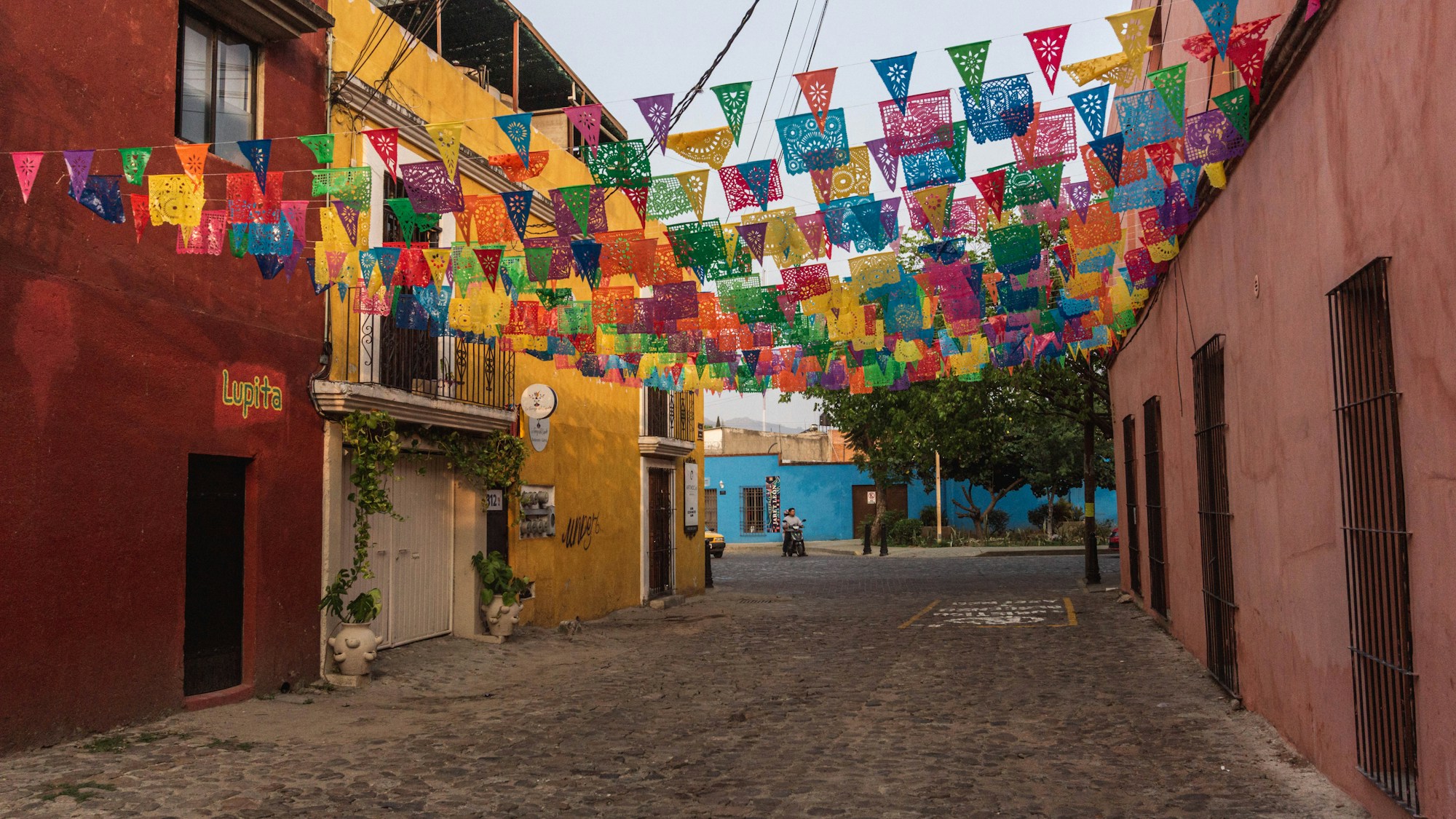
Oaxaca — Mexico’s authentic cultural capital
Oaxaca welcomed over 6 million visitors in 2025 (+3.71% vs 2024, according to SECTUR Oaxaca), and yet the city retains an authenticity that Mexico City has largely lost. Its historic centre in cantera verde — a distinctive green limestone found nowhere else in Mexico — has been UNESCO-listed since 1987. The Iglesia de Santo Domingo de Guzmán (1570–1608) contains the most ornate Baroque interior in Mexico, its ceiling covered entirely in gold leaf. The Mercado 20 de Noviembre is the benchmark food market: giant tlayudas on a comal, tasajo (Oaxacan dried beef), cecina and the unmissable mole negro with its 20 ingredients. Oaxaca produces over 90% of the world’s mezcal output according to several concordant sources.
Day 4 Morning: Monte Albán
9 km west of the city (taxi ~100 MXN, shuttle 60–80 MXN), Monte Albán is the Zapotec capital founded around 500 BC and UNESCO-listed since 1987. From the plateau at 1,940 m, the 360° views over the Valley of Oaxaca are breathtaking. Allow 2.5 to 4 hours on site. Foreign visitor entry: 210 MXN (INAH 2026). Arrive at 8.30am for the best photographic light and the fewest crowds, according to VoyageMexique.info.
Important: Hierve el Agua, the petrified waterfalls, is closed June to September (rainy season plus recurring community conflicts). If you’re visiting during the World Cup in June, don’t plan this excursion.
Day 4 Afternoon: Artisan Villages and Mezcal
In the afternoon, head to the artisan villages of the valley: San Martín Tilcajete (30 km) for alebrijes — those fantastical, brilliantly painted copal wood creatures — and Santiago Matatlan (48 km, « World Mezcal Capital ») where 140 family palenques produce artisanal mezcals unavailable in Europe. Seek out the small producers over the big export brands — mezcal bought directly from the producer costs 150–400 MXN (£6–16) per 700 ml bottle.
Highlights
- Monte Albán — UNESCO Zapotec city, 360° views over the valley
- Santo Domingo de Guzmán — the most beautiful Baroque interior in Mexico
- Artisanal mezcal at Santiago Matatlan — 140 family palenques, producer prices
- Tlayudas and mole negro at Mercado 20 de Noviembre — genuine indigenous gastronomy
4. Day 5: Puebla — Cholula, Mole Poblano and the Library of the Americas
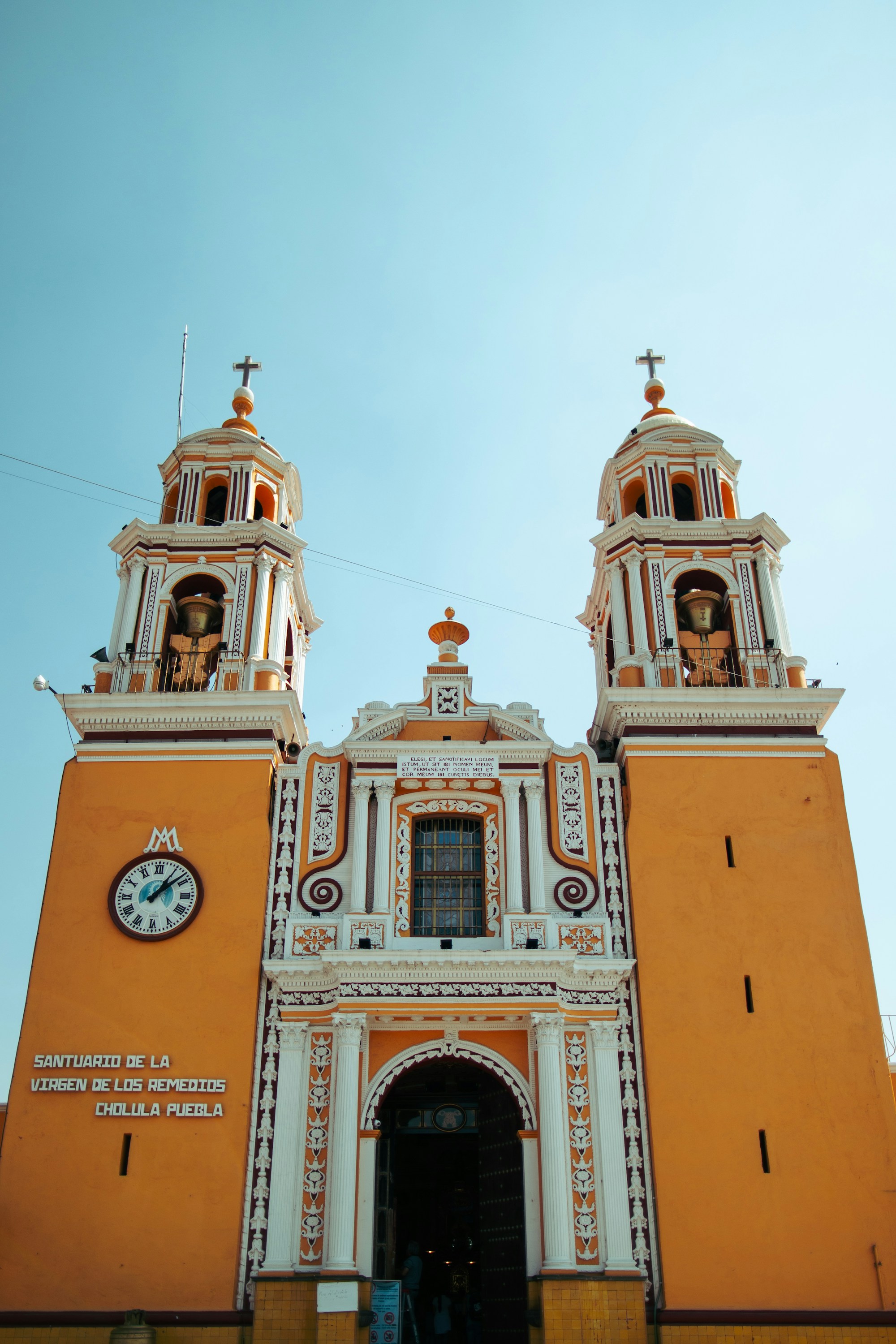
Puebla — Baroquely beautiful and gastronomically unique
Founded in 1531, Puebla is Mexico’s 4th largest city with ~3 million inhabitants and 2,600 heritage-listed buildings under UNESCO protection since 1987. It ranks among the safest states for tourists in 2026 according to Mexico Travel & Leisure. The atmosphere is far more relaxed than CDMX — perfect for drawing breath between matches.
The Biblioteca Palafoxiana — First Public Library of the Americas
Founded in 1646 by Bishop Juan de Palafox y Mendoza, the Biblioteca Palafoxiana is the first public library of the Americas and a UNESCO « Memory of the World » since 2005. Its 45,000 volumes (15th–20th century) rest in carved cedar wood cabinets — one of the most beautiful Baroque libraries in the world. Opening hours: Tue–Thu 10am–5pm / Fri–Sun 10am–6pm. Entry: 42 MXN adults, free on Sundays. Location: Av. 5 Oriente 5, opposite the cathedral.
The Great Pyramid of Cholula
25 minutes from Puebla by Uber, the Great Pyramid of Cholula is the world’s largest pyramid by volume: 4.5 million m³, more massive than Cheops according to Wikipedia. The Spanish had covered it entirely in earth, convinced they were building their church on a natural hill. Its 8 km of tunnels can be explored (included in the ~85 MXN entry). The church of los Remedios at the summit offers vertiginous views of the Popocatépetl volcano when morning mist allows. Arrive at 9am.
Pueblan Food
Mole poblano — sauce with more than 20 ingredients (mulato, ancho and chipotle chillies, chocolate, bread, spices) — was born in Puebla. Budget 250–350 MXN at a good restaurant. For an authentic version, try the comedores at Mercado El Carmen. Cemitas (sesame roll sandwiches with chipotle and quesillo) and chalupas (small fried tortillas with salsa) are the emblematic street foods. Note: chiles en nogada are only available in August–September — politely decline if any restaurant tries to serve you them in June.
Highlights
- Great Pyramid of Cholula — world’s largest by volume (85 MXN + 8 km of tunnels)
- Biblioteca Palafoxiana — 1646, UNESCO Memory of the World, 42 MXN
- Authentic mole poblano — the mother sauce of Mexico in its city of origin
- Capilla del Rosario (Santo Domingo) — ultra-ornate Baroque, free entry
5. Day 6: Teotihuacán — City of the Gods in a Half-Day
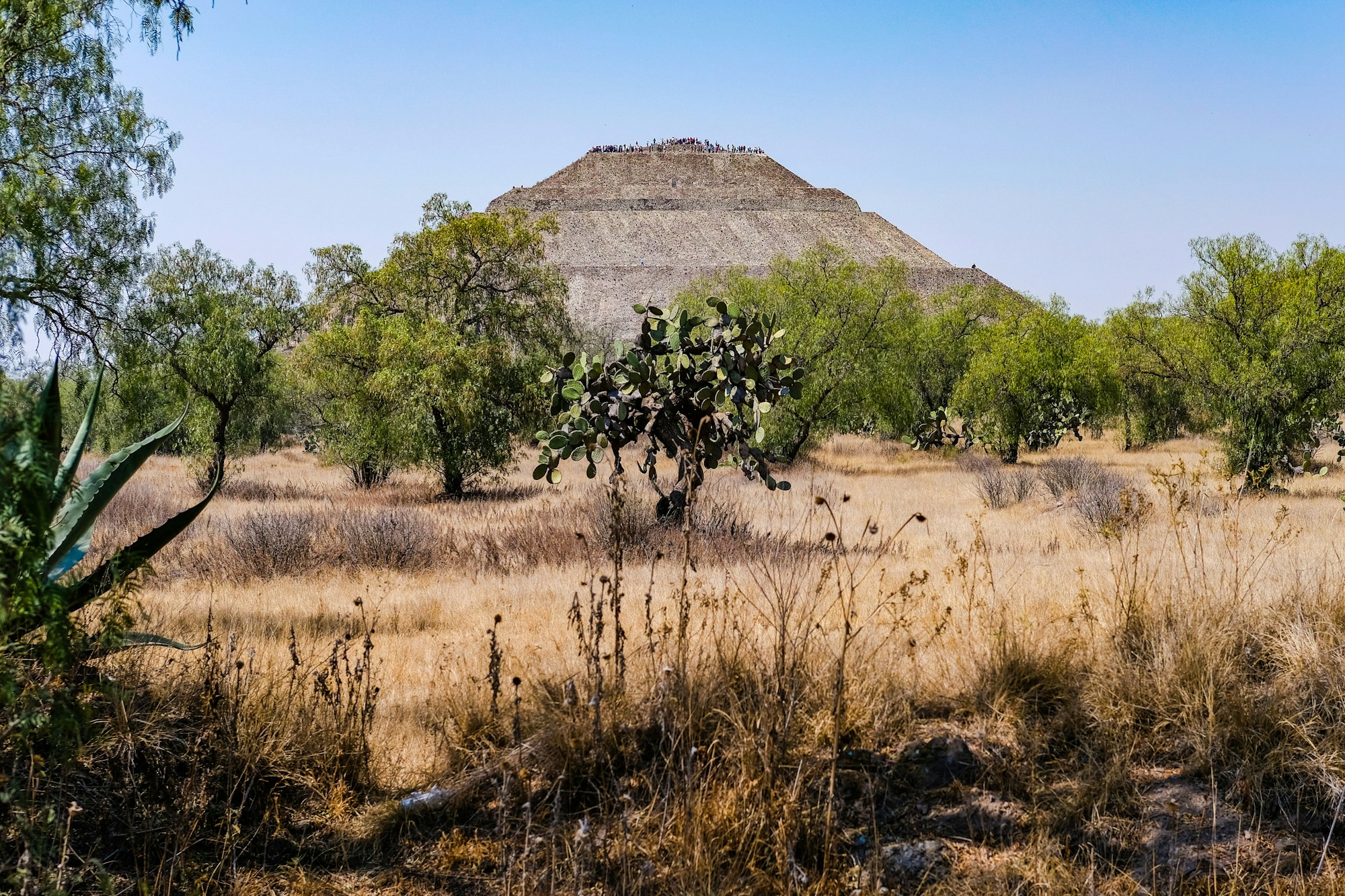
Teotihuacán — Pre-Hispanic City of the Gods
50 km north-east of Mexico City, Teotihuacán has been on the UNESCO World Heritage list since 1987. At its peak (~200 AD), this pre-Hispanic city was home to 150,000 people across 83 km² — the largest city in the world at the time, according to UNESCO WHC. The site opens at 8am daily, with public buses from Autobuses del Norte (metro line 5) running every 15–20 minutes from 6am, at roughly 9 MXN per journey.
Structures Not to Miss
The Pyramid of the Sun (63 m tall, 222 m base) is the world’s third largest pyramid. Allow 30 minutes to climb it and take in the view over the entire site. The Pyramid of the Moon, reopened for climbing in May 2025 after 5 years of restoration, offers a sweeping panorama over the entire Avenue of the Dead (3 km long). The Temple of Quetzalcoatl (La Ciudadela), with its feathered serpent facades, is partially restricted from climbing for conservation reasons.
Highlights
- Pyramid of the Sun — 63 m, 3rd largest in the world, climbable
- Pyramid of the Moon — reopened May 2025, views over the Avenue of the Dead
- Public bus from CDMX: 9 MXN, every 15–20 minutes
- Half-day is plenty — ideal on a morning before an evening match
Practical Information: Budget, eSIM and Travel Insurance
Indicative Budget for This Road Trip
| Profile | Budget / person / 7 days | Accommodation type |
|---|---|---|
| Budget | £550–£750 | Hostels, overnight ADO bus |
| Mid-range | £950–£1,350 | Entry-level boutique hotels + domestic flights |
| Comfort | £1,550–£2,100 | Boutique hotels, private excursions |
These figures exclude the international flight (London Heathrow–Mexico City from around £550 return on Condor or Aeromexico via Aviasales) and your World Cup match ticket. The main World Cup surcharge is the CDMX hotel on match night (£170–£420 vs normal rates).
Nationwide coverage in Mexico without buying a physical SIM. Activate your data plan from the airport the moment you land. Ideal for navigating between the three cities and using Uber with confidence.
Plans from a few poundsNomad Insurance: global medical coverage from $56/4 weeks. Private healthcare in Mexico is expensive without cover — don’t travel without it. 10% off via our link.
From $56 / 4 weeksFrequently Asked Questions
Can you do the Oaxaca-Puebla-Teotihuacán road trip in 7 days from Mexico City?
Yes, it’s an entirely manageable circuit in 7 days. The key is flying to Oaxaca (1 hr 15 min vs 7 hrs by bus) and taking the ADO bus to Puebla (4 hrs from Oaxaca, 2 hrs 30 min from CDMX). Teotihuacán is a half-day trip from Mexico City by public bus (9 MXN, 1 hour). Recommended itinerary: Day 1 Teotihuacán (morning), Day 2 CDMX, Days 3–4 Oaxaca, Day 5 match or return to CDMX, Day 6 Puebla as a day trip, Day 7 rest and departure. Source: Tripsget.
Can you visit Hierve el Agua during the World Cup in June 2026?
No. Hierve el Agua is closed every year from June to September due to the rainy season and recurring community conflicts. Supporters attending matches in June and July 2026 will not be able to visit the site. Recommended alternatives during this period include Monte Albán, the artisan villages (San Martín Tilcajete, Santo Tomás Jalieza) and the mezcal palenques of Santiago Matatlan.
Are hotels in Oaxaca and Puebla as expensive as Mexico City during the 2026 World Cup?
No. Mexico City sees its rates multiply by 2 to ×24 on match nights — a room at $157 in May can reach $3,882 for the night of 10–11 June according to Engine.com. Oaxaca and Puebla maintain normal prices ($60–150/night boutique). The smart strategy: stay in Oaxaca or Puebla for most of your trip, and only pay the World Cup premium in CDMX on match night.
Is it better to fly or take the bus between Mexico City and Oaxaca?
For a short World Cup trip (7 days), the flight wins hands down: 1 hr 15 min versus 7 hrs by bus. Volaris and VivaAerobus offer fares from $27 one-way according to Kayak. The ADO bus (790–1,274 MXN depending on class, ~£30–£50) remains a decent overnight option with the ADO Platino (reclining seat) if saving a night’s accommodation suits you — though you’ll arrive tired.
Is it safe to drive between Mexico City, Puebla and Oaxaca?
The CDMX–Puebla axis (106 km, toll motorway) presents no particular difficulty. Puebla–Oaxaca (343 km, ~4 hrs) is manageable by day on the motorway, though be aware of non-violent political roadblocks near the Isthmus of Tehuantepec. Driving at night on rural Mexican roads is not recommended. If renting a car, check that Mexican third-party liability insurance is included — international agencies often provide only the legal minimum, according to the UK FCDO Mexico travel advice.
Are chiles en nogada available in June in Puebla?
No. Chiles en nogada is a strictly seasonal dish, available only in August and September, tied to the ripeness of the fresh walnuts and pomegranate seeds used in the sauce. Any restaurant offering this dish in June is using out-of-season or frozen ingredients — politely decline. Order mole poblano instead, available year-round and equally emblematic of Puebla.
What total budget should you allow for this 7-day Mexico road trip?
Excluding the international flight (London Heathrow–Mexico City from around £550 return): budget travellers £550–£750 per person (hostels, buses, markets), mid-range £950–£1,350 (boutique hotels, MEX–OAX domestic flight, restaurants), comfort £1,550–£2,100 (boutique hotels, private excursions). The main World Cup surcharge is the CDMX hotel on match night (£170–£420 vs normal rates). According to VoyageMexique.info, a market meal costs 50–150 MXN (£2–£6), a boutique hotel night in Oaxaca $80–150.
Sources
- FIFA Official — Estadio Azteca, 2026 World Cup opening match
- UNESCO WHC — Teotihuacán — Pre-Hispanic site, inscribed 1987
- UNESCO WHC — Oaxaca & Monte Albán — Historic centre + archaeological site, 1987
- SECTUR Oaxaca (government) — Tourism statistics 2025
- Biblioteca Palafoxiana — official site — Opening hours, prices, history
- Kayak — Flight prices Mexico City–Oaxaca
- Engine.com — CDMX hotel rate surge for 2026 World Cup
- Marysol Travel — Alternative destinations for the 2026 World Cup in Mexico
- VoyageMexique.info — Monte Albán — Full guide, visit tips
- Tripsget — 1-week road trip CDMX–Puebla–Oaxaca
- UK FCDO — Mexico Travel Advice — Safety and entry requirements
- SereniTrip — Car hire in Mexico, insurance
- BonjourMexicoCity.com — Teotihuacán guide from CDMX
- Mexico Travel & Leisure — Puebla — 2026 city guide
- Smarthistory — Diego Rivera murals, Palacio Nacional
- Vallarta Daily — Gentrification in Oaxaca, +6-7% rents
- VoyageMexique.info — Budget — Cost of travel in Mexico 2026
- Machupicchu.org — Great Pyramid of Cholula — 2026 guide
Research conducted on 17 May 2026. Sources verified at that date.
Ready to plan your Mexico road trip for the 2026 World Cup?
Oaxaca, Puebla and Teotihuacán are waiting between your matches. Pixidia crafts bespoke itineraries so every hour of your journey is memorable — not just the 90 minutes on the pitch.
Explore all Pixidia itineraries