
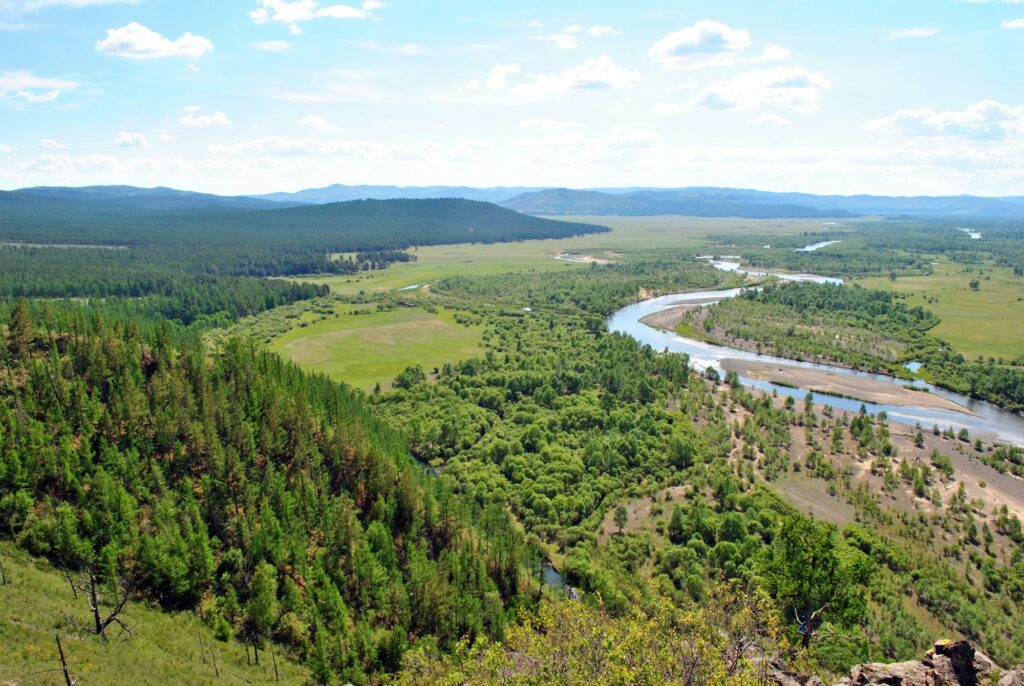
Imagine a country twice the size of France where you can drive for hours without crossing a paved road or encountering another traveller. A country where families still live in felt yurts, move their herds with the seasons, and where switching off your phone is not a choice but a geographical inevitability. Mongolia, with its 3.6 million inhabitants spread across 1.5 million km², is today one of the most exotic destinations on the planet. According to Génération Voyage, it is one of the rare places where mass tourism is virtually non-existent and immersion in local culture remains completely authentic. In 2026, Mongolia stands as the adventure destination for those seeking to reconnect with what truly matters.
1. Hustai National Park — The Last Wild Horses on Earth
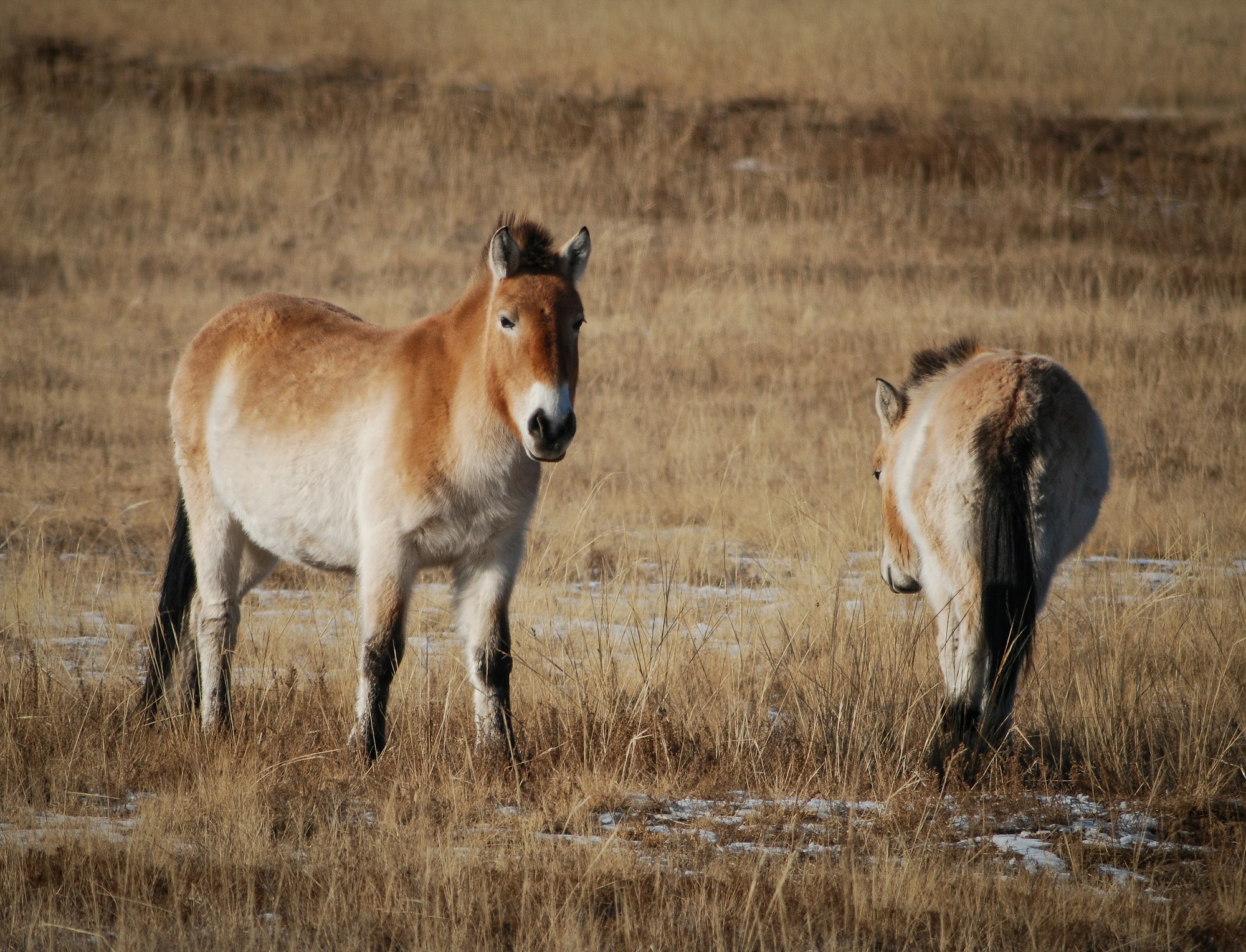
Hustai — 100 km from Ulaanbaatar, a leap back in time
Just 100 km south-west of Ulaanbaatar, Hustai National Park covers more than 50,000 hectares of mountain steppe and is home to a population of Przewalski’s horses — known as Takhi in Mongolian — that went extinct in the wild in the 1960s. Victims of excessive hunting, drought, and competition with livestock, these horses were reintroduced from European zoos starting in 1992. Today, hundreds of Takhi roam freely in the park, making it one of the world’s most significant wildlife sightings according to Natural Habitat Adventures.
Mongolia is the only place on earth where these horses still exist in their original historical range. Hustai is home to the world’s largest population of wild Takhi.
Highlights
- Watch the Takhi roam freely at dawn, from the ridge tops
- Spend the night in a ger camp in the heart of the mountain steppe
- Exceptional wildlife: Siberian roe deer, wolves, lynx
- Easy to combine with Ulaanbaatar in 2–3 days
2. The Gobi Desert — The Flaming Cliffs of Bayanzag
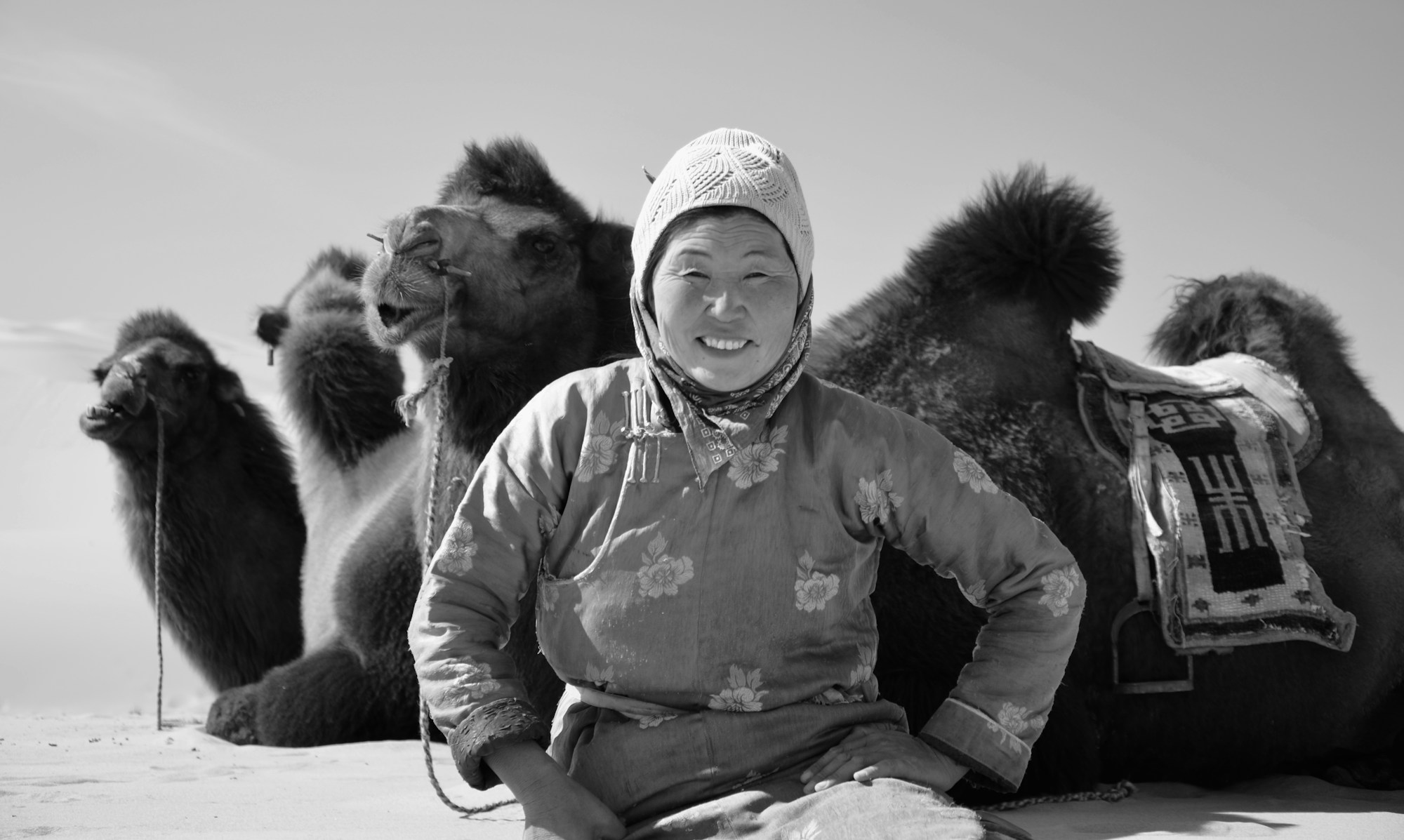
Bayanzag & Khongor — Dinosaurs, dunes, and starlit skies
Bayanzag — the « Flaming Cliffs » — is one of Mongolia’s most iconic natural wonders. Its red sandstone formations yielded the first dinosaur eggs ever discovered, in the 1920s, by explorer Roy Chapman Andrews, often cited as the inspiration for the Indiana Jones character. According to Selena Travel, fragments of Velociraptor and Protoceratops bones still emerge naturally from the ground after rainfall.
A few hours’ drive away, the Khongor dunes (Khongoryn Els) stretch for nearly 100 km, with crests reaching 300 metres high. These dunes « sing » as the wind sweeps across them — a spectacular acoustic phenomenon the local nomads call mankhan duu, the voice of the dunes. According to TourRadar, top activities include Bactrian camel rides and climbing the crests at sunset.
Highlights
- Dinosaur fossils at Bayanzag — cliffs that « flame » at twilight
- Climb the Khongor dunes (100 km long, 300 m high)
- Bactrian camel ride with nomad families
- Absolute stargazing — zero light pollution
3. Lake Khövsgöl — The Blue Pearl of the North
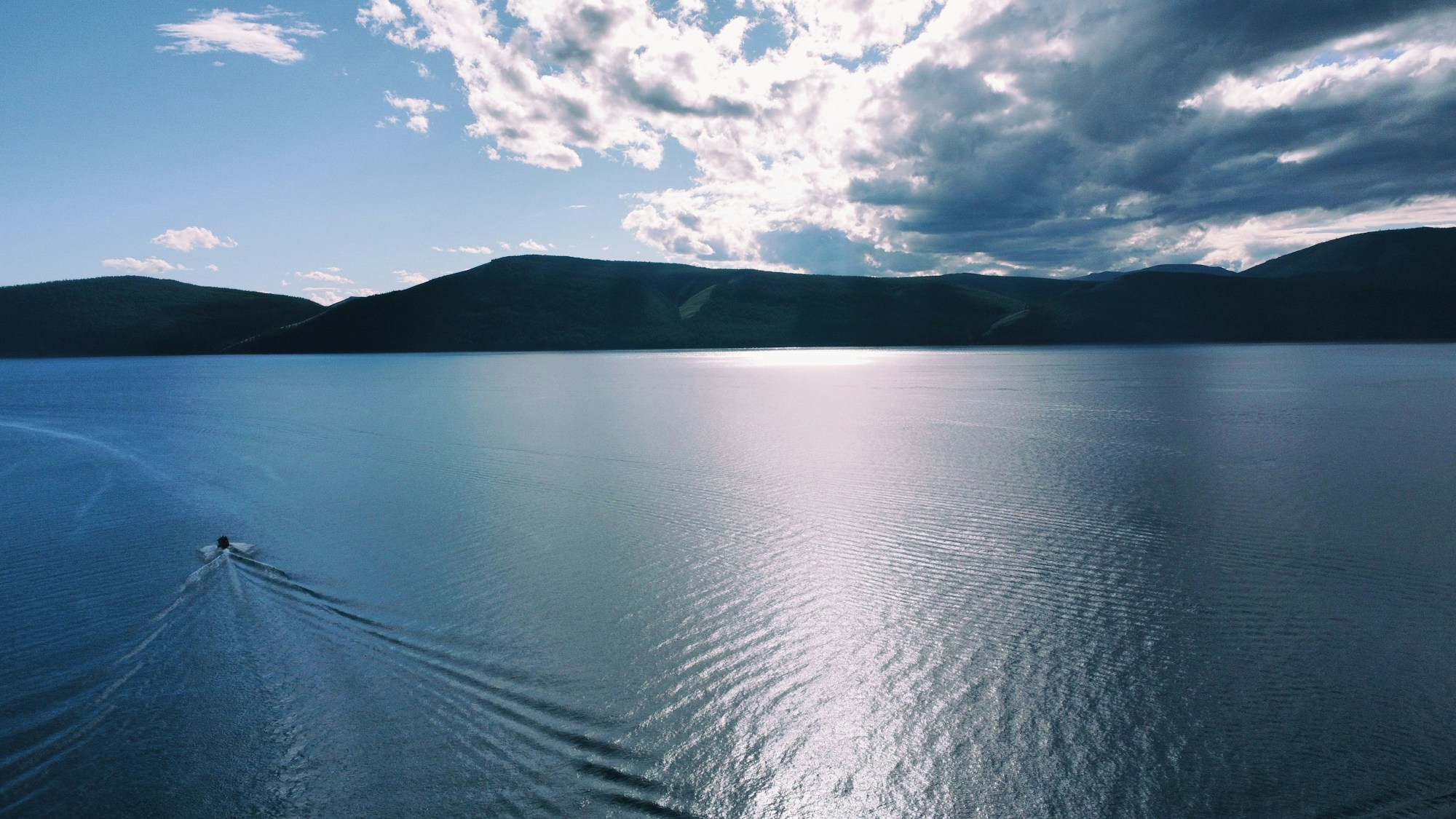
Khövsgöl — Lake Baikal’s « little brother », holding 2% of the world’s fresh water
Situated at 1,645 metres altitude in the far north of Mongolia, just kilometres from the Siberian border, Lake Khövsgöl is the country’s deepest lake and holds 2% of the world’s fresh water reserves. It belongs to the same hydrographic system as Lake Baikal, only 250 km away, and is often called its « little brother ». Its transparent blue waters, surrounded by taiga forest, make it one of the purest landscapes in Central Asia according to Génération Voyage.
In summer, the region is perfect for hiking, kayaking, and horse riding. In winter, the lake transforms into a vast expanse of blue ice, setting for the famous Ice Festival held every year since 2000, with Mongolian music concerts, ski marathons, and horse-drawn sleigh races on the frozen lake, according to EcoVoyage Mongolie.
Highlights
- Kayaking on exceptionally pure waters
- Ice Festival in February–March: a unique spectacle
- Horse treks through the taiga — no other tourists
- Possible encounter with the Tsaatan, reindeer herders of the taiga
4. Orkhon Valley — The Cradle of Nomadic Civilisation
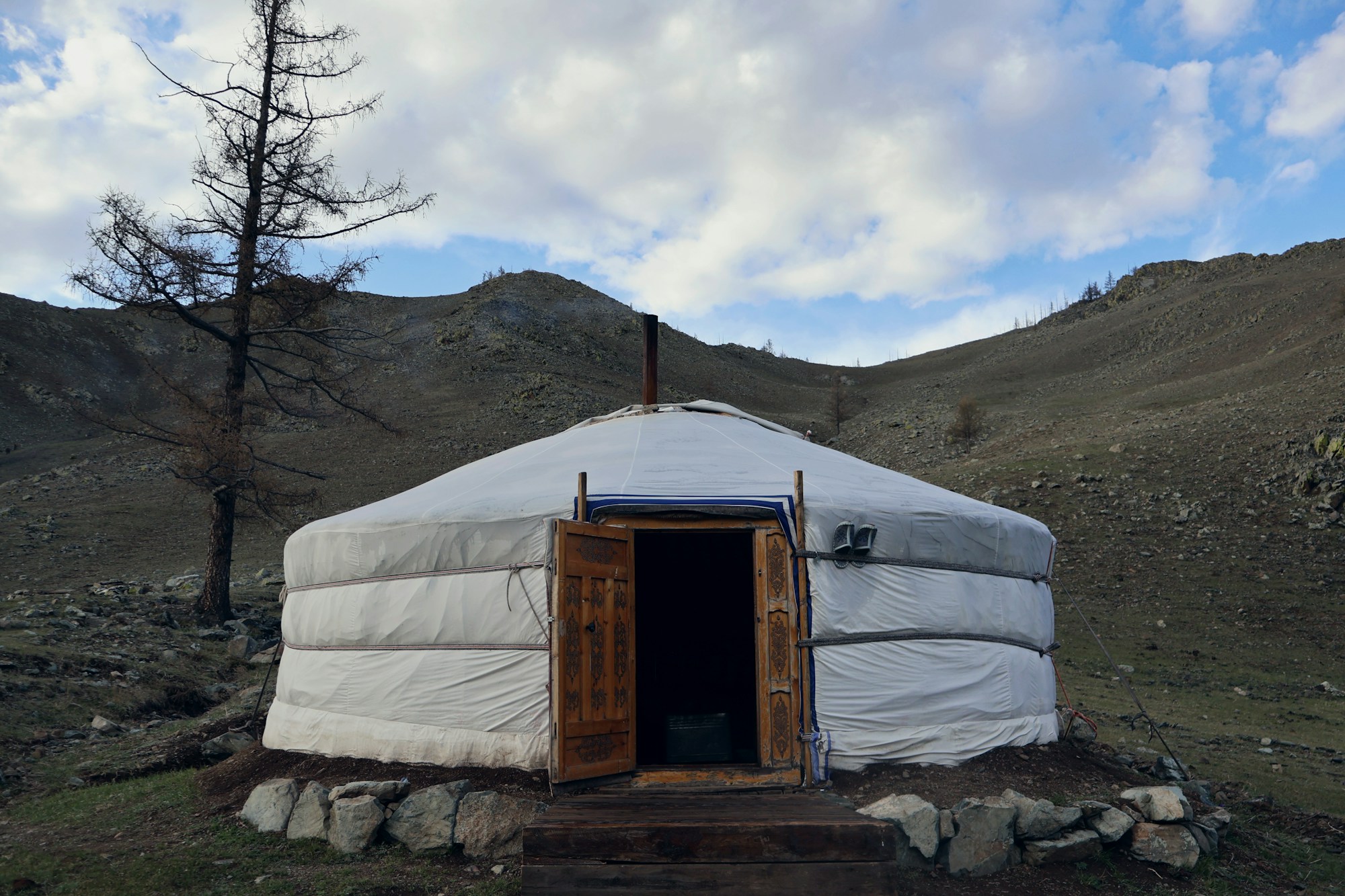
Orkhon — UNESCO heritage and total immersion with a nomadic family
The Orkhon Valley, inscribed as a UNESCO World Heritage Site, is a vast green expanse crossed by the Orkhon river, with the Khangai mountains on the horizon. This is where Genghis Khan founded the capital of his empire — Kharkhorin (Karakorum) — in the 13th century, and where Hunnic, Turkic, Uyghur and Mongolian civilisations succeeded one another since the Bronze Age. According to Globe-Trotting, archaeological remains accumulate along the valley, from Turkish memorials of the 6th–7th centuries to Buddhist monasteries from the 16th century.
Spending several nights with a herder family offers a rare immersion in nomadic life: milking yaks, making fresh cheese, sharing salted milk tea around the fire. At nightfall, the natural hot springs of Mogoit — a wild spa unknown to tourists — allow you to unwind beneath a sky of extraordinary star density.
Highlights
- Sleep in a ger with a nomadic family — a genuine cultural exchange
- Ruins of Karakorum (Kharkhorin), capital of Genghis Khan’s empire
- Orkhon Waterfalls and basalt canyons — hiking in volcanic scenery
- Mogoit natural hot springs — a little-known wild spa
5. Bayan-Ölgii Altai — Kazakh Eagle Hunters
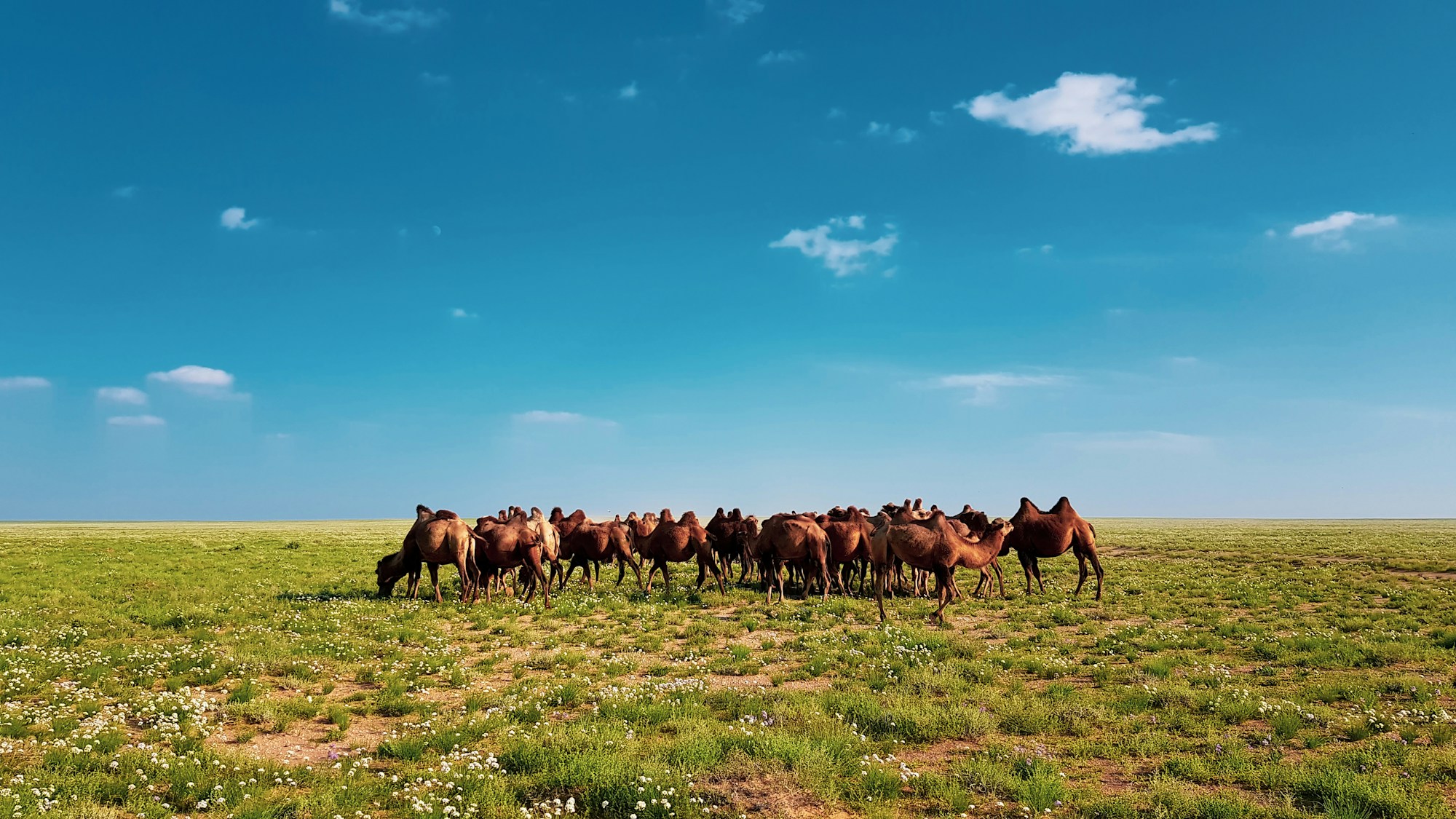
Bayan-Ölgii — The edge of the Kazakh world at the tri-border junction
Located 1,636 km from Ulaanbaatar at the border of Russia and China, Bayan-Ölgii province is Mongolia’s most remote point and, paradoxically, one of its most captivating. This is where the Berkutchis live — Kazakh golden eagle hunters who perpetuate an ancestral art thousands of years old. According to Borealis Voyages, these hunters train female golden eagles — larger and more powerful than males — to hunt foxes, wolves, and hares during the long Altai winters.
The Sagsai Eagle Festival, held in mid-September high in the mountains, is the must-attend event according to Mongolie Nomade. Unlike the October festival in Ölgii — too publicised and touristy — Sagsai remains an authentic event where local Kazakh communities participate.
Highlights
- Attend the Sagsai Eagle Festival (mid-September) — the authentic event
- Trek in Altai Tavan Bogd National Park — glaciers and borders
- Immersion with Kazakh families — completely different culture and cuisine
- Ascent of Mount Malchin (4,050 m) — panoramic view over 3 countries
6. Naadam Festival — The Soul of Mongolia in Three Days
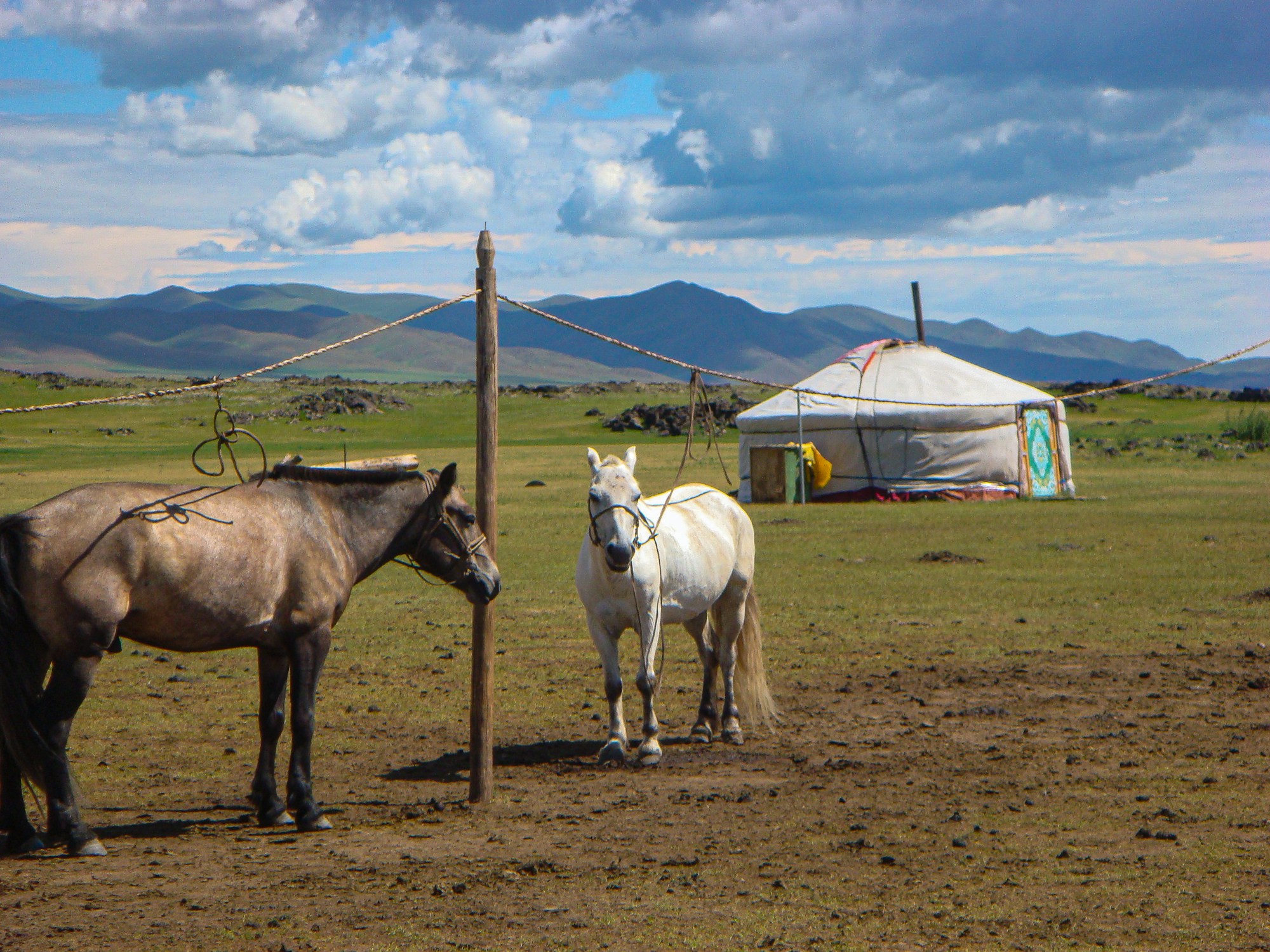
Naadam — Wrestling, horse racing, and archery since the time of Genghis Khan
Founded, according to legend, by Genghis Khan in 1207, the Naadam festival celebrates the « three manly games » of Mongolian culture: wrestling (böh), long-distance horse racing, and archery. Each 11–13 July, the very soul of Mongolia puts itself on display. According to Mongolie Nomade, it is the most spectacular opportunity of the year to immerse yourself in Mongolian culture.
The real secret of Naadam? Skip the tourist-packed opening ceremony in Ulaanbaatar and head to a provincial village — Arkhangai, Orkhon, or Uvurkhangai — where the games take place in the open air, among local families, with total authenticity. Hotel prices in Ulaanbaatar can double between 10 and 12 July according to Meanwhile in Mongolia.
Highlights
- Horse races over 15–30 km — with child jockeys aged 5 to 12
- Traditional Mongolian wrestling — epic semi-finals and finals
- Village Naadam in the provinces — the 100% authentic experience
- National holiday atmosphere, gers pitched everywhere across the steppes
7. Arkhangai — The Ultimate Digital Detox in a Ger
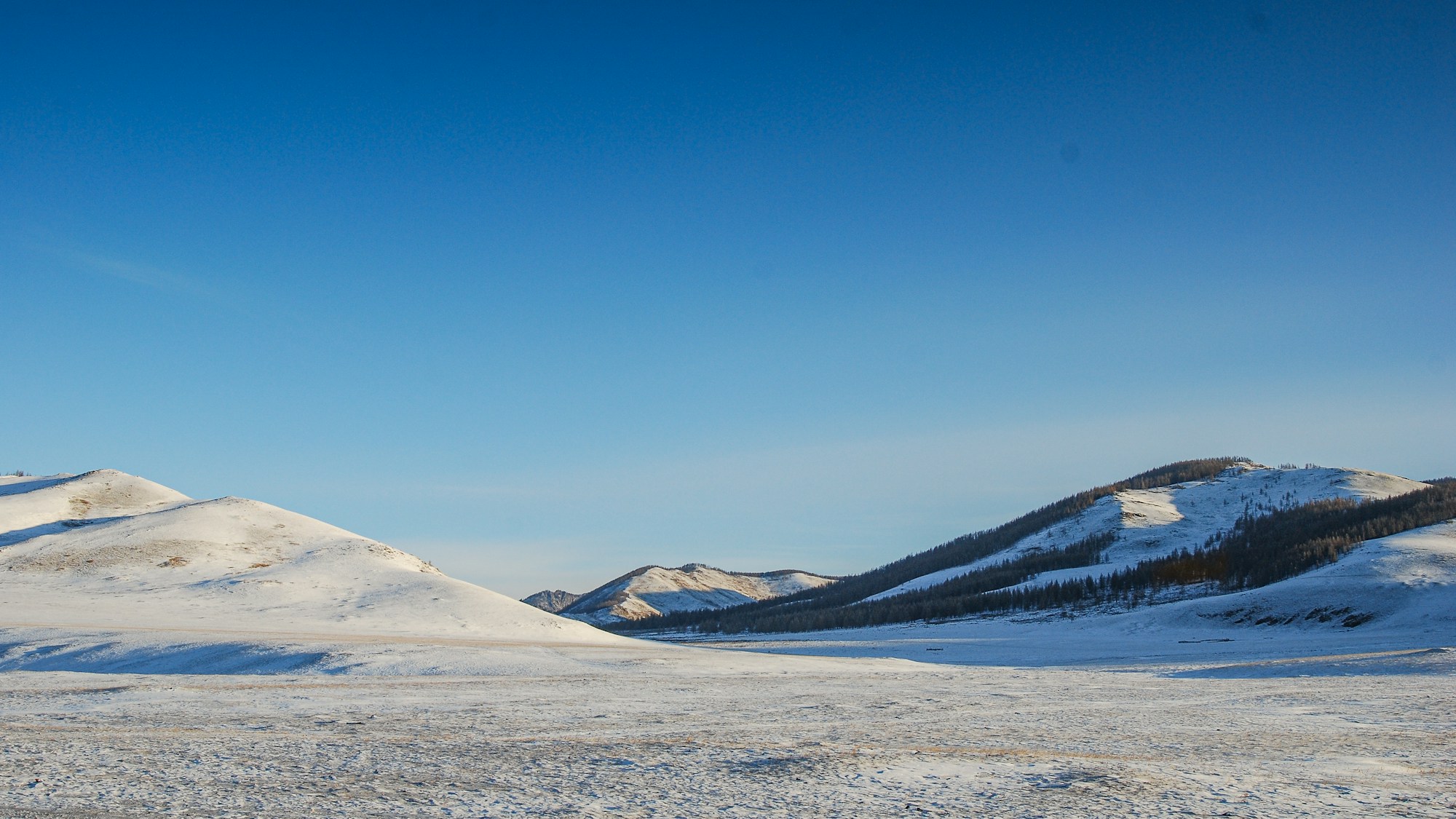
Arkhangai — Ger to ger across roadless, signalless steppes
Arkhangai province, in central-western Mongolia, represents digital detox in its purest form. In the gers of nomadic families, electricity comes from a few solar panels — just enough for evening lighting. For washing, it’s the river or the well. Mobile signal? Non-existent. And that’s precisely why people come here. According to Mongolie Authentique, travellers who participate in the daily lives of herders — milking cows, making butter, foraging wild herbs for herbal tea — invariably return transformed.
The Naiman Nuur (Eight Lakes) trekking circuit through Arkhangai is one of the most beautiful hikes in Central Asia: from lake to mountain, from larch forest to ancient lava flows, without encountering another tourist. TerDav ranks it among the continent’s most immersive treks.
Highlights
- Naiman Nuur trek — 8 volcanic lakes, no tourists
- Full nomadic life — no electricity, no signal: true escapism
- Horseback riding from ger to ger among herder families
- Less visited than the Gobi or Orkhon — authenticity guaranteed
8. Budget & Practical Info for Mongolia 2026
Everything you need to know before you go
Mongolia is one of the most affordable destinations in Asia. According to Budget Your Trip, it ranks in the top 10% of countries worldwide for financial accessibility:
Essential practical information
- Visa: Citizens of EU countries benefit from visa-free entry for stays under 30 days
- Currency: Mongolian Tögrög (MNT) — 1 USD ≈ 3,584 MNT. Change currency on Sambuu Street in Ulaanbaatar. Always carry cash outside the capital.
- Roads: Only 1% of roads are paved. A 4×4 with driver is essential outside major cities ($200/day for a UAZ van).
- Guide: $80–100/day for an English-speaking guide according to Meanwhile in Mongolia. Strongly recommended off the beaten track.
- Recommended vaccinations: DTP, Hepatitis A & B, Typhoid. Potentially rabies and tick-borne encephalitis.
- Bookings: At least 6 months ahead for June–August (high season / Naadam).
Frequently Asked Questions about Mongolia
Do Europeans need a visa for Mongolia?
Citizens of EU member states benefit from visa-free entry for tourist stays under 30 days. This exemption applies to all EU passport holders according to Double Sens. Check the exact conditions for 2026 with the Mongolian consulate before your departure, as rules may change.
What is the best time to visit Mongolia?
The summer months (June to August) offer the most pleasant climate and coincide with the Naadam festival (11–13 July). This is also the high season with higher prices. Spring (May) and early autumn (September) are excellent alternatives with fewer tourists and superb landscapes. September is ideal for autumn colours and the authenticity of nomadic encounters. Winter is possible but demanding, with temperatures that can drop to -40°C — rewarded by ice festivals and scenery of supernatural beauty according to CityWatch LA.
Can you travel solo and independently in Mongolia?
Independent travel is possible but difficult outside major cities. With only 1% of roads paved, navigating across the steppes without an itinerary and without a local guide is risky. Breakdowns are frequent on rough terrain. Hiring an experienced guide and a driver with a 4×4 or UAZ van considerably improves the experience and safety according to CityWatch LA. On an organised small-group tour, costs are shared and become very reasonable.
Is Mongolia really a digital detox destination?
Absolutely. As soon as you leave Ulaanbaatar, mobile coverage and internet virtually disappear. In the gers of nomadic families in the middle of the steppe or taiga, there are no power sockets, no showers, no connection. The circuit stops at a proper restaurant with electricity every 2 to 3 days according to Bucketlistly. This total disconnection is often cited by travellers as the revelation of the trip — a sensory immersion impossible to achieve in a « connected » country.
What budget should you plan for a 2-week trip to Mongolia?
For two weeks in Mongolia in adventure mode, budget between €1,500 and €3,000 per person excluding flights (according to Meanwhile in Mongolia). This includes 4×4 shared tours, ger camp nights, meals with nomads, and local guides. Flights from Europe range from €600 to €1,500 depending on season. On an all-inclusive organised tour, the daily rate is around $100 to $350 depending on the operator.
What etiquette rules should you know when visiting nomads?
Some essential rules according to CityWatch LA: always accept food and drinks offered with your right hand or both hands (never the left hand alone); when entering a ger, step over the threshold without treading on it; move clockwise inside; do not point your feet towards the hearth or towards other people while seated. Mongolian hospitality is legendary and these simple gestures of respect are always greatly appreciated.
Is Mongolia a safe country for travellers?
Mongolia is widely considered one of the safest countries in Asia. In the countryside, risks are virtually non-existent. In Ulaanbaatar, keep your valuables on you and avoid isolated night-time excursions. Withdraw cash before leaving the capital as ATMs are absent in rural areas. Although an English-speaking guide will usually accompany you, knowing a few basics of Cyrillic script is a useful bonus according to G Adventures.
How do you get to the main destinations outside Ulaanbaatar?
For the Gobi and Orkhon (360–600 km), a 4×4 with driver from Ulaanbaatar is the standard solution (2 to 3 days on dirt tracks). For Lake Khövsgöl, a domestic flight to Mörön (110 km from the lake) is recommended. For Bayan-Ölgii (1,636 km), domestic flights to Ölgii are essential (around $200 return). The Trans-Mongolian railway, which resumed its direct Beijing–Ulaanbaatar service in June 2025 according to Tours in Mongolia, is a romantic option for certain domestic itineraries.
Sources
- Meanwhile in Mongolia — Mongolia Travel Budget 2026 — Detailed budget data
- Génération Voyage — Mongolia Guide — Country overview
- ViewMongolia — Hustai National Park — Przewalski’s Takhi horses
- Natural Habitat Adventures — Return of the Takhi horses — Wild horse reintroduction
- Selena Travel — Bayanzag (Flaming Cliffs) — Dinosaur fossils
- TourRadar — Gobi Desert Tours — Itineraries and activities
- Tamera Voyages — Winter immersion with the Tsaatan — Lake Khövsgöl and ice festival
- EcoVoyage Mongolie — Ice Festival — Winter events
- Globe-Trotting — The Orkhon Valley — UNESCO heritage
- Borealis Voyages — Eagle hunters of the Altai — Kazakh eagle hunters
- Mongolie Nomade — Complete guide — Festivals and culture
- Mongolie Authentique — Nomadic adventures — Arkhangai tours
- Budget Your Trip — Mongolia — Budget comparison
- CityWatch LA — 7 tips for travelling to Mongolia in 2026 — Recent practical tips
- Double Sens — Nomadic life in Mongolia — Tours and practical information
Research conducted on 3 March 2026
Ready to Explore Mongolia in 2026?
Endless steppes, gers under the stars, wild horses, and absolute silence: Mongolia is the ultimate adventure trip for those who want to disconnect from the world and reconnect with themselves. Discover our carefully selected Mongolia itineraries to help you plan the journey of a lifetime.
Explore all itineraries