

From the limestone peaks of the Dolomites bathed in golden twilight to the vertiginous fjords of Norway carved by glaciers, Europe is home to some of the most spectacular hiking trails in the world. Whether you are a seasoned trekker seeking the ultimate challenge or a contemplative walker in search of breathtaking landscapes, this guide takes you along 15 exceptional routes across 12 countries.
Each hike has been selected for the beauty of its panoramas, the richness of its natural heritage, and the quality of its on-trail experience. You will find detailed practical information — difficulty, distance, budget, best season — as well as insider tips to prepare your adventure with complete peace of mind.
1. Tre Cime di Lavaredo (Alta Via 1) — Italy
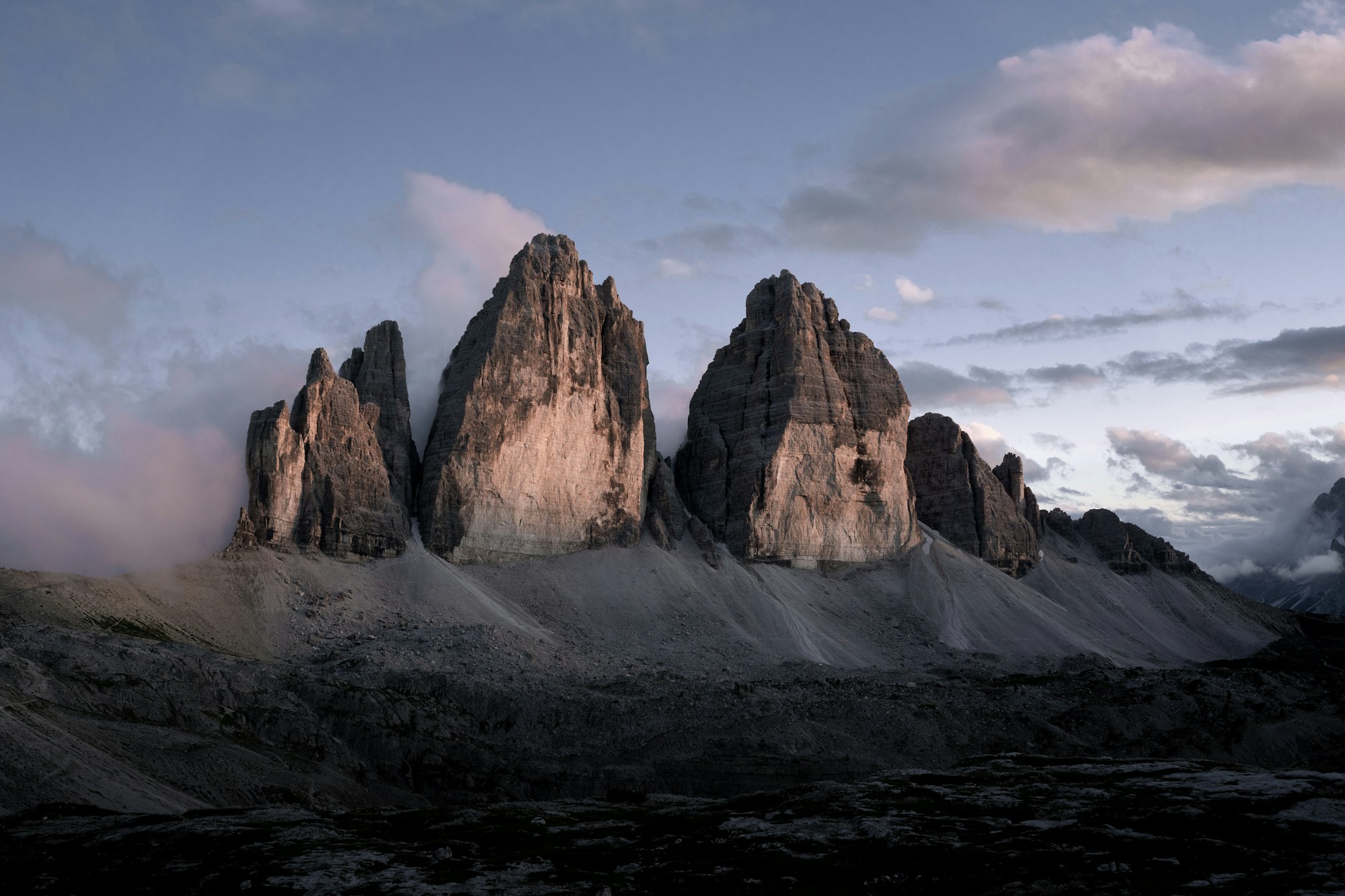
Alta Via 1 — Dolomites
Alta Via 1 is one of the most iconic long-distance trails in the Italian Dolomites, starting at Lago di Braies in South Tyrol and ending near Belluno in Veneto. The route crosses a stunning variety of alpine landscapes — imposing limestone peaks listed as a UNESCO World Heritage Site, serene mountain lakes, wildflower meadows, and spectacular high-altitude passes such as Forcella Sora Forno. Hikers discover highlights like the Cinque Torri, Lagazuoi, and the imposing Monte Civetta.
It is a very accessible multi-day hike, perfect for those new to long-distance trekking and hut-to-hut hiking in the Dolomites. The rifugi offer dormitory accommodation with a warm alpine atmosphere, for around 40 to 80 euros per night, breakfast and dinner included. The most stable weather conditions statistically occur from the second week of July to mid-September. The World War I tunnels along the route add a unique historical dimension to the experience.
Highlights
- Iconic panorama of the Tre Cime di Lavaredo, symbol of the Dolomites
- Network of mountain huts (rifugi) with local cuisine and friendly atmosphere
- Passage through Cinque Torri and Lagazuoi, with historic World War I tunnels
- UNESCO site: limestone pinnacles that change color throughout the day
2. Trolltunga — Norway
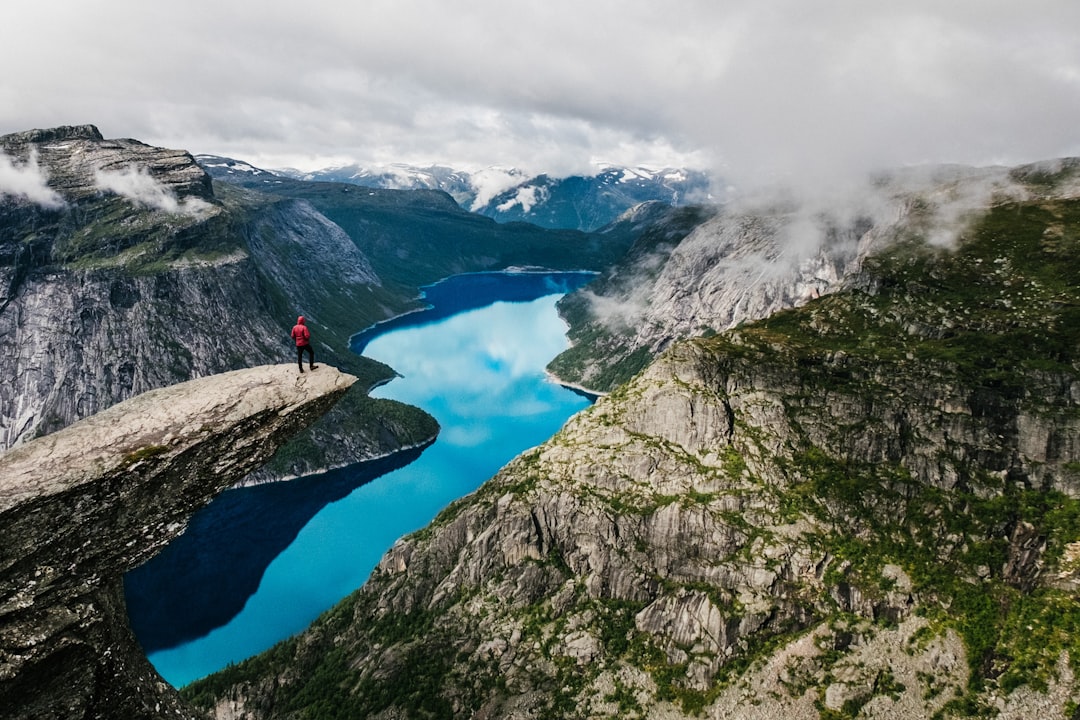
Trolltunga — Hardanger
Trolltunga (the « Troll’s Tongue ») is arguably the most spectacular hike in Norway. This protruding rock formation juts out over Lake Ringedalsvatnet at approximately 700 meters above, offering a breathtaking panorama of the surrounding fjords. The 22 km round trip hike requires excellent physical fitness with approximately 800 meters of elevation gain.
The southern Norwegian fjords hide some of the country’s most iconic hikes. Thanks to the mild climatic conditions created by the Gulf Stream, Norway’s coastline remains temperate. Out of season, a local guide is often recommended or even mandatory (around 100 to 200 euros). Wild camping is permitted thanks to the allemannsretten (Norwegian right of access to nature), which allows you to bivouac at the foot of Trolltunga for an unforgettable sunrise.
Highlights
- One-of-a-kind rock formation, overhanging a fjord by 700 m
- Possibility of bivouacking at the summit thanks to the allemannsretten
- UNESCO-listed fjord region for its spectacular morphology
- Can be combined with a visit to Preikestolen, just a few hours’ drive away
3. Tour du Mont-Blanc — France / Switzerland / Italy
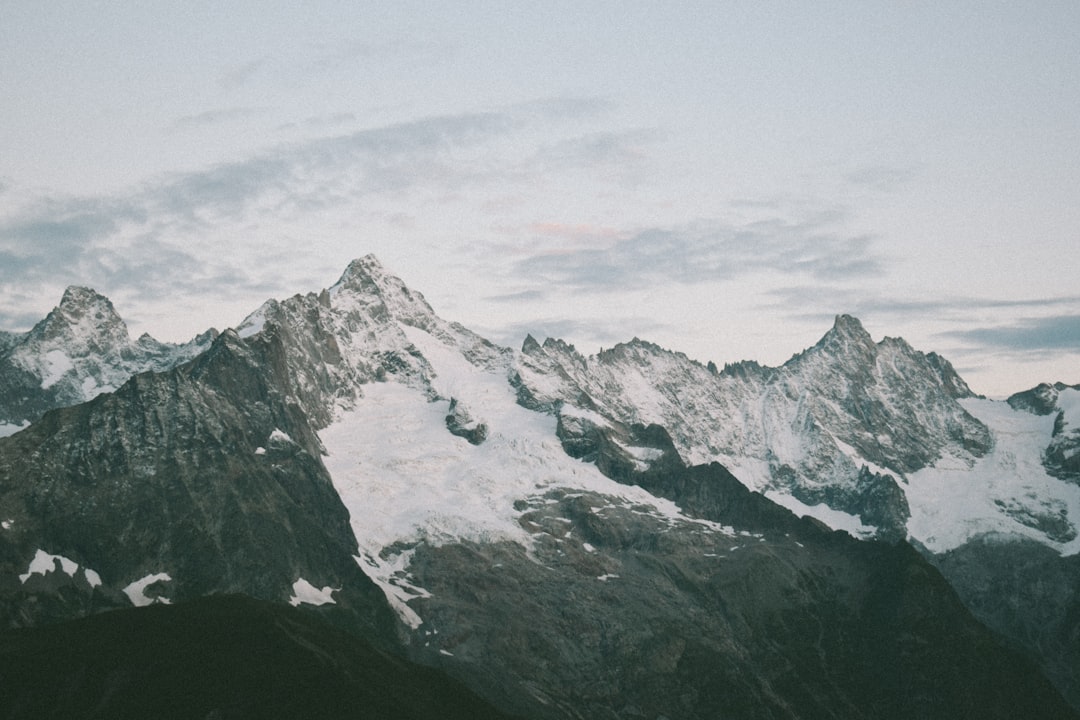
Tour du Mont-Blanc (TMB)
One of the first official long-distance European treks, the Tour du Mont-Blanc completes a circuit around Western Europe’s highest mountain (4,808 m). Hikers cross three countries — France, Italy, and Switzerland — discovering the seven valleys around the massif along the way. The circuit takes you through a series of trails with daily stages of approximately 23 km and elevation gains of up to 1,000 meters.
Expect to spend around 80 to 150 euros per day in the hut option (dormitory + half board). Crossing three countries in a single trek, with three cultures, three cuisines, and three languages, creates an unparalleled cultural experience. The Alps welcome hikers from June to September, when the snow has melted from the passes and the mountain huts are open. It is advisable to book these itineraries 6 to 8 months in advance.
Highlights
- Crossing three countries with immersion in three distinct alpine cultures
- Unobstructed views of the Mont-Blanc massif from every angle
- Dense network of huts with local French, Italian, and Swiss cuisine
- High-route variants for experienced hikers (Grand Col Ferret)
4. GR20 — Corsica, France
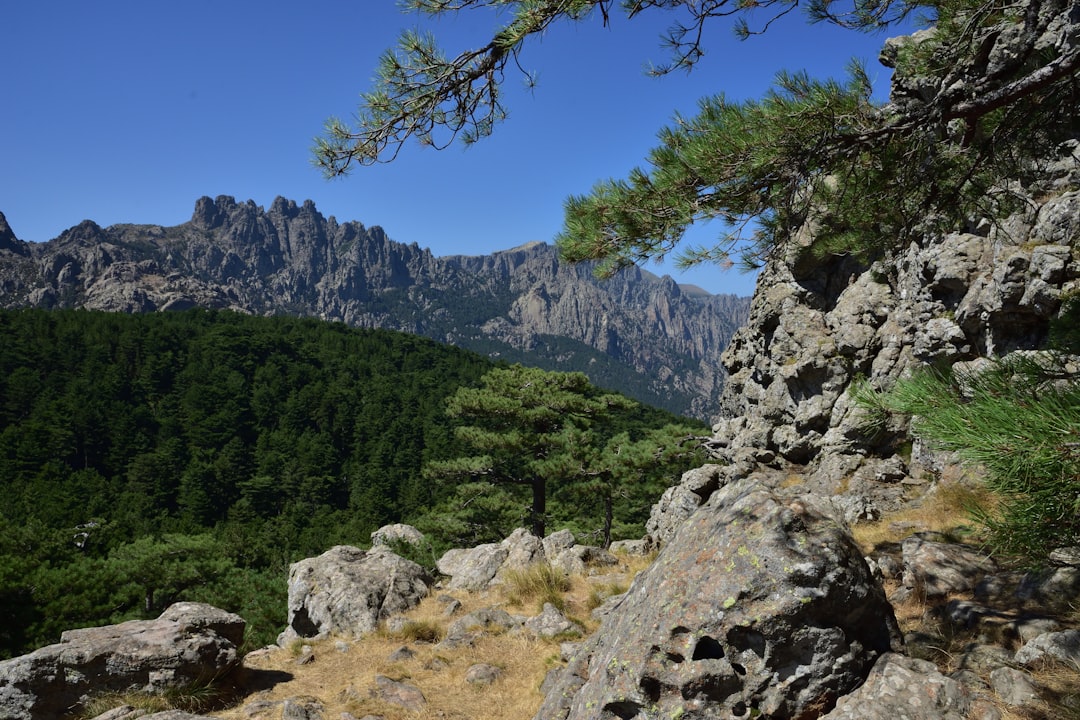
GR20 — Crossing Corsica
The GR20 is a linear trek that traverses the long backbone ridge of Corsica’s wild and spectacular mountain range, from Calenzana in the north to Conca in the south. It is a legend and undoubtedly one of the most challenging treks in Europe — the trail is rocky and relentless, though well-marked and incredibly scenic. The GR20 stretches over 180 km with a cumulative elevation gain of 12,000 meters.
In the classic guesthouse or hut version with full board, expect to spend on average 75 euros per day with light packing. In ultra-budget mode (carrying your own food and sleeping in your own tent), 15 nights at 6 euros per night, or about 100 euros for the full 15 days. The huts are managed from late May to early October. What truly sets the GR20 apart is the solitude you will find, especially compared to other classic European hikes.
Highlights
- Often considered the toughest trek in Europe, a legendary challenge
- Natural swimming pools along the route for unforgettable dips
- Exceptionally diverse landscapes: granite needles, laricio pine forests, alpine ridges
- Very affordable budget in bivouac mode (about 7 euros per night)
5. Laugavegur — Iceland
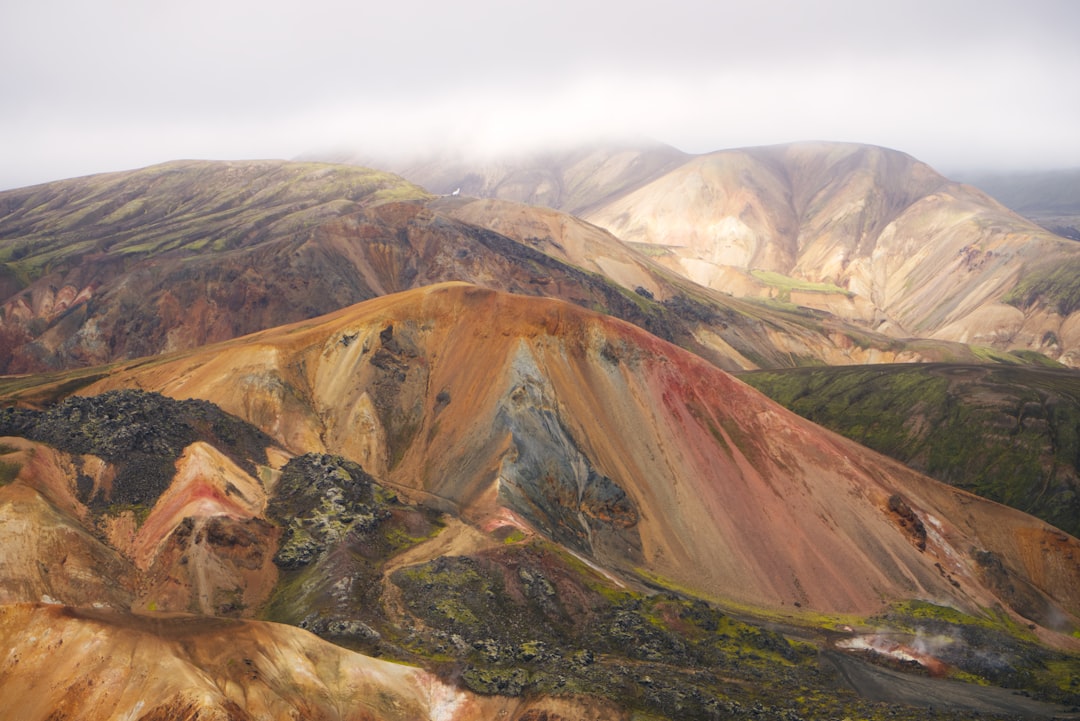
Laugavegur Trail
The Laugavegur Trail is Iceland’s most popular multi-day hike, crossing the surreal landscapes of the southern Highlands between Landmannalaugar and Thorsmork. This 55 km trail passes through a series of otherworldly landscapes including colorful rhyolite volcanic mountains, lava fields, glaciers, black sand deserts, lakes, and geothermal pools. No other trail in Europe crosses such diverse landscapes over such a short distance — even recognized by National Geographic as one of the most beautiful hikes in the world.
Camping costs around 25 euros per night, while huts run about 123 euros per night (2025 season). The round-trip bus transfer from Reykjavik costs about 155 dollars. The hiking season in the Highlands is short: trails and hut systems generally open in late June and close in mid-September, depending on snow conditions.
Highlights
- Unique lunar landscapes: multicolored rhyolite, geysers, glaciers, and black deserts
- Bathing in geothermal hot springs at Landmannalaugar
- Compact format (3-4 days) ideal for a first trekking adventure
- Possible extension to Fimmvorduhals and the south coast
6. Camino de Santiago (Camino del Norte) — Spain
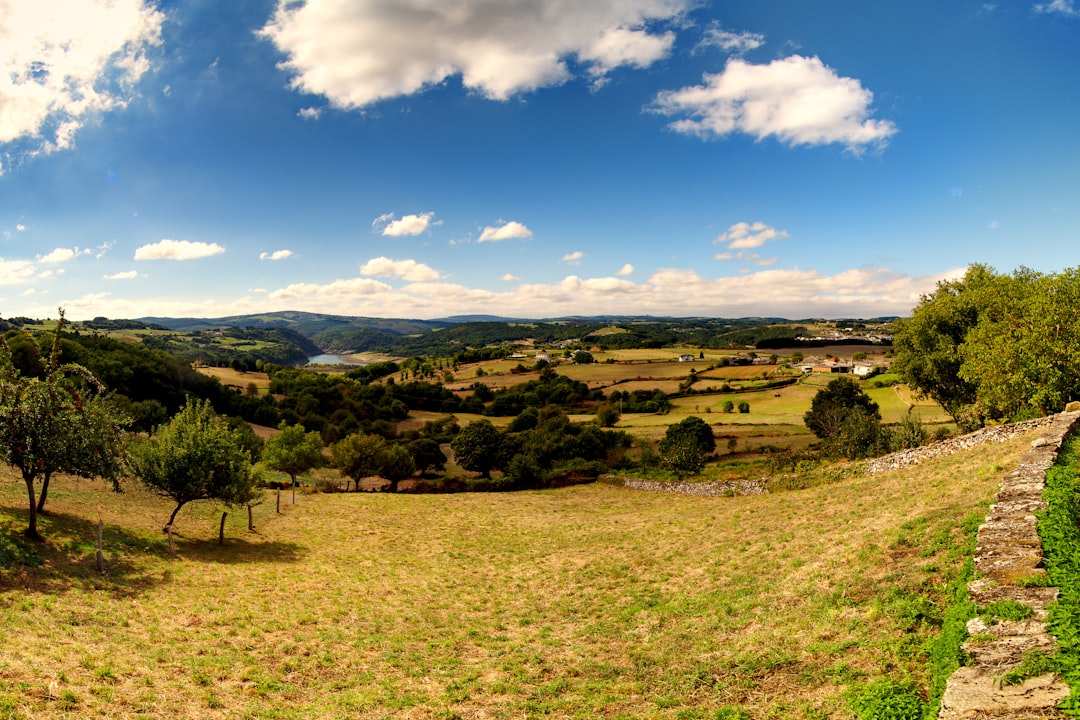
Camino del Norte — Cantabrian Coast
The Camino del Norte is the coastal variant of the famous Way of St. James, following the spectacular Cantabrian coastline from Irun at the French border to Santiago de Compostela. Less crowded than the classic Camino Frances, it offers a unique alternation between ocean cliffs, wild beaches, fishing villages, and the green mountains of the Basque Country, Cantabria, Asturias, and Galicia.
The network of albergues (pilgrim hostels) makes it possible to walk on a very reasonable budget: expect 30 to 60 euros per day including accommodation and meals. The cuisine of northern Spain — Basque pintxos, Asturian fabada, Galician seafood — is a permanent feast. It is also a profound cultural and spiritual experience, with cathedrals, medieval bridges, and unforgettable human encounters along the way.
Highlights
- Spectacular alternation between the Atlantic Ocean, cliffs, and green mountains
- Exceptional gastronomy throughout the route (pintxos, cider, seafood)
- Very affordable albergue network and welcoming pilgrim community
- Far less crowded than the Camino Frances, with preserved authenticity
7. Cinque Terre Trail — Italy
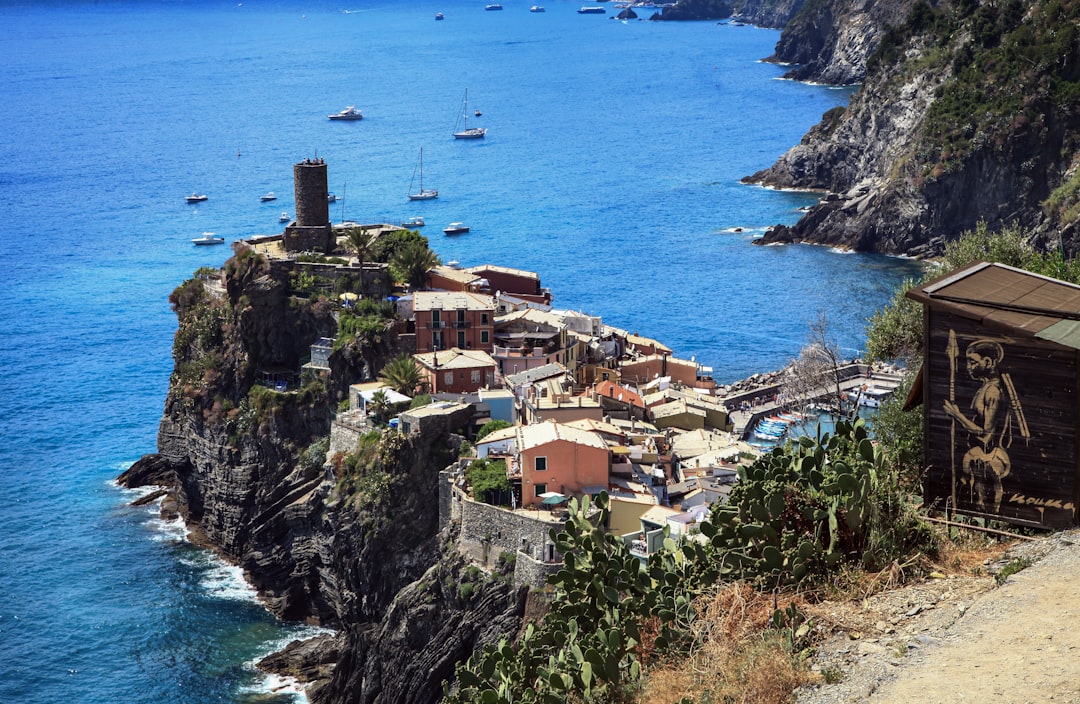
Sentiero Azzurro and Sentiero degli Dei
The Italian coastal trails offer moderate walks of 10 to 12 km per day through coastal villages listed as a UNESCO World Heritage Site. The Sentiero Azzurro connects the five iconic villages — Riomaggiore, Manarola, Corniglia, Vernazza, and Monterosso — while the Sentiero degli Dei (Path of the Gods) on the Amalfi Coast offers panoramic views over lush green hills and the shimmering Mediterranean from Bomerano to Positano.
Mediterranean regions offer pleasant conditions in spring (March-May) and autumn (September-November) with fewer crowds. It is the rare combination of spectacular high-altitude hiking with sweeping views over the Mediterranean Sea and a direct descent into some of the most beautiful villages in the world. Expect 60 to 120 euros per day for accommodation and meals, with lunches in coastal villages between 15 and 25 euros.
Highlights
- Picturesque UNESCO-listed villages with colorful houses clinging to cliffs
- Ligurian and Amalfi cuisine (focaccia, pesto, limoncello, seafood)
- Accessible to all levels of walkers with train options between villages
- Breathtaking Mediterranean panoramas at every turn of the trail
8. Lofoten Islands — Norway
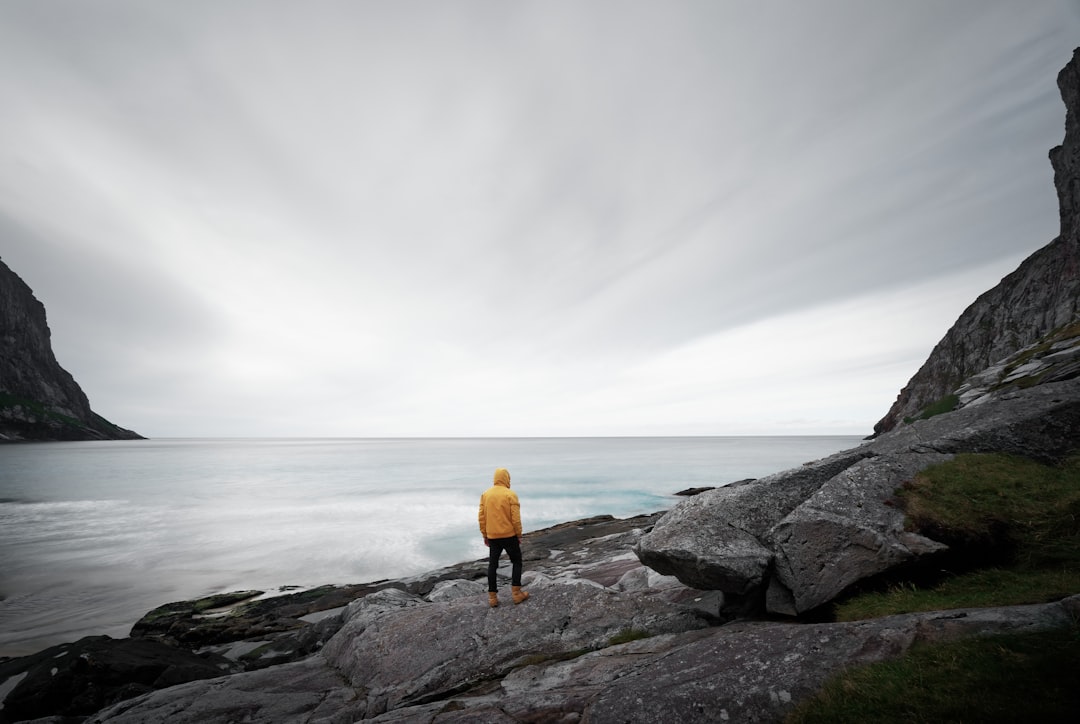
Hiking in Lofoten
The Lofoten Islands offer an exceptional playground for hiking, with jagged mountains rising directly from the Arctic Ocean. The trails are varied: from Reinebringen (via built staircases offering a breathtaking view over the village of Reine) to Ryten with its secret beach of Kvalvika, through the summit of Munken and its 360-degree panoramas. The midnight sun in summer allows hiking at any hour.
Norway remains an expensive destination: expect 80 to 150 euros per day. Accommodation in rorbuer (traditional fishermen’s cabins) is an experience in itself, but wild camping is permitted via the allemannsretten, significantly reducing costs. The Lofoten Islands concentrate the quintessence of the Norwegian landscape: deep fjords, white sandy beaches, colorful villages, and unique Arctic light.
Highlights
- Spectacular mountains rising directly from the Arctic Ocean
- Midnight sun in summer for 24-hour hiking
- White sandy beaches beneath snow-capped peaks (Kvalvika, Haukland)
- Accommodation in traditional rorbuer and ocean-fresh cuisine
9. Preikestolen and Besseggen — Norway
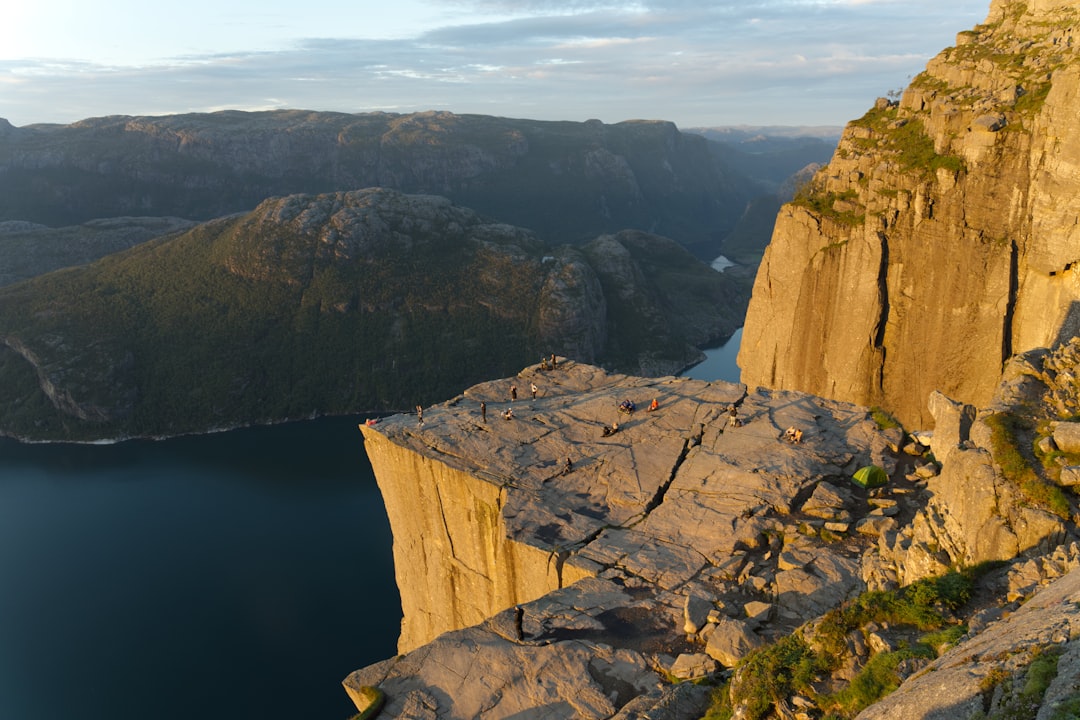
Preikestolen and Besseggen Ridge
Preikestolen (the « Pulpit Rock ») rises 604 meters above the Lysefjord in Ryfylke. The 8 km round-trip trail offers stunning views — the perfectly flat rock platform overhanging the void is one of the most photographed panoramas in Scandinavia. Further north, in Jotunheimen National Park, the Besseggen Ridge offers a striking contrast between two lakes of different colors: the turquoise Gjende and the dark blue Bessvatnet.
Besseggen is considered one of Norway’s most beautiful hikes, with a 14 km trail running along an airy ridge offering panoramas of the country’s highest peaks. The daily budget in Norway ranges from 60 to 150 euros depending on whether you opt for wild camping (free) or DNT cabins. From mid-June to mid-July, the midnight sun even allows you to hike at night for an unforgettable sunrise.
Highlights
- Preikestolen: a vertiginous rock platform 604 m above the Lysefjord
- Besseggen: spectacular contrast between turquoise Lake Gjende and dark Lake Bessvatnet
- Day hikes accessible without heavy trekking gear
- Possibility of hiking under the midnight sun in June-July
10. Plitvice Lakes — Croatia
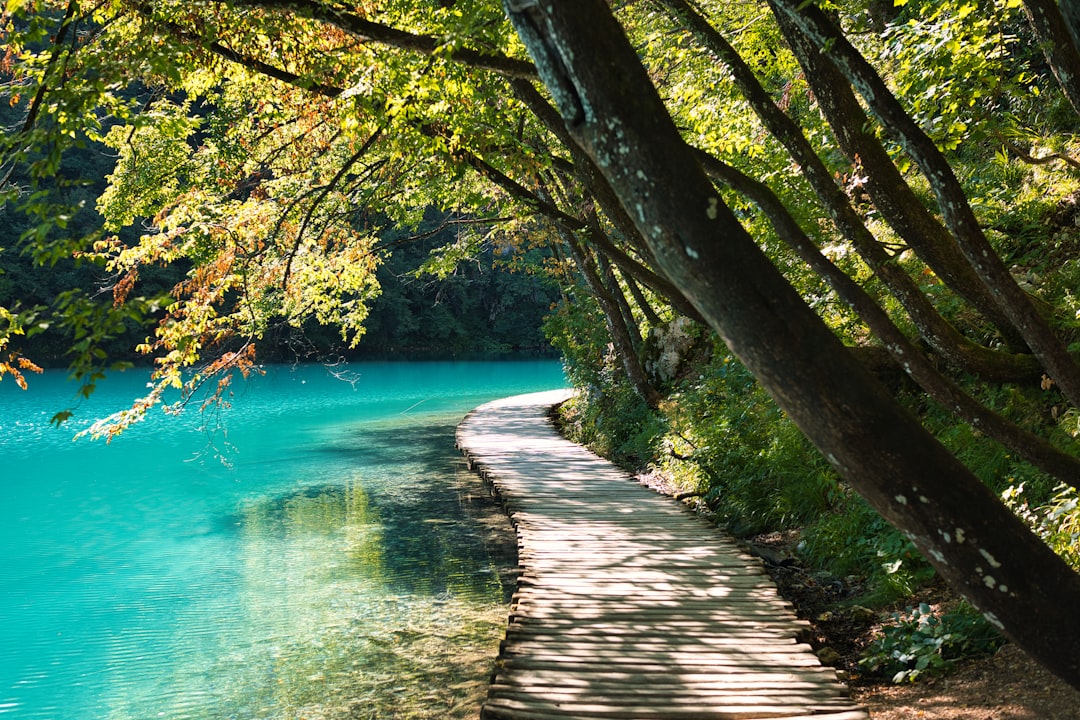
Plitvice Lakes National Park
Plitvice Lakes National Park, a UNESCO World Heritage Site since 1979, is home to a system of 16 terraced lakes connected by spectacular waterfalls and wooden boardwalks winding above water of an unreal blue-green color. The lakes are fed by rivers and underground springs, and travertine deposits constantly create new natural formations that reshape the landscape over decades.
The park offers several marked circuits of 2 to 8 hours, from the upper lakes (forested setting and small cascading waterfalls) to the lower lakes (the spectacular 78 m Great Waterfall). Admission costs between 10 and 40 euros depending on the season. For a complete experience, combine with hiking trails in the surrounding forests, which are much less crowded. Spring offers maximum water flow and the most vivid colors, while autumn brings spectacular golden hues.
Highlights
- 16 terraced lakes with turquoise water and waterfalls at every level
- UNESCO site accessible to all levels of walkers
- Lesser-known forest trails around the park to escape the crowds
- Very affordable budget for an exceptional destination
11. Juliana Trail (Julian Alps) — Slovenia
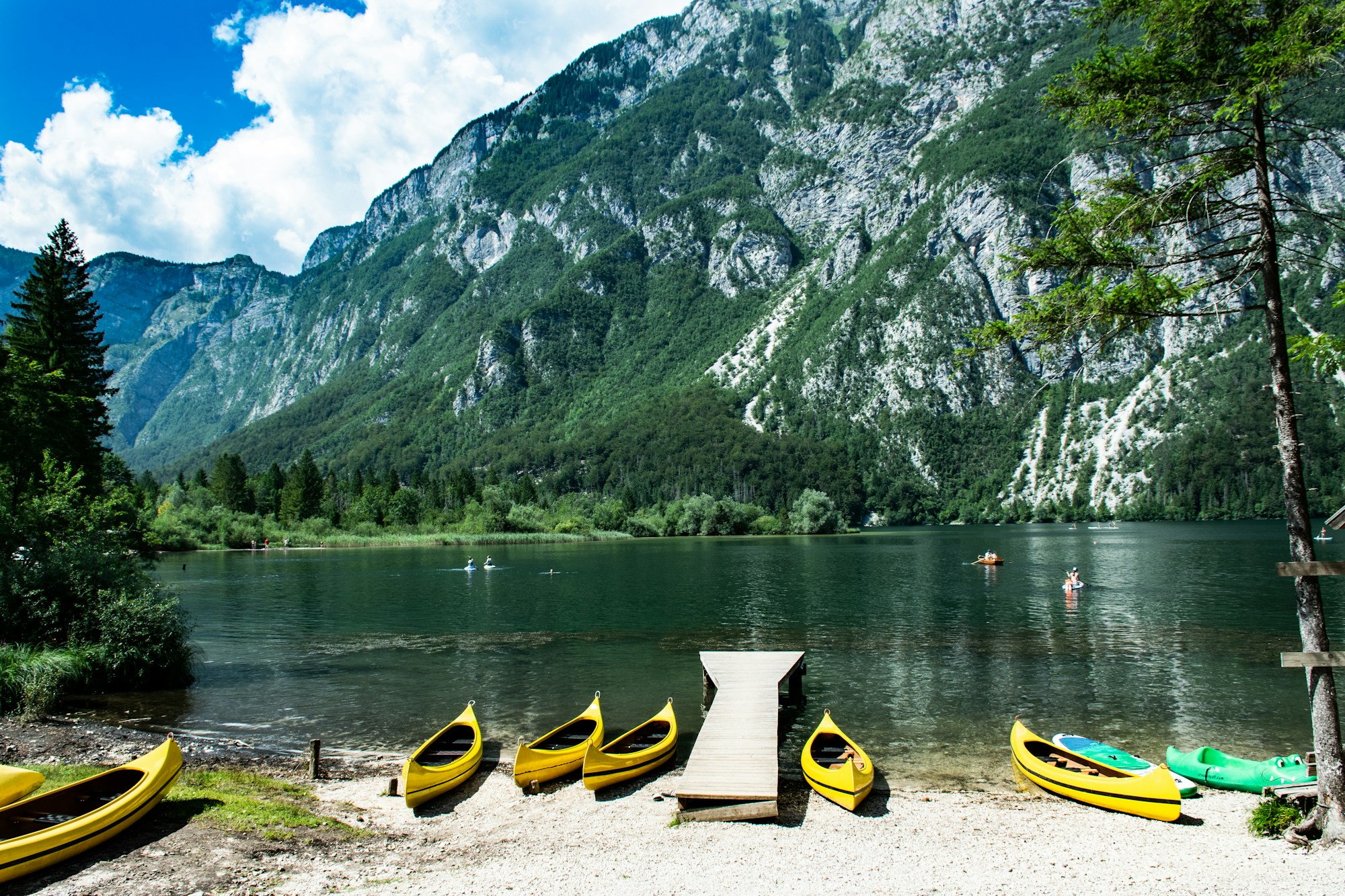
Juliana Trail — Triglav National Park
The Juliana Trail is a large loop around the Julian Alps and Triglav National Park in Slovenia. It is not a summit-conquering trail, but rather an itinerant route at a respectful distance from the high massifs, combining alpine landscapes, authentic villages, and unspoiled valleys. In 2024, UNESCO declared the Transboundary Julian Alps Biosphere Reserve, reinforcing the promotion of responsible tourism in the region.
The budget ranges between 55 and 110 euros per day, significantly more affordable than the Swiss or Austrian Alps. It is one of the best responses to alpine overtourism: you sleep in small villages, consume locally, and avoid the traffic jams of ultra-concentrated hotspots. The Soca Valley, with its emerald-blue river, is an absolute highlight of the route.
Highlights
- Emerald-blue Soca River, one of the most beautiful in Europe
- UNESCO Julian Alps Biosphere Reserve (2024)
- Very reasonable budget for an exceptional alpine setting
- Flexible: from 7 to 16 stages depending on your available time
12. West Highland Way — Scotland
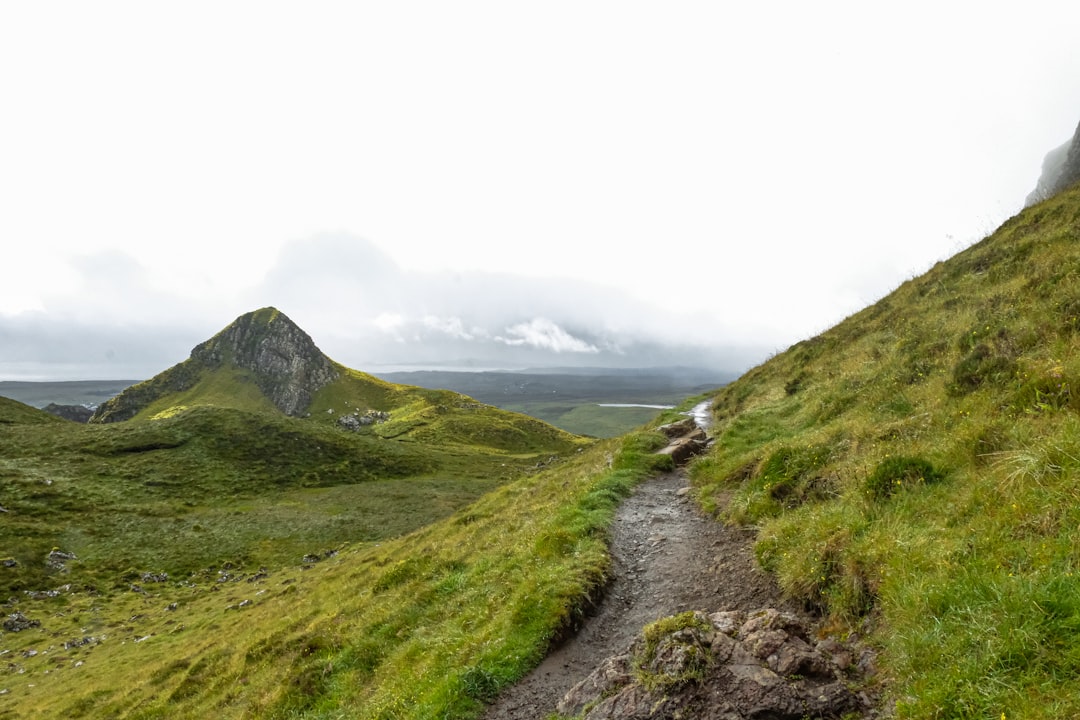
West Highland Way and Lost Valley
The West Highland Way crosses Scotland’s most spectacular landscape and one of Europe’s largest wilderness areas, including the Trossachs National Park and the foot of Ben Nevis, Britain’s highest peak. From Milngavie on the outskirts of Glasgow to Fort William, the trail winds between lochs, glacial valleys, and heather-clad moorlands.
A detour through the Lost Valley (Coire Gabhail) in Glen Coe is a must: this hidden rocky amphitheater in the mountains, historically used by Clan MacDonald to hide stolen cattle, reveals itself after an hour’s ascent. Expect 50 to 90 pounds per day with numerous free camping options thanks to Scotland’s right of access. May is the ideal time: the weather is cool, the crowds are still few, and the dreaded midges have not yet emerged.
Highlights
- Iconic loch and moorland landscapes of the Scottish Highlands
- Lost Valley of Glen Coe: hidden valley steeped in clan history
- Wild camping permitted thanks to Scotland’s right of access
- Arrival at the foot of Ben Nevis, Britain’s highest peak
13. High Tatras — Poland / Slovakia
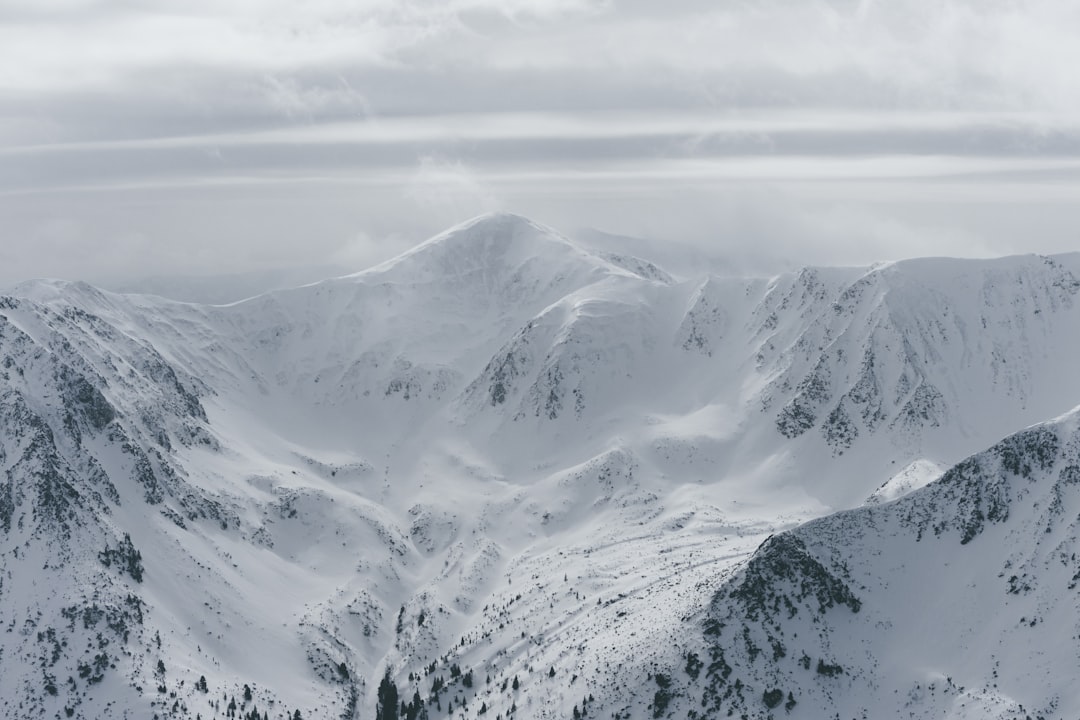
Crossing the High Tatras
The High Tatras, shared between Poland and Slovakia, are the smallest high-altitude mountains in the world — a compact massif culminating at 2,655 m (Gerlachovsky stit) yet offering landscapes worthy of the Alps. The Tatra ridge crossing passes through spectacular glacial lakes such as Morskie Oko (on the Polish side) and Strbske Pleso (on the Slovak side), airy ridges, and welcoming mountain huts.
In 2026, Trencin in Slovakia was named European Capital of Culture, highlighting sustainable travel in the Carpathians. Hikers can enjoy beautiful treks with chances of spotting wolves, bears, lynx, and golden eagles. The budget is very competitive: 35 to 80 euros per day — the best landscape-to-value ratio in Central Europe. The huts (chaty) offer simple comfort with hearty local cuisine.
Highlights
- Smallest high-altitude mountains in the world with concentrated alpine landscapes
- Exceptional wildlife: bears, wolves, lynx, Tatra chamois
- Morskie Oko, one of the most beautiful mountain lakes in Europe
- Very affordable budget with excellent value for money
14. Madeira Levadas — Portugal
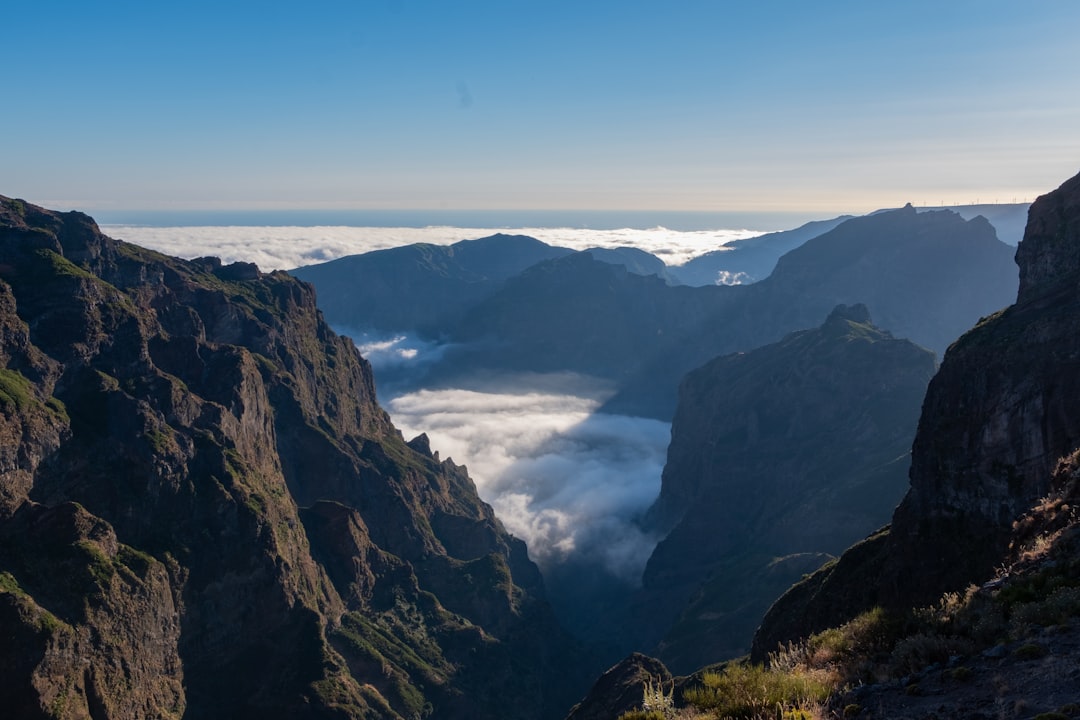
Levada Trails — Madeira Island
Madeira’s levadas are a unique network of irrigation channels dating back to the 15th century, totaling over 2,500 km of trails running alongside these channels through spectacular tropical landscapes. The most famous — Levada das 25 Fontes, Levada do Caldeirao Verde, and Levada do Rei — pass through the UNESCO-listed laurissilva forest, a unique subtropical primeval forest in Europe, a remnant of the Tertiary era.
The budget is very accessible: 40 to 80 euros per day with excellent value for money. The island’s highest point, Pico Ruivo (1,862 m), offers a more alpine hike above the clouds. Madeira enjoys a mild climate year-round, making it an ideal destination for hiking outside the European peak season, particularly in winter and early spring when the flowers are in full bloom.
Highlights
- Unique network of levadas (15th-century irrigation channels) converted into hiking trails
- UNESCO laurissilva forest, a subtropical ecosystem unique in Europe
- Hikeable year-round thanks to the subtropical climate
- Diverse range of hikes: from easy strolls to the ascent of Pico Ruivo
15. Samaria Gorge — Crete, Greece
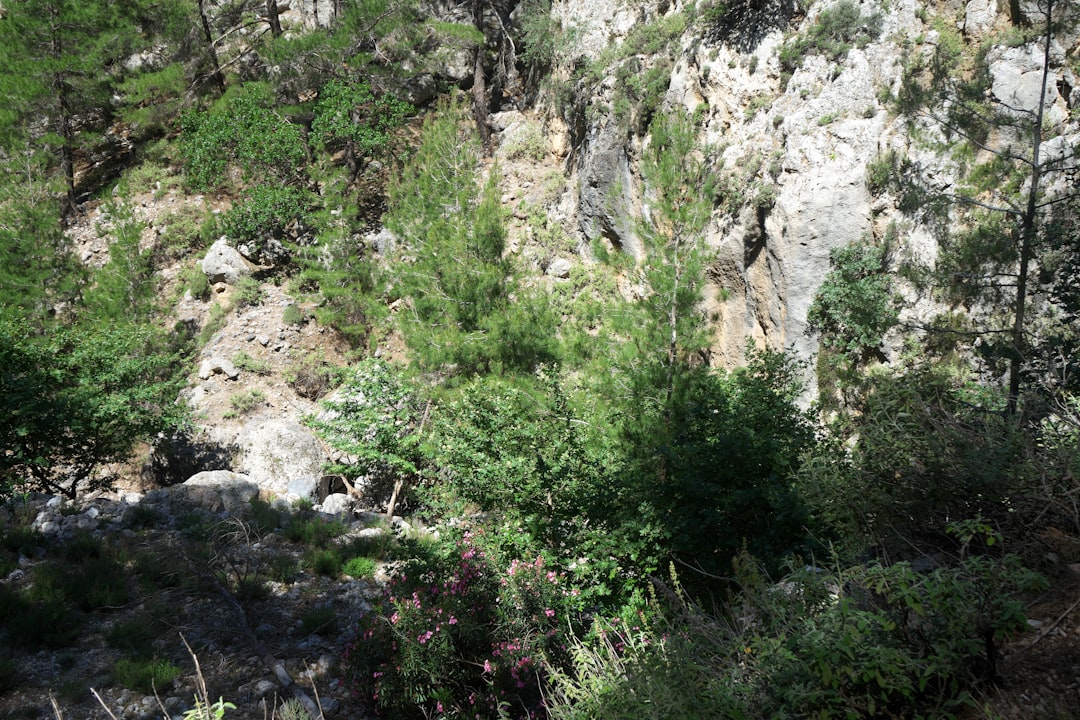
Samaria Gorge — National Park
The Samaria Gorge, located in the White Mountains (Lefka Ori) of western Crete, is the longest gorge in Europe with its 16 km trail descending from the Omalos Plateau (1,250 m) to the coastal village of Agia Roumeli on the Libyan Sea. The passage through the « Iron Gates » (Sideroportes), where the walls narrow to just 3 meters wide for 300 meters of height, is a moment of rare geological intensity.
The national park is home to the kri-kri, the endemic Cretan wild goat, and exceptional Mediterranean flora with ancient cypress trees. Admission costs about 5 euros, and the return ferry from Agia Roumeli to Sfakia or Sougia perfectly completes the day. Greece remains one of the most affordable hiking destinations in Europe with a budget of 40 to 80 euros per day. The fresh fish dinner at Agia Roumeli at the end of the day, feet in the sand, is the ultimate reward.
Highlights
- Longest gorge in Europe (16 km) with the spectacular « Iron Gates »
- Endemic wildlife: the kri-kri, endangered Cretan wild goat
- Arrival on Agia Roumeli beach and return by ferry along the coast
- Very affordable budget and exceptional Cretan gastronomy
Frequently Asked Questions
What is the best hike in Europe for a beginner?
For a first multi-day trek, Alta Via 1 in the Dolomites is an excellent option: the huts are comfortable, the trail markings impeccable, and the scenery spectacular. The Madeira levadas and the Cinque Terre are also very accessible with little elevation gain. If you prefer a shorter format, the Plitvice Lakes or the Samaria Gorge offer magnificent day hikes without technical difficulty.
When should you book your huts and accommodation?
For popular alpine itineraries (Tour du Mont-Blanc, Alta Via 1, GR20), book 6 to 8 months in advance for July-August. In 2026, the squeeze on availability is particularly pronounced in the Dolomites. For less crowded destinations (Juliana Trail, High Tatras, Samaria Gorge), 1 to 3 months is generally sufficient. The Juliana Trail officially recommends booking 3 months ahead for certain small stages.
What budget should you plan for a hike in Europe?
Budgets vary considerably by country. The Balkans and Eastern Europe offer the best rates: 30 to 80 euros per day (High Tatras, Croatia, Greece). The Alps range from 80 to 150 euros per day in huts with half board. Norway and Switzerland are the most expensive, from 100 to 230 euros per day. Wild camping, permitted in Scandinavia and Scotland, can significantly reduce costs.
Is wild camping allowed in Europe?
Wild camping is strictly prohibited in many European countries (France, Italy, Austria, Croatia). However, Sweden, Norway, and Finland allow it through the right of access to nature (Allemansratten / Allemannsretten). Scotland also has a similar right of access. Note: even in Nordic countries, national parks have specific rules that sometimes restrict free camping. Always check local regulations before pitching your tent.
What are the hiking trends in Europe for 2026?
Three major trends are emerging in 2026: the shift in demand towards the North and « coolcations » (cooler and less saturated destinations like Scandinavia, Scotland, and Slovenia); the rise of self-guided hiking as a sustainable alternative to mass tourism; and the growth of emerging destinations like the Balkans (Albania, Montenegro), the Romanian Carpathians, and the French Queyras. Interest in Grindelwald, Switzerland has increased by 60% year-on-year.
What essential gear do you need for a multi-day hike?
The essentials include: broken-in high-ankle hiking boots, a waterproof and windproof jacket, a lightweight sleeping bag (or silk liner for huts), trekking poles, a water bottle or filtration system, a portable charger, a first aid kit, and a paper map or offline GPS. Even in midsummer in the Alps or Scandinavia, bring a fleece, long trekking pants, and a beanie — mountain weather can change in minutes.
How do you choose between a guided and self-guided trek?
The choice depends on your experience and comfort level with unpredictable conditions. A self-guided hike offers independence and flexibility but requires thorough preparation. A guided tour provides expert support, safety, and simplified logistics. For a first multi-day trek, a self-guided tour with pre-organized bookings is an excellent compromise. For technical routes (GR20, Trolltunga out of season), a guide may be essential for safety.
Sources
- The Hiking Club — Alta Via 1 Dolomites — Complete guide and itinerary for Alta Via 1
- Moonhoney Travel — Alta Via 1 Hiking Guide — Practical information about the Dolomites
- AdventureTripR — Dolomites Trip Cost — Detailed budget for the Dolomites
- Visit Norway — Top Hikes in Fjord Norway — Best hikes in the Norwegian fjords
- Norvège Inédite — Les plus beaux treks de Norvège — Guide to Norwegian hikes
- Allibert Trekking — Fjords de Norvège — Information on fjord hikes
- Career Gappers — 45 Best Hikes in Europe — Selection of the best European hikes
- TourRadar — Best Hiking & Trekking Tours in Europe — Guide to organized treks
- Exodus Travels — Best Hiking Trails in Europe — European hiking trails
- Moonhoney Travel — 22 Best Treks in Europe — Multi-day treks in Europe
- Corsica Aventure — GR20 Guide — Complete GR20 information
- GR20 Infos — Budget Guide — Detailed GR20 budget
- Arctic Adventures — Laugavegur Trail — Laugavegur trail guide
- Laugavegur Trail Guide — Costs & Budgeting — Laugavegur budget
- Julian Alps — Juliana Trail — Official Juliana Trail presentation
- Republic of Slovenia — Julian Alps Biosphere Reserve — 2024 UNESCO declaration
- 57hours — Best Hikes in Europe — Selection of the 13 best hikes
- We12Travel — 15 Best Hiking Trails in Europe — Guide to European trails
- Hut to Hut Hiking Europe — Top Destinations 2025 — Top destinations for the season
- Euronews — Unmissable European Places 2026 — 2026 travel trends
- Macs Adventure — Trending Hiking Destinations 2026 — Trending hiking destinations
- MontTrekking — Alta Via 1 of the Dolomites — Conditions and gear for the Dolomites
- Knife Edge Outdoor — GR20 Corsica Key Info — Key GR20 information
- Randozone — Trekking en Norvège — Norwegian hiking itineraries
- UNESCO — West Norwegian Fjords — UNESCO-listed Norwegian fjords
- Kimberly Kephart Travels — Rifugio Reservations 2025 — Hut reservation guide
Research conducted on February 15, 2026. Prices are indicative and may vary depending on season and exchange rates.
Ready to Lace Up Your Hiking Boots?
From the Dolomites to the fjords of Norway, Europe awaits you with trails for every level and every aspiration. Whether you dream of a weekend in the Cinque Terre or a two-week alpine crossing, the hardest part is not the walking — it is choosing where to start. Plan your next hiking itinerary with Pixidia and set off with peace of mind.
Explore all itineraries