
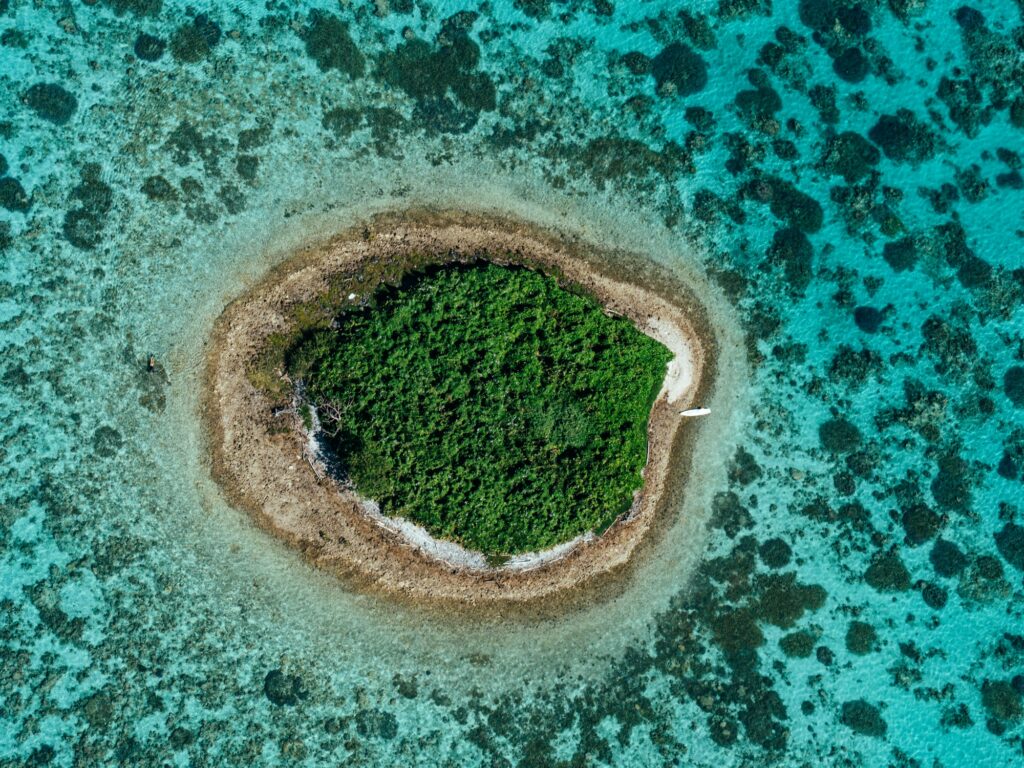
Yes — 2026 is one of the best windows in over a decade to visit New Caledonia. The UNESCO-listed lagoon spans 24,000 km² (the world’s largest, inscribed since 2008) and shelters 350+ coral species across six marine clusters, from the pristine Grand Lagon Nord to Île des Pins. Since the 2024 crisis, tourist zones — Nouméa, Ouvéa, the East Coast — have fully stabilized, with airline capacity up 24% in H1 2026 versus the prior year. Our recommendation: go now, before the crowds return, and prioritize a tribal stay for the most authentic Kanak encounter.
Fewer tourists, pristine beaches, thriving coral reefs. New Caledonia is experiencing one of the most paradoxical periods in its history in 2026: while the territory rebuilds after the 2024 crisis, travelers who dare venture there discover the most authentic Caledonia ever. The UNESCO-listed lagoon — the largest in the world at 24,000 km² — is in full swing. The kagu bird still sings in Rivière Bleue Park. Kanak tribes welcome visitors with undiminished warmth. And Ouvéa, nicknamed « the island closest to paradise, » has never been so pristine. Here’s why now is precisely the right time to go.
Why New Caledonia in 2026: the ideal window of opportunity
A territory reinventing itself — a unique opportunity for travelers
New Caledonia experienced a major social and political crisis in May 2024. Since then, the situation has significantly stabilized. Tourist areas — Nouméa, the Loyalty Islands, Île des Pins — were not affected. And according to Tour Hebdo, the French market is rebounding « with confidence » in 2025–2026, driven by a significant improvement in air capacity: +24% seats in the first half of 2026 compared to the previous year.
The practical result for travelers? Fewer crowds, particularly motivated tourism professionals, and still-accessible prices before this exceptional destination returns to full strength. The Caledonian government launched an ambitious tourism recovery plan in December 2025, focusing on sustainable development, Kanak cultural tourism, and authentic bush experiences. It mirrors a broader shift across the region, where destinations such as Samoa, Tonga and Vanuatu are also choosing tourism that respects local culture over sheer volume.
1. The UNESCO Lagoon: the marvel of six sites
24,000 km² in one stretch: the world’s largest lagoon
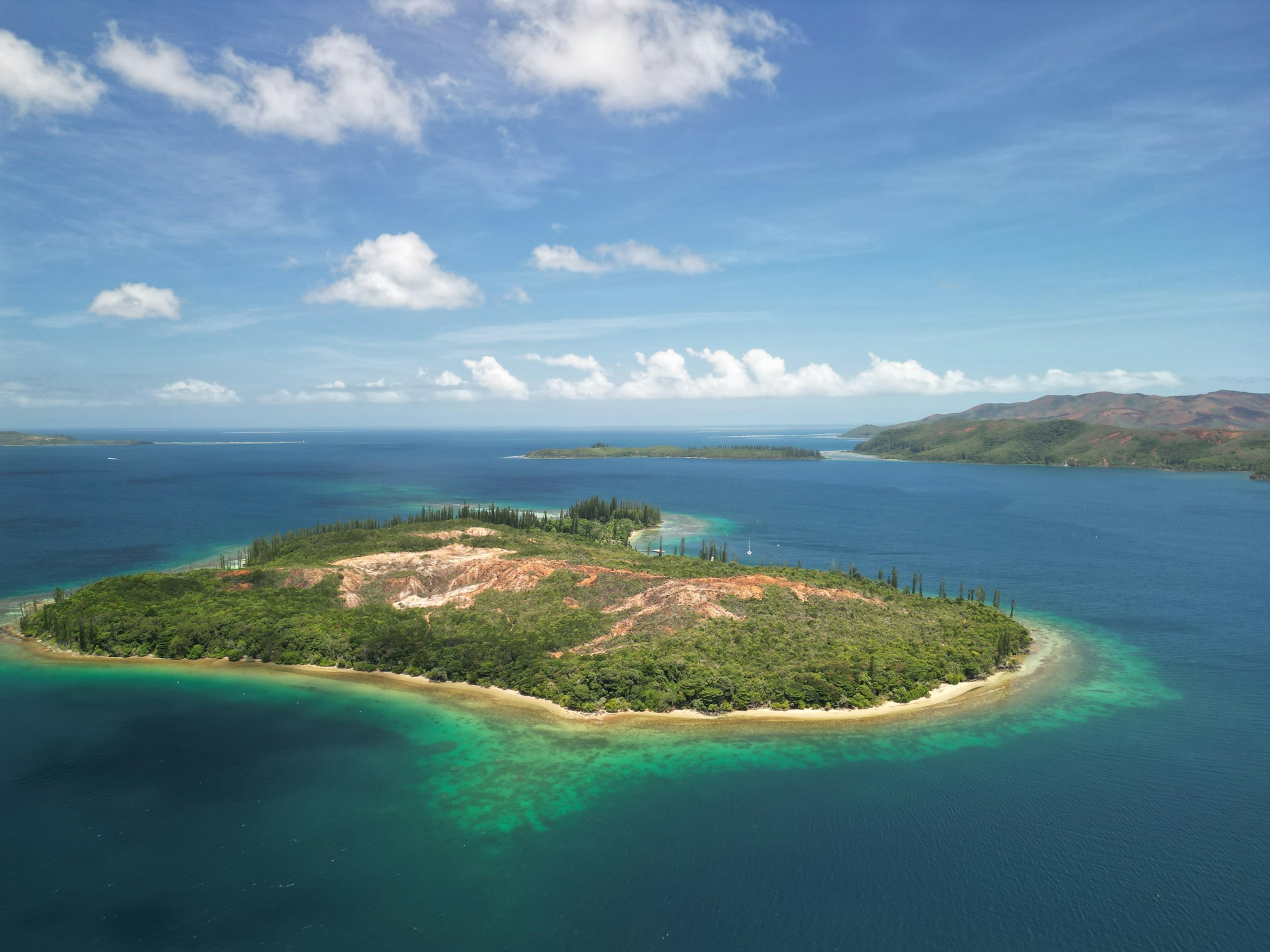
This serial site comprises six marine clusters representing the main diversity of coral reefs and associated ecosystems in the French archipelago of New Caledonia, one of the three most extensive reef systems in the world according to UNESCO. The barrier reef, stretching 1,600 km, encloses a lagoon of 24,000 km² — the largest in the world — with an average depth of 25 meters.
It hosts more than 350 coral species and some 1,600 fish species, surpassing the diversity of the Great Barrier Reef despite being much smaller. The lagoon provides habitat for emblematic marine species: sea turtles, humpback whales (July–September), dugongs — the world’s third largest population —, sharks and rays.
2. Hienghène & East Coast: the divers’ coral canyons
Cathedral formations and gorgonian-covered canyons
The Hienghène area has about ten dive sites, characterized by dramatic relief — faults, arches, canyons — and an abundance of fixed fauna: corals, soft corals, gorgonians, nudibranchs. According to Lonely Planet, the East Coast offers « cathedral formations, canyons covered in sponges and soft coral, where you play more with light than with depth. »
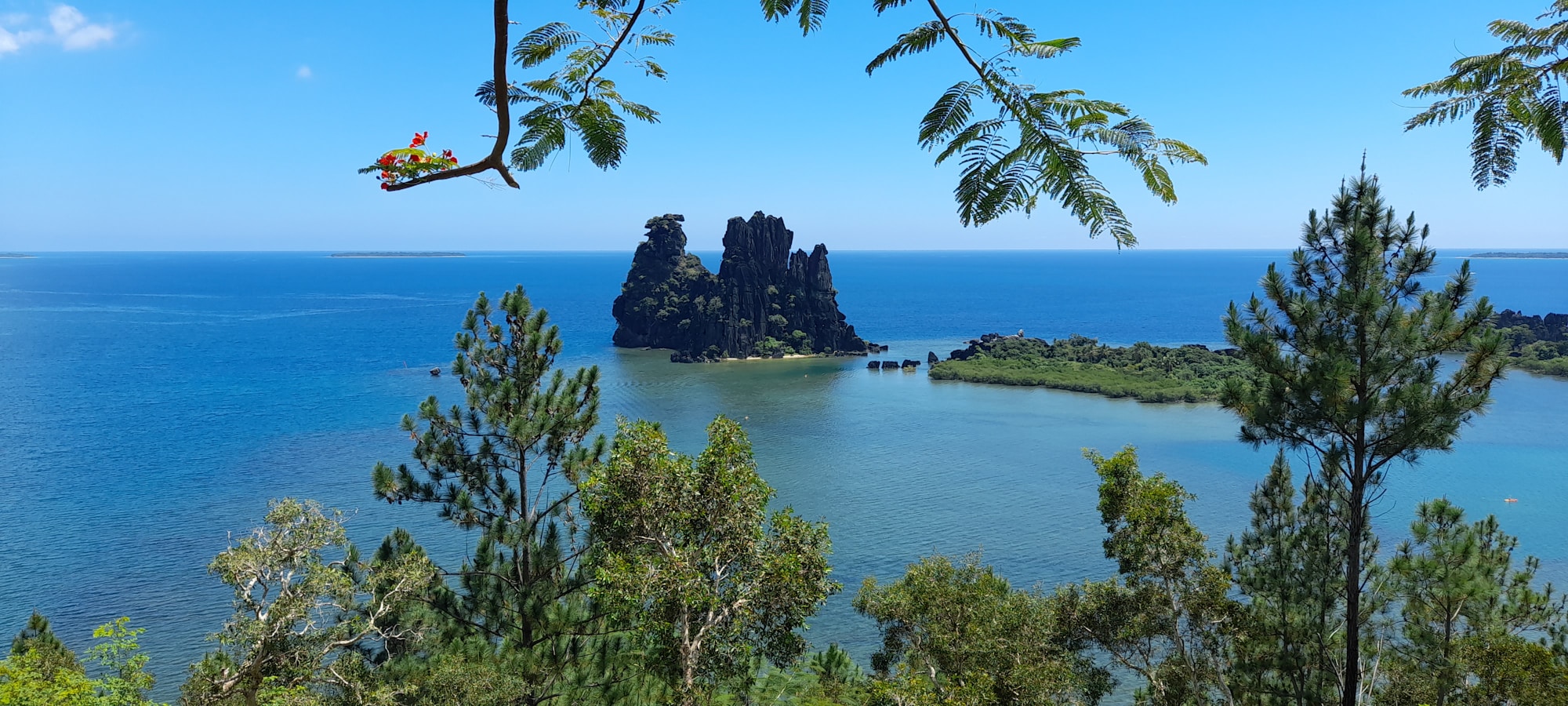
The coastal road linking Hienghène to Poindimié is itself a spectacle: black limestone cliffs plunging into a jade lagoon, Kanak villages nestled in mangroves, and the famous Brooding Hen of Hienghène — a 30-meter coral rock that resembles a giant hen. September is recognized as the ideal diving month, with optimal visibility and 22°C water temperature.
3. Ouvéa & Île des Pins: the islands closest to paradise
22 km of pristine white sand and traditional outrigger canoes
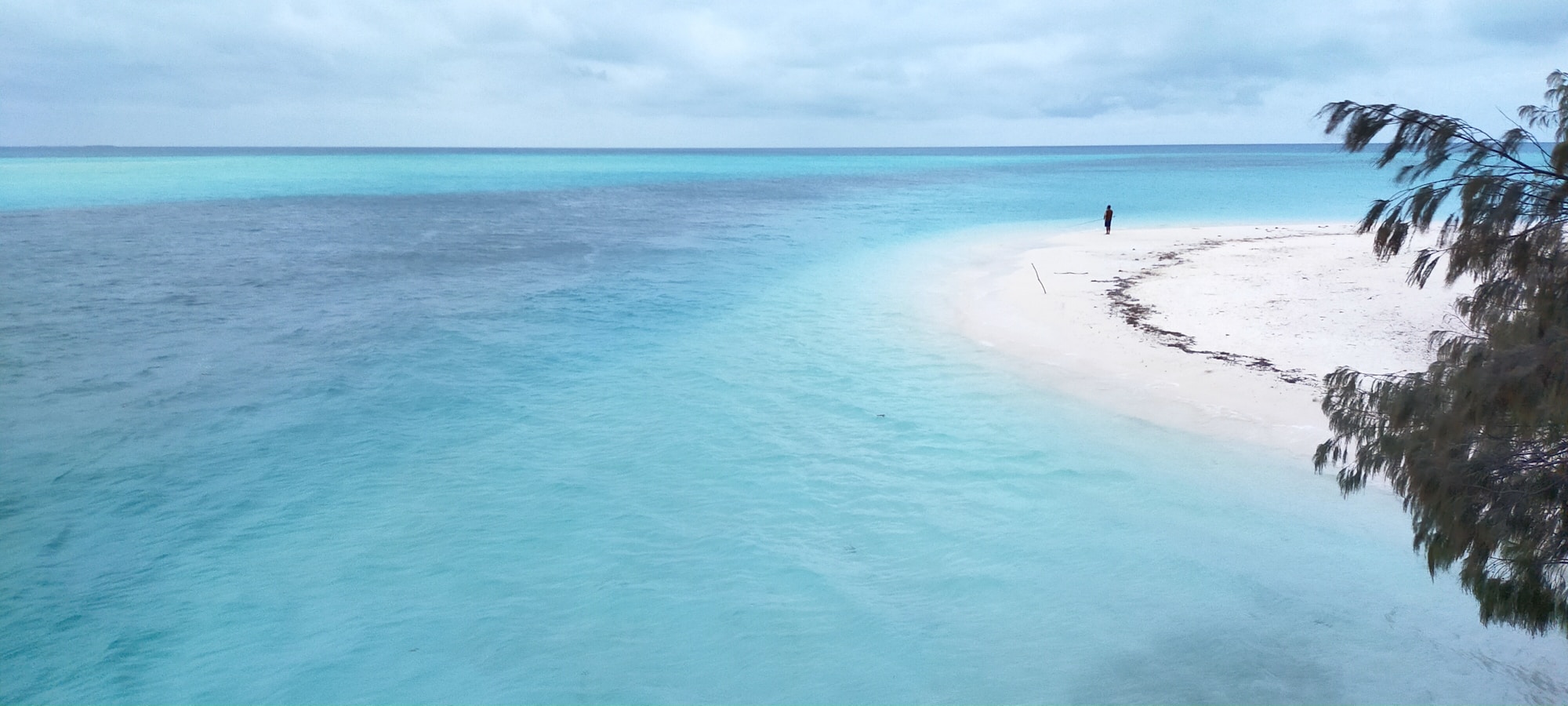
Ouvéa — Iaaï in the local language — is one of the most beautiful atolls in the Pacific. With its 25-km white sand beach, UNESCO-listed lagoon, and majestic coral cliffs, Ouvéa fully deserves its nickname: « the island closest to paradise », given by Japanese writer Katsura Morimura in the 1960s. On Ouvéa, few tourists tread the immense Mouly beach, fringed with coconut palms, pandanus, and columnar pines.
At Île des Pins, head to Upi Bay on a traditional outrigger canoe — gliding through turquoise water dotted with majestic coral rocks. The Natural Pool of Oro is THE iconic spot: a coral basin so clear it looks artificial. The columnar pines that gave the island its name grow along the beach, creating a lunar landscape unlike anything in French Polynesia.
4. Kanak culture: the deep soul of New Caledonia
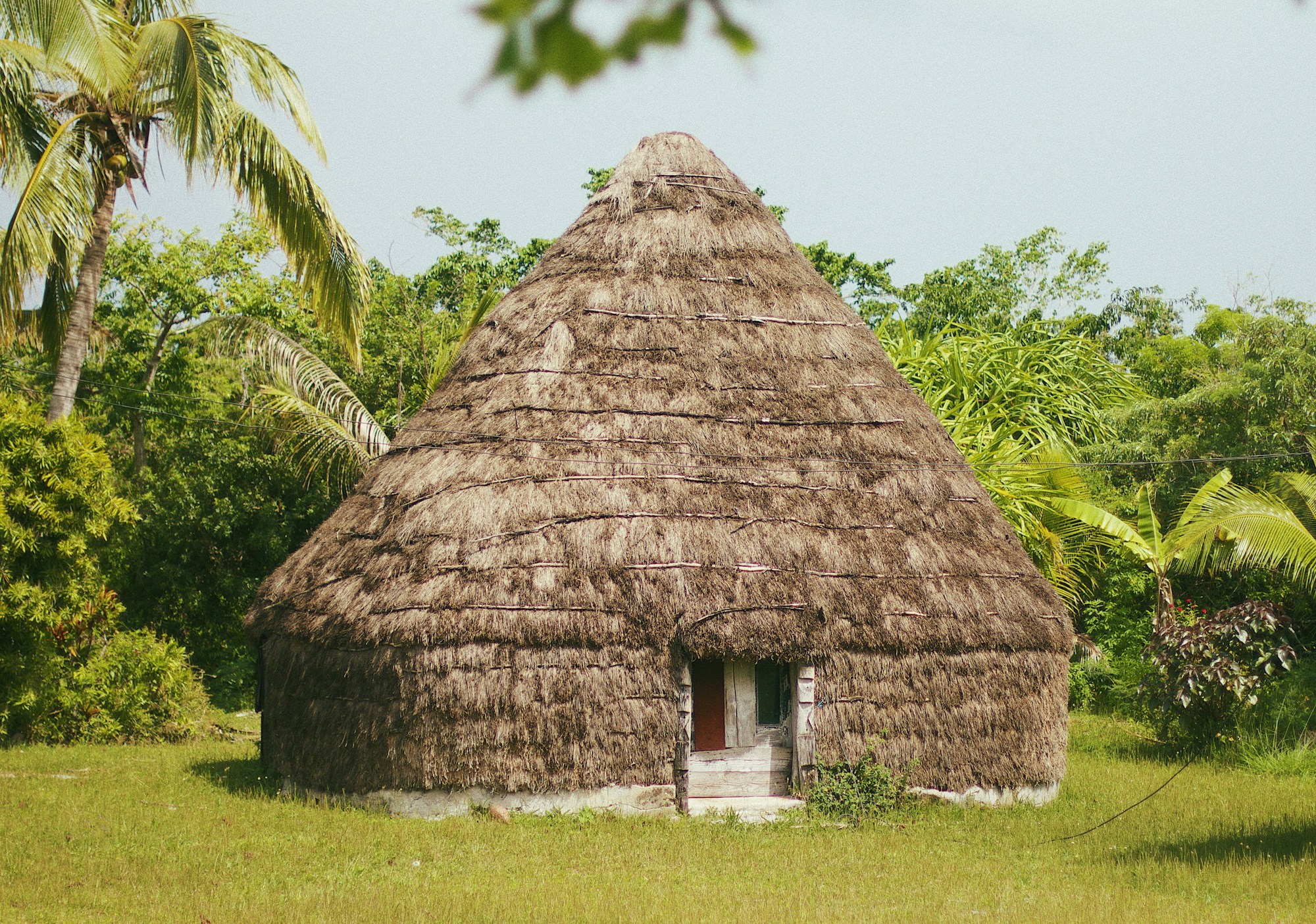
From the Tjibaou Cultural Centre to tribal stays: a millennia-old civilization
Designed by architect Renzo Piano (Centre Georges-Pompidou, Paris), the Tjibaou Cultural Centre is one of the most remarkable contemporary buildings in the Pacific. Its tall « huts » directly inspired by traditional Kanak architecture house a collection of over 600 contemporary Kanak and Oceanian artworks. As of mid-2026, the centre hosts three exhibitions at once: « Vivre en Colonies » (running through August 2, 2026), a hundred rare photographs of daily life in New Caledonia and Vanuatu between 1874 and 1955; « Archipel d’Arts », an anniversary exhibition celebrating 30 years of Pacific art acquisitions; and, in the Case Bwenaado, « La Silhouette Faîtière » (running since January 2026), which reinterprets the silhouette of the traditional Kanak hut through contemporary art — a rare opportunity to encounter the colonial past, the contemporary Oceanian art scene, and a living reinterpretation of Kanak architecture in a single visit.
Tribal stays — tourism accommodations on Kanak customary land — are unique to New Caledonia. You share daily life with the Kanak tribe: preparing bougna (a traditional feast dish slowly cooked in banana leaves on volcanic stones), learning customary practices, weaving pandanus leaves, and trying traditional cast-net fishing.
5. Rivière Bleue Park: the kagu bird and thousand-year-old kauris
22,000 hectares of uniquely world biodiversity
The Rivière Bleue Provincial Park is home to exceptional biodiversity. It is particularly renowned as one of the last places where the kagu — a protected endemic species and symbol of New Caledonia — can be observed in its natural habitat, with a population of around 700 individuals, the highest concentration of this species in the wild. This peculiar flightless bird barks like a dog and exists nowhere else on Earth.
The park also hosts the Grand Kauri, a majestic tree of which the oldest specimen is 1,000 years old — 2.70m in diameter and 40m tall. The « Forêt Noyée » (Drowned Forest), with its white trunks emerging from Lake Yaté, is one of the most surreal landscapes in the Southern Hemisphere.
6. 2026 Budget Guide: how much to budget for your trip?
From €60 to €500 per day: New Caledonia for every budget
New Caledonia often conjures images of an expensive destination. In reality, your total cost depends primarily on your accommodation and activity choices. Budget-savvy travelers report getting by on as little as €35 per person per day, including car rental, if camping and shopping at local supermarkets.
| Profile | Budget/day (excl. flights) | What’s included |
|---|---|---|
| Backpacker | €60–100 | Camping, guesthouses, local markets, free snorkeling |
| Comfortable | €125–250 | 3★ hotels, local restaurants, 1 excursion/day |
| Luxury | €335+ | Resorts, spa, private cruises |
Money-saving tips
- Visit during low season (Nov–mid-Dec, Feb–Apr) for cheaper flights and hotels
- Opt for tribal stays — cheaper than hotels and infinitely more authentic
- Shop at Nouméa’s market or discount supermarkets
- The Pacific franc (XPF) is pegged to the euro: no exchange rate risk
- Book flights 3–6 months in advance — prices soar as peak season approaches
7. Sample itinerary: 12 days in New Caledonia
Grande Terre, the East Coast and one Loyalty Island — a balanced first trip
This itinerary balances Nouméa’s lagoon access, the East Coast’s dive sites, Kanak cultural immersion, and one Loyalty Island — the combination most first-time visitors ask us about.
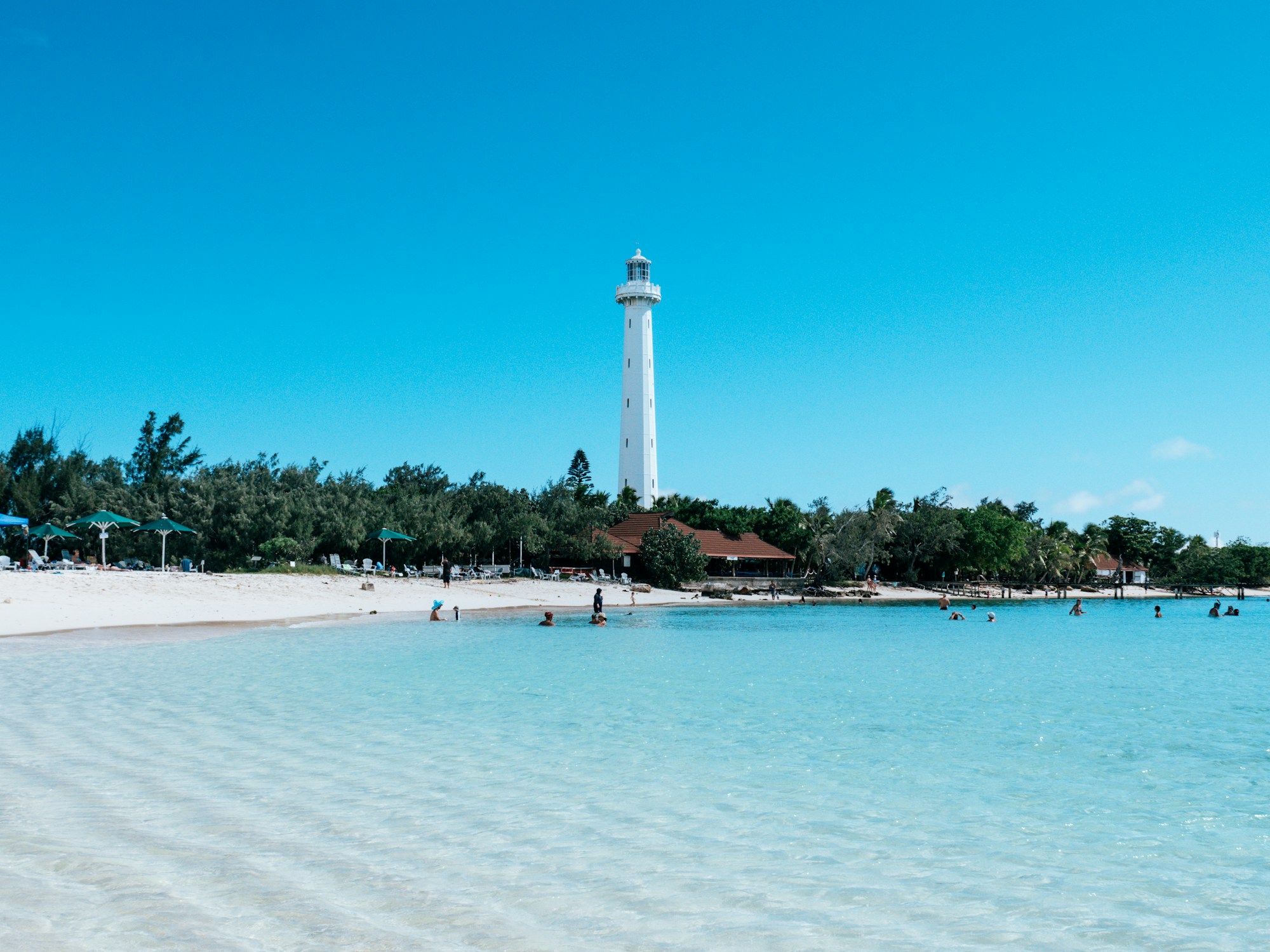
- Days 1–3 — Nouméa & the lagoon: settle in, visit the Tjibaou Cultural Centre, and take a boat excursion to Signal Island or the Amédée Lighthouse for your first swim in the UNESCO lagoon.
- Days 4–6 — Rivière Bleue & the East Coast: an early-morning kagu search in Rivière Bleue Park, then drive north via the coastal road to Hienghène for two days of diving among the coral canyons.
- Days 7–8 — a tribal stay: spend one or two nights on Kanak customary land, sharing meals, weaving and traditional cast-net fishing with your host tribe — the most authentic way to experience the culture.
- Days 9–12 — Ouvéa or Île des Pins: a short domestic flight from Nouméa-Magenta closes the trip on one of the Loyalty Islands’ pristine beaches, with an outrigger canoe outing on Upi Bay if you choose Île des Pins.
Practical information for your trip to New Caledonia
Global medical coverage including emergency evacuation — essential for such a remote territory. 10% off via our link.
From $56 / 4 weeksStay connected from Tontouta airport. Instant activation, no roaming charges.
From €4.50Frequently asked questions about New Caledonia in 2026
Do you need a visa to visit New Caledonia in 2026?
No, French citizens and EU nationals do not need a visa — New Caledonia is a French overseas territory. A valid national ID card or passport is sufficient. Australian and New Zealand nationals can also visit without a visa for short stays. For other nationalities, conditions vary based on your passport.
Is New Caledonia safe for tourists in 2026?
The situation has significantly stabilized since the May 2024 riots. Tourist areas (Nouméa, Loyalty Islands, Île des Pins, East Coast) were not affected. As of mid-2026, traveler confidence has been fully restored, with air capacity up 24% in H1 2026 and continued tourism recovery reported by the trade press. Always check the official travel advisories from your government’s foreign affairs ministry before departure, as situations can evolve.
What is the best time to visit New Caledonia?
The best period is May through October (dry season), with temperatures between 22–28°C and low rainfall. September is ideal for diving — exceptional conditions (5/5 rating), 22°C water and maximum visibility. July–August for humpback whales in the lagoon. September–October for manta rays. If you want to avoid crowds and pay less, opt for November–mid-December or February–April.
How do you get between New Caledonia’s islands?
There are two ways to reach the Loyalty Islands and Île des Pins: by plane or ferry. By air (Air Calédonie), flights from Nouméa-Magenta domestic airport take 20–50 minutes depending on the destination. Note: Magenta airport is located south of Nouméa, separate from La Tontouta international airport (50km from Nouméa). Ferries also connect Nouméa to the islands, but with much longer crossing times.
What currency is used in New Caledonia?
New Caledonia uses the Pacific franc (XPF), pegged to the euro at a fixed rate: €1 = 119.33 XPF. There is no exchange rate risk. Currency exchange is best done via ATMs in Nouméa. Credit cards are accepted in tourist establishments, but bring cash for tribes, markets, and small bush villages where card terminals are absent.
Can you use regular sunscreen in New Caledonia?
No. Only use reef-safe sunscreens, free from oxybenzone and octinoxate. These molecules found in conventional sunscreens are harmful to corals — they disrupt polyp reproduction and contribute to coral bleaching. Protecting this exceptional lagoon starts with your product choices. Reef-safe alternatives are available in pharmacies and stores in Nouméa.
Sources
Plan your New Caledonia itinerary
Ready to organize your Pacific adventure? Create your personalized itinerary with Pixidia and keep all your ideas in one place.
Explore itineraries