
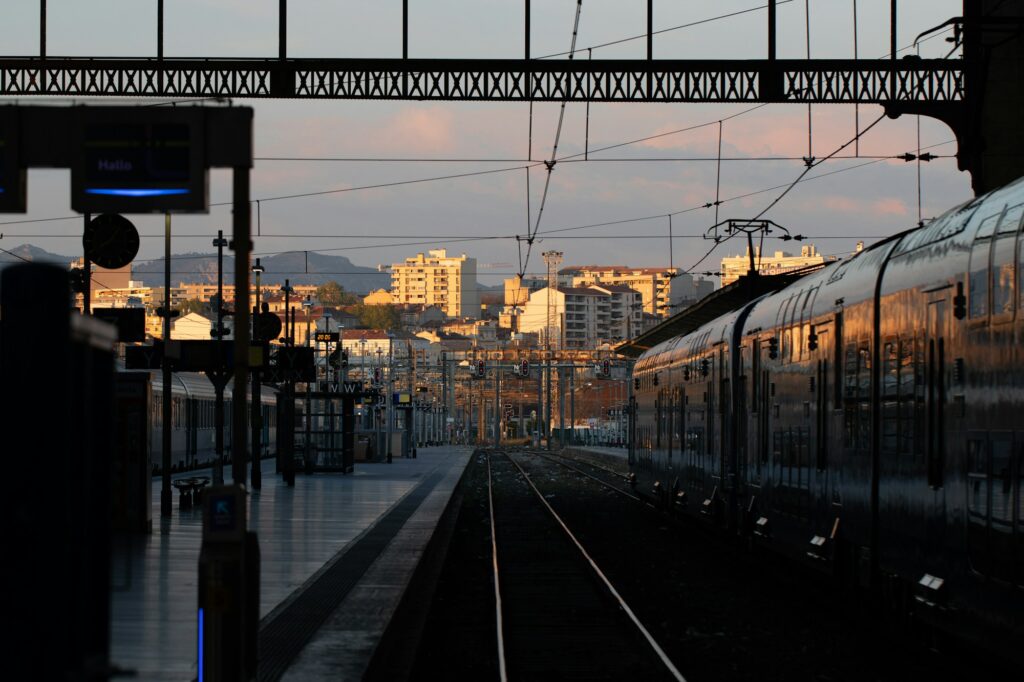
No — there is no direct night train from the UK to Italy in 2026, and France’s sleepers are gone too. Thello shut down in 2020-21, the Nightjet Paris–Vienna/Berlin on 14 December 2025, and the Espresso Riviera is suspended for all of summer 2026. To sleep on a train, you now route through Munich (Nightjet Munich–Rome) or Brussels (European Sleeper Brussels–Milan from 9 September, a 2-hour Eurostar hop from London). By day, the train to Milan (about 12 h, from €115 via Paris) saves roughly 85% of the CO2 of flying (2 h in the air, but 5-7 h door-to-door). Our advice: take the train for Milan and Venice when budget and CO2 matter, keep the plane for Rome and Naples.
Looking for a night train to Italy in 2026? Bad news, and good news. Bad: there’s no direct sleeper from the UK, the France–Italy night trains are dead, and France’s night offer has been shrinking for two years. Good: the alternatives have never been richer on the European side — including a brand-new Brussels–Milan sleeper that’s a 2-hour Eurostar from London — and by day, the train-versus-plane match is nowhere near the one-sided game the low-cost teaser fares suggest. Here’s the real comparison, sourced numbers included: door-to-door time, true price, CO2, and the five Italian cities that actually matter.
Night trains to Italy: the direct links are gone in 2026
The fact is stark: no direct night train connects the UK to Italy — and France–Italy’s last sleepers have now disappeared too. Thello, which ran the Paris–Milan, Paris–Venice and Paris–Rome overnighters from 2011, shut down for good in 2020-21 and never returned: per Seat61, « there are no longer any through sleeping cars from Paris to Rome, and Thello’s won’t be coming back ». The company, now Trenitalia France, only runs daytime TGVs on Paris–Lyon–Milan.
It got worse at the end of 2025: the Nightjet Paris–Vienna and Paris–Berlin (ÖBB/SNCF) was scrapped on 14 December 2025 after the French subsidy of €10m a year was withdrawn, SNCF judging the lines unprofitable without public money, as Euronews reported. And the Espresso Riviera (Milan–Nice, then Rome–Marseille), the newest arrival launched in 2024, is suspended for all of summer 2026: Trenitalia declared force majeure after the traction agreement with SNCF Voyageurs wasn’t renewed at the Ventimiglia border, amid a French conventional-locomotive fleet at saturation (145 units, average age over 40 years), according to Railway Gazette.
The paradox is complete: in France, a desert; elsewhere in Europe, a boom. The Back-on-Track map lists around 205 regular night lines in 2026, Trenitalia’s Intercity Notte trains are seeing demand up 50% a year on some routes (Il Sole 24 Ore), and the new Brussels–Milan line starts in September — the one that matters most to UK travellers. Anyone leaving from Britain now has to transit through Germany or Belgium to sleep their way to the peninsula. Here’s what to know before you book anything.
Milan, Italy’s rail gateway
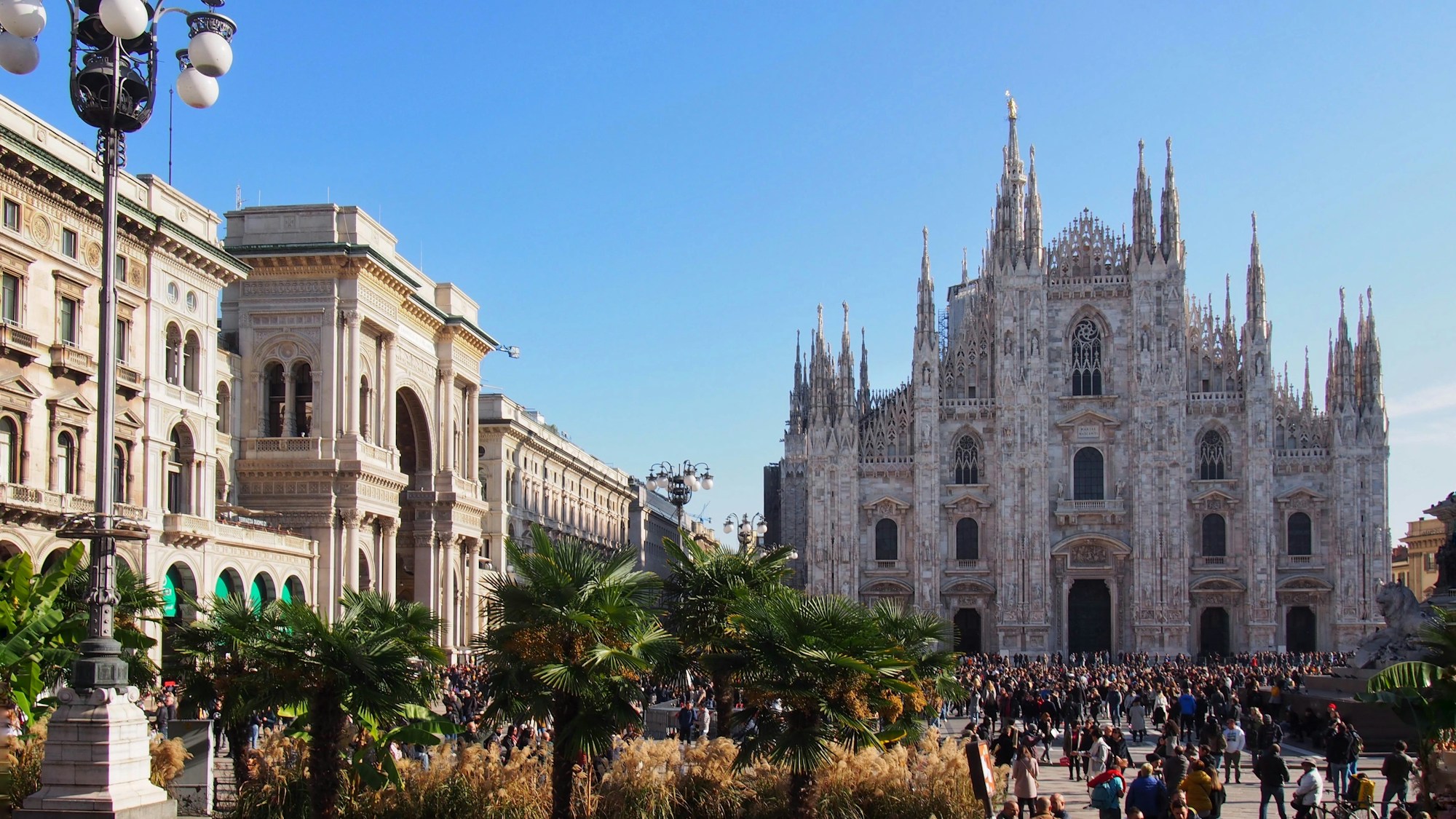
Every rail route from the UK to Italy runs through Milan: Eurostar from St Pancras to Paris (2 h 15), a quick cross-city hop, then one of the 3 daily TGV inOui or 2 daily Frecciarossa linking Paris to Milan in 7 h 07 (643 km via Lyon, Chambéry, the Fréjus tunnel and Turin) — from €29-39 in 2nd class booked 4 months ahead per Seat61, about €115 one-way from London with the Eurostar leg included. TGVs arrive at Porta Garibaldi, Frecciarossa at Milano Centrale — two central stations perfectly placed for the rest of the trip.
Once there, Italy is a cheap high-speed rail country: Milan–Rome in 2 h 55-3 h from €9.90-16 (Italo, Frecciarossa), 90 departures a day. Domestic flying is almost pointless, notes Italy Planner. Milan is also the natural hub towards Venice, Florence and Naples — and a great base for a day trip to Lake Como the day after you land.
Highlights
- Arrival in the city centre (Centrale or Porta Garibaldi), not 50 km out in the sticks
- Bags included at no extra cost and no weight limit, unlike low-cost flying
- Hub for domestic high-speed rail: Rome from €9.90, Venice and Florence in under 2 h 15
Door-to-door time: the 2-hour flight isn’t a 2-hour journey
Comparing 12 hours of train with a 2-hour flight is misleading. The right comparator is door-to-door: by train you show up 10-20 minutes before departure at central stations; by plane you need 90-120 minutes of airport buffer, plus 30-60 minutes of transfer on each side, as Move2Europe and Tripologiste detail. A 2-hour flight therefore means 5 to 7 hours of real travel, EES and security queues included.
| Route from London | Train (station to station) | Train (door-to-door) | Plane (flight + airports + transfers) | Verdict |
|---|---|---|---|---|
| London–Milan | ~12 h via Paris (Eurostar + TGV/Frecciarossa) | ~12 h 30 | 5-7 h (2 h flight, out-of-town airports) | The plane wins 6-8 h — more than from Paris |
| London–Rome | ~17 h via Paris and Milan | ~17 h 30 | 5-7 h (2 h 25 flight, Fiumicino 32 km out) | The plane wins by a long way |
| London–Venice | ~14 h via Paris and Milan | ~14 h 30 | 5-7 h (2 h 15 flight, then 60-90 min of Alilaguna) | The plane wins, but the train lands you in the centre |
| London–Florence | ~15 h via Paris and Milan | ~15 h 30 | 3 h 30-5 h (2 h 10 direct BA from London City) | London has a direct flight — the train is a CO2 choice |
| London–Naples | ~18 h via Paris and Milan | ~18 h 30 | 5-7 h (2 h 30 flight, airport 6 km away) | The plane wins by a mile |
The rule of thumb validated by modal-share models: below 6-7 hours of rail travel, the train is genuinely time-competitive. That’s the Paris reality. From London, every Italian city sits 12+ hours away by rail, so the plane wins the clock almost everywhere — but on medium European corridors, parity is real: the TrainFYI comparator measures 3 h 22 by train against 3 h 12 by plane door-to-door between southern France and Milan. And the time you « save » in the air gets paid for: according to AirHelp, relayed by Money Tourism, 81.4 million passengers faced an air disruption in Europe in the first half of 2026, with peaks of 299 delays in a single day at Paris-CDG in early August.
The price: it all depends on your travel profile
On paper, the low-cost plane crushes the train: the Greenpeace study (142 routes, 31 countries, August 2025) finds flying cheaper than rail on 54% of European cross-border routes, with France the worst offender — a train more expensive than the plane on 95% of its routes. But the Swiss ZHAW 2026 study (136 routes) flips the result as soon as you add a bag, a seat or a child: in a family scenario, flying costs on average more than twice as much as the train.
| Route from London | Train (intro fare, 4+ months ahead) | Plane (intro fare, no cabin bag) | Low-cost reality, all in |
|---|---|---|---|
| London–Milan | from €115 one-way (Eurostar + Paris–Milan leg) | €43 return, Ryanair from Stansted (no bags) | €90-120 return with cabin bag, seat and transfers |
| London–Rome | from ~€130 one-way via Milan | €51-60 return low cost; median €208 all carriers | + €10-25 per cabin bag per leg |
| London–Venice | from ~€135 one-way via Milan (€115 + €19.90 Milan–Venice) | €38-64 return low cost | + €10-30 of transfers per leg (airport on the mainland) |
| London–Florence | from ~€135 one-way via Milan | Direct flight from London City (BA, 2 h 10) — no Pisa detour | No Pisa train leg: the airport tram costs €1.70 |
| London–Naples | from ~€145 one-way via Milan | €50-70 return (good price) | + bags and options, €90-120 realistic |
The teaser-fare trap is well documented: a low-cost ticket advertised at €35 works out at €90-120 all in once you add the cabin bag (€10-25 per leg), hold luggage (€20-40), a seat (€5-15) and transfers to out-of-town airports (Stansted is 45-60 minutes from central London by train, Bergamo 55-75 minutes from Milan). The train charges no bag supplements: suitcase and daypack travel for free, as Move2Europe and CityStayPilot remind us. The night train adds a killer argument: the berth replaces a hotel night (€60-120), which often makes it the cheapest option on long distances, as Gamintraveler‘s analysis shows.
On the rail side, the rule is anticipation: Super Economy and Low Cost fares go on sale 4 months ahead (6 for Nightjet), and the real price doubles within 7 days of departure (€70-90 on Paris–Milan). As in our panoramic-train-vs-Inca-Trail comparison at Machu Picchu, price is only one criterion: the right call is made on useful time, comfort and carbon footprint.
CO2: the train crushes the plane, no contest
On climate, the comparison leaves no doubt. According to ADEME‘s French carbon database, the TGV emits around 2.3 g CO2e per passenger-km, against ~258 g for a short-haul flight (radiative forcing included — the extra warming from condensation trails roughly doubles the real climate impact). That’s a 50 to 112 times gap depending on the scope. UK data tells the same story: National Rail averages ~35 g CO2e per passenger-km and Eurostar about 5 g, against ~246 g for a domestic flight (UK Government DESNZ 2022 data, via Our World in Data).
| Mode of transport | Emissions (g CO2e / passenger-km) | Source |
|---|---|---|
| French TGV | ~2.3 g | ADEME, Base Empreinte |
| European rail average | ~14 g (up to 41 g depending on the energy mix) | European Environment Agency |
| Short-haul flight | ~258 g (radiative forcing included) | ADEME; 255 g per the EEA |
| Medium-haul flight | ~187 g | ADEME |
On the benchmark Paris–Milan run (643 km), TrainFYI calculates ~24 kg of CO2 by train against ~149 kg by plane, i.e. 84% savings. For a family of four, that’s around 500 kg of CO2 avoided on the return trip — the equivalent of several months of driving. The ADEME nuance applies: rail’s advantage depends on the line, and Italy’s regional network still runs a lot of diesel — but on the big Paris–Italy corridors worked by TGV and Frecciarossa, electricity dominates.
In the skies, the promised greening remains largely talk: sustainable aviation fuel (SAF) was only 0.6% of real consumption in 2024 against a 2% ReFuelEU target, per EASA relayed by LA Times, and Delta quietly dropped its 2030 net-zero goal in April 2026. Kerosene stays untaxed within the EU (a tax deferral to 2035 is under discussion, unanimity required), and the ETS carbon market — now 100% auctioned for intra-EU flights — adds only about €10 to a Paris–Madrid ticket, per CE Delft. In other words, the ticket price doesn’t reflect the climate cost: exactly what Greenpeace calls a « rigged system ».
Sleeping on the train in 2026: the real options for Italy
With no direct from the UK, two night gateways open: Germany and Belgium. Once in Italy, the domestic Intercity Notte network takes over on the peninsula.
Nightjet Munich–Rome: the German route
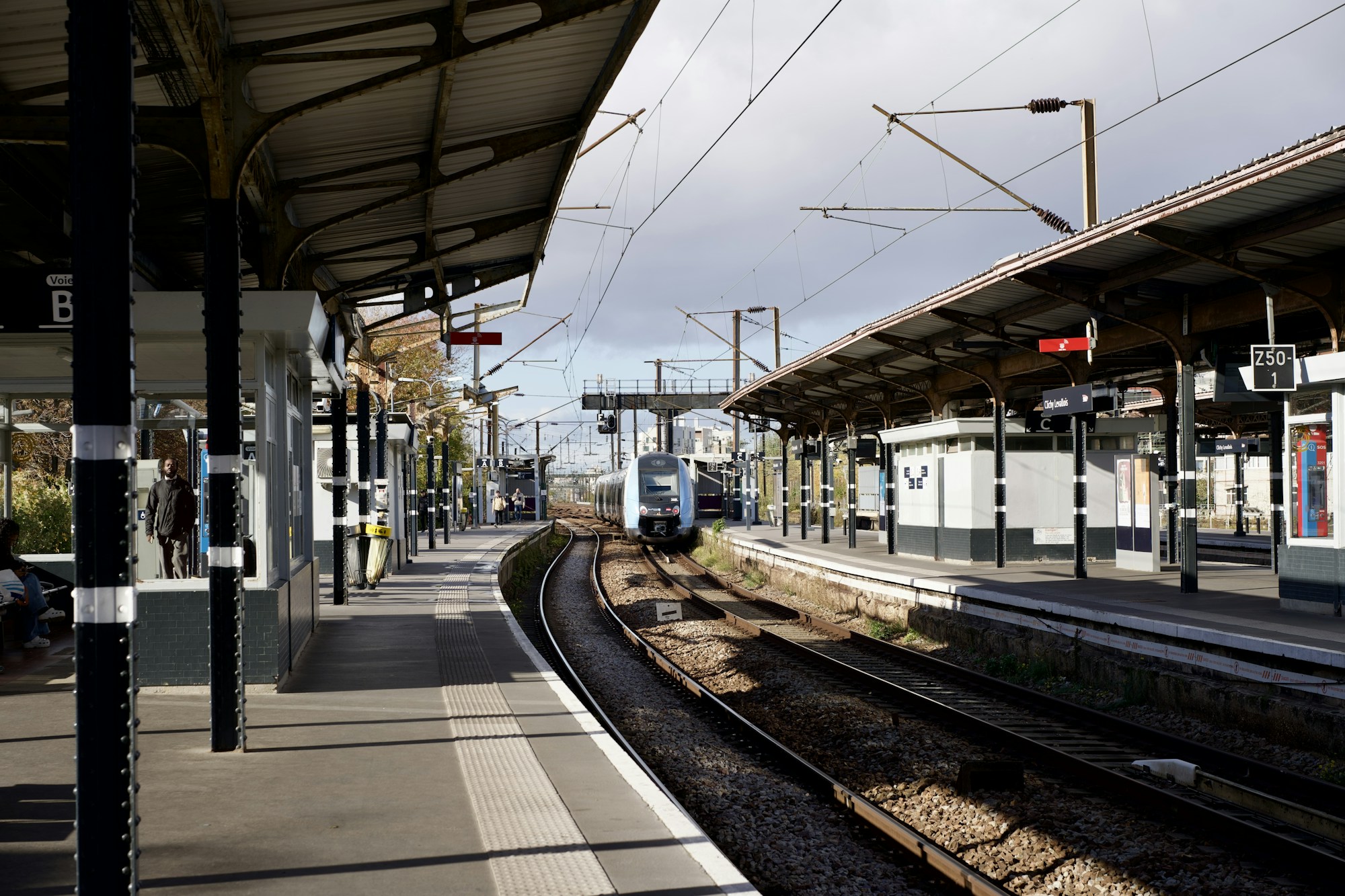
ÖBB’s Nightjet NJ295 links Munich to Rome in 14 hours (20:09 to 10:45) with new rolling stock since 14 July 2025: Wi-Fi, a socket at every seat and new individual Mini Cabins. Net fares: seat from €29-34.90, 4-berth couchette €49-69.90, sleeper €69.90-89, and Comfort Plus with shower from €139.90, per Nachtzug.net. From London, count a full day of Eurostar and ICE to Munich first (about 9-11 hours) before boarding: two days of travel to Rome in total, against 5-7 hours by plane. The maths only works when budget, CO2 or the experience matter more than the clock.
Highlights
- Individual Mini Cabins, the 2025-26 novelty for solo travellers
- Breakfast included in couchette and sleeper
- One hotel night saved: berth from €49
European Sleeper Brussels–Milan: the new line from 9 September
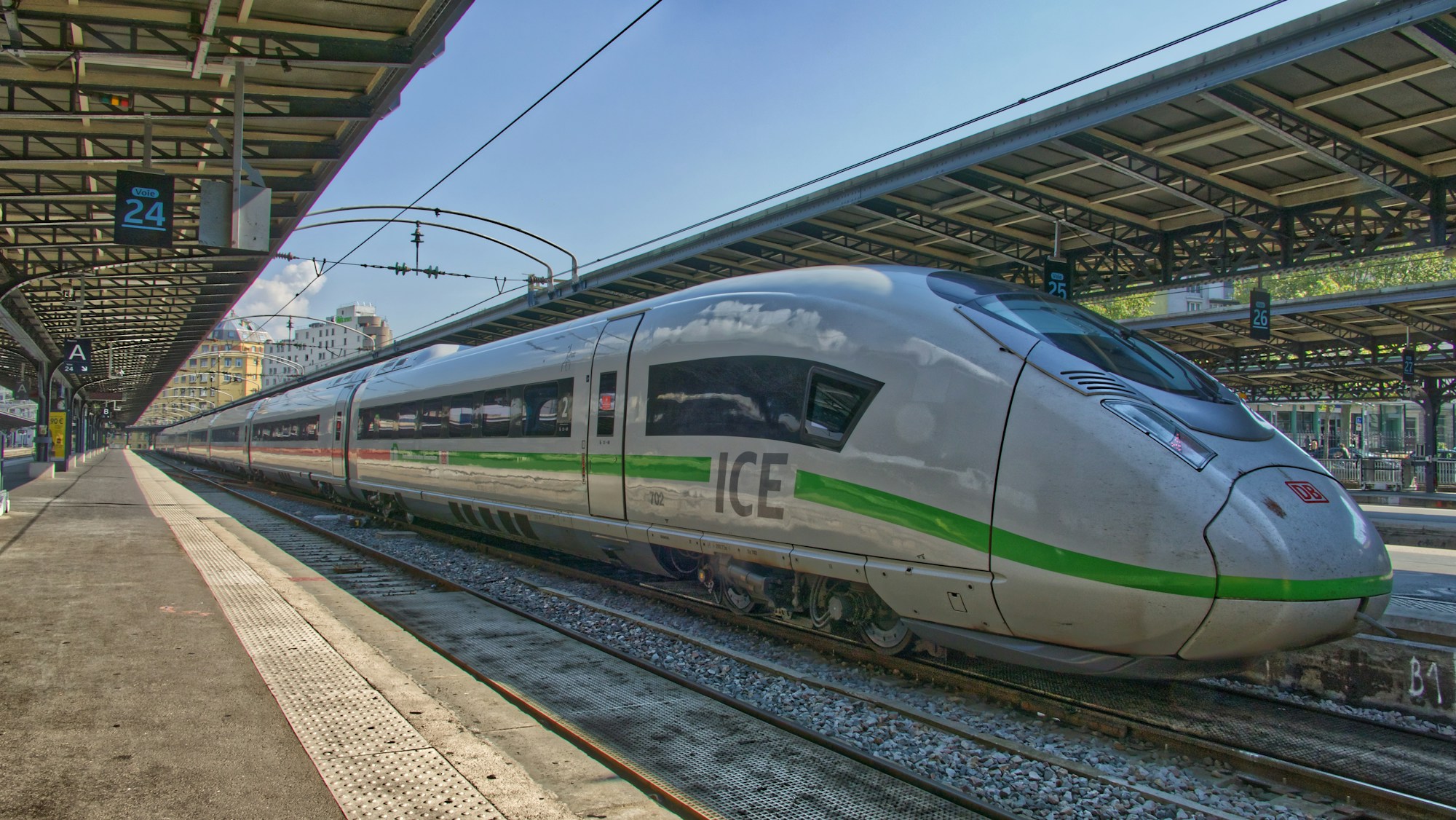
On 9 September 2026, European Sleeper launches the first direct night link to Italy from north-west Europe: Brussels–Cologne–Zurich–Milan, about 17 h 50, arriving at Milano Porta Garibaldi. Three departures a week (Monday, Thursday, Saturday), seat from €29.99, couchette from €49.99 and Comfort Plus at €129.99 with breakfast, per Travel Trade Journal. While the Simplon tunnel is being upgraded, the train runs via the Gothard base tunnel; the extension to Antwerp, Breda and Eindhoven is expected on 13 December 2026. From London, it’s a 2-hour Eurostar to Brussels and a same-station change — no need to cross Paris (Seat61).
Highlights
- First Brussels–Milan night line, with no public subsidy
- Arrival at Porta Garibaldi, in the heart of Milan, at breakfast time
- Crosses the Alps by rail, including the Gothard alignment
Finally, once in Italy, Trenitalia’s Intercity Notte network remains the peninsula’s nocturnal backbone: 24 routes (Milan–Sicily, Rome–Sicily, Milan–Lecce, Turin–Reggio Calabria, Rome–Venice–Trieste…), about 1.9 million passengers in 2023 (+23%) and €140m from the PNRR plan for 70 new sleeping cars expected in 2026, per Night Ride. For Venice, the « hybrid » formula documented by Seat61 stays realistic: a mid-morning Eurostar to Paris, an afternoon TGV Paris–Stuttgart, then the Nightjet Stuttgart–Venice (20:29 to 08:34) in a couchette from €49.90.
City by city: who really wins the match
Milan settled, that leaves Rome, Venice, Florence and Naples. Each city has its own quirk that shifts the balance of the comparison. Note for August: many Italians are on holiday and everything shuts down around 15 August, trains included, with a reduced service that delays connections.
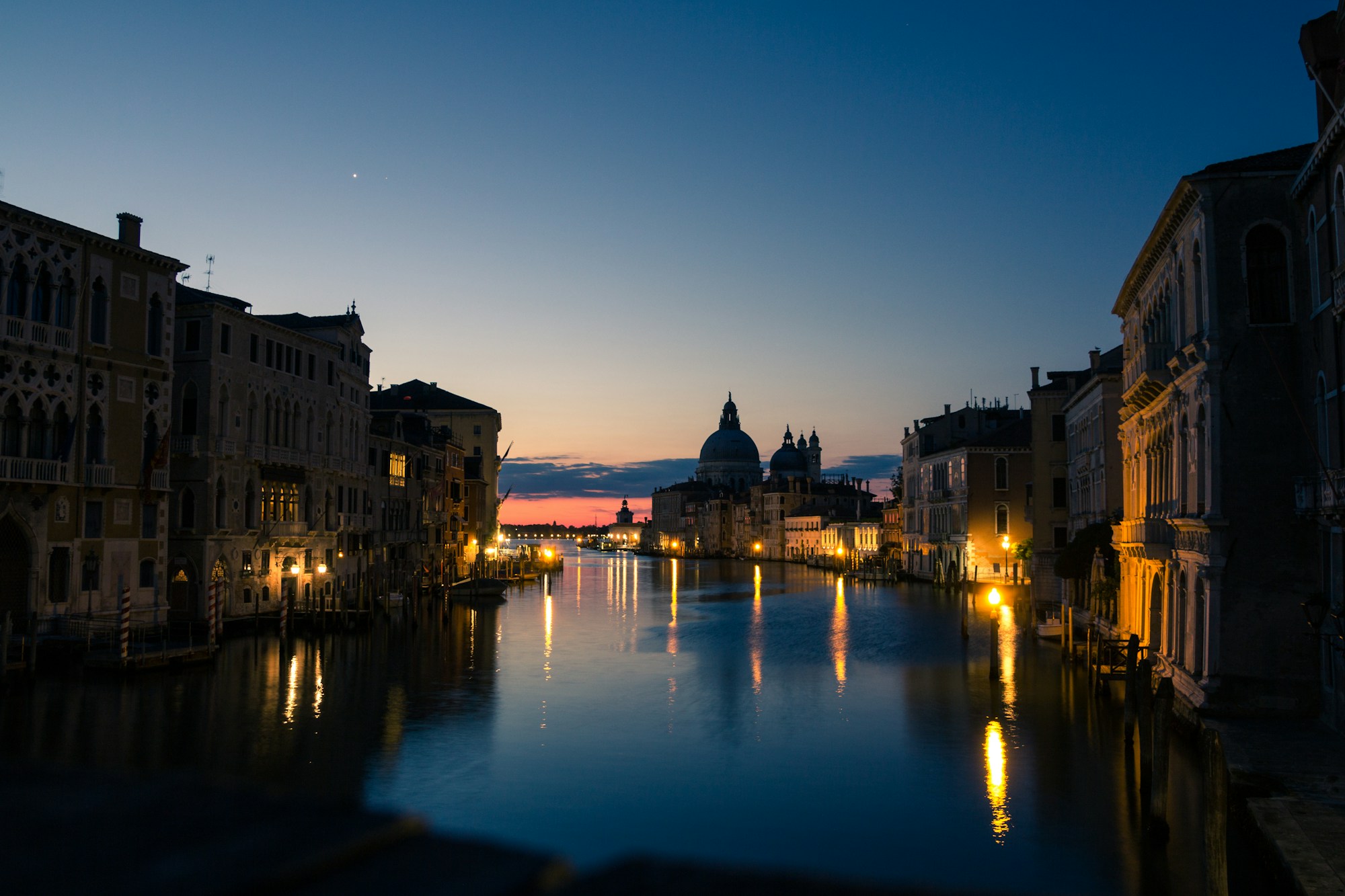
Venice: the extreme case where the airport is the weak link
Venice is the perfect door-to-door demonstration: Marco Polo airport is on the mainland, and you need 60-90 minutes of Alilaguna (€15-18) or bus-plus-vaporetto to reach the islands, remind European Traveler and The Venice Pass. The train, by contrast, arrives at Santa Lucia station, a 5-minute walk from the Grand Canal: about 14 hours from London via Milan (from €115 + €19.90), and you’re in the centre. The regulars’ advice on the Rick Steves forum still holds: never come for a single night, and Florence–Venice takes 2 h 13 by train.
Highlights
- Arrival at Santa Lucia, 5 minutes from the Grand Canal
- Skips the 60-90 minute water transfer from Marco Polo
- La Serenissima in the late afternoon, once the day-trippers have left
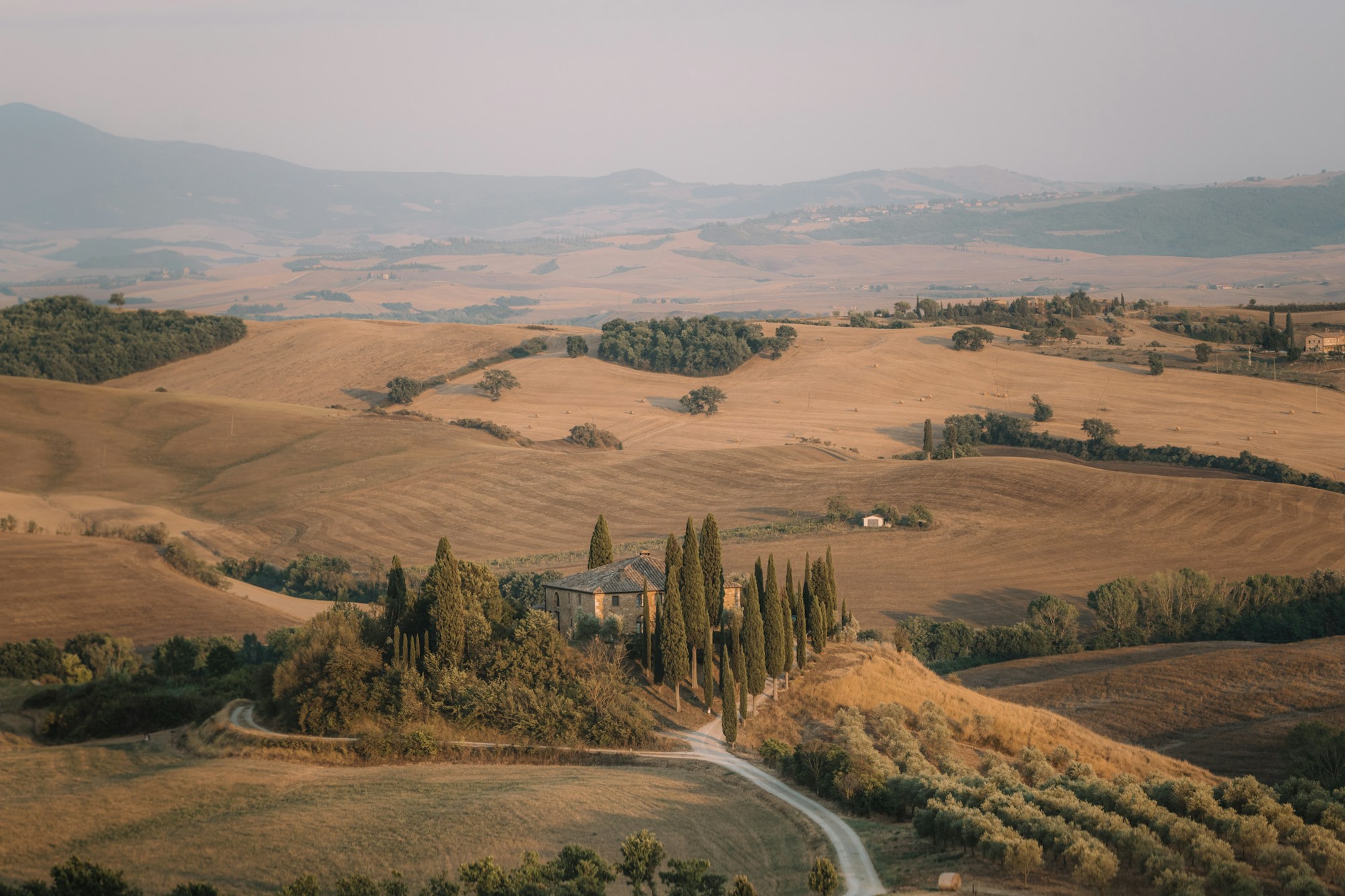
Florence: the city where London actually has a direct flight
A textbook case — and it flips the Paris story. British Airways flies direct from London City to Florence in about 2 h 10, with up to three departures a day: Peretola’s runway is short, but fine for the Embraers BA uses on the route. The train, via Milan (~15 h) or Turin (~15 h 30), still arrives at Santa Maria Novella, right in the centre. Cherry on the cake: the T2 tram links Florence airport to the station in 20 minutes for €1.70 — the best time-to-price ratio in all of Tuscany, per Italy Planner.
Highlights
- Direct, city-centre arrival: Santa Maria Novella, 10 minutes’ walk from the Duomo
- Then Rome or Venice in 1 h 25 and 2 h 13 by high-speed rail
- No airport faff: no security queues, no transfer, bag included
Rome: the plane wins the clock (2 h 25 flight against ~17 h by train), but the arrival has a price. Fiumicino sits 32 km out (Leonardo Express €14 in 32 minutes — one of Europe’s best-value transfers) and Ciampino is 15 km away for the low-cost carriers; Termini and Tiburtina stations, by contrast, are central, and a train-to-train connection skips airport transfers entirely. For UK travellers, add the EU’s new EES biometric checks: queues of several hours at peak times are a real risk factor in 2026. Once there, don’t miss our standard-vs-arena Colosseum ticket comparison to pick the right visit.
Naples: the city where the plane is easiest on arrival (airport 6 km away, Alibus €5 in 15-25 minutes) and the train the longest (~18 h via Milan). If you’re set on rail, Seat61 advises breaking the journey with an overnight stop in Turin (Porta Susa is about 10-11 hours from London by Eurostar and TGV). From Naples, Centrale station opens onto Pompeii, the Amalfi coast and the islands: our 10 Capri day trips from Naples take over once you’re there. And for Sicily, the Intercity Notte literally rolls the train onto a ferry at the Messina strait (a 20-minute crossing): 10 h 30-13 h overnight, sleeper often under €100, against a flight that Etna regularly grounds (72 cancellations at Catania on 8 August 2026).
Before you go: eSIM and insurance
Mobile data in Italy from the moment you land, no physical SIM: 1-30 days, 5-minute setup. Handy for checking live train times.
Data plans from $4.50Nomad Insurance: worldwide cover from $56 per 4 weeks, with 10% off via our link. Especially useful in 2026: 81.4 million passengers were disrupted in the first half of the year.
From $56 / 4 weeksFrequently asked questions
Is there still a direct night train from London to Italy in 2026?
No — there has never been one from the UK, and France’s sleepers are gone too. Thello shut down in 2020-21, the Nightjet Paris–Vienna/Berlin was scrapped on 14 December 2025 and the Espresso Riviera is suspended for all of summer 2026. Night options route via Munich (Nightjet Munich–Rome) or Brussels (European Sleeper Brussels–Milan from 9 September 2026, 2 h from London by Eurostar), plus Italy’s own Intercity Notte once you’re there. Seat61.
Is the train cheaper than the plane for Italy?
It depends on your profile. Solo light traveller booking late: the low-cost plane often wins (Greenpeace: flying cheaper on 54% of cross-border routes, 95% for France). Add a cabin or hold bag, a seat, airport transfers or kids, and the train wins, often by 2 times (ZHAW 2026). Example: €43 return with Ryanair from Stansted without a bag, against from €115 all-in London–Milan by Eurostar and TGV. Greenpeace.
How much time does the plane really save from London to Milan?
Around 12 h by train station to station (about 12 h 30 door-to-door); the plane is a 2 h flight plus 2 h 30-3 h of airport time and 1-2 h of transfers, so 5-7 h. The plane saves 6-8 h — far more than from Paris, where the gap was 2-3 h. Below 6-7 h of rail travel the train is time-competitive; from London, no Italian city sits in that window. TrainFYI.
How much CO2 do you save taking the train instead of the plane to Italy?
About 84% on the benchmark Paris–Milan run: 24 kg of CO2 by train against 149 kg by plane. The TGV emits 2.3 g CO2e per passenger-km against about 258 g for a short-haul flight (ADEME, radiative forcing included), i.e. 50 to 100 times less. UK figures: National Rail averages ~35 g against ~246 g for a domestic flight (UK Government DESNZ). ADEME.
Is the night train reliable in 2026?
Mixed. Italy’s Frecce punctuality is decent (85-92% within 5 minutes), but the night fleet is ageing (20-50-year-old cars) and reviews swing between « magical experience » and « never again » (Nightjet on Trustpilot: 2.7/5). Cross-border delays of several hours are documented on Munich–Rome. Book a private cabin and pack earplugs. Trustpilot.
Why were the France–Italy night trains scrapped when demand exists?
End of the French €10m-a-year subsidy for the Nightjet Paris–Vienna/Berlin, no renewal of the SNCF traction agreement at Ventimiglia for the Espresso Riviera, an ageing SNCF locomotive fleet (145 units, average age over 40 years) and structurally difficult economics: couchettes carry few people, the cars sit idle all day and track access charges still apply. Swissinfo.
- Seat61 :How to travel by train from the UK to Italy — routes, times, prices
- Seat61 :Paris–Rome: the end of the Thello night trains, 2026 itineraries
- Railway Gazette :Espresso Riviera suspension (March 2026)
- Monaco Life :Espresso Riviera cancelled for summer 2026
- Euronews :Nightjet Paris–Vienna/Berlin scrapped (Oct. 2025)
- Swissinfo :Europe’s night train revival on shaky ground
- Back-on-Track :2026 map of European night trains
- Travel Trade Journal :European Sleeper Brussels–Milan launch
- Nachtzug.net :Nightjet Munich–Rome: times, prices, classes
- Greenpeace : »Flying cheap, paying dear » (August 2025)
- ZHAW :Families and luggage: the train is worth it (2026)
- Our World in Data :CO2 per passenger-km by travel mode (UK Government DESNZ data)
- TrainFYI :Train-vs-plane comparison to Milan, kg CO2
- Il Sole 24 Ore :Italian night train boom (+50%)
- Money Tourism / AirHelp :81.4M passengers disrupted in H1 2026
Research carried out on 9 August 2026. « From » prices are the cheapest verified fares on that date and change with demand.

Plan your trip with Pixidia
Pixidia learns how you travel and helps you build a trip that truly fits you and everyone coming along. Train, plane, stops and activities: the planner builds the itinerary from what you want to do.
Open the planner