
Night trains in Europe in 2026: what you need to know
Four major new routes launched in 2026: Paris–Berlin (European Sleeper, from €29.99, operational since March 26), Prague–Berlin–Copenhagen (ČD/DB/DSB, 11h, since May 1), Amsterdam/Brussels–Milan via the Simplon (European Sleeper, from €49.99 in a Classic couchette, since September 9, 2026) and Hamburg–Stockholm (Snälltåget, from €49, since May 4). The Basel–Malmö route was definitively cancelled in December 2025. Book directly on operators’ sites — tickets open 180 days in advance and early-bird fares fill up fast. Night trains emit up to 20× less CO2 than flying on the same route. Our pick: Paris–Berlin for the lowest fare, Amsterdam–Milan for the Alpine crossing.
In 2026, Europe’s night train is experiencing its most spectacular renaissance in twenty years — but the reality is more nuanced than the enthusiastic headlines suggest. The carbon footprint of a Paris-Berlin train journey is approximately 20 times lower than flying, according to ADEME, and courageous private operators are reviving routes abandoned by governments. But some highly anticipated projects — like Basel-Malmö — were cancelled at the last moment. In this article, we sort through the facts: what’s real, what’s new, and how to book at the best price.
European Sleeper is launching two major new routes in 2026: Paris-Berlin from March 26 and Amsterdam/Brussels-Milan from September 9, 2026. Meanwhile, a trilateral agreement between Czech, German and Danish railways inaugurates the Prague-Berlin-Copenhagen service on May 1. And while the Basel-Malmö route was definitively cancelled after Swiss funding was withdrawn, solid alternatives exist. Here’s everything you need to know to catch the right train.
The great return of night trains: what has really changed in 2025-2026
A denser night rail network than in 2000
According to ulysse.com, Europe’s night train network in 2026 is the densest it has been in twenty years. This resurgence is driven by two factors: growing environmental awareness (planes pollute 20 to 30 times more than trains for the same journey) and the emergence of private operators filling the gap left by governments.
But the 2026 landscape is complex. In autumn 2025, facing the withdrawal of the French state, the closure of the Paris-Berlin and Paris-Vienna lines was announced. It was the Belgian-Dutch cooperative European Sleeper that decided, at its own cost and without subsidy, to take over the Paris-Berlin route. A bold bet following the success of their first Brussels-Prague line, which carried over 230,000 passengers in one year.
Routes open or planned in 2026
- Paris–Berlin (European Sleeper): March 26, 2026, 3x per week, from €29.99
- Prague–Berlin–Copenhagen (ČD/DB/DSB): May 1, 2026, 2 round trips/day, 11h journey
- Amsterdam/Brussels–Milan (European Sleeper): September 9, 2026, 3x per week, via the Simplon
- Hamburg–Stockholm (Snälltåget): new 2026 dates from May 4
- Basel–Malmö: ❌ definitively cancelled (Swiss funding refused in December 2025)
1. Paris–Berlin: the return of the great night train (European Sleeper)
European Sleeper picks up where SNCF and DB left off
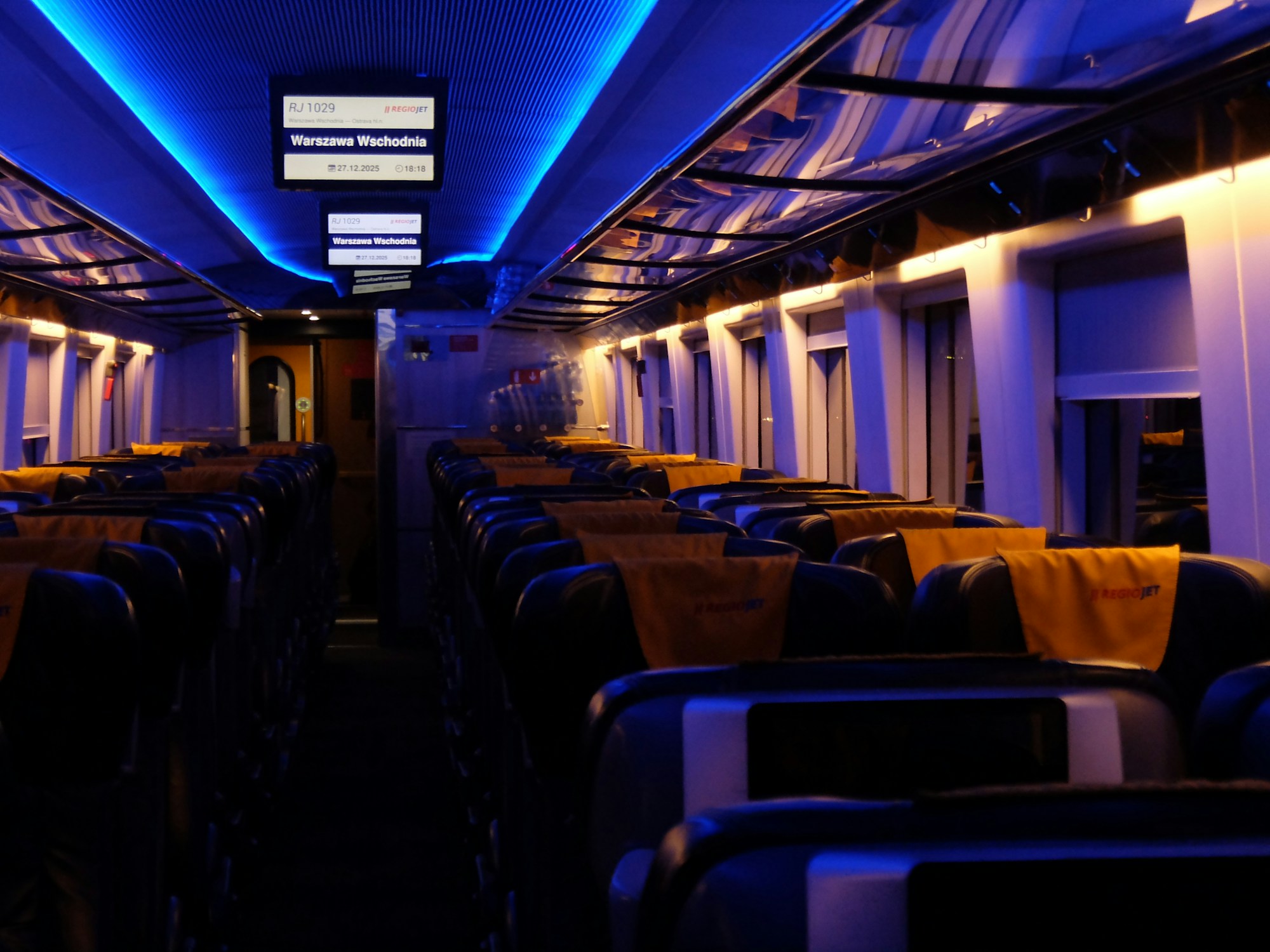
Following the success of its Brussels-Prague route (230,000 passengers in one year), European Sleeper is launching its second night connection: Paris-Berlin, operational from March 26, 2026. Unlike the old ÖBB Nightjet which went via Strasbourg, this version runs through Brussels, enabling connections from London via Eurostar. A major advantage for British and Belgian travellers.
The schedules are designed to be practical: departures from Paris-Nord on Tuesdays, Thursdays and Sundays at 5:45 PM, arriving at Berlin Hauptbahnhof the following morning at 9:59 AM. In the other direction, trains leave Berlin on Mondays, Wednesdays and Fridays at 6:31 PM, arriving in Paris at 10:00 AM. New from July 2026: from July 13, trains will stop at Hamburg-Harburg, strengthening connections to Scandinavia.
The 4 available comfort categories
- Budget (reclining seat): from €29.99 — ideal for budget travellers, but bring earplugs
- Classic (4-6 berth couchette): from €69.99 — sheets and blankets provided, the most popular option
- Comfort (private 2-3 berth couchette): higher price, more privacy
- Private cabin: for travelling as a couple or solo in complete comfort
Tickets have been on sale since December 16, 2025 at europeansleeper.eu. Interrail or Eurail pass holders can use the route with a booking supplement (from €11 to €179 depending on category).
2. Prague–Berlin–Copenhagen: the long-awaited direct connection
ČD, DB and DSB unite to connect three capitals
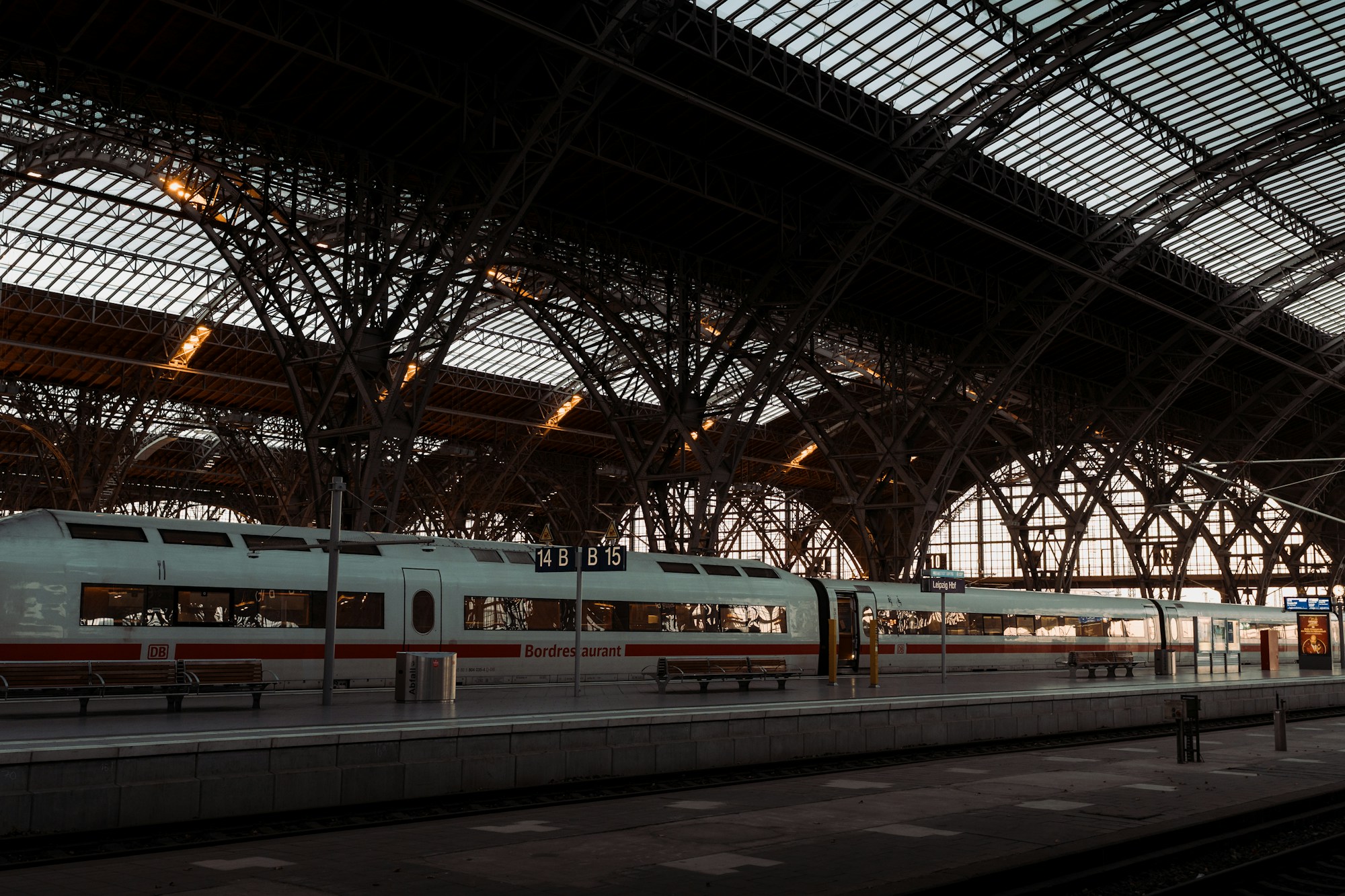
Czech (ČD), German (DB) and Danish (DSB) railways have signed a historic agreement to launch a direct Prague–Berlin–Copenhagen service from May 1, 2026. It is the first direct connection between these three capitals in decades, and according to Deutsche Bahn, the first of a series of ten EU-supported pilot projects to promote cross-border rail connections.
Important to know: contrary to what its name might suggest, this Prague-Copenhagen service is not a night train with couchettes. It operates with ČD’s ComfortJet day trains, offering on-board dining, Wi-Fi, a bike space and 555 seats. Two daily round trips will run year-round, with a third added during the summer season.
Key schedules and stops
- Prague departures: 6:30 AM and 10:30 AM year-round (+ 4:30 PM in summer)
- Main stops: Prague → Dresden → Berlin → Hamburg → Copenhagen
- Berlin–Copenhagen: 7 hours — panoramic journey across the Great Belt bridges
- Prague–Copenhagen: 11 hours — crossing northern Germany along the Elbe
Passengers will enjoy panoramic views of the Elbe Valley between Dresden and Prague, the north German countryside, and the Great Belt bridges connecting Denmark’s islands. According to railmarket.com, ticket sales were expected to open six months before the launch.
3. Amsterdam/Brussels–Milan: the Simplon night train returns
European Sleeper revives the historic Orient Express route
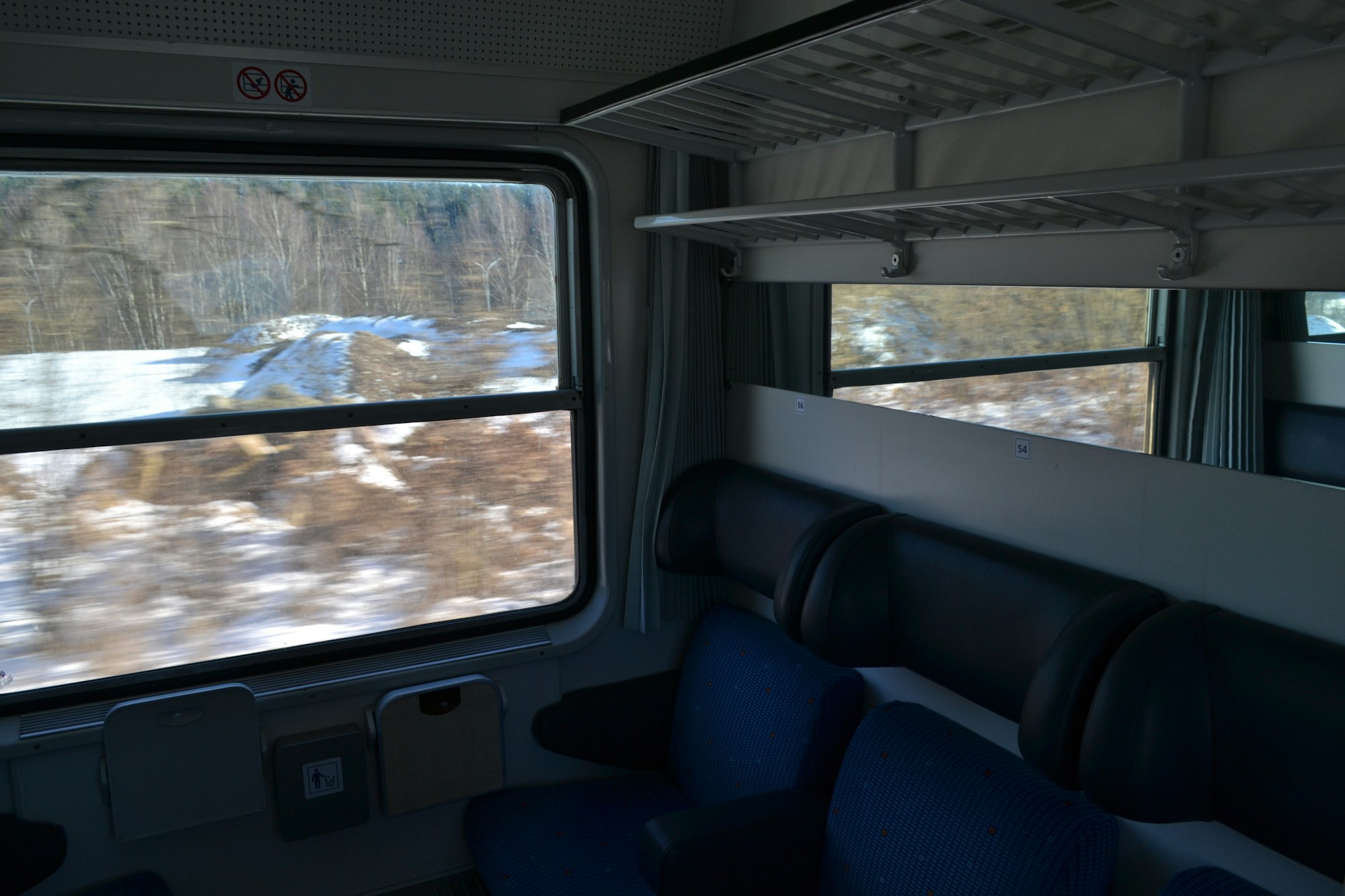
European Sleeper’s third route is its most romantic. In service since September 9, 2026, the Amsterdam-Brussels-Milan line follows the historic Simplon route, the very route once taken by the Venice Simplon-Orient-Express. The train crosses Switzerland via Bern and Brigue, stops at Stresa on the shores of Lake Maggiore, before arriving in Milan.
The itinerary is designed for connections: at Brussels for Eurostar services to London, at Cologne for Hamburg and Berlin, at Bern for Zurich and Geneva, and at Milan to continue to Venice, Florence and Rome. In a technical first, the train will be split and reassembled at Cologne to serve Brussels and Amsterdam separately.
Key stops and connections
- Amsterdam → Brussels → Cologne → Bern → Brigue → Stresa → Milan — one night, five countries
- Stop at Stresa (Lake Maggiore): one of the finest Alpine views, now accessible without transfer from Amsterdam
- Departures: Monday, Thursday, Saturday from Amsterdam; return from Milan on Wednesday, Friday, Sunday
- Booking: at europeansleeper.eu/milan — Interrail/Eurail passengers accepted with a supplement
4. Basel–Malmö: the cancelled project and solid alternatives
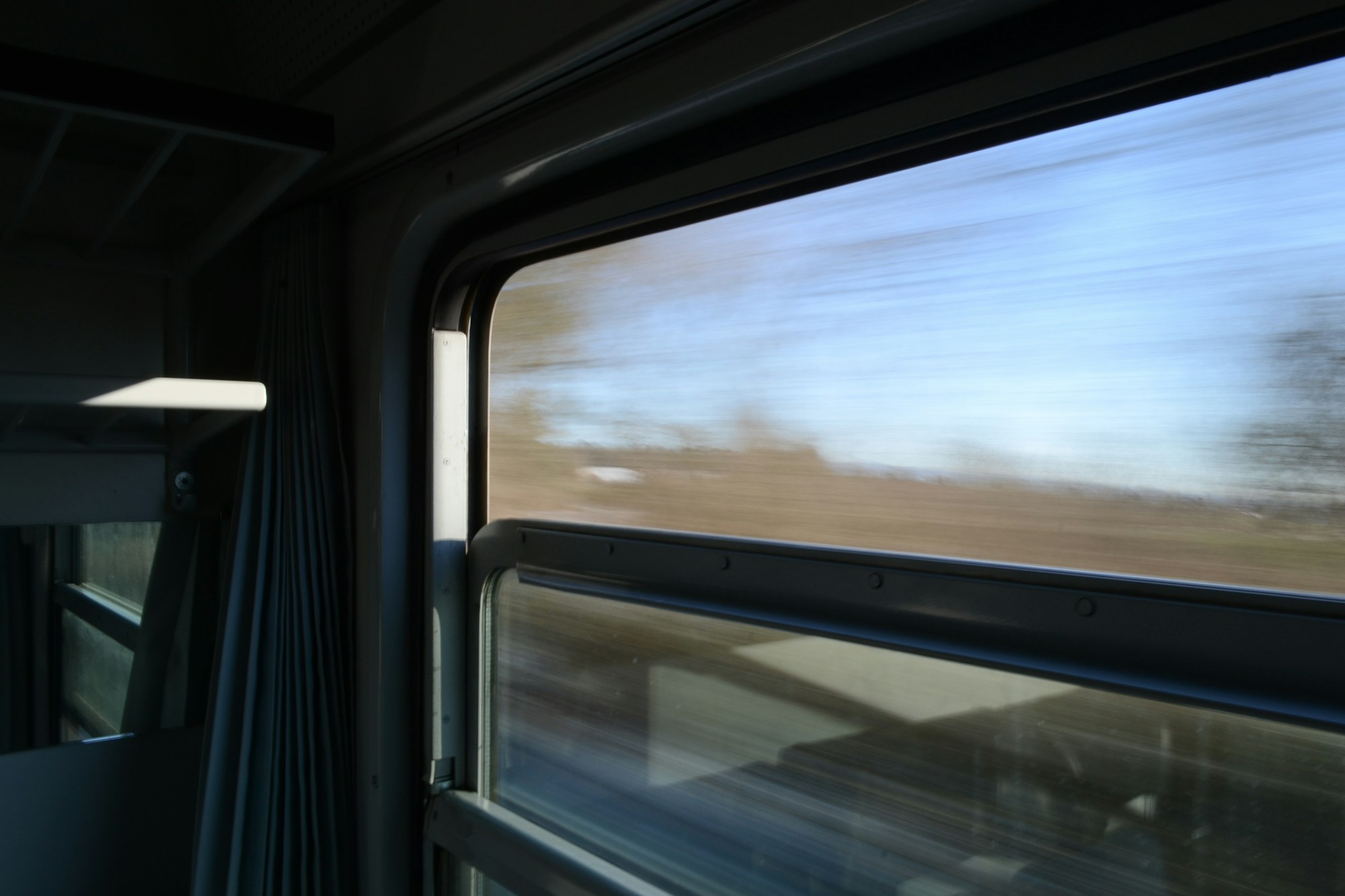
The major Swedish project falls through — but alternatives exist
The Basel-Copenhagen-Malmö night train project, which had received considerable media coverage and had even begun selling tickets, was definitively cancelled. According to ulysse.com, the Swiss Parliament refused to release the 47 million francs needed in December 2025. Already-sold tickets were refunded. The project had been planned for April 15, 2026.
The good news: for reaching Scandinavia from Germany or Switzerland, alternatives are solid. Snälltåget, the Swedish private operator, runs direct night trains between Hamburg and Stockholm via Copenhagen and Malmö from May 4, 2026. And since late 2025, SJ also offers tickets on this service from €29.99.
Scandinavia alternatives in 2026
- Snälltåget Berlin→Stockholm: from May 4, 2026, ~16h, from €49 — restaurant car available to book, bikes accepted
- Snälltåget Malmö→Oslo: daily departures from June 15, 2026 via Gothenburg
- SJ night train via Copenhagen: existing routes from €29.99 — book at sj.se
- Practical tip: Snälltåget Monday, Tuesday or Wednesday departures generally offer the best fares
5. How to book and travel by night train: the complete guide
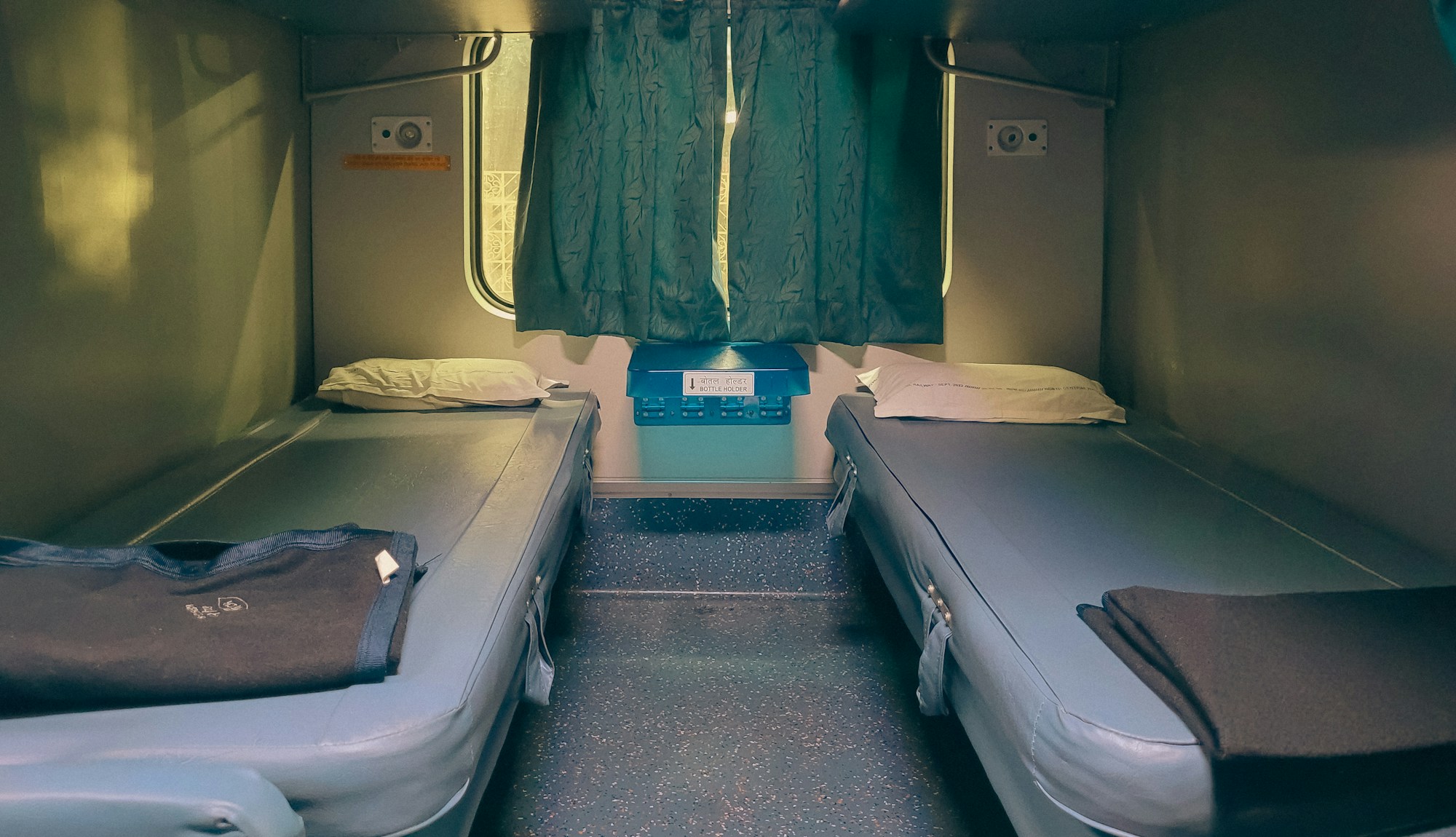
The 3 comfort types to know before booking
Choosing your accommodation type determines the entire night train experience. According to Lonely Planet, there are three fundamental levels:
- Seat / reclining seat: the most economical. Lights are rarely fully off; bring a sleep mask and earplugs. SNCF Intercités de Nuit: from €19. European Sleeper Budget: from €29.99.
- Couchette: 4 to 6 bunks per compartment, bedding provided (sheets, blanket, pillow). Perfect for solo travellers or groups of friends. From €29.90 on Nightjet.
- Private cabin (sleeper car): real beds with mattresses, sheets, pillow. Some new-generation Nightjet cabins even have a private shower. Breakfast often included.
Where to buy tickets
- European Sleeper (Paris-Berlin, Amsterdam-Milan): europeansleeper.eu
- ÖBB Nightjet (Vienna, Zurich, Munich…): nightjet.com or oebb.at (up to 180 days in advance)
- SNCF Intercités de Nuit (Paris-Nice, Paris-Toulouse…): sncf-connect.com
- Snälltåget (Berlin-Stockholm, Malmö-Oslo): snalltaget.se
- Prague-Berlin-Copenhagen (ČD/DB/DSB): cd.cz, bahn.de or dsb.dk
Frequently asked questions about new night trains in Europe 2026
Can you really travel from Paris to Berlin by night train in 2026?
Yes, and it’s great news! The Paris-Berlin route, operated by European Sleeper, was relaunched from March 26, 2026. Trains depart three times a week from Paris-Nord (Tuesdays, Thursdays, Sundays at 5:45 PM), arriving at Berlin Hauptbahnhof the following morning at 9:59 AM. Tickets start at €29.99 in a seat and €69.99 in a couchette. Book at europeansleeper.eu.
Does the Basel-Malmö night train actually exist in 2026?
No. The Basel-Copenhagen-Malmö night train project, originally planned for April 15, 2026, was definitively cancelled after the Swiss Parliament refused to release the 47 million francs needed in December 2025. Already-sold tickets were refunded. To reach Scandinavia, alternatives include Snälltåget Berlin-Stockholm (from €49) or SJ services via Copenhagen.
Is the Prague-Copenhagen train a night train with couchettes?
No — and this is important to know before booking. The direct Prague-Berlin-Copenhagen service launched on May 1, 2026 operates with ČD’s ComfortJet day trains, featuring comfortable seats, dining car, Wi-Fi and bike spaces. The journey takes 11 hours between Prague and Copenhagen (7h between Berlin and Copenhagen). There are no couchettes — this is not a night train, but a daytime connection between three capitals.
What is the difference between a couchette and a sleeper cabin?
Couchettes are shared bunks (4 to 6 per compartment) with bedding provided (sheets, blanket, pillow), but without privacy or a private washbasin. Sleeper cabins offer real beds with mattresses, made up with proper sheets, in compartments for 1, 2 or 3 people. The new Nightjet Siemens carriages even offer private showers in some deluxe cabins.
Do you need to book even with an Interrail or Eurail pass?
Yes, booking is mandatory on all night trains, even with a 1st class pass. Booking fees apply and vary by operator: from €11 (European Sleeper) to €40 (Nightjet private cabin). Reservations can be made online via the operators’ websites, at stations or by phone.
Can you bring your bike on a European night train?
It depends on the operator. On European Sleeper (Brussels-Prague and Paris-Berlin routes), up to 26 bike spaces are available during the summer season, at €19 per unfolded bike. This is a major advantage for cycle tourists looking to explore the Elbe cycle paths between Dresden and Prague. For ÖBB Nightjet, bicycles must be disassembled and packed in a bag.
How can I track new night train route openings?
The interactive map at back-on-track.eu/night-train-map lists all active and upcoming routes, updated regularly. Priority sites to follow: europeansleeper.eu (Paris-Berlin, Amsterdam-Milan), nightjet.com, sncf-connect.com, snalltaget.se and cd.cz. Set up alerts on these sites to be notified as soon as sales open.
What is the cheapest way to book a night train in Europe in 2026?
To get the lowest fares on European night trains in 2026, book as early as possible — ideally the day sales open (up to 180 days in advance for Nightjet, around 6 months for European Sleeper). Introductory prices disappear fast: Paris–Berlin starts at €29.99 in a seat, Amsterdam–Milan from €49.99 in a Classic couchette, Berlin–Stockholm from €49 on Snälltåget. Mid-week departures (Tuesday, Wednesday or Thursday) are consistently cheaper than weekends. If you travel multiple nights, an Interrail or Eurail pass can save money — but remember to add the mandatory reservation supplement (from €11 on European Sleeper, up to €40 on Nightjet for a private cabin). Always compare buying a point-to-point ticket vs. a pass before booking.
Are night trains really more eco-friendly than flying?
Yes, very significantly. According to ADEME, the carbon footprint of a Paris-Berlin train journey is approximately 20 times lower than flying. By taking the night train, you save a night’s hotel stay, reduce your CO2 emissions and arrive right in the city centre. The combination of low prices (from €29.99) + overnight transport + reduced ecological footprint makes it often the most advantageous option overall.
How long does the Amsterdam-Milan night train take?
The European Sleeper Amsterdam/Brussels-Milan service, running since September 9, 2026, crosses the Alps via the Simplon tunnel and arrives the next morning, with fares from €49.99 in a Classic couchette. Book early on the operator’s site, as the cheapest seats and couchettes sell out first.
Sources
- Ulysse.com — European Sleeper 2026: Paris-Berlin, Amsterdam-Milan — Overview of the two new European Sleeper routes
- Ulysse.com — Night Train Map Europe 2026 — Overview of the night rail network
- VoyagerenTrain.fr — New night trains 2026 — Complete guide to new routes
- VoyagerenTrain.fr — European Sleeper — Complete guide to the operator
- Railway Pro — ČD, DB and DSB: Prague-Berlin-Copenhagen trilateral agreement — Official partnership announcement
- Euronews — New Prague-Berlin-Copenhagen connection from 2026 — Technical details
- RailTech.be — European Sleeper Amsterdam-Milan summer 2026 — Third route announcement
- HourRail.voyage — Paris-Berlin night train: European Sleeper — Detailed schedules and July 2026 updates
- Snälltåget — Berlin-Stockholm — Berlin-Copenhagen-Stockholm night service
- TheTraveler.org — Europe Night Trains 2025-2026 — Overview of the European network
- Seat61.com — Nightjet Guide — Everything about ÖBB Nightjet trains
- Interrail.eu — Night trains with a pass — Official Interrail guide
- Lonely Planet France — Night train: tips for travelling safely — Practical advice
- Railmarket.com — Direct Prague-Copenhagen connection — Details on the route reopening
Research conducted on March 2, 2026; updated June 28, 2026; refreshed August 14, 2026. Schedules and fares are subject to change — always check on the operators’ official websites.
Ready to plan your next European trip?
Travelling by night train means travelling differently — no airport stress, arriving rested right in the city centre. Combine your journey with a tailored itinerary to make the most of your destination.
Explore Pixidia itineraries