
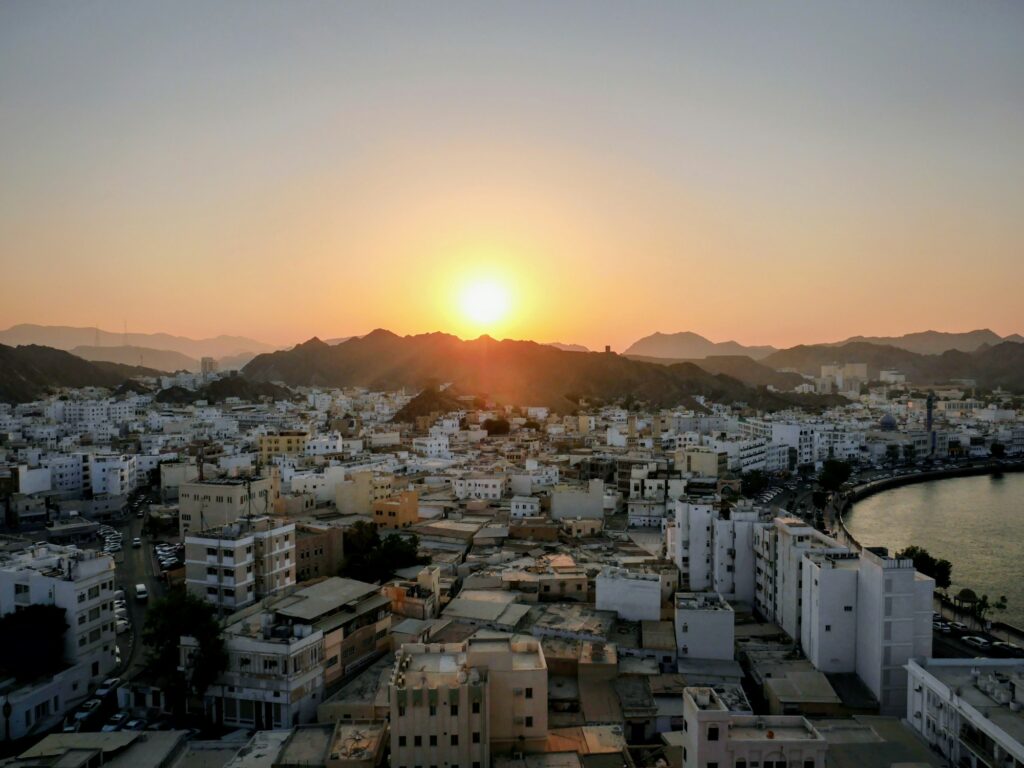
Oman is rated Level 1 (normal vigilance) by the French Ministry of Foreign Affairs in 2026, and its airspace remains open. A 10-day loop covers Muscat, Wadi Shab, Wahiba Sands, Nizwa, Jebel Akhdar and Salalah for roughly €1,500–2,000 per person excluding flights. No visa is needed for EU citizens for stays under 14 days. Go between October and April, and avoid only the 10 km zone along the Yemeni border.
Verified on against the sources listed below.
In April 2026, the Middle East dominates headlines with war, closed airspaces and Houthi attacks on Red Sea shipping. Yet at the southeastern tip of the Arabian Peninsula, one sultanate has quietly turned its back on this spiral of violence. Oman — the « Switzerland of the Gulf » — has maintained strict diplomatic neutrality for decades, a policy that even the most intense regional conflicts have failed to shake. The result: pristine dunes, turquoise wadis, centuries-old forts and legendary hospitality — almost entirely to yourself. Here is why April 2026 is the best moment in recent history to visit.
1. Oman in 2026: A Calculated Island of Peace
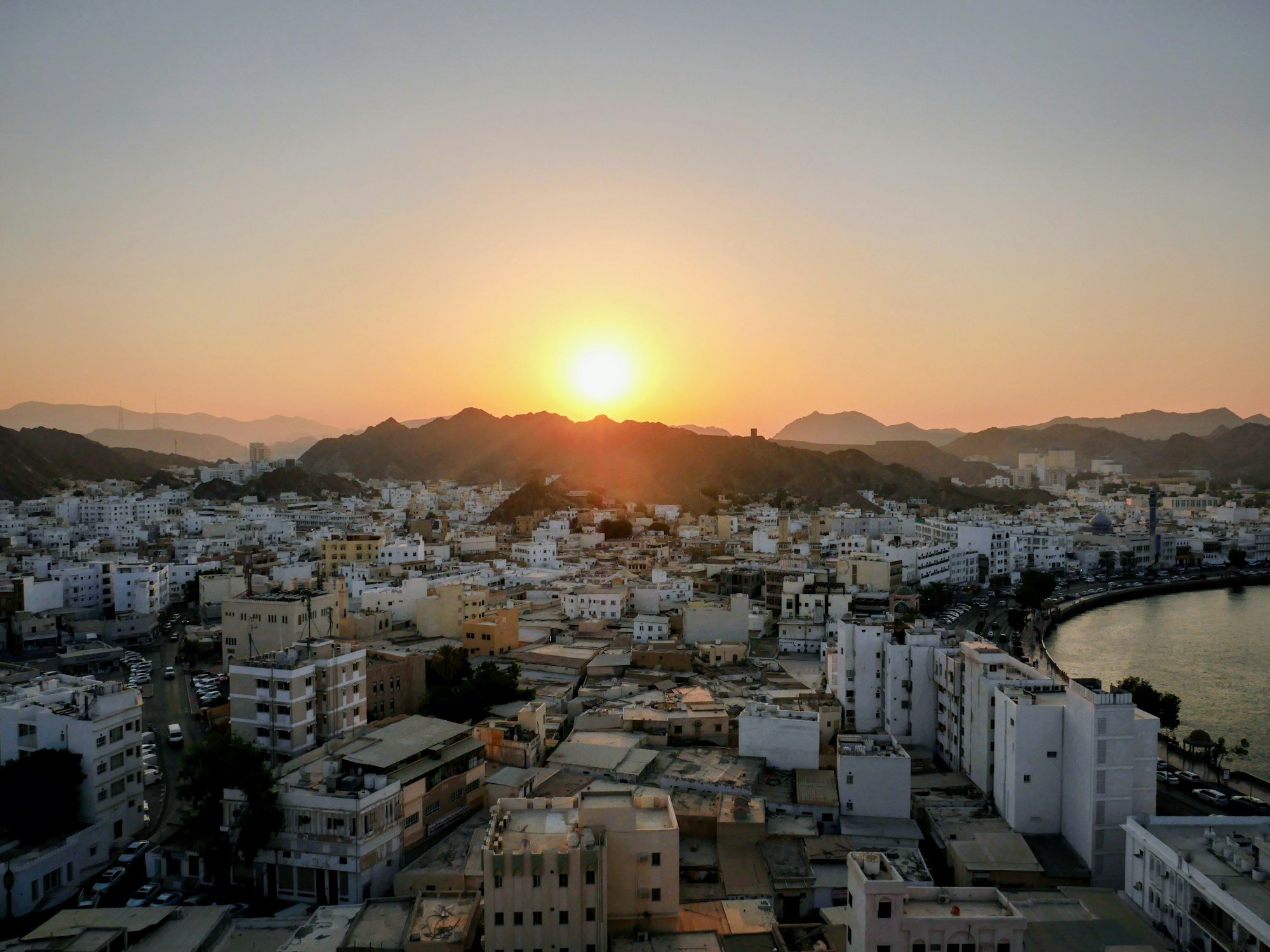
The « Switzerland of the Gulf » in the Face of Regional Conflicts
While headlines paint the Middle East as a warzone, Oman remains conspicuously apart from the flames. This is neither luck nor indifference — it is the result of a decades-long diplomatic strategy unique in the region.
Maintaining dialogue with Iran, Israel, the United States, the Houthis and the rest of the Arab world simultaneously, Oman has built an extensive diplomatic network dedicated to regional stability. In 2015, it was the only Gulf state to refuse joining the Saudi-led coalition in Yemen. In 2017, it refused the Qatar boycott. In 2024, it condemned US-UK strikes on Houthi positions while reaffirming its mediator role. More recently, it helped defuse the US-Houthi crisis in the Red Sea and prevent a direct escalation between Washington and Tehran.
What This Means for You as a Traveler
- Omani airspace is open, with no detours or surcharges unlike flights routing around the region
- Muscat remains a neutral destination that all parties respect
- Tourist numbers down 15–20% compared to 2023–24 — fewer crowds, same prices
- Authenticity rarely found elsewhere: local guesthouses over mass-market resorts
2. Muscat, Days 1–2: Between Sea and Mountains
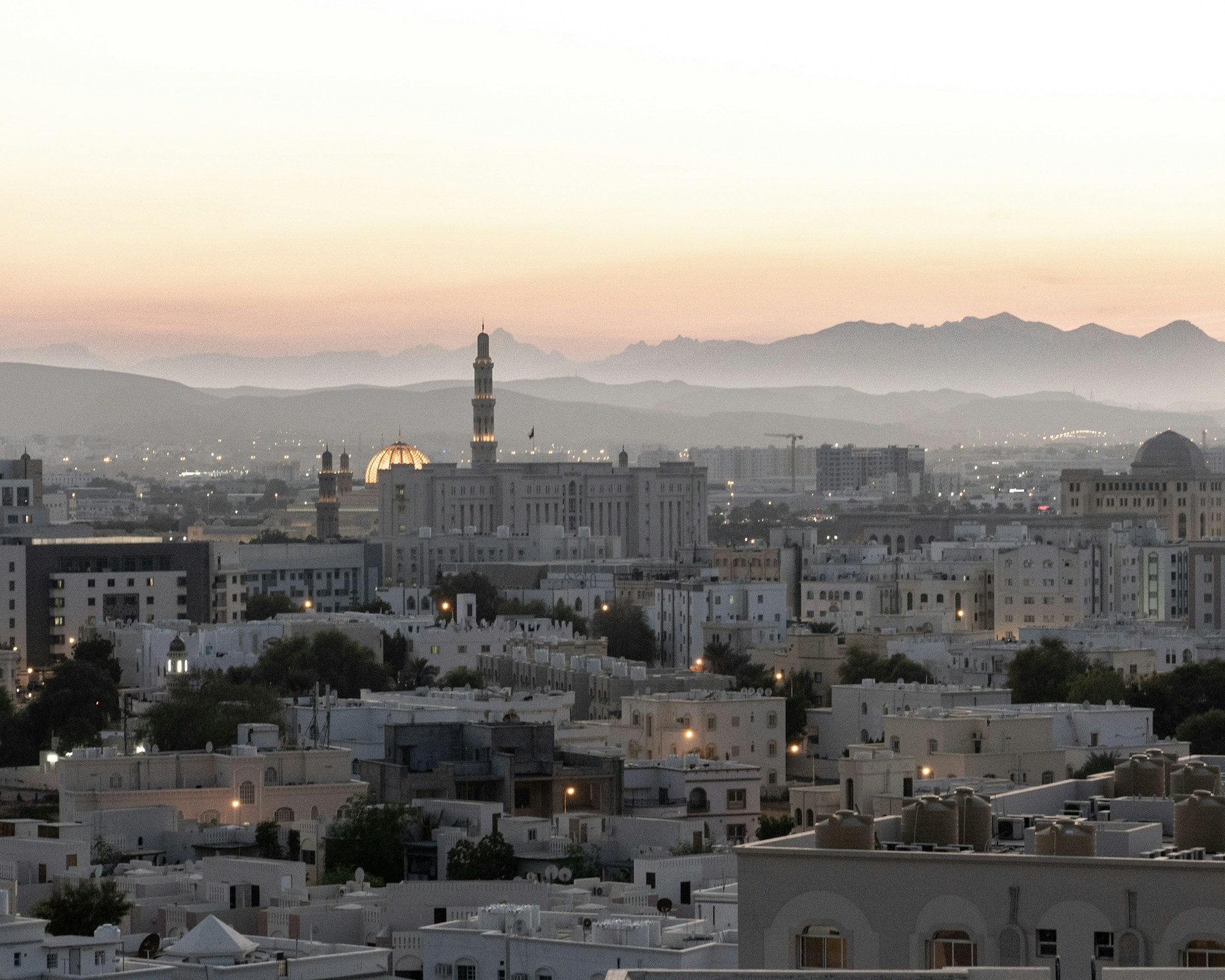
Muscat: The Capital That Resists Time
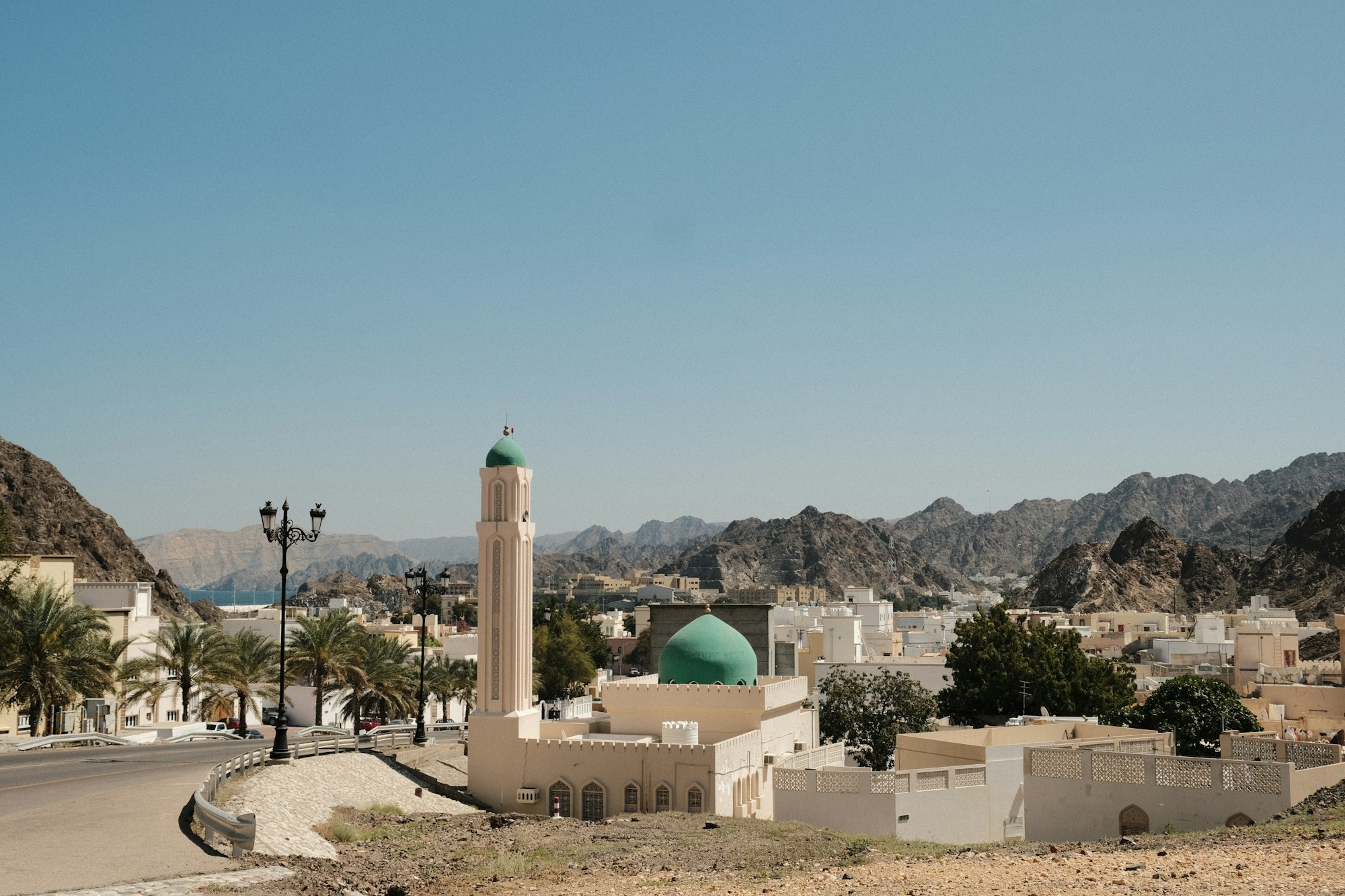
Nestled between the Gulf of Oman and the Al-Hajar mountains, Muscat is one of Arabia’s most captivating cities. Skyscrapers have been banned to preserve the city’s charm — worlds away from Dubai’s towering skyline.
Must-See Highlights
- Sultan Qaboos Grand Mosque — the only Omani mosque open to non-Muslims, a masterpiece of marble and mosaics (~€7 entry, closed Friday morning)
- Muttrah Souk — one of Arabia’s oldest markets, a labyrinth of incense-scented alleys with a thousand-and-one-nights atmosphere
- Muttrah Fort — 200 steps, free entry, the best sunset view over the bay
- Al-Alam Palace — gold and blue façade, the Sultan’s official residence, admire it from outside
- Royal Opera House — stunning blend of Arabic and Italian architecture, check the program in advance
3. Wadi Shab, Days 3–4: The Secret Cave Behind the Waterfall
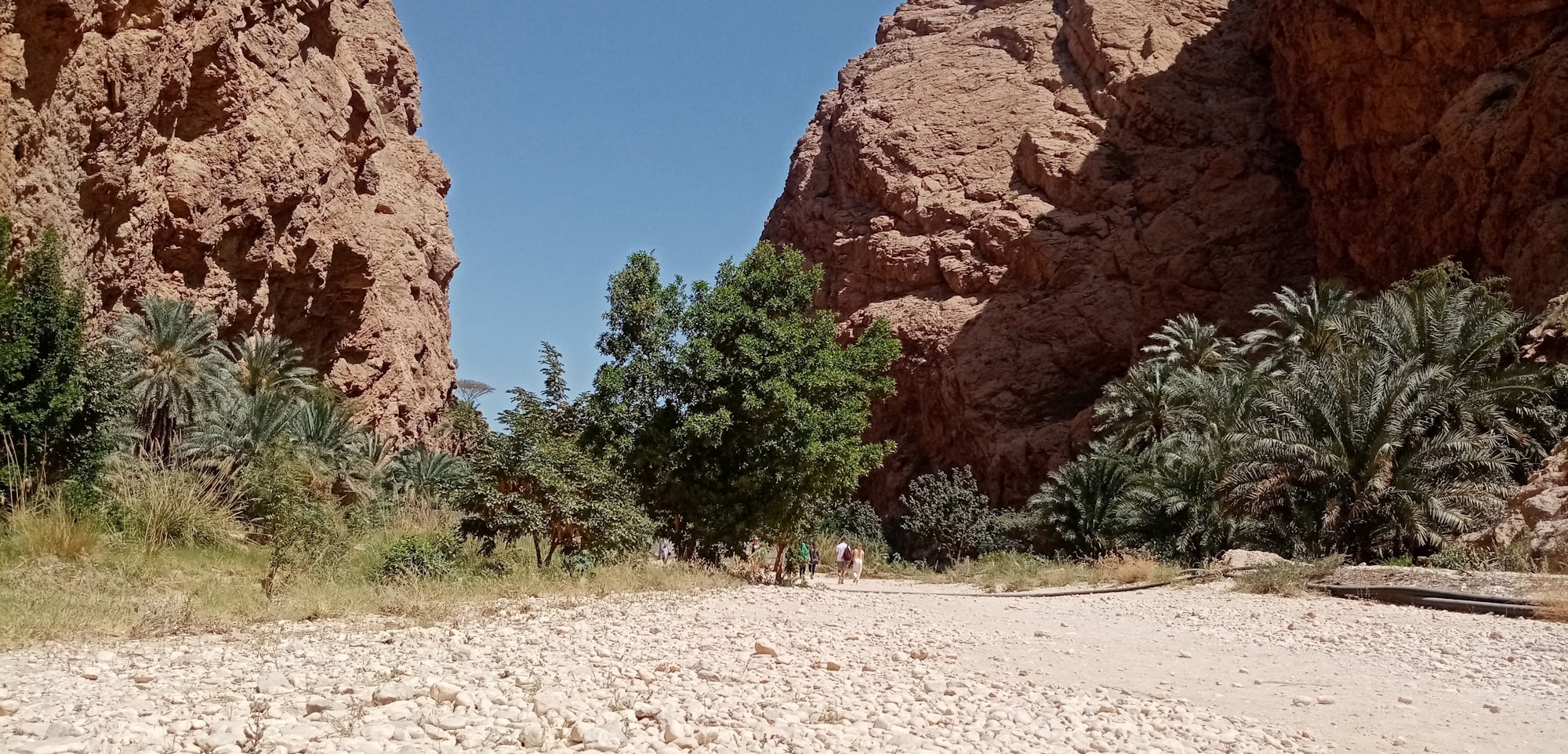
The Wadi Hiding a Cave with a Waterfall
Wadi Shab, 140 km southeast of Muscat, is arguably Oman’s most spectacular natural experience. After a short boat crossing and a 40-minute hike between ochre rock walls, you discover crystal-clear natural pools. Then, swimming through a narrow rocky passage, you reach a secret cave hiding a waterfall — a truly unforgettable adventure.
Practical Tips
- Arrive before 8am to have the wadi almost to yourself (tour groups arrive around 9:30am)
- Rent water shoes on-site (1 OMR/€2.50) — rocks are dangerously slippery without them
- Boat crossing: 1 OMR (~€2.50). Wadi entry: free
- Combine with Bimmah Sinkhole in the morning (turquoise natural pool, 30 min away)
4. Wahiba Sands, Day 5: The Bedouin Desert
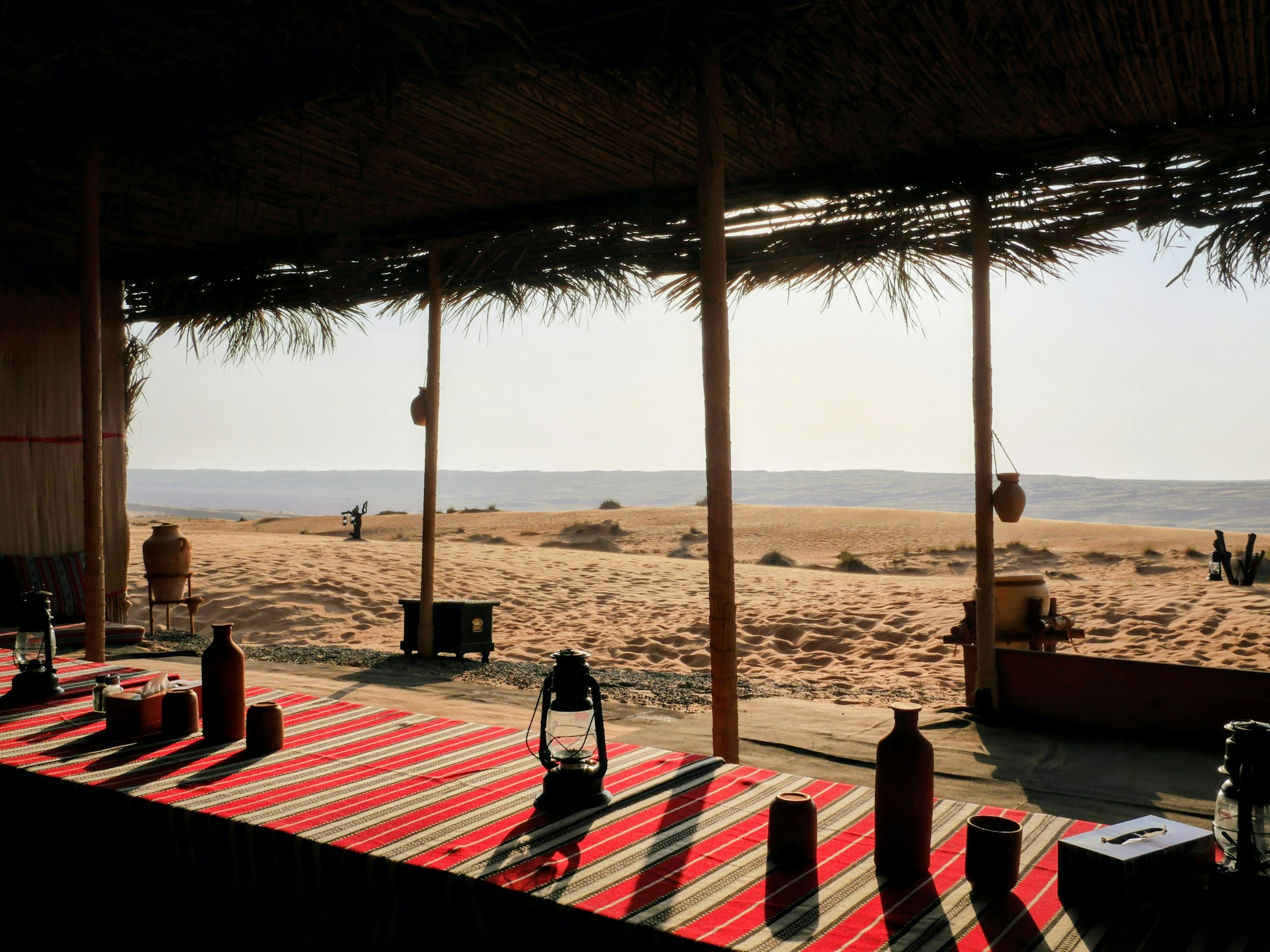
12,500 km² of Living Dunes
The Wahiba Sands (also called Sharqiyah Sands) stretches across 12,500 km², from the eastern Hajar mountains all the way to the Arabian Sea. Unlike the UAE’s theme-park deserts, the Wahiba Sands are still inhabited by real Bedouin families maintaining an ancestral way of life.
Activities
- 4×4 dune bashing — thrilling rides over the dunes with a local guide
- Sunset camel ride — riding along the dune crests as the sky turns crimson
- Night at a Bedouin camp — traditional dinner, desert music, exceptional stargazing
- Meeting Bedouin families — authentic culture and hospitality
5. Nizwa and the Interior, Days 6–7: The Sultanate’s Historic Soul
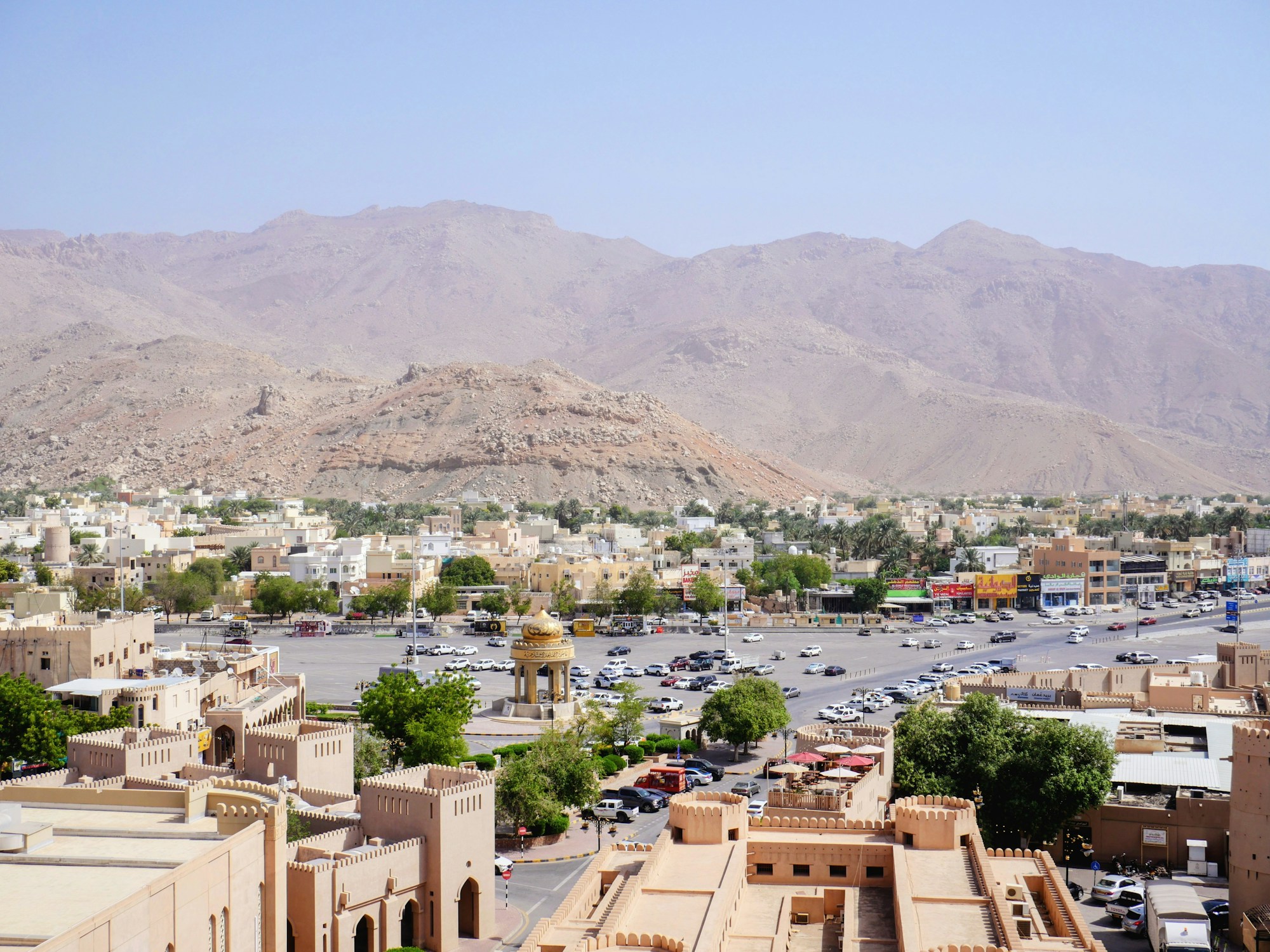
Nizwa: Forts, Souks and Millennial Traditions
Oman’s former capital and guardian of traditions, Nizwa is a must-visit. Its massive 17th-century circular tower dominates the palm groves, offering stunning views of the desert landscape.
Don’t miss the Friday morning livestock market: Nizwa’s cattle market is one of Arabia’s last traditional markets, where breeders and buyers negotiate goats and cattle in a centuries-old frenzy. A mesmerizing, timeless spectacle.
2-Day Circuit Around Nizwa
- Nizwa Fort — open 8am–8pm, closed Friday morning (~€3 entry)
- Bahla Fort — UNESCO World Heritage Site, one of Arabia’s oldest and best-preserved
- Jabreen Castle — 17th-century architectural gem with intact frescoes
- Misfat Al Abriyeen — perched mountain village, UNESCO falaj irrigation still active
- Jebel Shams — « Grand Canyon of Arabia », vertiginous views (4×4 required)
6. Jebel Akhdar, Days 8–9: The Mountain of Roses Above the Clouds
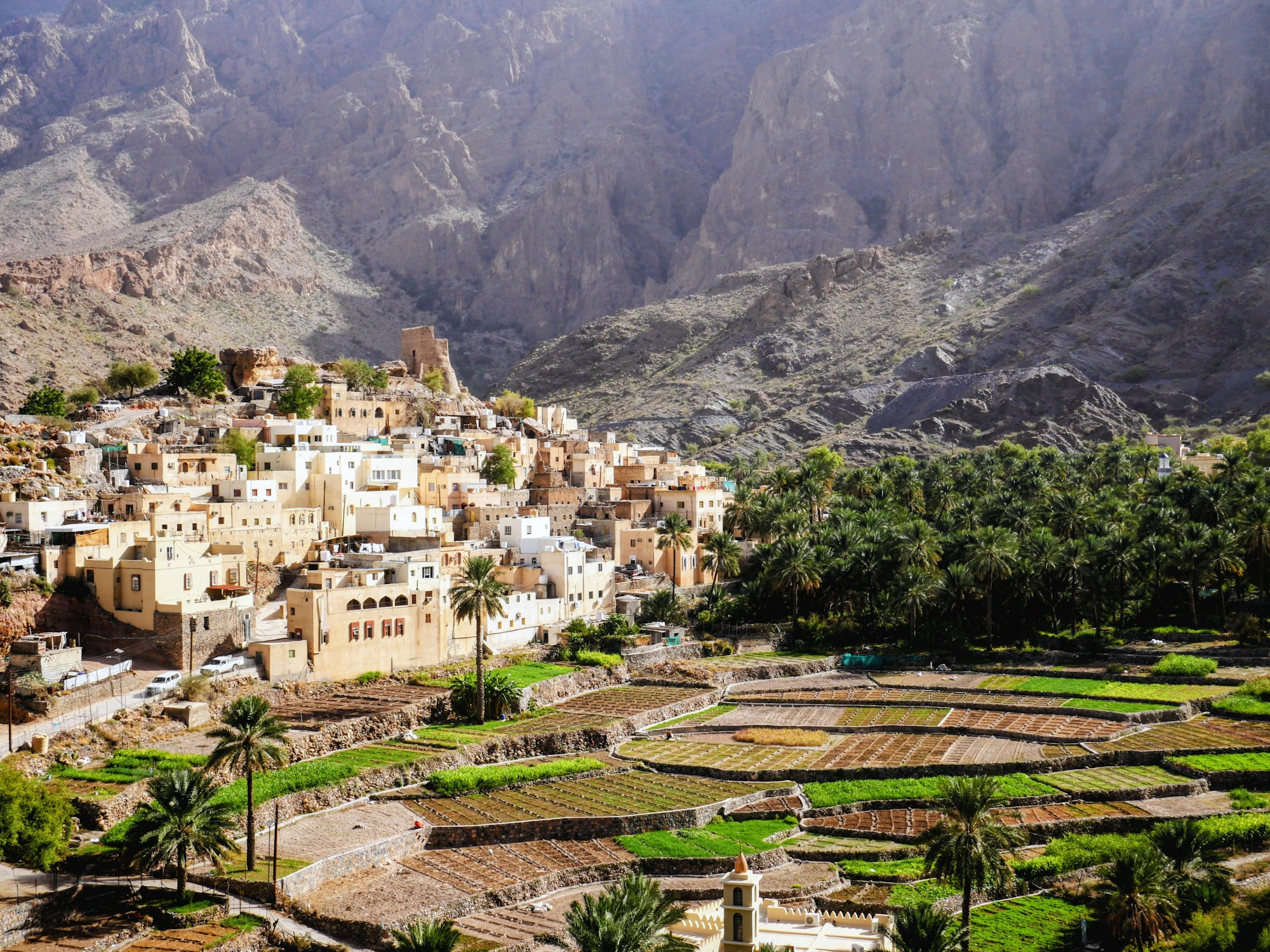
2,500 m Altitude and Roses Everywhere
At 2,500 m altitude, Jebel Akhdar (« the green mountain ») offers what you’re desperately seeking in April: coolness. While the plains bake at 40°C, the plateau stays at 18–25°C — ideal for hiking and contemplation.
But April’s real surprise is the roses. Jebel Akhdar is famous for its Damask rose orchards in full bloom in April–May. Mountain villages distill rose water using traditional copper stills — a sensory experience that 95% of tourists never witness since they visit in winter.
Things to Do on the Plateau
- Balcony Walk — hiking along the canyon rim with views dropping 2,000 m
- Al Ayn Village — cliff-edge terraces with millennial stone architecture
- Wadi Bani Habib — ghostly abandoned village, wild pomegranate and fig trees
- Stargazing — at this altitude with zero light pollution, the Milky Way is visible to the naked eye
7. Salalah and Dhofar, Day 10+: Arabia’s Tropical Eden
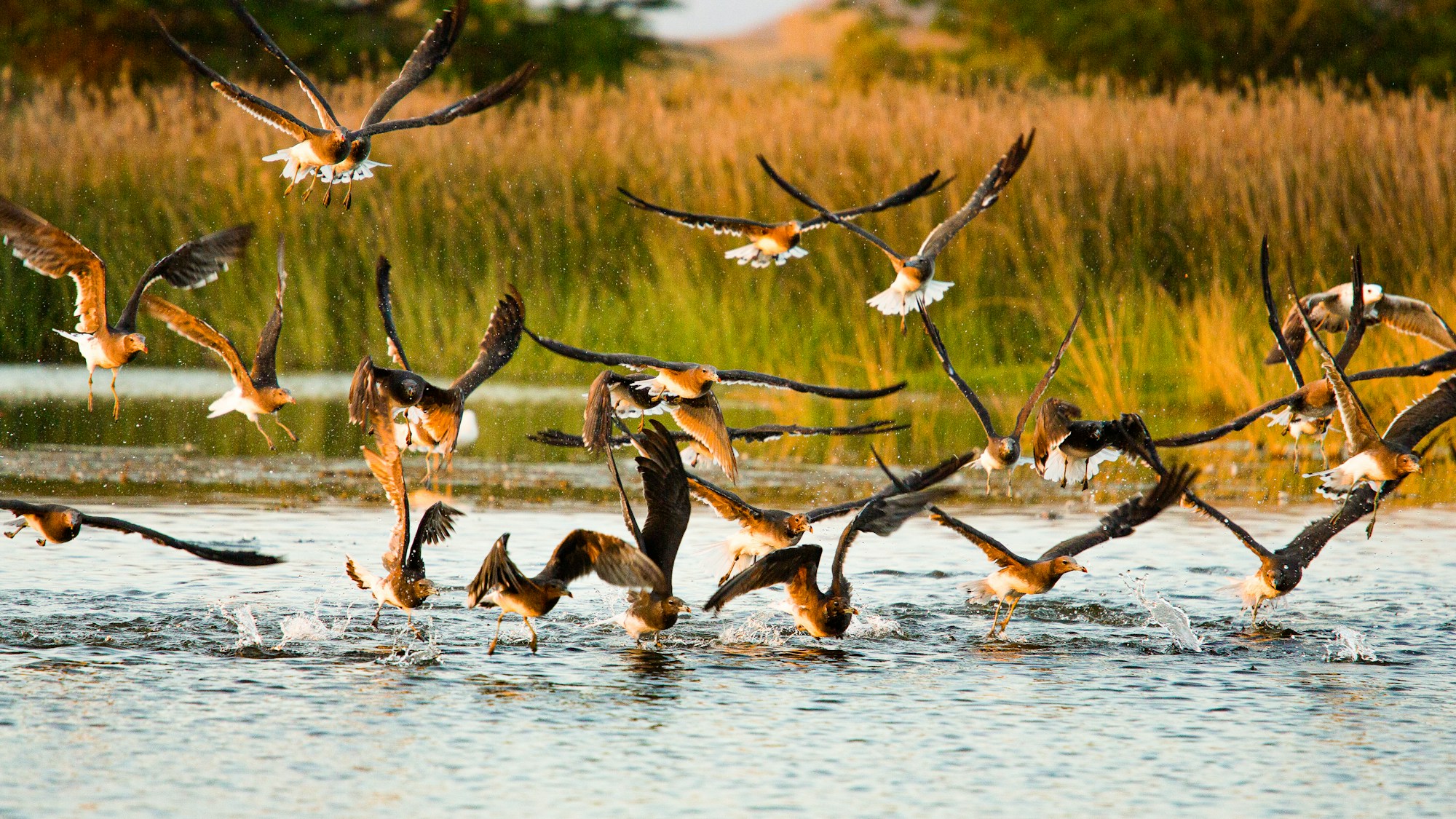
The Only Place in the Gulf Where Camels Swim in the Sea
1,000 km from Muscat — accessible via a 1-hour domestic flight — Salalah and the Dhofar coast are a destination in their own right. Tropical forests line the coast, with palm trees stretching to the water’s edge. Thousands of wild camels roam freely on pristine white sand beaches — a scene found nowhere else in the Gulf.
Dhofar Highlights
- Mughsail Beach and blowholes — seawater projected 4 m high through natural cliff cavities
- Al Baleed — UNESCO medieval port city and Museum of the Land of Frankincense
- Frankincense market — precious Boswellia resin grown here since antiquity, once traded to ancient Rome
- Wadi Darbat — waterfalls and white limestone cliffs, pink flamingos and Arabian horses
8. Practical Information for Your Trip to Oman in 2026
Visa, Budget, Safety: Everything You Need to Know
Visa
Many nationalities including EU citizens enjoy visa-free entry for stays under 14 days. For our 10-day itinerary, no advance application is needed. Simply present a passport valid for at least 6 months, a hotel booking and a return ticket. For longer stays, an e-visa is available online for approximately €48 (single entry, 30 days).
Safety Tips
- Avoid the 10 km zone along the Yemeni border (officially advised against)
- Never enter wadis during or after rain (flash flood risk)
- Drones strictly prohibited without a special permit
- Dress modestly (shoulders and knees covered) at religious sites and in souks
Frequently Asked Questions About Oman in 2026
Is Oman really safe despite the war in the Middle East in 2026?
Yes. Oman is rated at Level 1 (normal vigilance) by the French Ministry of Foreign Affairs. The sultanate plays a mediator role in regional conflicts (Yemen, Iran, Houthis) and has maintained strict diplomatic neutrality for decades. Violent incidents against tourists are extremely rare. Simply avoid the 10 km zone along the Yemeni border. The rest of the country is open and safe.
Do I need a visa for a 10-day trip to Oman?
No visa is required for EU citizens and many nationalities for stays under 14 days. For a 10-day itinerary, simply present a passport valid for at least 6 months beyond your entry date, a hotel booking and a return ticket. For stays over 14 days, an e-visa is available online for approximately €48 (single entry, 30 days).
What budget should I plan for 10 days in Oman?
Budget approximately €1,500–2,000 per person for 10 days (excluding flights) on a semi-independent trip with a rental car. This covers 3–4 star accommodation (€50–90/night), meals (€20–40/day), one night in a desert camp (€40–80 all-inclusive), fuel (very cheap at ~€0.40/litre) and attraction entry fees. Backpacker budget: €800–1,200 possible. High-end: €3,000+.
Is a 4×4 absolutely necessary in Oman?
For the standard itinerary (Muscat, Wadi Shab, Wahiba Sands, Nizwa on main roads), a regular sedan is sufficient. However, a 4×4 is mandatory to access Jebel Akhdar, Jebel Shams and some remote wadis. If your itinerary includes these, rent a 4×4 for at least 2–3 days. Car rental companies in Muscat and Nizwa offer 4×4 vehicles from €60–80/day.
What is the best time of year to visit Oman?
The ideal season for northern Oman (Muscat, Nizwa, Wahiba Sands) is October to April, with temperatures of 25–35°C. In April, it’s warm but the Jebel Akhdar roses are in bloom — a rare sight. For Salalah and Dhofar, the khareef (local monsoon) transforms the mountains into tropical landscapes from July to September. Avoid June–August in the north (45°C+).
How many days do you need in Oman?
Ten days is the sweet spot: two in Muscat, two at Wadi Shab, one in Wahiba Sands, two around Nizwa, two on Jebel Akhdar, then extra days in Salalah if you want the Dhofar coast. With a week, drop Jebel Akhdar or Salalah rather than rushing the desert and the wadis.
Sources
- French Ministry of Foreign Affairs — Oman Travel Advice — Official security assessment
- Les Clés du Moyen-Orient — Oman as Gulf mediator
- Tourlane — Oman Travel Budget — Budget estimates 2025–2026
- Action-Visas — Oman e-Visa — Entry requirements
- The Wom Travel — Things to Do in Oman — Wadi Shab and destinations
- Oman Wanderlust — Wahiba Sands — Complete desert guide
- Old Soul Explorer — Salalah Ultimate Guide — Dhofar and southern coast
Research conducted on 7 April 2026 from official sources and specialist travel blogs.
Ready to Discover the Sultanate of a Thousand Dunes?
Oman awaits with its secret wadis, golden dunes and legendary hospitality. Browse our itineraries to plan your perfect trip.
Explore Oman Itineraries