
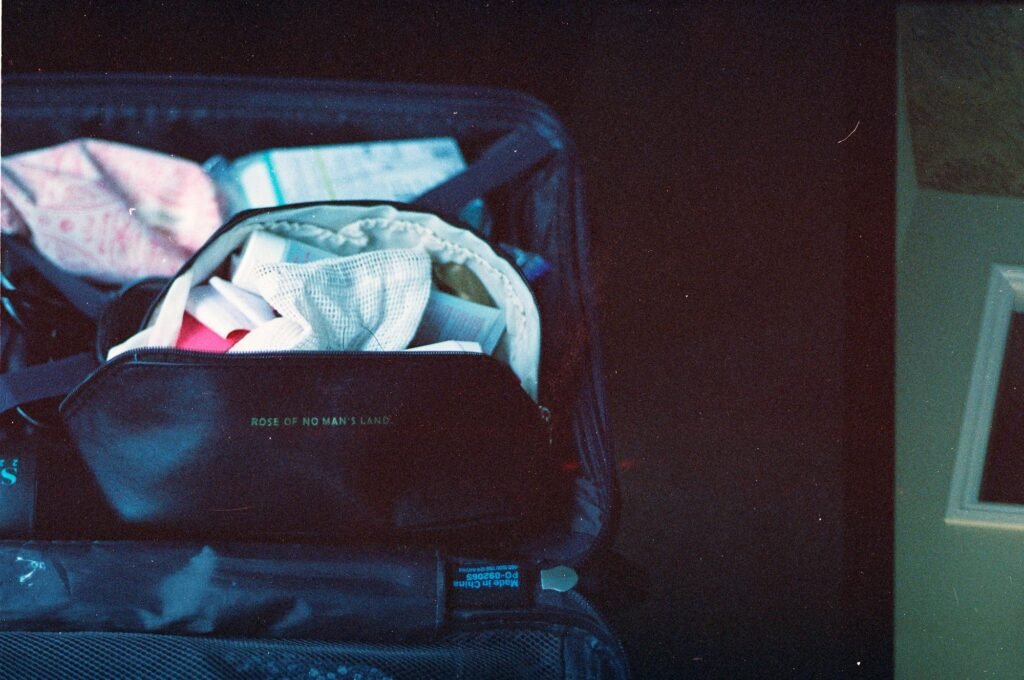
You know that feeling: your suitcase is packed, you’re in the taxi, and suddenly doubt creeps in. Did I pack the adapter? The swimsuit? The sunscreen? Every trip is different, every destination has its own requirements, and a generic checklist just doesn’t cut it anymore. Whether you’re heading out for a weekend in Lisbon, two weeks in the tropics, a trek in the Alps, or a month backpacking across Asia, this guide gives you the exact list of what to pack — destination by destination, duration by duration, season by season. No more forgotten items, no more overweight luggage.
Universal essentials: what you should always pack
Before even thinking about your destination, certain items should always be in your suitcase. Forgetting something in this category can ruin your departure more surely than a missing pair of socks, according to Globe-Trotting.
Documents and paperwork
- Passport / ID card with valid expiration date (check the expiry date!)
- E-tickets and confirmations (flights, trains, accommodations)
- Travel insurance certificate with emergency number accessible offline
- Driver’s license (and international driving permit if needed)
- Digital copies of all your documents on a cloud service (Google Drive, iCloud)
Basic first-aid kit
- Paracetamol, anti-diarrheal, antiseptic, band-aids
- Current medications in their original packaging (always in carry-on luggage)
- SPF 50+ sunscreen and mosquito repellent
Electronics and connectivity
A universal adapter is essential for charging all your devices in any country, according to ZigZag Voyages. Complement it with a power bank of at least 20,000 mAh and a travel eSIM to stay connected without roaming charges.
City break and European weekend getaway (2 to 4 days)

Barcelona, Lisbon, Rome, Prague — traveling light and smart
The goal of a weekend trip is clear: pack the essentials without overloading. A carry-on suitcase is enough — you keep your bag with you, skip the baggage carousel on arrival, and are ready to go immediately. According to Globe-Trotting, build a capsule wardrobe: tops that go with all your bottoms, one pair of versatile shoes, and a multi-purpose jacket.
The city break checklist
- 2 daytime outfits + 1 evening outfit (colors that mix and match)
- 1 pair of comfortable walking shoes (you’ll walk 15-20 km/day)
- 1 versatile jacket: windbreaker, light puffer, or blazer depending on the season
- 1 empty foldable bag for souvenirs and the return trip
- Compact umbrella or lightweight rain poncho
Mistakes to avoid
- Packing too many « just in case » clothes — 3 tops maximum is enough
- Forgetting to check the weather — a windbreaker can save a rainy weekend
- Choosing brand-new shoes — your feet will thank you for sticking with tried-and-tested ones
Tropical destination: Martinique, Tahiti, Maldives, Thailand
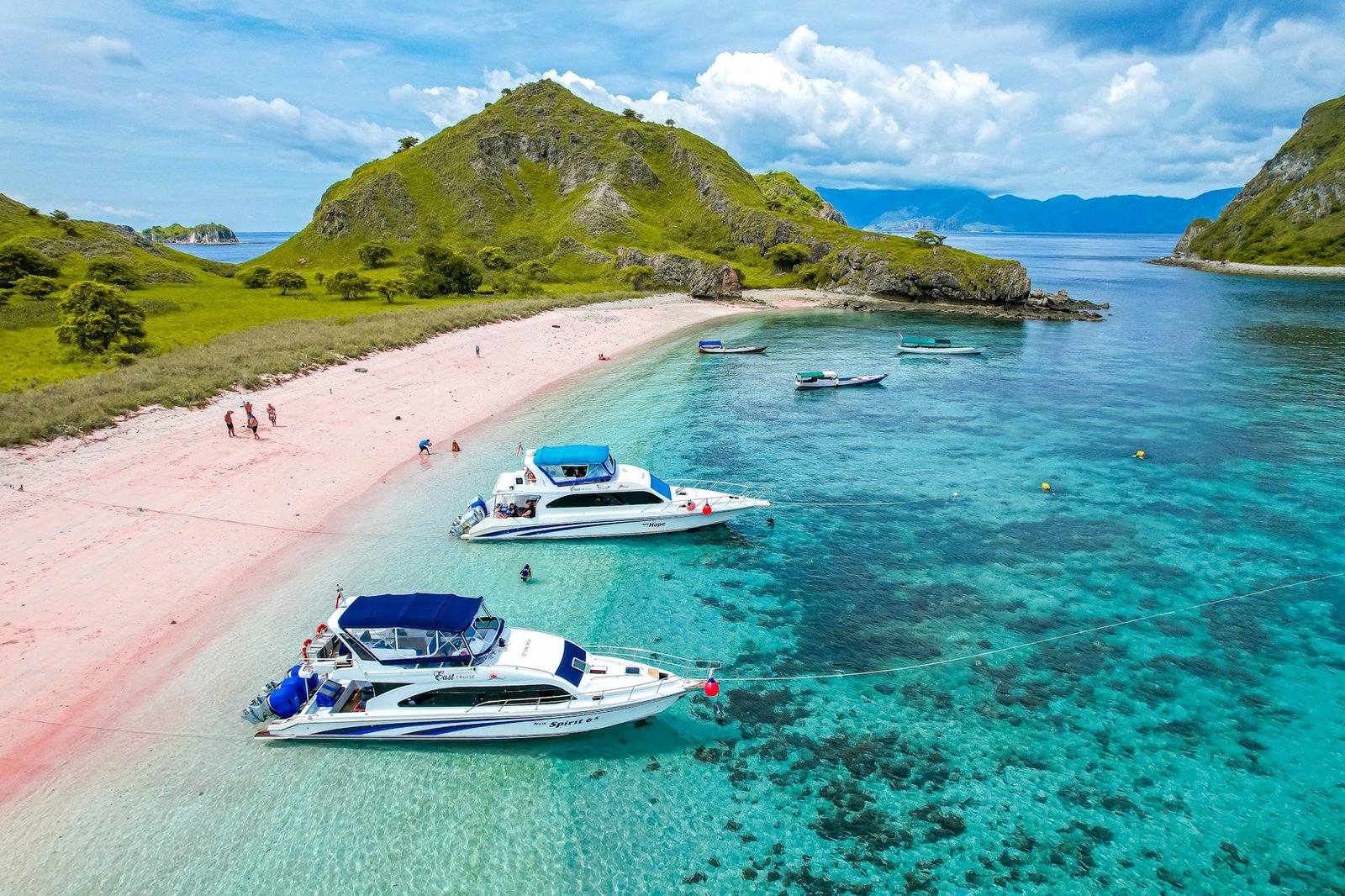
1 to 3 weeks in the sun — protection and lightness
The tropical sun can be intense, humidity significant, and evenings sometimes cool. According to Biodiversité Martinique, a good travel kit includes lightweight clothing in natural fabrics, quality sun protection, and an appropriate health kit.
Tropical checklist
- Cotton or linen clothing: shorts, tank tops, light dresses, swimsuits
- Water-resistant SPF 50+ sunscreen + after-sun lotion
- Mosquito repellent (essential in humid areas)
- Sandals + water shoes for excursions and the beach
- Mask and snorkel for independent snorkeling
- 1 dressy outfit for evenings and restaurants
- Waterproof bag to protect your phone and documents during water excursions
Ski vacation and winter sports (1 week in the mountains)
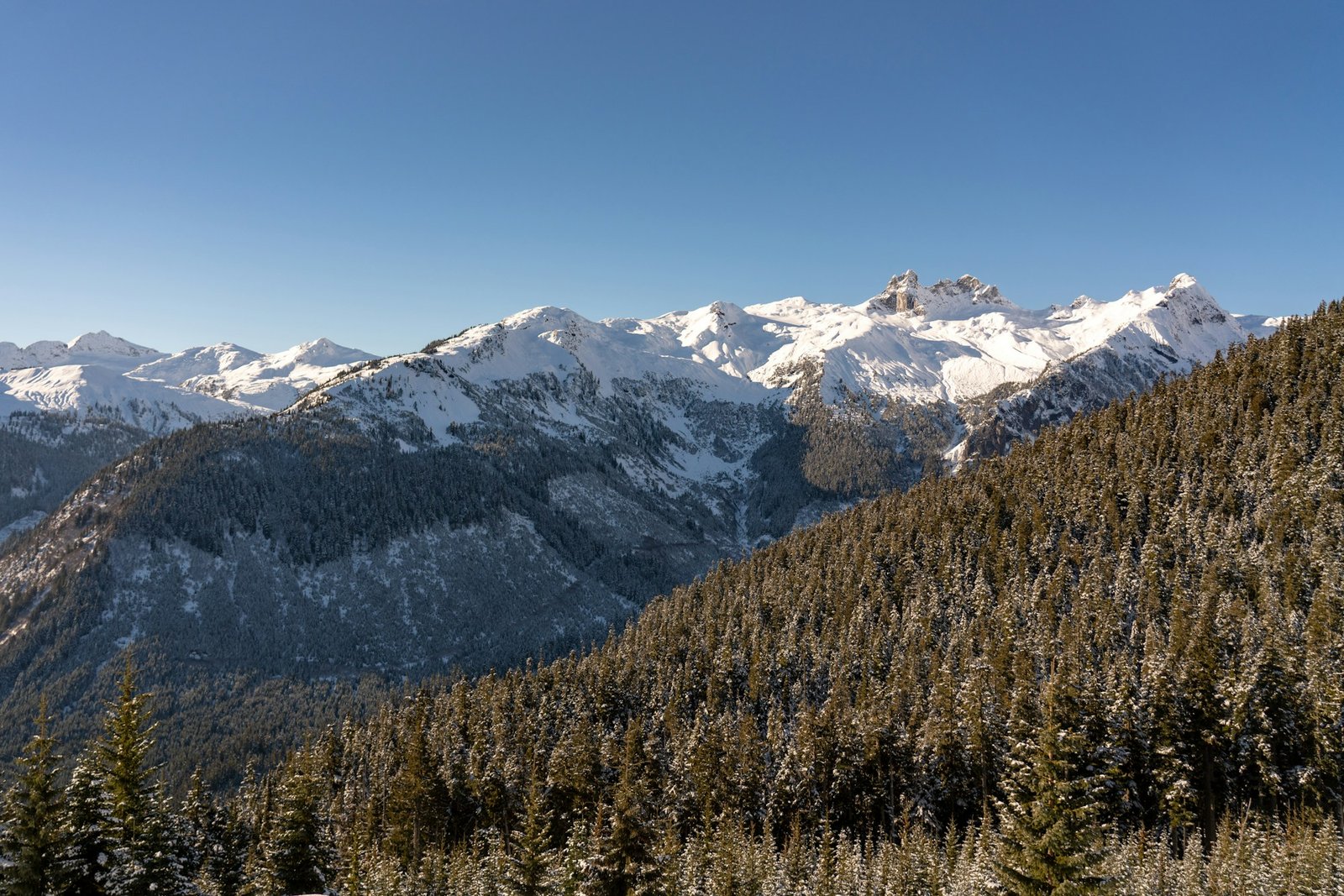
The 3-layer technique and mountain essentials
Packing for a ski trip is a real logistical challenge. You need protection from the cold, wind, and UV rays — all while maintaining mobility. The secret is the three-layer technique, according to GYL Bag.
The 3 essential layers
- Layer 1 (base): Thermal base layers in technical fabric to wick away moisture
- Layer 2 (insulation): Fleece or light puffer jacket to retain heat
- Layer 3 (protection): Waterproof and windproof ski jacket and pants
Mountain accessories
- Ski gloves, beanie or helmet, ski goggles (UV rays are amplified by snow)
- Neck gaiter / balaclava for wind protection
- Merino wool socks (one pair per ski day — never cotton!)
- High-protection sunscreen (UV rays are 2x more intense at altitude)
Trekking and mountain hiking (3 to 14 days)
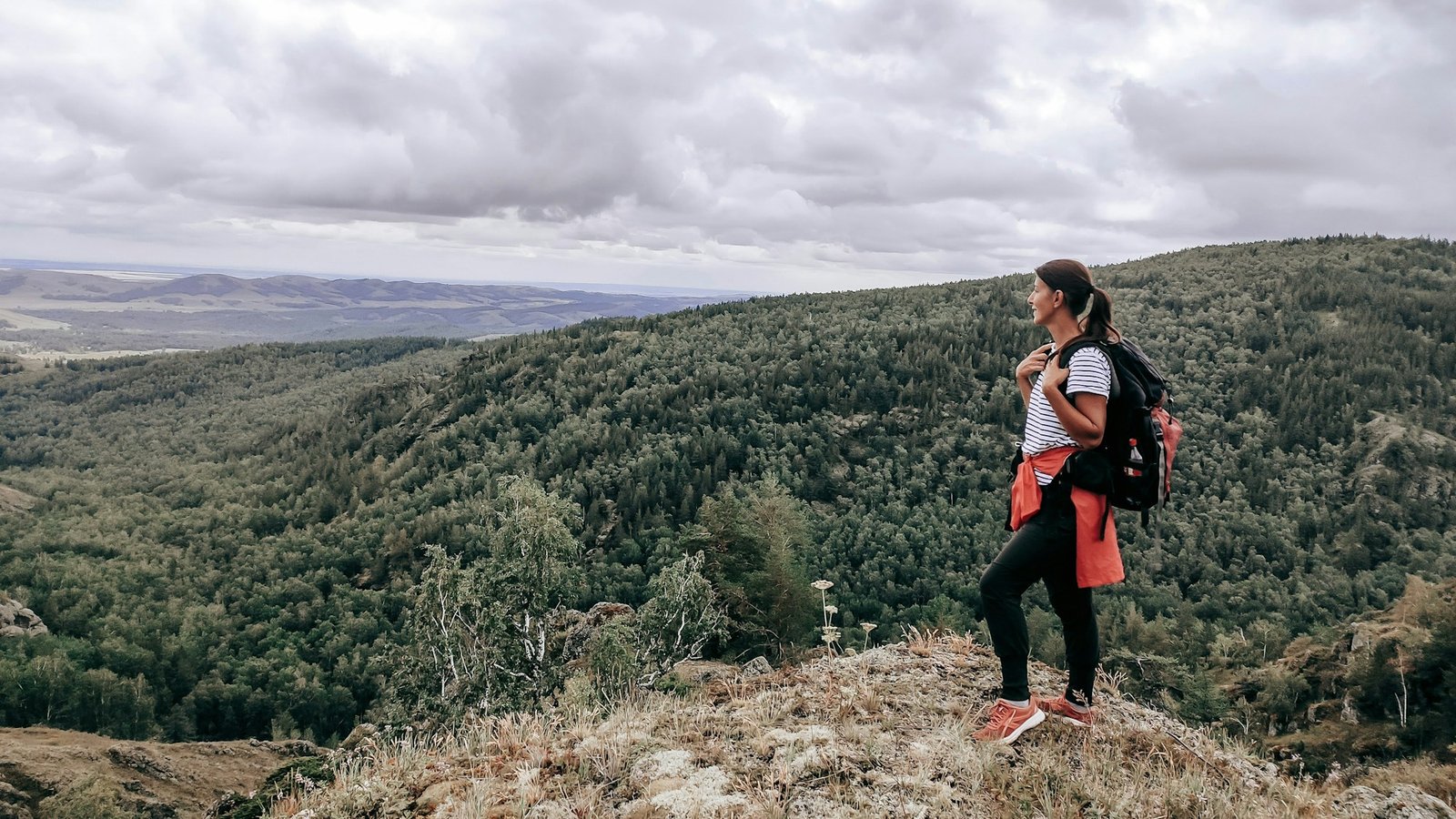
GR20, Tour du Mont-Blanc, Himalayas — the art of the technical backpack
When trekking, every gram counts. Your gear must be durable, lightweight, compact, and comfortable, according to Decathlon. The golden rule: total pack weight should not exceed 25% of your body weight.
The backpack — the key to everything
A 40 to 50-liter pack is enough for a trek with nights in mountain huts. For fully self-supported trips (with tent), go up to 50-60 liters. Choose a model with a hip belt, padded shoulder straps, and a ventilated back panel, according to Globe-Trotting.
Trekking checklist
- Merino wool clothing: anti-odor, temperature-regulating, quick-drying
- Broken-in hiking boots (never wear brand-new shoes on day one!)
- Ultra-light waterproof windbreaker, Gore-Tex type
- Headlamp + spare batteries
- Emergency blanket, multi-tool knife, whistle
- Topographic map + compass (in addition to a smartphone with offline maps)
- Sleeping bag suited to the expected minimum temperature
Traveling to Japan: cultural specifics to plan for
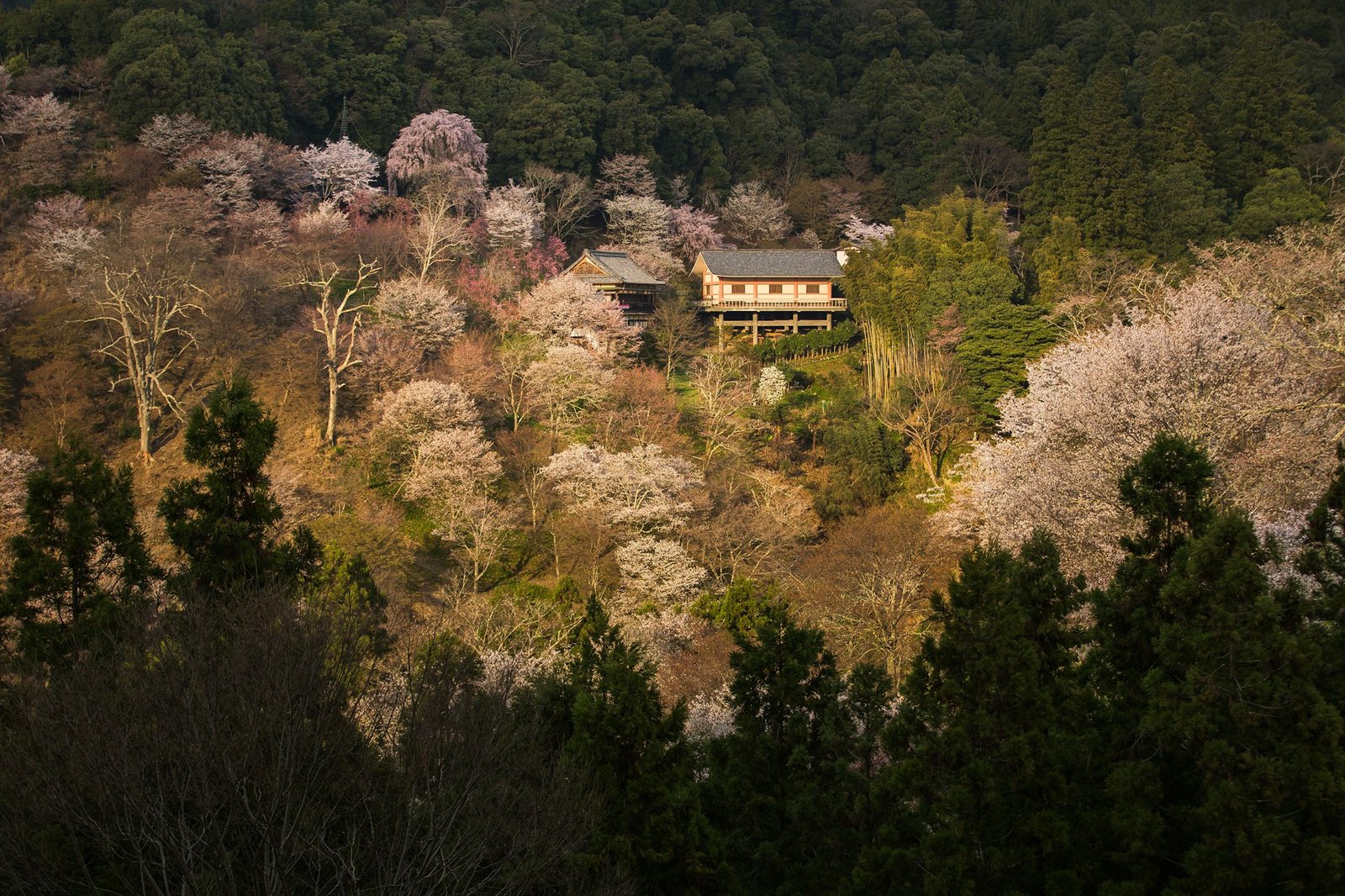
2 to 3 weeks from Tokyo to Kyoto — culture, comfort, and the right suitcase
Japan experiences significant climate variations and has very specific cultural codes. Hotels and ryokan almost always offer washing machines — so you can plan 5 to 7 versatile outfits and travel light, according to Japon-Suki.
Japan-specific items
- Small towel / tissues: widely used in Japan (no hand dryers, not always toilet paper)
- Clean and presentable socks: you often remove your shoes (temples, restaurants, ryokan)
- Your own deodorant: those sold in Japan tend to be weak or heavily perfumed
- Empty space in your suitcase: Japan is a shopping paradise
Watch out for medications
- Some common medications in France (codeine, pseudoephedrine) are banned in Japan, even with a prescription
- Japanese sizes run smaller than European standards — finding clothes can be difficult if you’re over 5’11 » (180 cm)
Backpacking and minimalist travel (1 month and more)

Southeast Asia, Latin America — the philosophy of less
It’s over time that you learn to pack only what truly matters. With a 20 to 30-liter bag and versatile gear, you’re ready for any adventure, according to Backpacker Destination.
The 5-4-3-2-1 rule
- 5 tops (including 1 long-sleeved)
- 4 bottoms (shorts, lightweight pants, 1 dressy pair)
- 3 pairs of shoes (sandals, sneakers, hiking shoes)
- 2 jackets (waterproof + compressible puffer)
- 1 multi-purpose accessory (scarf = shawl, towel, blanket)
Backpacker essentials
- Microfiber towel: ultra-light, compact, dries in 30 minutes
- TSA padlock for hostel lockers
- Laundry sheets: more practical and lighter than liquid soap
Digital nomad and remote work while traveling
Working while exploring the world is exciting, but requires the right equipment. In addition to clothing (the rule: 7 days’ worth of outfits, weekly laundry), your tech kit must be flawless, according to Astuces de Voyage.
The digital nomad tech kit
- Lightweight laptop (max 15.6 inches, long battery life)
- Noise-canceling headphones: essential in cafes and coworking spaces
- 20,000 mAh+ power bank with USB-C and USB-A ports
- Reliable VPN: security on public Wi-Fi is non-negotiable
- Ergonomic laptop stand + Bluetooth keyboard/mouse
- Travel eSIM for reliable connectivity without depending on local Wi-Fi
Family travel with children
Traveling with young children requires specific preparation. But minimalist travel isn’t just for solo travelers — even with a family, reducing clutter is possible, according to Hobe Explore.
Children’s checklist
- Diapers and wipes in sufficient quantity (or buy locally to lighten the load)
- Children’s medications: fever reducers, first-aid kit, current treatments
- Versatile toys, books, and compact board games for travel time
- Comfortable clothing suited to the destination’s weather
- Shared toiletry bag for the whole family (huge space saver)
Desert and extreme heat: Morocco, Jordan, Rajasthan
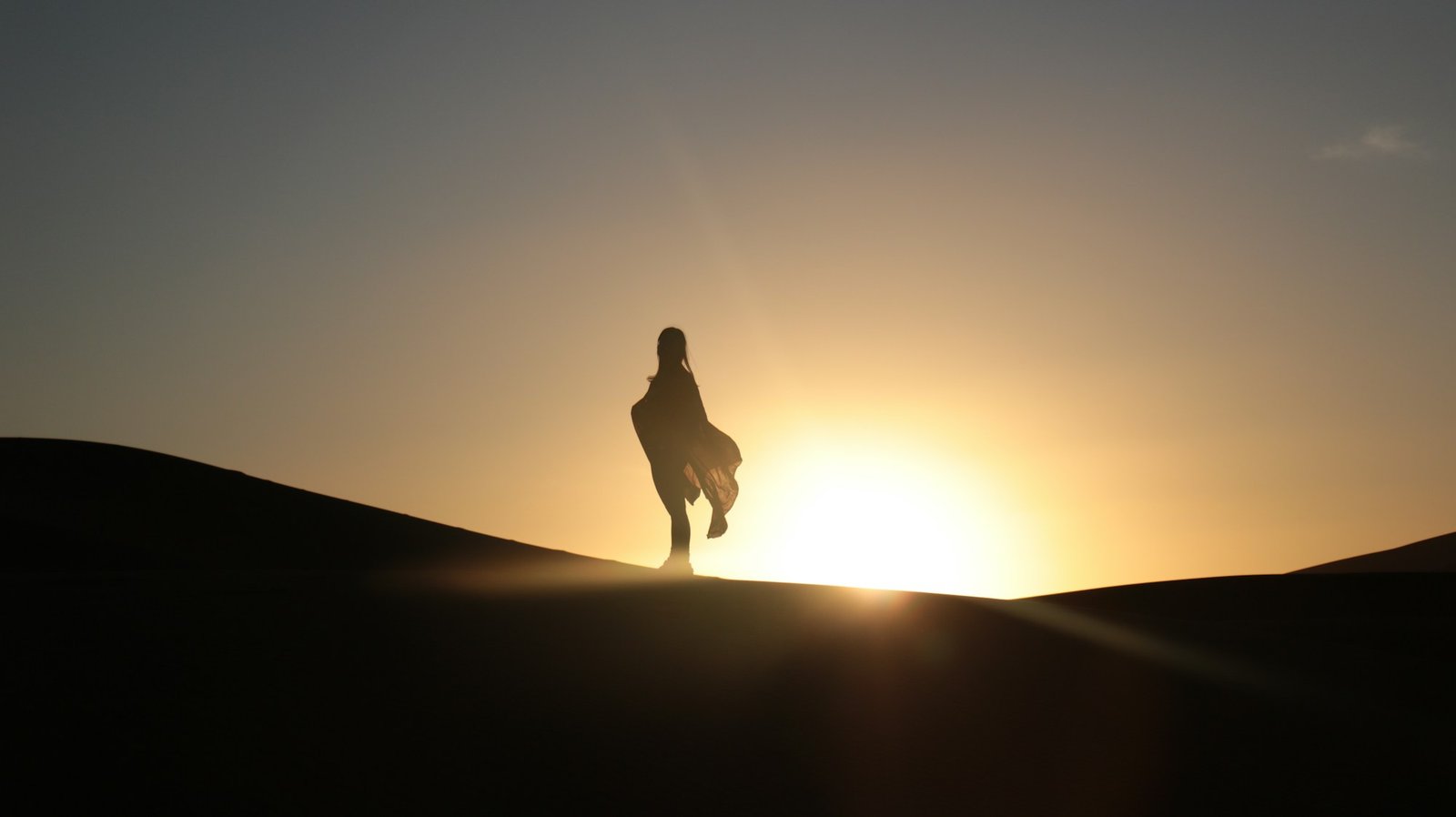
Sahara, Wadi Rum, Thar Desert — planning for extreme temperature swings
These destinations offer spectacular landscapes but demand a radically different approach to packing. Temperatures can swing from 5 °C at night to 45 °C during the day — the temperature range is the real challenge.
Desert checklist
- Loose cotton or linen pants (sun protection + ventilation)
- Shemagh / multi-purpose scarf: sun protection, sand filter, modesty veil
- Fleece or heavy vest for cool desert nights
- Sandals + sturdy sneakers for walking on sand and in town
- Water filter (Lifestraw or Sawyer) for remote areas
- Oral rehydration sachets: heat dehydrates you much faster than you think
Round-the-world trip and long-term travel (3 months and more)
For a round-the-world trip spanning multiple climates, the winning strategy is modular layering. A pack between 50 and 60 liters offers a good balance of volume, comfort, and mobility, according to Globe-Trotting.
The multi-climate kit
- Lightweight clothing in neutral colors (black, navy blue) to fit in anywhere
- Merino wool undergarments: warm AND lightweight, anti-odor
- Ultra-compressible puffer jacket (Uniqlo Ultra Light Down type, 200 g)
- Lightweight waterproof windbreaker
- Compression sub-bags by category (clothes, electronics, toiletries)
Organization techniques that change everything
The Ranger Packing method (roll, don’t fold)
The most effective technique: roll each garment instead of folding it. You save space, avoid wrinkles, and can see everything at a glance, according to La Misol’eil.
Packing cubes — the game-changing accessory
These organizing pouches create categories inside your suitcase: one cube for tops, one for bottoms, one for underwear. You can find your things without unpacking everything, according to Decathlon. Add a dedicated bag for dirty laundry to keep clean and worn items separate.
Airplane liquid rules
- Maximum 100 ml per container in carry-on
- Clear pouch 20 x 20 cm (max 10 items/person)
- Prefer solid formats: solid shampoo, deodorant, and toothpaste don’t count as liquids
Summary table: which luggage for which trip?
| Trip type | Duration | Recommended luggage | Volume |
|---|---|---|---|
| City break / Weekend | 2-4 days | Carry-on suitcase | 30-40 L |
| Beach / Sun vacation | 1-2 weeks | Medium suitcase | 60-70 L |
| Winter sports / Ski | 1 week | Large suitcase | 70-90 L |
| Trek / Hiking | 4-14 days | Technical backpack | 40-60 L |
| Japan / Asia (urban) | 2-3 weeks | Hard-shell suitcase + backpack | 65 cm |
| Backpacking | 1 month + | Minimalist backpack | 35-50 L |
| Digital nomad | 1-12 months | Carry-on bag + laptop bag | 35-45 L |
| Desert / Extreme heat | 1-3 weeks | Medium suitcase | 60-70 L |
| Round-the-world trip | 3 months + | Soft-shell backpack | 50-60 L |
Data compiled from Globe-Trotting, Decathlon, and Lipault, verified in February 2026.
Frequently asked questions about packing
How many clothes should I pack for a 1-week vacation?
For one week, aim for 7 possible outfits without going overboard. The key: build your outfits around 3 dominant colors so everything mixes and matches easily. Bring more tops than bottoms (you change them more often). The ideal list: 1-2 pants, 1-2 shorts in summer, 5-7 tops, 2 dressy outfits, according to Globe-Trotting.
Carry-on or large suitcase: how to choose?
The choice depends on duration, destination, and your travel style. A carry-on is sufficient for a weekend or a stay where laundry is available. A large suitcase (90 L) makes sense if you’re staying in one place or heading to a cold region with bulky clothing. For long itinerant trips, opt for a soft-shell bag with wheels — more flexible, according to Lipault.
How to avoid overpacking?
Three principles: compartmentalize (with packing cubes), compress (roll instead of fold), and lighten (choose multi-purpose items). Adjust your list to the actual length of your trip, optimize space, and leave with peace of mind. And above all: if you’re hesitating about whether to pack something, you probably don’t need it, according to Decathlon.
What should you absolutely keep in your carry-on?
In your carry-on, always keep: your ID documents, valuables (jewelry, electronics), medications in their original packaging, a complete change of clothes, and your chargers. If your checked luggage is delayed or lost, you’ll be able to survive comfortably for the first 24 hours, according to Domaine des Voyages.
How to organize toiletries for air travel?
In your carry-on, each liquid container (shower gel, perfume, cream) must not exceed 100 ml, all packed in a clear pouch measuring 20 x 20 cm (max 10 items). Solid formats (shampoo, toothpaste, deodorant) are exempt from this restriction — choose these to save space and hassle, according to Dotdrops.
How to never forget anything before a trip?
Prepare a digital checklist that you refine over the days before departure. Save it on the cloud to reuse for every trip. Add reminders for critical items (document validity, insurance, money) on your smartphone. The ideal approach: start packing 3 days before and add forgotten items as they come to mind, according to Espace Nature.
What to do if your suitcase is lost by the airline?
First precaution: keep a change of clothes and your essentials in your carry-on. Leave a photocopy of your passport in your checked luggage. In case of loss, go immediately to the airline’s counter with your luggage tag. Keep the customer service number of your airline handy — they are responsible for your baggage during the flight and must compensate you, according to TUI France.
Can you travel for 3 weeks with just a carry-on bag?
Yes, as long as you’re willing to do laundry regularly. With a 35-liter carry-on bag weighing under 10 kg, you save a ton of time at the airport (no waiting at the baggage carousel) and gain unmatched mobility on the ground. The key: bring enough underwear and socks for each day, but limit yourself to 3-4 tops and 2-3 bottoms that you’ll wash, according to Ambroise Debret.
Sources
- Globe-Trotting — What to pack for 1, 2, or 3 weeks — Complete guide by trip duration
- Globe-Trotting — Weekend suitcase: complete list — Capsule wardrobe and city break strategy
- Globe-Trotting — Trek list: hiking gear and equipment — Complete trekking checklist
- Globe-Trotting — Travel backpack: choosing the right one — Volume guide and organization
- Decathlon — Essential gear for mountain trekking — Backpack, technical clothing, and safety
- Decathlon — What to pack for a week — Packing cubes and organization
- Biodiversité Martinique — Packing for a Caribbean trip — Tropical specifics
- My Little Polynesia — Packing for 3 weeks in Tahiti — French Polynesia tips
- GYL Bag — 1-week ski packing list — 3-layer technique and mountain accessories
- Japon-Suki — Packing for a trip to Japan — Japanese cultural specifics
- Autre Latitude — What to pack for Japan — Tissues, deodorant, and banned medications
- Backpacker Destination — The Minimalist Packing List 2026 — 5-4-3-2-1 rule and minimalist philosophy
- Astuces de Voyage — Digital Nomad Equipment 2025 — Nomad worker tech kit
- SmartRental — Ultimate digital nomad kit 2025 — Power bank, headphones, and security
- ZigZag Voyages — Travel checklist and accessories — Universal adapter and packing cubes
- La Misol’eil — Pre-vacation checklist — Ranger Packing technique
- Espace Nature — Vacation packing checklist 2026 — Digital tools and reminders
- Lipault — Which suitcase for your trip — Luggage format guide
Research conducted on February 23, 2026
Ready to pack your bags and travel with peace of mind?
With the right checklist in hand, every trip starts stress-free. Discover Pixidia itineraries to explore the world smartly — and know exactly what to pack in your suitcase.
Explore all Pixidia itineraries