
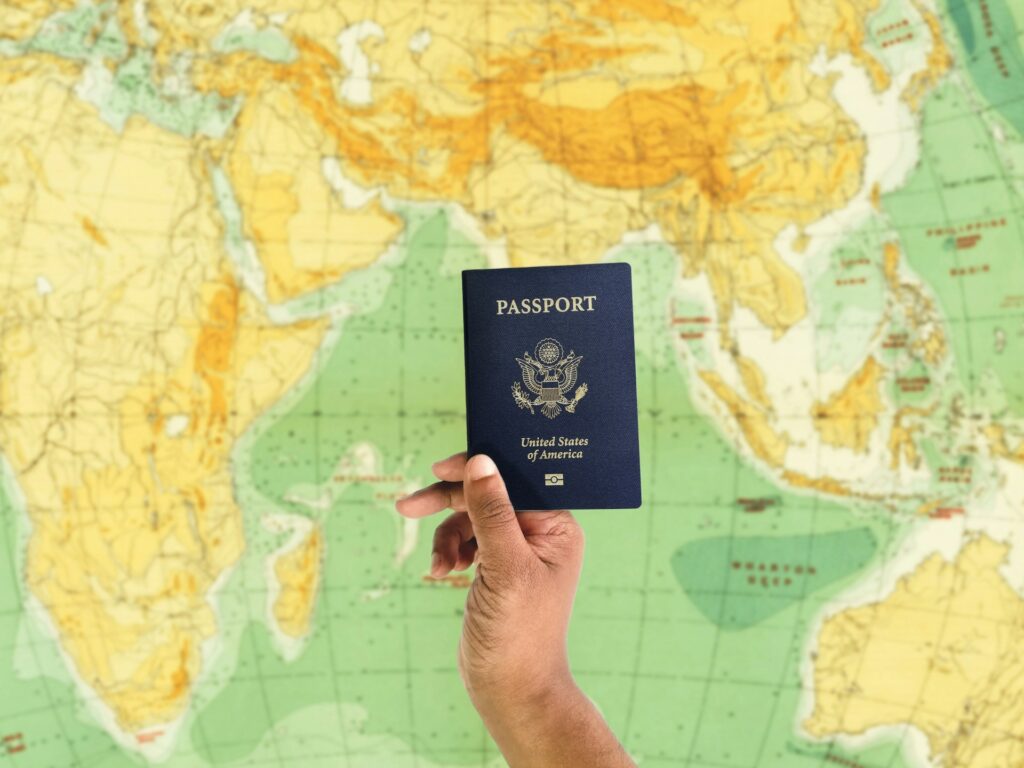
Singapore holds the world’s most powerful passport in 2026 with 192 visa-free destinations, while France ranks 4th with 185. Japan and South Korea share 2nd place (188 each), and the UAE has climbed to 5th globally after gaining 149 destinations in 20 years. The US travel ban now covers 39 countries since January 1, 2026, and Europe’s ETIAS pre-travel authorization launches in Q4 2026 at €7 per application (EU citizens are exempt). Bottom line: non-EU visa-exempt travelers should register for ETIAS before their next Schengen trip, and double-check the US ban list before booking American travel.
In 2026, international mobility has never been more unequal. While Singapore passport holders access 192 destinations visa-free, Afghan nationals can reach only 24. Between the expanded US travel ban covering 39 countries, Europe’s imminent ETIAS launch, and shifting geopolitical dynamics, the Henley Passport Index 2026 reveals major changes that directly impact your travel plans. Here’s the complete breakdown.
- French passport: 185 destinations visa-free in 2026 — ranked 4th globally
- Singapore #1 for the 3rd consecutive year: 192 destinations accessible
- ETIAS Europe: launch planned for Q4 2026 — €7 per application
- EES (digital border control for Schengen): operational since April 10, 2026
- US travel ban (PP 10998): 39 countries affected since January 1, 2026
- UAE record ascent: +149 destinations in 20 years — now ranked 5th globally
Henley Passport Index 2026: The World’s Most Powerful Passports
Published quarterly by Henley & Partners, the Henley Passport Index is the gold standard for measuring passport power worldwide. Based on exclusive data from the International Air Transport Association (IATA), it evaluates the number of destinations accessible without prior visa for each nationality.
The Global Top 10 in April 2026
Singapore retains the top spot for the third consecutive year with access to 192 destinations visa-free or with visa on arrival. Japan and South Korea share second place with 188 destinations, a slight decline from 189 the previous year due to new visa requirements imposed by certain countries.
| Rank | Country | Visa-Free Destinations |
|---|---|---|
| 1 | 🇸🇬 Singapore | 192 |
| 2 | 🇯🇵 Japan · 🇰🇷 South Korea | 188 |
| 3 | 🇩🇰 Denmark · 🇱🇺 Luxembourg · 🇪🇸 Spain · 🇸🇪 Sweden · 🇨🇭 Switzerland | 186 |
| 4 | 🇫🇷 France · 🇩🇪 Germany · 🇮🇹 Italy · 🇳🇱 Netherlands · 🇧🇪 Belgium · 🇫🇮 Finland · 🇮🇪 Ireland · 🇳🇴 Norway · 🇦🇹 Austria · 🇬🇷 Greece | 185 |
| 5 | 🇦🇪 UAE · 🇵🇹 Portugal · 🇬🇧 United Kingdom · 🇦🇺 Australia | 184 |
| 6 | 🇭🇷 Croatia · 🇨🇿 Czech Republic · 🇪🇪 Estonia · 🇲🇹 Malta · 🇳🇿 New Zealand · 🇵🇱 Poland | 183 |
| 7 | 🇱🇻 Latvia · 🇱🇮 Liechtenstein | 182 |
| 8 | 🇨🇦 Canada · 🇮🇸 Iceland · 🇱🇹 Lithuania | 181 |
| 9 | 🇲🇾 Malaysia | 180 |
| 10 | 🇺🇸 United States | 179 |
European and North American Passports in 2026
The French passport ranks 4th globally with 185 destinations, shared with Germany, Italy, Belgium, the Netherlands and several other EU countries. The Swiss passport reaches 3rd with 186 destinations, edging ahead through specific bilateral agreements. The Canadian passport sits at 8th place with 181 destinations, while the US passport has slipped to 10th with 179 destinations — a reflection of reciprocity effects from tightened US entry policies.
Top 3 Visa-Free Destinations Not to Miss in 2026
With 185 destinations accessible without prior formalities, a European passport opens remarkable doors. Here are our top three must-visit destinations — and how to make the most of them.

Japan — The Star Visa-Free Destination of 2026
Japan remains the ultimate destination for European passport holders: 90 days visa-free, no prior paperwork, and a country that seamlessly blends millennial tradition with vertiginous modernity. Ancient Buddhist temples, bamboo forests, refined izakaya cuisine, lantern-lit Kyoto alleys — Japan is a continuous accumulation of wonders.
In 2026, Japan welcomes over 35 million foreign tourists annually. Tokyo alone offers an inexhaustible week of exploration between the historic Asakusa district, Shinjuku’s neon glow, Akihabara’s pop culture, and Ueno Park’s spring cherry blossoms.
What you can do
- Visit Senso-ji Temple at dawn before the tourist crowds arrive
- Take the Shinkansen Tokyo–Kyoto (2h15) to explore temples and the geisha district of Gion
- Day trip to Mount Fuji — accessible in 2 hours from Tokyo
- Participate in an authentic tea ceremony in a traditional house
- Eat ramen at a local street stall for under €10
Singapore — The City-State Holding the World’s #1 Passport
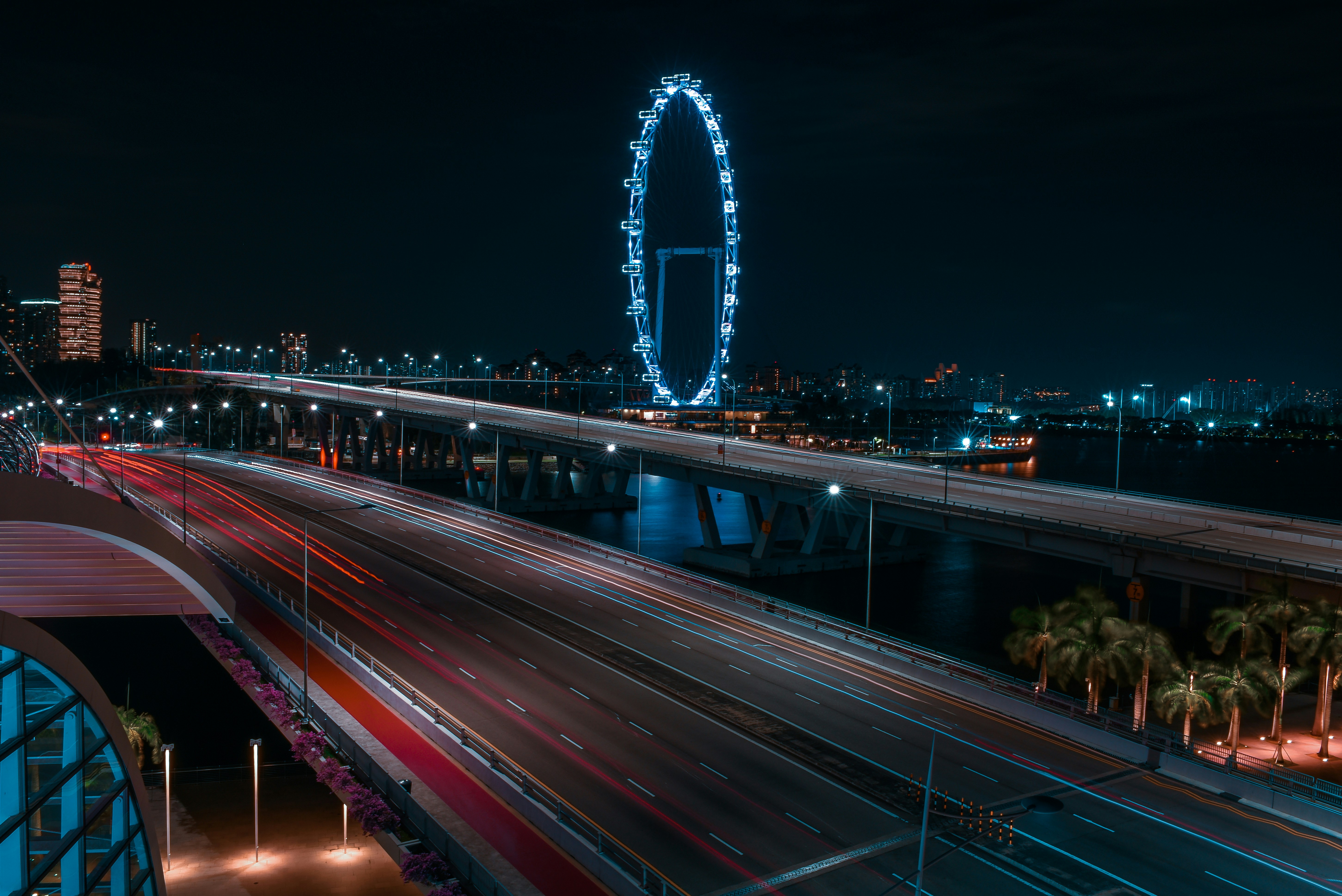
Singapore is both the holder of the world’s most powerful passport and one of Southeast Asia’s most fascinating destinations. This city-state of 5.8 million people concentrates a staggering density of gastronomy, architecture, nature, and culture in a territory three times the size of Paris.
The illuminated Supertrees of Gardens by the Bay, hawker centres where you can get a laksa for $4, the colonial Chinatown quarter, Sentosa’s beaches — Singapore surprises at every turn. Also ideal as a stopover between Europe and Australia or New Zealand.
What you can do
- Watch the Supertrees light up from the OCBC Skyway at sunset
- Eat at Lau Pa Sat or Maxwell Food Centre hawker centres (under €5/dish)
- Visit the Peranakan Heritage Museum in Katong
- Explore the colorful Hindu temples of Little India
- Take a night cycling tour along the Singapore River quays

Iceland — Northern Lights Without Visa or Complications
Iceland has been part of the Schengen area since 1996, making it freely accessible to all Europeans with no visa requirements. A land of geysers, glaciers, towering waterfalls, and northern lights, it offers an extraordinary experience just 3 hours from Paris.
In 2026, Iceland continues to captivate with its raw, preserved nature. The Golden Circle (Þingvellir, Geysir, Gullfoss), black sand beaches of Reynisfjara, the eastern fjords, and the Snæfellsnes Peninsula compete in beauty each season.
What you can do
- Chase the northern lights away from Reykjavik’s light pollution (Oct–Mar)
- Swim in the geothermal Blue Lagoon or the Sky Lagoon
- Drive the Ring Road (Route 1) in 7–10 days by rental car
- Glacier hike on Vatnajökull (Europe’s largest glacier) with a guide
- Enjoy the midnight sun in summer and hike at any hour of the day
The UAE Phenomenon: The Most Spectacular Rise in Passport History
The most fascinating story of the 2026 rankings is the United Arab Emirates. In 20 years, the Emirati passport gained a record-breaking 149 visa-free destinations, climbing 57 places to reach 5th globally with 184 destinations.
In 2006, the UAE passport allowed access to just 35 destinations visa-free. Today it rivals Europe’s most powerful passports. This transformation is the result of a deliberate diplomatic strategy: since 2015, the UAE has signed visa waiver agreements with the EU, Russia, China, Israel, Mexico, and South Africa. Negotiations are ongoing with several Latin American countries and Australia. This trajectory illustrates how visa diplomacy has become a genuine soft power tool in the 21st century.
New Visa Restrictions in 2026: What Has Changed
The Expanded US Travel Ban (Proclamation 10998)
The most significant change is Presidential Proclamation 10998, effective January 1, 2026. It fully or partially suspends entry to the United States for nationals of 39 countries:
Full suspension (19 countries + Palestinian Authority): Afghanistan, Burma, Burkina Faso, Chad, Republic of the Congo, Equatorial Guinea, Eritrea, Haiti, Iran, Laos, Libya, Mali, Niger, Sierra Leone, Somalia, South Sudan, Sudan, Syria, and Yemen.
Partial suspension (20 countries): Angola, Antigua and Barbuda, Benin, Burundi, Ivory Coast, Cuba, Dominica, Gabon, The Gambia, Malawi, Mauritania, Nigeria, Senegal, Tanzania, Togo, Tonga, Turkmenistan, Venezuela, Zambia, and Zimbabwe.
ETIAS Europe: What You Need to Know
The ETIAS (European Travel Information and Authorisation System) is scheduled for launch in Q4 2026. Similar to the US ESTA, it will require travelers from over 60 visa-exempt nationalities — including Americans, Canadians, Australians, and British — to obtain a pre-travel authorization before entering the 30 countries of the Schengen area.
The cost will be €7 per application (free for under 18s and over 70s), valid for 3 years or until passport expiry. A six-month transition period will allow travelers to adapt. European citizens are not affected.
The EES (Entry/Exit System) — a digital border control system for non-European travelers — became operational on April 10, 2026, replacing paper stamps with digital biometric records at all Schengen borders.
Openings and Easements in 2026
Several countries have eased their visa policies. Malaysia extended its visa-on-arrival from 30 to 90 days for Europeans. Maldives, Georgia, Armenia, Nepal, Cambodia, and the Seychelles have simplified procedures. Saudi Arabia continues expanding its tourist visa program to dozens of new nationalities.
All the Best Visa-Free Destinations for Europeans in 2026
Beyond the three flagship destinations highlighted above, here’s a panorama of the best destinations accessible without visa for French, Belgian, and Swiss passport holders:
Asia (Visa-Free)
Thailand — Visa-free up to 60 days (extended in 2024). Bangkok, Chiang Mai, and the southern islands offer unbeatable value. The country welcomes over 35 million foreign tourists annually.
South Korea — Visa-free up to 90 days. Seoul captivates with its blend of tradition (Gyeongbokgung Palace, Bukchon Hanok Village) and modernity (K-pop, gastronomy, design). South Korea ranked 2nd globally in the 2026 Henley Index.
Vietnam — E-visa available online ($25, 90 days). Hanoi, Ha Long Bay, Hoi An, and Ho Chi Minh City form a legendary north-south itinerary at very affordable prices.
Europe Outside Schengen (Visa-Free)
Georgia — Visa-free up to 1 year for Europeans. This Caucasus gem captivates with spectacular mountains, hearty charcoal-grilled cuisine, and very affordable prices. Tbilisi has become one of Eastern Europe’s most creative capitals.
Turkey — E-visa easily obtained online (around €50, processed in hours). Istanbul, Cappadocia, the turquoise coast, and Ephesus continue to attract millions of European travelers.
Americas (Visa-Free or Visa on Arrival)
Mexico — Visa-free up to 180 days. Riviera Maya, Maya ruins, Mexico City, and Oaxaca — exceptional cultural and natural diversity perfect for long winter stays.
Colombia — Visa-free up to 90 days. Bogotá, Cartagena, Tayrona Park, and Medellín offer extraordinary diversity at moderate prices.
Portugal — Schengen member, freely accessible to Europeans. Lisbon, Porto, and the Algarve offer an incomparable quality of life paired with remarkable cuisine.
Jordan — Easy Visa on Arrival
Jordan offers a simple, quick visa on arrival (around €30) for European travelers. Petra, one of the Seven Wonders of the World, Wadi Rum, and the Dead Sea are among the most breathtaking sites in the Middle East — an absolute must for archaeology and desert enthusiasts.
See the 7-day Jordan itinerary (Petra, Wadi Rum, Dead Sea)Major Trends Reshaping Global Mobility
Digitization of Borders
The European EES and ETIAS are just the visible part of a global movement toward digital border controls. Biometrics, facial recognition, and electronic travel authorizations are becoming the norm. By 2030, experts predict most countries will have adopted pre-travel authorization systems similar to ESTA or the Australian ETA.
Passport Diplomacy as Soft Power
The UAE example shows that a powerful passport can be deliberately built. Several Gulf and Southeast Asian countries are investing massively in bilateral visa waiver agreements to improve citizen mobility and attract foreign investors. This trend will accelerate in coming years.
The Persistent North-South Divide
Despite progress in some emerging countries, the mobility gap remains considerable. According to Henley & Partners, a Singaporean citizen can visit 168 more destinations than an Afghan citizen. This mobility inequality has major economic and human consequences, limiting commercial, educational, and family opportunities for hundreds of millions of people.
Digital Nomad Visas: A New Category
A growing trend in 2026 is the proliferation of dedicated remote worker visas. Over 60 countries now offer digital nomad visas, with durations from 6 months to 2 years. Portugal, Spain, Greece, Indonesia, and Thailand are among the most popular destinations for this growing category of travelers.
How to Optimize Your Visa Applications in 2026
1. Plan Ahead for Processing Times
Visa applications for China, India, or Russia require 2–6 weeks processing. In peak season, these times can double. Start your applications at least 3 months before departure.
2. Use E-Visas Whenever Possible
More countries are offering electronic visas: India, Turkey, Cambodia, Kenya, Sri Lanka, Vietnam, Australia. E-visas are generally cheaper and faster. Always check official government websites to avoid fraudulent intermediary sites.
3. Keep Your Passport in Good Condition
Your passport must be valid for at least 6 months after your planned return date for most destinations outside Europe. Ensure you have at least two blank pages for entry and exit stamps.
4. Document Your Itinerary
For consular visas, present a complete file: accommodation booking, return flight ticket, travel insurance certificate, proof of income. A well-prepared file significantly reduces the risk of refusal.
5. Use Transit Agreements
China offers a 144-hour visa-free transit in over 20 cities. Singapore offers a similar 96-hour program. These options allow you to discover an extra destination during a long layover.
FAQ — Frequently Asked Questions About Passports and Visas in 2026
How many countries can you visit visa-free with a French passport in 2026?
With a French passport in 2026, you can access 185 destinations visa-free or with visa on arrival, according to the Henley Passport Index. France ranks 4th globally, tied with Germany, Italy, Belgium, the Netherlands, Finland, Ireland, Norway, Austria, and Greece.
Which is the world’s most powerful passport in 2026?
Singapore’s passport is the world’s most powerful in 2026, providing visa-free access to 192 destinations. It holds the top spot for the third consecutive year, ahead of Japan and South Korea (188 destinations each).
What is ETIAS and when does it come into force?
ETIAS (European Travel Information and Authorisation System) is a pre-travel authorization system similar to the US ESTA. Its launch is scheduled for Q4 2026. It will cost €7 and apply to nationals of over 60 visa-exempt countries (US, Canada, UK, Australia, etc.) wanting to enter the Schengen area. European citizens are not affected. Validity is 3 years or until passport expiry.
What is EES and how does it affect travel to Europe?
The EES (Entry/Exit System) is a digital border control system at Schengen borders, operational since April 10, 2026. It replaces paper stamps with digital records (fingerprints and biometric photos) for all non-European travelers, automatically verifying that visa-free stays don’t exceed the permitted duration (generally 90 days in 180).
Do French citizens need a visa for Japan in 2026?
No. French (and broadly European) passport holders can stay in Japan for up to 90 days without a visa. No prior application is required. You just need a passport valid at least 6 months after your return date and a return flight ticket. This exemption is reciprocal and automatic upon arrival.
How big is the passport power gap between the strongest and weakest passports in 2026?
The gap is considerable: a Singaporean citizen can travel to 168 more destinations visa-free than an Afghan citizen, who can only reach 24 destinations without a prior visa, according to Henley & Partners. This mobility inequality limits commercial, educational, and family opportunities for hundreds of millions of people and remains one of the starkest illustrations of global inequality in the 2026 index.