
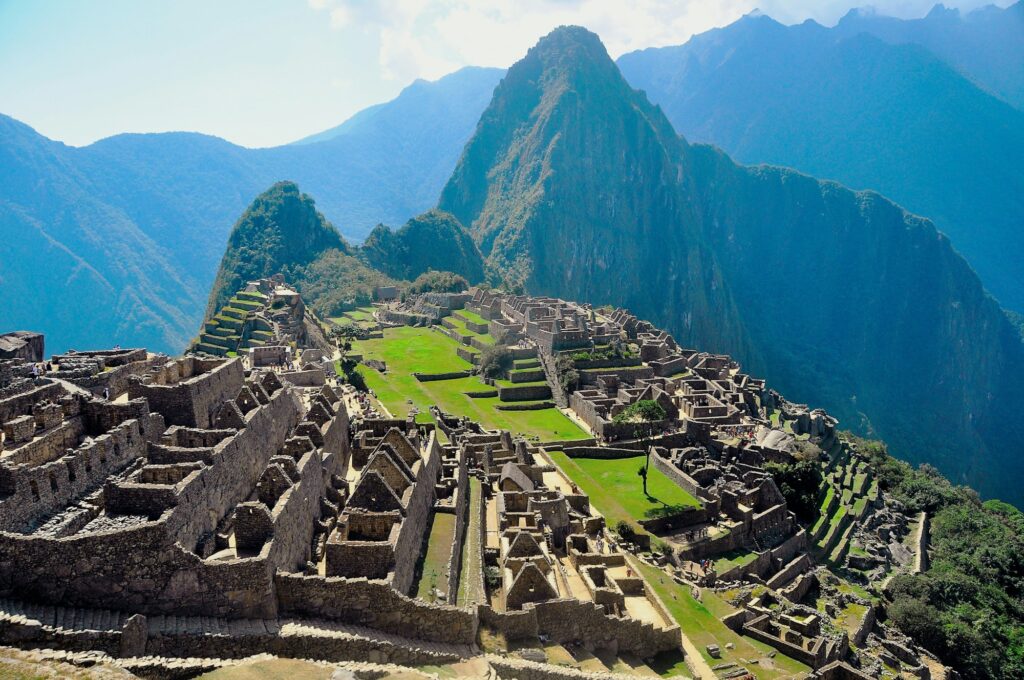
Peru in 2026 is an invitation to an extraordinary journey. Between the enchanting magic of Machu Picchu, the endless terraces of the Sacred Valley and the surreal colors of Rainbow Mountain, two weeks are enough — provided you plan carefully. This complete guide takes you step by step, from Lima to Cusco, from Inca ruins to Andean summits, with all the practical information, 2026 updates and tips you won’t find in tourist brochures.
1. Lima: Peru’s Gateway and World Gastronomic Capital
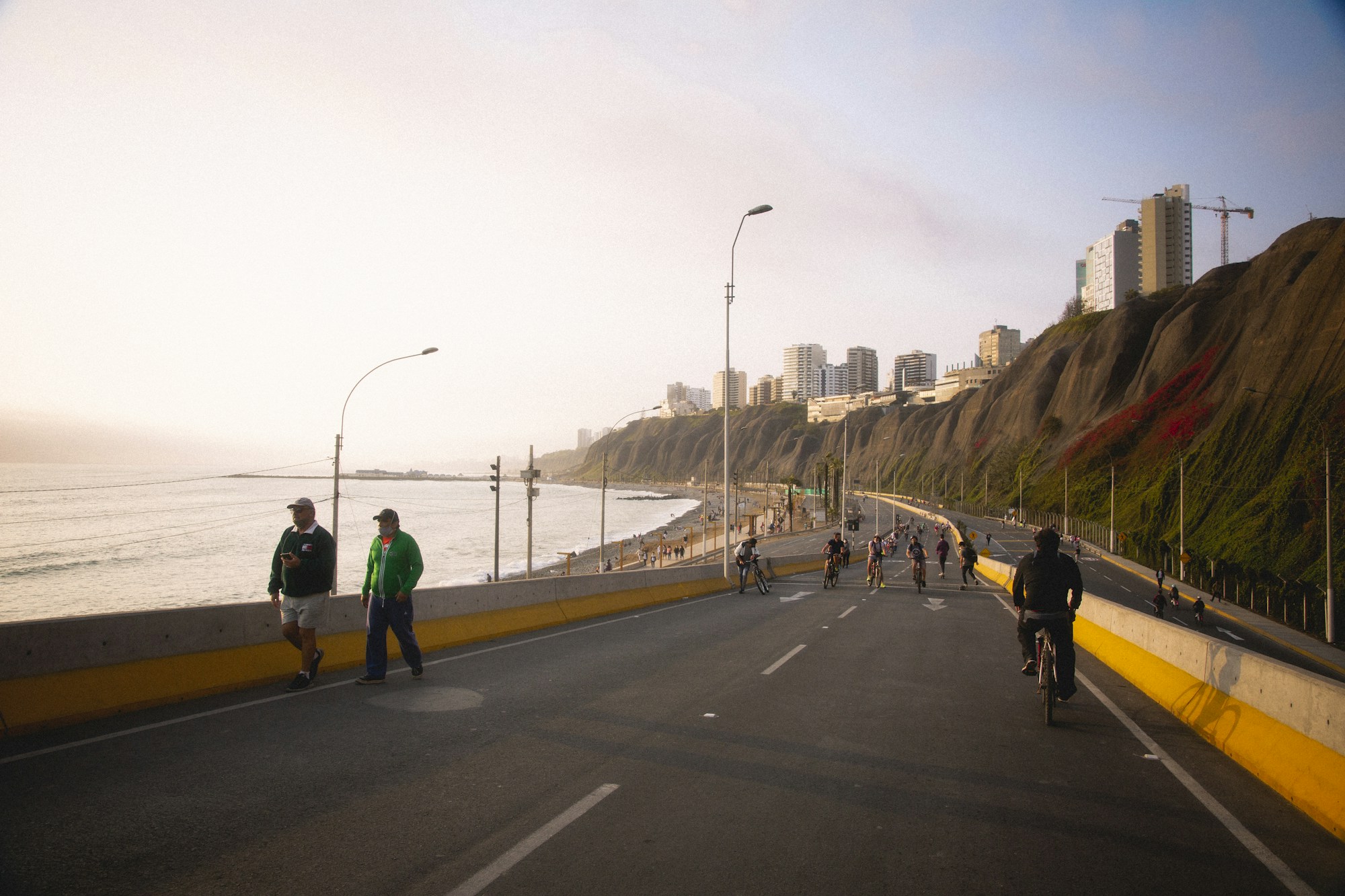
Lima — Miraflores & Barranco
Lima, Peru’s vibrant capital, blends colonial heritage, urban energy and gastronomic treasures. Perched on the Pacific coast, the city captivates with its contrasting neighborhoods: the bohemian charm of Barranco, the modern elegance of Miraflores and the historic center listed by UNESCO. According to InfoTravel, Lima is asserting itself in 2025-2026 as one of South America’s must-visit capitals, both rooted in its Andean heritage and resolutely forward-looking.
The gastronomic scene is particularly vibrant. Peru has been named the world’s best culinary destination by the World Travel Awards for seven consecutive years. The Surquillo neighborhood is experiencing a meteoric renaissance with a new generation of cevicherías and Amazonian cuisine eateries boldly reinventing classic regional recipes. Don’t miss trying a real ceviche at the Surquillo market before heading up to the Andes.
Not to Miss
- Museo Larco — pre-Columbian collection in stunning gardens
- Huaca Pucllana — adobe pyramid in the heart of Miraflores
- Barranco — art galleries, cafés and views over the Pacific Ocean
- Surquillo Market — for an authentic gastronomic immersion
2. Cusco: The Ancient Capital of the Inca Empire
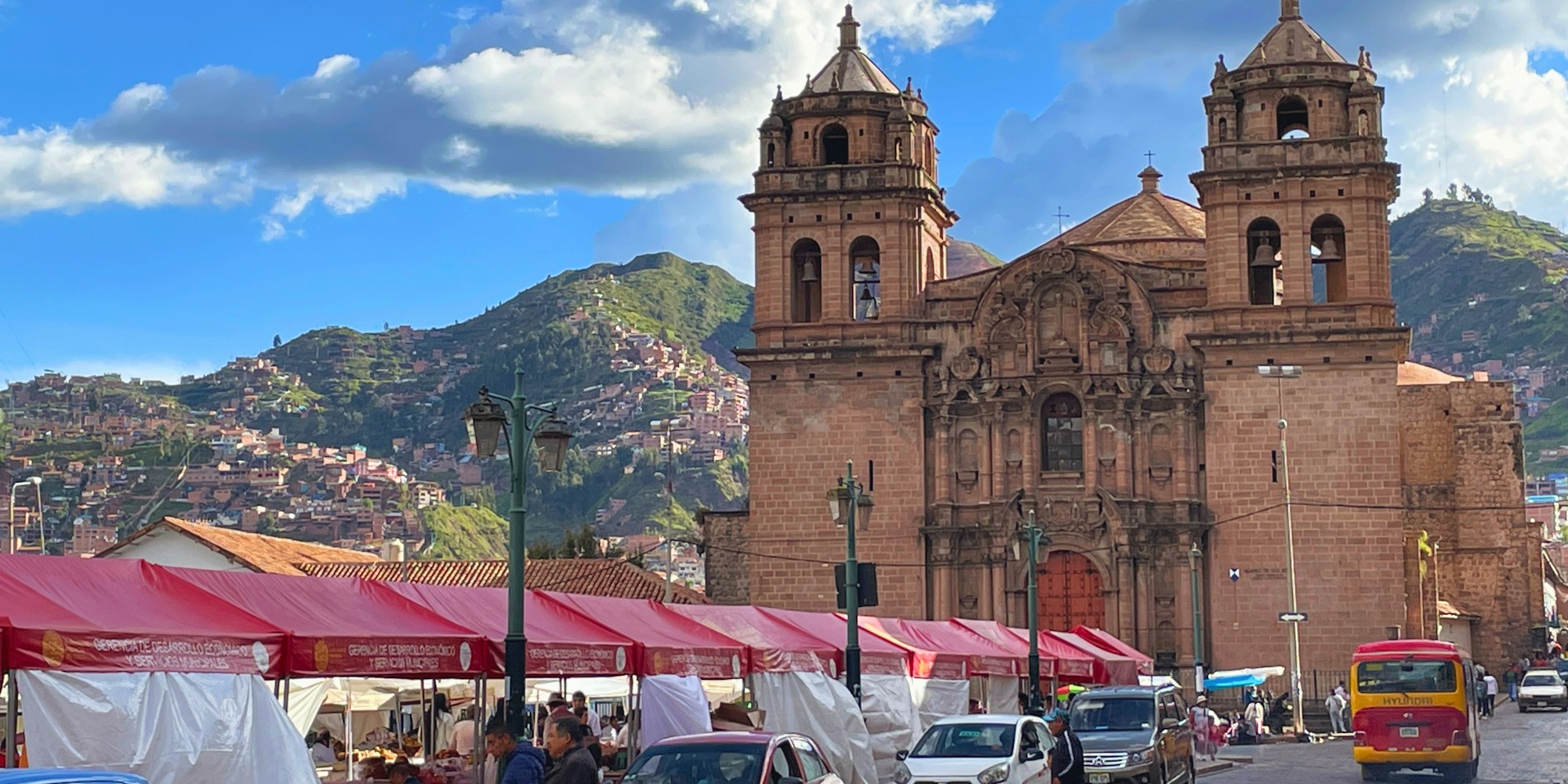
Cusco — 3,400 m altitude
It’s impossible to imagine a 2-week Peru itinerary without passing through Cusco. The former capital of the Inca Empire, the city is the ideal starting point for exploring the Sacred Valley and Machu Picchu. According to Le Bon Roadtrip, three days are perfect: enough time to discover the city, acclimatize and enjoy the surroundings. On the first day, take it easy — a stroll around the Plaza de Armas lets you soak up the city’s unique atmosphere between colonial churches and local Peruvian life.
The San Blas neighborhood, perched above the center, is a must: its cobblestone alleyways, craft workshops and cafés make it a perfect place to wander. Over the following days, explore the archaeological sites around Cusco: Sacsayhuamán, a monumental Inca fortress with some blocks weighing over 100 tons, Qenqo and Tambomachay. The boleto turístico (around 130 soles / 40 USD) grants access to 16 archaeological sites over 10 days.
Acclimatization: The Absolute Priority
- Drink plenty of water and avoid alcohol for the first 48 hours
- Drink mate de coca — the traditional remedy against soroche (altitude sickness)
- Limit physical exertion on the first day
- If symptoms persist, head down to the Sacred Valley (lower altitude)
3. Machu Picchu: The Legendary Citadel — 2026 Updates
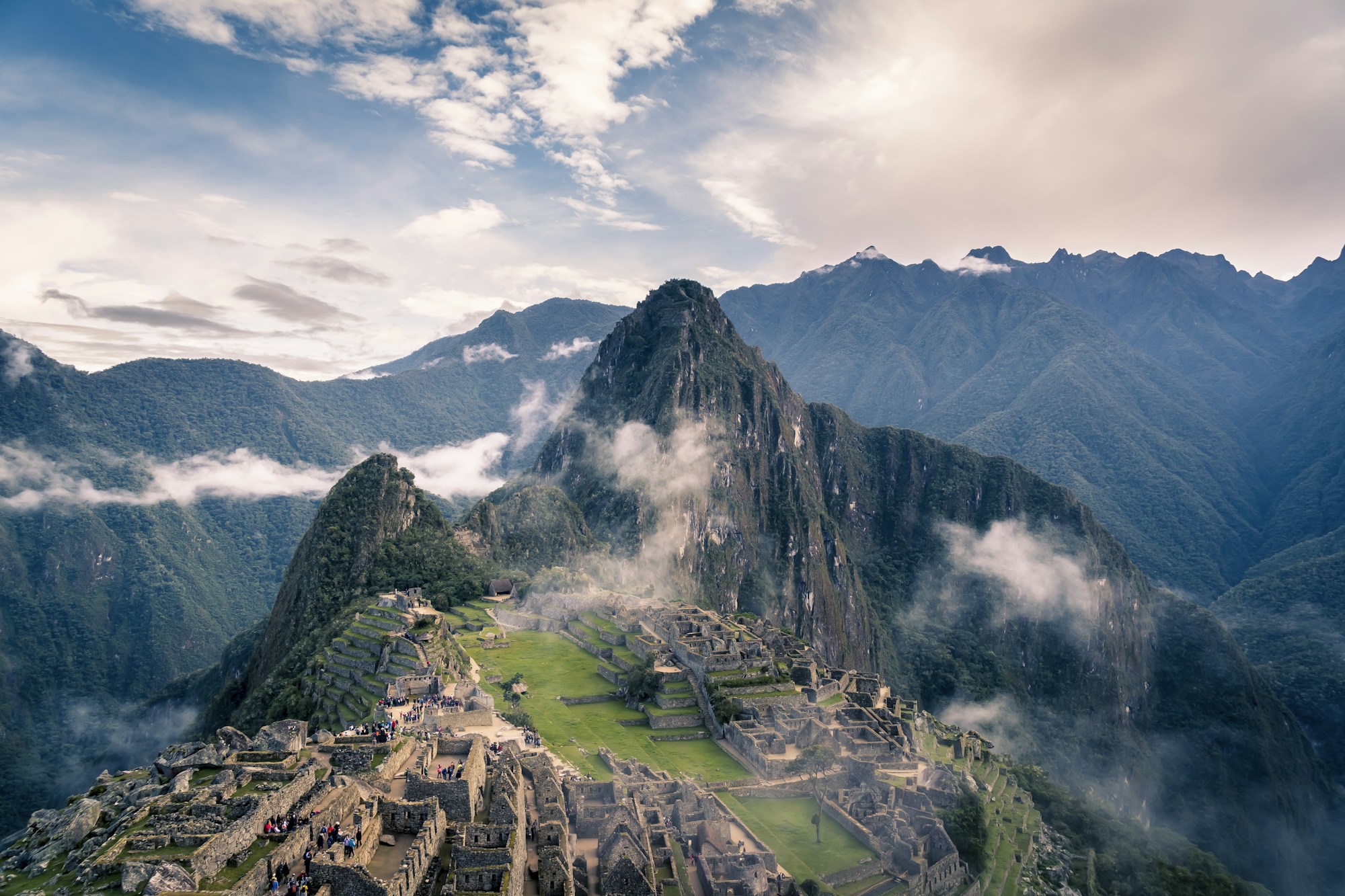
Machu Picchu — 2,430 m altitude
Built in the 15th century under the reign of Pachacutec, the citadel of Machu Picchu is an architectural feat: perfectly fitted walls with no mortar, terraces carved into the steep slope and a sophisticated hydraulic network. Invisible from the valley below, the city was abandoned when the Spanish conquistadors arrived — who never reached it. According to Atypika Tours, the site is believed to have served as a religious sanctuary dedicated to Sun worship, as indicated by the astronomical orientation of the Temple of the Sun and the Intihuatana.
⚠️ Essential 2026 Rules to Know Before Booking
- 2026 Quota: 5,600 visitors per day maximum — book at tuboleto.cultura.pe
- Guide required for first-time visitors (regulation in effect since 2024)
- 3 circuits available — Circuit 2 is the most complete (Temple of the Sun, Temple of the Three Windows, agricultural sector)
- 2026 Update: Inca Trail route No. 6 will be reinstated after 2 years of suspension (capacity: 100 visitors/day)
- Book at least 60 days in advance, ideally 90 days for peak season (June–August)
To reach the site from Cusco, the most convenient way is the train to Aguas Calientes (Machu Picchu Pueblo), then the shuttle bus up to the sanctuary. The train departs from Cusco or Ollantaytambo station — the latter option is often cheaper. The PeruRail and IncaRail companies offer several comfort levels (35–80 USD).
4. The Sacred Valley: The Living Heart of the Inca Empire
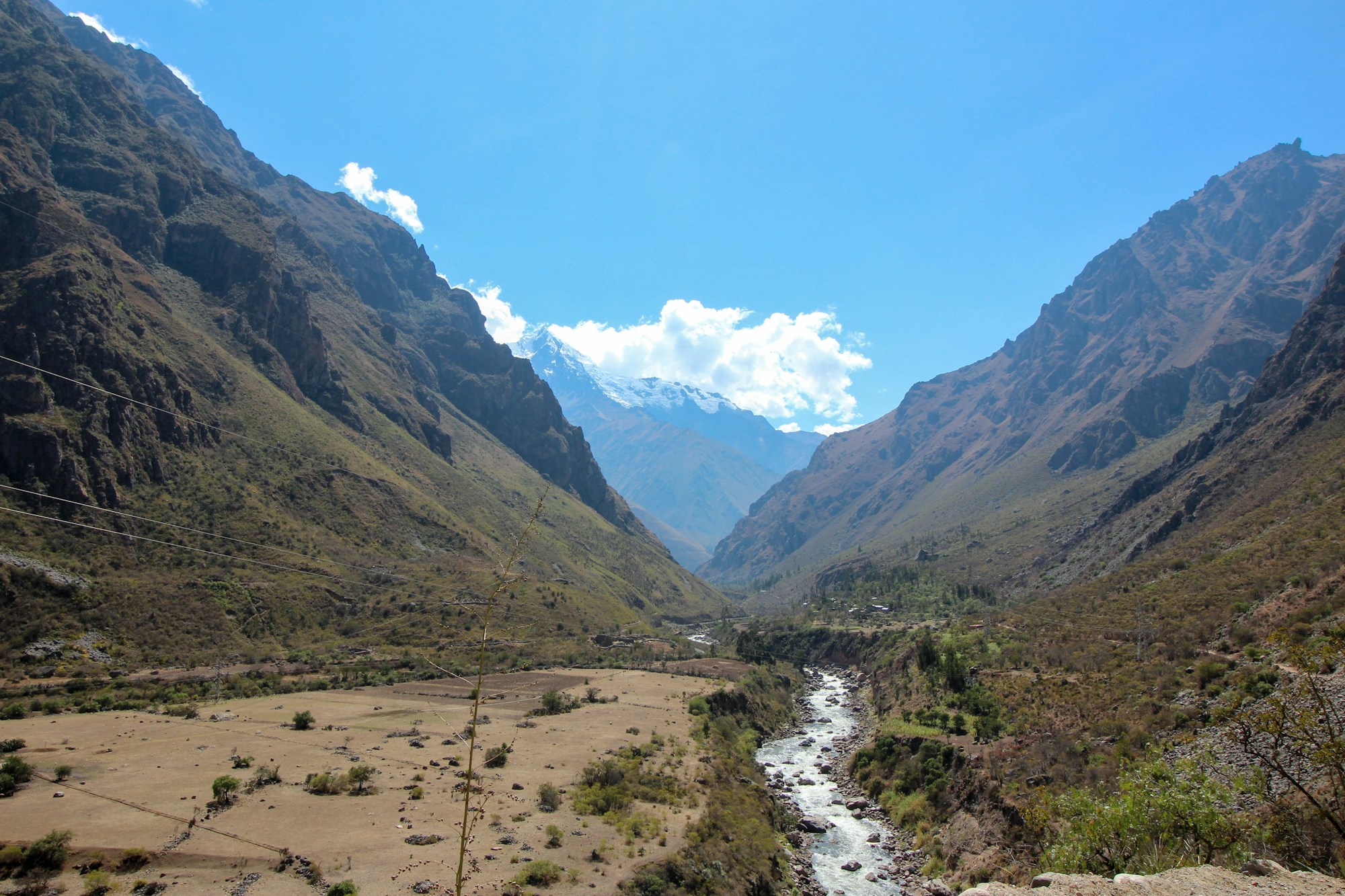
Sacred Valley — Pisac, Ollantaytambo, Moray, Maras
Nestled in the Andes north of Cusco, the Sacred Valley was once the agricultural, religious and political heart of the Inca Empire. Flanked by the majestic Andes and traversed by the Urubamba River, it is home to iconic sites such as Pisac, Ollantaytambo and Moray. According to Kandoo Adventures, staying in the Sacred Valley rather than Cusco offers a calmer and more immersive experience, closer to the archaeological sites and markets.
Pisac: Archaeological Site and Market
Just 33 km from Cusco, the Pisac site impresses with its complex terraces, temples and burial sites. Less crowded than Machu Picchu, this site makes for a perfect introduction to Inca genius. On Sundays, the traditional Pisac market is unmissable. According to Yapa Explorers, keep an eye out for the carved skull hidden among the ruins — the last one preserved on the site.
Moray & Salineras de Maras
The concentric circles of terraces at Moray are believed to have served as an Inca agricultural laboratory for testing the effect of altitude on crops. A few kilometers away, the Salineras de Maras are a fascinating sight: terraced pools filled with naturally salty water, exploited since the pre-Inca era. Admission costs around 10 soles (3 USD). The Moray + Maras combination is ideally done as a half-day trip.
5. Ollantaytambo: The Living Inca Town and Gateway to Machu Picchu
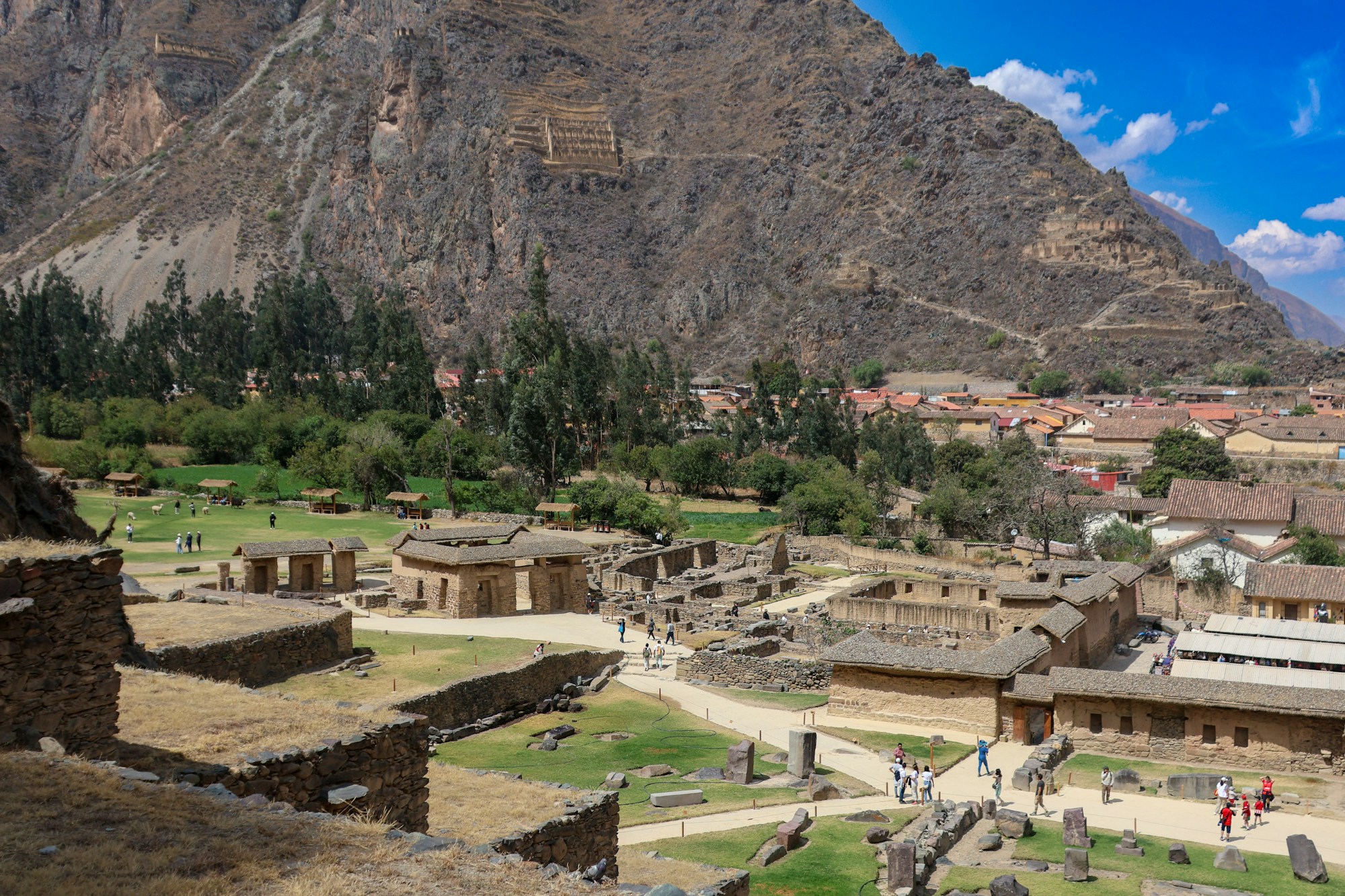
Ollantaytambo — 2,792 m altitude
Ollantaytambo is far more than a simple jumping-off point for Machu Picchu. Once the residence of Emperor Pachacutec, built at the end of the 15th century, the village still retains its original Inca layout — its functioning water channels, narrow cobblestone streets and dwellings continuously occupied for centuries. According to The Outbound, some of these dwellings are among the oldest continuously inhabited in South America.
The fortress of Ollantaytambo is a key site of Inca resistance against the Spanish: in 1536, Manco Inca and his troops briefly repelled the forces of Francisco Pizarro here, in the only major Inca military victory of the conquest. From the top, the view over the town and valley is breathtaking. It is strongly recommended to spend one night in Ollantaytambo to catch the early morning train to Aguas Calientes.
- Wander through the medieval Inca heart of Ollantaytambo at sunset
- Take the early train (5 AM–6 AM) from Ollantaytambo station to Machu Picchu
- Visit the fortress in the late afternoon to avoid tour groups
6. Moray & Salineras de Maras: The Agricultural Genius of the Incas
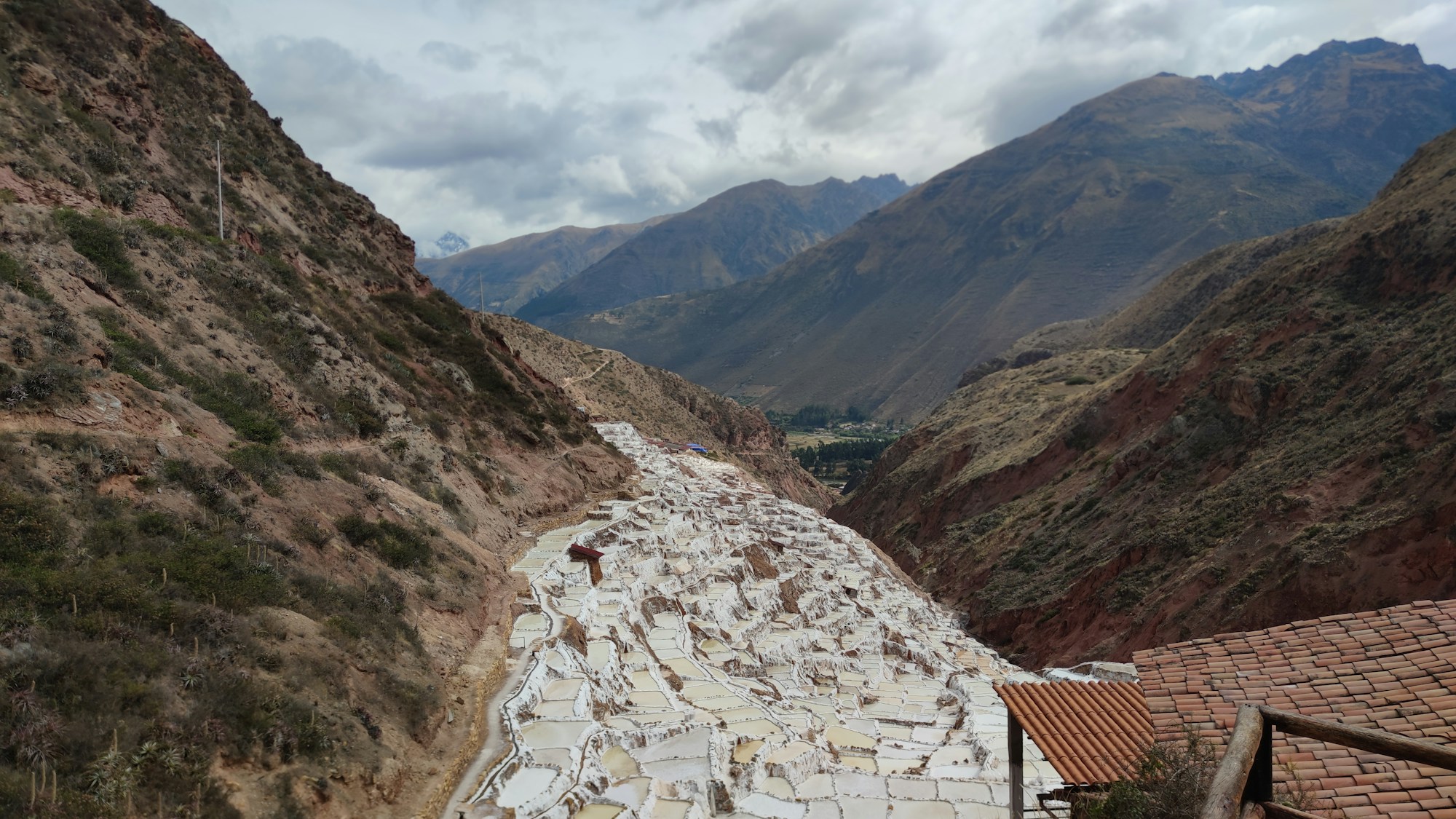
Moray & Maras — Sacred Valley
Two fascinating sites, often visited together, reveal the agricultural sophistication of the Incas. The ruins of Moray are considered an experimental farm: its concentric circles of terraces, creating multiple microclimates, are believed to have allowed the Incas to test the cultivation of different plants according to altitude and temperature. According to Cusco Local Friend, archaeological evidence confirms this unique experimental use in the pre-Columbian world.
A few kilometers away, the Salineras de Maras spread across a mountainside with more than 3,000 terraced salt pools, fed by a mineral-rich underground spring. The local community has harvested this salt since the pre-Inca era, using the same ancestral techniques. At sunset, when the pearly-white pools turn gold and rose, the spectacle is simply unforgettable.
7. Rainbow Mountain (Vinicunca): The Mountain of Seven Colors
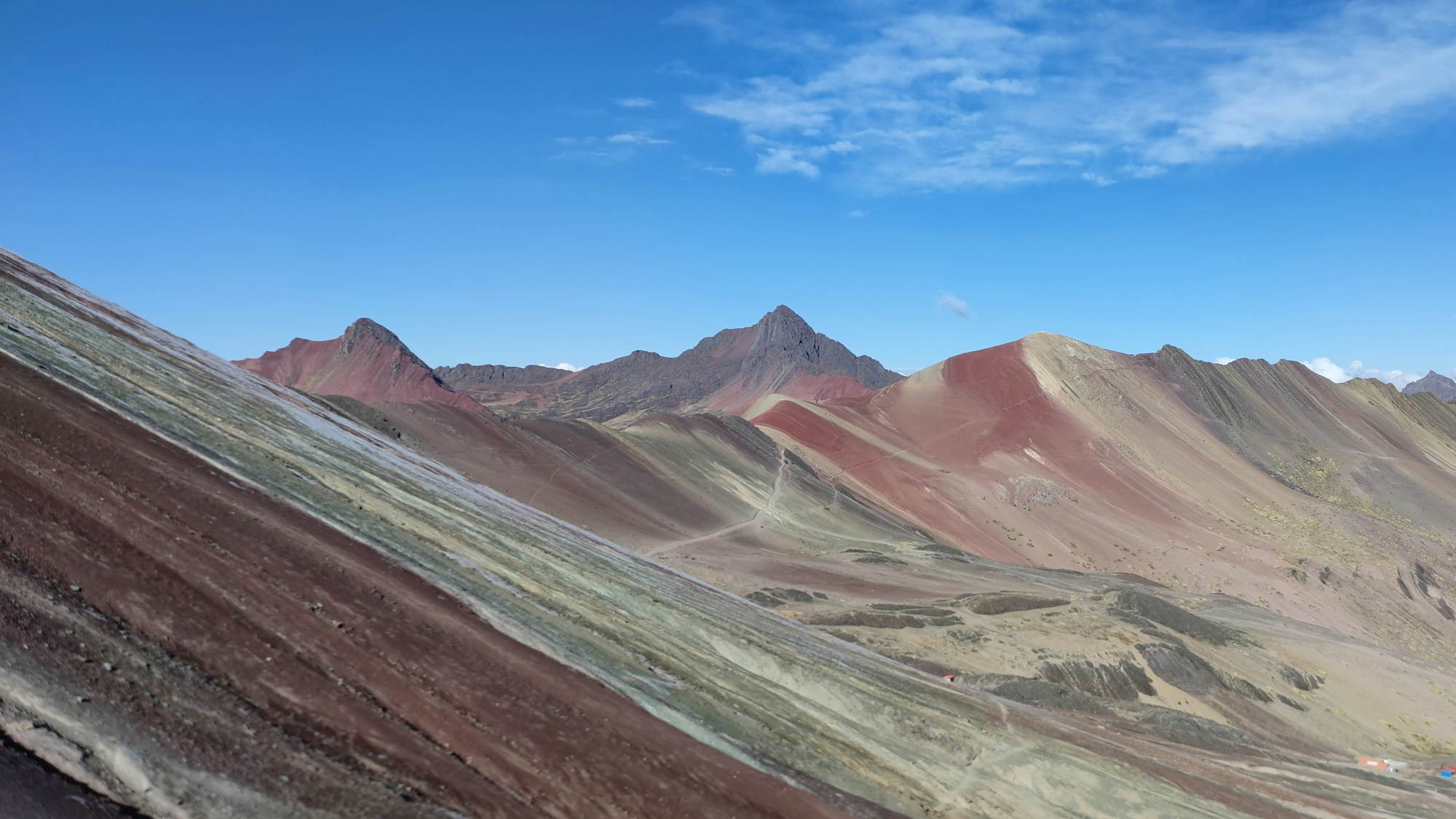
Vinicunca — 5,200 m altitude
Rainbow Mountain (Vinicunca), nicknamed « the Mountain of Seven Colors, » has become one of Peru’s most spectacular destinations. Located in the Vilcanota mountain range, in the shadow of Nevado Ausangate, at 5,200 meters altitude, its colorful strata result from millions of years of geology: iron, copper, silica and clay form a natural kaleidoscope unique in the world. According to Explore Tierra, the colors are particularly intense during the dry season.
Three Rainbow Mountains Around Cusco
- Vinicunca — the most famous, the highest (5,200 m), the most visited
- Palccoyo — lower (~4,900 m), 30-minute hike, few crowds: the best alternative
- Pallay Punchu — very remote (5 hours by road), unique landscapes, almost no tourists
Standard group tours (departing Cusco between 2:15 AM and 3:30 AM) cost between 30 and 49 USD and include transport, breakfast, lunch, guide and entry. To avoid the crowds, aim to arrive at the summit between 7:30 AM and 9:00 AM. According to How to Peru, the on-site entry fee is around 30 soles for foreigners.
8. The Salkantay Trek: The Adventurous Route to Machu Picchu
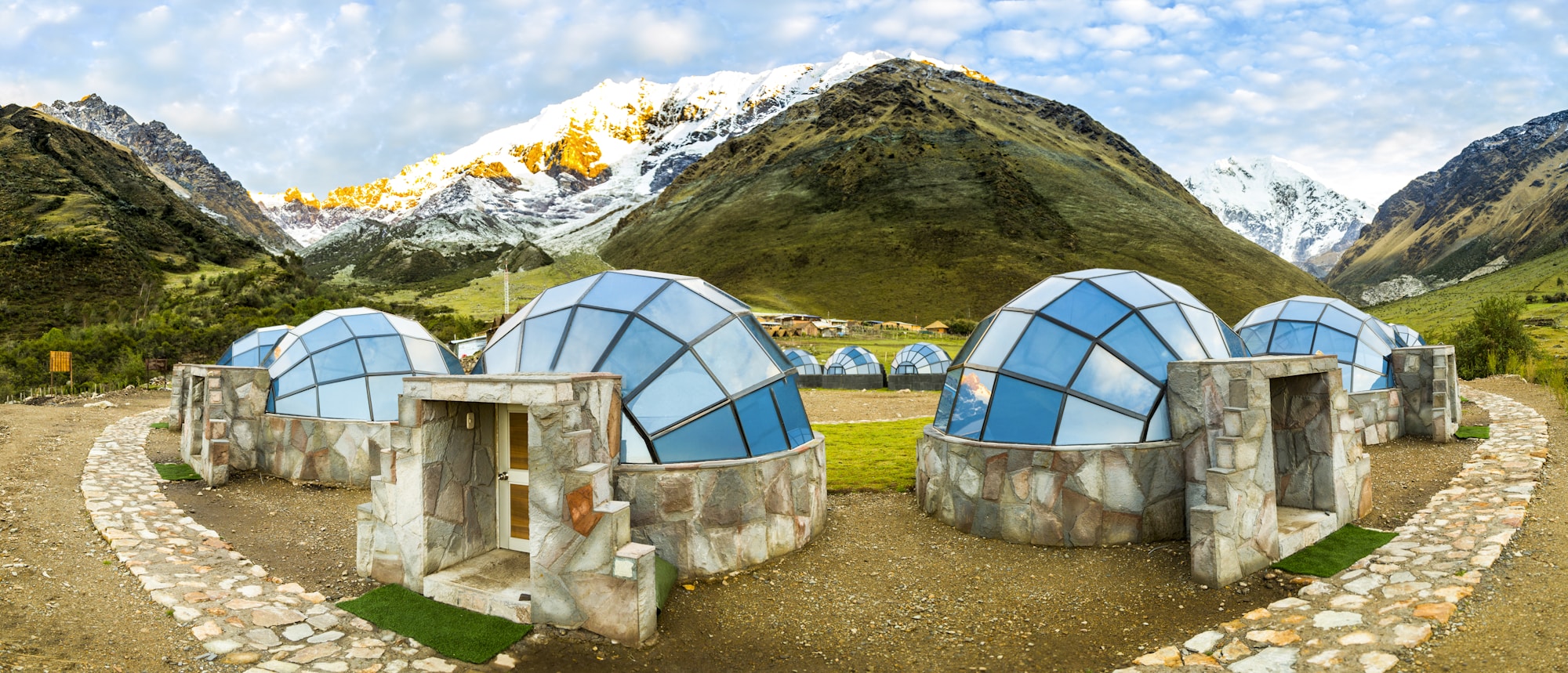
Salkantay Trek — 5 days / ~75 km
The Salkantay Trek is one of Peru’s most breathtaking hikes, named by National Geographic Adventure Travel Magazine as one of the best treks in the world. It crosses extraordinarily varied landscapes — Andean glaciers, high plateaus, tropical forests — to reach Aguas Calientes and Machu Picchu. According to Costa del Horatio, the Salkantay offers far wilder vistas than the Inca Trail, while being significantly easier to book and less expensive.
Salkantay vs Inca Trail
- Salkantay: no mandatory permit, can be booked a few weeks in advance, 350–700 USD
- Inca Trail: limited permit, book 6–12 months in advance, 500–700 USD, more historically significant
- The Lucmabamba area (cloud forest, 80 m waterfall) is a gem of the Salkantay route
- Allow 2–3 days of acclimatization in Cusco before starting the trek
The Suggested Itinerary: 2 Weeks in Peru Step by Step
Here is an optimized itinerary proposal to make the most of your stay, managing altitude acclimatization and distances between sites.
| Days | Stage | Key Highlights |
|---|---|---|
| D1–D2 | Lima | Barranco, Miraflores, Museo Larco, local gastronomy |
| D3–D4 | Cusco | Acclimatization, San Blas, Plaza de Armas, Sacsayhuamán |
| D5 | Sacred Valley | Pisac (site + market), Moray, Salineras de Maras |
| D6 | Ollantaytambo | Inca fortress, overnight stay, early train the next morning |
| D7–D8 | Machu Picchu | Train + citadel visit (Circuit 2), night in Aguas Calientes |
| D9 | Back to Cusco | Chinchero, Huchuy Qosqo (optional), San Pedro market shopping |
| D10 | Rainbow Mountain | Vinicunca excursion (3 AM departure) or Palccoyo |
| D11–D12 | Adventure option | Salkantay Trek D1–D2, or Choquequirao for the most active |
| D13 | Free day in Cusco | Gourmet restaurants, last souvenirs, rest |
| D14 | Return to Lima | Domestic flight Cusco → Lima (1h20), overnight or return home |
• Backpacker: 1,000–1,500 €
• Standard traveler: 2,000–3,000 €
• Comfort / Semi-luxury: 3,500–6,000 €
Key expenses: Machu Picchu ticket (~50 USD), train (~40–80 USD), domestic flight Lima–Cusco (~80–150 USD), Rainbow Mountain excursion (~40–50 USD).
Frequently Asked Questions About Peru 2026
When should I book Machu Picchu tickets for 2026?
As early as possible! Machu Picchu tickets for 2026 are available at tuboleto.cultura.pe. Tickets go on sale twice a month: from the 1st to the 15th at 7:00 AM, and from the 16th to the end of the month at 12:00 PM. Due to the quota of 5,600 visitors per day, it is strongly recommended to book at least 60 days in advance, or even 90 days during peak season (June–August). A guide is mandatory for first-time visits since 2024.
How do I get to Machu Picchu from Cusco?
The most popular way is the train from Cusco or Ollantaytambo to Aguas Calientes, then the shuttle bus up to the site (around 12 USD round trip). The train costs 35–80 USD depending on the operator (PeruRail or IncaRail) and the comfort level. A cheaper alternative: take a bus from Cusco to the town of Hidroelectrica (around 8 hours), then hike to Aguas Calientes (around 3 additional hours on foot). Staying overnight in Ollantaytambo the day before allows you to catch the first train of the morning and arrive at the site very early.
How do I avoid altitude sickness (soroche) in Peru?
Plan 2–3 days of acclimatization in Cusco (3,400 m) before going higher. Drink plenty of water, avoid alcohol and heavy meals for the first 48 hours, and drink mate de coca (coca leaf infusion, legal and traditional in Peru). If symptoms persist (headache, nausea, shortness of breath), head down to the Sacred Valley — Ollantaytambo at 2,792 m and Pisac at 2,975 m offer natural relief. For Rainbow Mountain (5,200 m), never go without having spent at least 2 nights above 3,000 m.
Is it better to do the Inca Trail or the Salkantay Trek?
It depends on your profile. The Inca Trail (4 days, ~500–700 USD) is more historically significant and iconic, but must be booked 6 to 12 months in advance and spots are very limited. The Salkantay Trek (5 days, 350–700 USD) requires no special permit, can be booked a few weeks in advance, offers more varied landscapes (glaciers, jungle) and is often less expensive. Both end at Machu Picchu. For flexible travelers or those who haven’t planned far in advance, the Salkantay is clearly the best option.
What is the best time to visit Peru?
The dry season from April to October is ideal for the Cusco region, the Sacred Valley, Machu Picchu and Rainbow Mountain. June to August is peak season (dry weather but maximum crowds). For Lima, the city can be visited year-round, but the austral summer (December–April) brings sunshine and warmth to the coast. Avoid the rainy season (November–March) for Machu Picchu and trekking — trails can become slippery and dangerous.
Is it better to go through an agency or travel independently in Peru?
Traveling without an agency is perfectly feasible in Peru. Most buses, hotels and local guides can be found easily on the ground. However, some things require advance planning: Machu Picchu tickets (book online), the Inca Trail (via licensed agency only), and Rainbow Mountain excursions (local agencies in Cusco). For Rainbow Mountain in particular, avoid the cheapest options — service quality is often proportional to the price.
What is Choquequirao and is it worth the detour?
Choquequirao (« Cradle of Gold » in Quechua) is often called the « secret sister of Machu Picchu. » This Inca archaeological site, accessible only on foot (4–5-day trek), is three times larger than Machu Picchu, yet receives only 10 to 20 visitors per day — compared to 5,000 at Machu Picchu. Only 30 to 40% of the site has been excavated to date. A cable car project threatens to make it easily accessible soon, which would multiply visitor numbers. A visit is therefore an absolute must before that opening. Budget: 600–1,300 USD with an agency (5–7 days).
Which circuit should I choose for visiting Machu Picchu in 2026?
There are three main circuits at Machu Picchu. Circuit 2 is the most complete and recommended: it allows you to explore the Temple of the Sun, the Main Temple, the Temple of the Three Windows, the Sacred Rock, the Temple of the Condor, the Water Fountains and the agricultural sector (maximum duration: 2h30). Circuit 1 is shorter and focuses on the agricultural zone. The 2026 update: Inca Trail route No. 6 will be reinstated after 2 years of inactivity, with a maximum capacity of just 100 visitors per day — book it as a priority if available.
Sources
- Atypika Tours — Complete Machu Picchu Guide 2025-2026 — Expert guide on the history and rules of the site
- PeruRail — Tickets and Circuits 2026 — Official ticketing information
- Setours — Machu Picchu New Rules 2026 — Official regulations
- Trippyglobe — Peru 2-Week Itinerary — Practical itinerary tips
- Le Bon Roadtrip — 2 Weeks in Peru — Detailed travel guide
- Kandoo Adventures — Sacred Valley — Sacred Valley highlights
- Voyage Pérou — Sacred Valley — Complete Sacred Valley guide
- Explore Tierra — Rainbow Mountain — Vinicunca Guide 2026
- Horizon Hugo — The Three Rainbow Mountains — Vinicunca, Palccoyo, Pallay Punchu comparison
- Costa del Horatio — Ultimate Salkantay Guide — Trek itinerary and practical tips
- Valencia Travel — Choquequirao Trek — Choquequirao trek guide
- InfoTravel — Lima 2025 — Lima gastronomic and cultural updates
- Sam Travel Peru — Machu Picchu Regulations — Official 2024-2026 rules
Research conducted in February 2026
Ready to Plan Your Peru Adventure?
Peru is a destination that rewards preparation. Book your Machu Picchu tickets today, plan your acclimatization carefully, and let yourself be surprised by every sunset over the Andes. Pixidia helps you design the perfect itinerary for this once-in-a-lifetime journey.
Explore All Peru Itineraries