
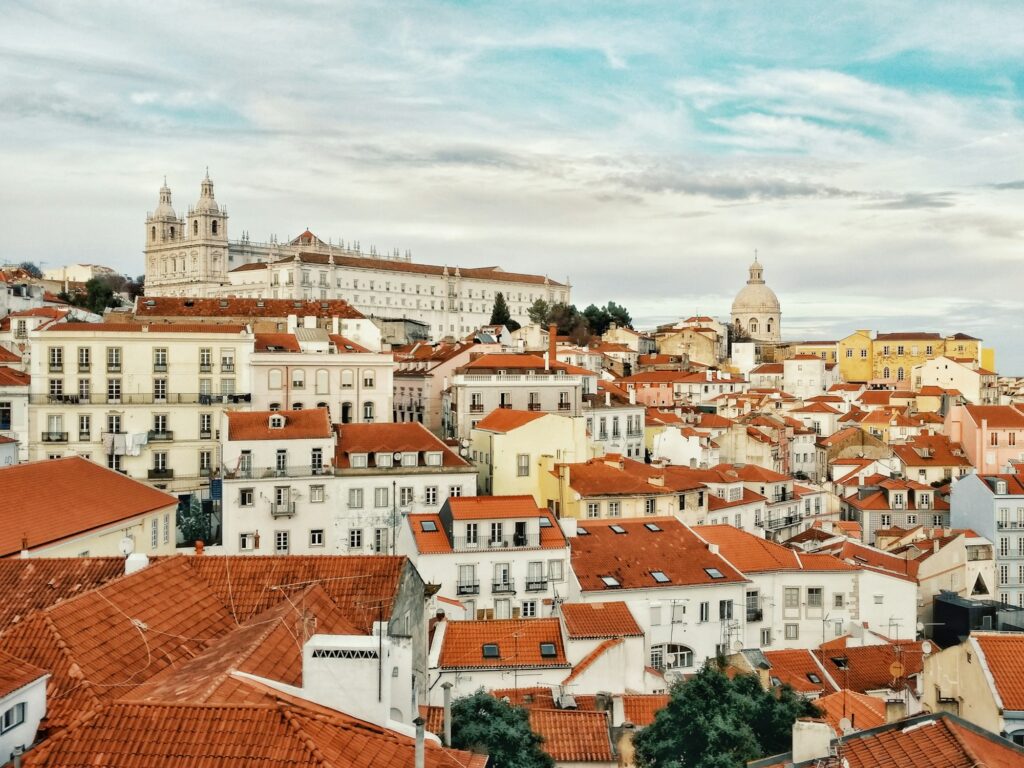
10 days in Portugal is the perfect trip for those who want to experience everything without sacrificing authenticity. Porto with its azulejo-covered facades, Lisbon with its fado-filled hills, Sintra with its fairytale palaces, the wild cliffs of the Algarve… In about ten days, this north-to-south itinerary takes you to the heart of a country where prices are 23% cheaper than France and where hospitality isn’t a marketing pitch but an everyday reality. Here’s how to organize these 10 days to miss nothing — neither the must-sees nor the hidden gems that classic guides ignore.
The Itinerary at a Glance
- Days 1–3: Porto — Ribeira, Gaia, Douro Valley excursion
- Day 4: Transfer Porto → Lisbon (3h by car or 2h45 by train)
- Days 5–7: Lisbon — Alfama, Mouraria, Marvila
- Day 8: Day trip to Sintra (30 km from Lisbon)
- Days 9–10: Algarve — Tavira, Sagres, Cape St. Vincent
1. Porto: the Ribeira, Vila Nova de Gaia and the Douro
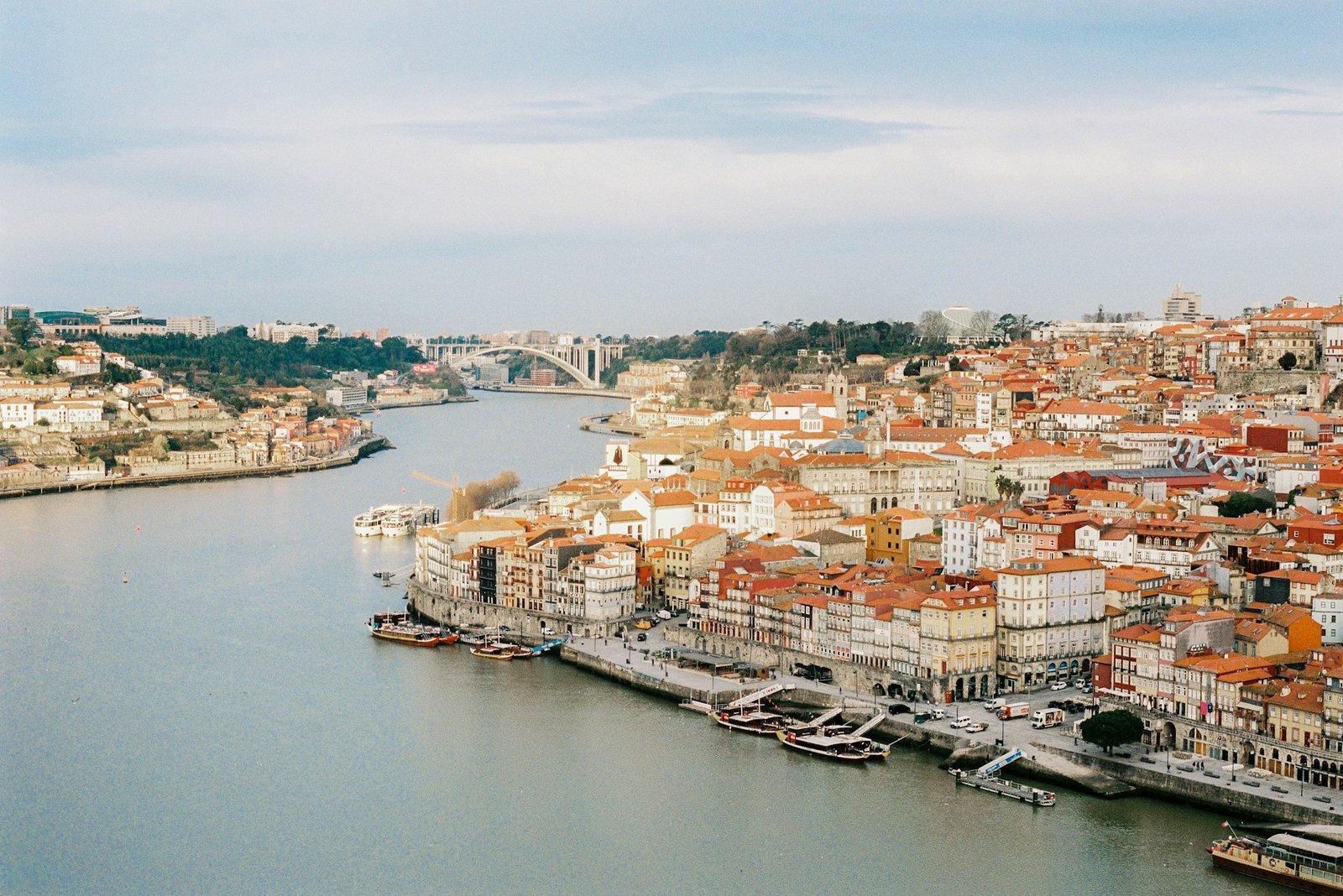
Porto — The city of a thousand faces
Start with Porto, the northern city. According to Les Vadrouilles de Mbly, when you think of Porto, iconic images come to mind: the sparkling Douro, the Dom Luís I Bridge dominating the landscape, and the colourful facades adorned with azulejos. But the city has so much more to offer than postcards.
The Ribeira, a UNESCO-listed historic district, is the perfect starting point. Across the river, Vila Nova de Gaia houses the famous Port wine cellars — an essential visit. According to Portours, amidst the commercial bustle of Rua de Santa Catarina stands a discreet marvel: the Chapel of Souls, covered in a coat of blue and white azulejos.
Must-sees in Porto
- Livraria Lello — one of the world’s most beautiful bookshops (€7 entry, deductible from purchases)
- Dom Luís I Bridge — walk across the upper level for a panoramic view
- Gaia wine cellars — Port wine tasting for €10–20
- Tram n°1 — charming old-fashioned ride along the Douro to Foz
- Cedofeita district — art galleries, concept stores, Saturday brunch
2. Douro Valley Excursion — The World’s Oldest Wine Region
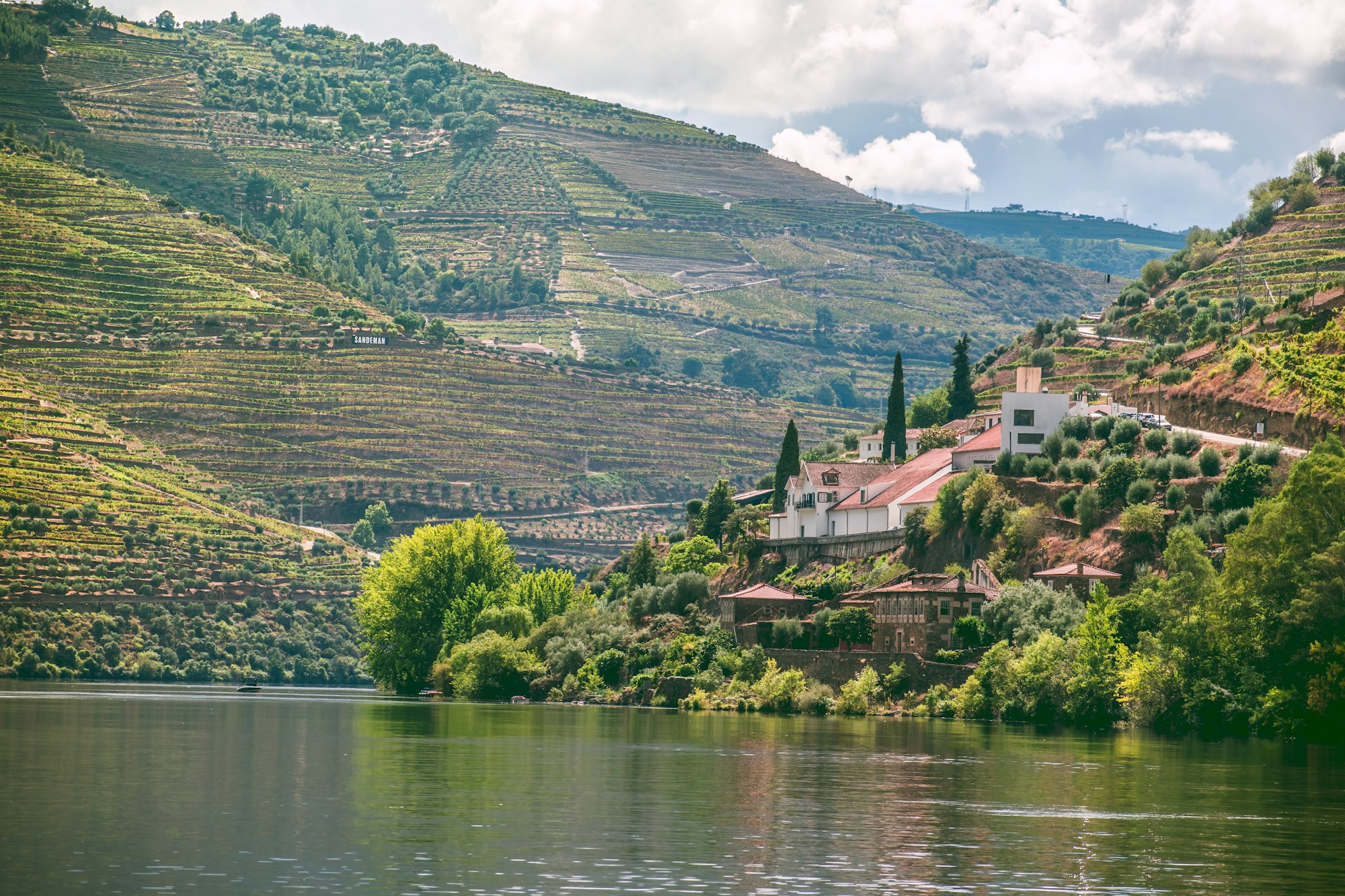
Douro Valley — UNESCO Heritage and endless vineyards
The Douro Valley is the world’s officially recognised oldest wine region and the birthplace of Port wine. According to Porto North Portugal, the terraced vineyards clinging to the hillsides represent centuries of culture, while traditional quintas preserve historic winemaking methods.
The Linha do Douro is often considered one of the most scenic railway journeys in Europe, hugging the riverbanks and passing through picturesque villages. According to Cool Tours Porto, a one-way ticket from Porto to Pinhão costs around €11 to €14. From Pinhão, a mini river cruise on a rabelo (traditional boat) lets you view the vineyards from the water.
Tips for visiting the Douro
- Train from Porto — sit on the right side for the best views after Mosteiro
- Quinta da Rosa (Pinhão) — tasting with views over the terraced vineyards
- Rabelo cruise — see the terraces from the river, ~€15–25/person
- Pinhão station — decorated with azulejos depicting harvest scenes
3. Lisbon: Alfama, Mouraria and the Soul of Fado
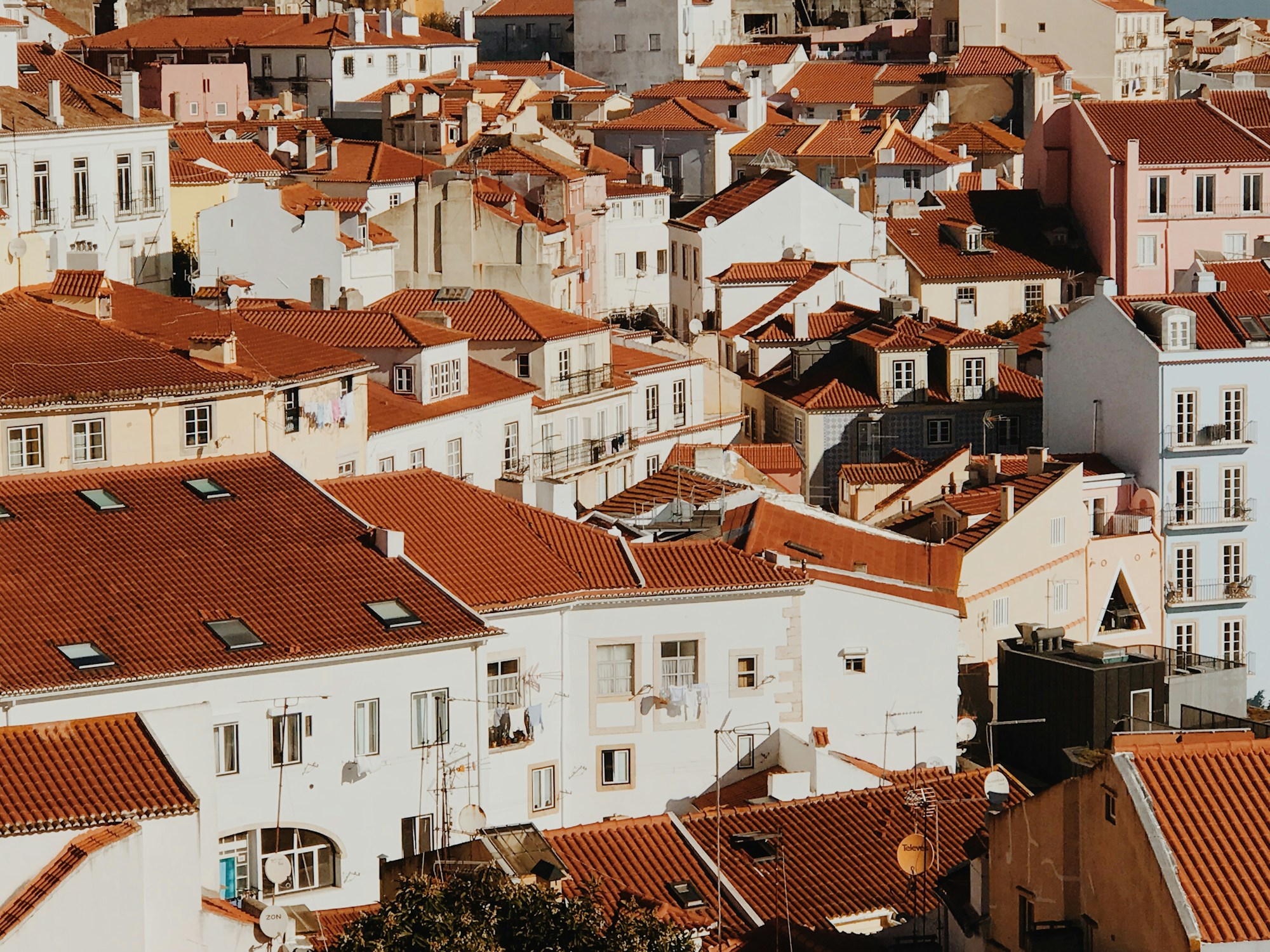
Alfama & Mouraria — The millennial soul of the capital
Nestled on a steep hill, the Alfama district is one of Lisbon’s historic jewels. According to Vanupied, it is the city’s oldest neighbourhood — it survived the great earthquake of 1755, when much of the capital was destroyed. Its medieval architecture and colourful azulejo-adorned facades offer a genuine journey through time.
The neighbouring Mouraria is equally fascinating. After renovation works in 2009, this district regained its splendour without losing its authenticity. It is Lisbon’s most multicultural neighbourhood, with over 50 nationalities cohabiting in its charming lanes, according to Easyvoyage. It is also the birthplace of fado.
Must-sees in Lisbon
- São Jorge Castle — panoramic views over the city (€10)
- Fado Museum — history of the UNESCO intangible heritage (€5)
- Miradouro da Graça — locals’ favourite viewpoint, away from crowds
- Fado vadio — free impromptu sessions in authentic tascas
- Marvila district — Lisbon’s « Brooklyn », craft breweries and street art
4. Sintra — The Fairytale City of Portugal’s Kings
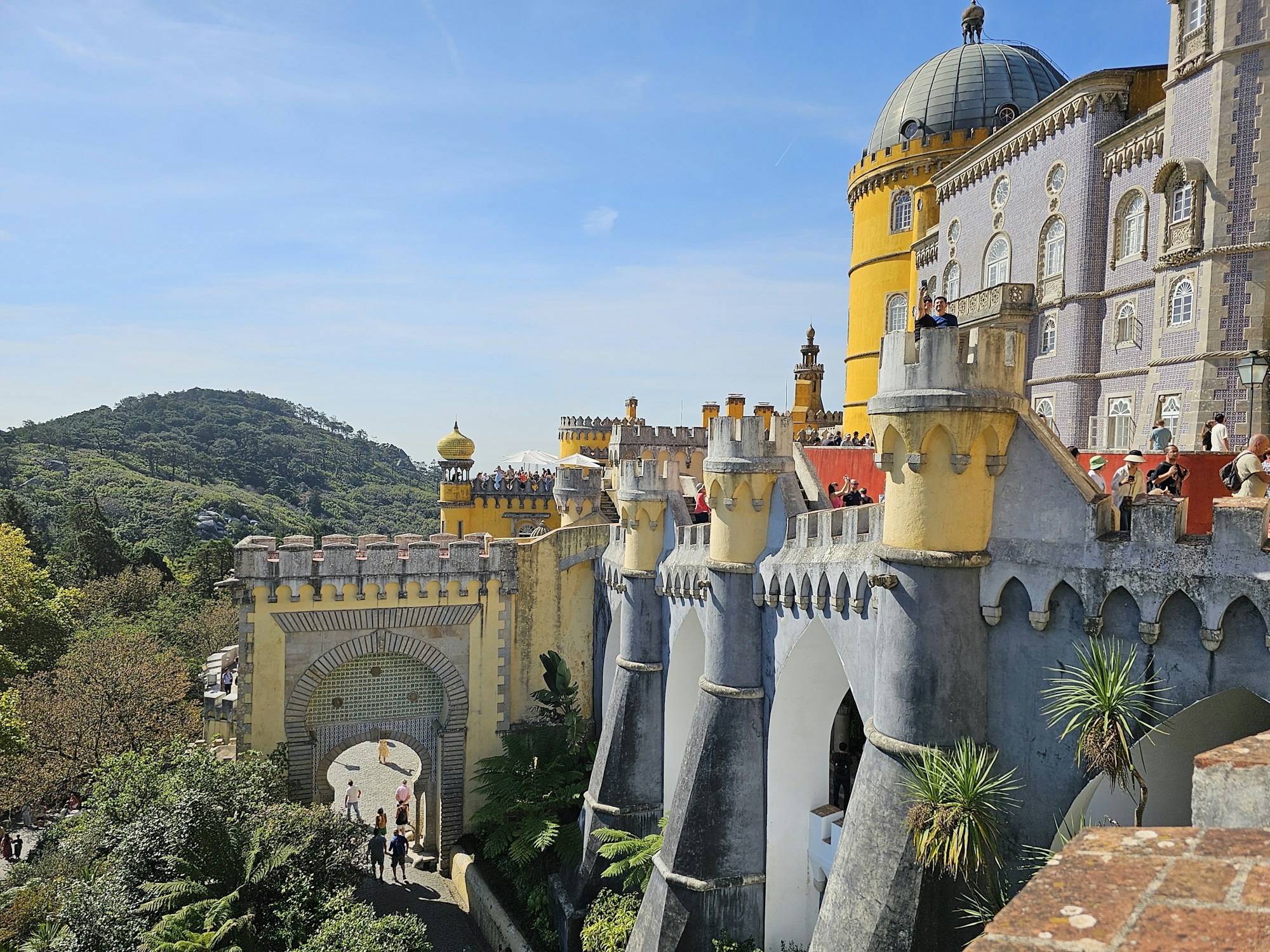
Sintra — Palaces, castles and romantic gardens 30 km from Lisbon
If you dream of a journey where fairytales and breathtaking panoramas meet, Sintra is your unmissable destination. According to Vivre à Lisbonne, classified as a UNESCO World Heritage Site, this town breathes magic and nature. Colourful palaces, medieval castles and lush gardens blend harmoniously in a unique romantic setting.
The Castelo dos Mouros, built between the 8th and 9th centuries by the Moors, offers a spectacular walk along the ramparts with impressive views over the valley. According to Salut Bye Bye, it is much less crowded than the Pena Palace — a gem for those who want to avoid the crowds.
How to visit Sintra efficiently
- Arrive before 9am — ideal to beat the crowds according to The Cool Tours
- Book online — fast-track tickets for Pena Palace essential in high season
- Quinta da Regaleira + Monserrate Palace — ideal combo, same bus route
- Lisboa Card — includes free transport to Sintra according to Tugatrips
5. Algarve: Tavira, Sagres and the Cliffs at the Edge of Europe
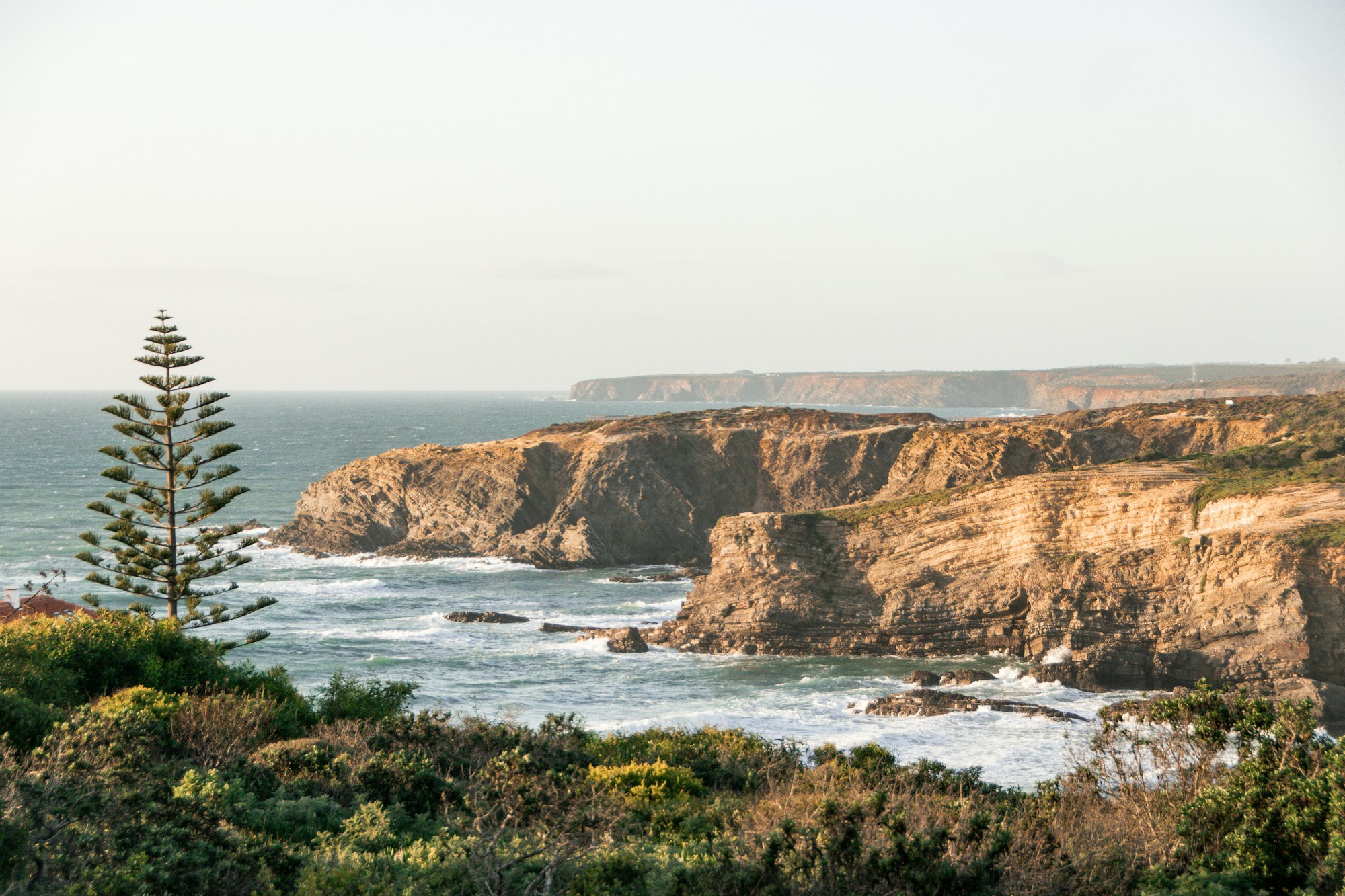
Algarve — Authentic in the east, wild in the west
Tavira (Eastern Algarve) charms with its quiet authenticity. According to Itinéraire Voyages, its cobblestone streets lined with whitewashed houses and the old Roman bridge over the Gilão river make it one of the Algarve’s most beautiful towns. Its beaches on Ilha de Tavira (accessible by boat for €3–5) are among the region’s most unspoilt.
Sagres (Western Algarve) is the edge of Europe, wild and vertiginous. According to Le Routard, battered by winds, the ocean creates impressive waves prized by surfers. Cape St. Vincent — Europe’s westernmost point — offers a breathtaking perspective over the Atlantic, especially at sunset.
Hidden gems of the Algarve off the beaten track
- Ilha de Culatra (Olhão) — car-free fishing island, restaurants without tourist menus
- Barril Beach — the « anchor cemetery », surreal and memorable scenery
- Cacela Velha — clifftop village above orange trees with views over Ria Formosa
- Silves Castle — best-preserved Moorish fortress (~€3) in the hinterland
- Ria Formosa (Olhão) — boat cruise to the islands, ~€25/person
6. Budget and Transport — What You Need to Know
Budget for 10 days in Portugal
According to Partirou, the minimum daily budget is €30 for budget travellers. For a comfortable stay with good value for money, budget from €73/day per person. High season prices (June–September) are on average 35% higher than low season.
At restaurants, a meal in a local tasca costs €10–15; a mid-range restaurant €20–30. Local beer is €2.50 — 58% cheaper than in France. Note: petiscos (snacks served at the start of a meal) are charged — if you don’t want them, just say so.
Essential transport
- Porto → Lisbon by train: 2h45 on Alfa Pendular, €25–40 depending on booking
- Porto → Lisbon by car: 3h via toll roads (~€10 in tolls)
- Lisbon → Sintra: 40 min by train, €2.30 one way
- Car hire: essential for the Algarve and Douro Valley
- Porto Card / Lisboa Card: unlimited transport + museums — recommended
Frequently Asked Questions about Portugal in 10 Days
What is the best time to visit Portugal in 10 days?
Spring (April–June) is ideal: temperatures around 20°C, fewer crowds, mid-range prices. Avoid July and August for the Algarve: the region is packed with tourists and prices skyrocket. Autumn (September–October) is also excellent, with still-pleasant temperatures and the grape harvest in the Douro Valley.
Do you need to rent a car for this Portugal circuit?
A car is almost essential for exploring the Algarve and Douro Valley. However, in Porto and Lisbon, it’s better to leave the vehicle in a car park and get around on foot or by public transport. According to Lydiane Autour du Monde, the streets of the old towns can be very narrow. For the Douro Valley, the train (Linha do Douro from Porto) is a beautiful and economical alternative.
What budget should you plan for 10 days in Portugal?
According to BforBank, without an agency, a week in Portugal costs on average €650 to €1,100 per person depending on the season. For 10 days in comfort (3-star hotel, local restaurants) budget €70–100/day/person, excluding transport. Portugal is on average 23% cheaper than France.
Should you book in advance for Sintra?
Yes, absolutely. It is strongly advised to book tickets online in advance for the main attractions like the Pena Palace and the Moorish Castle, to save time and avoid long queues. Arrive early (before 9am) — ideal to enjoy Sintra before tour groups arrive. The Lisboa Card includes transport to Sintra.
How do you get from Porto to Lisbon?
The best option is the Alfa Pendular (Portuguese high-speed train): approximately 2h45 journey for €25–40 depending on booking. By car, allow about 3 hours via toll roads (around €10 in tolls). The train is generally preferable as it drops you in central Lisbon and avoids parking problems. Book in advance on the CP (Comboios de Portugal) website for the best fares.
Is the Algarve worth visiting in just 2 days?
Yes, if you focus your visit. In 2 days, choose between the Eastern Algarve (Tavira, Ria Formosa — authentic and quiet) or the Western Algarve (Sagres, Cape St. Vincent — wild and spectacular). The two areas are 2–3 hours apart by car, so combining both in 2 days is difficult. According to My Portugal Holiday, the Eastern Algarve is ideal for visitors seeking a quiet coastal experience.
What typical dishes shouldn’t you miss in Portugal?
For savoury dishes: bacalhau à Brás (shredded cod with eggs and olives), petiscos (Portuguese tapas), cataplana de frutos do mar (Algarve seafood speciality) and grilled sardines in Lisbon are unmissable. For sweet treats, don’t miss the pastéis de nata (custard tarts), ideally at Pastéis de Belém in Lisbon or at Confeitaria do Bolhão in Porto. Pair with a vinho verde (young wine from the north) or a glass of Port in the Gaia cellars.
Which transport passes should you buy?
The Porto Card and Lisboa Card offer free or reduced museum entry and unlimited use of local public transport. The Lisboa Card includes free transport to Sintra. These passes are worth it if you plan to visit several museums and use public transport frequently. The Porto metro costs €1.20 per journey without a pass.
Sources
- Où et Quand — Portugal Budget — cost of living comparison France/Portugal
- Partirou — Portugal travel budget — detailed budgets by profile
- Partir.com — Cost of living Portugal — high/low season price variations
- Vanupied — Alfama district — history and architecture
- Les Vadrouilles de Mbly — Porto in 5 days — practical itinerary
- Portours — Porto off the beaten track — Porto’s hidden gems
- Porto North Portugal — Douro Valley — complete guide
- Winalist — What to do in the Douro — activities and quintas
- Vivre à Lisbonne — Sintra Guide 2025 — complete tourist guide
- Itinéraire Voyages — Algarve off the beaten track — authentic places
- Routard — L’Algarve off the beaten track — Sagres and hinterland
- Nos Cœurs Voyageurs — Portugal road trip — transport and logistics tips
- My Portugal Holiday — 1 week in Portugal — itinerary and advice
Research conducted in February 2026
Ready to Plan Your Portugal Itinerary?
Discover Portugal itineraries created by the Pixidia community — travellers who know the best addresses, hidden gems and local tips for an authentic Portugal experience.
Explore Portugal itineraries