
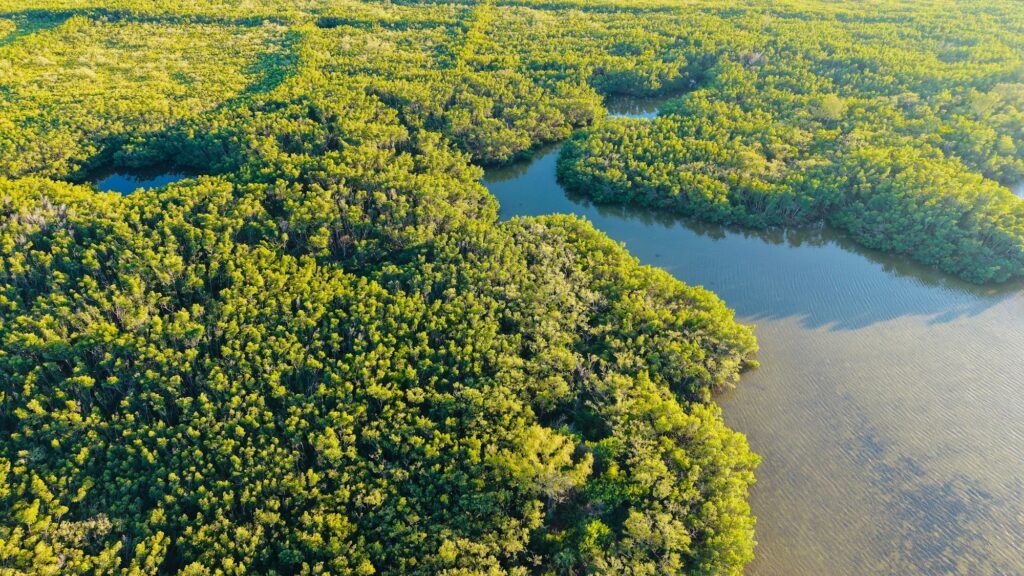
In 2026, regenerative tourism aims to leave a destination better than it was found: restoring ecosystems and supporting local communities, not merely doing less harm. These 10 regenerative tourism examples show where a trip can help, from Costa Rica and Slovenia to Norway, Bhutan and Palau.
Verified on against the sources cited.
Regenerative Tourism vs Sustainable Tourism: What’s the Difference?
1. Costa Rica: Pioneer of Biological Corridors
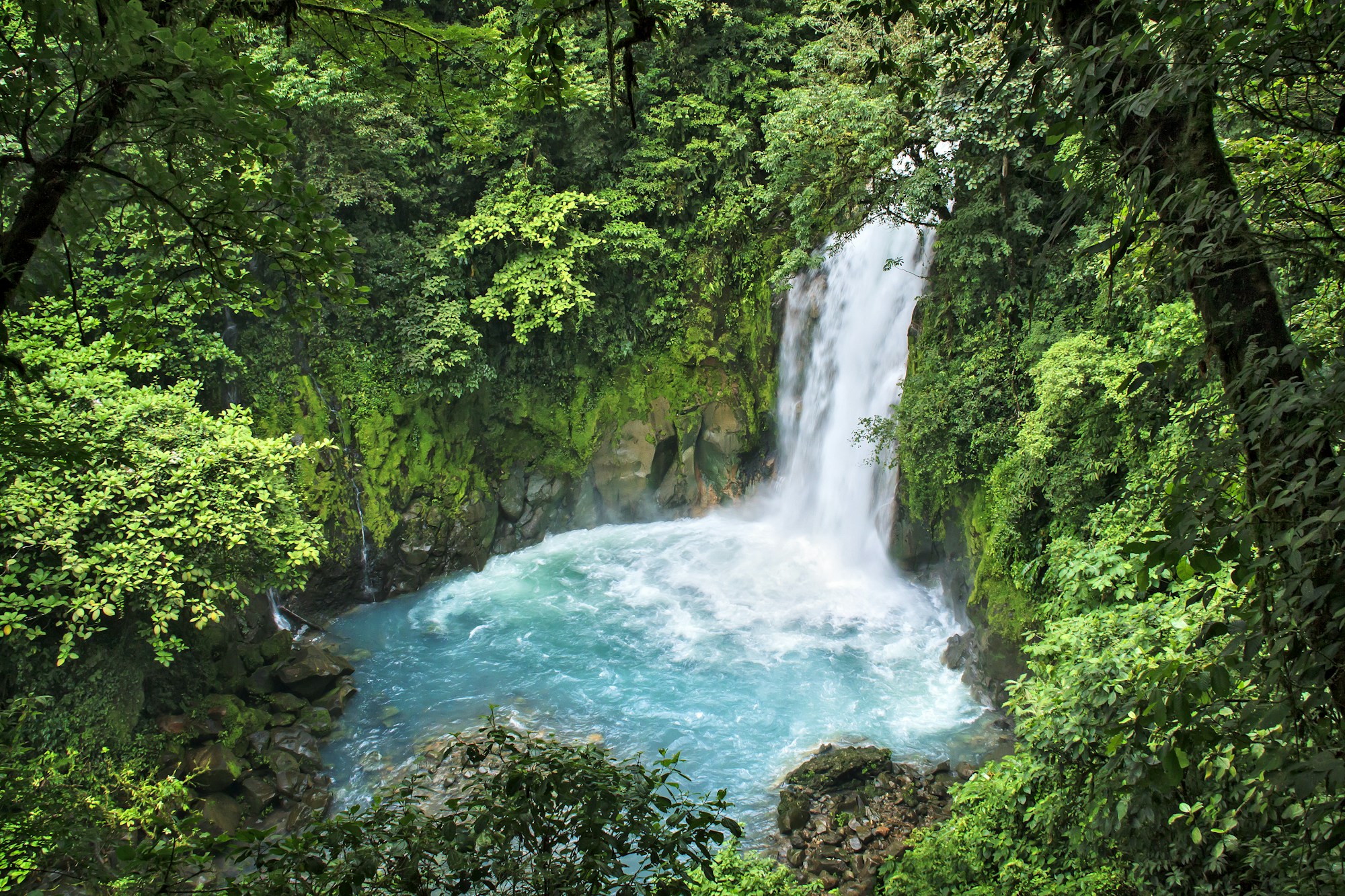
Osa Peninsula: 2.5% of the World’s Biodiversity
Highlights
- Citizen science: animal counting, turtle nest monitoring
- Mangrove replanting programs with lodges
- 25% of territory in national parks
2. Slovenia: World’s First « Green » Destination
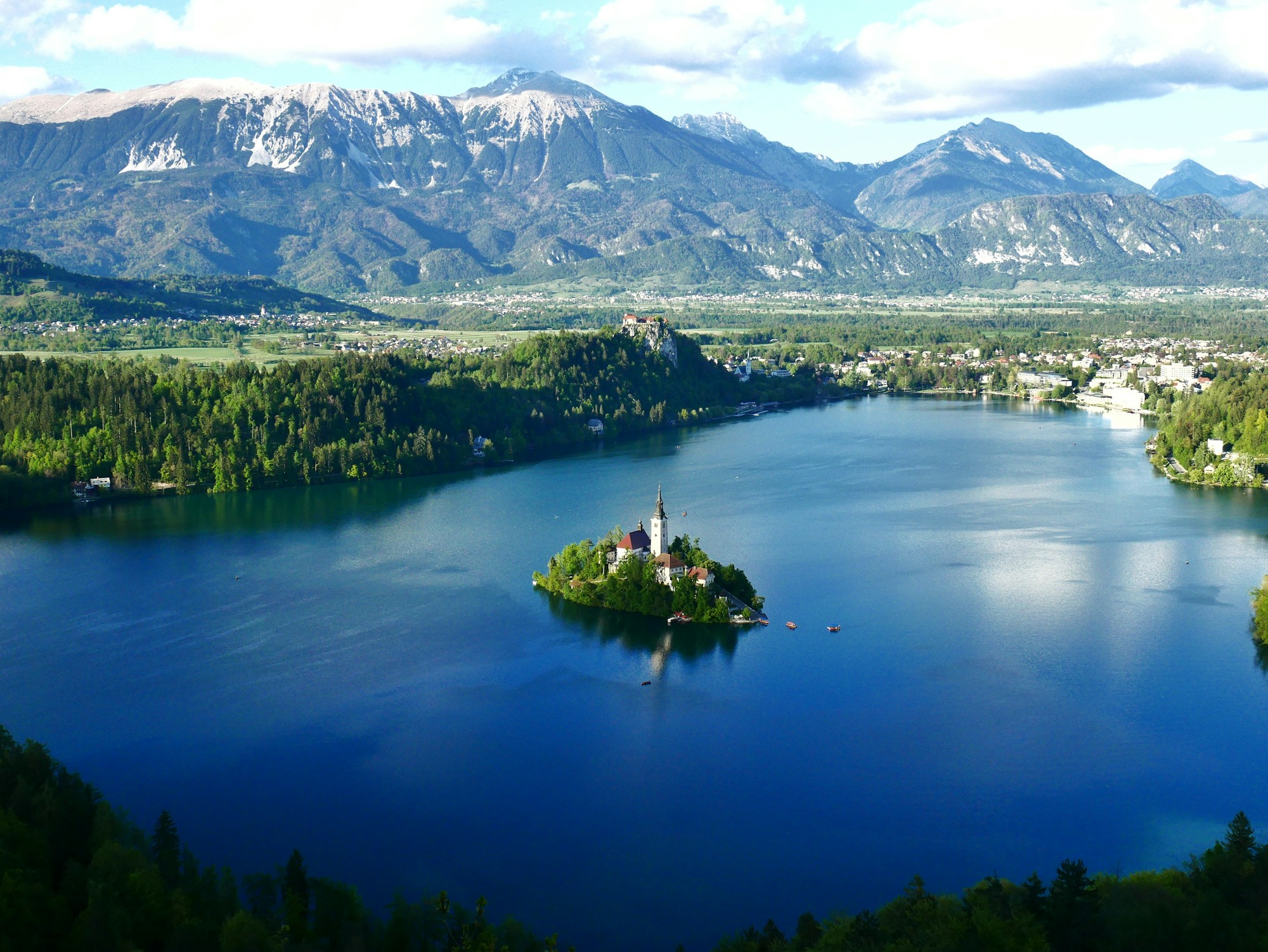
Green Scheme of Slovenian Tourism
Highlights
- Digital app to see the impact of your spending
- « Green Gourmet » cycling route connecting zero-waste restaurants
- Direct support for small-scale local agriculture
3. Norway: Zero-Emission Fjords by 2026
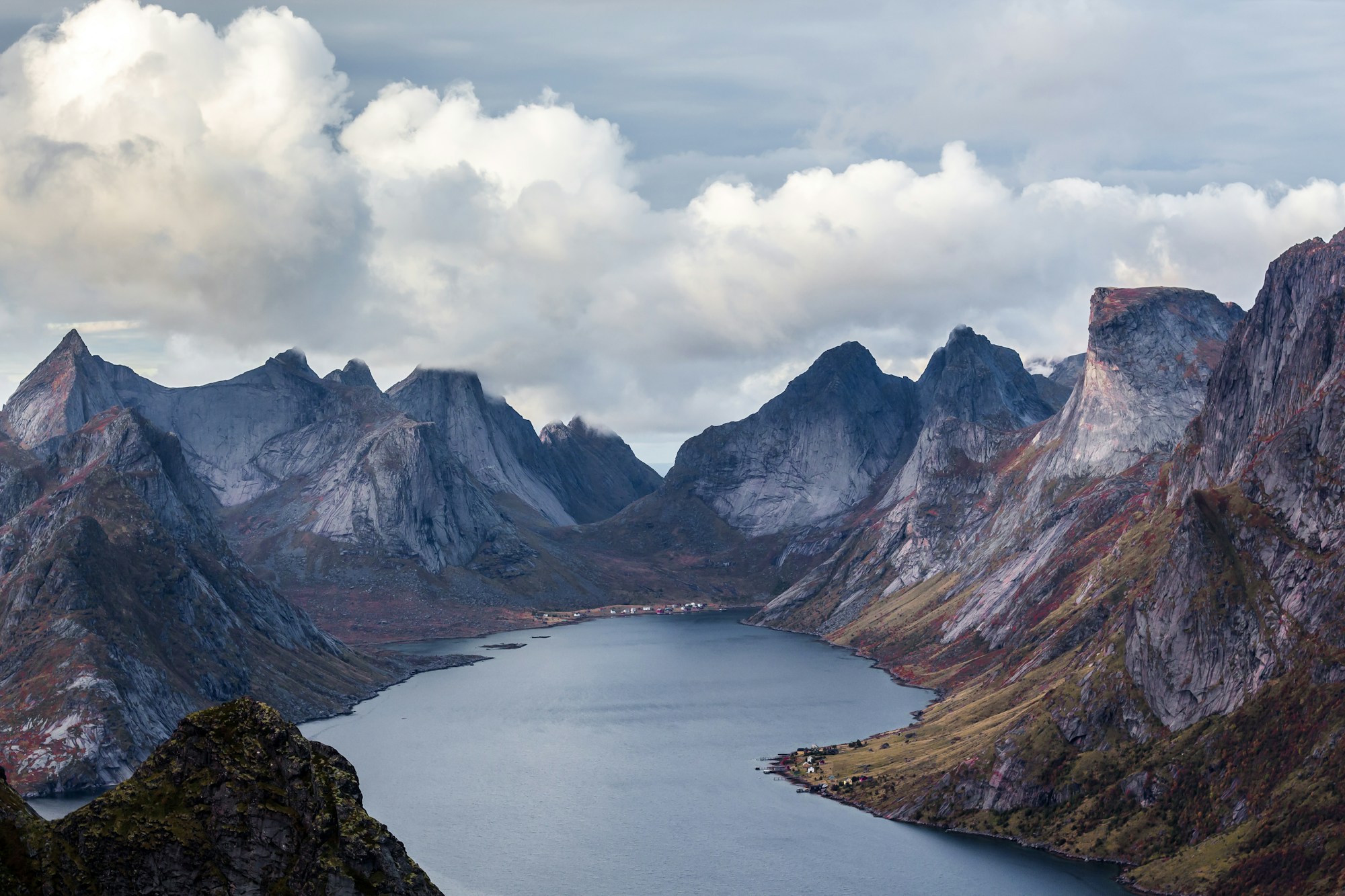
Maritime Revolution in UNESCO Fjords
Highlights
- Participatory safaris with +20% biodiversity restored via citizen surveys
- Funding Sami communities for cultural regeneration
- « Silent Tours » on electric catamarans to observe whales without disturbing them
4. New Zealand: The Tiaki Promise
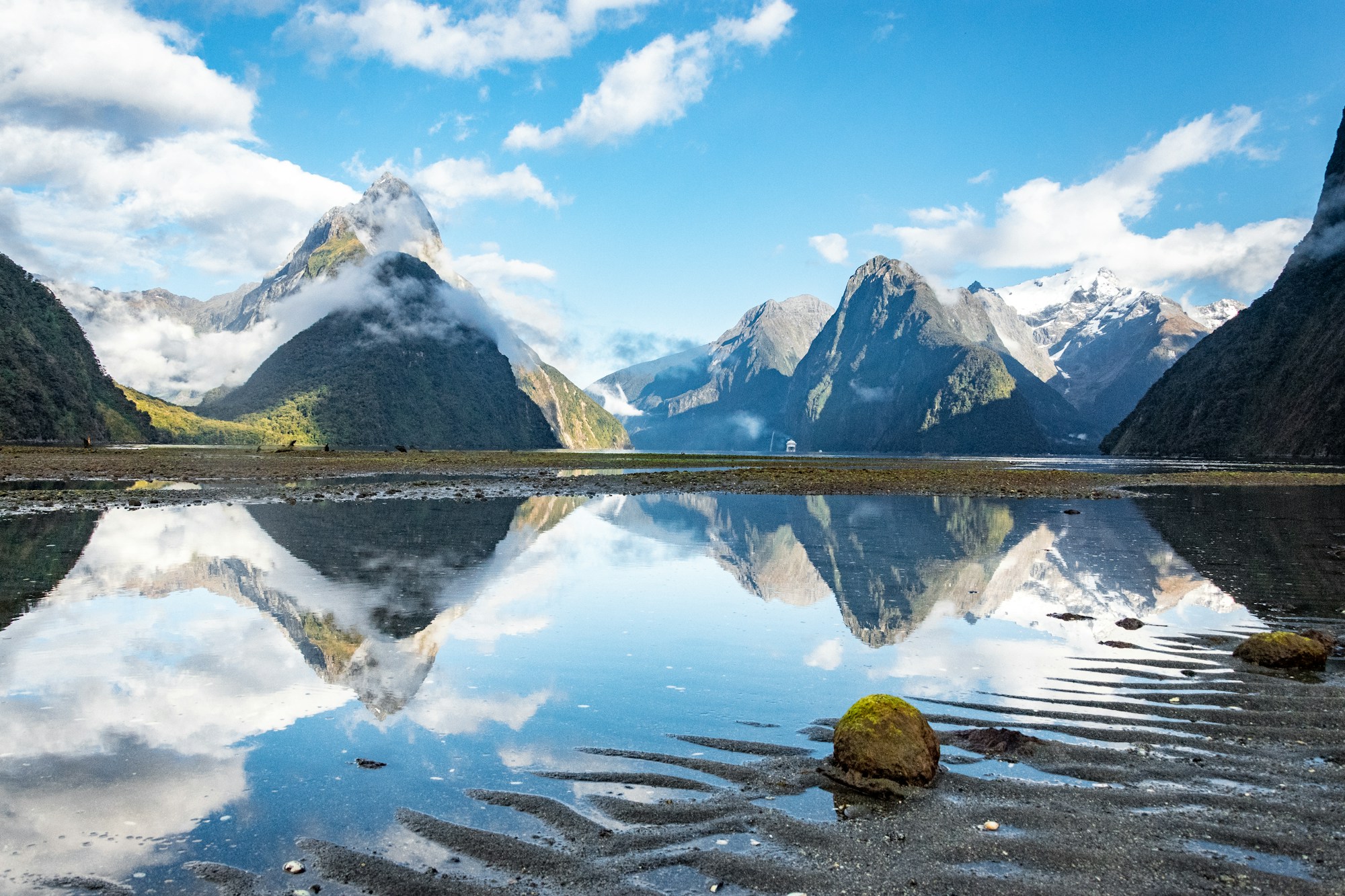
Kaitiakitanga: Becoming a Guardian of the Land
Highlights
- Deep integration of Maori values (Kaitiakitanga)
- Stewart Island: Rakiura volunteering to protect kiwis
- Excursion profits return to local tribes (Iwi)
5. Bhutan: The Only Carbon-Negative Country
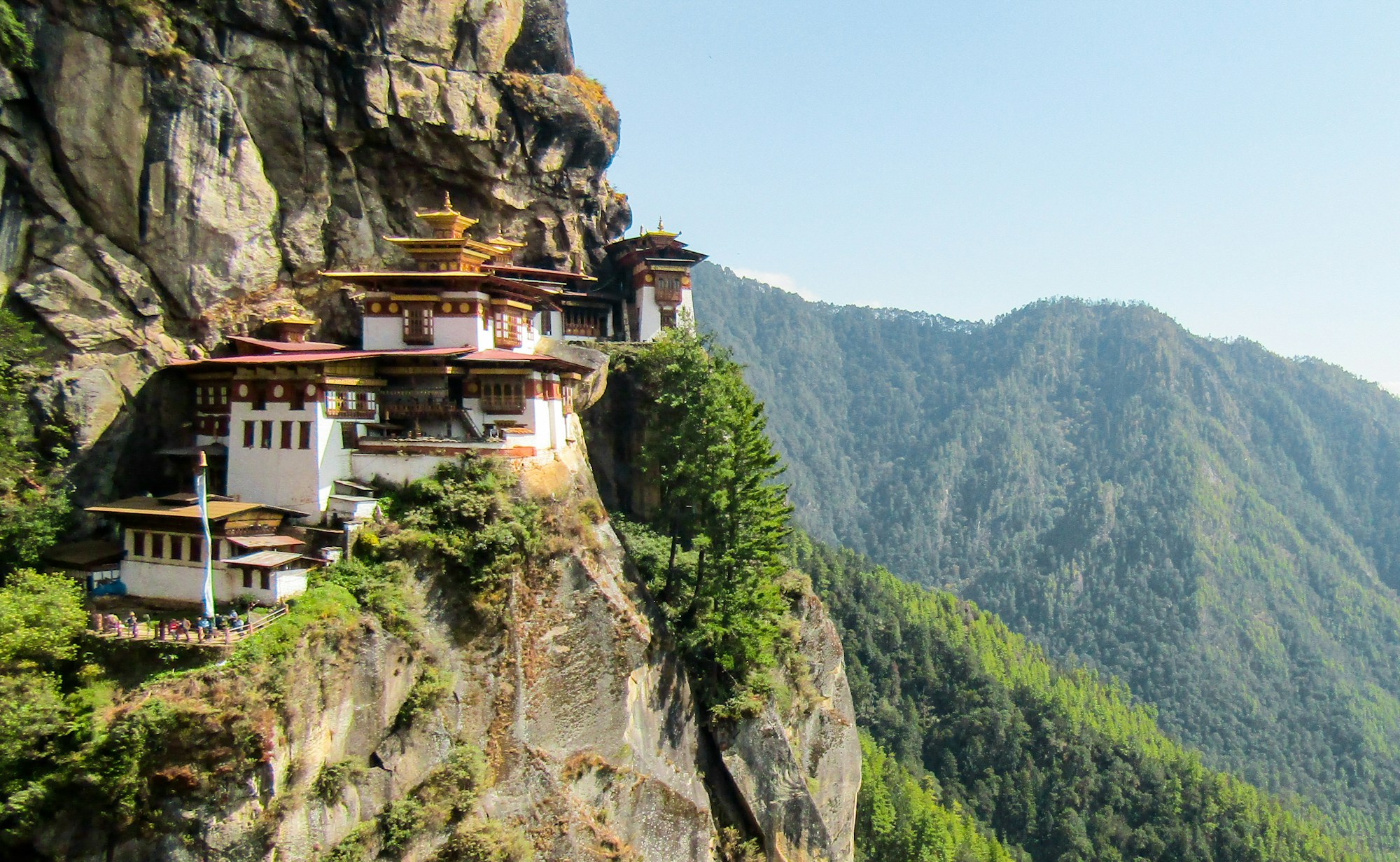
The Sustainable Development Fee (SDF)
Highlights
- « High Value, Low Volume » model: limited visitors, maximum impact
- Participation in sacred tree seed planting with monks
- +5% Himalayan biodiversity measured in 2024
6. Palau: « Gamified » Tourism with Ol’au Palau
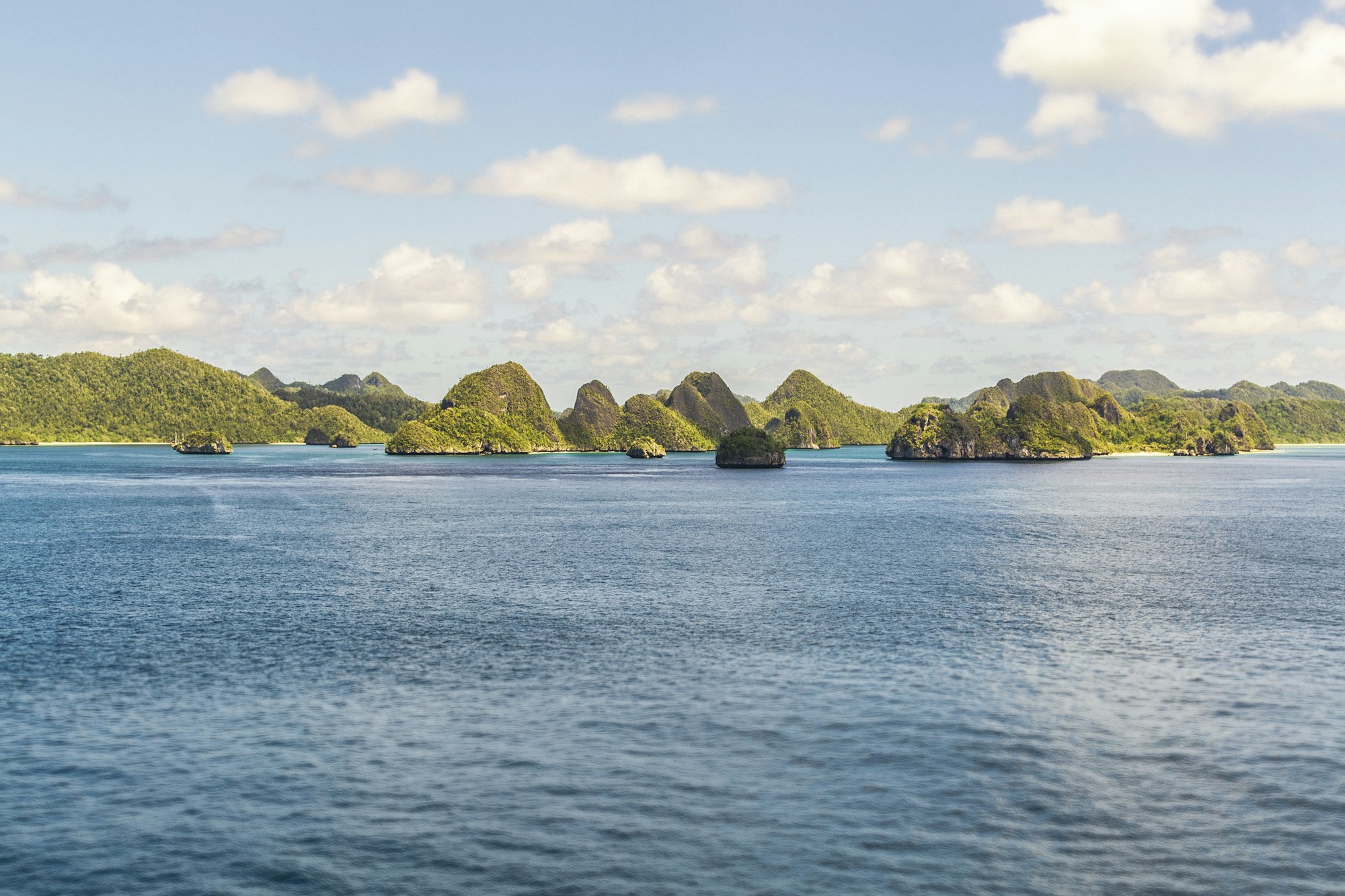
Palau Pledge: The Oath Stamped in Your Passport
Highlights
- World’s first shark sanctuary (80% of waters protected)
- Restorative dives: plant corals, +30% measured regeneration
- The more you help the island, the more it opens up to you
7. Rwanda: Gorillas as Engines of Regeneration
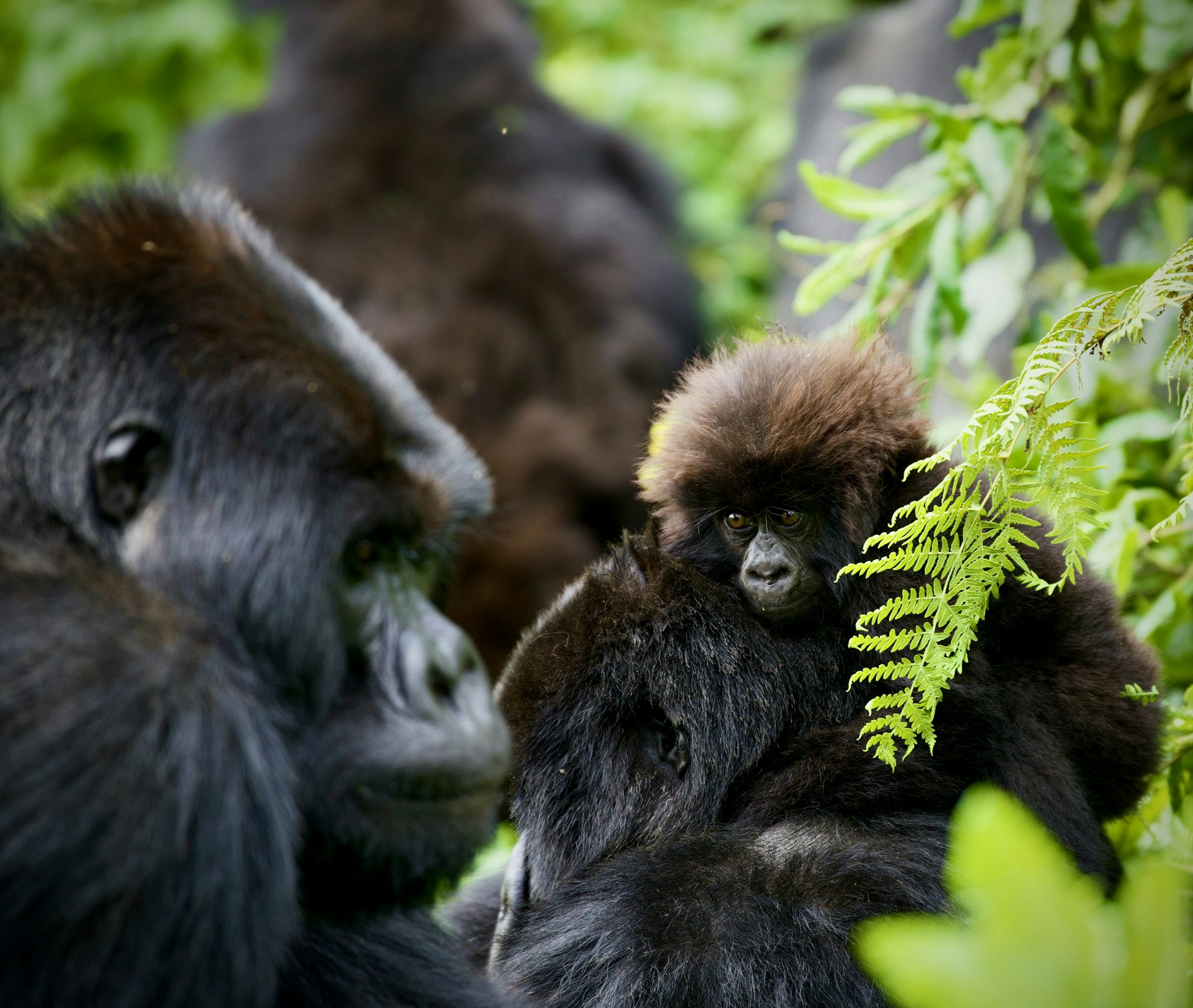
Volcanoes National Park: Measurable Success
Highlights
- +40% gorillas since community programs began
- Ellen DeGeneres Campus of the Dian Fossey Gorilla Fund
- Iby’Iwacu village run by former poachers
8. Faroe Islands: « Closed for Maintenance »
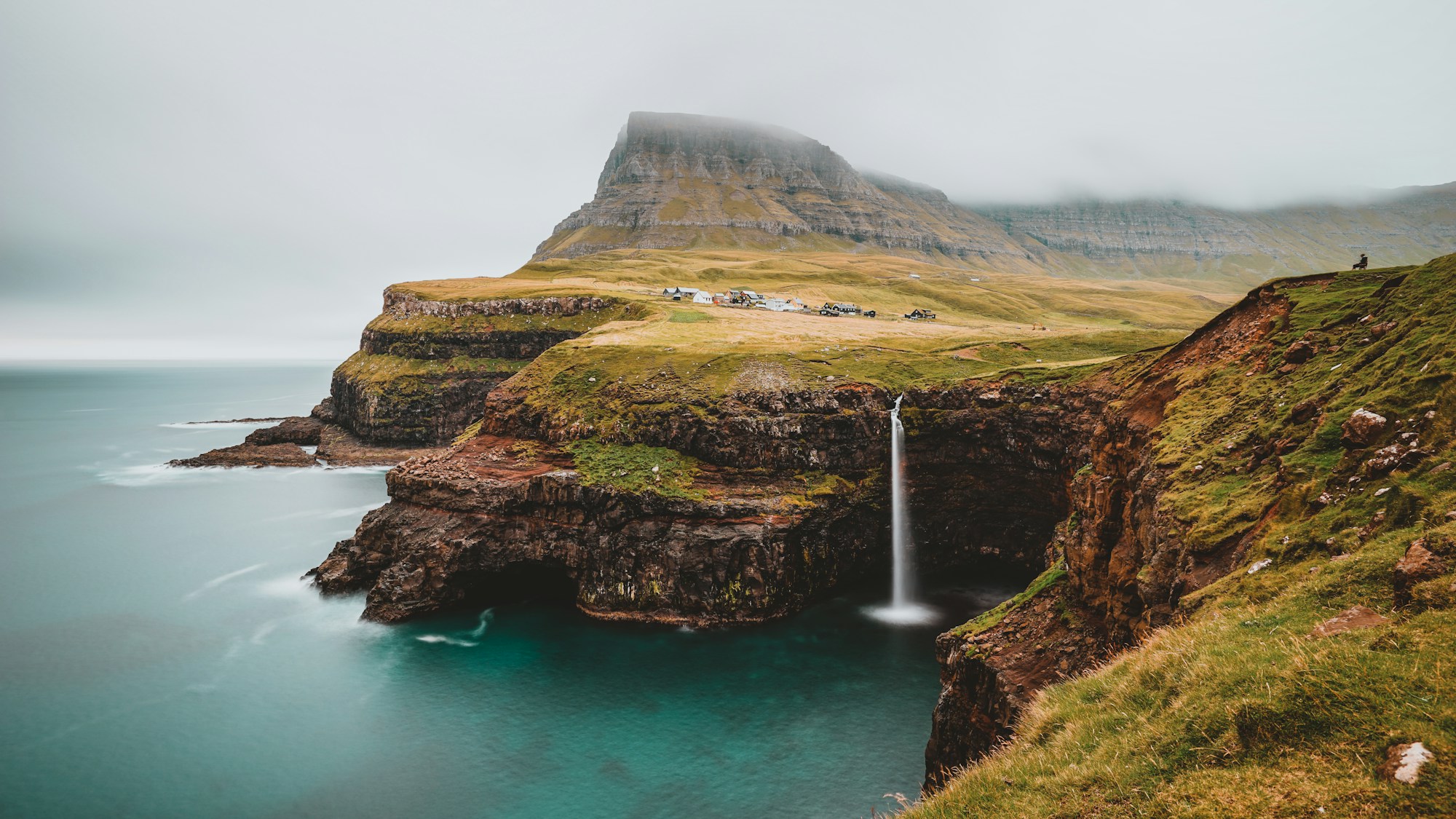
Anti-Mass Tourism: Work for the Destination
Highlights
- Immediate visible impact: a repaired trail, a rebuilt cairn
- Puffin hiking with counting for scientific monitoring
- Restricted and paid access to fragile areas (Drangarnir)
9. Finland: Silence as a Natural Resource
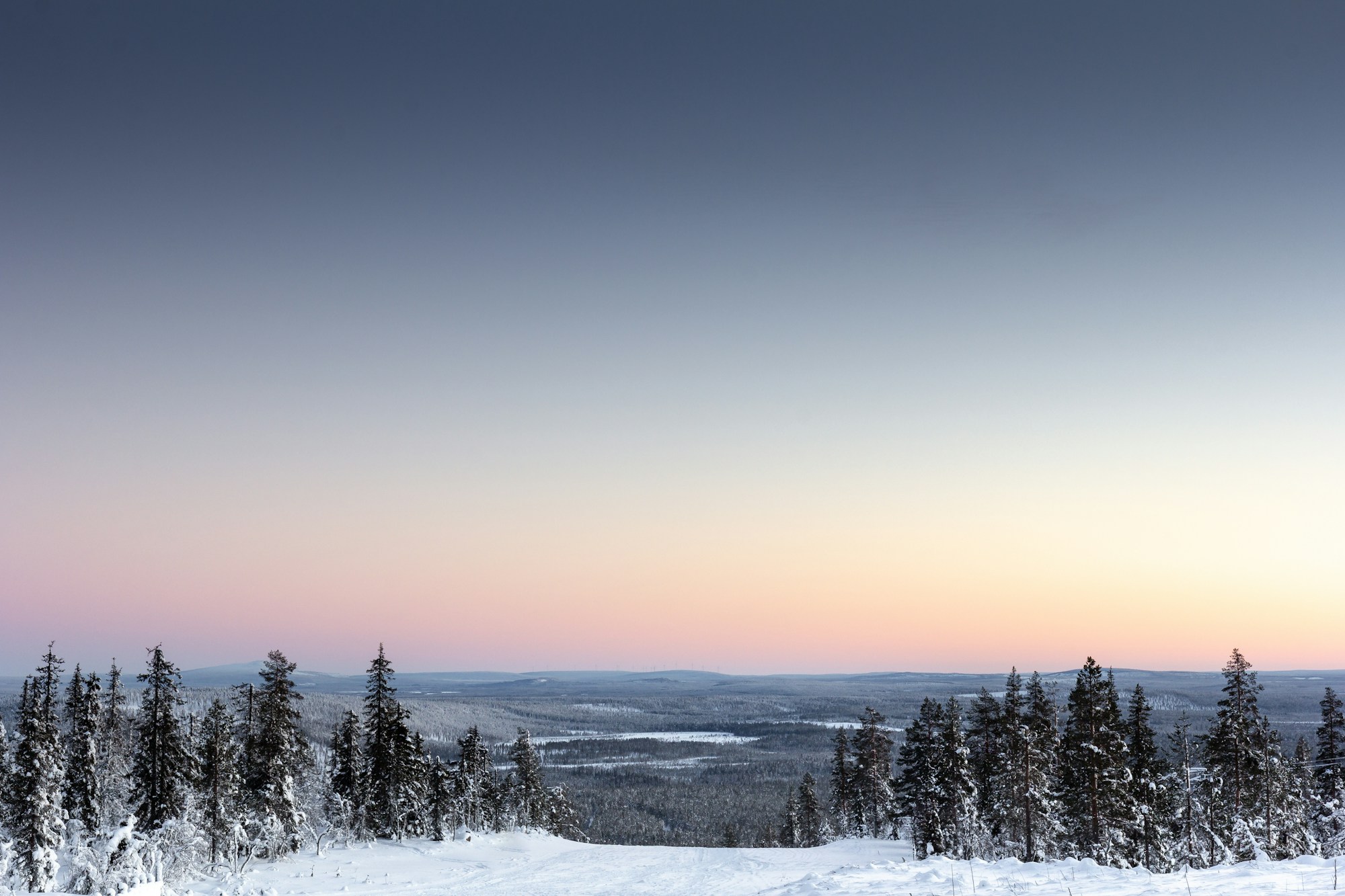
Sustainable Travel Finland and Sami Culture
Highlights
- « Slow tourism » and silence as a resource to protect
- Biofuels (kitchen waste) for tourist transportation
- Aurora camps with Sami communities for reindeer regeneration
10. Azores: The Blue Archipelago, Transition Laboratory
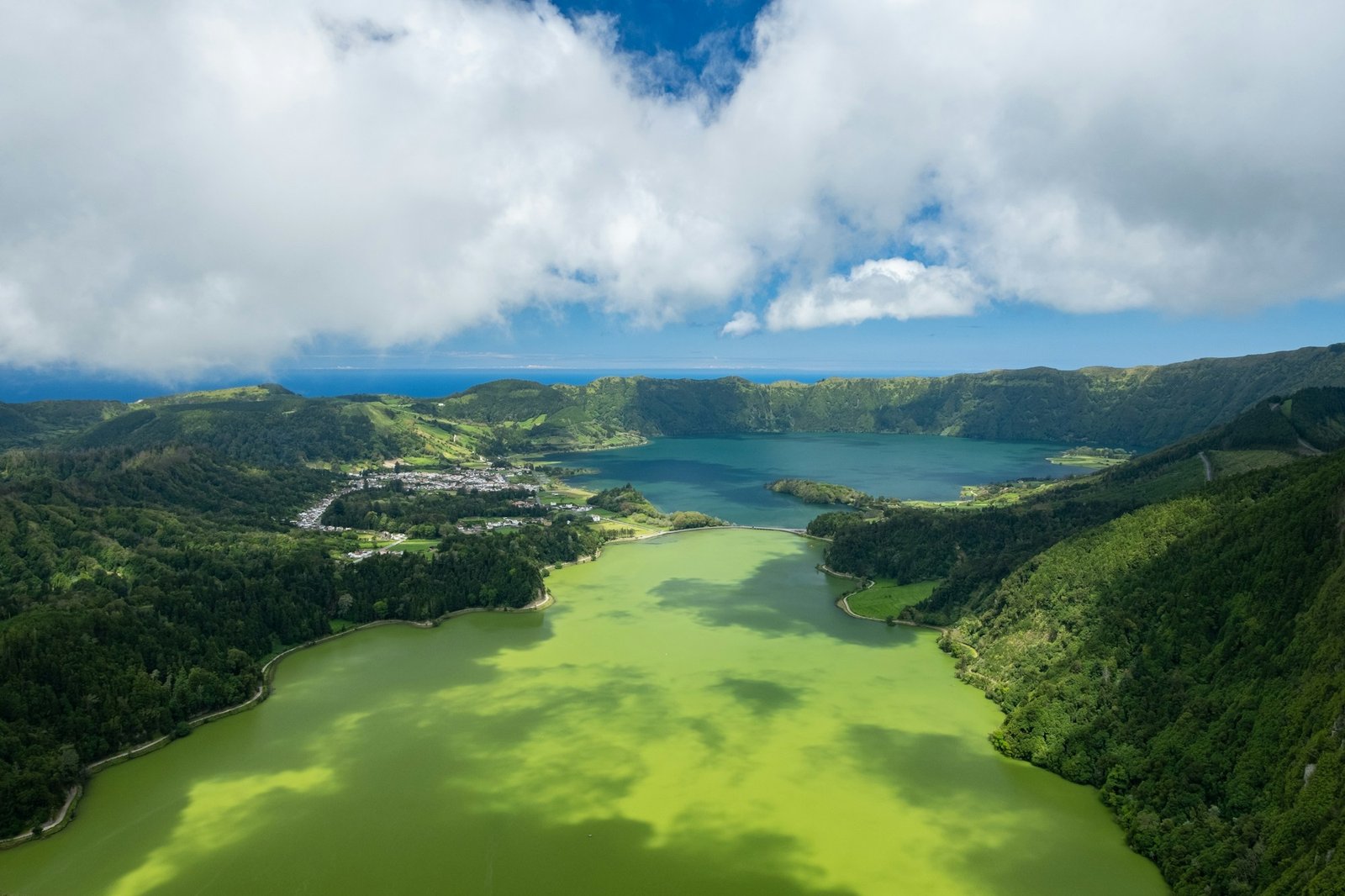
World’s First « Sustainable Destination » Certified Archipelago
Highlights
- Living laboratory for island energy transition
- Responsible whale watching (20% erosion reduction measured)
- Cozido at Furnas: cooking with natural volcanic heat
Frequently Asked Questions About Regenerative Tourism
What really distinguishes regenerative from sustainable tourism?
Sustainable tourism aims for neutrality: minimizing negative impacts. Regenerative tourism goes further by aiming for active improvement: restoring ecosystems, revitalizing communities. According to OT des Savoie, it’s moving from « do no harm » to « actively heal. »
Is regenerative tourism more expensive?
Often similar ($110-275/day depending on destination), but with added value in positive impact. Costs include fair wages, eco-friendly materials, and direct contributions to conservation. Money stays in the local economy rather than flowing to multinationals.
How to avoid « Greenwashing »?
Look for third-party certifications (B Corp, EarthCheck, Rainforest Alliance, Green Key, Tiaki Promise). Beware of hotels that just say « we don’t wash towels every day. » Ask: « What is your active community or environmental project? » Verify measurable data and independent sources.
Is it suitable for families with children?
Absolutely! Destinations like Costa Rica, New Zealand, or Slovenia offer incredible educational experiences for children: planting trees, seeing wild animals, participating in citizen surveys. According to ConsoGlobe, it’s an excellent way to teach children about ecology from an early age.
Do you need to volunteer to be a regenerative tourist?
No. While volunteering (like in the Faroe Islands) is a pure form, choosing a lodge that reinvests its profits or paying an entrance fee to a well-managed national park is also regenerative tourism. It’s the impact of your money that counts, not necessarily your physical time.
How to measure the impact of my trip?
Ask your operators for their measurable indicators: hectares reforested, local jobs created, species protected, tons of CO2 offset. Some destinations like Slovenia offer apps that show exactly how your money supports local farmers. Green Key or EarthCheck certifications require impact reports.
Which destination is most accessible from Europe?
Slovenia (accessible by train/bus from Paris via Munich or Venice) and the Azores (direct medium-haul flight from Paris, less impactful than Asia or the Pacific). To offset the flight, it’s recommended to stay longer (slow travel) rather than taking short weekend trips.
Sources
- World Tourism Organization (UNWTO) – Sustainable and regenerative tourism definition
- Tourisme Equitable et Solidaire – Regenerative tourism
- Nous Sommes Vivants – Regenerative tourism report 2024
- Slovenia Green – Slovenian certification program
- Norwegian Government – Zero emission fjord requirements 2026
- Tiaki Promise – New Zealand visitor commitment
- Regenerative Tourism NZ – National strategy
- Tourism Council of Bhutan – Sustainable development fee
- Palau Pledge – Palau environmental oath
- Dian Fossey Gorilla Fund – Rwanda gorilla conservation
- Visit Faroe Islands – Closed for Maintenance program
- Sustainable Travel Finland – Finnish label
- National Geographic – Azores marine protected areas
- Le Monde – Faroe Islands facing tourism
- Rwanda Development Board – Annual report 2024