
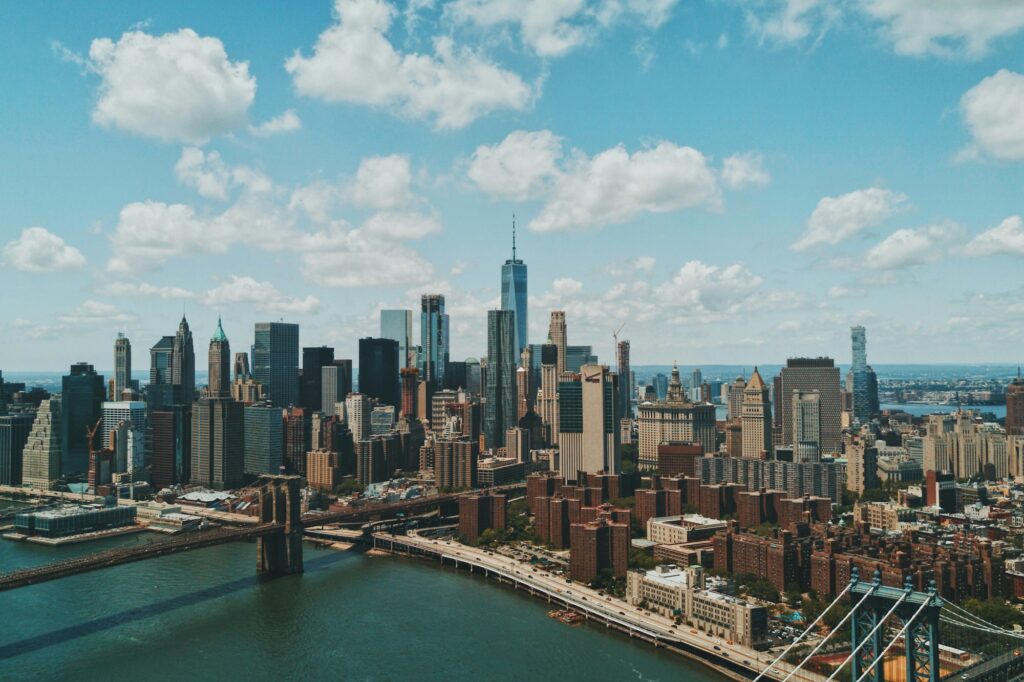
Your next trip to the United States fills you with as much excitement as it does dread. The Rockies are calling, and so is New York — but Donald Trump’s politics weigh on you deeply. You’re not alone: 87% of Europeans have no plans to travel to the United States in 2026, and bookings to this destination dropped by 29% at the end of 2025. The phenomenon even has a name: resentful travel — travelling against your better judgment.
Should you go anyway? Boycott to send a message? Or simply redirect your budget toward alternatives that rival the United States in every way? This guide explores the debate in all its nuance — backed by data — and offers concrete options for every camp.
The great debate: boycott or travel?
The « Trump slump »: numbers that speak for themselves
The term is now established among tourism economists: the « Trump slump » refers to the structural decline in tourism to the United States since Donald Trump’s return to power. While the rest of the world recorded a 4% rise in arrivals in 2025, the United States saw tourist numbers fall by 5.4% — a more severe contraction than the one observed between 2017 and 2018.
According to a study by the World Travel & Tourism Council published in February 2026, the new control measures could result in up to 4.7 million fewer international arrivals, representing an estimated loss of $15.7 billion in tourist spending and 157,000 American jobs at risk.
In Europe, the impact is even more pronounced. Tour operators have recorded a 14.6% drop in package holidays to the United States. The president of the French tour operators’ association publicly acknowledged: « There is a Trump effect — we can’t deny it. » By late 2025, bookings for summer 2026 had collapsed by more than 29%.
- 87% of Europeans have no plans to travel to the United States in 2026 (Ipsos-BVA / Europe Assistance)
- 41% cite the « political and security context » as their primary deterrent
- 38% have a negative perception of potential tourist reception
- 14% say they are put off by the new administrative requirements
Arguments for boycotting
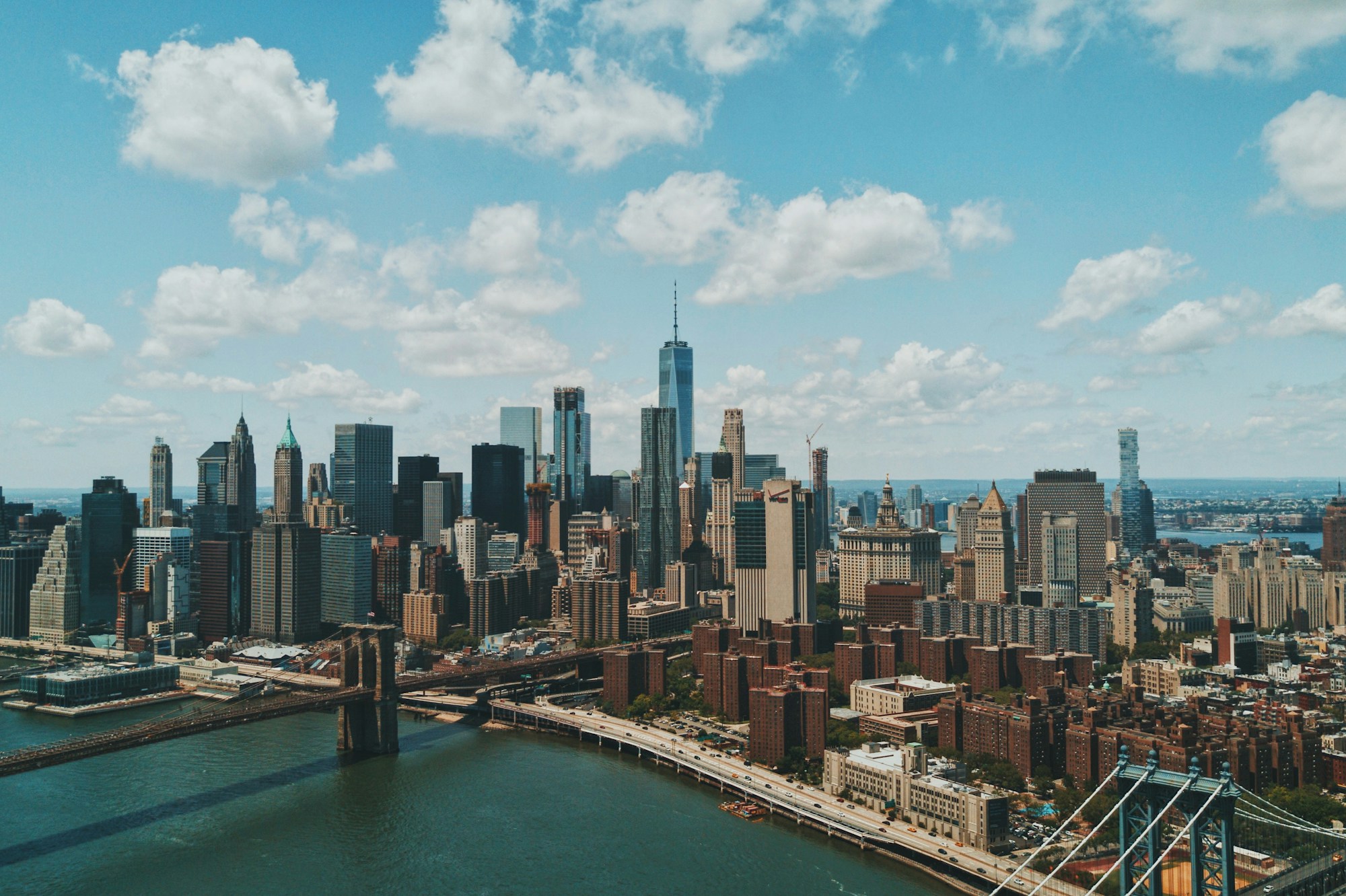
For many travellers interviewed by France 3, the decision is clear: « I don’t want to fund the American economy. » Beyond the symbolic gesture, the tourism boycott has measurable effects. According to the Boston Globe, Trump’s insults, his economic warfare through tariffs, his imperial claims on other nations and his contempt for the rule of law have triggered a spontaneous boycott costing up to $22 billion to the American tourism industry.
The reasoning: every dollar spent in the United States in 2026 funds — even indirectly — an economy whose policies penalise Washington’s traditional allies. Several European governments (UK, Germany, Denmark, Finland, Portugal) have updated their travel advisories to warn their citizens of potential difficulties at US borders.
Does the tourism boycott penalise Americans who oppose Trump rather than Trump himself? Independent restaurants, hotels and local service providers are the first to suffer — not necessarily the large corporations close to power. This is the central tension of the debate.
Arguments for going anyway
Many travellers report a reassuring reality on the ground: no particular difficulties at immigration, no tension, no change in attitude from the Americans they encountered. The welcome remains exactly what it has been for years.
This « New York exception » probably stems from the distinction in travellers’ minds between progressive, cosmopolitan metropolises — New York, San Francisco, Portland — and the heartland perceived as hostile to European values. According to Tour Hebdo, some travellers choose to support independent local businesses — family restaurants, guesthouses, artisans — as a way of visiting the United States while directing their money away from large corporations.
Resentful travel is not a clear-cut answer. It’s a spectrum: from those who boycott on principle to those who go while carefully choosing where to spend their money. Either way, in 2026, your plane ticket is a vote — whether you like it or not.
What has actually changed in 2026
ESTA, social media and national parks: the full picture
The ESTA: doubled price and the social media question
The price of the ESTA has risen from $21 to $40 per person — nearly double. For a family of four, this formality now costs $160 before even buying tickets. The ESTA remains valid for two years and you do not need to renew it if you already have one, unless you change passports.
Since February 8, 2026, the United States may ask travellers to provide their social media account handles used over the past five years. However, Courrier des Amériques notes that the OMB’s final decision on strict enforcement is not expected until late April–June 2026. Transparency is recommended, but no new binding requirement is yet in effect for European travellers.
Plan ahead, be consistent, stay factual. Review your public profiles, prepare your supporting documents (hotel, return flight, budget) and maintain a transparent attitude. The risk of refusal for a European tourist with a clean record remains very low.
National parks: major surcharge for non-residents
From January 1, 2026, the annual America the Beautiful pass — granting access to all 63 national parks — has risen from $80 to $250 for non-resident visitors. A surcharge of $100 per person applies at the 11 « major parks » (including Yellowstone, Grand Canyon, Yosemite) for international visitors without a pass.
Concrete calculation for a family of 4 at Yellowstone without a pass: vehicle entry ($35) + 4 × $100 surcharge = $435. With the $250 pass, everything is included. Great Smoky Mountains and Acadia do not apply the $100 surcharge.
If you decide to go anyway: 3 alternative American destinations
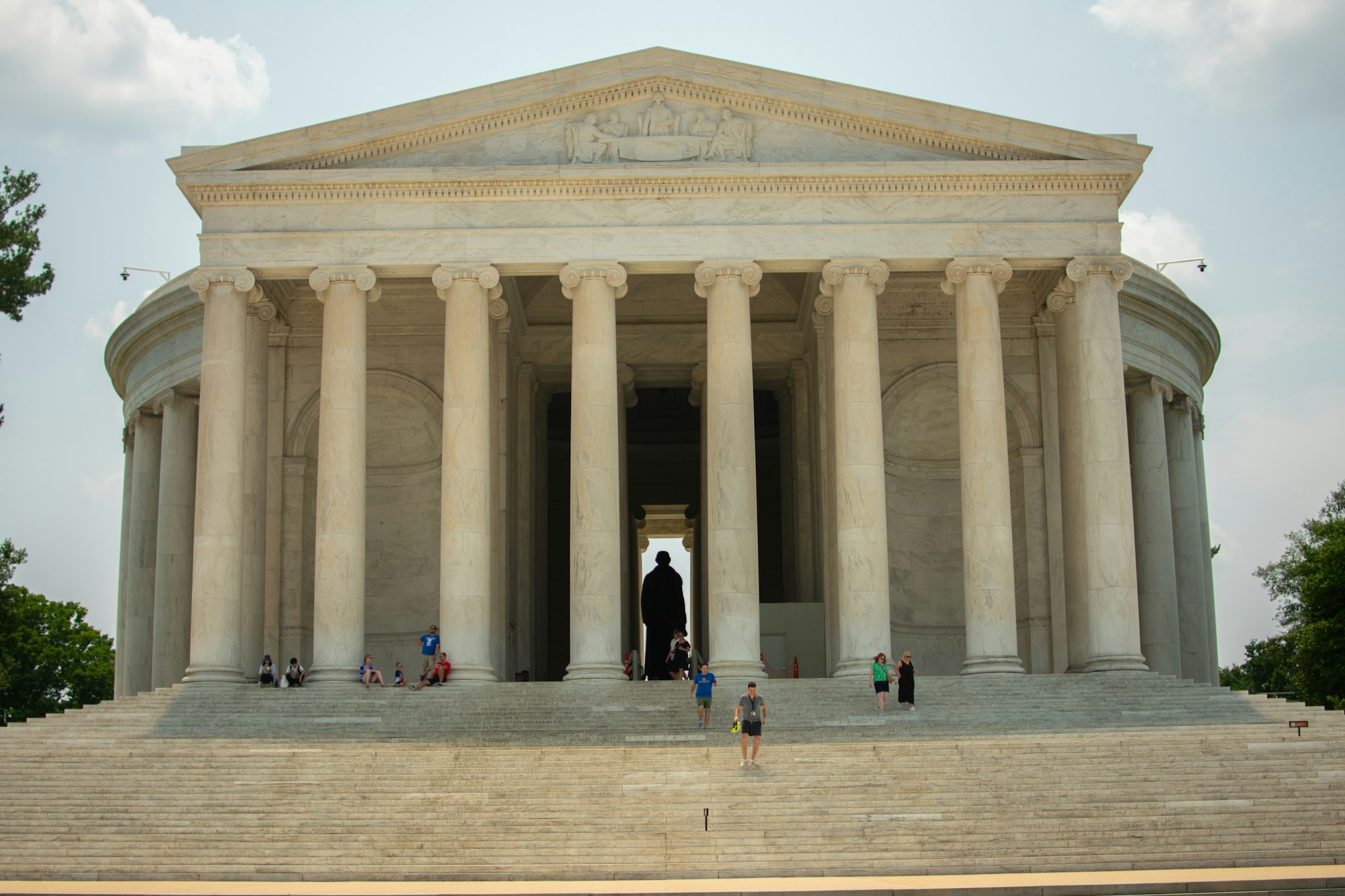
If you choose to travel despite everything, here are three American destinations that embody a very different America from the image projected by the Trump administration — and that are filling up more slowly than expected.
Big Sky, Montana — The vast American wilderness without the crowds
Far from the Yellowstone hordes (within easy driving distance), Big Sky offers privileged access to monumental landscapes in a near-deserted atmosphere. The largest ski resort in the United States, it saw a 92% surge in searches in 2026 — while remaining largely unknown on the international tourist circuit.
Access Yellowstone through the west entrance (West Yellowstone) early on a weekday morning. Book your accommodation in Big Sky rather than West Yellowstone for rates 40% lower. The adjacent Gallatin National Forest is entirely free and offers the same bison and elk scenery.
Portland, Oregon — American counter-culture at its finest
Portland is the American city suffering most from the negative perception of the United States — which translates in 2026 into cheaper hotels and near-empty attractions. Paradoxically, it is one of the most « anti-Trump » cities in America: craft beer, food trucks, independent bookshops and community initiatives make it a symbol of the America that European travellers connect with.
Powell’s City of Books (the world’s largest independent bookshop) is free to visit. The weekend Saturday Market is a concentrated slice of authentic Portland. Prioritise neighbourhood restaurants on North Mississippi Avenue — the best are driven by a fascinating local culinary activism.
Asheville, North Carolina — The « Brooklyn of the Appalachians »
Nestled in the Blue Ridge Mountains, Asheville is nicknamed the « Brooklyn of the Appalachians » for its vibrant arts and music scene. Completely off the beaten track for international tourists, it offers an immersion in authentic American musical culture (bluegrass, folk, jazz) and a gateway to the Great Smoky Mountains — one of the few American national parks without an entrance fee.
Rent a car and drive the Blue Ridge Parkway at sunrise: one of the most spectacular scenic roads in America, completely free. The Saturday morning Tunnel Road Farmers Market is frequented exclusively by locals.
Canada alternative: North America without the complications
According to tracking firm ForwardKeys, flight searches to Canada from Europe jumped by 27% while those to the United States collapsed. Canada is fully capitalising on the American Trump slump.
Tofino & Ucluelet, Vancouver Island — Pacific America without the complications
On the west coast of Vancouver Island, Tofino is THE world capital of temperate surfing in summer, surrounded by ancient-growth cedar forests. In winter, it becomes a unique destination for storm watching — observing storms with waves reaching 6 metres. Unlike American parks, there are no non-resident surcharges, no ESTA requirement, and a warmly welcoming atmosphere.
Local operator Remote Passages runs sea kayaking trips in the Clayoquot Archipelago — a UNESCO Biosphere Reserve. Book 48h in advance: it’s the best way to spot sea otters, bald eagles and, in summer, orcas.
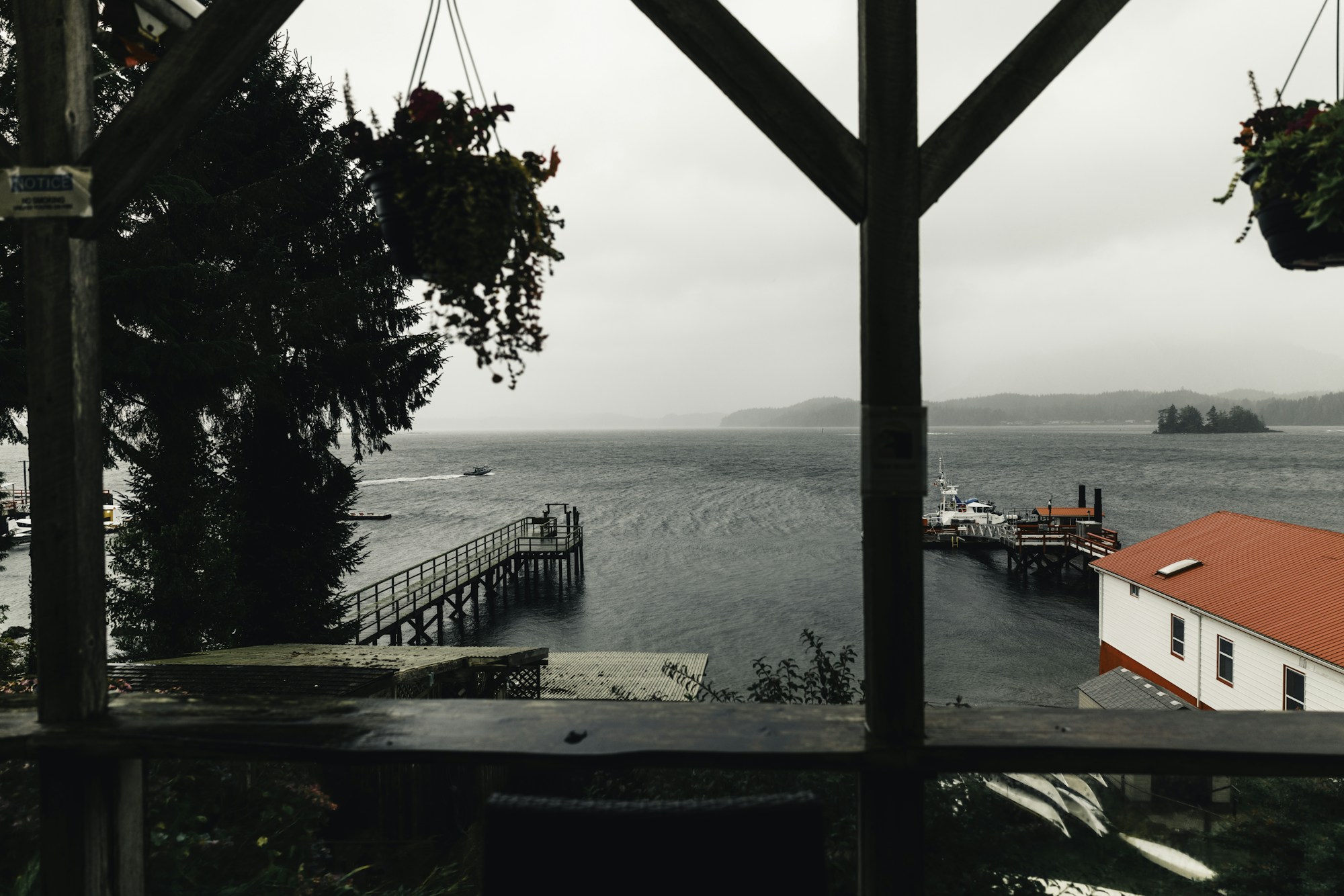
Yellowknife, Northwest Territories — Authentic northern lights
In January and February, Yellowknife is one of the best places in the world to see the northern lights: long nights, frequently clear skies, frequent geomagnetic activity. Unlike Finland or Norway (overcrowded), Yellowknife is not yet overrun. You can sleep in an indigenous tipi on the ice and take part in Dene ceremonies — a cultural experience impossible to find anywhere else.
Operator Aurora Village offers heated « aurora tents » so you can watch the lights from your bed — without getting up at 3am in the cold. Book 6 months in advance as these fill up completely in high season.
Mexico alternative: cultural richness at budget-friendly prices
In Oaxaca, you can spend $45–80/day in full comfort — compared to $110–200 for a comparable experience in the United States. Mexico offers cultural depth, gastronomy and colonial architecture that the United States simply cannot match at this price.
Oaxaca — Mexico’s gastronomic capital
Founded in 1529, Oaxaca is recognised by UNESCO as a World Heritage Site. This is where artisanal mezcal and the seven legendary moles of Mexican cuisine originate. The best restaurants will cost you $7–14 for a generous meal. From Oaxaca, the archaeological site of Monte Albán (a pre-Columbian Zapotec city) can be visited without crowds from 8am.
The Ruta del Mezcal around San Juan del Río (30 minutes by taxi) takes you to artisanal distilleries where mezcal is still produced in clay vats using 400-year-old methods — with tasting included for around $6.

San Miguel de Allende — The baroque colonial city
A 16th-century fortified city declared a UNESCO World Heritage Site, San Miguel de Allende captivates with its cobblestone streets, colourful houses and lively plazas. Excellent hotels in colonial mansions for $200–400 (versus $500–800 for an American equivalent). Just 3.5 hours from Mexico City by bus.
Fifteen rooftop terraces offer a view over the Jardín Principal at sunset — all free. La Gruta (10 km from town) offers geothermal pools inside a natural cave: a unique experience for under $12. Go on a weekday to avoid the weekend expat crowd.
European alternatives: adventure without the long-haul flight
For those definitively skipping the United States in 2026, Europe holds destinations just as breathtaking — 2–4 hours from London or other major hubs, with no ESTA or surcharges.
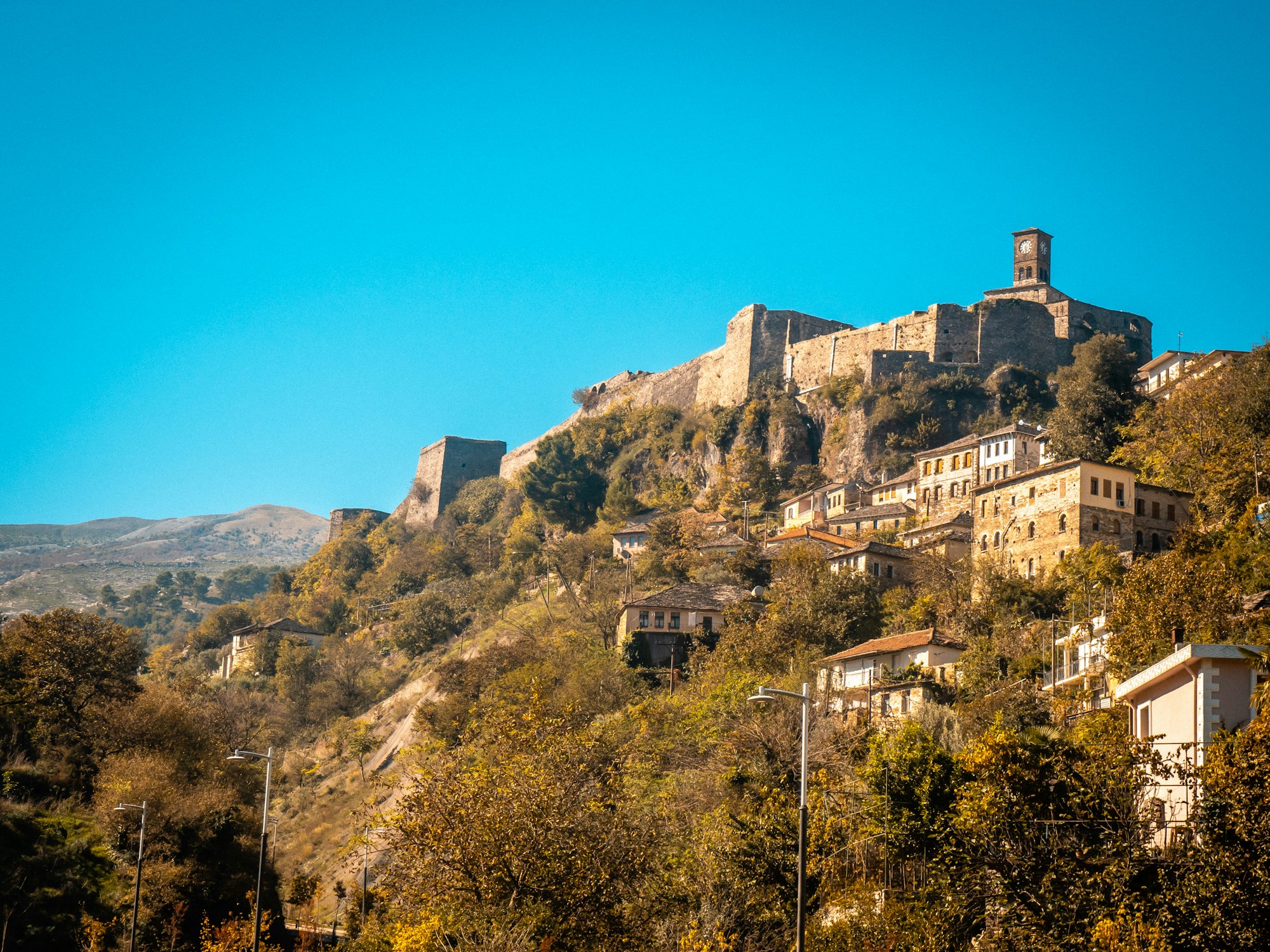
Albania — The gem before it explodes
The World Tourism Organization has just ranked Albania as the destination with the strongest tourist growth in the world for 2024 (+82% arrivals compared to 2019). With an overall score of 75.8 points, Albania was named the best destination for 2025 by HelloSafe, surpassing Greece and Croatia. It is going through exactly what Croatia experienced between 2005 and 2015 — now is the time to go before prices skyrocket.
Avoid « excursion agencies » in major cities (inflated tourist prices) and ask your hotel to arrange a private taxi to Gjirokastër or Butrint for €20–30 for the whole day. The Albanian Riviera between Sarandë and Ksamil offers beaches comparable to Greece — for less than half the price.
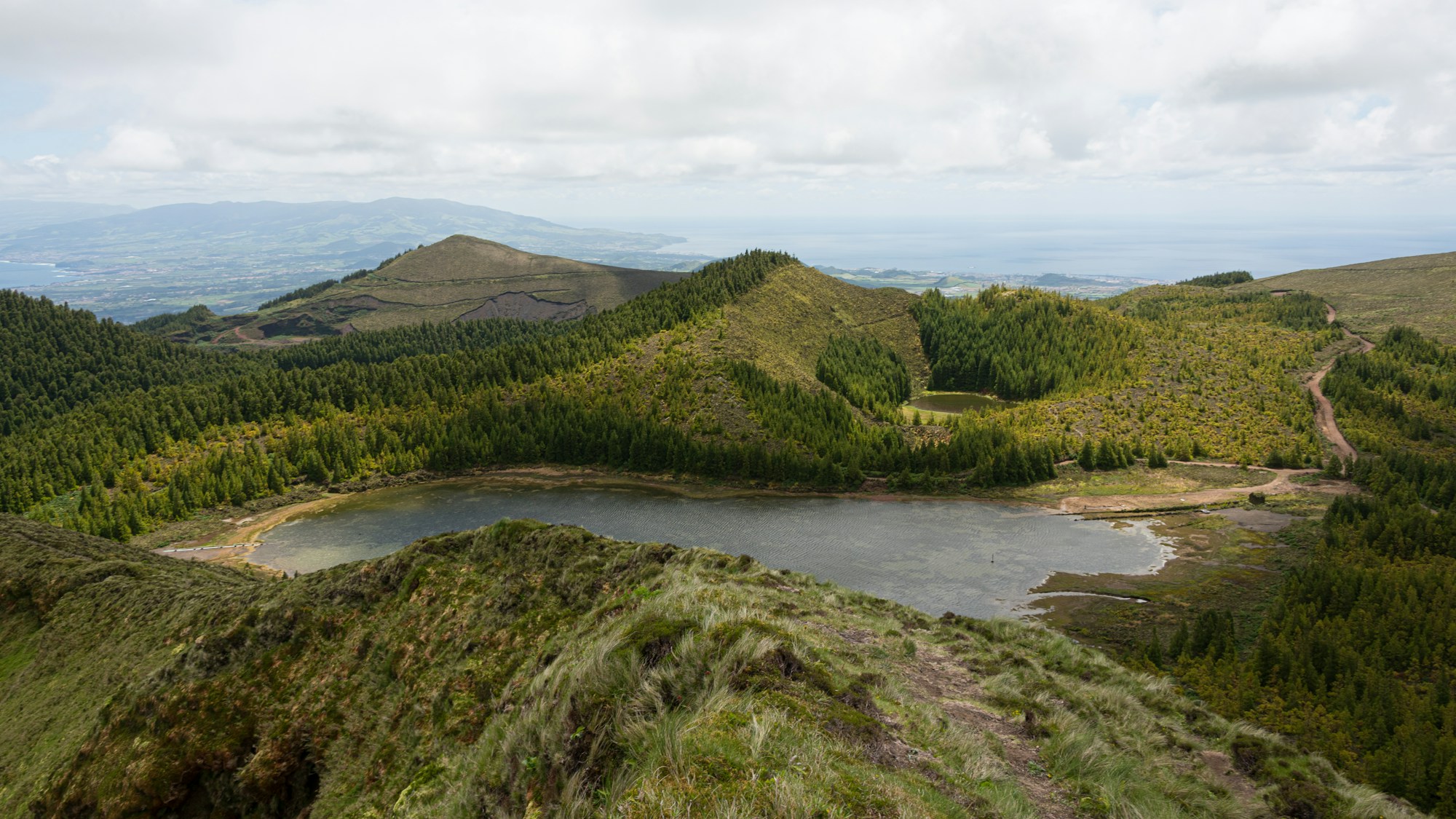
Azores, Portugal — Sustainable tourism in the middle of the Atlantic
This volcanic archipelago 4 hours’ flight from major European airports is positioning itself in 2026 as a world model for sustainable tourism. Between whale watching led by marine biologists, hikes on certified trails and a farm-to-table gastronomy, the Azores prove that adventure can be responsible. Sete Cidades lake, with its blue and green waters nestled in a crater, is one of the most spectacular images in Europe.
The island of Flores, the westernmost of the Azores, receives 5 times fewer tourists than São Miguel but offers breathtaking waterfalls and calderas. Inter-island flights from Ponta Delgada for €40–60 return with SATA Azores Airlines.
Georgia (Caucasus) — The Europe-Asia crossroads at budget-friendly prices
Still largely overlooked a few years ago, Georgia is establishing itself in 2026 as one of the most fascinating alternative destinations in Greater Europe. Tbilisi is vibrant, chaotic and utterly captivating. The Caucasus mountains rival the Alps at a fraction of the price. And Georgia is the world’s oldest wine-producing country (8,000 years of viticulture): the Kakheti region produces orange wines in clay amphoras (qvevri) virtually unknown outside the country.
The Marshrutka (local minivan) between Tbilisi and Kazbegi costs €3 for a 3.5-hour ride — versus €80 for a tourist private taxi. Stay in the village of Stepantsminda rather than Tbilisi: wake up facing the Gergeti church and Mount Kazbek (5,047 m).

Quick comparison table
| Destination | Budget/day | Entry requirements | Flight time |
|---|---|---|---|
| 🇺🇸 USA (e.g. Asheville) | $110–200 | ESTA $40 + social media | 9–11h flight |
| 🇨🇦 Tofino (Canada) | $145–200 | eTA CAD 7 only | 10h flight |
| 🇲🇽 Oaxaca (Mexico) | $45–80 | Migration card | 12h flight |
| 🇦🇱 Albania | €22–80 | None (EU passport) | 2h flight |
| 🇵🇹 Azores | €55–75 | None (EU) | 4h flight |
| 🇬🇪 Georgia | €35–55 | None (EU passport) | 4h30 flight |
Practical travel information
Stay connected from the moment you land — in the US, Canada, Mexico or Europe. Instant activation, no roaming.
From $4.50Global coverage for every destination — USA, Canada, Mexico or Europe. 10% off via our link.
From $56 / 4 weeksFAQ — Frequently asked questions
Is my ESTA still valid or do I need to apply for a new one?
No, you don’t need to reapply for your ESTA if you already have one. If you haven’t answered the social media questions (which have been optional up to now), you don’t need to renew your authorisation. Your ESTA remains valid until the expiry date shown, provided you don’t change passports before then. The new $40 fee only applies to new applications.
Am I required to provide my social media accounts to enter the United States?
Not yet in any binding way. Travellers can complete their ESTA application without worry, and are not currently forced to declare their social media accounts. Transparency is recommended, but no new requirement is yet enforced in practice. The OMB’s final decision is expected by late April–June 2026. Stay informed before you travel.
Is there a real risk of being refused entry at the US border as a European?
On the ground, travellers report no particular difficulties at immigration — no tension, no change in attitude from officers. The welcome remains exactly as it has been for years. The risk of refusal for a European tourist with a clean record travelling for tourism remains very low. The decline in tourism is driven more by a symbolic boycott or a matter of principle than by any real risk on the ground.
Does the tourism boycott actually have an impact on the American economy?
Yes, and it is documented. According to the World Travel & Tourism Council (February 2026), the new measures could result in up to 4.7 million fewer international arrivals, representing a loss of $15.7 billion in tourist spending and 157,000 American jobs at risk. The overall decline represents a $22 billion shortfall for the American tourism industry — which is starting to weigh in the domestic political debate.
Are American national parks still accessible on a reasonable budget?
Yes, but you need to do the math. The America the Beautiful pass at $250 pays for itself from your third major park. If your trip only includes one or two parks with the surcharge, work out whether the pass is worthwhile. Good news: Great Smoky Mountains (North Carolina), Acadia (Maine) and several others are NOT among the 11 parks applying the $100 surcharge. Asheville is therefore an excellent budget-friendly base for enjoying the parks.
Is Canada really a credible alternative to the United States?
Absolutely. Flight searches to Canada jumped 27% according to ForwardKeys. Tofino offers a Pacific Northwest experience similar to the United States — coastline, forests, surfing — without the ESTA, without park surcharges, with a noticeably warmer welcome toward Europeans. The Canadian eTA costs CAD 7 (about $5). The only downside: prices are comparable to those in the United States.
What is the official government position on travelling to the United States in 2026?
No Western government has issued an official travel warning against visiting the United States. European nationals travelling under the Visa Waiver Program (ESTA) can still enter US territory. However, several European governments (UK, Germany, Denmark) have updated their advisories to warn citizens of potential difficulties. Check your government’s foreign travel advice before departing.
How can I travel to the United States ethically if I decide to go?
Choosing where you spend your money makes a real difference. Prioritise independent restaurants, family-run hotels, artisans and independent local guides over large chains. Stay in cities with Democratic administrations (New York, Chicago, Portland, Asheville, San Francisco) that are actively resisting federal policies. Avoid parks that impose heavy surcharges on non-residents. Your trip can be an act of solidarity with the Americans who share your values.
Sources
- Partir à New York / Ifop Survey — US Tourism and Trump (2026)
- The Conversation — Will a Trump slump continue to hit US tourism in 2026?
- Boston Globe — Tourists have a message for Trump: We’re boycotting the US
- Bluewin.ch — Trump puts off tourists, US travel bookings collapse
- L’Écho Touristique — Social media checks for tourists come into force
- Air Journal — The Trump effect: should we boycott American airlines?
- Découvrir les USA — New 2026 national park fees
- TourDuMonde.fr — Why travelling to the USA costs more in 2026 and how to save
- Au Bord du Quai — Albania 2026: THE destination before it explodes
- Ulysse.com — Albania: travel budget 2026
- Espaces.ca — 11 places in Canada to replace the United States
- Ulysse.com — ESTA 2026: price, social media and new rules
- VoyageMexique.info — Mexico travel budget 2026
- CTOL — Decline of US tourism, Trump and alternatives
- France 3 — Tourists boycotting Trump’s United States
- Ulysse.com — Crowd-free Europe calendar 2026, month by month
Plan your next trip — wherever you’re headed
Whether you choose the United States, Canada, Mexico or Europe, Pixidia helps you build your personalised itinerary and share it with your travel community.
Explore itineraries