
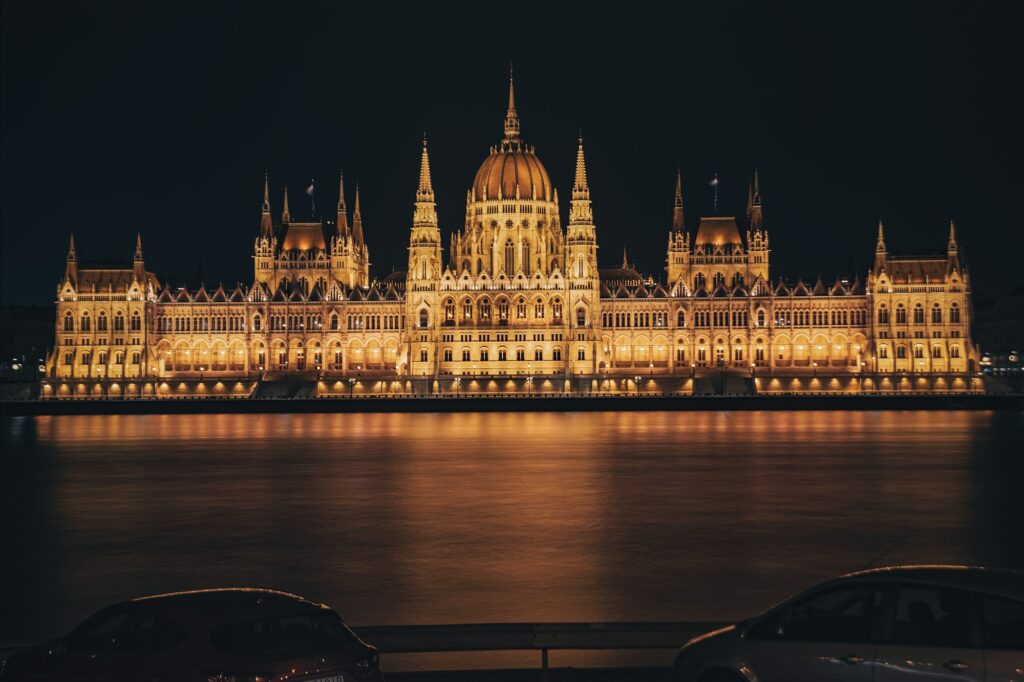
2026 is a turning point for river cruising in Europe. Danube, Rhine, Douro — these legendary rivers are welcoming a new generation of ships designed to attract younger, more active, and more demanding travelers. The CLIA Riverview 2026 conference in Amsterdam confirmed it: travelers aged 35–55 are the fastest-growing segment of river cruising, drawn by sports programs, wine tastings, and stopovers in cities still untouched by mass tourism. According to Travel-Leisure News, the industry is experiencing its strongest growth in a decade. Here is everything you need to know before choosing your next river cruise.
1. The Flagship Ships of the 2026 Season
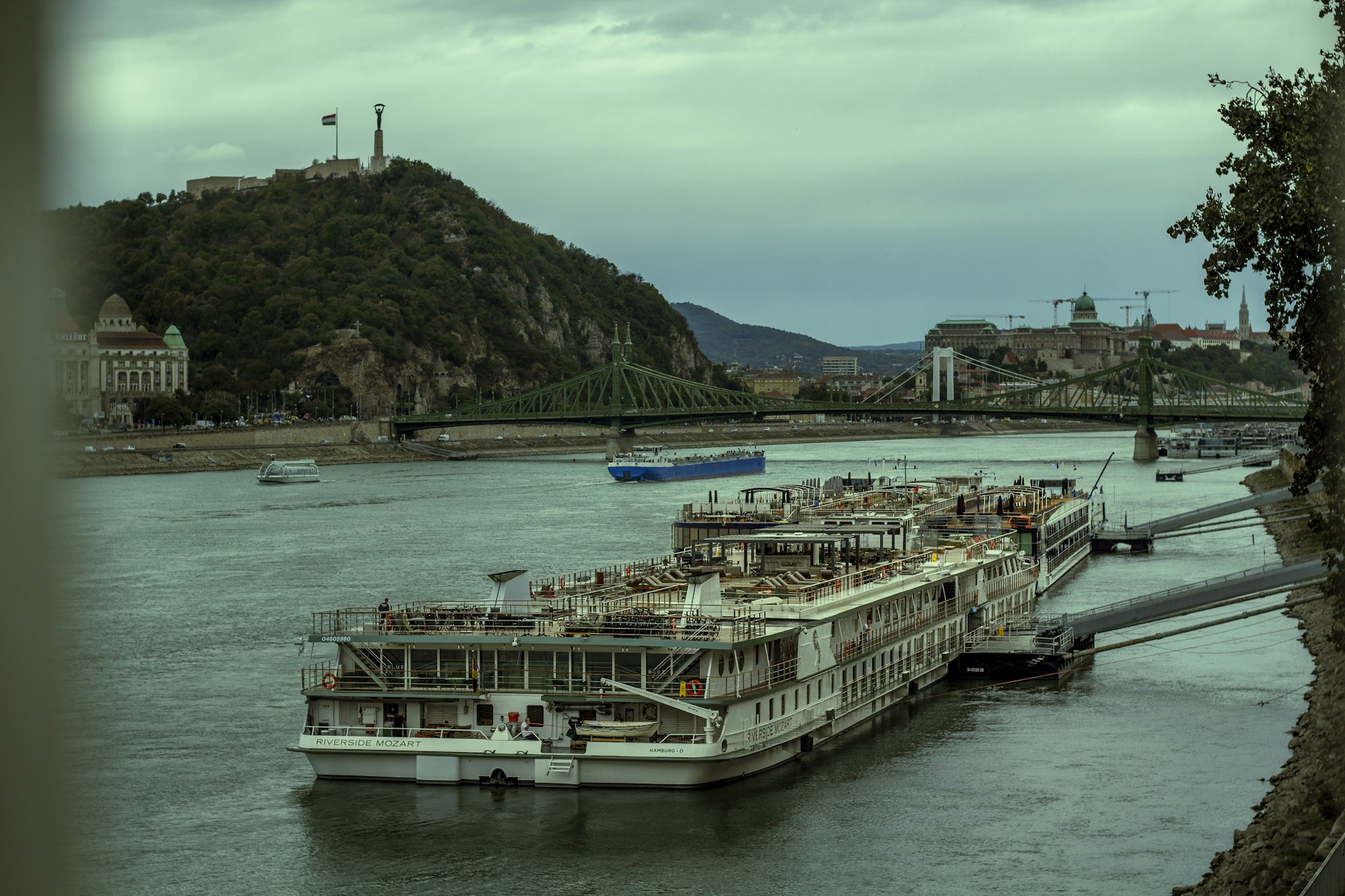
Viking Eldir, S.S. Emilie, AmaSofia: the river revolution is underway
- Leading companies: Viking River Cruises, Uniworld, AmaWaterways, Emerald Cruises
- Rivers: Rhine, Main, Danube, Douro
- Average budget: €2,500–€5,000 / person (7–10 days all-inclusive)
- Key tip: Book before June for the best cabins of 2026
The Viking Eldir, delivered on March 11, 2026 at the Neptun Werft shipyard in Rostock-Warnemünde, Germany, perfectly illustrates this evolution. This Viking Longship accommodating 190 passengers, with its indoor-outdoor Aquavit terraces and two-room suites, redefines river comfort. According to La Tribune de l’Hôtellerie, Viking plans 10 additional new Longships by the end of 2026, including five on the Seine.
On the Danube, the S.S. Emilie from Uniworld is perhaps the boldest launch of the year. Named after Emilie Flöge, muse of Gustav Klimt, this art nouveau ship features cabins from 18 to 38 m², gilded details and deep colours inspired by the Viennese artist. TravelAge West calls it a « floating museum-ship. »
At AmaWaterways, the AmaSofia (christened in Amsterdam, spring 2026) stands out with its twin-balcony cabins — French balcony and walk-out balcony combined — and active excursion programs: e-biking in the Wachau Valley, kayaking at the foot of castle ruins, private tastings in Budapest.
2. The Danube: from Budapest to the UNESCO Wachau Valley
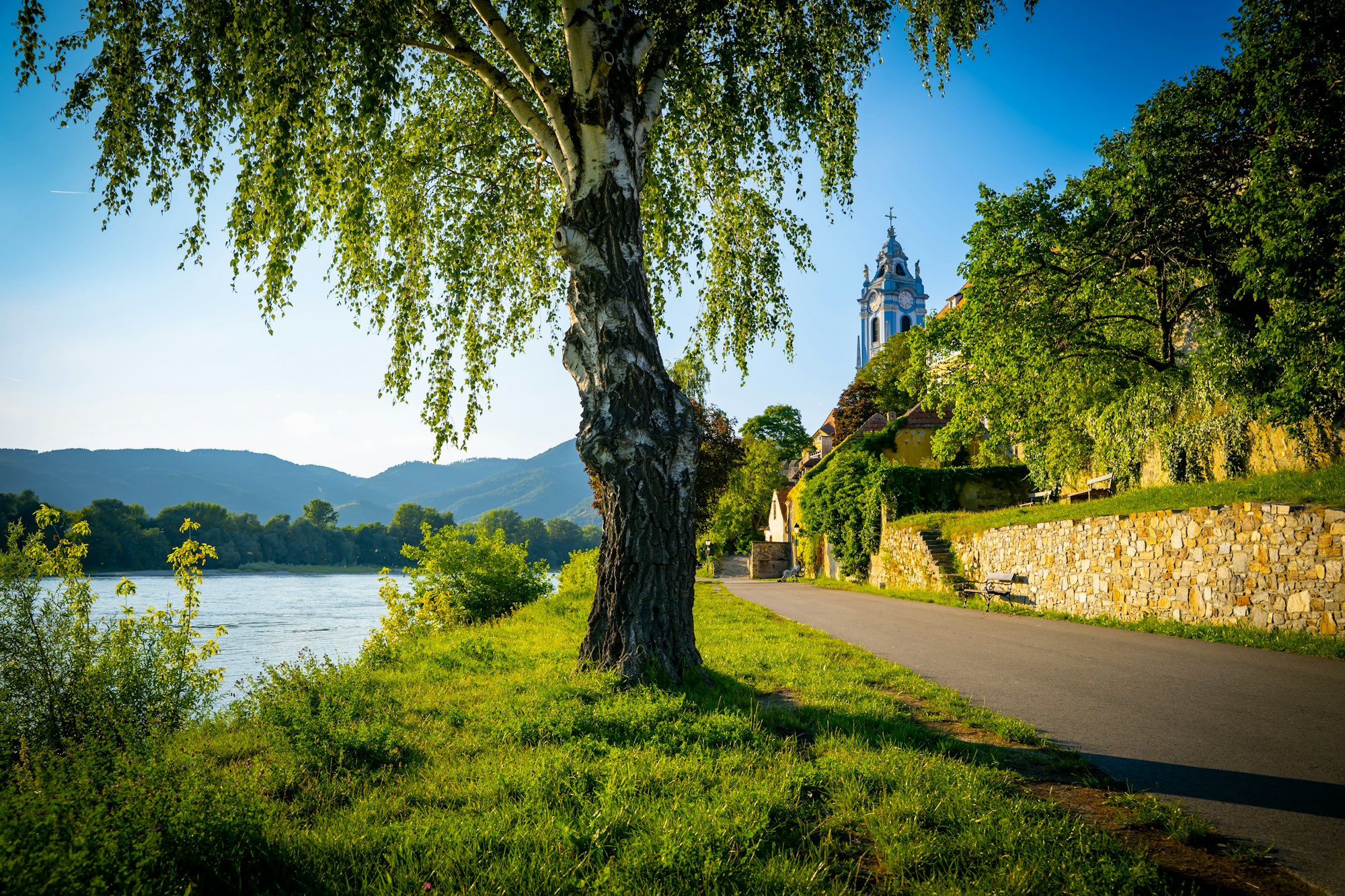
Budapest, Vienna, Bratislava and the Wachau Valley
- Typical duration: 8–15 days (Budapest → Passau or reverse)
- Budget: €1,500–€5,000/person depending on standard and duration
- Best time: May–September / Christmas markets in December
- Must-see: A night crossing of the Wachau, the Budapest thermal baths
The iconic Danube itinerary — Amsterdam or Passau, Budapest, Vienna, Bratislava — remains the absolute bestseller of river cruises in 2026. But it is the Wachau Valley, a UNESCO World Heritage Site, that forms its crown jewel. Between Melk and Krems, this stretch often dubbed « the most beautiful kilometre in Europe » reveals, from the water, vineyard landscapes and apricot orchards dominated by ruined castles, with the village of Dürnstein and its baroque abbey in the foreground.
For authentic nature lovers, RiverCruise.com notes that the active programs from Avalon Waterways and Uniworld now offer cycling through Wachau orchards and hikes to Dürnstein castle ruins — experiences unimaginable just five years ago.
3. The Hidden Balkans: Belgrade and the Iron Gates
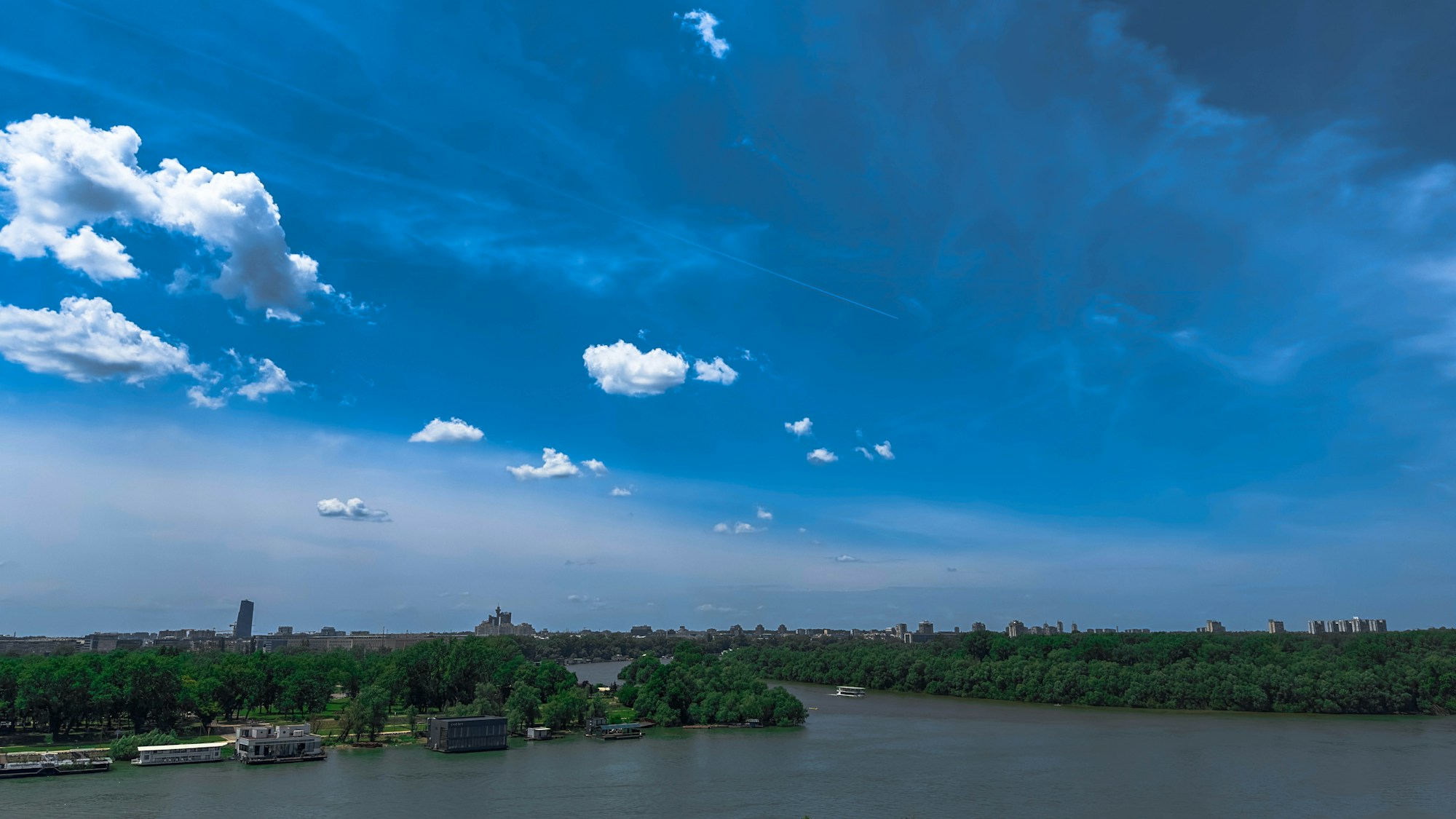
Belgrade, Novi Sad and the Iron Gates Gorge
- Typical duration: 12–15 days (itineraries including the Balkans)
- Budget: €2,000–€3,500/person
- Best time: May–September (EXIT Festival in Novi Sad in July)
- Key fact: Little-frequented section, still preserved from mass tourism
The real secret of 2026 river cruises? The Serbian stretch of the Danube. Still largely spared by tourism, it offers curious travellers an immersion into a Europe one thought had disappeared. Belgrade, a crossroads of civilisations — Roman, Byzantine, Ottoman, Austro-Hungarian —, reveals the Kalemegdan Fortress towering above the waters when seen from the river. According to ABC Croisière, the Serbian capital is « one of the most underestimated gems of Central Europe. »
Further south, the Iron Gates offer a breathtaking geological spectacle: a 135 km gorge where the Danube narrows to just 150 metres, separating the Carpathian massif from the Balkans. The ruins of Trajan’s Bridge and the submerged Ada Kaleh island tell of a history as rich as it is forgotten by Western tourists.
In Novi Sad, dubbed the « Athens of Serbia, » the Petrovaradin Fortress and its art galleries contrast with the bohemian atmosphere of the lower town. In July, the EXIT Festival draws hundreds of thousands of festival-goers — an unexpected bonus for cruisers passing through at that time. Insider tip: if your cruise includes a night in Belgrade, head to the Skadarlija neighbourhood — the « Belgrade Montmartre » with terraces animated by Romani musicians.
4. The Romantic Rhine: Castles, Gorges and Vineyards
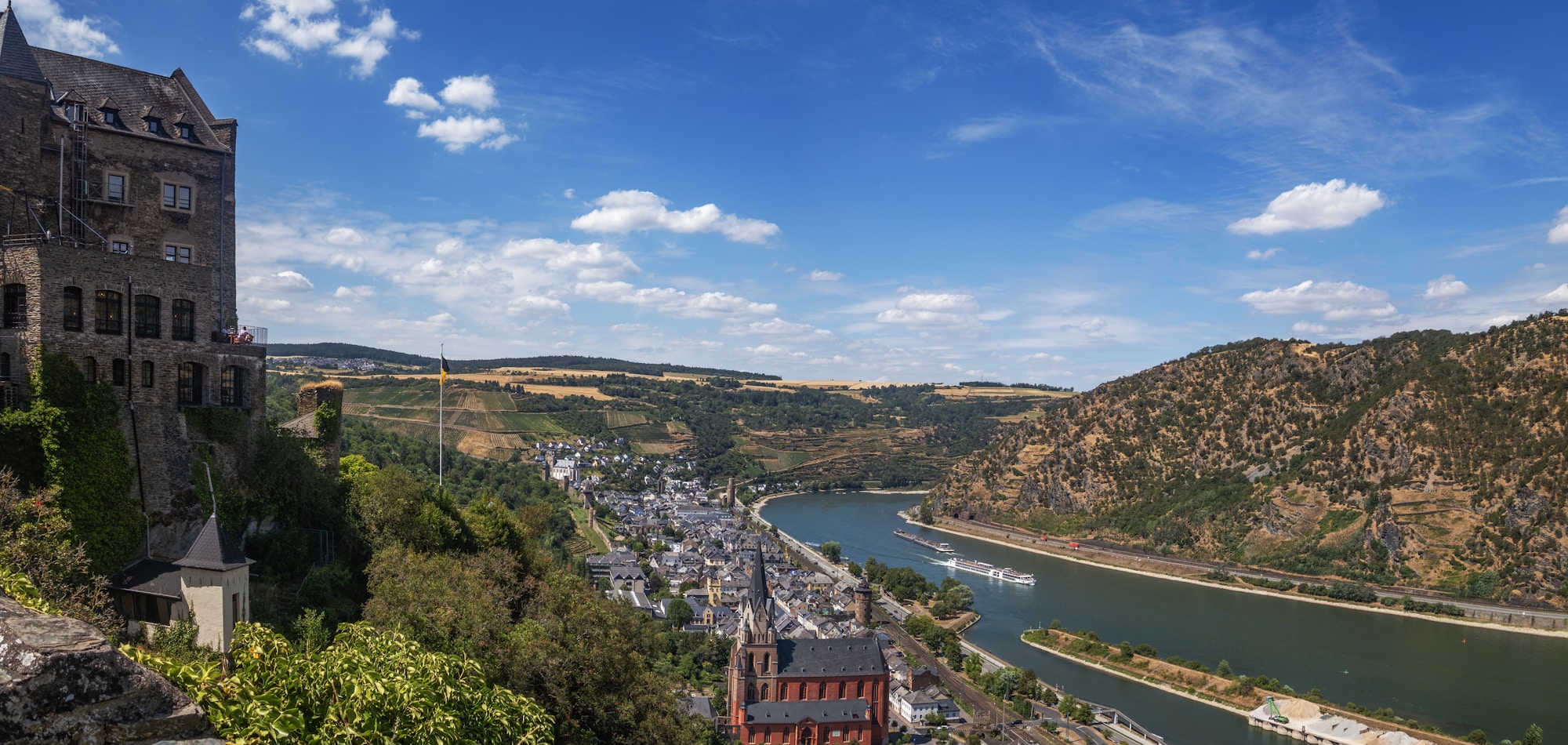
From Bingen to Koblenz: the Middle Rhine Gorge, a UNESCO World Heritage Site
- Classic itineraries: Amsterdam–Basel (7–8 days), Rhine–Main–Moselle (10 days)
- Budget: €1,200–€2,500/person (7 days)
- Best time: May–October; September for wine festivals
- Highlight: The Middle Rhine Gorge (UNESCO heritage)
Between Amsterdam and Basel, the Rhine unfolds one of Europe’s most history-dense panoramas. But between Bingen and Koblenz — in the Middle Rhine Gorge, a UNESCO World Heritage Site — the real magic unfolds: medieval castles appearing less than a kilometre apart, steep vineyards, and the legend of the Lorelei who, from her rock, lured sailors to their doom.
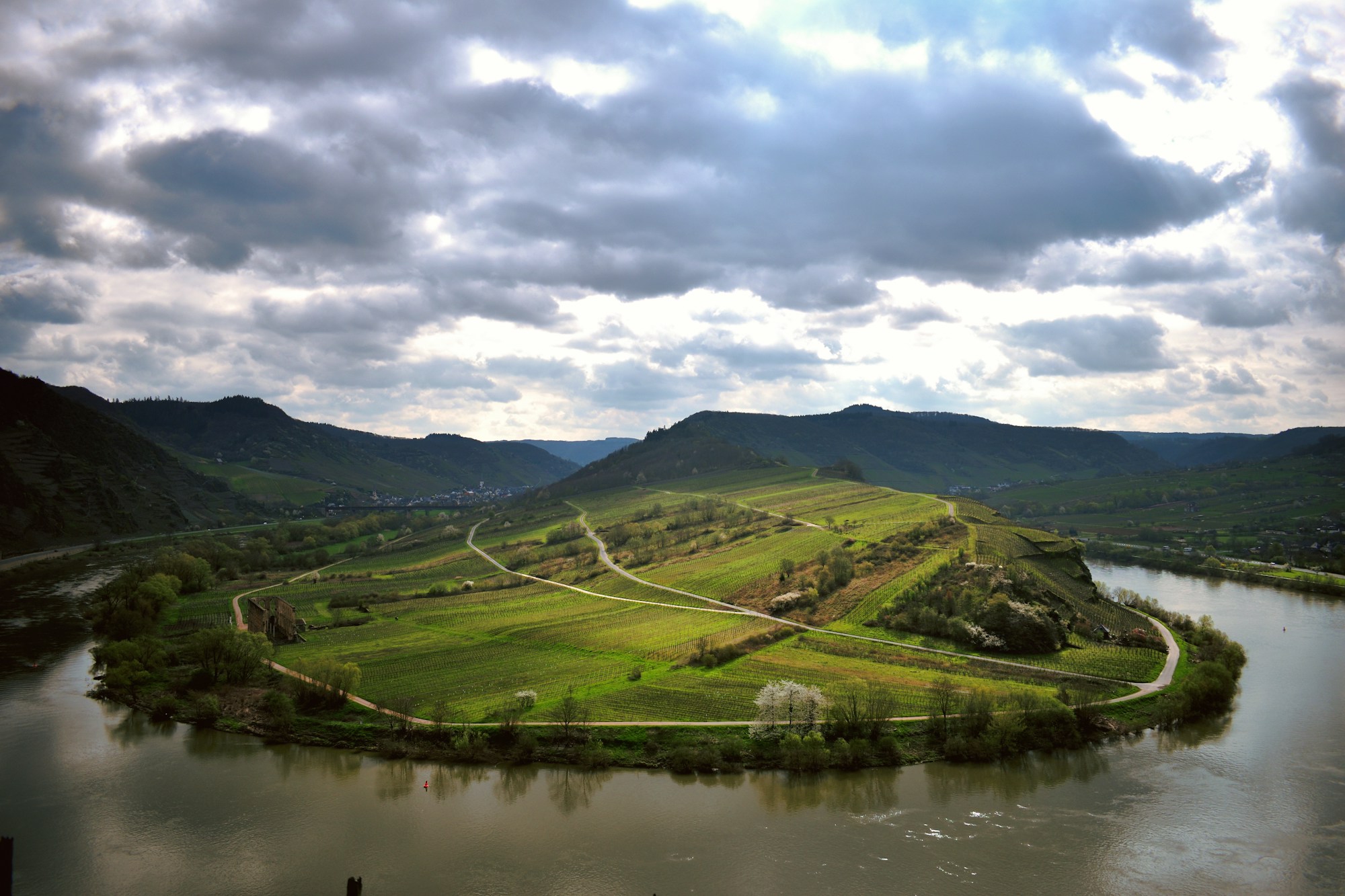
In Rüdesheim, the Drosselgasse wine taverns sit alongside a hike up to the Niederwald monument, offering breathtaking views of the river and hillside vineyards. The Rhine–Main–Moselle itinerary also includes the Moselle loop (Moselschleife), one of Germany’s most beautiful wine landscapes. Insider tip: mid-September cruises allow you to attend local wine festivals in Rhenish villages — authentic celebrations far removed from ordinary tourist circuits.
5. The Douro: Portugal’s River of Gold
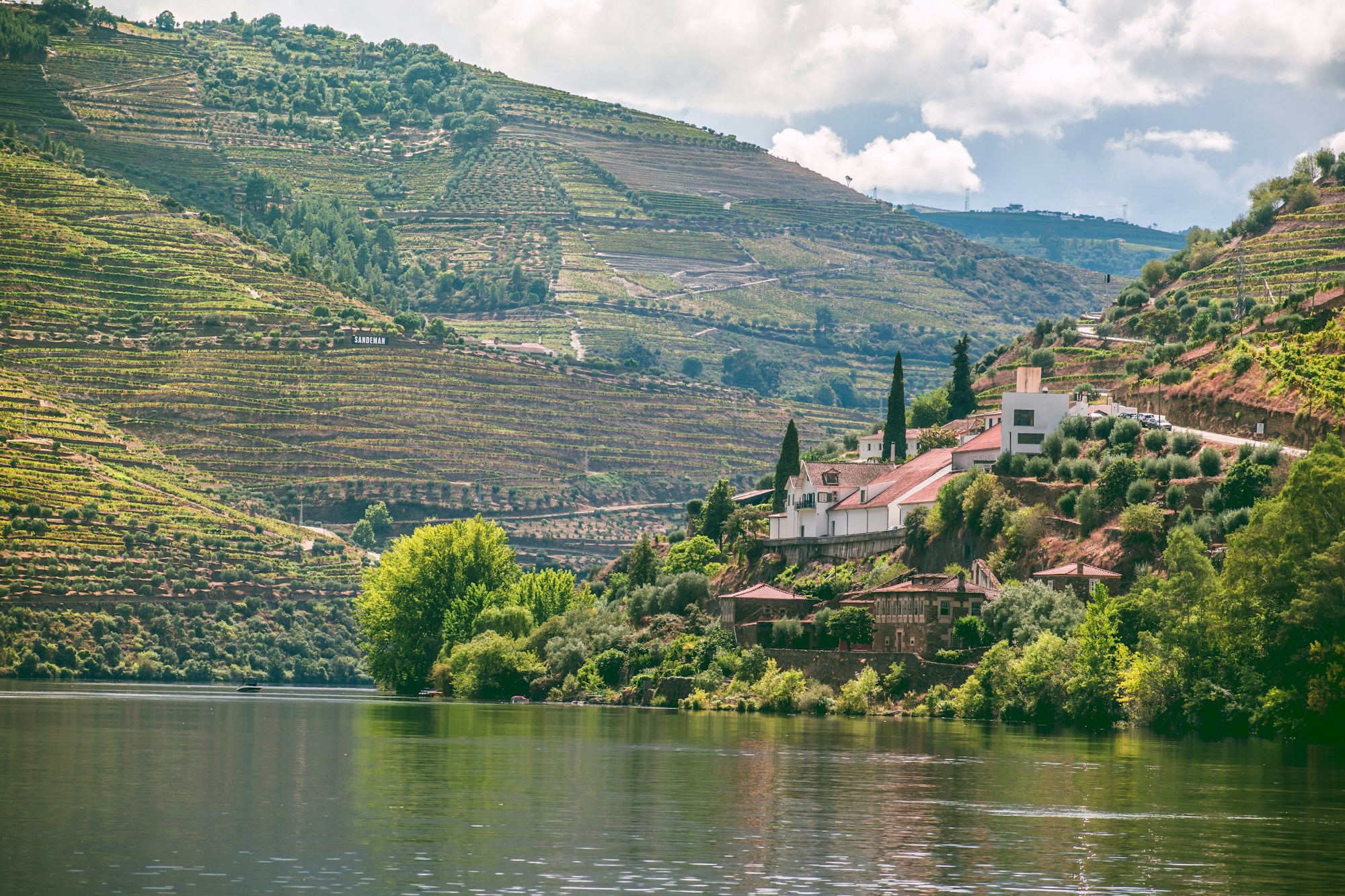
From Porto to Pinhão: schist terraces and vintage port wine
- Typical duration: 6–8 days (Porto → Barca d’Alva)
- Budget: €900–€3,000/person depending on the package
- Best time: September (harvest) or April–May
- Unique highlight: Carrapatello lock — the highest in Europe (35 m drop)
The Douro is the fastest-growing river cruise destination in 2026. According to Travel-Leisure News, this « river of gold » is where new companies are focusing their expansion, drawn by landscapes of terraced schist vineyards absolutely unique in the world. The journey begins in Porto, whose historic centre and Ribeira are listed as UNESCO World Heritage: the Reconquista cathedral, the port wine cellars of Vila Nova de Gaia, Eiffel’s bridge spanning the river.
Moving inland, the Douro reveals the DOC Douro appellation and its unofficial wine capital: Pinhão, nicknamed « the kingdom of Bacchus. » The railway station, covered in azulejos depicting the grape harvest, is worth a visit in itself. Insider tip: do not miss the Carrapatello lock (35 m drop, the highest in Europe) — position yourself on the upper deck for this 20-minute ascent, one of the most spectacular engineering experiences on any European river cruise.
6. Cycling, Kayaking, Hiking: Active River Cruising in 2026
Why younger travellers are choosing river cruises
- Active cruise lines: AmaWaterways, Emerald Cruises, Avalon Waterways, U by Uniworld
- Featured activities: e-biking, kayaking, hiking, yoga, cooking classes
- Included in price: Most active programs are at no extra cost
- Typical 2026 profile: Ages 35–55, active, food and culture lovers
River cruising has radically changed its image. Travel and Tour World sums it up: « Modern travellers want more than sightseeing — they want stories, history and experiences that connect them to each destination. » In 2026, this translates into programs unimaginable on a river boat just ten years ago.
At AmaWaterways, onboard Wellness Hosts lead daily yoga sessions on the sun deck, TRX classes and morning runs ashore. In the Wachau, e-bike excursions through apricot orchards start as early as 6:30am. At Avalon Waterways, Active & Discovery itineraries include kayaking at the foot of Rhine fortresses and hikes to Bratislava Castle. The sister brand U by Uniworld, designed specifically for ages 21–45, offers themed stays with DJ sets, foodie nights and cooking workshops with local chefs.
7. River Christmas Markets: The Secret Season
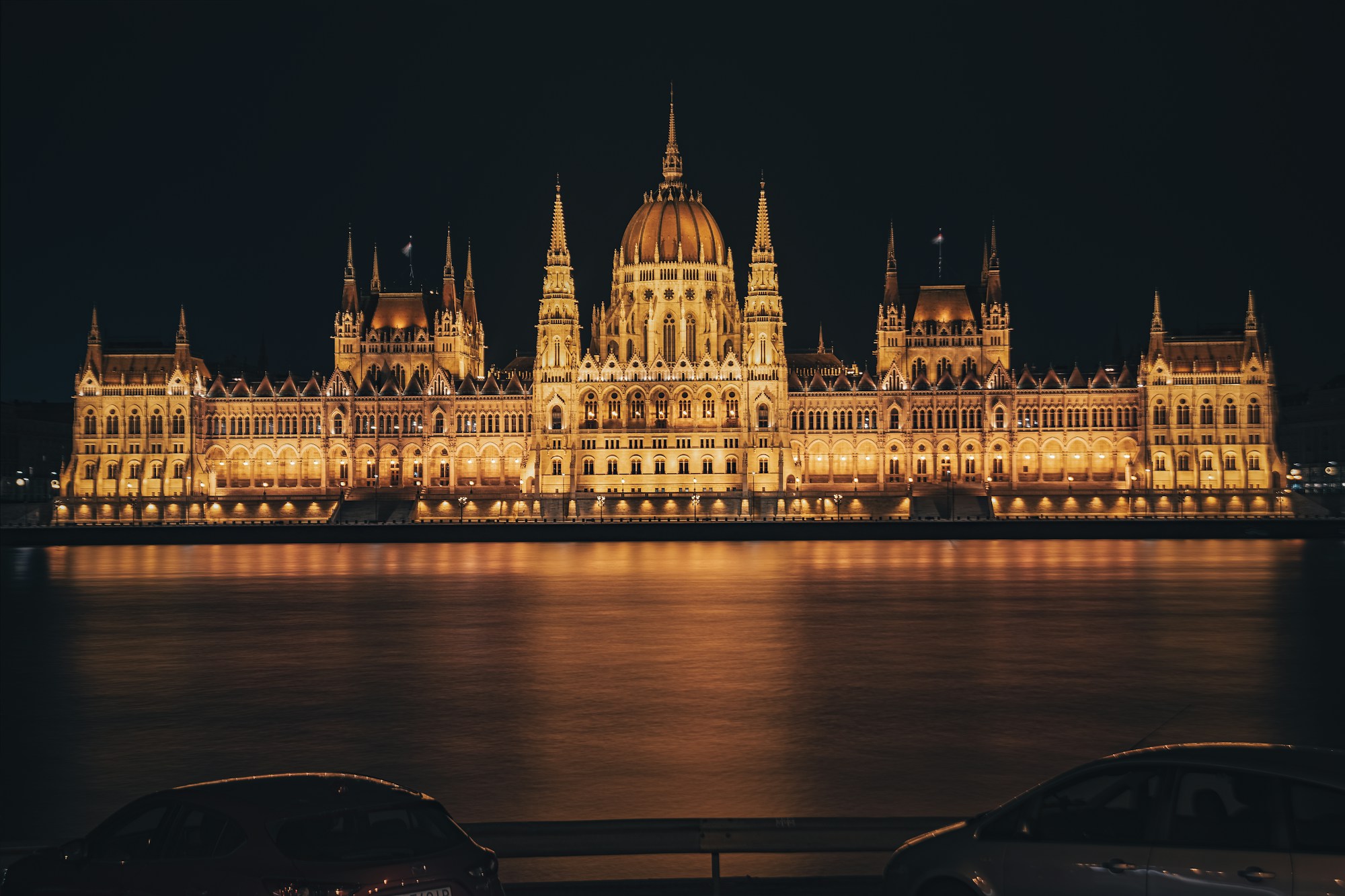
Strasbourg, Nuremberg, Vienna, Budapest: Advent magic from the water
- Period: Late November–mid-December
- Budget: €900–€2,000/person (4–7 days all-inclusive)
- Advantage: Prices often lower than peak summer season
- Atmosphere: Illuminated cities, mulled wine, artisan markets
The Christmas river cruise is perhaps the best-kept secret in European tourism. By sailing from market to market — Strasbourg (Alsace), Nuremberg, Vienna and Budapest — without ever repacking your suitcase, travellers experience the Advent season in a way no plane or train can offer. Riviera Travel reports that these winter cruises are seeing their highest booking growth in 2026, driven by a 30–50-year-old clientele escaping the queues at land-based markets.
Insider tip: Christmas market cruises are often cheaper and less crowded than summer itineraries — the best way to try river cruising for the first time at a lower cost.
Practical information for your river cruise
Nomad Insurance: global coverage from $56/4 weeks. 10% off via our link. Perfect for multi-country river cruises.
From $56 / 4 weeksStay connected in all countries visited (Germany, Austria, Hungary, Portugal, Serbia). Instant activation before departure.
From €4.50Frequently asked questions about river cruises in 2026
What is the difference between a river cruise and an ocean cruise for younger travellers?
River cruises are more intimate and wave-free: ships accommodate 100–190 passengers maximum versus several thousand on an ocean liner. This small-scale atmosphere fosters authentic exchanges, on-foot excursions in small villages and extended port calls. For younger travellers, this means encounters with locals, exclusive access (private cellars, castles closed to the public) and a deeper cultural immersion than any ocean cruise.
Which is the best river for a first river cruise in 2026?
For a first experience, the Danube (Budapest–Vienna–Passau itinerary, 8 days) offers the best balance of cultural variety, scenery and infrastructure. The Rhine is ideal if you love German castles and wines. The Douro is the perfect choice for Portuguese wine lovers and wild landscapes, with more accessible prices (from €900/person). For active first-time cruisers, AmaWaterways and Emerald Cruises offer the best sports programs included in the price.
Is river cruising really suitable for travellers under 50?
Absolutely, and this is precisely the 2026 trend. The CLIA Riverview 2026 conference confirmed that the 35–55 age group is now the fastest-growing segment. Brands like U by Uniworld (targeting ages 21–45) or EmeraldACTIVE programs offer lively stays with daily sports activities, cultural evenings, gourmet tastings and a relaxed atmosphere. Schedules are flexible, excursions are modular, and all-inclusive packages eliminate budget surprises.
What are the most innovative new ships of 2026?
The four flagship ships of 2026 are: the Viking Eldir (Longship, 190 passengers, Scandinavian design, Aquavit terraces), the S.S. Emilie by Uniworld (art nouveau inspired by Klimt, Danube), the AmaSofia by AmaWaterways (twin balcony, intensive active programs, Rhine–Danube) and the Emerald Astra (Rhine–Moselle–Danube, combined cinema-pool, EmeraldACTIVE). The Amadeus Aurea stands out with its high-performance hybrid propulsion — a first on the Danube.
When should I book a river cruise for the 2026 season?
For the 2026 summer season (June–September), the best cabins — suites and balconies in particular — are already partially booked. The golden rule is to book 8–12 months in advance for the best locations and early-bird rates. Viking and Emerald offer « River Cruise with Air » packages including international flights, often more advantageous when booked early. For Christmas markets (November–December), booking 4–6 months in advance is generally sufficient.
Can you combine a river cruise with other modes of transport?
Yes, and this is one of the major trends identified by CLIA in 2026: river + train combined cruises (notably via Interrail pass) are growing strongly. Some operators now offer packages combining a river cruise (7 days) with an ocean cruise extension departing from Lisbon or Barcelona. Another popular option: ending a Douro cruise in Porto and continuing to Lisbon by night train (3.5 hours, under €30).
Sources and references
- La Tribune de l’Hôtellerie — Viking Eldir: delivery of the new Longship (March 2026)
- TravelAge West — New river ships 2026: S.S. Emilie, Emerald Astra, Amadeus Aurea
- Travel and Tour World — Luxury river cruises 2026
- Cruise Critic — CLIA Riverview 2026 Conference: trends and passenger profiles
- Travel-Leisure News — The 2026 river cruising boom
- Riviera Travel — Top 10 European river cruises 2026
Ready to plan your river cruise?
Discover our Danube, Rhine and Douro itineraries and create your tailor-made trip with Pixidia.
Explore itineraries