
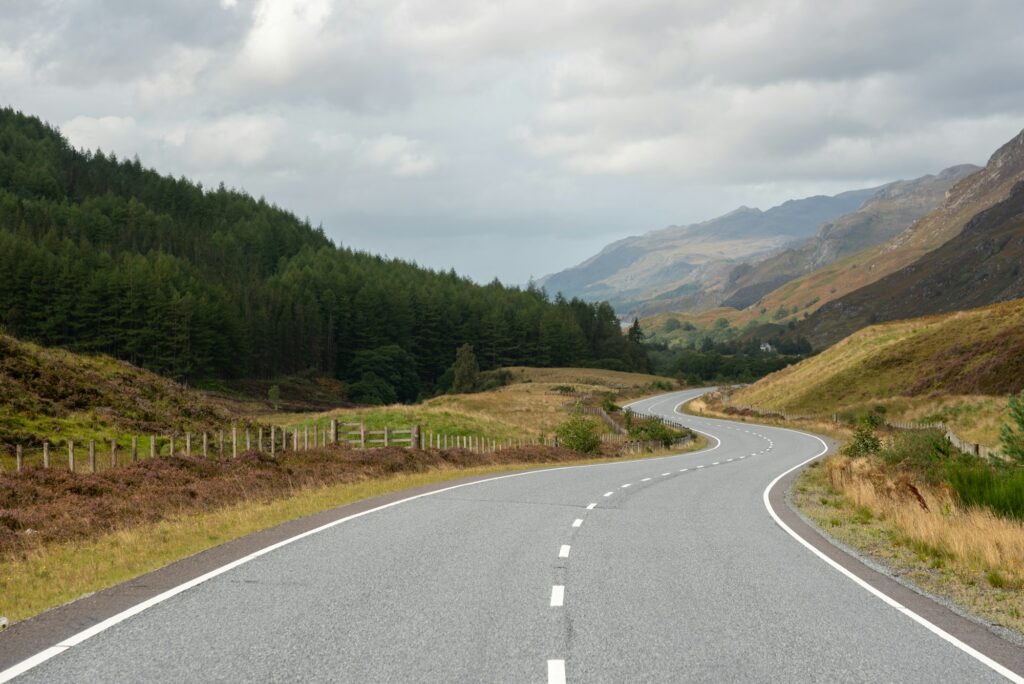
Scotland is one of Europe’s most breathtaking road trip destinations. Over 10 days, from mysterious lochs to haunted castles, from wild Highlands to whisky distilleries perfuming the valleys, this journey will transport you to a country that seems plucked from another era. According to VisitBritain, the Scottish Highlands rank among the world’s most spectacular driving routes. Here’s how to experience this adventure in 10 unforgettable days.
Before Hitting the Road: Practical Information 2026
Planning Your Scotland Road Trip
The ETA: Post-Brexit Requirement ⚠️
Since 2 April 2025, all European citizens (French, German, Spanish, Italian…) must hold an ETA (Electronic Travel Authorisation) to enter the United Kingdom. According to the UK Home Office, the ETA costs £20 and allows multiple trips to the UK for stays of up to 6 months over a 2-year period. Applications are made through the « UK ETA » app (Google Play or App Store).
Driving on the Left & Narrow Roads
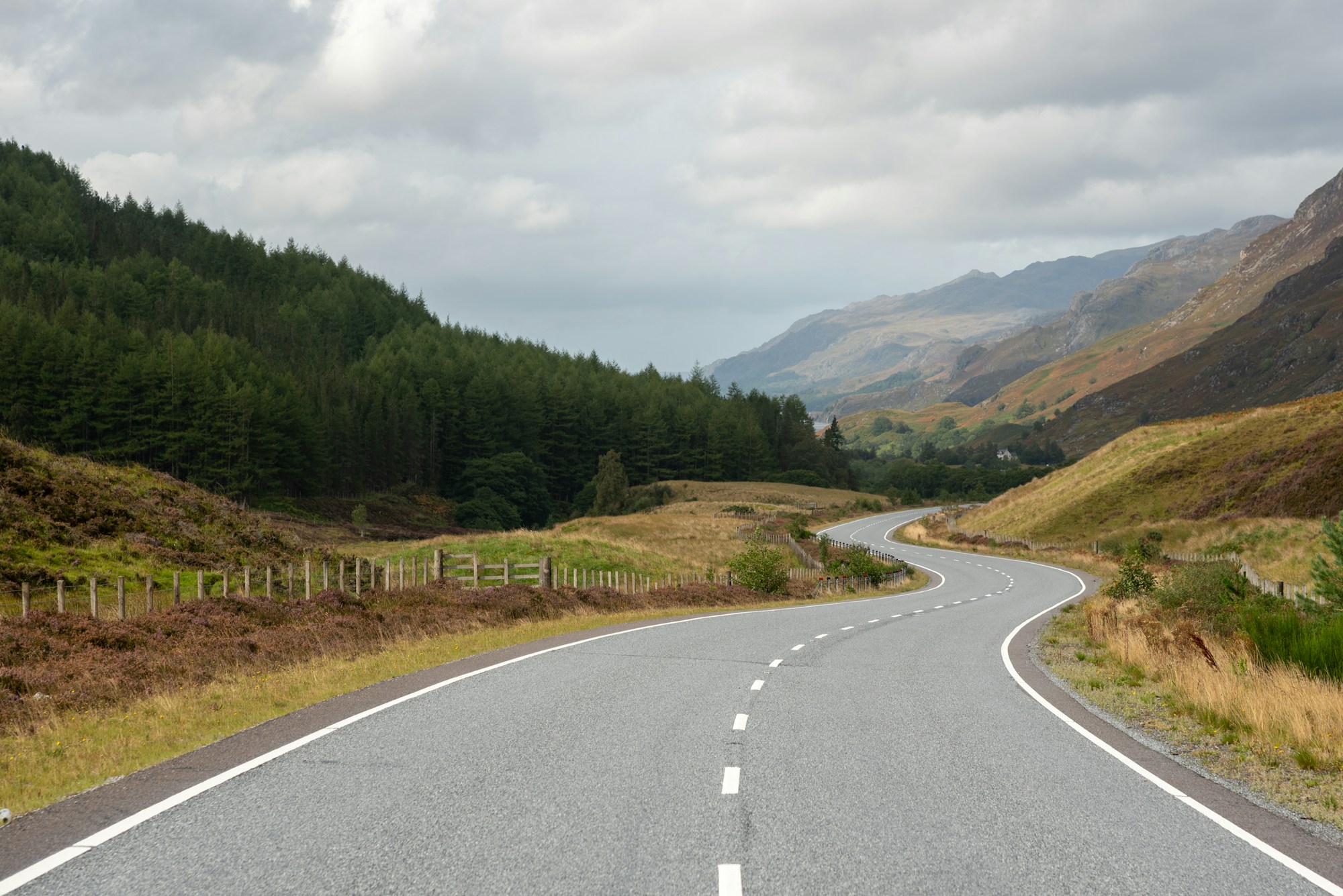
You don’t need a large 4×4 to enjoy Scotland’s roads: a standard compact car will do perfectly. If you’re not comfortable driving on the left, opt for an automatic gearbox. On the NC500’s single-track roads, the absolute rule is to give priority to the vehicle closest to a « passing place ». According to Van-Lifestyle, Scottish authorities reinforced signage in 2025 with bright blue signs every 150m.
Offline Maps Are Essential
Mobile coverage is often absent in remote Highlands. Download an offline map on Google Maps or Maps.me before you leave.
Best Time to Visit
May to September, with a preference for May-June: long days (up to 18 hours of daylight), lush nature and fewer tourists than July-August. In September-October, autumn landscapes are breathtaking and red deer stags can be heard rutting in Torridon’s lochs.
- ETA applied for at least 2 weeks before departure
- Car rental booked in advance (£500/week in peak season)
- Accommodation booked from January-February for June-August
- Historic Environment Scotland (HES) or NTS pass if visiting multiple castles
- Waterproof jacket in your bag, whatever the season
1. Edinburgh (Days 1–2): Gateway to the Scottish Adventure
Edinburgh
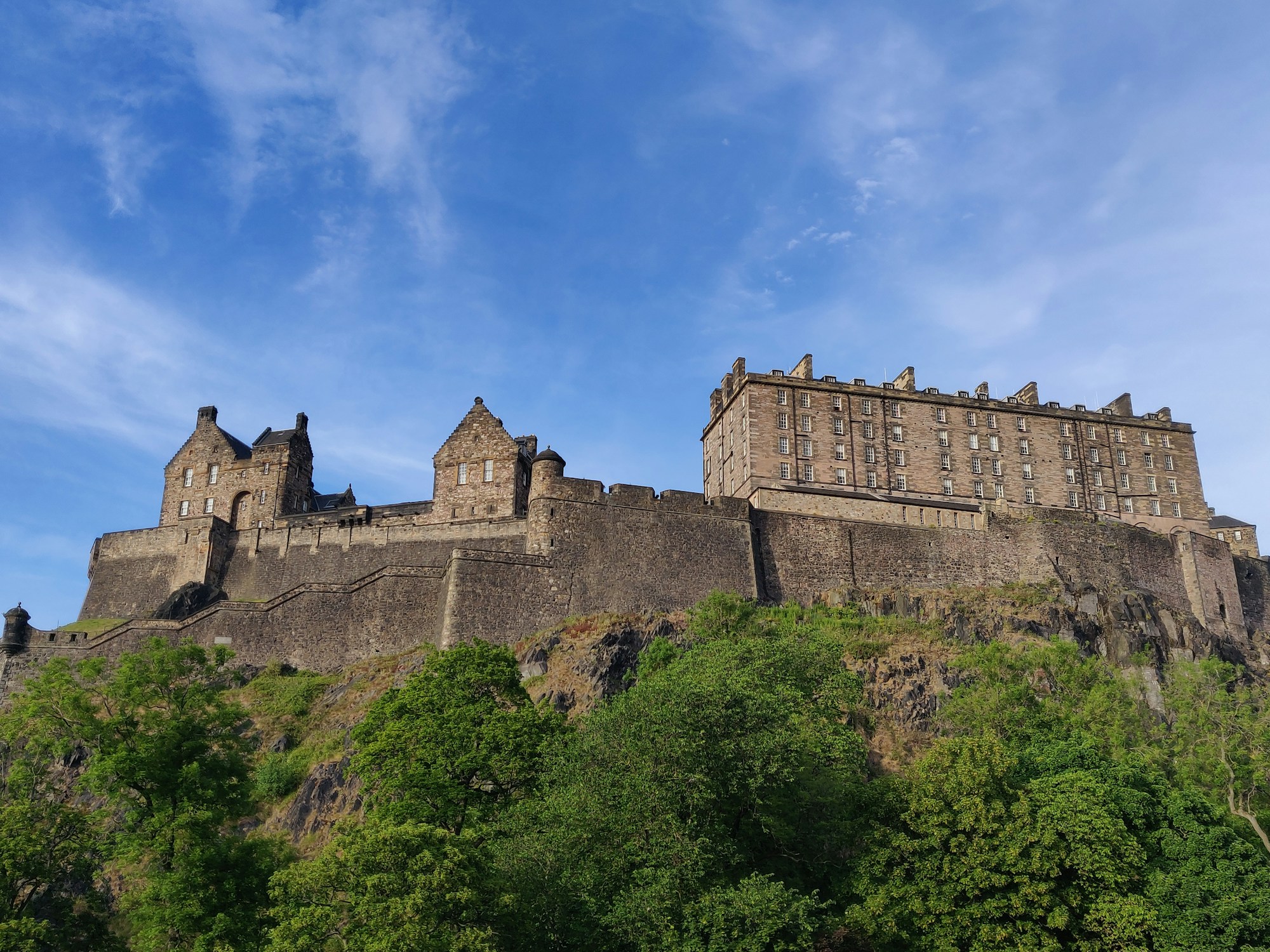
Edinburgh is far more than a starting point: it’s a city to be savoured fully before diving into the Highlands. The Royal Mile, the medieval Old Town and the castle perched on its volcanic rock offer a perfect introduction to Scottish history. According to Luxe Admiral, allow a full day for the castle, the mysterious Old Town and the elegant New Town.
Don’t miss Arthur’s Seat, the dormant volcano at the heart of the city: a 45-minute climb for an exceptional panorama over Edinburgh, the Firth of Forth and, on clear days, the Border hills. In the evening, lose yourself in the pubs of Grassmarket to soak up the Scottish atmosphere.
Highlights
- Edinburgh Castle — 10 centuries of royal history
- Arthur’s Seat — city panorama (45-min climb)
- Grassmarket district — historic pubs and local atmosphere
- National Museum of Scotland — free entry
- Royal Mile — medieval thoroughfare between castle and Holyrood
2. Glencoe (Days 2–3): The Valley of Ghosts
Glencoe
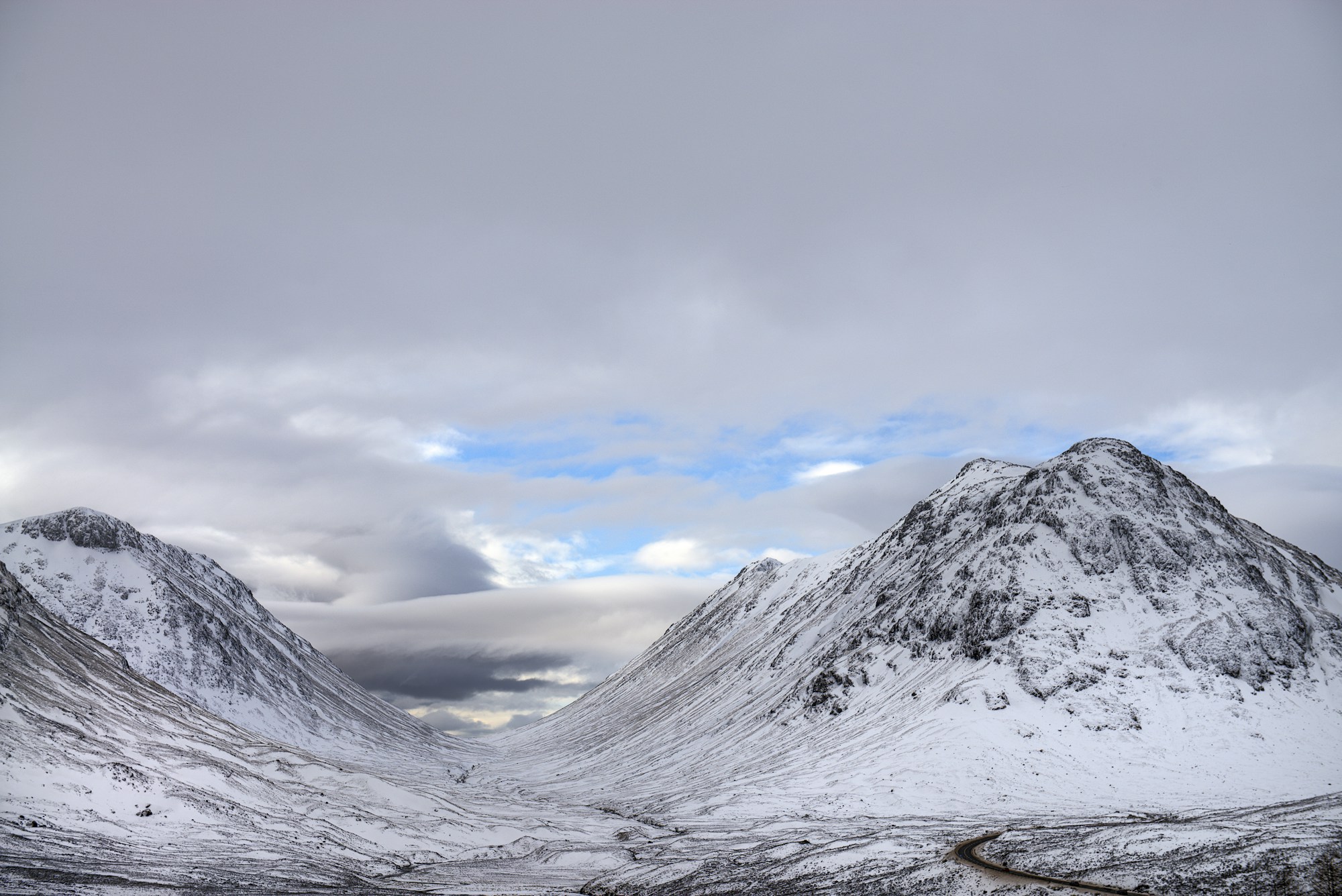
Nestled in the Lochaber Geopark, Glencoe is both one of Scotland’s most dramatic landscapes and one of its most historically charged places. On 13 February 1692, 40 members of the MacDonald clan were massacred by government forces — a wound in the Scottish collective memory that has never fully healed. The deep valley, flanked by the Three Sisters mountains, conveys an indescribable emotion.
For hiking, the Lost Valley Hike (2h30-3h30 round trip) is a masterpiece: unmarked terrain leading into a lost valley amid the Three Sisters, according to VoyageTips.
3. Glenfinnan (Day 4): The Hogwarts Express in Real Life
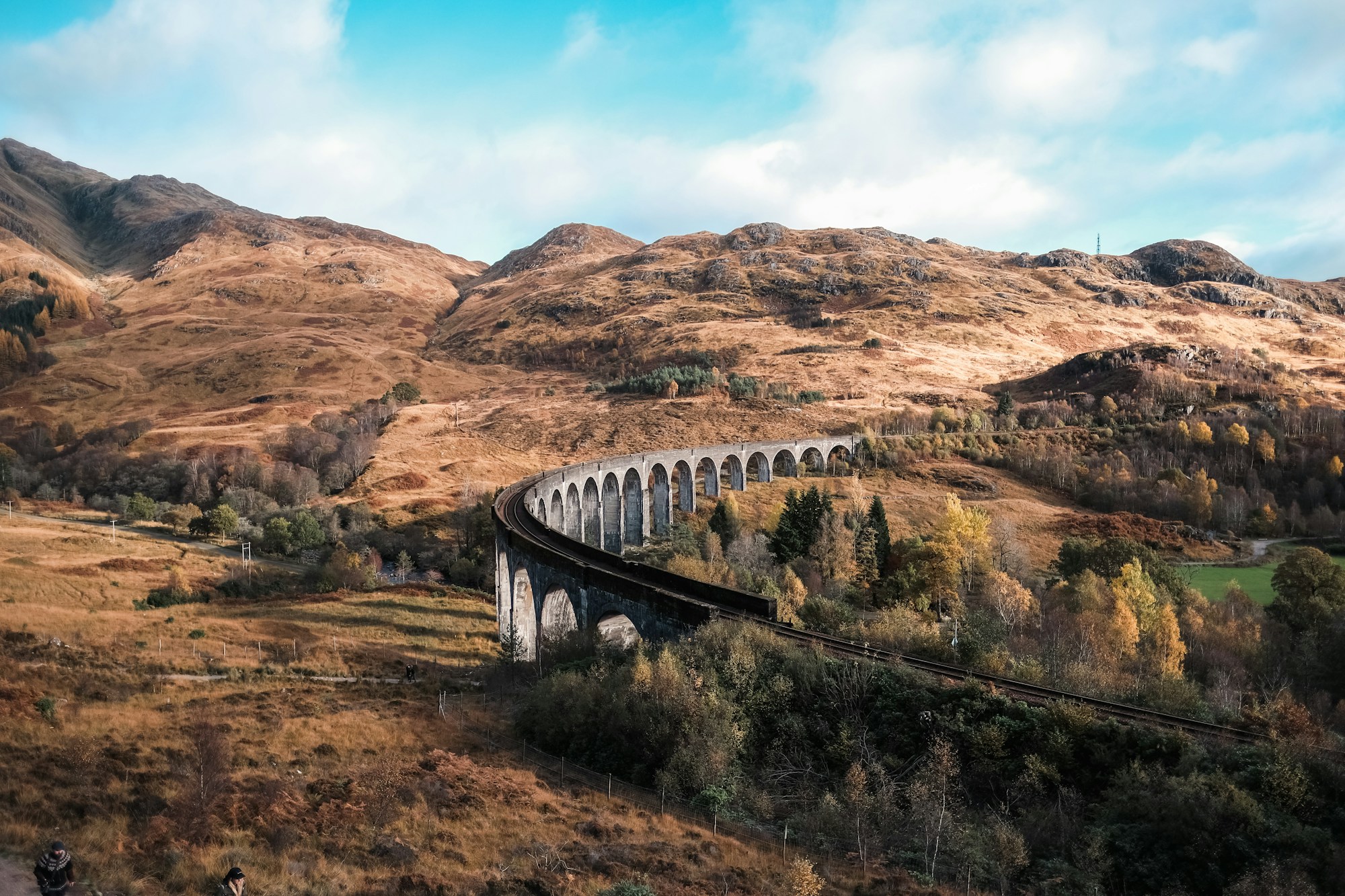
Glenfinnan Viaduct
The 21-arch Glenfinnan Viaduct, seen in Harry Potter and the Chamber of Secrets, is crossed daily in summer by the Jacobite Express, the steam train nicknamed the Hogwarts Express. The best viewpoint is on the hill to the left of the bridge, as seen from the car park: a 15-minute climb rewarded with THE perfect photo, according to AnywhereWeRoam.
4. Isle of Skye (Days 4–5): The Isle of Mist
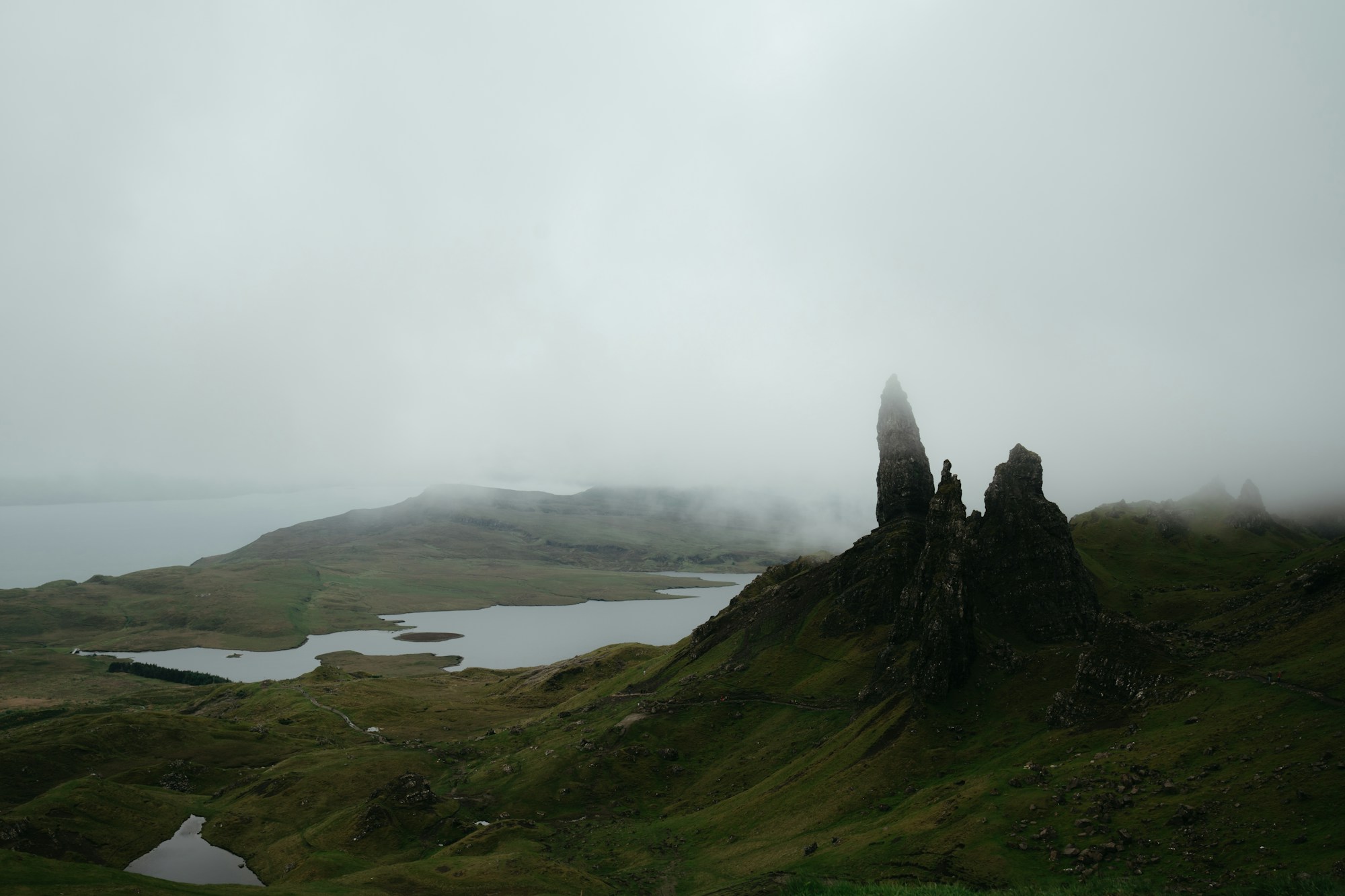
Isle of Skye
Literally « the isle of mist », Skye was named by the Vikings due to the fog and clouds permanently clinging to its cliffs. 80km long, it concentrates an extraordinary density of landscapes that no other place in Europe can offer. Its highlights: the Quiraing (otherworldly rock formations on the Trotternish peninsula), the Old Man of Storr (a 50-metre basalt column visible from the road), the Fairy Pools (crystal-clear cascades and natural pools in the Cuillins) and Dunvegan Castle — the only castle in Europe continuously inhabited by the same family for over 800 years.
5. Eilean Donan (Day 6): Scotland’s Most Photographed Castle
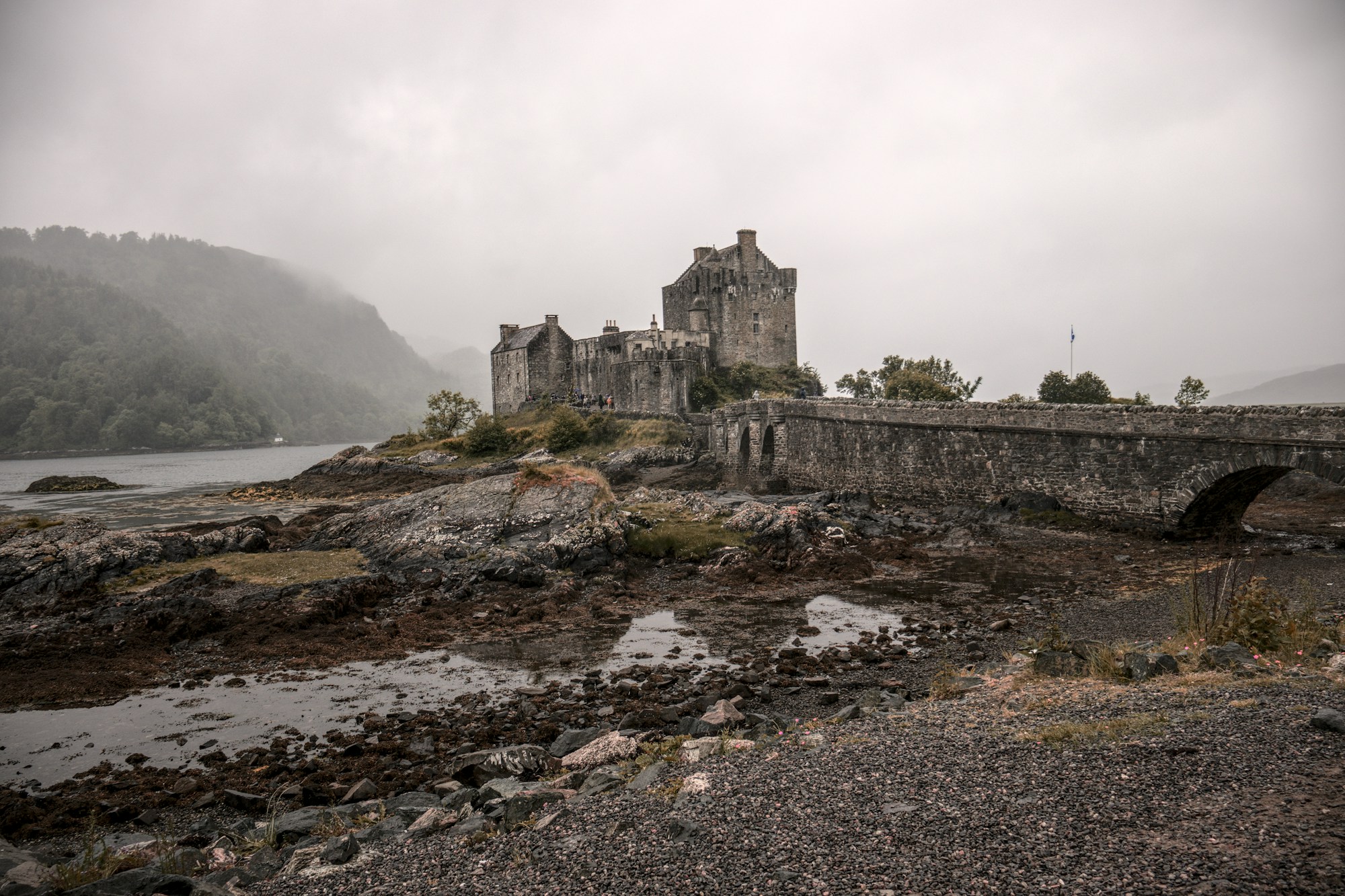
Eilean Donan Castle
Perched on a small islet at the junction of three lochs (Duich, Long and Alsh), Eilean Donan is the quintessential image of Scotland in the collective imagination. According to AnywhereWeRoam, the best photos are taken from the pebble beach at Eilean Thioram. The effect is at its maximum at sunrise, when the perfect reflections of the castle are mirrored on the still waters of the lochs.
6. North Coast 500 (Day 7): Scotland’s « Route 66 »
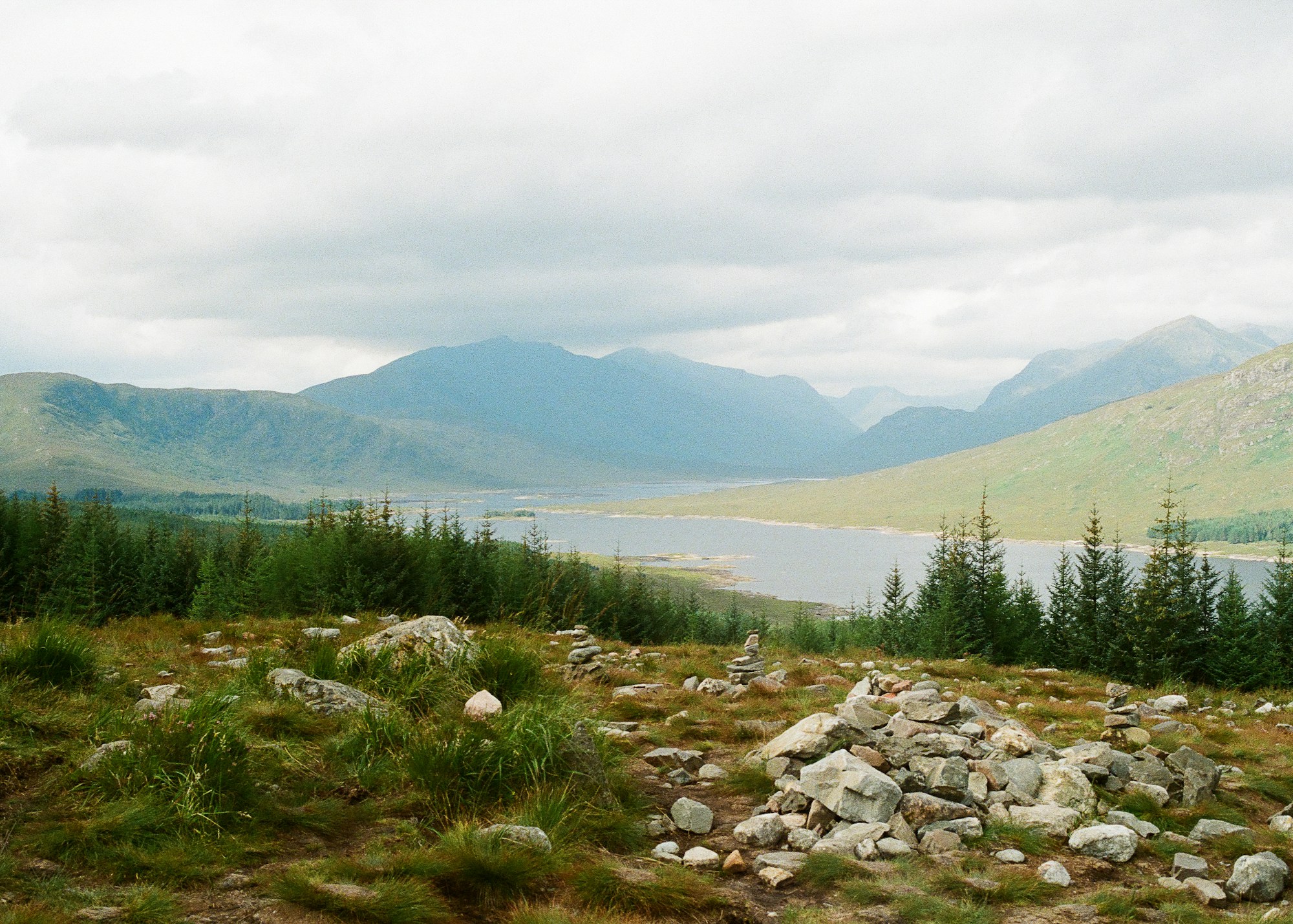
The North Coast 500
Launched in 2015, the North Coast 500 (NC500) is an 830km circuit from Inverness — quickly becoming one of Europe’s most coveted road trips. According to the official NC500 website, Jeremy Clarkson considers it « the best drive in the world ». On a 10-day itinerary including other stops, dedicate 2-3 days to the northern stretch (Ullapool → Durness → John O’Groats).
7. Dunnottar Castle (Day 9): The Cliff Fortress
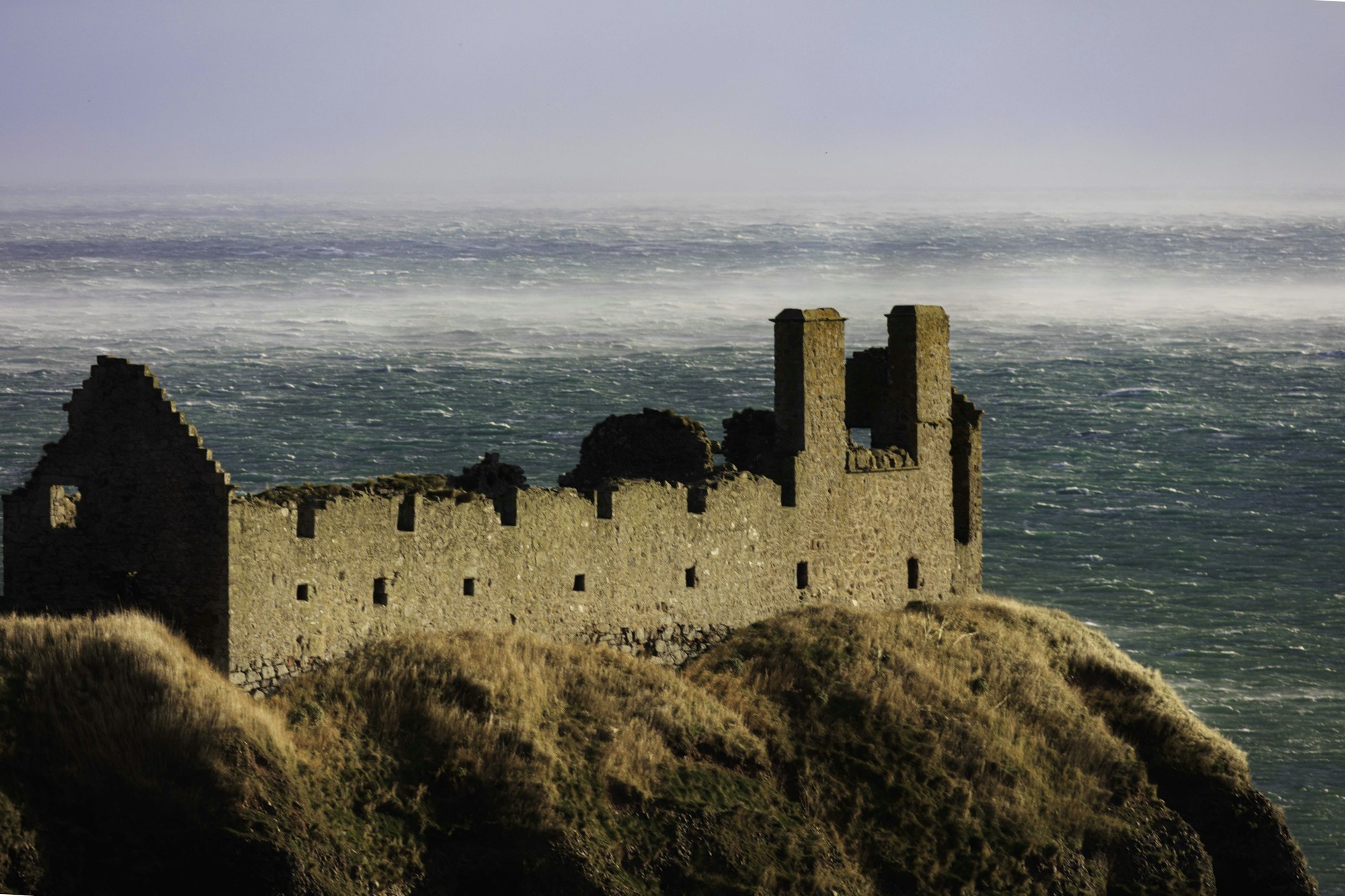
Dunnottar Castle
Along a coastal path hugging the cliffs of the northeast coast, Dunnottar appears like an almost surreal apparition. The fortress occupies the entirety of a 50-metre-high rocky headland, completely cut off from the mainland by sheer cliffs. Its only access is a narrow staircase carved into the rock. This is where the Scottish Crown Jewels were hidden to protect them from Cromwell’s troops in the 1650s, according to LaBoxVoyageuse.
8. Speyside (Days 8–9): The Golden Triangle of Whisky
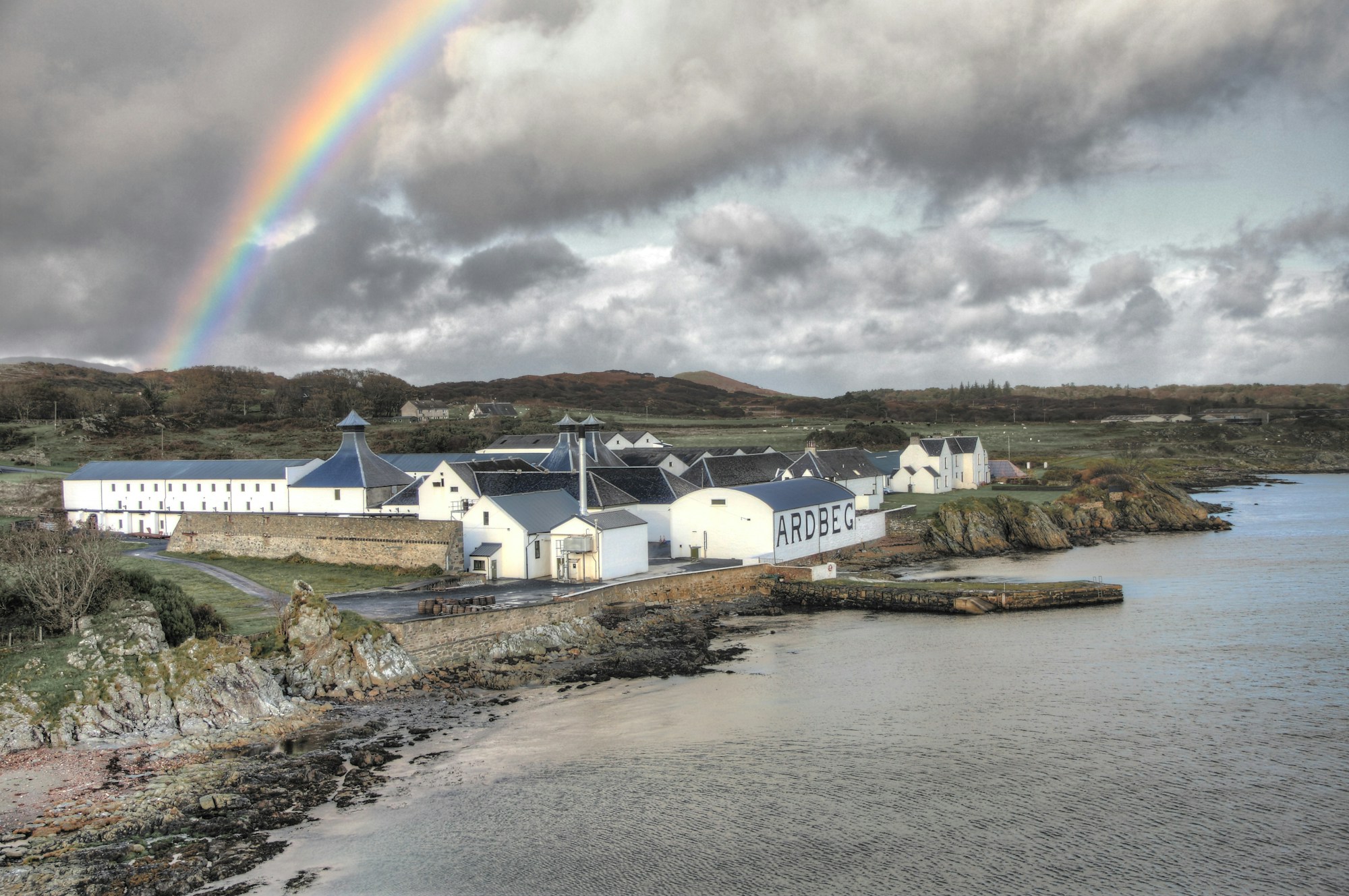
Speyside — The Malt Whisky Trail™
Speyside is the absolute paradise for whisky lovers: the region alone concentrates 52 distilleries, representing half of Scotland’s national Scotch whisky production. Follow the Malt Whisky Trail™ — the ultimate Scotch whisky experience — comprising nine must-see sites including seven active distilleries, the historic Dallas Dhu distillery and the Speyside Cooperage, the only cooperage still operating in the UK. According to VisitScotland, the region is home to Scotland’s oldest operating distillery: Strathisla (founded in 1786).
The Complete Itinerary: 10 Days Day by Day
| Day | Stage | Distance | Highlight |
|---|---|---|---|
| D1 | Arrival in Edinburgh | — | Castle, Arthur’s Seat, Grassmarket pubs |
| D2 | Edinburgh → Stirling → Glencoe | ~200km | Stirling Castle en route, arrival at Glencoe |
| D3 | Glencoe (hiking) | — | Lost Valley Hike, Glen Etive at sunrise |
| D4 | Glencoe → Glenfinnan → Isle of Skye | ~150km | Glenfinnan Viaduct + Jacobite train, crossing to Skye |
| D5 | Isle of Skye tour | ~120km | Quiraing, Old Man of Storr, Fairy Pools, Dunvegan |
| D6 | Skye → Eilean Donan → Applecross | ~180km | Eilean Donan Castle, Bealach Na Bà pass, Plockton |
| D7 | NC500: Ullapool → Loch Assynt → North Coast | ~200km | Ardvreck Castle, Smoo Cave, deserted beaches |
| D8 | NC500: North Coast → Inverness → Speyside | ~220km | John O’Groats, Loch Ness, arrival at Speyside |
| D9 | Speyside (distilleries) → Glamis/Craigievar | ~100km | Malt Whisky Trail, Angus castles |
| D10 | Dunnottar → Edinburgh | ~150km | Dunnottar Castle, return via Stonehaven |
Frequently Asked Questions about the Scotland Road Trip
Do you need an ETA to visit Scotland from Europe in 2026?
Yes, since 2 April 2025, all European citizens (French, Belgian, Swiss, etc.) must hold an ETA (Electronic Travel Authorisation) to enter the United Kingdom, of which Scotland is a part. The ETA costs £20 and is valid for 2 years for stays of up to 6 months. Apply at least 2 weeks before departure via gov.uk/eta. Source: UK Home Office.
What is the best time for a road trip in Scotland?
The best period is May-June: long days (up to 18 hours of daylight), lush nature and fewer tourists than July-August. September is also excellent for autumn landscapes and red deer rutting season. Avoid July-August on the Isle of Skye and NC500, which are saturated in peak season. Winter (November-February) offers chances of Northern Lights in the far north, but very short days limit sightseeing. Source: JeanBaptiste Noré.
How much should I budget for a 10-day Scotland road trip?
Budget between £3,000 and £4,500 for 2 people over 10 days excluding flights (£150-225 per person per day). Breakdown: car hire (~£500/week), accommodation (~£200/night double room), meals (~£30/person at restaurants), castles and activities (£10-20 per site). A budget version with camping is possible from approximately £1,000 for 7 days. The NTS or HES pass is excellent value if visiting more than 2 castles. Source: Luxe Admiral.
Is driving on the left difficult in Scotland?
Driving on the left takes some getting used to at first but becomes second nature quite quickly, especially on national roads. The real challenge lies elsewhere: the single-track roads of the NC500 and Highlands, where two vehicles cannot pass each other. The « passing places » rule is strict: the vehicle closest to a layby reverses or pulls over to let the other through. Hire an automatic if the manual gearbox concerns you, and opt for the smallest car that can accommodate your luggage. Source: Laura en Voyage.
Can you wild camp in Scotland?
Yes! Scotland allows responsible wild camping subject to the Scottish Outdoor Access Code, which advocates respect for nature, farmland and landowners. This unique freedom makes Scotland a destination of choice for adventurers. You are permitted to pitch a tent on almost all natural spaces, including private land, provided you leave the spot as you found it. Source: JeanBaptiste Noré.
Is it essential to book accommodation in advance in Scotland?
Yes, absolutely — especially on the Isle of Skye and along the NC500 in summer. Accommodation options in these remote areas are limited and demand has soared in recent years. Book from January-February for June-August travel. Even campsites with designated pitches can be fully booked. The flexibility you lose by booking in advance is more than compensated by peace of mind. Source: Laura en Voyage.
Sources
- VisitScotland — Official Scottish tourism website
- North Coast 500 official — NC500 guide 2025
- UK Home Office — ETA factsheet, January 2026
- Laura en Voyage — Scotland road trip guide
- Dangerous Business — The Perfect 10-Day Scotland Road Trip for Whisky Lovers
- La Box Voyageuse — Scotland’s most beautiful castles
- AnywhereWeRoam — Scottish Highlands Road Trip Itinerary
- VisitScotland – Speyside Trail — Official Malt Whisky Trail
Research conducted on 19 February 2026.
Ready to Explore the Highlands?
A Scotland road trip is one of Europe’s most intense and authentic travel experiences. From the wild Highlands to the distilleries of Speyside, every kilometre is a discovery. Plan your adventure now with Pixidia.
Explore all itineraries