
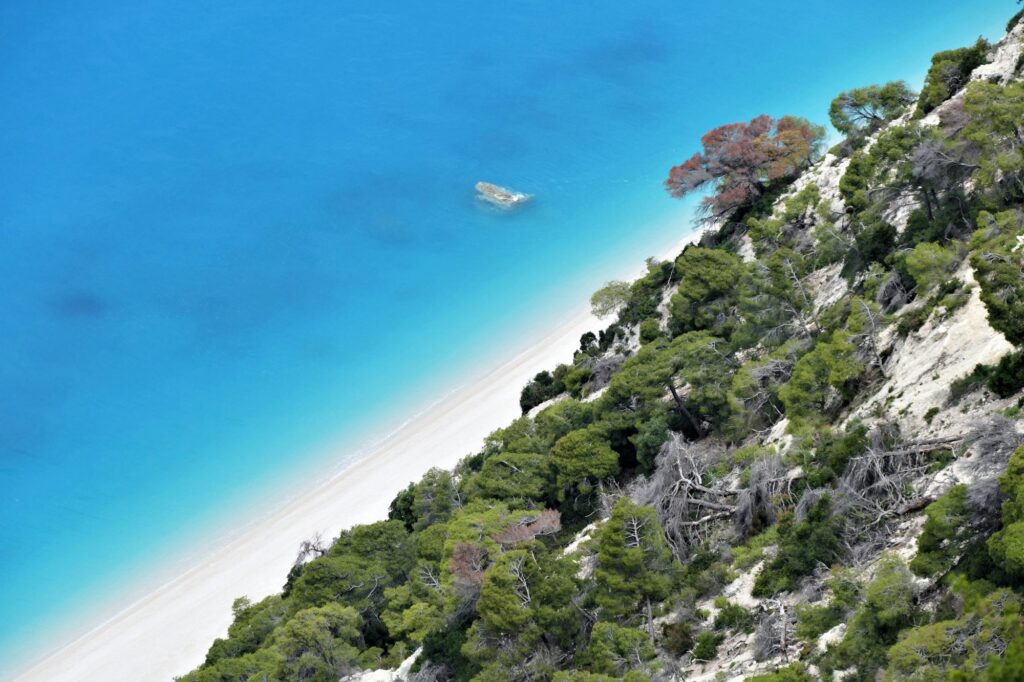
What if the most beautiful beach in the world were less than a 4-hour flight from home? While millions of tourists crowd the same packed coastlines every summer, hundreds of secret coves await those willing to make a little extra effort. National Geographic confirms it: Europe still harbours almost untouched beaches, accessible only on foot, by boat, or along dirt tracks that deter the masses. From Sardinia, crowned #1 in the world, to Norwegian fjords bathed in midnight sun, here are the 20 most beautiful secret beaches on the continent for summer 2026 — with budgets, access details, and insider tips.
1. Cala Goloritzè — Gulf of Orosei, Sardinia
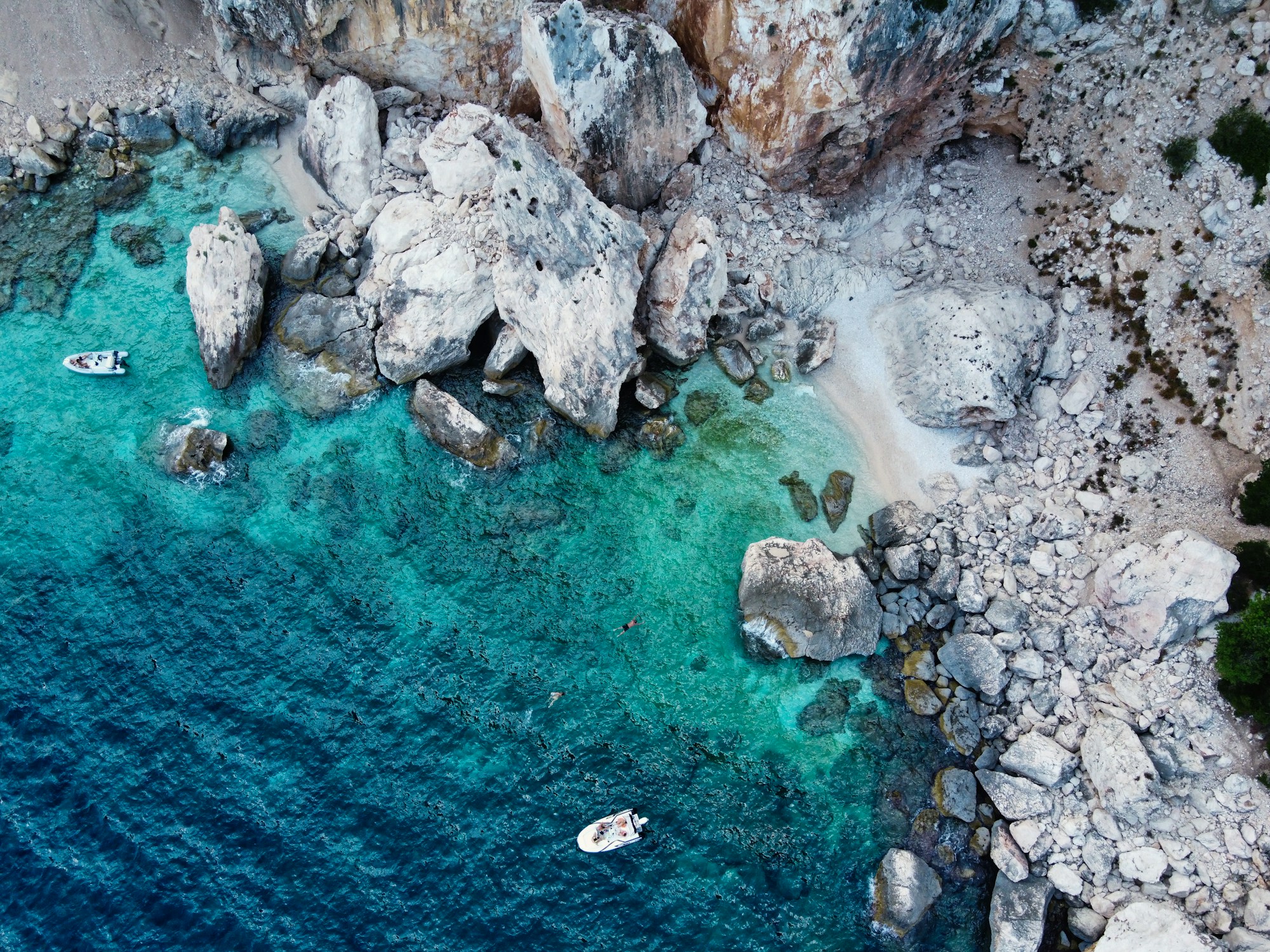
Cala Goloritzè, Baunei — Sardinia, Italy
This is the undisputed queen of this ranking. In 2025, The World’s 50 Best Beaches crowned Cala Goloritzè the most beautiful beach in the world. Nestled in the UNESCO-listed Gulf of Orosei, this spectacular cove displays glistening white marble pebbles at the foot of 150-metre limestone cliffs. The rocky spire of l’Aguglia — 143 metres of vertiginous limestone — dominates the scene. To earn it, you must walk 3.5 km through a lunar landscape of wild garrigue. The reward is guaranteed: turquoise waters of rare clarity and a solitude that few Mediterranean beaches can still offer.
What makes it unique
- Voted #1 in the world by The World’s 50 Best Beaches 2025
- Cap of 250 visitors per day — advance booking mandatory
- UNESCO heritage site within the Gulf of Orosei
- The Aguglia spire — a legendary rock-climbing destination
2. Spiaggia di Piscinas — Costa Verde, Sardinia
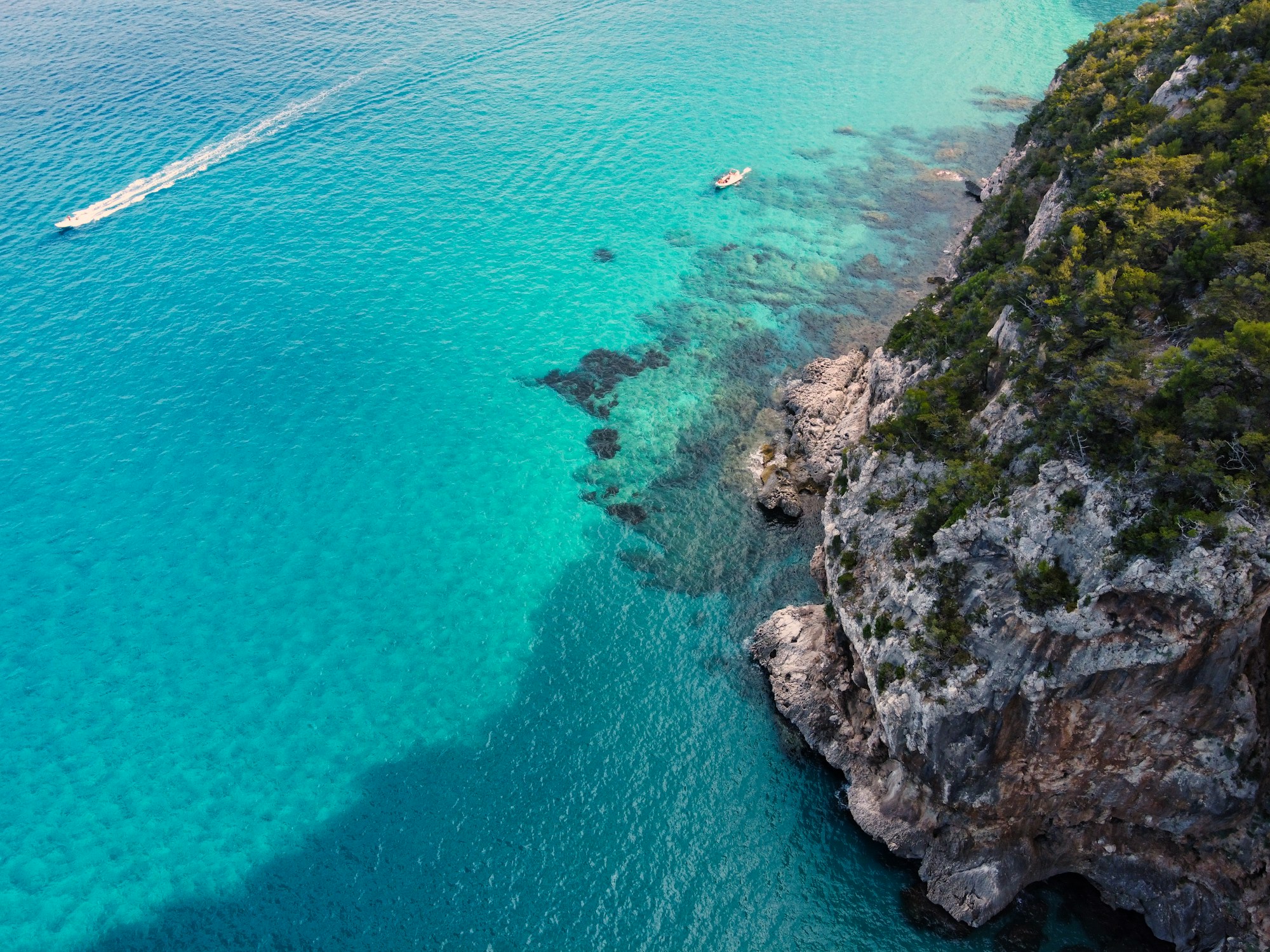
Spiaggia di Piscinas, Arbus — Costa Verde, Sardinia
A desert of golden sand in the heart of the Mediterranean — Piscinas resembles a hallucination in the best possible sense. The dunes reach 60 to 100 metres in height, shaped by the mistral, and stretch for 7 km before plunging into the blue sea. National Geographic included this site among the most beautiful beaches in the world. The Costa Verde remains one of the least developed coastal areas in the entire Mediterranean. In 2018, part of it was officially designated Europe’s largest naturist beach. No beachfront hotels, no sun lounger rentals: just the wind, the sand, and the sound of the waves.
What makes it unique
- Dunes of 60 to 100 metres — the largest dune system in the Mediterranean
- Listed by National Geographic among the world’s most beautiful beaches
- Sardinian deer and sea turtles on the dunes at dawn
- Zero tourist infrastructure — total immersion in nature
3. Cala Sa Figu — Capo Ferrato, Sardinia
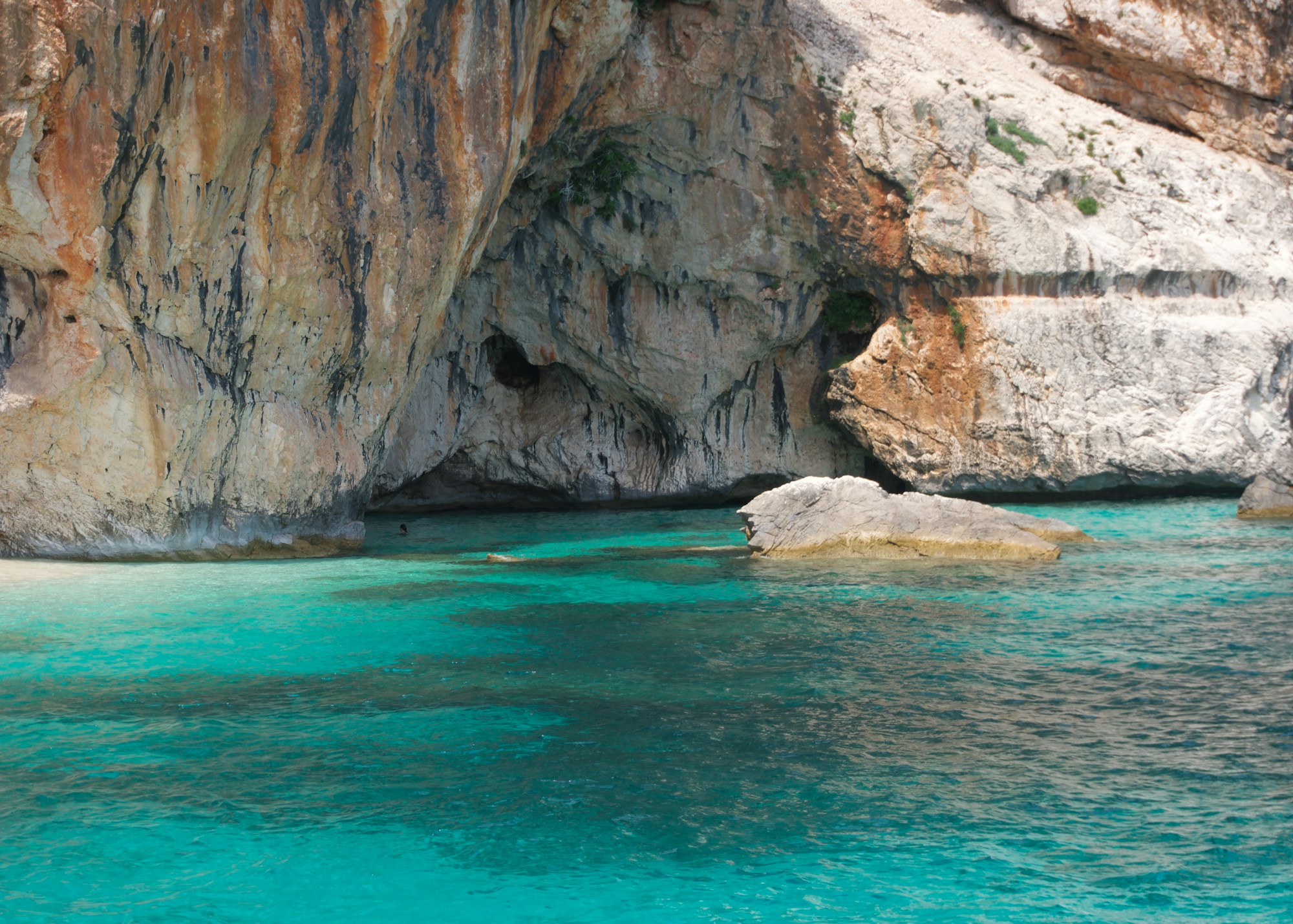
Cala Sa Figu, Capo Ferrato — South-East Sardinia
The best-kept secret of the Sardinian south-east coast. Framed by limestone walls and wild Mediterranean vegetation, Cala Sa Figu blends smooth pebbles and fine sand in perfect harmony. The water is of absolute clarity, revealing rocky seabeds and their cavities. The total absence of infrastructure — no sun loungers, no bar, no running water — guarantees a solitude that developed beaches cannot replicate. Access is on foot only, which naturally filters visitors. In June, it is common to have the beach entirely to yourself for hours at a time.
What makes it unique
- Access on foot only — a natural guarantee of solitude
- Underwater rock cavities ideal for snorkelling
- No infrastructure whatsoever — bring everything you need
- Villasimius (30 km) as a base for accommodation and supplies
4. Maratea — Basilicata, Southern Italy
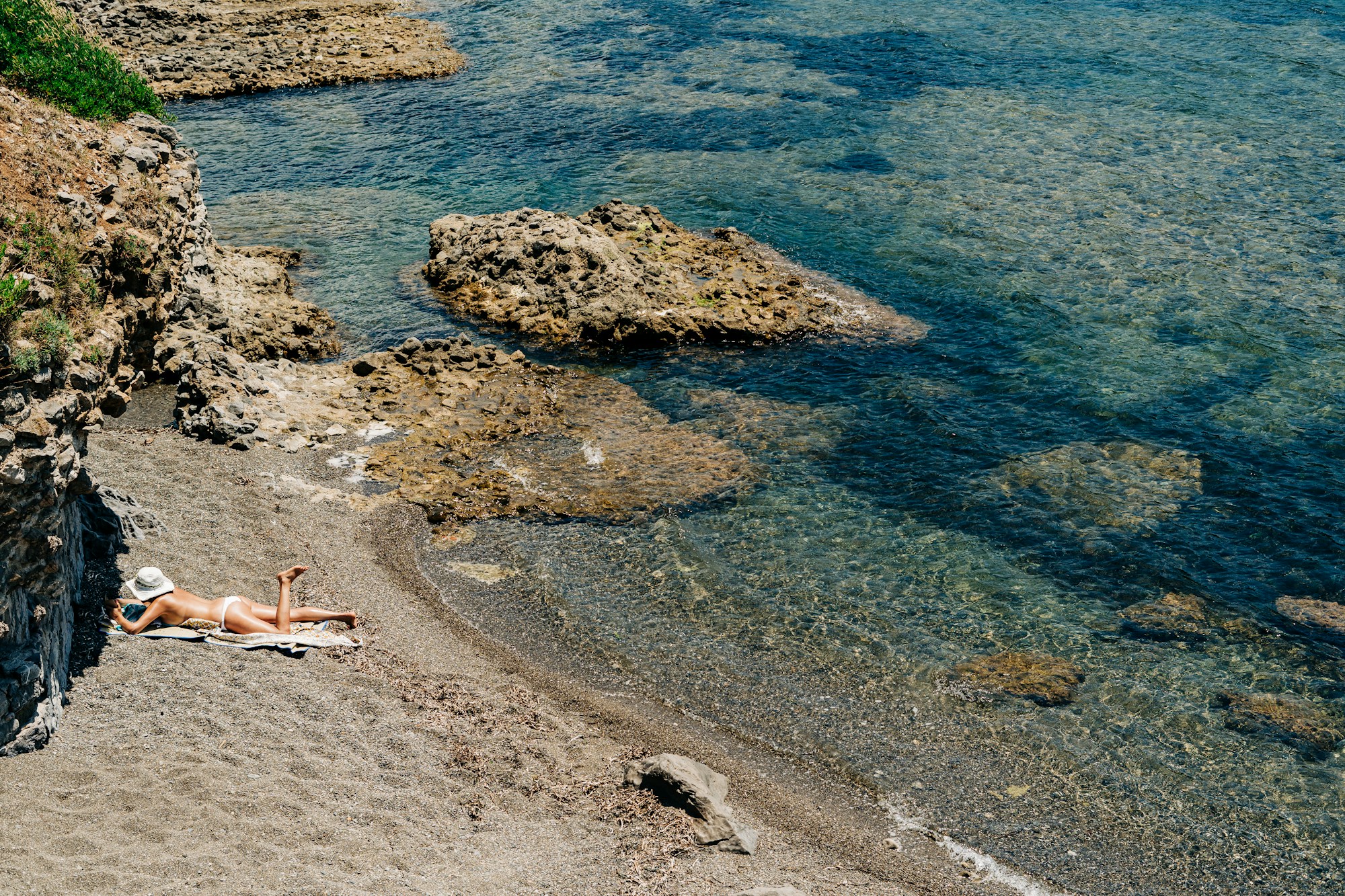
Maratea, Basilicata — Tyrrhenian Sea, Italy
The little-known sister of the Amalfi Coast. Maratea stretches along 32 km of dramatic coastline in Basilicata, a region that international tourists pass through without ever stopping. That is precisely why this « Pearl of the Tyrrhenian » has remained intact. Its pebble coves nestle against limestone cliffs, and a 21-metre statue of Christ overlooking the sea adds a uniquely spiritual dimension. Unlike Amalfi and Positano, Maratea has never been subjected to property development pressure — its coves are accessible only by kayak or along steep hiking trails.
What makes it unique
- 32 km of coastline — no direct flights from major European hubs
- Grotta delle Meraviglie — sea cave accessible by kayak
- Historic hilltop village at 300 m — exceptional panorama
- An authentic alternative to Amalfi, without the crowds or the prices
5. Fteri Beach — Kefalonia, Greece
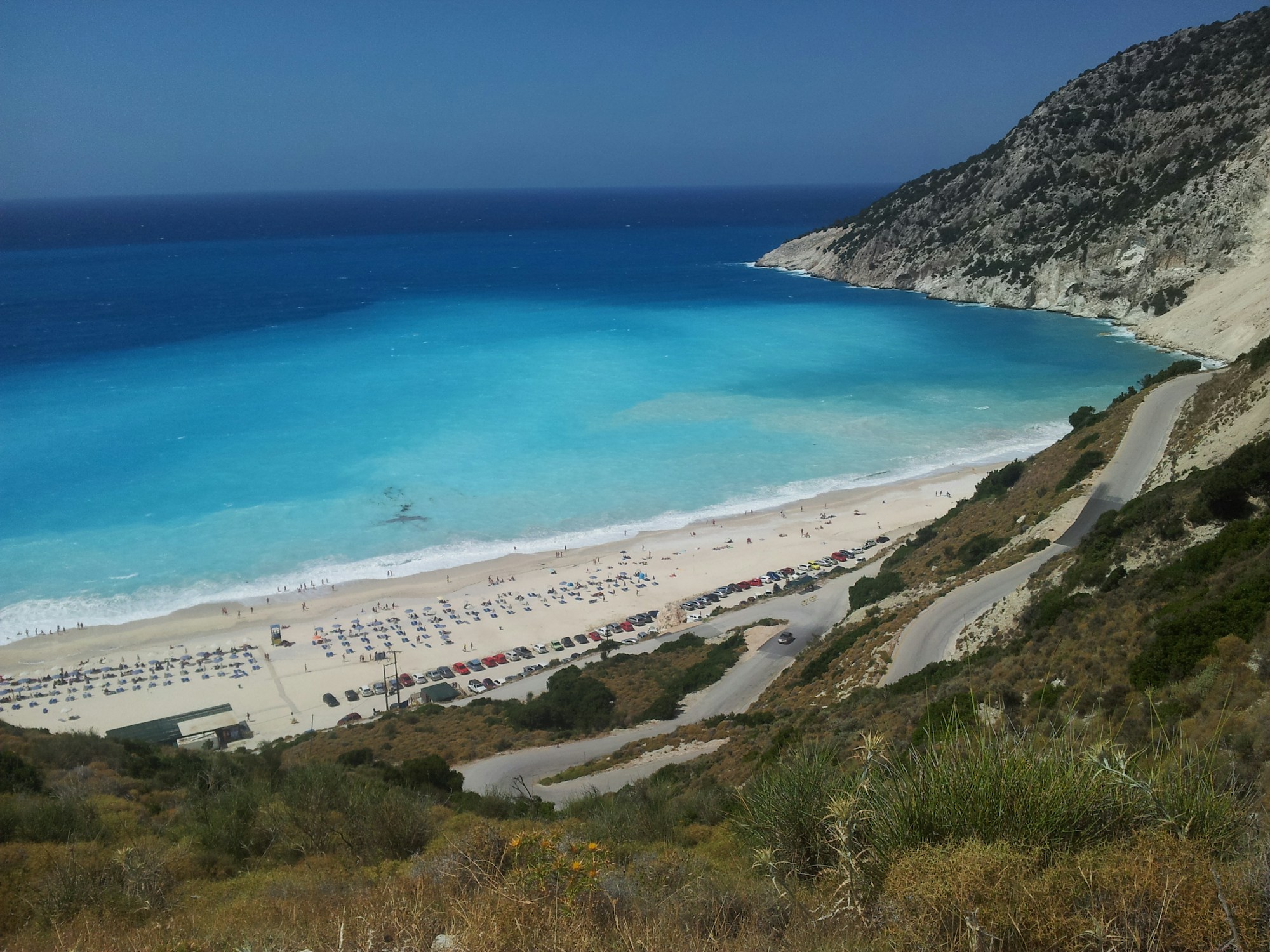
Fteri Beach, Paliki Peninsula — Kefalonia, Greece
Chalk-white cliffs, cyan waters, and no crowds — welcome to Fteri, arguably the most beautiful beach in Greece that few travellers have ever heard of. Nestled on the Paliki peninsula of Kefalonia, it is inaccessible by road, which keeps it in a bubble of absolute tranquillity. The panoramic hiking trail (marked with green paint on the rocks) climbs, descends, and rewards. An alternative: the water taxi from the village of Zola. Kefalonia offers the same waters as Santorini at 30% of the cost — a gem still overlooked by mass tourism.
What makes it unique
- Inaccessible by car — boat or panoramic hike only
- White limestone cliffs framing water of an unreal blue
- Kefalonia: Greek beauty comparable to Santorini, 30% cheaper
- No beach facilities — absolute peace guaranteed
6. Kythira — The Island of Aphrodite, Greece
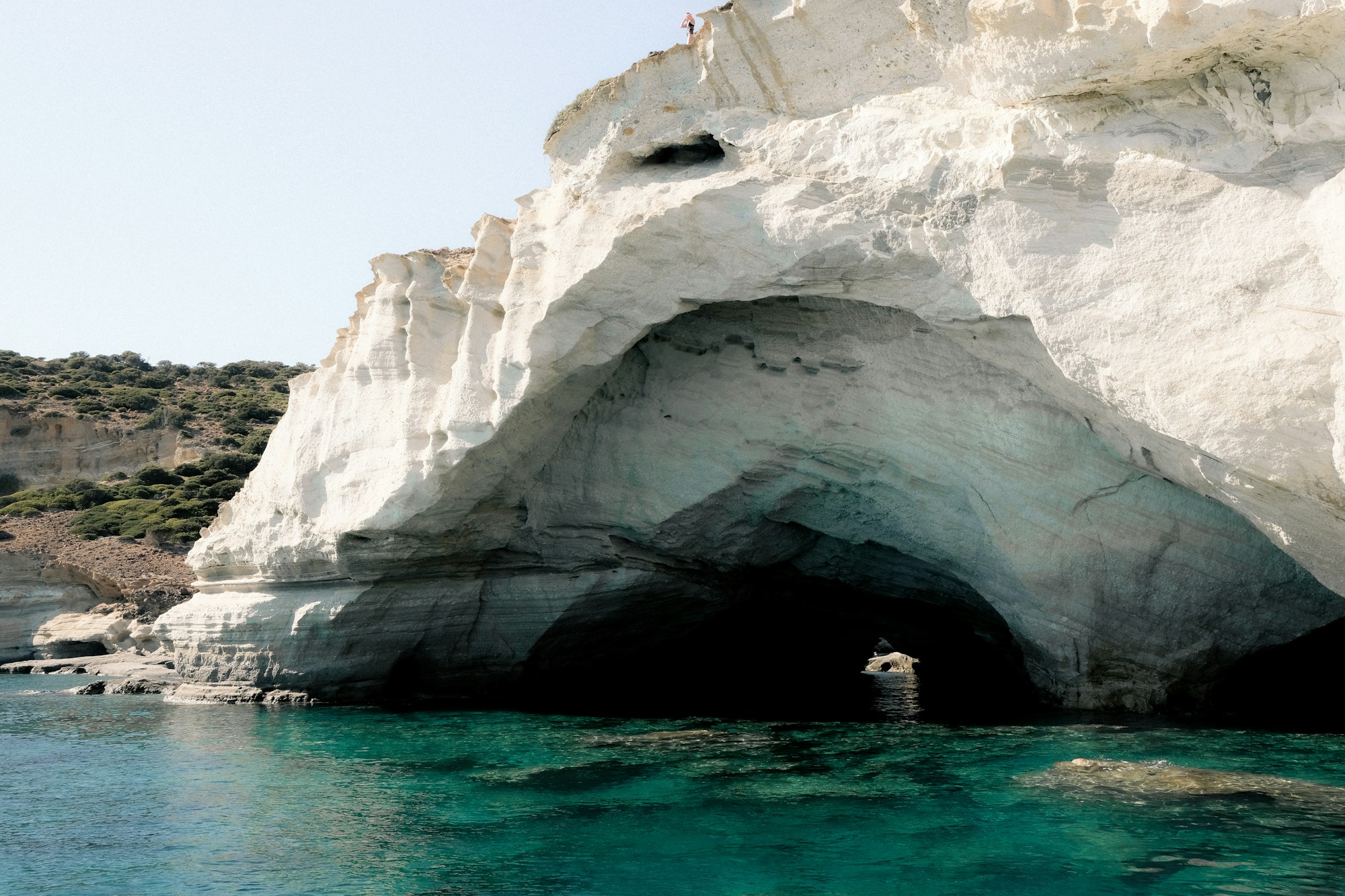
Kythira — Between the Ionian and the Mediterranean, Greece
Aphrodite, the goddess of love, was said to have been born here according to Greek legend — and something in the air of Kythira seems to confirm this mythology. Wedged between the Ionian and Aegean seas, this island receives so few tourists that you can still have an entire beach to yourself in the middle of July. Its gems — Fyri Ammos, Kaladi, and Limionas — appear on no official brochure. Waterfalls, castles, tavernas where the owner offers you a digestif — Kythira embodies the Greece that social media has not yet spoiled.
What makes it unique
- Beaches of Fyri Ammos, Kaladi, and Limionas — with no infrastructure whatsoever
- Mythical island of Aphrodite — a timeless atmosphere
- Thyme honey and aubergine stew — cuisine found nowhere else
- Fewer than 50,000 tourists per year — versus 8 million on Santorini
7. Fokos Beach — Wild Mykonos, Greece
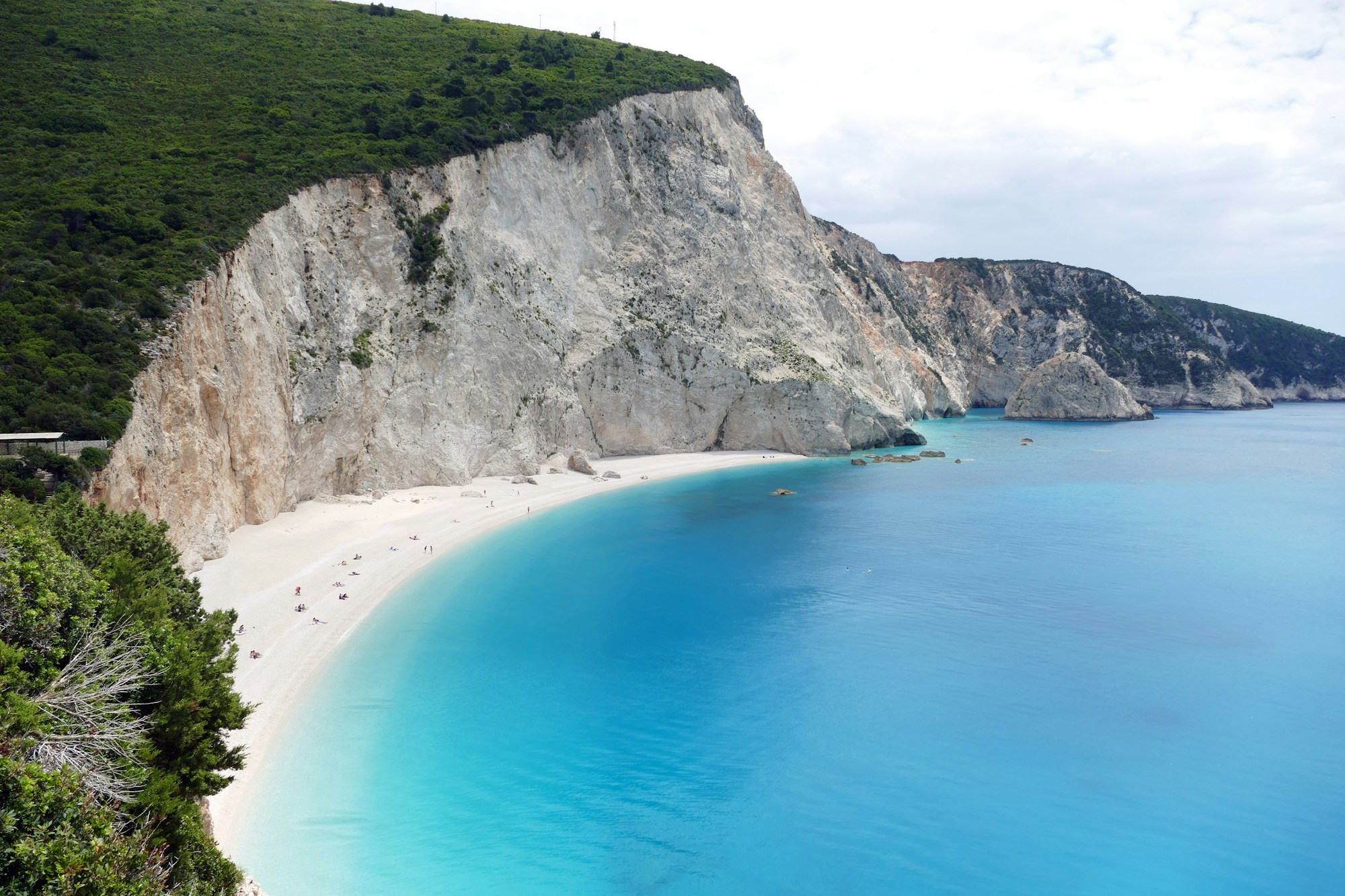
Fokos Beach, North Coast — Mykonos, Greece
Mykonos and silence — two words that are never associated. And yet, Fokos Beach proves that even on Greece’s most festive island, a wild cove can offer you an absolute silence worthy of the Cyclades in the 1970s. Nestled in the virtually deserted north of the island, accessible only via a bumpy dirt track, it deters 95% of party-goers on scooters. The contrast is striking: while the southern half of the island throbs to electronic music, Fokos offers nothing but the sound of waves on pebbles. An almost surreal experience.
What makes it unique
- Absolute silence on Greece’s noisiest island — a total paradox
- Dirt track as a natural filter — no tourist bus can reach it
- No services on site — bring your own picnic
- Views of the islands of Tinos and Syros on clear days
8. Gjipe Beach — Albanian Riviera, Albania
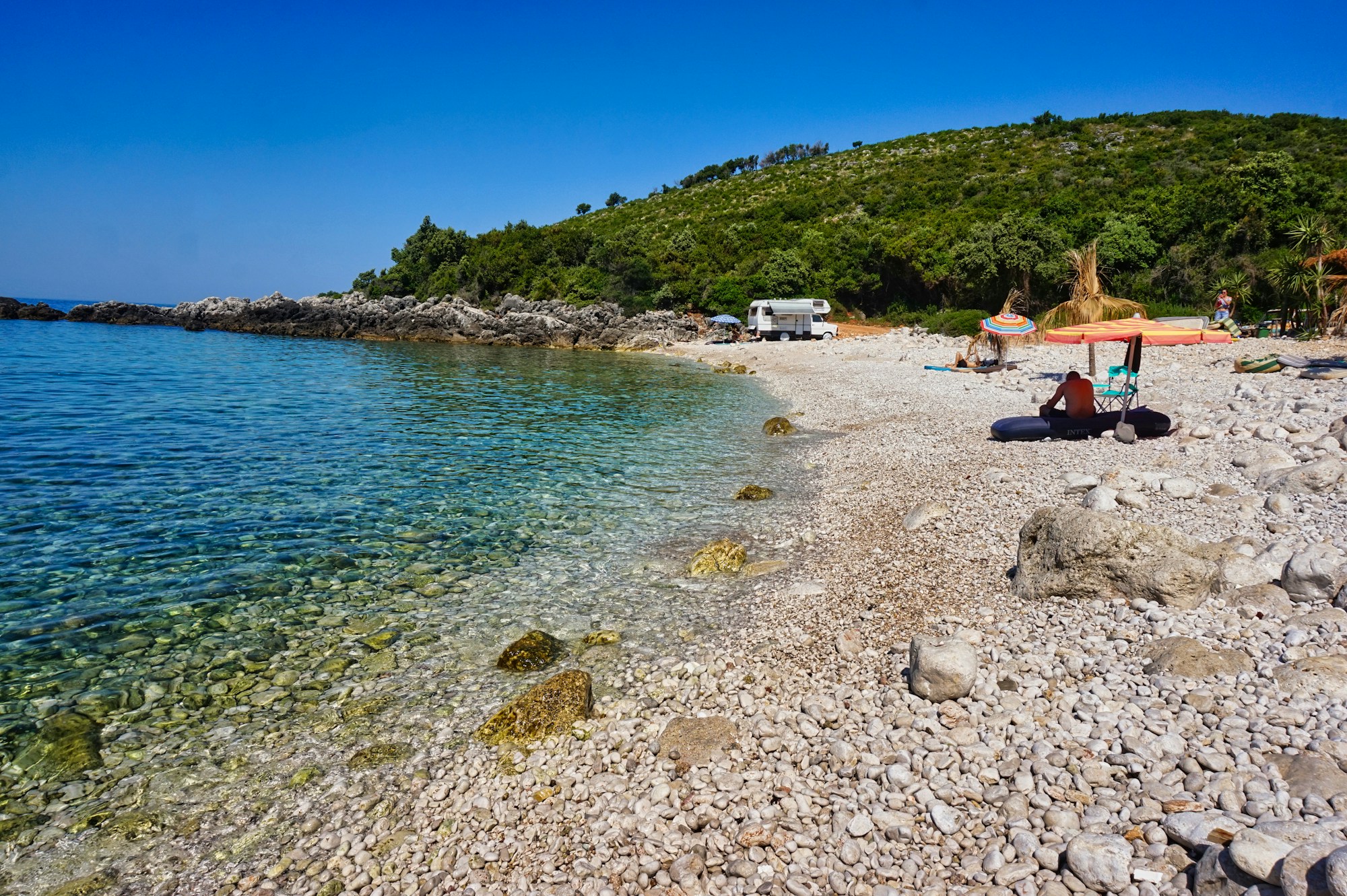
Gjipe Beach, Dhërmi — Albanian Riviera, Albania
Albania has been Europe’s best-kept beach secret for a decade — and Gjipe is its absolute jewel. Framed by sheer cliffs, this pristine cove is accessible only by boat from Himarë or via a short walk from the village of Dhërmi (20–30 minutes). No sun loungers, no bar, no services. Just towering cliffs, a sea of an unreal blue, and the feeling of having discovered something the rest of the world does not yet know about. Searches for « Albania beach » have jumped 430% since 2024 — let us take advantage while we still can.
What makes it unique
- Completely pristine beach — no sun loungers, no bar, no running water
- Sheer cliffs on three sides — absolute privacy
- Accessible by kayak from Himarë — a spectacular coastal crossing
- Grilled sea bream for €10–12 in Dhërmi’s tavernas
9. Mirror Beach — Ksamil, the « Maldives of Europe »
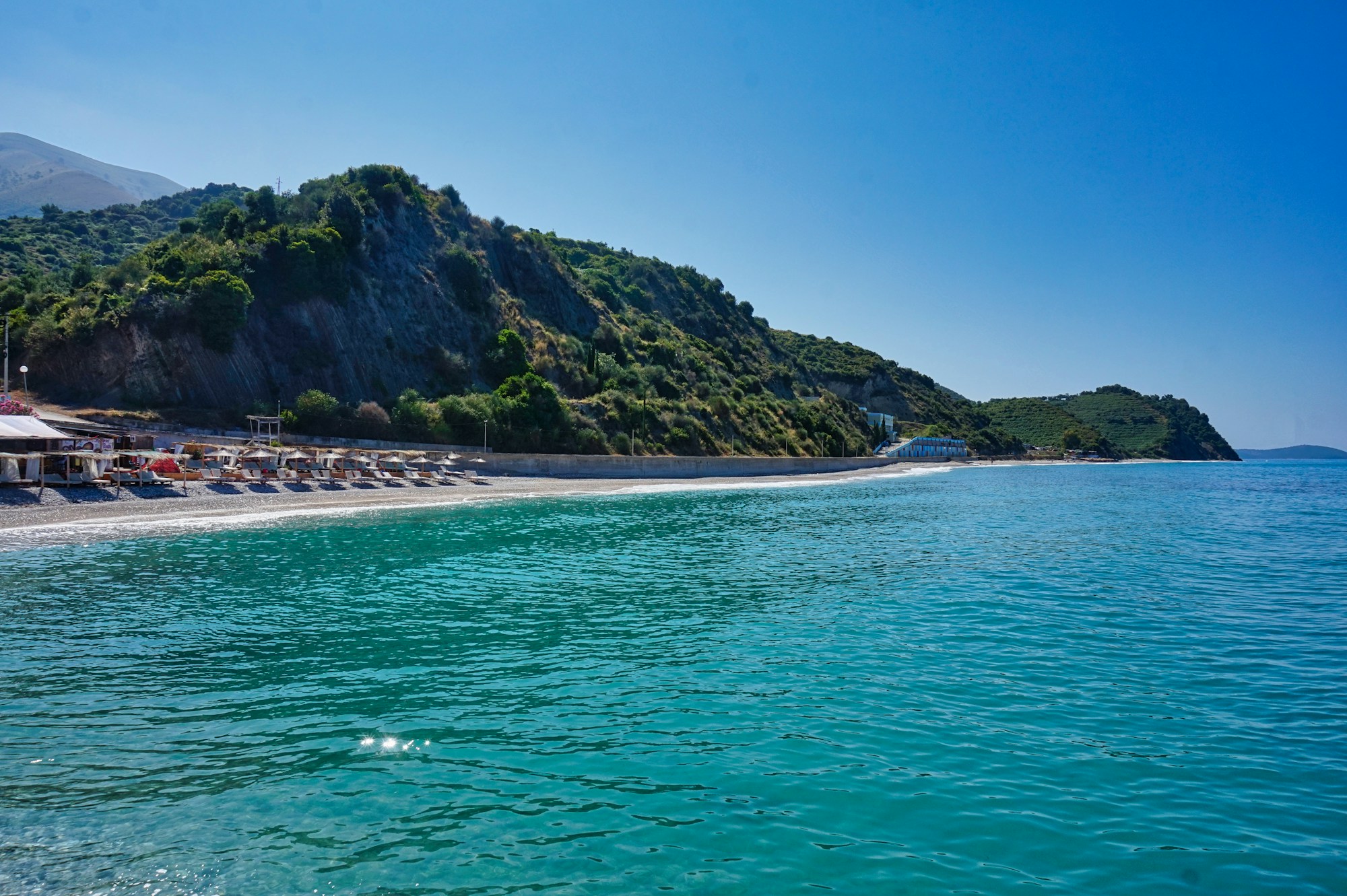
Mirror Beach (Plazhi Pasqyra), Ksamil — Southern Albania
Mirror Beach — « Plazhi Pasqyra » — owes its name to the way light reflects off water of a staggering purity. According to National Geographic, even during the summer months you will struggle to find many people here. Ksamil, the nearest village, has been dubbed « the Maldives of Europe » — and it is not an overstatement. Here, pints cost €1.50, fresh seafood costs under €10, and a two-bedroom sea-view apartment costs under €35 per night. It is Europe at emerging-market prices with developed-world beauty.
What makes it unique
- Total budget for an extended weekend: around €400–600 all-inclusive
- Four uninhabited islets accessible by kayak or SUP
- Water clarity comparable to the Maldives — 3 hours from major European cities
- Book early — Albania is surging in popularity since 2025
10. Pasjača Beach — Konavle, Southern Dalmatia, Croatia
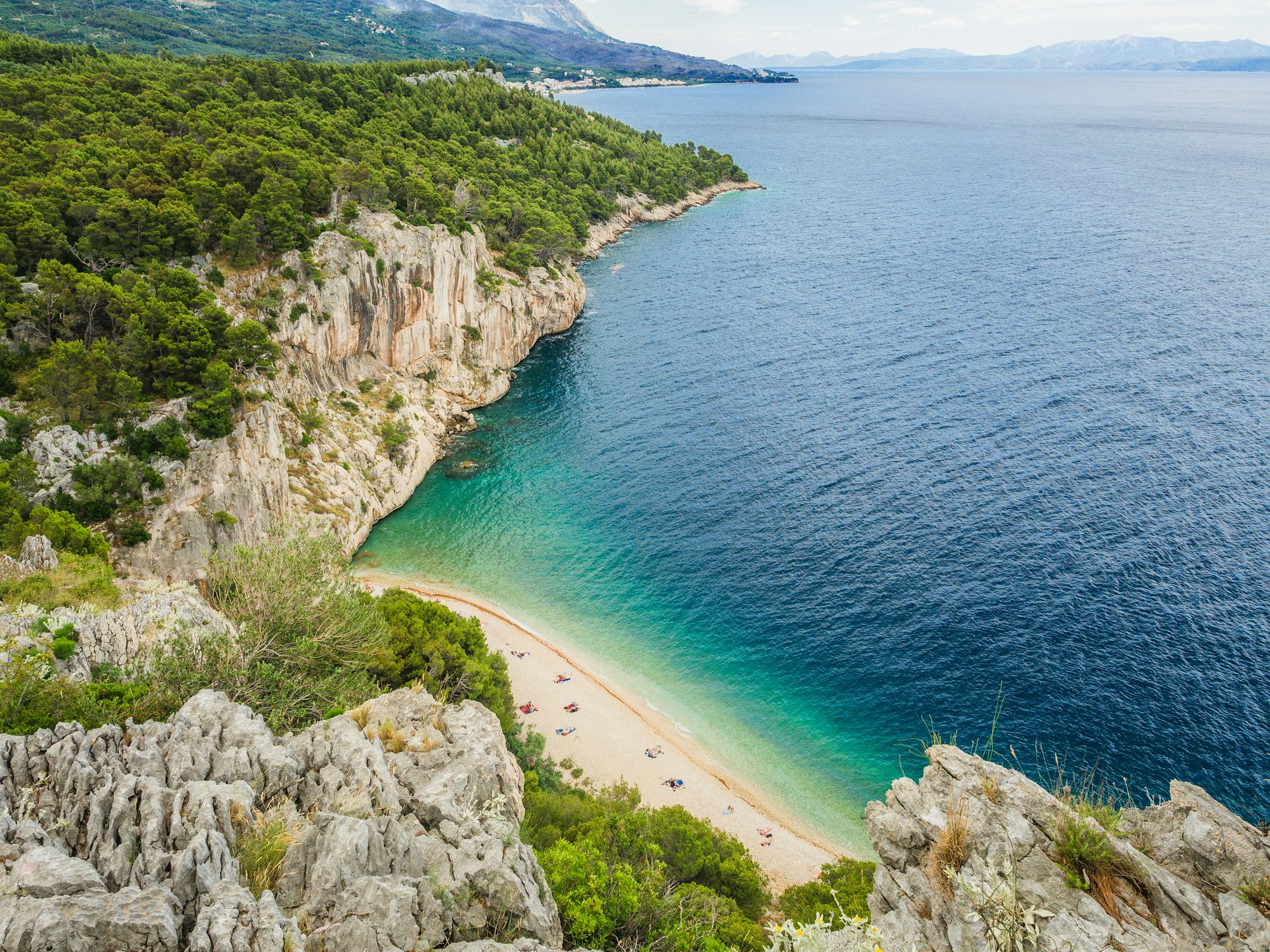
Pasjača Beach, Popovići — Konavle, Croatia
Forbes declared it without equivocation: Pasjača is the most beautiful hidden beach in Europe. Nestled 30 km south of Dubrovnik in the southern municipality of Konavle, this 80-metre strip of golden sand lies at the foot of 60-metre cliffs. To reach it, you must drive to Popovići, follow the sparse signposts along a narrow village road, then take a path that passes partly through tunnels carved into the rock. The reward: total privacy in a setting of cliffs, with no sun loungers, no bars, and none of the chaos of Dubrovnik waiting 30 minutes away.
What makes it unique
- Crowned « most beautiful hidden beach in Europe » by Forbes
- 60-metre cliffs on three sides — absolute privacy
- Tunnels carved into the rock on the access path — a unique experience
- Accommodation in Cavtat (12 km) for €60–120/night
11. Sveti Jakov — 1 km from Dubrovnik, Croatia
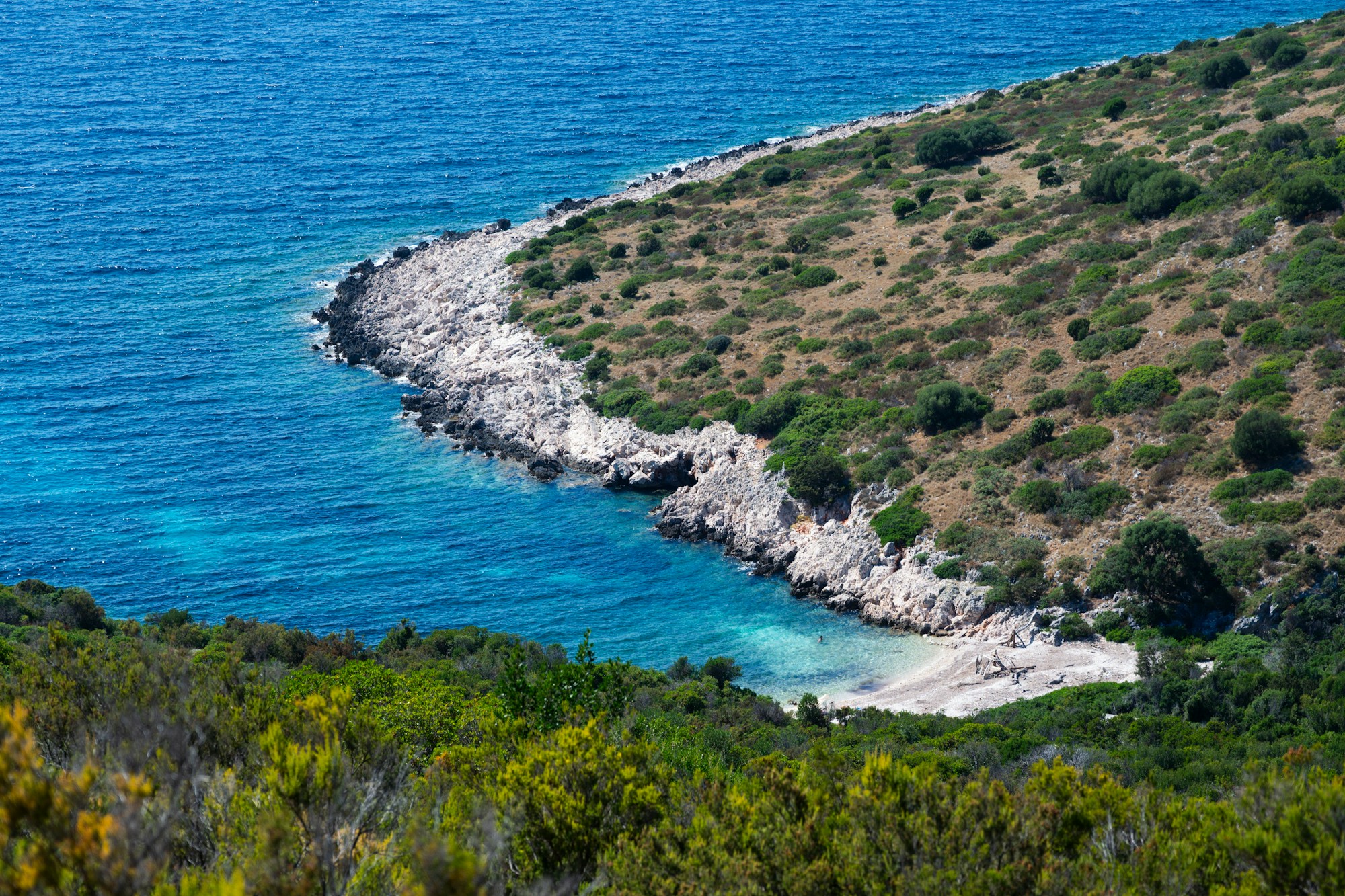
Sveti Jakov, Dubrovnik — Dalmatia, Croatia
The least-known beach within walking distance of one of the most visited cities in the world — it is perhaps the best « minimum effort / maximum reward » ratio in Europe. Sveti Jakov is just 1 km from Dubrovnik, but the steep staircase leading down to it deters virtually all tourists in sandals. The result: while 12,000 cruise ship passengers crowd the city walls, you sunbathe almost alone on a pebble beach with views over the island of Lokrum. A small local restaurant at the bottom of the steps serves grilled fish at reasonable prices — a rare luxury in this area.
What makes it unique
- 1 km from Dubrovnik’s city walls, yet almost always deserted
- Panoramic views over the island of Lokrum
- Small fish restaurant on the beach — reasonable local prices
- Bus access from the Old Town (line 5) or a 15-min walk
12. Playa de Gulpiyuri — The World’s Smallest Beach, Asturias
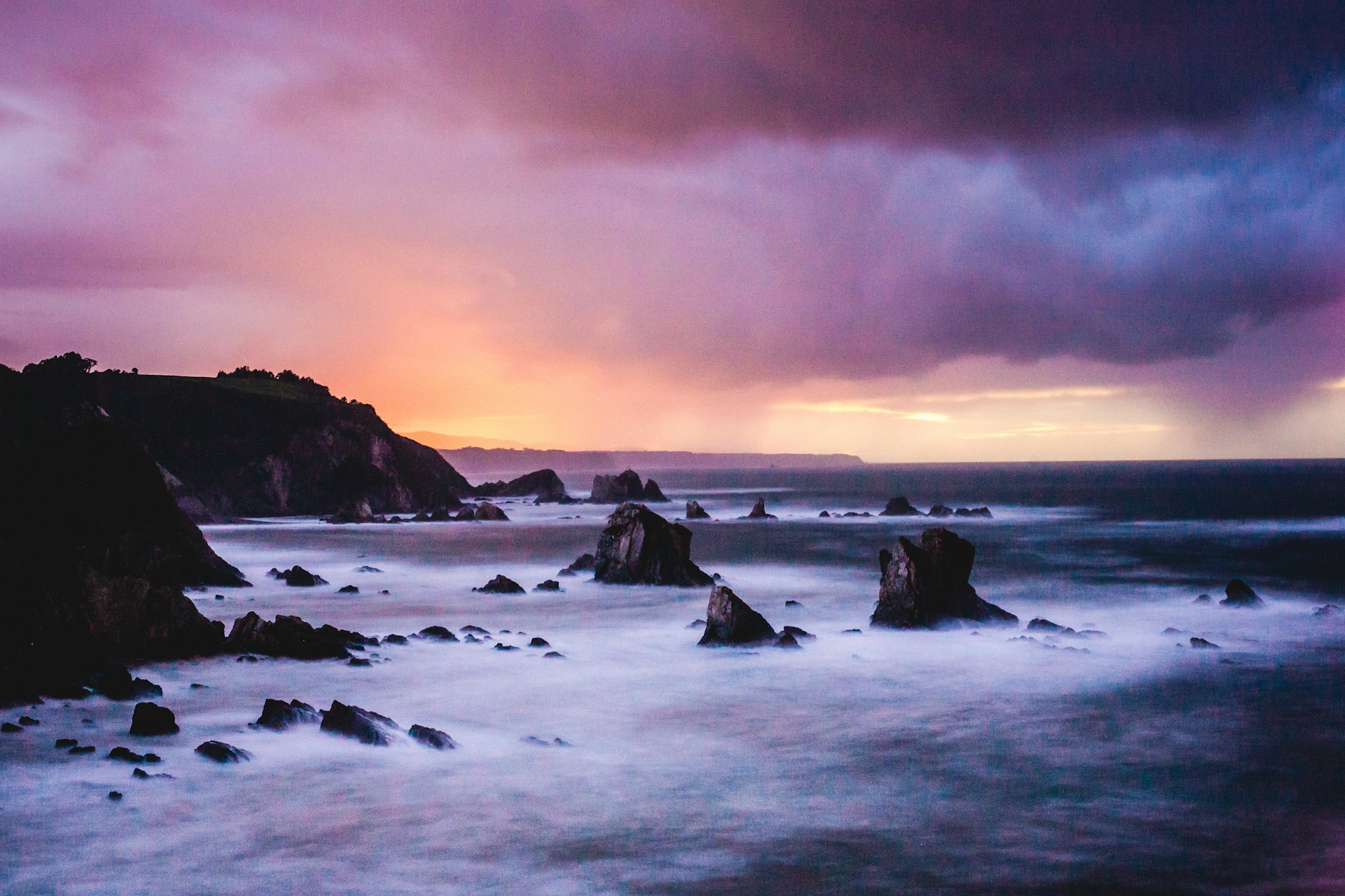
Playa de Gulpiyuri, Llanes — Asturias, Spain
A beach inland, 100 metres from the sea — this is not a map error. Playa de Gulpiyuri is officially the world’s smallest beach (40 metres long) and its existence defies logic. Formed by the collapse of a limestone cave, it is fed by the Cantabrian Sea via underground tunnels — creating real waves in this landlocked paradise surrounded by green meadows. Listed as a Natural Monument by the Asturias region, it proves that geology can produce wonders as unexpected as Stonehenge or Iceland’s geysers. A must-see curiosity when passing through Spain’s green north.
What makes it unique
- World’s smallest beach — 40 metres of sand surrounded by meadows
- Unique geological phenomenon: an inland beach fed by marine tunnels
- Listed as a Natural Monument — protected and free to visit
- High tide essential — check the tide tables before you go
13. Playa del Moraig — Costa Blanca, Spain
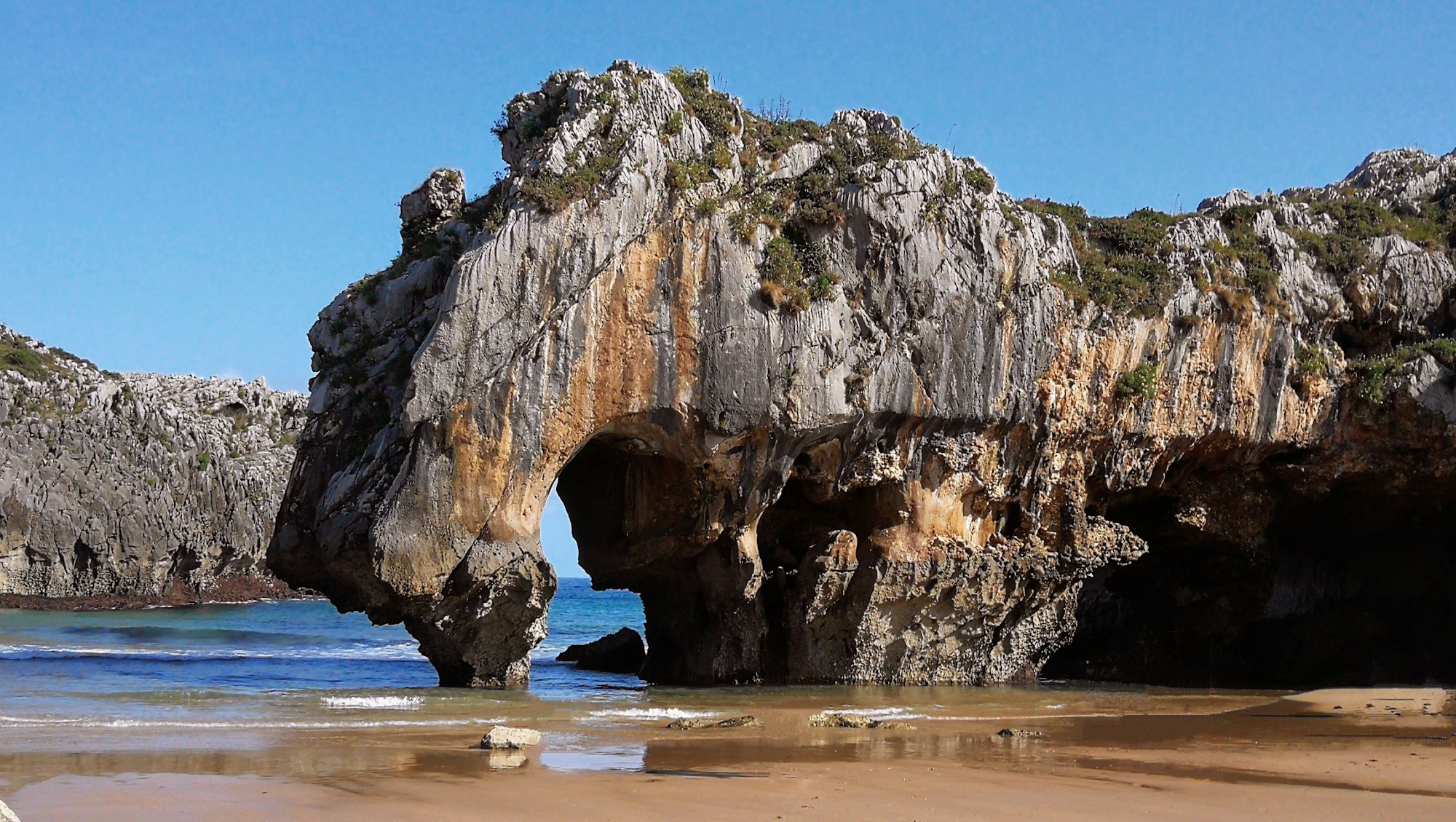
Playa del Moraig, Benitatxell — Costa Blanca, Spain
The Costa Blanca has a treasure that its own residents guard jealously. Nestled beneath imposing cliffs, Playa del Moraig offers a spectacular and unspoilt setting, completely overlooked by mainstream guides. Its great distinction: a sea cave accessible by swimming, which cuts through the cliff and emerges into open air — an experience impossible on 99% of European beaches. The site is also world-renowned for scuba diving, with walls dropping to more than 30 metres in crystal-clear visibility.
What makes it unique
- Sea cave accessible by swimming — swim through the cliff face
- Dive walls at 30+ metres — a world-renowned site
- Turquoise waters framed by cliffs — no visible construction
- Javea (10 km) as a base — charming village with all amenities
14. Es Trenc — Majorca’s Caribbean Paradise, Balearic Islands
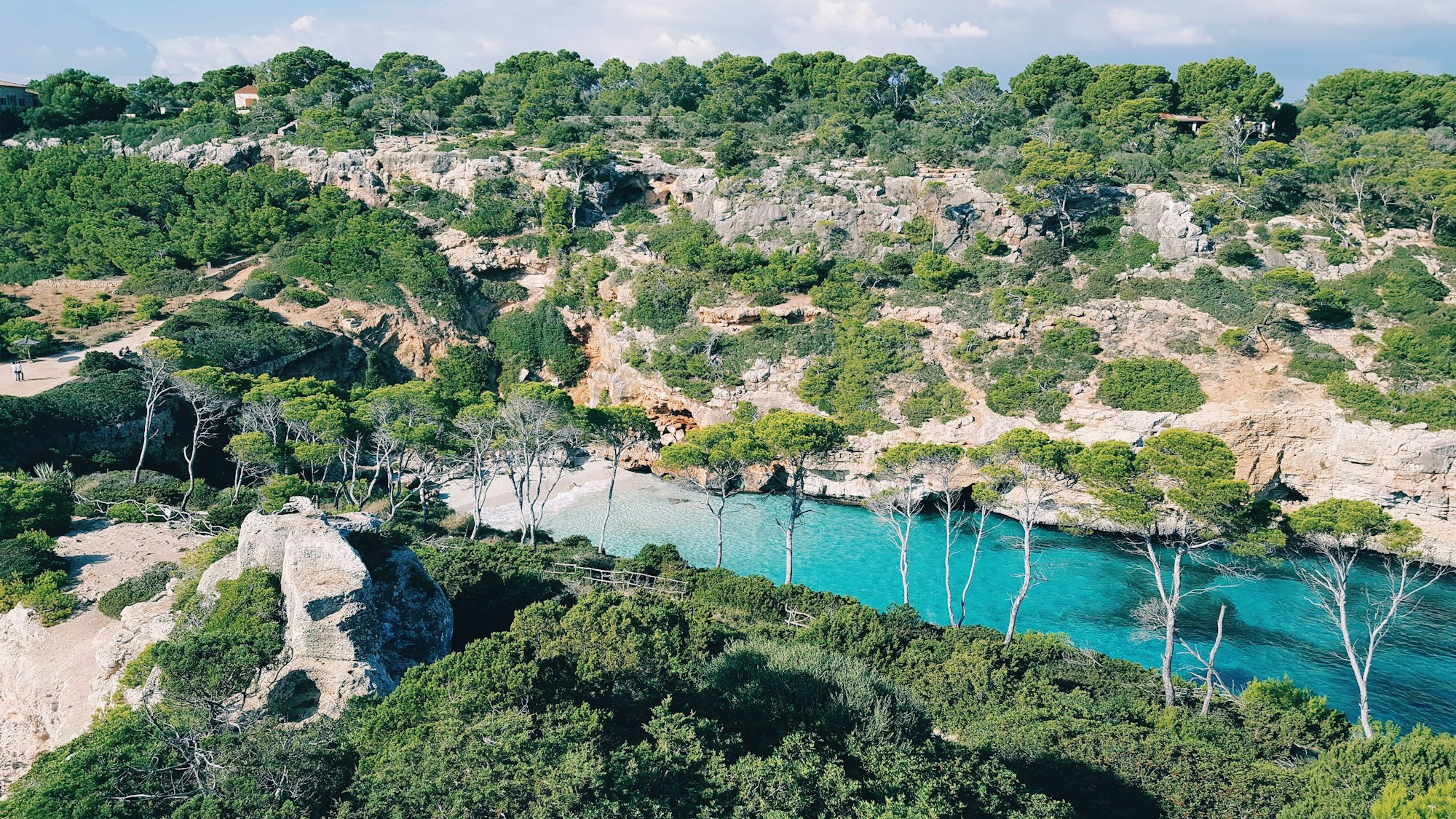
Es Trenc, Campos — Majorca, Balearic Islands
On an island as developed as Majorca, Es Trenc is a precious — and protected — anomaly. Protected by a regulated natural zone, it is one of the last beaches on the island entirely free from construction. Its 4 km of white sand and turquoise water are more reminiscent of the Caribbean than the Mediterranean — a comparison frequently made by travellers who discover the unusual clarity of its water. Zero concrete, zero noisy beach club, zero tour operator on site. Its size means you can easily find a secluded spot even in high season.
What makes it unique
- 4 km of white sand — zero visible construction on the beach
- Protected natural zone — permanent construction prohibited
- Caribbean-clear water in a Mediterranean island setting
- Eastern end (towards Ses Covetes) — the wildest and most isolated section
15. Palombaggia — The Jewel of Southern Corsica
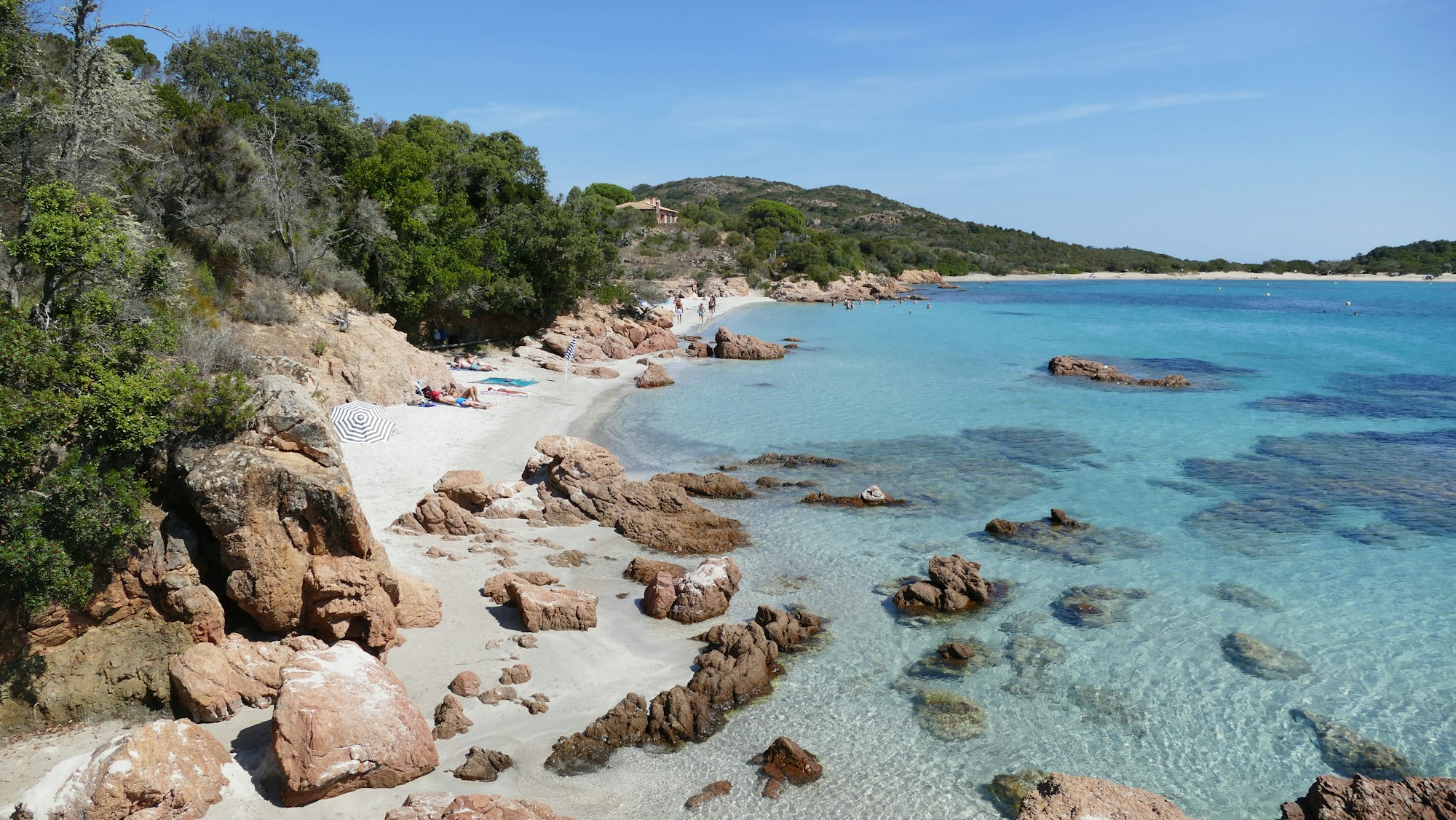
Plage de Palombaggia, Porto-Vecchio — Southern Corsica, France
Corsica can boast a world distinction: Palombaggia features in the 2025 global top 6 of The World’s 50 Best Beaches. Its rose-gold sand, its cerulean-blue water of rare transparency, and above all its fragrant pinewood of umbrella pines bordering directly onto the beach create an extraordinary Mediterranean atmosphere. In May or September, the scene is almost surreal: wooded hills, cicadas, the sea, and very few people. The secret of Palombaggia lies in its season: outside July and August, it regains a tranquillity that its waters more than deserve.
What makes it unique
- World Top 6 2025 — The World’s 50 Best Beaches
- Umbrella pine forest bordering directly onto the sand
- Rose-gold sand unique in the French Mediterranean
- Snorkelling in the rocky fissures — rich marine life
16. Plage Mala — The Riviera Paradox, Between Nice and Monaco
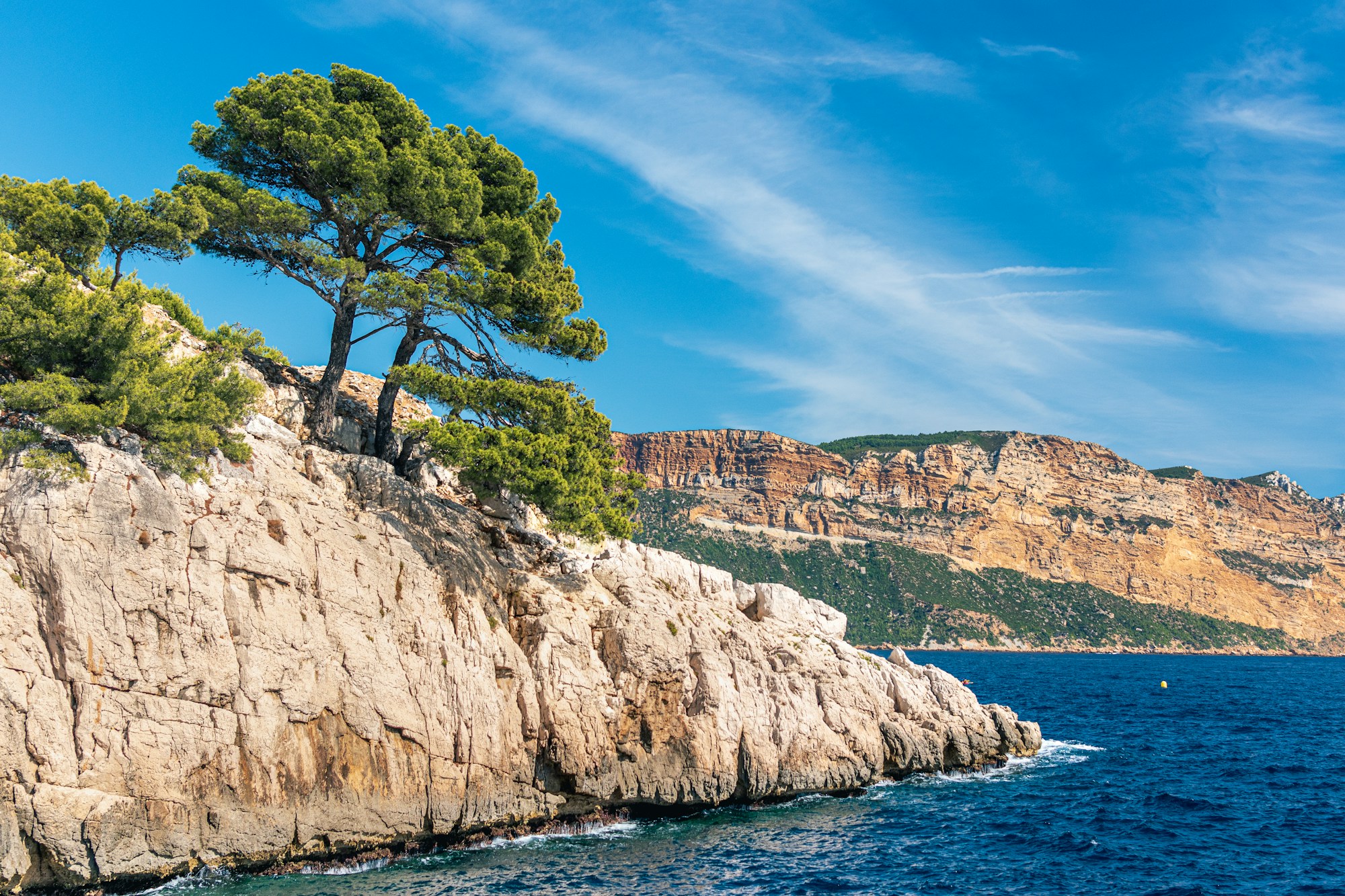
Plage Mala, Cap d’Ail — Alpes-Maritimes, France
The ultimate paradox of the Côte d’Azur: an almost deserted beach just 3 minutes by train from Monaco. Plage Mala, wedged between Belle Époque villas and limestone rocks at Cap d’Ail, offers an escape that 99% of passing tourists never find. Access via the 100 steps of the Allée Mala (from Cap d’Ail station) acts as the perfect natural filter. Below: white sand, turquoise waters, and steep cliffs ideal for cliff jumping. A stone’s throw from Monaco’s jet set, this beach remains in a state of grace that the rest of the Riviera lost long ago.
What makes it unique
- 3 minutes by train from Monaco — almost deserted in all seasons
- Cliffs for jumping — turquoise and deep waters
- Belle Époque villas as a cinematic backdrop
- Cap d’Ail coastal path — a picturesque alternative to the 100 steps
17. Ilha da Barreta — Ria Formosa, Algarve, Portugal
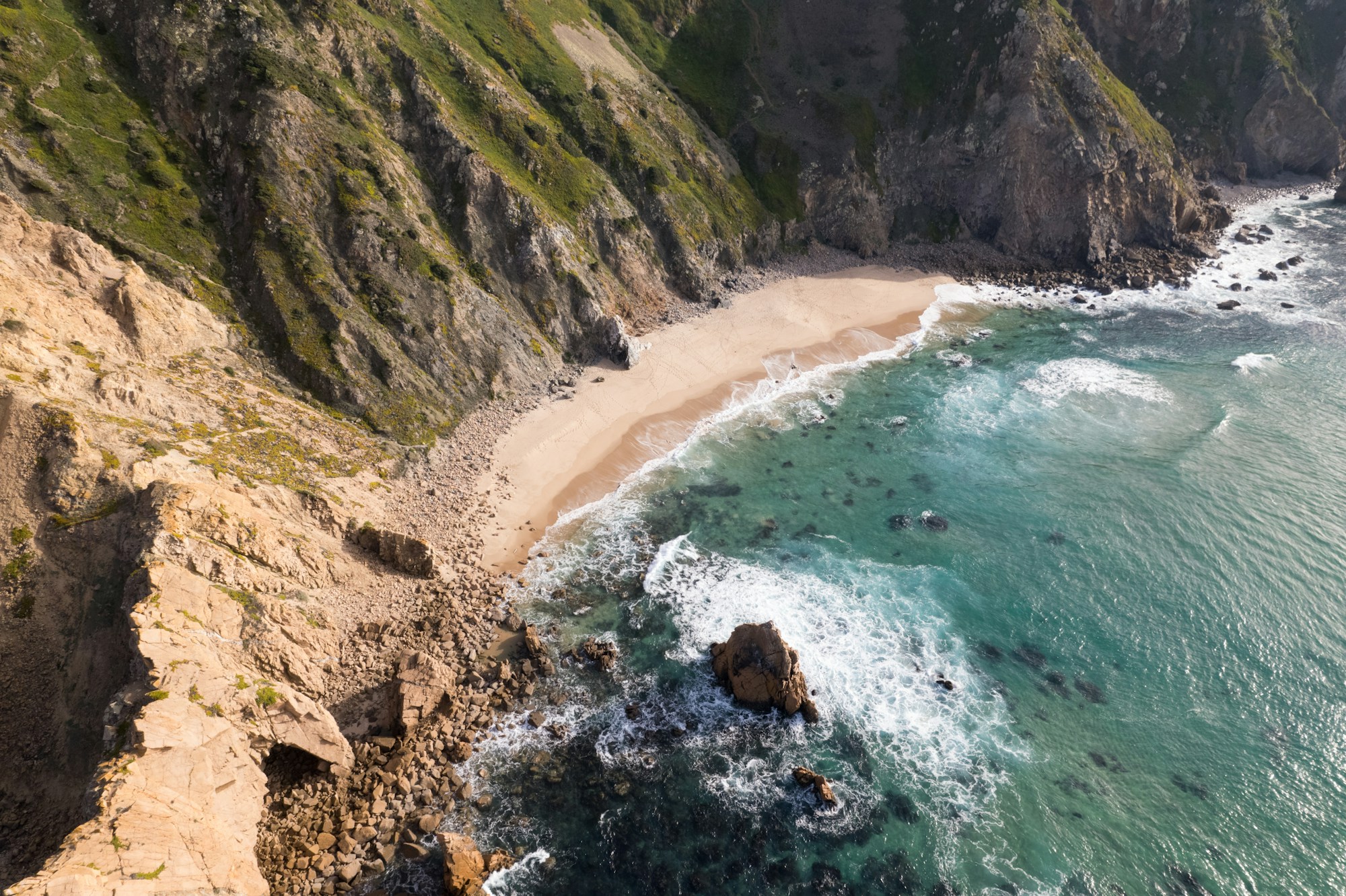
Ilha da Barreta — Ria Formosa Natural Park, Algarve
An island entirely free of permanent construction, 30 minutes by boat from an international airport — Ilha da Barreta is a wonderful anomaly in the Algarve. Located in the Ria Formosa Natural Park, it offers 10 km of sand, peaceful swimming, and birdwatching — including flamingos that add an unexpected tropical touch. The landing beach is the busiest (mainly with Portuguese families); walk 40 minutes westward and you will be entirely alone. The value-for-discovery ratio is exceptional here: a €5–8 ferry from Faro, and a world apart.
What makes it unique
- Zero permanent construction anywhere on the island
- Flamingos visible in the Ria Formosa lagoon
- 10 km of sand — solitude guaranteed by walking 40 min westward
- Ferry from Faro (a city with an international airport) for €5–8
18. Kotor Bay — Montenegro’s Mediterranean Fjord
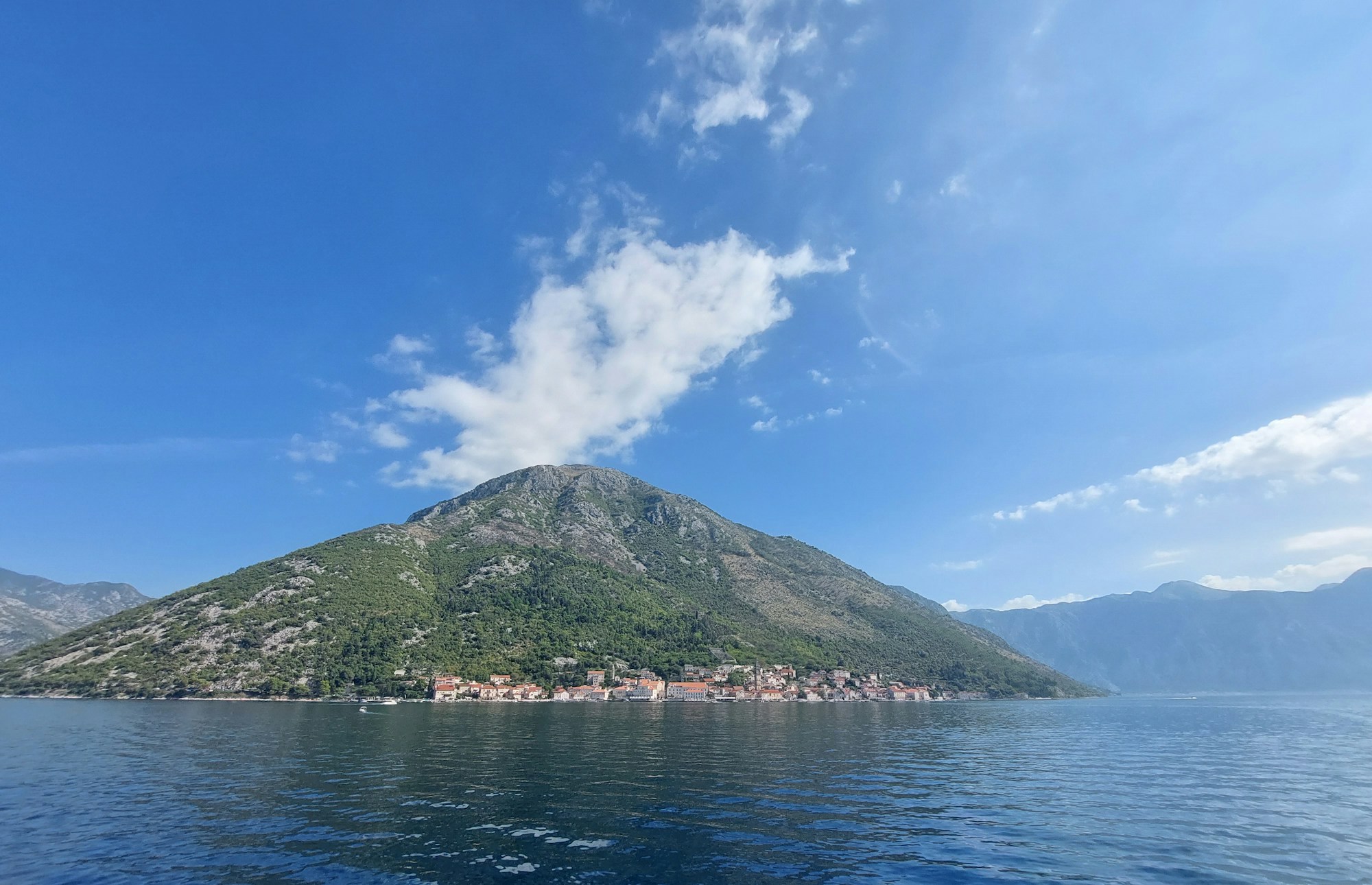
Bay of Kotor — Adriatic Coast, Montenegro
Montenegro is the only country in Europe where it is still possible to rent a sea-view apartment for under €40 per night in high season. Kotor resembles a fusion of Dubrovnik and a Norwegian fjord — with a fraction of the crowds. The Bay of Kotor forms Europe’s only Mediterranean fjord: a grand setting of mountains plunging into a calm sea, dotted with Venetian fortified villages clinging to the cliffs. The hidden beaches around Lake Skadar and in the secondary bays (Morinj, Prčanj, Risan) remain entirely unknown to travel agencies.
What makes it unique
- Europe’s only Mediterranean fjord — an absolutely unique landscape
- Perast — a baroque village with chapel islets, accessible by rowing boat
- Sea-view apartments for under €40/night even in summer
- Intact Venetian architecture — less expensive and less crowded than Dubrovnik
19. Seacliff Beach — East Lothian, Scotland
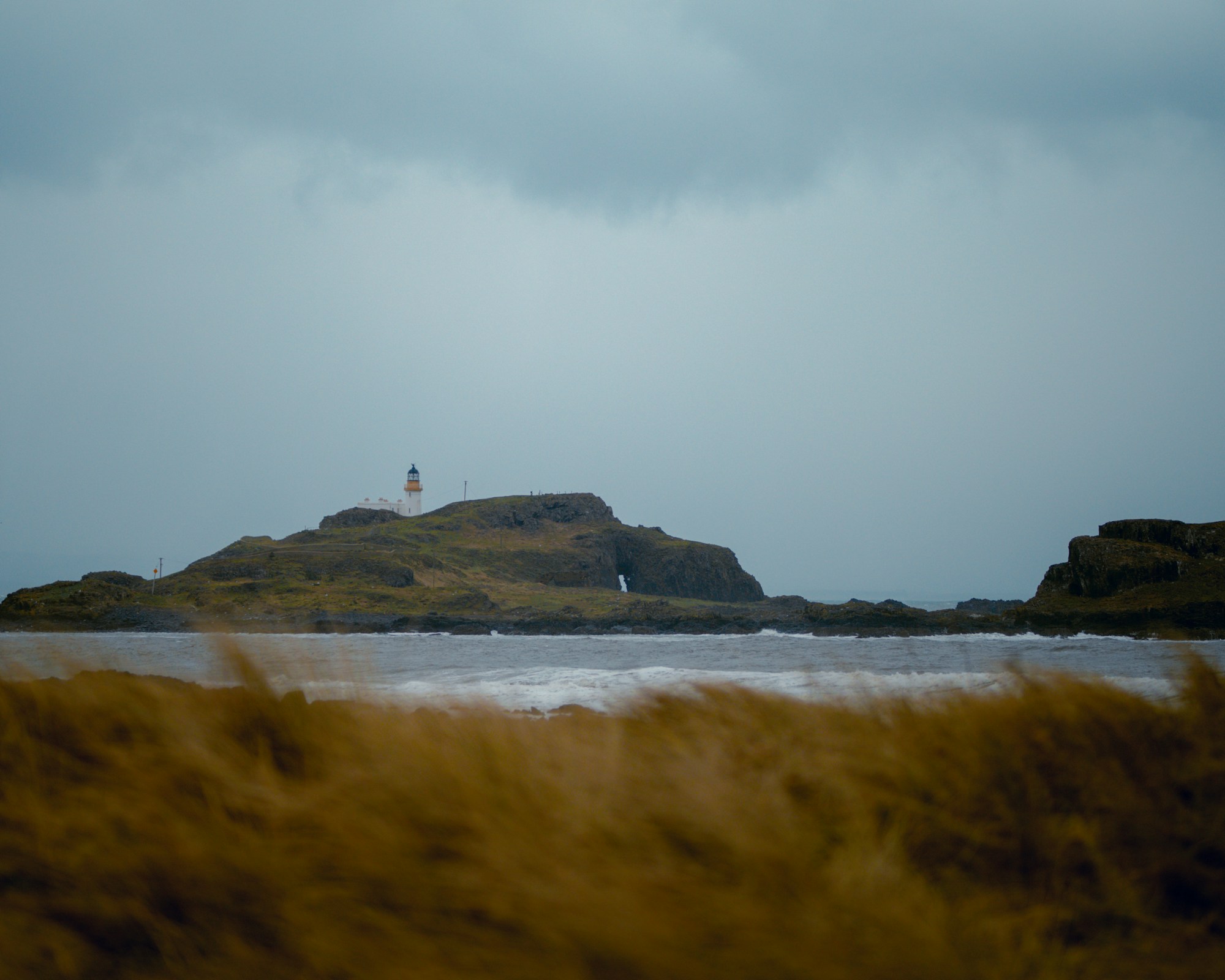
Seacliff Beach, East Lothian — Scotland, United Kingdom
Scotland and the beach — two words rarely paired in the same sentence. That is precisely what makes Seacliff Beach so magical. 45 minutes by car from Edinburgh, it combines golden sand, rocks to explore, abundant wildlife (gannets, terns, common terns), and a cinematic panorama: the ruins of Tantallon Castle (14th century) stand on the cliff, and Bass Rock — a colony of 150,000 northern gannets — rises from the sea. A bonus curiosity: Seacliff is home to the UK’s smallest harbour (12 m long and 2 m wide). An experience a world away from Mediterranean beaches — and just as unforgettable.
What makes it unique
- Tantallon Castle (14th century) on the cliff — a film-set backdrop
- Bass Rock — colony of 150,000 gannets, visible from the beach
- UK’s smallest harbour (12 m × 2 m) — a unique curiosity
- Natural rock pools — snorkelling possible (wetsuit recommended)
20. Haukland Beach — Lofoten Islands, the Arctic Beach That Defies Logic
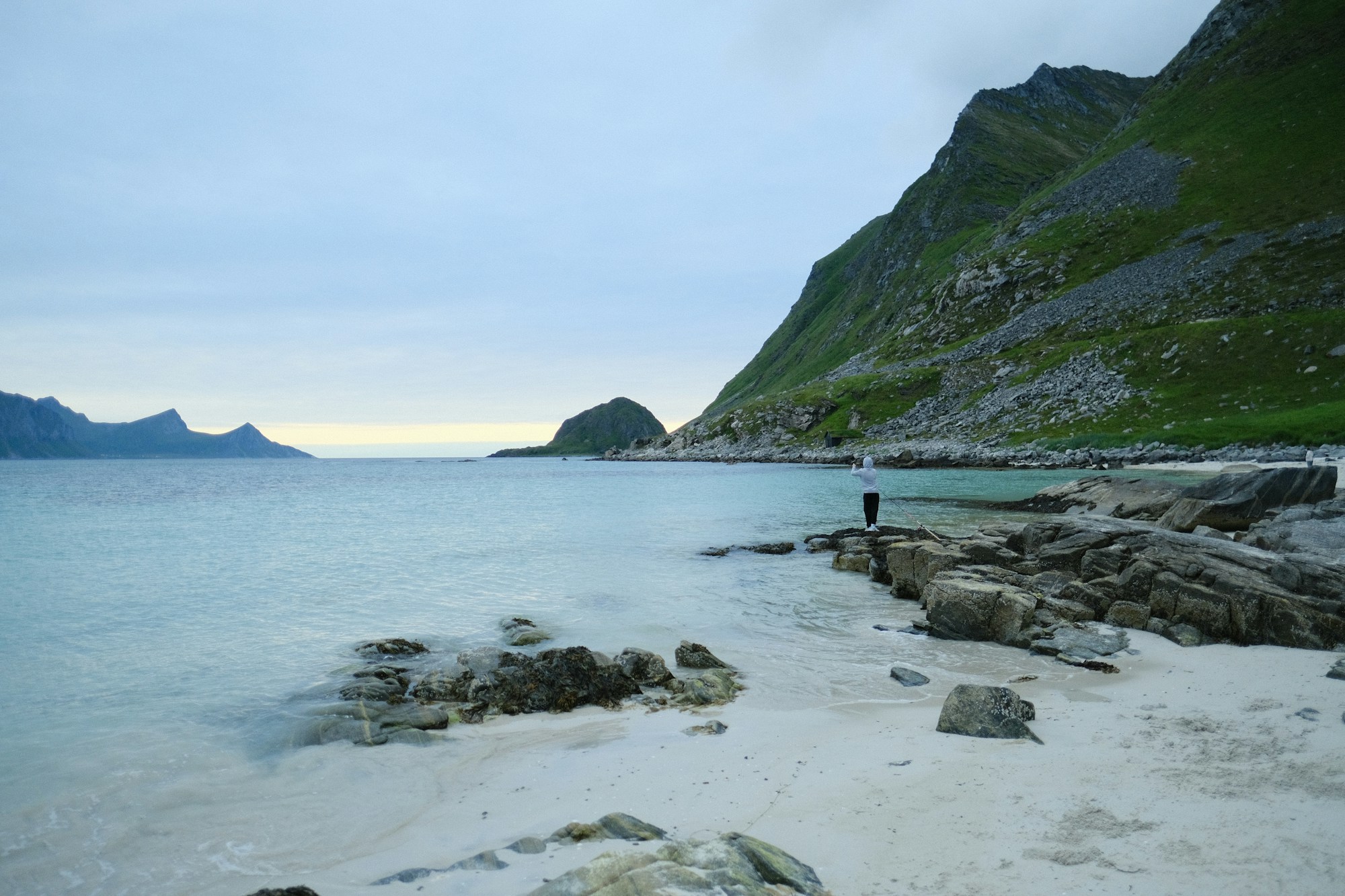
Haukland Beach — Lofoten Islands, Nordland, Norway
Europe’s great geographical anomaly: immaculate white sand, translucent turquoise waters, and 600-metre mountains in the background — all at 68° North latitude. Haukland Beach in the Lofoten Islands looks as though it belongs in a Caribbean brochure yet sits in the Norwegian Arctic. The midnight sun of June and July transforms every evening into a golden hour that never ends. Swimming at midnight beneath a golden sun, surrounded by mountains and turquoise water — it is one of the most extraordinary experiences a European traveller can have without leaving the continent.
What makes it unique
- White sand and turquoise waters at 68° North — the Arctic’s « Caribbean » beach
- Midnight sun in June and July — swimming possible at 11pm under full sunlight
- 600-metre mountains in the background — a permanent postcard landscape
- Rorbuer (fishermen’s cabins) from €80–120/night — unique accommodation
Frequently Asked Questions about Europe’s Secret Beaches
How do you find hidden beaches in Europe without ending up with 500 other people?
The best strategy combines two elements: timing and access effort. Beaches that require a hike, a boat, or an unpaved track naturally filter out 90% of tourists. Even in the age of social media, it is still possible to find isolated spots by visiting outside peak hours or during shoulder seasons. June and September remain the golden months for all these destinations: the sea is warm enough for swimming, visitor numbers are halved, and accommodation prices drop by 30–40% compared with July and August. Source: National Geographic
Which is the cheapest destination among these 20 secret beaches?
Albania (Ksamil, Gjipe, and Mirror Beach) wins the affordability prize by a wide margin. An extended weekend in Ksamil comes to around €400–600 all-inclusive (flights, hotel, meals, activities). It is still possible to eat fresh grilled sea bream for €10–12 on the Albanian Riviera — a luxury unthinkable in Greece or Italy. Montenegro is also exceptional: sea-view apartments for €40/night even in high season. Source: Ksamil Guide 2025
What is the recommended time to visit these beaches in 2026?
All sources agree unanimously: June and September are the golden months for all these destinations. The sea is warm enough for swimming (22–25°C in the Mediterranean), visitor numbers are halved, and accommodation prices fall by 30–40%. July and August remain possible but require arriving early in the morning (before 9am) and avoiding weekends. Exception: the Lofoten Islands (Haukland Beach) and Scotland (Seacliff), where July and August are the only viable months for swimming.
Do you need to book in advance to access these secret beaches?
For some, booking is mandatory: from 2024, Cala Goloritzè (Sardinia) is accessible only via prior booking through the « Heart of Sardinia » app (€7 entrance fee, quota of 250 visitors per day). For the others, access remains free but book accommodation early, especially for Albania (Ksamil fills up quickly) and the Lofoten Islands (rorbuer sell out months in advance). Source: Cala Goloritzè Guide
Which beach is most suitable for families with children?
For families with young children, opt for Palombaggia (Corsica) or Es Trenc (Majorca): shallow waters, easy access, and services nearby. Ksamil (Albania) is also perfectly suited to families, with its calm water and small islets. The hike to Fteri Beach (Kefalonia) or access to Pasjača is not recommended with very young children. Sveti Jakov (Dubrovnik) is excellent for active families: 10 minutes on foot and an almost deserted beach next to the old town. Source: Nomad Kefalonia
What is the most beautiful beach for a couple’s trip or honeymoon?
It is hard not to recommend Cala Goloritzè (Sardinia) or Kythira (Greece). Cala Goloritzè offers incomparable dramatic beauty — limestone cliffs, crystal-clear turquoise water, a 143-metre rock spire — in a serene, untouched paradise atmosphere. For Kythira, the very mythology — the legendary island of Aphrodite — adds an unsurpassable romantic dimension, with its deserted beaches and tavernas where you are always the only tourist. Plage Mala (Cap d’Ail), 3 minutes from Monaco, offers a uniquely Belle Époque charm on the French Riviera.
How can you practise responsible tourism on these preserved beaches?
The golden rule: leave nothing behind and take only memories. In practice: take all your rubbish with you (and any you find), do not anchor on posidonia seagrass beds, do not pick any plants, respect access quotas where they exist (Cala Goloritzè), and avoid posting the exact GPS coordinates of these sites on social media. Travelling outside peak season is also a meaningful gesture: less pressure on local resources and more economic benefit for communities during quieter periods. The secret of their preservation is in your hands.
Will these « secret » beaches remain so in 2026?
An important nuance applies: some destinations are beginning to emerge. Searches for « Albania beach » have jumped 430% since late 2024. However, the preserved character of the majority of these beaches stems from their physical inaccessibility — an hour’s hike, a dirt track, a mandatory boat — which forms a lasting natural filter that social media cannot erase. Cala Goloritzè, Fteri Beach, and Gjipe will remain secret for as long as they cannot be reached by tourist bus. That is precisely their guarantee. Source: Hidden Beach Destinations 2025
Sources
- NLTO.fr — Cala Goloritzè, Sardinia’s hidden treasure
- SardegnaTurismo.it — Spiaggia di Piscinas, official Costa Verde site
- National Geographic — Europe’s best secret beaches
- Nomad Kefalonia — Fteri Beach, Kefalonia: complete guide
- Mytrippl — 6 hidden beach towns in Europe, summer 2025
- Europa.Tips — 10 hidden beach destinations in Europe
- Inspired by Croatia — Pasjača Beach, Konavle
- Total Croatia News — Forbes crowns Pasjača « most beautiful hidden beach in Europe »
- Wikipedia — Playa de Gulpiyuri
- Le Petit Journal Madrid — 15 secret beaches in Spain
- Génération Voyage — 3 secret beaches in Europe 2025
- Ba High Life — 7 secret beaches in Europe
- World Wild Schooling — 12 hidden beaches in Europe
- In-Situ Concept — Ksamil Albania Guide 2025
- Summer Sand — Top 10 secret beaches in Southern Europe
- Carnets de Voyages — World ranking 2025, Cala Goloritzè #1
Information and prices verified in February 2026. Prices and access regulations are subject to change — always consult official sources before your trip.
Ready to Discover Your Secret Beach?
From Sardinia, crowned #1 in the world, to Norwegian fjords bathed in midnight sun, Europe still hides hundreds of kilometres of unspoilt coastline. The key: a little curiosity, a few extra minutes on foot, and the right season. Explore our verified itineraries to plan your off-the-beaten-track beach escape.
Explore all our itineraries