

Active seniors no longer settle for slow coach tours: e-bikes, guided kayaking, and graded hiking trails now make hands-on adventure realistic after 60, provided the pace stays around 4 to 6 hours of walking a day. Budgets range from $320 for the Camino de Santiago’s last 115 km to over $1,900 for a guided Abel Tasman kayaking package, and adventure bookings for the 60–75 age group grew 42% between 2023 and 2025. For a first trip, the Portuguese Way or La Loire à Vélo offer the gentlest start: flat terrain and zero technical sections.
Adventure has no age limit — and in 2026, seniors are proving it better than ever. Kayaking through Norwegian fjords, e-biking across the Gorges du Verdon, walking an ancient pilgrimage trail in Japan: travelers over 60 are now the most dynamic segment in the active tourism market. According to Intrepid Travel, adventure travel bookings by the 60–75 age group surged by 42% between 2023 and 2025, driven by the rise of e-bikes, tailored guided tours, and accommodation that blends comfort with immersion in nature. Forget the coach tour cliché: the baby boomer generation wants to paddle, pedal, and hike — at their own pace, but with no compromise on the intensity of the experience. This guide brings together 10 handpicked adventure destinations for active seniors in 2026, with realistic budgets, honest difficulty ratings, and field-tested practical advice. Your next adventure starts here.
1. Norway — Hiking, Kayaking & Cycling in the Fjords

The Norwegian Fjords — Accessible Nordic Adventure
The Norwegian fjords rank among the most spectacular landscapes on the planet — and they’re surprisingly accessible to senior travelers. According to Fjord Tours, Norway has invested heavily in well-marked hiking trails with varying difficulty levels, from scenic paths suited for casual walkers to ridge routes for experienced hikers. The Sognefjord, Europe’s longest fjord (204 km), and the Geirangerfjord, a UNESCO World Heritage Site, offer guided kayaking tours where no prior experience is needed.
According to Norrøna Adventure, multi-activity programs combining hiking, fjord kayaking, and e-biking have become the preferred format for travelers over 55. Norwegian infrastructure is outstanding: ferries connect villages, mountain lodges (hytte) offer simple yet cozy comfort, and medical services meet European standards. Intrepid Travel offers tours specifically designed for active seniors with an adapted pace — stages of 4 to 6 hours of walking per day with frequent breaks and a support vehicle.
Highlights
- Kayaking in UNESCO-listed fjords — professional guides, no experience required
- Perfectly marked hiking trails with clearly indicated difficulty levels
- E-bikes available on scenic fjord roads
- Extended summer daylight (up to 20 hours) for more flexible activity days
2. Camino de Santiago (Portuguese Way) — The Accessible Pilgrimage
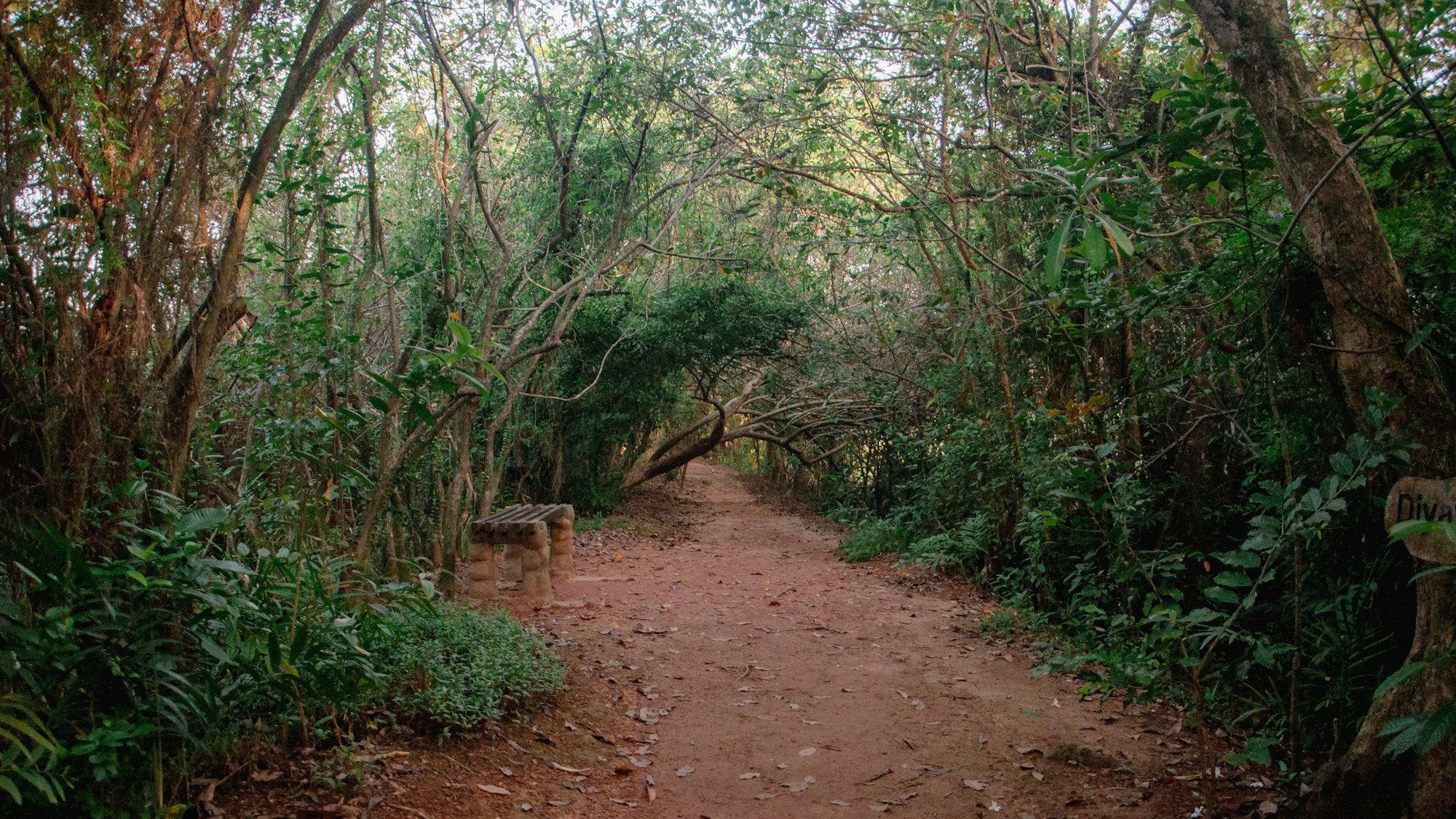
Portuguese Way — Porto → Santiago de Compostela
The Camino de Santiago attracts a growing share of senior walkers every year — and the Portuguese Way is their favorite route. According to Follow the Yellow Shell, 15% of pilgrims are over 60, roughly 28,000 seniors per year, and the number keeps rising. The reason: flat to gently rolling terrain, flawless signage, and a dense, budget-friendly network of albergues (pilgrim hostels).
The most popular option for seniors is walking the last 115 kilometers from Tui (Spanish border) in 5 to 6 days — enough to earn the Compostela, the official pilgrimage certificate. According to Vive Camino, daily stages of 20 to 25 km are perfectly suited to regular walkers, with the option to have your luggage transported from stop to stop for an extra $5–9 per day. Santiago Ways offers « Comfort Camino » packages with rural hotel accommodation instead of dormitories — ideal for travelers seeking more privacy.
Highlights
- Ultra-affordable budget: $320–430 all-inclusive for 5–6 days of walking
- Flat terrain and perfect signage — ideal for a first adventure trip
- Warm, multigenerational pilgrim community
- Luggage transfer available between stops ($5–9/day)
3. Azores (Portugal) — Volcanic Hiking & Pristine Nature
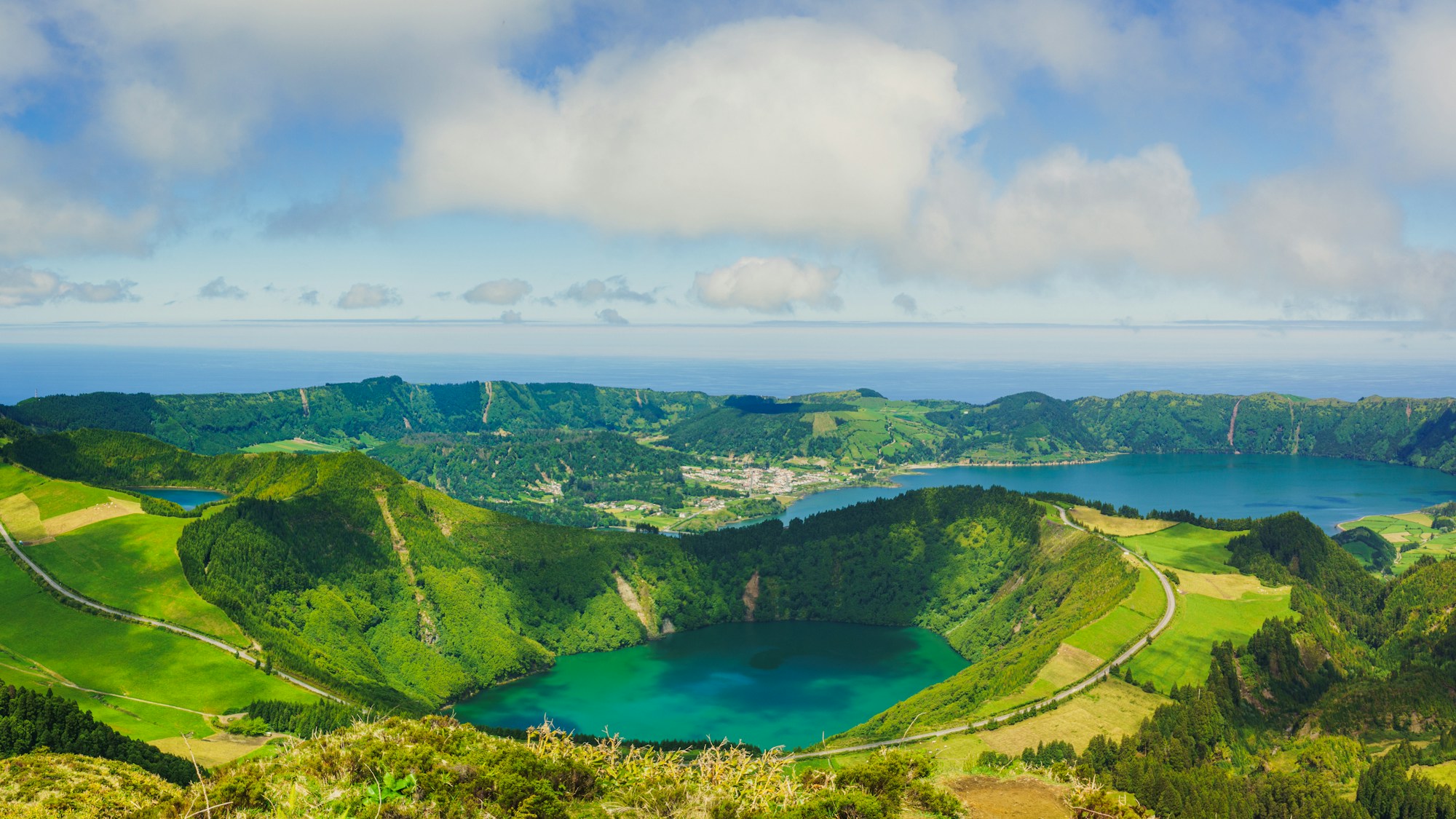
São Miguel & Faial — Volcanoes, Whales & Hot Springs
A volcanic archipelago lost in the middle of the Atlantic, the Azores are one of Europe’s most underrated destinations — and one of the best suited for active seniors. According to Allibert Trekking, the island of São Miguel alone packs a staggering diversity of landscapes: volcano craters cloaked in emerald lakes (Sete Cidades, Lagoa do Fogo), laurel forests, natural hot springs, and coastlines sculpted by ocean erosion. The hiking trails, maintained by the regional government, are graded by difficulty and perfectly marked.
Beyond hiking, the Azores offer a unique whale-watching experience — the archipelago sits on the migration routes of more than 20 cetacean species. According to TourRadar, ocean excursions are led by marine biologists and accessible to everyone. For wellness lovers, the Furnas hot springs (37–40°C) on São Miguel provide a natural volcanic soak in the open air — bliss after a day of hiking. Terdav offers 8-day circuits combining coastal hiking, cycling on volcanic roads, and marine observation with an English-speaking guide.
Highlights
- Outstanding value for Europe ($85–130/day all-inclusive)
- Whale and dolphin watching — over 20 cetacean species
- Natural volcanic hot springs for recovery
- Direct flights from major European hubs, minimal time zone change
4. Sri Lanka — E-Biking Through the Tea Hills
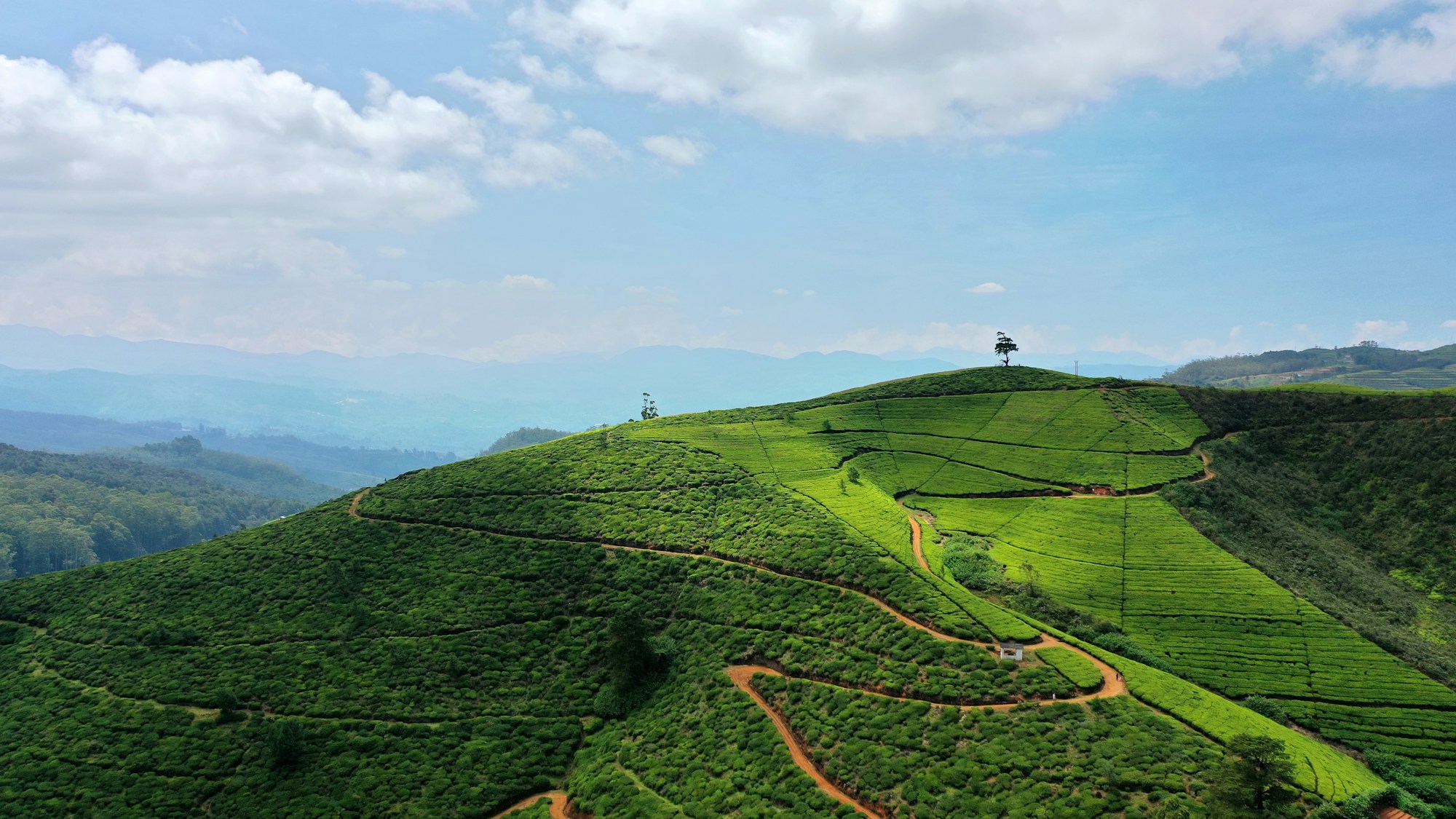
Tea Hills & Coastline — Gentle Adventure in Asia
Sri Lanka is a revelation for adventurous seniors. According to Responsible Travel, the island has seen a spectacular boom in e-bike tours designed for travelers over 55. The concept is simple: you pedal through the Nuwara Eliya hills and Ella tea plantations, assisted by an electric motor that flattens the climbs, while a support vehicle follows the group with luggage and a local guide.
According to Exodus Travels, the tours combine cycling with visits to ancient Buddhist temples (Sigiriya, Dambulla, Temple of the Tooth in Kandy), safaris in Yala National Park (leopards, elephants), and relaxation days on the southern coast beaches. The budget is remarkably gentle: according to Bookmundi, expect $65 to $100 per day for quality accommodation, meals, and activities — unbeatable value for a fully immersive experience.
Highlights
- E-bike with support vehicle — zero physical stress on the climbs
- Ultra-competitive budget: $65–100/day for total immersion
- Exceptional diversity: temples, safaris, beaches, and mountains in one trip
- Legendarily friendly locals and delicious cuisine
5. Abel Tasman (New Zealand) — Coastal Kayaking & Hiking
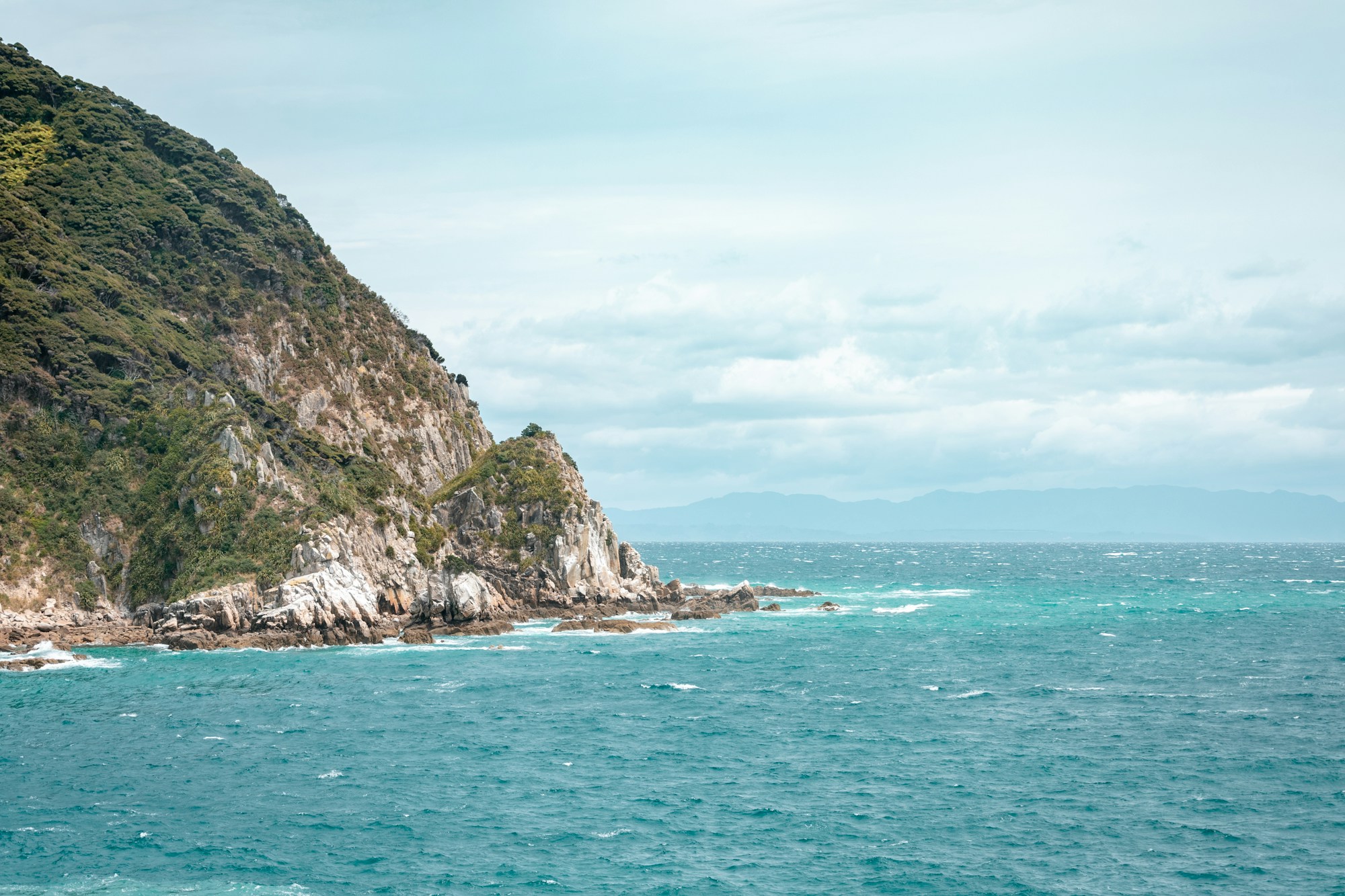
Abel Tasman Coast Track — New Zealand’s Hidden Gem
The Abel Tasman Coast Track is one of New Zealand’s nine « Great Walks » — and arguably the most accessible for seniors. According to the Department of Conservation (DOC), this 60 km coastal trail winds between golden sand beaches, turquoise coves worthy of the Caribbean, and lush native forest. The terrain is mostly flat with gentle climbs, with no technical sections or exposed ridges.
According to Hiking New Zealand, the 5-day « guided all-inclusive » packages are particularly well-suited for seniors: they combine coastal hiking in the morning and sea kayaking in the afternoon, with comfortable lodge accommodation and chef-prepared meals. According to Tourism New Zealand, kayaking in the national park is supervised by certified guides and no prior experience is needed — the sheltered bay waters are calm and the marine wildlife (fur seals, blue penguins, dolphins) is easy to spot up close.
Highlights
- Kayaking in calm, sheltered waters — professional guides, no experience required
- Flat, well-marked coastal trail — one of the most accessible Great Walks
- Exceptional marine wildlife: fur seals, blue penguins, dolphins
- All-inclusive packages with lodge and private chef
6. Gorges du Verdon (France) — E-Biking & Kayaking in Europe’s Grand Canyon
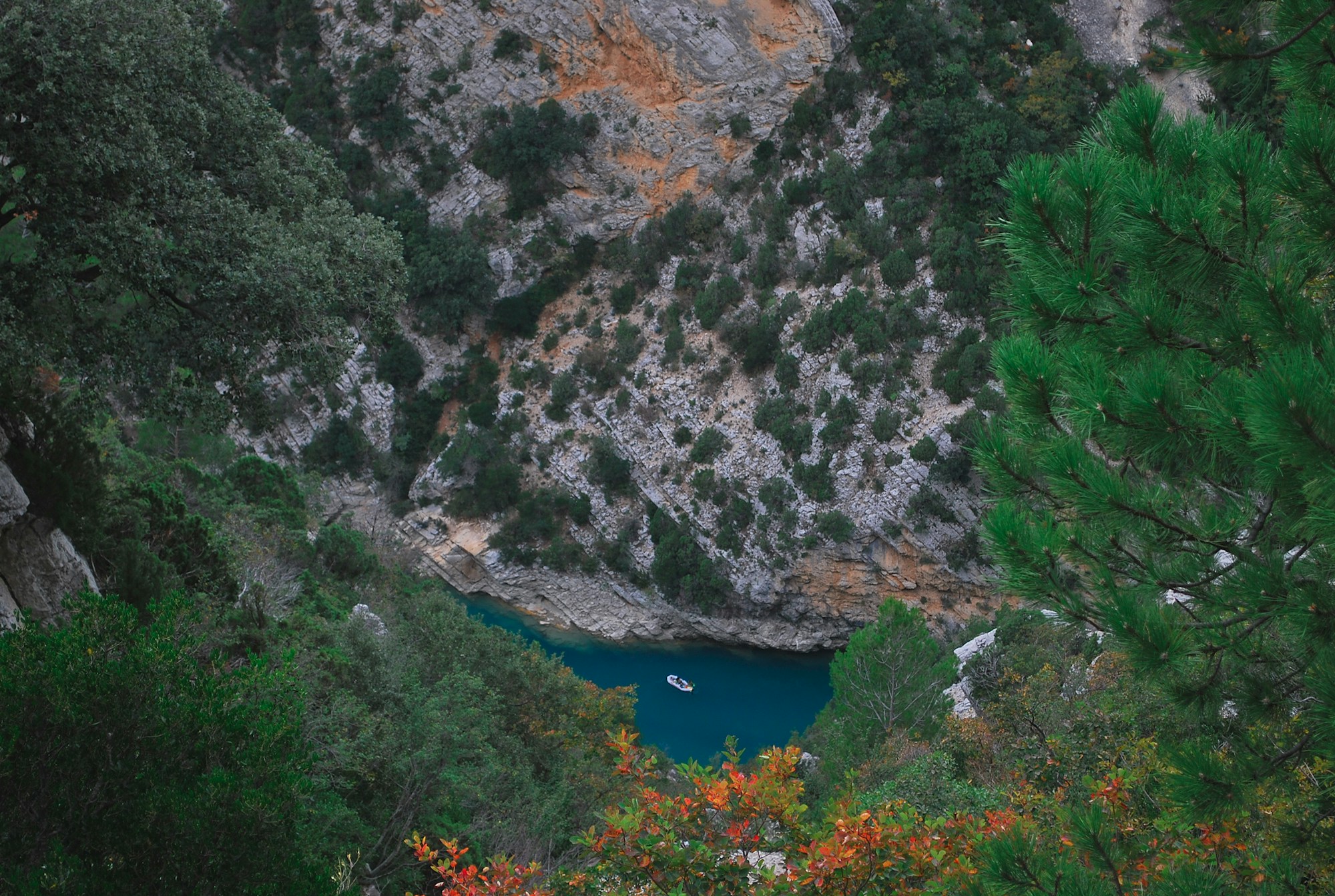
The Verdon — The Emerald-Water Canyon
Nicknamed « Europe’s Grand Canyon, » the Gorges du Verdon offer an ideal playground for active seniors — just a few hours’ drive from the French Riviera. According to La Balaguère, e-bike tours around the canyon have become the region’s flagship activity for the over-55s: the scenic roads along the north rim (Route des Crêtes) and south rim deliver jaw-dropping views of white limestone cliffs plunging 700 meters down to the turquoise river below.
According to Les Gorges du Verdon, kayaking on Lac de Sainte-Croix is accessible to all levels: the calm lake waters (no current) let you paddle at your own pace to the canyon entrance — a striking natural spectacle. For the more adventurous, guided kayak excursions in the lower gorges offer a 2-to-4-hour route past overhanging cliffs and hidden caves. According to Verdon E-Bike, quality e-bikes are available for rent in every canyon village, with marked routes of 20 to 50 km per day.
Highlights
- Easy access: drivable from Marseille, Nice, or Aix-en-Provence
- E-biking on scenic roads — no technical difficulty
- Kayaking on a calm lake or in the lower gorges — two adventure levels to choose from
- Provençal gastronomy, local markets, and lavender fields as a bonus
7. Kumano Kodo (Japan) — UNESCO Pilgrimage & Hot Springs
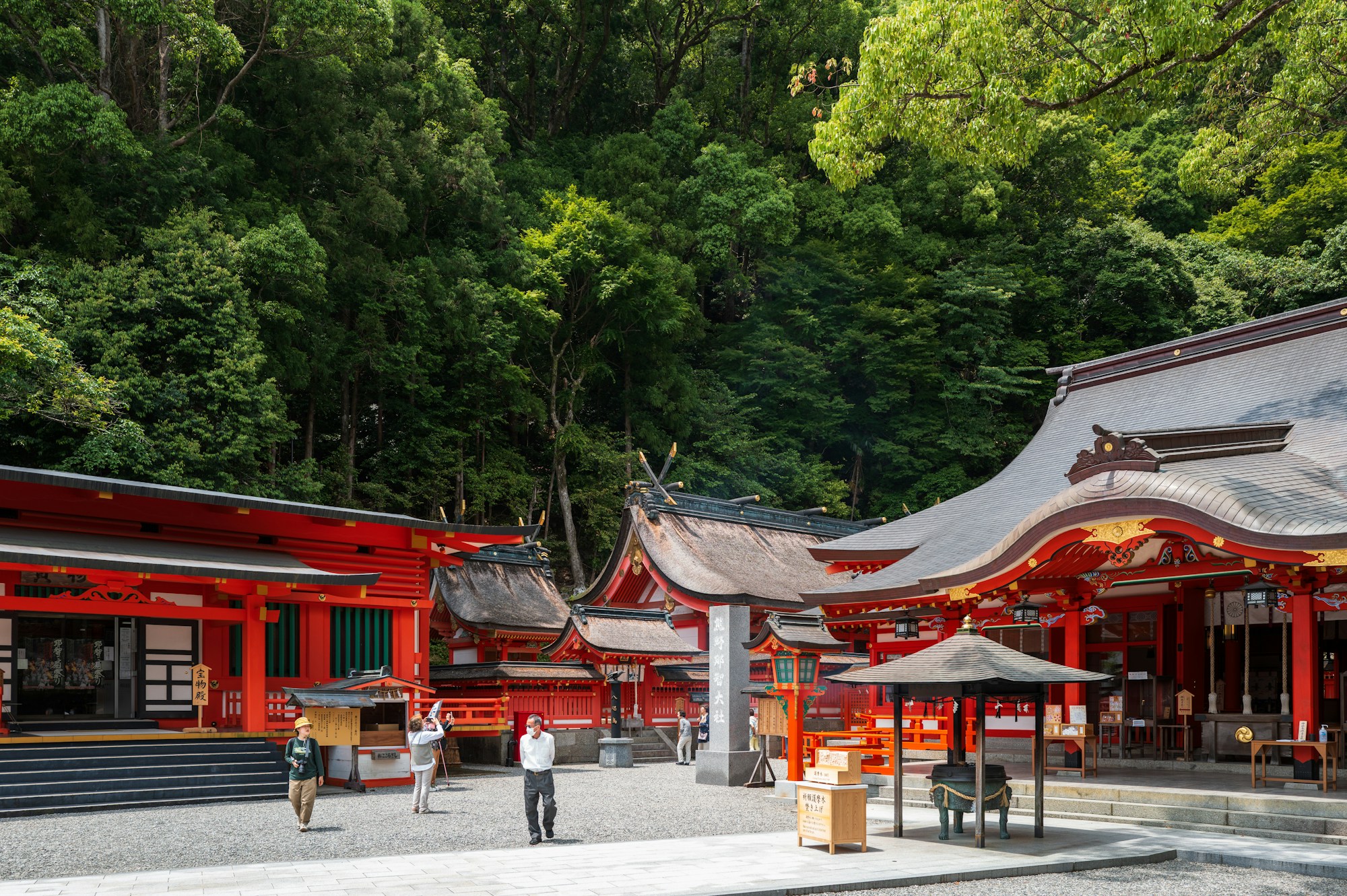
Kumano Kodo — The Ancient Sacred Trail
The Kumano Kodo is, alongside the Camino de Santiago, the only other pilgrimage trail inscribed as a UNESCO World Heritage Site. Located on the Kii Peninsula south of Osaka, this network of ancient trails winds through centuries-old cedar forests, mystical Shinto shrines, and remote villages where time seems to stand still. According to Japan Travel, the Kumano Kodo attracts a remarkable proportion of hikers over 60 — Japan’s culture of respect for elders translates into infrastructure that is perfectly adapted for seniors.
According to Walk Japan, the most popular route — the Nakahechi trail — takes 5 to 7 days with stages of 15 to 20 km. What sets the Kumano Kodo apart from every other pilgrimage: the onsen (natural hot springs). Each stage ends at a traditional ryokan with a thermal bath, a gourmet kaiseki dinner, and a futon on tatami — a daily luxury that turns recovery into a wellness ritual. According to MT Sobek, small-group guided tours include luggage transfer, an English-speaking guide, and hand-picked ryokan accommodation.
Highlights
- The world’s only UNESCO pilgrimage with daily hot spring baths (onsen)
- Ryokan stays with kaiseki cuisine — a complete cultural experience
- Well-maintained trails through ancient cedar forests
- « Dual Pilgrim » certificate for those who’ve also completed the Camino de Santiago
8. Canadian Rockies — Hiking, Kayaking & Cycling Among Glaciers and Turquoise Lakes
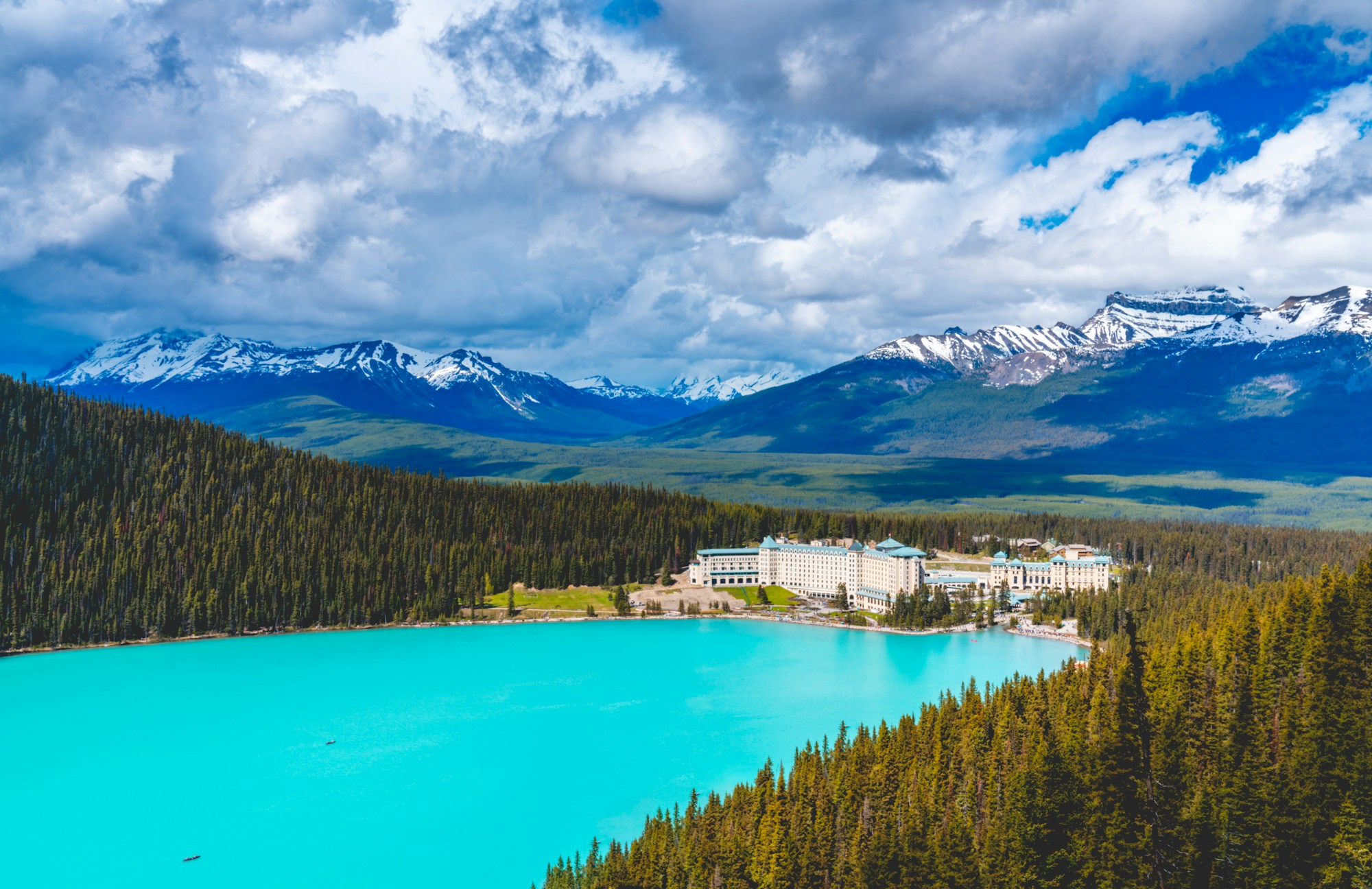
Banff, Jasper & Lake Louise — The Giants of the West
The Canadian Rockies are the embodiment of grand-scale adventure — and contrary to popular belief, they’re perfectly accessible to active seniors. According to Intrepid Travel, the national parks of Banff and Jasper offer a network of trails graded by difficulty, from the easiest (paths around Lake Louise, 3 km, flat) to the more challenging (Plain of Six Glaciers, 14 km). Most iconic hikes are manageable for intermediate walkers with reasonable elevation gains.
According to Canadian Train Vacations, one of the most popular senior experiences is the Rocky Mountaineer, the panoramic train that crosses the Rockies between Vancouver and Banff. According to Responsible Vacation, multi-activity tours combine hiking, kayaking on glacial lakes (Moraine Lake, Emerald Lake), and cycling on the Legacy Trail between Banff and Canmore. The Banff Upper Hot Springs (38°C/100°F) offer a thermal soak facing the mountains — the perfect reward after a day of adventure.
Highlights
- Among the world’s most spectacular scenery: turquoise lakes, glaciers, endless forests
- Rocky Mountaineer — one of the world’s most beautiful train journeys
- Natural hot springs in Banff for recovery
- Abundant wildlife: bears, elk, mountain goats, eagles
9. Corsica (France) — Wild Sea Kayaking Between Cliffs and Secret Coves
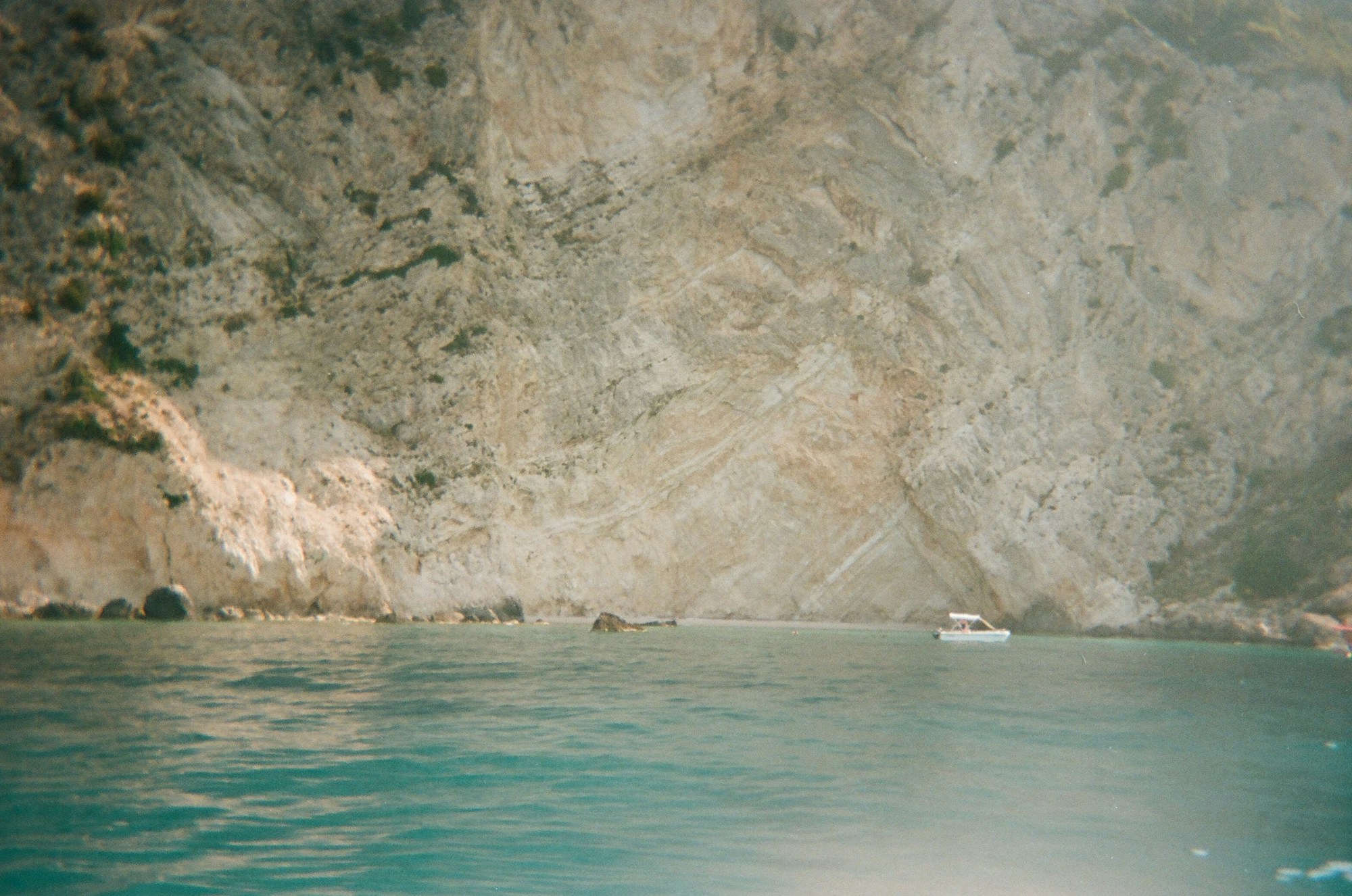
From Scandola to Bonifacio — Corsica from the Sea
Corsica boasts one of the wildest coastlines in the Mediterranean — and sea kayaking is the best way to explore it. According to Terdav, 5-to-7-day coastal kayaking tours grant access to secret coves, sea caves, and white-sand beaches that are completely inaccessible by road. The Scandola Nature Reserve, a UNESCO site, delivers a unique geological spectacle of red cliffs plunging into crystal-clear waters where dolphins and ospreys share the skies.
The tours are led by certified guides and designed for beginner to intermediate paddlers. Daily stages of 15 to 25 km can be adjusted to the group’s condition, with regular swimming breaks in 22–25°C (72–77°F) waters. Nights are spent either bivouacking on secluded beaches or in small coastal hotels, depending on the package. For seniors who prefer comfort, « kayak and hotel » packages are available with luggage transported by boat.
Highlights
- Access to secret coves and beaches unreachable by road
- Scandola Reserve (UNESCO) — breathtaking maritime landscapes
- Warm Mediterranean waters (22–25°C/72–77°F) and daily swimming
- No long-haul flight: Corsica is 1.5 hours from Paris by plane
10. Loire Valley & Anjou (France) — Cycling & River Kayaking Among Châteaux and Vineyards
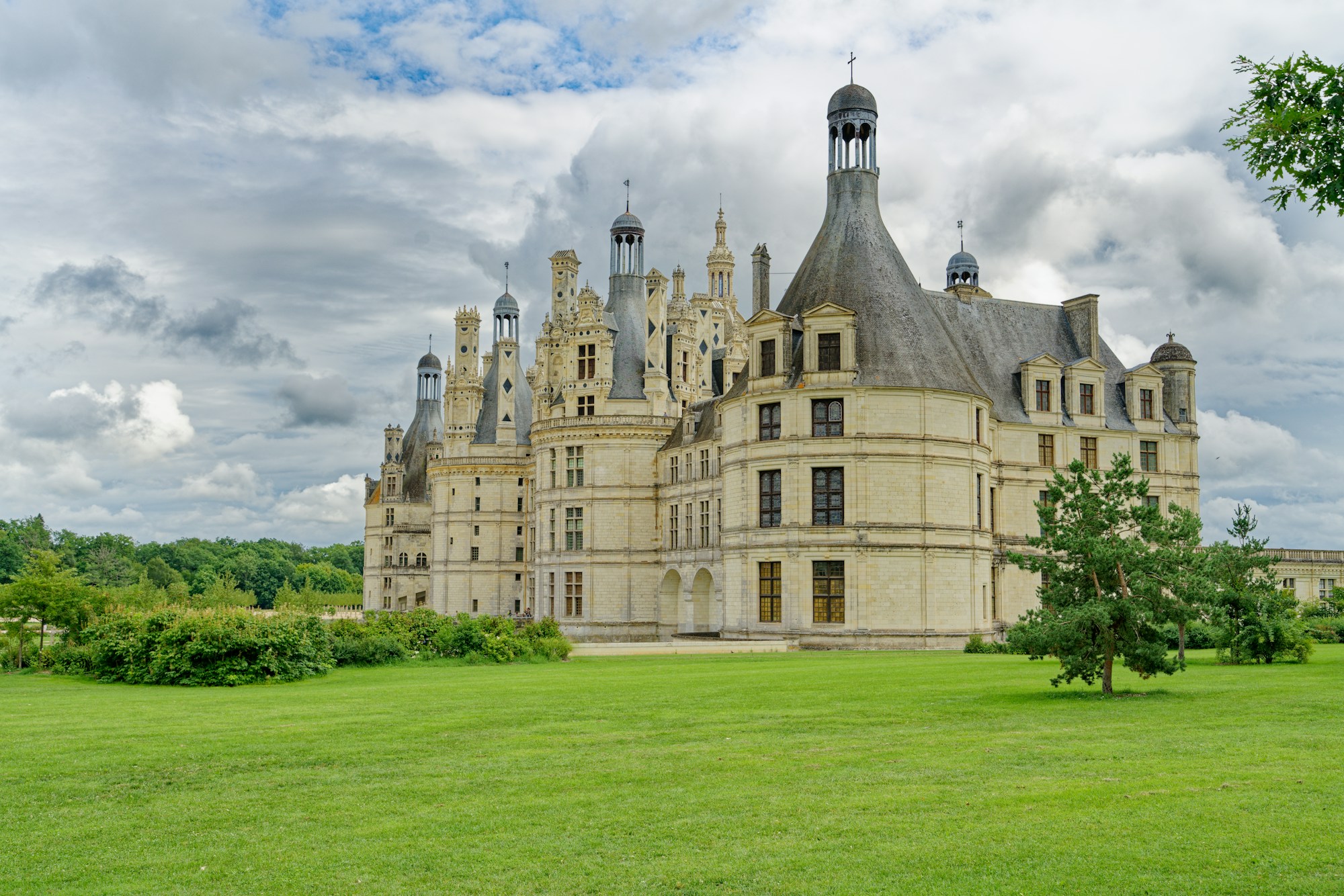
La Loire à Vélo & Les Mauges — Gentle French-Style Adventure
With its 800 km of marked cycling paths, La Loire à Vélo is France’s most famous cycling route — and the most senior-friendly. The terrain is virtually flat (the river rises only a few meters over hundreds of kilometers), the paths are separated from traffic, and the tourist infrastructure is impeccable. According to Osez Mauges, the Anjou region (between Angers and Saumur) offers the most beautiful stages: troglodyte châteaux, tuffeau stone cellars carved into the cliffs, Saumur-Champigny vineyards, and charming riverside villages.
Beyond cycling, Anjou offers an exceptional river kayaking experience on the Loire and its tributaries. Guided 2-to-4-hour descents on the Èvre River or the Layon let you glide between Loire islands, spot grey herons and kingfishers, and pull up for a wine tasting directly at the producer’s estate. According to Terdav, cycling-and-kayaking packages in the Loire often include nights in stilted cabins on the riverbank or in converted troglodyte caves — quirky accommodations that add a touch of adventure to the trip.
Highlights
- Flat, marked cycle paths separated from traffic — perfect for all levels
- Loire châteaux, troglodyte caves, and wine tastings along the route
- Gentle river kayaking — light current, calm waters, no technical sections
- Unique accommodations: stilted cabins, troglodyte caves, boutique guesthouses
Comparison of 10 Adventure Destinations for Seniors
| Destination | Main Activity | Level | Budget/week | Best Time |
|---|---|---|---|---|
| Norway (Fjords) | Hiking + Kayak + Cycling | Moderate | $1,120–1,540 | June – Sept |
| Camino (Portuguese Way) | Pilgrimage hiking | Easy | $320–430 (total) | Apr – June, Sept – Oct |
| Azores (Portugal) | Hiking + Marine wildlife | Easy to moderate | $600–910 | Apr – June, Sept – Oct |
| Sri Lanka | E-biking | Easy | $455–700 | Nov – Apr |
| Abel Tasman (NZ) | Kayak + Coastal hiking | Easy to moderate | ~$1,900 (5d) | Dec – Apr |
| Gorges du Verdon | E-biking + Kayak | Easy to moderate | $750–1,300 | May – June, Sept |
| Kumano Kodo (Japan) | Pilgrimage + Onsen | Moderate | $770–1,155 | Mar – June, Sept – Nov |
| Canadian Rockies | Hiking + Kayak + Cycling | Easy to moderate | $770–2,100 | June – Sept |
| Corsica | Sea kayaking | Moderate | $750–1,500 | May – June, Sept – Oct |
| Loire Valley & Anjou | Cycling + River kayak | Easy | $540–970 | Apr – June, Sept |
Practical Info for Your Adventure
Stay connected anywhere in the world. Unlimited data, instant activation on your smartphone.
From $4.50Nomad Insurance: global coverage from $56/4 weeks. 10% off via our link.
From $56 / 4 weeksFrequently Asked Questions About Adventure Travel for Seniors
Do you need to be in peak physical shape to go on an adventure trip at 60?
No, you don’t need to be an athlete to enjoy an adventure trip after 60. Most destinations in this guide offer adjustable difficulty levels: the Camino de Santiago on flat terrain, La Loire à Vélo with zero elevation gain, or calm-water kayaking in the Gorges du Verdon. The key is being able to walk 3 to 5 hours a day at a moderate pace, or cycle 30 to 50 km on flat terrain. A 2-to-3-month preparation program before departure (30 minutes of daily walking, knee and back strengthening) is enough for most « easy to moderate » itineraries. Check with your doctor for a health assessment and a medical fitness certificate — some tour operators require one.
Are e-bikes really useful for seniors?
E-bikes are a game-changer for senior active tourism. They let you cover 40 to 80 km per day without exhaustion, conquer climbs without knee pain, and enjoy the scenery instead of fighting the terrain. In Sri Lanka, the Gorges du Verdon, and the Loire Valley, e-bikes transform routes once reserved for fit cyclists into experiences accessible to everyone. Modern battery range (60 to 120 km) easily covers a full day of riding. The only downside: the weight of the bike (20–25 kg / 44–55 lbs) can make handling trickier. Make sure your tour operator provides step-through frames (easy to mount) and mechanical support in case of a breakdown.
Is kayaking accessible with no prior experience?
Yes, most kayaking tours mentioned in this guide are designed for complete beginners. In Norway (fjords), Abel Tasman (New Zealand), Lac de Sainte-Croix (Verdon), and the Loire, the waters are calm and sheltered. Certified guides provide a 30-to-45-minute briefing before each outing: paddling technique, safety, boarding, and disembarking. The kayaks used are stable « sit-on-top » models or reassuring tandem kayaks. In Corsica, open-water sea kayaking demands a bit more fitness, but remains accessible to sporty beginners with professional supervision. Always wear a life jacket (provided) and protect yourself from the sun — UV reflection off the water is intense.
How do you manage medications and health during an adventure abroad?
Health management is the most important consideration for a senior adventure trip. Here are the essential rules: 1) Carry your medications in duplicate (one set in your carry-on, one in your checked bag) with a copy of your prescription in English. 2) Purchase travel insurance that covers sports activities (hiking, cycling, kayaking) and medical evacuation — standard credit card insurance usually doesn’t cover these activities after age 65. 3) Prepare a document summarizing your medical history, allergies, and treatments in English. 4) For Sri Lanka and Asia, visit a travel health clinic at least 6 weeks before departure. 5) Pack a first-aid kit with painkillers, blister patches, SPF 50 sunscreen, and insect repellent. In Europe (Norway, Corsica, Verdon, Loire, Azores, Camino), your European Health Insurance Card (EHIC) is essential — or check your country’s reciprocal healthcare agreements.
Is it better to travel with an organized group or independently?
Both options have their merits, but for a first senior adventure trip, an organized small group (6 to 12 people) is recommended. The benefits: professional guide supervision, managed logistics (luggage transport, pre-booked accommodation, planned activities), medical safety, and the company of like-minded travelers. Operators such as Intrepid Travel, Exodus Travels, Allibert Trekking, and Terdav offer tours specifically designed for active seniors with an adapted pace. For experienced travelers, going solo offers more flexibility — this works particularly well on the Camino de Santiago (perfect signage), La Loire à Vélo (complete infrastructure), and the Azores (well-marked trails). A middle ground: « semi-guided » packages with a pre-planned itinerary and pre-booked accommodation, but no permanent guide.
What’s the average budget for a senior adventure trip?
Budgets vary significantly depending on the destination and package. The most affordable options: the Camino de Santiago ($320–430 for 5–6 days), La Loire à Vélo ($540–970/week), and Sri Lanka ($455–700/week). Mid-range: the Azores ($600–910/week), the Gorges du Verdon ($750–1,300/week), and Corsica ($750–1,500/week). Premium: Norway ($1,120–1,540/week), the Kumano Kodo ($770–1,155/week with ryokan), and the Canadian Rockies ($770–2,100/week). On top of these budgets, add flights ($160–860 depending on destination), travel insurance ($30–85/week), and gear if needed. For a first trip, plan a total budget of $1,600 to $3,200 all-inclusive for 7 to 10 days.
What apps and resources are helpful for planning your trip?
Several apps make planning and enjoying an adventure trip easier. For hiking: Komoot (routes with difficulty ratings), AllTrails (community reviews), and Gaia GPS (detailed topographic maps). For cycling: Komoot (cycling routes), Strava (GPS tracking), and the official La Loire à Vélo app. For logistics: Maps.me (free offline maps), Google Translate (real-time photo translation), and Airalo (international eSIM to stay connected). For health: the Medisafe app (medication reminders) and What3Words (precise location in emergencies). Finally, sites like Responsible Travel, Intrepid Travel, and Exodus Travels offer free fitness preparation guides specifically designed for seniors before an adventure trip.
What’s the best time of year for a senior adventure trip?
The answer depends on the destination, but two periods stand out clearly: spring (April–June) and early fall (September–October). These shoulder seasons offer three major advantages: pleasant temperatures without excessive heat (important for seniors), less crowded sites than summer, and prices often 20–30% lower. For Europe (Norway, Verdon, Corsica, Loire, Azores, Camino), May–June and September are ideal. For Japan (Kumano Kodo), aim for April (cherry blossoms) or October–November (fall foliage). For the Canadian Rockies, September brings golden larches. Exceptions: Sri Lanka (November–April) and Abel Tasman (December–April) follow Southern Hemisphere seasons. Systematically avoid July–August in Europe: heat, crowds, and inflated prices.
Sources
- Fjord Tours — Guided tours and activities in the Norwegian fjords
- Norrøna Adventure — Multi-activity programs in Norway
- Intrepid Travel — Responsible adventure travel, active senior tours
- Follow the Yellow Shell — Camino de Santiago guide, pilgrim statistics
- Vive Camino — Resources and tips for the Camino de Santiago
- Santiago Ways — Camino specialist agency, comfort packages
- Allibert Trekking — Guided hiking trips, Azores and worldwide
- TourRadar — Global organized tour comparison platform
- Terdav (Terres d’Aventure) — Active travel, kayaking and hiking tours
- Responsible Travel — Responsible tourism, Sri Lanka cycling tours
- Exodus Travels — Multi-activity adventure travel
- Bookmundi — Adventure tour comparison, detailed budgets
- Hiking New Zealand — Great Walks and New Zealand hiking guide
- Department of Conservation (DOC) — New Zealand national parks
- Tourism New Zealand — Official New Zealand tourism board
- La Balaguère — Hiking and cycling trips in France and worldwide
- Les Gorges du Verdon — Tourism office, activities and accommodations
- Verdon E-Bike — E-bike rentals in the Gorges du Verdon
- Japan Travel — Japan National Tourism Organization
- Walk Japan — Guided hiking tours in Japan
- MT Sobek — Premium adventure travel, Kumano Kodo
- Canadian Train Vacations — Rocky Mountaineer and Rockies tours
- Responsible Vacation — Multi-activity tours in Canada
- Osez Mauges — Active tourism in Anjou, cycling and kayaking in the Loire
Ready to Embrace the Adventure?
Discover itineraries designed for active travelers, with stages adapted to your pace. Hiking, cycling, kayaking: your next adventure starts here.
Explore all itineraries