
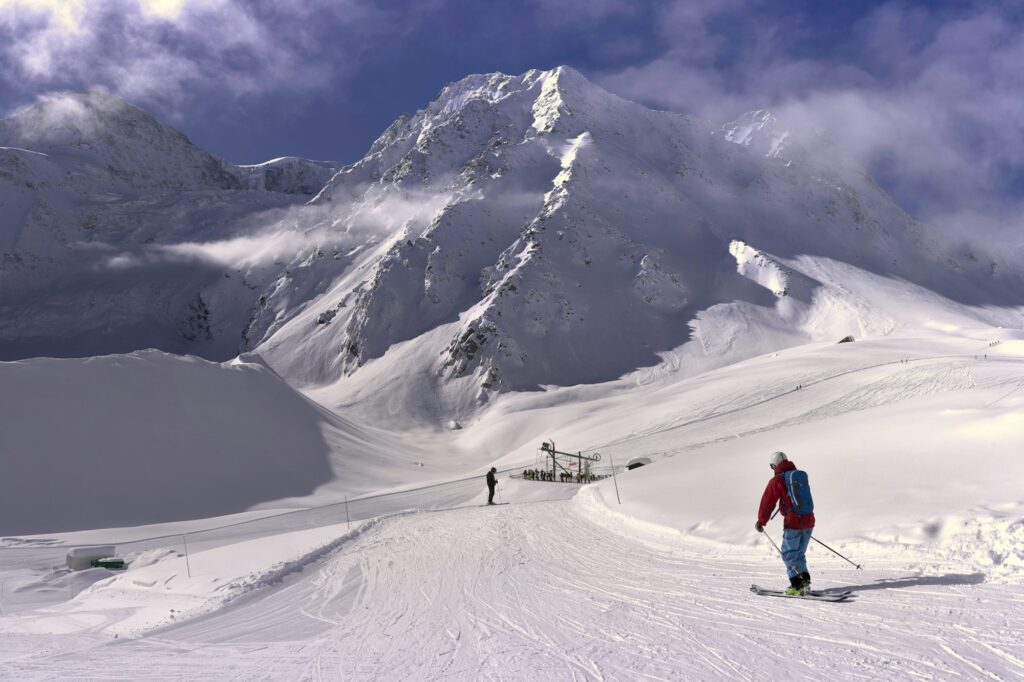
The Haute Route ski traverse ranks among the greatest alpine adventures in the world. Linking Chamonix to Zermatt across mythical glaciers, vertiginous passes and refuges perched above 3,000 metres, this legendary route has shaped generations of ski mountaineers. But in 2026, the Valais–Tyrol corridor reveals many more treasures: lesser-known hut-to-hut traverses, exceptional Austrian huts, pristine Ötztal glaciers and the ascent of the Grossglockner. From France to Austria, via Switzerland and northern Italy, here are the most beautiful multi-day ski touring itineraries for the 2026-2027 season.
1. The Classic Haute Route Chamonix–Zermatt (Verbier Variation)
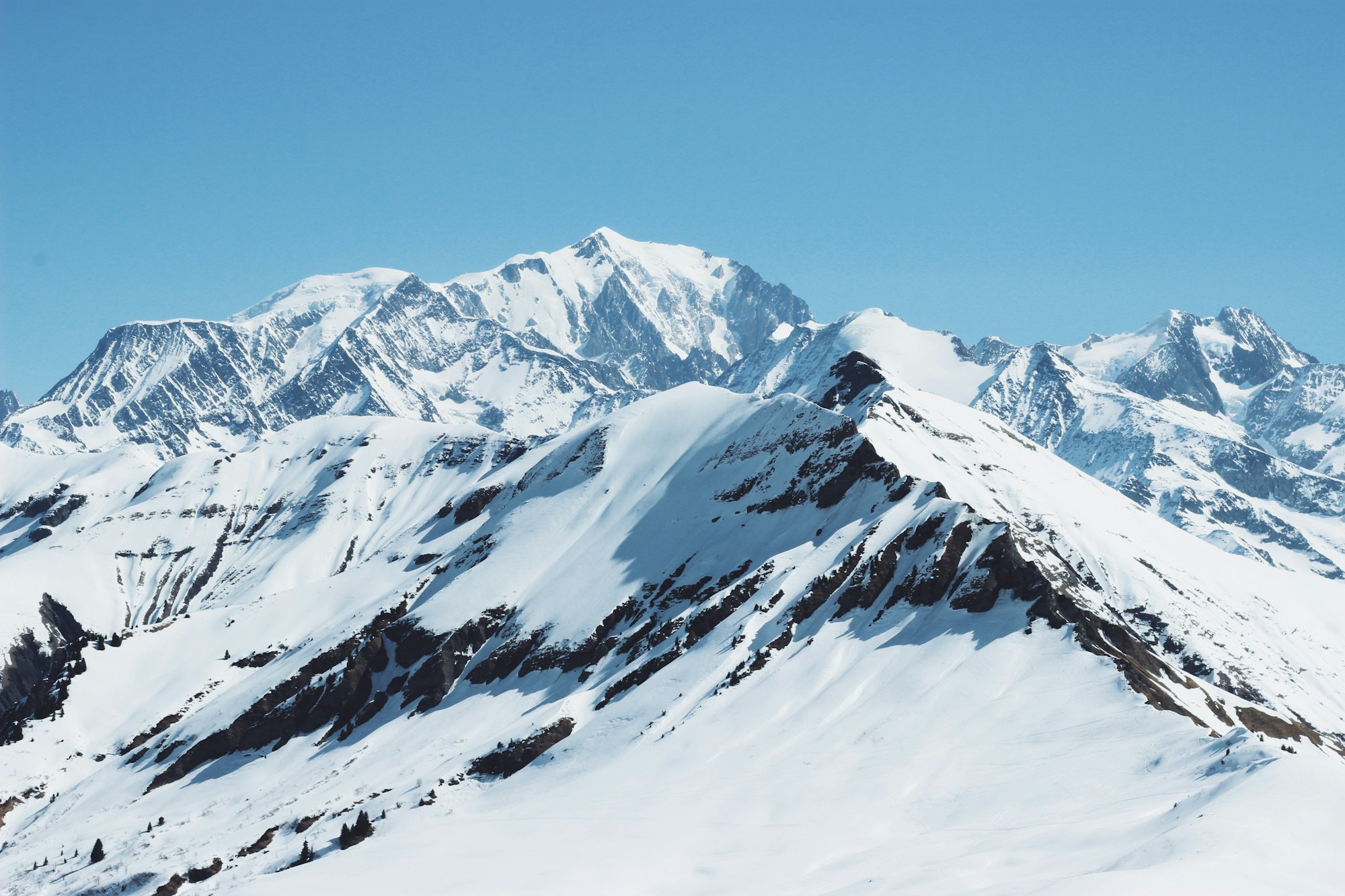
Franco-Swiss Alps · Valais, Switzerland / Haute-Savoie, France
The guided Haute Route from Chamonix to Zermatt is one of the most iconic ski mountaineering adventures in the world. Over seven days, you traverse spectacular alpine terrain from the French resort of Chamonix to the Swiss village of Zermatt, crossing glaciers, high mountain passes and remote valleys. The « Verbier » variation, the most popular, passes through the Trient, Mont Fort, Dix, Vignettes and Bertol huts — a perfect balance of logistics, scenery and technical commitment.
The final descent to Zermatt, beneath the Dent d’Hérens (4,171 m) and the Matterhorn (4,478 m), is arguably one of the finest in all the Alps. The 2026 price ranges from €1,990 per person in a group of four to €4,090 in a private pair, including IFMGA guide, half-board at the huts and lift passes.
Route highlights
- Iconic huts: Trient, Dix, Vignettes, Bertol
- Final descent beneath the Matterhorn and Dent d’Hérens
- Swiss public transport integration for bad-weather bail-outs
- Ideal as a first major Alpine hut-to-hut tour
2. The Valsorey Haute Route — The Original Variant
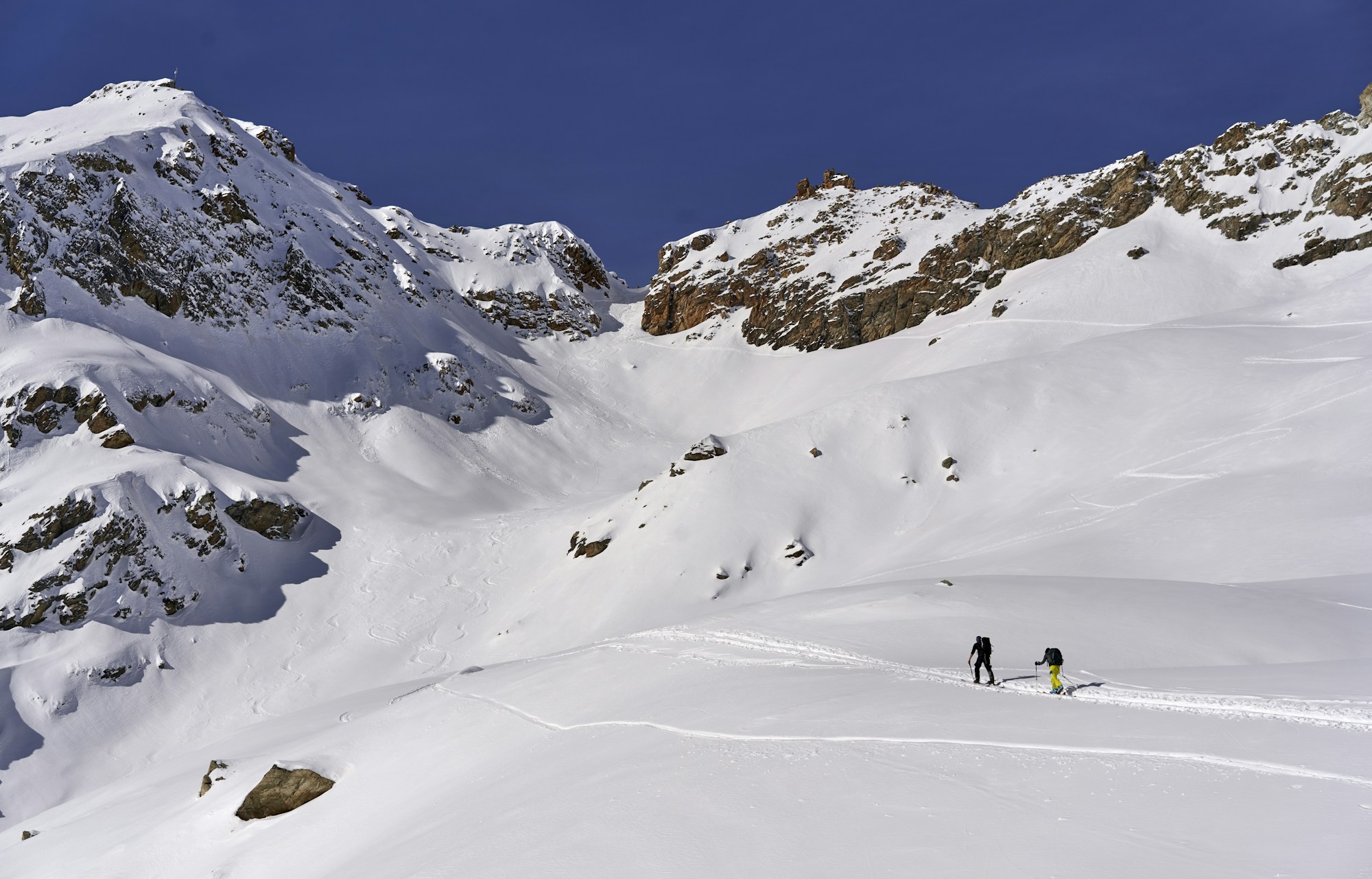
Swiss Valais · via Bourg-Saint-Pierre and Grand Combin
This route partly follows the original Haute Route line, which adds to its prestigious reputation. More demanding and more technical than the Verbier variant, the traverse across the south face of the Grand Combin gives it a truly wild and alpine character. You cross the Alps between 2,500 m and 3,500 m, with the option to summit the Pigne d’Arolla (3,790 m) — one of the finest peaks in the Valais.
The ascent to the Valsorey Hut is the longest and most demanding stage of the entire route, weaving through ledges, snowfields and rocky terraces towards the Grand Combin. When the Cabane de Valsorey finally comes into view, it towers above the valley like a solitary sentinel — remote, proud, full of alpine character.
What sets it apart from the Verbier variant
- Original route, far less crowded than the classic Haute Route
- Ascent of the Pigne d’Arolla (3,790 m) via the Brenay Glacier
- Crossing of the Col du Sonadon from the Valsorey Hut
- More intimate atmosphere, away from the Verbier variant’s crowds
3. The Zermatt–Saas-Fee Traverse via Monte Rosa
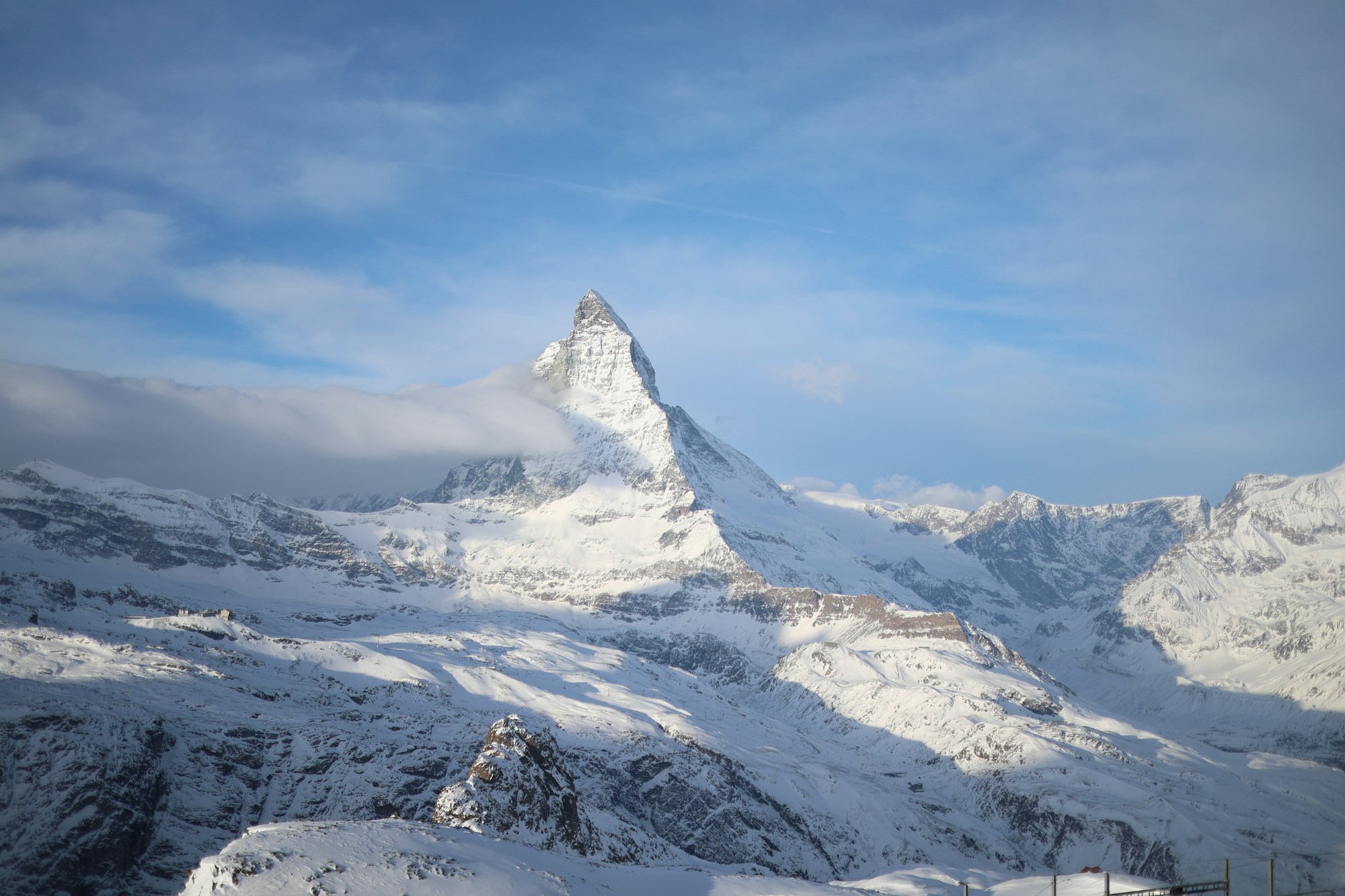
Swiss Valais · from Zermatt to Saas-Fee via the Monte Rosa Alps
Geographically a direct continuation of the Haute Route, this traverse is nonetheless more physically and technically demanding than the Haute Route itself. It allows you to link some of the Alps’ most celebrated summits, including the Signalkuppe (4,554 m) and the Dufourspitze (4,634 m, Switzerland’s highest point). The traverse takes place entirely on glaciers.
The highlight: a night at the Margherita Hut which, at 4,554 m, is the highest building in Europe. The Saas-Fee area also has the highest concentration of 4,000-metre peaks in the Alps — an absolute record for summit collectors.
Must-see moments on the route
- Night at the Margherita Hut (4,554 m), the highest in Europe
- Possible ascent of the Dufourspitze (4,634 m, roof of Switzerland)
- Crown of 18 four-thousanders around Saas-Fee
- Ideal as a 2-day extension after the classic Haute Route
4. The Silvretta Ski Traverse — Western Tyrol, Austria
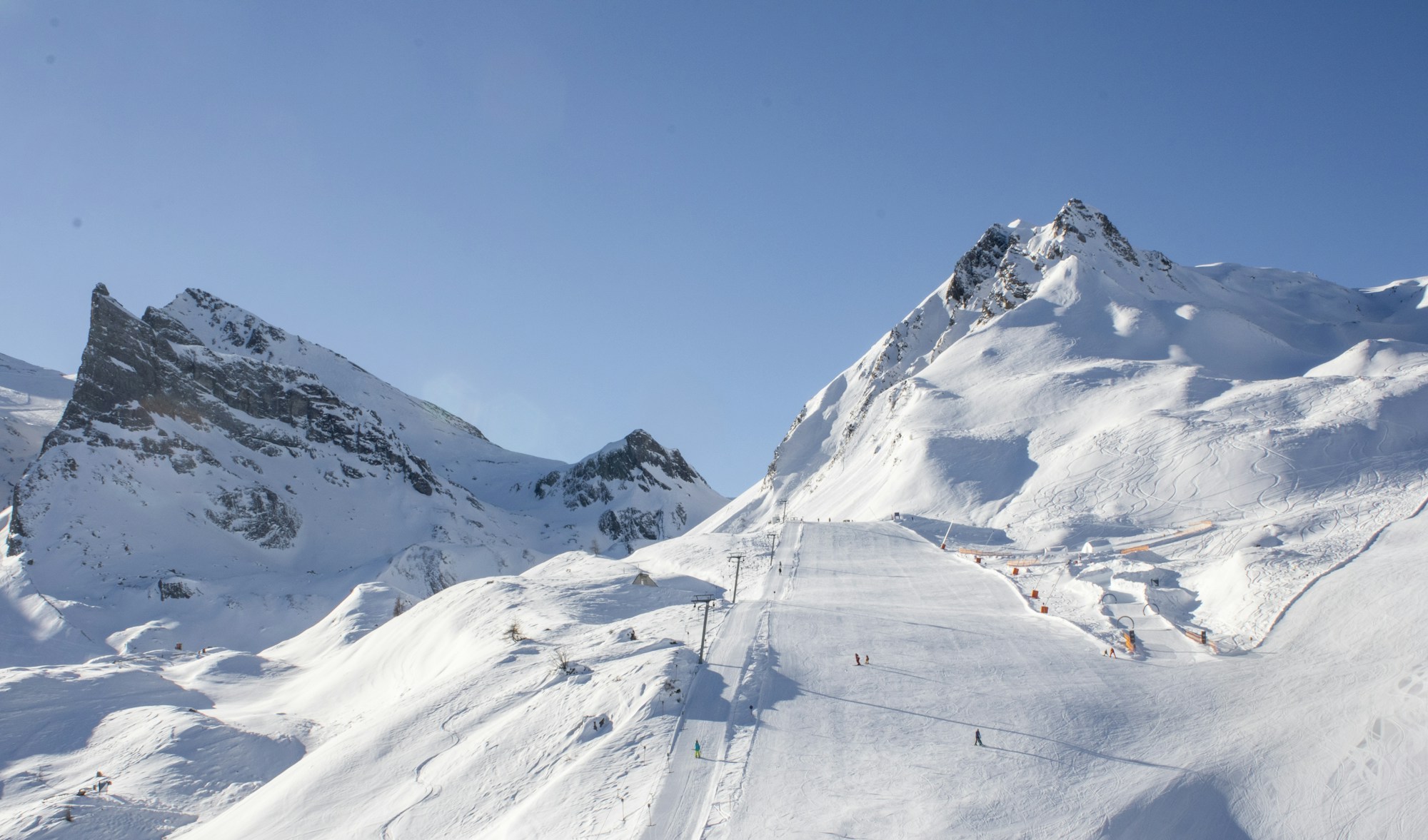
Silvretta Alps · Vorarlberg/Western Tyrol, Austria
The Silvretta Alps, on the Austro-Swiss border, are renowned for their broad glaciers and classic ski touring terrain. Over six days starting from Ischgl, you link iconic alpine huts beneath summits such as Piz Buin (3,312 m), enjoying long glacial descents and exceptional panoramas. The Silvretta tends to hold powder longer after a storm than many other Alpine regions.
The Silvretta huts offer an authentic blend of comfort, character and Austrian alpine charm: the Wiesbadener Hütte perched in a dramatic glacier-ringed valley, the cosy and rustic Silvretta Hütte on the Swiss side, and the Jamtalhütte, more modern and spacious.
Why choose the Silvretta in 2026
- Perfect alternative to the Haute Route for experienced intermediate skiers
- A major summit to climb each day, with real big descents
- Among the most reliable snowpack in the Alps in March-April
- Fewer international groups than in the Valais
5. The Ötztal Traverse — Wild Tyrol
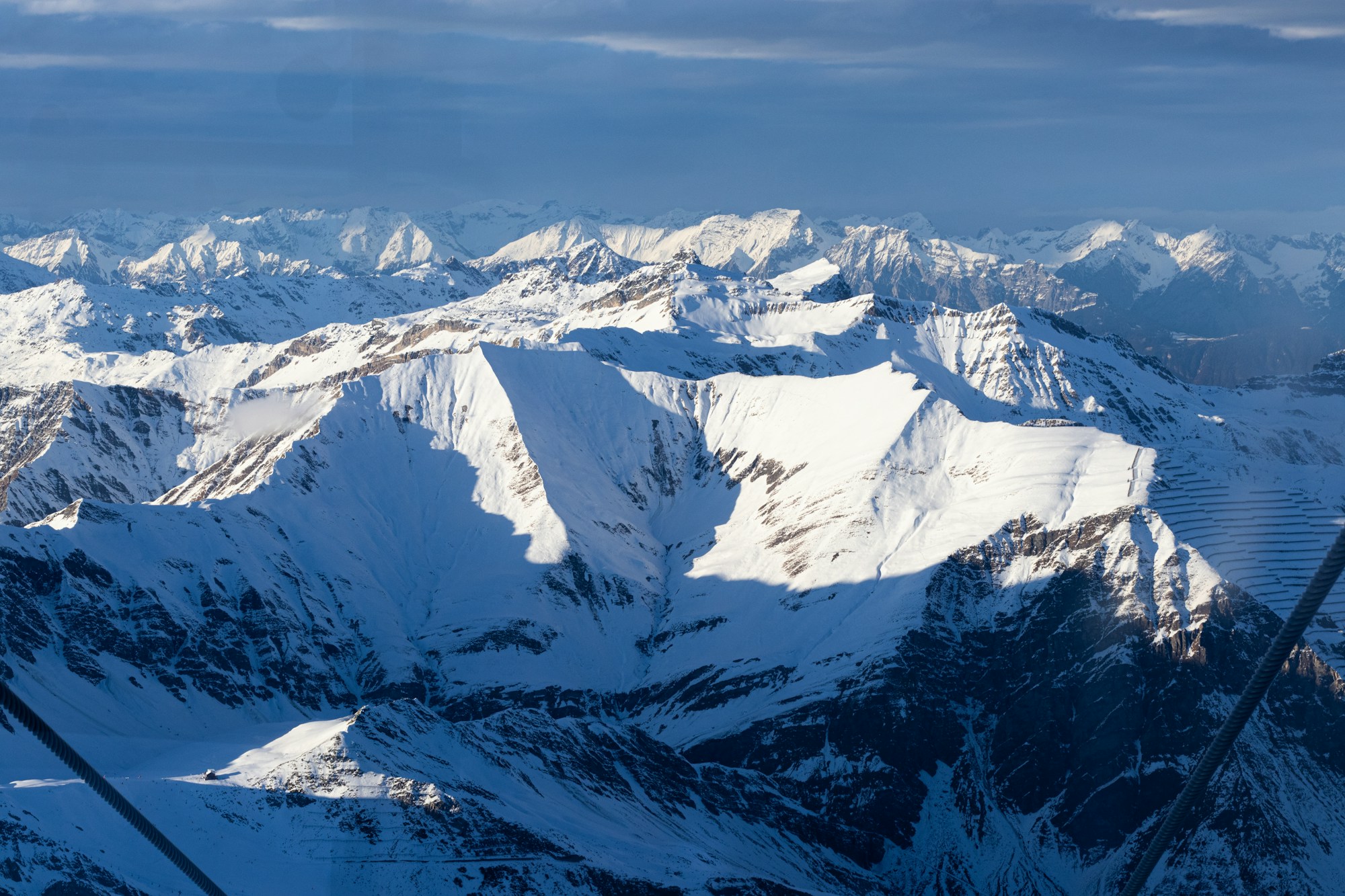
Ötz Valley · Tyrol, Austria. Starting point: Vent village (1,900 m)
The Ötztal Ski Traverse is a six-day hut-to-hut tour following the glacial watershed of the Austrian Alps. It begins in the village of Vent, one of the highest permanently inhabited places in the Alps, at 1,900 m. This tour is a stunning journey through the wild Tyrolean landscape, linking beautiful Austrian and Italian huts — the Martin Busch Hütte, Similaun Hütte, Hochjoch Hospiz Hütte and Vernagt Hütte.
The highlight: the ascent of the Wildspitze (3,768 m), the highest peak in Tyrol, from the Brochkogeljoch (3,423 m) and the Taschachferner glacier. You also cross the Austro-Italian border in a pristine setting, near the discovery site of Ötzi, the Iceman.
Route characteristics
- Ascent of the Wildspitze (3,768 m), roof of Tyrol
- Crossing the Austro-Italian border in the high mountains
- Austrian and Italian huts: better food and generous portions
- Far less crowded than the Swiss Haute Route
6. The Austrian Haute Route — Hoch Tirol to the Grossglockner
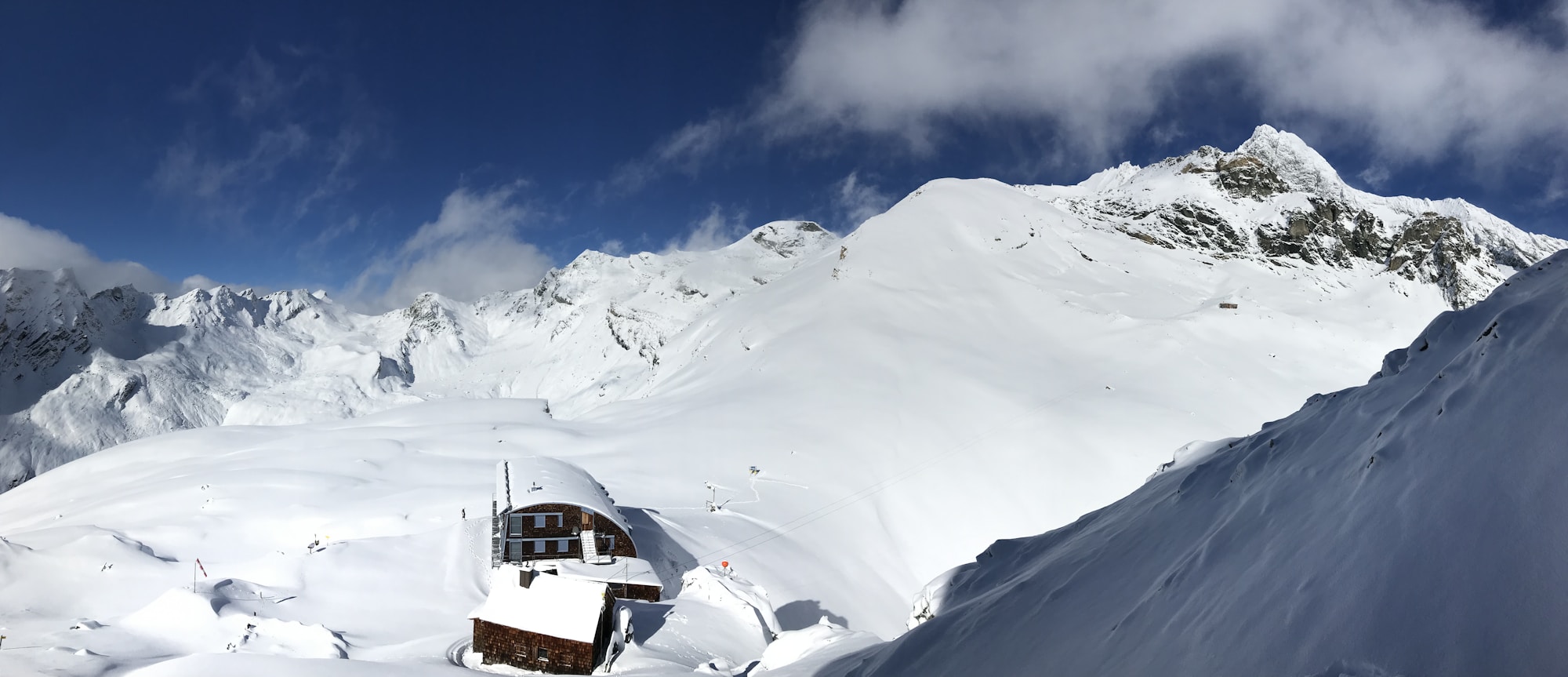
Hohe Tauern · Eastern Tyrol (Osttirol), Austria. Starting point: Lienz
The Austrian Haute Route (or Hoch Tirol) is one of the finest hut-to-hut tours in the Eastern Alps. It traverses both beautiful and pristine mountain landscapes, from Lienz across the Hohe Tauern to the « King » of the Eastern Alps: the Grossglockner (3,798 m). This majestic summit, nicknamed the « Jewel of Austria », offers the possibility of skiing to within 200 m of the top.
The Hoch Tirol version departs from Kasern in South Tyrol and progresses through three distinct sub-groups: the Venediger massif (home to the greatest number of glaciers in the Hohe Tauern), the Granatspitz and finally the Glocknergruppe. Very different terrain styles — broad glaciers, exposed rock ridges, high passes — combine for a week of unmatched alpine richness.
The grand finale of the Eastern Alps
- Ascent of the Grossglockner (3,798 m), roof of Austria
- Night at the Stüdlhütte (2,802 m) with stunning glacier views
- Traverse of three distinct massifs with very different characters
- Very rarely visited by international groups
Haute Route Terrain: Arolla as a Case Study
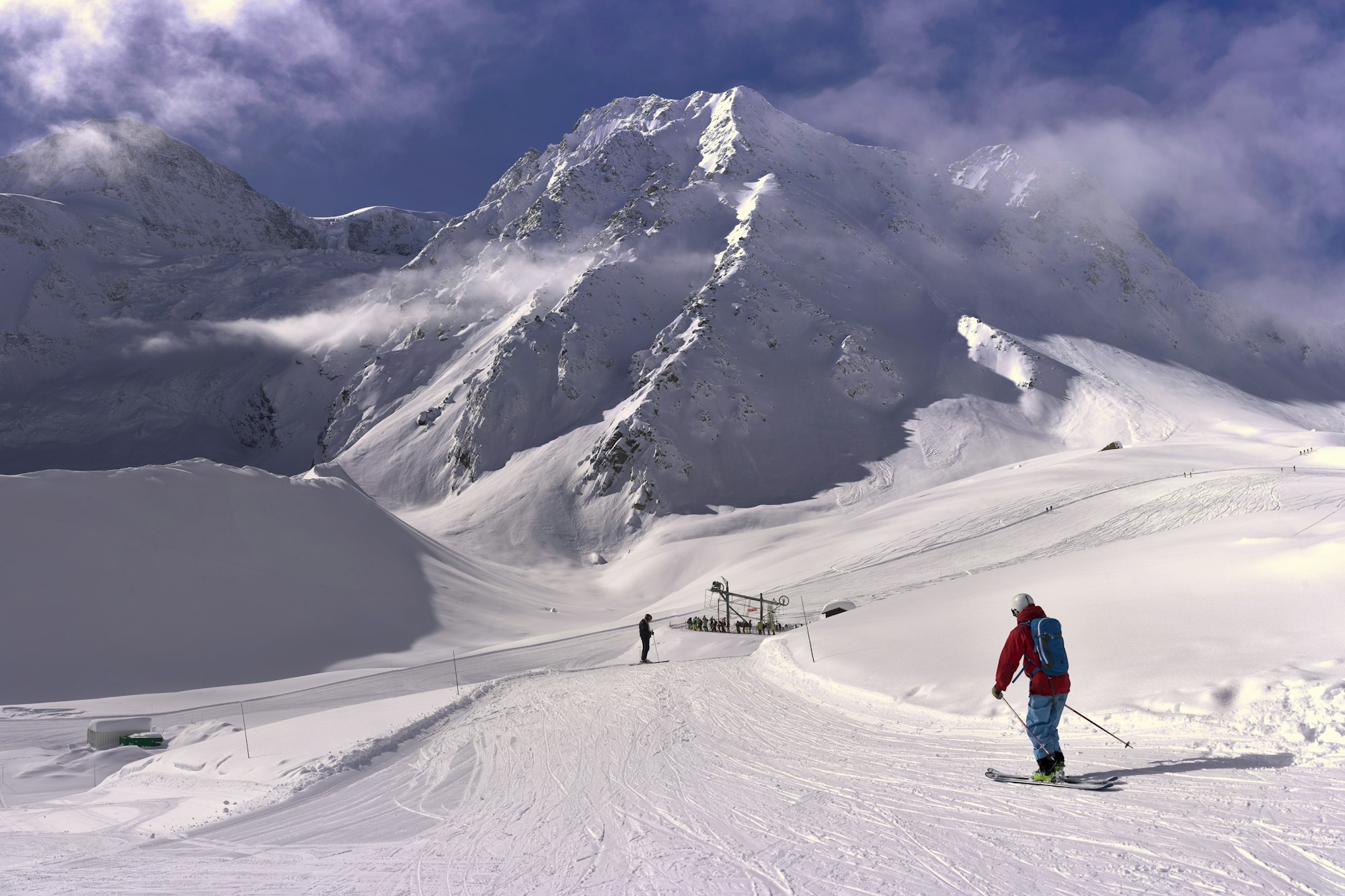
Arolla, Swiss Valais · Key Stage of the Haute Route
Arolla is one of the most photographed stages on the Haute Route. This isolated Valais village, set in an exceptional glacial cirque, marks the transition between the Franco-Swiss section of the route and the climb to the Cabane des Vignettes (3,160 m). It is from Arolla that skiers ascend the Tsijiore Nouve glacier to reach the Col de la Tête Blanche, before the final descent to Zermatt.
The Arolla area — between the Pigne d’Arolla (3,790 m), Mont Collon (3,637 m) and the Bas and Haut Arolla glaciers — offers some of the finest ski touring terrain in the Alps. The Cabane des Vignettes, perched above the glacier, is one of the most spectacularly positioned huts on the entire Haute Route.
Recommended equipment for Arolla
- Lightweight touring skis (long ascents, committed descents)
- Transceiver, shovel and probe mandatory (avalanche terrain)
- Ski crampons and ice bars for glacial sections
- 30–35 L pack sufficient (bedding provided at huts)
Practical Tips: Budget, Equipment and Booking
2026 Budget Overview
Swiss SAC huts cost between 57 and 90 CHF per night for half-board. Austrian DAV and ÖAV huts are generally cheaper: around €40–60 for members. Many huts do not accept credit cards — bring cash in both euros and Swiss francs.
Rental equipment (indicative prices for 6 days)
- Touring skis + skins + ice bars: €150–180
- Touring ski boots: €80–90
- Transceiver/shovel/probe: €75–80
- Crampons + ice axe: €75–90 extra
Frequently Asked Questions about Hut-to-Hut Ski Touring
What skill level is required for the Chamonix-Zermatt Haute Route?
The Haute Route is an achievement for any ski tourer. It is also an excellent first major multi-day alpine tour for confident skiers with prior ski touring experience. Days between huts typically last 5 to 6 hours. You must be able to ski in varied snow conditions (powder, wind slab, crust, spring snow) and have basic glacier travel skills. A good level of physical fitness is also required. Roughly half of skiers who start the tour do not complete it.
What is the best time of year for these routes in 2026?
The best period for virtually all hut-to-hut ski touring itineraries in the Valais-Tyrol corridor is mid-March to late April. This window offers reliable snow cover at altitude, long days (important for big stages), generally more stable weather than mid-winter, and overnight freezing conditions producing firm, supportable snow in the mornings. May remains possible for high-altitude routes such as the Zermatt–Saas-Fee traverse or the Hoch Tirol.
When should you book huts for the Haute Route?
It is essential to book from January for March-April dates. The most popular huts — the Cabane des Vignettes, Cabane de Bertol and Cabane de Dix — fill up weeks or even months in advance. Austrian Silvretta huts (Wiesbadener Hütte, Jamtalhütte) are slightly easier to book. For less-frequented routes like the Ötztal or Hoch Tirol, booking 2 to 3 months ahead is generally sufficient.
Can the Haute Route be done without a guide?
Technically, a very experienced and autonomous group can complete the Haute Route without a guide. However, safety in glaciated terrain — crevasses, avalanche risk, navigation in bad weather at 3,000–3,500 m — makes an IFMGA-certified guide strongly recommended, especially on a first traverse. The Haute Route demands fine weather, favourable snow conditions and strong physical commitment; this is precisely why roughly half of skiers who start it do not finish. A guide allows the programme to be adapted to actual conditions.
How does glacier retreat affect these routes in 2026?
The glacier retreat observed over the past decade is gradually modifying certain sections. On the Haute Route, guides now adapt routes each season, choosing more logical lines where glaciers have receded or moraines have become newly exposed. On the Col du Passon and the Arolla area, some glacier crossings require more caution than they did ten years ago. For the Hoch Tirol and Ötztal, glaciers in the Venediger massif remain well-skiable in season, but conditions change from year to year. Consulting your IFMGA guide before each tour is essential.
What is the best alternative for an intermediate-level skier?
For solid intermediate skiers looking for their first major hut-to-hut tour, the Silvretta Ski Traverse is an excellent option: less technical than the Haute Route, a more relaxed programme, guaranteed major summits and glacial descents. The Gran Paradiso (Italy, Aosta Valley) is also very accessible, more affordable (from €1,200 in a guided group), and offers exceptional glacial terrain in a protected natural setting — with the bonus of the National Park’s wildlife (ibex, chamois, golden eagles).
What insurance should you take out for ski touring traverses?
You need insurance covering off-piste and ski touring, helicopter rescue and medical costs in the mountains, and trip cancellation. The Austrian Alpine Club (ÖAV) membership costs around €55/year and includes helicopter rescue in Austria — essential for any tour in Austria. For Switzerland, the Swiss Alpine Club (SAC) offers similar protections (~80 CHF/year). Travel insurance products such as AIG Travel Guard, Allianz or Chapka can supplement coverage for flight cancellations.
What backpack size is needed for a 6-7 day hut traverse?
A 30 to 35-litre pack is sufficient for hut-to-hut tours in staffed huts. The huts provide all bedding (blankets, pillows) and full meals, so no bivouac equipment is needed. The pack will contain: technical clothing (base layers, fleece, Gore-Tex), first aid kit, avalanche safety equipment (transceiver, shovel, probe), crampons, glacier glasses, SPF 50+ sunscreen and snacks for the day’s touring.
Sources
- Chamonix Guides — Haute Route Chamonix-Zermatt 7 days — 2026 prices and itinerary
- International Alpine Guides — Haute Route Ski Tour — Bertol hut details and Verbier variant
- Undiscovered Mountains — Haute Route Valsorey — Original variant and Pigne d’Arolla
- Bergschaft — Walliser Haute Route — Valsorey Hut and original variant characteristics
- High Mountain Guides — Ski Haute Route — Route adaptations due to glacier retreat
- Explore-Share — Canton of Valais 7 days — Zermatt-Saas-Fee traverse, Margherita hut
- Outdoor Europe — Silvretta Ski Traverse — Huts and stages of the Silvretta
- 57hours — Silvretta Hut-to-Hut — Detailed Silvretta budget, practical tips
- International Alpine Guides — Silvretta Ski Tour — Silvretta snowpack characteristics
- OnTop Mountaineering — Ötztal Alps Ski Traverse — Ötztal stages and huts
- Explore-Share — Ötztal Hut-to-Hut — Wildspitze and Taschachferner glacier
- Mountain Tracks — Austrian Haute Route — Grossglockner, Lienz, Stüdlhütte
- Osttirol — Hoch Tirol Ski Route — Venediger massif and Grossglockner
- Wikipedia — Haute Route — History and general description
Research completed on 15 March 2026
Ready to Clip on Your Skins for Your Big Traverse?
From the Valais to Tyrol, the Alpine arc offers an exceptional range of hut-to-hut ski touring adventures for all levels in 2026. Explore our alpine itineraries on Pixidia to plan your next traverse.
Explore all itineraries