
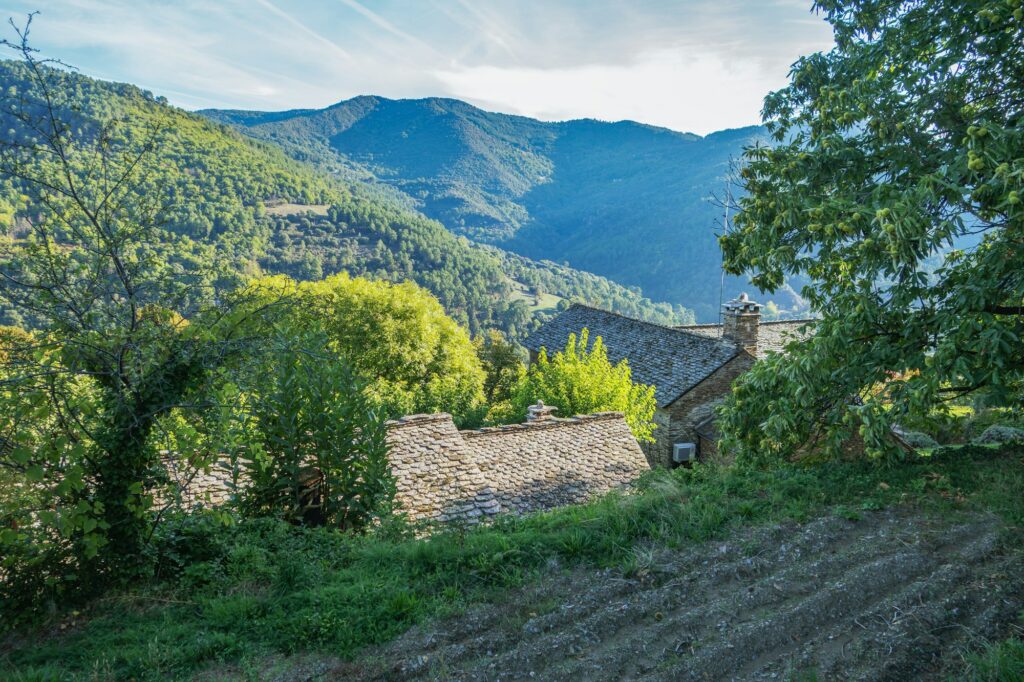
What if the secret to a great trip wasn’t seeing more, but seeing better? In 2026, a quiet revolution is transforming our relationship with travel. It’s called slow travel, and its most refined form — the slowmad movement — is winning over an entire generation of travelers who refuse to rush from one landmark to the next, smartphone in hand. Gone are the destination bucket lists, the selfies in front of crowded sites, the hastily packed suitcases to catch the next flight. Slow travel favors depth over speed, connection over collection, experience over sightseeing. More than 40 million digital nomads now roam the world, according to LocalNomads, and 73 countries offer visas dedicated to remote workers. But among them, slowmads stand apart: they stay 2 to 6 months in the same place, learn the local language, build lasting friendships, and construct a life — not an itinerary. Here is the complete guide to understanding this movement and the six destinations that best embody this philosophy in 2026.
1. What is slow travel?
A philosophy before a way of traveling
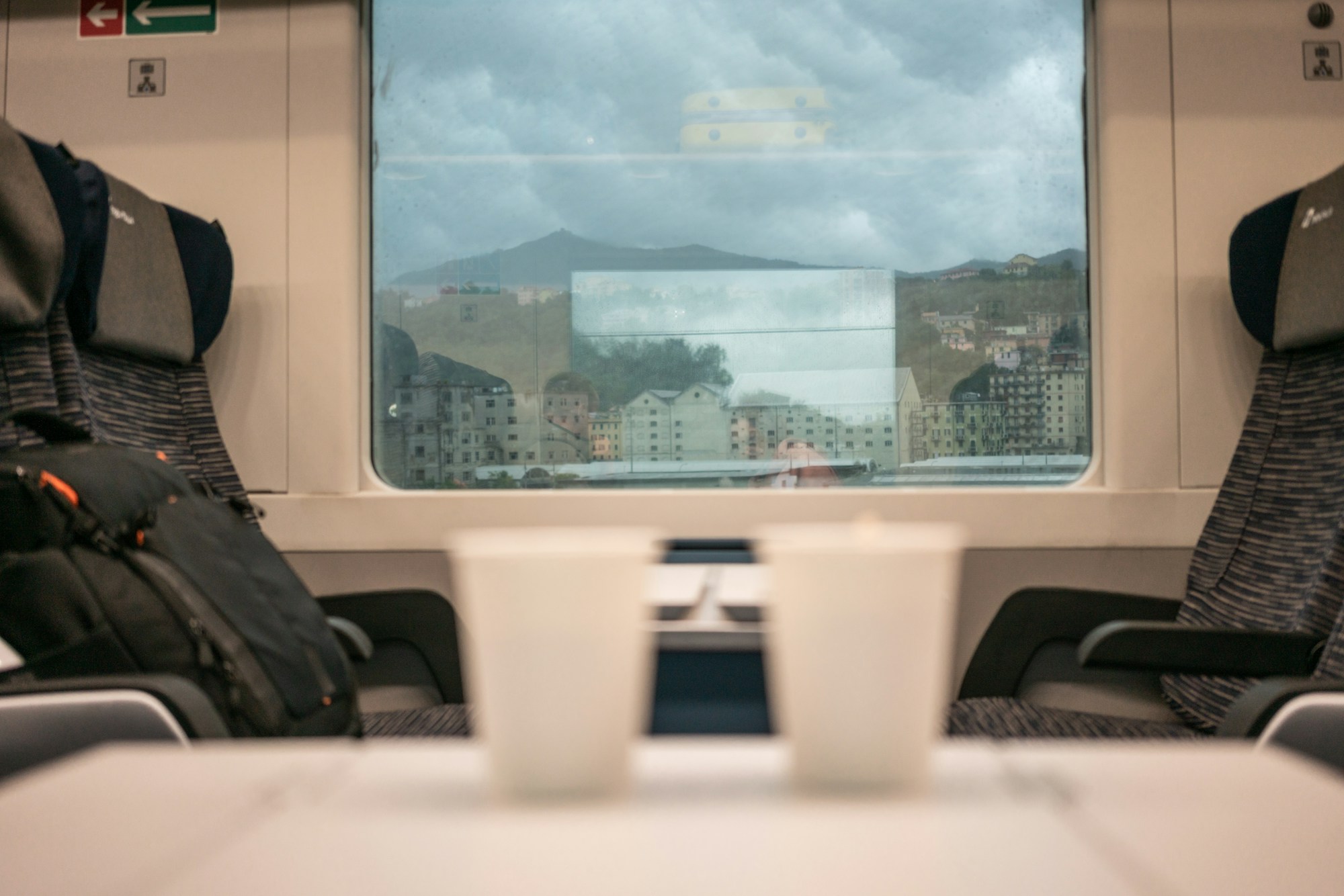
Slow travel isn’t simply about slowing down the pace of your trip — it’s a complete paradigm shift. Born in the wake of the Italian slow food movement of the 1980s, it rests on a simple conviction: the quality of the experience matters more than the number of destinations visited. Where conventional tourism seeks to maximize « points of interest » checked off in minimal time, slow travel invites you to settle in, observe, and let the place come to you rather than chasing after it.
In practice, this means choosing the train over the plane, renting an apartment rather than hopping between hotels, frequenting the neighborhood market instead of tourist restaurants. It means accepting that you won’t see everything — and discovering in exchange what the guidebooks never mention. The slow traveler would rather know a baker by first name than visit ten museums in three days. According to The Inn at Stonecliffe, this approach prioritizes presence and authentic connection with places, cultures, and people encountered along the way.
What makes slow travel particularly relevant in 2026 is the exhaustion of the conventional model. Millennials and Gen Z, tired of bucket lists and performative tourism on social media, are now seeking experiences that transform them rather than photos that validate them. A study cited by The Wanders shows that this generation increasingly favors long, immersive stays over traditional whirlwind tours. Slow travel is no longer fringe: it’s on track to become the norm for a new generation of conscious travelers.
2. The slowmad movement in 2026
Slowmad: when the digital nomad slows down
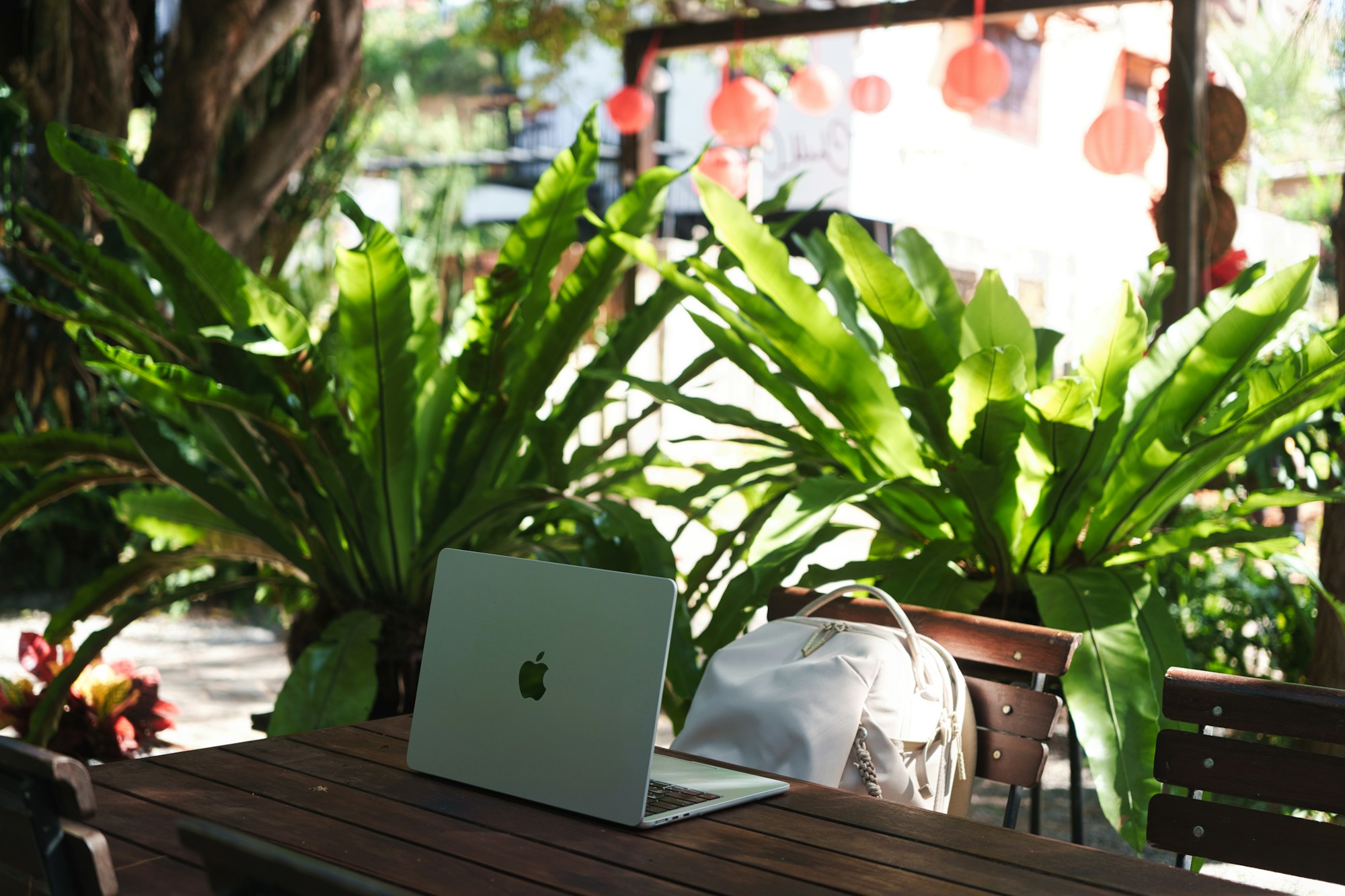
The term slowmad — a blend of « slow » and « nomad » — refers to a traveler who combines remote work with extended stays in each destination. The difference from the classic digital nomad is fundamental: where the traditional nomad changes cities every one to three weeks, the slowmad settles in for two to six months, according to Digital Nomad Lifestyle. This isn’t extended tourism — it’s a way of living in a place rather than merely visiting it.
In 2026, the movement has grown considerably. More than 40 million people identify as digital nomads worldwide, a 147% increase since 2019, according to LocalNomads. Among them, slowmads represent the most mature and thoughtful segment. The concept of « slowmad residencies » — stays of 30 to 90 days designed to achieve a state of deep flow — is spreading to hubs like Lisbon, Chiang Mai, and Oaxaca, as documented by Drift Travel. The idea: stay long enough for the place to stop being exotic and simply become… home.
What truly sets the slowmad apart from a simple temporary expat is intentionality. Each destination is chosen for specific reasons — cost of living, internet connection quality, cultural richness, climate, local community — and each stay is designed as a chapter of life, not an interlude. The slowmad doesn’t flee everyday life: they reinvent it, again and again, drawing from the diversity of the world.
3. Portugal — The Alentejo, cradle of European slow travel
The Alentejo and southern Portugal
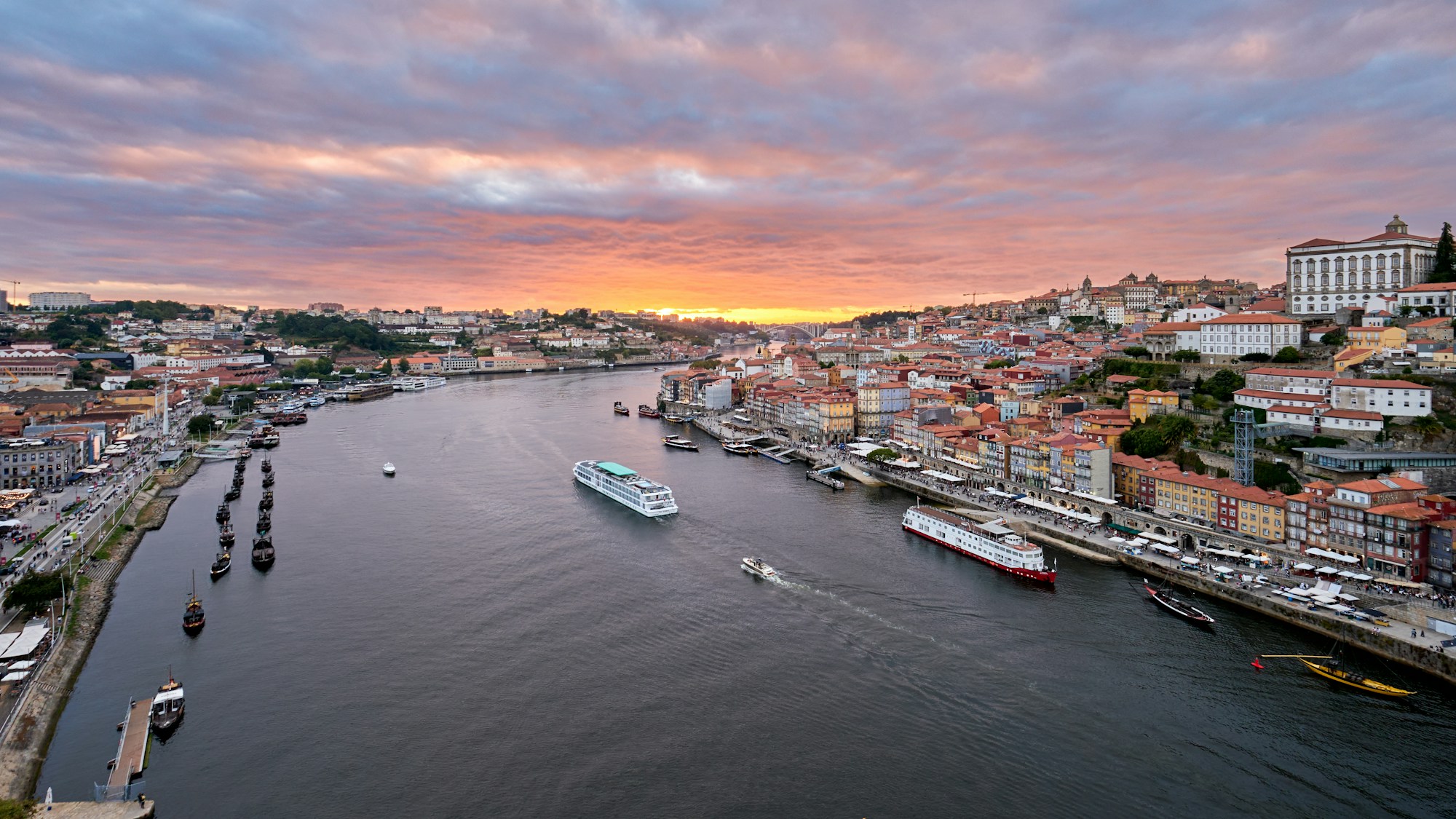
Portugal has established itself as the quintessential slowmad destination in Europe, and the Alentejo is its hidden gem. While Lisbon and Porto attract the crowds, this vast region south of the Tagus offers what the slow traveler seeks above all: suspended time. Endless golden plains, centuries-old olive groves, white villages dozing under the sun — the Alentejo is Portugal as it was fifty years ago, before mass tourism transformed the Algarve.
The cost of living remains accessible for a Western European country. While the average daily budget for a hotel traveler is around 166 euros according to Au Bord du Quai, a slowmad renting a monthly apartment in a city like Evora or Beja can manage for far less. The prato do dia (daily specials) in local tascas cost about 10 euros, and Alentejo wine — among Portugal’s finest — can be enjoyed for just a few euros per bottle. For long-term rentals, Idealista and expat Facebook groups are the best resources, as recommended by Nomad Labs.
But the Alentejo’s true asset for the slowmad is its naturally slow pace. Here, nobody rushes. Afternoons are made for napping, evenings for endless conversations over a glass of wine. Wi-Fi is reliable in the main towns, coworking spaces are gradually emerging, and the expat community remains small enough for every encounter to feel authentic. It’s the perfect antithesis of the overcrowded nomad hub.
Highlights
- Naturally slow pace of life, ideal for creativity
- Exceptional cuisine at affordable prices (prato do dia ~10 EUR)
- UNESCO heritage in Evora, preserved villages
- Growing but still intimate expat community
- Costa Vicentina: wild and unspoiled coastline
4. Japan — Kyoto, the contemplative immersion
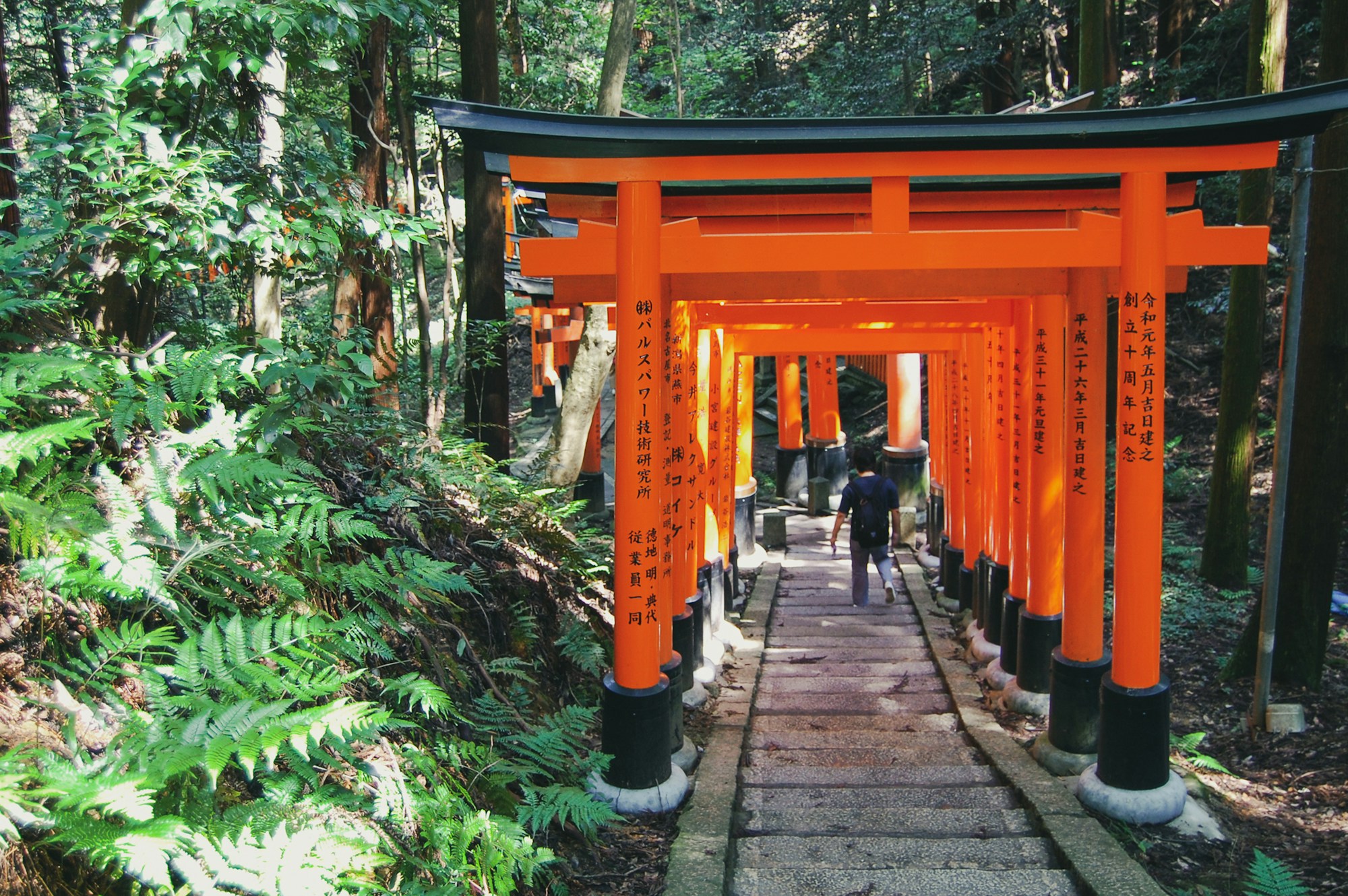
Kyoto and Kanazawa: slowness elevated to an art form
Japan and slow travel seem made for each other. In a country where the tea ceremony transforms a simple gesture into a millennia-old art, where zen gardens are designed to be contemplated for hours, slowness isn’t a choice — it’s a philosophy of life. Kyoto, the ancient imperial capital, embodies this vision better than any other city in the world. Far from Tokyo’s bustle, it offers the slowmad an inexhaustibly rich playground: 2,000 temples and shrines, neighborhoods of machiya (traditional wooden houses), alleyways where time seems to stand still.
Daily life in Kyoto revolves around rituals that reward patience. Waking at dawn to watch monks sweep the garden of Ryoan-ji in absolute silence. Finding your kissaten (traditional coffee house) and returning every morning until the owner serves you without needing to order. Exploring the Nishijin district, where artisans have been perpetuating the art of silk weaving for centuries. According to The Digital Nomad Asia, Kyoto is a quieter neighbor of Osaka, with many cafes offering reliable Wi-Fi for productive work.
For those seeking an even deeper immersion, Kanazawa — accessible in 2h15 from Kyoto by Shinkansen — offers a fascinating alternative. Its perfectly preserved samurai districts, Omi-cho market, and the LINNAS coworking space make it an emerging slowmad base. The monthly budget in Japan ranges from 180,000 to 350,000 yen (approximately $1,200-2,400) according to AllBlogs, which remains reasonable for a developed country — especially with the yen still favorable to Western currencies in 2026.
Highlights
- Culture of slowness embedded in Japanese DNA
- Exceptional safety, impeccable transportation
- Cuisine among the world’s finest
- Kanazawa: samurai districts and LINNAS coworking
- Ultra-fast Wi-Fi in cafes and public spaces
5. Bali — Ubud and Sidemen, the tropical slow life
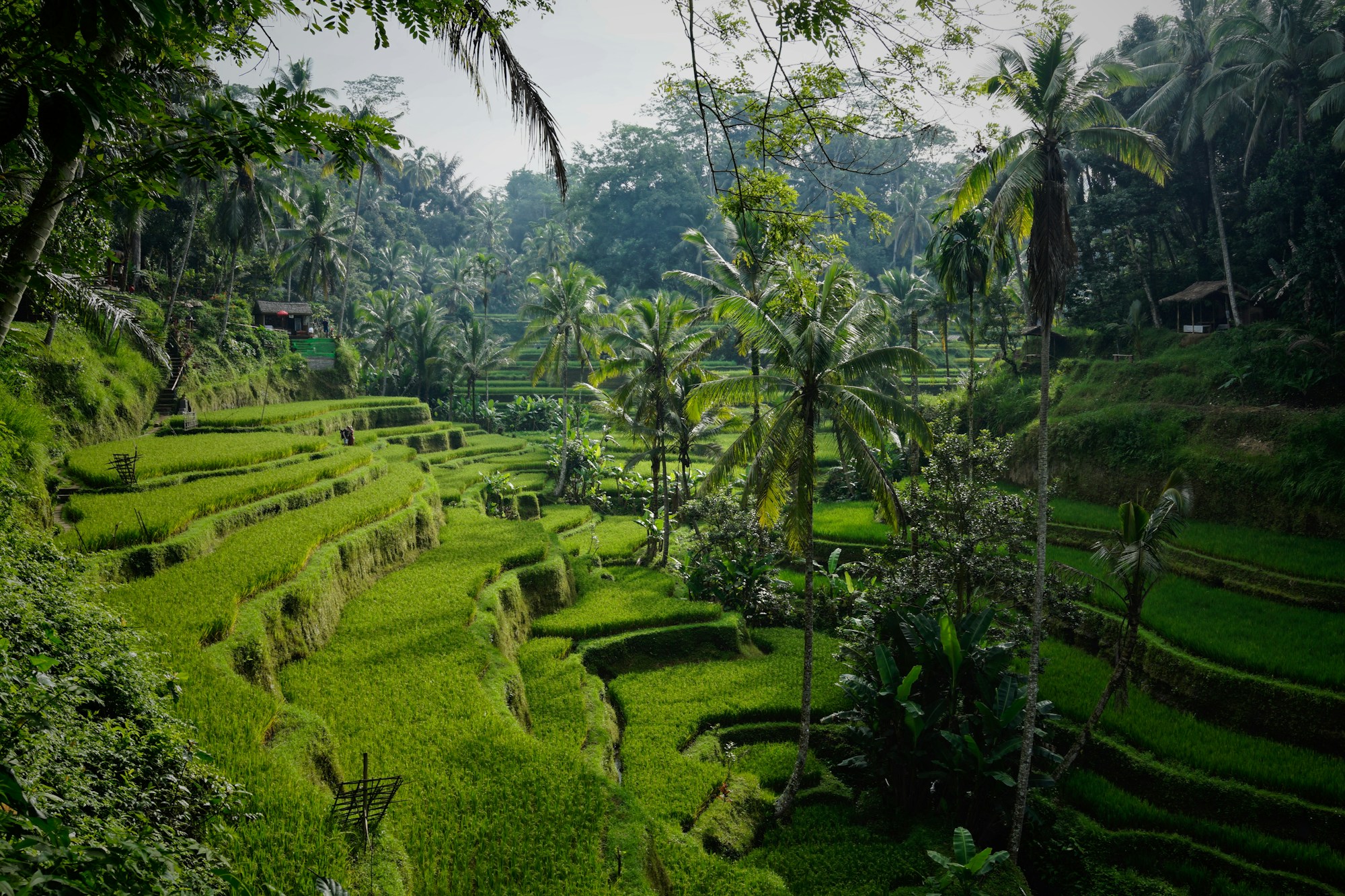
In the heart of the Balinese rice paddies
Bali holds a special place in the imagination of digital nomads. But in 2026, slow travel in Bali no longer happens in Canggu — the « digital nomad hub » that has become too loud, too expensive, too predictable. The real revolution is taking place in Sidemen, a village nestled in a valley of spectacular rice terraces in the east of the island. According to Kelana by Kayla, Sidemen is what Ubud was twenty years ago: authentic, peaceful, deeply Balinese. No trendy bars or $15 brunches — just families cultivating rice as their ancestors did, temple ceremonies that mark the weeks, and a silence punctuated only by the crowing of roosters at dawn.
Ubud nonetheless remains a relevant slowmad base for those seeking a balance between cultural immersion and modern infrastructure. The Campuhan Ridge Walk at sunrise, the art galleries on Monkey Forest Road, the temple ceremonies to which respectful visitors are often invited — all of this nourishes a daily life of rare richness. The monthly budget for a slow stay in Bali ranges from $900 to $2,000 according to MachuPicchu.org, with long-term rentals significantly reducing costs compared to tourist rates.
What makes Bali unique for the slowmad is the spiritual dimension. The Balinese live with a radically different relationship to time. The daily offerings (canang sari), the ceremony calendars that dictate the rhythm of village life, the Tri Hita Karana philosophy (harmony with the gods, humans, and nature) — all of this eventually rubs off on the traveler who stays long enough. And that is precisely the point of slow travel: letting yourself be transformed by the place.
Highlights
- Sidemen: authentic Balinese life preserved from mass tourism
- Very low cost of living with long-term rentals
- Unique daily spiritual dimension
- Campuhan Ridge Walk and Tegalalang rice terraces
- Community of creatives and yogis in Ubud
6. Oaxaca — Mexico at its most authentic pace
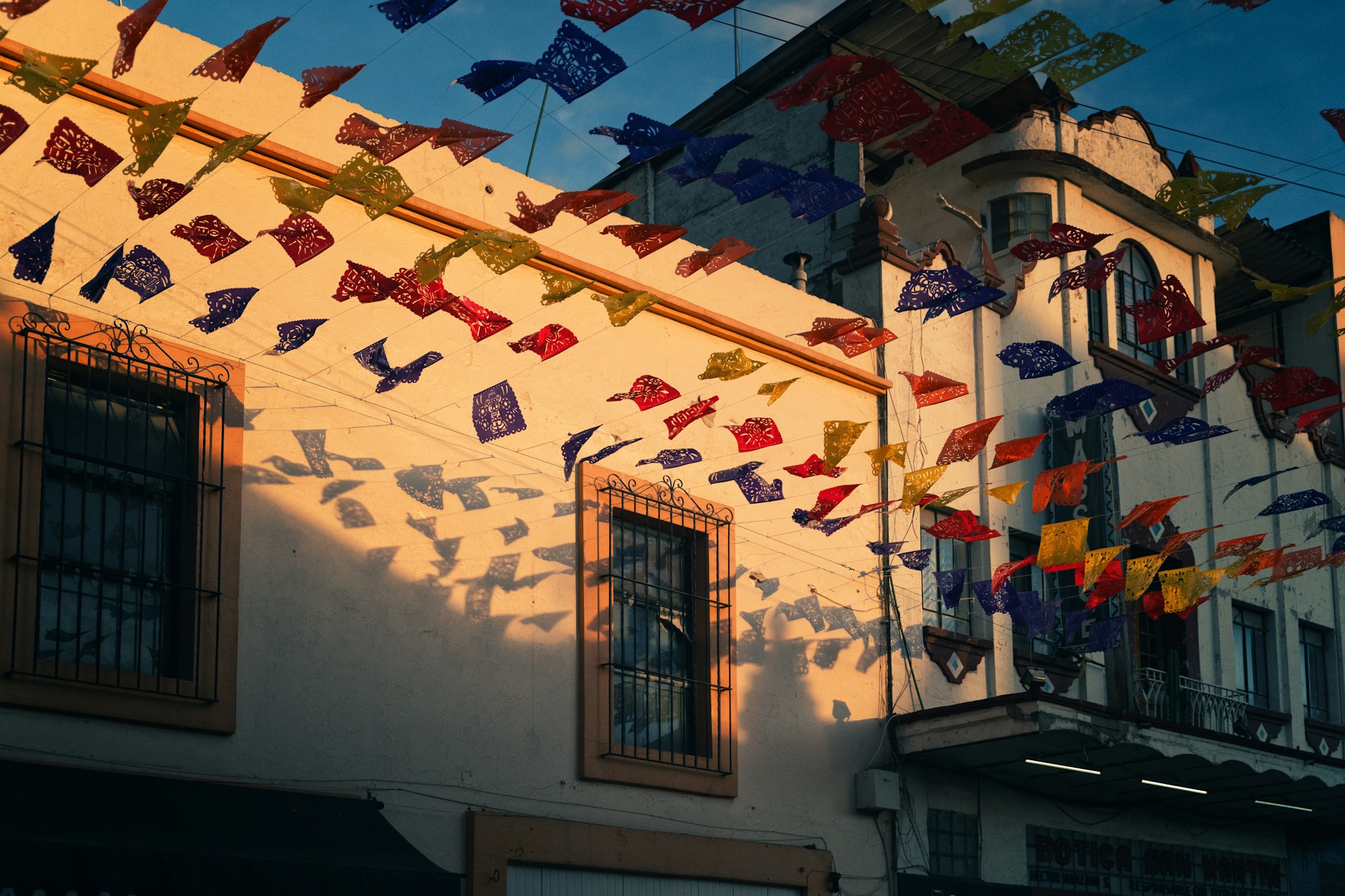
Capital of Latin American slow living
Oaxaca is perhaps the city that best embodies the slowmad spirit in 2026. Nestled in a valley at 1,500 meters above sea level in southern Mexico, it is what Freakin’ Nomads calls the « capital of Latin American slow living ». Here, everything takes its time: the preparation of a tlayuda (the Oaxacan pizza) on an outdoor brazier, the patient fermentation of mezcal in the palenques of the surrounding mountains, the meticulous weaving of tapetes in Teotitlan del Valle. Slow travel isn’t an imported concept in Oaxaca — it’s the way Oaxacans have always lived.
The monthly budget ranges from $1,000 to $2,400 according to Outta the Comfort Zone, making it one of the most affordable destinations in this guide. An apartment in the San Felipe del Agua neighborhood — residential, quiet, on a hillside overlooking the city — rents for around $400-600 per month, as recommended by Psimon My Way. The UNESCO World Heritage historic center offers quality cafe-coworking spaces, a culinary scene that rivals Mexico City, and a cultural life of remarkable intensity.
What makes Oaxaca irresistible for a multi-month stay is the depth of its culture. Every week brings a festival, a procession, a special market. The Zapotec and Mixtec communities surrounding the city perpetuate millennia-old traditions accessible to anyone who makes the genuine effort to engage. The Guelaguetza in July — Mexico’s largest folk festival — is a magnificent spectacle, but it’s the small neighborhood celebrations, where someone hands you a plate and a mezcal without asking anything in return, that make Oaxaca a quintessential slowmad destination.
Highlights
- Cuisine recognized as UNESCO Intangible Heritage
- Exceptional artisanal mezcal scene
- Very affordable cost of living (apt. ~$400-600/month)
- Pleasant altitude: eternal spring without heat waves
- Zapotec and Mixtec communities still very much alive
7. Chiang Mai — Southeast Asia’s slowmad hub
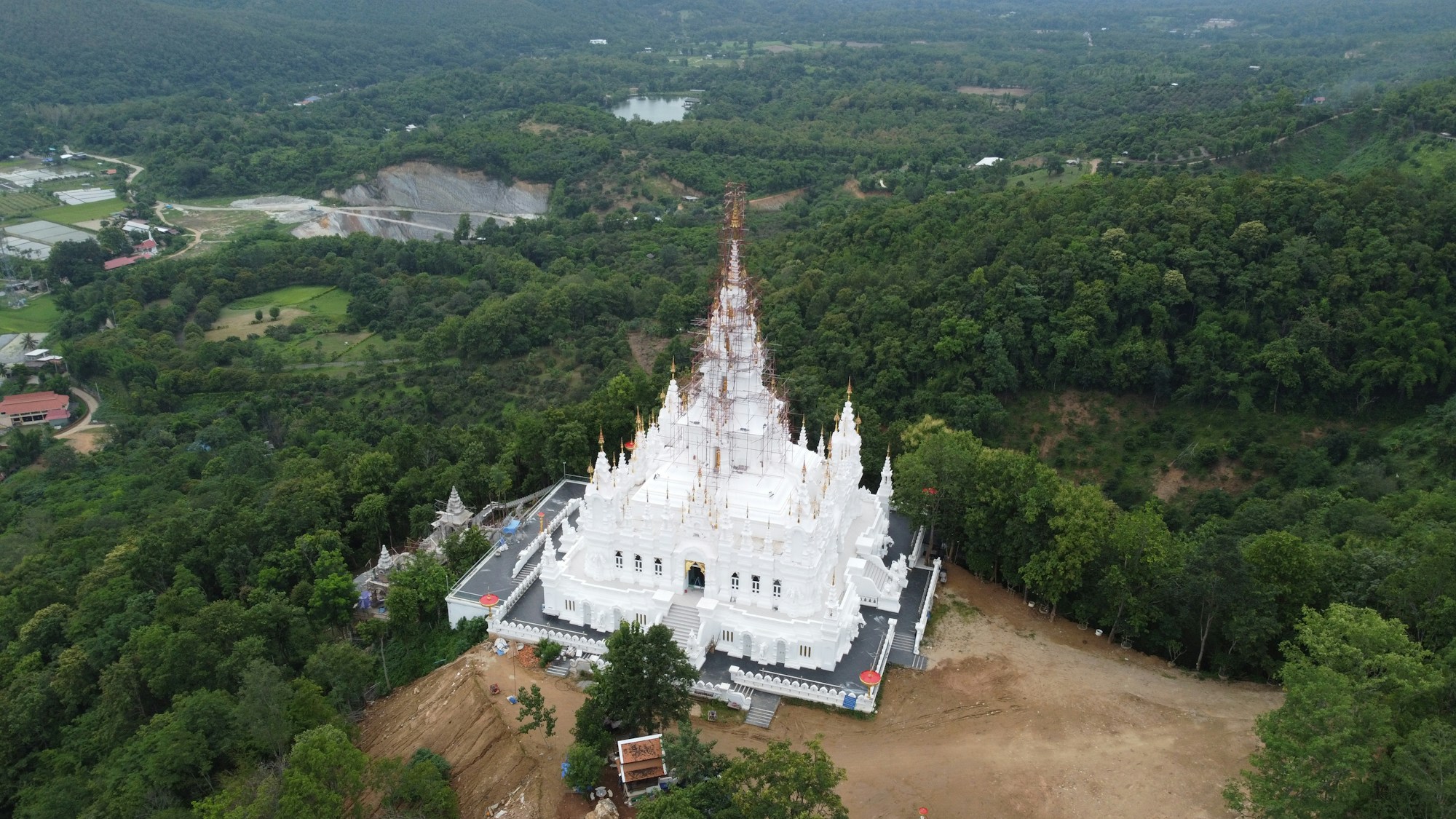
From mountain village to global capital of nomadic work
Chiang Mai is living proof that a city can transform profoundly without losing its soul. This former capital of the Lanna kingdom, nestled in the mountains of northern Thailand, has gone from a quiet provincial city to the world’s top nomad destination in just a decade, according to Thrive in Thailand. But unlike Canggu or Medellin, Chiang Mai has managed to absorb this transformation without losing its character. Centuries-old temples stand alongside coworking spaces, traditional night markets sit next to specialty coffee shops, and Buddhist monks continue their morning alms while nomads open their laptops.
The monthly budget ranges from $1,100 to $2,500 according to Innovative Human Capital, with coworking spaces at about $85 per month — a fraction of the price charged in European capitals. The DTV (Destination Thailand Visa), valid for 5 years with 180-day stays per entry for about $291, has been a game-changer according to Across Every Border. No more stressful visa runs to the Burmese border — the slowmad can finally settle in with peace of mind.
What makes Chiang Mai a slowmad destination rather than just a digital nomad hub is the depth of its cultural fabric. A three-month stay allows you to learn basic Thai, participate in Buddhist festivals (Loy Krathong in November is magical), take a northern Thai cooking class with a Thai grandmother, and build friendships beyond the expat bubble. The Nimman neighborhood is the beating heart of the nomad scene, but it’s within the old walled city, among temples and quiet alleyways, that slow travel truly comes to life.
Highlights
- Asia’s most mature nomad infrastructure (coworking, Wi-Fi, cafes)
- DTV: 5-year visa, 180-day stays
- Legendary street food at $1-2 per dish
- More than 300 temples in and around the city
- Accessible nature: mountains, waterfalls, national parks
8. Puglia — Southern Italy in slow luxury mode
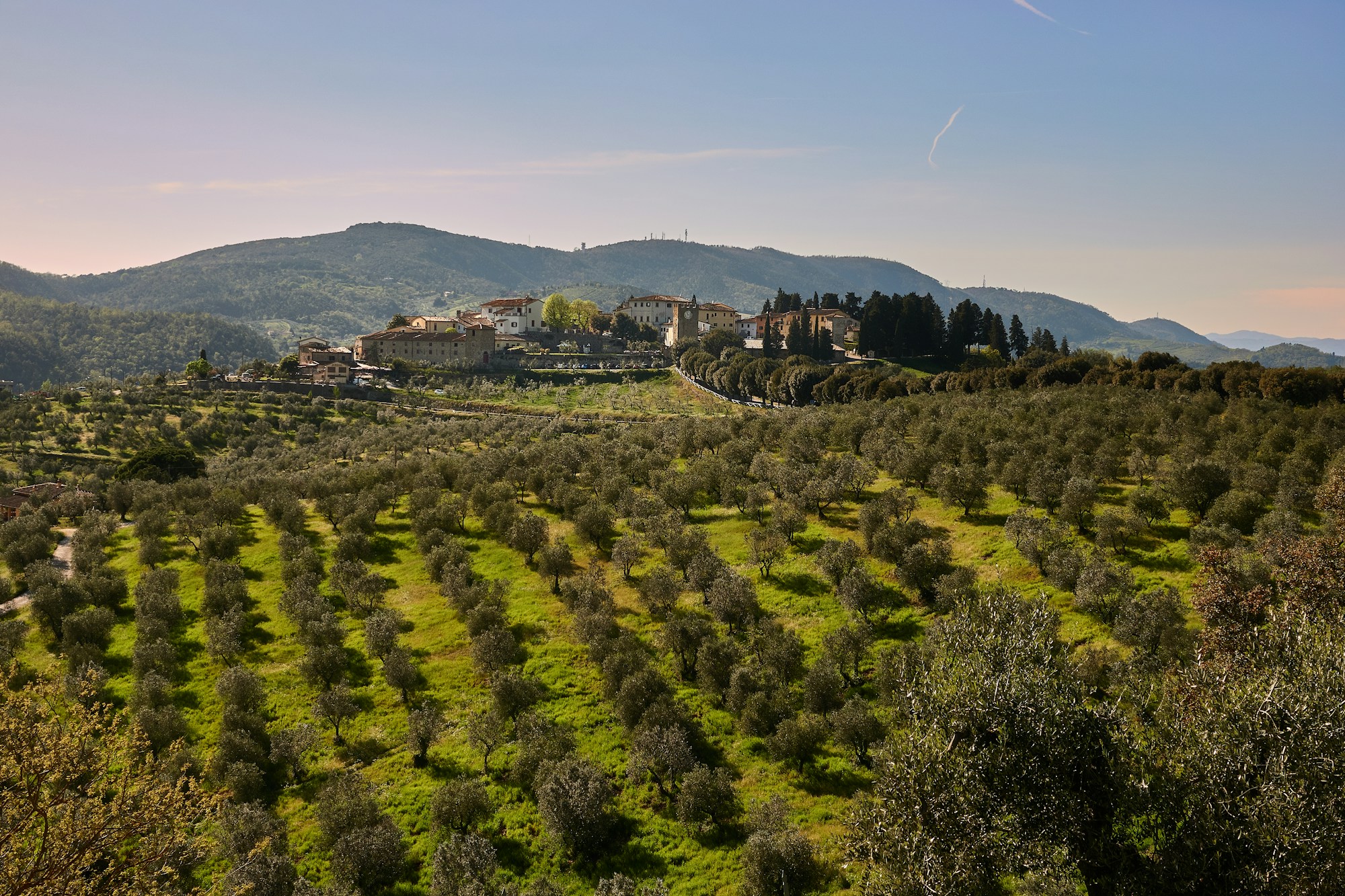
The heel of the boot, jewel of the Mezzogiorno
If slow travel had a country of adoption, it would be Italy. And within Italy, Puglia represents the purest expression of this philosophy. Here, in the « heel of the boot, » time flows according to rules that the industrialized north forgot long ago. The nonni still make orecchiette by hand on their doorsteps in Bari Vecchia. The millennia-old olive trees of the Fasano countryside produce an oil whose recipe each family jealously guards. The trulli of Alberobello — those white stone dwellings with conical roofs — seem straight out of a fairy tale, yet people still live in them daily.
For the slowmad, Puglia offers a considerable advantage: a cost of living 30 to 40% lower than northern Italy, according to MachuPicchu.org. The masserie — ancient fortified farmhouses converted into charming guesthouses — offer long-term stays at rates that would make any Milanese Airbnb blush. As Tax Hackers notes, the authentic Mezzogiorno offers a Mediterranean quality of life without the price that Rome, Florence, or the Amalfi Coast impose on visitors.
What makes a multi-month stay in Puglia so rich is the diversity of landscapes and experiences concentrated in a small area. In an hour’s drive, you go from the sea caves of Polignano a Mare to the shaded forests of the Gargano, from the extravagant baroque of Lecce to the wild beaches of the Salento peninsula. The slowmad can settle in Ostuni — the « white city » with its panoramic sea views — and spend three months exploring without ever boarding a plane. That is the very essence of slow travel: depth over breadth.
Highlights
- Masserie: long-term stays in historic farmhouses
- Southern cuisine: orecchiette, burrata, millennia-old olive oil
- 30-40% cheaper than Milan, Rome, or Florence
- Trulli of Alberobello, baroque Lecce, Salento beaches
- Adriatic and Ionian coastline uncrowded off-season
9. How to become a slowmad: the practical guide

Five steps to transform the way you travel
Becoming a slowmad doesn’t require dropping everything overnight. It’s a gradual transition, a change of mindset before a change of lifestyle. Here are the five key steps to begin your transformation, inspired by recommendations from Nomad Labs and Digital Nomad Lifestyle.
Step 1: Change your mindset
The first step is mental. Stop counting countries visited and start measuring the depth of your experiences. The question is no longer « how many cities in two weeks? » but « what did this place teach me about myself? » Slow travel demands humility: accepting that you won’t see everything, that some days will be ordinary, and that it’s precisely in this chosen ordinariness that the magic lies.
Step 2: Test with an extended stay
Before reorganizing your entire life, test the concept. Take your next vacation and, instead of visiting three countries in two weeks, settle into a single city for two weeks. Rent an apartment, shop at the market, find a favorite cafe. If after two weeks you feel a richness that your usual trips never provided, you’re ready for the next step.
Step 3: Organize the logistics
Each slowmad relocation costs between $300 and $800 (flights, first few hotel nights, settling in). To minimize these costs, plan your transitions well in advance, travel light (one carry-on and a backpack), and use long-term rental platforms: Idealista for southern Europe, Flatio for Eastern Europe, Spotahome for major cities. Don’t forget long-term travel insurance and a reliable VPN to secure your connections.
Step 4: Find the right accommodation
Accommodation is the key to a successful stay. Avoid Airbnb for stays longer than a month — rates are rarely competitive. Prefer local platforms, expat Facebook groups for your destination, and local real estate agencies that offer flexible leases. The secret: book a week in temporary accommodation upon arrival, then search on the ground. You’ll always get better prices and a better sense of neighborhoods in person.
Step 5: Build community
The greatest risk of nomadism is loneliness. Slowmadism solves this problem by providing the time needed to create lasting bonds. Three months in the same place changes everything: you go from tourist to neighbor, from regular customer to the owner’s friend. Sign up for local activities (language classes, sports, volunteering), frequent coworking spaces, and participate in community events. Friendships born from a slowmad stay are often among the deepest of a lifetime.
Practical info for your slow trip
Stay connected in over 200 countries with Airalo, without changing your SIM card.
Comprehensive coverage for slowmads with SafetyWing’s Nomad Insurance.
Secure your connection and access your services from anywhere.
Frequently asked questions about slow travel and the slowmad movement
How long should you stay in one place for it to count as slow travel?
There’s no absolute rule, but most slowmads agree on a minimum of 6 to 12 weeks to truly immerse yourself in a culture. Under two weeks, you remain a tourist. Between two weeks and a month, you start building habits. Beyond six weeks, you become a temporary resident — and that’s where the magic happens. The sweet spot for many is between 2 and 6 months, according to Digital Nomad Lifestyle.
Is slow travel cheaper than conventional tourism?
Yes, significantly. Monthly rentals cost 40 to 60% less than nightly hotel or weekly Airbnb rates. You take fewer flights (the most expensive travel expense), you cook more, and you access local prices rather than tourist prices. A slowmad spends an average of $1,000 to $2,500/month all-inclusive in Southeast Asia or Latin America, compared to $3,000 to $5,000 for a conventional tourist changing cities every week.
Won’t you get bored staying in one place for a long time?
This is the most common fear, and the most unfounded. Slow travel replaces breadth with depth. Instead of seeing ten cities on the surface, you explore one in every corner. You discover the restaurant only locals know, the trail that’s in no guidebook, the village festival that appears on no blog. Slowmads unanimously report that it’s over time that destinations reveal their most precious secrets — ones a passing tourist doesn’t even suspect.
Do you need a special visa for slow travel?
That depends on the duration and country. For stays of less than 90 days, most destinations in this guide are accessible with a simple tourist visa for European nationals. Beyond that, there are now 73 countries offering dedicated digital nomad visas, according to Digiwander. Thailand (DTV), Portugal (D8), Spain (Ley de Startups), and Indonesia all offer visas tailored to remote workers with durations from 6 months to 5 years.
Can you stay productive while working remotely and slow traveling?
It’s actually one of its major advantages. The geographic stability of slowmadism — as opposed to the constant change of classic nomadism — promotes focus and productivity. You establish a routine, you know the best cafes to work from, you’re not constantly thrown off by a new environment. Many slowmads report productivity higher than what they had in a fixed office, thanks to a more inspiring living environment and better work-life balance.
How do you avoid loneliness when traveling slowly?
Paradoxically, slowmadism is less lonely than classic nomadism. The loneliness problem among nomads comes from constant rotation: you create superficial bonds that you break by leaving. By staying 2 to 6 months, you have time to build genuine friendships — with locals as well as other expats. Frequent coworking spaces, sign up for classes (language, cooking, sports), and participate in local community life. Three months is enough to turn acquaintances into friends.
How do you find affordable housing for a multi-month stay?
Avoid tourist platforms (Airbnb, Booking) for long stays. Prefer local platforms: Idealista for Spain and Portugal, Flatio for Eastern Europe, Spotahome for major European cities, and expat Facebook groups for your destination (search « [City] Expats » or « [City] Digital Nomads »). The best advice: book a week of temporary housing upon arrival, then search on the ground. The best deals are never online, according to Nomad Labs.
What is the environmental impact of slow travel?
Slow travel is one of the most environmentally virtuous forms of travel. By taking only 1 to 2 flights per year (compared to 10 to 15 for a classic nomad), your transport-related carbon footprint drops dramatically. Furthermore, by staying in one place for a long time, you adopt resident behaviors: local transportation, neighborhood shopping, supporting the local economy rather than international chains. Slow travel also contributes to tourist deconcentration by highlighting lesser-known destinations that benefit more from visitors’ economic contribution.
Sources
- The Inn at Stonecliffe — Slow travel philosophy and principles in 2026
- The Wanders — Slow food travel movement 2026 guide
- Digital Nomad Lifestyle — Slowmad definition and profile
- LocalNomads — Statistics on 40+ million digital nomads worldwide
- DigiWander — Why slowmadism is the most beneficial way to travel
- Drift Travel — 2026, the year of slow travel for digital nomads
- Au Bord du Quai — Detailed budget for travelling in Portugal
- Nomad Labs — Practical guide: staying longer as a digital nomad
- The Digital Nomad Asia — Digital nomad guide to Japan: Kyoto and Kanazawa
- AllBlogs — Japan digital nomad guide 2026: visas, costs and best cities
- Kelana by Kayla — Sidemen, authentic Bali away from the crowds
- MachuPicchu.org — Bali budget guide 2026 and cost of living in Puglia
- Freakin’ Nomads — Digital nomad guide to Oaxaca, slow living capital
- Outta the Comfort Zone — Cost of living in Oaxaca for digital nomads
- PS I’m On My Way — Living as a slowmad in Oaxaca: neighborhoods and tips
- Thrive in Thailand — Chiang Mai, top digital nomad destination
- Innovative Human Capital — Chiang Mai, most affordable nomad destination in 2026
- Across Every Border — Thailand DTV visa: 5 years for $291
- Tax Hackers — Puglia: slow luxury and workcation in Southern Italy
Research conducted on March 17, 2026
Ready to slow down and travel better?
Slow travel isn’t a passing trend — it’s a profound redefinition of what it means to travel. Whether you dream of Bali’s rice paddies, Oaxaca’s alleyways, or Puglia’s olive groves, the first step is always the same: choosing depth over speed. Discover hundreds of itineraries designed to inspire you and plan your next slowmad stay on Pixidia.
Explore all itineraries