

On August 12, 2026, the Sun will disappear for 2 minutes and 18 seconds. The first total solar eclipse visible from Europe in 27 years, it will carve a path of shadow across the North Atlantic — a vast ocean expanse that only ships can fully inhabit. Expedition companies worldwide have designed special cruises, positioning their vessels at the heart of the totality band between Iceland and the Spanish coast. Here is the complete guide to 2026 eclipse cruises, from Arctic expeditions to luxury Mediterranean yachts.
The path of totality: a celestial highway over the Atlantic
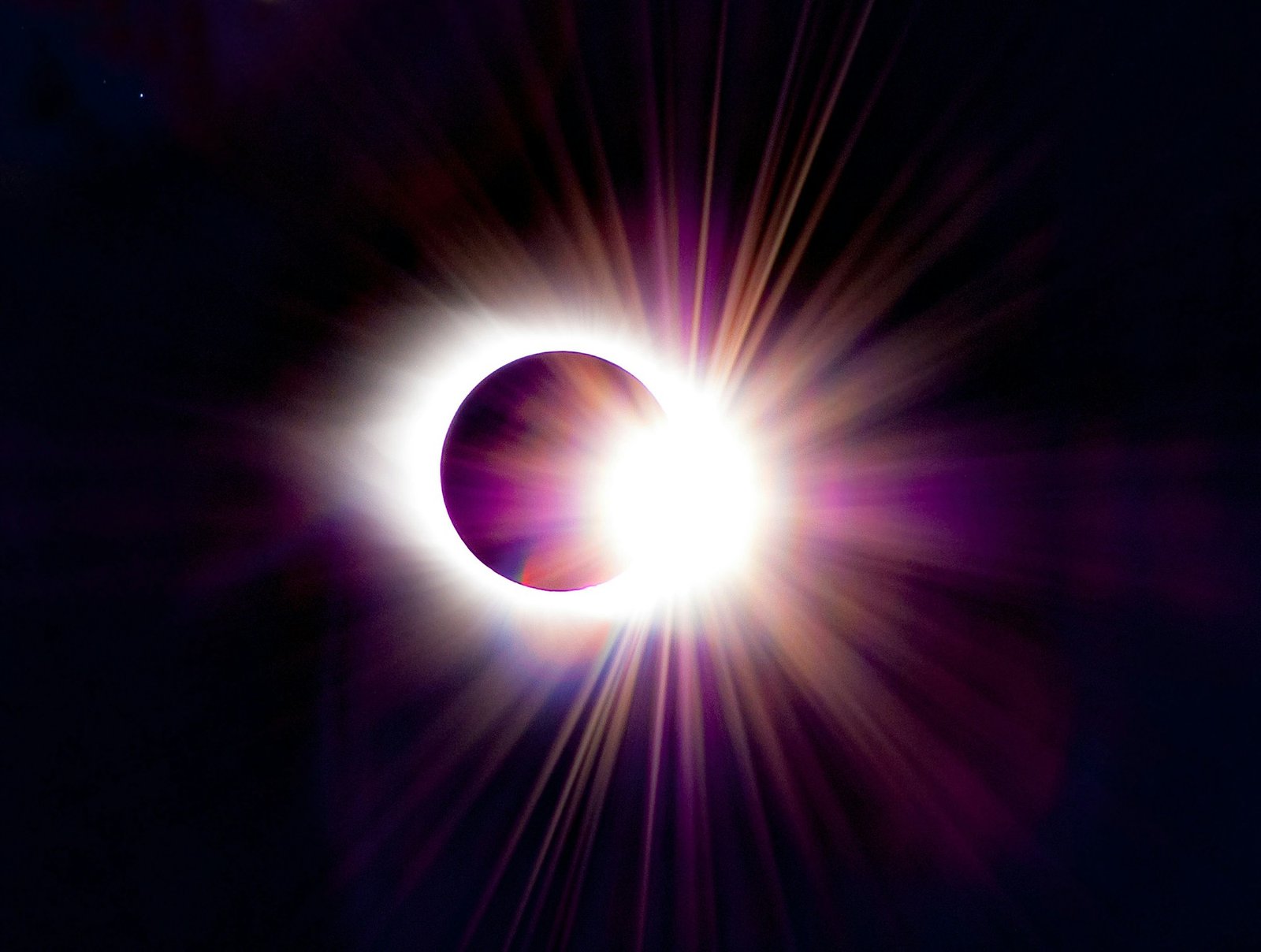
Europe’s astronomical event of the century
According to Wikipedia, the August 12, 2026 eclipse path will begin on the northern coast of Siberia, make a great loop through the Arctic Ocean, brush the North Pole, cross northeastern Greenland to reach its maximum just off the northwest coast of Iceland, before sweeping across northern Spain and the Balearic Islands at sunset.
The maximum duration of totality — 2 minutes 18 seconds — occurs in the Atlantic Ocean, just west of Iceland, according to Astronome.fr. Ships able to position themselves precisely at that spot will offer the longest totality of the entire corridor.
Why cruising is the winning strategy
- Real-time mobility to escape cloud cover
- Precise positioning in the totality band
- Zero light pollution at sea
- Expert-guided astronomical experience
1. PONANT: France’s flagship expedition (High Arctic & Mediterranean)
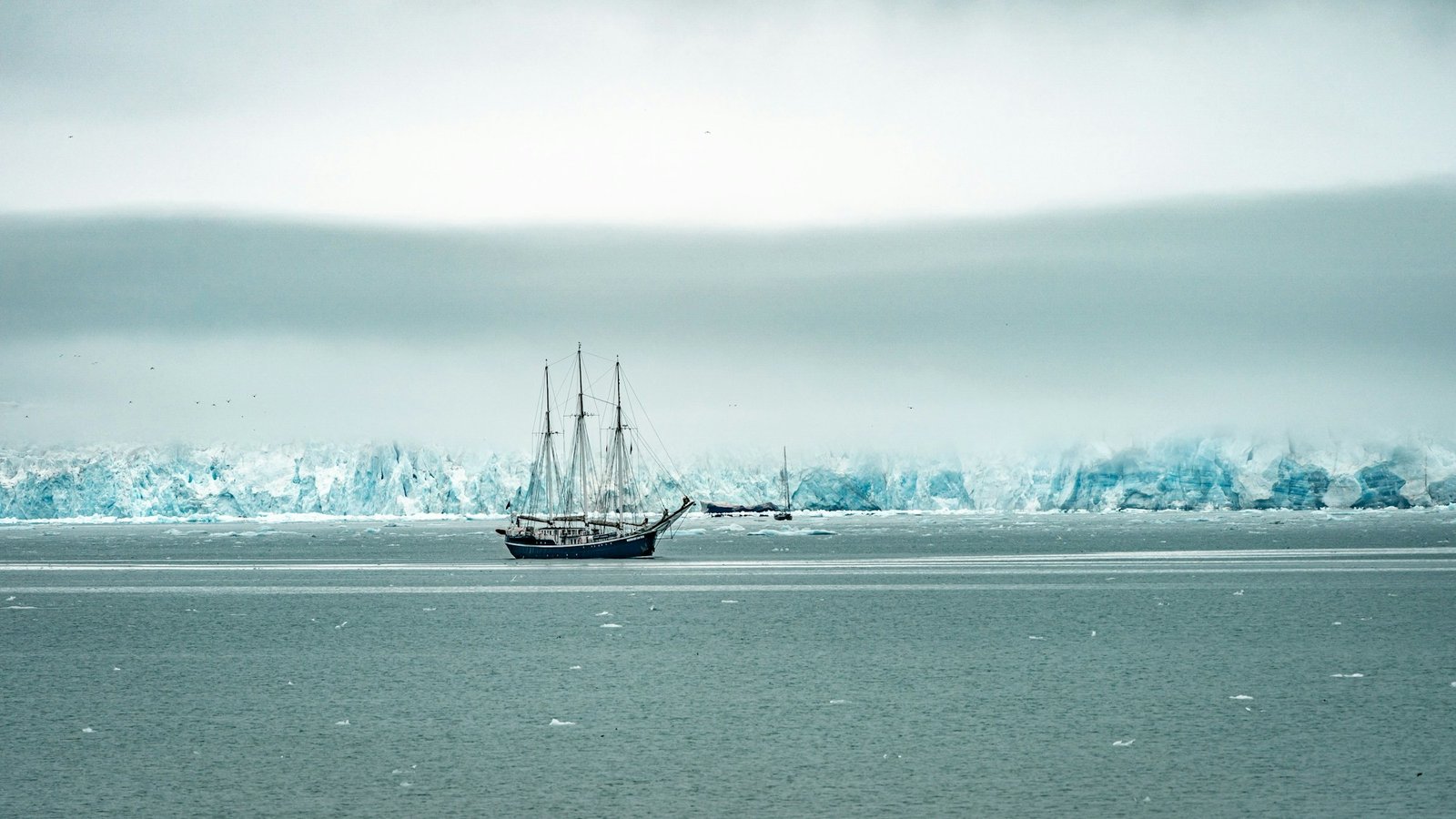
Le Lyrial & Le Boréal — Three itineraries, two eclipse zones
According to Seagnature, PONANT offers three itineraries for the 2026 eclipse. The flagship itinerary, « Wild High North » (August 1–14, 2026, from €14,030/person with Paris flights), connects Longyearbyen in Svalbard to Reykjavik via Jan Mayen island and Greenland aboard Le Lyrial. Claudie Haigneré (first French woman in space) and Jean-Pierre Haigneré (European orbit record: 210 days) will be the scientific lecturers on board.
The « Mediterranean & Eclipse » itinerary (Aug 6–14, from €6,450) connects Nice to the Balearics via Calvi, Bonifacio, Marseille, Port-Vendres and Barcelona aboard Le Boréal. On August 12, after an afternoon in Palma de Mallorca, passengers re-board to observe the eclipse from the open sea at 20:31, with the solar corona rising above the Mediterranean horizon.
PONANT highlights
- France’s leading expedition company
- Astronaut lectures on board (High North itinerary)
- Mediterranean itinerary from €6,450
- Jan Mayen island: one of the world’s most remote places
2. Quark Expeditions: helicopters on board and Scoresby Sund

Ultramarine & Ocean Explorer — The longest totality duration
Quark Expeditions offers two exceptional options. The Ultramarine (13 days, August 6–18, Reykjavik → Reykjavik) carries two twin-engine Airbus H145 helicopters, making it the only vessel capable of flying passengers above the clouds if overcast. The invited expert is David Baron, science journalist who has witnessed 9 total solar eclipses. According to Quark Expeditions, totality in Kong Oscar Fjord lasts 2 minutes 17.2 seconds.
The Ocean Explorer (17 days, August 3–19, Reykjavik → Nuuk) offers the longest crossing of the corridor: 2,200 nautical miles. Satellite observations of past August 12 dates show over 70% chance of clear skies from Scoresby Sund — the world’s largest fjord — thanks to the microclimate created by air descending from the Greenland Ice Cap, according to TravelQuest Tours.
The Scoresby Sund advantage
- Over 70% probability of clear skies
- Exceptional microclimate linked to the ice cap
- World’s largest fjord system
- Ittoqqortoormiit community (most isolated in the Western world)
3. HX Hurtigruten Expeditions: MS Spitsbergen and citizen science

Oslo → Iceland via Svalbard and Greenland — 17 days with a NASA engineer
HX Hurtigruten Expeditions offers a 17-day expedition (August 2–18, 2026) from Oslo to Reykjavik, via Svalbard and Northeast Greenland National Park. According to HX Expeditions, three world-renowned experts are on board: Rahul Venkatraman, NASA Artemis program engineer and astrophotographer; Dr. Daisy Dobrijevic, science writer for Space.com; Dr. Hans Wilhelm Zekl, astrophysicist specializing in eclipses.
The ship will be positioned in Scoresby Sund to maximize chances of clear skies. Citizen Science projects allow passengers to directly contribute to global scientific research during the crossing.
Why choose HX Hurtigruten
- Best value among 17-day expedition cruises
- Active NASA Artemis program engineer as lecturer
- Participation in scientific research projects
- Access to the world’s largest national park (375,000 sq miles)
4. Poseidon Expeditions: the eclipse in an intimate small group
Sea Spirit (114 passengers) — Svalbard → Greenland → Iceland
Poseidon Expeditions offers its exclusive « Arctic Odyssey Under a Solar Eclipse » cruise from August 2–15, 2026. The Sea Spirit, a versatile 114-passenger vessel, ensures an intimate atmosphere. According to Poseidon Expeditions, starting from $10,095 USD/person, this is one of the most affordable options in this quality range.
The on-board expert is Paul Sutter, astrophysicist and professor of theoretical cosmology at Stony Brook University. The program includes: polar bear watching in Svalbard, exploration of Greenland’s fjords, and hikes to the waterfalls of Iceland’s Westfjords — before a total eclipse of 1 minute 46 seconds in Scoresby Sund.
Sea Spirit advantages
- Only 114 passengers — near-private atmosphere
- Most affordable option among quality expeditions
- Arctic wildlife program: polar bears, whales
- World-renowned astrophysicist on board
5. Lindblad / National Geographic: Iceland, Greenland and Canada in one trip
National Geographic Explorer (148 passengers) — 16 days, 3 countries
Lindblad Expeditions’ « Arctic Eclipse Odyssey » cruise connects Reykjavik to the Labrador coast of Canada in 16 days, aboard the National Geographic Explorer. According to Lindblad Expeditions, this is the only eclipse cruise combining Iceland, Greenland AND Canada in a single voyage.
Passengers enjoy hands-on photography lessons from a National Geographic photo expert, and visit the ruins of Brattahlid, Erik the Red’s farm in South Greenland. On August 12, the captain will position the ship in the totality corridor according to weather conditions, with National Geographic naturalists and experts to interpret the phenomenon. According to AFAR Magazine, the starting price is $28,405 USD/person.
6. Silversea, Cunard, Fred Olsen & Seabourn: the eclipse for every budget
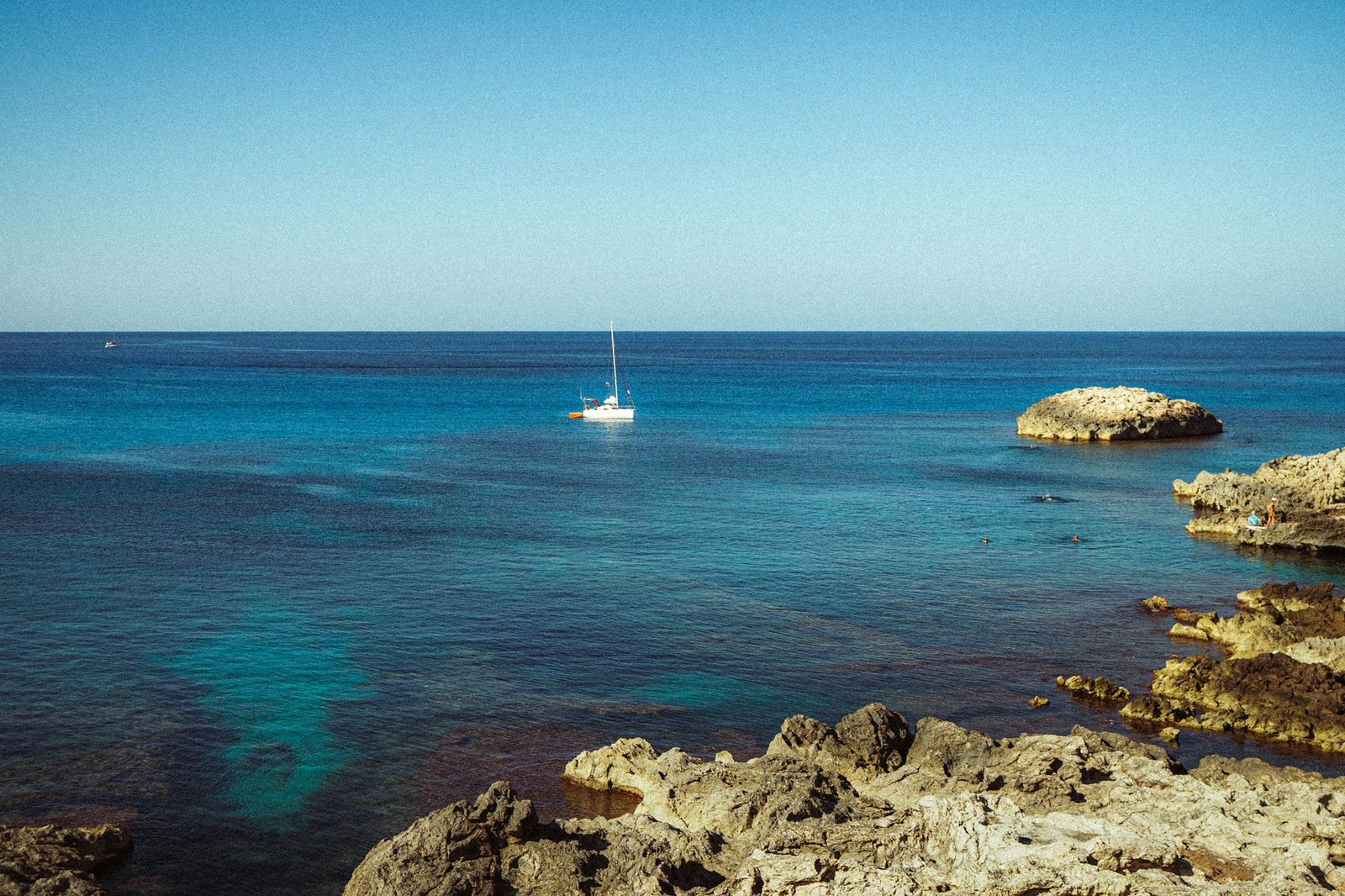
From Queen Mary 2 to luxury yachts — 4 companies, 4 atmospheres
Silversea — Silver Muse (Aug 6–18, from ~€10,000, Nice → Nice): This ultra-luxury yacht becomes a floating observatory on August 12, anchored in the Balearic Sea with an almost 1:1 ratio of passengers to crew. According to Silversea, satellite statistics for the Balearic Sea show the eclipse would have been visible 18 out of 21 analyzed years.
Cunard — Queen Mary 2 (Aug 4–18, from ~€2,890, Southampton → New York): The world’s largest ocean liner will be docked overnight in Reykjavik on August 12. According to Cunard, the eclipse will begin at 17:48 local time in Reykjavik. This is the most accessible option on the list, combining an iconic Atlantic crossing with the Icelandic eclipse.
Fred Olsen Cruises (late July → August, from ~€1,500): The only company positioning three ships simultaneously in two distinct zones of the corridor — two off Iceland (Bolette and Balmoral), one in the Spain zone (Borealis departing from La Coruña). According to Fred Olsen Cruises, the last cabins were selling out rapidly by 2025.
Seabourn Ovation (Aug 8–22, ~€10,000–15,000, Dover → Reykjavik): 14 days in the West of Ireland before the eclipse in the Irish Atlantic. Jane A Green, Fellow of the Royal Astronomical Society, delivers lectures on board through the « Seabourn Conversations » programme.
Quick comparison table
- Tight budget → Fred Olsen (from €1,500) or Cunard QM2 (from €2,890)
- Mediterranean luxury → Silversea Silver Muse (Balearic Sea)
- Ireland + eclipse → Seabourn Ovation (intimate atmosphere)
- Strategic flexibility → Fred Olsen (3 ships, 2 zones)
Practical info for your eclipse cruise
Nomad Insurance: global coverage from $56/4 weeks. 10% off via our link. Perfect for Arctic expeditions and Mediterranean cruises.
From $56 / 4 weeksStay connected for weather alerts and astronomy apps from the moment you land. Instant activation, works everywhere.
From €4.50Frequently asked questions about 2026 eclipse cruises
Why is a cruise the best strategy to observe the solar eclipse on August 12, 2026?
On August 12, 2026, the shadow cone sweeps mainly across the North Atlantic, touching land only in a few spots. Ships can maneuver in real-time toward the best cloud-free zones — a decisive advantage over land-based observers. According to National Geographic, this is the main reason cruise passengers will not miss the event. Moreover, the darkness at sea is complete, with no light pollution.
Where does totality last longest on August 12, 2026?
Maximum totality duration is 2 minutes 18 seconds at the central point, located in the Atlantic Ocean just west of Látrabjarg in the Icelandic Westfjords, according to Astronome.fr. Ships positioned there will hold the totality record for the entire corridor. Scoresby Sund in Greenland also offers excellent conditions with over 70% chance of clear skies.
Which zone offers the best weather guarantees?
The Spanish Mediterranean (Valencia, Balearics) offers 85-90% probability of clear skies in August, according to Destination Éclipses. Icelandic weather in August only offers 40% chance of clear skies. However, in Iceland, totality is longer (up to 2 min 18 s) and the Sun is higher in the sky. In the Mediterranean, the eclipse occurs at sunset, creating a unique spectacle but requiring a perfectly clear western horizon.
Is it still possible to book an eclipse cruise in 2026?
Some cruises are already sold out (notably Quark Expeditions and PONANT High North), but places remain on itineraries like Cunard QM2 or Fred Olsen. Before booking, verify that the ship will be definitively positioned in the path of totality on August 12 — some operators have in the past marketed « eclipse » cruises without guaranteeing placement in the totality band, according to National Eclipse.
Does the August 12, 2026 eclipse coincide with other astronomical phenomena?
Yes! The eclipse coincides with the peak of the Perseid meteor shower, offering a rare double astronomical event on the night of August 11–12. Additionally, a lunar eclipse is expected on August 28, 2026, two weeks after the solar eclipse. These events occur together because solar and lunar eclipses are almost always close in the calendar, according to Pixidia (EN).
What photography equipment to bring to photograph the eclipse from a ship?
A solar filter is essential for the partial phases (to protect your sensor). For totality, a tripod is crucial — but at sea, ship movement complicates focus. Favour fast shutter speeds (1/1000th) even during totality, and a 200–400mm lens to isolate the solar corona. In the Arctic, a waterproof jacket, hat and gloves are essential even in August, according to The Wom Travel.
What happens if the weather is bad on the day?
This is the main advantage of a cruise: the captain and expedition leader constantly monitor cloud cover and can adjust the itinerary until the last moment. Quark Expeditions also offers helicopters aboard the Ultramarine, which can theoretically fly passengers above a low cloud layer, according to Quark Expeditions.
What was the last total solar eclipse visible from Europe before 2026?
The last total solar eclipse visible from Europe was on August 11, 1999, 27 years ago. That 1999 eclipse swept across France, Germany, Hungary and Romania. The August 12, 2026 eclipse will therefore be the first in a generation to offer totality over continental Europe, notably in Spain and the Balearics, according to Poseidon Expeditions.
Sources
- Wikipedia — Solar eclipse of August 12, 2026 — Complete astronomical data
- Astronome.fr — Totality duration and precise corridor
- Seagnature.com — PONANT cruise details
- Quark Expeditions — 13-day Ultramarine itinerary
- Quark Expeditions — 17-day Ocean Explorer itinerary
- HX Hurtigruten Expeditions — MS Spitsbergen expedition
- Poseidon Expeditions — Sea Spirit, solar eclipse guide
- Lindblad Expeditions — Arctic Eclipse Odyssey
- AFAR Magazine — Best eclipse cruises selection
- National Geographic — Why cruise for the eclipse
- Silversea — Nice to Nice Silver Muse 2026
- Cunard — Queen Mary 2 Solar Eclipse 2026
- Fred Olsen Cruises — Three ships for the eclipse
- Seabourn — Seabourn Ovation West Ireland & Eclipse
- TravelQuest International — Scoresby Sund weather statistics
- Destination Éclipses — Balearics weather statistics
- Ulysse.com — Practical guide Iceland eclipse 2026
- Bolsover Cruise Club — Complete eclipse cruise guide
Research conducted on March 24, 2026
Your next adventure awaits
The August 12, 2026 eclipse is a once-in-a-generation event. Whether aboard an expedition ship in the fjords of Greenland or a luxury yacht in the Balearics, every cruise offers an incomparable perspective on this cosmic phenomenon. Plan your trip now.
Discover all Pixidia itineraries