

Is the Middle East safe for solo female travelers in 2026? Yes, in selected countries. Jordan, Oman, Qatar and the UAE are the strongest picks, with very low crime rates and a long record of welcoming women travelling alone. Jordan runs about €800 to €1,500 for 10 days (flights excluded). Since the regional conflict began in March 2026, Iran, Syria, Yemen and Gaza are formally advised against by Western governments. Check your ministry’s advice before booking, dress modestly, and start with Jordan or Qatar.
74% of business travel buyers are women, yet 62% believe they face higher risks than their male counterparts. According to the 2025 GBTA survey, only 27% of corporate travel policies specifically address the safety of female travelers. In this context, solo female travel in the Middle East in 2026 requires reliable information — not generalizations.
The ongoing conflict between Iran and the US/Israel alliance since March 2026 has reshuffled the deck: airspace closures, heightened official warnings, rerouted flight paths. Some countries in the region should be avoided entirely. Others, however, boast crime rates among the lowest in the world and welcome millions of solo female travelers every year.
This guide draws on official recommendations from Western foreign ministries, Numbeo 2025-2026 data, and testimonials from solo female travelers to give you an accurate map of what’s possible.
1. Jordan: Petra, Wadi Rum & the Dana Reserve
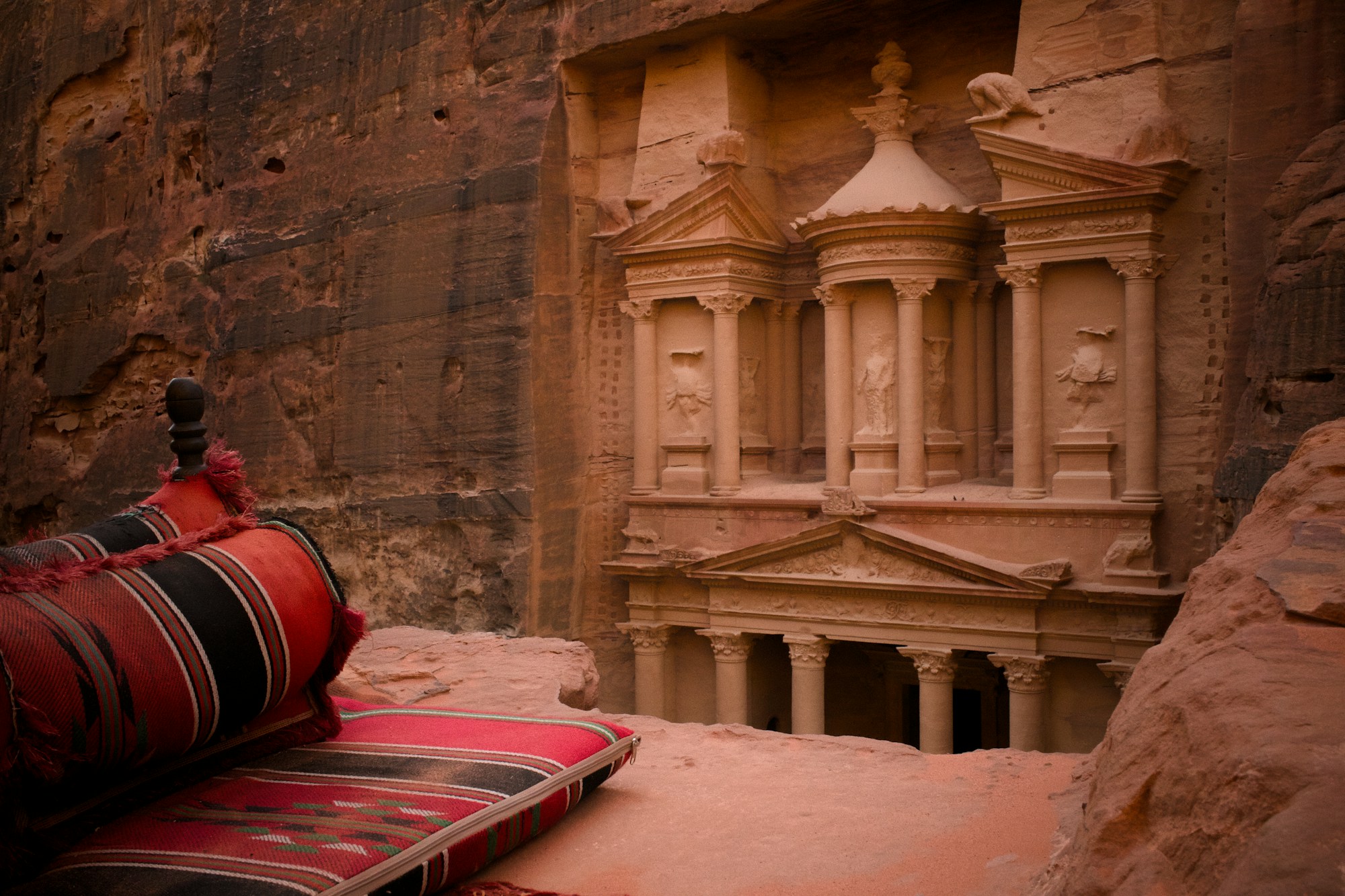
Petra, Wadi Rum & Dana
Shanti Travel’s team, with over 20 years of on-the-ground experience, confirms Jordan’s exceptional reputation for hospitality and safety: it’s one of the safest countries in the Middle East for solo female travelers. According to Shanti Travel, incidents involving tourists are rare, and Jordanian hospitality is not just a slogan.
Beyond Petra’s iconic Treasury, the Dana Nature Reserve (north of Wadi Rum) is a hidden gem: a unique biome stretching from the rift mountains to the desert plains, accessible via eco-responsible lodges managed by the Royal Society for the Conservation of Nature. And Wadi Rum remains a universal favorite: « My first night under the stars, a unique feeling, an authentic exchange with Ahmed. I felt privileged, like I was in a real adventure film… »
Uber and Careem provide secure door-to-door rides, highly appreciated in the evenings. The Jordan Pass (70–80 JOD, visa included) covers 1 to 3 days of Petra entry depending on the option chosen.
Highlights for solo female travelers
- The King’s Highway (Route 35): 400 km through mountains, canyons and archaeological sites — largely ignored by rushed tourists
- Bedouin guides in Wadi Rum: homestay experiences, authentic and often cheaper than agencies
- Petra’s back door entrance: fewer crowds, spectacular views from the heights
- Dead Sea accessible as a day trip from Amman or Petra
2. Oman: Muscat, Jebel Akhdar & the Wadis
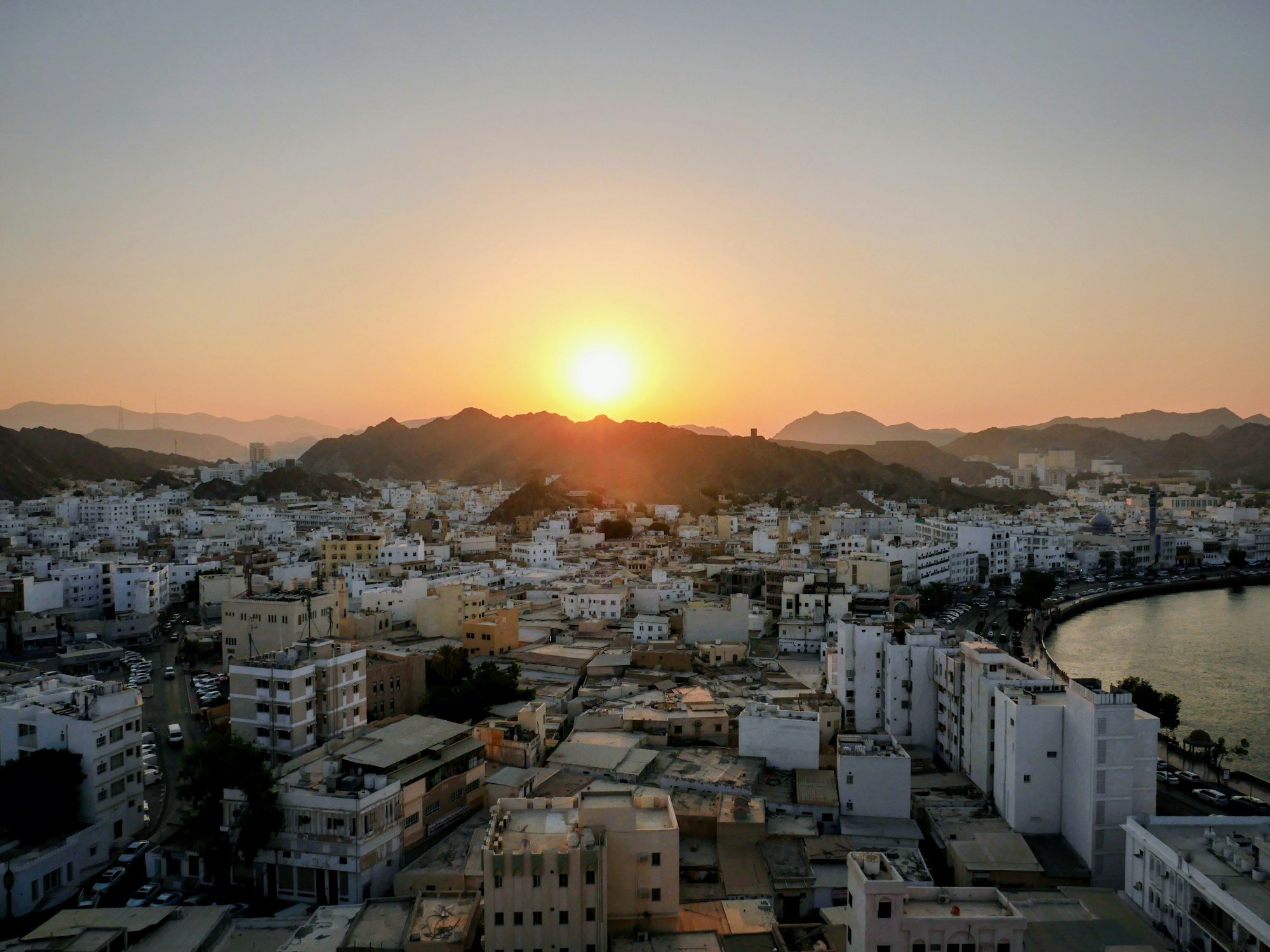
The Gulf’s Most Serene Sultanate
Oman is structurally one of the safest countries on the Arabian Peninsula: low crime rates, genuine hospitality, calm streets even at night in Muscat or Nizwa. 2026 Warning: Following strikes on Iran and the risk of regional escalation, French authorities temporarily advised against travel to Oman in March 2026. This does not undermine the sultanate’s structural internal safety — it urges travelers to monitor the situation before departing and to ensure adequate travel insurance including repatriation coverage.
The ancient mountain villages of Jebel Akhdar offer a breathtaking escape with their terraced gardens and hiking trails. The Wadi Bani Khalid canyons and Al-Hoota caves remain natural wonders experienced by only a handful of solo travelers.
Highlights for solo female travelers
- Well-maintained roads — a 4WD gives complete freedom to explore the entire country
- Private Bedouin camps in Wahiba Sands: safety and authentic immersion
- Ras al-Jinz beach: world’s largest green turtle colony (guided night observation)
- Salalah during khareef (Jul–Aug): unique monsoon phenomenon in the Arabian Peninsula
3. Qatar: Doha, the World’s Safest City
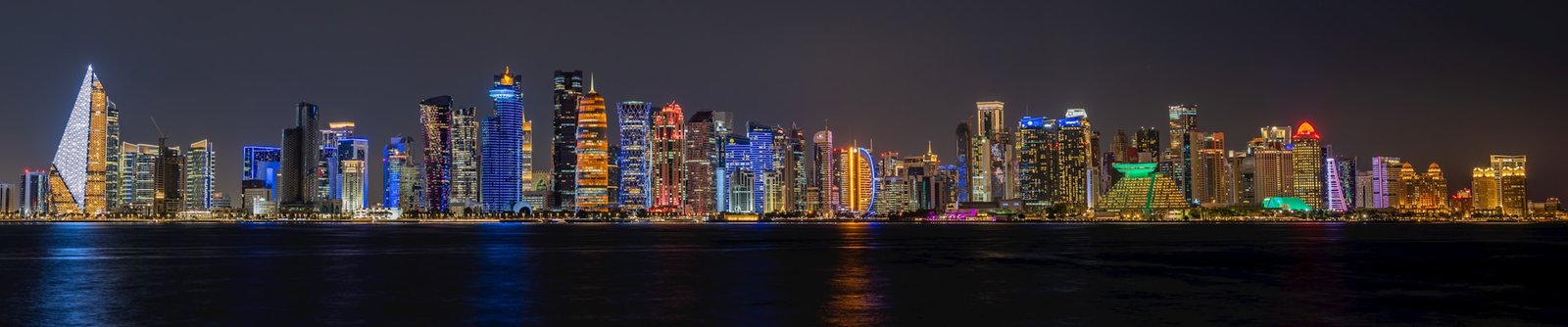
Qatar: World Safety Champion
Qatar ranks at the top of Numbeo’s world safety index for the fifth consecutive year. Doha is the second safest city on the planet. Criminal acts are severely punished, and with 88% of the population being foreign-born, this ultra-cosmopolitan country makes life easy for solo female travelers.
The Inland Sea of Khor Al-Adaid, a unique geological phenomenon where sand dunes plunge directly into the sea just 60 km from Doha, is an absolutely extraordinary excursion. Doha’s metro system — one of the world’s fastest — makes the entire city accessible without a car.
Highlights for solo female travelers
- Souq Waqif: traditional market in central Doha, safe and lively in the evenings — perfect for dining solo
- National Museum of Qatar: spectacular Jean Nouvel architecture, 7,000 years of local history
- Al Wakrah fishing village: white sandy beach, traditional houses, 20 minutes from the capital
- Overnight excursion to Khor Al-Adaid: sleeping under the stars in a Bedouin tent (€80–€120/person)
4. United Arab Emirates: Dubai, Abu Dhabi & Ras Al Khaimah
Pink Taxis and Skyscrapers: Contemporary Middle East
Dubai ranks third for solo female travel safety, while Abu Dhabi is classified as the safest city in the Middle East. The UAE has the highest percentage of women who feel safe in their community. April 2026 alert: The Canadian government updated its travel advice on March 27, 2026, noting increased risks around certain Dubai hotels due to regional military activity. Check your government’s current advisories before booking.
Women-only pink taxis in Dubai and purple taxis in Abu Dhabi, driven by women and reserved for women, offer an extra layer of security at no extra cost. For nature lovers, Ras Al Khaimah (Hajar mountains, hot springs, hiking) is a stunning alternative to Dubai’s hustle.
Highlights for solo female travelers
- Sheikh Zayed Grand Mosque (Abu Dhabi): abayas provided free at the entrance — visit late afternoon for a sunset over white marble
- Sharjah: neighboring Dubai but radically different — exceptional cultural heritage, Rain Room, quiet museums
- Mall food courts: safe, affordable meals (€7–€15) in air-conditioned spaces open 24/7
- Dubai desert at sunrise: early morning excursion before the heat sets in
5. Saudi Arabia: AlUla, Hegra & Historic Jeddah
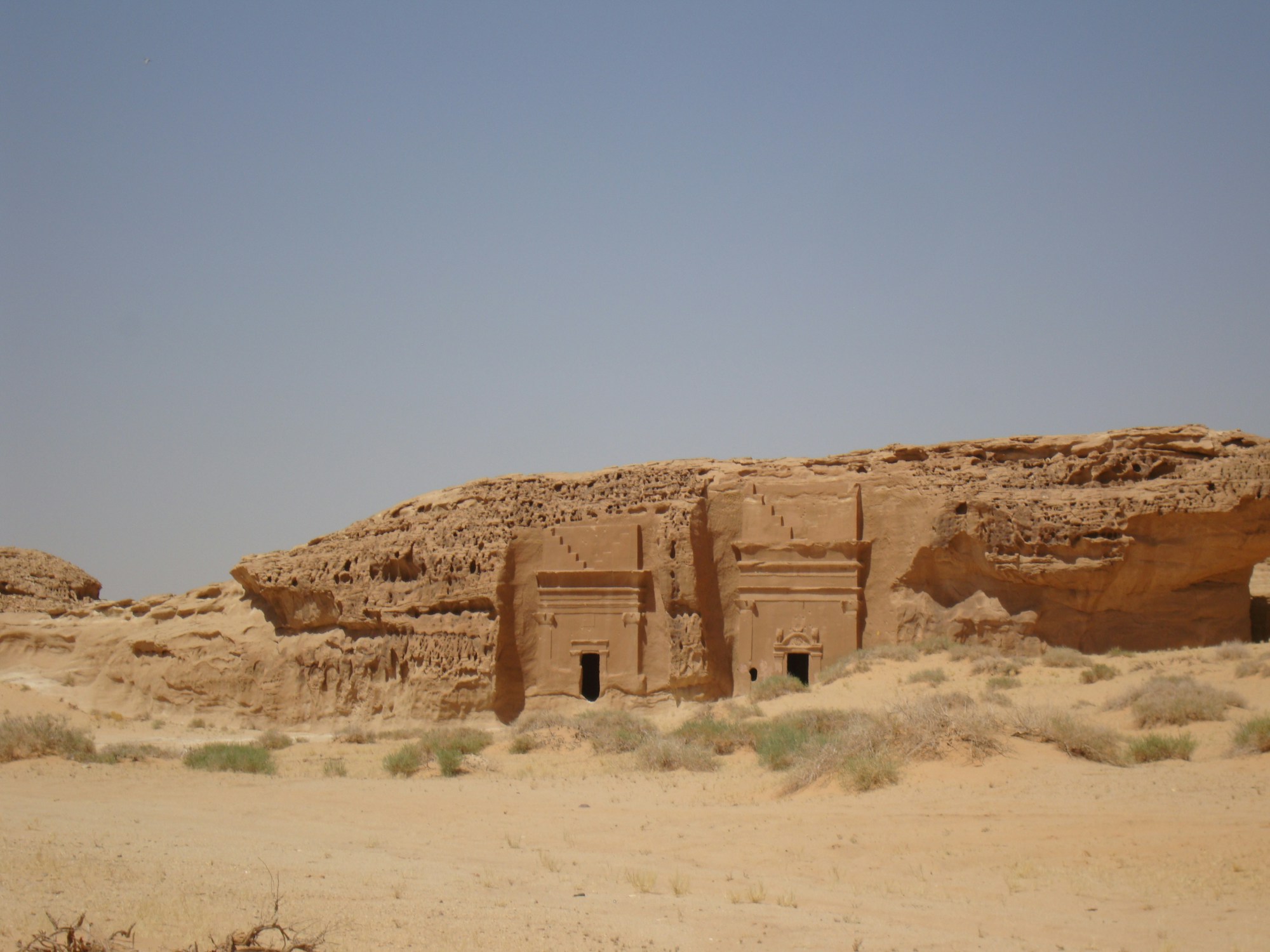
AlUla: Saudi Arabia’s Greatest Revelation
Saudi Arabia ranks first among G20 countries in world safety rankings, and women can now travel and live independently in the country. French solo traveler Leslie shares: « This country was a revelation to me — a thousand miles from the image people have of it. I’ve traveled extensively and this is the country where I felt safest as a woman. »
AlUla houses Hegra, Saudi Arabia’s first UNESCO World Heritage site — a Nabataean city, sister to Petra. The Elephant Rock, 52 meters high, the 7,000-year-old tombs, the nocturnal artistic installations of the Winter at Tantora festival: every kilometer is a revelation. Historic Jeddah (Al-Balad), a UNESCO site since 2014, features a labyrinth of mashrabiya houses, contemporary Arab art galleries, and family seafood restaurants.
Highlights for solo female travelers
- Nocturnal experience « Secrets of the Scribe – Ikama After Dark »: ancient inscriptions of Jabal Ikmah by torchlight
- Nusuk app (official): essential for booking visits to heritage sites
- Local eSIM available from the airport: instant connectivity on arrival
- Red Sea diving off Jeddah: May–July for the clearest, warmest waters
6. Morocco: Fez, Essaouira & the Merzouga Sahara
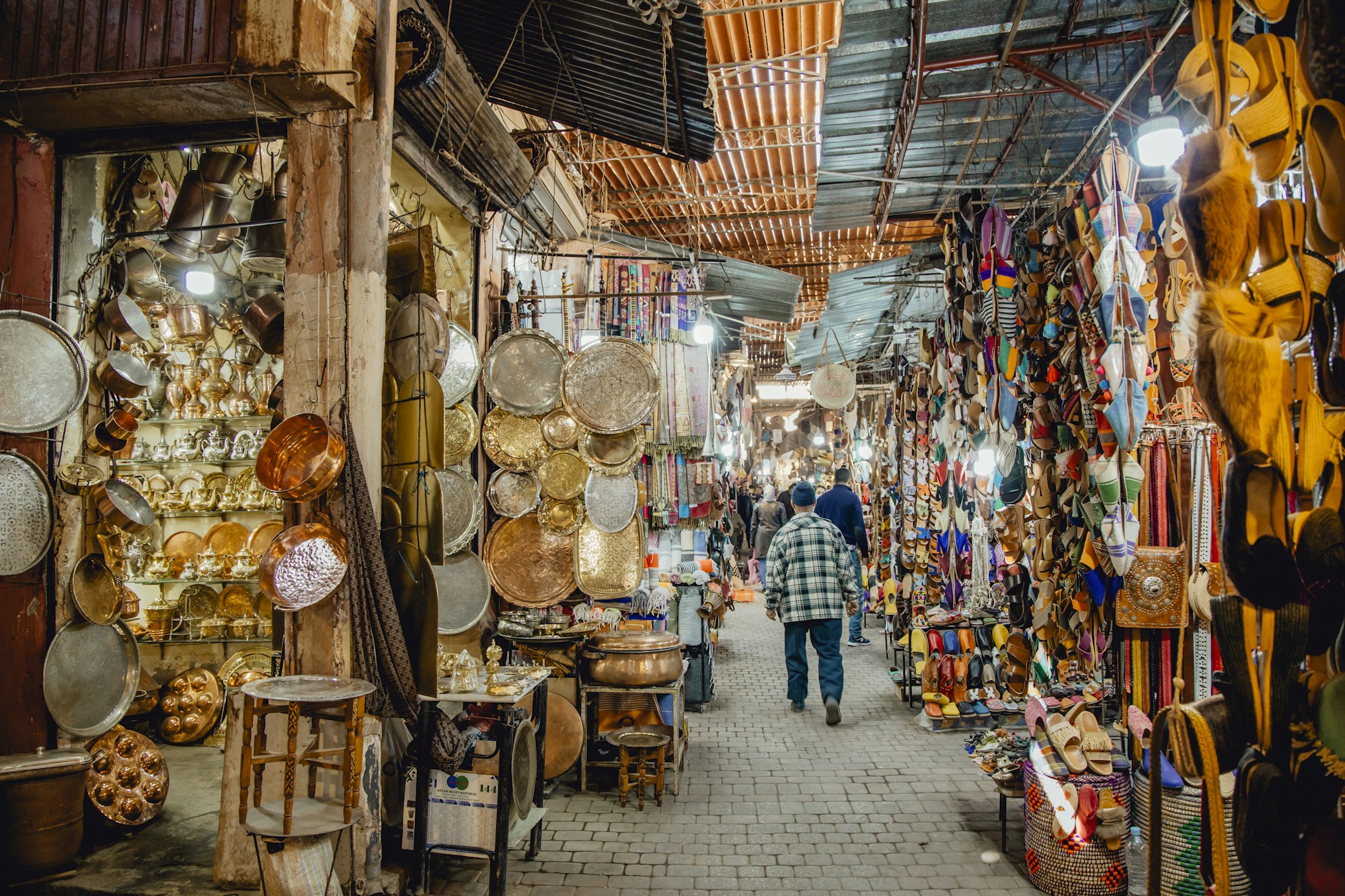
The Arab-Berber Gateway from Europe
Morocco remains the most accessible gateway to the Arab-Berber world from Europe. Traveling solo in Morocco is « no more or less dangerous than any major city in the world » — provided you’re prepared. Street harassment exists, particularly in the medinas of large cities: honest information is worth more than denial.
Fez is the most authentic city in Morocco: UNESCO-listed medieval medina, Chouara tanneries. Essaouira offers a relaxed atmosphere, a unique Gnawa music scene, and winds perfect for kitesurfing. For adventurers: Dakhla, Morocco’s confidential Saharan gem — white sand dunes, turquoise waters, an international kitesurfing community.
Highlights for solo female travelers
- Crossbody bag worn in front, modest clothing (shoulders + knees covered): preparation makes all the difference
- Riads in Fez or Essaouira: private, secure spaces — perfect for solo female travelers
- Sunrise over the Merzouga dunes: a moment of absolute grace
- Dakhla: kitesurfing, yoga retreats, international hostels — the community creates a natural safety bubble
7. Turkey: Istanbul, Cappadocia & the Lycian Coast
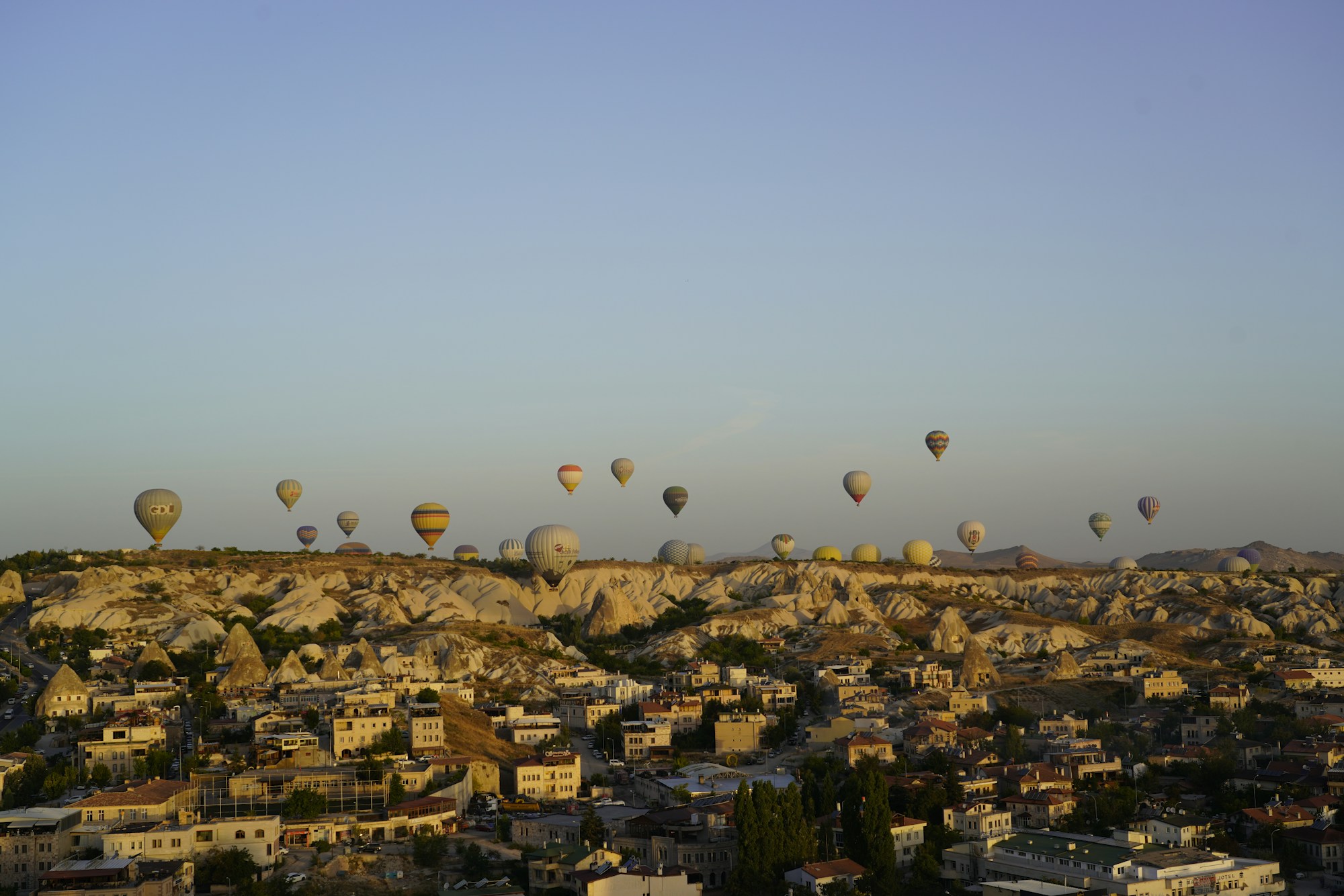
The Europe-Asia Crossroads
Turkey’s diverse landscape makes it incredible for solo travel. Turkish hospitality is striking: « You’re never alone for long before someone comes to chat. » The weakness of the Turkish lira makes it one of the best value-for-money destinations in Europe and the Near East.
Istanbul hides treasures beyond Hagia Sophia and the Grand Bazaar: the colorful Balat neighborhood, the spice market in the early morning before tour groups arrive, authentic hammams at €15–20 (vs €60–100 in tourist establishments). Cappadocia in November — autumn colors, fewer tourists, more accessible hot air balloon rides — is an absolute spectacle.
Highlights for solo female travelers
- Balat district (Istanbul): photogenic, calm, ideal for a solo lunch on a terrace without pressure
- Çemberlitaş Hammam (Istanbul): 16th-century historic bathhouse, separate men/women areas, very safe
- Göreme in Cappadocia: small safe town, friendly hostels, sunrise hot air balloon over fairy chimneys
- Eastern border: avoid (unstable zone). Classic tourist destinations (Istanbul, Cappadocia, southern coast) are safe
8. Egypt: Luxor, Aswan & South Sinai
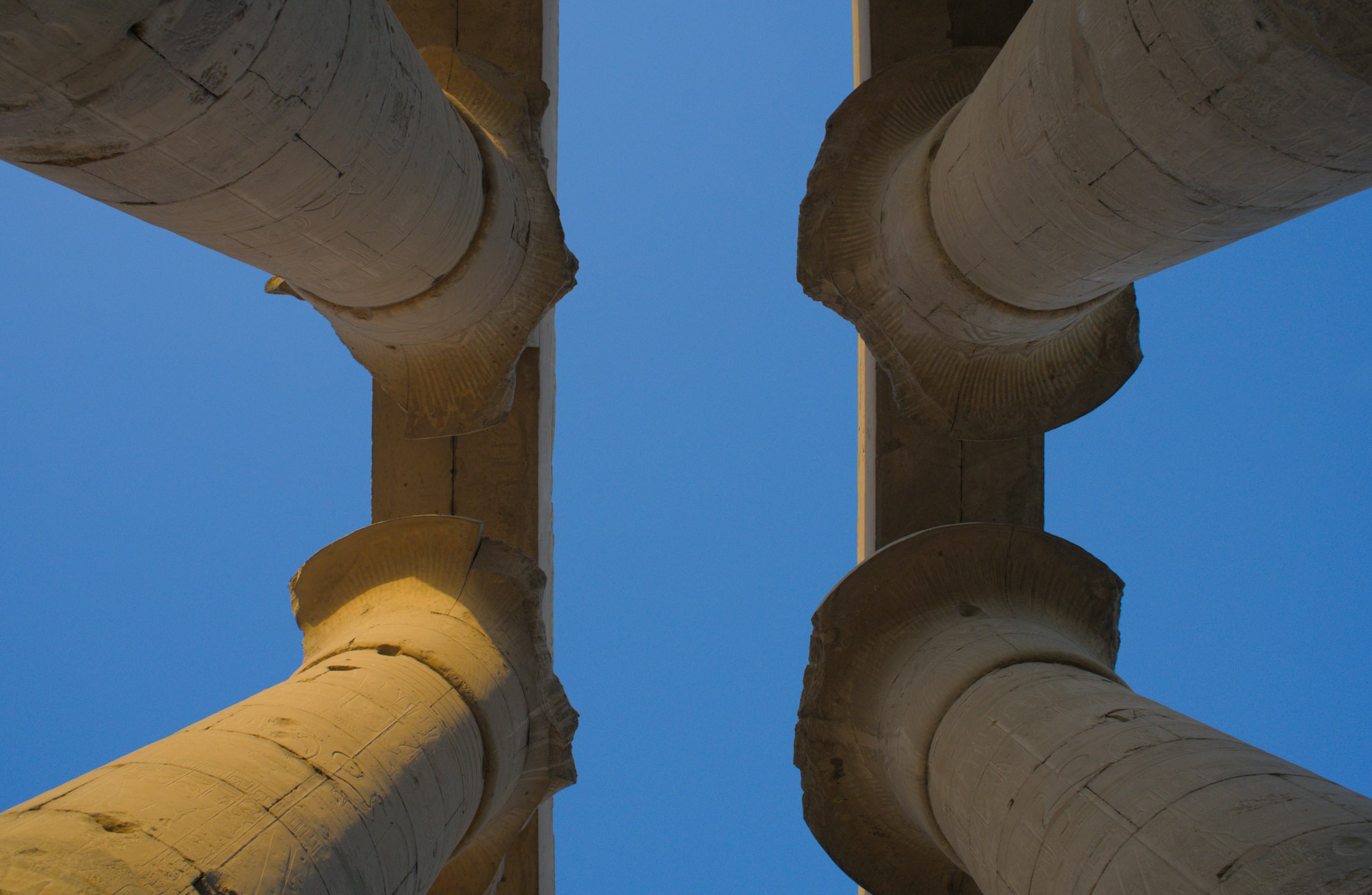
Pharaonic Civilization, with Precautions
Egypt is accessible to solo female travelers, but with extra precautions. Western foreign ministries classify Egypt as « enhanced vigilance » (orange zone) for most tourist areas — travel is possible but requires particular attention. Street harassment exists, particularly in Cairo.
Good news: since 2023, Egypt has experienced strong tourism recovery, reaching its best figures since 2010. The opening of the Grand Egyptian Museum in November 2025 reflects this positive momentum. Aswan is often preferred by solo female travelers for its laid-back atmosphere and Nubian markets. Dahab (South Sinai, not to be confused with touristy Sharm-el-Sheikh) offers a world-class diving scene and a welcoming international traveler community.
Highlights for solo female travelers
- Abu Simbel (280 km from Aswan): impressive archaeological site, nighttime departure in a secure convoy to beat the crowds
- Philae Island temples: accessible only by boat, near-private experience in low season
- Dahab: world-class diving scene, international backpacker vibe, minimal harassment
- Uber and Careem: essential for all trips, including from Cairo Airport
9. Tunisia: Sidi Bou Said, El Jem & Southern Oases
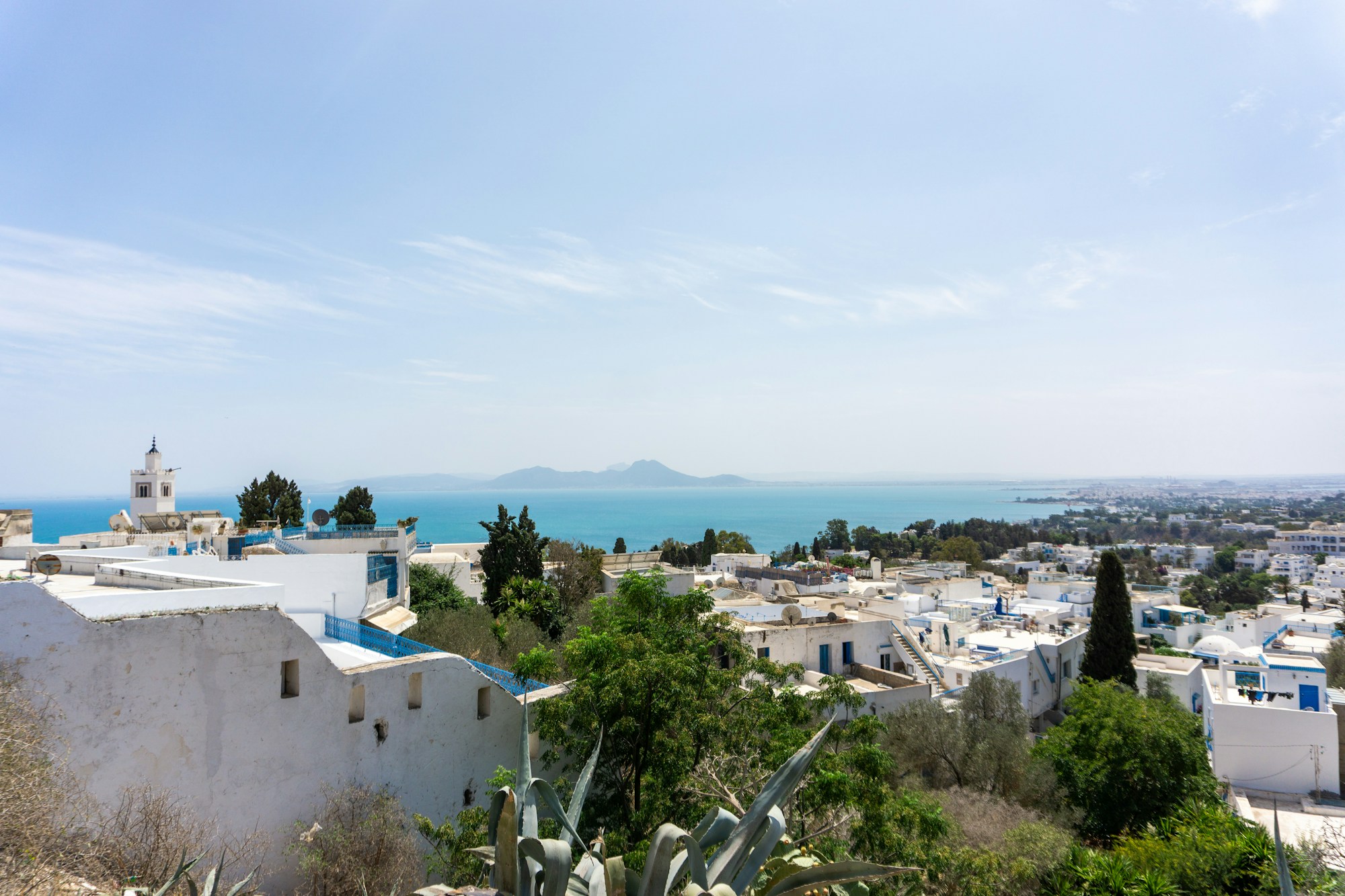
The Arab Mediterranean, 2 Hours Away
Tunisia is one of the most welcoming North African destinations for solo female travelers. Its enhanced security measures at tourist sites and French-speaking infrastructure make it an ideal gateway to the Maghreb. Sidi Bou Said, the blue and white village perched 20 km from Tunis above the Mediterranean, is one of Africa’s most photogenic towns. El Jem houses a Roman amphitheater better preserved than the Colosseum in Rome. Dougga, a UNESCO site, is often described as the best-preserved Roman site in North Africa.
Highlights for solo female travelers
- Tunis Medina: less touristy than Marrakech, less aggressive merchants, exceptional Ottoman and Andalusian architecture
- Carthage International Festival (Jul–Aug): one of the world’s most beautiful open-air festivals
- Matmata and its troglodyte houses: Star Wars filming location, warm Berber welcome
- Tunis light rail: practical, safe network for getting around without a taxi
🔴 Zones to Avoid Entirely in 2026
Official Warnings from Western Governments
The geopolitical context of March–April 2026 has prompted several governments to strengthen their warnings for the MENA region. The following destinations are formally not recommended:
- Kuwait: travel advised against by the French Foreign Ministry due to the regional situation
- Bahrain: travel advised against — same situation as Kuwait
- Iran: the UK’s FCDO advises against all travel — high risk of arrest, interrogation or detention
- Iraq, Syria, Yemen, Gaza, Libya: formally advised against by all Western foreign ministries
- Lebanon: advised against (red zone for most regions) — persistent instability
Practical Information for Your Solo Trip
Stay connected from the moment you land. Instant activation, data available in 190+ countries.
From €4.50Nomad Insurance: global coverage from $56/4 weeks. 10% off via our ambassador link. Essential for travel in regions with enhanced vigilance.
From $56 / 4 weeksFrequently Asked Questions — Solo Female Travel in the Middle East
Which Middle Eastern countries are safest for solo female travel in 2026?
Jordan, Oman, Qatar and the UAE are the most reassuring choices for a woman travelling alone, with crime rates among the lowest in the world and well-developed tourism. Morocco and Turkey work well with more street-level awareness. Avoid Iran, Syria, Yemen and Gaza entirely, as all Western governments formally advise against travel there in 2026.
Do I have to wear a veil to travel in the Middle East?
No, not in all countries. In Qatar, the UAE, and Jordan, the veil is not required for tourists. In Saudi Arabia, foreign women no longer need to wear an abaya since 2019. However, clothing covering shoulders and knees is respected everywhere and significantly reduces street harassment. In Iran (advised against in 2026), the veil is legally mandatory for foreign women.
What budget should I plan for 2 weeks in the Middle East in 2026?
The budget varies considerably by destination: Tunisia and Morocco (€400–€800 / 2 weeks, flights not included), Egypt and Turkey (€500–€1,000), Jordan (€1,000–€2,000), Qatar and UAE (€1,200–€2,500), Saudi Arabia/AlUla (€1,500–€4,000). Always factor in international flights (€100–€350 from Paris) and travel insurance (€30–€80). Local eSIMs (€5–€15) are highly recommended to avoid roaming costs.
How to travel safely alone in these countries?
Ride-hailing apps are your best allies: Uber and Careem work in Jordan, Egypt, UAE, and Saudi Arabia. BiTaksi is recommended in Istanbul. In Qatar, Doha’s metro is ultra-modern and safe. Women-only pink/purple taxis in Dubai and Abu Dhabi offer additional security at no extra cost. In all cases, avoid unofficial taxis hailing from the street.
Can an unmarried woman stay alone in a hotel?
Yes, in almost all the recommended destinations in this guide. Jordan, Qatar, UAE, Morocco, Tunisia, and Turkey welcome solo female travelers in hotels, riads, and hostels without issue. In Saudi Arabia, foreign women have been able to book solo hotel rooms since 2019. Only Iran (formally advised against) maintains strict restrictions on accommodation for unaccompanied women.
Which apps are essential for solo female travel in the Middle East?
Essential: Uber or Careem (ride-hailing in most countries), WhatsApp (universal local communication), Google Maps offline (download maps before departing), Maps.me (offline GPS alternative). Destination-specific: BiTaksi (Istanbul), Nusuk (Saudi Arabia heritage sites), your embassy’s official app for security alerts. Consider Airalo for eSIM on arrival — being connected immediately is a safety measure in itself.
Is the Middle East dangerous for solo female travelers in 2026?
The region is heterogeneous: some countries (Qatar, Jordan, Saudi Arabia) have crime rates among the lowest in the world, while others (Iran, Syria, Yemen, Gaza) are formally advised against by all Western governments. The Iran-Israel-US conflict since March 2026 has added a layer of regional uncertainty. The honest answer: with information and preparation, several destinations in the region are as safe as or safer than some European cities.
How to handle street harassment while traveling solo?
Strategies that work according to solo female traveler testimonials: modest clothing (shoulders and knees covered, especially in medinas), not responding to unwanted solicitations, walking with confidence and purpose, using ride-hailing apps instead of street taxis, staying in riads or hotels with 24/7 reception. In Jordan and Qatar, street harassment is significantly rarer than in Morocco or Egypt.
Do I need special travel insurance for the Middle East?
Yes, travel insurance with medical coverage and repatriation is essential, and even more so in the 2026 context. Check that your insurance covers countries with « enhanced vigilance » (orange zone) — some standard policies exclude these zones. SafetyWing and EKTA offer coverage tailored to independent travelers. Also verify that your insurance covers security evacuations (not just medical), an important clause in periods of regional instability.
Sources
- Safeture — Safety for Female Travelers in 2026 (GBTA survey) — Corporate travel policy data
- Shanti Travel — Traveling as a Woman in Jordan — Expert on-the-ground guide
- Cuendet — Oman, ideal destination for a solo woman — Oman 2026 safety analysis
- Carnets du Qatar — Traveling to Qatar as a Female Tourist — Comprehensive practical guide
- Memphis Tours — Safest Solo Female Travel Destinations in the Middle East — Safety rankings
- Les Petites Jambes — Saudi Arabia Female Tourist — Solo traveler Leslie’s testimony
- Decathlon Travel — Traveling Alone in Morocco — Practical field advice
- Fulani Globetrotter — Traveling Solo in Turkey — Complete solo guide
- Semelegant Voyage — Egypt Safety Guide 2026 — Foreign ministry risk analysis
- Government of Canada — UAE Travel Advice — March 2026 warning
Research conducted on April 1, 2026 via official sources, francophone travel blogs, and Numbeo data.
Ready to Plan Your Solo Adventure?
Explore our detailed itineraries for Jordan, Morocco, Turkey, and many more destinations — designed to help you travel with confidence.
Explore all itineraries