
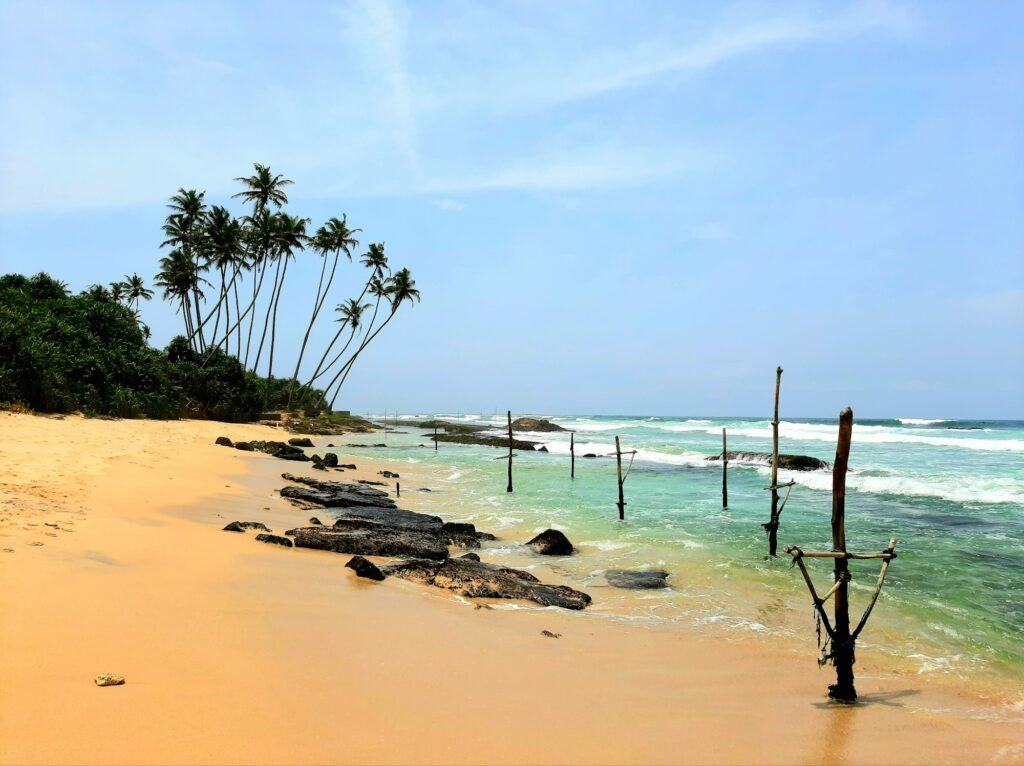
Sri Lanka launched its digital nomad visa on 26 February 2026. It costs USD 500 per year for each person: the main applicant, the spouse and each dependant. The main applicant must show a minimum monthly foreign-currency inflow of USD 2,000 and can stay one year, renewable each year. Applications go through the official portal, immigration.gov.lk.
Verified on against the sources cited.
$500 per person, per year. That’s the price of the cheapest digital nomad visa in the world — and it opens the doors to a tropical paradise. Sri Lanka offers a long-stay visa dedicated to remote workers, with a minimum income requirement of $2,000 per month (plus $500 per month for each dependant beyond two, according to the official text). The fee is $500 per year for the main applicant, and another $500 per year for the spouse and for each dependant. According to Euronews, it is officially the most affordable nomad visa on the planet — far ahead of Portugal ($870), Spain (which still doesn’t have one in 2026) or Thailand ($800). Add a cost of living under $1,000 per month, 4G/5G coverage across most of the island, postcard-perfect beaches and a millennia-old cultural heritage: Sri Lanka is on track to become the next mecca for digital nomads. Here is the complete guide to setting up your remote office there.
The Sri Lanka digital nomad visa 2026: requirements and process
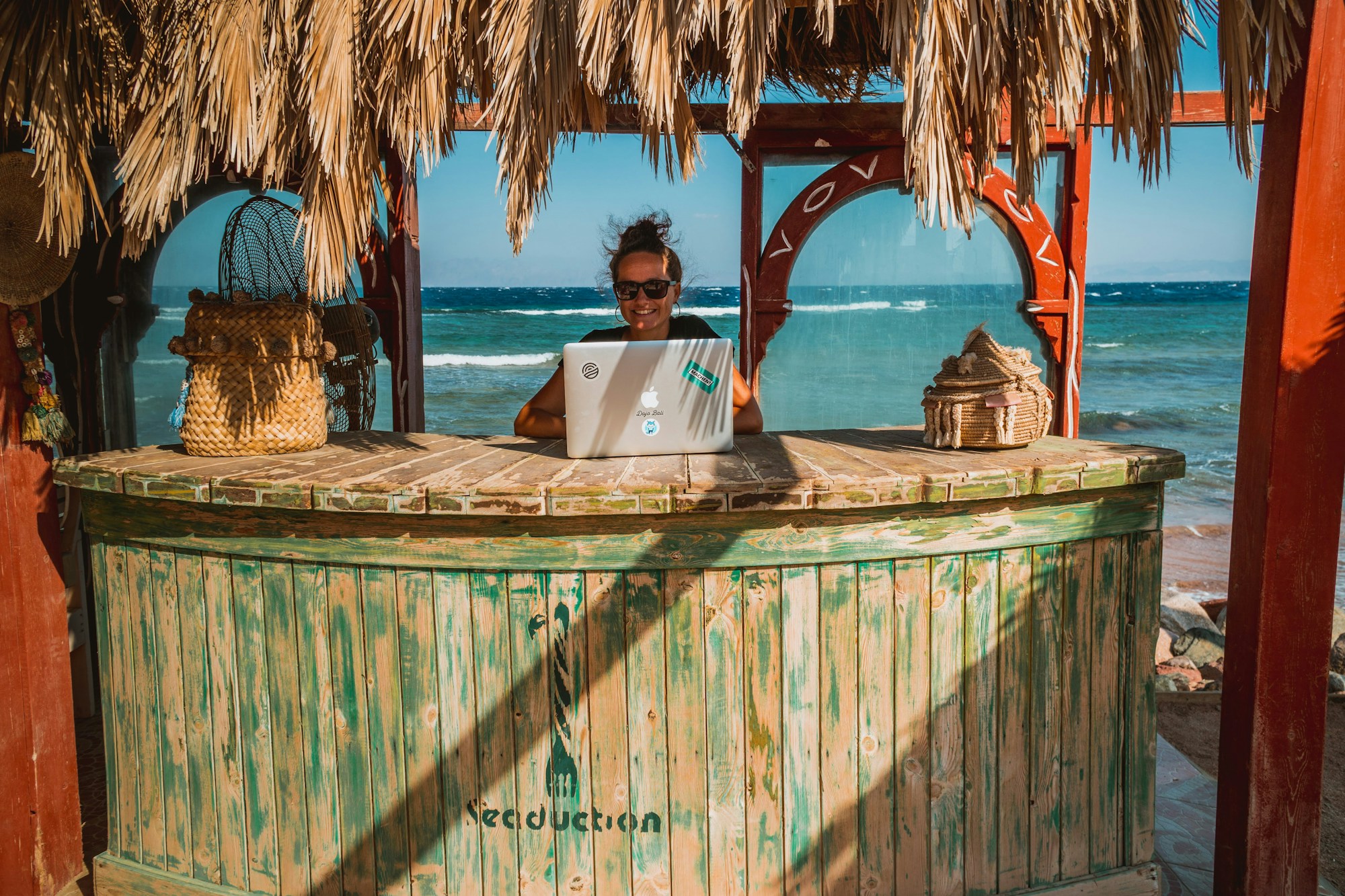
The cheapest nomad visa in the world
Sri Lanka’s Digital Nomad Visa is a special category visa. According to the Sri Lanka Department of Immigration and Emigration, it allows you to reside and work remotely for up to one year, renewable annually (a renewal application must include proof of tax registration with the Inland Revenue Department). The cost? $500 per year for the main applicant, plus $500 per year for the spouse and for each dependant (about 425 euros per person). For comparison, Portugal’s nomad visa costs $870, Greece’s costs $75 but requires $3,500/month in income, and CNBC confirms that no other country in the world offers such a low fee.
Eligibility requirements
- Minimum monthly income: $2,000 USD, plus $500 per month for each dependant beyond two (proof of income for the last 3 months)
- Remote employment: employment contract or proof of freelance work for a foreign employer
- Valid passport: at least 6 months beyond the planned departure date
- Health insurance: mandatory international medical coverage
- Clean criminal record: from your home country or country of residence, issued less than 3 months ago
- Family: spouse and dependants can be included; the fee is $500 per year for each of them
Application process
According to secondary sources, the application is done entirely online through the official portal immigration.gov.lk. According to Citizen Remote, the process takes an average of 5 to 10 business days after submitting a complete application. Required documents include: scanned passport, bank statements for the last 3 months, employment contract or freelance certification, health insurance certificate, and a recent passport photo. Payment is made by international credit card.
Cost of living: paradise on a budget
Living in Sri Lanka for $600 to $1,500 per month
Sri Lanka is one of the most affordable countries in Asia for remote workers. According to Numbeo, the cost of living is 70% lower than in Western Europe. A digital nomad can live comfortably on a budget of $600 to $1,500 per month, depending on comfort level and location.
| Expense category | Comfortable budget | Premium budget |
|---|---|---|
| Housing (studio/1 bedroom) | $200-350 | $400-700 |
| Food | $100-200 | $250-400 |
| Transport | $30-60 | $80-150 |
| Coworking/cafes | $0-50 | $50-100 |
| Mobile internet | $10-15 | $15-25 |
| Leisure & going out | $50-100 | $150-300 |
| Health insurance | $50-80 | $80-150 |
| Monthly total | $440-855 | $1,025-1,825 |
Meals at local rice and curry shops cost $1.50 to $3, and a fresh tea — Sri Lanka is the world’s fourth-largest producer — costs less than $0.30. According to Nomad List, dinner at a mid-range restaurant runs around $8 to $15. As for transport, Sri Lanka’s train network is legendary: a Colombo-Ella ticket (7 hours through tea plantations) costs only $2 to $5 depending on the class. Tuk-tuks are everywhere and cost $2 to $3 for short rides.
Colombo — the connected capital
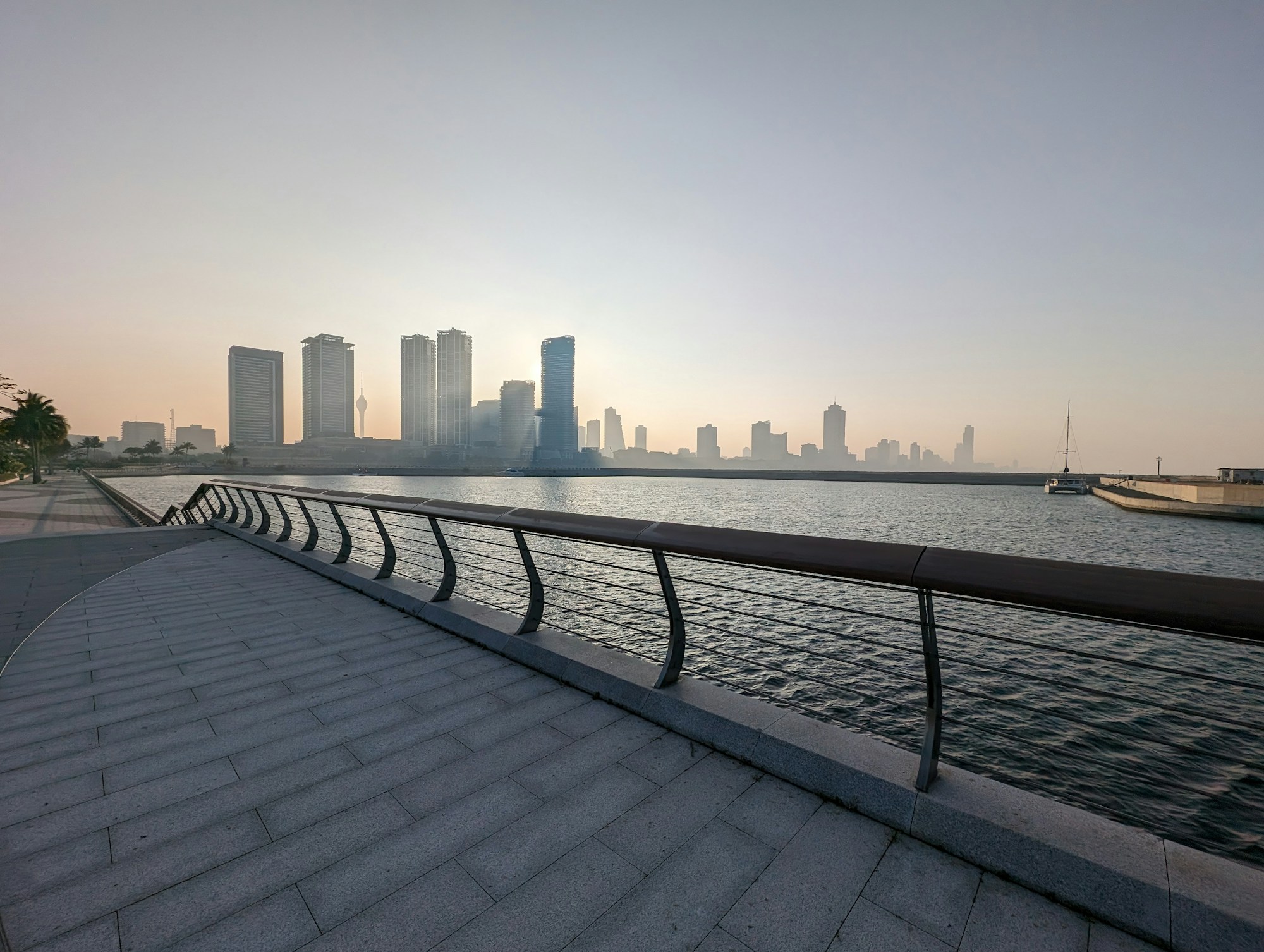
The island’s tech hub
Colombo isn’t the tropical postcard you might imagine — it’s the economic and digital capital of Sri Lanka, and that’s precisely what makes it the ideal starting point for digital nomads. The city offers the best internet on the island, with fiber optic available in the neighborhoods of Colombo 3 (Kollupitiya), Colombo 7 (Cinnamon Gardens) and the new Port City Colombo project, a free trade zone attracting investors and tech startups.
For coworking, Hatch (in Colombo 4) is the go-to space: a 3,000 sqm campus hosting startups, freelancers and international remote workers, with high-speed internet, meeting rooms and an integrated cafe. According to Hatch, day passes start at around $10 and monthly memberships at $60-80. Other options include Orion City (the country’s largest tech park) and The Coffee Bean Hub, which combines specialty coffee with workstations. For evenings out, the Dutch Hospital area (a former colonial hospital transformed into restaurants and bars) and Pettah Market (a chaotic and fascinating bazaar) offer a striking contrast between modernity and tradition.
Galle and the south coast — UNESCO heritage and wifi
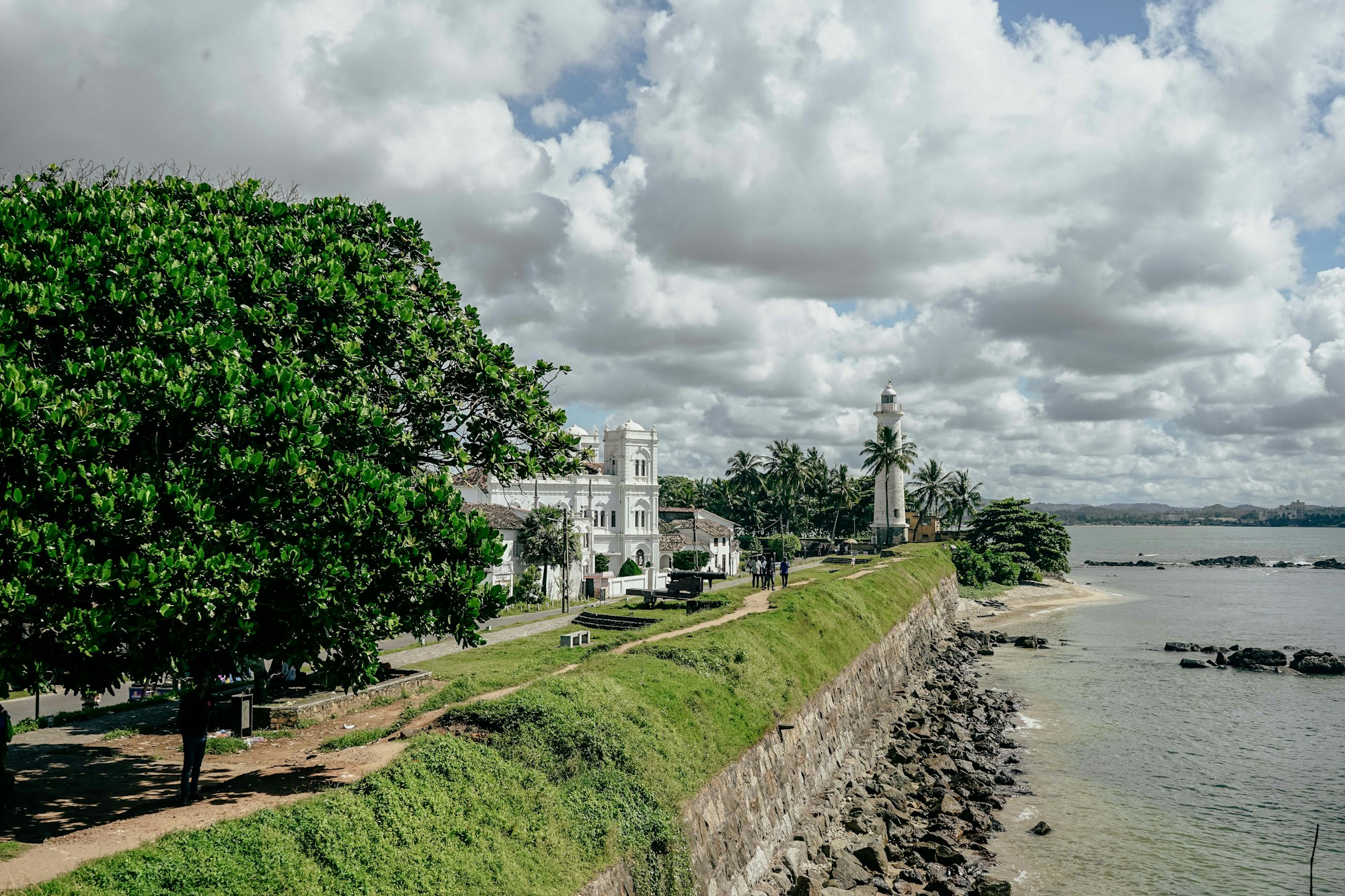
Working within 17th-century ramparts
Galle Fort, a UNESCO World Heritage Site, is one of the most beautiful places in the world to open your laptop. This 17th-century Dutch fort, perched on a promontory facing the Indian Ocean, is now home to a collection of boutique cafes, art galleries and guest houses nestled in restored colonial buildings. According to UNESCO, the fort is the best-preserved example of a fortified city built by Europeans in South and Southeast Asia.
For working, several cafes inside the ramparts offer reliable wifi and a unique atmosphere: The Heritage Cafe, Pedlar’s Inn Cafe and Church Street Social are nomad favorites. For accommodation, Airbnbs and guesthouses inside the fort start at $25-40/night, but the best deals are found just outside, in the Galle New Town area, where monthly studios run around $300-500. In the evening, walking along the ramparts at sunset — with views of the lighthouse, cricket players on the esplanade and the ocean turning orange — is a mandatory ritual.
Weligama and Hiriketiya — surf and code
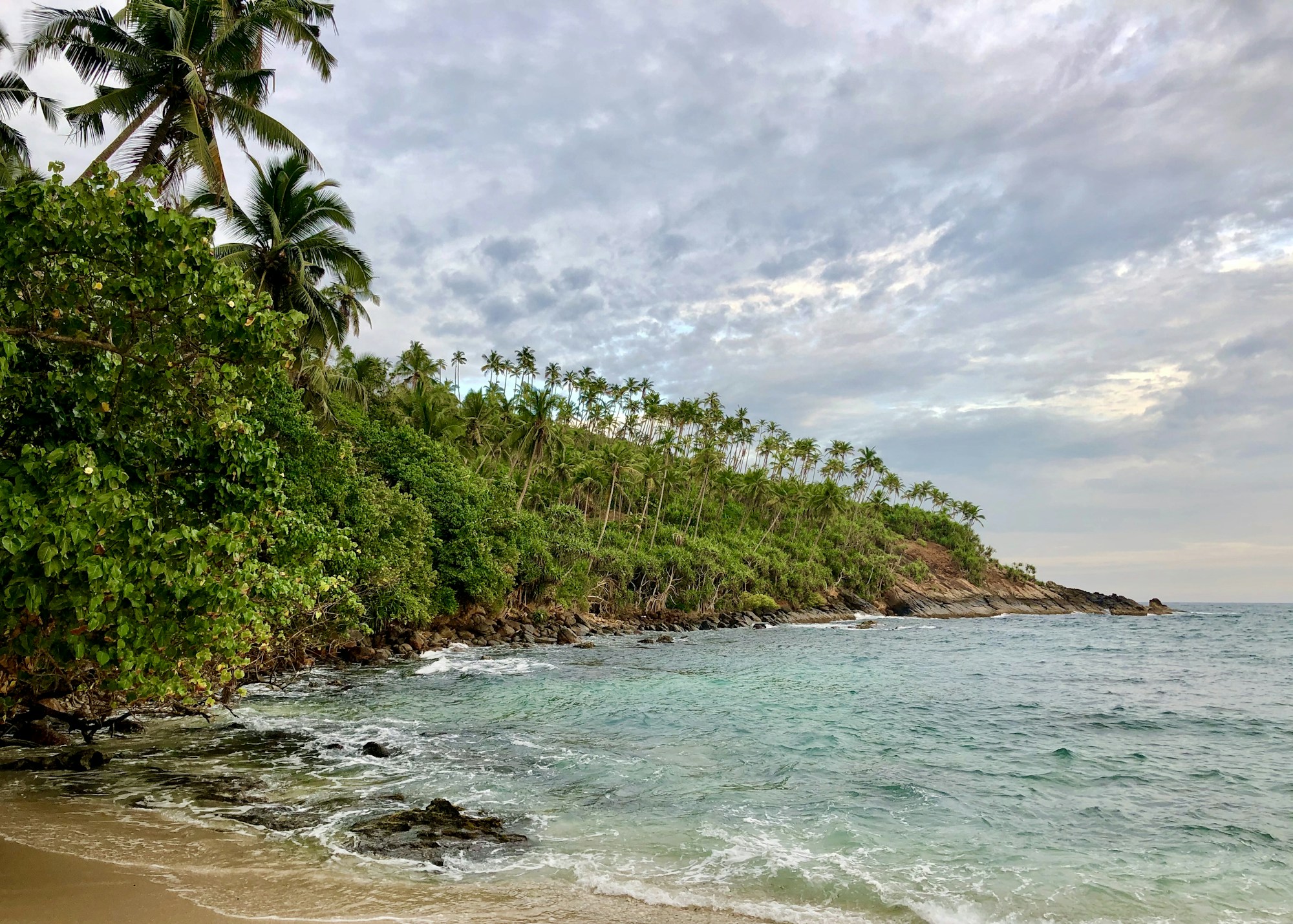
Sri Lanka’s new Canggu
If Bali has Canggu, Sri Lanka has Weligama and Hiriketiya. These two south coast villages, separated by just a 20-minute tuk-tuk ride, form the epicenter of the Sri Lankan nomad community. Weligama, with its long crescent-shaped beach, is the ideal spot for beginner surfers — the waves are consistent and accessible year-round. Hiriketiya, a hidden bay framed by palm trees, attracts a more bohemian and trendy crowd.
For work, Verse Collective in Hiriketiya has become the benchmark: a coworking-cafe space with a tropical terrace, fast wifi (30-50 Mbps) and a community of freelancers and entrepreneurs. According to Nomad List, the village scores 4/5 for quality of life despite its small size. Dots Bay House in Hiriketiya and The Doctor’s House in Weligama offer alternative cafe-coworking options with ocean views. Monthly rentals — shared villas, studios above cafes, bungalows set back from the beach — range between $250 and $500. In the evenings, beach bars like Salt House in Weligama bring the nomad tribe together over $3-4 cocktails.
Ella and tea country — cool air and inspiration
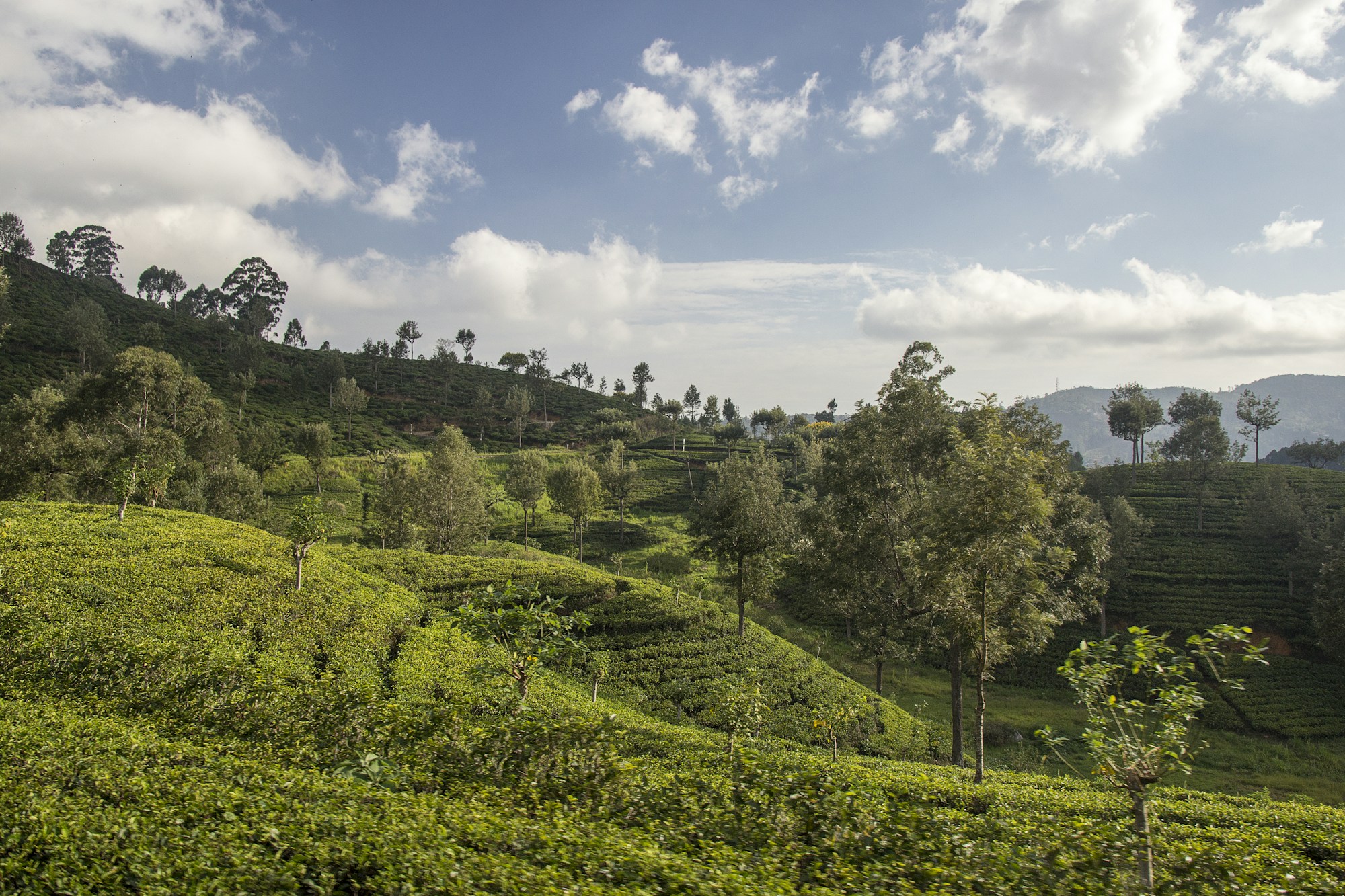
Asia’s most famous train journey
Perched at 1,041 meters above sea level in the heart of Hill Country, Ella offers what the coast cannot: cool air. Temperatures range between 18 and 25°C year-round — a blessing when Colombo swelters at 35°C. But the undisputed star is the Kandy to Ella train journey, considered by Lonely Planet to be one of the most beautiful train rides in the world: 7 hours through emerald tea plantations, dizzying waterfalls, suspension bridges and tunnels carved by the British in the 19th century. A second-class ticket costs around $2.50.
Ella is a tiny village, but packed with attractions: the Nine Arch Bridge (an iconic nine-arch railway bridge, built without steel), Little Adam’s Peak (a 45-minute hike with 360° views) and Ravana Falls. For nomads, the wifi is decent in cafes like Cafe Chill and Ella Flower Garden, but don’t expect fiber speeds. It’s a slow work spot, ideal for one or two weeks of deep focus — not for daily video calls. Accommodation — family-run guesthouses with plantation views — is among the cheapest on the island: $15 to $30 per night, with meals at $2-3.
Kandy — culture and serenity
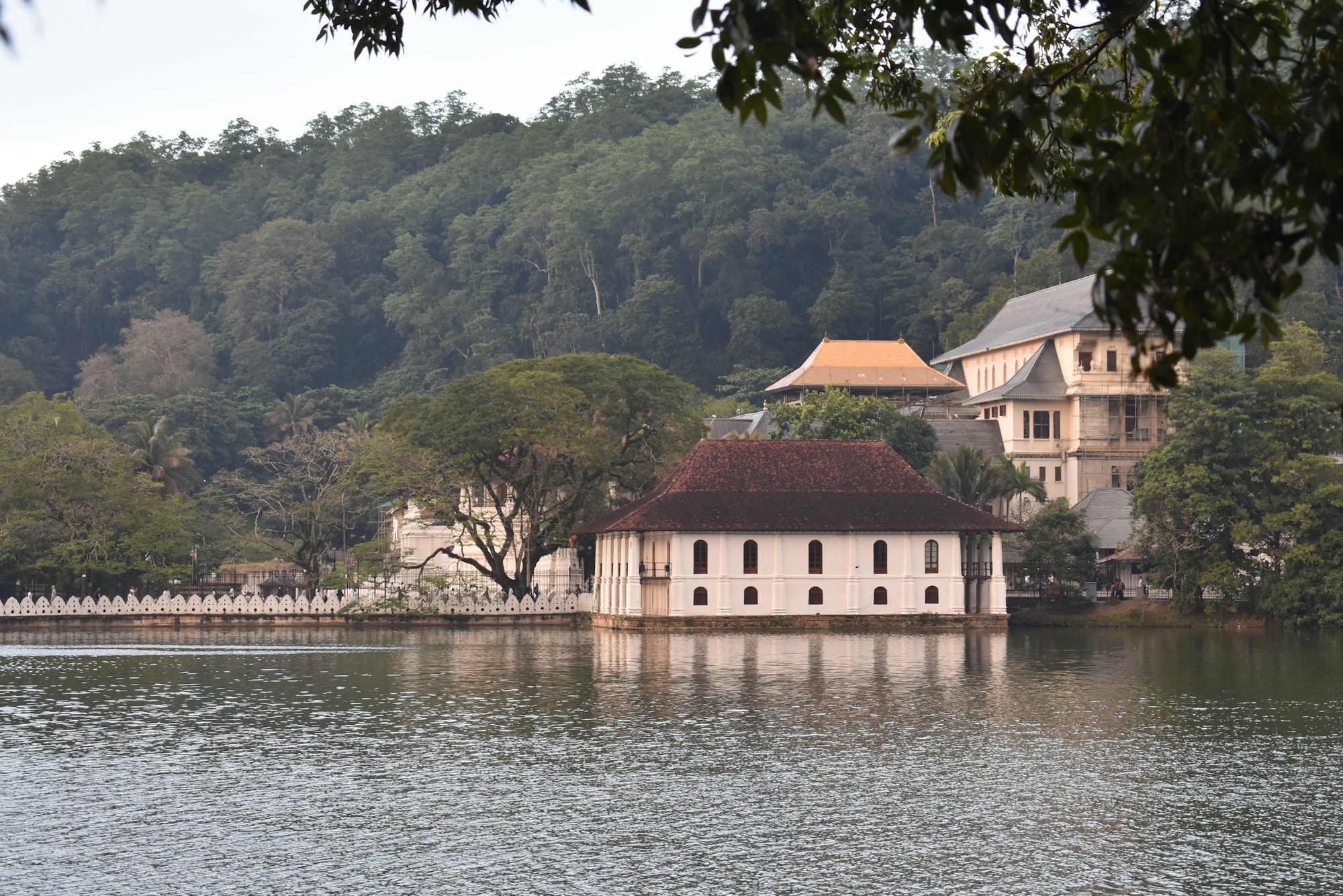
The spiritual capital of Sri Lanka
Kandy is the spiritual and cultural heart of Sri Lanka. The last capital of the Sinhalese kingdom, it is home to Sri Dalada Maligawa — the Temple of the Sacred Tooth Relic — one of the most revered sacred sites in world Buddhism. Listed as a UNESCO World Heritage Site, the city surrounds a peaceful artificial lake bordered by gardens and colonial buildings. The atmosphere is radically different from the coast: calmer, more contemplative, more temperate thanks to the altitude (500 m).
For nomads seeking a spiritual retreat, Kandy is the gateway to Vipassana meditation centers and yoga ashrams in the surrounding hills. The Kandy City Centre offers a coworking space with fast wifi, and several downtown cafes — notably The Empire Cafe and Natural Coffee — are popular with remote workers. Budget-wise, Kandy is 20 to 30% cheaper than the touristy south coast. Monthly studios in the Peradeniya or Ampitiya neighborhoods run around $200-350, and local markets overflow with tropical fruits at bargain prices. Don’t miss the Royal Botanic Gardens of Peradeniya, one of the most beautiful botanical gardens in Asia, just 10 minutes from the city.
Arugam Bay — the east coast’s hidden gem
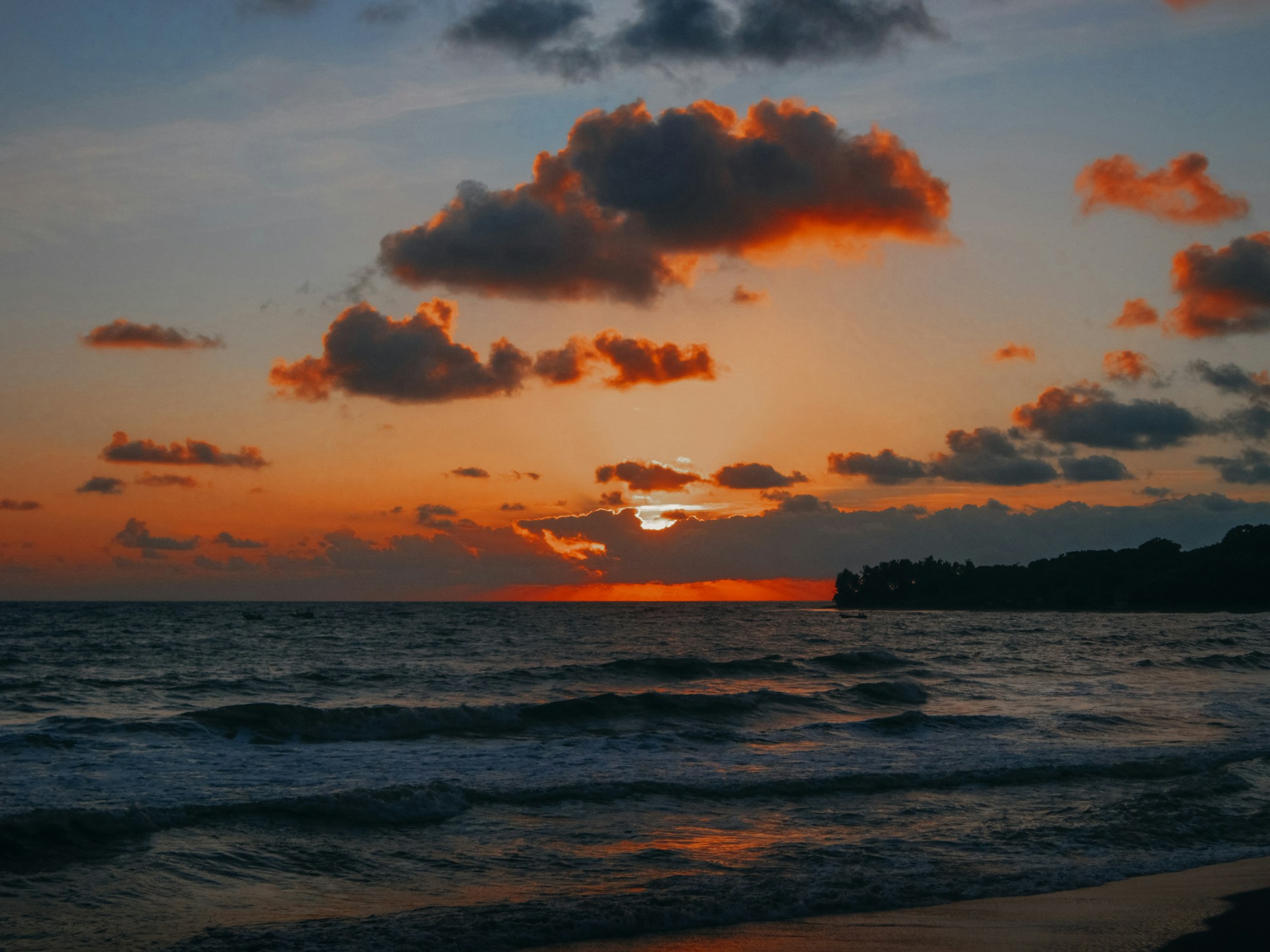
Wild Sri Lanka, April to September only
Arugam Bay is Sri Lanka’s best-kept secret. Located on the east coast, this bay benefits from a reverse monsoon compared to the south coast: when the southwest is drenched in rain (May to September), Arugam Bay shines under the sun. It’s the country’s best surf spot — ranked among the top 10 spots in Asia — with a consistent right-hand point break that delights intermediate and advanced surfers.
The vibe is radically different from the south: less touristy, more raw, more authentic. Accommodation is simple — wooden cabins on the beach, small family-run guesthouses — and prices are even lower than on the south coast. A beachfront bungalow rents for $15 to $25 per night. Wifi is the weak point: less reliable than in the south, you’ll definitely need a good 4G SIM. The real draw of Arugam Bay is the wild nature: the elephants of Kumana National Park (20 km away), lagoons filled with crocodiles, and sunrises over the Indian Ocean — east-facing, which changes everything. The nomad community is smaller but tight-knit, with beach bonfires and dawn surf sessions.
Internet, coworking and practical info
Staying connected on the island
Connectivity is the lifeline of any digital nomad, and Sri Lanka holds its own reasonably well. According to Speedtest Global Index, the average mobile speed in Sri Lanka is around 25-35 Mbps on 4G, sufficient for most professional needs (video calls, uploads, streaming). 5G coverage, launched by Dialog Axiata in 2023, is available in Colombo and a few major cities. For the rest of the island, Dialog and Mobitel (the two major carriers) 4G covers 90% of the inhabited territory.
Local SIM or eSIM?
You have two options. Buying a physical SIM at Bandaranaike Airport (Colombo) costs between $3 and $5 with a generous data plan (20-40 GB). Dialog is the most reliable network across the entire island. The modern alternative, an eSIM, lets you get connected as soon as you land without queuing — ideal if your phone supports it.
Best coworking spaces
| Space | City | Price | Highlight |
|---|---|---|---|
| Hatch | Colombo | ~$60-80/month | Largest, startup community |
| Orion City | Colombo | ~$50-70/month | Tech park, ultra-fast fiber |
| Verse Collective | Hiriketiya | ~$5-8/day | Ocean view, surf vibes |
| Outpost | Weligama | ~$7-10/day | Coliving + coworking |
| Hubhub | Galle | ~$6/day | Inside the historic fort |
Practical tips for daily life
- Visa: Digital Nomad Visa ($500/year per person) or 30-day tourist visa (free) as a stopgap
- Currency: Sri Lankan Rupee (LKR). $1 ~ 300 LKR. ATMs are everywhere
- Power outlets: type D and G (230V). Bring a universal adapter
- Health: recommended vaccines (hepatitis A/B, typhoid). Bottled water only
- Safety: generally safe country. Avoid the far north (military zones) and use PickMe (the local Uber) at night
- VPN: essential on public wifi to secure your professional data
Frequently asked questions about the Sri Lanka digital nomad visa
Can I include my family in my digital nomad visa application?
Yes, your spouse and dependants can be included, but not free of charge: the fee is $500 per year for the main applicant, plus $500 per year for the spouse and for each dependant. The required monthly remittance also rises by $500 for each dependant beyond two. Each family member will need to provide a valid passport and be covered by international health insurance, according to the Department of Immigration and Emigration.
Can I work for a Sri Lankan company with this visa?
No. The digital nomad visa is exclusively for remote work for an employer or clients based abroad. It is forbidden to hold local employment, provide services to Sri Lankan companies, or run a business registered in Sri Lanka. Any violation may result in visa cancellation and a re-entry ban, according to Citizen Remote.
How long does it take to get the visa?
According to secondary sources, standard processing takes between 5 and 10 business days after submitting a complete application online. Some applications may take longer if additional checks are required. It is recommended to submit your application at least 3 weeks before your planned departure date. You will receive your approval by email, along with a document to present to immigration upon arrival.
Do I have to pay taxes in Sri Lanka with the digital nomad visa?
Holders of the digital nomad visa must comply with their tax and legal obligations in Sri Lanka, and a renewal application must include proof of tax registration with the Inland Revenue Department, according to the official visa document of the Department of Immigration and Emigration. Tax rules are complex and depend on your country of tax residence, bilateral treaties, and the length of your stay: consult a tax specialist in expatriation for your personal situation.
Can children attend school in Sri Lanka?
Yes. Sri Lanka has several international schools, primarily in Colombo and Kandy. The most reputable institutions include the Overseas School of Colombo, Colombo International School and the Lycee Francais de Colombo. Tuition fees range from $2,000 to $8,000 per year depending on the school. For families outside major cities, homeschooling and online curricula remain the most practical options.
Are there nationality restrictions for the visa?
No. The Sri Lanka digital nomad visa is open to all nationalities, without restriction. Citizens of every country can apply, provided they meet the income requirements and submit the required documents. This is a significant advantage over other similar programs that exclude certain nationalities.
When is the best time to move to Sri Lanka?
Sri Lanka doesn’t have a « bad time » — you just need to choose the right coast. From November to April, the south and west coasts (Colombo, Galle, Weligama, Mirissa) enjoy dry, sunny weather. From May to September, the east coast (Arugam Bay, Trincomalee) takes over. Hill Country (Kandy, Ella) is pleasant year-round thanks to the altitude. For a first visit, January to March is the ideal time: dry weather on the south coast, pleasant temperatures in the mountains, and it’s high season — meaning more activities and fellow nomads to meet.
Is health insurance mandatory for the digital nomad visa?
Yes. International health insurance with medical coverage in Sri Lanka is a mandatory document for the digital nomad visa application. The insurance policy must cover medical expenses, hospitalization and repatriation for the entire duration of the visa. Healthcare in Sri Lanka is affordable in the public sector, but standards can vary. Private hospitals in Colombo (such as Lanka Hospitals and Nawaloka Hospital) offer international-quality care at rates well below those in Western countries.
Sources and references
- Euronews — Sri Lanka launches world’s cheapest digital nomad visa
- CNBC — Sri Lanka’s new digital nomad visa is the cheapest in the world
- Citizen Remote — Sri Lanka Digital Nomad Visa: Complete Guide
- Department of Immigration and Emigration, Sri Lanka
- Maison Ceylon, comparison of Sri Lanka long-stay visa routes
- Nomad List — Colombo
- Nomad List — Hiriketiya
- Numbeo — Cost of Living in Sri Lanka
- Speedtest Global Index — Sri Lanka
- UNESCO — Old Town of Galle and its Fortifications
- UNESCO — Sacred City of Kandy
- Lonely Planet — Kandy to Ella train: Sri Lanka’s most scenic ride
- Hatch — Sri Lanka’s largest coworking and startup campus
- Sri Lanka Railways — Seat Reservation
Research conducted on March 17, 2026
Ready to work remotely from Sri Lanka?
Discover our detailed Sri Lanka itineraries: from Colombo to the south coast beaches, through the legendary Kandy-Ella train and ancient temples. The world’s cheapest digital nomad visa awaits — all you need is your laptop and a plane ticket.
Explore all itineraries