

Tanabata 2026 in Japan is celebrated on 7 July in most cities, and from 6 to 8 August in Sendai — the country’s biggest festival, drawing around 2 million visitors. Entry is free. Over 3,000 handcrafted ornaments line Sendai’s shopping arcades, and a fireworks display of 16,000 shells lights up the sky on 5 August. For the best experience, book your Sendai accommodation now: hotels sell out months in advance.
On a July evening, Japan’s shopping arcades transform into forests of hanging bamboo draped with thousands of colourful paper strips, each carrying a stranger’s dream. This is Tanabata — the Star Festival — and nothing quite prepares you for seeing it for the first time. Legend has it that Orihime, a celestial weaver, and Hikoboshi, a cowherd of the stars, are separated by the Milky Way and allowed to meet just once a year. For 1,300 years, Japan has celebrated this impossible love with decorations that exceed all expectations.
In 2026, Tanabata stretches from early July to mid-August depending on the region, making it easy to combine with other parts of Japan. Tokyo, Kyoto and Osaka each hold their own versions in July, while Sendai, in the Tohoku region, waits for the lunisolar calendar to stage the country’s most spectacular celebration. This guide gives you the exact dates, the places genuinely worth the trip, and the practical tips to avoid the calendar confusion that catches thousands of travellers out every year.
The legend of Orihime and Hikoboshi: the love the Milky Way keeps apart
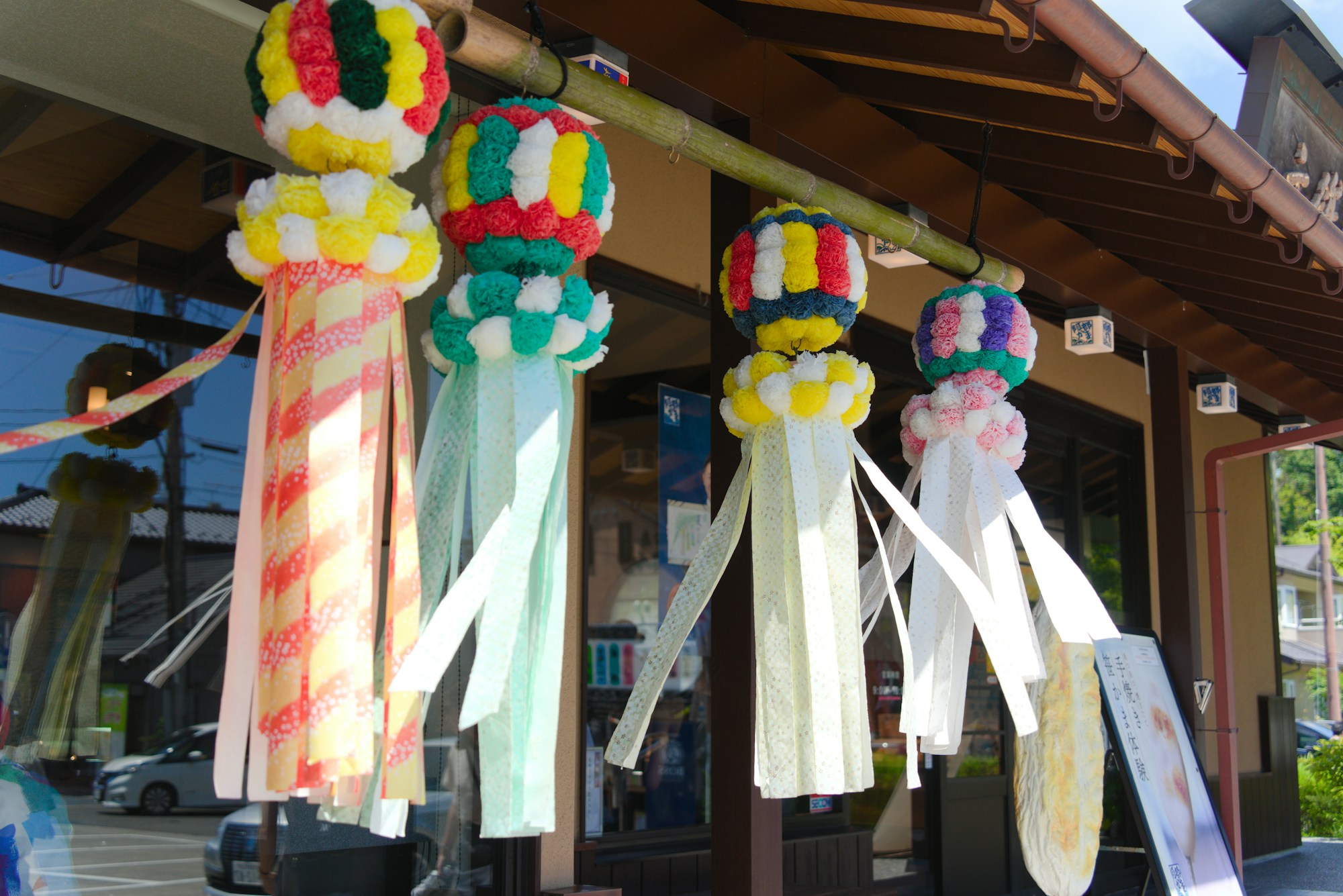
A star story 1,300 years in the making
The legend is Chinese in origin. Orihime (織姫, the Weaver Princess) is the daughter of the Sky King. She weaves divine cloth ceaselessly on the far side of the Milky Way. Out of compassion, her father arranges for her to meet Hikoboshi (彦星, the Cowherd Star) on the other bank of the celestial river. They fall hopelessly in love and marry — but, lost in happiness, they neglect their divine duties. The Sky King, furious, banishes them to opposite sides of the Milky Way, permitting them to reunite just once a year, on the seventh night of the seventh lunar month.
Astronomically, Orihime corresponds to Vega (magnitude 0.03, Lyra constellation, 25 light-years away) and Hikoboshi to Altair (magnitude 0.76, Aquila constellation, 16 light-years away). These two stars are indeed separated by the Milky Way in the Japanese summer sky, visible to the naked eye on a clear night. According to Wikipedia, the tradition was introduced to Japan by Empress Kōken in 755 AD, under the name Kikkōden.
Originally confined to the imperial court in Kyoto, the festival spread to commoners during the Edo period (1603–1868): it was then that tanzaku (narrow coloured paper strips bearing wishes) and decorated bamboo branches first appeared. The festival absorbed elements of Obon rituals, taking on the popular character it has retained to this day. According to Nippon.com, the 1873 calendar reform fixed Tanabata to 7 July in the Gregorian calendar, but many regions — notably Sendai — kept the lunisolar date, creating the regional variations you see today.
Points forts
- Astronomical legend you can verify in Japan’s summer night sky
- Tradition blending Shinto rituals, Chinese folklore and Edo culture
- Tanzaku (wish strips) are free and available to everyone at every festival
Tanabata 2026: all dates by city (don’t get caught out)
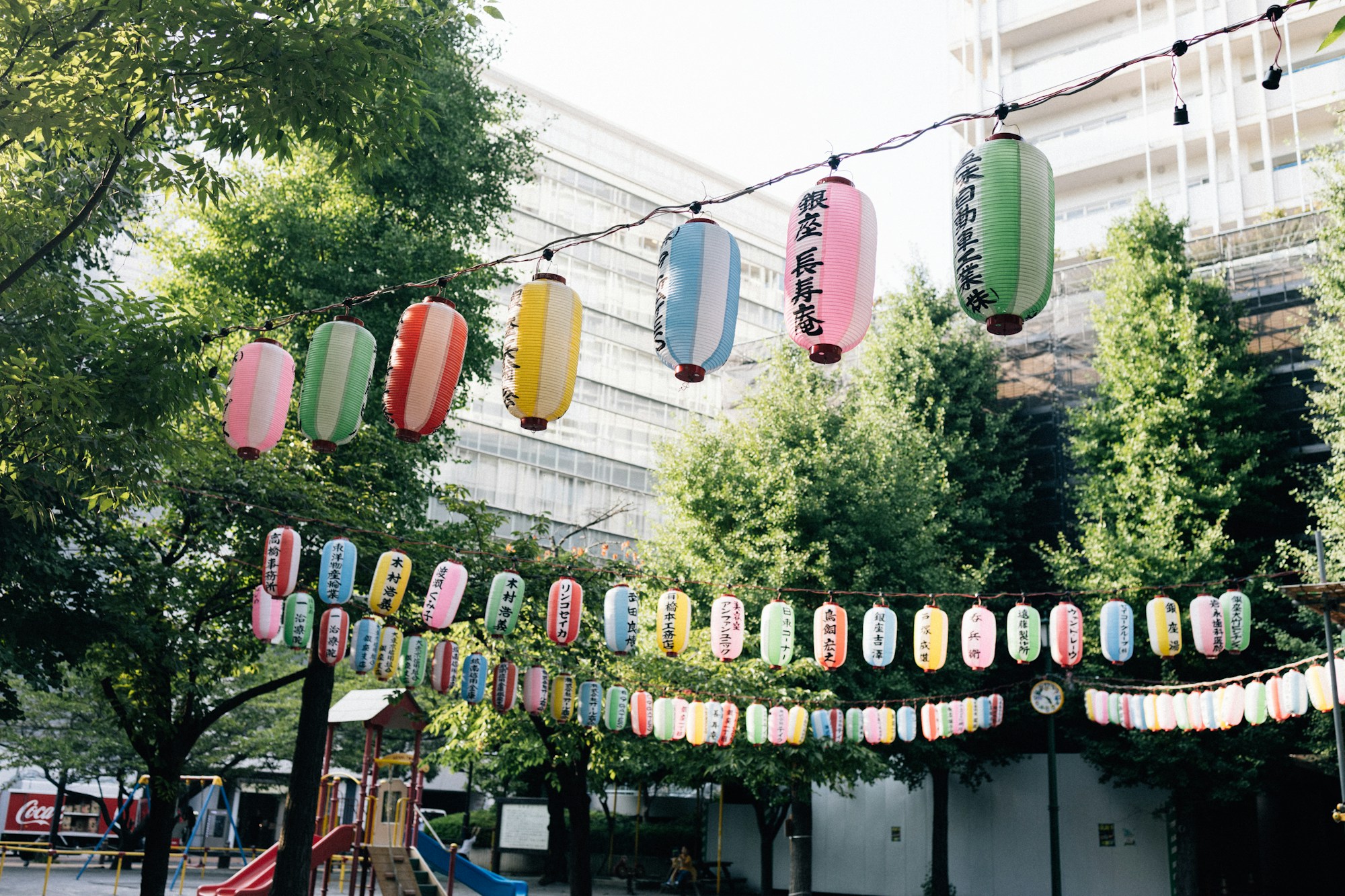
Two calendars, one festival
The most common mistake: travellers book flights around 7 July to catch Sendai Tanabata — and arrive a full month early. The Sendai festival, the biggest and most spectacular in Japan, runs from 6 to 8 August 2026, following the traditional lunisolar calendar. The astronomical date — the seventh day of the seventh lunar month — falls on 19 August 2026. If Sendai is your goal: plan around 5–8 August, not 7 July.
Here is the full calendar of the main Tanabata festivals in 2026, as confirmed by official sources:
| City / Festival | 2026 Dates | Attendance | Entry |
|---|---|---|---|
| Sendai Tanabata Matsuri | 6–8 August (fireworks: 5 Aug) | ~2 million | Free |
| Shonan Hiratsuka (Kanagawa) | 3–5 July | ~1.7 million | Free |
| Shitamachi Tokyo (Kappabashi) | 3–7 July | – | Free |
| Yokohama Tanabata | 4–5 July | – | Free |
| Osaka — Okawa LED | 7 July | – | ¥1,500–1,800 |
| Ichinomiya (Aichi) | 23–26 July | – | Free |
| Asagaya (Tokyo) — 70th edition | 7–11 August | – | Free |
| Kitano Tenmangū (Kyoto) | 2–18 August | – | ¥800 |
| Kyoto Sky Lantern Festival | 7–16 August | 3,500 lanterns | Ticketed |
| Hiroshima — Shukkei-en | 1–7 July | – | Free |
Sources : sendaitanabata.com, TokyoCheapo, JNTO.
Sendai Tanabata Matsuri 2026: Japan’s biggest festival (6–8 August)
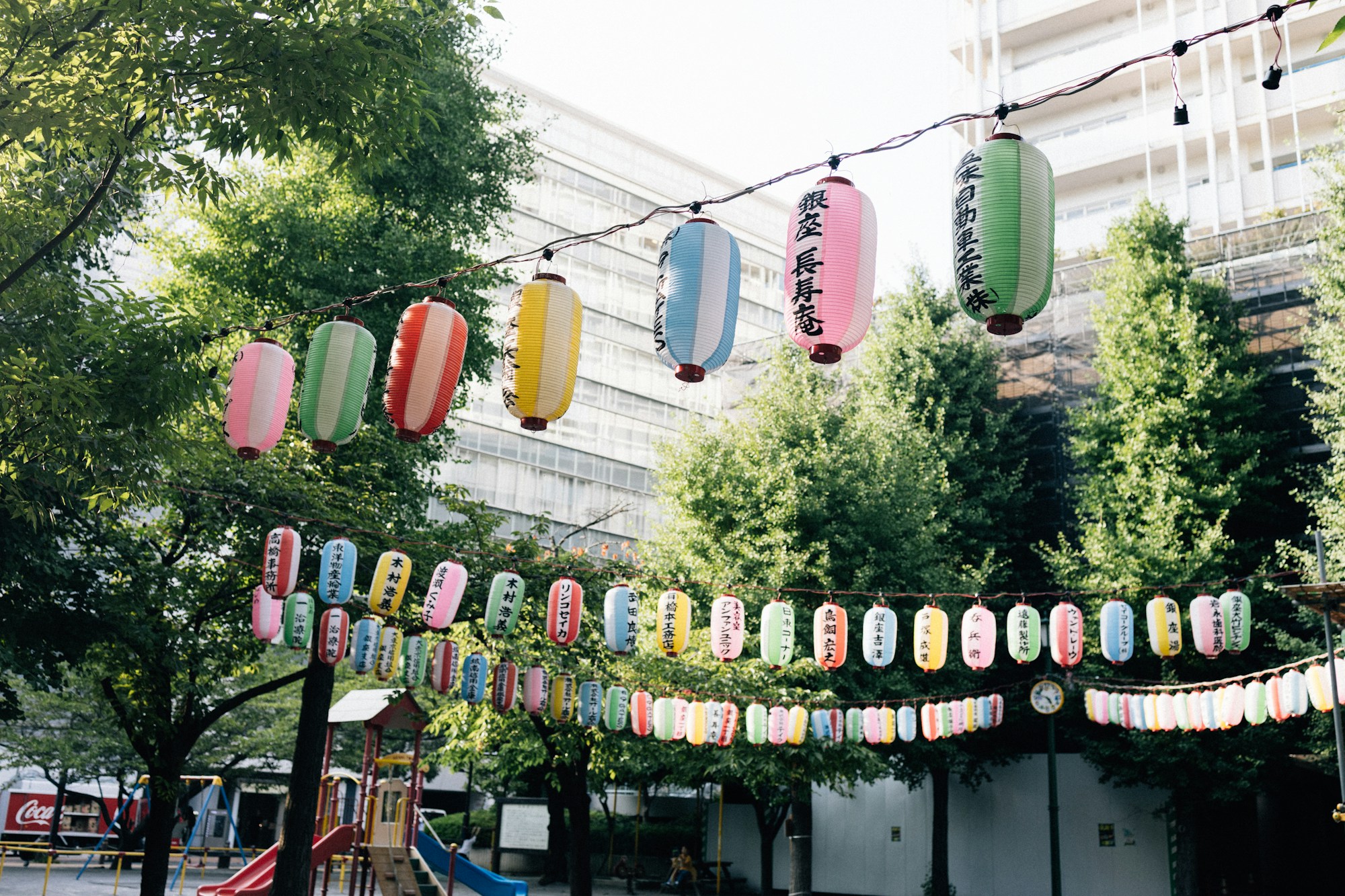
3,000 ornaments, 2 million visitors, a legendary fireworks display
The Sendai Tanabata Matsuri is Japan’s greatest Tanabata celebration. Its roots go back to the city’s founding lord, Date Masamune (1567–1636), who encouraged the festival as a prayer for mastery of the arts and an abundant harvest. After falling into decline, it was revived in 1928 by local merchants. According to VisitMiyagi and Statista data, it now draws around 2.27 million visitors over three days — with a growing share of international tourists since 2023.
On the morning of 6 August at 8am, decorations across all the shopping arcades are unveiled simultaneously — a unique collective reveal. Over 3,000 handcrafted ornaments fill the Hapina Nakakecho, Vlandome Ichibancho and Chuo-dori arcades. Each shop competes with others using decorations prepared in secret for months, sometimes costing millions of yen. A jury awards gold, silver and bronze prizes.
The seven traditional ornaments (Nanatsu-kazari) are compulsory in the competition:
- Tanzaku — academic progress and calligraphy
- Kamigoromo — paper kimono, healing and sewing
- Orizuru — origami cranes, longevity
- Kinchaku — paper purses, prosperity
- Toami — paper fishing nets, abundant harvests
- Kuzukago — paper baskets, frugality
- Fukinagashi — streamers symbolising the threads woven by Orihime (up to 10 m long)
On the evening of 5 August, the night before the festival opens, a display of 16,000 shells lights up the sky above Nishi Park and the Hirose River from 7:30pm to 8:30pm. Around 500,000 spectators attend this fireworks show — one of the largest in the Tohoku region. Arrive by 5pm to secure a good vantage point. The Zuihōden mausoleum also offers evening illuminations from 6 to 8 August (6pm–9pm, ¥570).
Getting there: Take the Tohoku Shinkansen (Yamabiko or Hayabusa) from Tokyo Station, journey time ~1h38, standard fare ¥11,630 (~£62). Book seats a month before the festival dates. From Sendai Station: 18 minutes on foot to the arcades, or 3 minutes by metro (Namboku line to Kōtōdai-Kōen, ¥210).
Tokyo, Kyoto, Osaka — experiencing Tanabata in July beyond Sendai
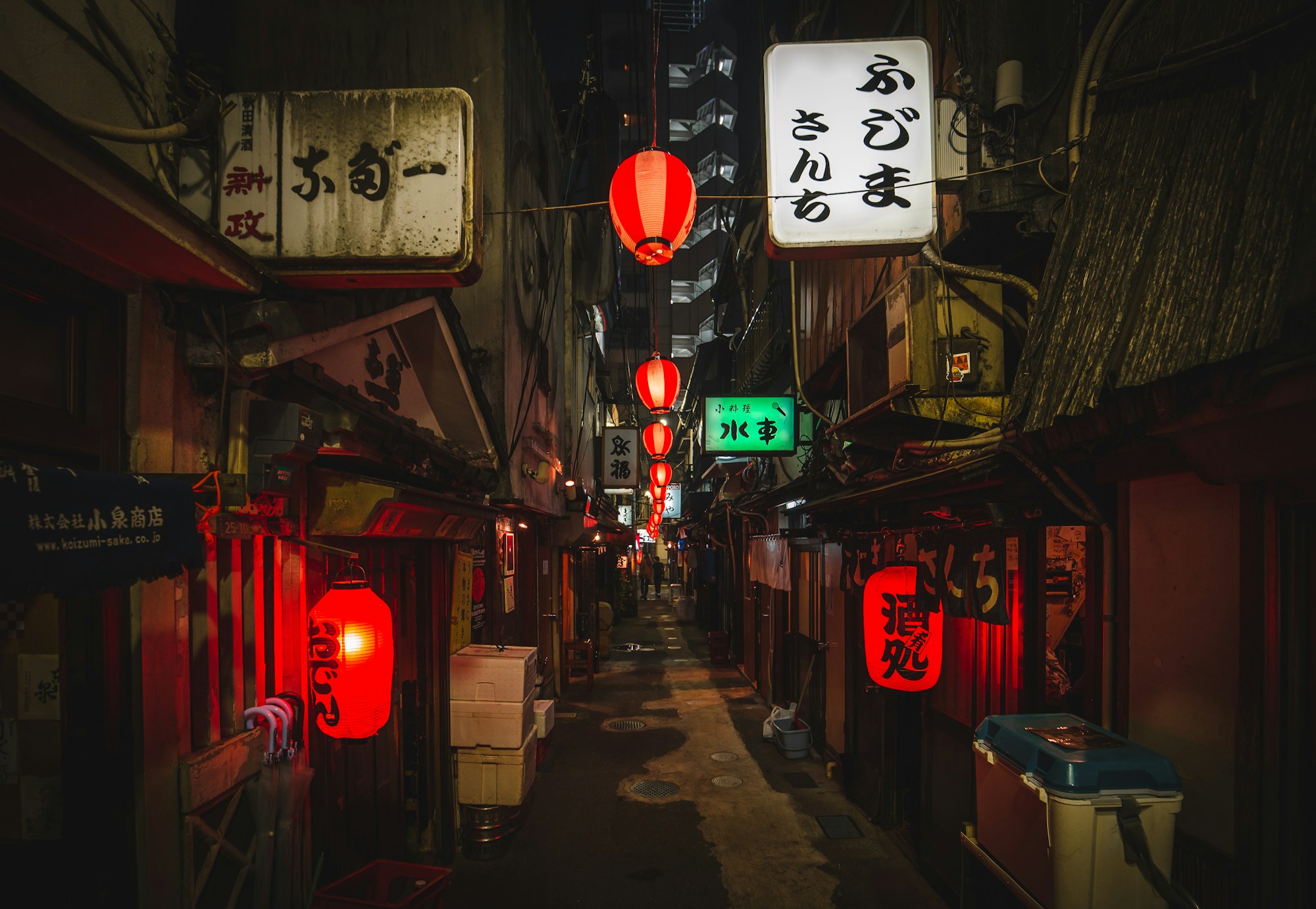
Four experiences, four distinct atmospheres
If you’re visiting Japan in July, or if a Sendai trip doesn’t fit your budget, several cities offer Tanabata experiences that are both accessible and genuinely authentic. Here’s what each destination actually delivers:
Hiratsuka (Kanagawa), 3–5 July 2026 — This coastal festival close to Tokyo (65 minutes from Shinjuku on the JR Tokaido) draws around 1.7 million visitors over three days for its 74th edition in 2026. Between 300 and 500 monumental decorations line the streets around the station, with a shop competition and live performances. Entry is free. It’s the biggest July alternative to Sendai’s August festival. According to VisitKanagawa, the parade on 3 July starts at 10:30am.
Shitamachi Tokyo (Kappabashi), 3–7 July 2026 — In the historic district of the old shitamachi (the « low city » of the Edo era), the festival revives the spirit of traditional matsuri with kazari decorations, street food and the chance to write tanzaku wishes outdoors with the Tokyo Skytree as your backdrop. A 5-minute walk from Tawaramachi Station (Ginza line). Free.
Asagaya (Tokyo), 7–11 August 2026 — 70th anniversary — The covered Asagaya Pearl Center arcade (700 m, 8 minutes from Shinjuku on the JR Chuo line) hosts a celebration started in 1954 by the local shopkeepers. Its USP: handmade papier-mâché characters crafted by residents, mixing Japanese pop culture (anime, video games) with traditional ornaments. The family-friendly, non-touristy atmosphere makes a welcome contrast to more crowded venues. Free. The 70th edition in 2026 promises to be particularly festive, according to Matcha-jp.
Osaka, 7 July 2026 — The signature event is the Reiwa Osaka Legend of the Milky Way: 40,000 blue LED balls (« Prayer Stars ») released onto the Okawa River, recreating the Milky Way on the water’s surface. Visitors can release their own ball with a written wish. Entry: ¥1,500 (advance) / ¥1,800 (on the day). Access: Keihan metro, Temmabashi station.
Kyoto, 2–18 August 2026 — The Kitano Tenmangū shrine (¥800, 9am–8pm) offers lanterns and a foot-soaking ceremony in the Mitarashi River with lit candles for health wishes. The Kyoto Sky Lantern Festival (7–16 August, Kizugawa Sports Park) releases up to 3,500 lanterns into the sky from 8:30pm. Advance tickets are strongly recommended, according to JapanCheapo.
What to do at Tanabata: tanzaku wishes, yukata and somen
Getting immersed in the festival beyond the photos
Write a tanzaku. La tradition centrale de Tanabata est d’inscrire un vœu sur un tanzaku (a narrow strip of coloured paper) et and tying it to a bamboo branch. The five traditional colours (green, red, yellow, white, purple) correspond to the five elements of Chinese cosmology — black having been replaced by purple. At all major festivals, stalls hand out tanzaku and pens for free. Wishes in English are very welcome — the Japanese find it charming. Traditionally you wish for progress in an art or skill, but today wishes also cover health, love and career success. According to Nippon.com, the tanzaku tradition dates back to the Edo period.
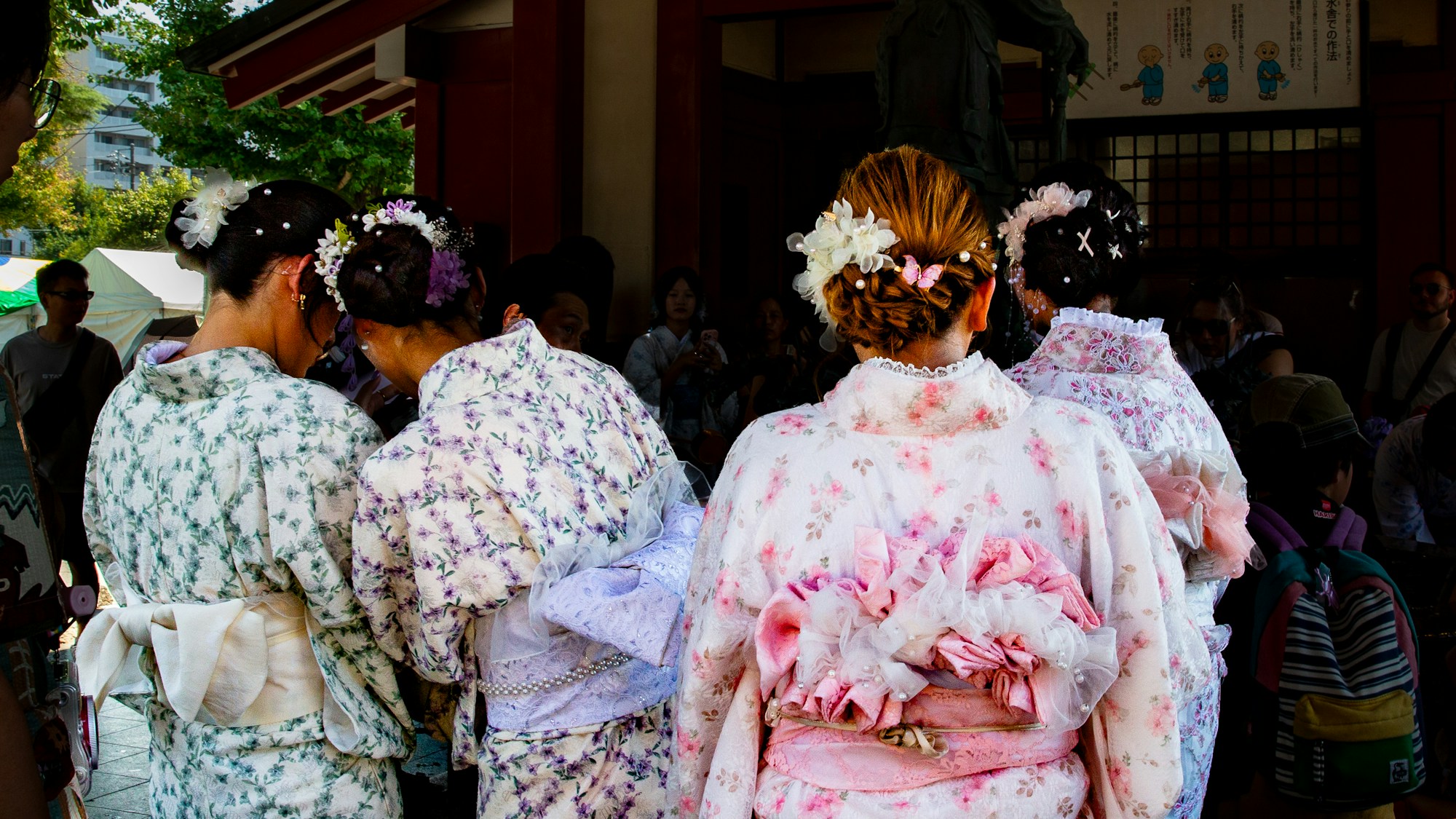
Wear a yukata. A yukata (浴衣) is a lightweight cotton summer kimono worn at summer matsuri. Strolling through the festival in a yukata is both a cultural and visual experience. Specialist shops offer full rental (yukata + obi + geta + optional hair styling) for ¥3,000–8,000 depending on the city. In Kyoto: the Gion and Higashiyama districts. In Tokyo: Asakusa. In Sendai: shops near the station. Allow 45–90 minutes to get dressed, longer with hair styling. One important note: left-over-right is the norm for the living — right-over-left is reserved for the deceased in Japanese funeral rites.
Eating at Tanabata. The festival’s iconic dish is somen (そうめん): thin cold wheat noodles served in iced water with tsuyu dipping sauce, spring onion and ginger. They evoke Orihime’s weaving threads or the currents of the Milky Way. Expect to pay ¥500–800 at a restaurant. Kakigori (かき氷, shaved flavoured ice) is a must at any summer matsuri: matcha, strawberry, melon, sweetened condensed milk — ¥300–800. In Sendai specifically, don’t leave without trying gyutan yaki (牛タン焼き), the charcoal-grilled beef tongue that’s been the city’s signature dish since 1948, served with barley rice and oxtail soup (¥1,800–3,500).
Points forts
- Tanzaku free at all festivals — English wishes welcomed
- Yukata rental available (¥3,000–8,000) in every major festival city
- Somen, kakigori and gyutan (Sendai): seasonal food at accessible prices
- Sendai Tanabata Museum: decorations on display year-round, free entry
Heat, typhoons and accommodation: the challenges of a successful Tanabata trip
Planning your trip: the non-negotiables
Summer heat. Japan’s summer heat is a genuine health risk that many visitors underestimate. July and August in Tokyo, Kyoto and Osaka regularly see temperatures exceed 35–38°C with 75–80% humidity, creating a feels-like temperature that can reach 42°C. According to CNN, more than 90,000 people were hospitalised for heatstroke in Japan in summer 2025. Summer 2026 is forecast « above normal » by the Japan Weather Association. Rules to follow without exception: only go out before 11am and after 6pm for outdoor activities; stay hydrated with water and electrolytes (Pocari Sweat or Aquarius, sold in every convenience store); wear a hat and SPF50+ sunscreen. Convenience stores (Family Mart, Lawson, 7-Eleven) are air-conditioned refuges available everywhere.
Typhoon season. It runs from May to November, peaking in August–October. On average, two to three typhoons a month sweep across Japan in the height of summer. A typhoon can lead to flight cancellations and Shinkansen suspensions. According to Remitly, it’s essential to build flexibility into your itinerary and monitor alerts via the JMA app (Japan Meteorological Agency). Travel insurance covering typhoon-related cancellations and medical emergencies is strongly recommended.
Accommodation in Sendai. The festival draws 2 million people over three days to a city of one million: the impact on accommodation is enormous. Hotels in the centre see price rises of 30–50% during the three festival days, and properties near the station sell out months in advance. Book ideally in January–February 2026. The most practical alternative: Matsushima (40 minutes from Sendai by train), a bay landscape ranked among Japan’s three most beautiful views, where accommodation remains more available.
Budget and 2026 taxes. Japan’s international departure tax triples from July 2026: from ¥1,000 to ¥3,000 per person (~£15) for all flights or sea crossings departing Japan. It’s included automatically in the ticket price. Kyoto has also introduced a hotel tax (¥200 to ¥10,000 per night depending on the hotel category) since March 2026. The 7-day JR Pass remains ¥50,000 (~£270) until October 2026 — good value if you take three or more Shinkansen journeys in seven days. UK citizens can visit Japan visa-free for up to 90 days (valid passport required; no prior application needed). Exchange rate as of 15 June 2026: £1 ≈ ¥205, with the yen historically weak — favourable for British budgets.
Points forts
- Weak yen in 2026 — Japan is currently good value for British travellers
- Festivals are free — budget only covers accommodation, food and transport
- JR Pass worth it from three long-distance journeys
Practical information for your Tanabata trip to Japan
Data connection from the moment you land at Narita or Haneda. Track typhoon alerts in real time (JMA app) and Shinkansen schedules. Activate before you leave the UK.
À partir de ~12 USD / 10 joursMedical cover (heatstroke, emergencies) + typhoon-related cancellations. Essential for Japan in summer: basic travel insurance often doesn’t cover medical evacuation or severe weather events. 10% off via our link.
From $56 / 4 weeksFrom London Heathrow (LHR) to Tokyo (NRT/HND): from ~£600 return (off-peak summer). British Airways and Japan Airlines both operate direct services from Heathrow. Book early and avoid festival dates for the best prices.
From ~£600 returnBefore you go: key essentials
- Visa : not required for UK citizens — visa-free for up to 90 days (valid passport required)
- 7-day JR Pass: ¥50,000 (~£270) — price rises to ¥53,000 from October 2026
- Welcome Suica: ¥1,500 at the airport for public transport and convenience stores
- Tokyo–Sendai Shinkansen: book your seats a month before the festival
- Departure tax: ¥3,000 per person (~£15) included in the ticket from July 2026
- Sendai accommodation: book now — festival hotel rooms sell out months in advance
To plan your full Japan summer itinerary, see our Japan travel guide and our personalised Pixidia itineraries.
Frequently asked questions about Tanabata 2026 in Japan
When is Tanabata 2026 in Japan?
Tanabata is celebrated on 7 July 2026 in most Japanese cities (Tokyo, Kyoto, Osaka, Hiratsuka). The Sendai festival — the largest in the country with 2 million visitors — runs from 6 to 8 August 2026, following the lunisolar calendar. The astronomical date of the seventh day of the seventh lunar month falls on 19 August 2026. Sources: sendaitanabata.com, Wikipedia.
Is the Sendai Tanabata Matsuri free to attend?
Yes, entry to the decorated shopping arcades and street events is completely free. Your only costs are accommodation, food and transport. Some side events are paid: Zuihōden illuminations (¥570) and Aoba Castle events (free). The 5 August fireworks display is free (public space, Nishi Park). Sources: VisitMiyagi, JapanNook.
How do I get from Tokyo to Sendai for Tanabata?
Take the Tohoku Shinkansen (Yamabiko or Hayabusa) from Tokyo Station, journey time approximately 1h38. Standard fare: ¥11,630 (~£62) one-way. The JR Pass covers this route. From Sendai Station: 18 minutes on foot to the festival arcades, or 3 minutes by metro (Namboku line, ¥210). Book Shinkansen seats one month before the festival dates. Source: LiveJapan.
What is a tanzaku and how do I take part?
A tanzaku is a narrow strip of coloured paper on which you write a personal wish, then tie it to a bamboo branch. The five traditional colours (green, red, yellow, white, purple) symbolise the five elements of Chinese cosmology. At Tanabata festivals, stalls give out tanzaku and pens free of charge. Wishes in English are very welcome. The tradition dates back to the Edo period. Source: Nippon.com.
Do UK citizens need a visa to visit Japan in 2026?
No. British citizens can visit Japan visa-free for up to 90 days. You simply need a valid passport, a return ticket and proof of accommodation. No prior application is required. Source: Embassy of Japan in the UK.
When should I book accommodation in Sendai for Tanabata?
Ideally 6 months in advance — so by January–February 2026. Hotels near Sendai Station sell out several months before the festival, with price rises of 30–50%. If you haven’t booked in advance, the most practical alternative is Matsushima (40 minutes by train from Sendai) — one of Japan’s three most celebrated views and with more accommodation availability. Sources: tabinoteitaku.jp, JapanUncharted.
- sendaitanabata.com — Official Sendai Tanabata Matsuri website
- JNTO — Sendai Tanabata Festival — Japan National Tourism Organization (official)
- VisitMiyagi — Miyagi Tourism Board (official)
- LiveJapan — Sendai Tanabata 2026 — Dates and programme
- Wikipedia — Tanabata — History and origins
- Wikipedia — Qixi Festival — Chinese origins
- Nippon.com — Tanabata — Japanese tradition
- TokyoCheapo — Hiratsuka 2026 — Dates and access
- Matcha-jp — 7 Tokyo Tanabata festivals — Asagaya, Shitamachi
- JapanCheapo — Kyoto Tanabata — Kyoto Sky Lantern
- Osaka Metro NiNE — Reiwa Milky Way — LED event on the Okawa
- Euronews — Japan taxes 2026 — Departure tax, JR Pass, Kyoto
- CNN — Japan heatwave — Summer health risks
- Remitly — Japan typhoon season — Risks and precautions
- JapanNook — Japan budget guide 2026 — Daily budget
- Embassy of Japan in the UK — Visa information — Exemption visa UE
- JNTO — Tohoku Sandai Matsuri — Three great Tohoku summer festivals
- VisitKanagawa — Hiratsuka Tanabata — 74th edition official info
Research conducted 15 June 2026.