
Thailand remains one of Asia’s must-visit destinations in 2026. Between the electric frenzy of Bangkok, the spiritual serenity of Chiang Mai and the turquoise waters of the Southern Islands, this country offers a striking concentration of contrasts in two or three weeks. With 36.7 million visitors expected this year — a 10% increase from 2025 — the Land of Smiles has lost none of its appeal. Yet it remains possible to travel off the beaten path, to discover still-pristine islands, near-deserted temples and authentic mountain villages. This guide provides a detailed itinerary, sourced from recent data, for an unforgettable trip in 2 or 3 weeks.
1. Bangkok — The Energy of a Megacity Worth Exploring Beyond the Surface
The Capital That Never Sleeps
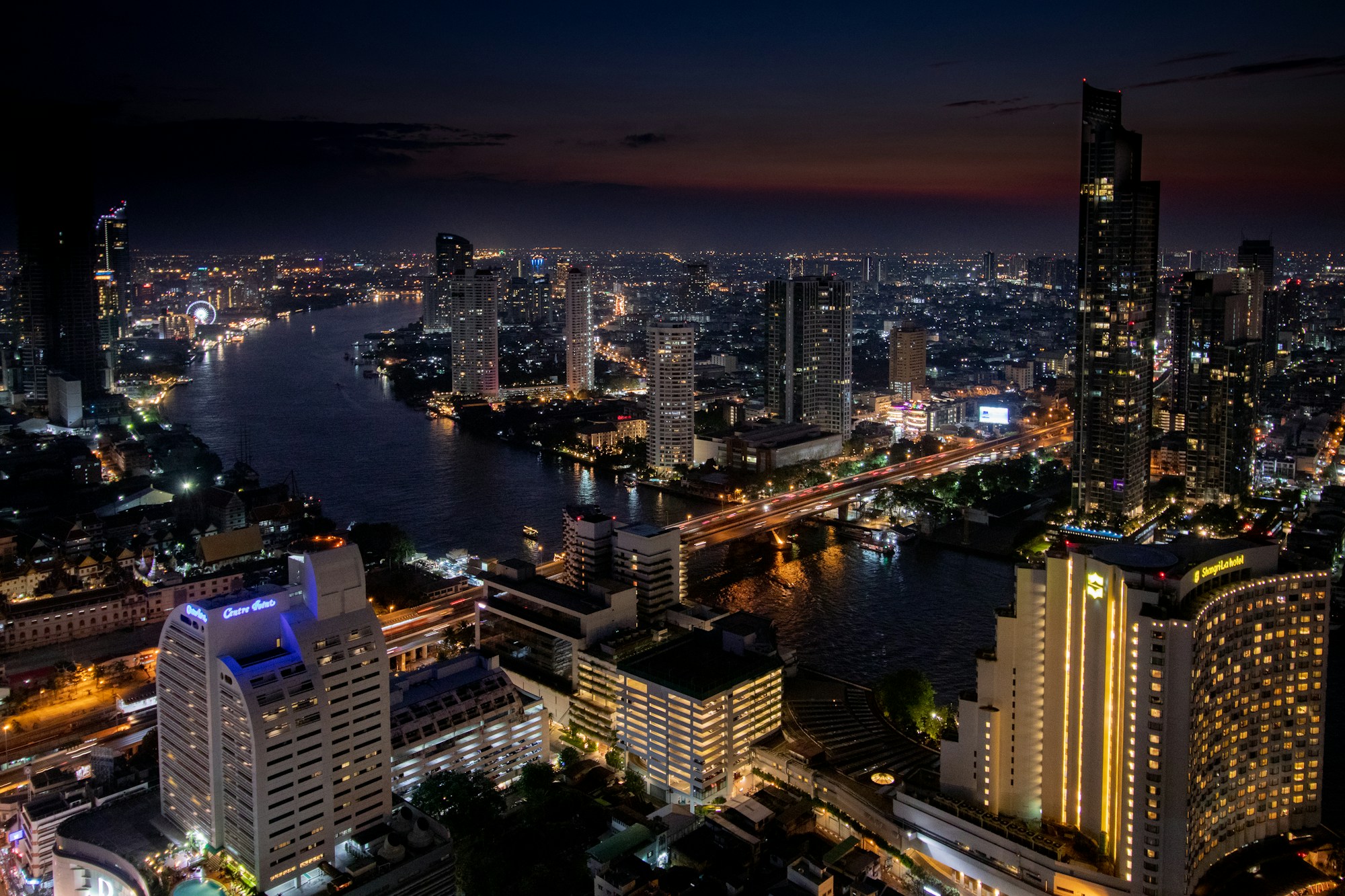
Bangkok is far more than a transit hub. The city has an authentic side rarely explored by tourists: neighbourhoods along the khlongs (canals), bustling local markets, little-known verdant parks and everyday spots where the city’s true character shines, for those who value slow exploration. According to local guide Off Path Thailand, these hidden treasures are not hard to reach — they simply lie outside the usual tourist circuits, often within walking distance of a BTS or MRT station.
The Grand Palace and Wat Pho are unmissable, but plan to visit at opening time (8:30 am) to avoid the crowds. The Bang Rak neighbourhood and the alleyways of Talat Noi — a former community of coolies and merchants — offer an atmosphere from another era. Canal boats (khlong boat) at 15 ฿ are the best way to cross the city while dodging the legendary traffic jams.
Bangkok Highlights
- Visit Wat Pho (46 m reclining Buddha) and Wat Arun across the river
- Explore Chatuchak Market on the weekend (over 8,000 stalls)
- Dine at the top of Lebua Sky Bar or at a street food stall in Chinatown
- Take the tourist boat along the Chao Phraya river (40 ฿/trip)
- Get lost in the khlongs of Thonburi, an authentic residential neighbourhood
2. Ayutthaya — The Forgotten Ancient Capital (UNESCO)
Time Suspended Among the Siamese Ruins
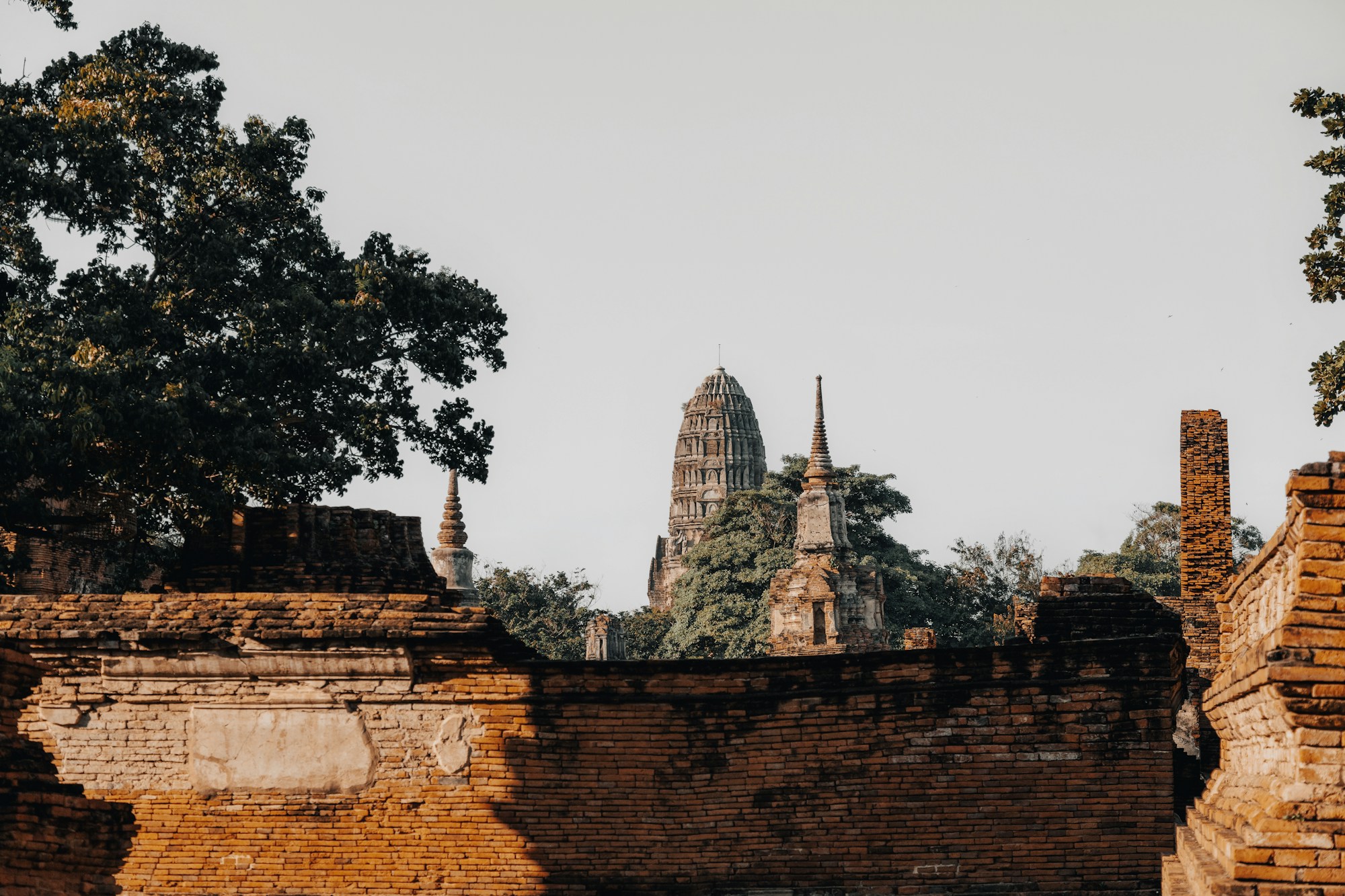
Former capital of the Kingdom of Siam from 1351 to 1767, Ayutthaya was one of the largest cities in the medieval world before being razed by the Burmese. Today listed as a UNESCO World Heritage Site, it offers colossal temple ruins, decapitated Buddhas entwined in centuries-old roots, and an almost mystical atmosphere at sunrise. According to Backpackers Wanderlust, renting a bicycle to explore the nearby temples is one of the best ways to experience Ayutthaya — and it is indeed ideal: the sites are close enough to link by bike (allow 3 to 4 hours of active visiting).
The savvy traveller’s tip: take the overnight train from Chiang Mai to Bangkok, and alight at Ayutthaya before reaching the capital. You then have a full day on site before heading back to Bangkok in the evening — a perfect plan to avoid one night’s hotel cost.
Not to Be Missed
- Wat Mahathat — the famous Buddha whose head is entwined in fig tree roots
- Wat Phra Si Sanphet — the three ceremonial stupas, former royal temple
- Wat Chaiwatthanaram — spectacular sunset view over the river
- Boat ride around the historic island (200 ฿/hour)
3. Chiang Mai — The Cultural Heart of the Lanna North
The City of Temples and Elephants
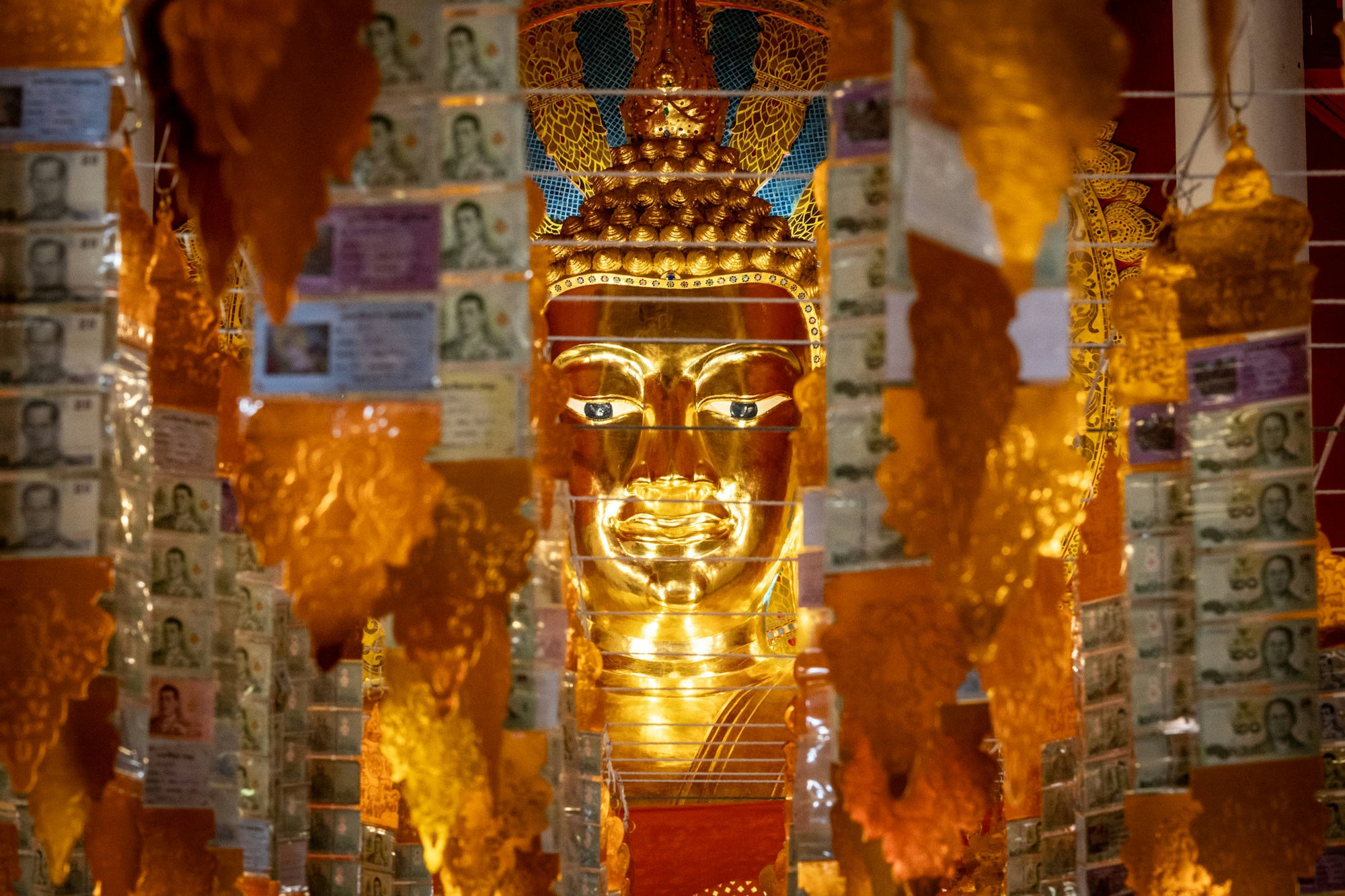
Chiang Mai is Thailand’s second city, but its pace is nothing like Bangkok’s. It is a beautiful historic city with an ancient old town filled with over 300 temples, surrounded by the mountains and jungles of the north. As Global Gallivanting points out, northern Thailand was once a separate country — the Lanna Kingdom — with its own distinct culture and architecture. The temples here have multi-tiered carved wooden roofs, gilded and lacquered, very different from the rest of the country.
Five days in Chiang Mai give you time to explore the old city and the night markets at a leisurely pace, and to take day trips outside the city: the elephant sanctuary (choose an ethical establishment — no riding, no shows), Doi Inthanon National Park (Thailand’s highest peak at 2,565 m) and the hill tribe villages around Pai (3 hours of winding road to the northwest). Absolutely avoid the months of late February to mid-April: it is the agricultural burning season, and the air becomes unbreathable.
Chiang Mai Must-Dos
- Doi Suthep — mountain temple with panoramic views over the entire city (30 min by songthaew)
- Sunday Night Market (Walking Street) on Wualai Road — local crafts and street food
- Thai cooking class (half-day, 800–1,500 ฿ including market visit)
- Day trip to an ethical elephant sanctuary (full day, from 2,500 ฿)
- Wander through the fortified old town — 36 temples within less than 3 km²
4. Khao Sok National Park — The Primeval Jungle
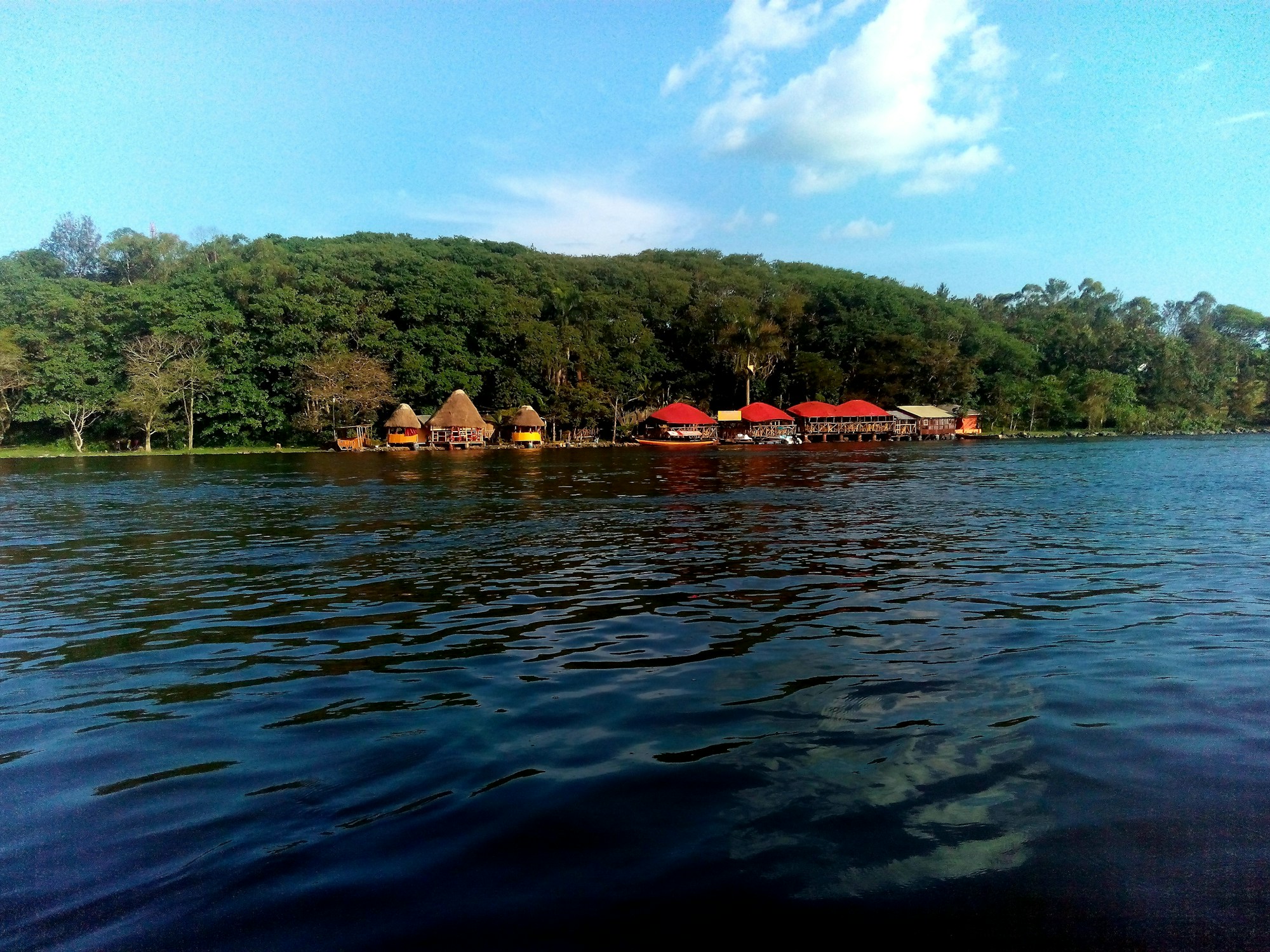
A Night in the Jungle, Above the Lake
Khao Sok National Park is one of Thailand’s most pristine natural wonders. It is home to one of the oldest rainforests in the world — considered older than the Amazon — with imposing limestone cliffs and diverse wildlife including gibbons, hornbills, wild boar and over 300 bird species. At the heart of the park lies Cheow Lan Lake, an artificial reservoir surrounded by limestone karsts and dotted with floating bungalows, where waking up at sunrise behind the karst formations is a one-of-a-kind experience, according to Salt In Our Hair.
Ideally positioned between Chiang Mai (by plane to Surat Thani) and Phuket/Krabi, Khao Sok makes the perfect north-south transition stop in your itinerary. Unlike popular destinations such as Phuket, the park offers a silent immersion in the jungle without the crowds. The night safari is a particularly recommended activity to spot tarantulas, snakes and monkeys that cannot be observed during the day.
Key Activities
- Night(s) in a floating bungalow on Cheow Lan Lake — book well in advance in high season
- Night safari in the primary forest (unique nocturnal wildlife)
- Kayaking on the lake between karst formations at sunrise
- Jungle trekking — look for the Rafflesia in bloom (Feb–Mar, the world’s largest flower)
- Swimming in the rivers and waterfalls within the park
5. Koh Yao Noi — The Secret Island of Phang Nga Bay
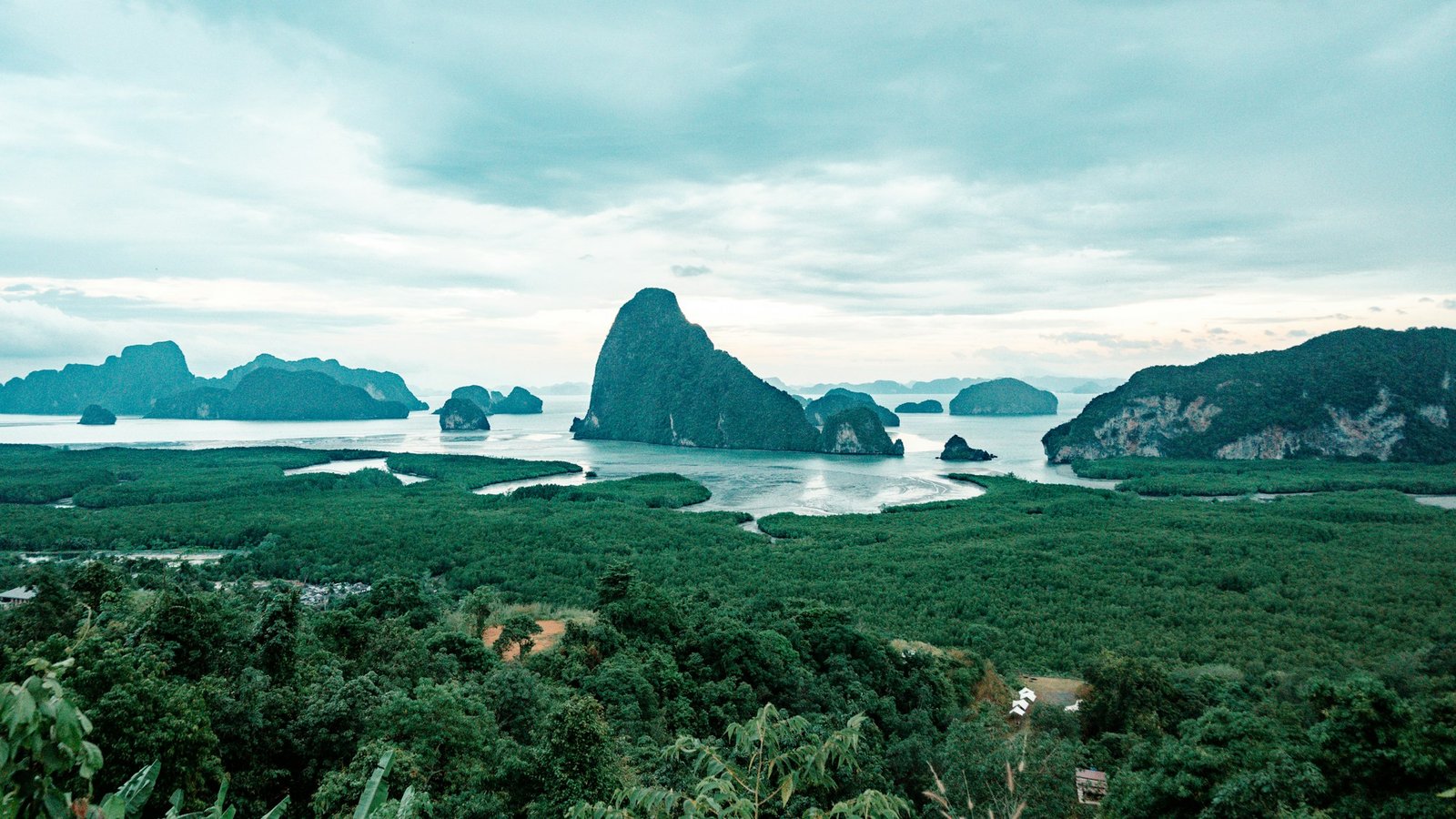
Karst Cliffs and Authentic Island Life
Koh Yao Noi, nestled in Phang Nga Bay between Phuket and Krabi, is Thailand’s least-known island gem. As Life In The Fast Jane describes it, the island offers beautiful and deserted beaches, plenty of nature, excellent food and welcoming locals — with very few tourists. No large resorts, no traffic, no party scene: the island remains incredibly quiet and authentic. A few 7-Eleven stores and ATMs make up just about all the visible tourist infrastructure.
The view over Phang Nga Bay from the island is spectacular: the limestone karsts rise dramatically out of the sea, creating a prehistoric and almost dreamlike atmosphere. The island is easily accessible — 30 minutes by speedboat from Bang Rong pier (north Phuket) for 400 ฿/person. Note that the last boat to Koh Yao Noi leaves the mainland around 5 pm — plan accordingly. A rental motorbike at 300 ฿/day will let you explore everything.
Things to Explore on Koh Yao Noi
- Rent a scooter and do the full loop of the island (30 km in a few hours)
- Sea kayaking in the mangroves and around the limestone karsts
- Diving and snorkelling on the uncrowded reefs around the island
- Watch the sunset from Tha Khao beach facing the karsts
- Dinner at a waterside fisherman’s restaurant (catch of the day at local prices)
6. Railay Beach & Krabi — The Icon of the Andaman Coast
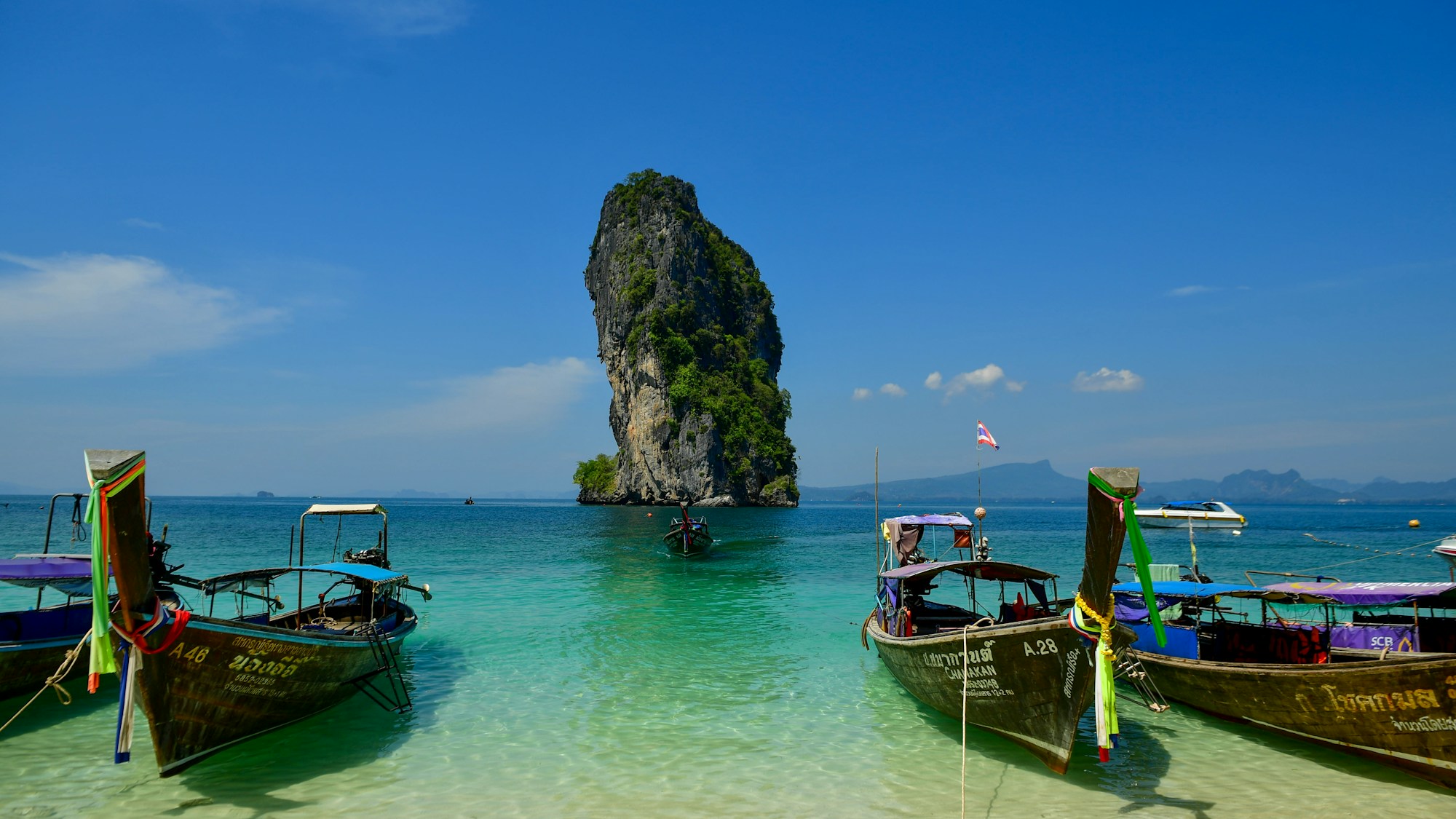
Thailand’s Edge, at the End of the World
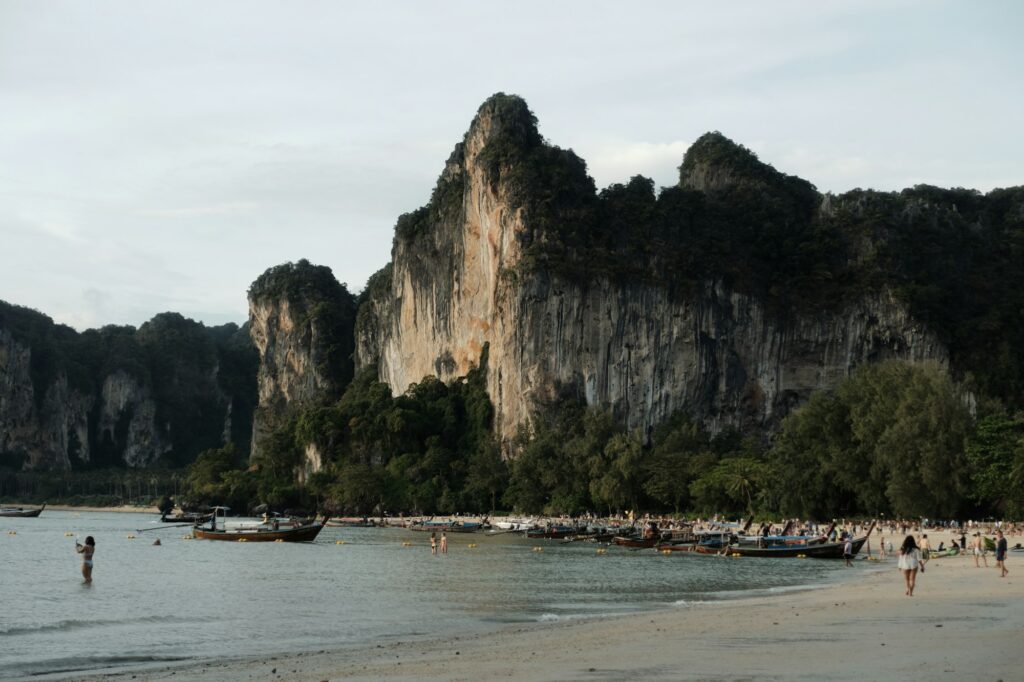
Krabi province concentrates some of Thailand’s most dramatic landscapes: sheer limestone cliffs dropping into the sea, white sand beaches surrounded by jungle, and secret lagoons accessible only by swimming or kayak. Railay Beach, a peninsula accessible only by boat from Ao Nang (100 ฿/trip), offers four distinct beaches with an end-of-the-world atmosphere that remains preserved. According to Travel With A Pen, there is a way to experience it differently from others: finding deserted beaches, swimming among bioluminescent algae at night, and spotting unique wildlife on the cliffs.
For island-hopping around Krabi, book a Four Islands Tour which typically visits Railay, Chicken Island, Tub Island and Poda Island. For sports enthusiasts, rock climbing on the limestone cliffs is a speciality of Railay: the area is considered among the best outdoor climbing spots in Southeast Asia. And if you want to push further south, Koh Lipe (Satun province) — nicknamed the « Maldives of Thailand » — is worth the time investment (accessible by ferry from Pak Bara or Langkawi).
Krabi & Railay Highlights
- Swim to Princess Beach from Railay West at low tide
- Four Islands boat tour (half-day, ~1,200 ฿/person on a group tour)
- Kayak to Railay’s secret lagoon (access through a cave at low tide only)
- Rock climbing on Thaiwand Wall limestone cliffs (all levels, lessons from 1,500 ฿)
- Take the early ferry (6:30 am) from Ao Nang for 2 hours of deserted beach before the crowds
Budget: How Much Does a 2–3 Week Trip to Thailand Cost in 2026?
The exchange rate in 2026 is approximately 1 EUR ≈ 38–40 THB. Thailand remains a very affordable destination for Europeans, with significant differences depending on your travel style.
| Profile | Budget/day (on site) | Total budget 15 days (flights included) |
|---|---|---|
| 🎒 Backpacker | €25–35 | ~€1,500–1,800/person |
| 🏨 Comfort | €50–80 | ~€2,500–3,500 |
| 🌟 Luxury | €150 and above | €5,000+ |
Food is one of the cheapest items: a plate of pad thai or a green curry from a street stall costs barely €1–2. Local restaurants charge around €3–6. Budget €10–15/day to eat well, alternating street food and sit-down restaurants. Domestic flights (low-cost airlines such as AirAsia, Nok Air) are very competitive when booked in advance.
Important note: The travel period has a major impact. High season (November to February) shows prices up to 35% higher than low season (May to October). Source: Portail Asie | Guide Thaïlande.
2026 Entry Requirements: The TDAC, the Mandatory Digital Arrival Card
Since 1 May 2025, Thai authorities have replaced the old paper TM6 form with a digital requirement. All foreign travellers entering Thailand — by air, land or sea — must complete the TDAC (Thailand Digital Arrival Card) before arrival.
- The TDAC must be submitted within 72 hours before your arrival
- The application is entirely free on the official website — beware of third-party paid sites
- Most European nationalities benefit from a 60-day visa exemption (extendable by 30 days for 1,900 ฿ at the immigration office)
- Official website: tdac.immigration.go.th
Sources: Tourism Authority of Thailand | Siam Legal International.
Frequently Asked Questions — Thailand 2026
What is the best time to travel to Thailand in 2026?
The dry season from November to February is ideal for visiting the whole country. It is the most pleasant period for Bangkok and the North. Note that the east coast (Koh Samui, Koh Phangan) and the west coast (Phuket, Krabi) do not share the same rainy seasons. If you are visiting the western Andaman coast, aim for November to March. In Chiang Mai, absolutely avoid late February to mid-April: the agricultural burning season makes the air unbreathable. Source: Portail Asie.
How long do you need for a Bangkok + Chiang Mai + islands circuit?
Allow at least 3 weeks if you want to visit both the North and the South satisfactorily. In 2 weeks, you will need to choose: either the north (Bangkok, Ayutthaya, Chiang Mai) or the south (Bangkok, Khao Sok, Krabi/Koh Yao Noi). A complete 21-day circuit breaks down ideally as follows: Bangkok (3–4 days) → Ayutthaya (1 day) → Chiang Mai (4–5 days) → Khao Sok (2 days) → Koh Yao Noi (3 days) → Railay/Krabi (2–3 days) → return to Bangkok. Source: Backpackers Wanderlust.
How do you get around between Bangkok, Chiang Mai and the Southern Islands?
Several options are available. By plane (recommended): Bangkok–Chiang Mai (1h15, from 1,500 ฿ on AirAsia or Nok Air), then Chiang Mai or Surat Thani/Krabi–Bangkok. By overnight train (Bangkok–Chiang Mai): an economical (~800 ฿ in a 2nd class sleeper) and experiential option, but allow 13 hours of travel time. To reach the islands, regular ferries depart from Krabi, Phuket or Surat Thani. Koh Yao Noi is 30 minutes by speedboat from Phuket (400 ฿). Source: Atlys.
Do I need a visa for Thailand in 2026?
Most European nationalities (France, Belgium, Switzerland, Canada…) benefit from a 60-day visa exemption since 2024. However, since May 2025, the TDAC (Thailand Digital Arrival Card) is mandatory and free — to be completed within 72 hours before arrival at tdac.immigration.go.th. You can extend your stay by an additional 30 days for 1,900 ฿ at the local immigration office. Source: ThaiEmbassy.com.
How do you have an ethical elephant experience in Thailand?
Avoid any establishment offering elephant rides or shows: these practices involve cruel training methods. Choose ethical sanctuaries that allow you to observe the animals in their natural habitat — walking alongside them, feeding them and watching them bathe without constraint. In Chiang Mai, sanctuaries such as Chang Chill or Elephant Nature Park offer full-day experiences with no forced riding. The Lampang Elephant Conservation Centre (TECC, 100 km from Chiang Mai) is the country’s only ethical state-run centre. Source: One Life Adventures.
What are the health risks and precautions to take for Thailand 2026?
Make sure you are up to date with your routine vaccinations (DTP, hepatitis B). Depending on your itinerary, vaccines against hepatitis A and typhoid may be recommended. It is strongly advised to take out travel insurance covering medical costs, hospitalisation and repatriation — healthcare costs can be high, and scooter accidents are common. Avoid drinking tap water and stick to bottled water. Source: Portail Asie.
Which SIM card or internet plan should you choose in Thailand?
At Bangkok airport (Suvarnabhumi or Don Mueang), operators AIS, DTAC and True Move H offer tourist SIM cards from 300 ฿ for 30 days of unlimited data. This is infinitely more practical and affordable than European international plans for using Google Maps, Grab (taxi) and local transport apps. Check that your phone is unlocked before you leave. 4G coverage is excellent in cities and good in most island tourist areas.
Is Thailand still worth visiting in 2026 despite the tourist crowds?
The answer is yes, as long as you know where and how to look. While flagship sites like Railay Beach or the Grand Palace are busy, destinations like Koh Yao Noi, Lampang, Pai or Koh Mook remain remarkably well-preserved. The secret is to travel off-season or at the very start of the season, not hesitate to take a detour, and favour local transport (public ferries, songthaews) rather than organised tours. According to TravelTourister, the best experiences often emerge from wrong turns and moments when the planned itinerary goes off the rails.
Sources
- Travel With A Pen — Thailand Itinerary for First-Time Visitors 2026 — January 2026
- Global Gallivanting — 5-Day Chiang Mai Guide — February 2026
- Off Path Thailand — Bangkok Hidden Gems 2026 — February 2026
- Backpackers Wanderlust — 3-Week Thailand Itinerary — January 2026
- Khao Sok Travel — Complete National Park Guide — March 2025
- Elephant Hills — Khao Sok Experience 2025
- Salt In Our Hair — Khao Sok Floating Bungalows Guide
- Life In The Fast Jane — Koh Yao Noi Guide 2025 — June 2025
- Escape to Landscapes — Koh Yao Noi, Hidden Paradise — February 2025
- North Abroad — Complete Koh Lipe Guide — October 2025
- Portail Asie — Planning Your Trip to Thailand 2026 — January 2026
- Portail Asie — Thailand Budget 2026
- Guide Thaïlande — Thailand in 2026 — November 2025
- Tourism Authority of Thailand — Official TDAC
- Siam Legal International — TDAC FAQ — December 2025
- ThaiEmbassy.com — TDAC Step-by-Step Guide
- The Always Wanderer — Hidden Gems of Thailand — January 2026
- TravelTourister — Thailand Travel Guide 2026 — January 2026
Research conducted on 20 February 2026
Ready to Plan Your Trip to Thailand?
Explore itineraries from travellers who have journeyed through Bangkok, Chiang Mai and the Southern Islands. Get inspired by authentic experiences to build your own Thai adventure.
Explore All Itineraries