
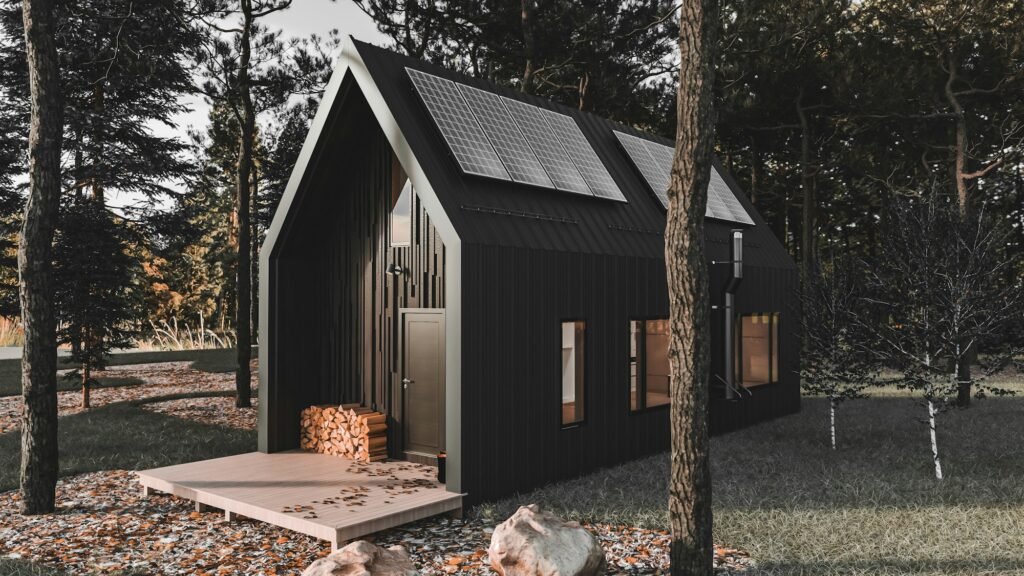
The main alternatives to a tiny house are treehouses, geodesic domes, converted shipping containers, A-frames, yurts, campervans and houseboats. This guide compares 10 stays, from Burgundy to Okinawa and the Catskills, priced from $80 (about €75) to €780 per night.
Checked on .
Sleeping in a shipping container perched above the South African ocean, waking up under a glass dome swayed by Finnish northern lights, or sipping your morning coffee ten meters above ground in a treehouse deep in the Périgord — welcome to the alternative housing revolution. In 2026, the tiny house is no longer a minimalist hipster curiosity: it’s a groundswell redefining how we travel and where we stay. The global glamping market reached $3.71 billion in 2025, with an annual growth rate of 10.2%, according to Fundamental Business Insights. In France, the number of unusual accommodation sites has surged by 30% since 2022, exceeding 2,200 and generating over €430 million in annual revenue, according to Gestion Camping. Even more telling: searches for « tiny house vacation » have exploded by 80% in two years on booking platforms.
But beyond the numbers, what fascinates is the architectural diversity of these micro-habitats. From Burgundian stone huts nestled among vineyards to triangular A-frames in the North American mountains, through the geodesic domes of the Catskills and the suspended treehouses of Okinawa — each structure tells a different story, a unique relationship with nature and minimalism. This guide takes you through ten remarkable alternative accommodations across four continents, with budgets, best seasons and practical tips for each. Ready to sleep differently?
The 10 Alternative Homes: Summary
From Burgundy’s vineyards to the forests of Swedish Lapland, from Okinawa’s jungles to the Catskills mountains — this selection covers four continents and five types of alternative accommodation: tiny houses, treehouses, geodesic domes, converted containers and A-frames. Accommodations for every budget, from $80 (about €75) to €780 per night, united by the same philosophy: living as close to nature as possible in structures that defy architectural conventions.
| # | Accommodation | Type | Country | Budget/night | Best season |
|---|---|---|---|---|---|
| 1 | Les Cabottes de Bourgogne | Vineyard tiny house | France | €150–300 | May–October |
| 2 | Treehotel in Harads | Design tree cabins | Sweden | $360–680 | Dec–Mar / Jun–Aug |
| 3 | Treeful Treehouse | Eco-suspended cabins | Japan | €380–780 | Mar–May / Oct–Nov |
| 4 | The Domes at Catskills | 5★ geodesic domes | USA | $350–600 | May–October |
| 5 | Nids des Vosges | Spa treehouses | France | €250–450 | Year-round |
| 6 | Châteaux dans les Arbres | Luxury treehouses | France | €200–450 | April–November |
| 7 | Western Cape Containers | Shipping containers | South Africa | $80–180 | Oct–Apr |
| 8 | Glamping Gozdne Vile | Nordic cabins | Slovenia | €180–320 | May–September |
| 9 | Aurora Domes | Glass domes | Finland | €300–600 | Sep–Mar |
| 10 | Mountain A-Frames | Triangular architecture | North America | $146–416 | Year-round |
1. Les Cabottes de Bourgogne — Tiny Houses in the Heart of the Vineyards
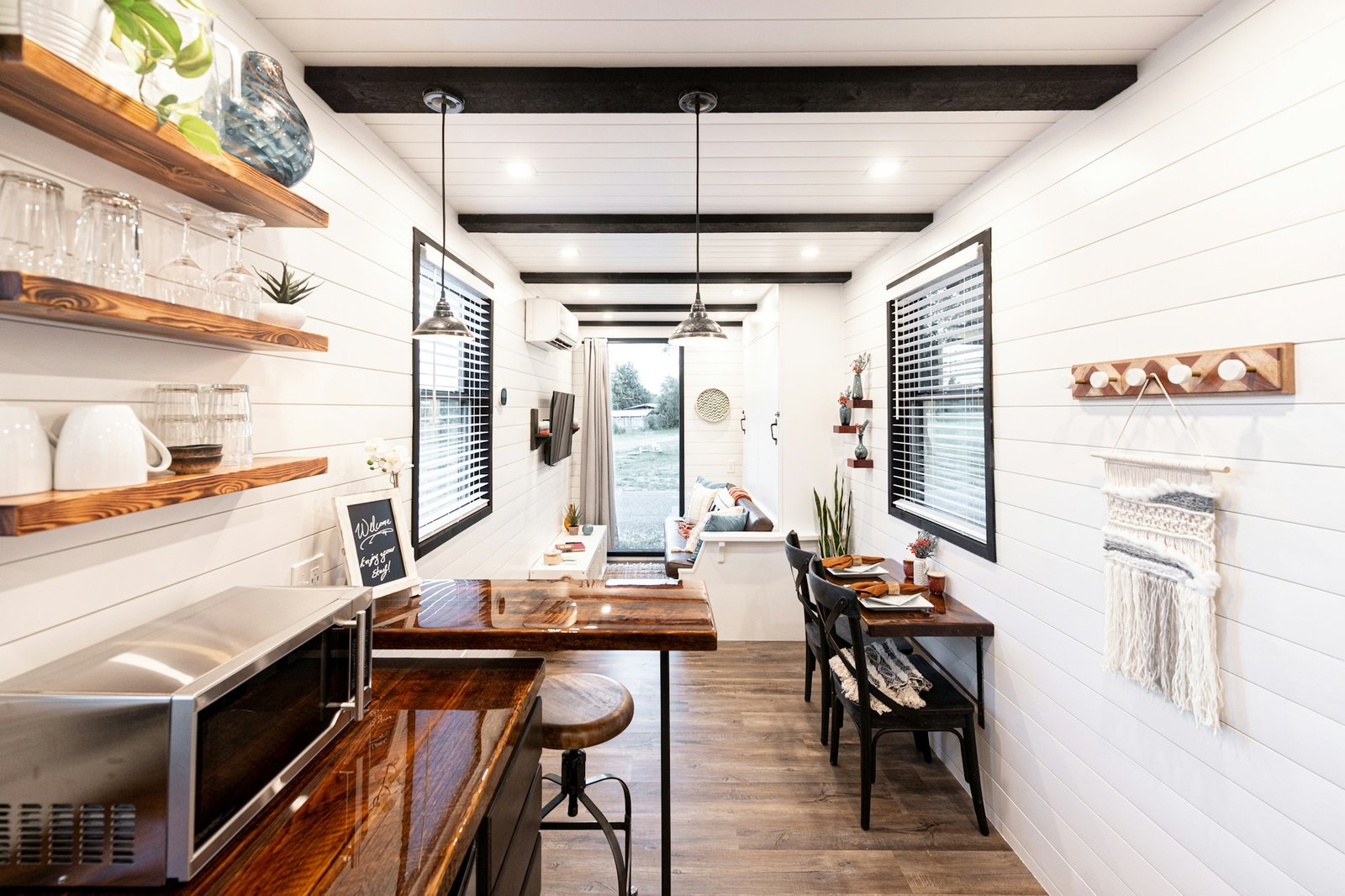
Vineyard Micro-Habitats — Sleeping Among the Pinot Noir Rows
The « cabottes » are small dry stone huts historically used by Burgundy winemakers to shelter during harvest. In 2026, the concept has been reinvented: contemporary tiny houses in wood and glass, set amid grand cru vineyard plots, offer total immersion in France’s most prestigious wine region. Built on movable chassis to leave zero ground footprint, these 15 to 25 m² micro-habitats combine sleek design with high-end comfort — king-size bed, walk-in shower, panoramic terrace overlooking the vines.
The experience goes beyond mere accommodation: private tastings with the partner winemaker, basket-delivered breakfast with produce from the Beaune market, e-bike rides between the classified villages of the Côte de Nuits. According to Ma Location Vacances, Burgundy has become one of France’s most dynamic regions for alternative accommodation, driven by wine tourism and slow travel. The tiny house movement there has grown by over 80% in two years.
Highlights
- Total immersion in the UNESCO-listed Côte-d’Or vineyards
- Zero ground footprint: structures on reversible chassis
- Private tastings included with partner winemakers
- Close to Beaune, Dijon and the Route des Grands Crus
2. Treehotel in Harads — Architectural Cabins Above the Arctic Circle
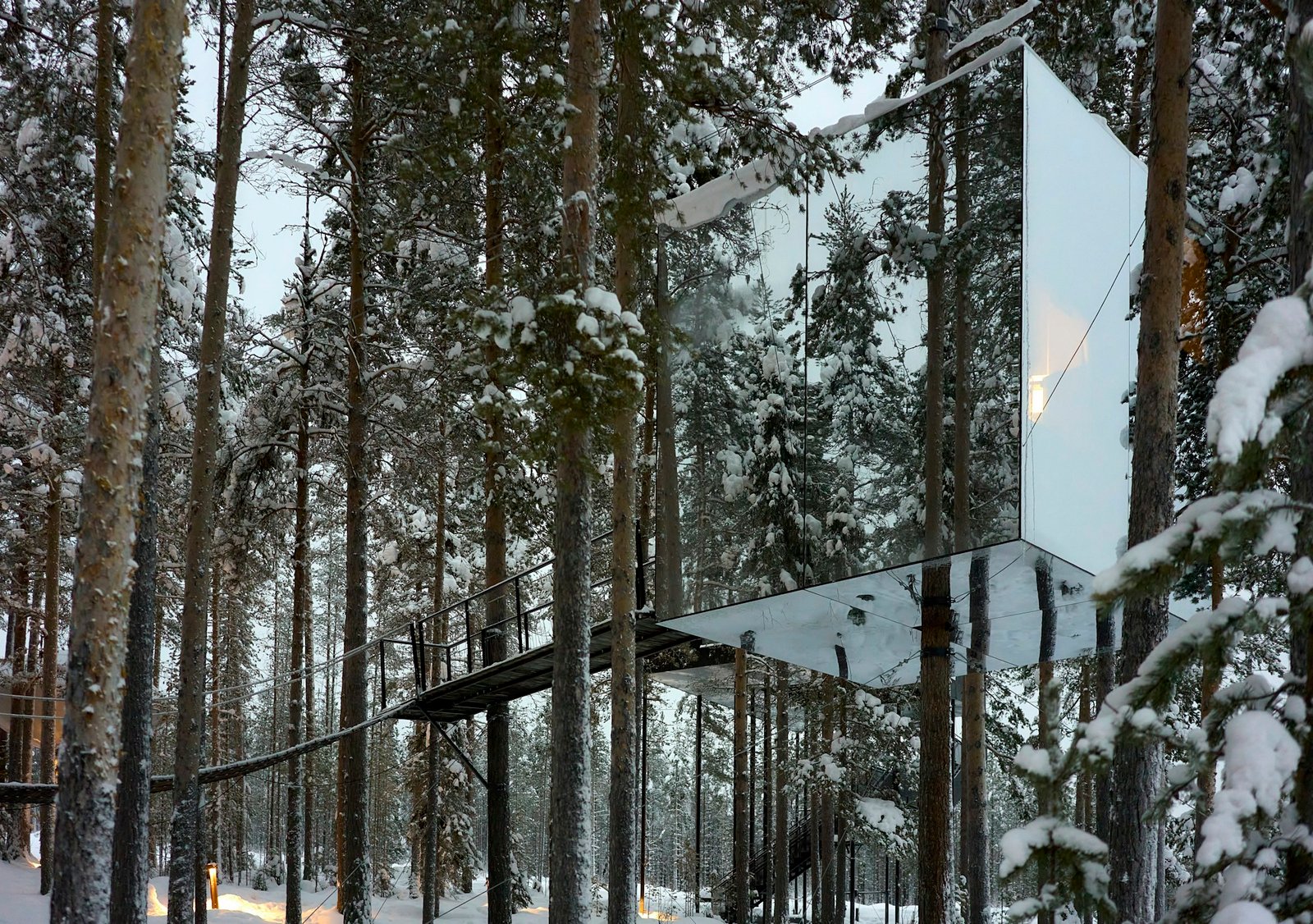
Treehotel — Seven Inhabitable Sculptures Suspended in the Boreal Forest
Seventy kilometers south of the Arctic Circle, in the birch and pine forests of Swedish Lapland, the Treehotel is one of the most photographed hotel experiences in the world. Since 2010, seven rooms designed by renowned Scandinavian architects have been suspended between 4 and 10 meters above the forest floor. Each unit is an inhabitable work of art: the Mirrorcube, a 4-meter cube entirely clad in mirrored aluminum reflecting the surrounding canopy; the Bird’s Nest, a giant nest of woven branches undetectable from the ground; and the monumental 7th Room, perched at 10 meters with a trampoline net suspended in mid-air. According to Treehouse Map, the Treehotel pioneered the « design treehouse hotel » concept that is now spreading worldwide.
In winter, the near-total absence of light pollution makes it an exceptional spot for the northern lights — visible from your bed in rooms fitted with ceiling skylights. Snowmobiling, dog sledding and ice fishing complete the Arctic experience. In summer, the midnight sun bathes the forest in perpetual golden light, perfect for hiking and kayaking on the Lule River. According to Visit Sweden, the Treehotel now welcomes over 5,000 visitors per year, mostly international guests drawn by the architecture and nature immersion.
Highlights
- Seven unique architectural cabins designed by Scandinavian designers
- Northern lights visible from your bed in winter (December–March)
- Midnight sun in summer: continuous daylight from May to July
- Local cuisine: Arctic char, reindeer and wild berries
Northern lights safari, dog sledding, snowmobiling — book your Arctic excursions in Harads and surroundings.
From €89 per person3. Treeful Treehouse — Eco-Suspended Cabins in the Okinawa Jungle
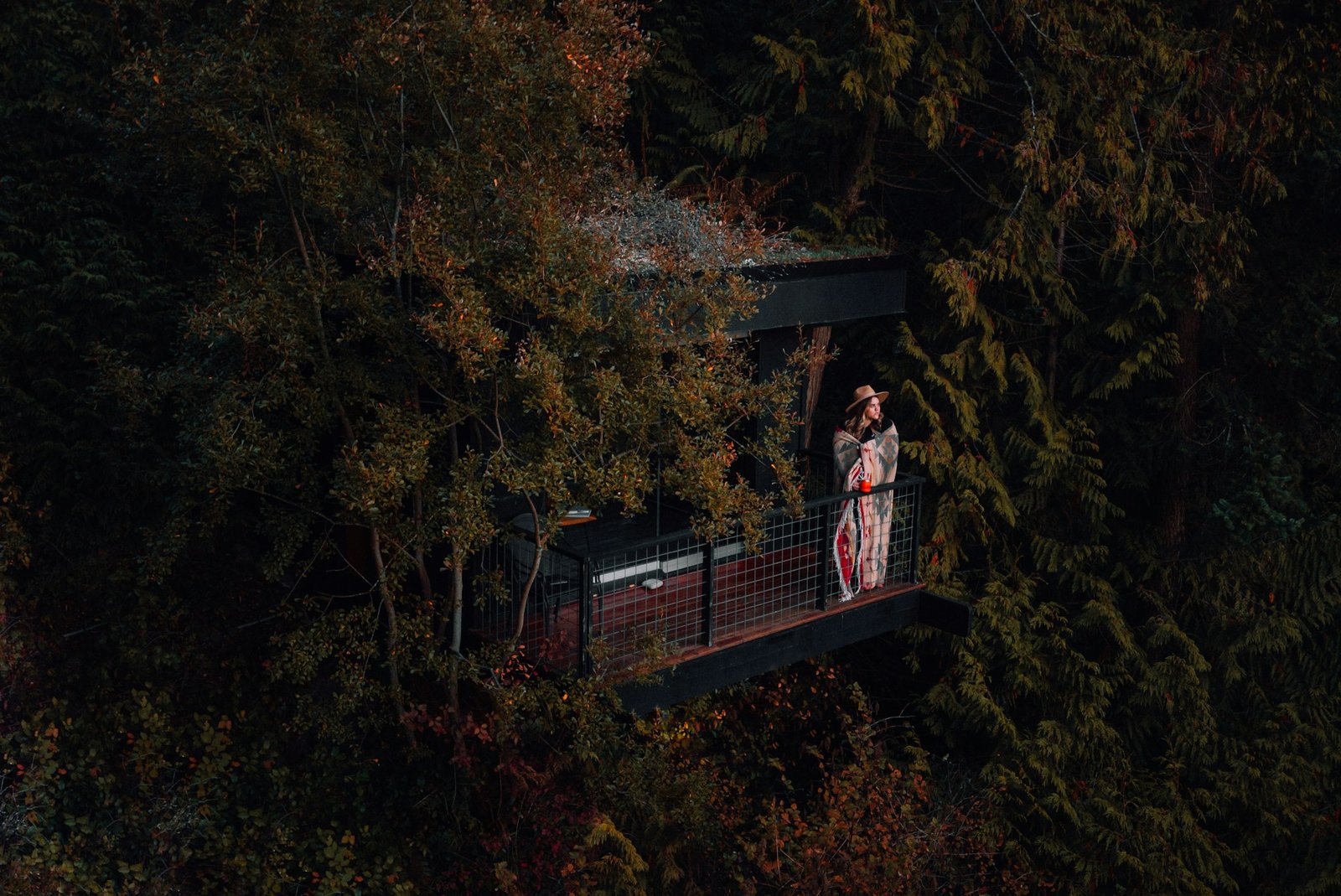
Treeful — Japanese Harmony Between Architecture and Subtropical Forest
On the main island of Okinawa, in the subtropical forest of Nago, the Treeful Treehouse Sustainable Resort pushes the boundaries of Japanese sustainable architecture. Each cabin is built around existing trees — literally suspended in the canopy using steel cables and non-invasive anchoring techniques that allow the trees to continue growing. According to Zenbird, the concept is based on the principle of satoyama, the harmonious coexistence of humans and nature, a cornerstone of Japanese environmental philosophy.
The cabins, perched between 5 and 8 meters high, feature minimalist interiors in local cedar with panoramic windows overlooking the jungle. In the morning, the songs of Okinawa’s endemic birds — including the rare white-backed woodpecker — wake you. In the evening, guided activities such as forest meditation walks (shinrin-yoku) or firefly watching complete the immersion. The cuisine is made exclusively with island ingredients: shikuwasa citrus, kurobuta pork, Okinawa tofu. According to the official Treeful website, the resort voluntarily limits its capacity to a maximum of twelve guests to preserve the forest ecosystem.
Highlights
- Non-invasive architecture: cabins embrace trees without damaging them
- Shinrin-yoku (forest bathing) guided by certified practitioners
- Limited to 12 guests: guaranteed privacy and exclusivity
- Access to Okinawa’s beaches and coral reefs in 20 minutes
4. The Domes at Catskills — Five-Star Geodesic Domes in the New York Mountains
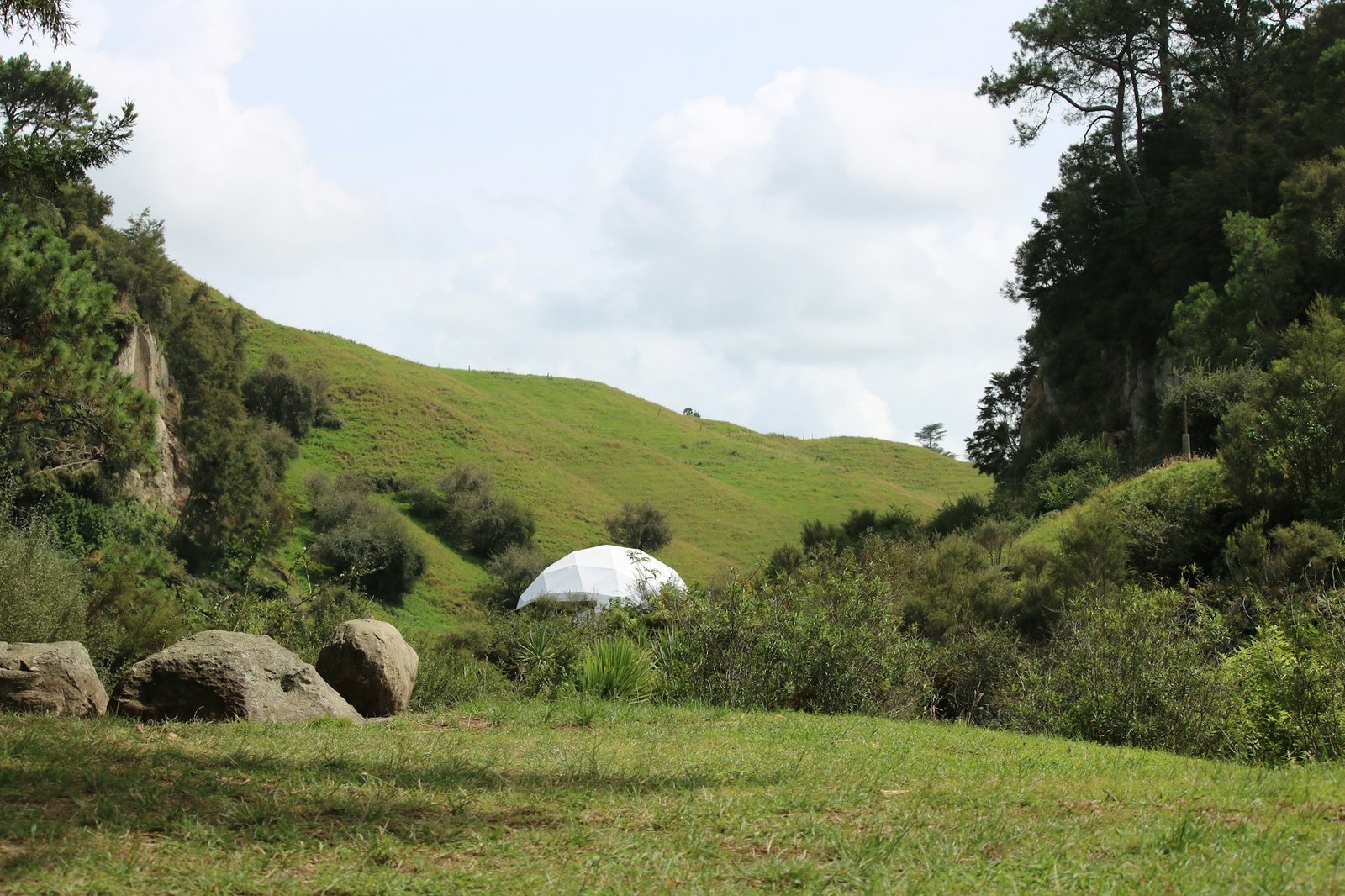
The Domes — When Buckminster Fuller Meets Luxury Hospitality
Two hours from Manhattan, in the lush Catskills mountains — the range that gave birth to the Hudson River School art movement — lies one of North America’s most ambitious alternative housing projects. The Domes at Catskills offers geodesic domes of 40 to 60 m², inspired by Buckminster Fuller’s designs, with five-star finishes: heated solid wood floors, freestanding bathtub facing the forest, fully equipped kitchen and private terrace with Nordic hot tub.
The geodesic structure is not just an aesthetic choice: it offers the best structural resistance at the weight-to-surface ratio of any known architecture, while maximizing natural light through its multiple glazed facets. Each dome is ecologically insulated (sheep’s wool, solar panels, rainwater harvesting) and positioned to guarantee total privacy — at least 100 meters separate each unit. In autumn, the fall foliage spectacle on the surrounding mountains transforms the landscape into a palette of reds, oranges and golds.
Highlights
- Geodesic architecture with ecological insulation and solar panels
- Private Nordic hot tub on terrace with Catskills views
- 2 hours from NYC: nature escape accessible from Manhattan
- Spectacular fall foliage in October — one of the East Coast’s best spots
5. Nids des Vosges — Treehouses with Private Spa in Alsace
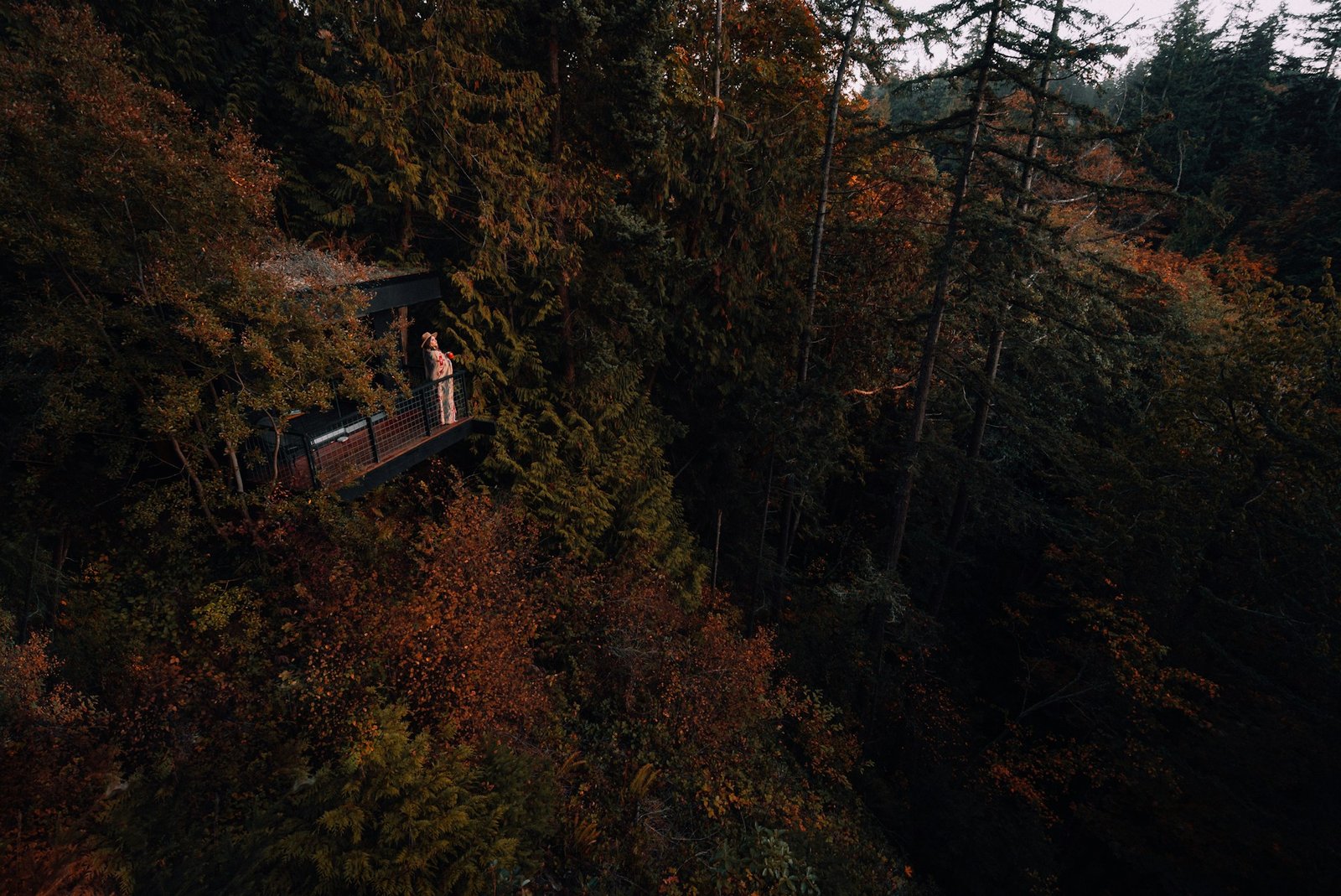
Nids des Vosges — Suspended Wellness Between Fir Trees and Alsatian Mists
In the heart of the Ballons des Vosges Regional Natural Park, the Nids des Vosges offer an experience that reconciles adventure and wellness. Perched between 6 and 12 meters among century-old fir trees, these exceptional cabins are accessible via wooden walkways and spiral staircases. The unique feature? Each « nest » has its own private spa: heated hot tub on the suspended terrace, built-in infrared sauna and walk-in shower with a direct view of the Vosges canopy.
The interior blends raw Vosges wood with warm contemporary design — pellet stove, premium bedding, ambient lighting. Silence is absolute: cabins are spaced at least 200 meters apart, and no Wi-Fi is offered (on purpose). The gourmet breakfast — artisan pastries, jams from the neighboring farm, honey from local hives — is hoisted each morning by a pulley system to your terrace. In winter, the snow-covered forest offers a fairy-tale spectacle, while the Christmas markets of Colmar and Strasbourg are just 45 minutes away by car.
Highlights
- Private spa in each cabin: hot tub, sauna and panoramic shower
- Total disconnection: no Wi-Fi, guaranteed nature immersion
- Artisan breakfast hoisted by pulley each morning
- Open year-round: magical under the snow in winter
6. Châteaux dans les Arbres — Luxury Cabins in the Périgord
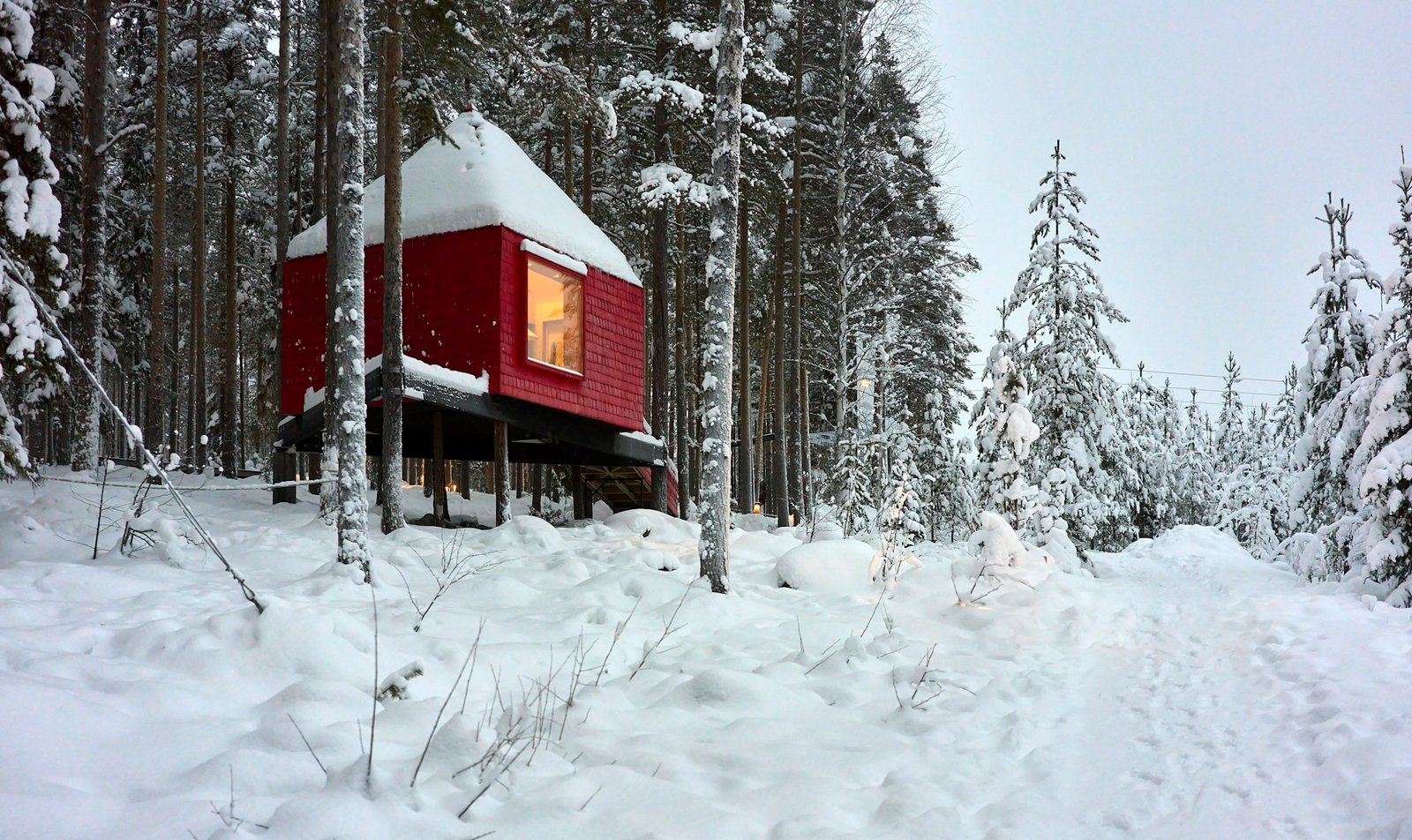
Châteaux dans les Arbres — Périgord Art de Vivre 10 Meters Above Ground
In the Périgord Noir — the wildest and most gourmet part of the Dordogne — the Châteaux dans les Arbres elevate the treehouse concept to an art of living. Set in a private 15-hectare estate of century-old oak forest, these luxury cabins evoke miniature suspended medieval castles: crenellated towers, miniature drawbridges, mullioned windows in carved wood. Each structure, perched between 7 and 12 meters, is accessible via a spiral staircase carved into a trunk or by a suspended walkway between the oaks.
The interiors blend rusticity with refinement: exposed stone walls, oak beams, working fireplace (in some cabins), bathroom with copper bathtub. The table matches the terroir: farmhouse duck foie gras, Périgord black truffle in season (December–March), AOC walnuts and Bergerac wines delivered directly to your cabin. The owners also organize canoe trips on the Dordogne, visits to prehistoric caves (Lascaux IV is 30 minutes away) and Périgord cooking classes.
Highlights
- Unique architecture evoking miniature medieval castles perched in trees
- Périgord gastronomy delivered to your cabin: foie gras, truffle, Bergerac
- Private 15-hectare estate: preserved nature and privacy
- Lascaux IV, caves and Dordogne castles nearby
7. Converted Shipping Containers — Design Micro-Hotels in the Western Cape
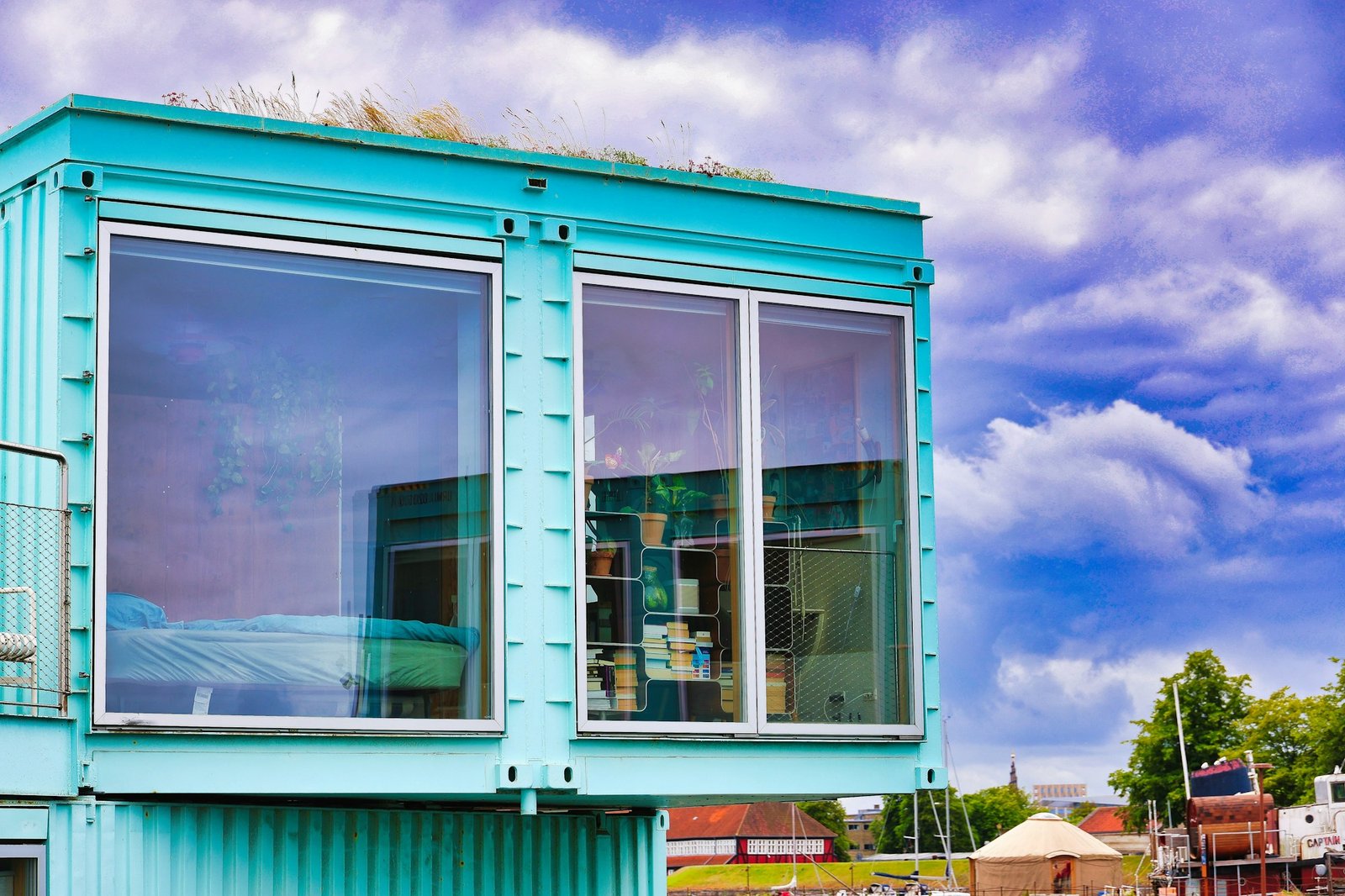
Container Hotels — Maritime Upcycling for Sustainable Tourism
South Africa has become a global laboratory for salvage architecture. In the Western Cape region — between Cape Town and the Stellenbosch vineyards — 20 and 40-foot shipping containers, once destined for the scrapyard after 15 years of transoceanic service, are being transformed into design hotel rooms. According to BigBox Containers, the phenomenon is booming in South Africa: over 150 container accommodation projects have emerged since 2022, driven by construction costs 40 to 60% lower than traditional methods and a build timeline of just a few weeks.
The architectural result is striking. The containers are cut, stacked, assembled and enhanced with large bay windows, cantilevered terraces and green roofs. Thermal insulation is provided by recycled cork panels — an abundant material in the Cape. Interiors blend raw exposed steel with pallet wood furniture and local artists’ works. Some establishments offer rooftops with infinity pools facing Table Mountain, while others nestle in the Franschhoek vineyards with Chenin Blanc tastings included. The value for money is unbeatable: design rooms starting at $80 per night, a fraction of the rate of classic boutique hotels in the region.
Highlights
- Upcycling: each container saved from the scrapyard reduces carbon footprint
- Exceptional value for money: high-end design from $80
- Premium locations: Stellenbosch vineyards, Table Mountain views
- Cape Town food & wine scene: one of the world’s best
8. Glamping Gozdne Vile — Nordic Cabins by Lake Bled
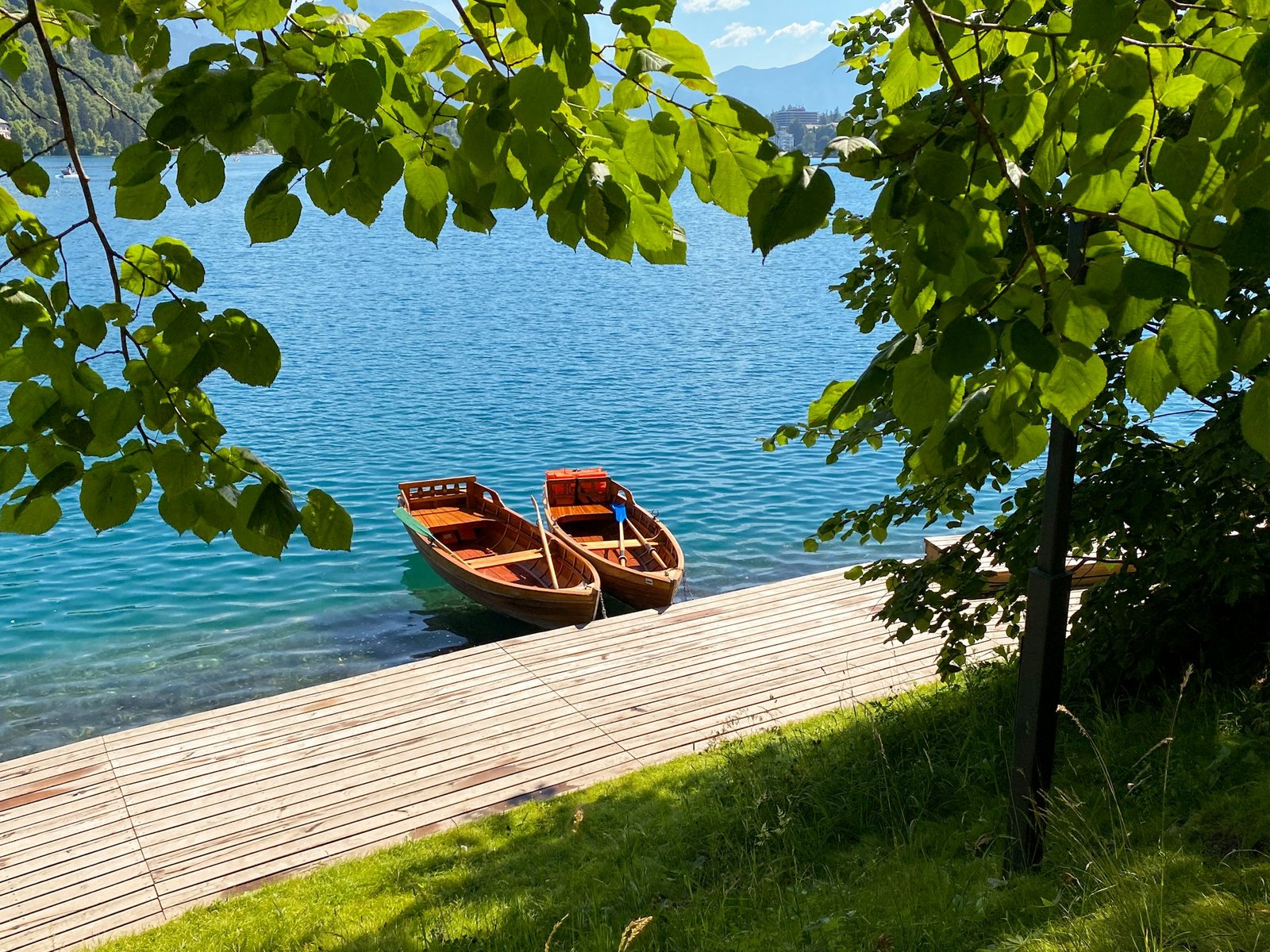
Gozdne Vile — Slovenian Enchantment Between Alpine Forest and Emerald Lake
Slovenia has established itself in just a few years as one of Europe’s most sought-after glamping destinations. The country, awarded the title of « Global Green Destination » by Global Green Destinations, boasts a remarkable density of alternative accommodations. Among them, Glamping Gozdne Vile (« forest villas » in Slovenian) stands out for its exceptional location: just a few minutes’ walk from Lake Bled, one of Central Europe’s most photographed sites, according to Restless.
The cabins, inspired by Nordic architecture with their steeply pitched roofs and large glass windows, are scattered through a beech and spruce forest. Each 30 to 45 m² unit features a private terrace with Julian Alps views, a wood-burning stove and an equipped kitchenette. The deliberate absence of television encourages contemplation and outdoor activities: hiking to Bled Castle perched on its cliff, swimming in the turquoise lake waters, canyoning in the Vintgar Gorge or sampling the famous kremna rezina (local cream pastry) on Bled Island. The campsite is part of the Camperguru network of Europe’s best glamping sites.
Highlights
- Lake Bled proximity: walkable from the cabins
- Views of the Julian Alps and Mount Triglav (2,864 m)
- Slovenia as « global green destination »: strong environmental commitment
- Multiple activities: hiking, canyoning, kayaking, cycling
Vintgar Gorge canyoning, lake kayaking, Triglav Park excursion — the best activities around Bled.
From €35 per person9. Aurora Domes — Glass Domes Under the Finnish Northern Lights
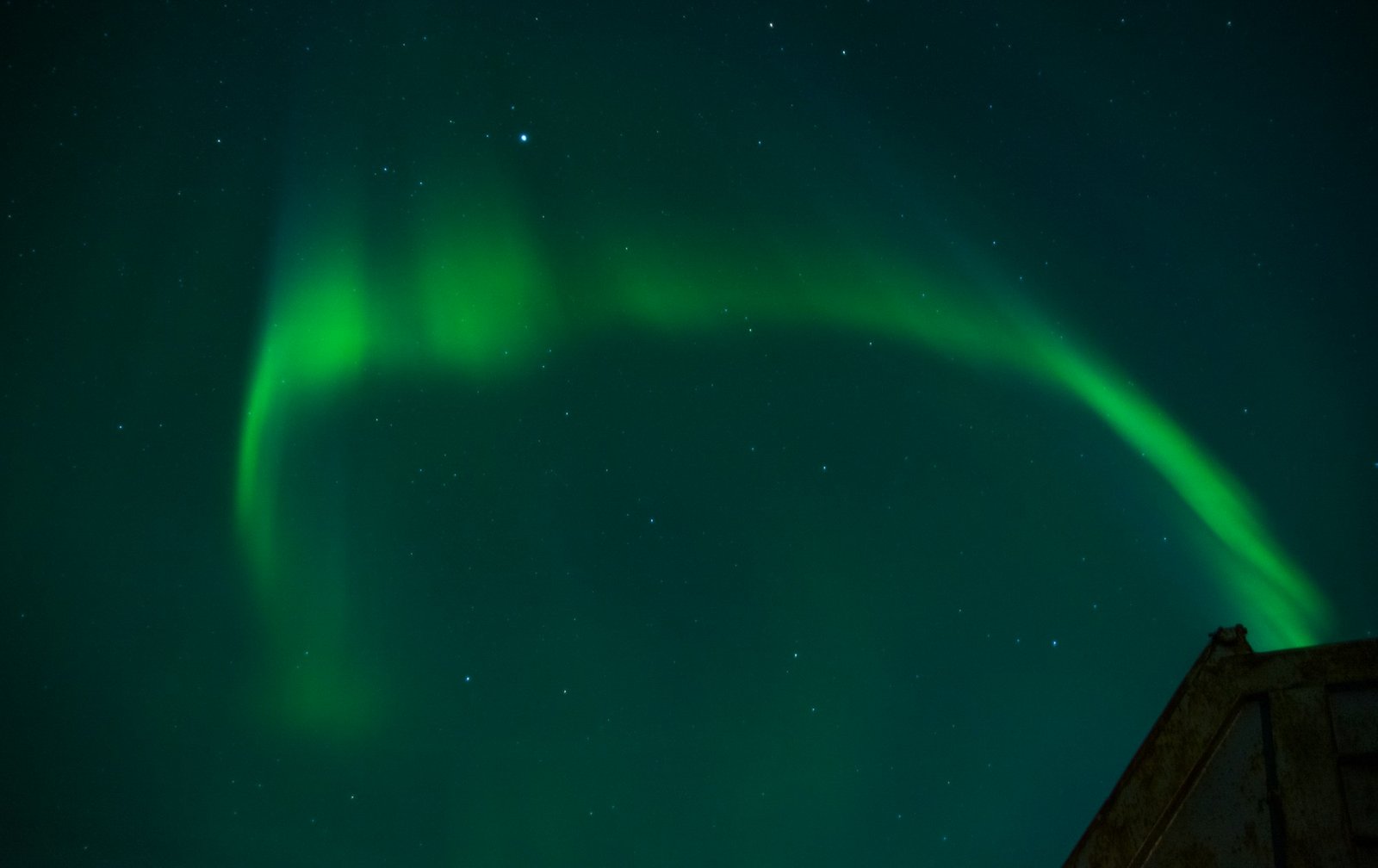
Aurora Domes — Sleeping Under the Most Spectacular Sky on the Planet
Finnish Lapland is the promised land for aurora borealis hunters — and the Aurora Domes have invented the most comfortable way to watch them. Located in the Rovaniemi or Levi region, beyond the Arctic Circle, these thermal glass geodesic domes offer a 360-degree view of the Arctic sky without leaving the warmth of your bed. The special anti-condensation heated glazing ensures perfect visibility even at -30°C, while underfloor heating keeps the interior at 22°C.
The experience is orchestrated around the aurora phenomenon: a personalized alert system (your phone rings when geomagnetic activity exceeds a certain threshold), a loaned DSLR camera with tripod for night photography, and a motorized adjustable bed to follow the auroras without moving. Some establishments also offer « aurora chasing tours » by snowmobile: nighttime excursions to isolated spots far from any light, with an expert guide and a Lappish meal around a fire. The cuisine is authentically Finnish: smoked reindeer, Lapland salmon, Arctic berries and rye bread. For wellness enthusiasts, a traditional Finnish sauna and a dip in a hole carved in the ice (avanto) complete the polar immersion.
Highlights
- Watch the northern lights from your heated bed
- Thermal anti-condensation glazing: perfect view at -30°C
- Real-time aurora alert system on your phone
- Arctic activities: snowmobiling, dog sledding, sauna & avanto
10. Mountain A-Frames — The Iconic Triangular Architecture of North America
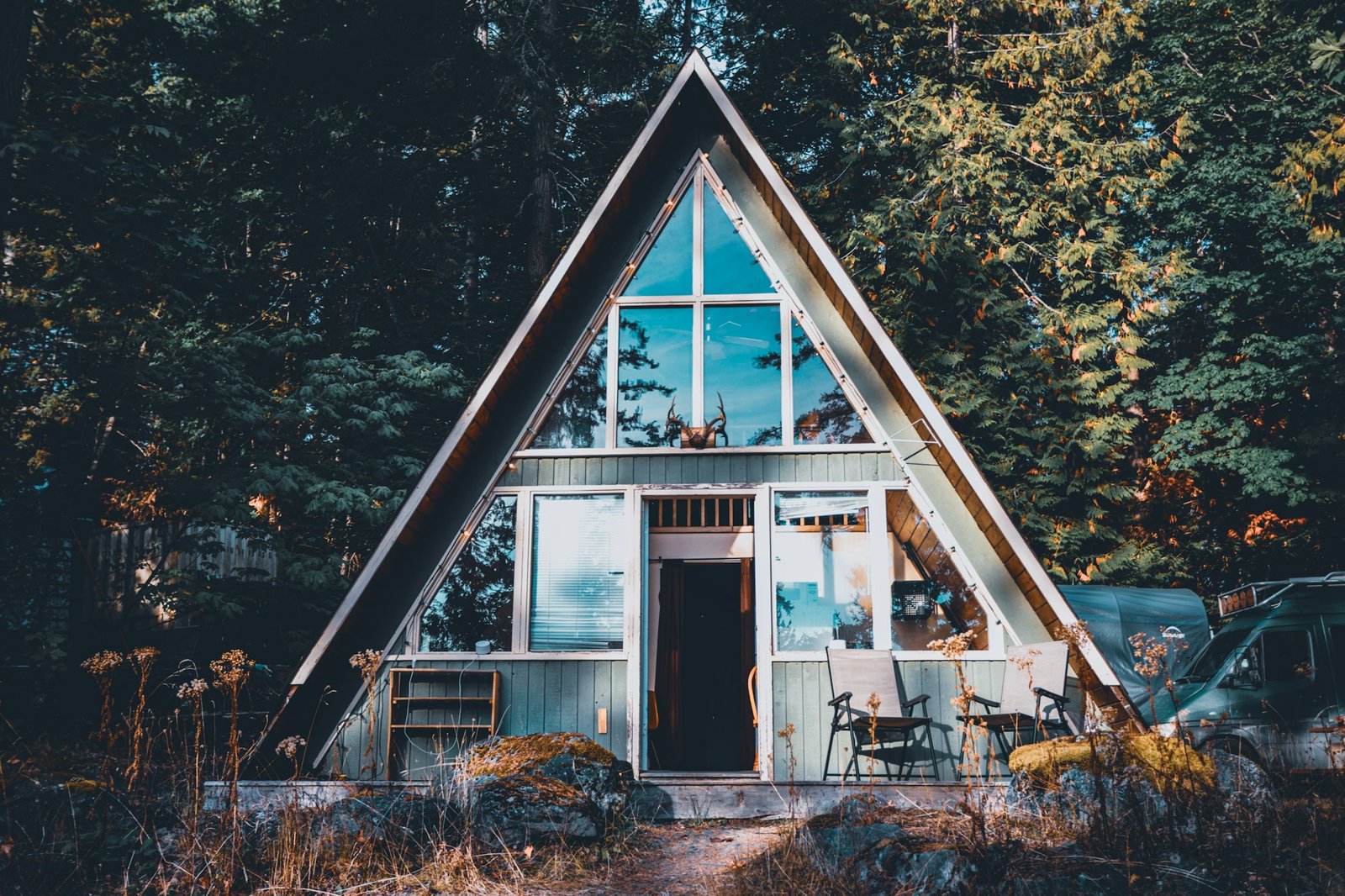
A-Frames — The Comeback of a 1960s Architectural Icon
Born in the 1950s–60s, A-frames — those triangular chalets whose roofs slope all the way to the ground — are experiencing a spectacular renaissance in 2026. Popularized by architect Andrew Geller in the Hamptons, then adopted as ski lodges in the Rockies and Cascades, they embody the quintessential alternative dwelling: minimalist, economical to build (no side walls), naturally weather-resistant (snow slides off the steep slopes) and visually striking. According to Glamping Hub, A-frame bookings have increased by 65% between 2024 and 2026, driven by Instagram aesthetics and the desire for authentic nature retreats.
They can now be found everywhere across North America: on the lakeshores of Quebec and Ontario, in California’s redwood forests, clinging to Colorado’s Rocky Mountain slopes, tucked into Vermont or Oregon valleys. The interior is an exercise in design under constraint: the triangular space dictates a mezzanine under the roof peak (usually the sleeping area), an open ground floor with fireplace or wood stove, and large triangular windows framing the landscape like a painting. Contemporary versions add outdoor Nordic hot tubs, gourmet kitchens and suspended terraces. The charm lies in the tension between architectural simplicity and natural setting sophistication — you sleep in a wooden triangle, but facing a panorama of snow-capped mountains or a wild lake.
Highlights
- Iconic and photogenic architecture: the symbol of returning to nature
- Wide price range: accessible from just $146 per night
- Available across the continent: from the Rockies to Quebec
- Perfect in every season: skiing in winter, hiking in summer, foliage in autumn
Yurts, campervans and houseboats: three more alternatives
Not everyone wants to sleep in a tree or under a dome. Three other formats answer the same search for a small stay close to nature.
Yurts are large round tents, often set on a wooden platform, that can be taken down in just a few hours. Their circular plan and skylight make the space feel more open than a standard tiny house.
Campervans and vintage Airstreams offer the same clever, space-saving layouts as a tiny house, with one extra: you can move. Keep the running costs in mind, since fuel and upkeep add up quickly.
Houseboats keep you on the water, which suits travelers who want a quiet maritime stay.
Practical Info for Your Alternative Accommodation Stay
Stay connected even in the most remote accommodations. Unlimited data in 200+ countries, instant activation on your smartphone.
From $4.50Nomad Insurance: global coverage from $56/4 weeks. 10% off via our link.
From $56 / 4 weeksFrequently Asked Questions
What is the difference between a tiny house and an alternative home?
A tiny house is a specific type of alternative home: a micro-house on wheels or a chassis, typically 10 to 40 m², designed for a minimalist lifestyle. The term « alternative home » is broader and encompasses all accommodation structures that fall outside the conventional framework: tiny houses, treehouses, geodesic domes, converted containers, A-frames, yurts, transparent bubbles, etc. What unites them is a different approach to space, nature and consumption.
What budget should I plan for a night in an alternative home?
Rates vary considerably depending on the type of accommodation and destination. Converted containers in South Africa start at $80/night (about €75), while high-end treehouses in Japan (Treeful) can reach €780/night. In France, expect €150 to €450/night for a treehouse with spa (Nids des Vosges) or a vineyard tiny house in Burgundy. The European average for quality glamping is around €200–350/night for two people, according to Gestion Camping.
Are alternative homes suitable for families with children?
Some yes, others no. The Châteaux dans les Arbres (Périgord) offer a « Family Cabin » for 5 people with a slide. North American A-frames are often spacious and well-equipped for families. However, high-end treehouses (Treeful, Nids des Vosges) and Finnish glass domes are more geared toward couples. Always check the children’s policy before booking: some establishments impose a minimum age (often 8 or 12 years) for safety reasons related to heights and staircases.
When is the best time to stay in a tiny house or treehouse?
It depends on the destination and the type of experience you’re looking for. For treehouses in France (Vosges, Périgord), the ideal period is May–June and September–October: pleasant temperatures, softer prices and fewer crowds. For aurora borealis domes in Finland, aim for February–March. For treehouses in Japan, opt for spring (March–May). A-frames and containers work well year-round. According to Cabinet Alliances, the shoulder seasons (May and October) offer the best compromise between weather, price and availability.
Are alternative homes truly eco-friendly?
Most are more sustainable than traditional hotels, but the degree varies. Tiny houses on chassis leave zero ground footprint and are often equipped with solar panels and composting toilets. Converted containers are an excellent example of upcycling. Well-designed treehouses (like Treeful in Japan) use non-invasive anchoring techniques for trees. However, travel to some remote destinations (Lapland, Okinawa) can offset some of the ecological benefit. Prioritize certified establishments (Green Key, EU Ecolabel) and train-accessible destinations when possible.
How do I book an alternative accommodation stay in 2026?
Several channels are available to you. Specialized platforms like Glamping Hub, Cabanes de France or Treehouses Map list thousands of alternative accommodations. Airbnb offers an effective « unique stays » filter. For high-end establishments (Treehotel, The Domes), booking is often done directly on their website — that’s also where you’ll find the best deals. Tip: book 3 to 6 months in advance for the most popular establishments, especially for weekends and school holidays. Demand has increased by 80% in two years according to Ma Location Vacances.
Can you live year-round in a tiny house in France?
Yes, but under regulatory conditions. In France, a tiny house on wheels is legally classified as a « mobile leisure residence. » To live in one year-round, it must be parked on buildable land with municipal authorization, or in a residential leisure park (PRL) that accepts primary residences. Tiny houses under 20 m² of floor space require only a prior declaration; beyond that, a building permit is required. Since 2024, several rural municipalities have created « tiny zones » to attract young residents — a rapidly accelerating movement according to Ma Location Vacances.
What are the alternative housing trends for 2026-2027?
Several trends are emerging clearly. First, « architectural biophilia » — structures that integrate living vegetation into their design (green walls, forest-roofs). Second, hybrid habitats combining multiple typologies: A-frame with glass dome, container with treehouse extension. Third, « regenerative glamping » where the stay actively contributes to restoring the local ecosystem (tree planting, wetland restoration). Finally, the rise of alternative micro-villages — communities of 10 to 20 different habitats gathered on a single site, according to Cabinet Alliances. The global glamping market is expected to reach $5.6 billion by 2028.
Sources
- Fundamental Business Insights — Glamping Market Report 2025, market data and growth projections
- Gestion Camping — Investing in unusual accommodation: French market figures
- Cabinet Alliances — Tourism 2026: new accommodation trends between slow travel and wellness
- Ma Location Vacances — Guide to tiny house stays in France, trends and regulations
- Treehouse Map — Treehotel in Sweden: overview and history
- Visit Sweden — The most unusual accommodations in Sweden
- Treeful Treehouse — Official website of the eco-suspended resort in Okinawa
- Zenbird — Treeful Treehouse Sustainable Resort: philosophy and sustainability
- The Domes at Catskills — Official website, rates and reservations
- Nids des Vosges — Official website, treehouses and spa services
- Treehouse Map — Châteaux dans les Arbres — Overview of the Périgord estate
- BigBox Containers — Shipping container hotels & guest accommodation in South Africa
- Restless — Glamping destinations in Europe: selection and trends
- Camperguru — European glamping 2025: luxe meets breathtaking nature
- Glamping Hub — A-frame cabins: worldwide offerings and booking trends
Research conducted in March 2026. Prices and availability may vary.
Ready to Sleep Differently?
Tiny house among the vines, glass dome under the northern lights, container facing the ocean or A-frame in the mountains — your next trip deserves accommodation that tells a story. Discover our tailored itineraries and integrate these alternative homes into your next adventure.
Explore all itineraries