

From July 4 to 26, 2026, the Tour de France unveils a once-in-a-generation route. An unprecedented start from Barcelona, five mountain ranges, a historic double ascent of Alpe d’Huez and a finale through Montmartre: this 113th edition promises 3,333 km of spectacle across the roads of France. Whether you’re a roadside spectator, a touring cyclist following in the peloton’s wheel tracks, or simply looking for an excuse to discover France’s most beautiful landscapes, here is the complete guide to make the most of the world’s most popular sporting event — one that remains entirely free to attend.
This guide covers the key stages you must not miss, the best spots to watch the peloton go by, nearby accommodation, cycling routes along the official course, and all the practical tips to experience the 2026 Tour de France from the inside.
Barcelona — The Southernmost Grand Départ in History (July 4-5)
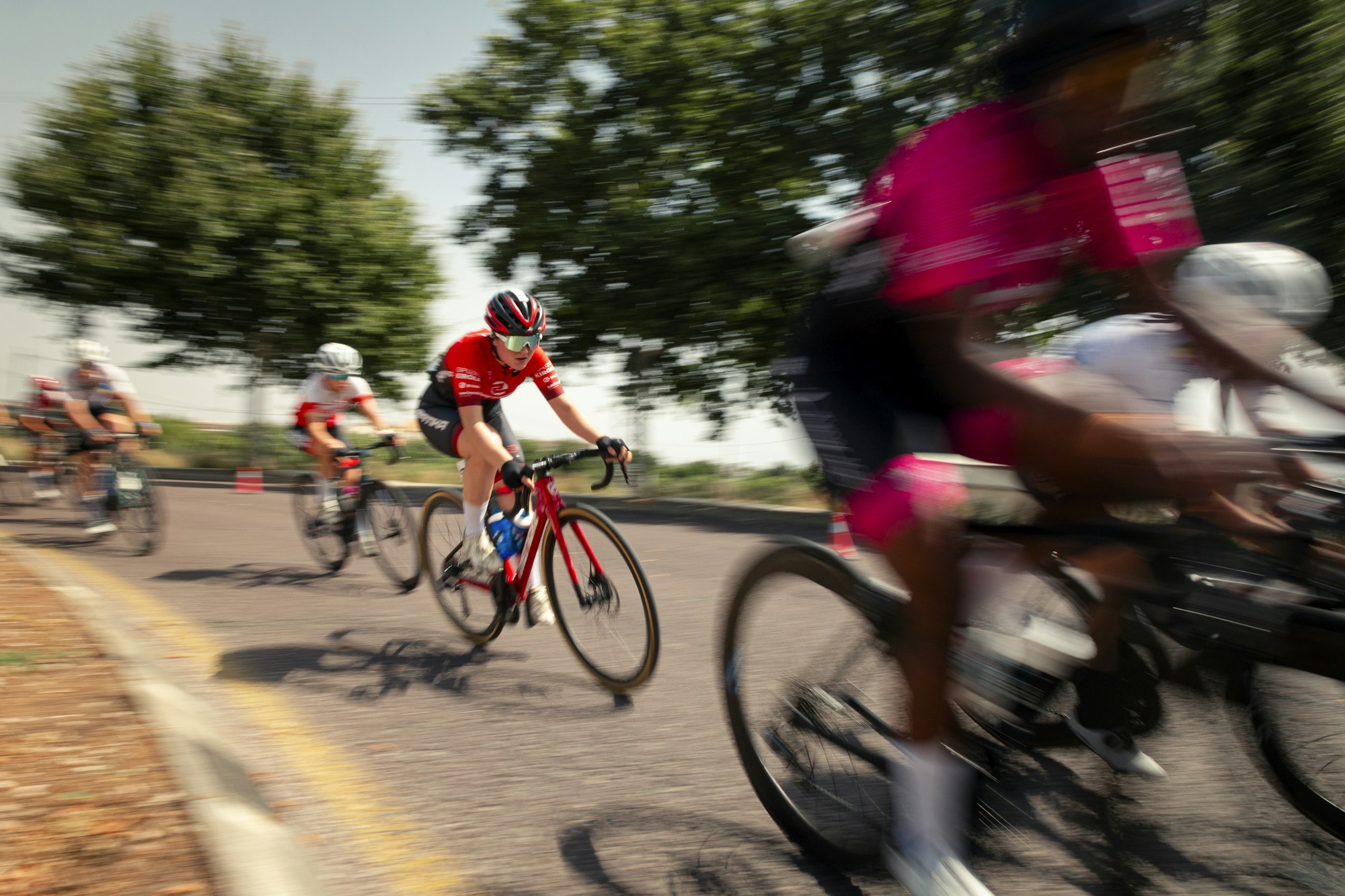
Stages 1 & 2 — Team Time Trial and Triple Ascent of Montjuïc
Barcelona becomes the southernmost city ever to host a Tour de France Grand Départ — a historic first after San Sebastián (1992) and Bilbao (2023). According to Le Dico du Tour, on July 4, the teams will set off for a 19.7 km time trial passing by the Sagrada Familia before a finish on the slopes of Montjuïc.
The following day, the Tarragona–Barcelona stage (178 km) will conclude with a triple ascent of the Montjuïc castle climb (1.6 km at 13%), promising a first great spectacle for the 2026 edition followers.
- Free access on Montjuïc to watch the teams climb twice during the TT
- The Olympic Stadium offers stunning views of the finish on the evening of July 5
- Unprecedented TT format — each time trial is individual
Pau → Gavarnie-Gèdre — The Queen Stage of the Pyrenees (July 9, Stage 6)
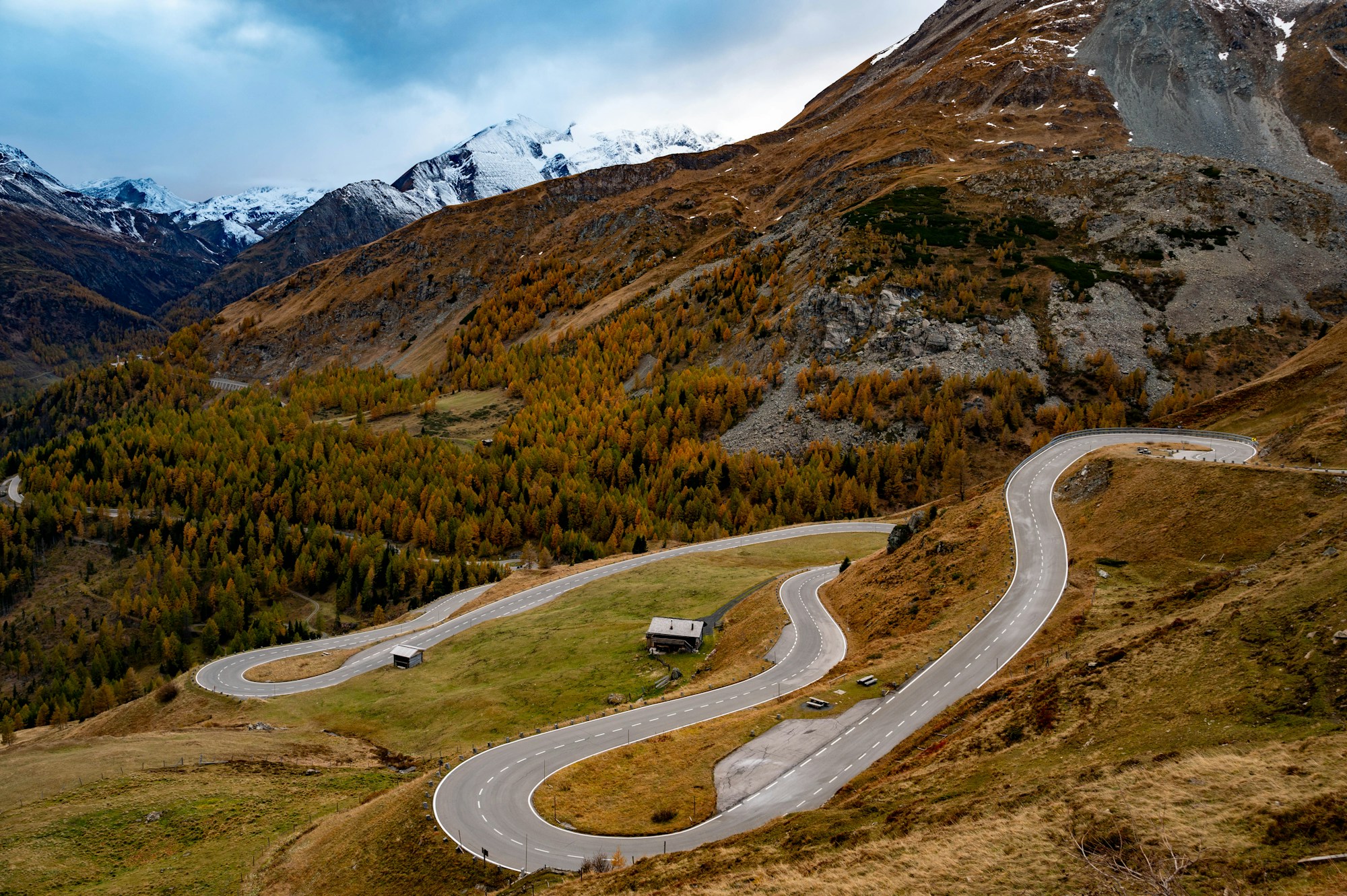
Tourmalet + UNESCO Cirque de Gavarnie — 186 km, 4,150 m Elevation Gain
Stage 6 is the most anticipated of the first week. After Pau, riders tackle the Col d’Aspin and the Col du Tourmalet (17 km at 7.5%) before an unprecedented finish at the Cirque de Gavarnie — a natural amphitheatre listed as a UNESCO World Heritage Site, with its 422-metre waterfall, one of the highest in Europe. According to TodayCycling, this is the first time the Tour de France has visited Gavarnie.
According to the Gavarnie campsite, the publicity caravan should arrive around 4:10 PM and the riders around 5:20 PM. The Valleys of Gavarnie offer parking at Luz-Saint-Sauveur with free shuttle buses.
- The Tourmalet at km 12: panoramic hairpin with valley views
- Free parking at Barèges and Luz-Saint-Sauveur + departmental shuttle buses
- Camping Le Pain de Sucre: right next to the finish line
Bordeaux and Dordogne — Sprints and Medieval Heritage (July 10-11, Stages 7-8)
Bordeaux, Place des Quinconces — The Grand Cru Sprint
After the Pyrenean ordeal, sprinters find their favourite hunting ground. According to Domestique Cycling, Bordeaux is a classic sprint finish, with the Place des Quinconces offering one of the grandest urban stages on the Tour.
The next day, Stage 8 (Périgueux → Bergerac) crosses the Dordogne and its medieval castles. The Domme hillside, above the river’s meanders, is an exceptional and uncrowded photo spot.
- Bordeaux accessible by TGV from Paris in 2 hours
- Quai des Chartrons: wide pavement, clear views, festive atmosphere
- Domme: panoramic views over the Dordogne from medieval ramparts
The Massif Central — Volcanoes, AOP Cheese and Bastille Day (July 12-13, Stages 9-10)
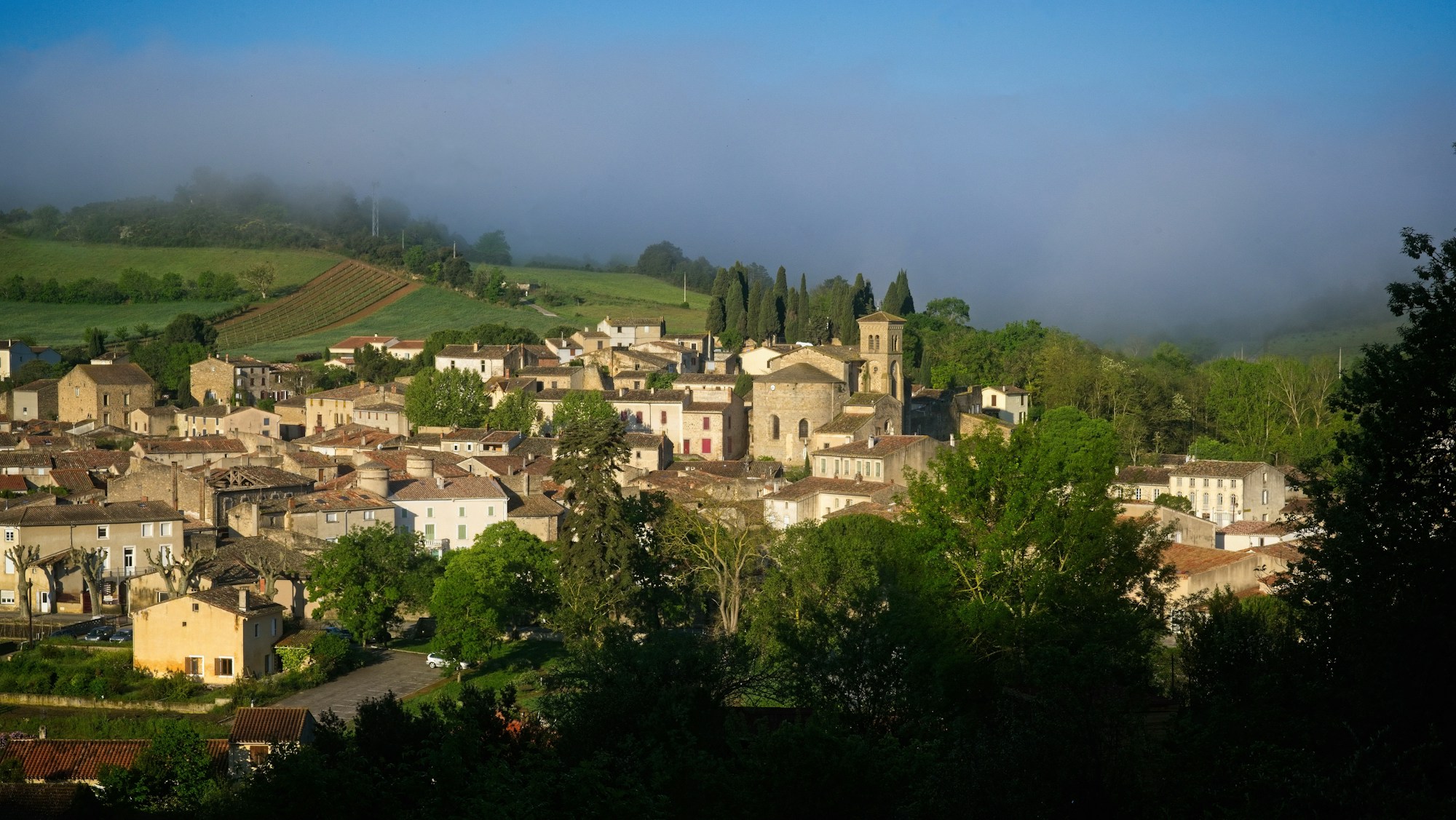
Puy Mary, Corrèze and Cantal — The Tour’s Heartland Atmosphere
The Massif Central, often underestimated, never disappoints on the Tour. According to Skoda We Love Cycling, Stage 9 is a historic first: 100% within Corrèze, featuring the Suc au May (3.8 km at 7.7%) and the Millevaches plateau. Stage 10, with the succession of Puy Mary – Pas de Peyrol – Col de Pertus, totals 3,900 m of elevation gain over 167 km.
Bastille Day on the Tour is the national holiday combined with the Grande Boucle — a unique atmosphere with AOP cheeses served roadside and genuine locals. The Puy Mary (1,588 m), classified as a Grand Site de France, offers a radically different setting from the Alps: intimate, rural, and popular.
- Among the cheapest accommodation on the route (€40-70/night)
- No massive tourist crowds — authentic local atmosphere
- Festive Bastille Day with fireworks in the evening
Mulhouse → Le Markstein — The Vosges Hidden Gem (July 18, Stage 14)
Col du Haag and Unprecedented Forest Track — 155 km, 3,800 m Elevation Gain
Stage 14 is one of the most unusual of the 2026 Tour. According to Rêve de Vélo Events, the Col du Haag climb uses a former forestry track: 11.2 km at 7.3% average with passages at 15%. According to TodayCycling, the peloton will cross the Markstein finish line once before plunging back into a punishing loop — a bonus for spectators.
According to JDS Mulhouse, the official start is planned for around 11:30 AM from Place de la Réunion. Special shuttle buses will run to Fellering and Le Markstein. The course is also perfectly rideable by gravel bike.
- Double pass at the finish line — two chances to see the riders
- Col du Haag: green tunnel, riders within arm’s reach
- Free shuttle buses from Mulhouse + gravel-bike-friendly route
Alpe d’Huez — The Historic Double Ascent (July 24-25, Stages 19 & 20)
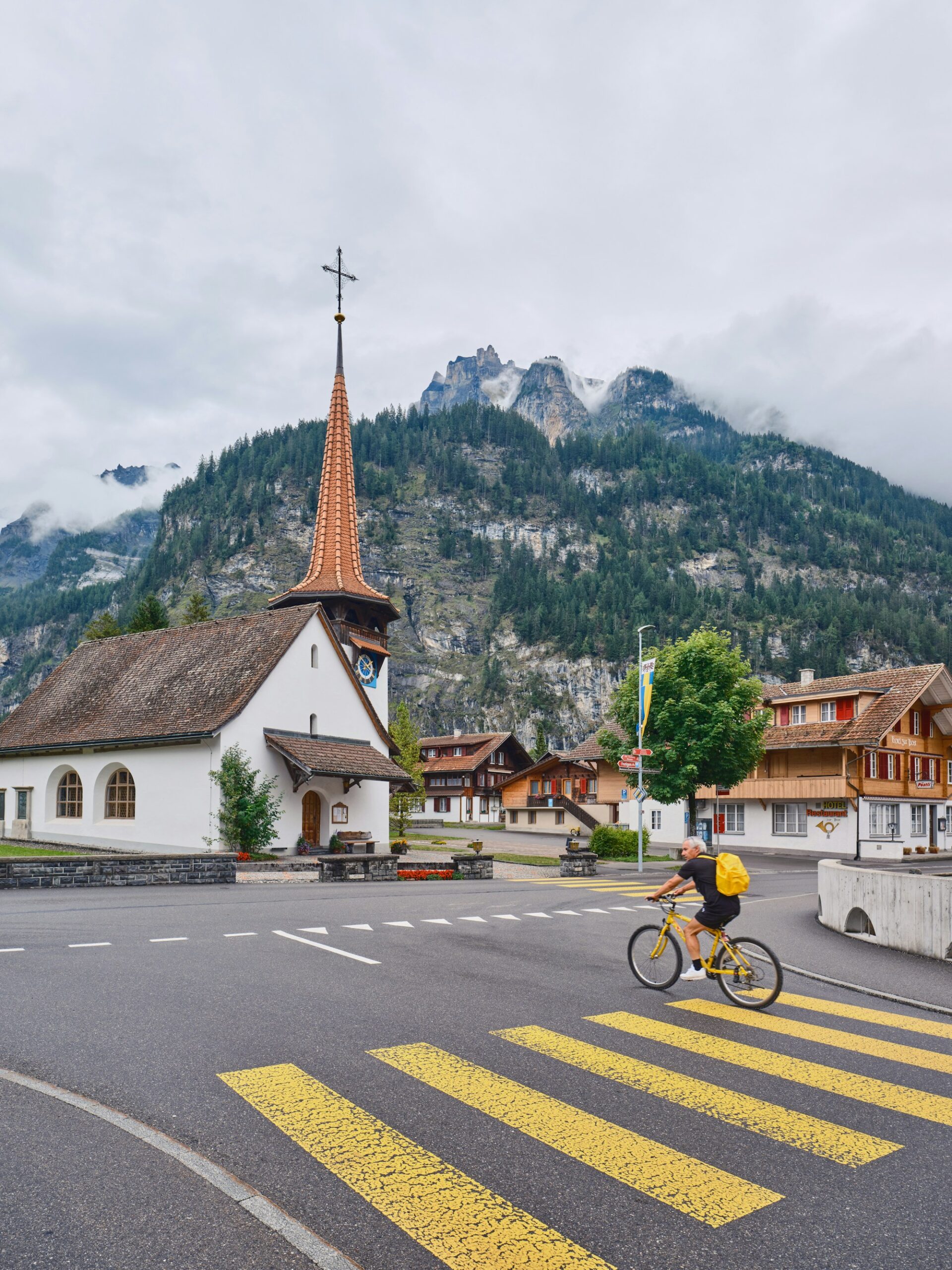
21 Legendary Hairpins × 2 — Unseen for 47 Years
According to Ulysse, a double ascent of Alpe d’Huez on two consecutive days has been unseen for 47 years. The 13.8 km at 8.1% average gradient and the 21 numbered hairpin bends (each named after a stage winner) are the quintessence of cycling.
Stage 20 is the queen stage of this 2026 Tour: according to Cycling News, it chains the cols de la Croix de Fer, du Télégraphe, the Galibier (2,642 m, the roof of the 2026 Tour), then an unprecedented passage via the Col de Sarenne before the finish at Alpe d’Huez. Total: 5,600 m of elevation gain.
Best Spectator Spots
- Hairpin 7 « Dutch Corner » — THE iconic spot: thousands of Dutch supporters in orange, barbecues, music, rave-like atmosphere
- Col de Sarenne (Stage 20) — unprecedented passage, far fewer crowds, stunning panorama over the Oisans
- L’Étape du Tour — 16,000 amateur cyclists ride Stage 20 before the pros (registration at letapedutourdefrance.com)
Paris — Montmartre and the Champs-Élysées, a Legendary Finale (July 26, Stage 21)
Thoiry → Paris — Montmartre × 3 Passes Then Final Sprint
For the second consecutive year, the final stage will wind through the Montmartre hill before finishing on the Champs-Élysées. According to paris.fr, the 130 km between Thoiry and Paris include three passes through the Rue Lepic, with the Sacré-Cœur as a backdrop. The finish line has been moved 15 km from the Sacré-Cœur to give sprinters a chance, according to France Bleu.
According to Paris Je t’Aime, the caravan will enter Paris around 3:45 PM, first pass through Montmartre around 4:45 PM, riders on Montmartre around 6:30 PM, and the final finish around 7:25 PM.
- Rue Lepic × Boulevard de Clichy corner: riders slow down before the climb
- Place du Tertre: bird’s-eye view of the peloton passing (3 passes)
- Quai des Tuileries → Champs-Élysées: multiple chances to see the final sprint
Key Stages Summary
| Stage | Date | Route | Type | Spectator Spot |
|---|---|---|---|---|
| 1 | Jul 4 | Barcelona (TT) | Team TT | Montjuïc, Sagrada Familia |
| 3 | Jul 6 | Granollers → Les Angles | Mountain | Col du Calvaire |
| 6 | Jul 9 | Pau → Gavarnie-Gèdre | High mountain | Tourmalet + UNESCO Cirque |
| 7 | Jul 10 | Hagetmau → Bordeaux | Sprint | Place des Quinconces |
| 8 | Jul 11 | Périgueux → Bergerac | Rolling | Domme hillside |
| 10 | Jul 13 | Massif Central, Cantal | Mountain | Puy Mary (Bastille Day) |
| 14 | Jul 18 | Mulhouse → Markstein | Mountain | Col du Haag (greenway) |
| 19 | Jul 24 | Gap → Alpe d’Huez | High mountain | 21 hairpins (bend 7) |
| 20 | Jul 25 | Bourg-d’Oisans → Alpe d’Huez | Queen stage | Galibier + Sarenne + Alpe |
| 21 | Jul 26 | Thoiry → Paris | Classic | Montmartre + Champs-Élysées |
Practical Information for Following the 2026 Tour de France
Ride in the Alps on the same roads as the Tour pros. All levels, guide included.
From €202Nomad Insurance: global coverage from $56/4 weeks. 10% off via our link.
From $56 / 4 weeksStay connected during the stages to follow live GPS tracking, check pass times and share your photos.
From €4.50Frequently Asked Questions
Do you have to pay to watch the Tour de France from the roadside?
No, roadside access is completely free. No ticket or booking is required. Only VIP areas and official grandstands (hospitality packages) are paid. It is one of the few major world sporting events accessible to all, according to Ulysse.
How far in advance should you arrive at mountain passes?
For iconic passes (Tourmalet, Alpe d’Huez, Galibier), it is recommended to arrive 2-3 days before if you’re in a motorhome. On the morning of the stage, roads are closed to traffic from around 8 AM. Cyclists generally have access until 11:30 AM, according to Promobil.
What time does the publicity caravan pass?
The publicity caravan passes approximately 1.5 hours before the riders. Precise times for each stage are published a few weeks before on the official website letour.fr. Traffic is prohibited 1 hour before the caravan passes and until 30 minutes after the « end of race » vehicle.
Can you cycle on the Tour route on stage days?
Cyclists generally have access to the roads until around 11:30 AM on stage day. From 8 AM, the road is progressively closed to general traffic. Outside of race days, all mountain passes are freely accessible. GPX files of the stages are downloadable from letour.fr.
What is the best stage for a first-time spectator?
Alpe d’Huez is the obvious choice for a first experience — the atmosphere in the hairpin bends is unmatched: street party, fancy dress, roars that build as the peloton appears. For a more accessible stage, Bordeaux (Stage 7) or the Dordogne (Stage 8) are ideal for families and newcomers, according to Ulysse.
How to follow the race live on your phone?
The official Tour de France app (iOS and Android, free) provides real-time GPS tracking, live standings and push notifications. For TV, France Télévisions broadcasts all 21 stages free-to-air. Eurosport/Discovery+ subscribers (€8.99/month) get extended coverage with power data. Internationally: GCN+ (€6.99/month), Peacock (USA), SBS On Demand (Australia, free), according to Cycling Archives.
Sources
- Ulysse — Spectator Guide Alpe d’Huez 2026
- La Culture Générale — Detailed Tour de France 2026 Route
- Paris.fr — Tour Arrival in Paris and Montmartre
- France Bleu — Detailed Stage-by-Stage Route Maps
- Paris Je t’Aime — Schedule and Access for Paris Arrival
- TodayCycling — Analysis of Pyrenean and Vosges Stages
- Vallées de Gavarnie — Stage 6 Practical Info
- Cycling News — Strategic Analysis of Decisive Stages
- Domestique Cycling — Stage-by-Stage Guide
- Dordogne Périgord Tourisme — Stage 8 in Dordogne
- Skoda We Love Cycling — 2026 Stages Overview
- Promobil — Camping Tips Along the Route
- L’Étape du Tour de France — 2026 Sportive Route
- Rêve de Vélo Events — Stage 14 in the Vosges
- Alsace Gravel Bike — Cycling Routes in Alsace
- Cycling Archives — Route, TV and Accommodation
Research conducted on April 9, 2026
Plan Your Summer on the Tour Roads
The 2026 Tour de France is three weeks of free spectacle across the most beautiful landscapes in France. From the Pyrenees to the Alps, from Bordeaux to Paris — every stage is an opportunity to travel differently. Create your itinerary on Pixidia and combine Tour stages with your summer holiday.
Explore all itineraries