

In 2026, the USA/Israel/Iran crisis costs the regional tourism industry $515 million per day. The travel influence market, valued at $32.6 billion, is hit hard: YouTube CPMs in freefall, brand deals frozen, 80,000 Airbnb bookings cancelled in Dubai in one week. Resilient creators are pivoting to Morocco, Turkey and Georgia, diversifying income (newsletters, online courses, affiliate marketing) and adopting a journalistic stance. The April 16, 2026 ceasefire opens a recovery window — but experts forecast nine months before significant tourism recovery.
February 28, 2026 — 900 strikes in 12 hours. Within hours, the skies above the Middle East empty out. Departure boards at Dubai, Doha and Abu Dhabi airports turn red. And in apartments in Paris, Los Angeles and Seoul, hundreds of travel content creators watch their dashboards collapse. The Iran-US crisis is not only a humanitarian catastrophe: it is also the brutal exposé of the contradictions inherent in being a travel creator in 2026. How are bloggers, Instagrammers and TikTokers navigating between editorial responsibility, economic survival and ethical dilemma? An in-depth analysis, backed by data.
1. The shockwave: how the conflict crashes dashboards

A tourism catastrophe in numbers
The regional conflict between the United States, Israel and Iran is costing the Middle East travel and tourism industry $515 million per day, according to the World Travel & Tourism Council (WTTC). The institution had projected $207 billion in international tourism spending for the region in 2026 — a forecast now rendered obsolete.
According to Oxford Economics, international arrivals to the Middle East could drop by 11 to 27% in 2026. In the prolonged scenario, that represents 38 million missing visitors, amounting to a $56 billion loss. The immediate damage is tangible: more than 80,000 Airbnb bookings in Dubai were cancelled in a single week, and airspace closures grounded approximately 4 million passengers (Cirium).
For travel content creators specialising in the region, this shock is existential. The travel influence market represents a strategic vertical within a global sector worth $32.6 billion — multiplied by 19 over one decade. And 60% of consumers consider travel influencer content useful for their booking decisions, the highest score across all content categories.
Key figure: 85% of US adults acted on a travel influencer recommendation. On TikTok, travel content views have increased by 410% since 2021, and 32% of users booked a trip they discovered on the platform.
2. Post or stay silent? The ethical dilemma of travel creators
Content washing and its contradictions
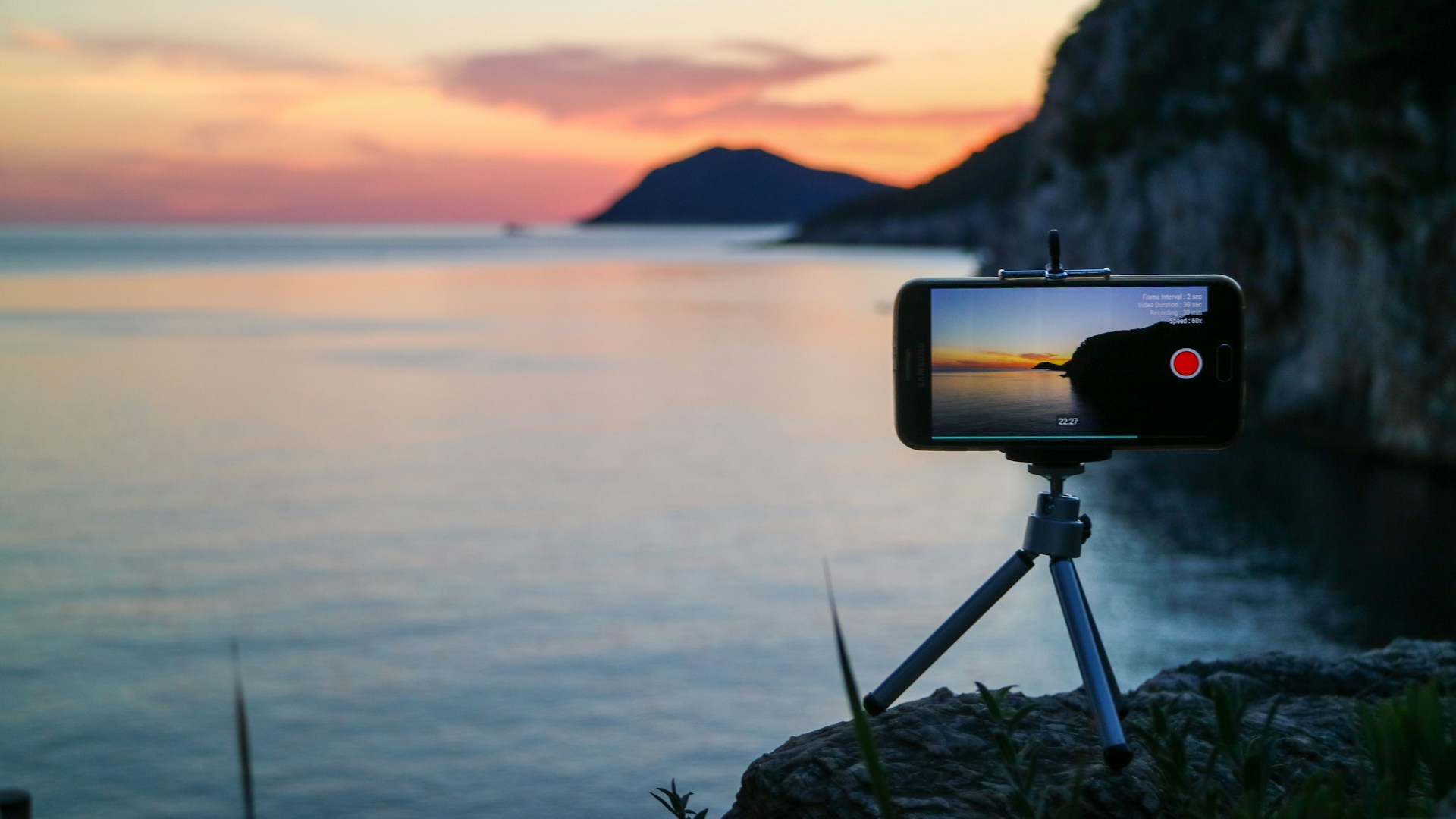
« Content washing » refers to the practice of continuing to publish aspirational content — paradise beaches, colourful souks, brunch in Dubai — while the region burns. The algorithmic pressure is real: stopping publication penalises search rankings, reduces organic reach, and signals to algorithms that an account is « inactive ».
Yet this choice carries major risks. Recent research published in the Journal of Media & Cultural Studies documents a turning point: creators increasingly serve as critical sources of geopolitical information — visible in the Russo-Ukrainian war as well as in on-the-ground reporting from Gaza on TikTok. An account that posts « Best cafes in Amman » while Jordan receives Iranian missile fragments risks a wave of unfollows and a permanently tarnished reputation.
The instrumentalization of creators: a documented reality
The war in Gaza since 2023 had already opened Pandora’s box. Benjamin Netanyahu stated at a meeting with American influencers that « the most important weapons are on social media », highlighting the role of TikTok and X. The Israeli Ministry of Diaspora Affairs claims its influencer trips reached « more than 15 million views in a matter of days ». This precedent weighs heavily in 2026: accepting a paid invitation, even from a « neutral » destination, can now be perceived as a political stance.
The question of « conflict tourism » or dark tourism is not new, but it takes on particular acuteness when the conflict is ongoing. Serious operators build their itineraries around safety, community involvement and education — not sensationalism. This delicate balance defines responsible travel in tension zones.
3. Revenue collapse: CPMs, brand deals and affiliates in turmoil

The double blow for Middle East YouTube creators
For a YouTube creator specialising in the Middle East, the crisis creates a double squeeze effect. First, premium advertisers avoid content labelled « controversial » or « not suitable for most advertisers ». Then, tourism demand collapses: no Gulf tour operator, hotel or airline is buying advertising space when its hub is closed.
The average YouTube CPM sits at around $3.50 in 2026, but individual CPMs vary from under $1 to over $50 depending on the niche. This 50x variance means that a video with 100,000 views can earn $100 in one niche or $5,000 in another. For a creator whose « Dubai/UAE travel » niche is suddenly unmonetisable, the calculation is brutal.
The economic reality of travel creators
Behind the sector’s glamorous figures lies a harsher reality. Only 4% of creators worldwide earn more than $100,000 per year, while 50% earn less than $15,000. Brand partnerships represent 68.8% of income — a dependency that explains the scale of the crisis when Gulf brands suspend their influencer budgets overnight.
The typical brand partners for Middle East creators — Gulf airlines, luxury hotels, booking platforms — have all suspended or frozen their budgets. For creators who built their identity around Dubai, Abu Dhabi or Saudi Arabia, their entire business model collapses simultaneously.
The good news? According to InfluenceFlow, creators with five or more income streams earn 40% more annually than those with just one. Diversification is no longer an option — it is a matter of survival. Discover our complete guide to the digital nomad lifestyle in 2026.
4. Platforms face geopolitics: YouTube, TikTok, Instagram
The major platforms do not directly censor geopolitical content — but they penalise it systematically, often in silence.
YouTube uses economic sanctions: premium advertisers avoid content classified as « sensitive ». A creator who titles a video « The truth about Jordan during the war » sees their RPM drop dramatically compared to « 10 must-see places in Petra ». The platform’s monetisation policy structurally pushes creators toward aspirational content and away from informative content about conflict zones.
TikTok is navigating its own geopolitical identity crisis. In December 2025, ByteDance signed a deal backed by Donald Trump to divest part of its American assets. This context amplifies algorithmic uncertainty around sensitive geopolitical topics. Creators report content removed without prior notification for videos mentioning Iran or Gaza.
Instagram (Meta) applies geolocation-content filters that reduce the reach of posts associated with active conflict zones. Several creators report organic reach divided by 5 to 10 for posts geotagged in Lebanon or explicitly mentioning the Iranian conflict.
Faced with this algorithmic instability, many travel creators are turning to Substack and newsletters. The platform counts more than 40,000 paid creators worldwide, with monthly subscription revenues exceeding $500 million. The concept of an « owned audience » — an audience that no one can take away via an algorithm update — is becoming central to the strategy of every serious creator. To go further, our analysis of 2026 travel trends explores these shifts in depth.
5. The great pivot: destinations capturing the diverted flow
The Middle East conflict mechanically creates winners in global tourism. Turkey, Azerbaijan, Kazakhstan, Egypt, Armenia and Morocco emerge as key beneficiaries of the tourism pivot.
Morocco: an ambivalent but essential star
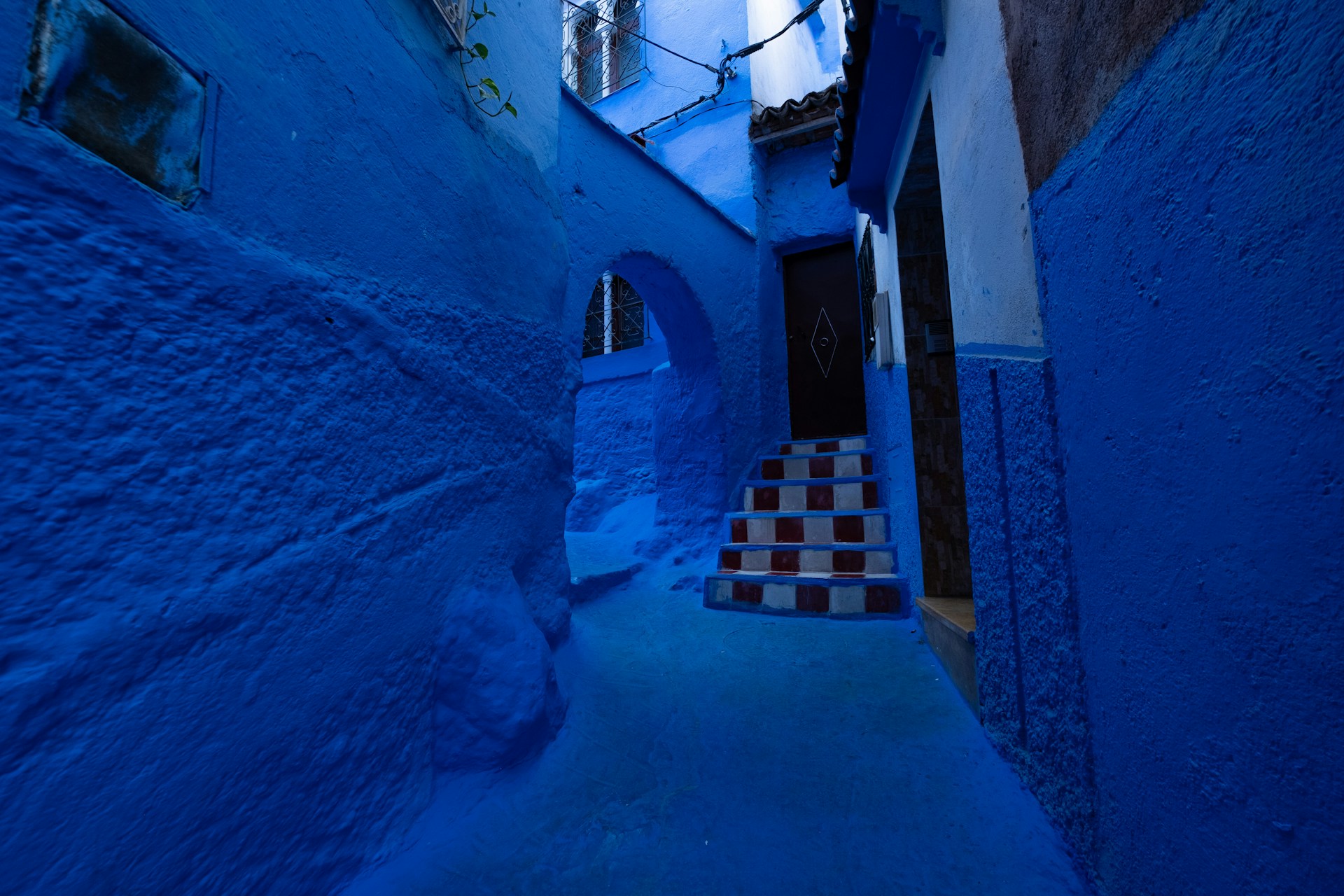
Morocco paradoxically suffers from a « geographic blur »: for many travellers in North America or East Asia, the nuance between the Levant and the Maghreb becomes blurred during a conflict. Yet Marrakech, Fes, Chefchaouen and the Agafay desert have never been more in demand among content creators seeking powerful visuals and authentic Arab culture.
The Moroccan National Tourism Office’s 2026 strategy is clear: to reposition the Kingdom not as « adjacent to the Middle East », but as « adjacent to Europe ». For a pivot creator, this is the perfect argument: Marrakech offers everything Dubai used to provide (Islamic architecture, gastronomy, nightlife) just 3 hours from Paris, without the geopolitical tensions.
Explore our guide to discover Morocco itineraries on Pixidia and find inspiration for your next content.

Istanbul, Georgia and Albania: the revelations of 2026
Istanbul is the obvious choice for creators specialising in Islamic culture. The city offers incomparable visuals — the Blue Mosque, the Grand Bazaar, the Bosphorus — in a stable, well-connected destination accustomed to international content creators. Turkey is cited in every analysis as one of the big winners of the 2026 tourism pivot.
Georgia remains a surprising pick: only 5.4 million international visitors in 2024. British Airways and EasyJet launched direct flights from the UK to Tbilisi in 2025. For creators seeking undercovered destinations with high viral potential, Georgia ticks every box: unique architecture, remarkable gastronomy, attractive prices.
Albania is emerging as a « dupe destination » for Greece and Croatia, according to Expedia. A brand-new international airport in Vlora is set to open in 2026. For a creator seeking exclusivity before the destination reaches mainstream tourism status, this is the ideal window.
6. Winning strategies: creator profiles that thrive
Amid the crisis, three creator profiles are successfully navigating the storm.
The « thematic » creator rather than « geographic » creator moves from an identity of « I cover the Middle East » to « I cover slow travel / solo travel / eco-responsible travel ». This pivot allows content to be redirected without losing the audience. In 2026, travel starts with « why » rather than « where »: consumers prioritise purpose over place, seeking experiences that align with their values.
The « journalist-traveler » creator translates complex geopolitical events into short, digestible videos. First-person, unfiltered videos have offered global audiences unique perspectives — and these creators benefit from partial algorithmic protection if the format remains informative rather than activist.
The « community-first » creator has built their model on recurring revenue independent of algorithms. The ideal income split in 2026: 40% digital products, 25% memberships, 20% affiliates, 10% sponsorships, 5% speaking engagements. A creator with 3 or 4 income streams is less susceptible to accepting underpaid deals or bending their editorial voice to please advertisers.
The good news: A 10-day ceasefire began on April 16, 2026, offering a rare moment of stability. Experts forecast gradual recovery — but with a recovery lag of approximately 9 months after hostilities end. Creators who maintained a minimal presence during the crisis will be best positioned to capitalise on the rebound.
Essential tools for travel creators in 2026
Stay connected in all your pivot countries (Turkey, Morocco, Georgia, Albania). Instant activation, borderless data.
From €4.50Nomad Insurance: global coverage from $56/4 weeks. 10% off via our link. Ideal for travel content creators.
From $56 / 4 weeksWhat is the impact of the 2026 Middle East conflict on travel content creators?
The USA/Israel/Iran conflict costs $515 million per day to regional tourism. For Middle East specialised creators, this translates into a YouTube CPM collapse, frozen brand deals with Gulf airlines and regional luxury hotels, and lost audience on conflict-zone geotagged content. Creators most affected are those with 80% or more of their income coming from the region.
Which alternative destinations to the Middle East are travel creators prioritising in 2026?
The main pivot destinations are: Morocco (Arabic culture, gastronomy, desert, 3 hours from Paris), Turkey and Istanbul (history/modernity mix, direct flights, strong visuals), Georgia (undercovered, affordable, new direct flights), Albania (affordable alternative to Greece), Malaysia and Thailand. Armenia and Azerbaijan are also emerging as niche destinations for creators seeking exclusivity.
How are travel content creators diversifying their income during the crisis?
Resilient creators adopt a multi-source split: 40% digital products (e-books, presets, guides), 25% memberships (Substack, Patreon), 20% affiliates (Viator, Airalo, insurance), 10% sponsorships, 5% speaking engagements. Creators with 5 or more income streams earn 40% more annually. Newsletter (Substack has 40,000+ paid creators worldwide) is cited as the best algorithmic shield.
Are TikTok, YouTube and Instagram censoring Middle East travel content?
Platforms do not directly censor but penalise systematically. YouTube reduces CPM on content classified as « sensitive » or « controversial ». Instagram reduces the organic reach of posts geotagged in active conflict zones (÷5 to ÷10). TikTok, amid post-ByteDance/US-investor deal restructuring, applies opaque algorithmic filters on geopolitical content. Substack and newsletters remain the only platforms out of reach of these algorithms.
When will Middle East tourism recover after the 2026 crisis?
A 10-day ceasefire began on April 16, 2026. Even in the optimistic scenario of rapid resolution, Tourism Economics forecasts a « recovery tail » of approximately 9 months. In concrete terms: if hostilities end definitively in April 2026, full tourism recovery is not expected until early 2027. Creators who maintained a presence during the crisis will be first to benefit from the rebound.
Is it ethical to continue creating travel content during the Middle East war?
There is no universal answer. « Content washing » (posting aspirational content without acknowledging regional reality) is widely seen as problematic by audiences. Conversely, going completely silent penalises creators algorithmically and deprives communities of useful information. The most consistent stance is transparency: explain your pivot to your community, contextualise the situation when you have expertise, and direct affiliate revenue toward stable destinations.
How much do travel content creators actually earn in 2026?
The economic reality is darker than the projected image. Only 4% of global creators earn more than $100,000 per year, and 50% earn less than $15,000. The creator economy market is valued at $250 billion globally, but this value is heavily concentrated among top creators. In travel specifically, median income ranges from $20,000 to $50,000 annually for a creator with 100,000 subscribers across multiple platforms.
Sources and references
- WTTC — « Iran Conflict Costing Travel & Tourism Sector at Least US$600 Million Per Day » (March 2026)
- Euronews Travel — « Iran conflict costs Middle East travel and tourism industry €515 million a day » (March 2026)
- Oxford Economics — « Tourism impacts in Middle East from Iran War » (March 2026)
- CNBC — « Iran war threatens $11.7 trillion global travel industry » (March 2026)
- Digital Applied — « Influencer Marketing Statistics 2026: 150+ Data Points »
- Influencer.com — « The State of Influencer Marketing in Travel »
- Journal of Media & Cultural Studies — « The algorithm loves the war » (Vol. 40, 2026)
- Columbia Journalism Review — « Israel sends influencers to document the war »
- Archive.com — « Creator Economy Market Size Statistics 2026 »
- AutoFaceless AI — « YouTube Monetization Statistics 2026 »
- Fueler.io — « Substack in 2026: Usage, Revenue & Growth Statistics »
- Travel And Tour World — « Turkey, Egypt, Morocco lead Middle East tourism shift » (April 2026)
- Travel And Tour World — « Shadow of the Middle East: Morocco’s 2026 Tourism Outlook »
- InfluenceFlow — « Creator Earnings Reports 2026 »
- Web in Travel — « Middle East conflict could cost regional tourism $56 billion »
- American University — « New Year, New TikTok? » (January 2026)
- Travel And Tour World — « 10-Day Ceasefire: A New Dawn for Middle East Tourism » (April 2026)
Explore our travel magazine
Hundreds of articles, guides and inspiration for your next trips — even in times of geopolitical crisis.
Discover the magazine