
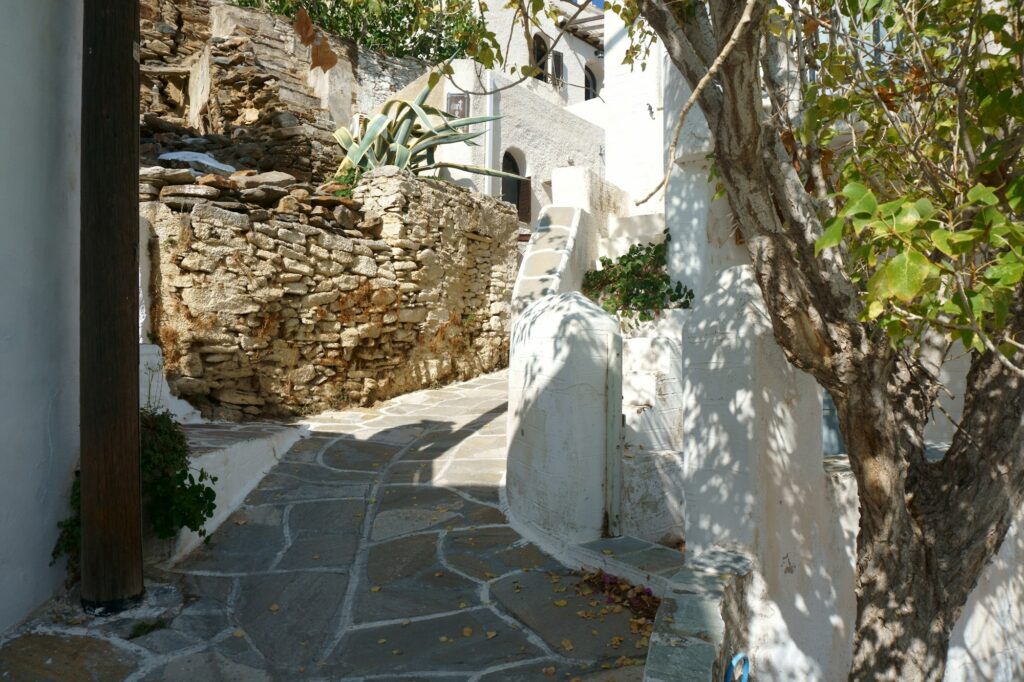
What if your dream vacation didn’t have to break the bank? In 2026, the trend of « destination dupes » — lesser-known alternatives to iconic tourist hotspots — is booming. According to a CouponFollow survey, 63% of travelers now prefer these affordable alternatives, and more than half say the dupe turned out to be their best vacation ever. Better yet: average savings reach $2,262 per trip. Santorini, Maldives, Iceland, Japan, the Amalfi Coast… Here are 5 alternatives that deliver the same magic, without the sticker shock or the crowds.
Destination dupes are lesser-known places that offer the scenery or culture of a famous hotspot for less. In 2026, five swaps stand out: Paros for Santorini, Palawan for the Maldives, the Faroe Islands for Iceland, South Korea for Japan and Puglia for the Amalfi Coast, with budgets of about 40 to 130 (euros or dollars) per day.
1. Paros Instead of Santorini — Authentic Greece
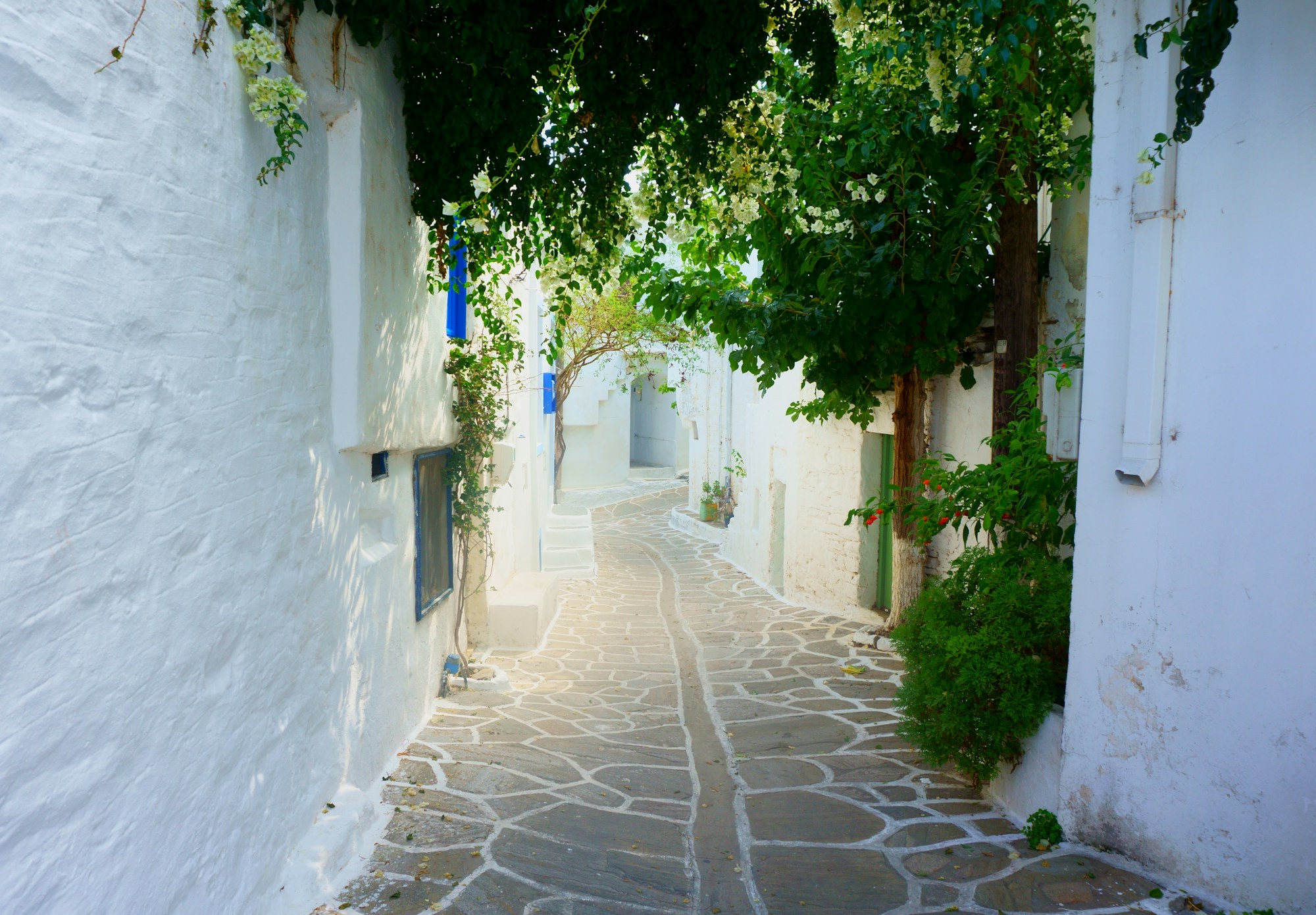
Paros, Cyclades, Greece
Paros captures the Cycladic charm — whitewashed villages, turquoise waters, and golden beaches — without Santorini’s prices or crowds. According to AAA Travel, the island offers an authenticity that its famous neighbor has largely lost under the weight of mass tourism. You can wander through the picturesque port of Naoussa, sip ouzo at a seaside taverna, and soak up the sun on Kolymbithres beach.
With the new cruise passenger tax of up to €20 at Santorini (in effect since July 2025), savvy travelers are turning to quieter islands. In Greece, mid-range accommodations start at €60–80 per night, and meals often cost less than €10, according to Isle Passport.
Highlights
- Naoussa village and its colorful fishing port
- Kolymbithres beach with wind-sculpted rock formations
- Historic Parian marble (used for the Venus de Milo)
- Easy day trip to the tiny island of Antiparos
2. Palawan Instead of the Maldives — The Affordable Tropical Paradise
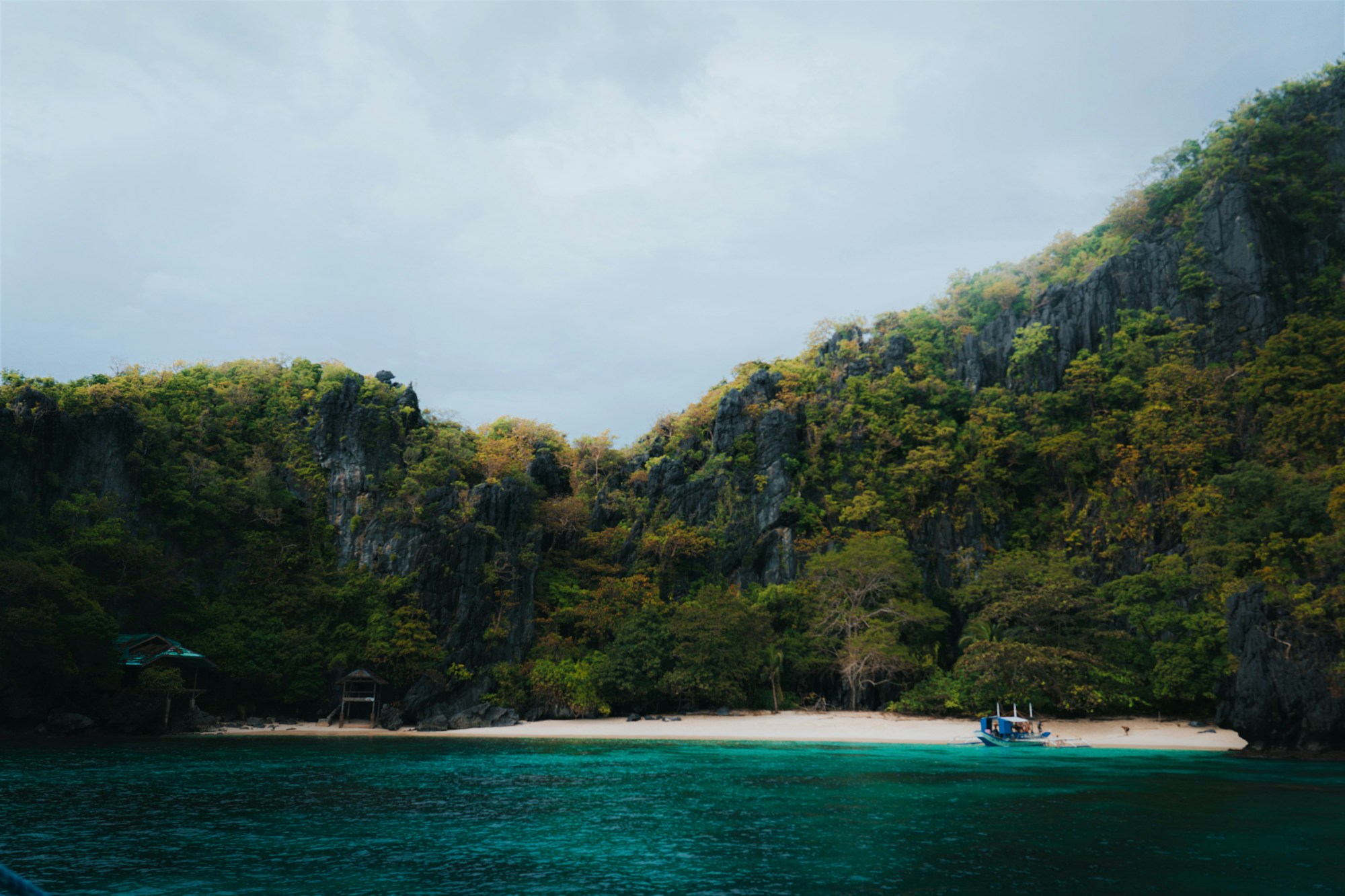
Palawan, Philippines
Regularly voted the « world’s most beautiful island » by Condé Nast Traveler readers, Palawan offers hidden lagoons, karst cliffs, and white-sand beaches that rival any Maldivian atoll. According to Travel Off Path, El Nido’s limestone formations are even more spectacular than the Maldives, with savings of up to 70%.
The price gap is staggering: while an overwater villa in the Maldives costs $1,500+ per night, a similar « Water Cottage » in the Philippines starts at $350–500. But the real difference lies in variety: snorkeling on pristine reefs, kayaking through secret lagoons, the UNESCO-listed Puerto Princesa Underground River — all without the « private resort » structure that isolates travelers from local life.
Highlights
- Hidden lagoons in El Nido accessible only by boat
- Puerto Princesa Underground River (UNESCO)
- WWII wreck diving in Coron
- Full-day island-hopping tours for just $25–30
3. The Faroe Islands Instead of Iceland — The Secret Nordic Adventure
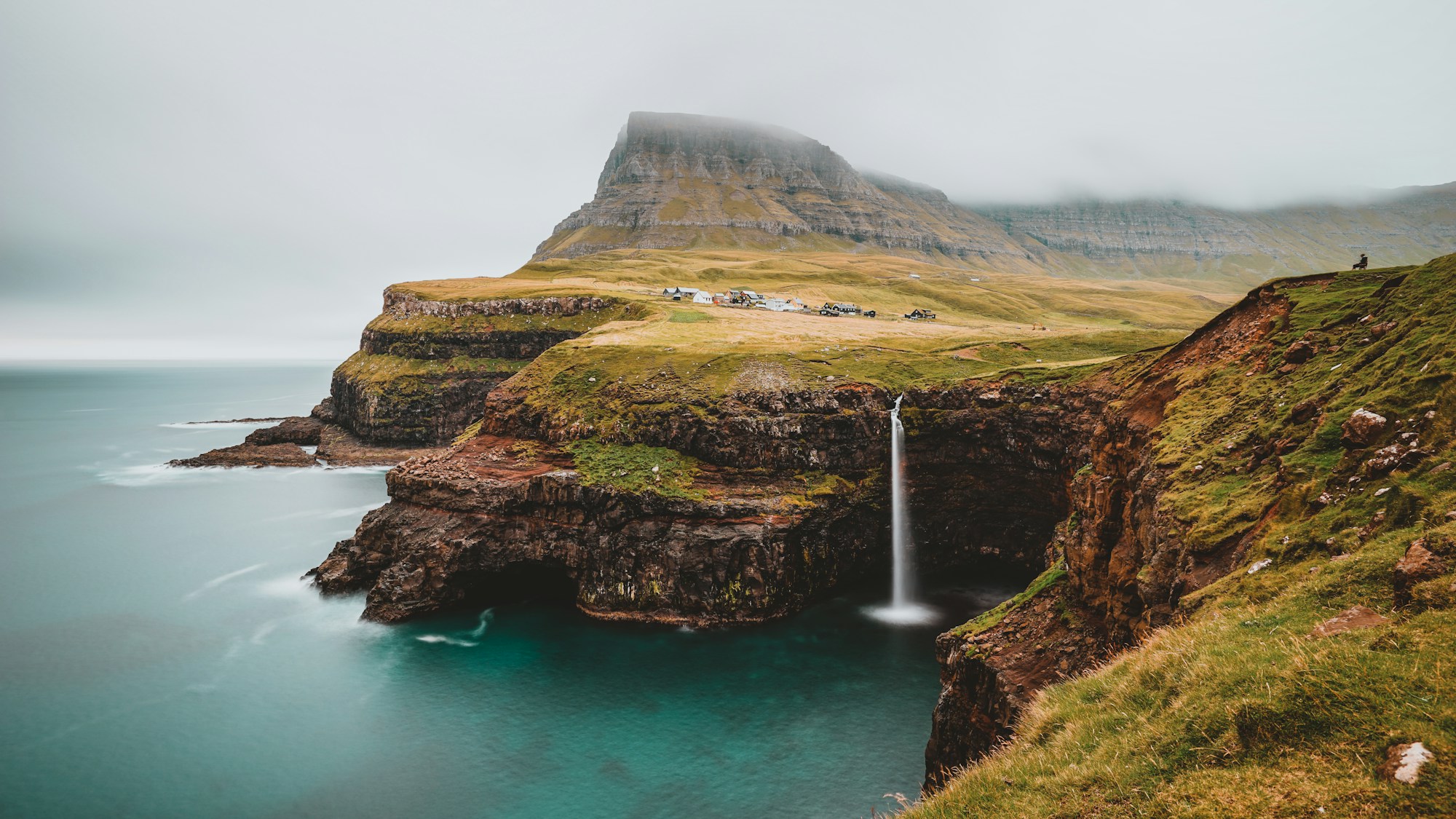
Faroe Islands, Denmark
Located halfway between Scotland and Iceland, the Faroe Islands offer breathtaking landscapes: towering cliffs, deep fjords, waterfalls, and steep hills creating a wild, unspoiled atmosphere. Iceland has exploded in popularity over the past decade, driving up prices (€200–350/day on average). The Faroes deliver an equally stunning Nordic experience — grass-roofed houses, centuries-old fishing villages, jaw-dropping hikes — in a more intimate setting.
And crucially, prices are gentler. According to ShermansTravel, a helicopter ride between islands costs about $20 thanks to government subsidies, and ferries run as low as $3. With just 50,000 inhabitants and a fraction of Iceland’s visitors, the archipelago preserves a rare authenticity. « Heimablídni » (home hospitality) is a network of underground restaurants in people’s homes for about $50 per person — a one-of-a-kind experience.
Highlights
- Grass-roofed houses and timeless villages
- Subsidized helicopter rides between islands for $20
- Puffin watching in spring and summer
- Free city buses in Tórshavn (since June 2025)
4. South Korea Instead of Japan — Temples, Street Food & K-Culture
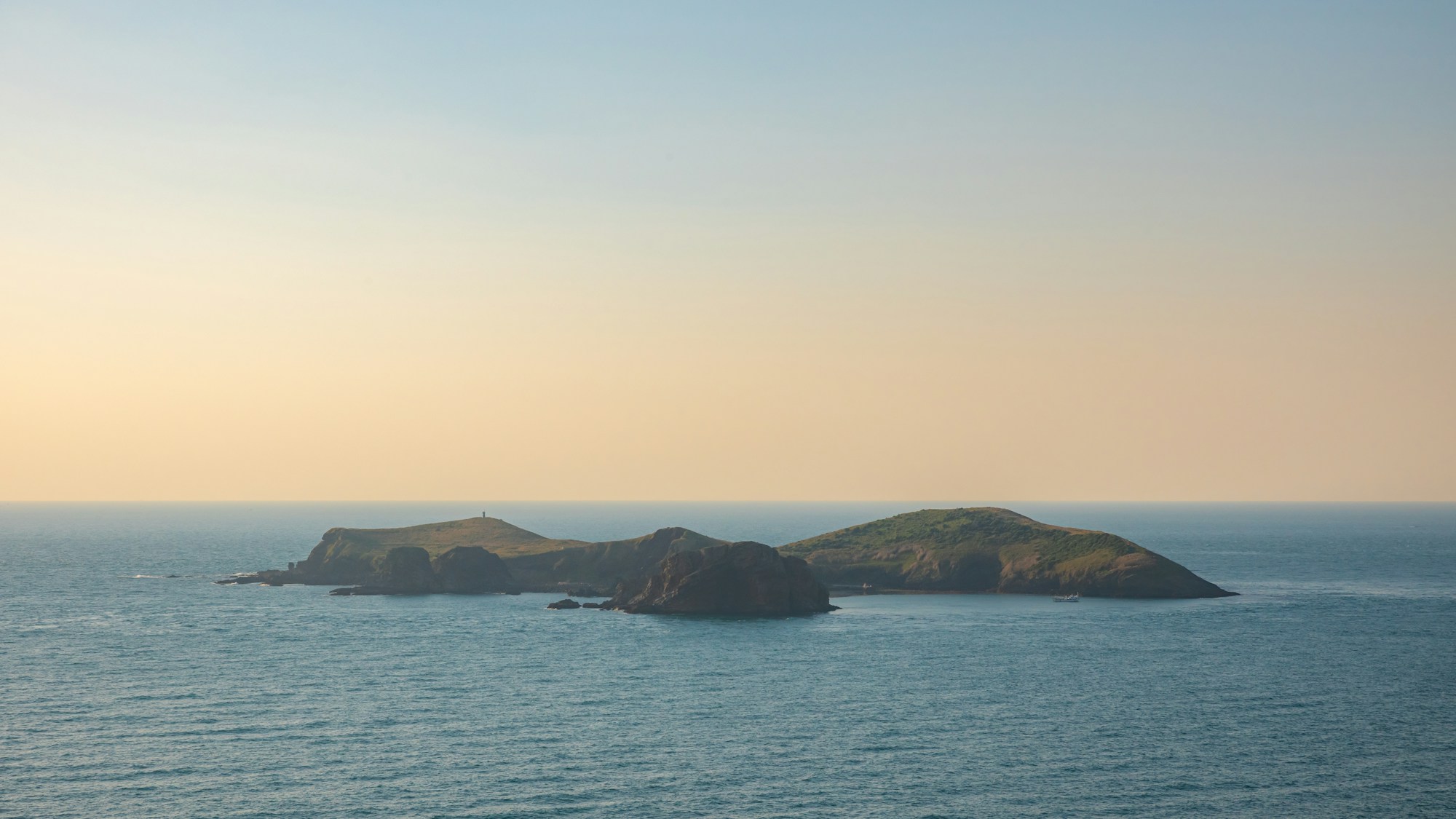
South Korea — Seoul, Busan, Gyeongju, Jeju
Dreaming of futuristic cities and serene temples? South Korea is the perfect dupe for Japan. According to Go Ahead Tours, you’ll find deep cultural traditions, majestic landscapes, and dazzling night markets — at more affordable prices, with simpler transport and more English-speaking locals.
The KTX (high-speed train) connects Seoul to Busan in just 2.5 hours for only $45, according to Roafly — excellent value compared to Japan’s Shinkansen. Fueled by the rise of K-culture — K-pop, cinema, fashion, and cuisine — South Korea has become one of 2026’s trendiest destinations. From cosmopolitan Seoul to the ancient temples of Gyeongju and the volcanic beaches of Jeju Island, each stop reveals a new facet.
Highlights
- Cherry blossoms in spring, fiery foliage in autumn
- Legendary street food: Korean BBQ, bibimbap, tteokbokki
- Jeju Island: volcanic nature, waterfalls, and coastal trails
- Jjimjilbangs (public bathhouses): a unique cultural experience from $8
5. Puglia Instead of the Amalfi Coast — Southern Italy’s Best-Kept Secret
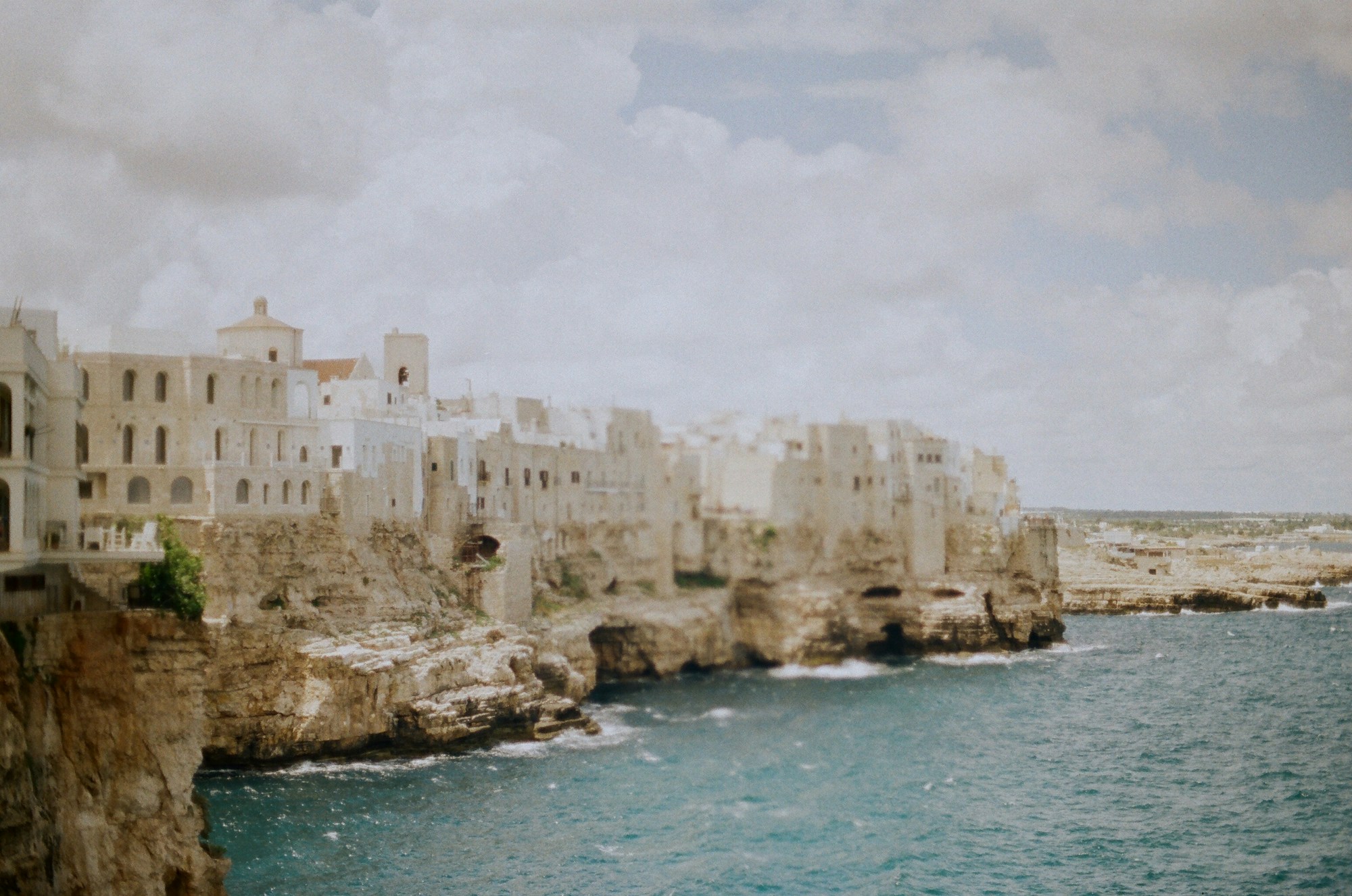
Puglia (Apulia), Italy
Puglia combines spectacular coastlines, UNESCO-listed trulli architecture, magnificent baroque towns, and exceptional cuisine — all at prices 30 to 50% lower than Rome, Florence, or the Amalfi Coast. A restaurant meal here costs 30–40% less than in Positano, with superior freshness thanks to the daily catches of local fishermen.
Where the Amalfi Coast averages €221 per day, Puglia is a standout for value in Italy. The region is known for its beautiful beaches, round stone houses (trulli), and delicious cuisine of fresh pasta and olive oil. From baroque Lecce to spectacular Polignano a Mare, whitewashed Ostuni, and fairytale Alberobello, every stop is enchanting.
Highlights
- UNESCO-listed trulli of Alberobello — unique accommodations
- Lecce, the « Florence of the South » and its spectacular baroque
- Masserie (converted farmhouses) at €100–200 with homemade breakfast
- Easy-to-navigate roads and affordable parking (unlike Amalfi)
Destination dupes at a glance: budget and season
| Hotspot | Alternative | Budget per day | Best season |
|---|---|---|---|
| Santorini | Paros | 80–120 € | May or September |
| Maldives | Palawan | 40–80 $ | November to May |
| Iceland | Faroe Islands | 80–130 € | June to September |
| Japan | South Korea | 70–120 $ | March to May or October to November |
| Amalfi Coast | Puglia | 50–130 € | May to June or September to October |
2026 Budget Tips: Maximize Your Savings
No matter which destination you choose, these tips will help you travel smarter in 2026. According to Empower, swapping a bucket-list destination for a dupe can save an average of $2,262 per trip.
- Travel in shoulder season — May-June and September-October offer the best weather/price/crowd ratio in Europe and Asia
- Stay 15–25 min from the hotspot — You’ll cut costs by 20–40% for essentially the same experience
- Limit micro-transport — A « 2-base » plan beats 6 different accommodations
- Embrace « Shelf Discovery » — Skyscanner’s 2026 trend: explore local markets and supermarkets for both culture AND budget savings
- Anticipate tourist surcharges — Cruise taxes, access restrictions… hotspots are getting increasingly expensive
- Book early — According to TripIt, booking in January-February after December’s peak prices nets the best deals
Frequently Asked Questions About Travel Dupes 2026
Are destination dupes really cheaper than the originals?
Yes, the savings are significant. According to The Manual, travelers save an average of $2,262 per trip by choosing a dupe. Destination dupes can cut costs by up to 50%, primarily through cheaper accommodations and meals, but also because they encourage « traveling differently » (fewer taxis, more local experiences).
When is the best time to visit these destinations?
For Europe (Paros, Faroe Islands, Puglia), aim for May-June or September-October: pleasant weather, lower prices, and fewer crowds. For Palawan, the dry season (November to May) is ideal. For South Korea, target spring (March-April for cherry blossoms) or autumn (October-November for spectacular foliage), according to Visit Korea.
Can the Faroe Islands truly replace Iceland?
Yes, for the most part. The Faroes offer spectacular Nordic landscapes (cliffs, waterfalls, fjords) with a lower cost of living than Iceland. However, if you’re specifically looking for glaciers, geysers, or vast lava deserts, Iceland remains unique. The Faroes shine through their intimacy (50,000 inhabitants, no tour buses) and their preserved local culture.
Is Palawan safe and easy to get to?
Yes. Palawan is considered one of the safest provinces in the Philippines. Access is via domestic flights from Manila to Puerto Princesa (1h15) or El Nido (1h). According to Travel And Tour World, it’s an ideal destination for families, couples, and solo travelers alike.
Is South Korea a good substitute for Japan?
Absolutely, especially if you’re looking for temples, street food, efficient transportation, and cultural immersion. Distances are shorter than in Japan, prices are 20–35% lower, and K-culture adds a unique dimension. The KTX train (2.5 hours Seoul-Busan for $45) is a major asset. The only caveat: if you specifically dream of geishas, ryokans, or Mount Fuji, Japan remains irreplaceable.
Could dupes eventually become as expensive as the originals?
It’s a real risk. As MyLighthouse points out, once a dupe is discovered, the price gap can narrow quickly. Albania and Palawan are already seeing rising tourist numbers. The window of opportunity is now: book early and travel in shoulder season to lock in the best rates before the viral effect drives prices up.
Why choose a dupe over the original destination?
Beyond financial savings, dupes often deliver a more authentic experience. Destination dupes ease pressure on overtouristed hotspots and redirect tourism to lesser-known but equally captivating places. Over 61% of travelers say their dupe turned out to be their best vacation ever. Fewer crowds, more authenticity, and a reduced environmental footprint: everyone wins.
Which recent ranking can I use to find destination dupes?
The most recent ranking we found is Holafly’s first Travel Dupe Index, published on 4 August 2026. It pairs ten crowded icons with alternatives in another country, such as Ghent for Venice and Siargao for Bali, and weights five criteria, accommodation savings among them (25%). Holafly does not name the source of its price data, so compare prices yourself.
Sources
- The Manual — This travel trend is saving Americans money (2026)
- Empower — Dupe vacations can save cost-conscious consumers nearly $2.3K
- Travel And Tour World — How Destination Dupes Are Changing the Travel Game
- AAA Travel — Destination Dupes: Swapping Popular Travel Spots for Hidden Gems
- Travel Off Path — The Affordable Twin of the World’s Most Expensive Destinations
- GTP News — Greece to Charge Cruise Passenger Fee at Santorini/Mykonos
- Isle Passport — 25 Best Island Hopping Destinations for 2026
- ShermansTravel — How to Visit the Faroe Islands On a Budget
- Salty Sarah — Faroe Islands vs Iceland: A Battle of Natural Beauty
- Northtrotter — How to Travel the Faroe Islands on a Budget (2025)
- Go Ahead Tours — Best Trending Dupe Destinations
- Heymondo — Top 15 Destinations to Travel in 2026
- Roafly — Japan vs South Korea 2026
- Nomadic Matt — South Korea Budget Travel Guide (2026)
- Puglia Budget Guide 2026 — Complete Cost Breakdown
- Jou Jou Travels — 7 Cheap Places to Visit in Italy 2026
- Parker Villas — Puglia vs Amalfi Coast
- Mediterranean Zen Moments — Amalfi Coast or Puglia?
- Skyscanner/PR Newswire — Seven Trends Shaping Travel in 2026
- Travel And Tour World — Palawan: A Stunning Alternative to the Maldives
- Visit Korea — Seasonal Forecasts and Bloom Calendar 2025
- MyLighthouse — Top Travel and Hospitality Trends 2026
- TripIt — Affordable Travel Destinations 2026
- MyLifeElsewhere — Cost of Living: Iceland vs Faroe Islands
Research conducted on February 7, 2026
Ready to Plan Your Next Trip?
Discover our detailed day-by-day itineraries, with handpicked accommodations, restaurants, and activities selected by passionate travelers. From Greece to Italy, from Asia to the far reaches of the North Atlantic — find inspiration for your next adventure.
Explore all itineraries