

Commercial partnership — This article contains affiliate links. If you book through these links, Pixidia earns a small commission at no extra cost to you.
Best travel eSIM 2026: Airalo, Holafly, Nomad or GigSky? After testing 4 providers across 14 countries, here is our verdict: Airalo wins on price (from $4.50/GB, 200+ countries); Holafly is best for long stays with unlimited data (260+ destinations, 5G everywhere); Nomad (getnomad.app) excels for multi-country Asia road trips with automatic network switching; GigSky stands out for in-flight and cruise coverage and Russia/difficult-coverage destinations. For most travelers on a 1-2 week trip, Airalo offers the best value for money. For a digital nomad staying more than 10 days, Holafly is worth the premium.
Airalo covers 200+ destinations worldwide — activate your eSIM before departure, no physical SIM required. Plans start from $4.50/GB, with regional options for Europe, Asia and beyond. Your day counter only starts at first data connection, so install at home and activate when you land.
Get my Airalo eSIMTraveling abroad and tired of roaming bills and SIM card queues? No more waiting at airport kiosks for a local SIM, no more shocking roaming charges on your return, no more risk of losing your number. The solution is called eSIM, and in 2026, it has definitively changed the way we travel connected. But between Airalo, Holafly, Nomad and GigSky — the four providers we tested — which one should you choose? This complete comparison gives you all the answers, with independent reviews, destination by destination and profile by profile.
What is a travel eSIM and how does it work?
An eSIM (embedded SIM) is a virtual SIM card built directly into your smartphone. No physical chip to insert, no risk of losing it. According to Selectra, the concept is simple: buy your data plan before leaving, from your couch, and activate it in two minutes via a QR code or configuration code.
The travel eSIM market exploded in 2025-2026, with over 20 million users at Airalo alone. By comparison, 1 GB for 7 days costs an average of €5 with an international eSIM, versus €20 with a traditional SIM — savings of up to 75% according to Ulysse.com.
1. Airalo: the best value for money for short trips
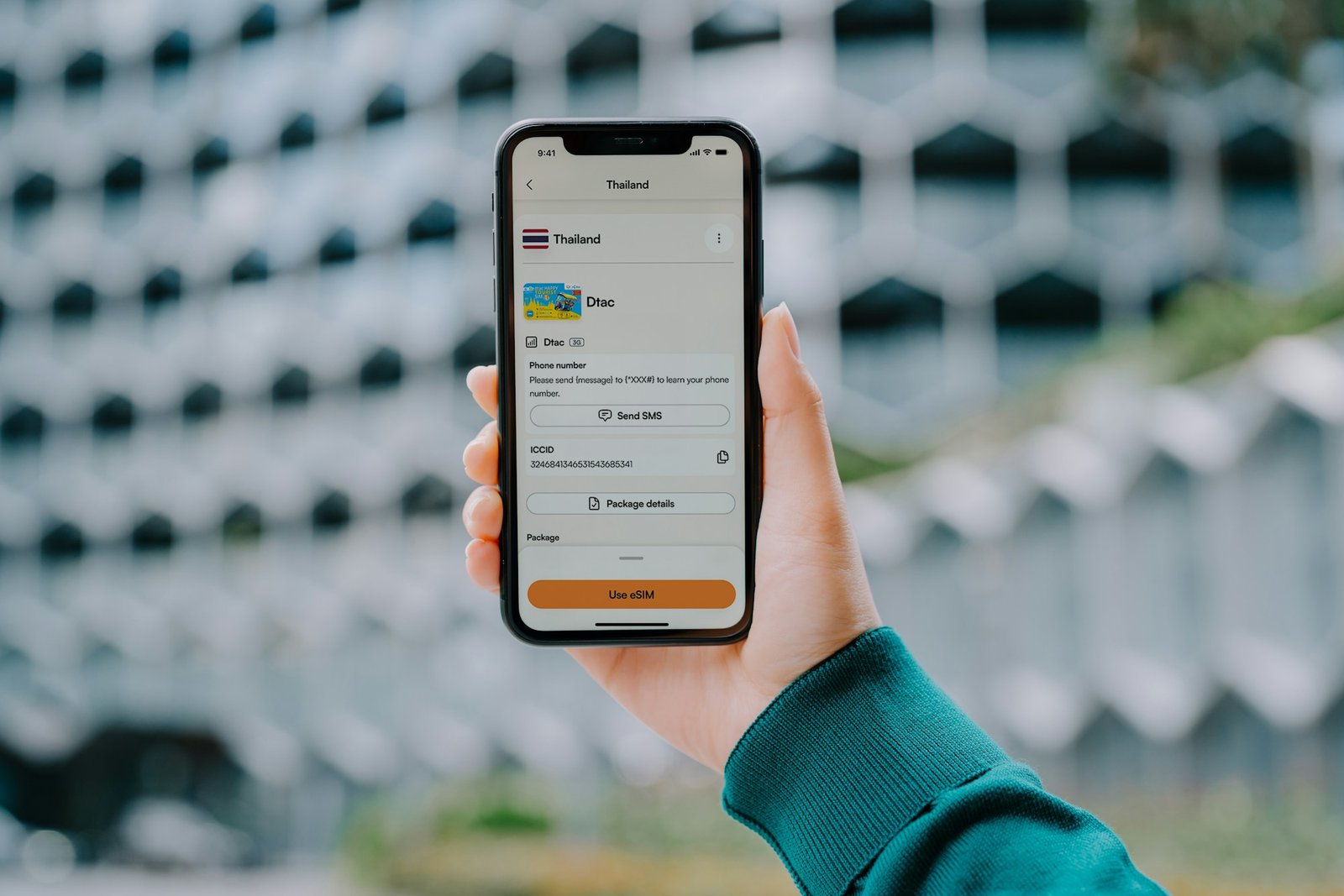
Airalo — 200+ countries, the democratic giant
Founded in Singapore and available in over 200 countries and territories, Airalo is the global reference for budget-conscious travelers. Its main advantage: pay-per-GB plans that let you pay for exactly what you need. According to Freaking Nomads, Airalo is also the only provider offering plans that include data, calls, and SMS on select destinations — a significant advantage.
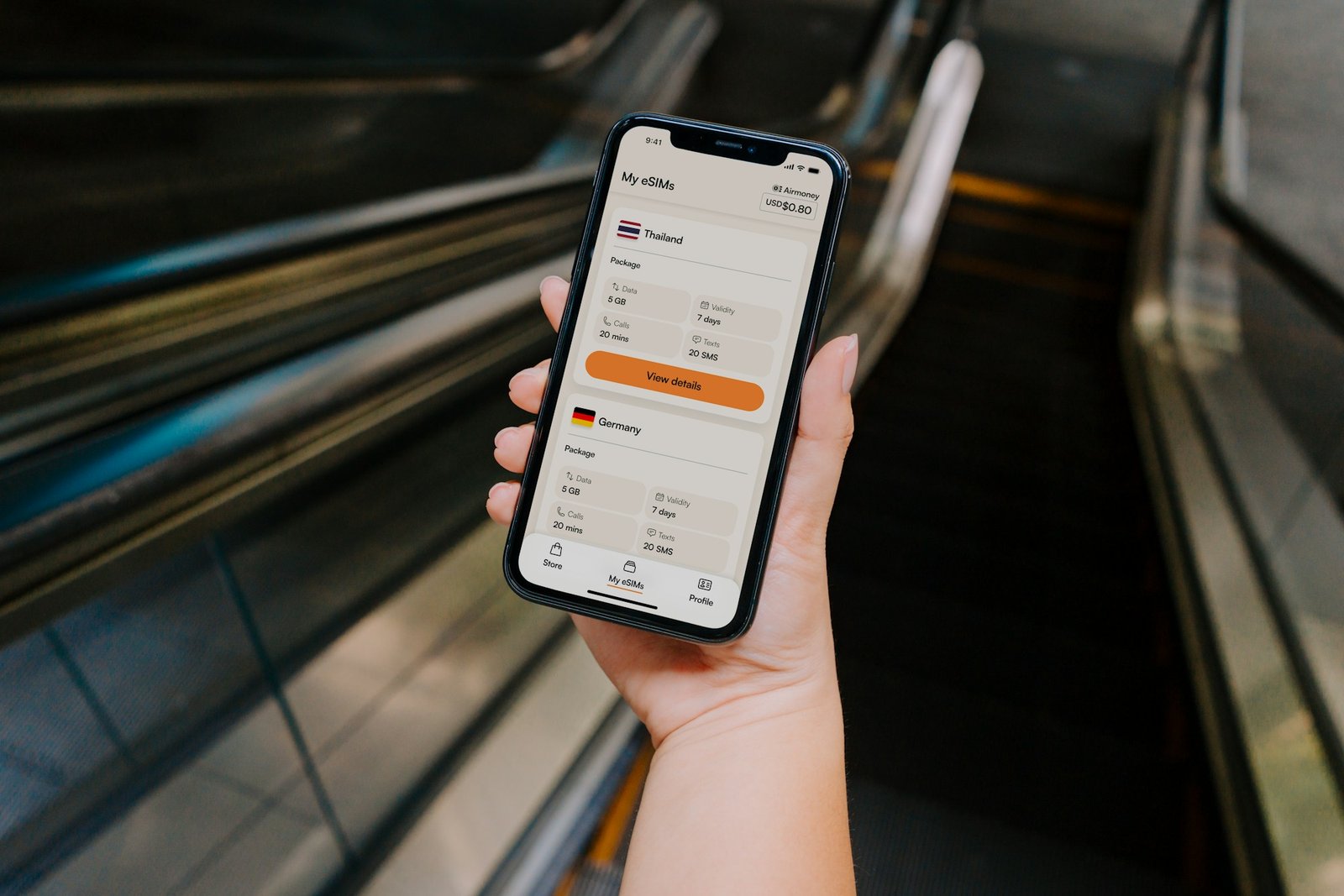
Its « Airmoney » loyalty program rewards every purchase with credit usable on the next plan — perfect if you travel frequently. Regional plans (Eurolink, Asia) let you cover multiple countries with a single eSIM.
Key strengths
- Lowest market prices: 1 GB/7 days from $4.50
- Calls and SMS included on select destinations (unique feature)
- Cumulative Airmoney loyalty program
- Free 500 MB trial in select destinations
- Clear app to track usage
Ideal for: Budget travelers on short trips (less than one week), travelers with moderate data usage, frequent flyers who accumulate Airmoney credits.
2. Holafly: unlimited data and total peace of mind
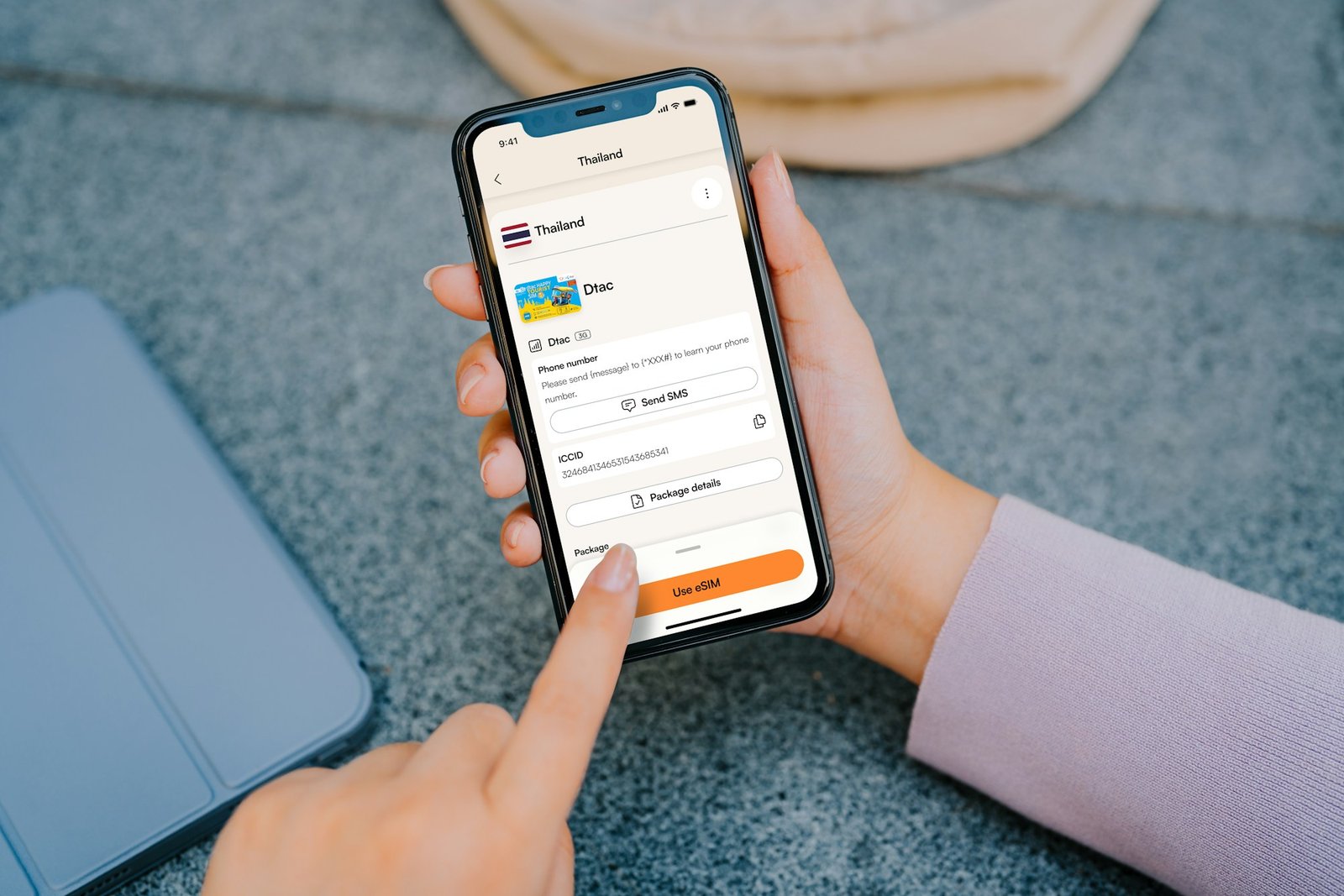
Holafly — 260+ destinations, the unlimited data specialist
Spanish company Holafly revolutionized the market by betting on truly unlimited data when all its competitors still imposed caps. Its offer is simple: choose your duration (1 to 90 days) and browse without counting your gigabytes. According to Holafly, 5G is included in all plans — an advantage neither Airalo nor Nomad offer systematically.
Indicative prices (2026)
- Europe: from €5.90/day (unlimited data)
- Asia (Japan, Thailand, Vietnam…): €5.90/day
- Africa and Middle East: €8.90/day
- Latin America: €8.90/day
Ideal for: Heavy streamers, digital nomads, families sharing their connection, stays of more than 10 days in distant destinations.
3. Nomad: the multi-country Asia travel expert
Nomad — 106+ countries, the multi-destination champion
Nomad (official site: getnomad.app) stands out with a unique feature: with its regional Asia eSIM, you install the profile once on your phone, and it automatically switches to the local network as you cross borders. No more juggling QR codes at every airport. Partnered with KDDI and SoftBank operators in Japan, Nomad guarantees coverage across the entire Japanese archipelago according to BitJoy. Among the four providers in our 2026 reviews, Nomad consistently scores the highest App Store rating (4.8/5) and offers the best experience for complex multi-country Asian itineraries.
Nomad Japan eSIM plans 2026 (official)
- 1 GB / 7 days: from ~$5 — short stays and city breaks
- 10 GB / 30 days: from ~$28 — month-long exploration
- Asia regional 20 GB / 30 days: from ~$43.50 — automatic multi-country switching
- Unlimited / 10 days: from ~$35 — heavy data users (max 10-day cap on unlimited)
Ideal for: Multi-destination travelers in Asia, users who want the best network experience without compromise, backpackers with flexible itineraries.
4. GigSky: the specialist for in-flight, cruise and difficult coverage (Russia included)
GigSky — 190+ countries, unique in-flight and maritime coverage
GigSky is the only provider among the four to offer in-flight eSIM connectivity on select airlines and maritime coverage on cruise ships. Based in the United States, GigSky’s real advantage is its network of local operator partnerships in destinations where Airalo, Holafly and Nomad struggle — including Russia eSIM coverage (Russian-roaming plans on partner networks), remote regions of Central Asia, and select Pacific islands.
GigSky key strengths
- In-flight data on compatible airlines (unique feature vs Airalo/Holafly/Nomad)
- eSIM Russia coverage via roaming partner agreements — rare among consumer eSIM providers
- Easy-to-use app with real-time data tracking
- Monthly and long-stay plans for expats and frequent business travelers
- Corporate accounts and multi-device management
Ideal for: Business travelers who need in-flight connectivity, cruise passengers, travelers to Russia or Central Asia, corporate accounts needing multi-device management.
Comparison table: Airalo vs Holafly vs Nomad vs GigSky (2026)
| Criteria | Airalo | Holafly | Nomad | GigSky |
|---|---|---|---|---|
| Coverage | 200+ countries | 260+ destinations | 106+ countries | 190+ countries |
| Data type | Fixed (+ partial unlimited) | Unlimited everywhere | Fixed + unlimited (10d max) | Fixed (pay-per-GB) |
| Starting price | ~€3.50 | ~€5.90/day | ~$4 | ~$8/GB |
| 5G included | Partial | ✅ All plans | Partial | Partial |
| Calls & SMS | ✅ Select destinations | ❌ | ❌ | ❌ |
| Hotspot | Depends on plan | ✅ 500 MB/day min. | ✅ Limited | ✅ Yes |
| In-flight coverage | ❌ | ❌ | ❌ | ✅ Select airlines |
| Russia coverage | ❌ Limited | ❌ Limited | ❌ Limited | ✅ Via roaming partners |
| Customer support | 24/7 chat & email | 24/7 WhatsApp | Tickets (12-24h) | Email & in-app |
| App Store rating | 4.6/5 | 4.6/5 | 4.8/5 | 4.3/5 |
| Ideal profile | Budget, short trips | Digital nomad, long stays | Multi-country Asia | Business, in-flight, Russia |
How to install your eSIM: practical guide and 4 pitfalls to avoid
4 installation steps
- Step 1: Buy your plan on the provider’s app or website. Enter a valid email address to receive your QR code.
- Step 2: Install the eSIM by scanning the QR code (Settings > Cellular > Add Plan). Do this at home with Wi-Fi — not rushing at the airport.
- Step 3: Upon arrival, in your settings, select your travel eSIM for cellular data. Enable « Data Roaming ».
- Step 4: Your smartphone automatically connects to the local partner network. Test immediately with Google Maps or WhatsApp.
4 classic pitfalls
- The hotspot trap: Check that connection sharing is included in your plan before buying.
- Unlimited that slows down: Fair use policy applies at all providers. Schedule heavy downloads (movies, podcasts) on hotel Wi-Fi.
- Ghost roaming: Disable roaming data on your home SIM card. Otherwise, your carrier may charge you alongside your eSIM.
- Device compatibility: iPhone XS and later, and most recent Android phones support eSIM. Some models bought in China or Korea may be incompatible.
eSIM in Japan: which card to choose for the Japanese archipelago?

Japan — Essential connectivity from Tokyo to Nagano
In Japan, mobile connectivity is essential: real-time translation, navigation through complex public transport, restaurant reservations, GPS. Nomad (KDDI and SoftBank partner) excels in rural areas like Tōhoku or the Nagano mountains. Holafly is best for digital nomads staying a month in Tokyo (30 days unlimited at ~$64, versus $104 with Airalo in multiple top-ups).
Japan eSIM comparison
- Airalo: 2 GB/15d at ~€6, 20 GB/30d at ~€24 — ideal for short stays
- Holafly: Unlimited 30d at ~$64 — best for long stays and nomads
- Nomad: Plans between €2.50 and €116.50 — optimal rural coverage
eSIM in Southeast Asia: Thailand, Vietnam, Laos

Southeast Asia — Regional plans, the smart choice
Southeast Asia is ideal for connected travelers: reliable 4G/5G in major cities like Bangkok, Hanoi, or Ho Chi Minh City, but more unpredictable in rural areas. For a multi-country circuit, Nomad’s Asia plan automatically switches networks as you cross borders.
Southeast Asia eSIM comparison (30 days)
- Airalo Thailand: €16 for 20 GB — best value
- Nomad Asia: €43.50 for 20 GB/30d — automatic multi-country plan
- Holafly Asia: €44.90 for 14d unlimited — for heavy data users
eSIM in Africa and the Middle East

Africa & Middle East — Holafly dominates the region
- Africa (28 countries): €8.90/day — Morocco, Tunisia, Algeria, Kenya included
- Middle East (14 countries): €8.90/day — Turkey, Egypt, Dubai
- Airalo Africa: solid coverage in 9-10 countries (Kenya included)
Frequently asked questions about travel eSIMs 2026
What is the main difference between Airalo, Holafly and Nomad?
The main difference lies in the data approach. Holafly focuses exclusively on unlimited data plans, while Airalo and Nomad prefer fixed data plans. In summary: Holafly = peace of mind (unlimited daily data); Airalo = controlled budget (pay-per-GB); Nomad = multi-country Asia flexibility (automatic network switching). Source: Holafly.
Is my phone compatible with an eSIM?
Check for an EID in your settings: on iPhone (XS and later), go to Settings > General > About; on Android, Settings > About Phone. Most high-end smartphones since 2018 are compatible. Note: some phones sold locked or bought in China may have eSIM disabled by the original carrier — contact your carrier to unlock it.
Is an eSIM really cheaper than a traditional international plan?
Yes, in the vast majority of cases. Savings can reach up to 90% compared to traditional international plans. For example, 1 GB for 7 days costs around €5 with an international eSIM, versus €20 with a traditional SIM. The price mainly depends on the destination and duration of your trip.
Can I use my eSIM as a Wi-Fi hotspot?
Yes, but with nuances depending on the provider. All Holafly eSIMs allow at least 500 MB of data sharing per day. With Airalo, hotspot depends on the plan and destination — check before buying if you plan to connect a laptop. Nomad imposes variable restrictions depending on the destination. If connection sharing is crucial for you, Holafly is the safest choice.
What should I do if my eSIM doesn’t work upon arrival?
First, check that roaming data is enabled in your settings and that your home SIM is disabled for cellular data. If the problem persists, contact the provider’s support. Holafly offers 24/7 support via chat and WhatsApp; Airalo provides 24/7 support by email and live chat; Nomad works on a ticket system (response in 12-24h). Always choose a provider that offers refunds in case of failure.
Can I use multiple eSIMs on the same phone?
Yes. You can store multiple eSIM profiles on your phone (typically 5-10 depending on the model), but only one can be active at a time. You can keep your home SIM active for calls and SMS, and use your travel eSIM only for data. Simply switch between profiles in your settings as needed.
Airalo vs Nomad vs Holafly vs GigSky: which is best based on 2026 reviews?
Based on our 2026 reviews across 14 countries: Airalo wins for value (4.6/5, best price/GB, 200+ countries) and is the top choice for budget travelers on short trips. Nomad (4.8/5, getnomad.app) earns the highest user rating and is #1 for multi-country Asia with automatic network switching. Holafly (4.6/5, 260+ destinations) is the best pick for unlimited data users and long stays over 10 days. GigSky (4.3/5, 190+ countries) is the specialist for in-flight connectivity and difficult-coverage destinations like Russia — at a higher price point (~$8/GB). Overall winner for most travelers: Airalo for budget, Nomad for Asia, Holafly for peace of mind.
Which eSIM works in Russia and how does coverage work in 2026?
eSIM Russia coverage is limited in 2026 due to geopolitical restrictions and telecom regulations. Among the four providers tested: GigSky is the most reliable option, offering eSIM Russia coverage via roaming partner agreements with local Russian carriers. Airalo offers a small number of Russia plans on partner networks, but availability varies and speeds are inconsistent. Holafly and Nomad have very limited or no Russia-specific plans. Before traveling to Russia, always verify current availability on the provider’s official app — the situation can change rapidly due to regulatory changes.
What are the official Nomad Japan eSIM plans for 2026?
On getnomad.app (the official Nomad website), Japan eSIM plans for 2026 include: 1 GB/7 days from ~$5, 3 GB/15 days from ~$12, 10 GB/30 days from ~$28, and 20 GB/30 days from ~$40. Nomad also offers an Asia regional plan (20 GB/30 days from ~$43.50) that covers Japan, South Korea, Taiwan and Southeast Asian countries with automatic network switching. Nomad uses KDDI and SoftBank partner networks in Japan, ensuring coverage even in rural areas like Tohoku and the Nagano mountains. Plans are purchased and managed directly via the getnomad.app website or iOS/Android app.
Sources
- Holafly — Comparison Holafly vs Airalo vs Nomad (2026) — Pricing and feature comparison
- Selectra — International eSIM Comparison 2026 — Pricing and market overview
- Ulysse.com — Travel eSIM Comparison 2026 — Independent tests and fair use policy analysis
- Freaking Nomads — 10 Best eSIM Providers 2026 — Complete analysis by traveler profile
- BitJoy — Best eSIM for Japan 2026 — Network tests in Japan
- eSIMDB — Independent travel eSIM comparator — 200,000+ plans, 120+ providers
- GigSky — World eSIM Comparison 2026 — In-flight and international coverage analysis
- Nomad official site (getnomad.app) — Japan eSIM plans 2026 — Official pricing and network partners
Research conducted on February 21, 2026. Updated June 28, 2026: added GigSky fourth-provider review, Russia coverage section, Nomad Japan 2026 official plans. Updated August 14, 2026: verified affiliate links and provider pricing, corrected Nomad’s official domain (getnomad.app).
Ready to travel connected without unpleasant surprises?
Choose your eSIM, plan your next trip and discover Pixidia’s itineraries to explore the world intelligently.
Explore all Pixidia itineraries