
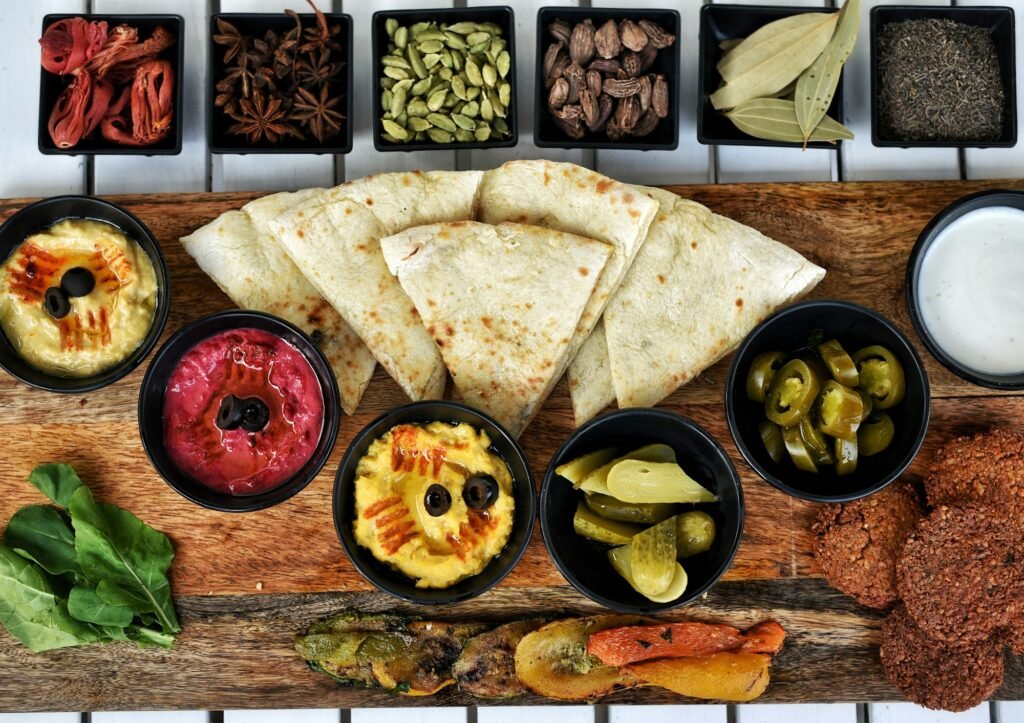
What is the best destination for travelers with dietary restrictions in 2026? For gluten-free, Barcelona ranks world #1 with 1,000+ FACE-certified restaurants (70–130 €/day). For halal, Kuala Lumpur leads with 28,000+ certified restaurants and prayer rooms everywhere (50–100 €/day). For vegan travelers, Chiang Mai and Tbilisi offer the richest plant-based traditions from 25 €/day. For multi-diet travelers, Tel Aviv & Jerusalem is unmatched: kosher, vegan and gluten-free all converge in one city. Bottom line: match your restriction to its specialist city rather than hoping one destination fits every diet equally.
Traveling with a specific dietary restriction is no longer a hindrance — it’s an opportunity to explore the world differently. In 2026, the halal tourism market represents over $220 billion, vegan-friendly cities are multiplying their restaurants, and Italy has a gluten-free certification system unmatched in Europe. This guide, based on 80 specialized sources, lists the best worldwide destinations for each diet — vegan, gluten-free, halal and kosher — with real budgets, best travel periods and insider tips you won’t find anywhere else.
🌿 Vegan Destinations: the 3 best in 2026
1. Chiang Mai, Thailand — The Buddhist Plant-Based Paradise
Chiang Mai, Thailand
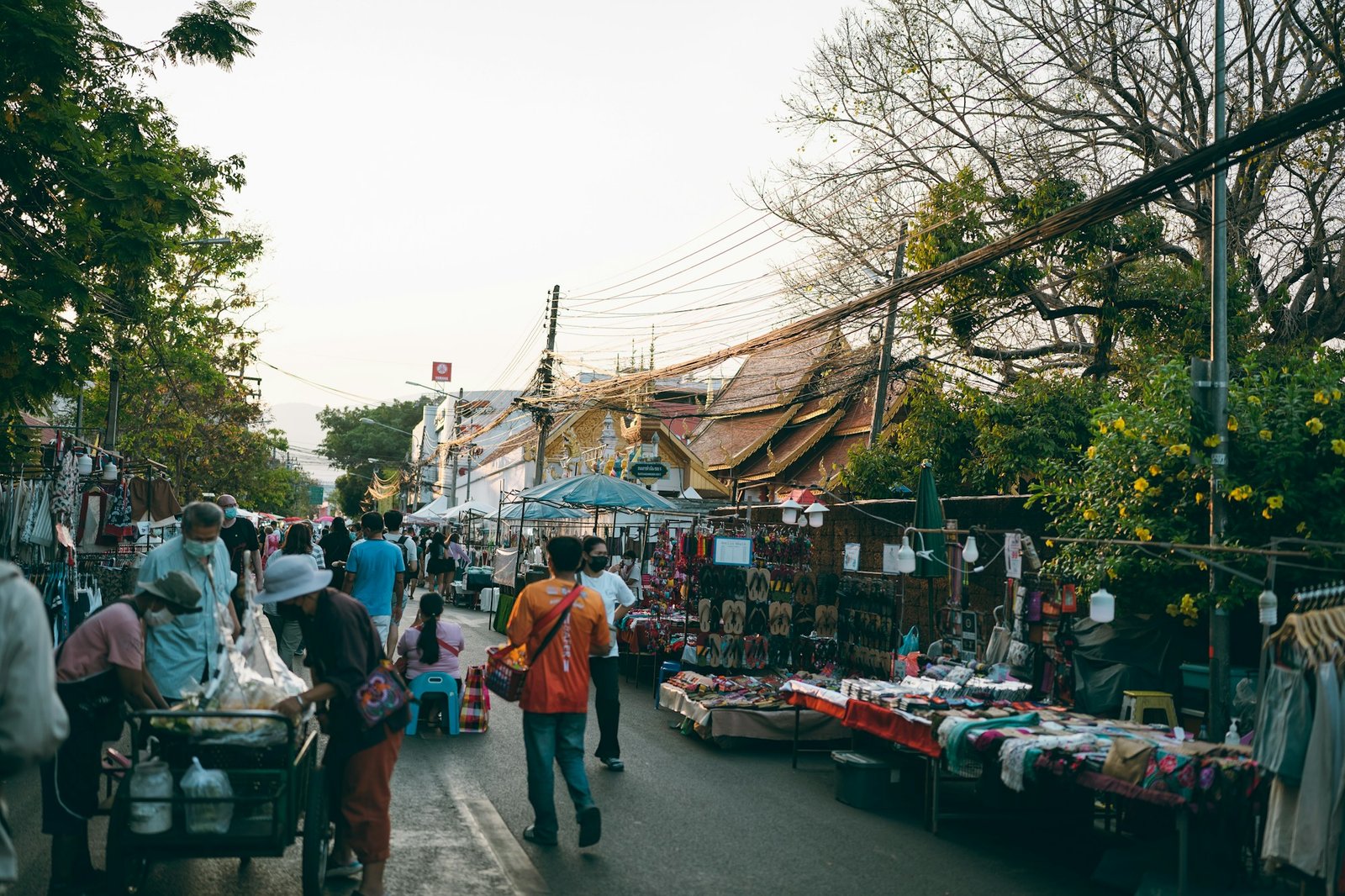
Thailand has developed a unique system: the red and yellow เจ (jay) symbol marks dishes free from all animal products, onion or garlic, in accordance with Buddhist tradition. According to VegOut Magazine, Phuket has the world’s highest density of vegan restaurants (35 per 100,000 inhabitants), while Chiang Mai remains the undisputed capital for its night market, vegan cooking classes and its legendary annual Vegetarian Festival that transforms the city for 9 full days.
Must-visit spots: Pun Pun (fermented mushroom sausage, traditional Thai vegan cuisine), Mai Kaidee (vegan cooking classes since 1998), and the dozens of street vendors who spontaneously display the yellow flag during the Festival.
Highlights
- « Jay » symbol (เจ) universally recognized throughout the city
- Budget among the most affordable in Asia (full meal from €1.50)
- Vegetarian Festival in October: the entire city transforms
- Vegan cooking classes available year-round
2. Tbilisi, Georgia — The Vegan Secret of the Caucasus
Tbilisi, Georgia (Caucasus)
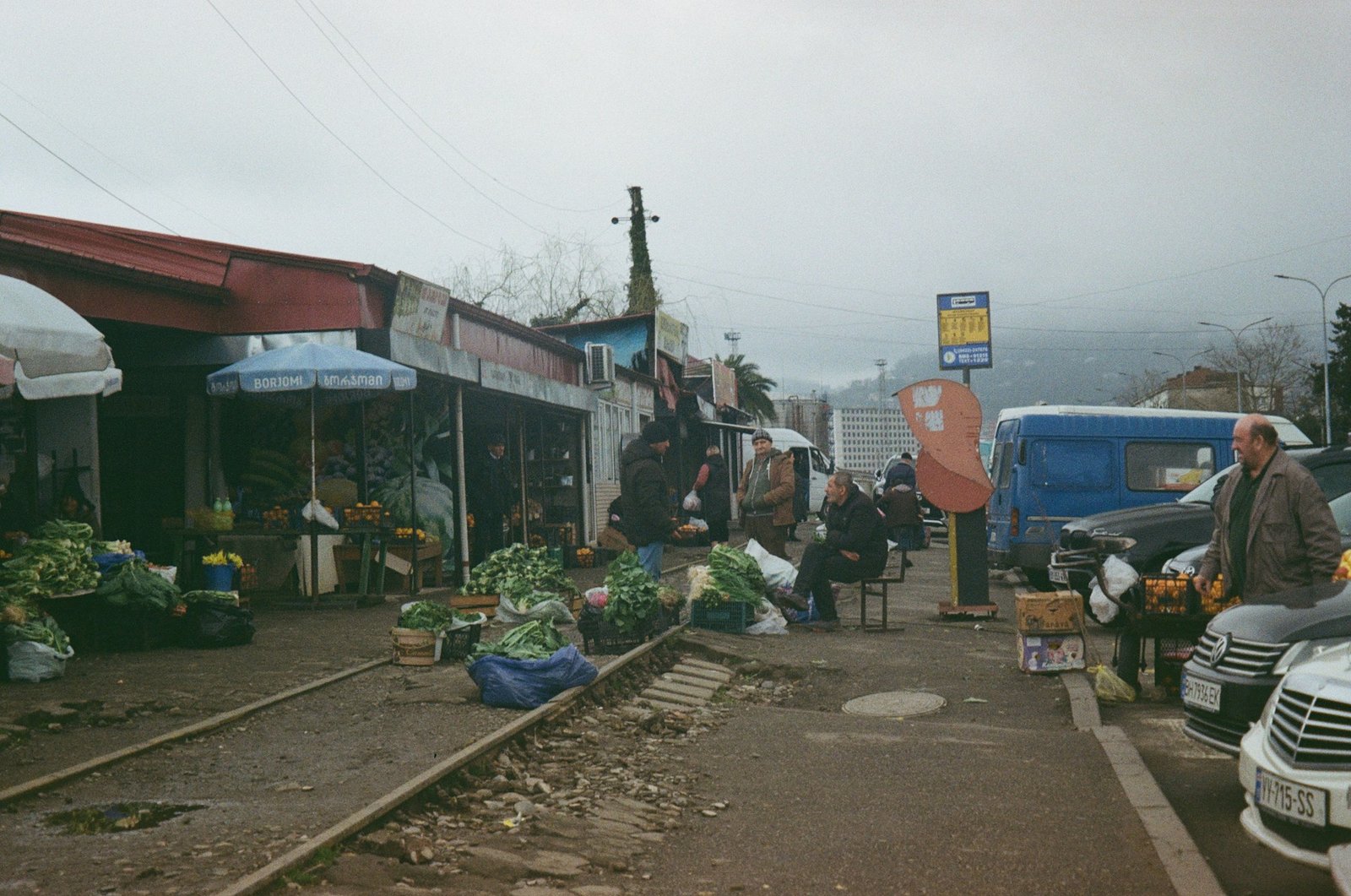
Georgia hides one of the world’s richest vegan culinary heritages, thanks to the Orthodox Samarkhvo tradition that pushes millions of the faithful to abstain from animal products for up to six months per year. According to VegOut Magazine, National Geographic called the city of Kutaisi « a vegetarian traveler’s dream ». Traditional dishes such as lobia (red bean stew), lobiani (bean-filled bread) and badrajani nigswitz (eggplant with walnut paste) are accidentally vegan — not adapted, but authentically vegan for centuries.
Highlights
- Orthodox fasting cuisine (markhvani) naturally vegan
- Very low cost of living: full meal for 3–5 €
- First fully vegan café and bakery now open
- Millennial Georgian wine: 80% of production is naturally vegan
3. Ethiopia — Vegan and Gluten-Free by Tradition
Ethiopia (Addis Ababa & Lalibela)
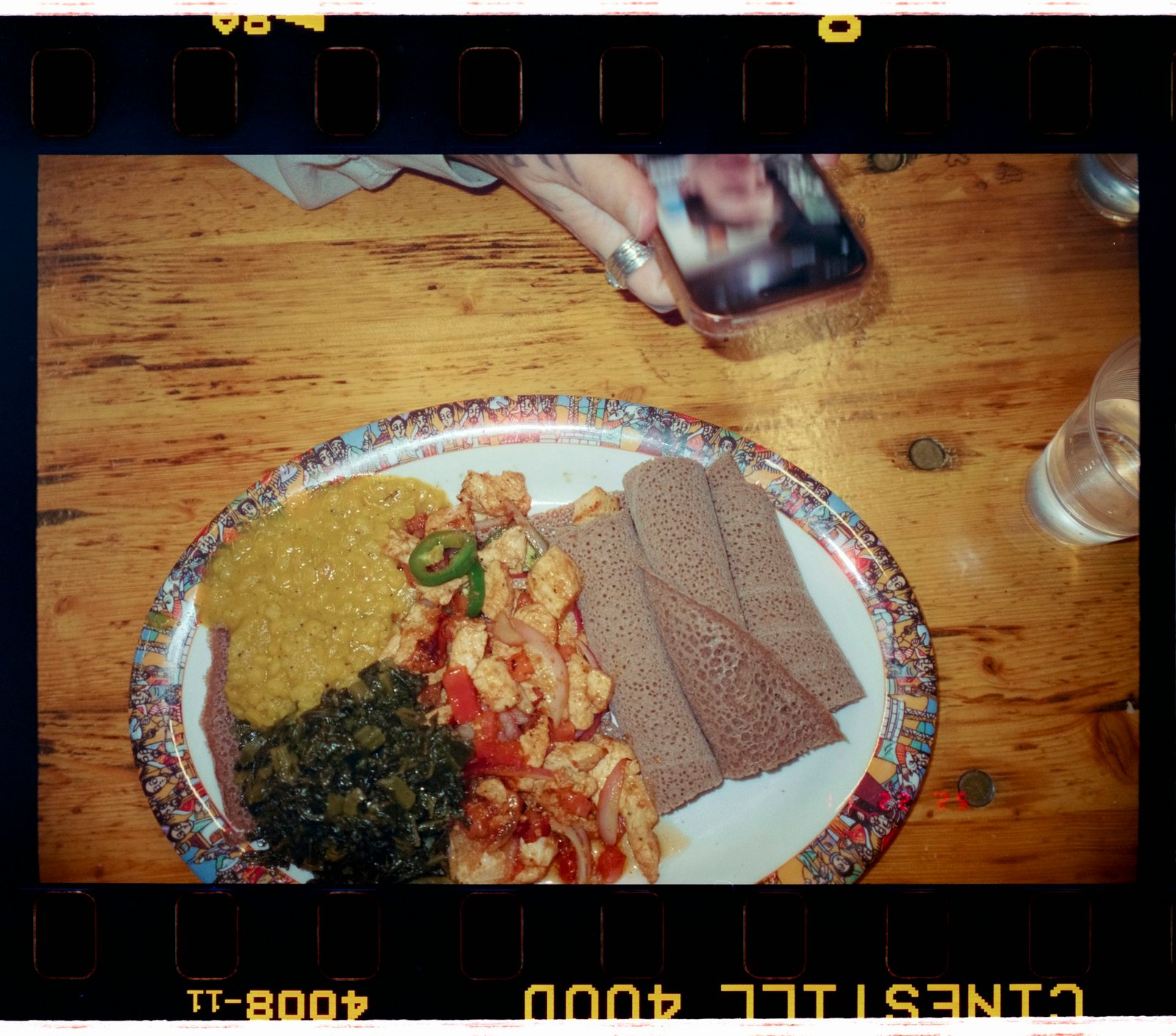
Ethiopia is one of the rare countries where you can be vegan AND gluten-free without any effort. Its Orthodox Church fasting tradition means vegan menus are the norm in hundreds of restaurants. According to SimienEcoTours, the iconic dishes — Ye’tsom Beyaynetu (lentil and vegetable platter), Misir Wot (red lentil stew with berbere), Shiro Wot (creamy spiced chickpeas) — are all naturally vegan. And injera, the base of Ethiopian cuisine, is made from teff flour, a grain that is naturally gluten-free.
Highlights
- Teff injera is naturally gluten-free and nutrient-rich
- Omnipresent vegan menus thanks to Orthodox fasting
- Lalibela: 11 UNESCO rock-hewn churches from the 12th century — an extraordinary experience
- Ethiopian calendar with 13 months: you « travel into the past »
🌾 Gluten-Free Destinations: the 3 world references
4. Barcelona, Spain — World #1 for Celiac Travelers
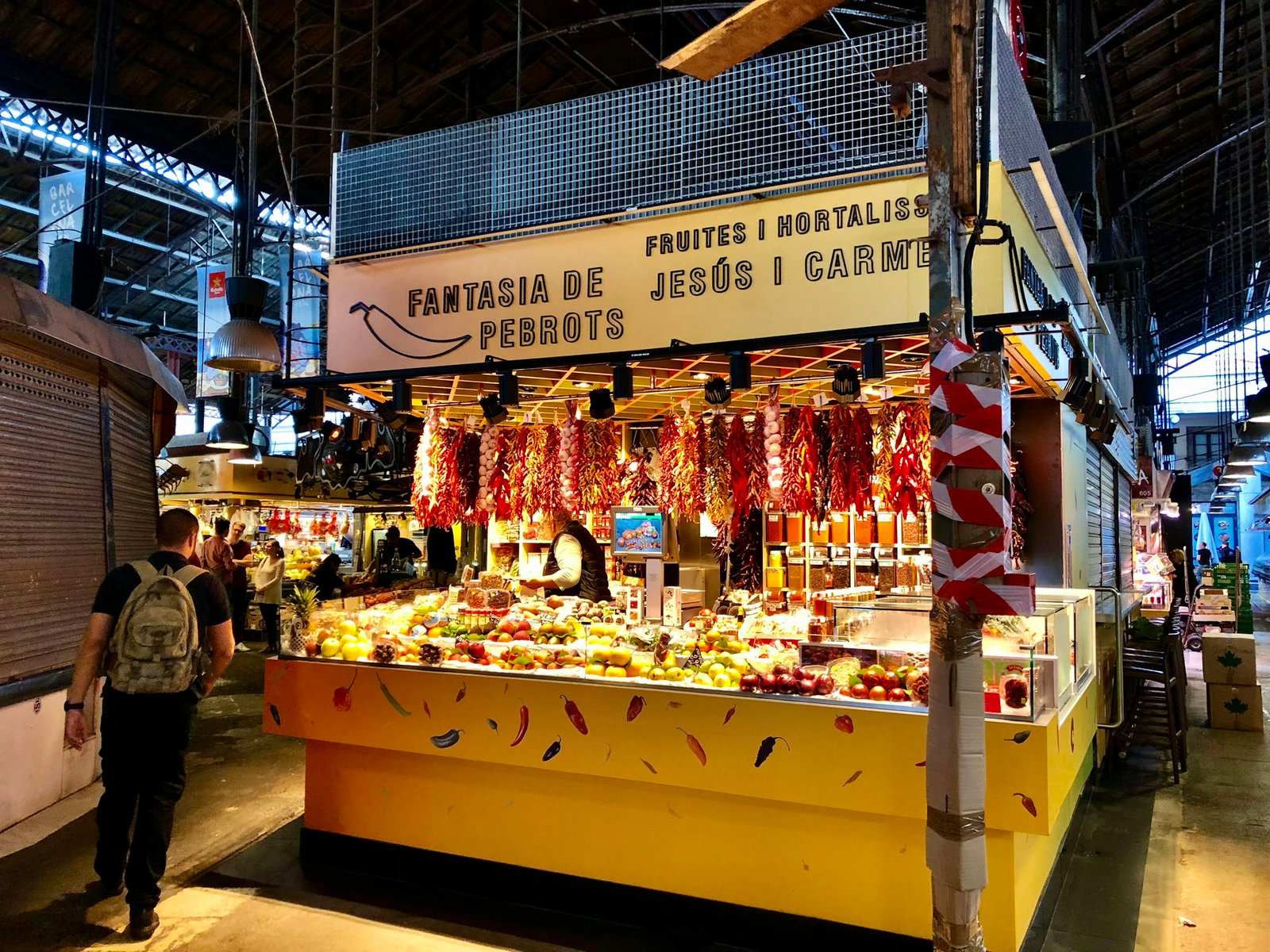
Barcelona, Spain
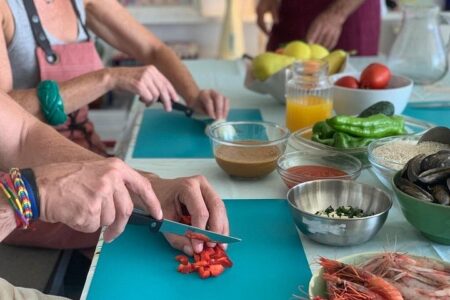
Barcelona is officially the best city in the world for celiac travelers, according to the ranking by InsureandGo: over 1,000 restaurants offer gluten-free options, of which 82% are rated four stars or more. The Spanish FACE certification system (Federación de Asociaciones de Celíacos de España) guarantees strict kitchen protocols. Gluten-free must-tries: traditional Valencian paella (rice, never wheat), patatas bravas, tortillas, and the many potato-based tapas. The city also has fully gluten-free bakeries like Celicioso.
Highlights
- FACE certification: the number one trust label for celiacs in Spain
- Paella is naturally gluten-free — an accessible iconic dish
- « Gluten Free Spain » app to geolocate certified restaurants
- La Boqueria market: fresh fruits, vegetables, charcuterie — all GF
5. Florence & Rome, Italy — Europe’s Celiac Mecca
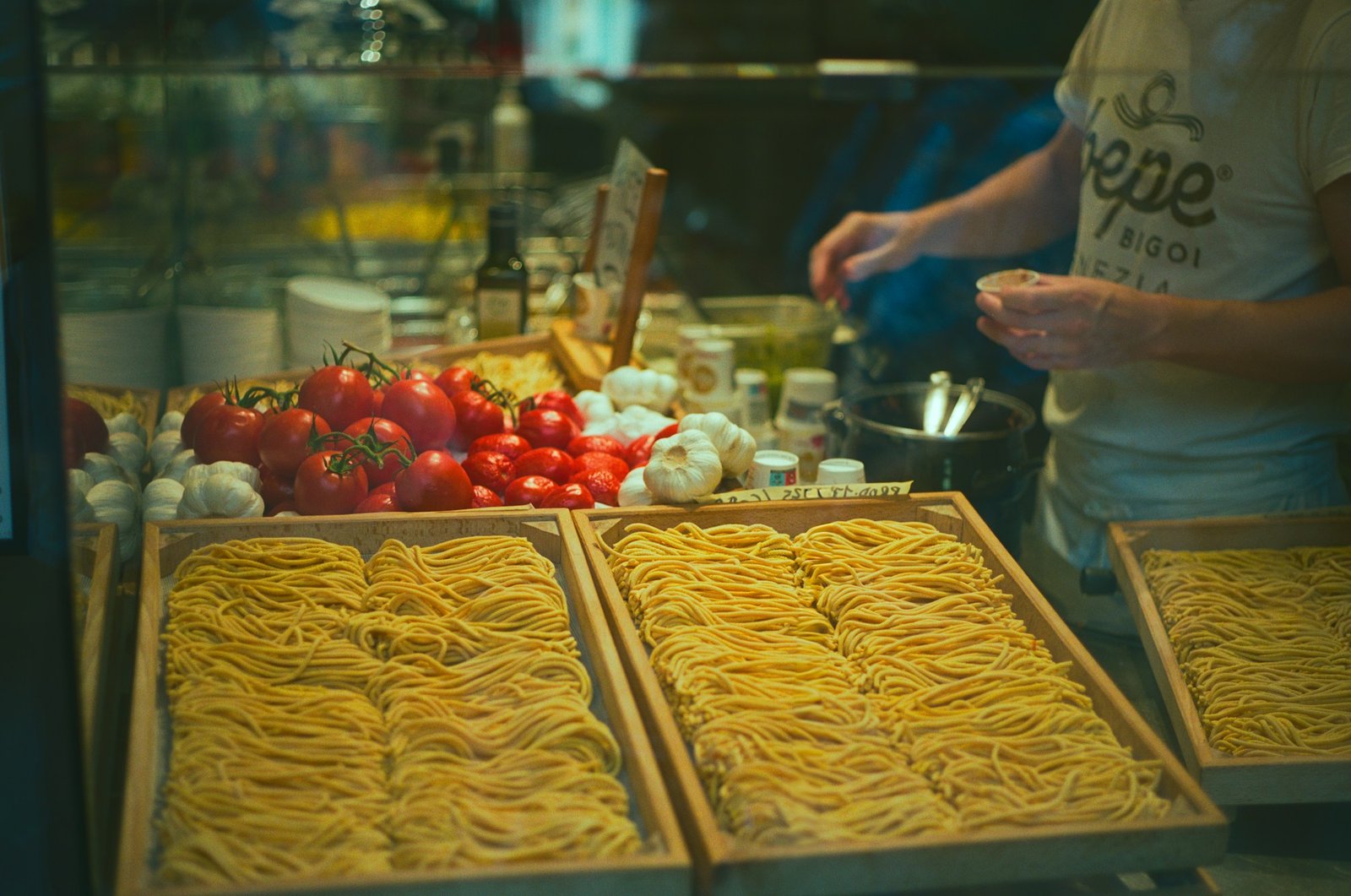
Florence & Rome, Italy
Italy is arguably the world’s most delicious paradox: the land of pasta and pizza, yet the safest European destination for celiacs. According to Schär, celiac disease is among the best diagnosed in the world in Italy, and practically no restaurant is unable to accommodate gluten-free restrictions. The AIC (Associazione Italiana Celiachia) certifies restaurants according to a strict protocol — the AIC symbol at the entrance is the best trust signal in Europe. In Florence, Ristorante Quinoa is entirely gluten-free; in Rome, Sgrano is a 100% GF sandwich shop. According to Celiac Travel Pack, both cities rank in the global top 5.
Highlights
- AIC certification: trusted protocol across the entire country
- Fully gluten-free restaurants in both cities
- Pharmacies sell medical-grade GF products, often cheaper
- Naturally gluten-free gelato in most gelaterie
6. Sri Lanka — The Rice Island, an Unexpected Gluten-Free Paradise
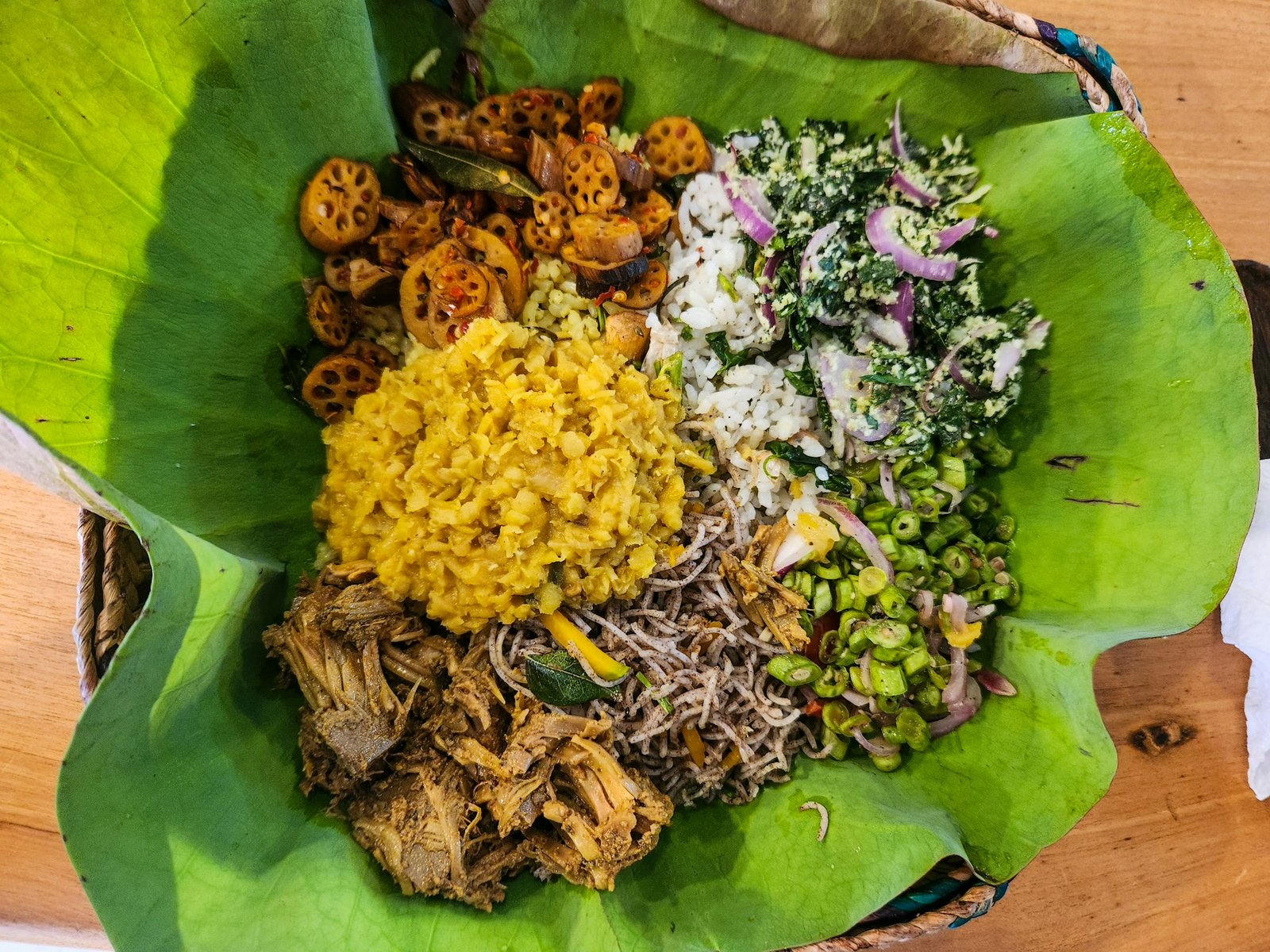
Sri Lanka
Sri Lanka is one of the best surprises for gluten-free travelers: its cuisine is naturally and massively gluten-free because it is based on rice and coconut milk. According to HalfHalfTravel, string hoppers (rice noodle pancakes), hoppers (fermented rice flour pancakes), dhal curry and all the vegetable curries served with rice make up the daily menu of an island where gluten is almost unknown. As a bonus: the country combines dream beaches, elephant safaris, millennial Buddhist temples and scenic train rides through tea plantations.
Highlights
- Rice and coconut cuisine — naturally gluten-free every day
- Affordable budget: full meal for 3–5 €
- Ella–Kandy scenic train: one of the most beautiful in the world
- Also ideal for lactose intolerant travelers (coconut milk cuisine)
🕌 Halal Destinations: the 3 best in 2026
7. Kuala Lumpur, Malaysia — The World Standard for Halal Tourism
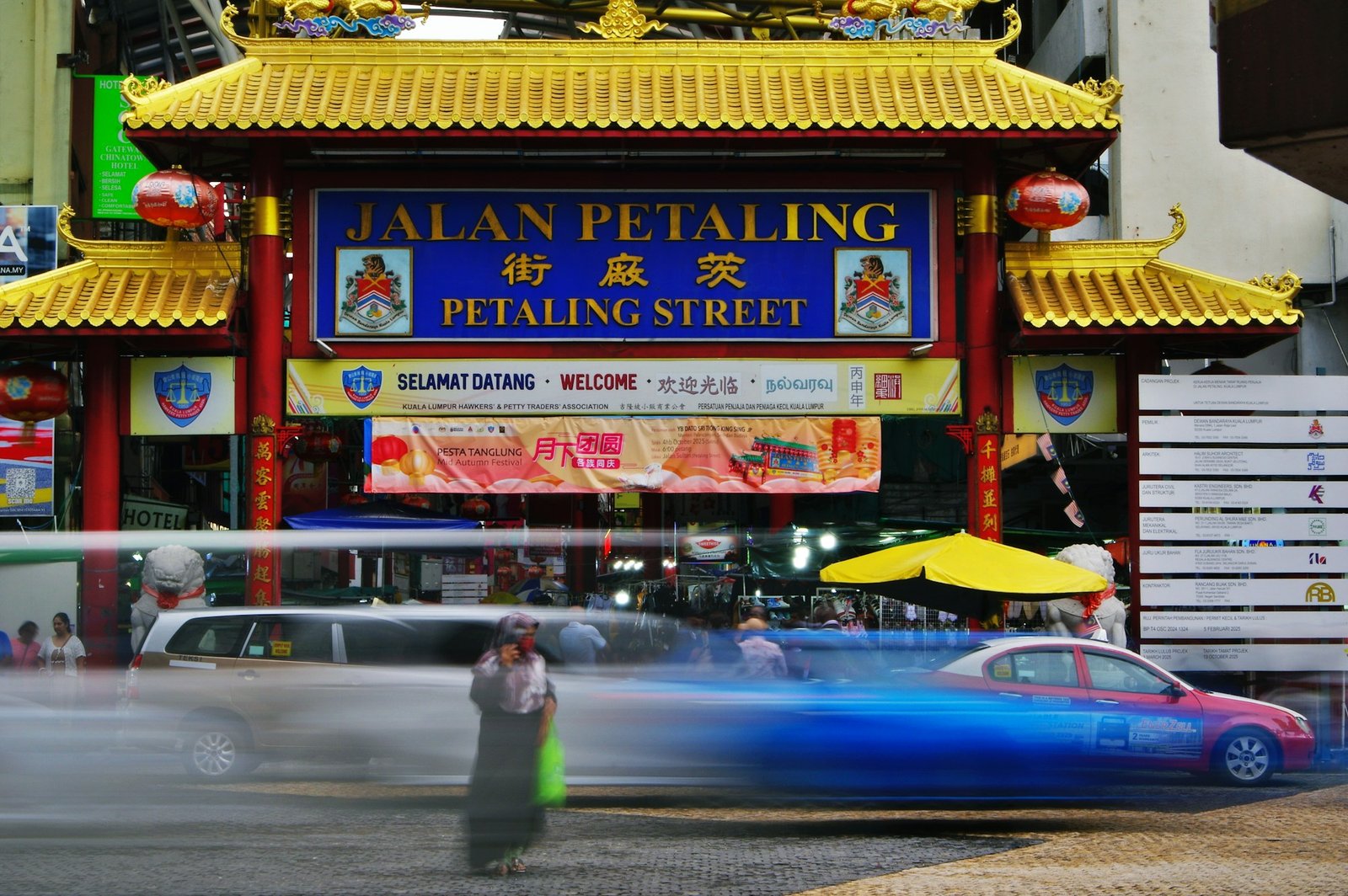
Kuala Lumpur, Malaysia
Malaysia is unanimously recognized as the world reference for halal tourism. According to The Halal Times, the country offers a fully integrated halal ecosystem: consistent national certification, prayer rooms in airports, shopping malls, highway rest areas and national parks. The Malaysian culinary mosaic — Malay, Indian and Chinese halal cuisines — offers endless diversity. In Penang, halal street food is particularly remarkable: halal Char Kway Teow, Nasi Kandar served 24/7, certified laksa. The HalalTrip app locates 28,000+ certified restaurants across the country.
Highlights
- Halal certification system among the most rigorous in the world
- Prayer rooms present in all major public spaces
- Exceptional halal culinary diversity: Malay, Indian, Chinese
- Penang: legendary halal street food, less touristy than KL
8. Taiwan (Taipei) — East Asia’s Halal Surprise

Taipei, Taiwan
Taiwan is the big surprise in global halal tourism. Since 2019, the island has regularly ranked in the top 3 non-OIC destinations according to the Global Muslim Travel Index (GMTI), and won the « Most Inclusive Non-OIC Destination » award at the Halal Travel Awards 2022. According to Taiwan Tourism, all 13 national scenic areas, major airports and train stations in Taiwan have prayer rooms. The Chinese Muslim Association (CMA) certifies halal restaurants, particularly in the lively nights of Taipei, Taichung and Kaohsiung. Bonus: Taipei is also one of the most vegan-friendly cities in Asia — perfect for travelers with multiple restrictions.
Highlights
- Global non-OIC top 3: surprising halal infrastructure for an Asian destination
- « Halal Taiwan » app to find certified restaurants and mosques
- Night markets with separate halal sections (Shilin, Raohe)
- Many Buddhist vegetarian restaurants without pork or alcohol (complementary option)
9. Istanbul, Turkey — Halal Luxury at the Crossroads of Civilizations
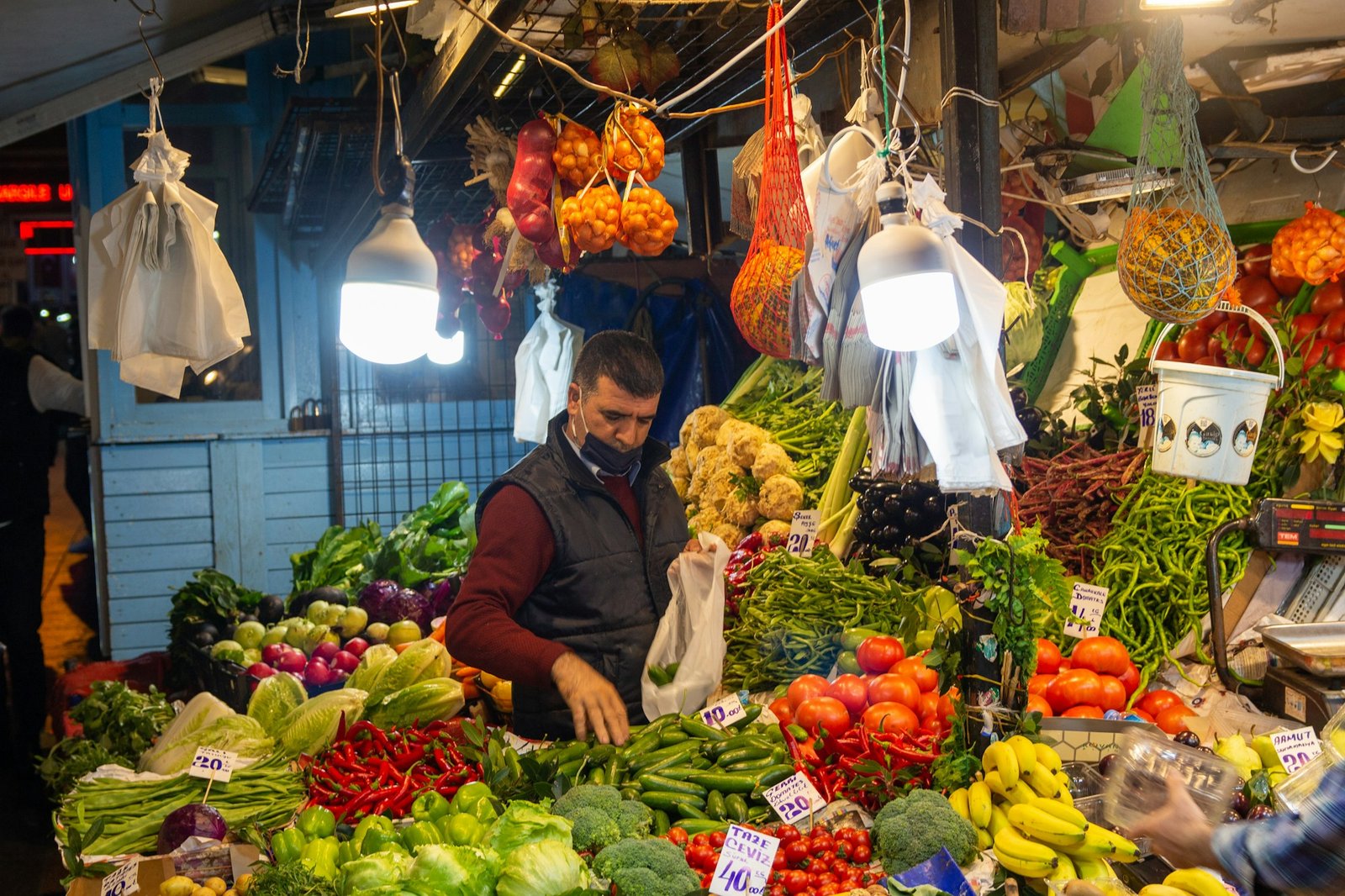
Istanbul, Turkey
Istanbul is the only metropolis in the world straddling two continents — and one of the most accessible halal destinations in Europe. According to iLinkTours, Turkey combines a rich Islamic heritage (Blue Mosque, Topkapi Palace, Grand Bazaar) with modern tourist infrastructure. Köfte kebabs, pide, lahmacun, menemen and the huge variety of Turkish mezze are halal by default in practically all establishments. The Kadıköy district, on the Asian shore, is particularly recommended for its fine food shops, halal fish restaurants and picturesque covered market.
Highlights
- 99% of Turkish restaurants serve halal meat by default
- Grand Bazaar, Spice Bazaar: unique halal culinary experiences
- « Dry » hotels (alcohol-free) available for observant travelers
- Direct flights from major cities in 3–4 hours — very accessible destination
✡️ Kosher Destinations: the best in 2026
10. Tel Aviv & Jerusalem, Israel — The Ultimate Multi-Diet Destination
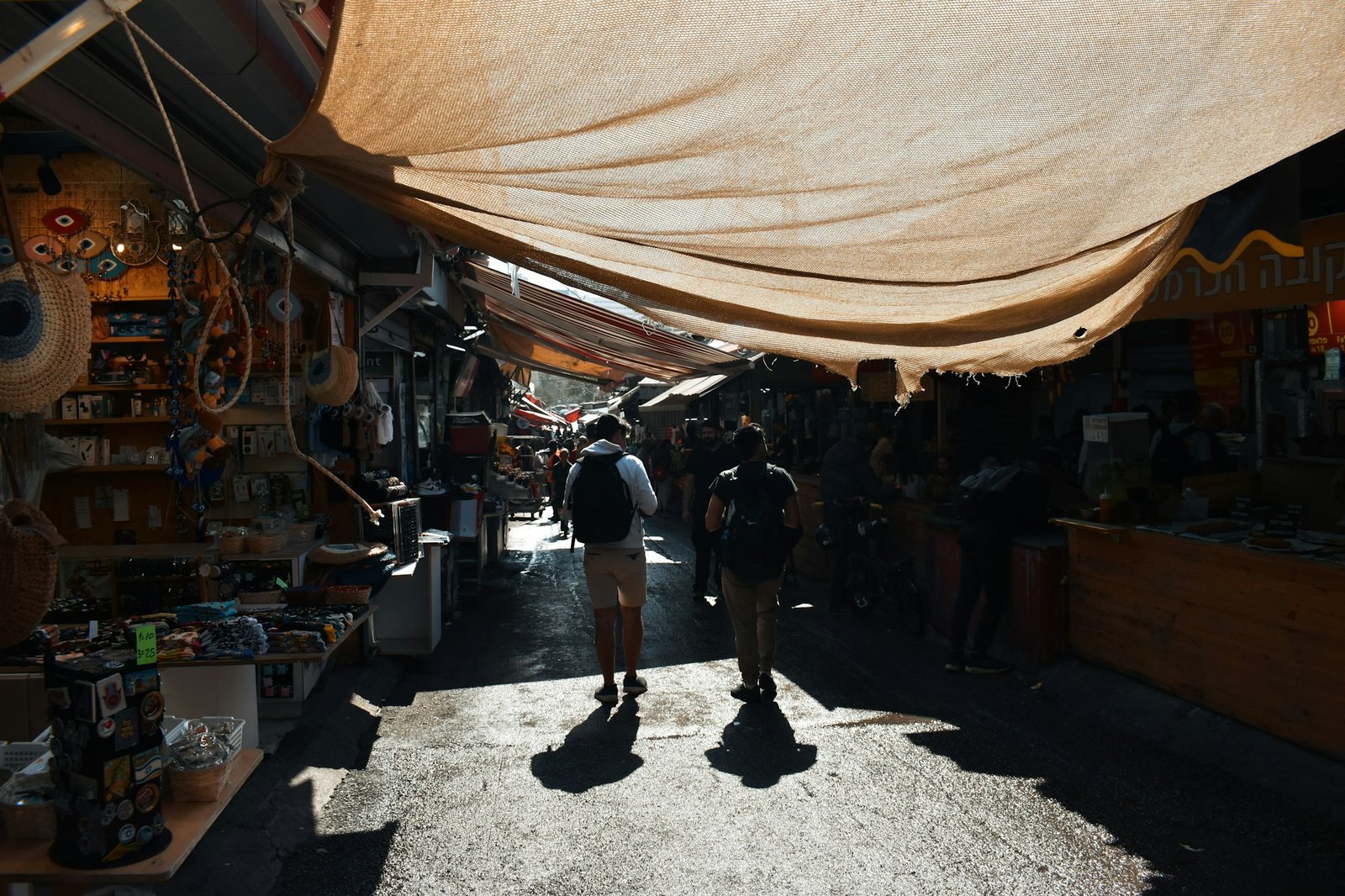
Tel Aviv & Jerusalem, Israel
Israel is the only destination in the world where kosher, vegan and gluten-free diets naturally converge in a world-class gastronomic scene. Tel Aviv has one of the highest concentrations of vegans in the world (approximately 5% of the population), and according to The Gluten Free Travel Bliss, « every corner of this vibrant city overflows with dishes designed for celiacs ». Israeli law requires products containing gluten to declare it on the packaging. As for kosher restaurants, they cover the entire city — from Carmel markets to Michelin-starred restaurants on Rothschild Boulevard.
Highlights
- Israeli law: mandatory gluten labeling on all products
- Hundreds of certified kosher restaurants across all price ranges
- One of the world’s most developed vegan scenes (5% vegans)
- Mahane Yehuda Market (Jerusalem): extraordinary culinary experience
11. Buenos Aires, Argentina — Latin America’s Kosher Wild Card
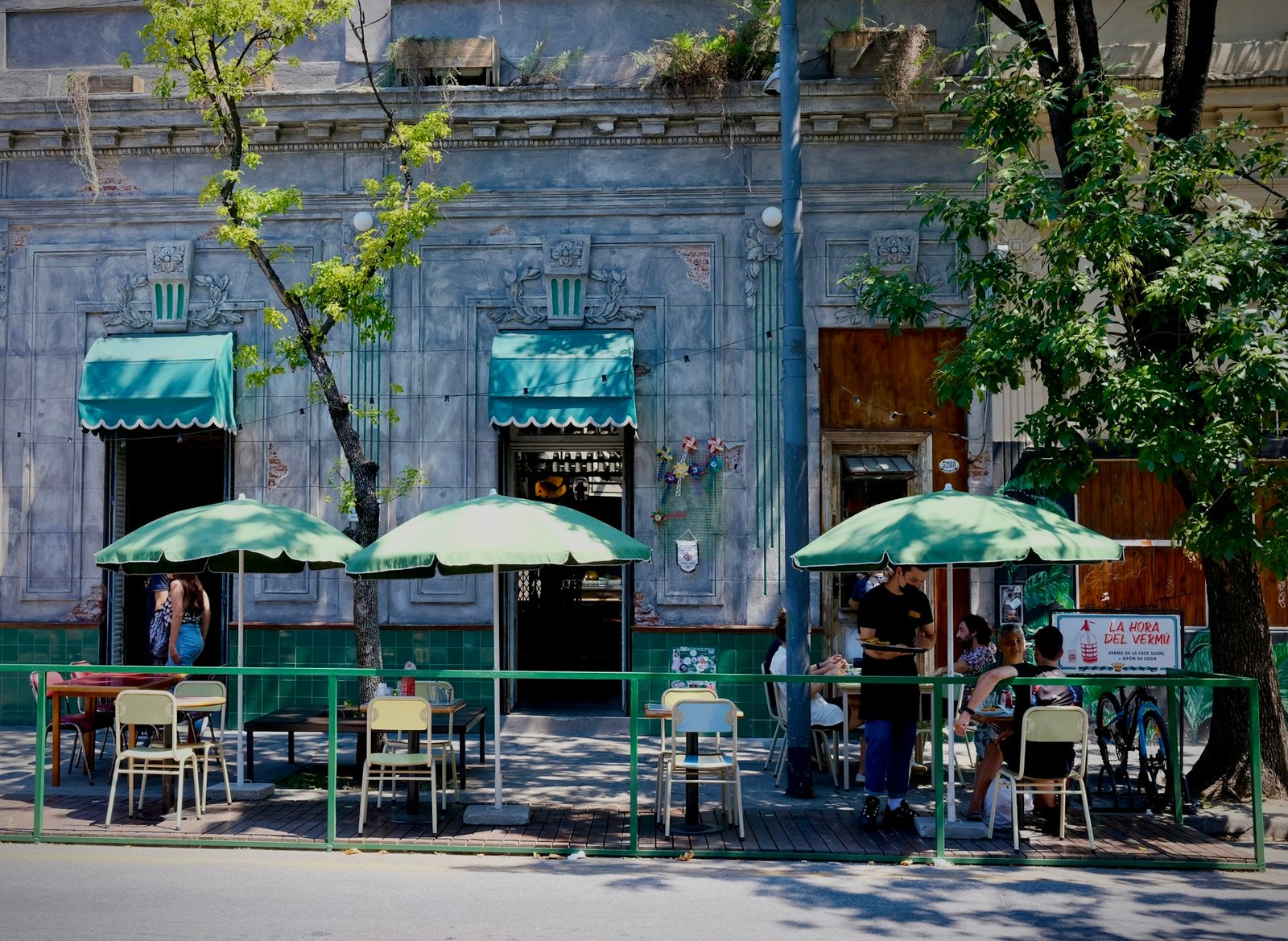
Buenos Aires, Argentina
Buenos Aires is home to one of South America’s largest Jewish communities with 180,000 members, and a remarkable kosher infrastructure in the Palermo and Villa Crespo neighborhoods. According to Totally Jewish Travel, today’s kosher travelers are seeking adventures in less conventional destinations — and Buenos Aires ticks all the boxes: glatt kosher restaurants, historic synagogues, living Yiddish culture, tango, kosher steakhouses and an exceptional cultural scene. The city even offers organized Passover programs (from $7,950 for 10 days).
Highlights
- Villa Crespo neighborhood: kosher cafés, Jewish bookstores, modern bistros
- Organized Passover and Rosh Hashanah programs every year
- Kosher steakhouses with Argentina’s finest meats
- Warm and welcoming community for observant travelers
📱 Essential tools in 2026
Traveling with dietary restrictions has become considerably easier thanks to an ecosystem of specialized apps and resources. Here is the Pixidia selection for 2026, according to TravelFoodGuide:
| Need | App / Resource | Availability |
|---|---|---|
| Vegan/Vegetarian | HappyCow — 180+ countries, 100,000+ restaurants | iOS, Android |
| Gluten-Free | Find Me Gluten Free + Equal Eats (translation cards in 58 languages) | iOS, Android, Web |
| Halal | HalalTrip + Muslim Pro (prayer times) | iOS, Android |
| Kosher | iKosher + Chabad.org (local centers) | iOS, Android, Web |
| Airline meals | Order code VEML/GFML/MOML/KSML 72h before the flight | At booking |
| Multi-diet | TravelFoodGuide.com — comparison by destination | Web |
Frequently Asked Questions
What apps should I use to find food that suits my dietary restrictions while traveling?
According to TravelFoodGuide, the best apps by diet are: HappyCow for vegans/vegetarians (180+ countries), Find Me Gluten Free for celiacs, HalalTrip and Muslim Pro for halal, and iKosher + Chabad.org for kosher. For airline meals, order your special code (VEML for vegan, GFML for gluten-free, MOML for halal, KSML for kosher) at least 72 hours before departure.
How do I communicate my dietary restrictions in a foreign language?
Food translation cards (Equal Eats, SelectWisely) allow you to communicate your restrictions in 58+ languages to restaurant staff. According to Wheatless Wanderlust, these cards are « a must-have you should almost always carry on international trips ». Available in printable format or as an app, between 5 and 15 €, they are particularly useful in Asia and the Middle East.
What are the best European destinations for strict gluten-free travelers?
According to the ranking by InsureandGo, Barcelona is world #1 with 1,000+ FACE-certified GF restaurants. Rome and Florence follow closely with the Italian AIC certification. Budapest is the ranking’s surprise — despite its wheat-rich cuisine, the city has developed a remarkable gluten-free scene. Lisbon and Amsterdam complete the European top 6.
Is halal food easy to find in non-Muslim countries?
Yes, increasingly so. According to iLinkTours, halal tourism has grown rapidly over the past ten years. Countries like Taiwan (GMTI non-OIC top 3), Japan and South Korea have significantly developed their halal offering. In Europe, major cities (London, Paris, Berlin) now have neighborhoods with many certified restaurants. The HalalTrip app locates 28,000+ establishments in 100+ countries.
Can vegan travelers find options outside major cities?
Some countries naturally offer vegan options even in rural areas. Ethiopia is exemplary: Orthodox fasting dishes (traditionally vegan) are served in the most remote villages. In India, 38% of the population is vegetarian, which guarantees options throughout the country. Georgia and Armenia have a strong tradition of Orthodox vegan fasting cuisine, even outside cities. For regions where it is more difficult, allergen-free protein bars and dry snacks are recommended as a supplement.
Is there a kosher alternative when halal food is not available (and vice versa)?
Yes. According to TravelFoodGuide, « when halal food is not available, kosher food (free of pork and alcohol) is a viable option for Muslim travelers. » Both systems share similar principles of ritual slaughter and pork prohibition. This rule also works in reverse. That said, religious authorities in each tradition have different positions on this topic — consult your religious guide if you have any doubts.
How do I avoid cross-contamination while traveling?
Several combined strategies are recommended by experienced travelers: (1) use food translation cards to explicitly mention cross-contamination, not just the ingredient to avoid; (2) prefer certified restaurants (FACE in Spain, AIC in Italy, HalalTrip for halal) rather than relying solely on menus; (3) opt for accommodation with a kitchen (Airbnb) for long stays, allowing you to cook yourself; (4) bring safe snacks as emergency supplies. Allergen-free protein bars and dried pasta are particularly recommended.
How do I manage meals during Ramadan while traveling?
Traveling during Ramadan in a Muslim country can actually be a unique experience — collective Iftars create an extraordinary festive atmosphere. Practically, according to iLinkTours, it is advisable to « research local restaurant hours and local Ramadan practices ». In countries like Malaysia, Turkey or Morocco, restaurants are simply closed during fasting hours but open wide at Iftar. The HalalTrip and Muslim Pro apps display local Iftar times. Outside Muslim countries, halal restaurants generally maintain their regular hours.
How do I arrange vegan, gluten-free, kosher or halal meals on a multi-week private jet expedition?
On a private jet expedition, dietary accommodations are negotiated in advance rather than found on the spot. Send the operator a written list of your restrictions (vegan, gluten-free, kosher or halal, plus allergies) at booking, then confirm it again 72 hours before each flight. Ask which catering company supplies each stopover and whether it can provide certified kosher or halal meals, sealed to avoid cross-contamination. For remote legs, carry shelf-stable backups such as certified snacks and sealed meals, and plan a few days in a specialist city from this guide where you can restock.
Sources
- TravelFoodGuide.com — Complete guide to dietary restrictions while traveling 2025
- VegOut Magazine — Most vegan-friendly countries in 2025: ranking by data
- The Vegan Word — The world’s most vegan cities 2026
- VegOut Magazine — The Caucasus, an emerging vegetarian destination
- Wander-Lush — Traditional Georgian vegetarian cuisine
- SimienEcoTours — Ethiopia, vegan and vegetarian destination
- Bemused Backpacker — Vegan and vegetarian guide to Ethiopia
- Gluten Intolerance Group — Ethiopian food and gluten-free
- InsureandGo — World ranking of best gluten-free cities
- Schär — International gluten-free travel guide
- Celiac Travel Pack — Best gluten-free vacation destinations
- My GF Guide — The best gluten-free cities in Europe
- HalfHalfTravel — 14 best gluten-free destinations for celiacs
- The Halal Times — Top 10 halal destinations 2026
- Halal Practitioner — Halal destinations in Asia
- iLinkTours — Complete guide to Muslim-friendly destinations 2026
- Taiwan Tourism Bureau — Muslim-friendly environment in Taiwan
- RelaxGoTaiwan — Complete halal guide to Taiwan 2025
- The Gluten Free Travel Bliss — Complete gluten-free guide to Tel Aviv
- Pomegranate Travel — Gluten-free in Israel
- Totally Jewish Travel — Kosher travel trends 2025
- New York Jewish Travel Guide — Kosher cruises 2026
- 5TownsFlights — Practical kosher travel tips for 2026
- Wheatless Wanderlust — Traveling gluten-free around the world
Research conducted March 2026, refreshed August 2026 (Viator offers re-verified) — 80 sources analyzed
Ready to Plan Your Restriction-Free Trip?
Discover our personalized itineraries adapted to your dietary preferences. Every Pixidia trip is designed so that your restrictions become a strength, not an obstacle.
Explore all itineraries