

In 2026, van life is no longer a fringe dream: it’s a travel art that attracts over 2 million Europeans every year. The van conversion market in Europe now exceeds $2.5 billion, with annual growth of 8% according to The Wheely Great News. But 2026 particularly marks a major regulatory turning point: the driving license B reform, validated by the European Parliament, now allows you to drive vehicles up to 4.25 tons GVW (compared to 3.5 tons previously), opening the door to the most spacious converted vans without additional training. Meanwhile, low emission zones (LEZ) are multiplying, environmental stickers are becoming widespread, and some countries are tightening their rules on wild camping. To help you navigate between these new regulations and the continent’s most beautiful routes, we’ve selected 8 destinations that combine spectacular landscapes, controlled budgets, and spots still preserved from mass tourism. From Norwegian fjords to Albanian coves, from Scottish Highlands to Massif Central volcanoes: here’s your complete guide to van road trips in Europe in 2026.
1. Norway — Lofoten and Senja Islands: The Holy Grail of Van Life
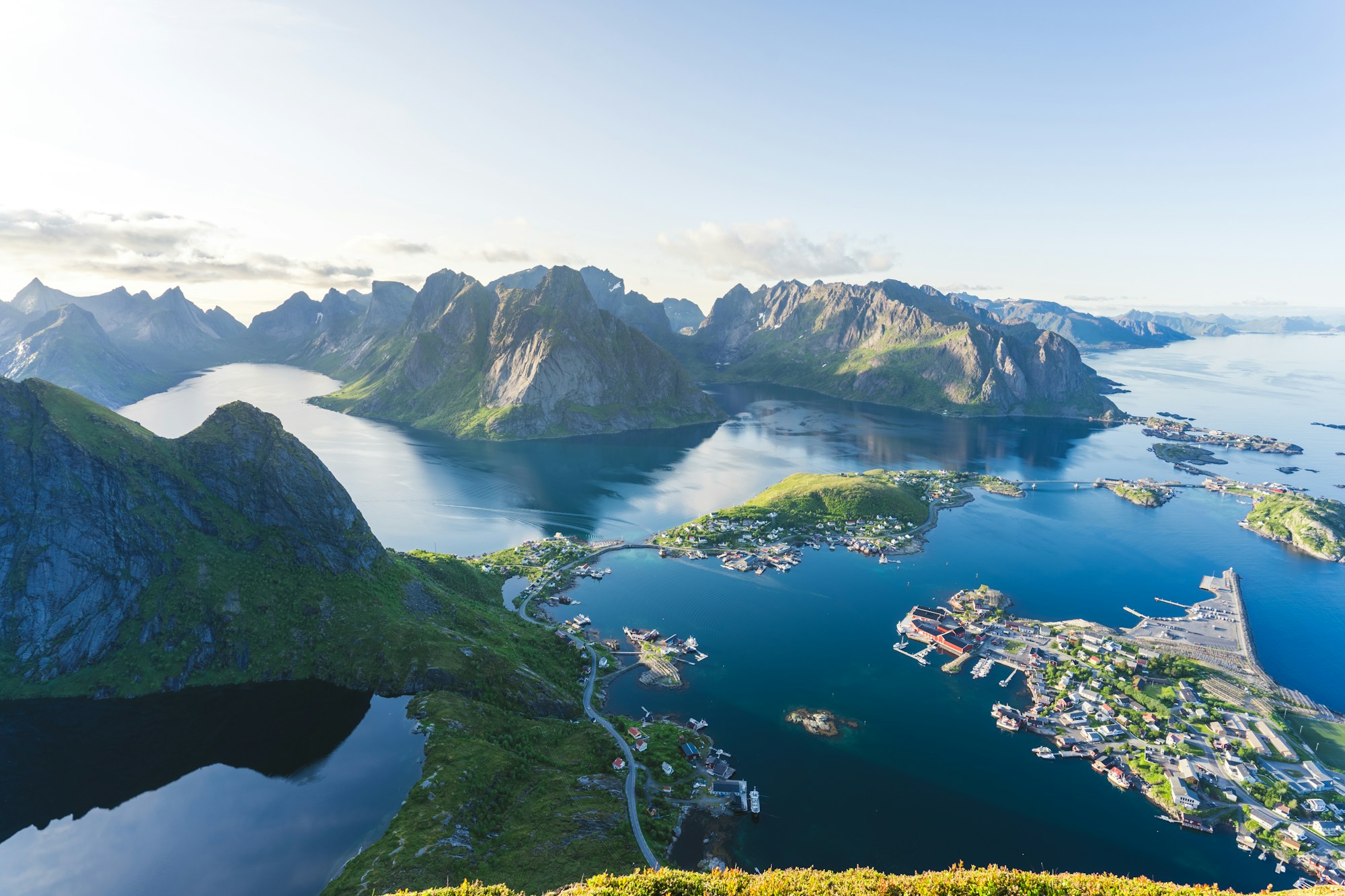
Lofoten and Senja Islands
The Lofoten Islands are the absolute Holy Grail of European van life. This archipelago located above the Arctic Circle offers some of the world’s most spectacular landscapes: sharp peaks rising from the ocean, white sand beaches with turquoise waters, fishing villages with red cabins on stilts (rorbuer). According to Miss Rover, the archipelago represents only about 250 km of roads in total, a perfect scale for a concentrated and intense road trip.
Norway is Europe’s most favorable country for wild camping thanks to allemannsretten (right of access to nature). As explained by Le Van Migrateur, you can camp anywhere provided you are at least 150 meters from habitations and respect nature. The island of Senja, neighboring the Lofoten, remains a well-kept secret: according to The Smooth Escape, its landscapes are even more breathtaking than those of the Lofoten, with three times fewer visitors.
Budget-wise, Norway is an expensive country, but wild camping largely compensates for accommodation costs. Count on approximately €95 to 105 per day for two people, cooking and taking advantage of free spots. It’s possible to reach the Lofoten from the south by taking only one ferry at Bognes (€16 for a van and 2 people). From late May to mid-July, the midnight sun never sets above the Arctic Circle, offering unforgettable nighttime hikes.
Highlights
- Allemannsretten: legal wild camping everywhere in the country
- Midnight sun from late May to mid-July in the Lofoten
- Senja: spectacular landscapes with three times fewer tourists
- Rorbuer: authentic fishing cabins for total immersion
- Weakened Norwegian krone: the euro goes further than before
2. Albania — Ionian Riviera: Europe’s Best-Kept Secret
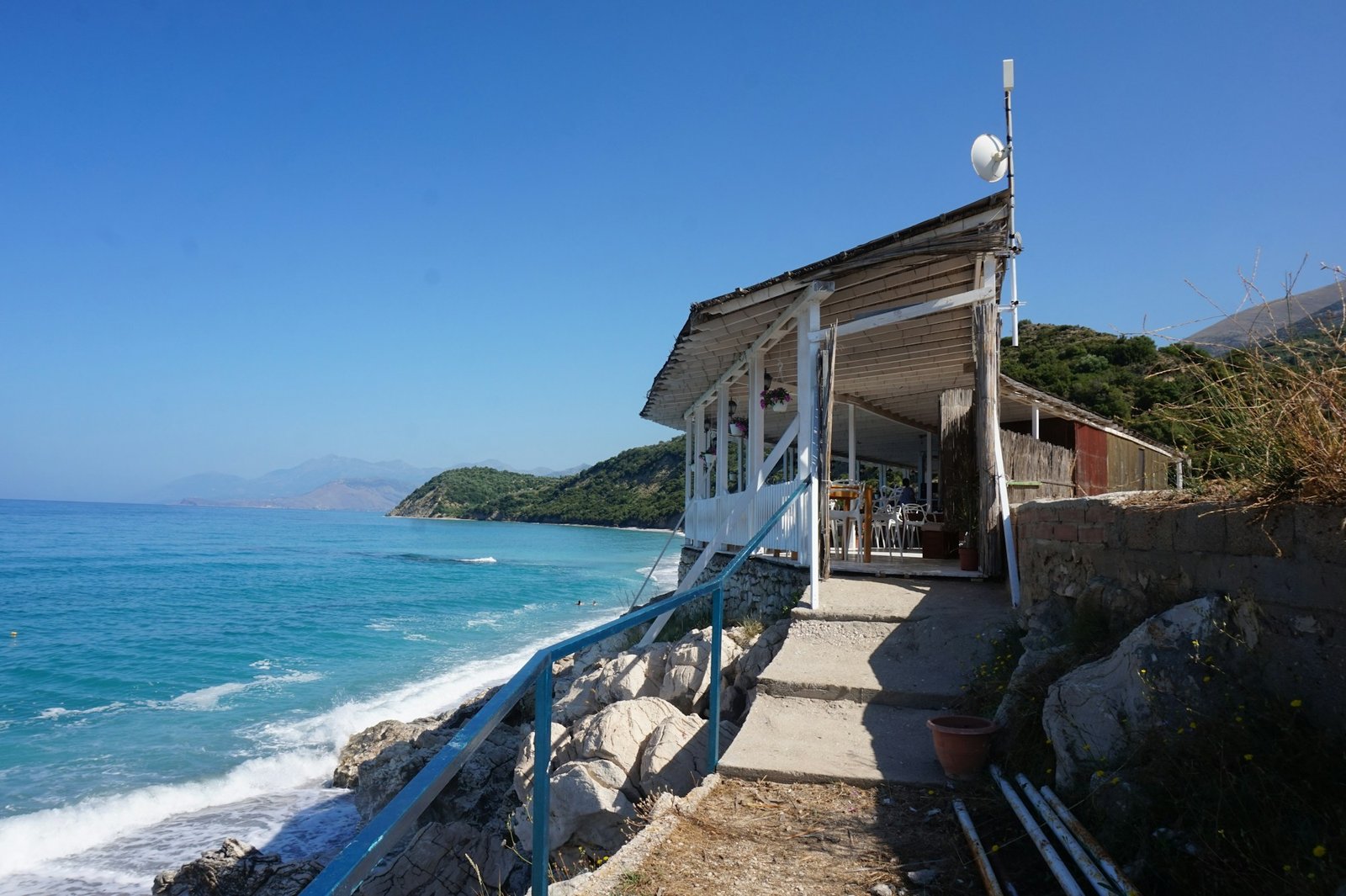
Ionian Riviera and Albanian Alps
Albania is the budget gem of European van life. According to TravelAndOo, three weeks on a budget of €25 per day — fuel included — is entirely realistic. The country offers exceptional landscape richness condensed into a compact territory: from paradise beaches of the Ionian Riviera to snow-capped peaks of the Albanian Alps in less than three hours of driving.
Gjipe Beach, accessible only on foot or by boat, is one of the region’s best-kept secrets according to Destination Voyage. As explained by Elomotion, wild camping is fairly well tolerated in Albania as it’s not yet really regulated. Developed campgrounds display prices between €5 and 15 per night according to Émeraude Trip. A tasting menu in Berat costs €28 for two people, and that’s the high end.
The best period to discover Albania by van is from April to June, which combines mild weather (18 to 25 °C), moderate prices, low tourist crowds, and nature in full bloom. The Dhërmi region attracts lovers of fine sand and turquoise water, while Berat, the « city of a thousand windows, » offers exceptional Ottoman heritage listed on UNESCO.
Highlights
- Europe’s lowest budget: €25-40/day all-inclusive
- Wild camping tolerated and easy spots to find
- Preserved beaches: Gjipe, Dhërmi, Ksamil
- Landscape diversity: sea, mountains, and heritage in 3 hours
- Generous and authentic gastronomy at derisory prices
3. Portugal — Costa Vicentina and Alentejo: The Wild Atlantic
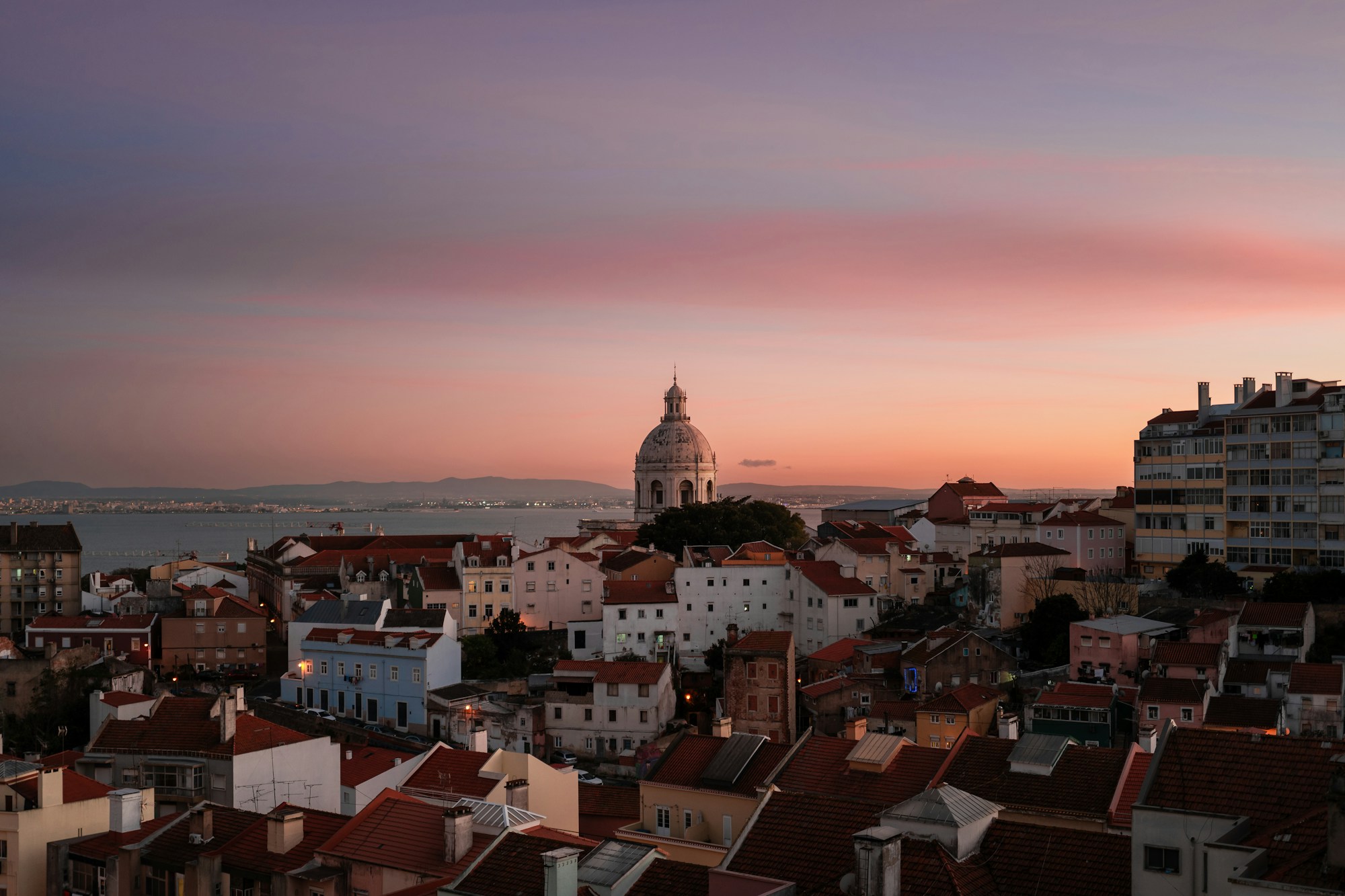
Costa Vicentina and Alentejo
The Costa Vicentina, between Alentejo and northern Algarve, is a protected natural park where tourist development is strictly limited. According to Villeneuve-Yonne Tourisme, the winding roads that follow the ocean allow you to discover secret coves and spectacular viewpoints. The beaches are wild, the villages tiny, and the atmosphere otherworldly.
Monthly expenses in Portugal average $1,600 (approximately €1,450) for two according to TravelAndOo, or approximately €45 to 55 per day. Food and campgrounds remain very affordable. The interior Alentejo, with its cork oak plains, vineyards, and whitewashed villages, offers a meditative alternative to the more frequented coasts.
However, be warned: wild camping with vehicles is prohibited in Portugal and strictly controlled, especially on beaches and in national parks. According to ParkNSleep, fines have considerably increased since 2021. Favor official motorhome service areas, numerous and often free inland, as well as small family campgrounds. The Visit Portugal website lists authorized areas.
Highlights
- Costa Vicentina: protected natural park, preserved wild beaches
- Alentejo: vineyards, cork oaks, and timeless whitewashed villages
- Gastronomy: grilled fish, pastéis de nata, wines at sweet prices
- Numerous free service areas inland
- Exceptional surfing: Ericeira, Sagres, Arrifana
4. Slovenia — Soça Valley: The Emerald of the Alps
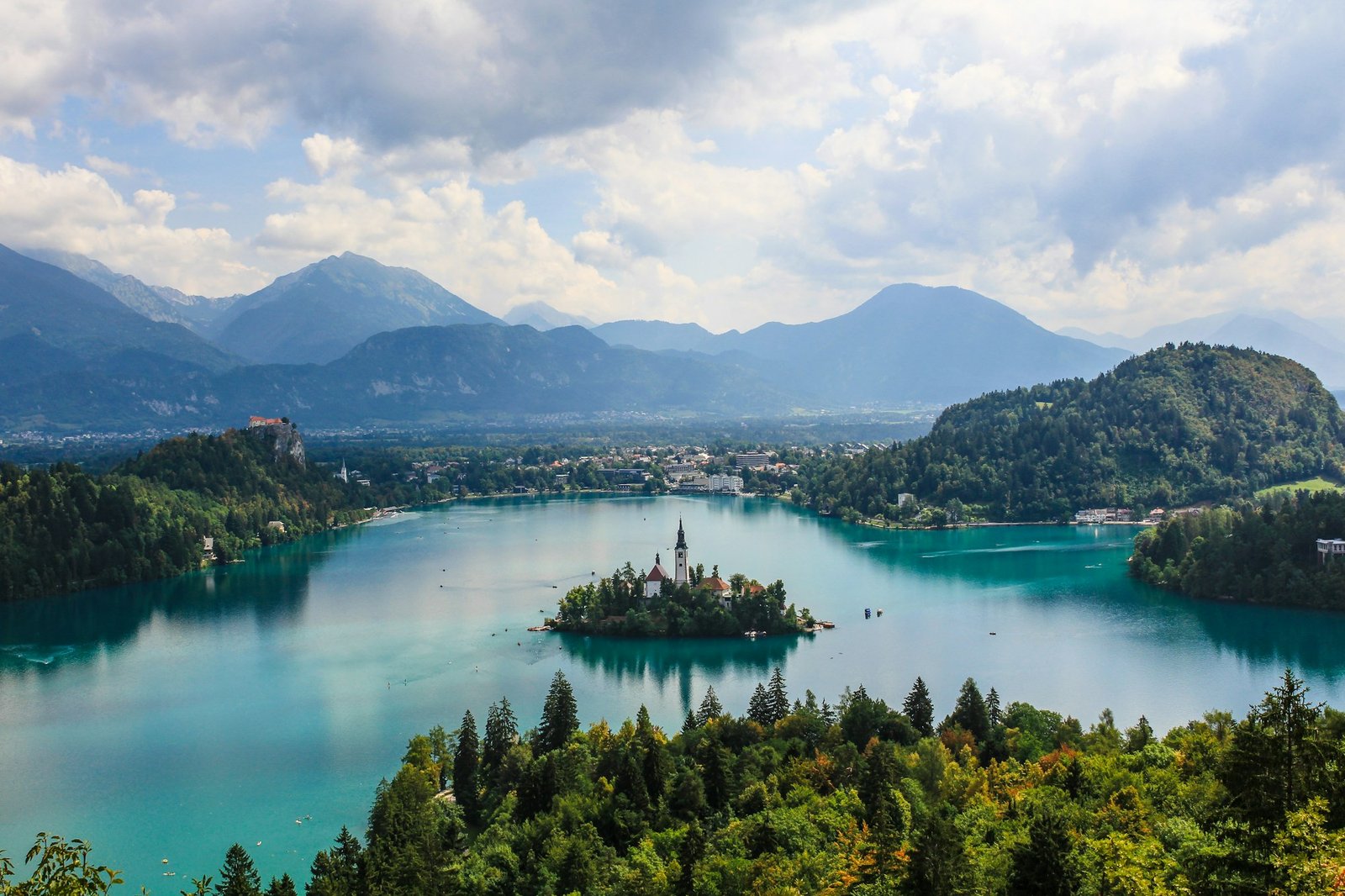
Soça Valley and Triglav National Park
The Soça is Slovenia’s « emerald thread » river: unreally clear water, vertiginous gorges, footbridges, and a perfect mix between easy walks and sports hiking. Triglav National Park offers the Soça Trail, a structured trail with total length and well-planned access points, which helps planning by van without random improvisation.
In 2026, Slovenia has a very strong positioning on well-organized nature tourism: soft mobility, marked trails, quality information. According to Slovenia.info, the « secret spots » approach here isn’t about hiding anywhere but targeting the less crowded segments of the trail and avoiding peak hours. The village of Trenta, nestled in the heart of the park, is an ideal starting point for wild hikes.
The budget in Slovenia is a notch above the interior Balkans, but significantly lower than neighboring Switzerland or Italy. Count on €55 to 70 per day for two by van, camping and food included. Warning: wild camping is prohibited in Slovenia, but campgrounds along the Soça are numerous, well-equipped, and affordable (€15-25/night).
Highlights
- Soça River: unique emerald water in Europe, kayaking and canyoning
- Triglav National Park: hikes for all levels
- Lake Bled and Lake Bohinj: living postcards
- Compact country: everything accessible in less than 2 hours
- Sustainable tourism: model infrastructure in Europe
5. Scotland — North Coast 500: The Route 66 of the Highlands
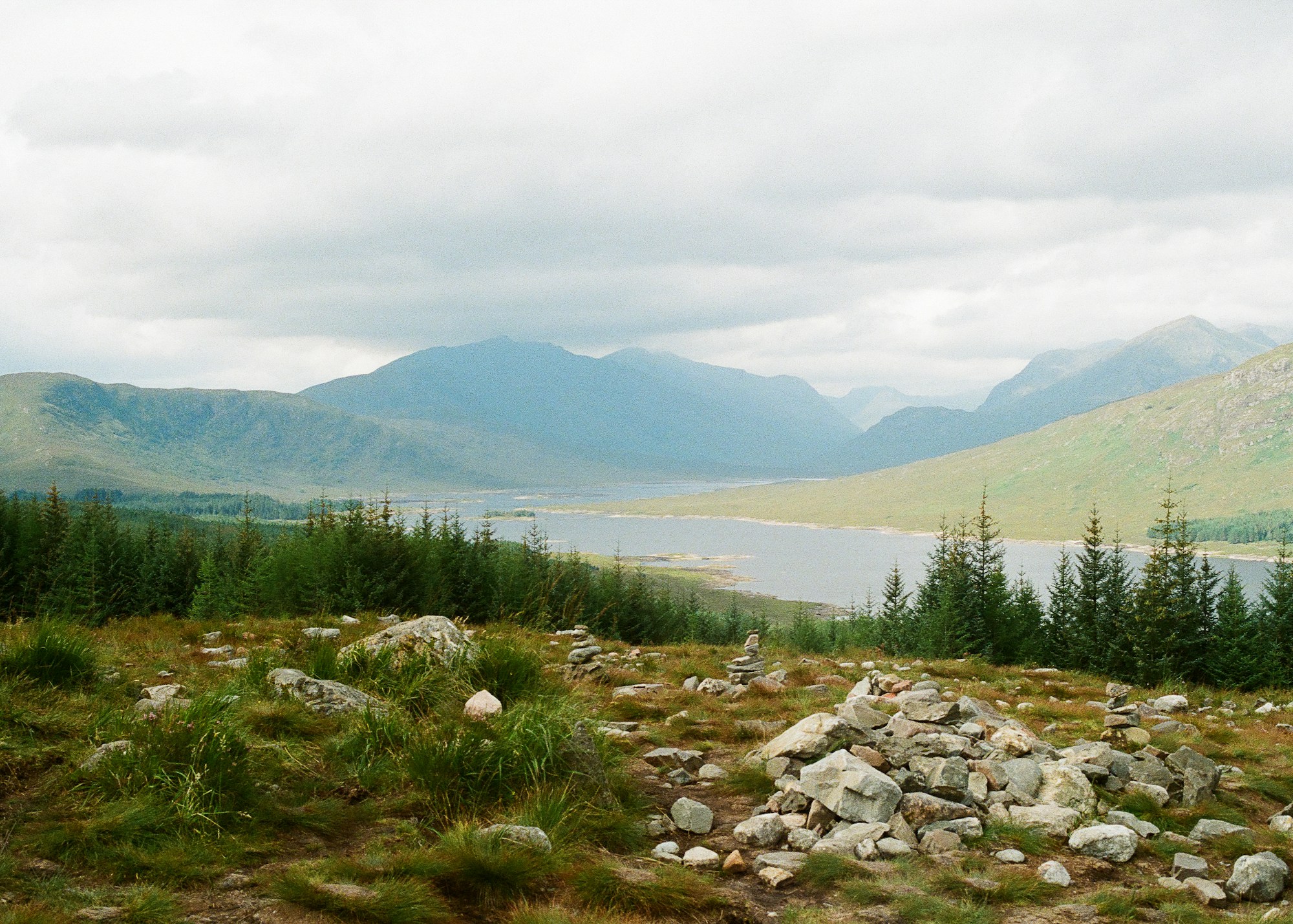
North Coast 500 and Highlands
If you’re looking for the most beautiful scenic routes in Europe by van, Scotland offers breathtaking views. According to Oeil de Voyageur, the famous North Coast 500, considered Scotland’s Route 66, is an 830-kilometer loop that winds along the wild coasts of northern Scotland, between deserted white sand beaches, ruined castles, and wind-battered cliffs.
Scotland is one of the few European countries where wild camping is a legal right. The Scottish Outdoor Access Code authorizes responsible bivouacking on most Scottish land. The charming towns and villages each offer unique cultural richness according to Nomade Aventure. The Isle of Skye, although popular, retains wild corners accessible only on foot. For a more intimate experience, the Isle of Arran, nicknamed « Scotland in miniature, » is accessible by ferry from Glasgow.
Budget-wise, Scotland remains remarkably accessible for a Nordic destination. Count between €60 and 80 per day for two, with the possibility of camping for free. Warning: Edinburgh introduces a tourist tax in 2026, a first in Scotland. Some areas around Loch Lomond have established « camping management zones » that limit wild bivouacking.
Highlights
- NC500: 830 km of wild coasts among Europe’s most spectacular
- Legal wild camping thanks to the Scottish Outdoor Access Code
- Whisky, lochs, and castles: inexhaustible cultural heritage
- Very long days in summer: up to 18 hours of light in June
- Isle of Skye: fairytale landscapes between sea and mountains
6. Romania — Transylvania and Carpathians: Timeless Europe
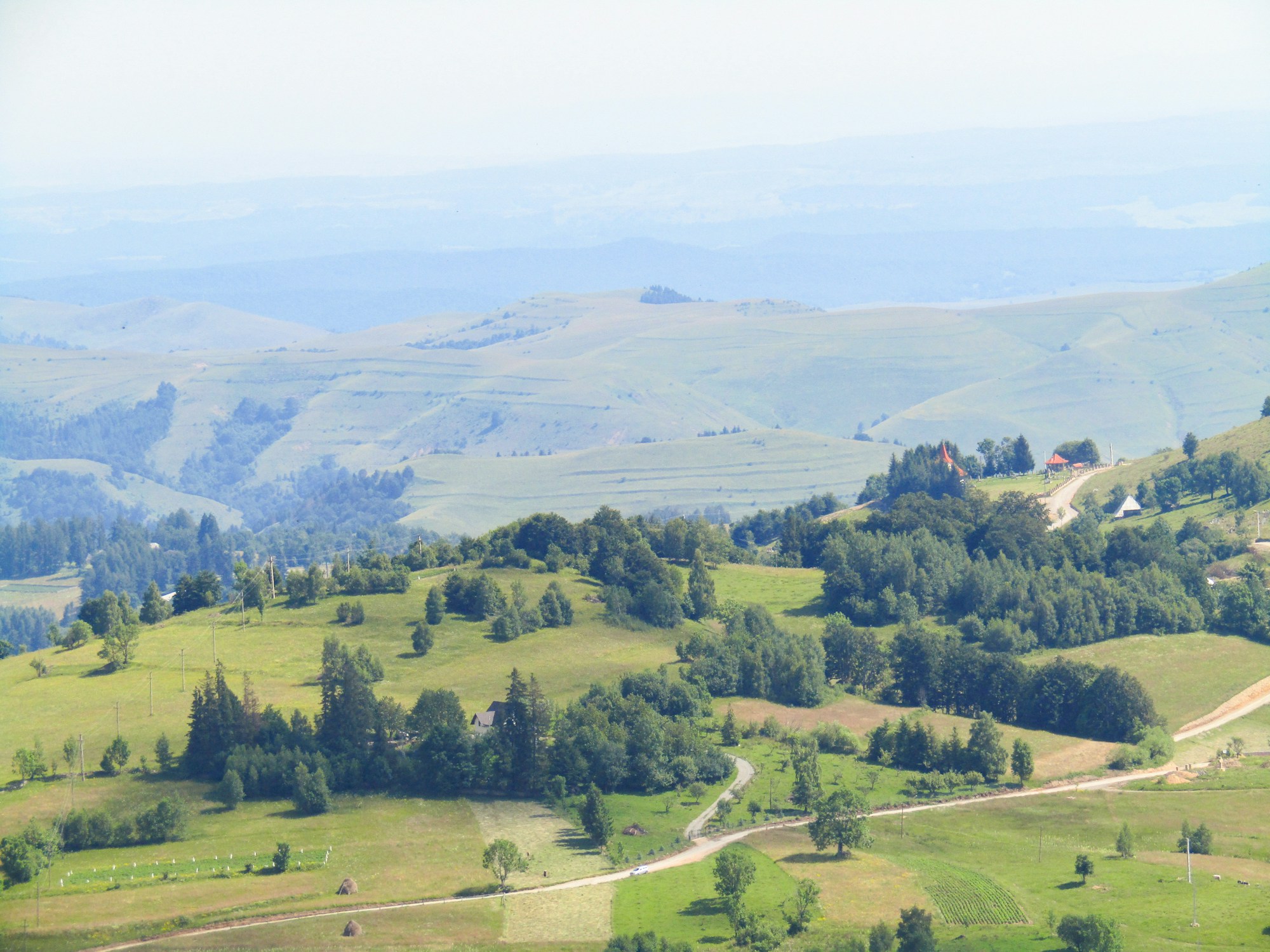
Transylvania, Transfàgàràşan, and Saxon Villages
Romania offers an incomparable travel experience with its medieval castles perched on wooded hills and majestic mountains. According to Villeneuve-Yonne Tourisme, Transylvania, well beyond the vampire myth, reveals Saxon villages listed as UNESCO World Heritage Sites where time seems to have stopped. Viscri, Biertan, and Màlâncrav are worth the detour alone.
The country is extremely welcoming to vanlifers. There is no law in Romania prohibiting wild camping: you can set up camp almost anywhere in nature or rural areas. Romania is highly appreciated by nature enthusiasts according to Getaround. Traditions are still vibrant there and the locals’ hospitality particularly warm.
It’s one of the most economical countries in the EU: count on €30 to 45 per day for two (fuel, food, occasional camping). Campgrounds are rare but inexpensive (€10-15/night) and diesel among the cheapest in Europe. The Transfàgàràşan (DN7C), often cited as the world’s most beautiful road, is only open between late June and October. The Transalpina (DN67C), less known, offers a similar experience with far fewer crowds.
Highlights
- Transfàgàràşan: one of the world’s most beautiful roads
- Unregulated wild camping: total freedom
- UNESCO Saxon villages: Viscri, Biertan, Màlâncrav
- Ultra-economical budget: €30-45/day all-inclusive
- Warm hospitality and vibrant traditions in the countryside
7. France — Cévennes and Massif Central: Volcanoes and Wide Open Spaces
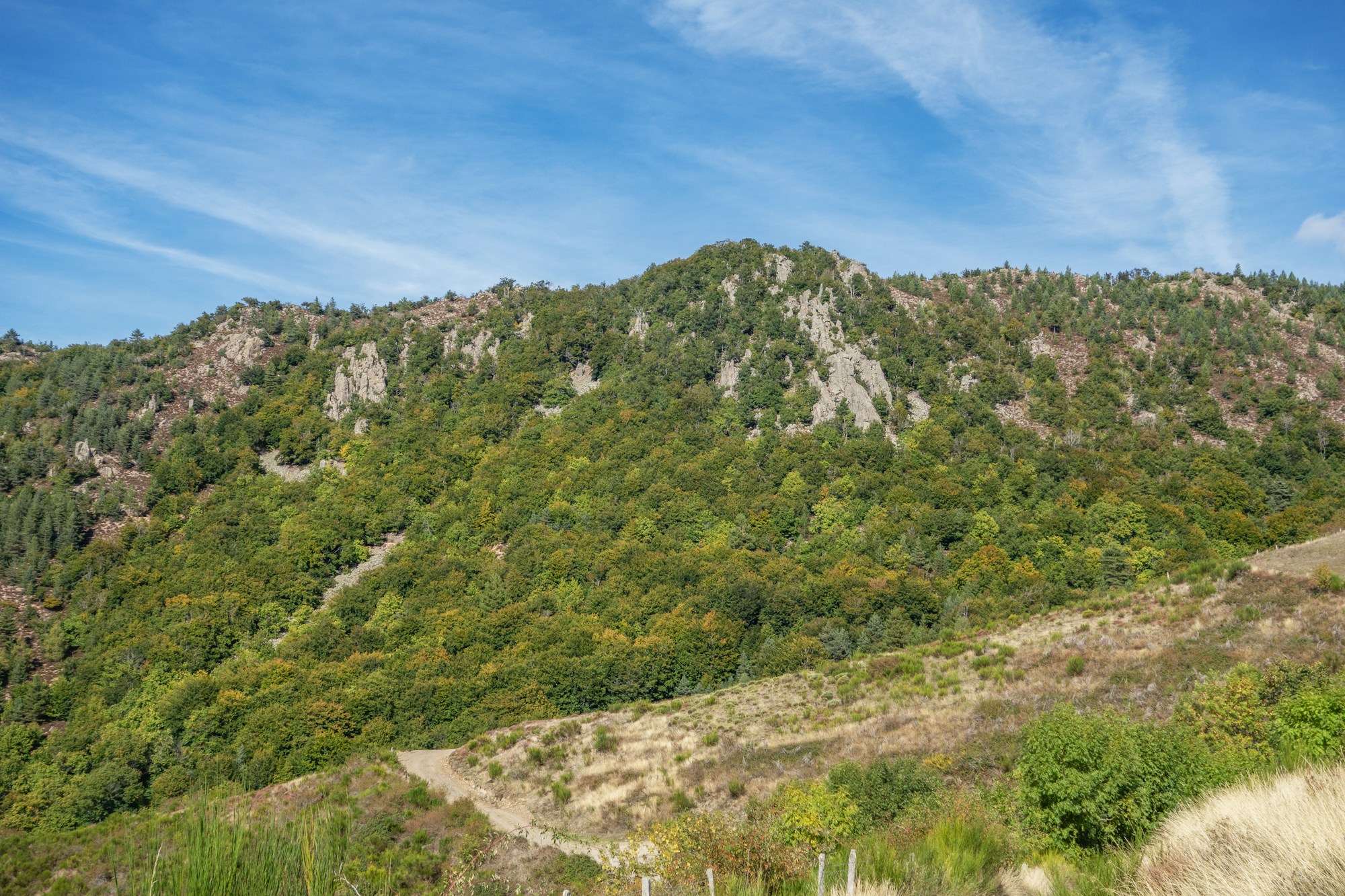
Cévennes National Park and Massif Central
While France is one of Europe’s most visited countries by van life enthusiasts according to Oeil de Voyageur, its most authentic treasures hide far from the coasts. The Massif Central, with its dormant volcanoes and flowering meadows, is a true paradise for vanlifers. According to BymyCar, numerous sites are available, particularly near Puy de Dôme.
The Cévennes National Park, listed as a UNESCO World Heritage agro-pastoral cultural landscape, offers spectacular gorges, limestone causse plateaus, and exceptional biodiversity. According to Lonely Planet, the Cévennes hinterland is one of the last great preserved spaces in mainland France. The park regulations authorize bivouacking between 7 PM and 9 AM in the park’s core area, provided you leave no trace.
The fuel budget represents a significant item — approximately €322 for 1,600 km in one month. But service areas are very economical (€132 per month on average). The France Passion network allows free parking at winegrowers, farmers, and local producers according to Ulysse, a unique way to combine accommodation and gastronomic discovery. Total budget: €50 to 65 per day for two.
Highlights
- Cévennes Park: UNESCO landscape, spectacular gorges and causse plateaus
- France Passion: free nights at winegrowers and producers
- Auvergne volcanoes: Chaîne des Puys, Puy de Dôme, Cantal
- Gastronomy: PDO cheeses, charcuterie, natural wines
- International dark sky reserve: astronomy in pristine nature
8. Croatia — Istria and Dalmatia: The Adriatic by Van
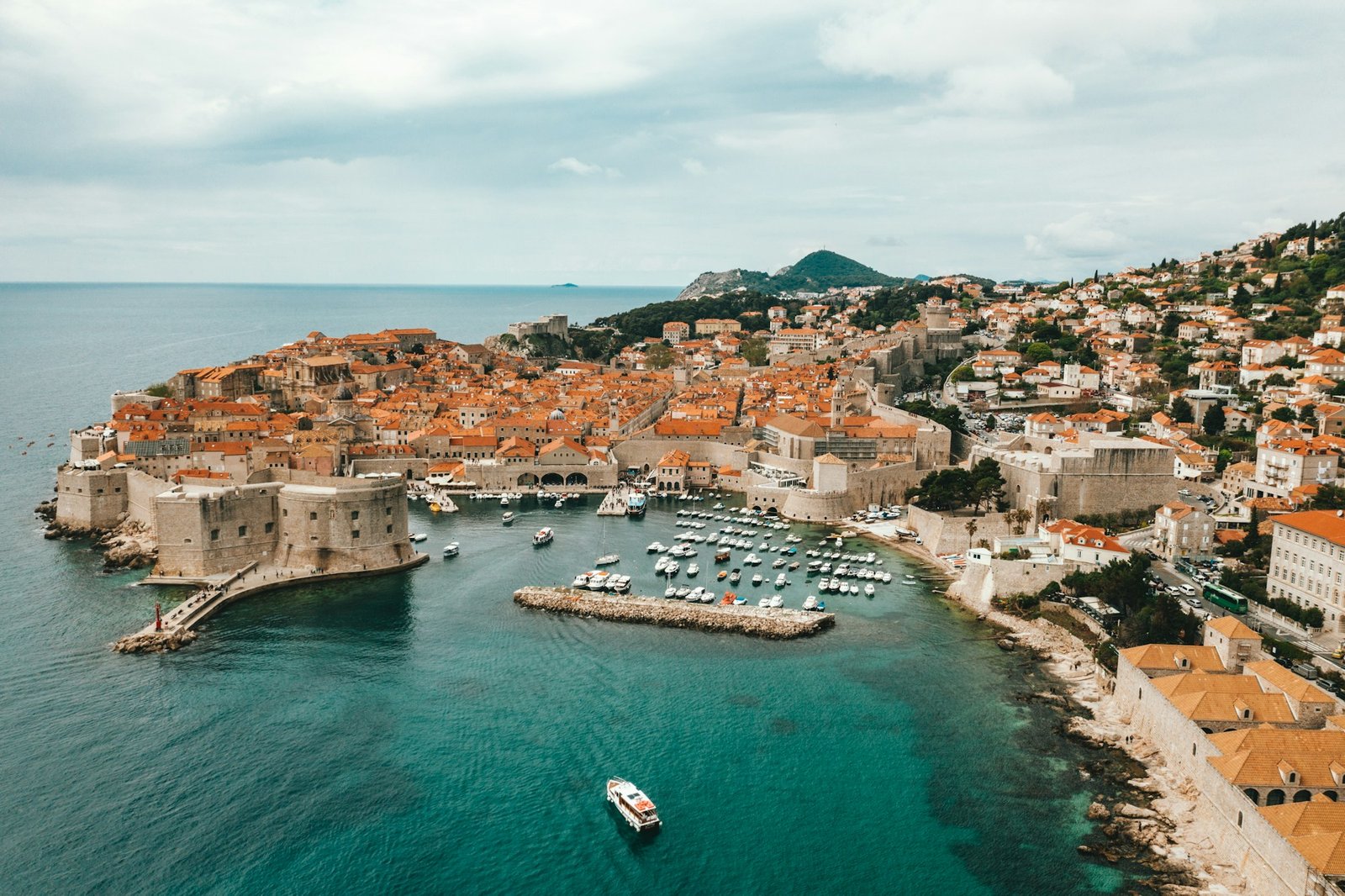
Interior Istria and Dalmatia
From national parks to turquoise coves, a Croatian van road trip promises an accessible and exciting journey. According to Life is a Trip, Croatia combines sea, mountains, heritage, and preserved nature. Roads are in good condition, motorhome infrastructure well-developed, and the climate generous from May to October.
Interior Istria is Croatia’s best-kept secret: hills planted with olive trees, perched medieval villages like Motovun and Groznjan, black and white truffles, and exceptional malvazija wines. Far from the crowds of Dubrovnik and Split, minor islands like Vis or Lastovo offer authentic Croatia. The panoramic roads of the Dalmatian hinterland are spectacular and nearly deserted.
Wild camping is prohibited in Croatia and checks are frequent, especially in summer. It’s strongly recommended to sleep in official campgrounds, developed service areas, or authorized paid parking lots. Campgrounds are affordable off-season, but watch out for July-August rates. Count on €50 to 70 per day for two in mid-season. Also plan for a Slovenian motorway vignette if you transit through Slovenia.
Highlights
- Interior Istria: truffles, medieval villages, and vineyards
- National parks: Plitvice, Krka, Kornati
- Well-developed and secure camping infrastructure
- Secret islands: Vis, Lastovo, Mljet
- Mediterranean gastronomy: seafood, olive oil, wines
Detailed Budget: How Much Does a Van Road Trip in Europe Really Cost?

Budget Comparison by Destination
On average, you need to budget €400 to 600 per month per person to cover the essentials according to Zenomads. Count on approximately €2,000 per month for a couple, all expenses included. This budget varies considerably depending on the countries traveled, as shown in our comparison table:
| Destination | Budget/day (2 people) | Wild camping | Best period |
|---|---|---|---|
| Albania | €25-40 | Tolerated | April-June |
| Romania | €30-45 | Unregulated | May-June, Sept.-Oct. |
| Portugal | €45-55 | Prohibited (free areas) | April-June, Sept.-Oct. |
| France | €50-65 | Highly regulated | May-June, Sept.-Oct. |
| Croatia | €50-70 | Prohibited | May-June, Sept. |
| Slovenia | €55-70 | Prohibited | June, September |
| Scotland | €60-80 | Authorized (rules) | June-September |
| Norway | €95-105 | Authorized (allemannsretten) | Mid-June to mid-August |
Detailed Budget Items
Here’s a realistic breakdown of main expense categories for a couple traveling by van in Europe, compiled from data from Zenomads and La Banque Postale:
- Food: €150 to 300/month for two — cooking in the van and shopping at discount stores (Lidl, Aldi) saves about 40%
- Fuel: approximately €400 for a 10-day trip / €322 for 1,600 km over a month
- Van insurance: €30 to 100/month depending on coverage and vehicle
- Accommodation: €0 (legal wild camping) to €25-60/night at campgrounds
- Gas: €30 to 35 per bottle, plan for 1-2 bottles per month
- Laundry: €7 to 10 per complete cycle (wash + dry)
- Maintenance: plan a reserve of €500 to 1,000/year for unexpected expenses
Essential Apps
According to MyCarTurf, here are the essential apps for van life in Europe:
- Park4Night: the reference for finding secure overnight spots
- Campercontact: ideal complement, widely used in Northern Europe
- iOverlander: perfect for the Balkans and less touristy destinations
- TollGuru / Green-Zones.eu: navigation for tolls and low emission zones
- Fillable: drinking water sources in Europe
2026 Regulations to Know
The year 2026 marks a regulatory turning point according to Club Camping-Car:
- Driving license B 4.25 tons: the European reform allows driving vehicles up to 4.25t GVW without additional training
- LEZ/ZBE: low emission zones are multiplying (Crit’Air sticker in France, Umweltzone in Germany)
- Motorway vignettes: mandatory in Austria, Switzerland, Slovenia, Czech Republic
- Spain: V-16 light device mandatory on board all vehicles since January 1, 2026
- Greece: law 5170/2025 makes it illegal to « install » campervans in public spaces
Frequently Asked Questions About Van Road Trips in Europe
Can you wild camp by van in Europe?
It depends on the country. Countries where wild camping is legal include Norway, Sweden (allemannsretten/allemansrätten), Scotland (Scottish Outdoor Access Code), Estonia, and Latvia. In Romania, it’s not regulated and therefore tolerated. In Albania, it’s also tolerated due to lack of regulation. However, it’s strictly prohibited in Spain, Portugal, Croatia, Slovenia, the Netherlands, and Belgium. In France, bivouacking (without deploying an awning) is tolerated in certain areas but wild camping in vehicles is highly regulated. Always check local legislation before settling in.
What budget should you plan for a 2-week van road trip in Europe?
For two people for 14 days, budget between €700 and 2,100 depending on the destination. In Albania or Romania, €700 to 900 is sufficient (€50-65/day). In Portugal, France, or Croatia, plan for €1,000 to 1,400 (€70-100/day including campgrounds). In Norway, count on €1,400 to 1,500 (€95-105/day). These budgets include fuel, food, accommodation, and activities, but not van rental if you don’t own one (add €80 to 150/day for rental).
Do you need a special license to drive a converted van?
No, for the vast majority of vans. Thanks to the European driving license B reform, validated by the European Parliament, B license holders can now drive vehicles up to 4.25 tons GVW (compared to 3.5 tons previously). This reform, designed to anticipate motorhome electrification, covers almost all converted vans and campers (Volkswagen California, Fiat Ducato, Mercedes Sprinter, etc.). Only the heaviest overcab motorhomes require a C1 license.
What’s the best app for finding van spots?
Park4Night is the essential reference. It’s the most widely used app by vanlifers in Europe, with thousands of listed spots and real user reviews. Campercontact is an excellent complement, particularly well-stocked in Northern and Western Europe. iOverlander is ideal for the Balkans and less touristy destinations. For tolls and low emission zones, use TollGuru or Green-Zones.eu. Finally, Fillable lists drinking water sources, particularly useful in Italy and Switzerland.
Is it better to buy or rent a converted van?
For a first try or a 2 to 3 week trip, rental is wiser. Platforms like Yescapa or Roadsurfer offer a wide choice of vehicles, from €80 to 200/day depending on season and model. If you plan to travel for several months, buying offers long-term savings, more customization freedom, and the possibility of resale at the end of your trip. A used converted van can be negotiated between €15,000 and 45,000 depending on model and condition. The compact converted van (VW California type) is more versatile, while the camper van (Fiat Ducato type) offers more living space, which makes all the difference when weather is unpredictable.
What regulatory changes for vanlifers in 2026?
2026 brings several major developments. The B license goes up to 4.25 tons GVW, excellent news for converted vans. In Greece, law 5170/2025 makes it illegal to install campervans in public spaces with high fines. In Spain, a V-16 light device is mandatory in all vehicles since January 1, 2026. Low emission zones (LEZ in France, ZBE in Spain, Umweltzone in Germany) are becoming widespread in major cities. The EU could also reclassify certain poorly converted vans as light commercial vehicles, impacting insurance and taxes. Check required environmental stickers: Crit’Air (France), motorway vignette (Austria, Switzerland, Slovenia).
How do you manage energy autonomy in a van?
Energy autonomy is crucial for van life. A 100W solar panel is insufficient for regular use. The recommended configuration is 300W of solar panels with a 200Ah lithium battery, which allows staying off-grid for several days even with laptop use. For water, an 80 to 120-liter tank covers 3 to 5 days of autonomy for two. Gas (€30-35 bottle) covers cooking for about a month. For mid-season heating, a diesel heater like Webasto or Chinese Diesel Heater (€300-800) is an essential investment. Remember village water sources (Fillable app) and campground charging stations to supplement your autonomy.
Sources
- Le Van Migrateur — Road trip en van en Norvège
- Miss Rover — Lofoten Road Trip Itinerary
- The Smooth Escape — Norway by Campervan
- Elomotion — Road trip Albanie
- Émeraude Trip — Location de van en Albanie
- Destination Voyage — Joyaux cachés des Balkans
- TravelAndOo — Van Life Europe: Essential Tips
- Visit Portugal — Site officiel du tourisme
- ParkNSleep — Wild Camping Rules in Europe
- Triglav National Park — Soça Trail
- Slovenia.info — Portail officiel du tourisme slovène
- Oeil de Voyageur — Top 10 destinations en van
- Nomade Aventure — Voyage en van
- Villeneuve-Yonne Tourisme — Itinéraires hors des sentiers battus
- Getaround — Road trip Europe en van aménagé
- Lonely Planet — La France en van
- BymyCar — Meilleurs spots en van en France
- Ulysse — Camping sauvage : nouvelles règles
- Life is a Trip — 7 meilleurs road trips en van en Europe
- Club Camping-Car — Normes camping-car 2026
- The Wheely Great News — Vanlife 2025: The Boom
- Zenomads — Budget vivre en van 2025
- La Banque Postale — Budget vanlife
- MyCarTurf — Ultimate Guide to Van Life in Europe
- UNESCO — Les Causses et les Cévennes
- Parc national des Cévennes — Réglementation
Ready to Hit the Road?
From Norwegian fjords to Albanian coves, from the Scottish Highlands to the volcanoes of the Massif Central, your next van road trip is waiting for you. Discover our personalized travel itineraries to plan every stop, manage your daily budget, and share your favorite spots — even offline.
Explore all itineraries