

Venice Biennale 2026 — Quick facts
- Dates: 9 May – 22 November 2026 (preview: 6–8 May)
- Opening hours (openingstijden): May–September: 11am–7pm · October–November: 10am–6pm · Closed Mondays (except 11 May, 1 June, 7 September, 16 November)
- Venues: Giardini della Biennale + Arsenale, sestiere Castello, Venice (Venetië)
- Tickets: €30 standard adult · €40 for a 3-day pass · Free for under-7s
- Theme: « In Minor Keys » — 99 national pavilions curated by Koyo Kouoh
- Recommendation: Plan 2–4 days; book tickets online in advance; visit in October for fewer crowds and lower accommodation prices.
From May 9 to November 22, 2026, Venice becomes the world capital of contemporary art: the 61st Venice Biennale opens its doors under the title « In Minor Keys », a theme as poetic as it is bold, conceived by curator Koyo Kouoh, who passed away before seeing her vision come to life. At the Giardini della Biennale and the vast Arsenale in Castello, 99 countries share their vision of the world through performances, installations and works of rare power.
Preparing a visit to Venice during the Biennale requires planning: tickets, accommodation, transport, tourist fee… This guide gives you all the keys to organising your stay, choosing the must-see pavilions and avoiding common pitfalls.
Currently open: as of August 2026, the Biennale is in full swing, with more than three months of its run still ahead before the 22 November close — plenty of time to plan an October or November visit for smaller crowds and lower accommodation prices.
The 2026 Biennale: « In Minor Keys », a collective and moving vision
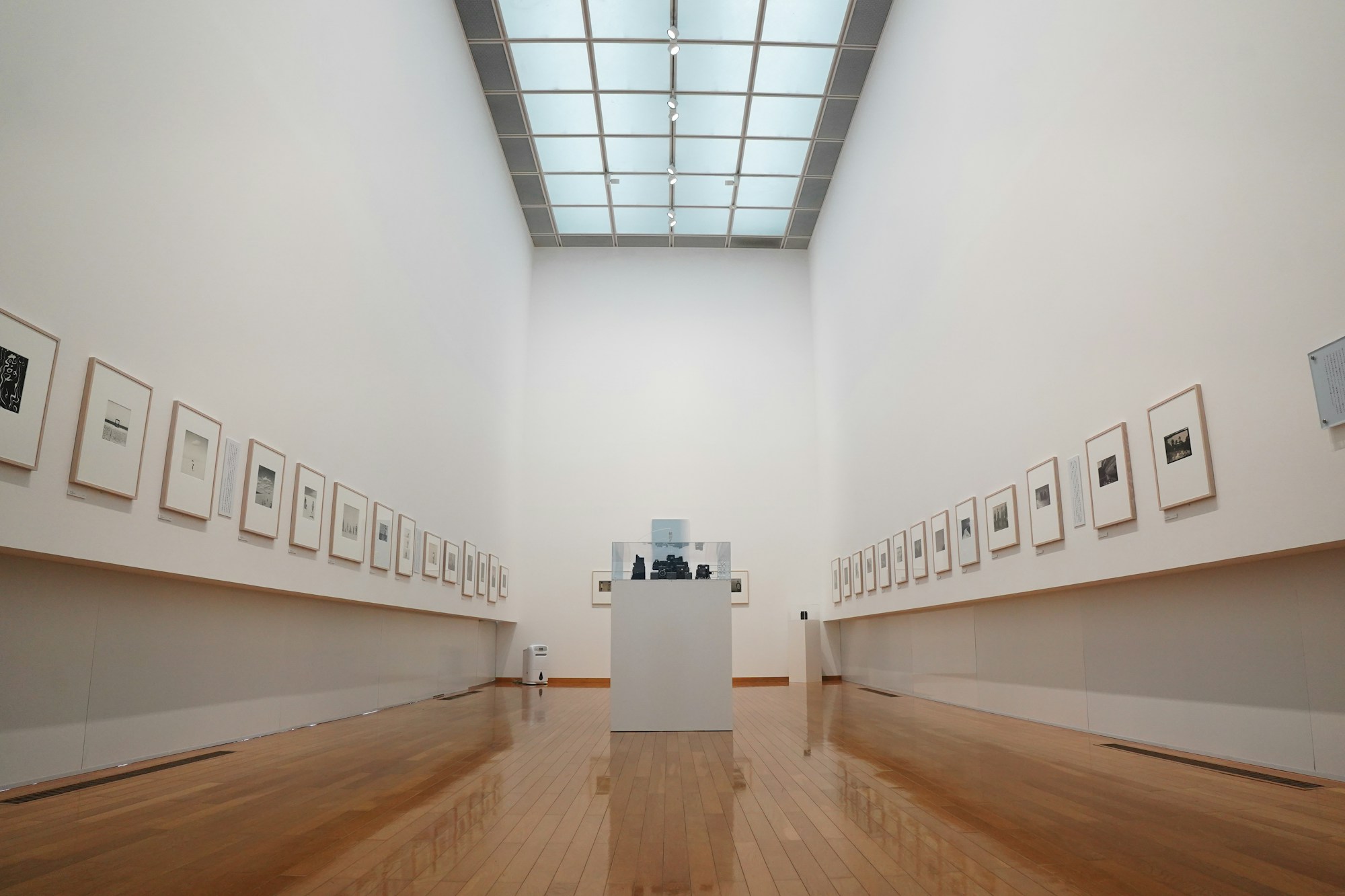
When Koyo Kouoh, a Swiss-Cameroonian curator, agreed to orchestrate the 61st edition in October 2024, she immediately shaped an extraordinary exhibition. The first Black woman to lead the Venice Art Biennale, she built the entire project before unexpectedly passing away on May 10, 2025, ten days before the presentation she had planned.
Her legacy is now carried by the five collaborators she personally chose — Gabe Beckhurst Feijoo, Marie Helene Pereira, Rasha Salti, Siddhartha Mitter and Rory Tsapayi — who decided, with the full support of her family and the Biennale, to realise her work exactly as she conceived it.
Conceptually, the exhibition is envisioned as « a polyphonic assembly of art », favouring mood over monumentality, improvisation over orchestration. Kouoh imagined « oases » — gardens, courtyards, shelters and affective micro-worlds — dotted throughout the route. The installation for the Central Pavilion, designed by Wolff Architects, is inspired by two novels: One Hundred Years of Solitude by García Márquez and Beloved by Toni Morrison.
According to Domus Web, two innovations shape this edition: the introduction of « oases » scattered throughout the spaces, and an extensive programme of performances unfolding throughout the opening week across all sites.
Must-see national pavilions at the 2026 Venice Biennale
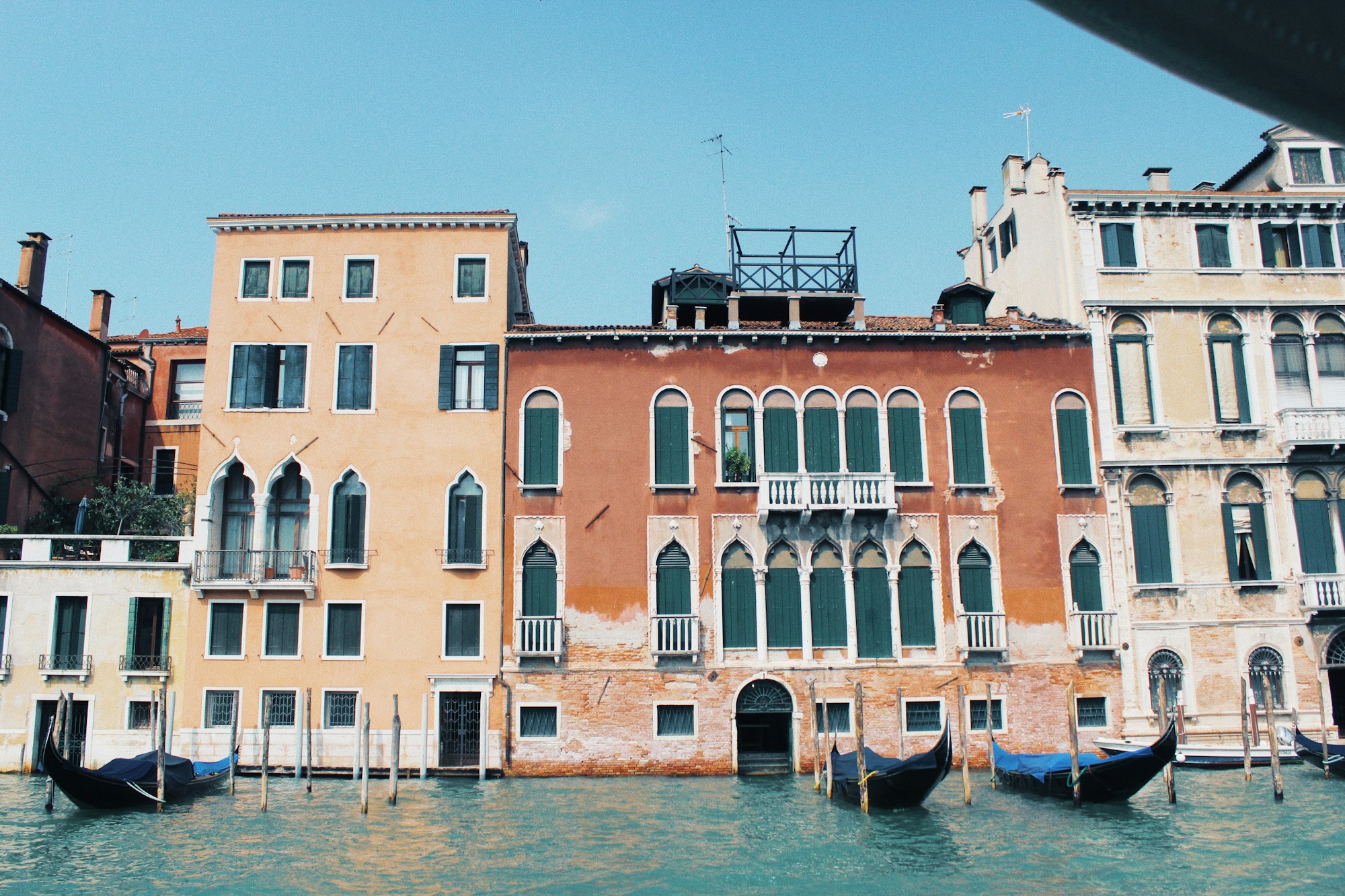
The 61st edition brings together 99 national participations. Here is a selection of the most anticipated pavilions according to ArtNews and ArtReview:
- 🇦🇹 Austria — Seaworld Venice (Giardini): Choreographer Florentina Holzinger, one of the most provocative creators in the world, invades the pavilion with a work charged with bodies and ambiguity. Prepare for a visual shock.
- 🇩🇪 Germany — Ruin (Giardini): Sung Tieu and Henrike Naumann explore bureaucratic violence and the politics of everyday life through inhabited installation-sets.
- 🇬🇧 Great Britain — Predicting History: Testing Translation (Giardini): Lubaina Himid, Turner Prize 2017 winner, brings a major voice on colonial memory and resilience.
- 🇫🇷 France — Yto Barrada (Giardini): The French pavilion, renovated for a year, reopens with this French-Moroccan artist whose practice interweaves play, history and politics.
- 🇵🇪 Peru — De otros mundos (Arsenale): Shipibo artist Sara Flores presents her canvases made using kené patterns that map ancestral knowledge. One of the most moving pavilions of this edition.
- 🇽🇰 Kosovo — Hard Teeth (Chiesa di Santa Maria del Pianto): A 17-metre immersive pictorial installation in a Venetian church transformed into an art space.
- 🇸🇾 Syria — The Tower Tomb of Palmyra (Arsenale): Sara Shamma draws on the funerary architecture of Palmyra to reflect on memory and loss.
Tickets, prices and purchasing strategy for the Venice Biennale
According to La Biennale’s official information, the standard adult ticket is €30, covering one entry to the Giardini and one to the Arsenale. The 3-day ticket at €40 is the most cost-effective for a complete visit. Early Bird prices (€25 single, €30 for the 3-day pass) were available until the end of March 2026 — that window has now closed, so standard rates apply for the rest of the run through 22 November 2026.
The ticket only covers the Giardini and Arsenale sites. Most collateral events are free. Each site takes approximately 3 hours to visit — plan at least 2 half-days.
How to get to Venice and reach the Biennale sites
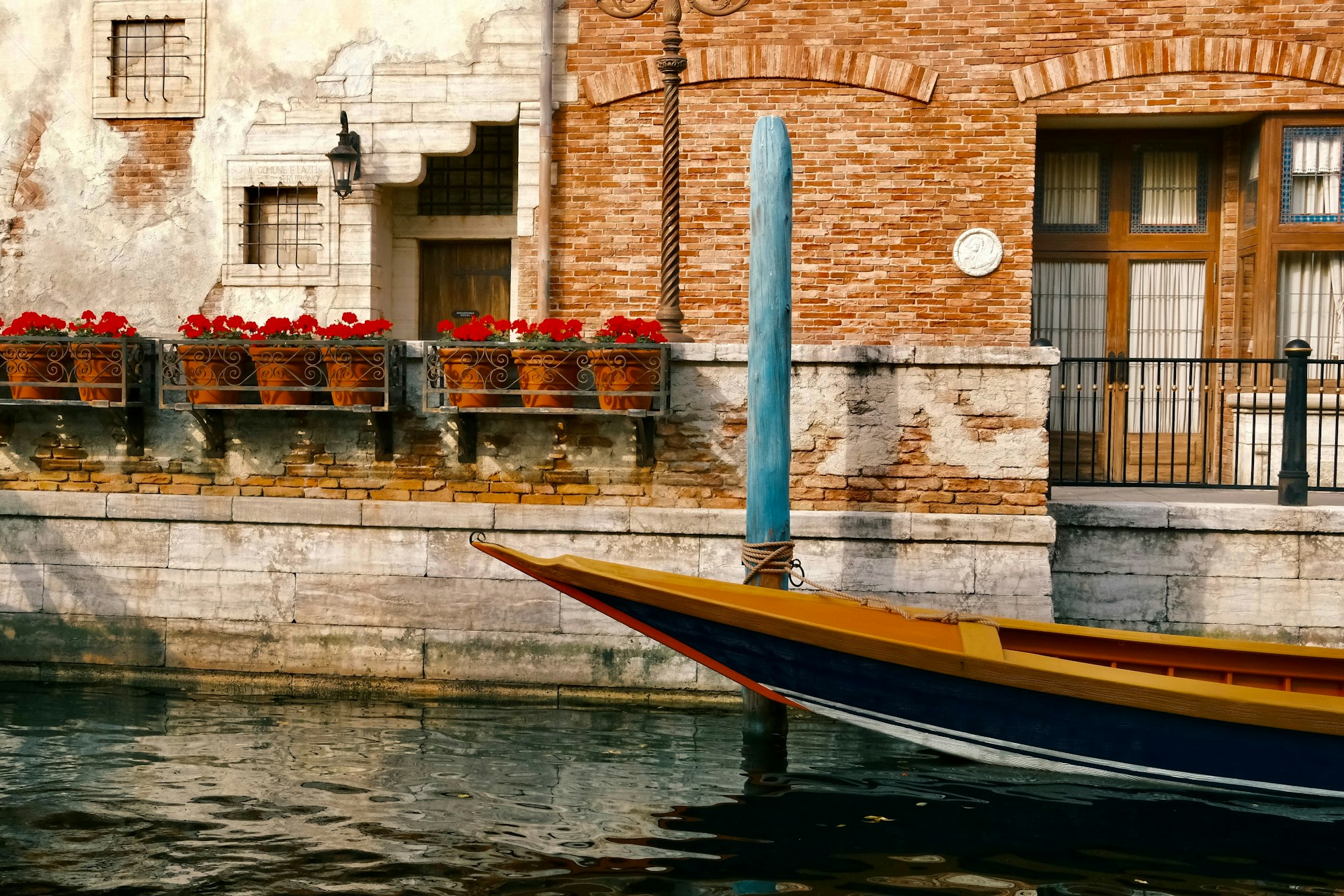
From Paris, low-cost flights to Venice Marco Polo Airport (VCE) start from €69. Ryanair, Vueling and EasyJet serve this airport regularly. Once there, take the ACTV vaporetto line 1 or 4.1 to the Giardini Biennale stop for the Giardini, or Arsenale for the Arsenale. Allow 30 to 45 minutes from the train station.
Venice tourist tax 2026: Venice’s tourist tax only applies to day-trippers without overnight accommodation. If you sleep in Venice — which is strongly recommended — you are exempt.
Where to stay in Venice during the Biennale: neighbourhoods and budgets
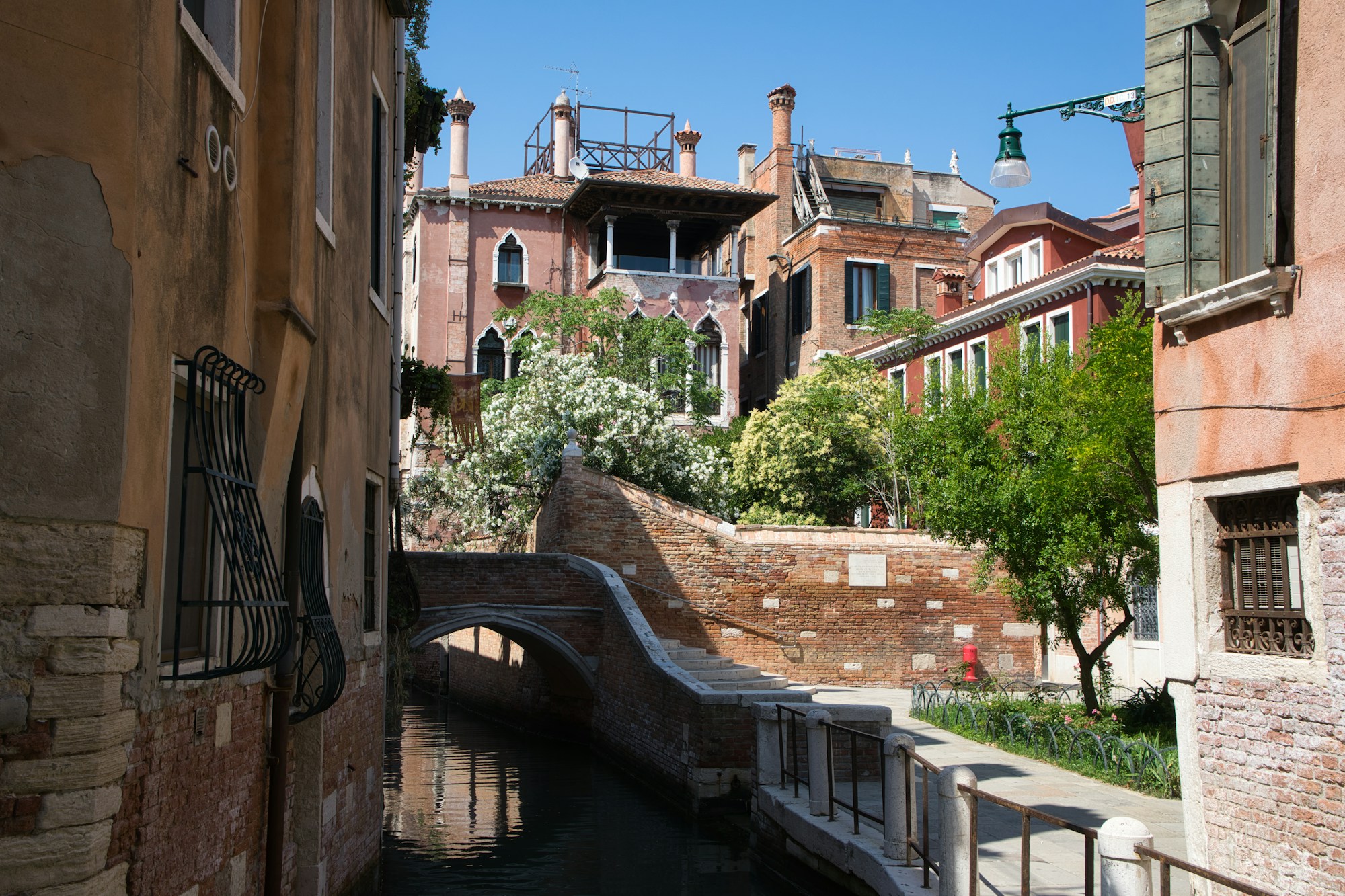
The Castello neighbourhood is ideal for the Biennale: it houses the Giardini and Arsenale, offers a residential and authentic atmosphere away from the crowds of Piazza San Marco. The Giardini are a 10-minute walk from Castello — no vaporetto needed.
For smaller budgets, Mestre (on the mainland) offers quality hotels at €70–140/night, saving 40–50% compared to the historic centre. The train between Mestre and Santa Lucia station takes just 10 minutes (€1.50).
When to visit the Venice Biennale 2026: a month-by-month guide
- May (9–22) — Opening: Electric atmosphere, live performances, vernissages. Most crowded and expensive week. Ideal for experiencing the art world’s buzz.
- June–July: Pleasant temperatures, moderate queues. Coincides with the Theatre Festival (June 7–21) and Contemporary Dance Festival (July 17 – August 1, directed by Wayne McGregor).
- August: Hot, high tourist flow. The Giardini remain calmer than St Mark’s Square. Enjoy extended hours on Fridays and Saturdays at the Arsenale (until 8pm).
- September: The 83rd Venice International Film Festival (September 2–12) transforms the city. Many screenings are open to the public — a unique opportunity to combine Biennale and red carpet at the Lido.
- October–November: Ideal period. The Contemporary Music Festival (October 10–24) completes the experience. Galleries less crowded, lower accommodation prices, incomparable autumn light.
Practical information for your trip to Venice
Nomad Insurance: global coverage from $56/4 weeks. 10% off via our link.
From $56 / 4 weeksStay connected from the moment you land in Venice. Instant activation.
From €4.50FAQ — Frequently asked questions about the Venice Biennale 2026
Is the Venice Biennale 2026 an art or architecture edition?
The Venice Biennale alternates each year between contemporary art (even years) and architecture (odd years). 2026 is therefore a contemporary art edition — the 61st International Art Exhibition, titled « In Minor Keys ». The Architecture Biennale 2025 (19th edition) closed on November 23, 2025, with a record 298,000 visitors. The next Architecture Biennale will be held in 2027.
How much time should I allow to visit the Venice Biennale?
To fully appreciate the two main sites, allow at least 2 days — about 3 hours per site. To include off-site pavilions, collateral events (Peggy Guggenheim Foundation, Prada Foundation, etc.) and exhibitions scattered around the city, 3 to 4 days are ideal. The 3-day ticket (€40) offers the best value for this format.
Should I book tickets in advance?
Yes, online booking is strongly recommended, especially for May–June. Tickets can sell out quickly, particularly at weekends and during special events. Booking also makes site access easier without queuing at the ticket offices. Private guided tours must be requested at least 15 days in advance on the Biennale’s official website.
Does Venice’s tourist entry fee apply to Biennale visitors?
Venice’s 2026 tourist tax only applies to day-trippers with no overnight accommodation in the city. If you are staying in Venice — which is strongly recommended for the Biennale — you are exempt. Arriving the evening before and spending the night is enough to be exempt the following day.
Can I visit the Biennale with young children?
Yes. Special spaces have been set up for children and families at the Giardini and Arsenale sites. A cloakroom service also offers pram and baby carrier rentals (subject to availability). Admission is free for children aged 0 to 6. Note that some works — particularly the Austrian pavilion — may not be suitable for young children.
Are there Biennale exhibitions outside central Venice?
Yes. Since 2018, Forte Marghera in Mestre (on the mainland, 15 minutes by bus) has hosted Biennale Special Projects. It is a little-visited site with a completely different atmosphere. Many national pavilions are also scattered around Venice outside the Giardini: in churches (Kosovo), docks (Iceland), palaces (Azerbaijan). Off-site pavilion admission is usually free.
Will Koyo Kouoh be credited despite her passing before the opening?
Yes. With the full support of Koyo Kouoh’s family, La Biennale di Venezia has decided to realise her exhibition by following exactly the project as she conceived and defined it. The 2026 Biennale will officially be presented as her work. Her team of five personally chosen collaborators carries her legacy.
Is there a combined pass for the Biennale and other cultural events?
Yes. With an Art ticket, you can purchase reduced-price tickets for Dance, Music and Theatre performances at the Biennale by presenting your exhibition ticket at the infopoints at the Giardini and Arsenale. A great reason to plan a longer stay to enjoy the Dance Festival (July), Venice Film Festival (September) or Contemporary Music Festival (October).
What are the opening hours of the Venice Biennale 2026?
The Venice Biennale 2026 has two distinct schedules depending on the season. From May to late September: open daily 11am–7pm (last entry 6:45pm). From October to 22 November: open daily 10am–6pm (last entry 5:45pm). Both the Giardini and Arsenale sites in Venice follow the same schedule. Closed every Monday, except on 11 May, 1 June, 7 September and 16 November 2026. Visitors from the Netherlands and Belgium — where the Biennale is often searched as Biennale Venetië openingstijden — should note that the earlier October hours (from 10am) actually make morning visits less crowded and more pleasant.
Is the Venice Biennale 2026 still open right now?
Yes. The 2026 edition runs from 9 May to 22 November 2026, so it stays open throughout summer and autumn. If you are visiting after the end of March, note that Early Bird ticket pricing has ended — standard rates (€30 single, €40 for the 3-day pass) now apply. October and November remain the best window for a visit still to come: shorter queues, lower accommodation prices and softer autumn light, right up to the closing date.
Sources
- La Biennale di Venezia — Official website 2026
- Biennale Arte 2026 — Tickets, hours and practical information
- Designboom — In Minor Keys, theme conceived by Koyo Kouoh
- ArtNews — Guide to the 2026 national pavilions
- ArtReview — Updated list of must-see pavilions
- Tuscany Now & More — Insider guide to the Venice Biennale
Inspired? Plan your Venice itinerary with Pixidia
Create your personalised itinerary for your Venice Biennale stay — accommodation, visits, restaurants and transport organised in a few clicks.
Explore Venice itineraries