
For the Venice Biennale 2026 (May 9–November 22), staying in Mestre is the smartest choice if you’re on a budget or arriving by car. The Mestre–Venice train takes 10 minutes and costs €1.50, and Mestre is part of the Venice municipality: you’re exempt from the daily access fee (€5–10) like any overnight guest. Expect €50–140/night in Mestre versus €100–280/night in central Venice. If you’re visiting for more than two days or want full Venetian immersion, the Castello district (15 minutes’ walk from the Giardini) is the best comfort choice. The Lido, often overlooked, offers an excellent compromise: lower prices than the centre, vaporetto in 2 stops and beaches as a bonus. Whichever area you pick, book lodging 6–8 months ahead for the May opening weeks, plan your Marco Polo Airport transfer ahead of time — a shared boat link starts at €39 with instant confirmation, versus €150+ for a private water taxi — and favour small-group tours over exclusively private ones to keep both budget and schedule flexible.
Six and a half months in Venice. The 61st International Art Biennale — titled In Minor Keys, carried forward posthumously by the team of curator Koyo Kouoh — transforms Venice into the world capital of contemporary art from May 9 to November 22, 2026. For travellers planning their stay, one question comes up every time: is it better to sleep on the mainland in Mestre or in the historic centre? The answer depends on your budget, the length of your visit, and what you’re looking for beyond the Biennale itself. This guide compares the options point by point so you can decide with confidence.
1. How the 2026 Biennale changes the accommodation equation
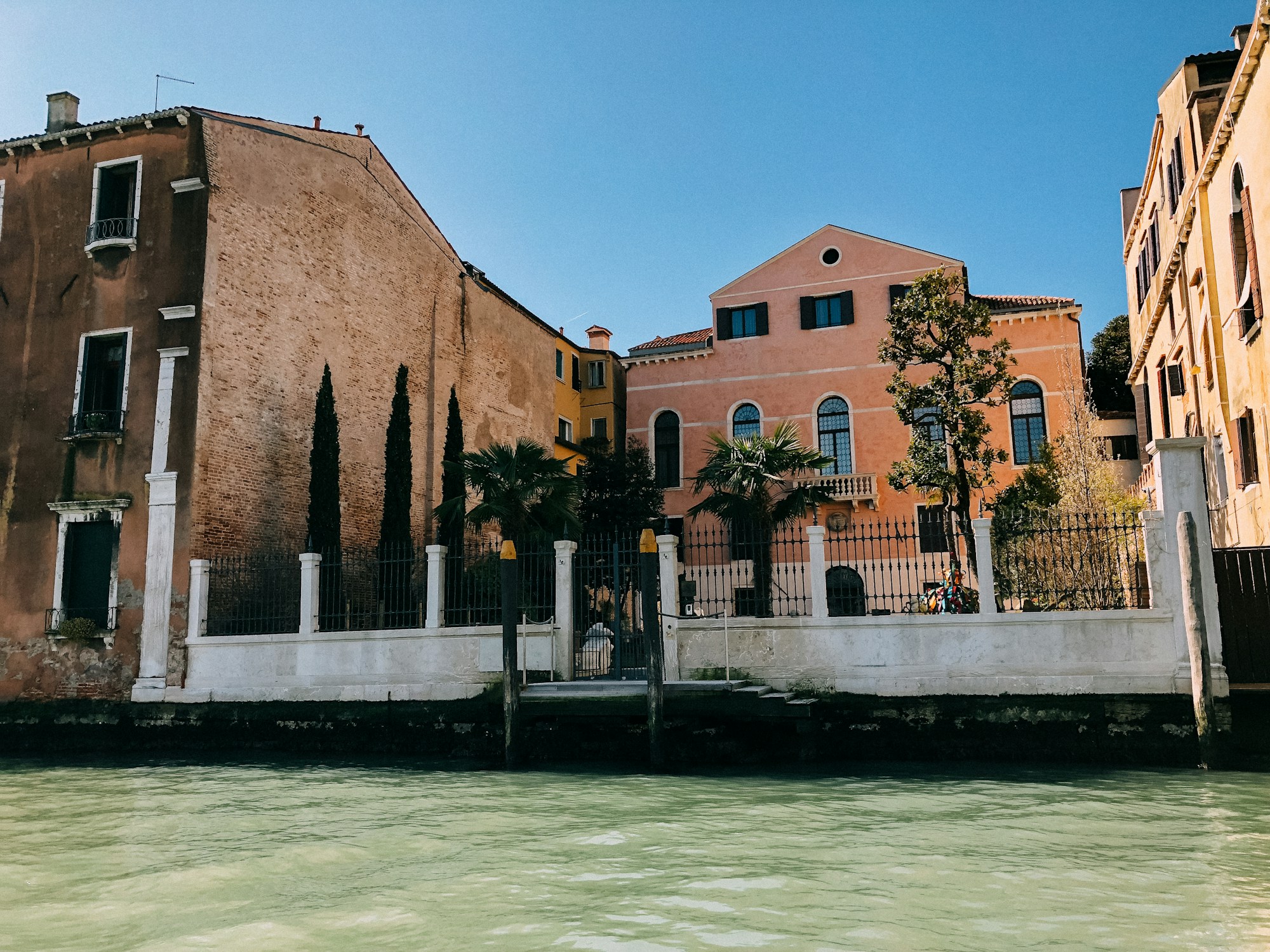
In Minor Keys — 61st Venice Art Biennale
With 6.5 months of programming, the 2026 Biennale doesn’t impose last-minute booking pressure — but May and June remain the most in-demand months. According to La Biennale di Venezia, the exhibition brings together 111 artists from five continents across three venues: the Giardini and the Arsenale in the Castello sestiere, and Forte Marghera in Mestre — an often-overlooked section featuring special outdoor projects on the mainland.
This third venue changes everything: if you plan to see the full Biennale including Forte Marghera, staying in Mestre isn’t a compromise — it’s a strategic position. According to ArtVisitGuide, two days is the comfortable minimum (Giardini day one, Arsenale day two), three days if you add Forte Marghera and the collateral events.
What each ticket covers
- 1-entry ticket (€30): one entry to Giardini + one entry to Arsenale (not necessarily the same day)
- 3-day ticket (€40): unlimited entries to both venues for 3 days — best value if visiting 2+ days
- 7-day ticket (€50): unlimited entries for a week, ideal for extended stays
2. Staying in Mestre — the budget choice without sacrificing access
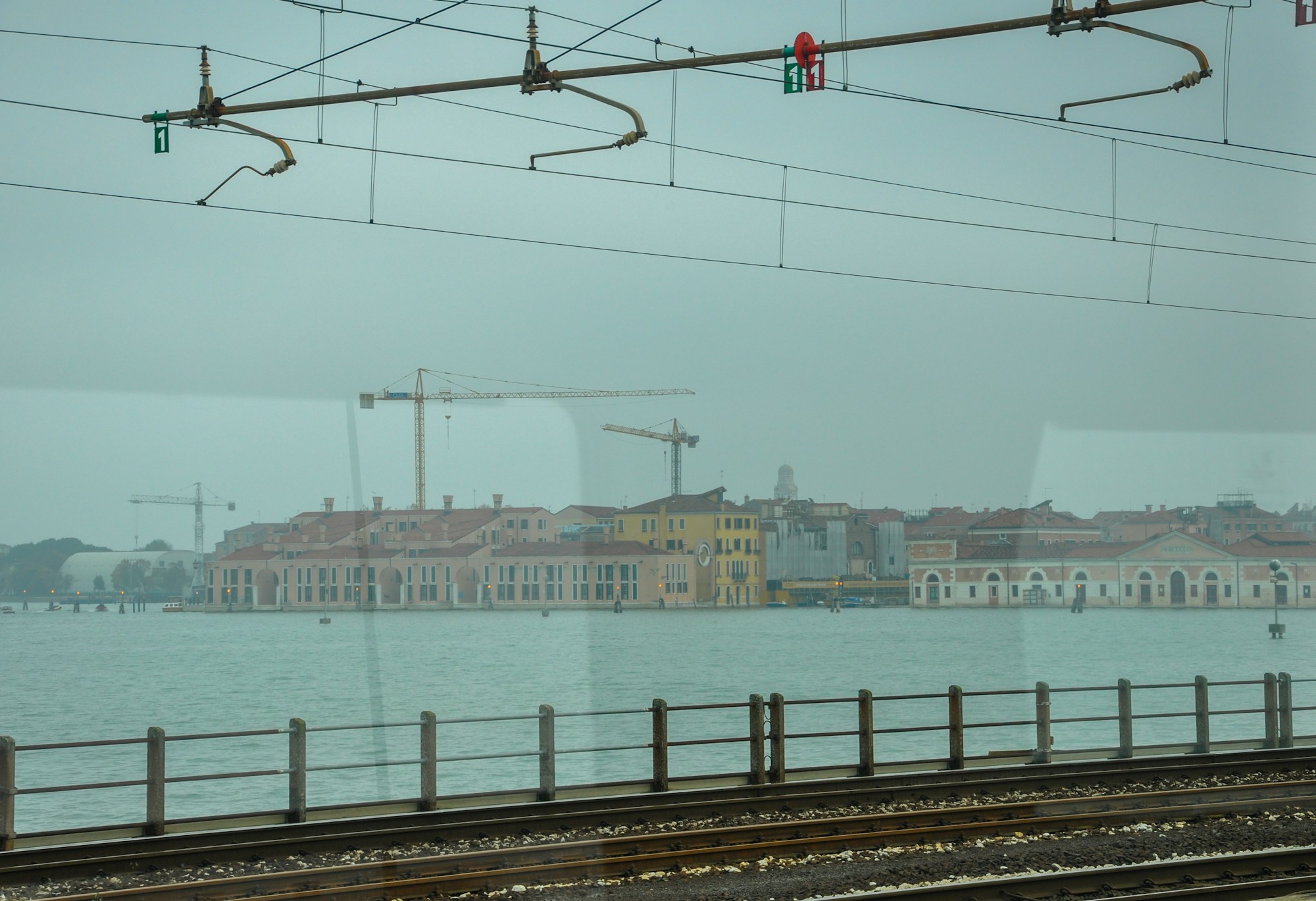
Mestre — the Venetian mainland
Mestre is the mainland section of the city of Venice: it belongs to the same municipality (and therefore exempts you from the daily access fee), but offers accommodation 40–50% cheaper than the historic centre. According to Virée-Malin, direct trains from Venezia Mestre station to Venezia Santa Lucia run every 10 minutes, from 5am to 11:48pm, for €1.50–2 per journey. From Santa Lucia, the Giardini are a further 20 minutes by vaporetto (line 1 or 4.1).
One rarely highlighted argument: Forte Marghera, where the 2026 Biennale’s special projects are held, is in Mestre. From a hotel near the station, you can reach it on foot or in a few minutes by bus, without crossing the lagoon.
Key strengths
- Real savings of €50–100 per night compared to Castello or Dorsoduro
- Unrestricted car parking (essential if you’re arriving by car)
- Direct access to Marco Polo Airport (bus in 30 min, €8) and Forte Marghera
- Local restaurants and bars 25–35% cheaper than Venice (spritz from €3–4)
- Modern, spacious hotels often with lifts (hard to find in Venice)
3. Staying in central Venice — Castello, the ideal Biennale base
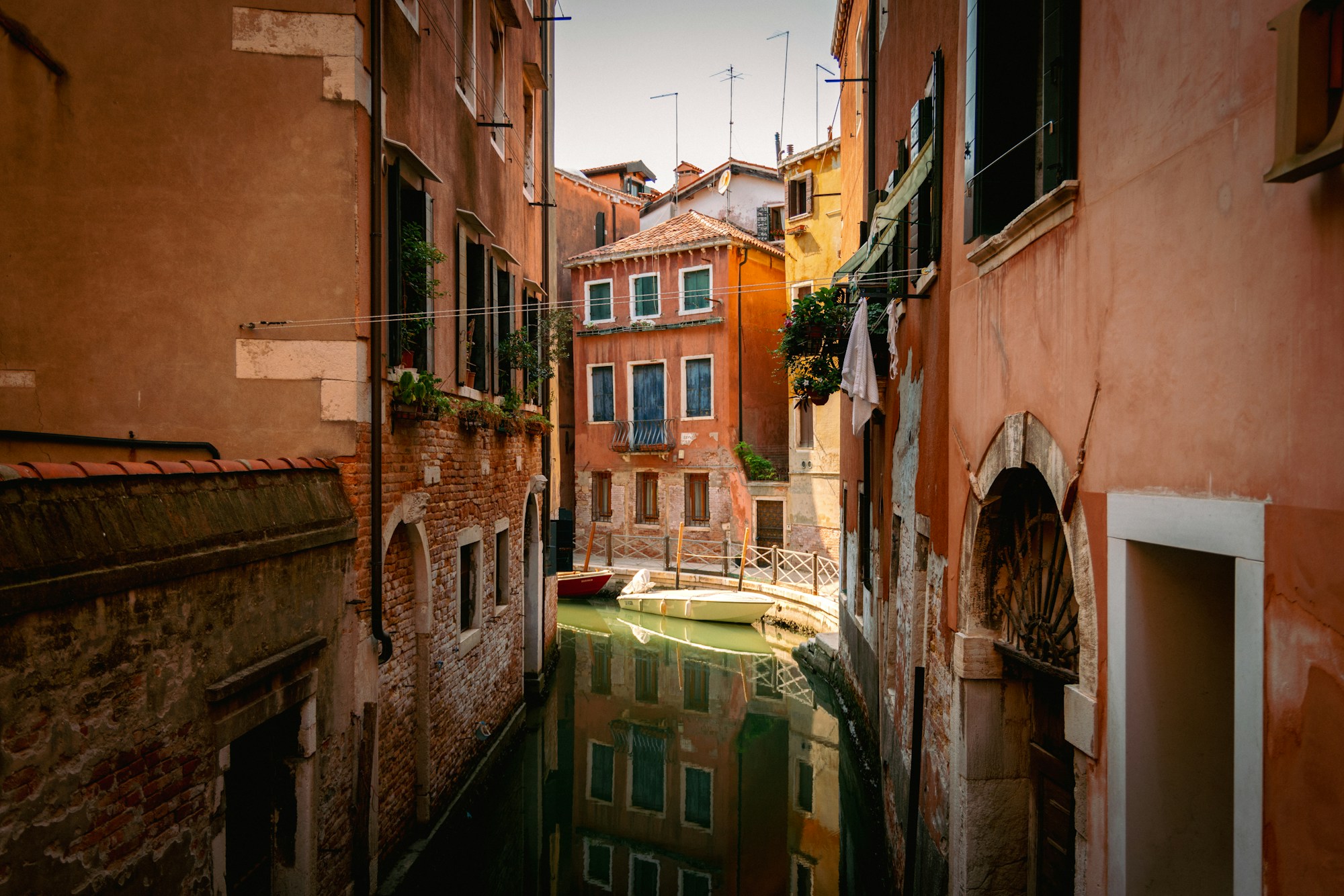
Castello — at the heart of the Biennale
Castello is the largest sestiere in Venice, the least touristy of the central districts and the closest to the Giardini della Biennale. According to Nomads Travel Guide, the district combines « a relaxed maritime atmosphere, small boats along the canals and laundry drying in the breeze » with immediate proximity to the exhibition space. Via Garibaldi, the main shopping street, is a few minutes’ walk from the gardens. From there, you can reach the Arsenale in 10 more minutes.
Among the hotels closest to the Giardini: Hotel Ca’ Formenta (one block from the gardens, private wharf), Hotel Indigo Venice – Sant’Elena (0.7 km from the Giardini, very quiet residential area), and Hotel Gabrielli on the Riva degli Schiavoni, with lagoon views 10 minutes’ walk from the Giardini. According to EarthTrekkers, Castello offers €113–138/night mid-range, rising to €200–280 during the Biennale opening in May.
Key strengths
- 15–20 minutes’ walk from Giardini: arrive at opening, leave at closing
- Authentic neighbourhood, not swamped by tourists like San Marco
- Morning and evening strolls through Venice without transport constraints
- Exempt from access fee (overnight stay → free QR code at cda.ve.it)
If you land in Castello without a fixed plan for day one, a small-group walking tour through Campo Santa Maria Formosa and the Rialto Bridge area is an easy, affordable way to get your bearings before the Biennale crowds pick up.
4. Lido di Venezia — the underrated option two vaporetto stops from the Giardini
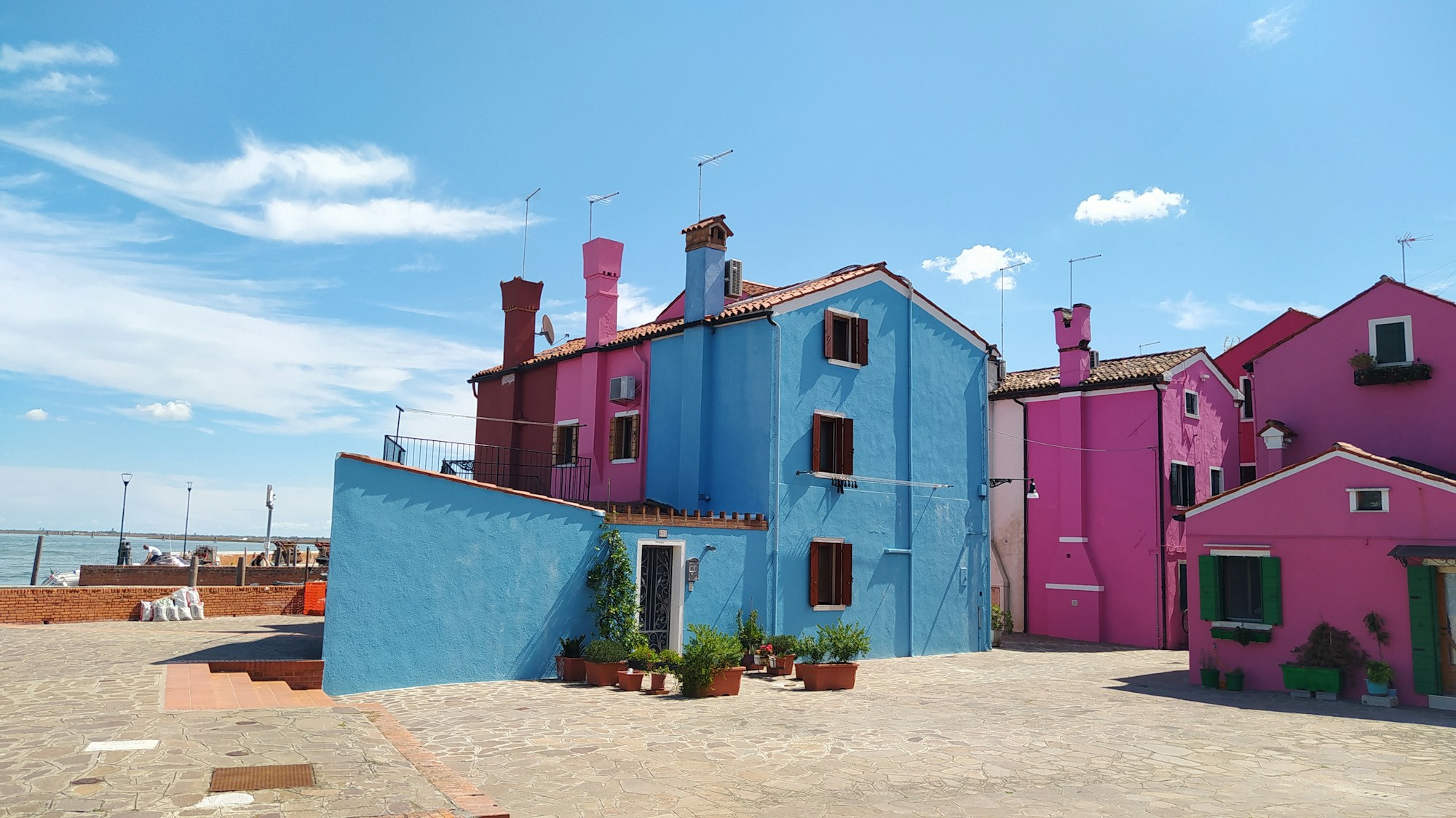
Lido di Venezia — beaches + Biennale within vaporetto reach
The Lido di Venezia is the long barrier island separating the lagoon from the Adriatic. Accessible via vaporetto lines 1, 2 and 5.1 from the centre, it’s just two stops from the Giardini Biennale — often more convenient than some hotels in Cannaregio or Dorsoduro. According to TripAdvisor Venice forums, the Lido is regularly recommended by Biennale regulars who want a quiet, reasonably priced base.
Restaurants there are 25–35% cheaper than in the historic centre. You can drive or cycle on this 11km-long island, impossible on the islands of Venice itself. The Art Nouveau atmosphere of the villas, the late afternoon beaches and the calm of the Lido make it an appealing base for an extended stay during the Biennale.
Key strengths
- Prices 20–40% lower than central Venice neighbourhoods
- Two vaporetto stops from Giardini: direct and fast connection
- Beaches within reach — ideal for combining Biennale visits with relaxation
- Bike hire available, resort-like atmosphere
5. Comparison table — which accommodation for your profile?
The decision at a glance
There’s no universal answer: the choice between Mestre, Castello, Cannaregio or the Lido depends on three variables — your budget, the number of days you’re staying, and how much you value Venetian immersion outside the Biennale.
| Traveller profile | Recommendation | Indicative price/night | Main reason |
|---|---|---|---|
| Tight budget, 1–2 days | Mestre (near station) | €50–90 | 50% savings on accommodation, fast train |
| Car, family | Mestre | €80–140 | Parking available, car useless in Venice |
| Biennale-first, 2–3 days | Castello | €120–200 | 15–20 min walk to Giardini, total immersion |
| Romantic, first visit | Castello / Dorsoduro | €100–180 | Sunrise and sunset walks |
| Long stay (5+ days), mixed | Lido | €70–120 | Reasonable price, direct vaporetto, beaches |
| Budget within Venice | Cannaregio | €87–100 | Authentic neighbourhood, lowest rates within Venice |
6. Practical information — access fee, vaporetto and Biennale tickets
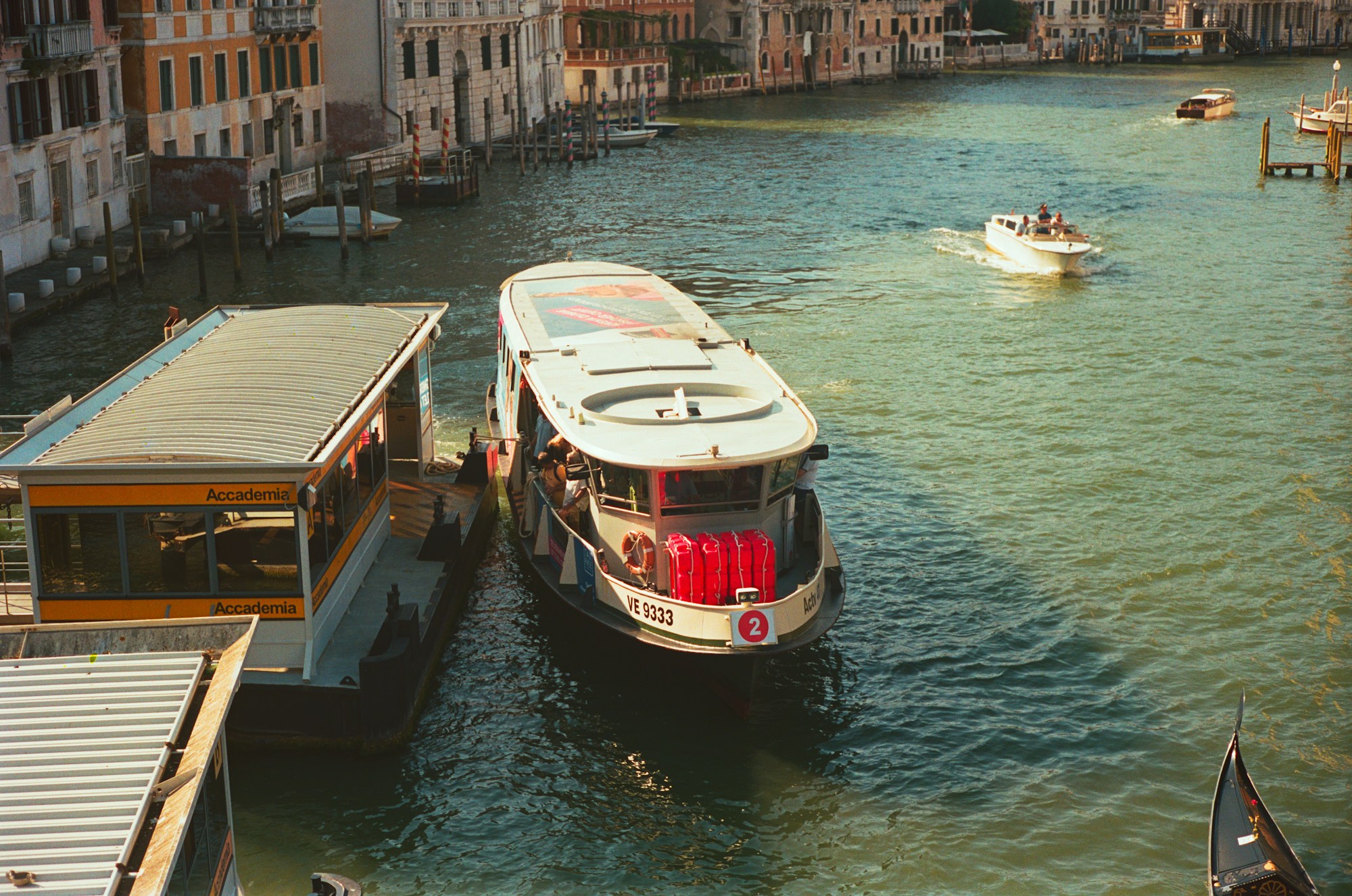
Everything you need to know before you go
The Venice access fee 2026
Since 2024, Venice applies a « contributo di accesso » on 60 peak tourist days between April 3 and July 26, 2026, from 8:30am to 4pm. The fee is €5 if you register at least 4 days in advance, €10 otherwise. According to the official cda.ve.it website, visitors who spend the night in the Venice municipality (Venice, Mestre, Lido, Murano, Burano, Pellestrina…) are exempt — but must still obtain a free exemption QR code at cda.ve.it. Children under 14 do not pay. Note: in May 2026, almost every weekend and public holiday is subject to the fee.
ACTV Vaporetto — 2026 fares
- Single ticket 75 min: €9.50 (use for one direct journey)
- 1-day pass: €25 (value from 3 journeys)
- 3-day pass: €45 (recommended for most Biennale stays)
- Lines to Giardini from Santa Lucia station: 1, 2, 4.1 (stop « Giardini Biennale »)
Travel essentials
Global nomad coverage from $56/4 weeks. Get 10% off through our link.
From $56 / 4 weeksStay connected from the moment you land. Instant activation, no physical SIM.
From €4.50Shared boat link straight into Venice — no car, no queueing for a water taxi. Instant confirmation.
From €39Frequently Asked Questions
Does the Venice access fee apply if I sleep in Mestre?
No. Mestre is an integral part of the municipality of Venice. According to the official cda.ve.it website, any visitor who spends the night in the municipality — including Mestre, Marghera, Favaro Veneto and Chirignago-Zelarino — is exempt from the access fee. You must however obtain a free exemption QR code at cda.ve.it before your stay.
How long does it take to get from Mestre to the Giardini della Biennale?
Allow 30 to 35 minutes in total. The Mestre → Santa Lucia train takes 10 minutes (€1.50–2, every 10 min). From Santa Lucia, vaporetto line 1 or 4.1 takes 15–20 minutes to the « Giardini Biennale » stop. Alternative: water taxi from Santa Lucia in 15 min (€40–60). In practice, from a well-located hotel in Mestre, allow 45 minutes door-to-door for the first morning trip.
What is the best neighbourhood in Venice for the 2026 Biennale?
The Castello sestiere, specifically the Sant’Elena / Via Garibaldi area, is closest to the Giardini (15–20 min walk) and the Arsenale (25–30 min walk). It’s an authentic neighbourhood, with relatively few tourists and accessible restaurants. Hotels like Ca’ Formenta (one block from the Giardini) or Hotel Indigo Sant’Elena (0.7 km) offer the best possible proximity. The Lido, often overlooked, is an excellent compromise just two vaporetto stops away.
How many days should I plan to see the 2026 Biennale?
According to Italy on Foot, allow a minimum of 2 days: one day at the Giardini (3–4 hours minimum for 29 permanent pavilions) and one day at the Arsenale (vast industrial halls, immersive installations). Add a third day if you want to visit Forte Marghera (special projects in Mestre) and some of the 31 collateral events spread across the city. The 3-day ticket at €40 is therefore the most relevant for most visitors.
When is the best time to visit the Biennale to avoid crowds?
Avoid opening week (May 6–15) at all costs: the art world floods Venice, restaurants are fully booked and vaporetti packed. According to ArtVisitGuide, the best periods are late May, June (outside access-fee weekends), and especially September. In September, Venice has mild temperatures, queues shorten, and the Arsenale is open until 8pm on Fridays and Saturdays. October and November are also very pleasant, with lower accommodation prices.
Are hotels in Venice and Mestre fully booked for the 2026 Biennale?
For May 2026 (opening), hotels close to the Giardini in central Venice are largely full or overpriced, having been booked for months. In Mestre, supply is greater but also tightening in May. From June to November, availability is much better. The basic rule: book 6–8 months in advance for May weekends, and 2–3 months ahead for the rest of the season.
Which Biennale ticket should I choose for my programme?
The 1-entry ticket (€30) gives access to Giardini AND Arsenale, not necessarily on the same day. It suits a quick visit. The 3-day ticket (€40) is recommended for 2 or more days, as entries are unlimited. The 7-day ticket (€50) is for very dedicated visitors or temporary residents. Under-26s pay €16 for 1 entry. According to La Biennale di Venezia, tickets must be purchased exclusively online at labiennale.vivaticket.it.
Can you visit the Biennale as a day trip from another Italian city?
Yes, and it’s a viable option if your main stay is elsewhere. Padua is 25 minutes by train from Venice (around €4), Verona is 1h10, Bologna 1h30. In that case, the €5 access fee applies (peak days between 8:30am and 4pm) — register on cda.ve.it at least 4 days before. This works for a day visit to either the Giardini or the Arsenale, but won’t allow you to see both venues comfortably or Forte Marghera.
Should I book a private or small-group boat tour to Murano and Burano during the Biennale?
For most visitors, a small-group boat tour is the better value: it typically costs €30–40 per person and still departs directly from central Venice, covering both islands in a half-day with a guide. An exclusively private boat runs €150 and up, which only makes sense for large families or groups wanting full schedule flexibility. Whichever you pick, book early during opening week (May 6–15), when island-hopping boats fill up fast alongside the Biennale crowds.
What is the cheapest way to get from Marco Polo Airport to my hotel?
If you’re staying in Mestre, the ATVO or ACTV bus to Mestre station costs around €8 and takes 20–30 minutes, or a taxi runs €30–40. If you’re heading into the historic centre, a shared boat link (Alilaguna-style) from Marco Polo costs from €39 per person with instant confirmation and no advance planning required — cheaper and less hassle than a private water taxi, which starts at €150–250. Whichever option you choose, book it before you land so you’re not negotiating prices at the terminal.
Sources
This article was written from official and verified sources:
- La Biennale di Venezia — Official 2026 information — Accessed April 30, 2026
- Contributo di Accesso Venezia — Official FAQ — Accessed April 30, 2026
- Venice Biennale 2026: entry, opening hours and info — Accessed April 30, 2026
- Staying in Mestre: practical tips and transport — Virée-Malin — Accessed April 30, 2026
- Venice Biennale 2026: First-Timer Guide — Italy on Foot — Accessed April 30, 2026
- Venice Biennale 2026: €30 Tickets + Practical Guide — ArtVisitGuide — Accessed April 30, 2026
- Where to Stay in Venice 2026 — EarthTrekkers — Accessed April 30, 2026
- Venice Vaporetto Fares 2026 — Europe For Visitors — Accessed April 30, 2026
- Venice Day-Tripper Fee 2026 — Time Out — Accessed April 30, 2026
Plan your Biennale stay with the best itineraries
Venice in May or in October, two days or a full week: our detailed itineraries help you organise your 2026 Biennale visit at your own pace, budget and artistic preferences.
Explore all itineraries