
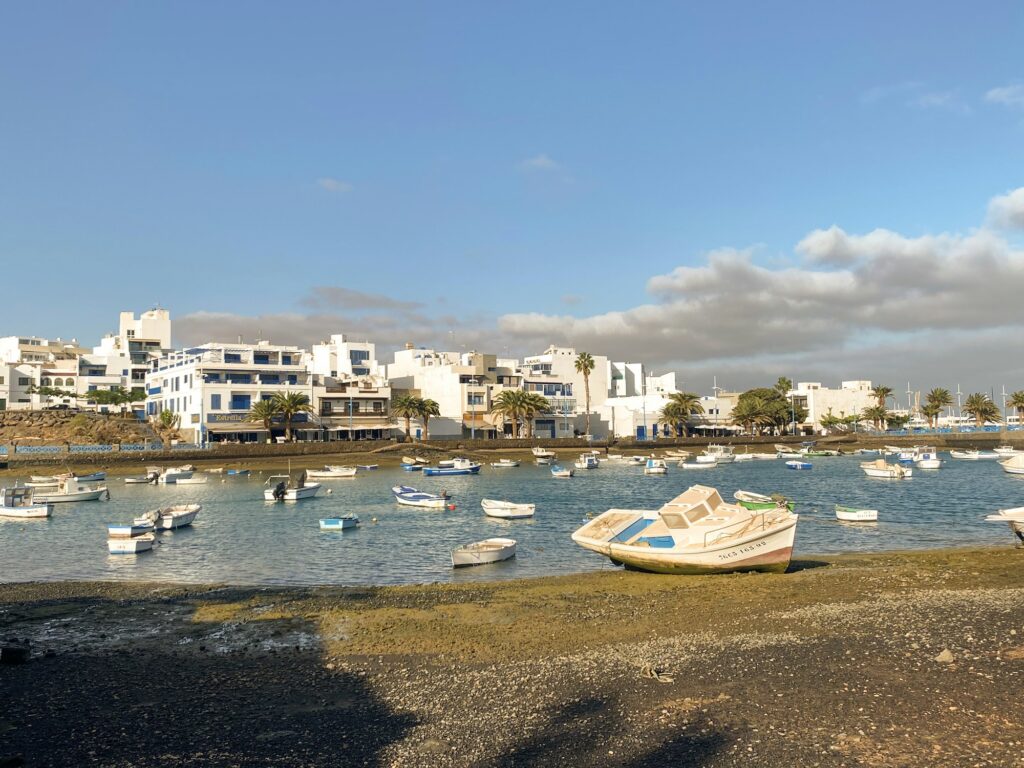
Our Lady of Mount Carmel, patron saint of Spain’s sailors since a royal decree of 1901, is celebrated across the whole country on 16 July, a Thursday in 2026. Every town runs its own window of festivities, though: the Barceloneta procession in Barcelona takes place on Saturday 18 July 2026, while Puerto de la Cruz (Tenerife) draws more than 100,000 people and Marín, in Galicia, hosts a naval ceremony presided over by King Felipe VI. For an easy weekend trip from the UK, the Barceloneta remains the most practical starting point for this maritime tour of Spain.
Every 16 July, the whole of Spain turns to face the sea. Dozens of ports, from the Barceloneta to the coves of the Costa del Sol and the rías of Galicia, hoist Our Lady of Mount Carmel onto a flower-decked boat and carry her out to bless the waves. Unlike Holy Week or Valencia’s Fallas, this festival has no single epicentre: it’s a genuine maritime tour of Spain, one you can follow however suits you, from an easy Barcelona city break just a short flight away to the full-blown popular fervour of Puerto de la Cruz, in the Canary Islands.
A 13th-century devotion that became patron saint of the Spanish navy
The name « Carmen » comes from the Hebrew Karmel, usually translated as « garden of God »: a reference to Mount Carmel, near Haifa, where a group of hermits inspired by the prophet Elijah founded the Carmelite order around 1200. According to Carmelite tradition, the Virgin appeared to Saint Simon Stock on 16 July 1251 to give him the brown scapular, along with a promise of protection for whoever wore it. Devotion reached Spain as early as 1270 in Aragon, then Castile (Valladolid, 1315) and Seville (1358), ahead of the Discalced Carmelite reform led in the 16th century by Teresa of Ávila and John of the Cross, according to Wikipedia.
Her patronage of sailors, though, is much more recent and local in origin: it began at Isla de León (now San Fernando, near Cádiz) in the second half of the 18th century, popularised among crews by the Majorcan admiral Antonio Barceló. It took a royal decree signed on 19 April 1901 by the queen regent María Cristina of Habsburg-Lorraine for Nuestra Señora del Carmen to officially become patron saint of the Spanish navy, as El Debate recalls. Since then, almost the same ritual has played out in every port: the fishermen’s brotherhood carries the image down to the quay, loads her onto the fleet’s finest flower-decked boat, and a flotilla escorts her out on the water to the sound of bells and sirens, before carnations are cast into the sea in memory of sailors lost at sea.
1. Barcelona: the Barceloneta procession, Saturday 18 July 2026
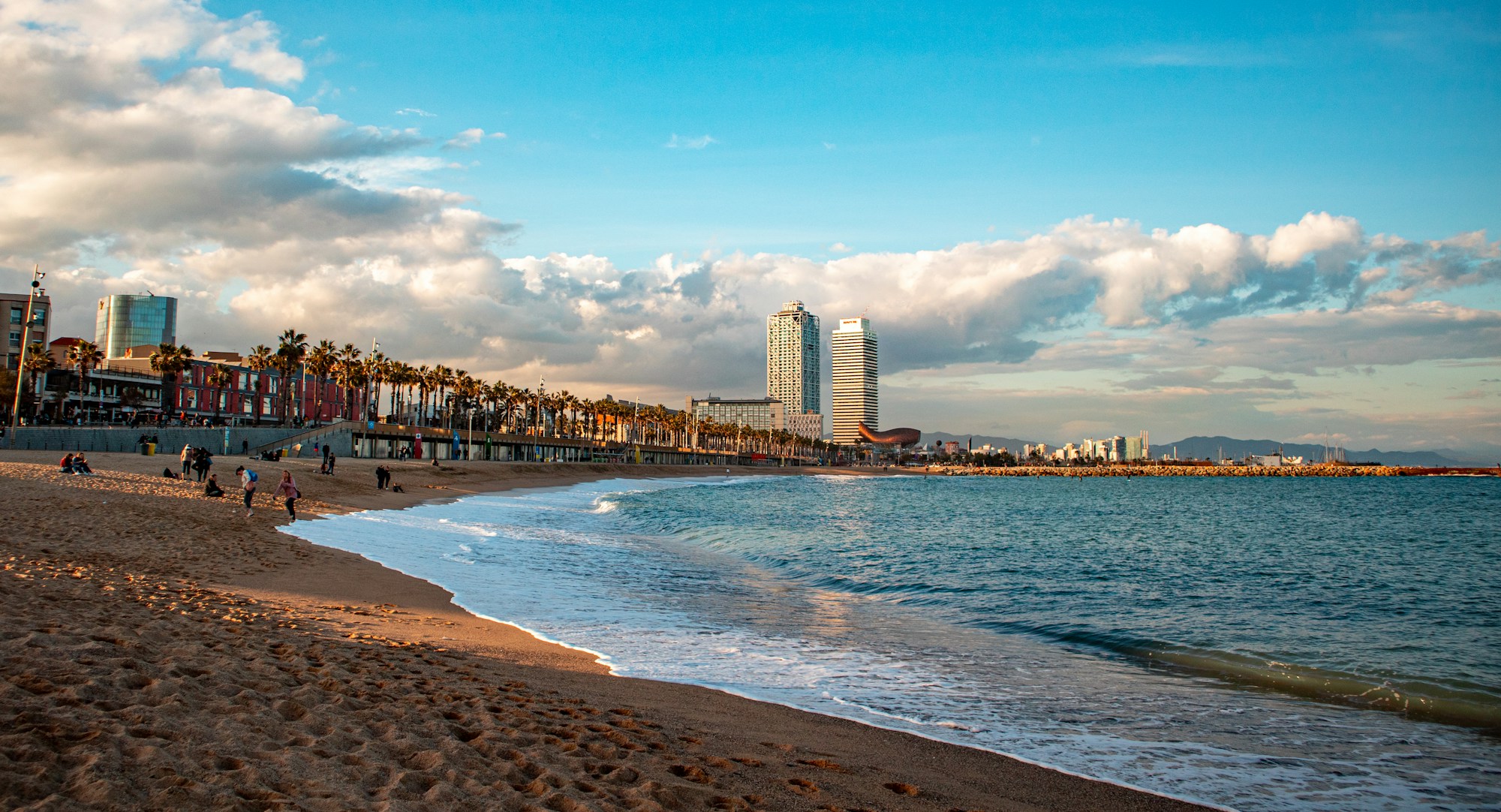
The Barceloneta, Barcelona’s fishing quarter
Built from 1753 on land reclaimed from the sea to rehouse the city’s fishermen, the Barceloneta remains, nearly three centuries on, the maritime heart of Barcelona. Its church, Sant Miquel del Port, has been home to the local fishermen’s brotherhood for generations. In 2026, the procession honouring the Mare de Déu del Carme (the Catalan name for the festival, not to be confused with the « Fiestas del Carmen » celebrated across the rest of Spain) takes place on Saturday 18 July: it sets off at 5pm in front of the church, the maritime procession moves through the port at 5.30pm, followed by a solemn mass at 7.30pm led by Cardinal-Archbishop Joan Josep Omella, according to the Diocese of Barcelona. This year’s chosen theme, « Mare marinera, fes de nosaltres una barca oberta a tothom » (Sailor mother, make us a boat open to everyone), resonates in a Catalonia that has, by some distance, the lowest rate of religious belief in Spain, according to Catalan News: popular devotion to the Carmen appears to have long outgrown its strictly religious frame.
Highlights
- Sunset maritime procession through the port, followed by mass at Sant Miquel del Port
- A walkable quarter from the old town, easy to combine with an evening in the Gothic quarter of El Born
- Flights from the UK from around £25, roughly two hours in the air
2. Costa del Sol: up to 30 processions between Nerja and Manilva
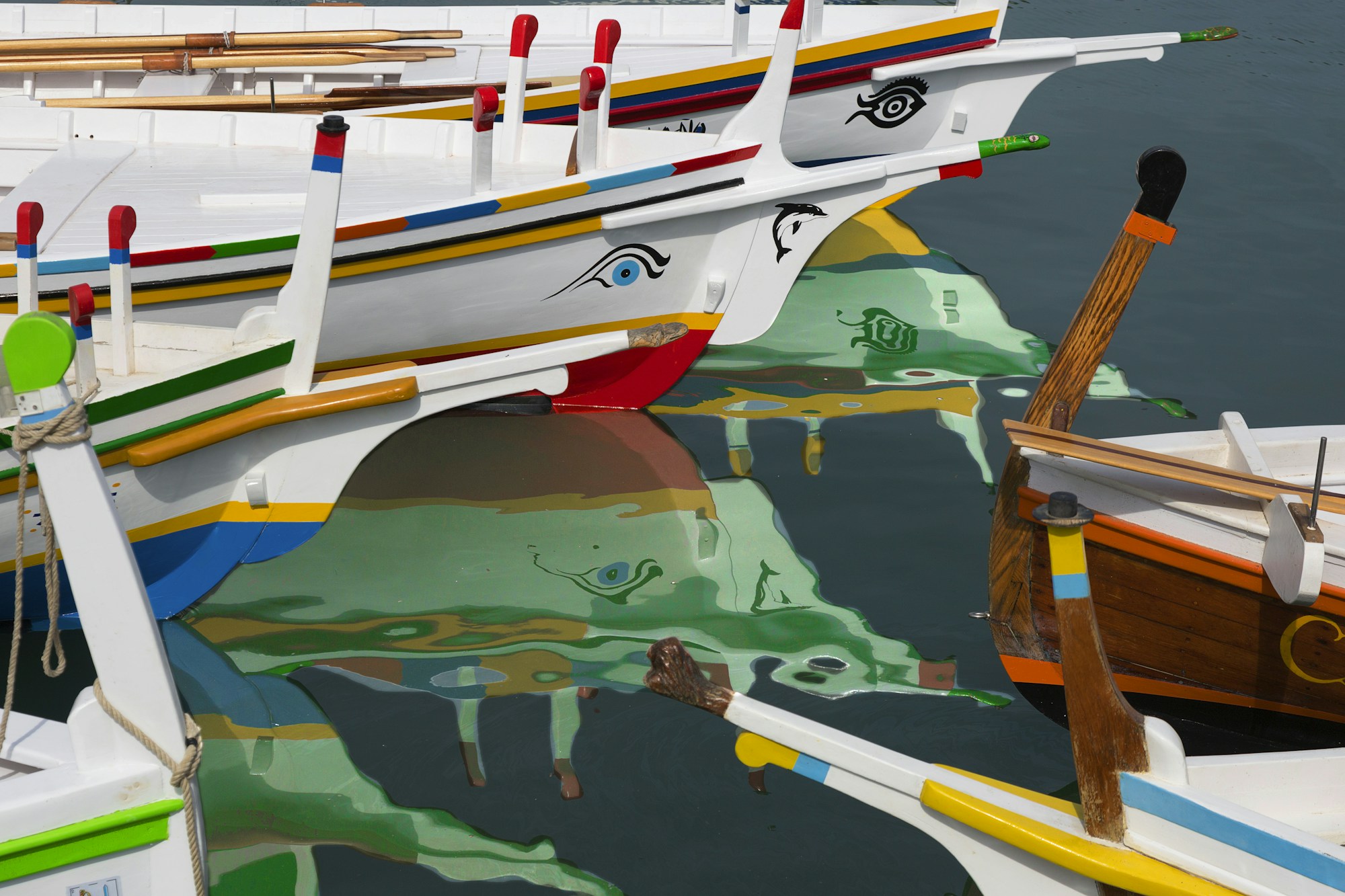
Málaga and its coast, Spain’s densest cluster of Carmen festivities
Between 16 and 26 July, as many as 30 separate processions take place along the Costa del Sol alone, from Nerja to Manilva by way of Torremolinos, Fuengirola, Marbella, Estepona and Benalmádena, according to Área Costa del Sol. At Los Boliches (Fuengirola), a tradition more than a century old stands out for one distinctive detail: the fishermen carry the Virgin straight into the sea on their shoulders, with no boat involved. At El Palo, Málaga’s historic fishing quarter, the Feria del Carmen runs from 14 to 19 July 2026, maritime procession included. The most recognisable visual motif along the coast remains the jábega, a brightly coloured traditional Andalusian fishing boat that still accompanies some processions and even features in its own regattas, as at Puerto de El Candado.
Highlights
- Los Boliches (Fuengirola): the Virgin carried straight into the sea by fishermen, no boat needed
- El Palo (Málaga): Feria del Carmen from 14 to 19 July 2026
- As many as 30 separate events along the whole coastline between 16 and 26 July
3. Galicia: in Marín, a naval ceremony presided over by King Felipe VI
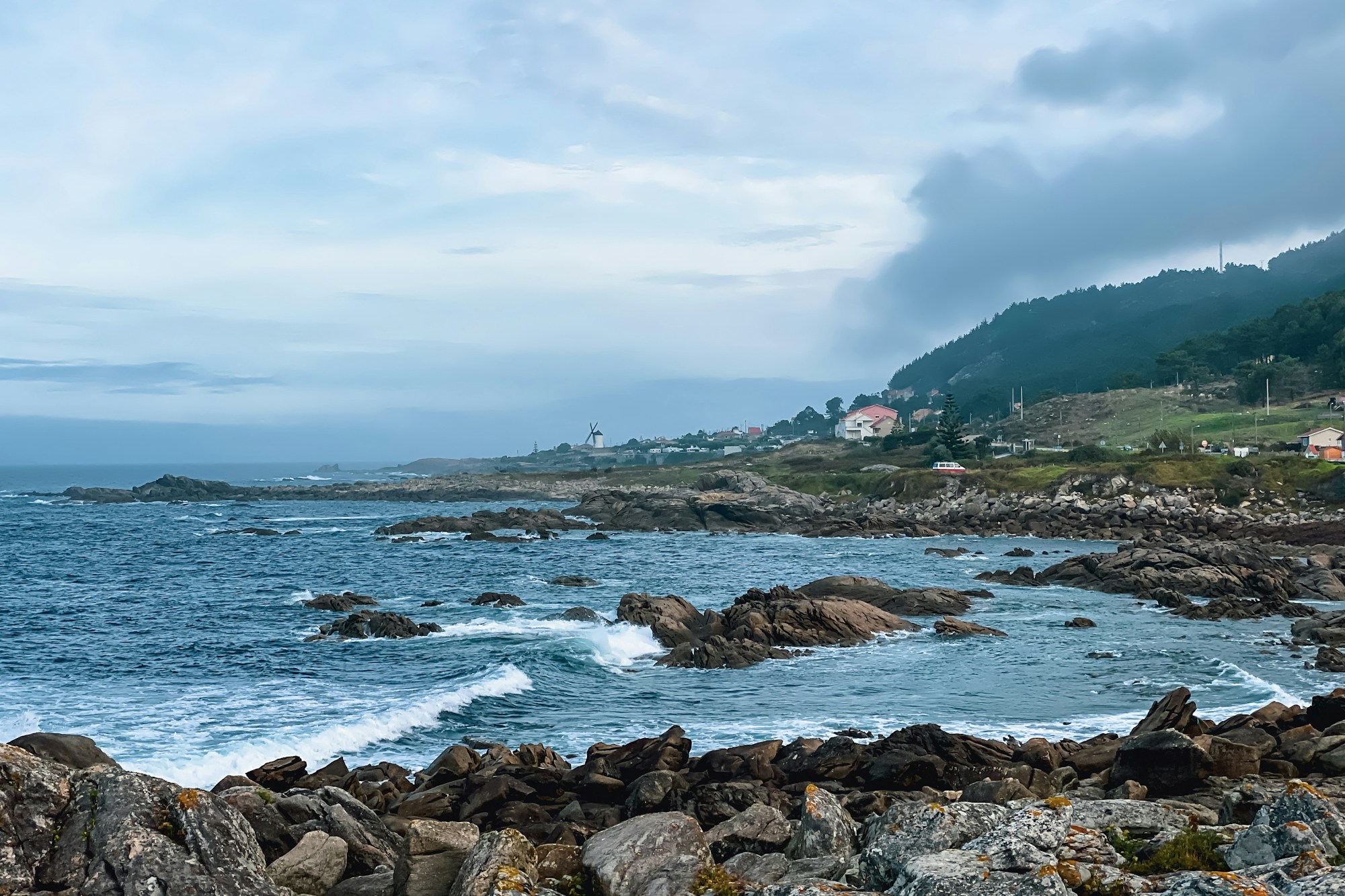
Marín, the great maritime festival of the Ría de Pontevedra
From 9 to 16 July 2026, Marín, a small port on the Ría de Pontevedra, celebrates one of Galicia’s richest Festas do Carme: a maritime procession at 7pm on the day itself, the Festa do Viño wine festival, the Airiños international folk-dance festival, a craft market and fireworks at midnight, according to Pontevedra Viva. The town is also home to Spain’s Naval Military Academy (Escuela Naval Militar): every 16 July, King Felipe VI traditionally presides there, alongside Queen Letizia, over the flag oath ceremony (jura de bandera) and the graduation of new naval officers, as he did in July 2025, according to Diario de Pontevedra. This official ceremony falls on the same day as the Carmen festivities, though no source confirms the King attends the popular procession itself: these are genuinely two separate events, held the same day in the same town. About 30 km (19 miles) away, Corcubión (16-18 July) and Bueu, where 16 July is a local public holiday, round out the Galician picture, backed by seasonal food: empanada, pulpo á feira (Galician-style octopus) and grilled sardines, washed down with a local wine from the Ribeiras do Morrazo IGP.
Highlights
- Maritime procession at 7pm on 16 July, followed by fireworks at midnight
- Flag oath ceremony presided over by King Felipe VI at the nearby Naval Academy
- Local food: empanada, pulpo á feira, grilled sardines and Ribeiras do Morrazo wine
4. Canary Islands: more than 100,000 people in Puerto de la Cruz
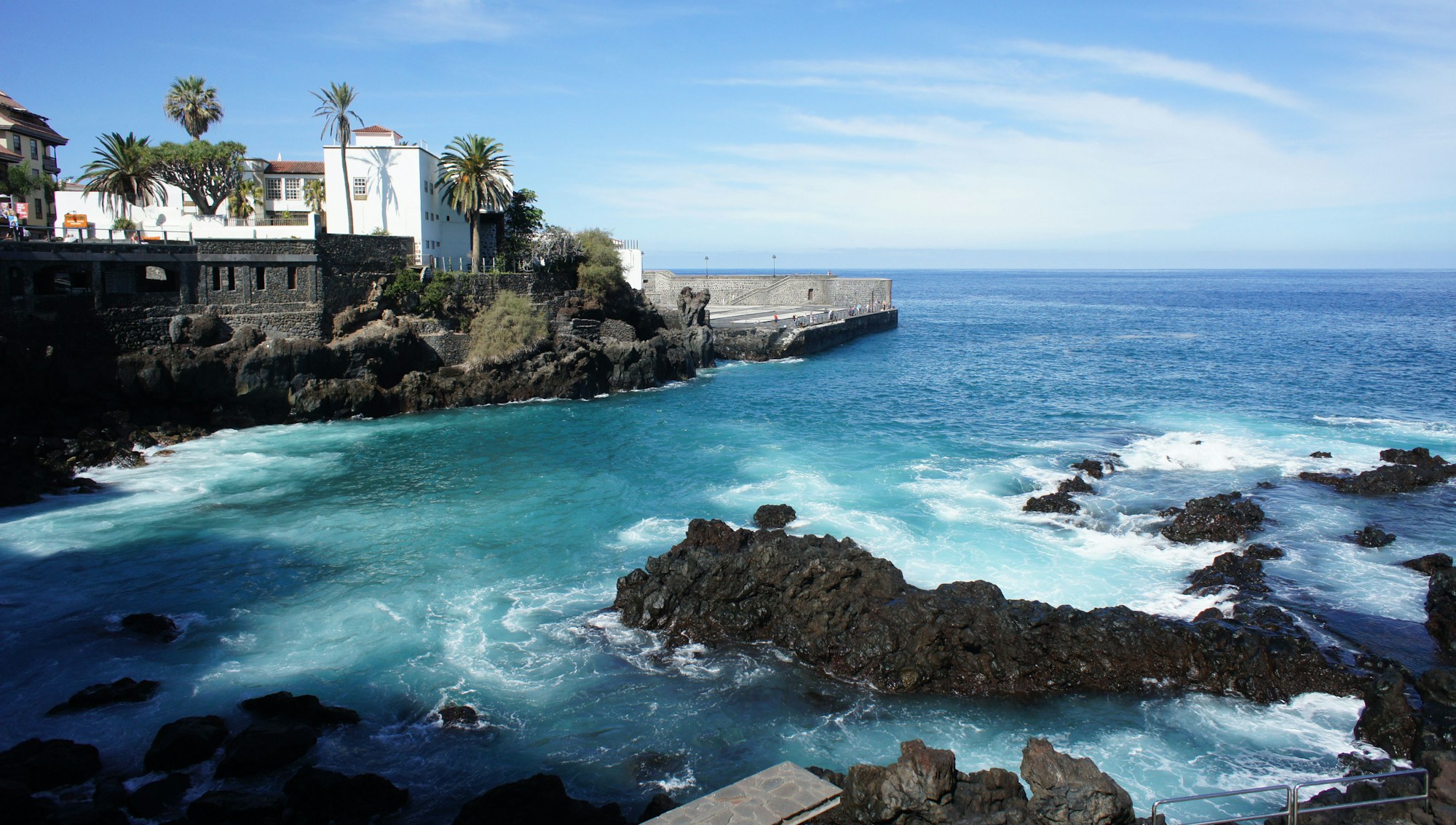
Puerto de la Cruz, the best-attended procession in the archipelago
In Puerto de la Cruz, on Tenerife’s north coast, the Carmen procession draws more than 100,000 people from across the archipelago every year, making it the best-attended in the Canary Islands, according to puertodelacruztn.com. The current image, carved by Ángel Acosta Martín, was presented to the town on 19 May 1954; since July 2011 she has held the honorary title of Alcaldesa Perpetua (perpetual mayoress) of Puerto de la Cruz. The embarkation and maritime procession traditionally take place on the Tuesday before 16 July – Tuesday 14 July 2026 this year: mass at the chapel on the pier in the morning, a land procession in the afternoon carried by singing fishermen, embarkation at the fishing harbour, a tour of the bay, then a return through the historic centre and fireworks. The town council has also pushed for the festival to gain national recognition, with talk, not confirmed so far, of a future bid for UNESCO intangible cultural heritage status.
Highlights
- More than 100,000 participants, the best-attended procession in the Canary Islands
- The Virgin has held the honorary title of Alcaldesa Perpetua since 2011
- Embarkation and maritime procession on Tuesday 14 July 2026, two days ahead of the national date
5. Basque Country: Santurtzi has celebrated the Carmen since 1907
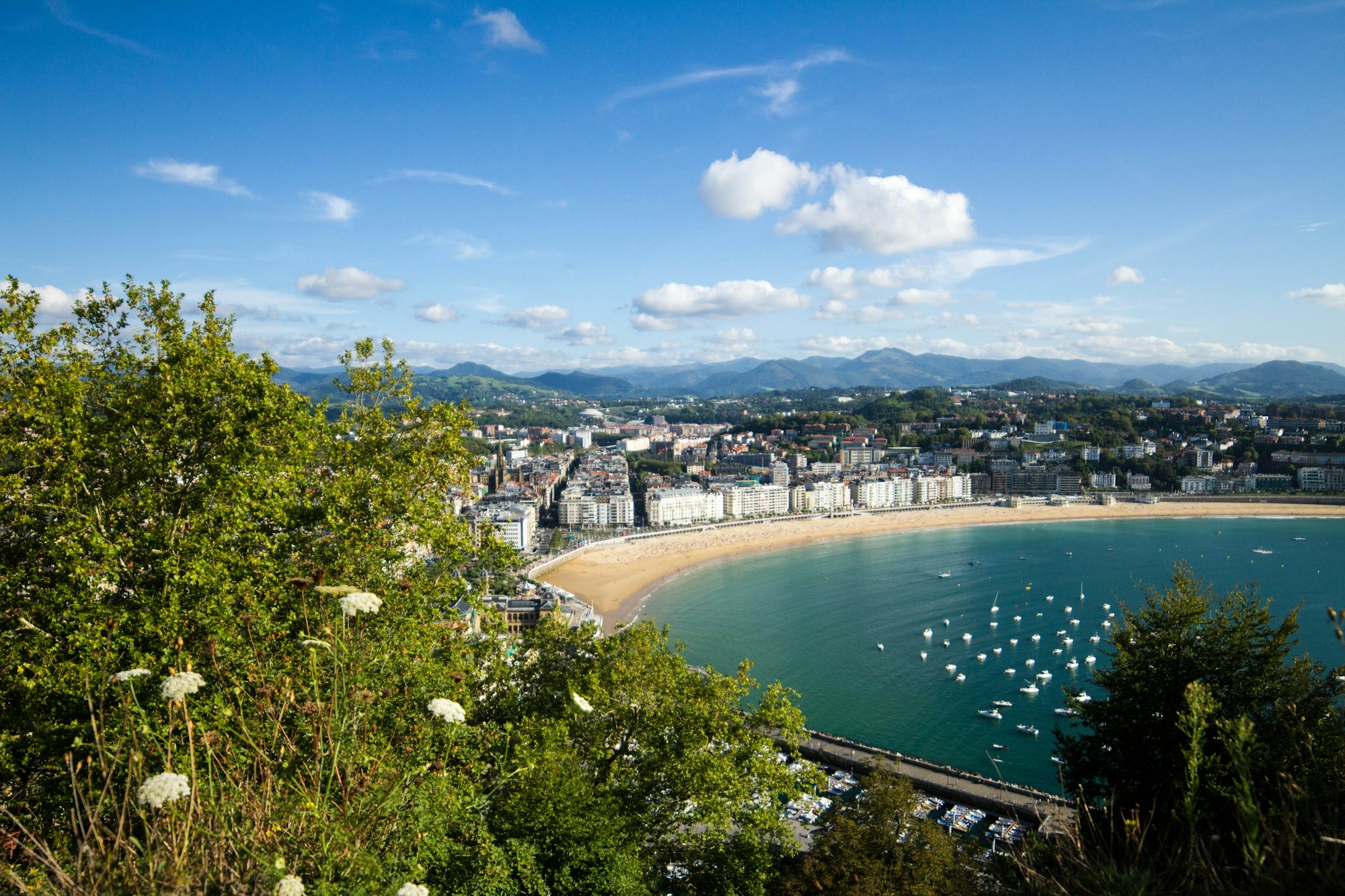
Santurtzi, Euskadi’s oldest maritime procession
In Santurtzi, on the Nervión estuary near Bilbao, the Carmen festival has been held since 1907, the year Pope Pius X made her the town’s patron saint, according to En Santurtzi. From 10 to 19 July 2026, the festivities open with the Sardinen Eguna (Sardine Day) on 10 July, with free wood-fired grilled sardines handed out, ahead of the maritime procession on the 16th, at around 6pm: the statue leaves the San Jorge church and boards a boat surrounded by a decorated flotilla, accompanied by brass bands and dance troupes in traditional arrantzale dress (navy-blue skirts and petticoats trimmed with green, white and red ribbons for the women). A local tradition, less firmly documented than the rest of the programme, also links Santurtzi to the Kaxarranka, a dance in which a performer balances and steps on the lid of a chest carried at shoulder height by several bearers. Nearby in Barakaldo, the « Karmenak » festivities run from 11 to 19 July, while Getxo also celebrates the Virgin of Carmen on 16 July, in a packed summer calendar.
Highlights
- The oldest maritime procession in the Basque Country, held since 1907
- Sardinen Eguna on 10 July: free wood-fired grilled sardines
- Traditional arrantzale dress worn throughout the procession
6. Valencia, Murcia and the rest of the Spanish coast
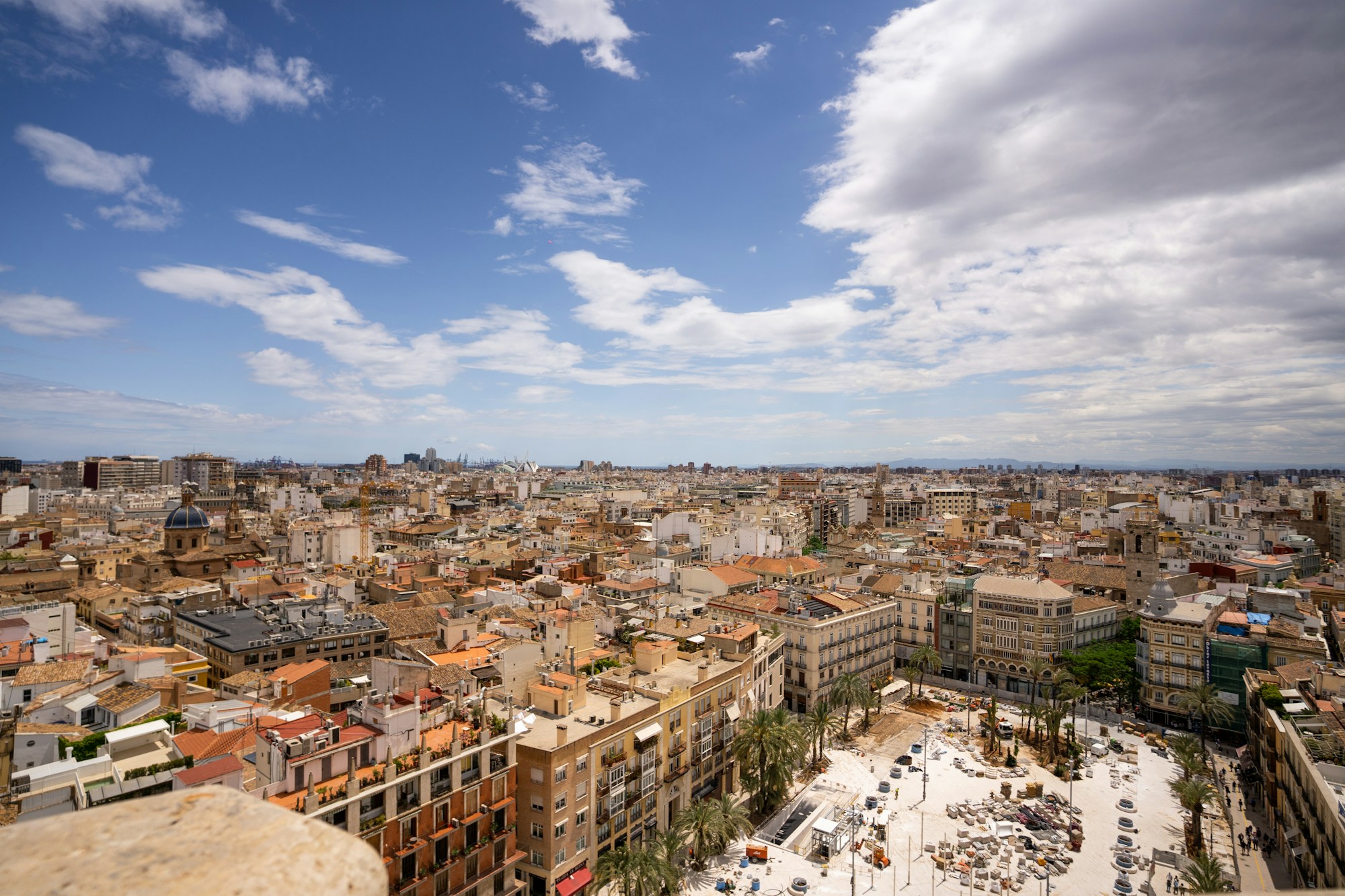
From Valencia to Almería, the same ritual town by town
In Valencia’s Grao district, the Cofradía Nuestra Señora del Carmen, founded in 1606, marks 16 July with a day of masses (from 8am), a solemn procession at 8pm and the traditional « Cant de la Carxofa » that closes the evening, according to Love Valencia. Don’t confuse it with the separate romería held by the same brotherhood on 4 July 2026, another date on the local calendar. A little further south, El Campello celebrates its 102nd edition in 2026 (the festival was founded in 1924, with its centenary marked in 2024), over a window running from 10 to 19 July that draws around 100,000 visitors. In Torrevieja, by contrast, the traditional maritime procession and the launching of the Virgin onto the water will exceptionally not take place in 2026, owing to port works, according to Objetivo Torrevieja: if this moment matters to you, San Pedro del Pinatar or El Campello are better bets. In San Pedro del Pinatar (Murcia), on 16 and 17 July, a land procession followed by a maritime one on the Mar Menor is accompanied by a floral tribute and a minute’s silence for sailors lost at sea, ahead of fireworks at around 11pm. In Cartagena, a major naval port, the fishermen’s brotherhood donated more than 1,000 kg of fish to charities during a recent edition. Further west, Aguadulce and Roquetas de Mar (Almería) hold their maritime procession on 15 July at around 6.30pm, followed by a ceremonial cannon shot at midnight on the 16th. Finally, in Santander, the Barrio Pesquero runs its own Carmen festival between 12 and 16 July: a neighbourhood tradition, kept alive by fishermen, but one that does not make Carmen the city’s official patron saint – that status belongs to the Virgen del Mar, celebrated on 25 May.
Highlights
- El Campello (Alicante): 102nd edition in 2026, around 100,000 visitors
- San Pedro del Pinatar: floral tribute and a minute’s silence for sailors lost at sea
- Cartagena: more than 1,000 kg of fish donated to charities
Practical info for your trip to Spain
Instant mobile data on arrival, with no swapping SIM cards or hunting for a local network.
Plans from a few poundsNomad Insurance: global coverage from $56 per 4 weeks, with cancellation, baggage and medical cover for your Spanish summer trip.
From $56 / 4 weeksFrequently asked questions
What is the date of the Virgen del Carmen festival in 2026?
16 July, a Thursday in 2026, is the fixed liturgical date across the whole of Spain. But every town runs its own window of festivities, anywhere from 4 to 10 days around that date, and some of the biggest events are shifted to the nearest weekend: Barcelona, for instance, celebrates its procession on Saturday 18 July 2026, according to the Diocese of Barcelona.
Why is the Virgen del Carmen the patron saint of Spain’s sailors?
Devotion to her as the Virgin Mary dates back to the 13th century, but her role as protector of seafarers is more recent: it began at Isla de León (Cádiz) in the 18th century and was made official by a royal decree of 19 April 1901 proclaiming her patron saint of the Spanish navy, according to El Debate.
Where can you see the most impressive procession?
Puerto de la Cruz, in Tenerife, draws more than 100,000 people, the biggest crowd anywhere in the Canary Islands. The Costa del Sol, meanwhile, offers as many as 30 separate processions between 16 and 26 July. Marín, in Galicia, combines a popular festival with a royal military ceremony. Barcelona and the Barceloneta remain the easiest option for a visitor flying in from the UK.
Is it a public holiday in Spain?
No, not nationally. It is, however, a local public holiday in several coastal towns, including Torremolinos, Fuengirola, Benalmádena, Estepona, Bueu and Santurtzi, decided town by town.
What’s the difference between Festes del Carme and Fiestas del Carmen?
It’s the same festival. « Festes del Carme » is simply the Catalan name, used in Barcelona and the rest of Catalonia; « Fiestas del Carmen » is the Spanish name, used everywhere else in the country and as the generic national term.
What budget should you set for a weekend in Barcelona around this date?
Budget for flights from the UK from around £25-30 return if you book about six weeks ahead (Ryanair, easyJet, Vueling and British Airways all fly direct to Barcelona in a little over two hours). There’s no quick rail alternative from the UK: the nearest equivalent, Eurostar to Paris plus a connecting TGV, takes the best part of ten hours door to door, so flying remains the practical choice for a summer weekend. As for accommodation, expect to pay around €146.50 (roughly £126) a night on average across Spain in July, according to Spain’s National Statistics Institute (INE), with prices spiking in Barcelona at the height of the season.
Do UK travellers need a visa to visit Spain?
No, not for a standard tourist visit. The UK is outside the Schengen area, but British passport holders can visit Spain visa-free for stays of up to 90 days in any 180-day period. You’ll need a passport that’s valid for at least three months beyond your departure date and was issued within the last 10 years, and you may be asked for fingerprints and a photo at the border under the EU’s Entry/Exit System. The separate ETIAS travel authorisation isn’t due to launch until autumn 2026, so it won’t apply to a mid-July trip, according to gov.uk.
Sources
- Dominicos.org: liturgical calendar confirming Thursday 16 July 2026.
- Pastoral Social Barcelona: 2026 Barceloneta procession programme.
- Beteve.cat: calendar of Barcelona’s neighbourhood festivals.
- El Español / Treintayseis: full Marín 2026 festival programme.
- Diario de Pontevedra: naval ceremony presided over by Felipe VI in Marín.
- puertodelacruztn.com: schedule of the Fiestas del Carmen in Puerto de la Cruz.
- Área Costa del Sol: calendar of processions along the Costa del Sol.
- En Santurtzi: 2026 Carmen festival programme in Santurtzi.
- Love Valencia: Virgen del Carmen celebrations in Valencia.
- Objetivo Torrevieja: 2026 programme and the absence of the maritime procession.
- Turismo Región de Murcia: Carmen festivities in San Pedro del Pinatar.
- Ayuntamiento de Cartagena: celebrations and fishermen’s solidarity donation in Cartagena.
- INE (Instituto Nacional de Estadística): hotel tourism data, July 2025.
- Catalan News: secularisation and religious belief in Catalonia.
- El Debate: the 1901 royal decree and patronage of the Spanish navy.
Research carried out on 6 July 2026.

Plan your trip with Pixidia
Pixidia learns how you travel and helps you build a trip that truly fits you and everyone coming along.
Open the planner