
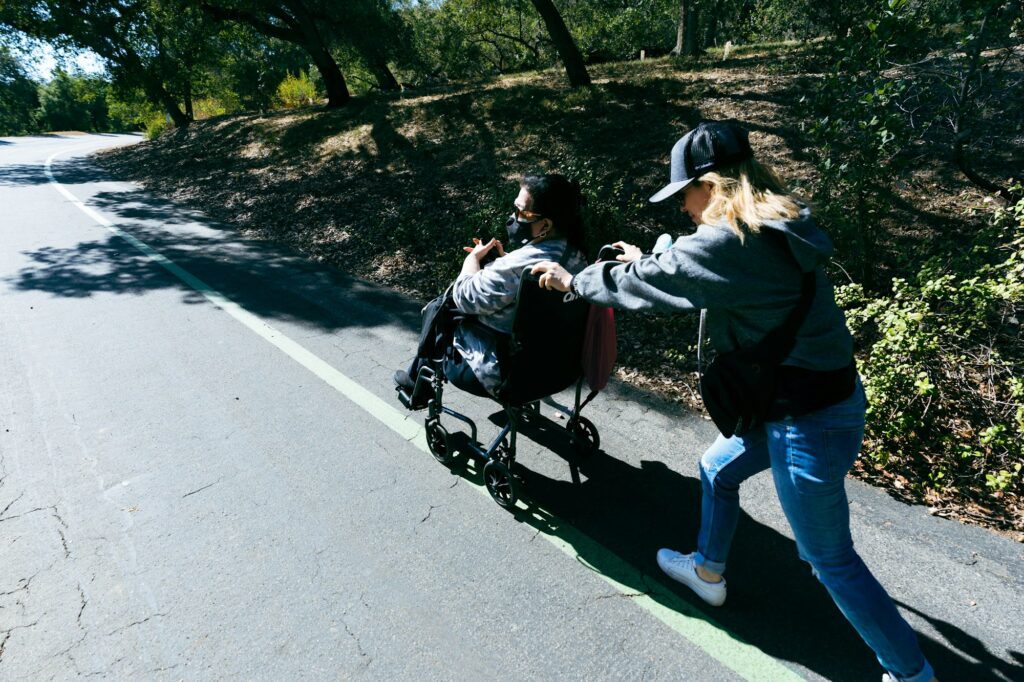
Wheelchair travel keeps expanding in 2026. 1.3 billion people live with a disability worldwide, and accessible tourism now generates $58.2 billion a year. Vienna (Access City Award 2025), Barcelona (90% of its metro accessible), and Tokyo (95% of stations equipped) lead urban accessibility, while new EU rail rules cut the advance notice for assistance from 48 to 24 hours. For a first accessible trip, Barcelona or Vienna offer the most reliable infrastructure; for wild nature, the Oregon Coast’s free Track Chairs are unmatched.
According to the World Health Organization, 1.3 billion people live with a disability worldwide — that’s 16% of the global population. Among them, millions dream of exploring the world without accessibility becoming an obstacle course. And the market proves them right: travelers with mobility disabilities account for $58.2 billion in annual tourism spending, a figure that keeps growing as the industry adapts.
2026 marks a turning point. Vienna has won the Access City Award, new European rail regulations have cut the advance notice for assistance from 48 to 24 hours, and airlines face stricter obligations to protect wheelchairs. Destinations once thought impossible are opening their doors: adaptive zip-lining in Costa Rica, free Track Chairs along the Oregon Coast, and accessible whale-watching trips in the Azores.
This guide covers 10 verified destinations, accessible transportation, must-have apps, and your rights as a wheelchair traveler — everything you need to travel with confidence. Every recommendation has been cross-checked with specialist sources, traveler feedback, and data updated in July 2026.
1. Barcelona, Spain

The Catalan capital at the forefront of urban accessibility
Barcelona stands as Europe’s benchmark for wheelchair travel. With 90% of its metro stations accessible via elevators and ramps, the city has invested heavily in inclusive public transit since the 1992 Paralympic Games. Every bus features low floors and automatic ramps, and the tram network is fully accessible. The waterfront, redesigned for the Olympics, offers a continuous, barrier-free promenade from Port Olímpic to Barceloneta.
The city’s beaches rank among the most inclusive in the Mediterranean. Nova Icària Beach and Barceloneta feature wooden boardwalks to the water, free beach wheelchairs in season (June through September), and adapted changing rooms with trained staff. The Sagrada Família, Park Güell, and Casa Batlló have all been retrofitted with alternative accessible routes, inclusive audioguides, and dedicated elevators.
The Gothic Quarter, with its medieval cobblestone lanes, remains the city’s weak spot for wheelchair users. Head instead to the Eixample, the grid-planned district designed by Cerdà in the 19th century, whose wide, chamfered sidewalks are a model of accessible urban planning. For accommodation, chain hotels (Marriott, Hilton, Meliá) offer certified accessible rooms, but also consider Airbnb apartments filtered for « accessible » for greater independence.
Highlights
- 90% of the metro equipped with elevators and ramps
- Free beach wheelchairs on 6 beaches in season
- Sagrada Família and major museums fully accessible
- 100% low-floor bus network
2. Amsterdam, Netherlands
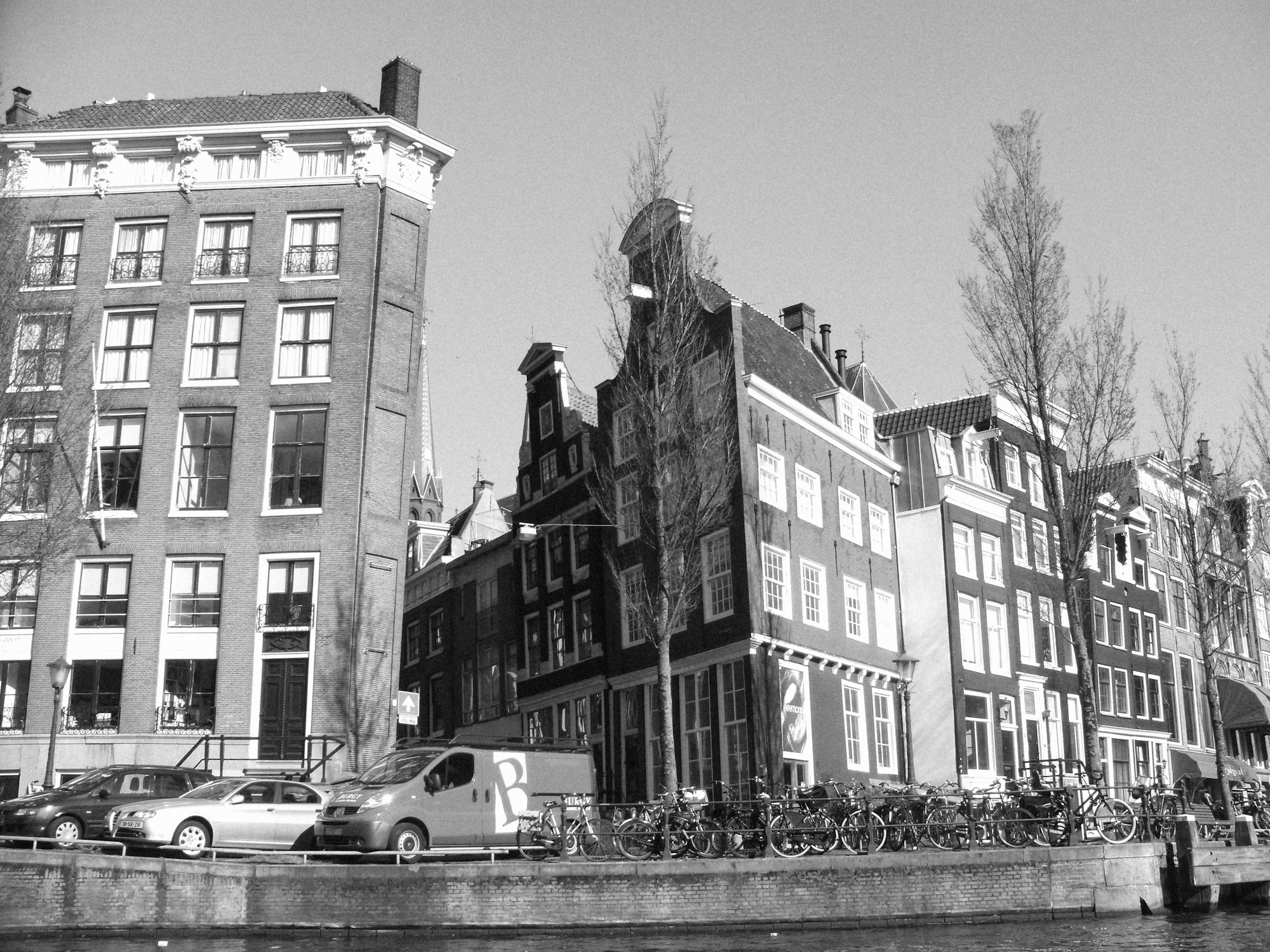
Flat terrain, step-free trams, and barrier-free culture
Amsterdam has a natural advantage few European cities can match: perfectly flat terrain. No hills, no notable elevation changes — getting around in a wheelchair requires minimal physical effort. The GVB trams feature low floors and retractable ramps, and the newer metro stations (North-South line, opened in 2018) all have spacious elevators. The bus network rounds out the system with kneeling vehicles.
The Rijksmuseum, fully renovated, offers an accessible route across three levels with panoramic elevators and free wheelchair loans. The Van Gogh Museum, the Anne Frank Huis (adapted side entrance), and the Stedelijk Museum meet the same standards. Canal cruises are worth noting: not all operators have accessible boats. Lovers Canal Cruises and Rederij Kooij offer vessels with boarding ramps and dedicated wheelchair spaces.
Watch out for the humpback bridges over the canals — some lack ramps and require a detour. The free Amsterdam Accessibility Map app charts the best routes. Vondelpark, the city’s green lung, has wide paved paths and accessible restrooms at every entrance.
Highlights
- Flat terrain ideal for wheelchair mobility
- Latest-generation trams and metro, all accessible
- Rijksmuseum and Van Gogh Museum with free wheelchair loans
- Cycling lanes doubling as smooth travel routes
3. Vienna, Austria

Access City Award winner and European model for inclusion
Vienna didn’t win the Access City Award 2025 by chance. The Austrian capital has pursued a proactive universal accessibility policy for two decades, making it today one of the most accessible cities in Europe. The metro (U-Bahn) is 100% accessible with elevators at every station, tactile floor guides, and audio announcements. Modern trams on line D and the bus network complete a seamless, chain-free transit system. The European Commission’s 2026 edition of the award went to Zaragoza, Spain (with Valencia and Rennes placing 2nd and 3rd), confirming that Vienna’s accessible-city model keeps inspiring new contenders across Europe every year.
Schönbrunn Palace, a UNESCO World Heritage Site, has undergone major accessibility investment: ramps to the imperial apartments, an elevator to the main floor, gardens with stabilized pathways, and wheelchairs available for loan at the entrance. The Kunsthistorisches Museum, the Belvedere, and the State Opera offer dedicated wheelchair seating with clear sightlines and discounted tickets for companions. The Ringstraße, the circular boulevard in the city center, provides wide, obstacle-free sidewalks along its full 5.3 kilometers.
Vienna also stands out for its accessible dining. Most of the historic Kaffeehäuser (Café Central, Café Sacher) have installed portable ramps and adapted restrooms. The Naschmarkt, the famous open-air market, is step-free along its entire length. For accommodation, the Austrian « barrierefrei » (barrier-free) label certifies establishments according to strict criteria verified on site.
Highlights
- Access City Award 2025 — official European recognition
- 100% accessible metro, adapted trams and buses
- Schönbrunn and major museums with full wheelchair routes
- « Barrierefrei » label for certified accommodations
4. Tokyo, Japan

Technology in the service of accessibility
Japan has turned accessibility into a technological feat. Since the strengthened « Barrier-Free » law of 2021, 95% of Tokyo’s train stations are equipped with elevators, ramps, and tactile guides. The Shinkansen (bullet train) has dedicated wheelchair spaces with storage room and accessible restrooms in every trainset. As of 2026, the online booking system lets you reserve an accessible seat in just a few clicks — no phone call required.
Temples and shrines, often perceived as inaccessible due to their traditional staircases, have evolved significantly. Senso-ji in Asakusa has a side ramp, Meiji-jingu has stabilized its gravel paths, and Tokyo Skytree is fully accessible. Major shopping complexes (Roppongi Hills, Shibuya Hikarie) are showcases of universal design with oversized elevators, spacious « multi-function » restrooms, and tactile signage.
The Japanese culture of hospitality (omotenashi) translates into spontaneous assistance at train stations: staff deploy manual ramps in seconds and escort you to the platform. Accessible « Japan Taxi » vehicles (Toyota JPN Taxi) are recognizable by their tall silhouette and built-in ramp — they now make up over 40% of Tokyo’s taxi fleet. The only downside: traditional ryokans are rarely accessible; opt for modern hotels from chains like APA, Mitsui Garden, or Dormy Inn.
Highlights
- 95% of Tokyo stations accessible with elevators
- Shinkansen with wheelchair spaces and online booking
- JPN Taxis with built-in ramp, 40% of the fleet
- Multi-function restrooms throughout the city
5. Washington D.C., United States

17 free museums and the ADA as your guarantee
The United States passed the Americans with Disabilities Act (ADA) in 1990, and Washington D.C. is its most polished showcase. The federal capital is home to the 17 Smithsonian museums and galleries — all free and all fully accessible: elevators, ramps, wheelchair loans, sign-language tours, and audioguides with audio descriptions. The National Air and Space Museum, the National Museum of African American History, and the Natural History Museum are global benchmarks in inclusive design.
The National Mall, the 3-kilometer esplanade between the Capitol and the Lincoln Memorial, is entirely paved and level. Every memorial has an adapted access point, including the Lincoln Memorial (side elevator) and the FDR Memorial, which was designed to be accessible from the start. The Washington Metro (WMATA) is one of the few American transit systems where every station has an elevator — though reliability can vary. All Metrobus vehicles are equipped with ramps.
Georgetown, with its hills and uneven brick sidewalks, remains challenging. For dining, ADA regulations require minimum accessibility, but newer restaurants in the Navy Yard and Wharf districts offer the best experience. For accommodation, Hyatt, Kimpton, and Marriott chains provide ADA rooms with roll-in showers and grab bars.
Highlights
- 17 Smithsonian museums — free and 100% accessible
- National Mall fully level across 3 km
- ADA: legal guarantee of accessibility everywhere
- Metro with an elevator at every station
6. Oregon Coast, United States

Free Track Chairs and adaptive hiking along the Pacific
The Oregon Coast shatters the notion that wild nature and wheelchairs don’t mix. The state has launched a pioneering program of free Track Chairs (track-driven all-terrain wheelchairs) at several state parks, including Fort Stevens State Park and South Beach State Park. These motorized vehicles can roll across sand, forest trails, and even dunes, unlocking landscapes that were previously reserved for able-bodied hikers.
AdvenChair, based in Portland, has developed a lightweight all-terrain hiking wheelchair pushed by two people along steep trails. They run guided excursions along the coast, including through Crater Lake National Park and the redwood forests of the southern coast. The Samuel H. Boardman Scenic Corridor, one of the most stunning stretches of coastline in the U.S., has several accessible viewpoints with accessible parking right at the cliff’s edge.
Small coastal towns like Cannon Beach, Newport, and Florence offer laid-back charm with accessible seafood restaurants and affordable motels. The Oregon Dunes National Recreation Area features elevated accessible viewing platforms overlooking the ocean. The budget is significantly lower than in major American cities, and Oregon’s lack of sales tax is a welcome bonus.
Highlights
- Free Track Chairs at state parks
- AdvenChair: guided hikes in all-terrain wheelchairs
- Coastal viewpoints with accessible parking
- Moderate budget and no sales tax
7. The Azores, Portugal

Volcanoes, whales, and accessible adventure in the Atlantic
The Azores — a volcanic archipelago in the middle of the Atlantic — don’t appear on the usual lists of accessible destinations, and that’s precisely what makes the experience unique. São Miguel, the largest and best-equipped island, has invested in making its signature natural sites accessible. The miradouros (viewpoints) at Sete Cidades and Lagoa do Fogo have accessible parking and stabilized paths to the overlooks. The Terra Nostra botanical gardens, with their natural hot spring pools, offer adapted access with a ramp to the main pool.
The most memorable adventure is whale watching. Several operators in Ponta Delgada offer accessible catamaran trips: boarding ramps, level decks, and secured wheelchair spaces. These excursions let you observe sperm whales, dolphins, and blue whales in their natural habitat between April and October. Futurismo and Terra Azul are the most reliable operators for vessel accessibility.
Ponta Delgada, São Miguel’s capital, is a human-scale city whose pedestrianized historic center is mostly step-free. Recent hotels (Azor Hotel, Grand Hotel Açores Atlântico) comply with European accessibility standards. The cost of living is significantly lower than mainland Portugal, and the local cuisine — grilled fish, cozido das Furnas cooked underground by geothermal heat — is worth the trip alone.
Highlights
- Whale watching on accessible catamarans
- Volcanic viewpoints with stabilized paths
- Affordable budget (lower than mainland Portugal)
- Direct flight from Paris in 4h30
8. Agadir, Morocco
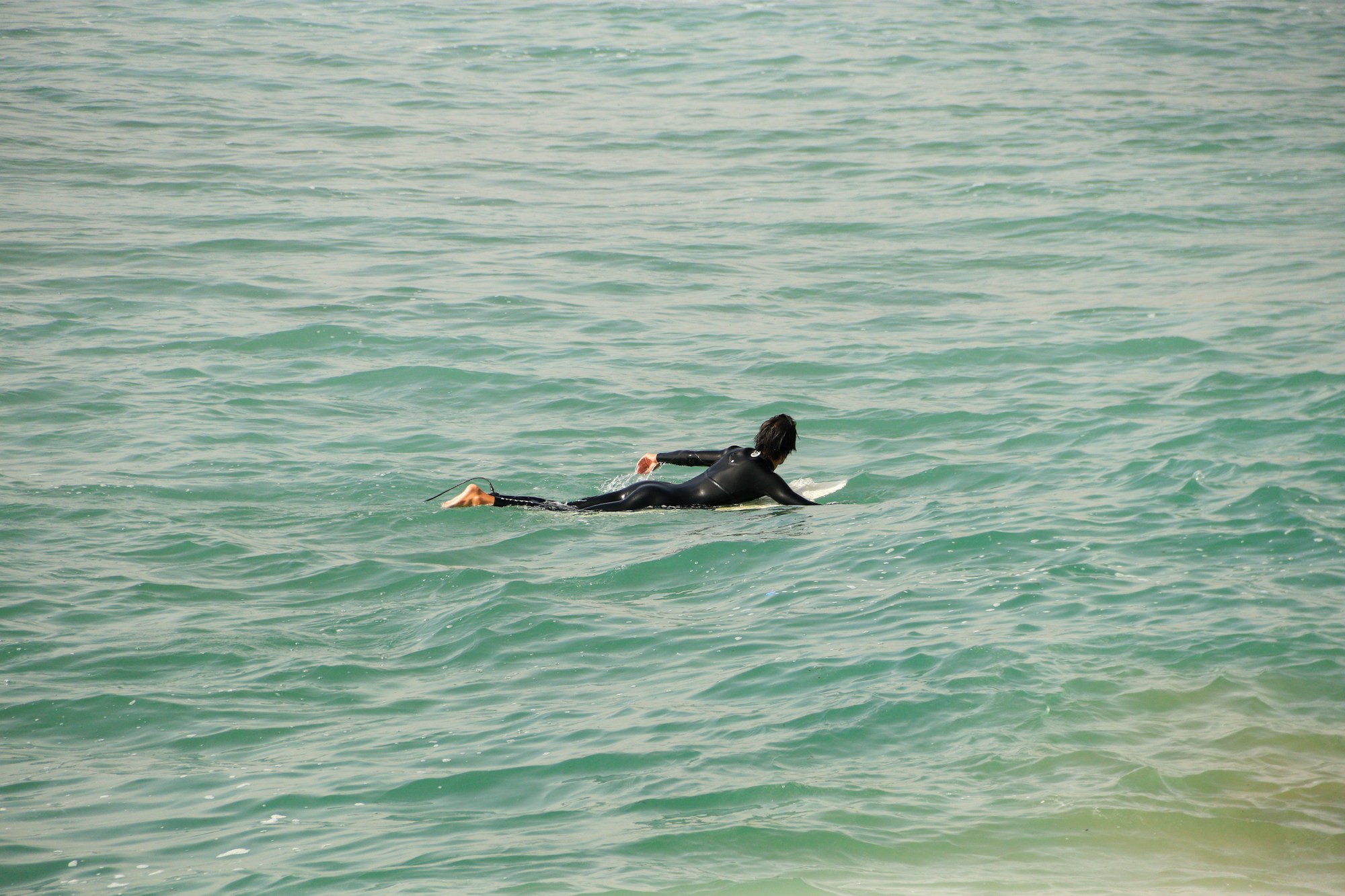
Modern city, equipped beaches, and guaranteed sunshine on a budget
Agadir has an advantage that few Moroccan cities can claim: it was entirely rebuilt after the 1960 earthquake. The reconstruction produced a modern city with wide avenues, spacious sidewalks, and ground-level buildings — a striking contrast with the steep medinas of Marrakech or Fez. The Agadir corniche, a 7-kilometer seafront promenade, is fully accessible and lined with cafes featuring step-free terraces.
Agadir’s beach, one of the longest in Morocco, features wooden boardwalks to the sand and adapted beach chairs at upscale hotel beach clubs (Sofitel, Tikida Beach, Royal Atlas). The El Had souk, one of the largest markets in North Africa, is at ground level with main aisles wide enough for a wheelchair — though secondary aisles can get crowded.
The value for money is unbeatable: an accessible 4-star hotel costs €50-80 per night, and a full restaurant meal runs €8-15. The climate is mild year-round (20-30°C) with over 300 days of sunshine. From France, budget airlines (Ryanair, Transavia) fly Paris to Agadir in 3h30 for under €100 round-trip when booked early. Al Massira Airport offers free wheelchair assistance.
Highlights
- Modern rebuilt city with wide sidewalks
- 7 km fully accessible corniche
- Very affordable budget (€60-100/day all-inclusive)
- 300 days of sunshine, mild climate year-round
9. Costa Rica

Adaptive zip-lining, jungle, and inclusive tropical beaches
Costa Rica proves that tropical adventure isn’t just for the able-bodied. The country has developed a unique adaptive adventure tourism offering in Latin America. The adaptive zip-line in Monteverde lets you soar above the cloud forest canopy at 200 meters, secured in a special harness compatible with all wheelchair types. Poás Volcano National Park has a 300-meter paved trail leading right to the crater’s edge, with views of the turquoise acid lake.
On the Pacific coast, the beaches of Manuel Antonio and Tamarindo offer all-terrain beach wheelchairs and sand access ramps. Manuel Antonio National Park, one of the country’s most visited, features a 1.5 km accessible main trail through the tropical rainforest with elevated observation platforms for spotting capuchin monkeys, sloths, and toucans. Wheel the World, the agency specializing in accessible travel, offers all-inclusive Costa Rica packages with adapted vehicles, trained guides, and certified accommodations.
San José, the capital, is less accessible than the tourist areas — broken sidewalks, unadapted buses, no metro. Getting between sites is best done by adapted private vehicle or with a specialized tour operator. Eco-lodges in the Central Valley (Finca Rosa Blanca, Peace Lodge) have invested in accessible rooms with forest views. Overall costs remain reasonable thanks to a favorable exchange rate and lodges starting at €80/night.
Highlights
- Adaptive zip-line above the canopy in Monteverde
- Accessible trail to the Poás Volcano crater
- All-terrain beach wheelchairs at Manuel Antonio
- All-inclusive accessible packages with Wheel the World
10. European River Cruise
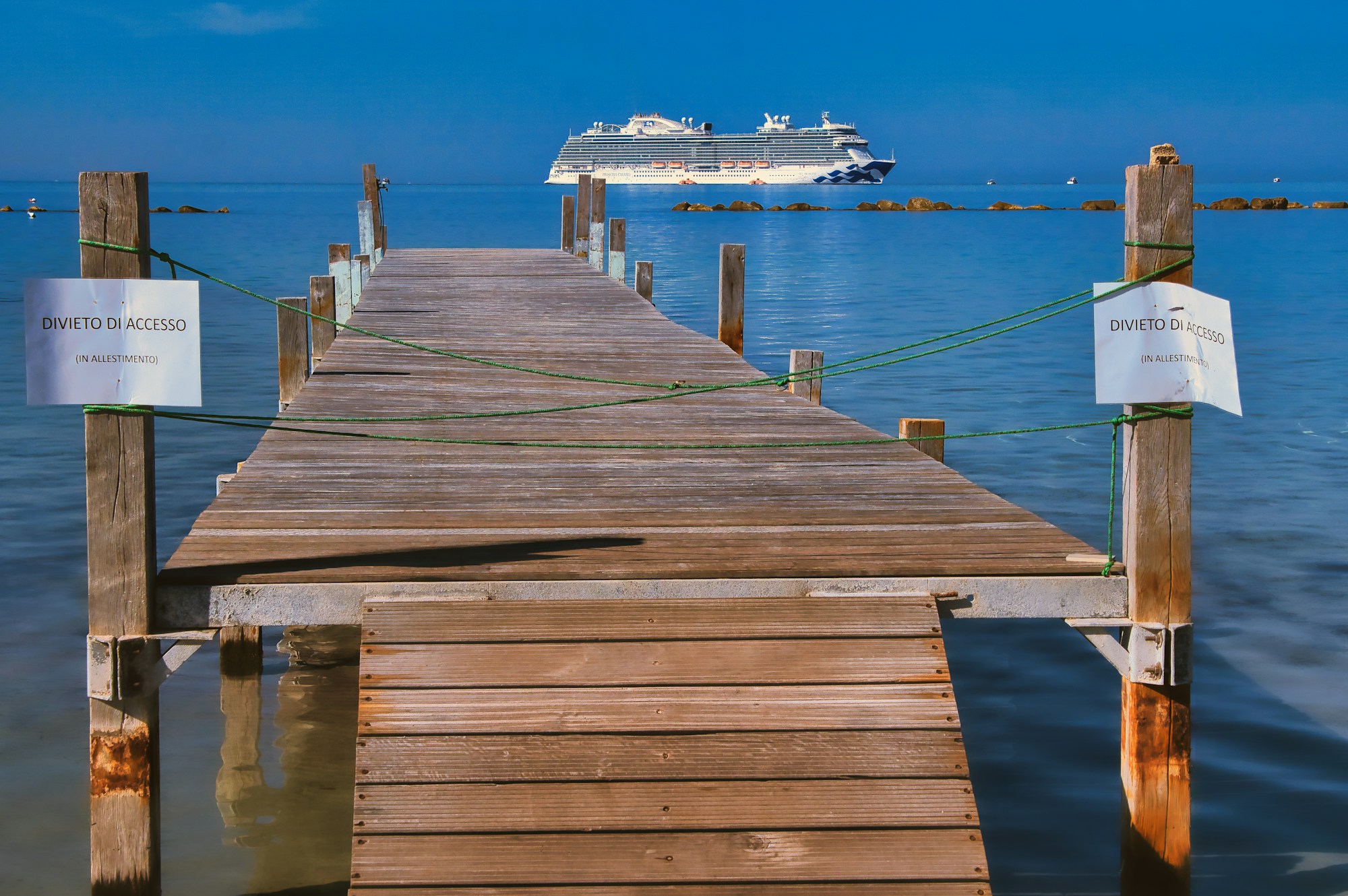
One check-in, zero transfers, Europe without barriers
River cruising is arguably the most comfortable way to travel for wheelchair users. A single boarding, no dragging suitcases from hotel to hotel, spacious accessible cabins, and staff trained in mobility assistance. Unlike ocean cruises where a massive ship can be an obstacle, river boats are human-scale: 150 passengers maximum, wide corridors, and a single main deck at one level. Accessible cabins come with roll-in showers, grab bars, and widened doors.
Canalous Access offers an even more independent option: self-drive accessible barges on France’s canals (Burgundy, Alsace, Canal du Midi). These vessels feature an accessible deck, an adapted cabin, and controls operable from a wheelchair. No license is needed, and training is provided at departure. For traditional river cruises, CroisiEurope (based in Strasbourg), Viking River Cruises, and Avalon Waterways offer accessible cabins on most of their ships.
The most accessible itineraries include the Romantic Rhine (Amsterdam-Basel), the Danube (Passau-Budapest), and the Seine (Paris-Honfleur). Port stops in major cities generally have well-equipped accessible docks, but some charming stops (wine villages, castles) may involve cobblestone paths or uphill walks. Check ahead of time about adapted excursions offered at each port of call.
Highlights
- Single boarding, zero hotel transfers
- Accessible cabins with roll-in showers and widened doors
- Canalous Access: fully independent accessible barges
- Trained staff and onboard dining
Accessible transportation: air, rail, and cruise
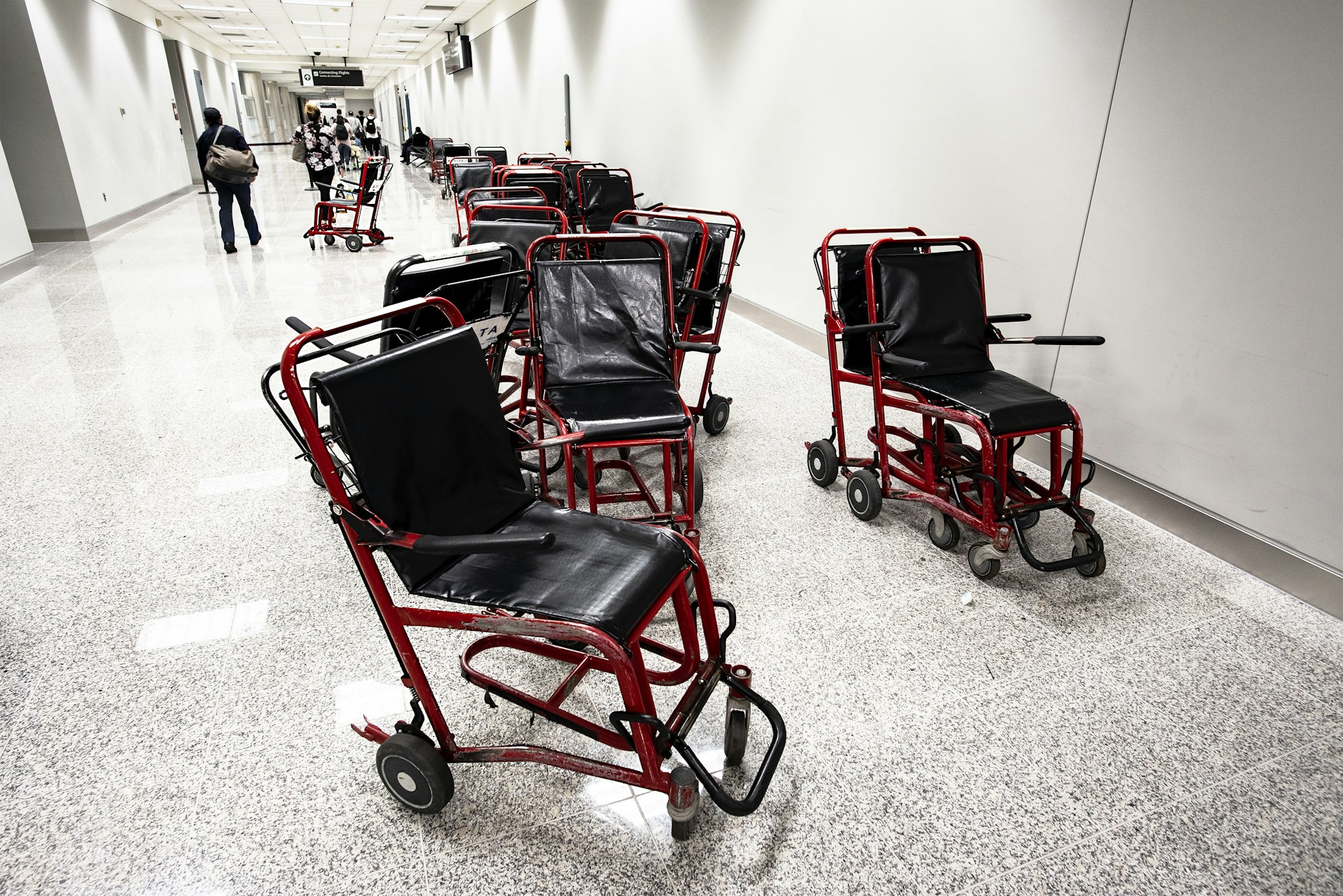
Flying in a wheelchair
European Regulation EC 1107/2006 guarantees disabled passengers the right to fly under the same conditions as any other traveler. Assistance is free and mandatory: help at the check-in counter, transfer via airport wheelchair, priority boarding, and support getting to your seat. You must notify the airline or airport of your assistance needs at least 48 hours before your flight.
Your personal wheelchair travels in the hold free of charge, regardless of weight. Airlines must transport it as priority baggage and return it at the aircraft door (gate check) upon landing. If your wheelchair is damaged or lost, the airline must provide a temporary replacement wheelchair immediately and cover the full cost of repair or replacement. Since 2025, the European Parliament has tightened penalties: fines for wheelchair damage have tripled.
For electric wheelchairs, lithium-ion batteries are accepted if removable (up to 300 Wh per battery, maximum two batteries). Non-removable batteries are accepted up to 160 Wh. Check with your airline, as policies vary. Always carry your battery spec sheet and disassembly instructions.
Train travel in Europe
The new European passenger rights regulations, in effect since 2025, have reduced the advance notice for mobility assistance from 48 to 24 hours. In practical terms, you can now book station and onboard assistance with just one day’s notice instead of two. The European Commission’s stated goal: zero advance notice by 2030.
In France, the SNCF’s Accès Plus service covers your entire journey: welcome at the station, boarding assistance, seating in the accessible car, and accompaniment at arrival. The service is free and available by reservation (by phone at 0 800 15 47 53 or online). All TGVs have at least one wheelchair space with dedicated seating and accessible restrooms. Eurostar and Thalys offer equivalent services for international routes.
In Germany, Deutsche Bahn offers the Mobilitätsservice-Zentrale (mobility service center), reachable by phone or email. In Switzerland, SBB provides a remarkably efficient Call Center Handicap. Regional trains remain the weak link: the gap between platform and train may require a manual ramp deployed by staff.
Ocean cruising
Ocean cruise lines have dramatically improved their accessibility. Royal Caribbean is consistently rated the most accessible, with adapted cabins on all ships, pool lifts, theaters with wheelchair seating, and a dedicated « Guest Accessibility » service. Celebrity Cruises and MSC Cruises also maintain high standards. However, check shore excursions carefully: not all are accessible, and tender ports (disembarkation by small boat) can be problematic.
Essential mobile apps for wheelchair travel
Your smartphone is your best ally for anticipating obstacles and finding accessible places in real time. Here are the essential apps tested and recommended by the wheelchair travel community in 2026:
- Wheelmap — The world’s largest collaborative accessibility database. Over 2 million locations rated with a traffic-light system (green = accessible, orange = partially, red = not accessible). Works offline. Free.
- Jaccede — A leading French accessibility app with detailed profiles for each venue: door width, ramp availability, counter height, adapted restrooms. Particularly thorough for France, Belgium, and Switzerland. Free.
- Streetco — A collaborative pedestrian GPS that calculates routes avoiding obstacles (steps, narrow sidewalks, construction). Users report issues in real time. Indispensable in cities. Free.
- Google Maps — The « Wheelchair accessibility » feature (toggle in settings) filters walking directions to show only wheelchair-friendly routes. Venue listings indicate accessible entrances and adapted restrooms. Free.
- Wheelmate — Lists accessible restrooms and disabled parking spaces worldwide. Essential for getting around town. Community-sourced. Free.
- Wheel the World — Booking platform for verified accessible experiences and accommodations. Each venue is evaluated against 150 accessibility criteria. Particularly useful for destinations outside Europe. Booking is paid; browsing is free.
Rights of travelers with disabilities
Knowing your rights is just as important as choosing your destination. Here are the legal protections that cover your travels in 2026:
In Europe
The European Union provides the most protective legal framework in the world for wheelchair travelers. Regulation EC 1107/2006 (air) and Regulation 2021/782 (rail) guarantee free assistance, prohibit refusal to board on the basis of disability, and require compensation for damage to mobility equipment. Since 2025, the European Parliament has adopted stricter penalties: airlines that damage a wheelchair face fines of up to €100,000.
In France
The Tourisme & Handicap label certifies accommodations, restaurants, tourist sites, and tourism offices according to four disability types (motor, visual, auditory, cognitive). Over 5,800 establishments are certified in France as of 2026. The APAHF (Association pour l’Accessibilité des Personnes Handicapées en France) documents best practices and offers legal support in case of disputes.
In the United States
The Americans with Disabilities Act (ADA) has required accessibility of all public venues, transportation, and accommodations since 1990. The Air Carrier Access Act extends these protections to domestic and international flights departing from or arriving in the United States. Violations can be reported to the Department of Transportation, with fines up to $27,500 per violation.
In Japan
The Barrier-Free law (2006, strengthened in 2021) mandates accessibility for train stations, airports, public buildings, and hotels with more than 50 rooms. Japan does not have an ADA equivalent for enforcement, but social pressure and the culture of service ensure rigorous compliance in practice.
Practical info for your accessible trip
Stay connected from the moment you land. Unlimited data, instant activation.
From $4.50Nomad Insurance: global coverage from $56/4 weeks. 10% off via our link.
From $56 / 4 weeksFrequently Asked Questions about wheelchair travel
Do I have to pay extra for wheelchair assistance on flights?
No, assistance is entirely free. European Regulation EC 1107/2006 prohibits charging for assistance to disabled or mobility-impaired passengers. This includes check-in counter support, airport wheelchair transfer, priority boarding, and transporting your wheelchair in the hold. This free service applies to all airlines operating flights to or from the European Union, including budget carriers. The only requirement: notify the airline or airport at least 48 hours before your flight.
What happens if my wheelchair is damaged or lost during a flight?
The airline is required to provide a temporary replacement wheelchair immediately and cover the full cost of repairing or replacing yours. Since 2025, European penalties have been strengthened: fines for damage to mobility equipment can reach €100,000. Practical advice: photograph your wheelchair from every angle before check-in, note the serial number, and keep your purchase receipts. If damage occurs, file a written claim at the airport before leaving the baggage reclaim area.
Can I travel alone by train in Europe if I use a wheelchair?
Yes, absolutely. The new European regulations in effect since 2025 have reduced the advance notice for assistance to 24 hours (down from 48). In France, the free SNCF Accès Plus service (0 800 15 47 53) provides welcome at the station, boarding assistance, and accompaniment to your destination. All TGVs have at least one dedicated space with wheelchair positioning and accessible restrooms. You can travel solo: station and onboard staff are trained to assist you at every step.
How do I find accommodation that’s truly accessible?
Don’t rely on generic « accessible » labels on mainstream booking platforms. Use specialized platforms like Wheel the World, which evaluates each property against 150 on-site-verified accessibility criteria (door width, bed height, shower type, maneuvering space). In France, the Tourisme & Handicap label certifies accommodations with strict standards. On Airbnb, use the « Accessibility » filter and contact the host directly to verify exact measurements. Always ask for photos of the bathroom, door thresholds, and space around the bed.
Which cruise lines are the most accessible?
Royal Caribbean is consistently ranked number one for accessibility: adapted cabins on every ship, pool lifts, shows with sign-language interpretation, and a dedicated « Guest Accessibility » service. Celebrity Cruises and MSC Cruises are close behind. For river cruises, CroisiEurope and Viking River Cruises offer spacious accessible cabins. Note: book accessible cabins as early as possible (they’re limited to 1-2 per ship) and verify shore excursion accessibility, which isn’t always guaranteed.
Can my electric wheelchair be taken on a plane?
Yes, in the vast majority of cases. Electric wheelchairs with removable lithium-ion batteries are accepted in the hold if each battery doesn’t exceed 300 Wh (maximum two batteries). Batteries must be removed, protected against short circuits, and carried in the cabin. For non-removable batteries, the limit is generally 160 Wh. Wheelchairs with gel or AGM batteries (dry batteries) are accepted without special restrictions. Send your battery spec sheet to the airline at least 72 hours before your flight and prepare clear disassembly instructions for ground staff.
Which countries outside Europe offer the best legal protections for wheelchair travelers?
The United States remains the global benchmark thanks to the ADA (1990) and the Air Carrier Access Act. Canada passed the Accessible Canada Act in 2019 with comparable standards. Australia has the Disability Discrimination Act and one of the most accessible public transit networks in the Southern Hemisphere. Japan, with its strengthened Barrier-Free law, offers remarkable accessibility in practice, even though legal remedies are less developed than in the U.S. New Zealand and South Korea are making rapid progress, with massive investments in public transit accessibility since 2020.
What are the most common mistakes to avoid when traveling in a wheelchair?
The five most common mistakes: 1) Trusting « accessible » labels without checking the details (door width, shower type, thresholds). 2) Not notifying the airline 48 hours before your flight — you risk waiting for hours at the airport. 3) Forgetting to photograph your wheelchair before check-in — without evidence, a damage claim will be difficult. 4) Not packing an emergency repair kit (inner tube, Allen key, duct tape, backup battery for electric wheelchairs). 5) Planning an overly packed itinerary — wheelchair travel consistently takes longer than expected. Build in 30% extra time compared to a standard itinerary.
Sources
- Europa.eu — Your Europe — Rights of disabled travelers and persons with reduced mobility in the European Union
- Japan Travel — Official accessibility guide for visitors to Japan
- European Commission — Official Access City Award winners, 2025 and 2026 editions
- Mobee Travel — Travel agency specializing in reduced mobility travelers
- Handilol — Disability travel blog with first-hand accounts
- Wheelchair Travel — Accessible destination guides and verified reviews
- Living Spinal — Best wheelchair-accessible destinations 2026
- Curb Free with Cory Lee — Award-winning wheelchair travel blog (Oregon Coast)
- Planète Croisière — Guide to accessible cruises for disabled travelers
- Mon Parcours Handicap — Official French portal: flying with a disability
- Handicap.fr — News on European passenger rights for reduced mobility travelers
- Nomade Aventure — Adaptive travel and Tourisme & Handicap label
- APAHF — Association pour l’Accessibilité des Personnes Handicapées en France
- Wheel the World — Booking platform for verified accessible experiences
- Les Canalous — Accessible barge rentals in France
- Okeenea — Accessibility solutions and mobile apps for reduced mobility
Research conducted in March 2026, reviewed and refreshed in July 2026
Ready to plan your accessible trip?
Discover accessible travel itineraries and get inspired by the Pixidia community’s experiences.
Explore all itineraries